ABIBeacon
Track contract event changes across deployments, flag ABI drift, and generate versioned Go types and SQLite migration suggestions before integrations break.
What ABIBeacon is and why it matters
ABIBeacon is an AI-assisted smart contract ABI monitoring platform. It tracks contract events and interface changes across deployments, identifies ABI drift, and helps teams generate versioned Go types and SQLite migration suggestions before an integration breaks.
An ABI, or application binary interface, describes how software interacts with a contract. It defines callable functions, inputs and outputs, and emitted events. When a contract’s ABI changes, downstream applications may stop decoding events correctly, call outdated functions, or store blockchain data in a schema that no longer fits.
These failures can be subtle. A contract can deploy successfully while a listener continues to expect an old event signature. A service may keep running but silently ignore a new event field. An indexer might decode logs incorrectly only after a proxy upgrade changes the implementation behind a stable contract address.
ABIBeacon addresses this operational gap. It gives developers a systematic way to compare contract interfaces between deployments, understand the impact of changes, and prepare application updates before production integrations fail.
The product’s strongest positioning is not simply “AI for smart contracts.” It is contract interface change management for teams that build Go services and SQLite-backed tools around onchain data. The AI can make differences easier to understand, but reliable, deterministic ABI comparison should remain the foundation.
The problem: contract changes reach beyond the contract
Smart contract teams often treat deployment as the main milestone. For applications that consume contract data, deployment is only one part of a larger release process. A contract change can also affect event consumers, data pipelines, internal dashboards, APIs, and user-facing features.
Consider a monitoring service that listens for an event called PositionUpdated. If a later deployment changes the event’s parameters, the service may need a new decoder and a database migration. If those changes are not coordinated, the service could fail at startup, misinterpret logs, or miss data that cannot easily be reconstructed.
Several common causes make this problem difficult to manage:
- ABI drift: The interface changes between contract versions, but consumers are not notified or updated.
- Inconsistent deployment records: Teams may keep verified ABIs, compiler artifacts, and deployed addresses in different systems.
- Proxy upgrades: A proxy address stays constant while its implementation—and therefore its effective interface or behavior—changes.
- Manual code generation: Developers regenerate bindings by hand, making it easy to commit stale or unreviewed types.
- Schema mismatch: New or changed events require updates to the database model, but those changes are discovered late.
- Unclear compatibility: A team may know that an ABI changed without knowing which downstream applications are affected.
ABIBeacon should help developers answer practical questions quickly:
- What changed between these contract deployments?
- Is the change backward-compatible for my consumers?
- Which Go types or event handlers need updating?
- Does my local SQLite schema need a migration?
- Can the change be reviewed and approved before it reaches production?
A trustworthy product can turn those questions into a repeatable release workflow instead of a manual investigation.
Who should use ABIBeacon?
ABIBeacon has a focused initial audience. It should first serve teams that operate smart contract integrations, rather than trying to be a general-purpose blockchain platform.
Go developers building blockchain integrations
Go is commonly used for backend services, infrastructure tooling, APIs, and data-processing applications. A Go team that consumes contract events may have its own event handlers, generated structs, persistence code, and deployment process.
ABIBeacon can help these developers:
- Compare contract ABIs across releases.
- Identify changed event fields and function signatures.
- Generate or update versioned Go types.
- Review proposed code changes before merging.
- Keep event ingestion services aligned with deployed contracts.
The product should support established Go workflows, such as pull requests, CI checks, generated code commits, and semantic versioning. It should not require developers to replace their existing build system.
Smart contract teams with downstream consumers
A protocol team may not own every application that consumes its contracts. Integrators, indexers, analytics vendors, and internal product teams can all depend on the same contract interface.
ABIBeacon can make releases more predictable by turning interface changes into explicit artifacts: a diff, a compatibility assessment, generated types, and migration suggestions. Contract teams could also publish these artifacts for approved consumers.
Indexer and data-platform teams
Indexers and event-processing services need stable, well-understood event definitions. A new event parameter or changed type can affect parsers, normalized tables, and historical data processing.
For these teams, ABIBeacon can be a release gate. It can alert maintainers when an ABI differs from the expected version and provide a structured summary before a new indexer build is deployed.
Small teams that lack dedicated release engineering
A small Web3 startup may have no formal contract compatibility process. Its engineers may rely on chat messages, deployment notes, or an informal checklist. ABIBeacon can package a disciplined workflow into a product that is practical for a small engineering team.
Initial ideal customer profile
The best initial customer is likely a team that:
- Uses Go in one or more production services.
- Consumes contract events or calls contract methods.
- Has multiple contract deployments or environments.
- Uses SQLite for a local indexer, embedded service, test harness, or operational tool.
- Has experienced at least one integration issue caused by a contract change.
- Wants to add CI checks without adopting a large enterprise change-management platform.
Market opportunity and product gap
Blockchain development tools already cover important parts of the contract lifecycle. Developers can compile and test contracts, verify source code, generate bindings, inspect transactions, and build event listeners. ABIBeacon should not attempt to replace those tools.
The opportunity is in the handoff between a contract release and the applications that depend on it. This is a change-management problem: teams need to understand whether an interface changed, what the change means for consumers, and what work is required before deployment.
Many existing workflows are fragmented:
- Contract artifacts live in repositories or build outputs.
- Deployment addresses and network details live in scripts or configuration.
- Generated bindings are updated manually or through separate tools.
- Database changes are tracked in migration files.
- Compatibility review happens in code review, if it happens at all.
ABIBeacon can provide a focused layer that connects these artifacts. Its value increases when it integrates with existing tools rather than requiring teams to move their contracts, source code, or deployment workflow into a new system.
A clear initial wedge
The first version should focus on a narrow, verifiable outcome:
Compare two ABI versions, explain the changes, generate a versioned Go representation, and propose SQLite migration work for affected event data.
That wedge is specific enough to validate with real users and broad enough to expand. Over time, ABIBeacon could add more chains, languages, storage targets, deployment sources, and policy controls.
Competitive landscape
ABIBeacon may overlap with several categories, but its differentiation should come from combining them in a release-oriented workflow.
| Category | Typical strength | Potential gap ABIBeacon can address |
|---|---|---|
| Contract development frameworks | Compile, test, and deploy contracts | May not manage downstream compatibility across teams |
| ABI and binding generators | Produce language-specific client code | Often focus on generation rather than change review and data migrations |
| Blockchain explorers | Show verified source and contract activity | May not fit a team’s CI and release approval process |
| Indexing platforms | Ingest and query onchain data | May not provide repository-specific Go types or SQLite migration suggestions |
| General schema tools | Compare schemas and manage migrations | May not understand contract events, deployments, or ABI semantics |
This comparison is a positioning framework, not a claim that every product in each category lacks these capabilities. A competitive review should test specific products and document their current features before publishing named comparisons.
Core features and how the product should work
ABIBeacon should make a contract change understandable and actionable. The workflow can begin with an ABI artifact, but it should connect the artifact to deployment context and downstream code.
1. Contract and deployment registry
Users need a reliable place to associate a contract with its network, address, deployment, and ABI. The registry should support:
- Contract name and repository reference.
- Chain or network identifier.
- Contract address.
- Deployment timestamp or release identifier.
- ABI source and artifact hash.
- Proxy or implementation relationships where known.
- Environment labels such as local, staging, and production.
The product should preserve immutable deployment records. If a team uploads a new ABI, it should create a new version rather than silently replacing an existing record.
2. Deterministic ABI diffing
The core comparison engine should identify changes at the ABI element level. This includes additions, removals, and modifications to:
- Functions and their input or output types.
- Events and indexed fields.
- Custom errors.
- Mutability and payable attributes.
- Tuple components and nested types.
- Event signatures and canonical parameter representations.
Each change should be classified using explicit rules. For example, adding a new event may be less disruptive than removing a field from an event that a consumer expects. The exact compatibility assessment depends on how the downstream application uses the ABI, so ABIBeacon should communicate assumptions instead of presenting an unqualified “safe” label.
The ABI specification is a useful reference point for formal interface behavior. Teams can consult the Solidity ABI specification when reviewing how functions, events, and encoded values are represented.
3. Human-readable impact summaries
A raw JSON diff is useful for machines but difficult to review in a release. ABIBeacon should translate technical changes into concise explanations, such as:
- “The
TransferRecordedevent adds a non-indexedmemofield.” - “The
withdrawfunction now accepts an additional parameter.” - “The
AccountClosedevent was removed from this ABI.” - “The output type of
getPositionchanged from one tuple shape to another.”
AI can help summarize these changes and suggest review questions. It should not be the authority that determines whether a change is compatible. The source of truth should be the deterministic ABI diff, while AI-generated explanations should be labeled as assistance and linked to the exact ABI elements they describe.
4. Versioned Go types and bindings
ABIBeacon’s Go output should be designed for review, not just generated as an opaque file. Useful options include:
- A versioned package or directory for each deployment.
- Stable names that avoid collisions between contract versions.
- Typed event structures.
- Decoder helpers for relevant events.
- A manifest recording the ABI hash and generation version.
- A clear diff between generated output versions.
Go developers can review official language resources at go.dev. ABIBeacon should align with common Go conventions and offer configurable output paths rather than forcing a single project layout.
A useful design principle is to keep generated code reproducible. The same ABI and generator version should produce the same output. Reproducibility makes code review, caching, and CI behavior more predictable.
5. SQLite migration suggestions
ABIBeacon can inspect how a team maps contract events to local tables, then suggest schema work when event structures change. For example, an added event field could lead to a suggested nullable column, while a changed numeric representation may require a different storage strategy.
These suggestions should be proposals, not automatic database modifications. SQLite schemas are application-specific, and an ABI alone does not reveal whether a field should be stored, normalized, ignored, or backfilled.
The migration workflow should include:
- A proposed SQL migration file.
- A plain-language explanation of the schema change.
- A mapping from ABI fields to database columns.
- A warning when the mapping is ambiguous.
- An explicit review and approval step.
- A rollback or recovery note where practical.
SQLite’s official documentation at sqlite.org is a useful reference for SQL behavior and database limitations. ABIBeacon should generate migrations according to a project’s configured conventions rather than assuming one universal schema.
6. CI and pull request checks
A high-value feature is a CI check that compares the proposed ABI against a baseline. A check could fail or warn based on team-defined policies, such as:
- Block removals of monitored events.
- Require a changelog entry for breaking changes.
- Require generated Go code to be committed.
- Require a migration file when a mapped event changes.
- Allow additions but require review for field-type changes.
This keeps ABIBeacon close to the point where developers can act. A dashboard is useful for discovery, but a pull request comment or CI result can prevent an issue from reaching production.
7. Alerts and change history
Teams need a durable history of what changed, who approved it, and which consumers were notified. ABIBeacon should support:
- Email or in-product notifications.
- Webhook delivery for internal automation.
- Change status such as detected, reviewed, approved, or released.
- Links to related deployments and pull requests.
- An audit trail for generated artifacts and policy decisions.
How AI should—and should not—be used
AI can improve the usability of ABIBeacon, but it should not be used where deterministic analysis is more reliable.
Good AI use cases
AI can help with:
- Explaining a complex ABI diff in plain language.
- Drafting release notes from structured change data.
- Suggesting questions for reviewers.
- Proposing possible mappings between event fields and existing database columns.
- Summarizing a change across multiple contracts.
Tasks that should remain deterministic
The following should rely on parsers, explicit rules, and reproducible transformations:
- Parsing and validating ABI JSON.
- Computing function and event signatures.
- Comparing ABI elements.
- Determining whether a required field was added or removed.
- Generating code from an ABI.
- Creating migration files from an approved mapping.
- Enforcing user-configured CI policies.
A strong product can use AI to make the result easier to understand while keeping the underlying decision traceable. Every AI suggestion should identify the input data it used and give users a way to reject or edit it.
Make recommendations auditable
Treat generated explanations and migration proposals as review aids. Show the exact ABI change behind each recommendation, and require explicit approval before applying code or schema changes.
Recommended technology stack
The technology choices should support correctness, predictable processing, and easy integration with developer workflows. ABIBeacon does not need an elaborate architecture for its first release.
Application and product interface
A conventional web application can provide contract registries, deployment comparisons, policy settings, and review history. A practical stack could use React for the interface and a typed API layer for product data. The interface should prioritize the diff and recommended actions over a dashboard full of unrelated blockchain metrics.
For an early SaaS product, choose a web stack the team can ship and maintain. The most important technical investment is the ABI processing and versioning model, not a highly complex frontend architecture.
ABI analysis and code generation
A dedicated analysis service can handle:
- ABI validation and normalization.
- Canonical signature generation.
- Structured diff computation.
- Go code generation.
- Migration proposal generation.
- Artifact hashing and provenance metadata.
The analysis service should be deterministic and independently testable. Keep AI-based explanation as a separate layer so model changes cannot affect the underlying diff result.
Storage
A relational database is a good fit for users, projects, contracts, deployments, policies, and review records. Store raw ABI artifacts in durable object storage or an equivalent artifact system, and retain their hashes in the application database.
SQLite can be used in two different ways in this product:
- As a customer output target, where ABIBeacon proposes SQLite migration files.
- As a local or test database, where it can be convenient for development and lightweight services.
For a multi-user SaaS backend, a server database is generally a more suitable default than relying on a shared SQLite file. SQLite may still be appropriate for local developer tools or a carefully scoped single-node component. Evaluate concurrency, backup, deployment, and operational requirements before choosing it as the primary production store.
Background jobs
ABI ingestion, code generation, notifications, and repository checks can run as background jobs. Jobs should be idempotent: retrying the same artifact should not create duplicate deployments or inconsistent generated files.
Use a queue only when asynchronous processing or workload isolation justifies the added operational complexity. For a small MVP, a simple database-backed job system may be enough.
Integrations
Useful early integrations include:
- GitHub repository and pull request workflows.
- CI command-line checks.
- Webhooks for deployment pipelines.
- Artifact upload through a CLI.
- Optional integration with contract build output directories.
Integration design should be based on customer interviews. A GitHub integration may be valuable for teams that review code there, while a CLI may be easier for security-conscious teams that do not want to grant broad repository access.
Security and privacy
ABI artifacts are often public, but repository code, deployment metadata, and internal service structures may be sensitive. ABIBeacon should build trust through clear controls:
- Minimize requested permissions.
- Encrypt credentials and stored secrets.
- Separate organization data with explicit access controls.
- Provide audit logs for sensitive actions.
- Support revoking tokens and disconnecting repositories.
- Explain data retention and deletion policies.
- Avoid sending private source code to AI providers unless the customer has knowingly enabled that feature.
Monetization strategy
ABIBeacon can support a developer-friendly entry point and expand into team and enterprise offerings as usage grows.
Free developer plan
A free plan can help developers evaluate ABI comparison and code generation with public or manually uploaded artifacts. Keep the core value visible, but use reasonable limits on projects, retained history, or automated checks.
A developer should be able to answer “does this catch a real problem in my workflow?” before entering a sales process.
Team subscription
A paid team plan could include:
- Shared contract and deployment registries.
- Private repository integrations.
- CI checks and policy rules.
- Longer change history.
- Team notifications and review workflows.
- A higher allowance for contracts or automated comparisons.
Pricing can be based on projects, active contracts, or team size. The best metric is the one customers can predict and that correlates with the value they receive. Avoid charging per individual ABI comparison if that discourages teams from running checks frequently.
Enterprise plan
Larger customers may pay for:
- Single sign-on and advanced access controls.
- Custom retention policies.
- Audit and compliance features.
- Private deployment or self-hosted execution options.
- Support commitments.
- Organization-wide policy templates.
Enterprise needs should be validated rather than assumed. Self-hosting and custom deployment options increase maintenance costs, so they should be introduced when multiple qualified customers require them.
Paid onboarding or integration services
Early revenue can also come from helping teams configure contract mappings, migration conventions, or CI policies. This can reveal recurring needs that should later become product features.
Keep services clearly separate from the recurring product. The long-term objective should be repeatable setup and self-service adoption.
Competitive advantage and unique selling proposition
ABIBeacon’s unique selling proposition is the connection between ABI change detection, versioned Go output, and SQLite migration guidance in one reviewable workflow.
The product can stand out by being:
- Change-focused: It compares versions and explains what changed instead of only generating a new binding.
- Consumer-aware: It frames contract changes in terms of downstream handlers and stored data.
- Language-specific at first: It provides practical Go artifacts for a clearly defined audience.
- Migration-conscious: It connects event changes to database review without pretending that an ABI dictates the correct schema.
- CI-friendly: It can make compatibility checks part of existing release processes.
- AI-assisted but deterministic: It uses AI to improve explanations while keeping core comparisons reproducible.
The narrow focus is an advantage. A broad “AI blockchain developer platform” would be difficult to differentiate and validate. ABIBeacon can earn trust by solving one operational problem exceptionally well, then expanding based on evidence from customers.
Risks and how to mitigate them
Incorrect compatibility judgments
An ABI diff cannot always determine real-world compatibility. A consumer may ignore a field, depend on its exact position, or rely on behavior not represented in the ABI.
Mitigation: Show the exact comparison, explain assumptions, and allow teams to configure consumer-specific policies. Label risk levels as advisory rather than absolute where context is missing.
Inaccurate AI-generated recommendations
An AI model may invent an explanation or suggest an unsafe database mapping.
Mitigation: Generate recommendations from structured diff data, require human approval, and separate machine-verifiable findings from language-model suggestions. Keep a record of the model and prompt version used for AI-generated output where appropriate.
Incomplete proxy and deployment understanding
A proxy address may remain unchanged even when its implementation changes. A simple address-based registry could miss the change.
Mitigation: Model proxy and implementation relationships explicitly when users provide them. Do not claim to discover every upgrade automatically in the MVP. Add reliable chain-specific detection only after validating the relevant mechanisms and data sources.
Low willingness to pay
Some teams may experience ABI issues infrequently and view manual code generation as sufficient.
Mitigation: Focus on organizations with multiple contracts, repeated releases, and real downstream operational cost. Demonstrate value through a prevented incident, reduced review effort, or reliable CI enforcement. Interview users about the last actual failure rather than asking only whether they like the concept.
Integration friction
Repository access and build-system integration can slow adoption.
Mitigation: Offer multiple low-friction starting paths, such as manual ABI upload and a CLI, before requiring broad repository permissions. Keep the first workflow useful even without a deep integration.
Limited language or chain coverage
A Go-first product may exclude teams using other languages, while broad chain support can dilute development effort.
Mitigation: Start with a clearly defined Go workflow and one validated deployment path. Expand language and chain support based on repeated demand, not speculative market size.
Security and trust concerns
Customers may be cautious about sharing private repositories, deployment information, or source artifacts.
Mitigation: Collect the minimum required data, document data handling plainly, provide granular permissions, and make deletion and credential revocation straightforward. Consider a local CLI mode for customers who prefer to keep ABI analysis within their own environment.
Actionable implementation plan
The fastest path is to validate the workflow before building a large platform. Start with real ABI pairs and real downstream projects.
Interview target users
Talk to Go developers, protocol engineers, and indexer maintainers. Ask them to show how they currently track ABI versions, regenerate types, review event changes, and manage database updates. Look for recent examples of broken decoders, missed events, or delayed releases.
Build a deterministic ABI diff prototype
Accept two ABI files and produce a structured report of added, removed, and changed functions, events, errors, and types. Test the output against hand-reviewed examples and edge cases such as tuple fields and indexed event parameters.
Validate the Go generation workflow
Generate versioned Go types from real customer ABIs. Check whether package naming, output structure, and generated-code diffs fit the projects customers already use. Favor reproducible output and clear provenance.
Add SQLite migration proposals
Let users map event fields to tables and columns. Generate suggestions only when that mapping is explicit or confidently reviewable. Make ambiguity visible rather than hiding it behind an automatic migration.
Add CI checks and review policies
Create a CLI or CI integration that compares a proposed ABI with a selected baseline. Start with a small set of rules, such as requiring review for removed events or changed field types. Make failures explain how to resolve them.
Test willingness to pay
Offer a small paid pilot to teams that have recurring contract releases. Track whether they use ABIBeacon in real pull requests, whether it catches meaningful issues, and which features they would pay to keep.
Expand only after repeatable adoption
Add repository integrations, alerting, more chains, additional language generators, and enterprise controls in response to demonstrated customer needs. Keep the diff engine and artifact history stable as the product grows.
Success metrics for the first release
Measure whether ABIBeacon improves a real engineering workflow, not just whether users create accounts. Useful early metrics include:
- Time from ABI change detection to completed review.
- Number of CI checks run per active project.
- Percentage of detected changes reviewed before deployment.
- Generated artifacts accepted with minimal manual editing.
- Migration suggestions accepted, revised, or rejected.
- Returning teams that compare multiple releases.
- Pilot customers who convert to paid plans.
- Support requests caused by unclear or incorrect diff results.
Pair quantitative measures with qualitative review. A team may run many checks without gaining much value, while one prevented production incident could validate the product’s core promise.
A practical path to launch
ABIBeacon should begin as a precise developer tool, not an all-in-one blockchain suite. Its initial promise is straightforward: help teams understand contract interface changes before downstream Go services and SQLite-backed workflows break.
The product’s credibility will depend on deterministic comparisons, reproducible output, clear limitations, and careful handling of AI-generated advice. If those foundations are strong, the company can build a broader contract change-management platform around deployment history, compatibility policies, notifications, and additional code generators.
For teams building the SaaS itself, TurboStarter can help accelerate the application foundation so more development effort goes toward ABI analysis, developer integrations, and customer validation.
The next step is to find a handful of teams with real contract release workflows, collect representative ABI versions, and test whether ABIBeacon can catch and explain changes that their current process misses. That evidence should shape the MVP, pricing, and integration roadmap.
More 🤖 AI Startup SaaS ideas
Discover more innovative ai startup SaaS ideas that are trending in 2026. Each idea is AI-generated with market validation and growth potential to help you find your next profitable venture faster than competitors.
Your competitors are building with TurboStarter
Below are some of the SaaS ideas that have been generated and built with our starter kit.
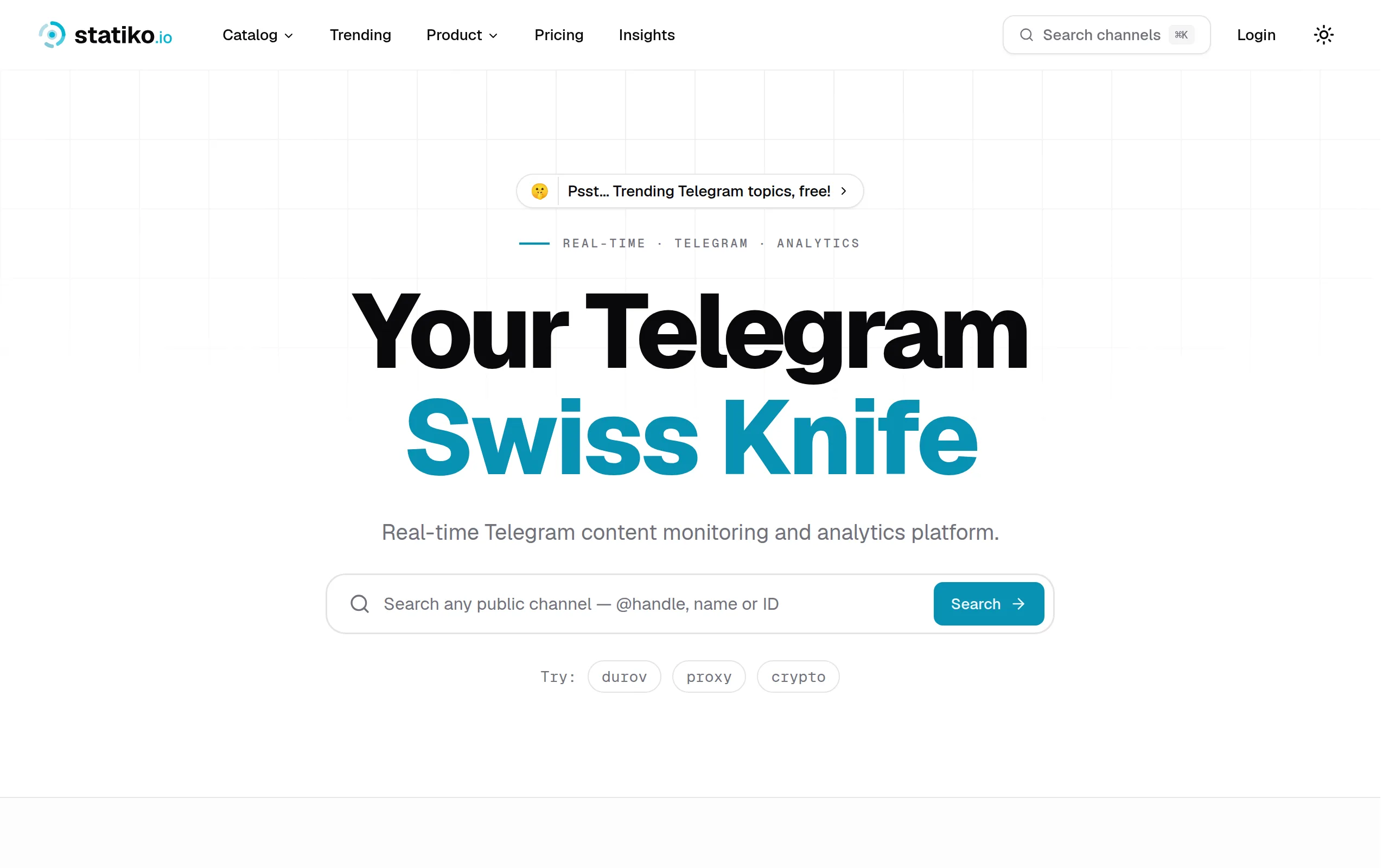
Statiko
Monitor any Telegram channel in real time - track posts, edits, deletions, and growth with AI recaps 📡

Shibui
AI website builder - describe your business, pick a niche template, edit by chatting, and publish instantly ✨

Pro Service
Find verified home service professionals, compare quotes, and pay securely through escrow - built for Brazilians across the US 🏠
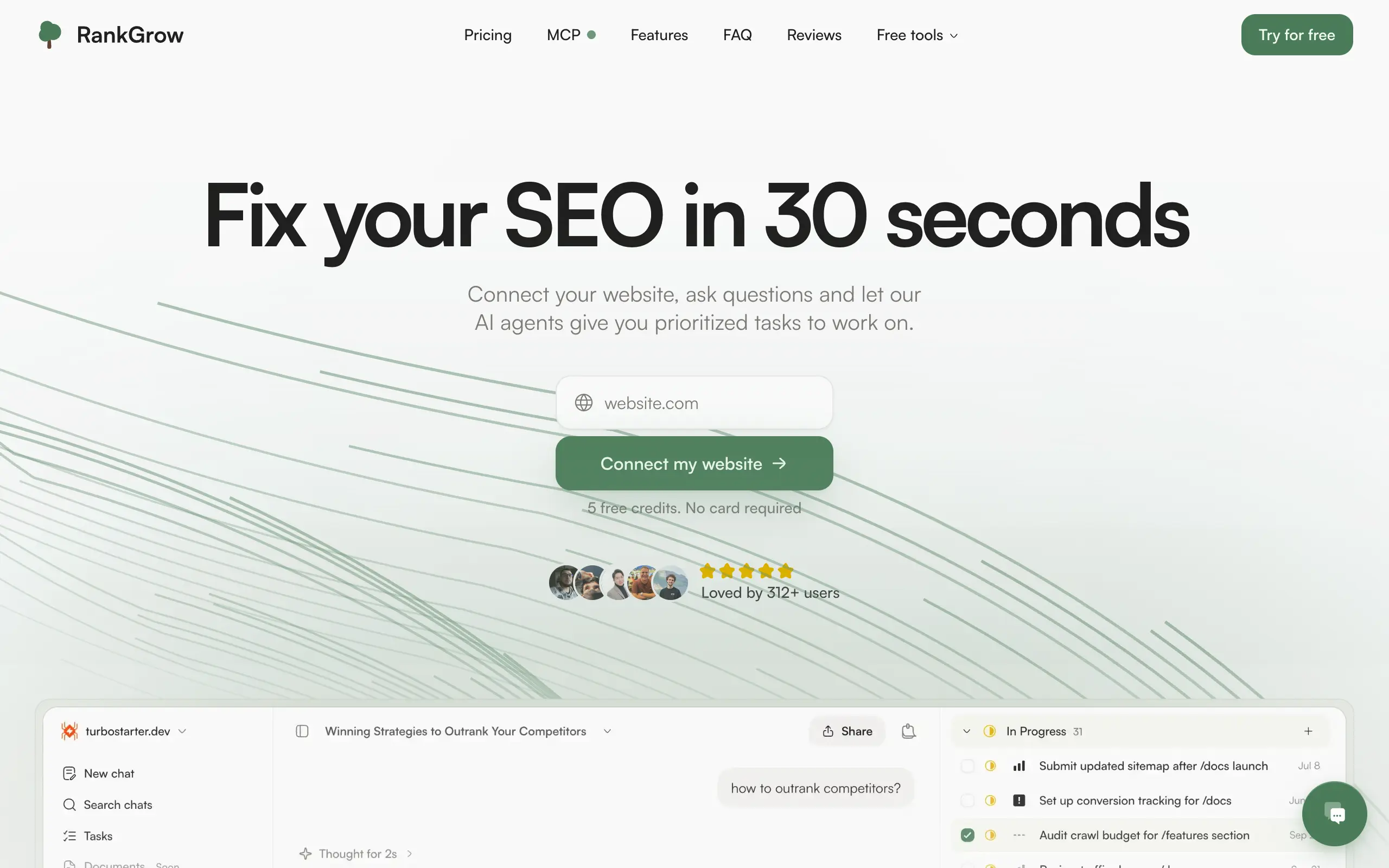
RankGrow
Fix your SEO with AI agents - connect Search Console, get prioritized tasks, and grow organic traffic 📈
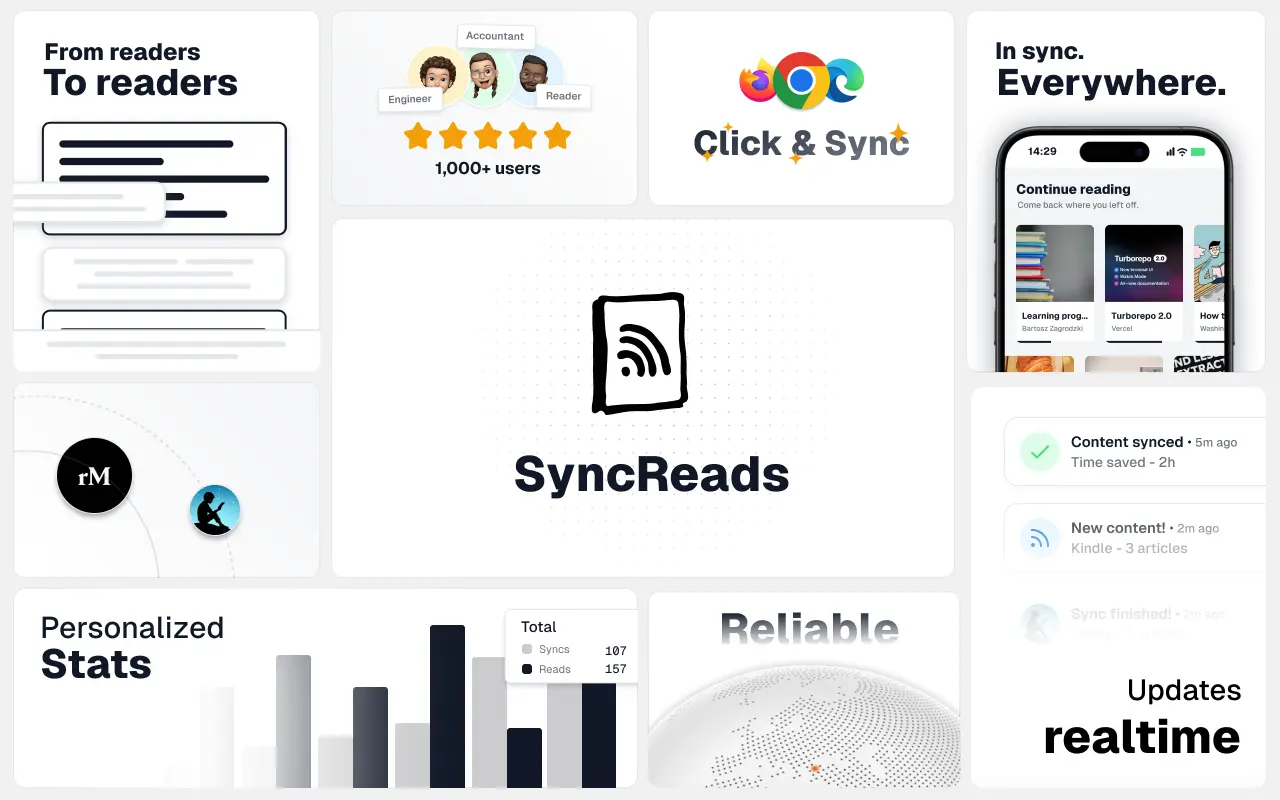
SyncReads
Sync your favorite content for distraction-free reading, save time and replace multiple apps. Anytime, anywhere 🔄
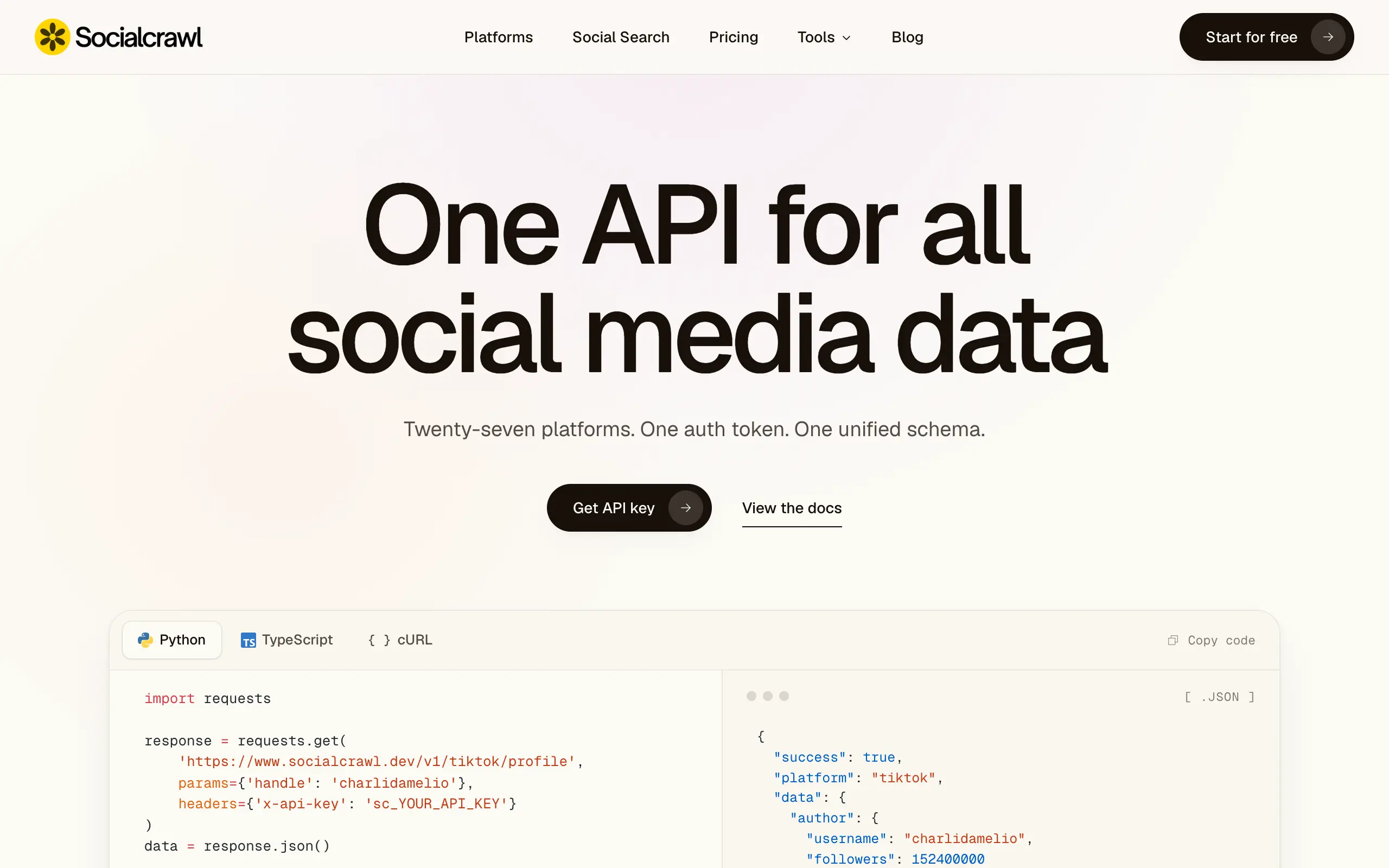
Socialcrawl
Get clean, structured data from 21 platforms like TikTok, Instagram, and YouTube with a single request 📊
Statiko
Monitor any Telegram channel in real time - track posts, edits, deletions, and growth with AI recaps 📡
Shibui
AI website builder - describe your business, pick a niche template, edit by chatting, and publish instantly ✨
Pro Service
Find verified home service professionals, compare quotes, and pay securely through escrow - built for Brazilians across the US 🏠
RankGrow
Fix your SEO with AI agents - connect Search Console, get prioritized tasks, and grow organic traffic 📈
SyncReads
Sync your favorite content for distraction-free reading, save time and replace multiple apps. Anytime, anywhere 🔄
Socialcrawl
Get clean, structured data from 21 platforms like TikTok, Instagram, and YouTube with a single request 📊
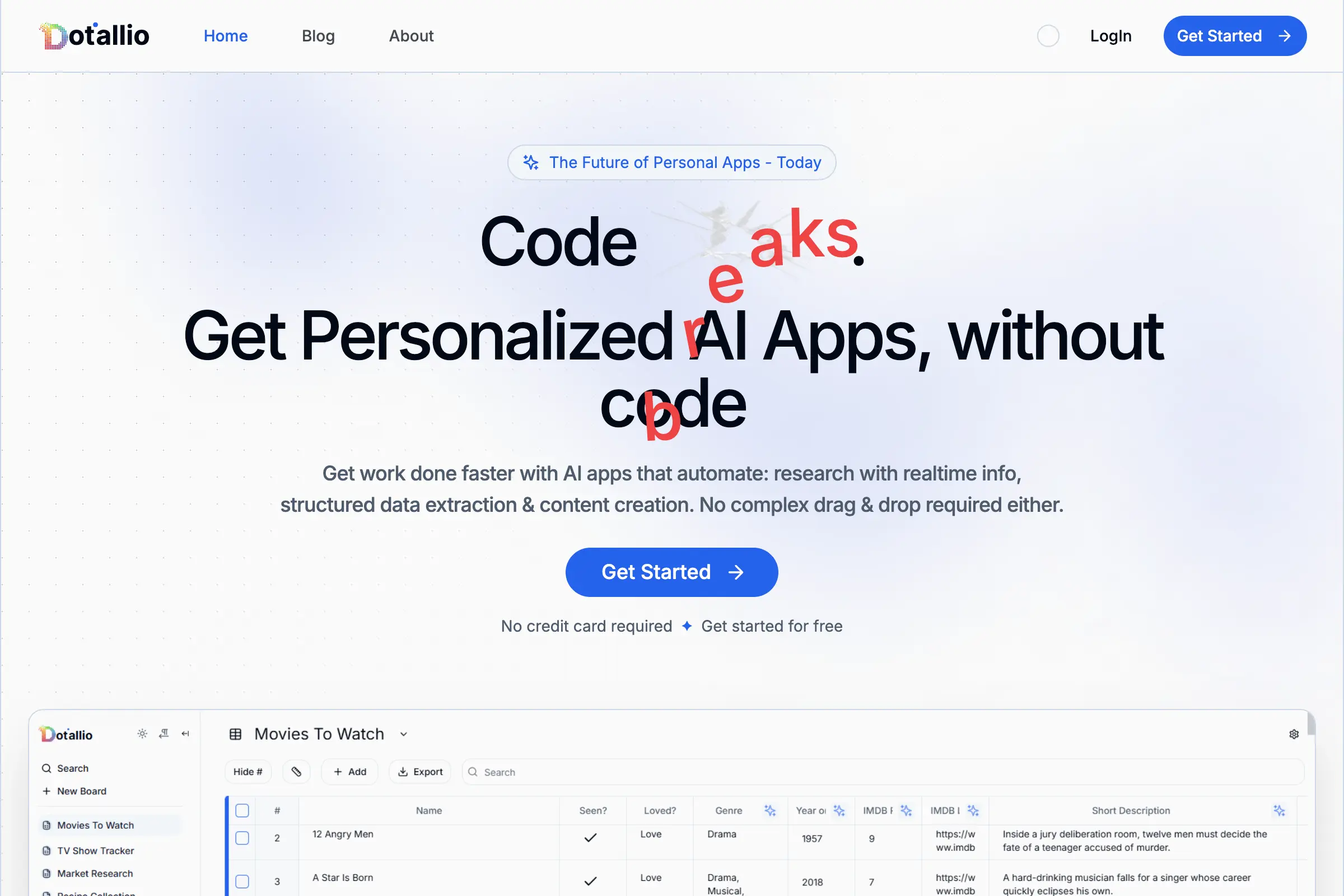
Dotallio
Personalized AI apps that automate research, data extraction, and content creation without code 🤖

Talk to Santa
Enjoy a magical live video chat or receive a unique AI-generated video greeting from Santa Claus 🎅

pozywka.pl
Scalable blog for food journalist, focused on performance and user experience 🌭
zagrodzki.me
Personal blog and portfolio of Bart Zagrodzki, where he shares his knowledge and work 💼
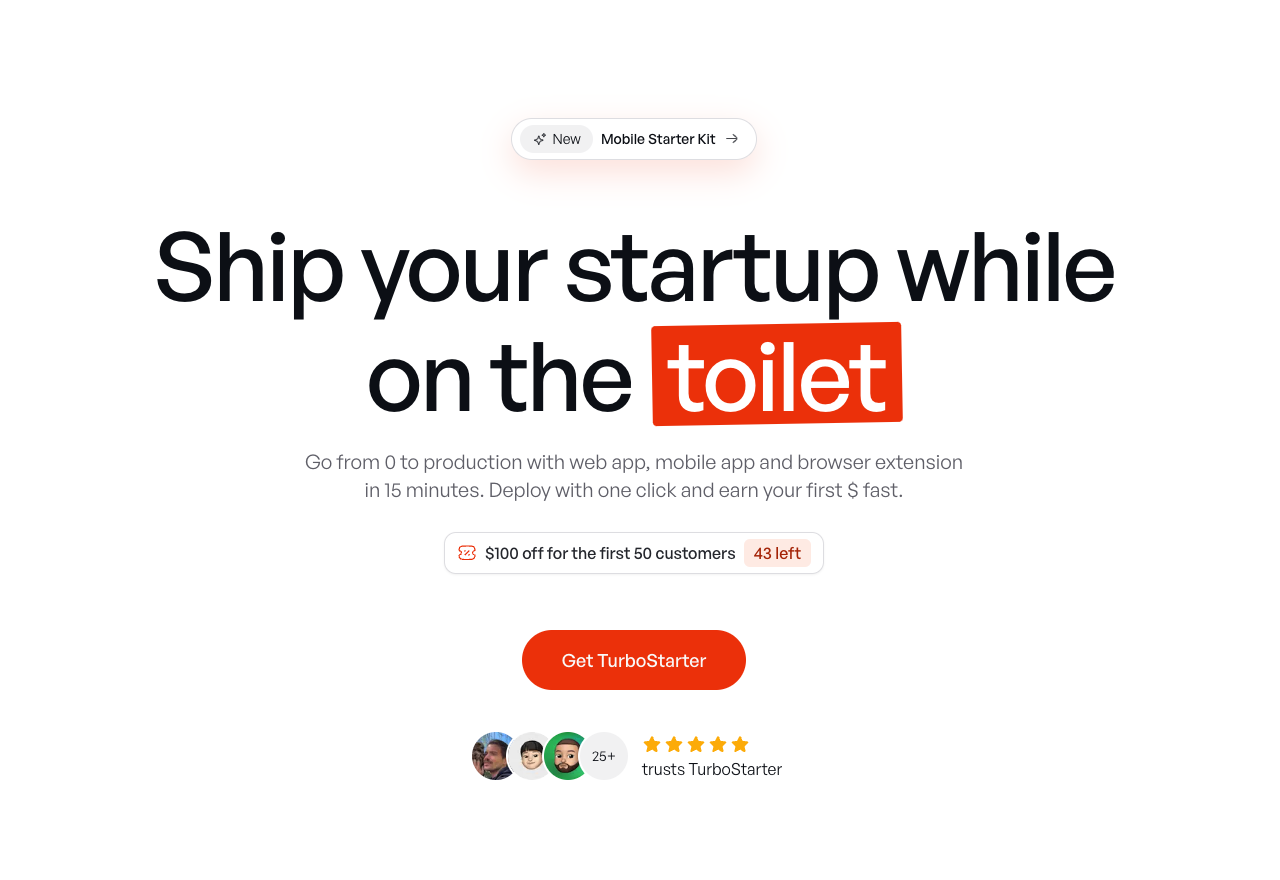
TurboStarter
Ship your startup everywhere. In minutes.
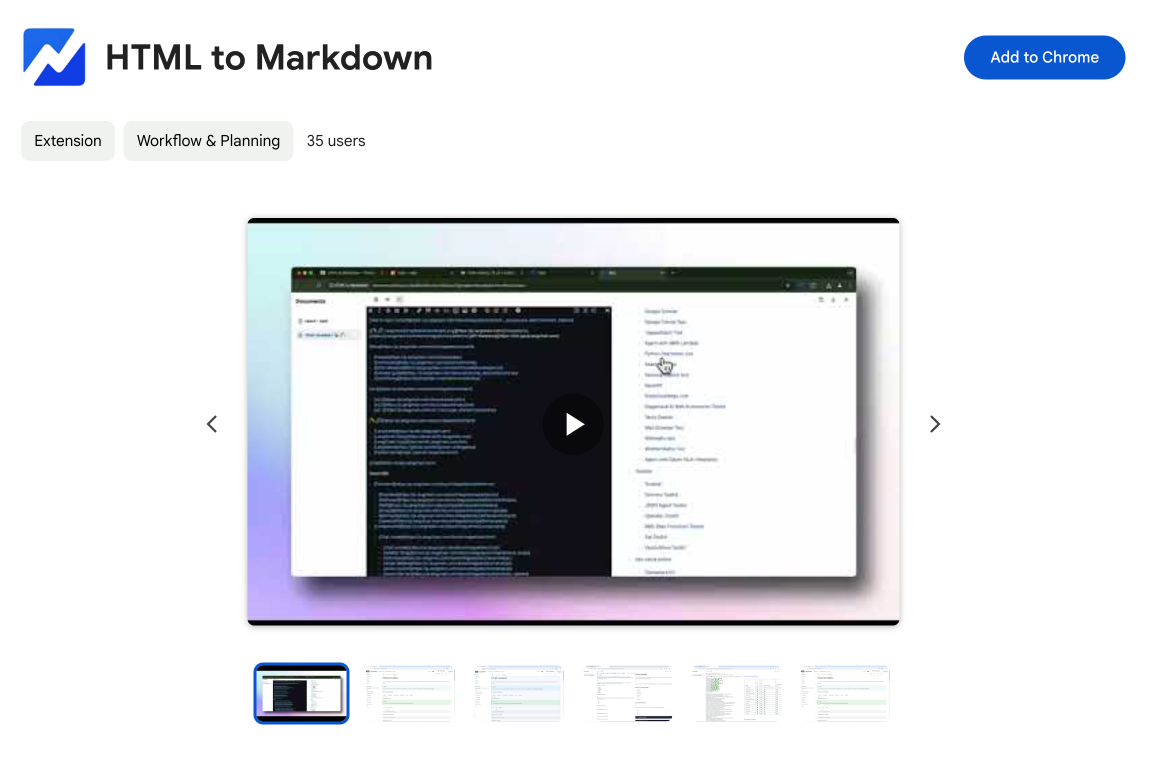
HTML to Markdown
Convert HTML to Markdown with ease, directly in your browser 📄
Dotallio
Personalized AI apps that automate research, data extraction, and content creation without code 🤖
Talk to Santa
Enjoy a magical live video chat or receive a unique AI-generated video greeting from Santa Claus 🎅
pozywka.pl
Scalable blog for food journalist, focused on performance and user experience 🌭
zagrodzki.me
Personal blog and portfolio of Bart Zagrodzki, where he shares his knowledge and work 💼
TurboStarter
Ship your startup everywhere. In minutes.
HTML to Markdown
Convert HTML to Markdown with ease, directly in your browser 📄
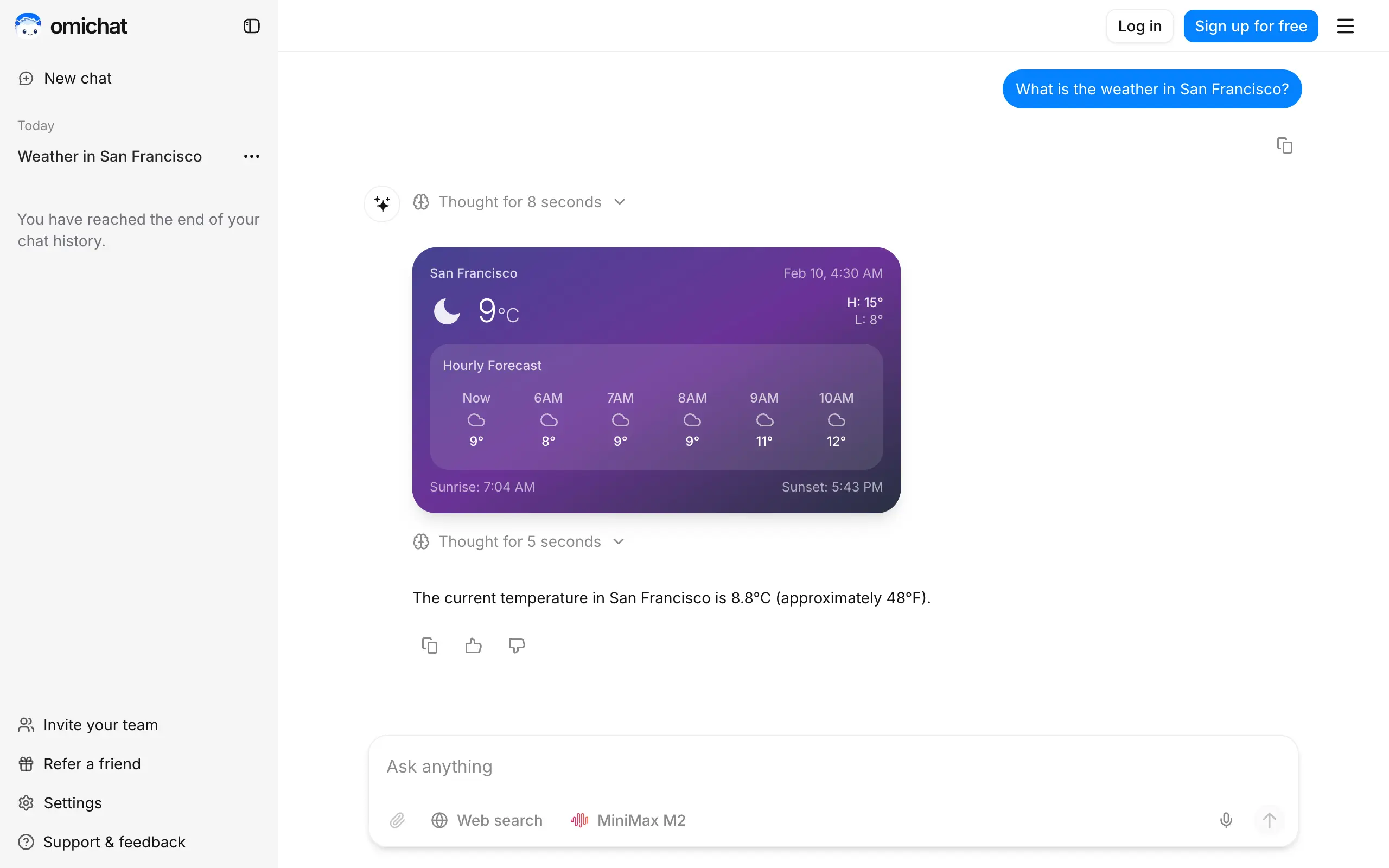
Omichat
Chat with 50+ AI models, including ChatGPT and Claude, in one place - switch models anytime without losing context 🤖
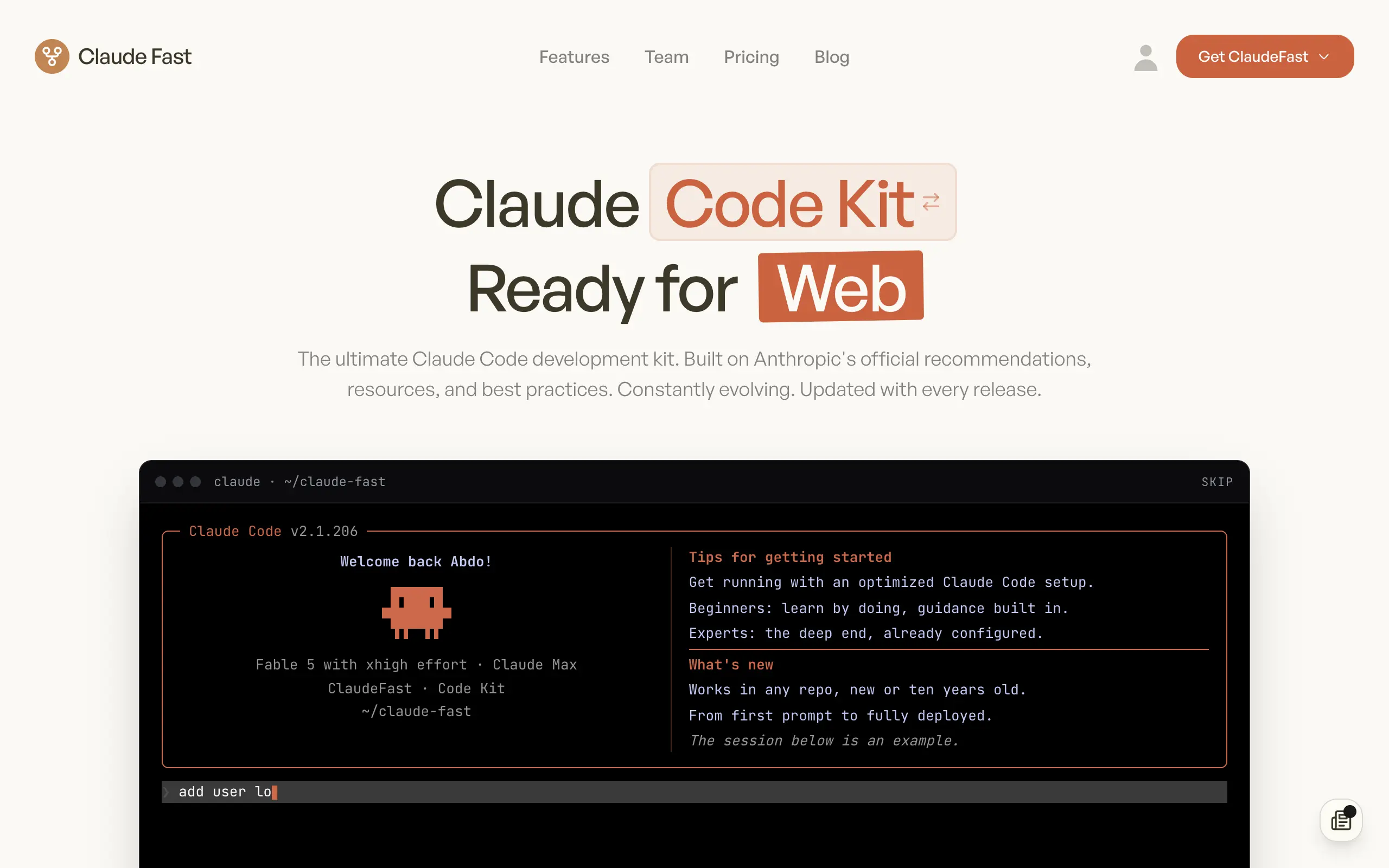
Claude Fast
Supercharge your Claude Code with 6x effective context window and specialized AI agents 🤖
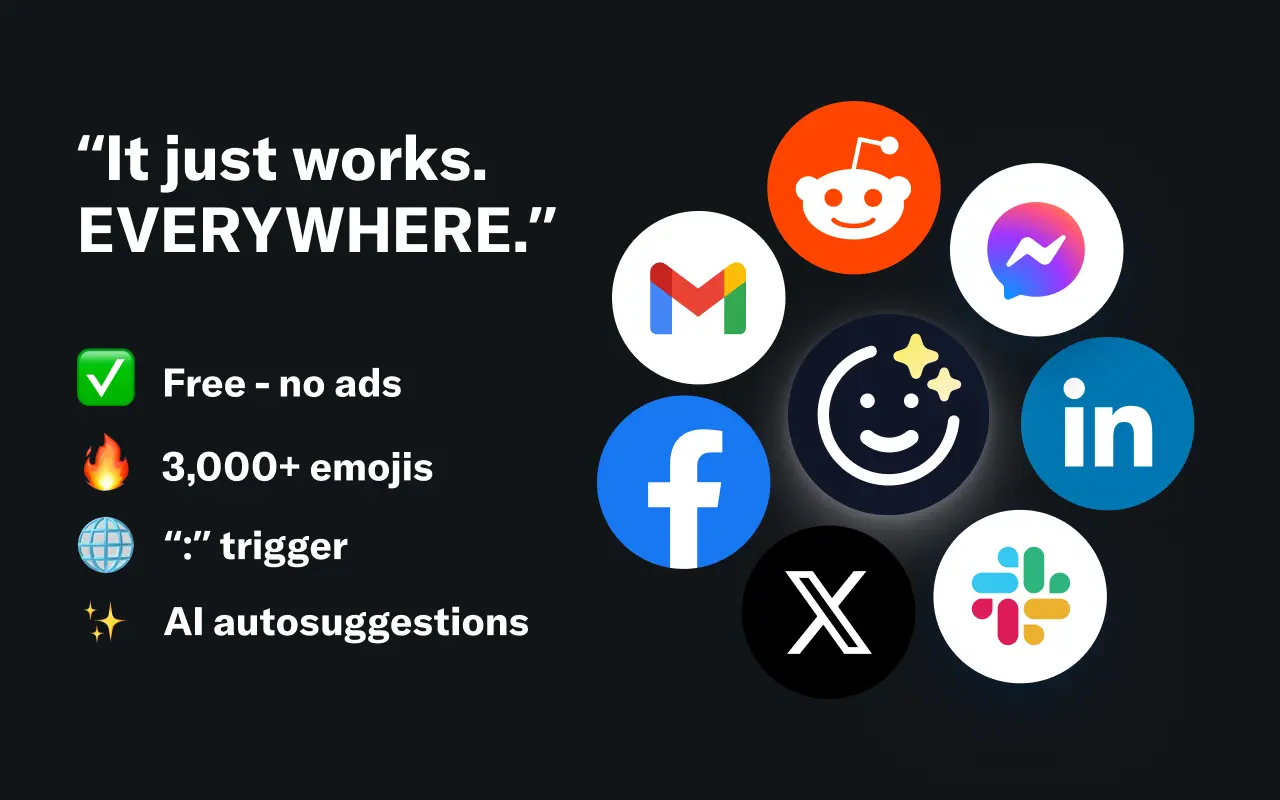
EmojAI
AI-powered emoji picker with smart, context-aware suggestions 🤖

Solohacker
Autonomous company launcher - AI agents work 24/7, escalate what matters, and you stay in control 🤖
BeRawi: Storytelling Coach
Practice storytelling daily with instant feedback to sound clearer, more engaging, and confident 🎤
Omichat
Chat with 50+ AI models, including ChatGPT and Claude, in one place - switch models anytime without losing context 🤖
Claude Fast
Supercharge your Claude Code with 6x effective context window and specialized AI agents 🤖
EmojAI
AI-powered emoji picker with smart, context-aware suggestions 🤖
Solohacker
Autonomous company launcher - AI agents work 24/7, escalate what matters, and you stay in control 🤖
BeRawi: Storytelling Coach
Practice storytelling daily with instant feedback to sound clearer, more engaging, and confident 🎤

Connect with like-minded people
Join our community to get feedback, support, and grow together with 1,000+ builders on board, let's ship it!
Join usShip your startup everywhere. In minutes.
Don't burn tokens on setup and start building features on day one.