Abstractly
Capture complex ideas and let AI organize them into visual frameworks, metaphors, and structured outlines you can actually use.
Turning messy thinking into structured clarity with AI
Modern knowledge work is messy.
Founders brainstorm in Notion documents full of half-finished thoughts. Product managers juggle scattered ideas across Slack, Miro, and Google Docs. Researchers accumulate notes that never turn into frameworks. Creators dump raw insights into voice memos that never become structured content.
The core problem isn’t a lack of ideas.
It’s the lack of structured abstraction.
This is where Abstractly, an AI-powered idea organization platform, fits into the market. Abstractly captures complex, unstructured thinking and transforms it into:
- Visual frameworks
- Clear conceptual models
- Metaphors that simplify complexity
- Structured outlines ready for execution
- Knowledge maps and mental models
In this article, we’ll explore the full strategic breakdown of building and scaling an AI SaaS like Abstractly—covering target users, market gaps, features, tech stack, monetization, competitive advantage, risks, and actionable implementation steps.
The core problem: knowledge without structure
We live in the era of information abundance. But most professionals struggle with:
- Turning raw thoughts into structured systems
- Seeing connections between scattered notes
- Creating reusable mental models
- Simplifying complexity for communication
While tools like Notion, Obsidian, and Roam help store information, they do not automatically abstract and structure thinking.
That gap represents a massive opportunity.
The underlying pain points
- Idea overload – Too many insights, no hierarchy
- Execution paralysis – Ideas exist but aren’t actionable
- Communication friction – Hard to explain complex thinking
- Cognitive fragmentation – Thoughts live in disconnected tools
Users are not searching for “another note-taking app.”
They’re searching for:
- “How to organize complex ideas”
- “Turn notes into frameworks”
- “AI tool to structure thoughts”
- “Create mental models from notes”
- “Visualize abstract thinking”
Abstractly directly targets this intent.
Target audience analysis
Abstractly sits at the intersection of AI productivity tools and cognitive augmentation software. The primary user segments include:
1. Founders and startup operators
Pain:
- Brainstorming strategy but lacking structured articulation
- Difficulty communicating vision to teams and investors
Use case:
- Dump raw business ideas → AI generates:
- Business model canvas
- Market positioning framework
- SWOT analysis
- Strategic roadmap outline
2. Product managers
Pain:
- Managing feature ideas across tools
- Turning customer feedback into structured strategy
Use case:
- Upload research notes → AI produces:
- Feature clusters
- User journey maps
- Prioritization frameworks
- Clear PRD outline
3. Researchers and knowledge workers
Pain:
- Notes pile up without synthesis
- Hard to extract overarching insights
Use case:
- Input research notes → AI generates:
- Conceptual frameworks
- Thematic maps
- Executive summaries
- Insight trees
4. Content creators and educators
Pain:
- Raw ideas scattered across notebooks
- Difficulty turning thinking into structured teaching
Use case:
- Dump podcast thoughts → AI builds:
- Course outline
- Chapter structure
- Concept metaphors
- Learning progression map
5. Consultants and strategists
Pain:
- Client insights need structured frameworks
- Time-consuming synthesis work
Use case:
- Upload client notes → AI outputs:
- Strategy decks outline
- Industry framework
- Competitive analysis model
Market opportunity and gap identification
The AI productivity space is crowded. However, most tools focus on:
- Text generation (ChatGPT-like tools)
- Note storage
- Task management
- Automation workflows
Very few focus on abstraction as a service.
Existing players
- Notion AI – Assists writing but not deep conceptual modeling
- Obsidian – Great for linking notes but manual abstraction
- Miro AI – Visual collaboration, limited structured reasoning
- ChatGPT – Powerful but not specialized for structured knowledge modeling
The market gap
The gap is clear:
No dedicated AI platform that transforms messy input into structured conceptual frameworks and visual mental models.
Abstractly’s positioning:
“Your AI thinking partner that turns complexity into clarity.”
Core product vision
Abstractly should not just summarize text.
It should perform multi-layer abstraction:
- Identify core concepts
- Cluster related ideas
- Infer relationships
- Detect hierarchy
- Generate visualizable structures
- Propose metaphors
- Create actionable outlines
Core features and solution details
Below is a structured feature breakdown.
1. Raw idea capture
- Text input
- Voice-to-text capture
- Document uploads (PDF, DOCX, Markdown)
- Browser extension
The goal: frictionless thought dumping.
2. AI-powered abstraction engine
The abstraction engine performs:
- Thematic clustering
- Concept extraction
- Relationship mapping
- Structural inference
Example transformation:
Input:
“I want to build a SaaS for freelancers, maybe with invoicing, maybe client management, maybe something around financial forecasting…”
Output:
- Core problem: financial uncertainty
- Framework: “Freelancer Financial Control System”
- Revenue tracking
- Client lifecycle
- Forecasting model
- Cash flow optimization
- Outline for MVP
- Visual hierarchy
3. Visual frameworks generation
Abstractly should generate:
- Mind maps
- Flow diagrams
- Hierarchical trees
- Concept graphs
- Pyramid models
This directly addresses users searching for:
- “AI mind map generator”
- “AI concept map tool”
- “Visualize ideas with AI”
4. Metaphor generation engine
One of the strongest differentiators.
Abstractly can transform abstract systems into metaphors:
Example:
“Your product strategy works like an ecosystem: customers are organisms, features are nutrients, and retention is climate stability.”
Metaphors enhance:
- Teaching
- Writing
- Public speaking
- Strategic clarity
5. Structured outline builder
Generate:
- Blog outlines
- Book structures
- Course modules
- Strategy decks
- PRD templates
This bridges thinking → execution.
6. Multi-output modes
Focuses on conceptual hierarchy, relationships, and visual mapping.
Transforms thinking into explanatory analogies and simplified models.
Converts ideas into actionable plans, milestones, and deliverables.
Recommended tech stack
Abstractly is an AI-first SaaS product. Below is a production-ready stack.
Frontend
Why:
- Mature ecosystem
- Excellent SEO with SSR
- Strong developer velocity
Backend
- Node.js with Next.js API routes
- PostgreSQL (structured storage)
- Vector database (for semantic embeddings)
Possible options:
- Supabase
- Pinecone
- Weaviate
AI layer
- LLM APIs (OpenAI or Anthropic)
- Embedding generation
- Retrieval-augmented generation (RAG)
Example abstraction prompt structure:
const abstractionPrompt = `
You are an expert systems thinker.
Transform the following raw notes into:
1. Core themes
2. Hierarchical framework
3. Relationship map
4. Actionable outline

Notes:
${userInput}
`;
Diagram rendering
- D3.js
- React Flow
- Mermaid
Trade-offs:
- D3 → highly customizable but complex
- React Flow → easier interactive diagrams
- Mermaid → markdown-friendly but less flexible
Authentication & payments
- Clerk or Auth.js
- Stripe
Boilerplate acceleration
To reduce time-to-market, use a production-ready SaaS starter like:
This can dramatically reduce setup time for:
- Auth
- Billing
- Landing pages
- Dashboard structure
Monetization strategy
Abstractly fits well with a tiered SaaS pricing model.
1. Free tier
- Limited AI generations
- Basic framework outputs
- Watermarked visual exports
2. Pro plan ($19–$39/month)
- Unlimited idea transformations
- Advanced visual exports
- Metaphor engine access
- Export to Notion / Markdown / PDF
3. Team plan ($79–$199/month)
- Shared knowledge spaces
- Collaborative editing
- Admin controls
- AI context sharing
4. Enterprise tier
- Custom model tuning
- SOC2 compliance
- Dedicated support
- On-premise option
Competitive advantage analysis
Let’s compare positioning:
| Feature | Notion AI | ChatGPT | Miro AI | Abstractly | Obsidian |
|---|---|---|---|---|---|
| Structured abstraction | ❌ | ⚠️ | ❌ | ✅ | ❌ |
| Metaphor engine | ❌ | ⚠️ | ❌ | ✅ | ❌ |
Core USP
Abstractly is not a note-taking tool.
It is a cognitive structuring engine.
That positioning is critical.
Potential risks and mitigation
1. AI commoditization
Risk: LLMs become cheap and generic.
Mitigation:
- Build proprietary abstraction pipelines
- Develop structured output formats
- Focus on UX + visualization layer
2. Overlapping with general AI tools
Risk: Users use ChatGPT directly.
Mitigation:
- Deep specialization
- Pre-built abstraction workflows
- Visual outputs ChatGPT cannot provide natively
3. High AI costs
Mitigation:
- Caching
- Token optimization
- Hybrid small-model inference
4. User overwhelm
Mitigation:
- Guided workflows
- Preset templates
- Mode-based UX
Go-to-market strategy
1. Content marketing (SEO-first)
Target keywords:
- “AI idea organizer”
- “Turn notes into framework”
- “AI mind map generator”
- “Organize complex ideas”
- “AI conceptual modeling tool”
Create pillar pages around each.
2. Founder-led distribution
- Twitter/X threads on thinking systems
- LinkedIn posts on structured strategy
- YouTube demos
3. Community strategy
Target:
- Indie hackers
- Product communities
- Knowledge management enthusiasts
Implementation roadmap
Here’s a practical 90-day launch plan.
Define abstraction output schemas (framework, hierarchy, metaphor, outline).
Build MVP input + AI transformation engine.
Implement visual diagram rendering.
Launch private beta with founders and PMs.
Collect feedback and refine abstraction quality.
Launch publicly with SEO-driven content strategy.
Future expansion opportunities
Abstractly can evolve into:
- AI-powered knowledge OS
- Team intelligence platform
- Strategic thinking assistant
- Research synthesis engine
Long-term defensibility lies in:
- Abstraction quality
- Visual UX
- Workflow integration
Why this idea can win
Abstractly aligns with major macro trends:
- AI augmentation of knowledge work
- Visual-first communication
- Cognitive load reduction
- Second-brain movement
But it narrows focus to a powerful niche:
Structured thinking as a service.
That focus creates clarity in branding, product development, and marketing.
Final actionable steps for founders
If you’re building Abstractly or a similar AI idea organization SaaS:
- Validate abstraction quality before building visuals
- Focus on one user segment initially (founders recommended)
- Create example transformations as marketing assets
- Prioritize structured outputs over long-form text
- Invest in diagram UX early
- Build strong onboarding with example prompts
When executed correctly, Abstractly becomes more than a productivity app.
It becomes a thinking companion.
If you want to launch this faster, start with a production-ready SaaS foundation like TurboStarter, then layer the AI abstraction engine on top.
The opportunity is not in generating more words.
It’s in generating clearer thinking.
And that’s a market that will only grow.
More 🤖 AI Startup SaaS ideas
Discover more innovative ai startup SaaS ideas that are trending in 2026. Each idea is AI-generated with market validation and growth potential to help you find your next profitable venture faster than competitors.
Your competitors are building with TurboStarter
Below are some of the SaaS ideas that have been generated and built with our starter kit.
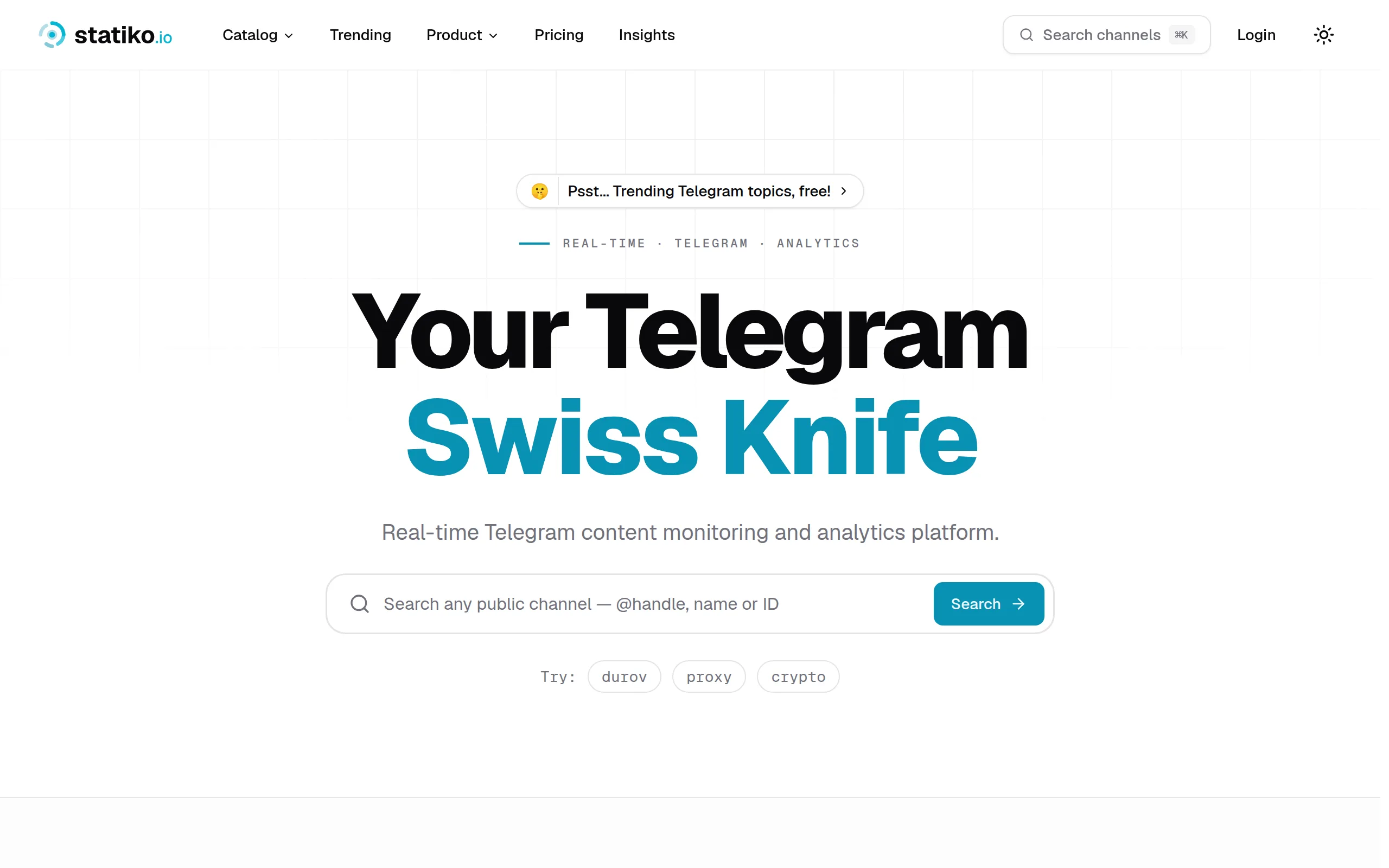
Statiko
Monitor any Telegram channel in real time - track posts, edits, deletions, and growth with AI recaps 📡

Shibui
AI website builder - describe your business, pick a niche template, edit by chatting, and publish instantly ✨

Pro Service
Find verified home service professionals, compare quotes, and pay securely through escrow - built for Brazilians across the US 🏠
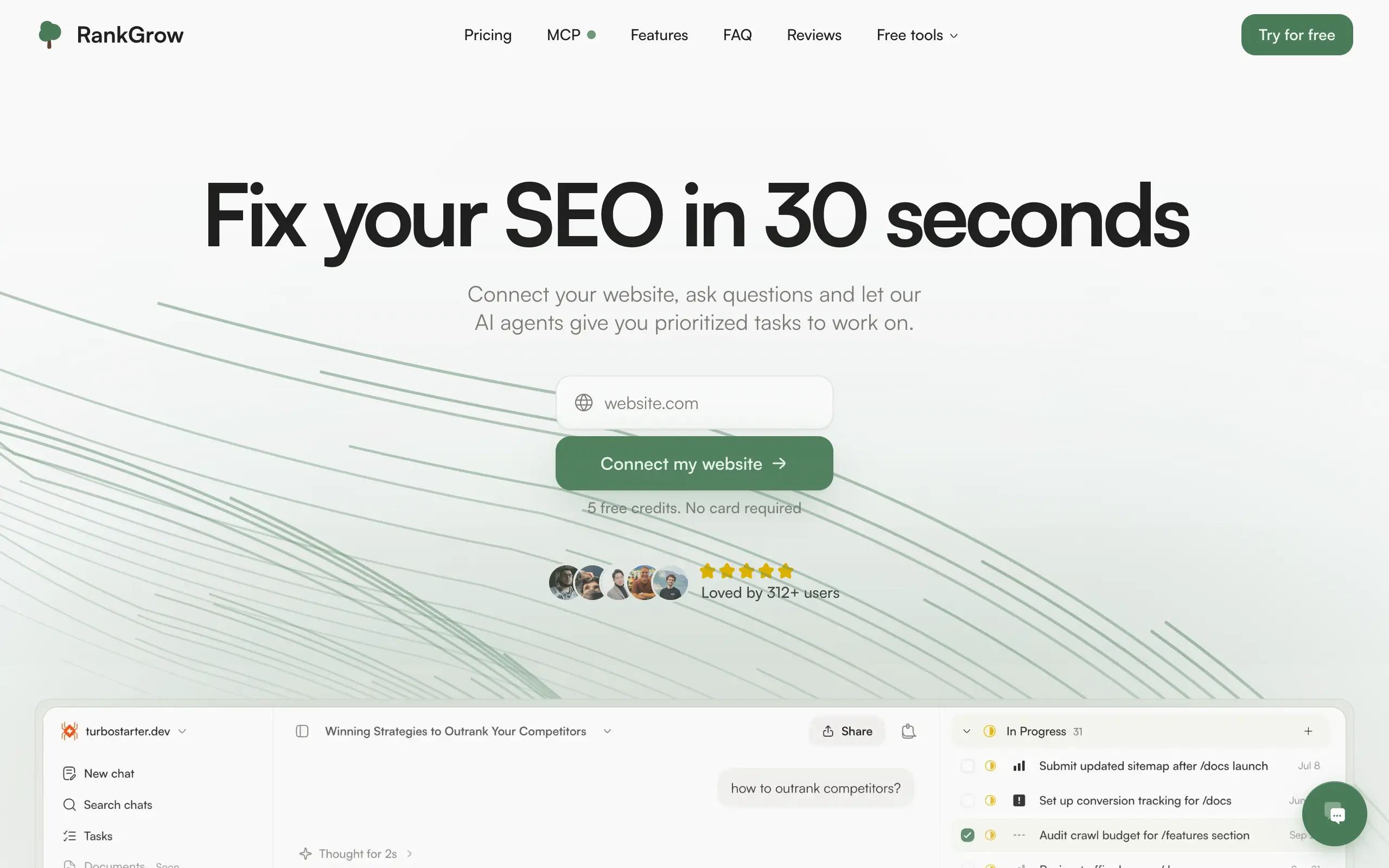
RankGrow
Fix your SEO with AI agents - connect Search Console, get prioritized tasks, and grow organic traffic 📈
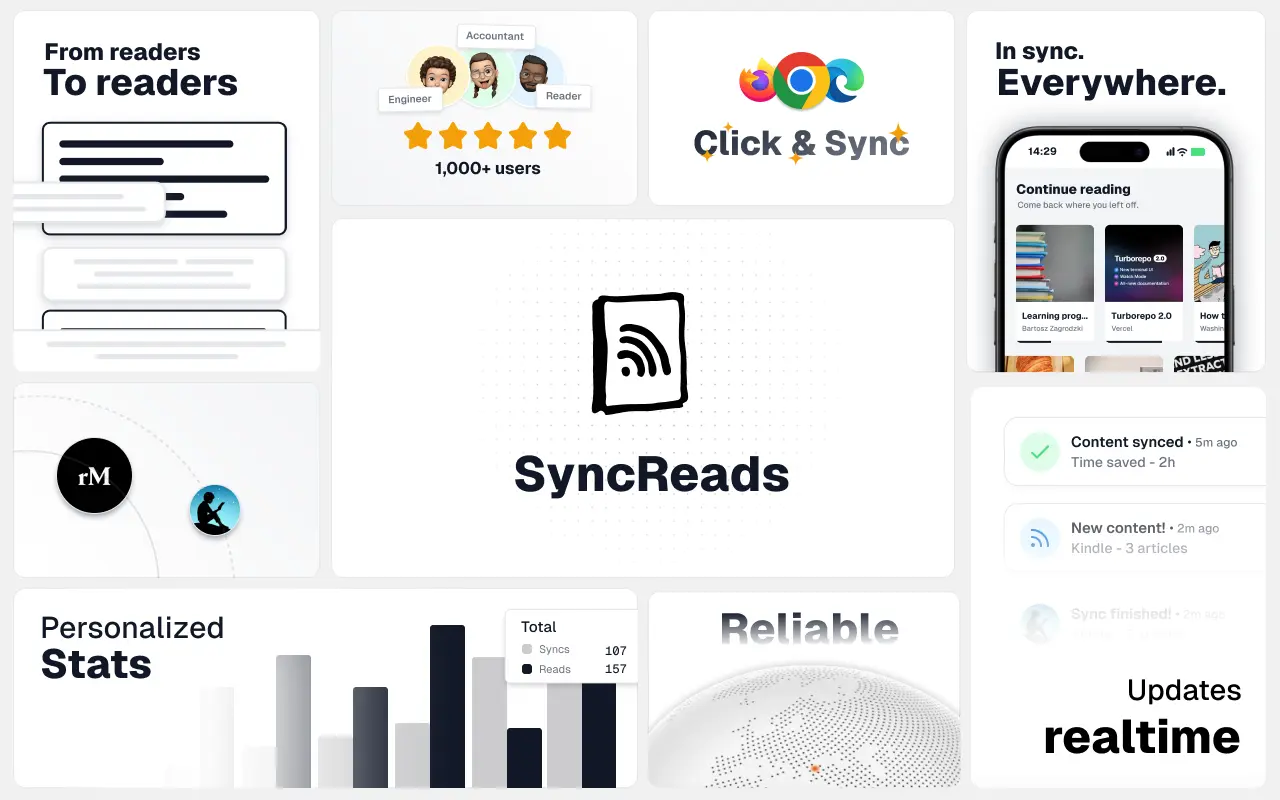
SyncReads
Sync your favorite content for distraction-free reading, save time and replace multiple apps. Anytime, anywhere 🔄
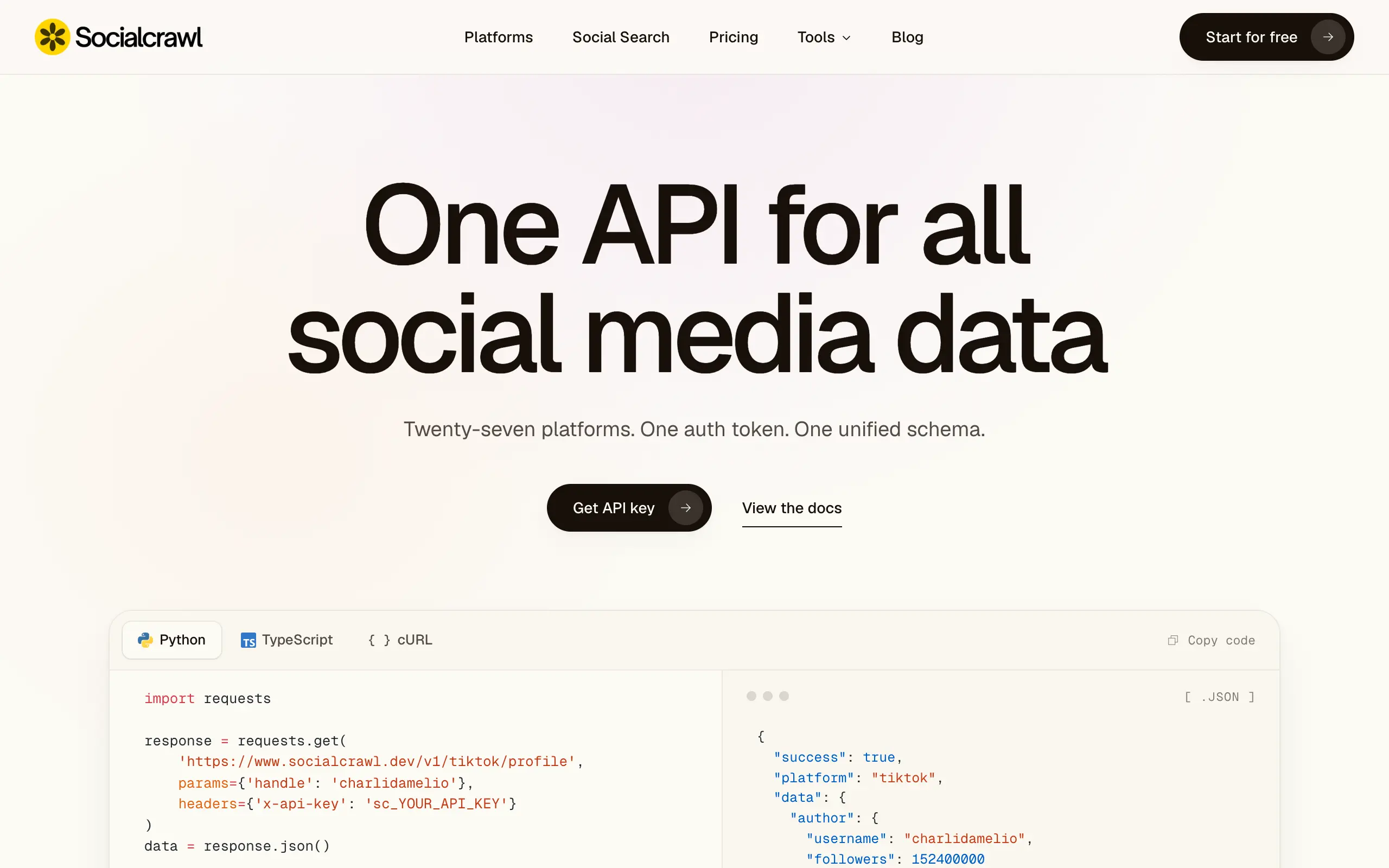
Socialcrawl
Get clean, structured data from 21 platforms like TikTok, Instagram, and YouTube with a single request 📊
Statiko
Monitor any Telegram channel in real time - track posts, edits, deletions, and growth with AI recaps 📡
Shibui
AI website builder - describe your business, pick a niche template, edit by chatting, and publish instantly ✨
Pro Service
Find verified home service professionals, compare quotes, and pay securely through escrow - built for Brazilians across the US 🏠
RankGrow
Fix your SEO with AI agents - connect Search Console, get prioritized tasks, and grow organic traffic 📈
SyncReads
Sync your favorite content for distraction-free reading, save time and replace multiple apps. Anytime, anywhere 🔄
Socialcrawl
Get clean, structured data from 21 platforms like TikTok, Instagram, and YouTube with a single request 📊
Statiko
Monitor any Telegram channel in real time - track posts, edits, deletions, and growth with AI recaps 📡
Shibui
AI website builder - describe your business, pick a niche template, edit by chatting, and publish instantly ✨
Pro Service
Find verified home service professionals, compare quotes, and pay securely through escrow - built for Brazilians across the US 🏠
RankGrow
Fix your SEO with AI agents - connect Search Console, get prioritized tasks, and grow organic traffic 📈
SyncReads
Sync your favorite content for distraction-free reading, save time and replace multiple apps. Anytime, anywhere 🔄
Socialcrawl
Get clean, structured data from 21 platforms like TikTok, Instagram, and YouTube with a single request 📊
Statiko
Monitor any Telegram channel in real time - track posts, edits, deletions, and growth with AI recaps 📡
Shibui
AI website builder - describe your business, pick a niche template, edit by chatting, and publish instantly ✨
Pro Service
Find verified home service professionals, compare quotes, and pay securely through escrow - built for Brazilians across the US 🏠
RankGrow
Fix your SEO with AI agents - connect Search Console, get prioritized tasks, and grow organic traffic 📈
SyncReads
Sync your favorite content for distraction-free reading, save time and replace multiple apps. Anytime, anywhere 🔄
Socialcrawl
Get clean, structured data from 21 platforms like TikTok, Instagram, and YouTube with a single request 📊
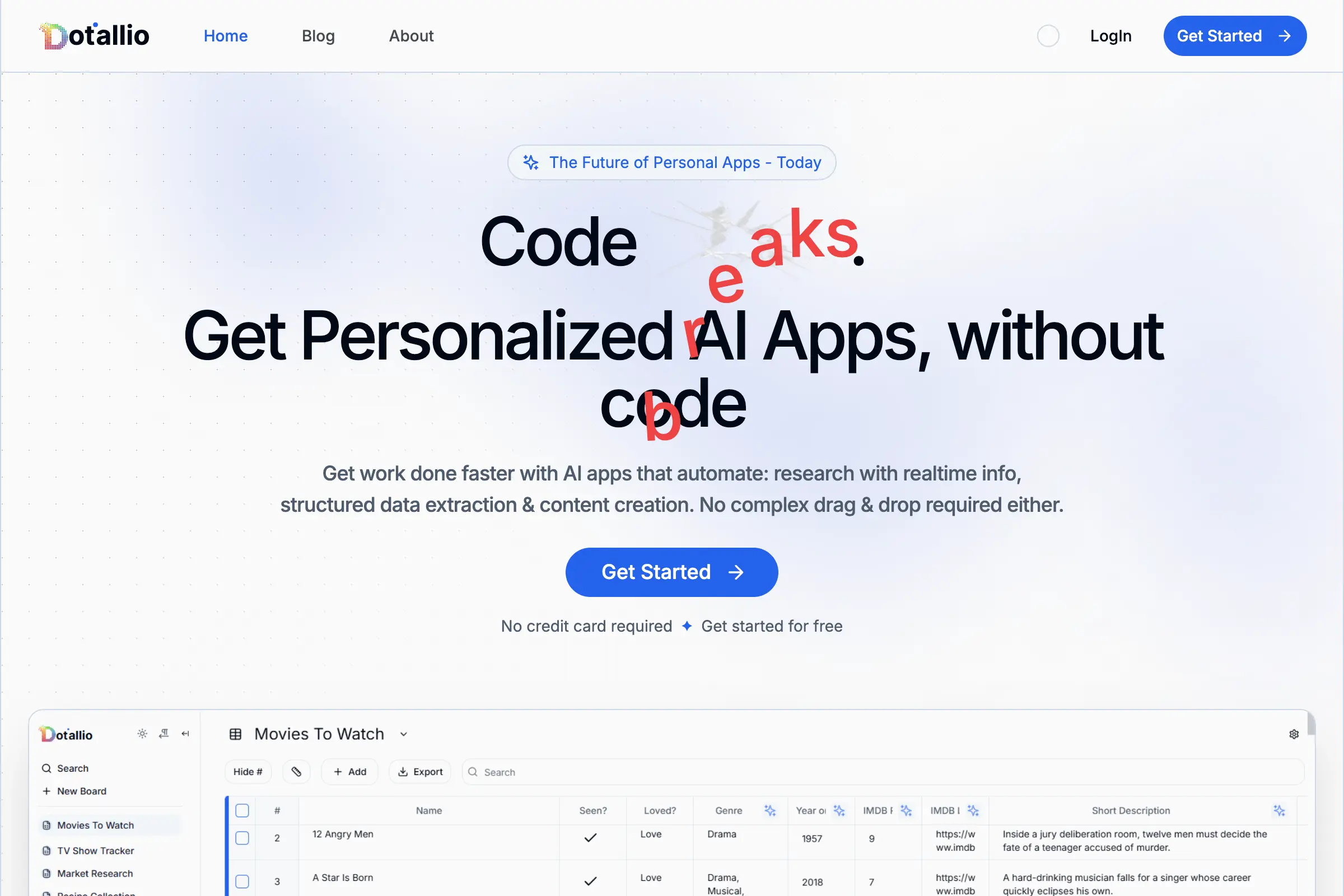
Dotallio
Personalized AI apps that automate research, data extraction, and content creation without code 🤖

Talk to Santa
Enjoy a magical live video chat or receive a unique AI-generated video greeting from Santa Claus 🎅
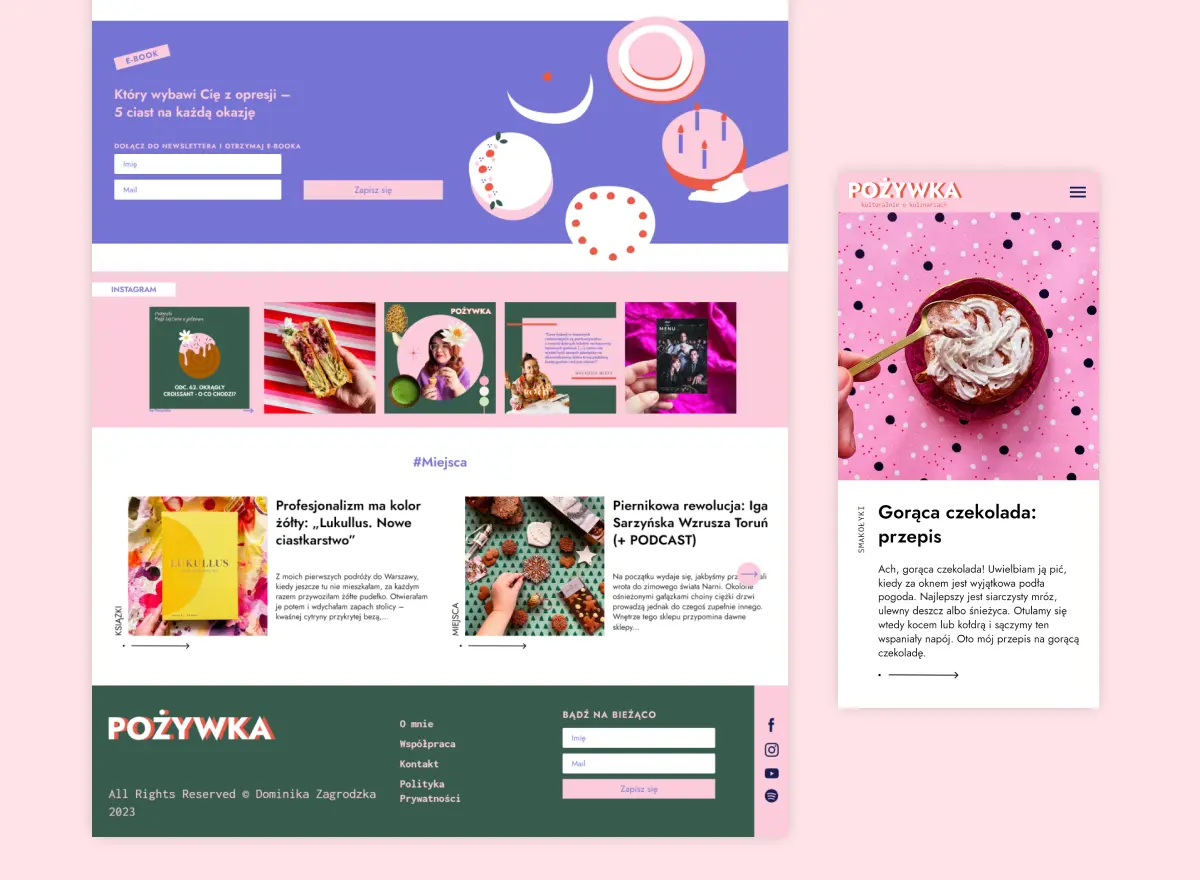
pozywka.pl
Scalable blog for food journalist, focused on performance and user experience 🌭
zagrodzki.me
Personal blog and portfolio of Bart Zagrodzki, where he shares his knowledge and work 💼
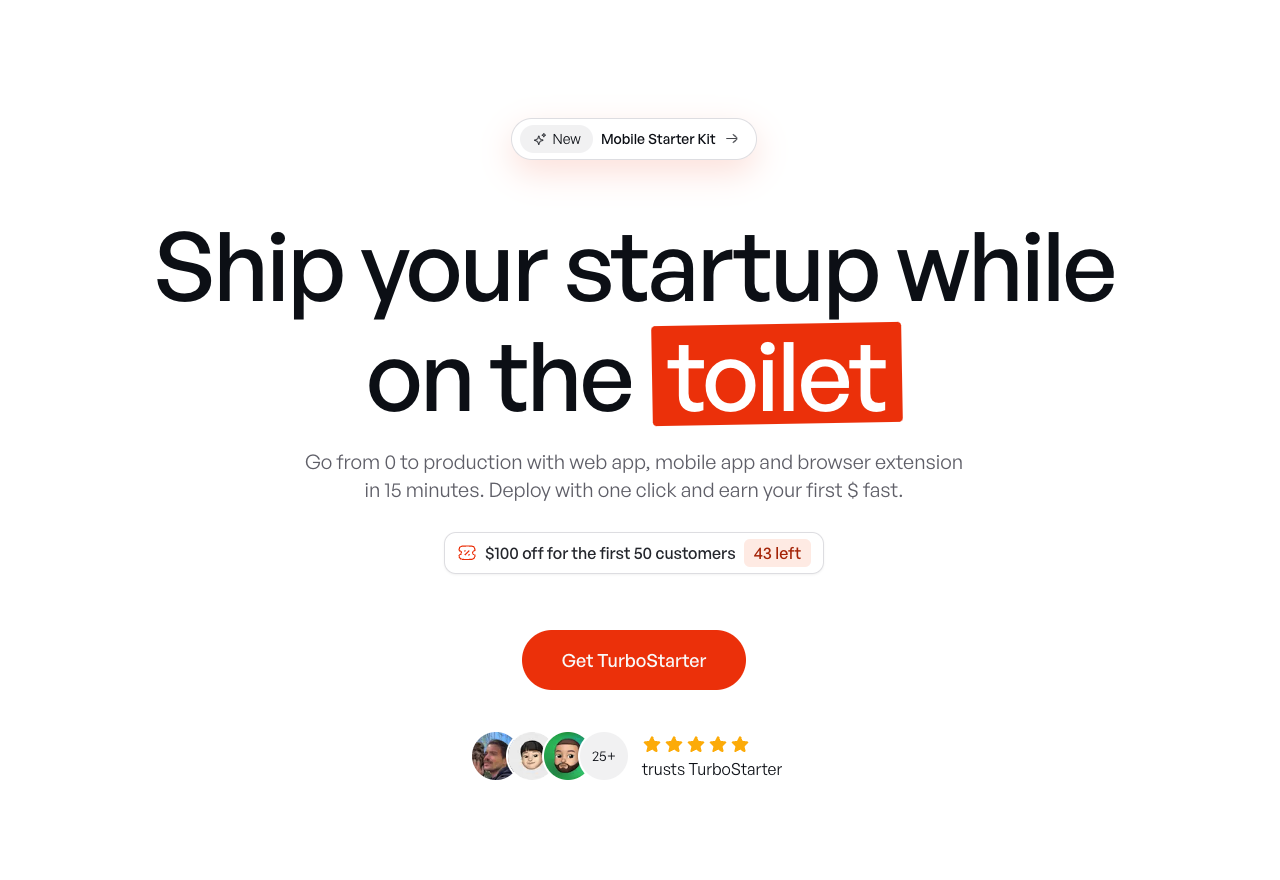
TurboStarter
Ship your startup everywhere. In minutes.
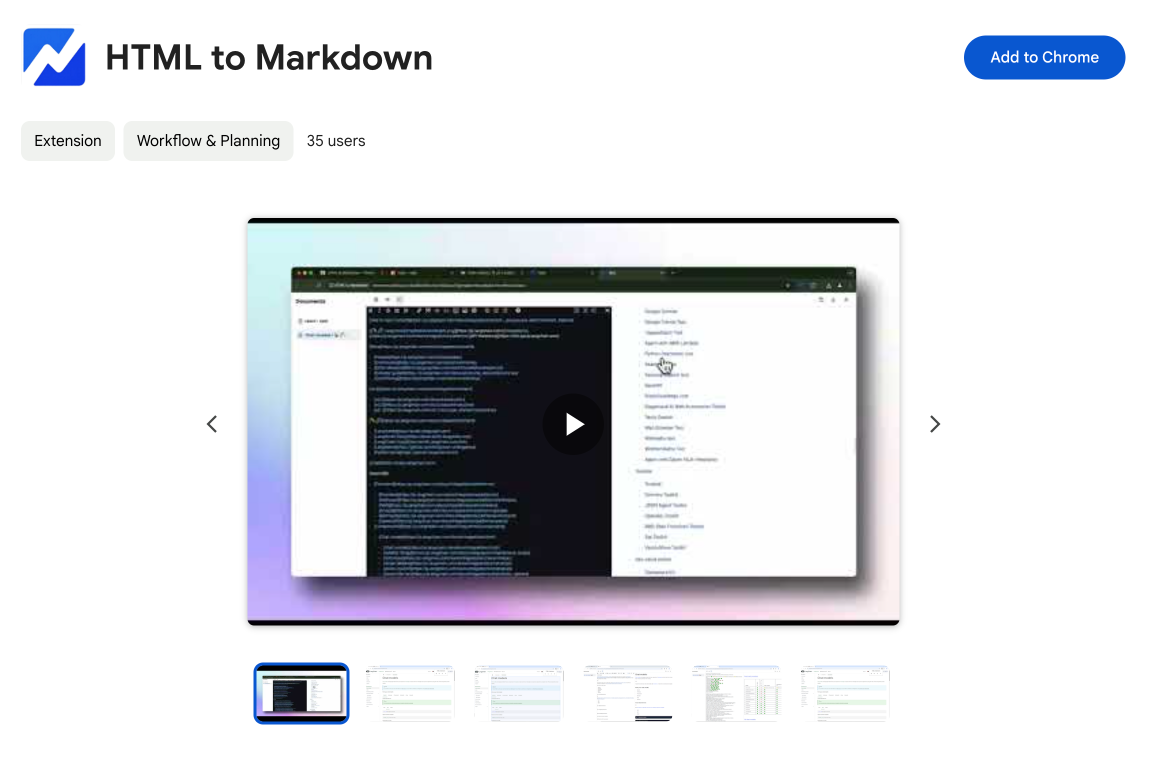
HTML to Markdown
Convert HTML to Markdown with ease, directly in your browser 📄
Dotallio
Personalized AI apps that automate research, data extraction, and content creation without code 🤖
Talk to Santa
Enjoy a magical live video chat or receive a unique AI-generated video greeting from Santa Claus 🎅
pozywka.pl
Scalable blog for food journalist, focused on performance and user experience 🌭
zagrodzki.me
Personal blog and portfolio of Bart Zagrodzki, where he shares his knowledge and work 💼
TurboStarter
Ship your startup everywhere. In minutes.
HTML to Markdown
Convert HTML to Markdown with ease, directly in your browser 📄
Dotallio
Personalized AI apps that automate research, data extraction, and content creation without code 🤖
Talk to Santa
Enjoy a magical live video chat or receive a unique AI-generated video greeting from Santa Claus 🎅
pozywka.pl
Scalable blog for food journalist, focused on performance and user experience 🌭
zagrodzki.me
Personal blog and portfolio of Bart Zagrodzki, where he shares his knowledge and work 💼
TurboStarter
Ship your startup everywhere. In minutes.
HTML to Markdown
Convert HTML to Markdown with ease, directly in your browser 📄
Dotallio
Personalized AI apps that automate research, data extraction, and content creation without code 🤖
Talk to Santa
Enjoy a magical live video chat or receive a unique AI-generated video greeting from Santa Claus 🎅
pozywka.pl
Scalable blog for food journalist, focused on performance and user experience 🌭
zagrodzki.me
Personal blog and portfolio of Bart Zagrodzki, where he shares his knowledge and work 💼
TurboStarter
Ship your startup everywhere. In minutes.
HTML to Markdown
Convert HTML to Markdown with ease, directly in your browser 📄
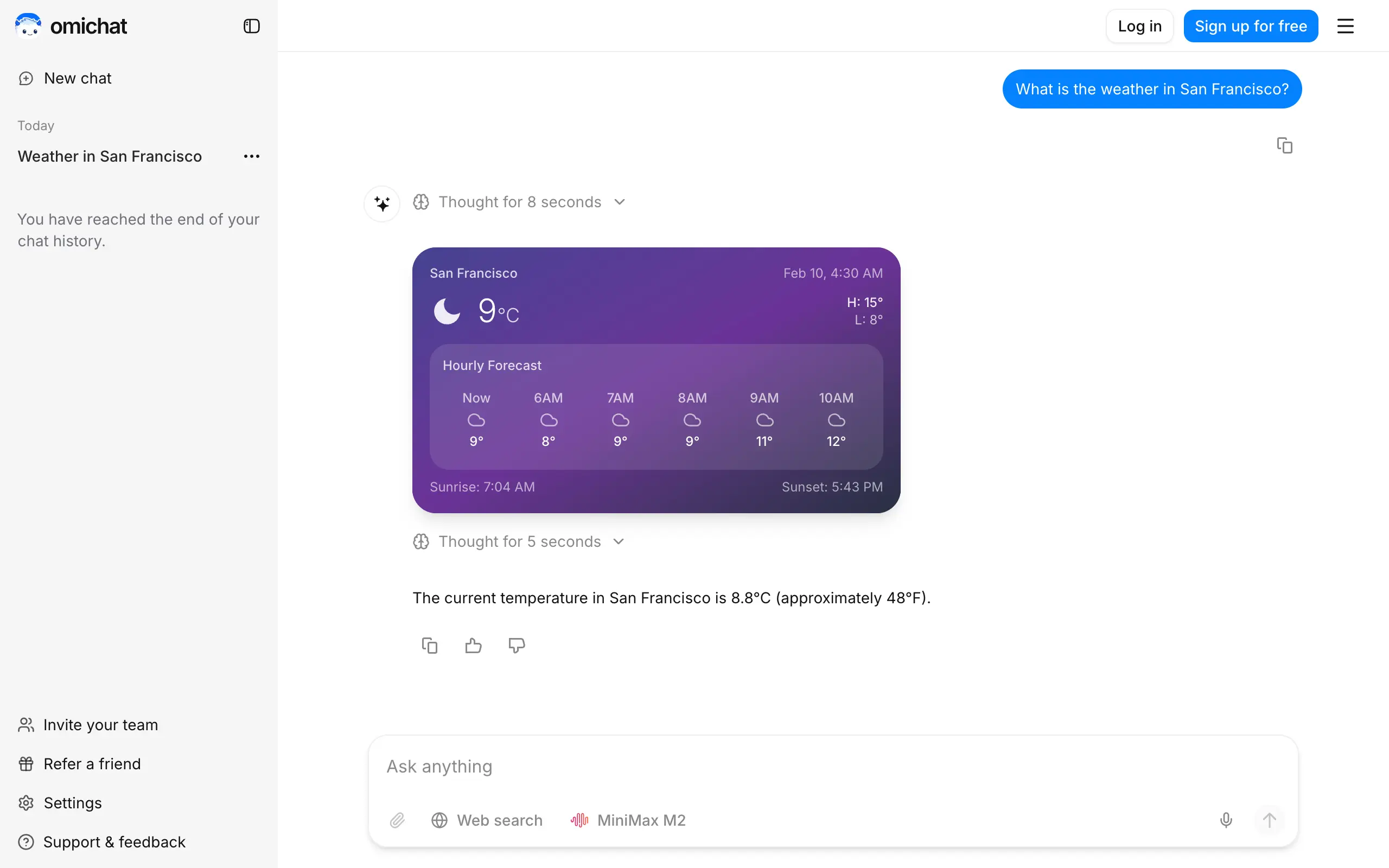
Omichat
Chat with 50+ AI models, including ChatGPT and Claude, in one place - switch models anytime without losing context 🤖
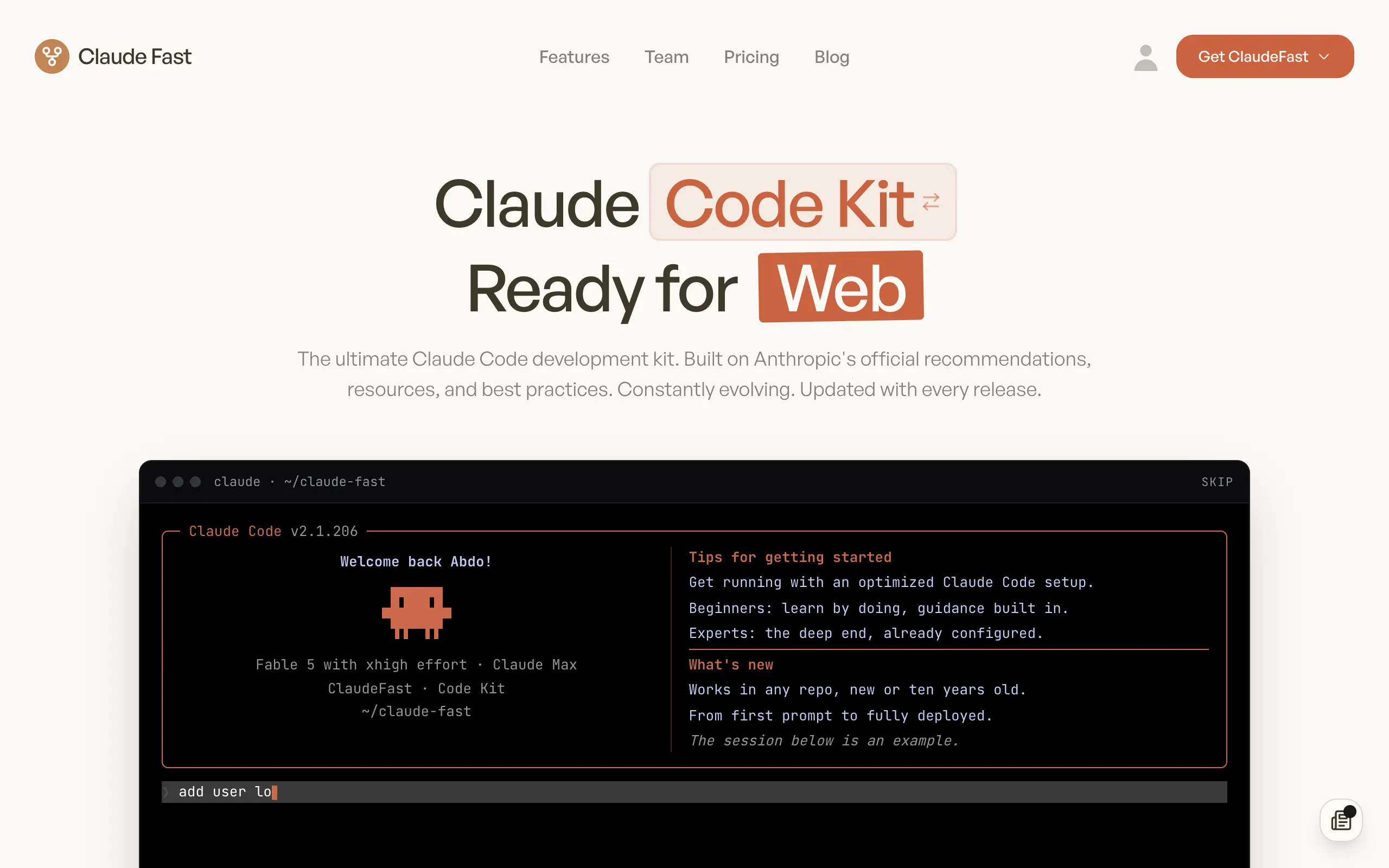
Claude Fast
Supercharge your Claude Code with 6x effective context window and specialized AI agents 🤖
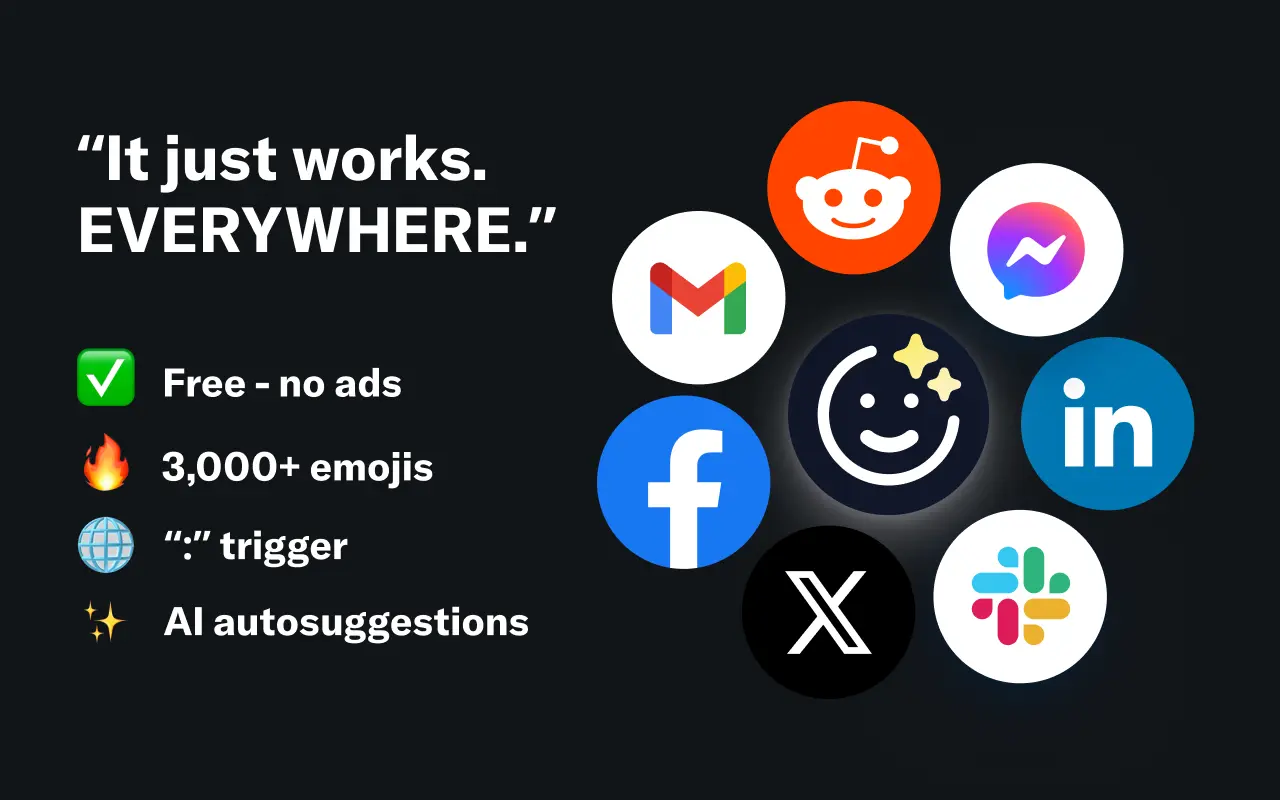
EmojAI
AI-powered emoji picker with smart, context-aware suggestions 🤖
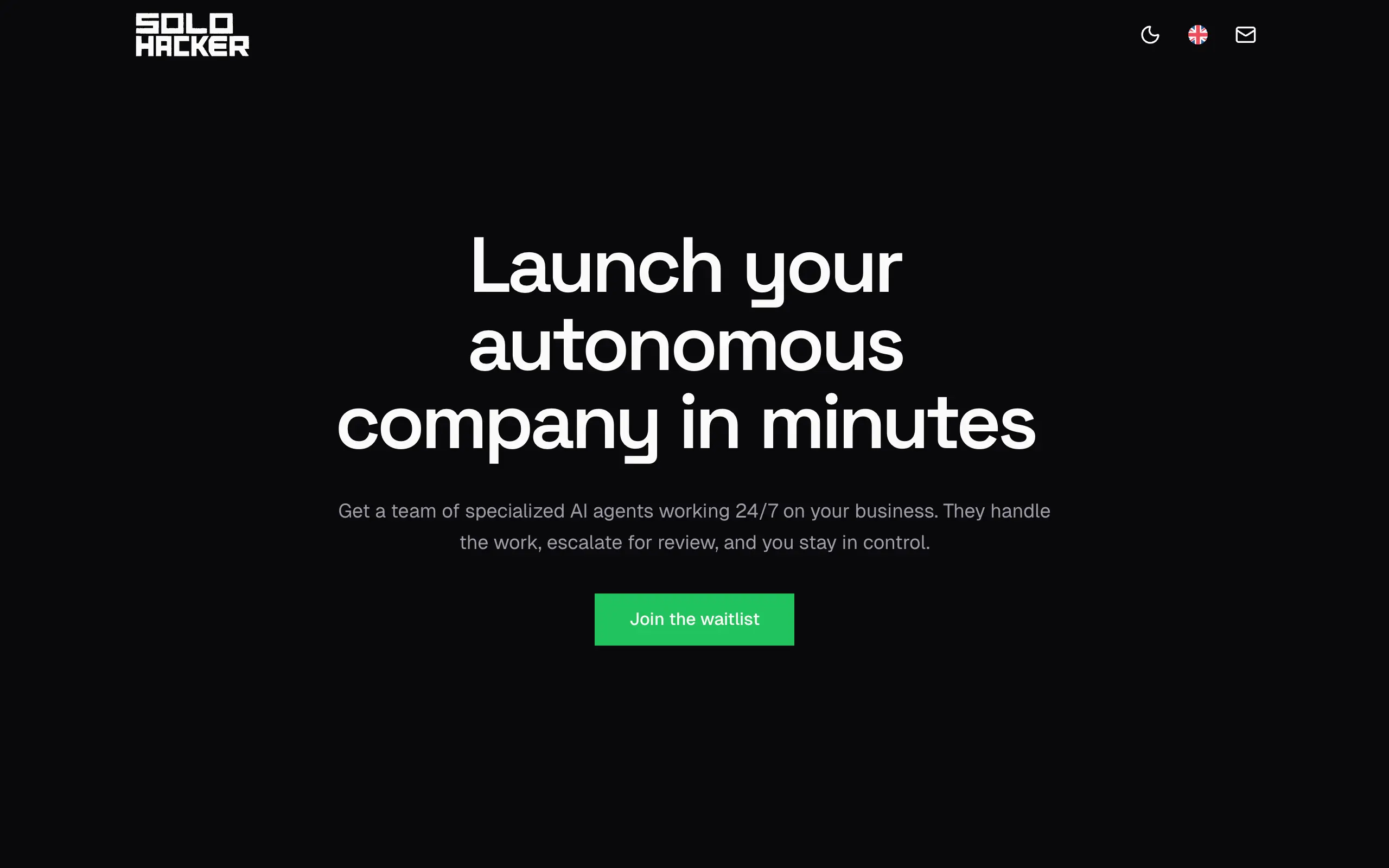
Solohacker
Autonomous company launcher - AI agents work 24/7, escalate what matters, and you stay in control 🤖
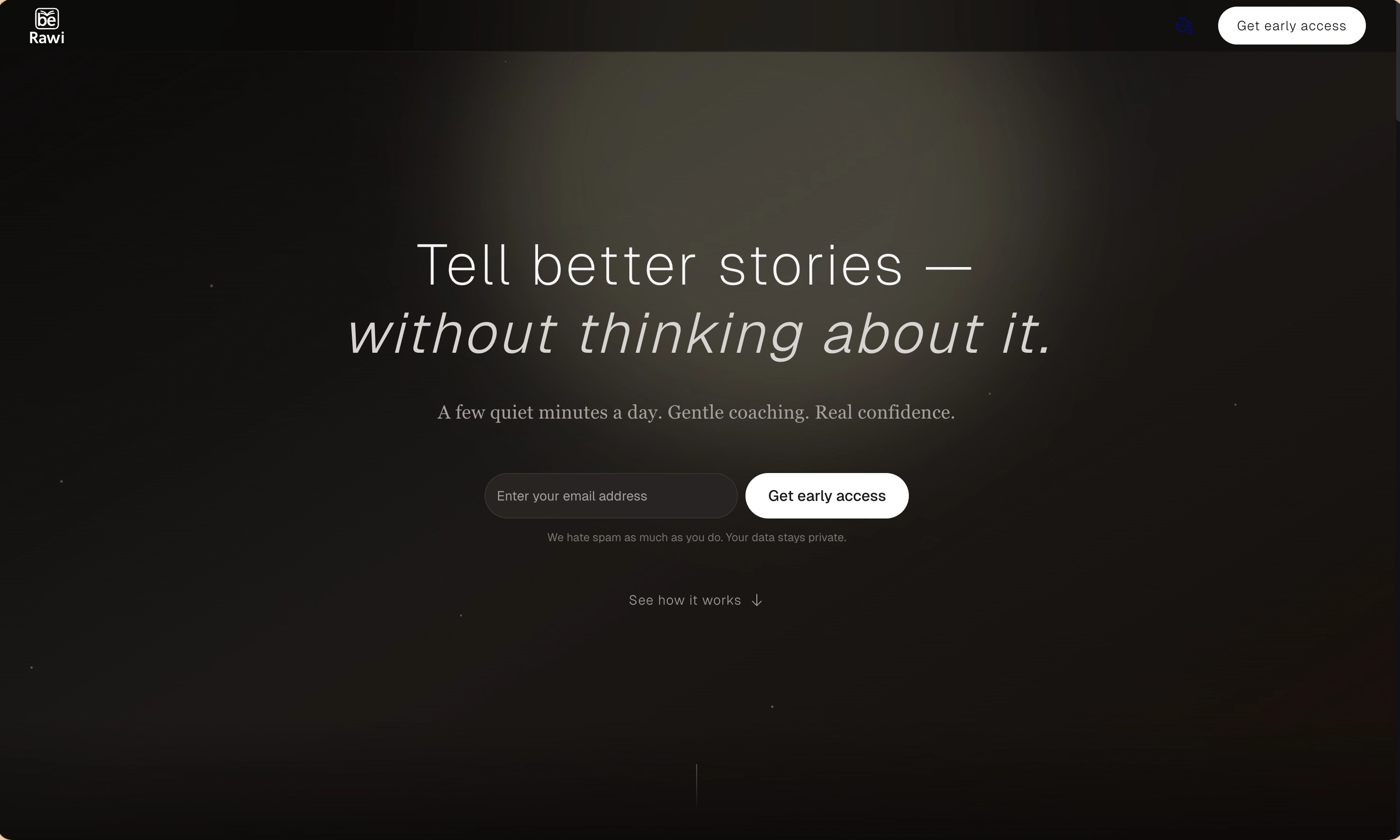
BeRawi: Storytelling Coach
Practice storytelling daily with instant feedback to sound clearer, more engaging, and confident 🎤
Omichat
Chat with 50+ AI models, including ChatGPT and Claude, in one place - switch models anytime without losing context 🤖
Claude Fast
Supercharge your Claude Code with 6x effective context window and specialized AI agents 🤖
EmojAI
AI-powered emoji picker with smart, context-aware suggestions 🤖
Solohacker
Autonomous company launcher - AI agents work 24/7, escalate what matters, and you stay in control 🤖
BeRawi: Storytelling Coach
Practice storytelling daily with instant feedback to sound clearer, more engaging, and confident 🎤
Omichat
Chat with 50+ AI models, including ChatGPT and Claude, in one place - switch models anytime without losing context 🤖
Claude Fast
Supercharge your Claude Code with 6x effective context window and specialized AI agents 🤖
EmojAI
AI-powered emoji picker with smart, context-aware suggestions 🤖
Solohacker
Autonomous company launcher - AI agents work 24/7, escalate what matters, and you stay in control 🤖
BeRawi: Storytelling Coach
Practice storytelling daily with instant feedback to sound clearer, more engaging, and confident 🎤
Omichat
Chat with 50+ AI models, including ChatGPT and Claude, in one place - switch models anytime without losing context 🤖
Claude Fast
Supercharge your Claude Code with 6x effective context window and specialized AI agents 🤖
EmojAI
AI-powered emoji picker with smart, context-aware suggestions 🤖
Solohacker
Autonomous company launcher - AI agents work 24/7, escalate what matters, and you stay in control 🤖
BeRawi: Storytelling Coach
Practice storytelling daily with instant feedback to sound clearer, more engaging, and confident 🎤

Connect with like-minded people
Join our community to get feedback, support, and grow together with 1,000+ builders on board, let's ship it!
Join usShip your startup everywhere. In minutes.
Don't burn tokens on setup and start building features on day one.