AdaptiveBulk
AI-driven workout and nutrition planner that dynamically adjusts routines based on progress, fatigue, and recovery signals.
understanding the rise of adaptive fitness platforms
The fitness and wellness industry is undergoing a massive transformation. Static workout plans and generic diet templates are rapidly losing relevance in a world where personalization, data, and real-time feedback dominate user expectations. This shift has opened the door for AI-powered fitness SaaS platforms like AdaptiveBulk—an intelligent system designed to dynamically adjust workout routines and nutrition plans based on user progress, fatigue levels, and recovery signals.
At its core, AdaptiveBulk represents the next evolution of adaptive fitness planning software, merging artificial intelligence, wearable data, and behavioral science to deliver highly personalized outcomes.
This article dives deep into the business potential, technical architecture, market opportunity, and execution strategy behind building a platform like AdaptiveBulk.
what is adaptivebulk and why it matters
AdaptiveBulk is an AI-driven workout and nutrition planner that evolves with the user. Unlike traditional fitness apps that rely on static programs, AdaptiveBulk continuously analyzes user data to adjust:
- Training intensity
- Exercise selection
- Volume and frequency
- Caloric intake and macros
- Recovery protocols
This creates a closed feedback loop, where the system learns from user performance and adapts accordingly.
the core value proposition
- Hyper-personalization at scale
- Reduced injury risk through fatigue monitoring
- Improved results through adaptive progression
- Time efficiency for users and coaches
Why this matters now
The global fitness app market continues to grow rapidly, driven by wearable adoption and increased health awareness. AI-driven personalization is emerging as the key differentiator for next-generation platforms.
target audience analysis
Understanding the target users is essential for building a successful SaaS product like AdaptiveBulk.
primary audience segments
1. serious fitness enthusiasts
- Age: 18–40
- Goals: hypertrophy, strength, performance
- Pain points:
- Plateaus
- Overtraining
- Lack of personalization
2. intermediate gym-goers
- Want structure but lack expertise
- Frequently switch programs without results
- Need guidance without hiring a coach
3. personal trainers and coaches
- Need scalable solutions for multiple clients
- Want automation for programming and tracking
- Value analytics and insights
4. biohackers and quantified-self users
- Already track sleep, HRV, recovery
- Want deeper insights and optimization
secondary audience
- Athletes (semi-pro)
- Remote coaching businesses
- Corporate wellness programs
market opportunity and gap analysis
current market landscape
The fitness SaaS ecosystem includes:
- Workout apps (e.g., Strong, Fitbod)
- Nutrition trackers (e.g., MyFitnessPal)
- Wearable platforms (e.g., WHOOP, Apple Health)
- Coaching platforms (Trainerize)
Despite the abundance of tools, most suffer from fragmentation and lack of real-time adaptability.
key gaps in the market
- Static programming logic
- Limited integration between training and nutrition
- Poor use of recovery data
- Minimal AI-driven decision-making
- Lack of true personalization beyond onboarding
adaptivebulk’s positioning
AdaptiveBulk sits at the intersection of:
- AI personalization
- Performance optimization
- Data-driven coaching
It doesn't just track—it decides and adapts.
core features and product architecture
To succeed, AdaptiveBulk must deliver a cohesive and intelligent experience. Below are the essential features.
1. adaptive workout engine
- Automatically adjusts:
- Sets, reps, weight
- Exercise variations
- Uses:
- Performance history
- Fatigue metrics
- User feedback (RPE, soreness)
2. dynamic nutrition planning
- Personalized macro targets
- Adjusts based on:
- Weight trends
- Training load
- Recovery status
3. recovery and fatigue tracking
Integrates with wearables to analyze:
- HRV (heart rate variability)
- Sleep quality
- Resting heart rate
4. progress analytics dashboard
- Visual insights into:
- Strength progression
- Body composition
- Recovery trends
5. AI coaching assistant
- Chat-based interface
- Provides:
- Recommendations
- Explanations
- Motivation
6. integrations ecosystem
- Apple Health
- Google Fit
- Wearables (WHOOP, Garmin, Fitbit)
feature comparison with traditional apps
| Feature | Traditional Apps | AdaptiveBulk | AI Personalization | Real-Time Adaptation |
|---|---|---|---|---|
| Workout Plans | ✅ Static | ✅ Dynamic | ✅ | ✅ |
| Nutrition | ✅ Basic | ✅ Adaptive | ✅ | ✅ |
recommended tech stack for adaptivebulk
Building an AI-driven fitness SaaS requires careful selection of scalable and flexible technologies.
frontend
backend
- Node.js (API layer)
- Python (AI/ML models)
- GraphQL or REST APIs
ai and data processing
- TensorFlow or PyTorch
- Time-series analysis models
- Reinforcement learning for adaptation
database
- PostgreSQL (structured data)
- Redis (real-time caching)
- Time-series DB (e.g., InfluxDB)
integrations
- Wearable APIs
- HealthKit / Google Fit
infrastructure
- AWS or Vercel
- Serverless functions for scalability
Trade-off to consider
Real-time adaptation requires low-latency processing. Balancing model complexity with response speed is critical to maintain a smooth user experience.
how the adaptive algorithm works
At the heart of AdaptiveBulk is its decision engine.
function adjustWorkout(userData) {
  const fatigueScore = calculateFatigue(userData.hrv, userData.sleep);
  const performanceTrend = analyzeProgress(userData.history);

  if (fatigueScore > threshold) {
    return reduceIntensity(userData.plan);
  }

  if (performanceTrend === "plateau") {
    return introduceVariation(userData.plan);
  }

  return progressiveOverload(userData.plan);
}
key inputs
- Training performance
- Recovery metrics
- User feedback
- Nutrition adherence
outputs
- Adjusted workouts
- Updated macros
- Recovery recommendations
monetization strategies
AdaptiveBulk offers multiple revenue opportunities.
subscription model
- Monthly: $15–$30
- Annual discounts
premium tiers
- Advanced analytics
- Coach integrations
- Personalized AI insights
b2b offering
- White-label for gyms and coaches
- Corporate wellness packages
marketplace add-ons
- Custom programs
- Nutrition plans
- Coaching sessions
competitive advantage and differentiation
AdaptiveBulk’s strength lies in true adaptability, not just tracking.
key differentiators
- Real-time AI adjustments
- Unified training + nutrition system
- Deep recovery integration
- Scalable coaching automation
Traditional apps
Static, one-size-fits-all programs with limited personalization.
AdaptiveBulk
Dynamic system that evolves continuously with user data and performance.
risks and mitigation strategies
1. data accuracy issues
- Risk: Incorrect recommendations
- Mitigation:
- Use multiple data sources
- Allow manual overrides
2. user trust in ai decisions
- Risk: Users may not trust automation
- Mitigation:
- Provide explanations
- Transparent logic
3. integration complexity
- Risk: API inconsistencies
- Mitigation:
- Modular integration layer
- Fallback mechanisms
4. competition from big players
- Risk: Apple, Google entering space
- Mitigation:
- Focus on niche depth
- Build strong brand identity
seo strategy for adaptivebulk
To rank effectively for keywords like:
- AI workout planner
- adaptive fitness app
- personalized workout generator
- AI nutrition planner
content strategy
- Long-form blog posts
- Case studies
- User transformation stories
technical seo
- Fast-loading pages
- Structured data
- Mobile-first design
authority building
- Collaborate with fitness experts
- Publish research-backed insights
- Guest posts on fitness platforms
step-by-step implementation roadmap
go-to-market strategy
phase 1: early adopters
- Fitness enthusiasts on Reddit, Twitter
- Bodybuilding communities
phase 2: influencer partnerships
- Fitness YouTubers
- Coaches and trainers
phase 3: scale
- Paid ads
- SEO content
- Affiliate programs
future expansion opportunities
AdaptiveBulk can evolve into a full ecosystem.
potential features
- Mental health tracking
- Injury prevention AI
- Group training optimization
- AR/VR workouts
long-term vision
Become the operating system for human performance.
frequently asked questions
Yes, when trained on quality data and combined with user feedback, AI can outperform static plans by adapting in real time.
Not required, but highly recommended for better accuracy and personalization.
It complements or replaces certain coaching tasks by automating decision-making and scaling personalization.
actionable next steps to build adaptivebulk
If you're serious about launching AdaptiveBulk, here’s a practical plan:
-
Define your core MVP:
- Adaptive workouts
- Basic nutrition adjustments
-
Build quickly using a proven SaaS foundation like TurboStarter
-
Focus on:
- Data collection
- Feedback loops
- Iteration speed
-
Launch early and learn from users
-
Continuously improve AI models
final thoughts
AdaptiveBulk represents a powerful shift toward intelligent, responsive fitness systems. As users demand more personalization and efficiency, platforms that can adapt in real time will dominate the market.
The opportunity is massive—but execution is everything. Success depends on:
- Building trust in AI decisions
- Delivering measurable results
- Creating a seamless user experience
With the right strategy, AdaptiveBulk can become a category-defining product in the rapidly evolving fitness tech landscape.
More 🤖 AI Startup SaaS ideas
Discover more innovative ai startup SaaS ideas that are trending in 2026. Each idea is AI-generated with market validation and growth potential to help you find your next profitable venture faster than competitors.
Your competitors are building with TurboStarter
Below are some of the SaaS ideas that have been generated and built with our starter kit.
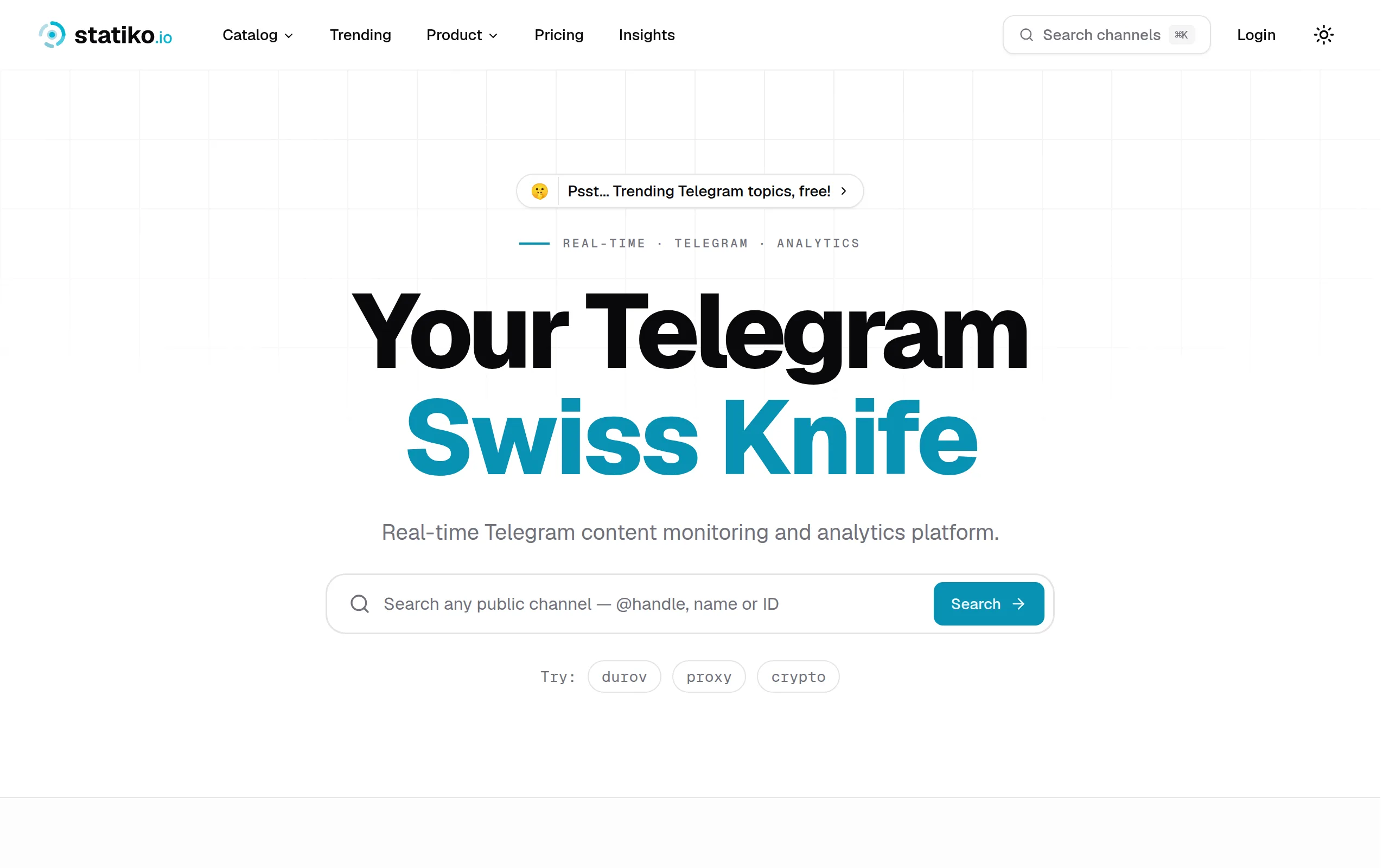
Statiko
Monitor any Telegram channel in real time - track posts, edits, deletions, and growth with AI recaps 📡

Shibui
AI website builder - describe your business, pick a niche template, edit by chatting, and publish instantly ✨

Pro Service
Find verified home service professionals, compare quotes, and pay securely through escrow - built for Brazilians across the US 🏠
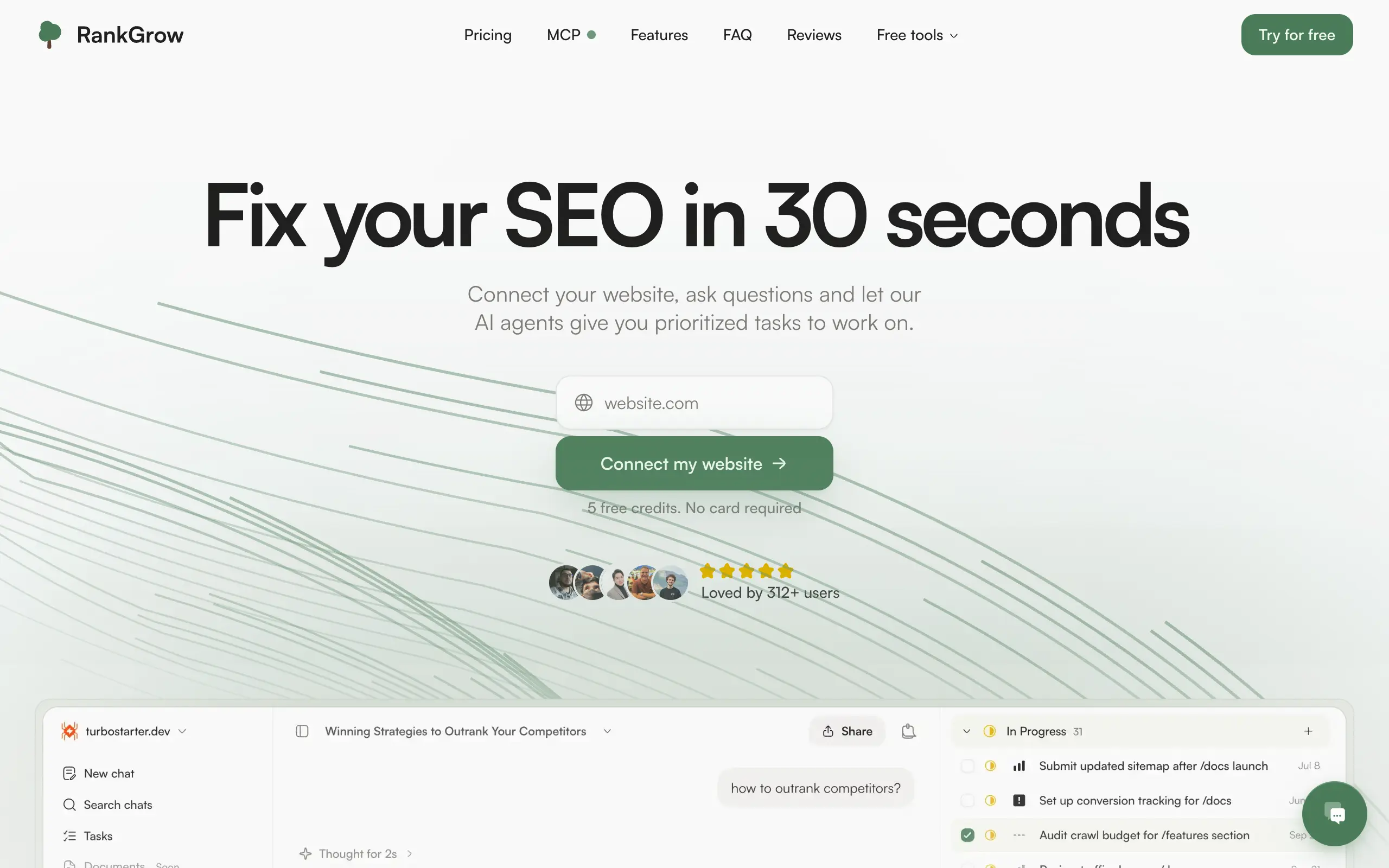
RankGrow
Fix your SEO with AI agents - connect Search Console, get prioritized tasks, and grow organic traffic 📈
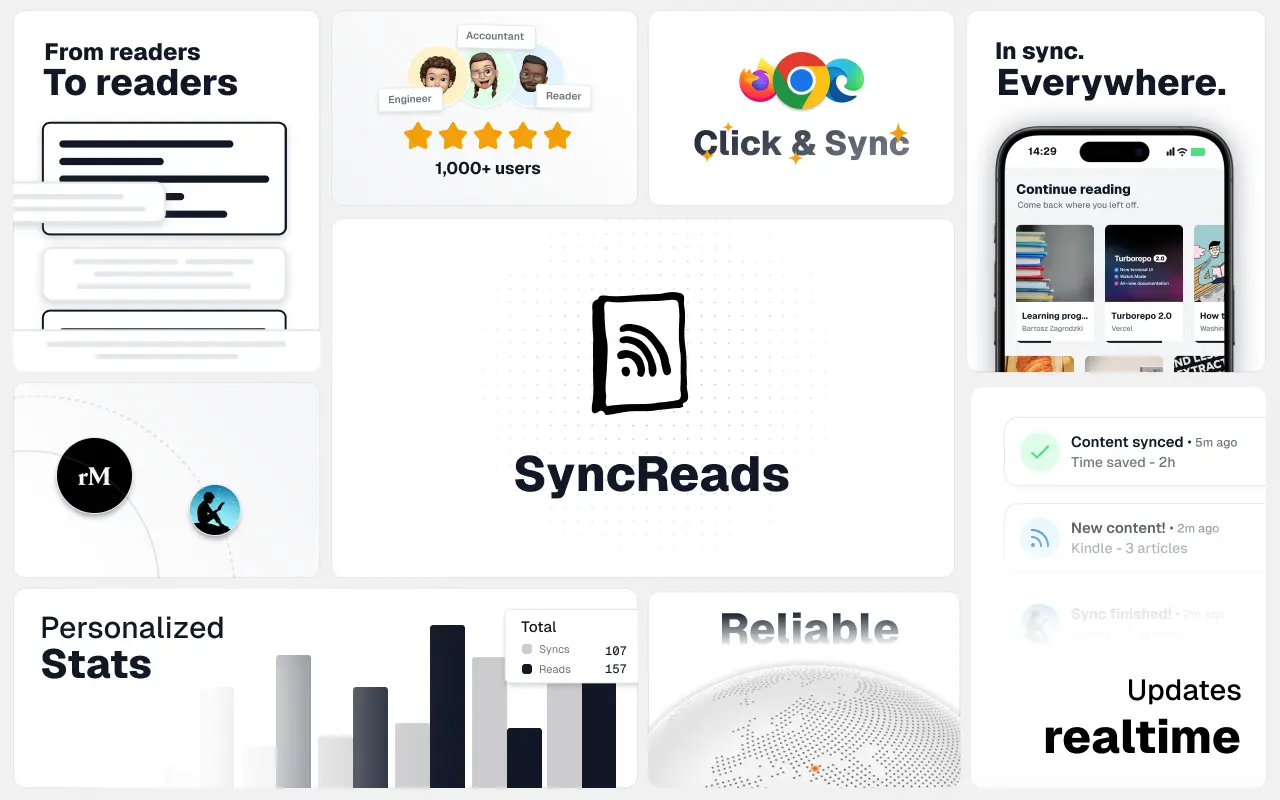
SyncReads
Sync your favorite content for distraction-free reading, save time and replace multiple apps. Anytime, anywhere 🔄
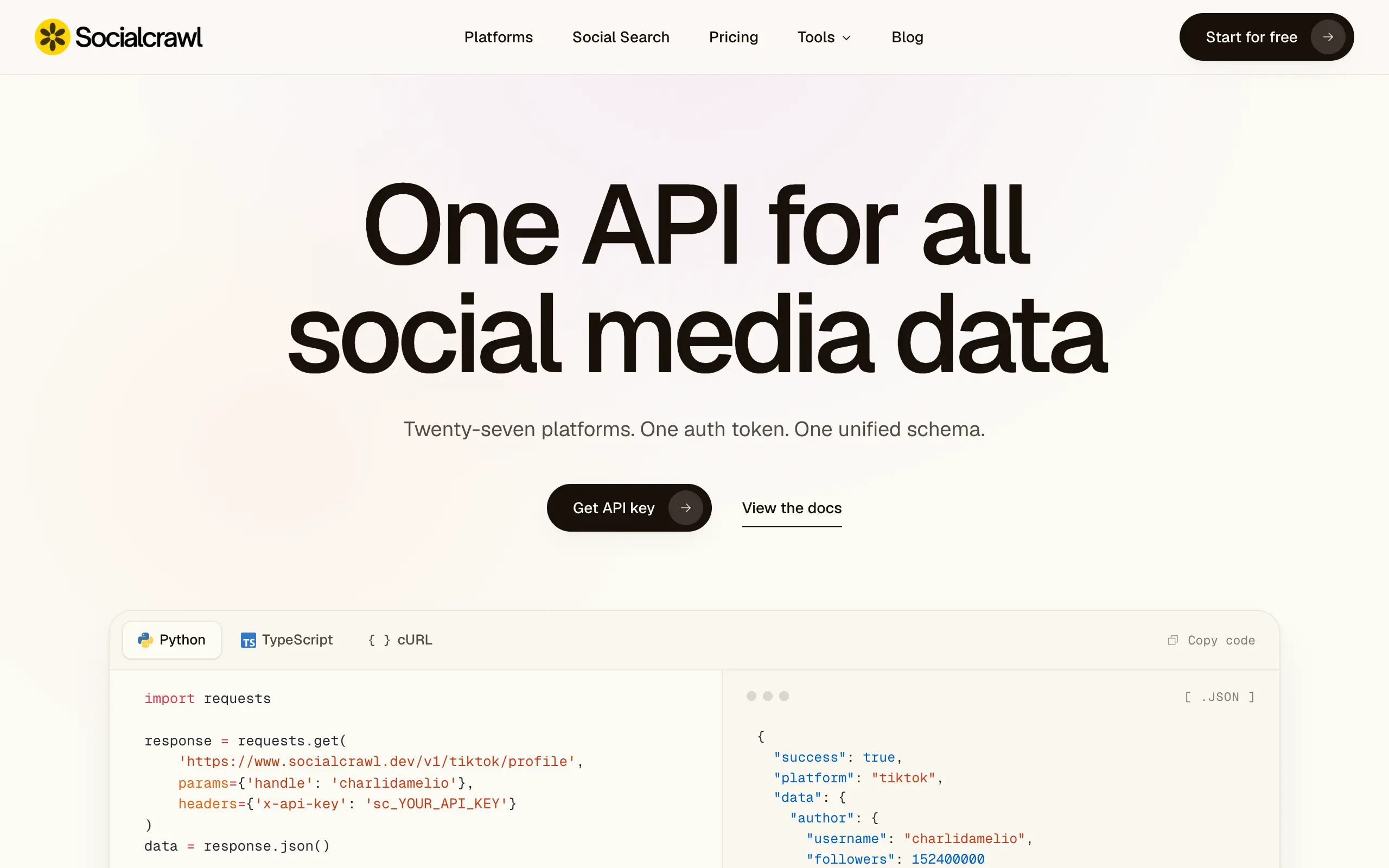
Socialcrawl
Get clean, structured data from 21 platforms like TikTok, Instagram, and YouTube with a single request 📊
Statiko
Monitor any Telegram channel in real time - track posts, edits, deletions, and growth with AI recaps 📡
Shibui
AI website builder - describe your business, pick a niche template, edit by chatting, and publish instantly ✨
Pro Service
Find verified home service professionals, compare quotes, and pay securely through escrow - built for Brazilians across the US 🏠
RankGrow
Fix your SEO with AI agents - connect Search Console, get prioritized tasks, and grow organic traffic 📈
SyncReads
Sync your favorite content for distraction-free reading, save time and replace multiple apps. Anytime, anywhere 🔄
Socialcrawl
Get clean, structured data from 21 platforms like TikTok, Instagram, and YouTube with a single request 📊
Statiko
Monitor any Telegram channel in real time - track posts, edits, deletions, and growth with AI recaps 📡
Shibui
AI website builder - describe your business, pick a niche template, edit by chatting, and publish instantly ✨
Pro Service
Find verified home service professionals, compare quotes, and pay securely through escrow - built for Brazilians across the US 🏠
RankGrow
Fix your SEO with AI agents - connect Search Console, get prioritized tasks, and grow organic traffic 📈
SyncReads
Sync your favorite content for distraction-free reading, save time and replace multiple apps. Anytime, anywhere 🔄
Socialcrawl
Get clean, structured data from 21 platforms like TikTok, Instagram, and YouTube with a single request 📊
Statiko
Monitor any Telegram channel in real time - track posts, edits, deletions, and growth with AI recaps 📡
Shibui
AI website builder - describe your business, pick a niche template, edit by chatting, and publish instantly ✨
Pro Service
Find verified home service professionals, compare quotes, and pay securely through escrow - built for Brazilians across the US 🏠
RankGrow
Fix your SEO with AI agents - connect Search Console, get prioritized tasks, and grow organic traffic 📈
SyncReads
Sync your favorite content for distraction-free reading, save time and replace multiple apps. Anytime, anywhere 🔄
Socialcrawl
Get clean, structured data from 21 platforms like TikTok, Instagram, and YouTube with a single request 📊
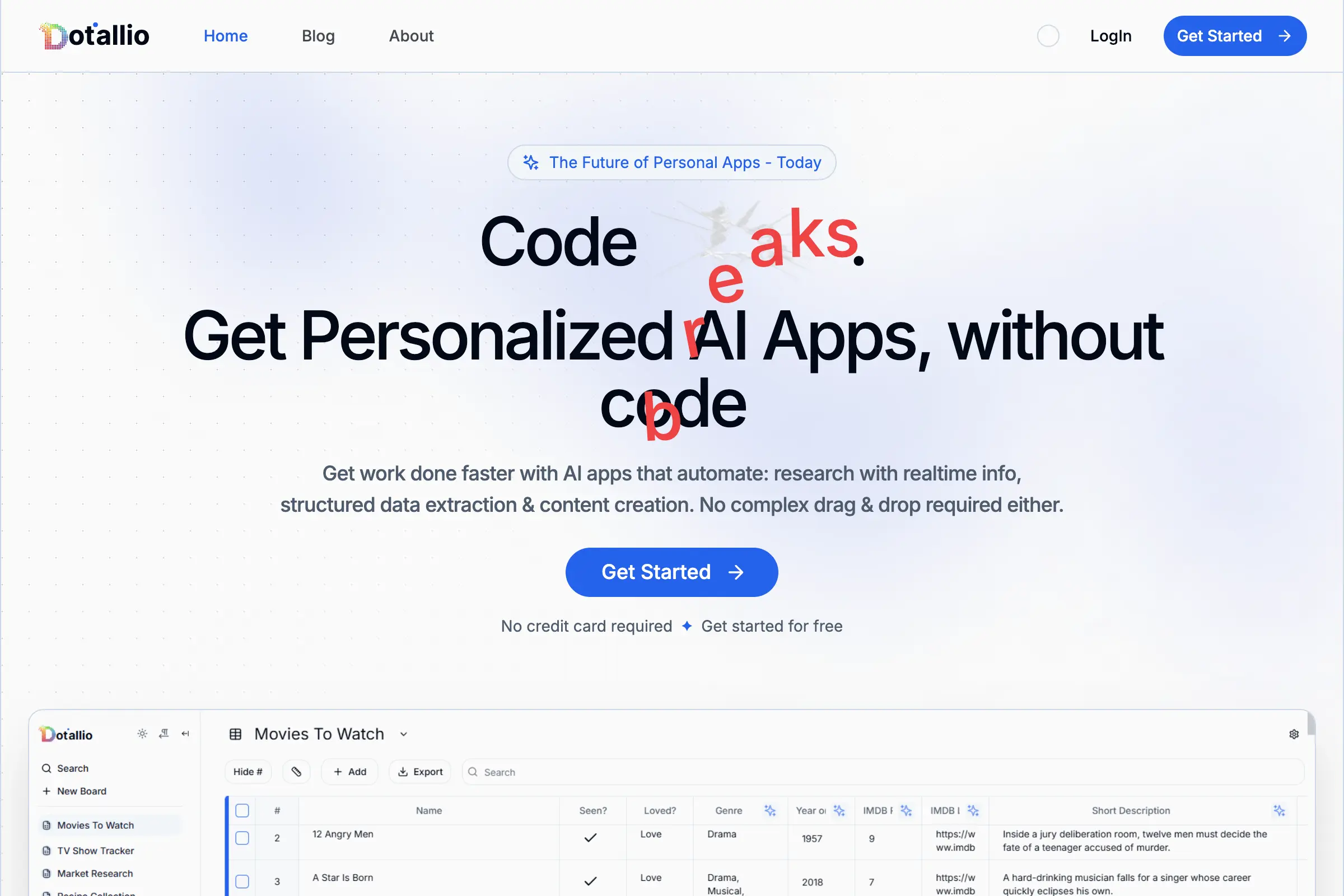
Dotallio
Personalized AI apps that automate research, data extraction, and content creation without code 🤖
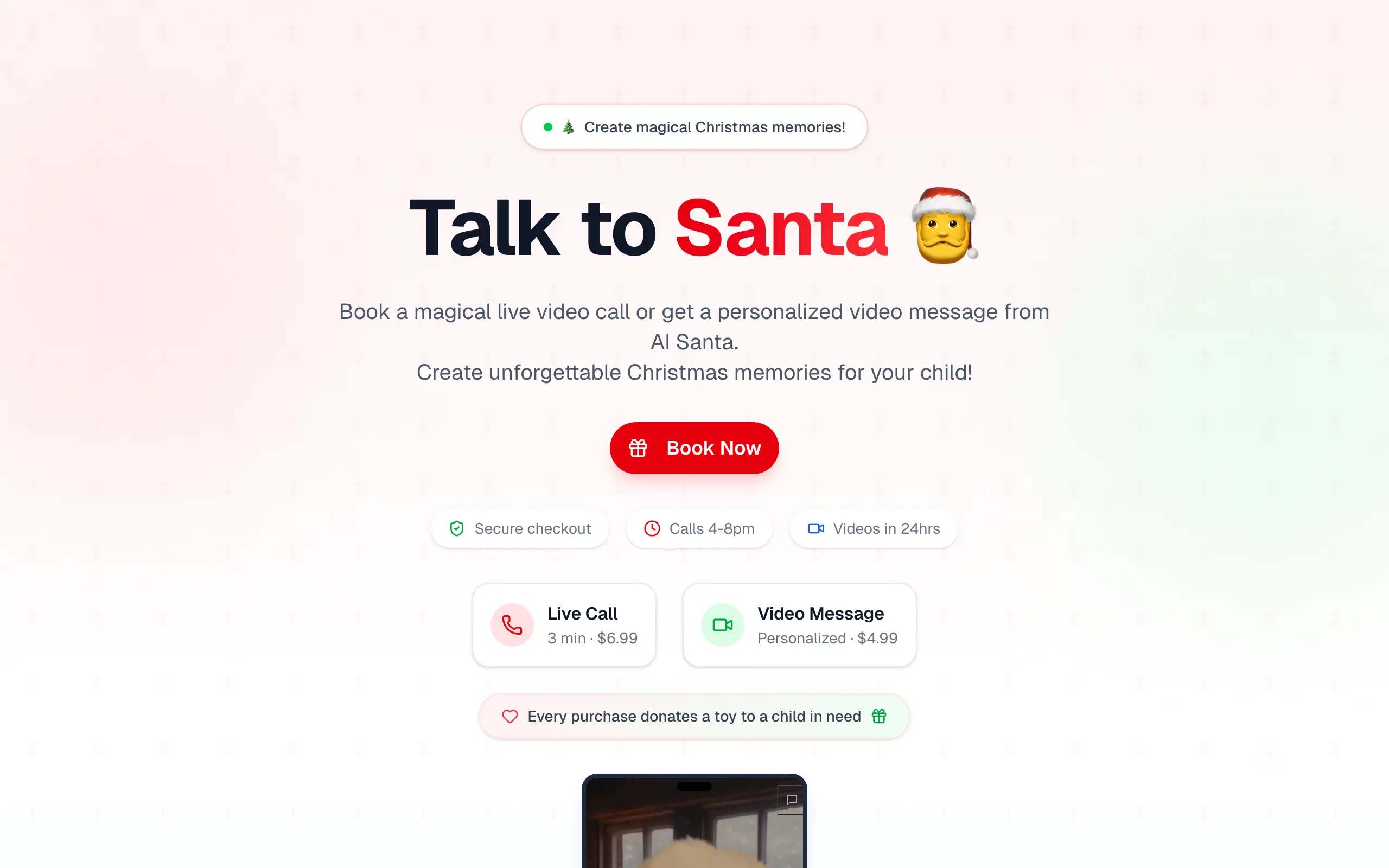
Talk to Santa
Enjoy a magical live video chat or receive a unique AI-generated video greeting from Santa Claus 🎅
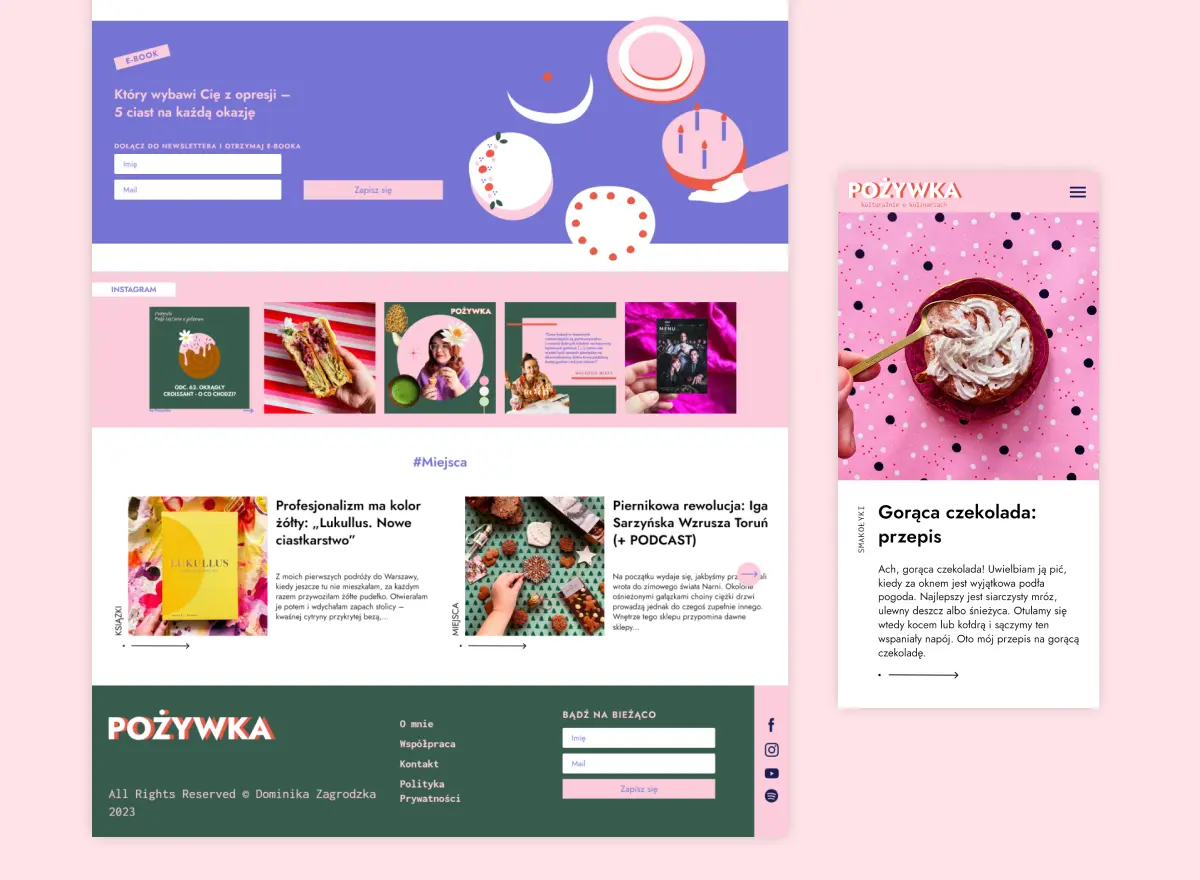
pozywka.pl
Scalable blog for food journalist, focused on performance and user experience 🌭
zagrodzki.me
Personal blog and portfolio of Bart Zagrodzki, where he shares his knowledge and work 💼
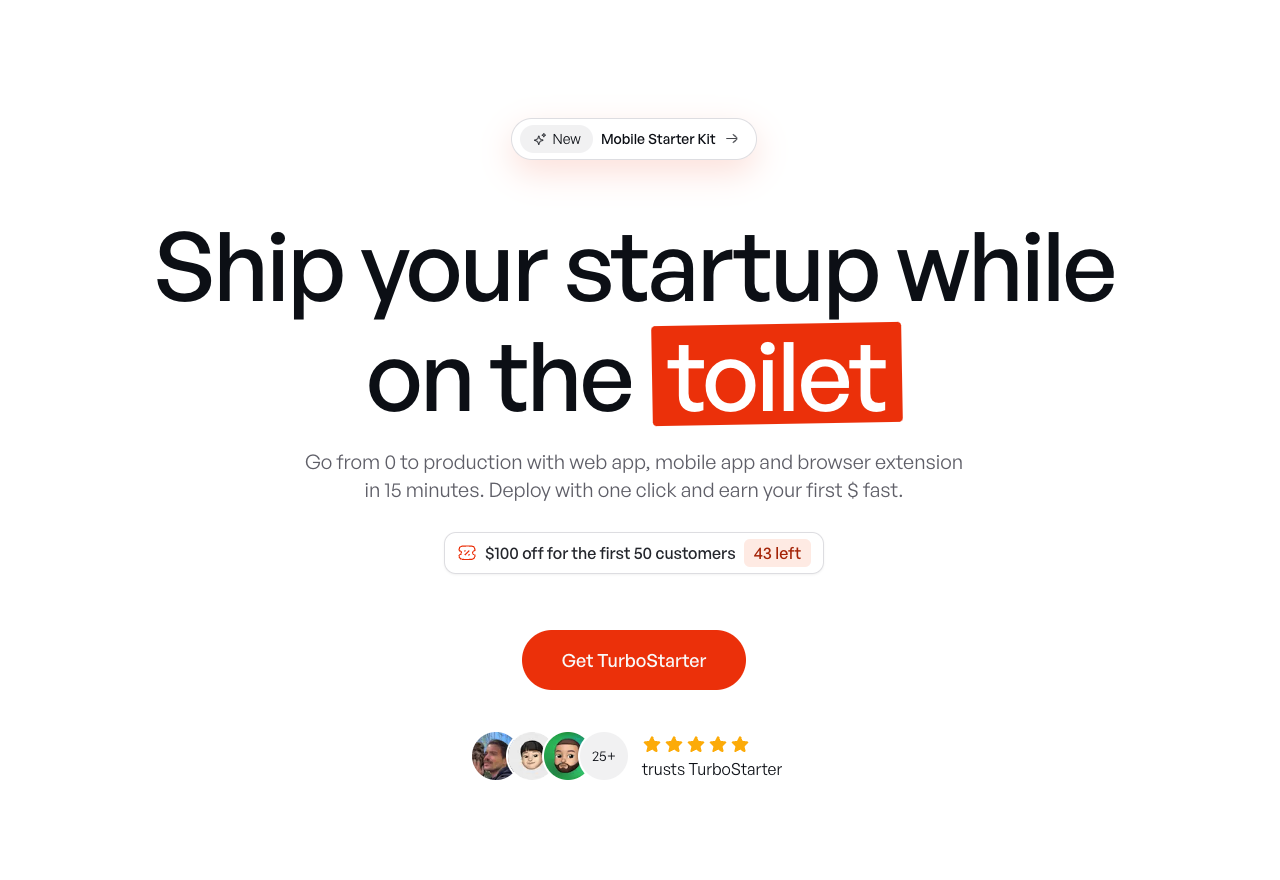
TurboStarter
Ship your startup everywhere. In minutes.
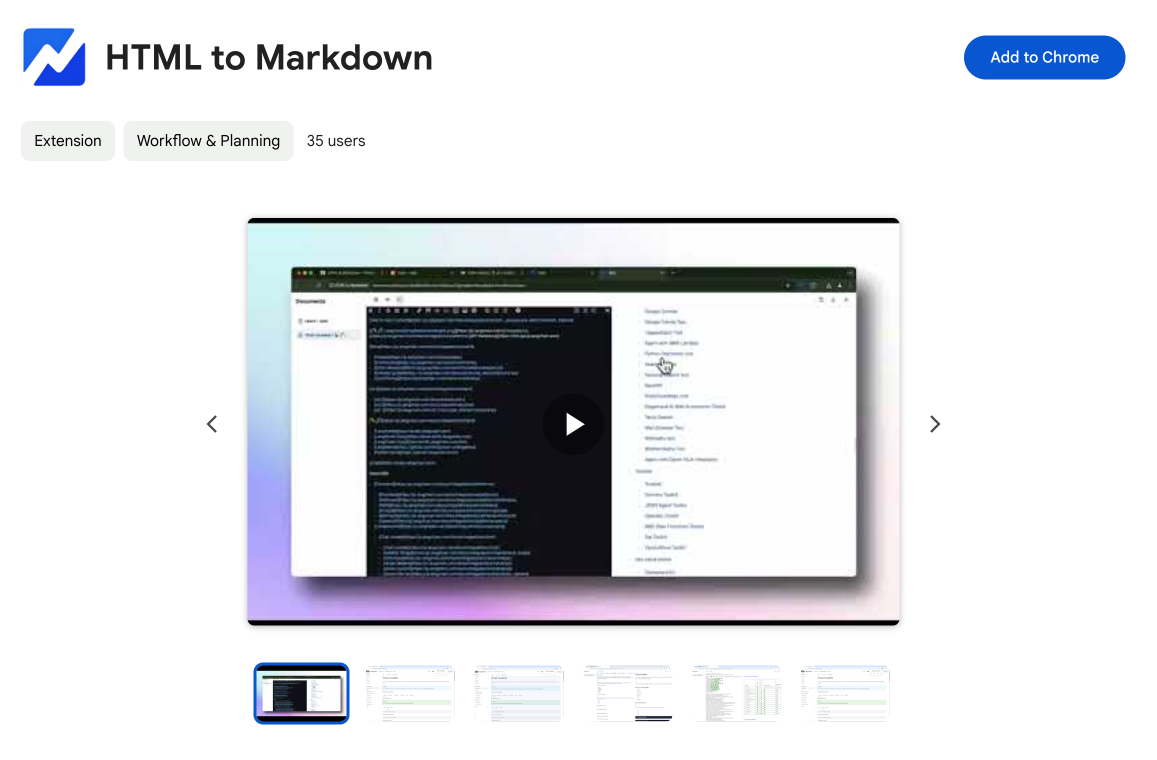
HTML to Markdown
Convert HTML to Markdown with ease, directly in your browser 📄
Dotallio
Personalized AI apps that automate research, data extraction, and content creation without code 🤖
Talk to Santa
Enjoy a magical live video chat or receive a unique AI-generated video greeting from Santa Claus 🎅
pozywka.pl
Scalable blog for food journalist, focused on performance and user experience 🌭
zagrodzki.me
Personal blog and portfolio of Bart Zagrodzki, where he shares his knowledge and work 💼
TurboStarter
Ship your startup everywhere. In minutes.
HTML to Markdown
Convert HTML to Markdown with ease, directly in your browser 📄
Dotallio
Personalized AI apps that automate research, data extraction, and content creation without code 🤖
Talk to Santa
Enjoy a magical live video chat or receive a unique AI-generated video greeting from Santa Claus 🎅
pozywka.pl
Scalable blog for food journalist, focused on performance and user experience 🌭
zagrodzki.me
Personal blog and portfolio of Bart Zagrodzki, where he shares his knowledge and work 💼
TurboStarter
Ship your startup everywhere. In minutes.
HTML to Markdown
Convert HTML to Markdown with ease, directly in your browser 📄
Dotallio
Personalized AI apps that automate research, data extraction, and content creation without code 🤖
Talk to Santa
Enjoy a magical live video chat or receive a unique AI-generated video greeting from Santa Claus 🎅
pozywka.pl
Scalable blog for food journalist, focused on performance and user experience 🌭
zagrodzki.me
Personal blog and portfolio of Bart Zagrodzki, where he shares his knowledge and work 💼
TurboStarter
Ship your startup everywhere. In minutes.
HTML to Markdown
Convert HTML to Markdown with ease, directly in your browser 📄
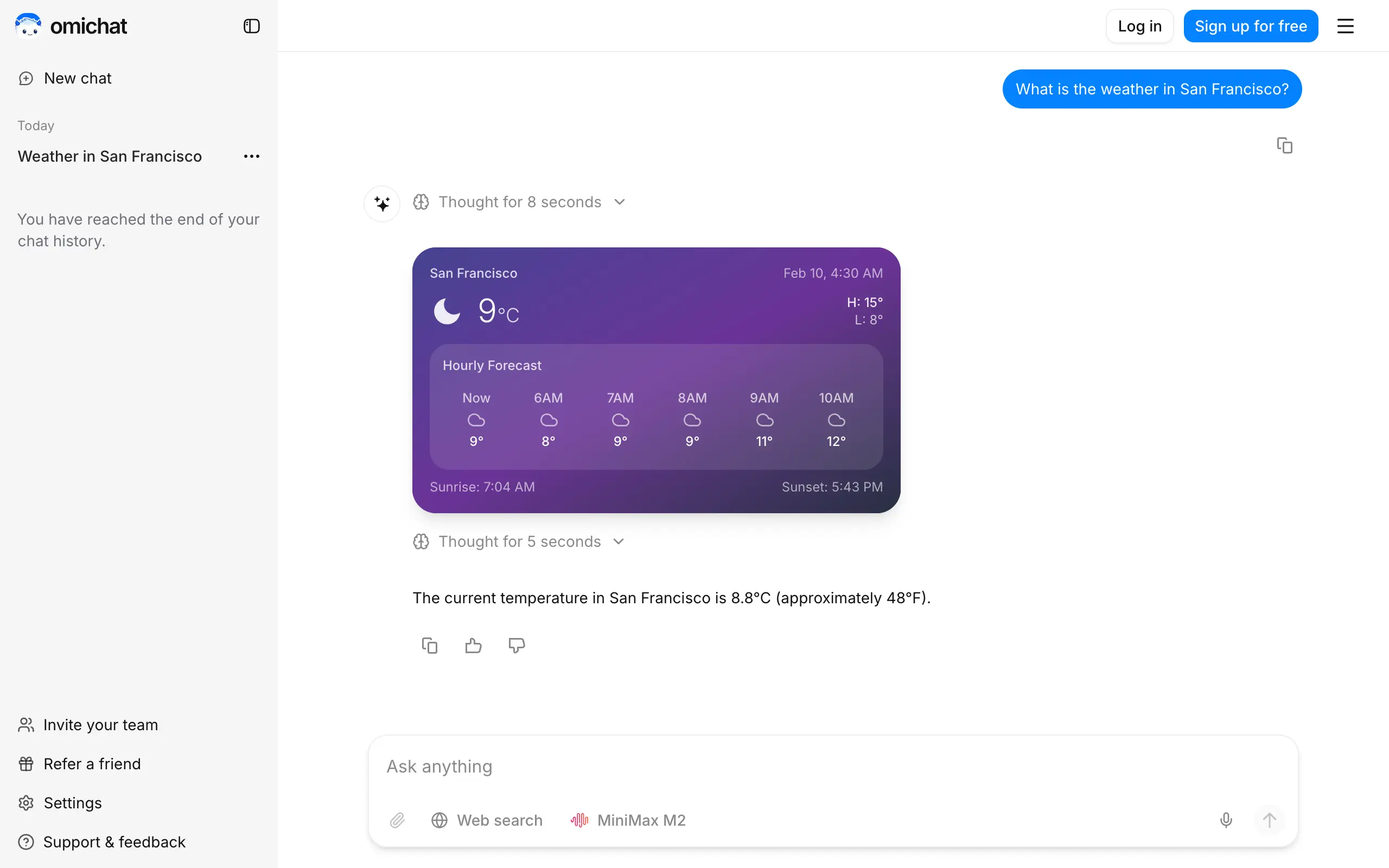
Omichat
Chat with 50+ AI models, including ChatGPT and Claude, in one place - switch models anytime without losing context 🤖
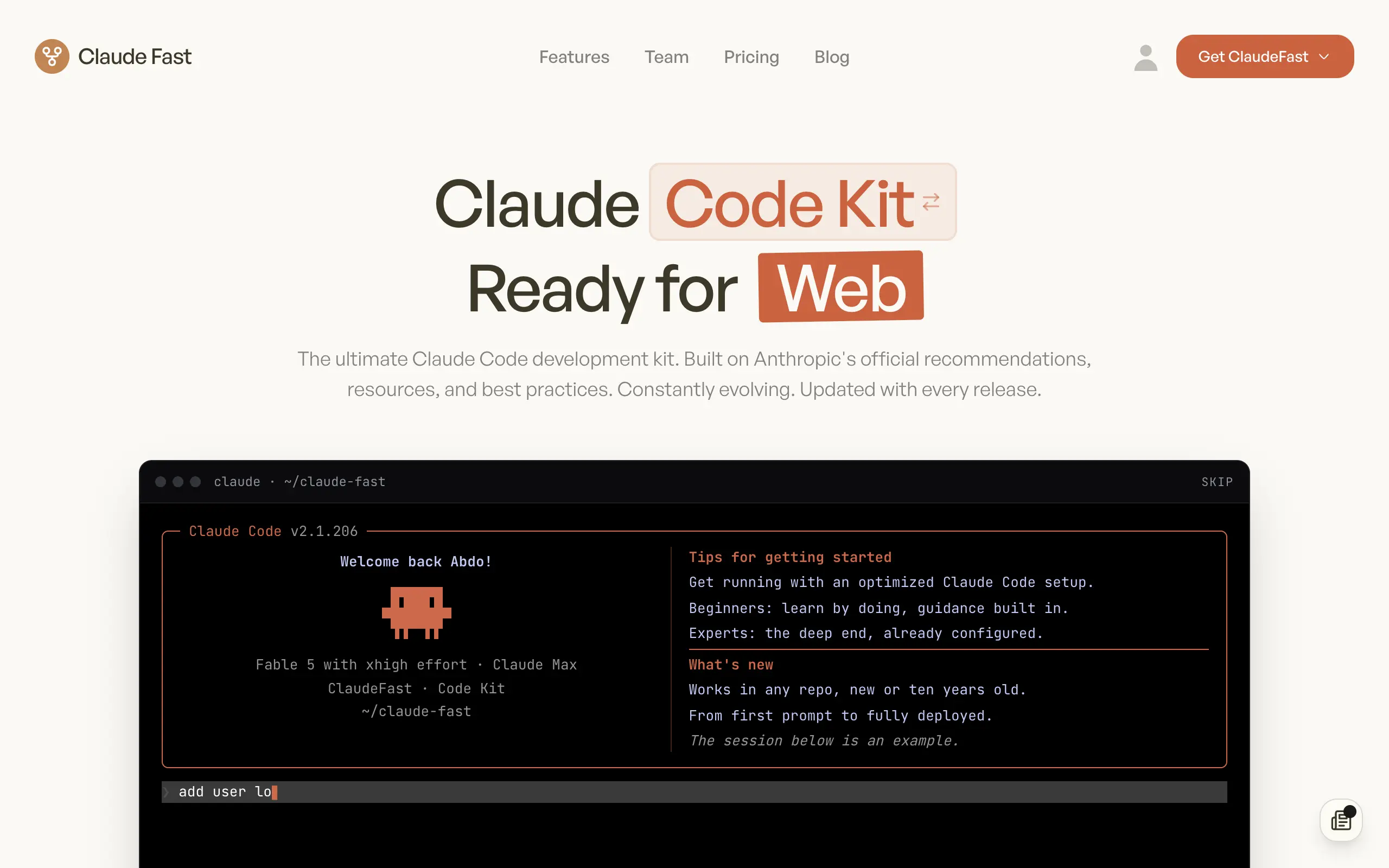
Claude Fast
Supercharge your Claude Code with 6x effective context window and specialized AI agents 🤖
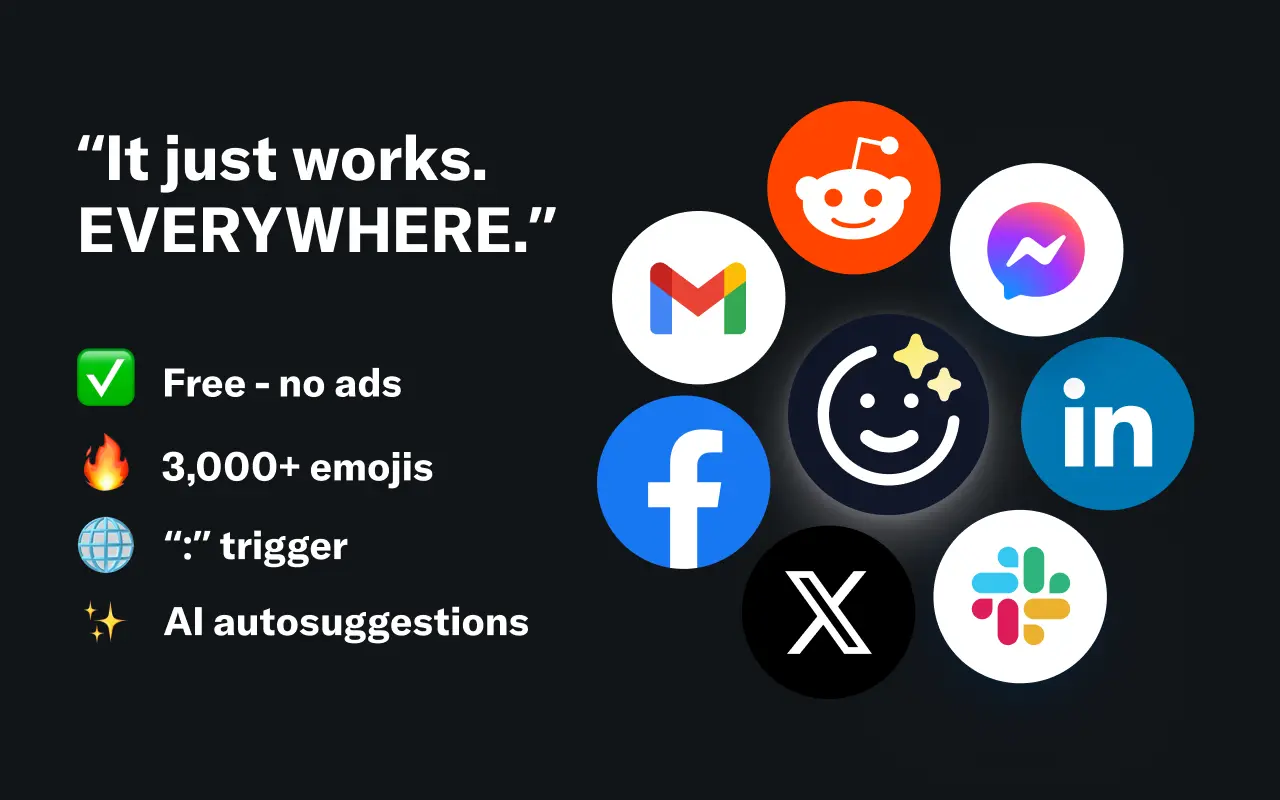
EmojAI
AI-powered emoji picker with smart, context-aware suggestions 🤖
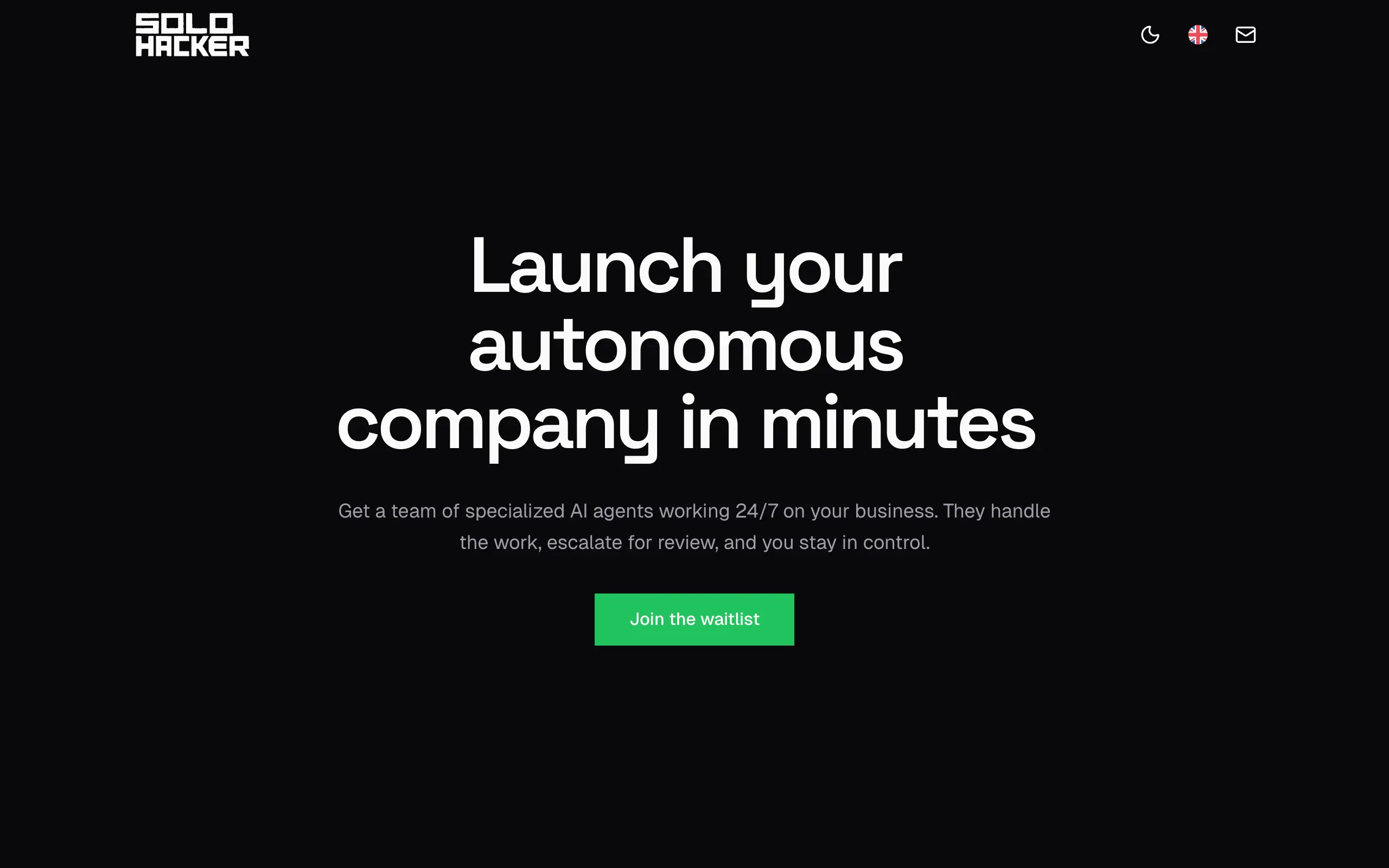
Solohacker
Autonomous company launcher - AI agents work 24/7, escalate what matters, and you stay in control 🤖
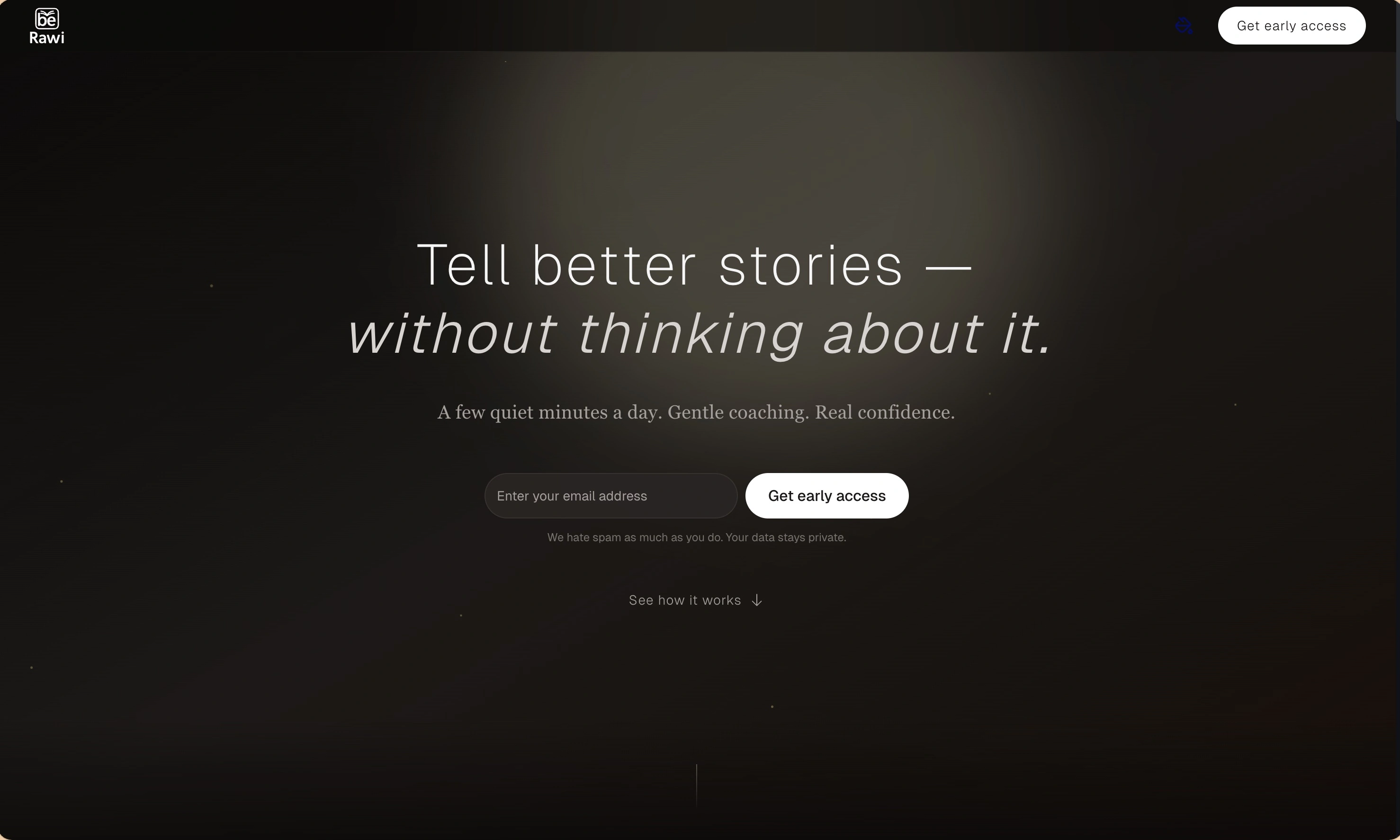
BeRawi: Storytelling Coach
Practice storytelling daily with instant feedback to sound clearer, more engaging, and confident 🎤
Omichat
Chat with 50+ AI models, including ChatGPT and Claude, in one place - switch models anytime without losing context 🤖
Claude Fast
Supercharge your Claude Code with 6x effective context window and specialized AI agents 🤖
EmojAI
AI-powered emoji picker with smart, context-aware suggestions 🤖
Solohacker
Autonomous company launcher - AI agents work 24/7, escalate what matters, and you stay in control 🤖
BeRawi: Storytelling Coach
Practice storytelling daily with instant feedback to sound clearer, more engaging, and confident 🎤
Omichat
Chat with 50+ AI models, including ChatGPT and Claude, in one place - switch models anytime without losing context 🤖
Claude Fast
Supercharge your Claude Code with 6x effective context window and specialized AI agents 🤖
EmojAI
AI-powered emoji picker with smart, context-aware suggestions 🤖
Solohacker
Autonomous company launcher - AI agents work 24/7, escalate what matters, and you stay in control 🤖
BeRawi: Storytelling Coach
Practice storytelling daily with instant feedback to sound clearer, more engaging, and confident 🎤
Omichat
Chat with 50+ AI models, including ChatGPT and Claude, in one place - switch models anytime without losing context 🤖
Claude Fast
Supercharge your Claude Code with 6x effective context window and specialized AI agents 🤖
EmojAI
AI-powered emoji picker with smart, context-aware suggestions 🤖
Solohacker
Autonomous company launcher - AI agents work 24/7, escalate what matters, and you stay in control 🤖
BeRawi: Storytelling Coach
Practice storytelling daily with instant feedback to sound clearer, more engaging, and confident 🎤

Connect with like-minded people
Join our community to get feedback, support, and grow together with 1,000+ builders on board, let's ship it!
Join usShip your startup everywhere. In minutes.
Don't burn tokens on setup and start building features on day one.