AdBlock AI
An AI-powered browser extension that not only blocks ads but also replaces them with relevant content or offers based on user preferences. It monetizes through affiliate marketing and premium subscriptions for advanced features.
Target Audience and Market Opportunity
AdBlock AI caters to a diverse set of users, from everyday web surfers to tech enthusiasts, all looking for a smoother, ad-free browsing experience without losing access to resourceful content. This innovative solution appeals to:
- Tech-Savvy Consumers: Especially those who are comfortable with customizing their browsing environment using extensions.
- Privacy-Conscious Users: Individuals keen on avoiding intrusive ads and tracking.
- Content Enthusiasts: Users who appreciate personalized content, as AdBlock AI replaces blocked ads with tailored promotions and relevant offers.
- Brands and Advertisers: Businesses passionate about non-disruptive advertising techniques that yield higher conversion rates by targeting users based on their preferences.
With increasing concern over privacy and the growing usage of ad blockers, the market opportunity is robust. Global trends show that users are willing to trade intrusive ads for better, curated content. Moreover, the advertising industry has increasingly adopted AI-driven techniques to improve targeting. By aligning with these trends, AdBlock AI taps into both high-volume consumer traffic and significant advertising budgets, leveraging targeted promotions to drive revenue.
Empirical data indicates that the ad-blocking market is projected to grow significantly over the next decade. Brands eager to capture the attention of a specific audience can find a valuable channel in this extension, provided it ensures that their messaging aligns with user preferences. The dual approach of enhancing user experience while providing advertisers with a highly targeted platform creates a win-win scenario.
Market Insight
Integrating AI with ad blocking is not just about removing ads—it's about rethinking digital engagement, ensuring users receive relevant content while advertisers gain higher engagement rates.
Tech Stack to Develop the AI-Powered Browser Extension
Building an AI-powered browser extension like AdBlock AI requires selecting a robust tech stack that ensures performance, security, and scalability. Key considerations include:
- Browser Extension Frameworks: Leveraging modern web technologies such as HTML5, CSS3, and JavaScript ensures compatibility with multiple browsers.
- AI and Machine Learning Libraries: Tools like TensorFlow.js or Brain.js allow integration of AI algorithms directly into the browser.
- Backend Services: Utilizing Node.js with Express or a serverless architecture for handling targeted promotion data and real-time analytics.
- Cloud Infrastructure: Services from AWS, Azure, or Google Cloud provide scalable backend support.
- Data Security: Implementing OAuth for secure user authentication along with robust encryption methods to protect user data.
To accelerate implementation and leverage a reliable rapid development framework, consider using TurboStarter. This starter kit offers a highly efficient foundation for web, mobile, and browser extension projects, potentially reducing development time with its optimized configurations and pre-built components.
A sample code snippet for AI prediction integration is shown below:
const predictAds = async (inputData) => {
  const model = await tf.loadLayersModel('/path/to/model.json');
  const prediction = model.predict(tf.tensor([inputData]));
  console.log("Prediction:", prediction);
};
This micro-example shows the ease with which modern libraries allow AI to be run within a browser environment, making it feasible to integrate intelligence directly into the extension.
Monetization Strategy: Partnering with Brands for Targeted Promotions
AdBlock AI's dual-functionality of blocking intrusive ads while serving tailored promotions creates a unique revenue stream. The monetization strategy revolves around careful partnerships with brands and advertisers who wish to engage users in a less disruptive manner.
Key monetization avenues include:
- Targeted Promotions: Replace blocked ads with high-relevance promotions based on user preferences, browsing history, and AI-driven insights.
- Affiliate Marketing: Collaborate with affiliate networks where every click or conversion on the replacement content earns a commission.
- Sponsored Content: Engage exclusive sponsors who want to present their offers seamlessly within the browsing experience.
- Data-Driven Insights: Utilize anonymized user data to offer advertisers insights that can refine their campaigns further, ensuring higher ROI.
The integration of AI ensures that the system continuously learns and adapts to user behavior, thereby enhancing the accuracy and relevance of the content served. This creates a constantly improving cycle of engagement and monetization. For instance, an initial demo phase could involve A/B testing different promotional formats to determine what best resonates with the user base.
The pricing model for advertisers can be based on:
- Cost Per Click (CPC)
- Cost Per Acquisition (CPA)
- Cost Per Impression (CPM)
Custom packages tailored to the scale of the campaign could open up more flexible and attractive deals for various businesses.
Revenue streams could be diversified with:
- Direct Sponsorship Deals
- Affiliate Networks Partnerships
- Subscription Services for Premium Users
This diversified approach mitigates risk and ensures a steady income.
These strategies, when combined with continuous data monitoring and validation, ensure that the monetization approach remains both profitable and user-conscious.
Risks and Challenges in the Ad Blocking Landscape
While AdBlock AI presents an innovative solution, there are inherent risks and challenges associated with ad blocking and AI integration:
- Regulatory Challenges: Ad blockers have come under scrutiny in various jurisdictions. Navigating data privacy regulations (GDPR, CCPA) is paramount.
- User Trust and Transparency: Convincing users that their data is safe and that the replaced content is secure is key to adoption.
- Adoption Barriers: Some users may resist change if the replacement content feels too promotional or irrelevant. Maintaining a balance between monetization and user experience is crucial.
- Technological Hurdles: Integration of robust AI algorithms in a browser extension environment can be resource-intensive. Ensuring high performance without draining device resources is a challenge.
- Market Competition: A competitive landscape requires continuous innovation to remain ahead of alternatives, whether they are traditional ad blockers or emerging AI-driven solutions.
A thorough risk assessment should be conducted during the planning and prototype phases. Considering user feedback loops and ethical AI principles is vital in mitigating many of these challenges.
Attention
Always ensure compliance with local data protection laws and adapt your privacy policy as the legal landscape evolves.
Competitive Advantages: Bringing AI to Advertising
AdBlock AI leverages technology in a way that sets it apart from traditional ad blockers. Here are some competitive advantages that form the cornerstone of its value proposition:
- AI-Driven Personalization: Unlike other ad blockers which simply remove ads, the AI component enables the replacement of ads with content tailored to the user's interests. This helps in retaining users who usually rely on ad-supported content.
- User-Centric Monetization: By ensuring that the replacement content is relevant, the platform not only enhances user satisfaction but also drives up the effectiveness of promotional campaigns.
- Dual Revenue Stream: The model seamlessly revitalizes two markets—providing a cleaner browsing experience while offering advertisers new, effective engagement tools.
- Scalable Architecture: Using modern technologies and frameworks, including rapid development kits like TurboStarter, ensures that the solution can grow with demand and adapt quickly to market changes.
- Real-Time Data Analytics: Continuous monitoring and learning from user interactions allow for real-time adjustments. This dynamic capability ensures that the content remains relevant and efficient over time.
Feature highlight
Real-time personalized ad replacement that evolves according to user behavior.
Key differentiators include:
- Responsible AI: Transparency in how data is collected and used builds a foundation of trust, ensuring that users feel secure while enjoying a personalized experience.
- Integration Simplicity: Compatibility with multiple browsers and easy setup lowers the barrier for both users and advertisers.
- Adaptive Learning: Continuous improvement ensures that the AI becomes more effective over time, due to feedback loops built into the system.
- Innovative Monetization: Direct partnerships with brands that focus on user experience rather than traditional advertising models help mitigate the negative reputation of intrusive ads.
Development Roadmap with Implementation Steps
With a strong foundation and competitive advantages in place, building AdBlock AI involves clear, actionable steps. The development roadmap includes design, prototyping, testing, and final implementation phases.
For a rapid and efficient setup, leveraging modern starter kits like TurboStarter can significantly speed up the initial development phase by providing a robust, pre-configured environment conducive to building secure, scalable web applications.
Integrating AI with Modern Web Technologies
The integration process of AI in the AdBlock AI extension is at the heart of its innovative approach. One of the best practices involves ensuring that AI processes are optimized for low latency and high efficiency within a user’s browser. This involves a combination of:
- Edge Computing: Where inference can be done on the client side without the burden of constant server communication.
- Progressive Web App (PWA) Techniques: That ensure the extension is as reliable and responsive as native applications.
- Optimized Data Processing: Using lazy loading for AI models ensures that only the necessary components are loaded at a given time, reducing overhead.
A code snippet below demonstrates a simple yet effective AI integration approach:
const initializeModel = async () => {
  try {
    const model = await tf.loadLayersModel('/models/adblock-model.json');
    console.log("AI model loaded successfully!", model);
    return model;
  } catch (error) {
    console.error("Failed to load AI model", error);
  }
};

initializeModel();
This snippet highlights the streamlined approach to integrating AI into your application and ensuring that your extension remains responsive and efficient.
Ensuring a User-Centric Experience
While the technical sophistication of AdBlock AI is essential, the ultimate measure of success lies in user experience. The product must:
- Offer Impeccable UI/UX Design: Provide users with an intuitive interface that allows them to set preferences easily and understand how their data is used to improve their experience.
- Provide Transparent Communication: Regular updates and clear privacy policies help build trust.
- Facilitate Customization: Allow users to decide what type of replacement content they prefer, ensuring that the AI’s recommendations align with their interests.
- Enhance Performance: Ensure that the AI and ad blocking do not slow down browser performance, using caching and smart algorithms to minimize resource usage.
By striking the right balance between efficient performance and enhanced personalization, AdBlock AI keeps the user empowered and in control.
The settings panel should allow users to:
- Toggle ad blocking on/off
- Specify content preferences
- Opt in/out of data sharing (anonymously)
- Receive notifications on new promotional offers
Positioning Against Competitors in the SaaS Landscape
In the crowded SaaS and browser extension market, differentiating a product is critical. AdBlock AI sets itself apart by offering not just a tool to block ads, but an intelligent system capable of delivering real-time, personalized content. Key equations that compare competitive strengths include:
- User Retention: A personalized browsing experience ultimately ensures more engaged users.
- Advertiser Efficiency: Higher conversion rates through targeted promotions ensure that brands receive better returns on their ad spend.
- Scalability: A modern tech stack and cloud-based backend guarantee that the extension can handle growing user demand without service degradation.
Competitor analysis reveals that while many ad blockers exist, few combine AI with a seamless replacement mechanism for ads. This integration of machine learning to deliver hyper-targeted content gives AdBlock AI a forward-thinking edge that is well suited for future market trends.
By continuously learning from user interactions, the extension refines the relevance of served content leading to:
- Increased browsing satisfaction.
- Enhanced trust in the platform.
- Lower rates of manual ad-blocker overrides.
For advertisers, the result is a detailed dashboard of insights that include:
- Click-through rates on promoted content.
- Conversion metrics.
- Feedback loops directly tied to AI predictions.
These elements combine to form a robust competitive advantage that positions AdBlock AI not just as an ad blocker, but as an innovative engagement platform.
Community, Support, and Data-Driven Improvement
An essential aspect of long-term success for a SaaS product is its support infrastructure and community engagement. AdBlock AI can achieve this with:
- Active Community Forums: Regular discussions, support threads, and user suggestions that guide future development.
- Comprehensive Documentation: Detailed guides, API references, and troubleshooting sections empowering developers and end-users.
- Constant Data-Driven Improvements: Leverage user behavior analytics to refine both the ad blocking mechanism and the content replacement algorithms continually.
- Partnerships and Collaborations: Integration with established analytics and ad-serving platforms, ensuring that the technology remains at the forefront of the industry.
By fostering a community-centric approach, the platform not only improves continuously but also builds lasting loyalty. A dedicated support team can further ensure that any issues are addressed quickly, enhancing the overall user experience.
Leveraging community-driven feedback is essential. Early adopters can provide constant insights which feed into the AI models, ensuring a cycle of continuous improvement.
Scaling and Monetizing Data Responsibly
Data is at the core of AdBlock AI’s success, driving both enhanced user personalization and improved advertiser targeting. However, handling data responsibly is critical. Essential best practices include:
- Data Anonymization: Ensure that sensitive user details are never stored in a personally identifiable format.
- User Consent: Always request user permission before collecting or processing data, adhering to regulations like GDPR or CCPA.
- Secure Data Transmission: Utilize HTTPS and encryption to protect data as it moves between the client and servers.
- Regular Audits: Periodic reviews of data policies and security protocols build trust and ensure compliance.
This data-first approach not only supports monetization strategies through detailed behavioral insights but also reinforces a commitment to ethical data management.
Conclusion: Implementation Steps for Launching AdBlock AI
To implement AdBlock AI effectively, the following step-by-step plan will guide you from concept to launch. These steps incorporate best practices in product development, data security, and rapid deployment techniques.
For rapid development and accelerated time-to-market, consider integrating TurboStarter. Its comprehensive starter kit for web, mobile, and browser extensions offers essential building blocks that can streamline your development cycle and help you launch your product faster.
By following these implementation steps and optimizing the overall strategy for a seamless balance between user experience and monetization, AdBlock AI holds the potential to not only transform the way users interact with online ads but also to redefine how advertisers engage with their target audiences.
Innovate continuously, listen to your community, and leverage cutting-edge technology to stay ahead in a rapidly evolving digital ecosystem. With these thoughtful strategies in place, your journey to launch an AI-powered browser extension that reimagines ad blocking is poised for success.
More 🤖 AI Startup SaaS ideas
Discover more innovative ai startup SaaS ideas that are trending in 2026. Each idea is AI-generated with market validation and growth potential to help you find your next profitable venture faster than competitors.
Your competitors are building with TurboStarter
Below are some of the SaaS ideas that have been generated and built with our starter kit.
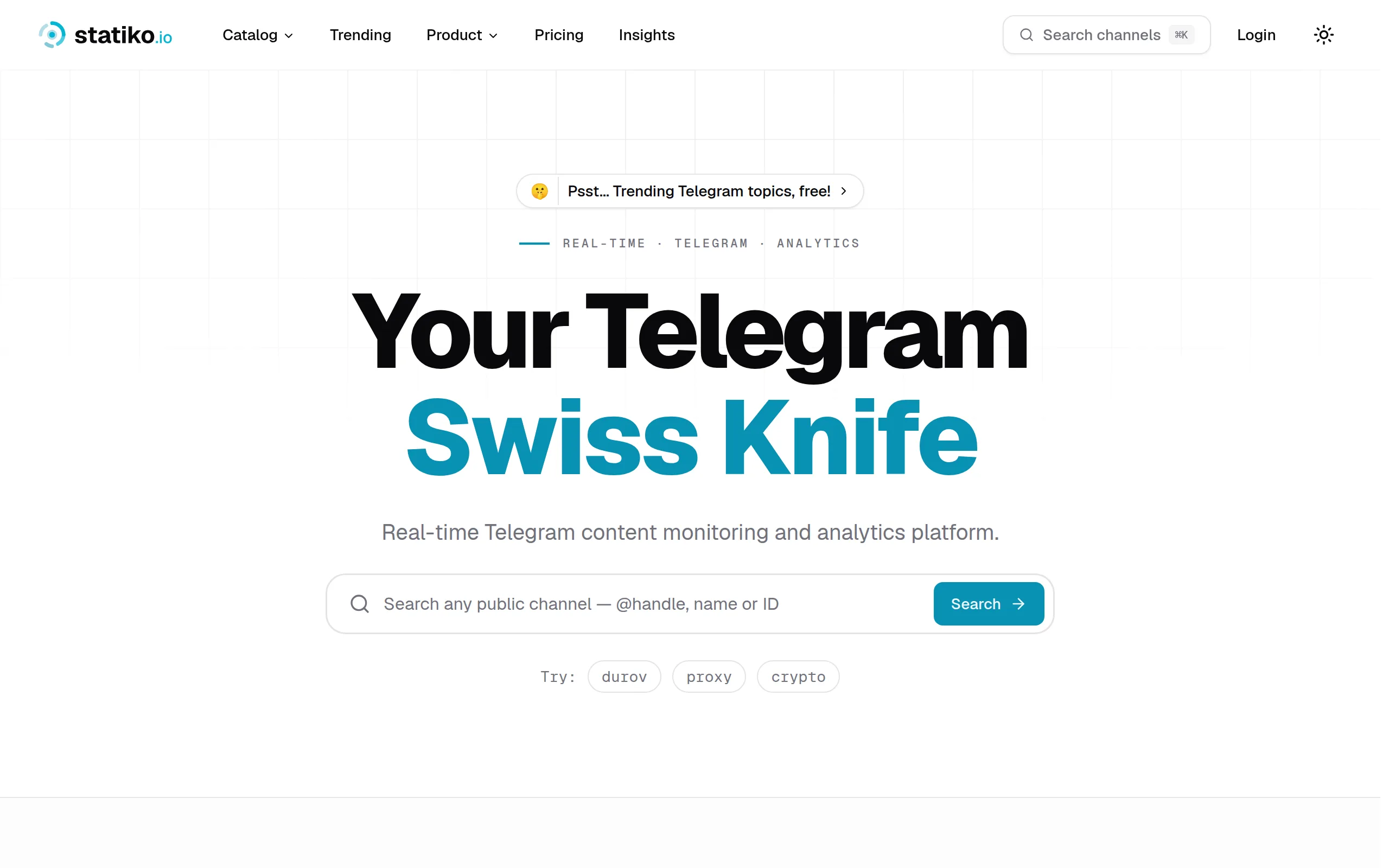
Statiko
Monitor any Telegram channel in real time - track posts, edits, deletions, and growth with AI recaps 📡

Shibui
AI website builder - describe your business, pick a niche template, edit by chatting, and publish instantly ✨

Pro Service
Find verified home service professionals, compare quotes, and pay securely through escrow - built for Brazilians across the US 🏠

RankGrow
Fix your SEO with AI agents - connect Search Console, get prioritized tasks, and grow organic traffic 📈
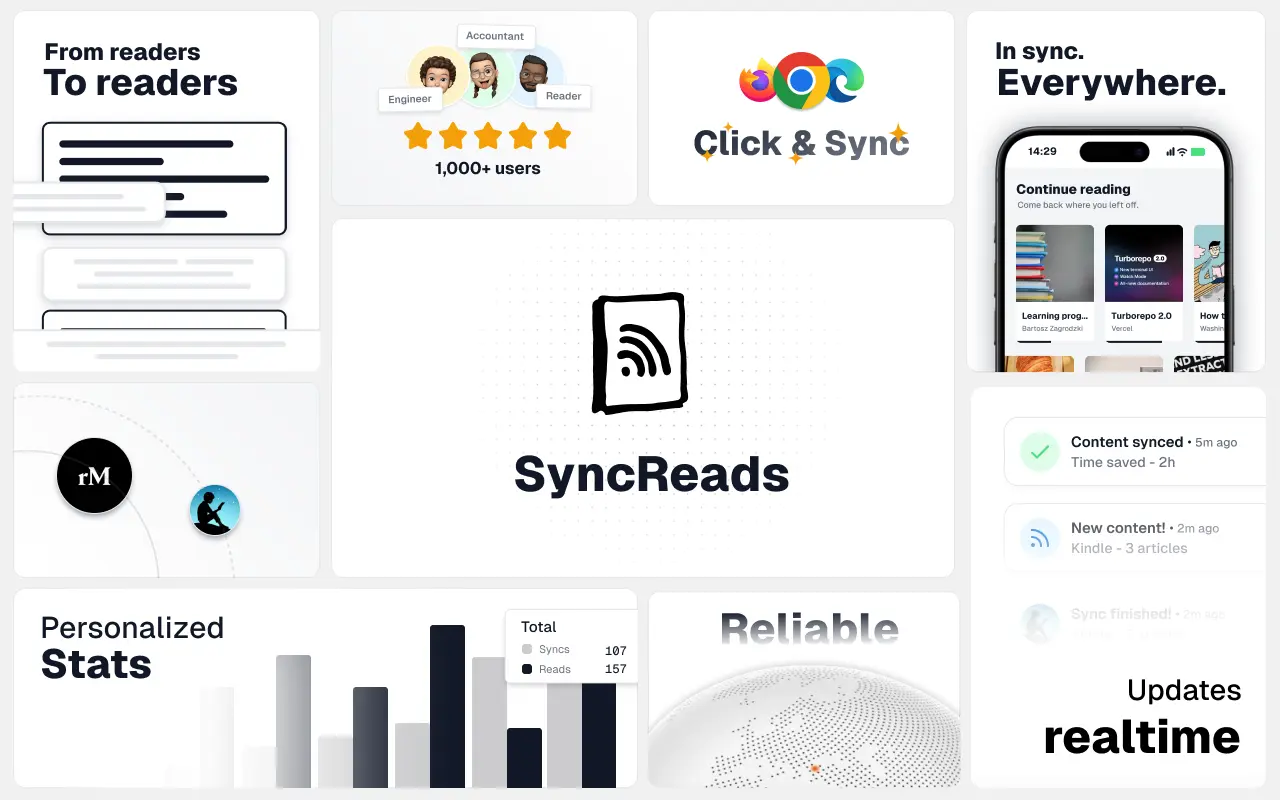
SyncReads
Sync your favorite content for distraction-free reading, save time and replace multiple apps. Anytime, anywhere 🔄
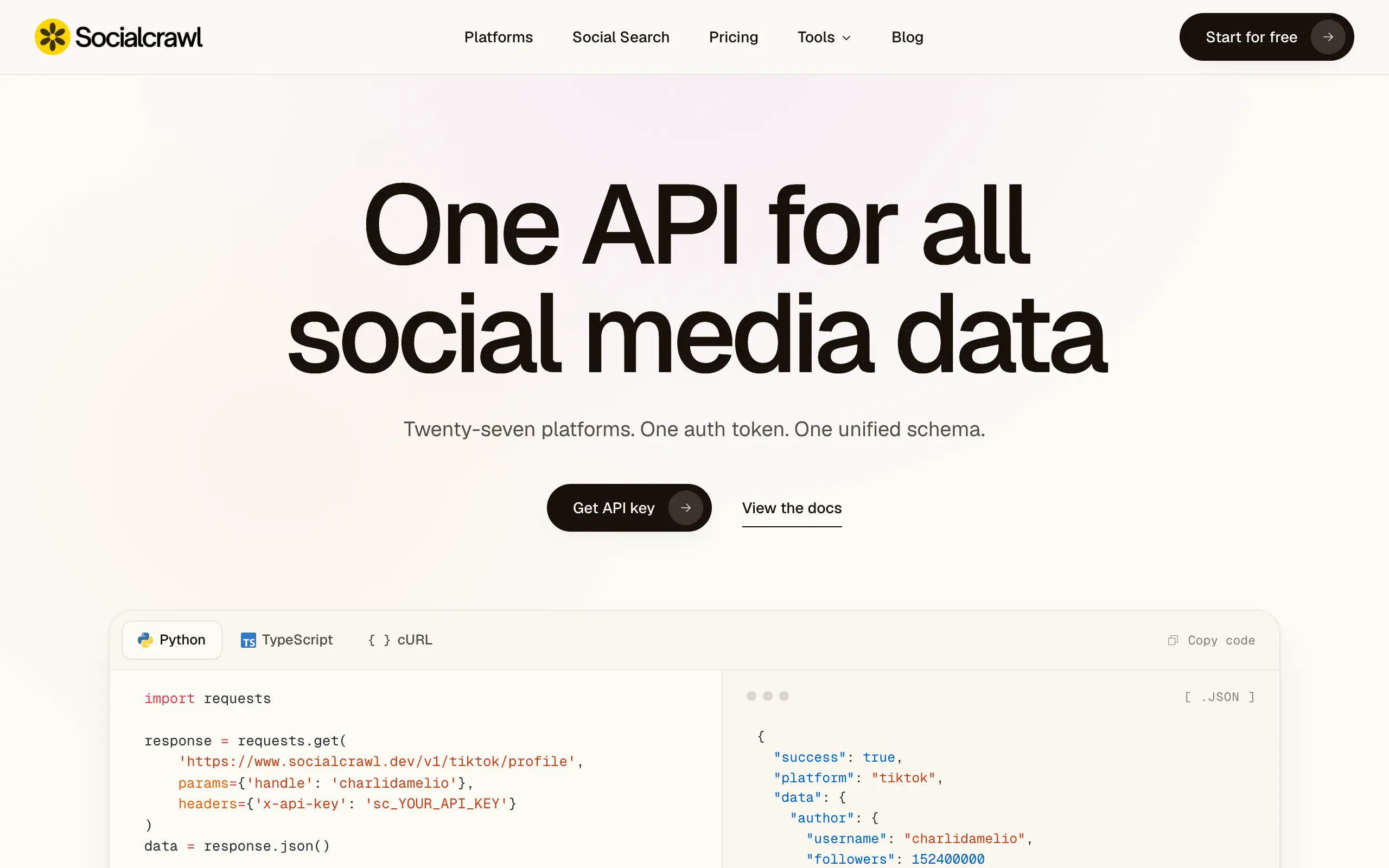
Socialcrawl
Get clean, structured data from 21 platforms like TikTok, Instagram, and YouTube with a single request 📊
Statiko
Monitor any Telegram channel in real time - track posts, edits, deletions, and growth with AI recaps 📡
Shibui
AI website builder - describe your business, pick a niche template, edit by chatting, and publish instantly ✨
Pro Service
Find verified home service professionals, compare quotes, and pay securely through escrow - built for Brazilians across the US 🏠
RankGrow
Fix your SEO with AI agents - connect Search Console, get prioritized tasks, and grow organic traffic 📈
SyncReads
Sync your favorite content for distraction-free reading, save time and replace multiple apps. Anytime, anywhere 🔄
Socialcrawl
Get clean, structured data from 21 platforms like TikTok, Instagram, and YouTube with a single request 📊
Statiko
Monitor any Telegram channel in real time - track posts, edits, deletions, and growth with AI recaps 📡
Shibui
AI website builder - describe your business, pick a niche template, edit by chatting, and publish instantly ✨
Pro Service
Find verified home service professionals, compare quotes, and pay securely through escrow - built for Brazilians across the US 🏠
RankGrow
Fix your SEO with AI agents - connect Search Console, get prioritized tasks, and grow organic traffic 📈
SyncReads
Sync your favorite content for distraction-free reading, save time and replace multiple apps. Anytime, anywhere 🔄
Socialcrawl
Get clean, structured data from 21 platforms like TikTok, Instagram, and YouTube with a single request 📊
Statiko
Monitor any Telegram channel in real time - track posts, edits, deletions, and growth with AI recaps 📡
Shibui
AI website builder - describe your business, pick a niche template, edit by chatting, and publish instantly ✨
Pro Service
Find verified home service professionals, compare quotes, and pay securely through escrow - built for Brazilians across the US 🏠
RankGrow
Fix your SEO with AI agents - connect Search Console, get prioritized tasks, and grow organic traffic 📈
SyncReads
Sync your favorite content for distraction-free reading, save time and replace multiple apps. Anytime, anywhere 🔄
Socialcrawl
Get clean, structured data from 21 platforms like TikTok, Instagram, and YouTube with a single request 📊
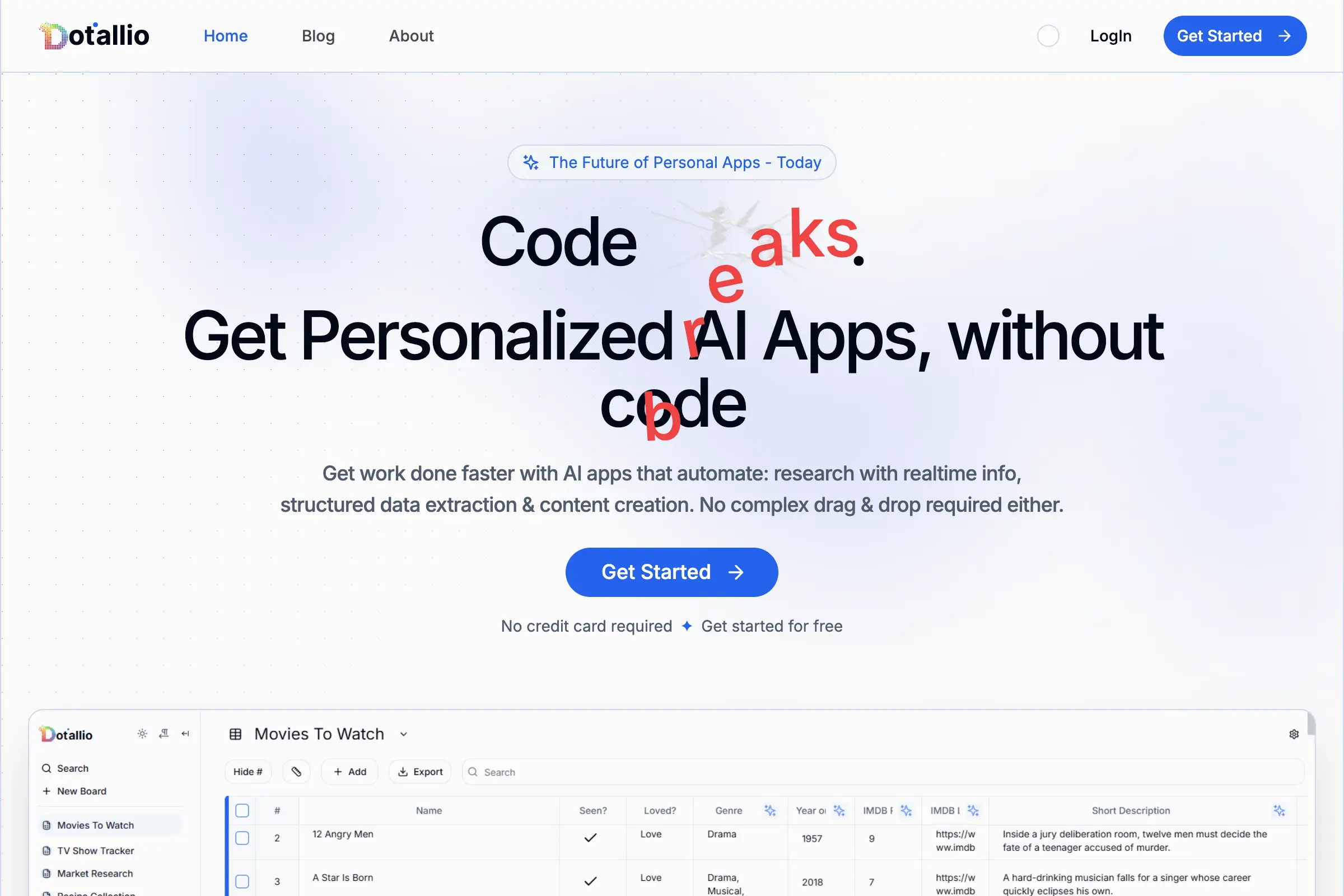
Dotallio
Personalized AI apps that automate research, data extraction, and content creation without code 🤖

Talk to Santa
Enjoy a magical live video chat or receive a unique AI-generated video greeting from Santa Claus 🎅

pozywka.pl
Scalable blog for food journalist, focused on performance and user experience 🌭
zagrodzki.me
Personal blog and portfolio of Bart Zagrodzki, where he shares his knowledge and work 💼
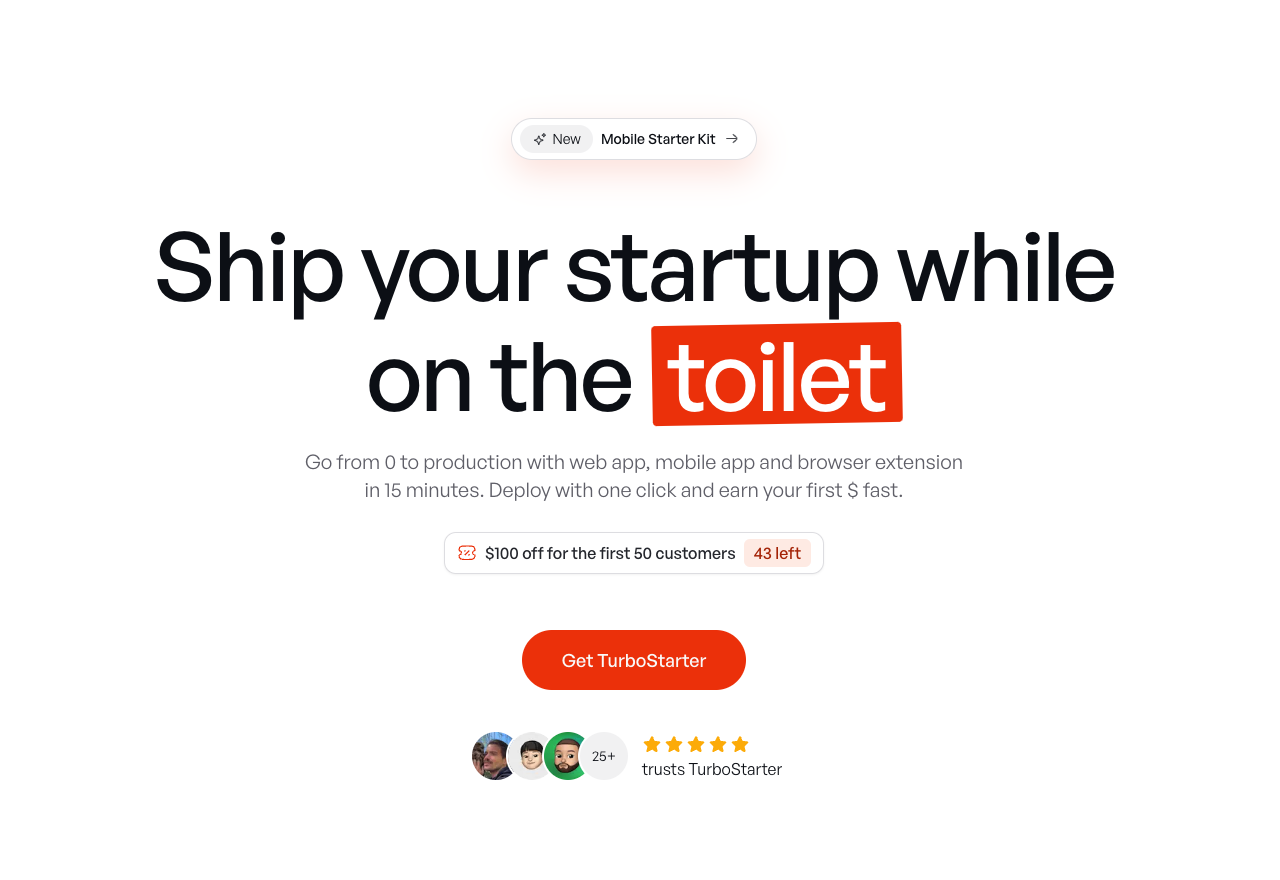
TurboStarter
Ship your startup everywhere. In minutes.
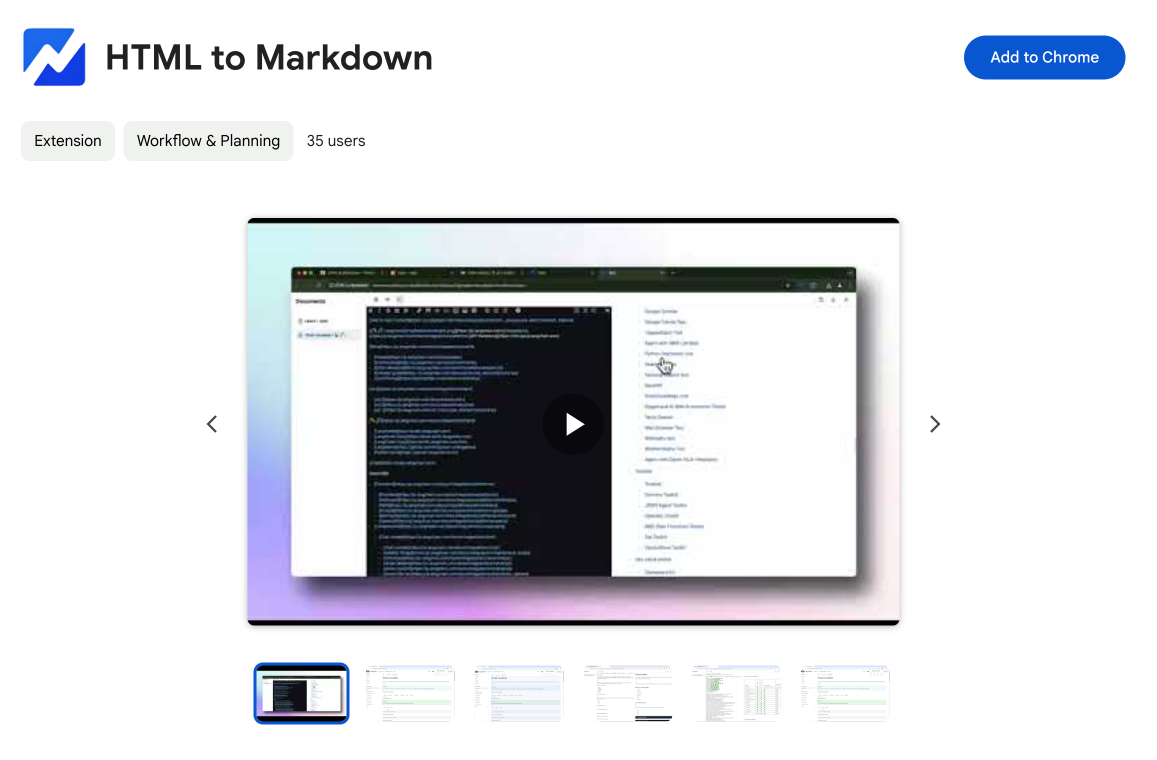
HTML to Markdown
Convert HTML to Markdown with ease, directly in your browser 📄
Dotallio
Personalized AI apps that automate research, data extraction, and content creation without code 🤖
Talk to Santa
Enjoy a magical live video chat or receive a unique AI-generated video greeting from Santa Claus 🎅
pozywka.pl
Scalable blog for food journalist, focused on performance and user experience 🌭
zagrodzki.me
Personal blog and portfolio of Bart Zagrodzki, where he shares his knowledge and work 💼
TurboStarter
Ship your startup everywhere. In minutes.
HTML to Markdown
Convert HTML to Markdown with ease, directly in your browser 📄
Dotallio
Personalized AI apps that automate research, data extraction, and content creation without code 🤖
Talk to Santa
Enjoy a magical live video chat or receive a unique AI-generated video greeting from Santa Claus 🎅
pozywka.pl
Scalable blog for food journalist, focused on performance and user experience 🌭
zagrodzki.me
Personal blog and portfolio of Bart Zagrodzki, where he shares his knowledge and work 💼
TurboStarter
Ship your startup everywhere. In minutes.
HTML to Markdown
Convert HTML to Markdown with ease, directly in your browser 📄
Dotallio
Personalized AI apps that automate research, data extraction, and content creation without code 🤖
Talk to Santa
Enjoy a magical live video chat or receive a unique AI-generated video greeting from Santa Claus 🎅
pozywka.pl
Scalable blog for food journalist, focused on performance and user experience 🌭
zagrodzki.me
Personal blog and portfolio of Bart Zagrodzki, where he shares his knowledge and work 💼
TurboStarter
Ship your startup everywhere. In minutes.
HTML to Markdown
Convert HTML to Markdown with ease, directly in your browser 📄
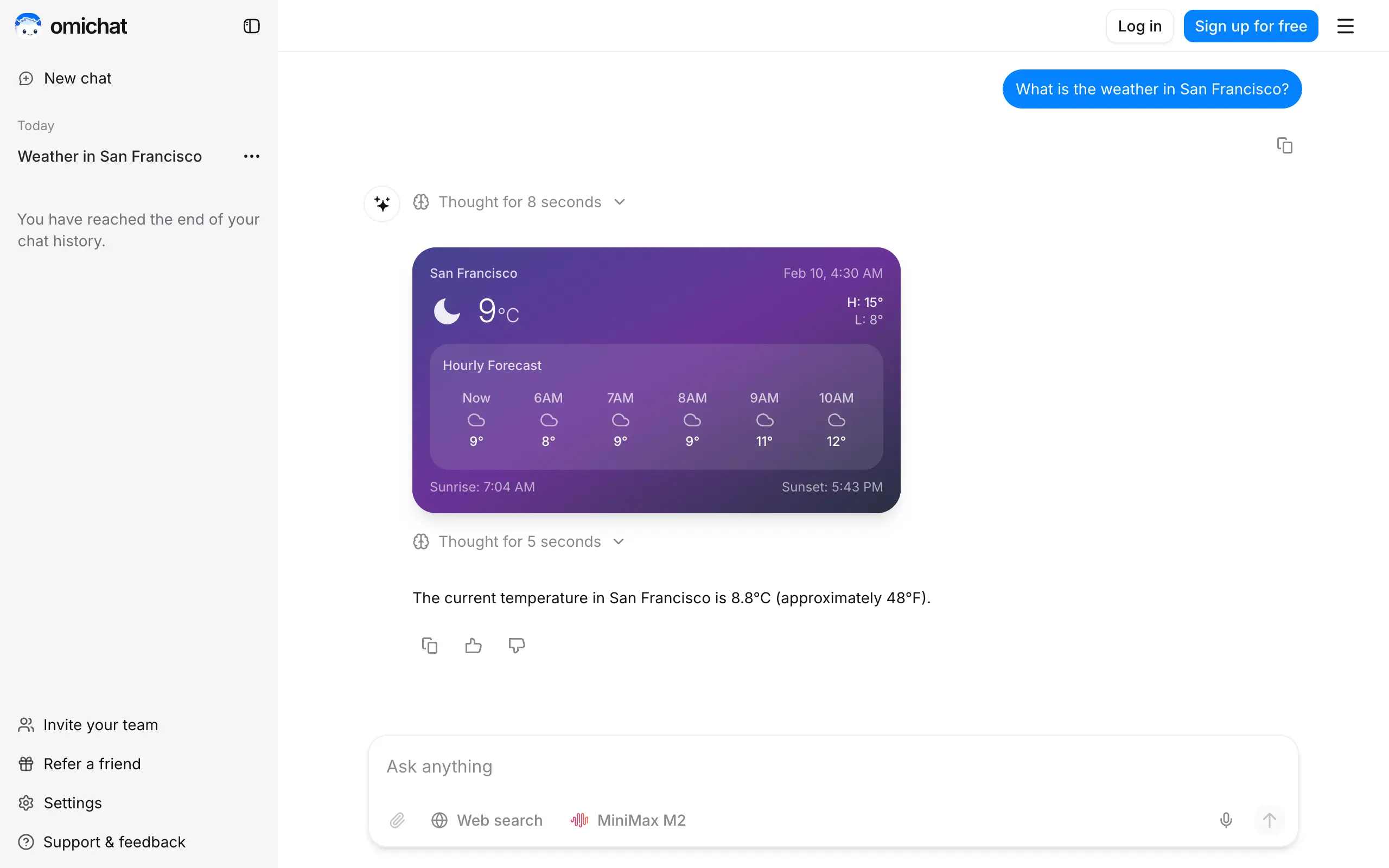
Omichat
Chat with 50+ AI models, including ChatGPT and Claude, in one place - switch models anytime without losing context 🤖
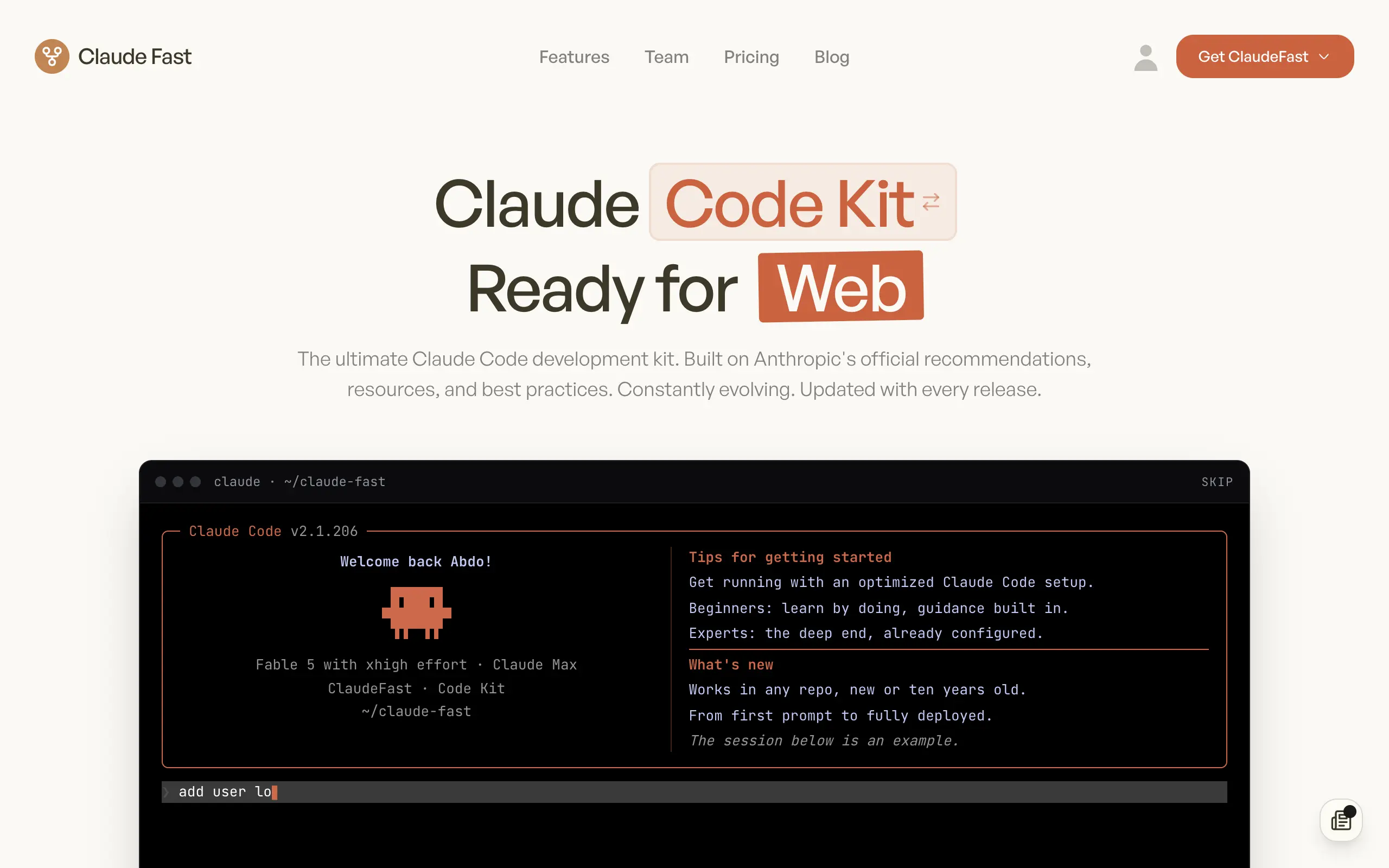
Claude Fast
Supercharge your Claude Code with 6x effective context window and specialized AI agents 🤖
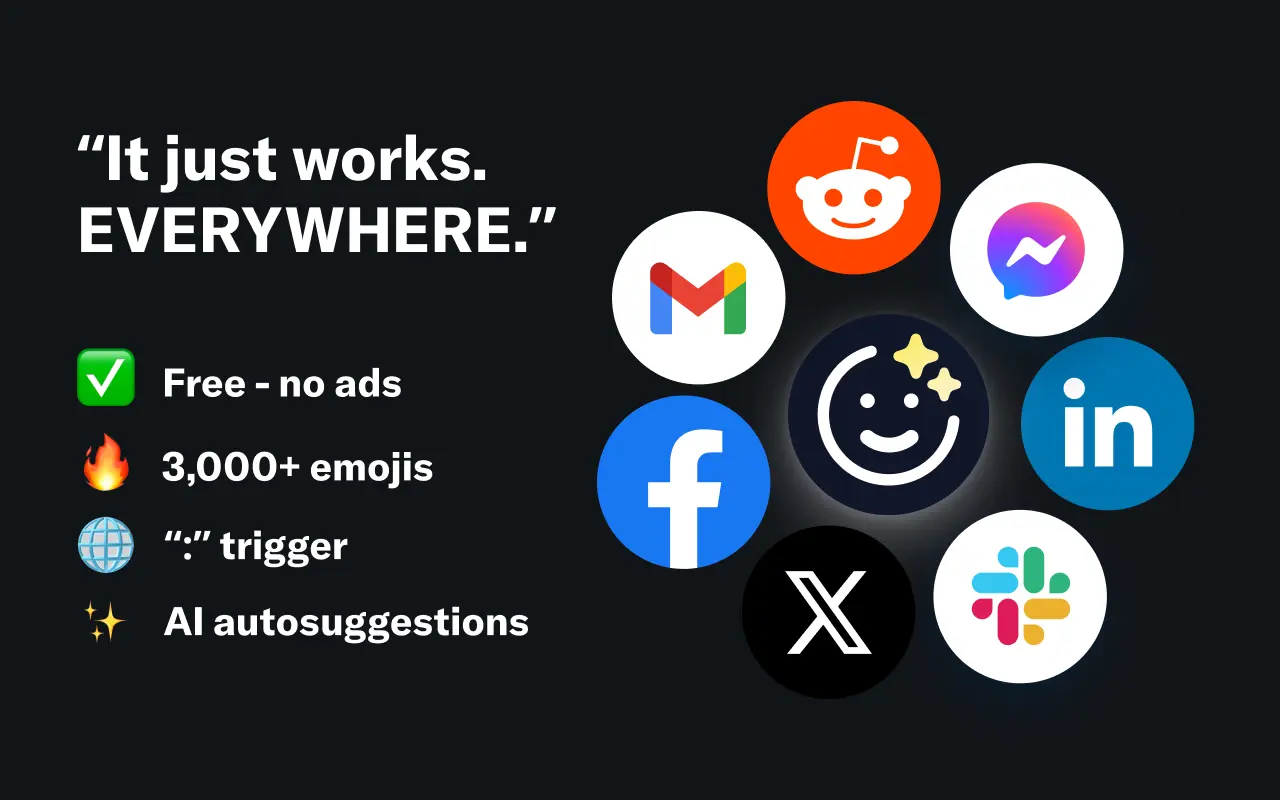
EmojAI
AI-powered emoji picker with smart, context-aware suggestions 🤖
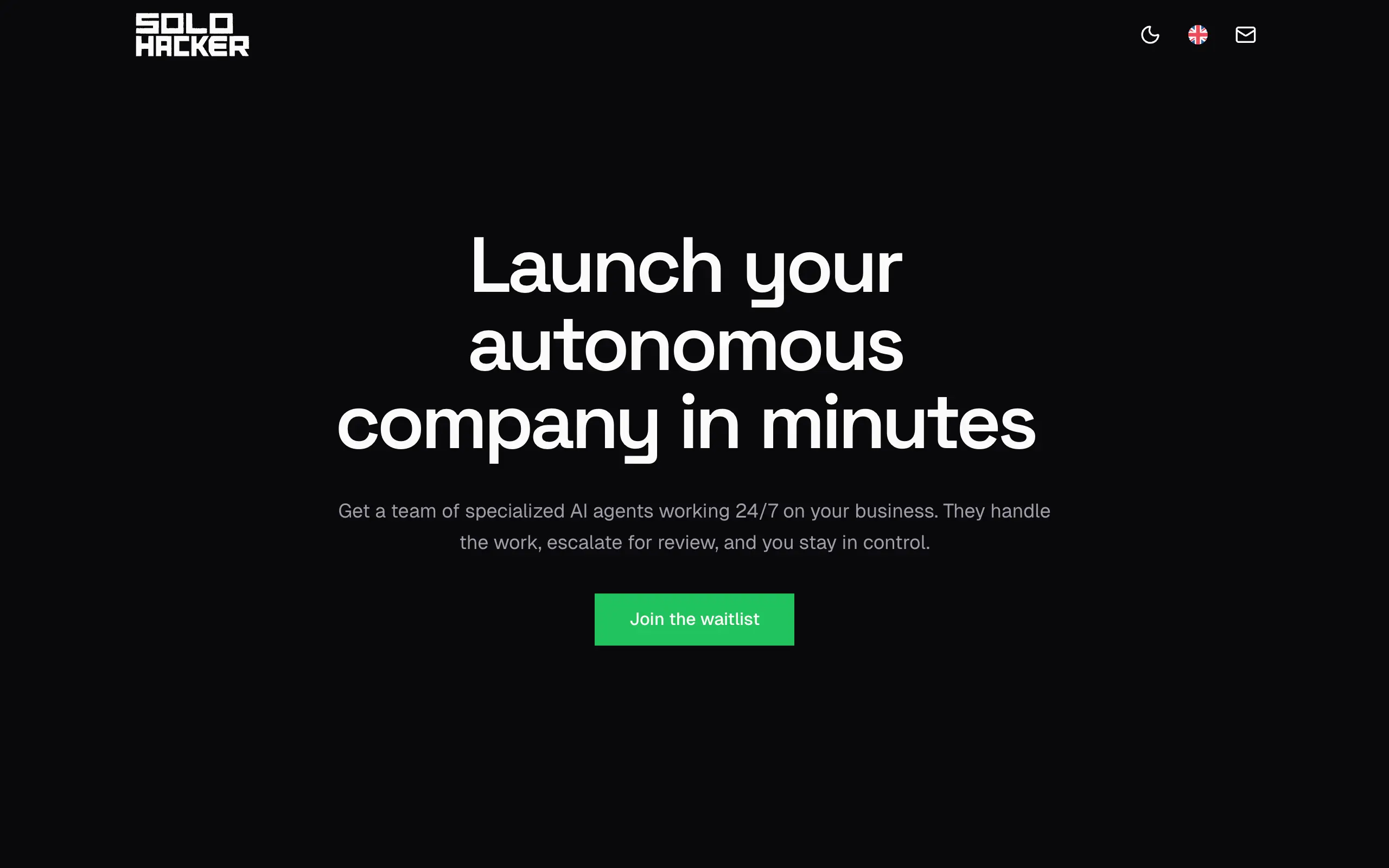
Solohacker
Autonomous company launcher - AI agents work 24/7, escalate what matters, and you stay in control 🤖

BeRawi: Storytelling Coach
Practice storytelling daily with instant feedback to sound clearer, more engaging, and confident 🎤
Omichat
Chat with 50+ AI models, including ChatGPT and Claude, in one place - switch models anytime without losing context 🤖
Claude Fast
Supercharge your Claude Code with 6x effective context window and specialized AI agents 🤖
EmojAI
AI-powered emoji picker with smart, context-aware suggestions 🤖
Solohacker
Autonomous company launcher - AI agents work 24/7, escalate what matters, and you stay in control 🤖
BeRawi: Storytelling Coach
Practice storytelling daily with instant feedback to sound clearer, more engaging, and confident 🎤
Omichat
Chat with 50+ AI models, including ChatGPT and Claude, in one place - switch models anytime without losing context 🤖
Claude Fast
Supercharge your Claude Code with 6x effective context window and specialized AI agents 🤖
EmojAI
AI-powered emoji picker with smart, context-aware suggestions 🤖
Solohacker
Autonomous company launcher - AI agents work 24/7, escalate what matters, and you stay in control 🤖
BeRawi: Storytelling Coach
Practice storytelling daily with instant feedback to sound clearer, more engaging, and confident 🎤
Omichat
Chat with 50+ AI models, including ChatGPT and Claude, in one place - switch models anytime without losing context 🤖
Claude Fast
Supercharge your Claude Code with 6x effective context window and specialized AI agents 🤖
EmojAI
AI-powered emoji picker with smart, context-aware suggestions 🤖
Solohacker
Autonomous company launcher - AI agents work 24/7, escalate what matters, and you stay in control 🤖
BeRawi: Storytelling Coach
Practice storytelling daily with instant feedback to sound clearer, more engaging, and confident 🎤

Connect with like-minded people
Join our community to get feedback, support, and grow together with 1,000+ builders on board, let's ship it!
Join usShip your startup everywhere. In minutes.
Don't burn tokens on setup and start building features on day one.