AdLoot
An AI toolkit for gamers selling UGC, coaching, or affiliate products, with ad-ready hooks, short-form scripts, landing pages, and earnings tracking.
Why an AI toolkit for gamers is a timely SaaS opportunity
Gaming creators have become sophisticated digital entrepreneurs. Many sell user-generated content (UGC), offer coaching, promote affiliate products, run communities, and use short-form video to turn attention into income. Yet the marketing workflow behind those businesses is still fragmented.
A creator may use one tool for scriptwriting, another for ad research, a landing page builder, a spreadsheet for revenue, and several analytics dashboards to understand whether a campaign actually produced sales. The result is not just inefficiency. It is a lost opportunity to learn what messages, offers, and videos consistently convert a gaming audience.
AdLoot can fill this gap as an AI toolkit for gamers that creates ad-ready hooks, short-form video scripts, landing pages, and earnings tracking from one creator-focused workspace. Its value is not merely “AI-generated content.” The real value is helping gaming entrepreneurs turn an offer into a measurable acquisition system.
The strongest positioning is:
An AI marketing toolkit built for gamers who sell UGC, coaching, and affiliate products.
That positioning is specific enough to resonate with a clear audience while leaving room to expand into creator marketing tools, gaming community monetization, digital product sales, and performance analytics.
Core market insight
Gaming creators do not need another generic AI writer. They need a system that understands gaming-native language, creator offers, platform formats, audience objections, and revenue attribution.
The target audience for an AI toolkit for gamers
AdLoot should not treat “gamers” as one broad customer segment. Gaming is a large ecosystem with different monetization models, buying behaviors, and marketing needs. The product will gain traction faster by prioritizing segments where content production directly affects revenue.
UGC creators and game asset sellers
This segment includes creators who sell:
- Roblox clothing, accessories, environments, and templates
- Fortnite Creative or UEFN-related assets and experiences
- Minecraft builds, mods, texture packs, or server perks
- Discord templates, stream overlays, thumbnails, and creator packs
- Game-specific guides, presets, configurations, and digital downloads
These sellers are often excellent at design or gameplay but less confident in direct-response marketing. They may post content regularly without knowing how to frame a compelling offer.
Their biggest challenges include:
- Writing scroll-stopping hooks for TikTok, YouTube Shorts, and Reels
- Explaining a digital product’s value in a few seconds
- Creating landing pages without hiring a designer or marketer
- Testing multiple angles without spending hours scripting
- Understanding which videos, creators, or affiliate links generate revenue
For this audience, AdLoot should feel like a “launch assistant” that helps them go from product idea to promotional assets quickly.
Gaming coaches and educators
Gaming coaching is another attractive early segment. Coaches commonly sell:
- One-to-one sessions
- Video-on-demand training programs
- VOD reviews
- Rank improvement plans
- Aim training routines
- Team coaching
- Community memberships
- Tournament preparation programs
These businesses depend heavily on credibility and outcomes. A generic “buy my coaching” message is rarely enough. A high-converting campaign must identify a specific pain point, such as losing ranked games, poor positioning, inconsistent mechanics, or confusion about a meta change.
AdLoot can help coaches generate highly targeted messaging, including:
- Hooks based on rank, role, game mode, or skill level
- Scripts that introduce a problem before presenting the coach’s method
- Landing page copy focused on outcomes and proof
- Testimonials formatted into short-form social content
- Revenue dashboards that tie consultations and course purchases to campaigns
The initial product should support popular competitive game categories without overcommitting to every title. Templates for FPS, battle royale, MOBA, fighting games, sports titles, and sandbox games provide broad coverage while maintaining relevance.
Affiliate marketers in the gaming ecosystem
Gaming affiliates promote a wide range of products:
- Gaming peripherals
- PC components
- Capture cards and streaming equipment
- Game subscriptions
- VPNs and hosting providers
- Energy drinks and lifestyle products
- Game-related SaaS tools
- Digital marketplaces and creator products
Affiliate marketers need velocity. They must test offers, respond to trends, disclose relationships correctly, and identify which content drives attributed clicks or conversions.
An AI toolkit for gaming affiliate marketing can provide a useful structure around that workflow. Instead of asking a blank chatbot to “write a script for a gaming mouse,” users could choose an offer type, platform, audience, pain point, and desired tone. AdLoot would then create a script with a clear opening, product demonstration prompt, disclosure reminder, call to action, and tracking link placement.
Small gaming brands and creator agencies
A later expansion segment includes:
- Indie game studios
- Creator management agencies
- Esports organizations
- Gaming accessory brands
- Community operators
- UGC marketplace sellers
- Micro-influencer agencies
These teams may need collaborative workspaces, brand voice controls, approval flows, asset libraries, white-label reports, and multi-client analytics. They are potentially higher-value customers, but their needs can quickly complicate the product.
AdLoot should initially win individual creators and small teams before building enterprise-style workflows.
| Audience | Main goal | Most valuable AdLoot feature | Buying urgency | Expansion potential |
|---|---|---|---|---|
| UGC sellers | Sell more digital assets | Hooks and landing pages | High | High |
| Gaming coaches | Book clients and sell courses | Offer-specific scripts | High | High |
| Affiliate creators | Increase tracked commissions | Campaign tracking | Medium | Medium |
| Agencies and brands | Scale campaigns across clients | Team workspaces | Medium | Very high |
The market gap: generic AI content tools miss gaming context
The AI content market is crowded. General-purpose chatbots, copywriting tools, social media assistants, and landing page builders already exist. That does not mean the opportunity is gone. It means AdLoot must be specialized enough to solve a more complete job.
The market gap is the lack of an integrated gaming creator monetization workflow.
Generic AI tools often create content that sounds polished but lacks the details that make gaming content persuasive. They may not understand the difference between a creator selling a Roblox UGC collection and a Valorant coach selling VOD reviews. They often fail to account for creator-native language, gameplay proof, platform conventions, game-specific objections, or the speed at which short-form trends change.
A useful AdLoot workflow could look like this:
- A creator defines an offer, audience, price point, and conversion goal.
- The system generates multiple hooks and content angles.
- The creator selects a hook and produces a short-form script.
- AdLoot creates a matching landing page with a consistent message.
- The user attaches a trackable campaign link.
- The earnings dashboard shows clicks, conversions, revenue, and winning creative angles.
- The creator uses those insights to make the next campaign more effective.
This closed loop is the differentiator. Content creation alone is easy to copy. Connecting creative generation to campaign learning is far more defensible.
Why short-form video remains central
Short-form video is the natural acquisition channel for many gaming creators because gameplay clips, reactions, tutorials, product demonstrations, and before-and-after transformations translate well into vertical formats.
However, creators often make the same strategic mistakes:
- They begin with an introduction instead of a hook.
- They describe features rather than outcomes.
- They use a generic call to action.
- They promote too many offers at once.
- They fail to match the landing page message to the video’s promise.
- They do not track the creative source of clicks and sales.
AdLoot can make the marketing discipline behind high-performing content accessible without requiring users to become full-time growth marketers.
For current trends and platform-specific guidance, the product’s content team should routinely reference primary platform resources and reputable annual industry reports. When publishing statistics, cite the original source in a format such as “Source: Newzoo Global Games Market Report, year” or “Source: platform investor relations report, quarter and year,” rather than relying on unverified aggregate claims.
AdLoot’s unique selling proposition
The unique selling proposition for AdLoot should be clear:
AdLoot turns gaming offers into trackable, conversion-focused campaigns using AI trained around creator monetization workflows.
This is stronger than positioning the product as a script generator or landing page builder. It establishes four connected benefits:
- Gaming relevance through game-aware prompts, templates, and language
- Speed through campaign asset generation in one workflow
- Conversion focus through hooks, objections, proof, and calls to action
- Revenue clarity through earnings and attribution tracking
A creator should be able to answer these questions from the product dashboard:
- Which offer made the most money this month?
- Which short-form hook generated the most clicks?
- Which platform has the strongest revenue per visitor?
- Which affiliate campaign has not produced enough return?
- Which audience pain point should become the next content angle?
- Which landing page version converts better?
That is a meaningful upgrade from “AI helped me write a caption.”
Gaming-native campaign creation
Generate hooks, scripts, pages, and calls to action designed around game categories, creator offers, and platform formats.
One message across the funnel
Keep the opening hook, video script, landing page promise, and campaign tracking aligned from click to conversion.
Revenue feedback loop
Use earnings and attribution data to identify the creative angles worth repeating, improving, and scaling.
Core features for an AI gaming marketing toolkit
The first version of AdLoot should focus on solving a complete but narrow workflow. The temptation will be to ship every possible AI feature. That approach risks producing a broad product with no compelling reason to switch.
Prioritize the tools creators use before, during, and after launching a campaign.
Campaign brief and offer intelligence
Every output should begin with a structured campaign brief. Rather than presenting a blank prompt box, AdLoot should ask concise questions:
- What are you selling?
- Who is it for?
- Which game or gaming category is relevant?
- What problem does it solve?
- What outcome does the buyer want?
- What is the price or commission structure?
- Which platform will the content appear on?
- What proof is available?
- What is the desired call to action?
This brief becomes the source of truth for all generated assets.
For example, a Valorant coach might define an offer as a VOD review for Gold and Platinum players who struggle with positioning. A Roblox creator might define an offer as a limited themed UGC bundle for players who want a distinctive avatar aesthetic. The outputs should differ substantially because the buyer motivations differ.
Ad-ready hook generator
Hooks should be more than random opening lines. AdLoot can organize them by proven marketing angle, such as:
- Problem awareness
- Mistake or myth
- Contrarian opinion
- Before-and-after transformation
- Social proof
- Limited availability
- Product demonstration
- Challenge or experiment
- Beginner-friendly education
- Competitive advantage
Each hook should include a short explanation of its intent, making the product educational as well as useful.
For example, a hook generator could return:
“If you keep losing winnable 1v1s in ranked, your aim might not be the real problem.”
The user should see that this is a pain-point hook designed to create curiosity before positioning a coaching offer around decision-making or crosshair placement.
Useful controls include platform, tone, duration, audience sophistication, and risk level. “Safe and clear” should be a default, while more provocative styles can be available with guidance on avoiding misleading claims.
Short-form script generator for gaming creators
The short-form script builder should turn a selected hook into a recordable video plan. The output should include:
- On-screen opening text
- Spoken dialogue or voiceover
- Suggested gameplay or B-roll moments
- Caption guidance
- On-screen proof placement
- Call to action
- Disclosure reminder for affiliate content
- Estimated duration
The product should support common durations such as 15, 30, 45, and 60 seconds. It should also adapt to creator styles, including face-cam commentary, gameplay-only, text-over-gameplay, meme-style, tutorial, storytime, and product review.
A high-quality script avoids vague statements like “This is the best coaching ever.” It instead makes an observable promise, incorporates proof where possible, and keeps the CTA consistent with the offer.
AI landing page builder for gaming products
Landing pages are critical because social content creates attention, while pages convert that attention into action. AdLoot should generate mobile-first, fast-loading landing pages with layouts that are especially useful for creator-led sales.
Core sections could include:
- Hero section with a clear promise
- Offer explanation
- What buyers receive
- Who the product is for
- Creator credibility or relevant experience
- Testimonials and social proof
- Frequently asked questions
- Price and urgency elements
- Affiliate disclosure where needed
- Final call to action
The landing page generator must avoid creating fake testimonials, fabricated earnings claims, fake scarcity, or unsubstantiated performance guarantees. Trust is particularly important in gaming communities, where audiences quickly detect overly polished or deceptive marketing.
Earnings tracking and creative attribution
Earnings tracking is what makes AdLoot a business tool rather than a content utility.
At a minimum, the dashboard should support:
- Campaign links with UTM parameters
- Click tracking
- Manual revenue entry
- Affiliate commission tracking
- Conversion event tracking
- Revenue by offer
- Revenue by platform
- Revenue by campaign
- Revenue by hook or creative angle
- Date-range comparisons
A useful metric hierarchy includes:
- Reach for top-of-funnel visibility
- Clicks for audience intent
- Conversion rate for landing page and offer performance
- Revenue for commercial outcome
- Revenue per click for campaign quality
- Earnings per thousand views for content efficiency
- Cost per acquisition when paid promotion is connected
The initial release can support manual revenue import and trackable links before building complex integrations. This reduces implementation scope while still delivering useful insight.
Creator knowledge base and reusable brand voice
Creators often build a recognizable personality, vocabulary, and visual approach. A reusable brand profile can make AI outputs more consistent.
The profile may store:
- Games and genres covered
- Audience demographics and skill levels
- Brand tone
- Banned words or claims
- Offer catalog
- Common objections
- Proof assets
- Preferred calls to action
- Affiliate disclosure language
- Previous top-performing campaign examples
This turns AdLoot into a compounding system. The more campaigns a creator runs, the better their reusable marketing context becomes.
Launch with campaign briefs, hooks, scripts, landing pages, UTM links, and a basic earnings dashboard. These features create an end-to-end value proposition for solo creators.
Add brand profiles, A/B tests, conversion integrations, template libraries, content calendars, affiliate offer management, and campaign performance recommendations.
Introduce team permissions, agency workspaces, creator-client reporting, API access, white-label analytics, deeper data integrations, and benchmark insights.
Recommended tech stack for AdLoot
The right tech stack should optimize for speed, maintainability, AI workflow reliability, and secure handling of user data. A modern TypeScript-based architecture is well suited to a SaaS product like AdLoot.
Frontend and application framework
Use Next.js with React and TypeScript. This combination supports marketing pages, authenticated dashboards, server-side rendering, API routes, and a mature ecosystem.
For UI development, Tailwind CSS is a pragmatic choice. It enables rapid implementation of dashboards, responsive landing page previews, and creator-friendly onboarding flows without accumulating large custom stylesheet files.
A strong initial frontend stack includes:
- Next.js App Router for application structure
- React and TypeScript for type-safe UI development
- Tailwind CSS for interface styling
- Form validation with Zod
- A component library approach built around accessible primitives
- Server actions or API handlers for controlled backend interactions
The trade-off is that a full-stack Next.js application can become complex if business logic, AI orchestration, analytics, and billing are all embedded without boundaries. Keep domain logic in dedicated services from the beginning.
Database, authentication, and storage
PostgreSQL is an excellent primary database because AdLoot needs relational data for users, workspaces, offers, campaigns, assets, links, conversion events, subscriptions, and permissions.
Use an ORM such as Prisma or a type-safe query builder. Prisma improves development speed and schema clarity, while lower-level query tools can offer more flexibility for complex analytics workloads. For an MVP, Prisma is generally a sensible trade-off.
For authentication, Auth.js provides a flexible open-source path for creator accounts and social sign-in. Alternatively, a managed authentication provider can reduce setup overhead. The decision depends on whether speed to market or deep customization is more important.
Store generated landing-page assets, images, uploaded testimonials, and downloadable exports in object storage such as Amazon S3.
AI generation and orchestration
The AI layer should not be a single prompt endpoint. It should use structured generation with defined inputs, output schemas, moderation checks, retries, and versioned prompt templates.
A reliable flow looks like this:
type CampaignBrief = {
  offerName: string
  gameCategory: string
  audience: string
  problem: string
  outcome: string
  platform: "TikTok" | "YouTube Shorts" | "Instagram Reels"
  tone: "educational" | "high-energy" | "direct" | "playful"
}

type ScriptOutput = {
  hook: string
  onScreenText: string
  voiceover: string[]
  visualDirections: string[]
  callToAction: string
  disclosureNote?: string
}
Structured outputs reduce the risk of malformed scripts and make it easier to render content inside a polished editor. The model provider should be abstracted behind an internal service, so AdLoot can change models, compare output quality, or use different models for different jobs.
For example:
- A fast lower-cost model can draft hook variations.
- A higher-quality model can generate landing page copy.
- A smaller classification model can tag campaign angles.
- A moderation layer can flag prohibited claims or unsafe content.
Analytics and event architecture
Analytics should be designed early because attribution becomes difficult when it is added as an afterthought.
Store events in a way that connects:
- Workspace
- Creator
- Offer
- Campaign
- Creative asset
- Trackable link
- Visitor session
- Conversion event
- Revenue amount
- Currency
- Timestamp
- Source platform
For early-stage analytics, PostgreSQL may be sufficient. As event volume grows, consider a dedicated event analytics platform or warehouse. The trade-off is operational complexity. Do not introduce a separate data stack until user activity justifies it.
For billing, Stripe is a strong default because it supports subscriptions, usage-based charges, trials, invoicing, and webhook-driven entitlement management.
A production-ready starter can significantly shorten setup time. TurboStarter is useful for founders who want a modern SaaS foundation with common application patterns already in place, allowing the team to spend more time on AdLoot’s differentiating campaign and analytics features.
Monetization strategies for AdLoot
The most suitable model is a subscription SaaS plan with usage limits tied to AI generation volume and tracking capabilities. The pricing should align with the value creators receive, not just the number of words or scripts generated.
Freemium acquisition model
A limited free plan can help creators experience the product before committing. It might include:
- A small number of hook generations per month
- A limited number of scripts
- One active landing page
- Basic campaign links
- Limited earnings reporting
- AdLoot branding on published pages
The free tier should be useful enough to demonstrate value but restrictive enough that active sellers naturally need an upgrade.
Creator subscription plans
A practical structure may include:
- Starter plan for individual creators testing an offer
- Pro plan for active UGC sellers, coaches, and affiliates
- Team plan for small creator teams or agencies
- Agency plan for multi-client workspaces and advanced reporting
Premium features can include custom domains, removal of branding, more AI credits, A/B testing, conversion integrations, team seats, exported reports, and advanced attribution.
Avoid pricing primarily by the number of landing pages. A creator may want to test multiple offers, and restrictive page limits can discourage experimentation. Usage limits on AI generations, active campaigns, or tracked events may be more intuitive.
Add-on and transaction opportunities
AdLoot can later introduce optional revenue streams:
- Additional AI credit bundles
- Premium game-specific template packs
- Landing page design packs
- Verified creator campaign audits
- Agency reporting add-ons
- AI-assisted content repurposing bundles
- Affiliate offer discovery marketplace fees
- Optional payment processing integrations
The marketplace model should be approached carefully. Matching affiliates with offers can be valuable, but it introduces quality control, disclosure, fraud, and compliance responsibilities.
Pricing principle
Do not position AdLoot as a cheap AI writer. Position it as a revenue workflow for gaming creators. The product earns retention when customers can see a connection between campaigns, conversions, and earnings.
Competitive advantage and defensibility
AdLoot will compete indirectly with AI writing tools, link trackers, landing page builders, creator storefronts, and analytics products. It does not need to beat each category on every feature. It needs to remove the friction between them for a specific audience.
The competitive advantage comes from combining specialized workflows with proprietary learning.
Vertical templates create a better starting point
A generic AI tool starts with a blank page. AdLoot starts with:
- Gaming offer types
- Game genres
- Creator monetization models
- Short-form platform formats
- Audience skill levels
- Relevant objections
- Disclosure and claim guardrails
This reduces prompt burden and improves output relevance.
Campaign data becomes a compounding asset
Over time, AdLoot can identify patterns across a creator’s own history:
- Hooks that earn more clicks
- Offers that convert best on specific platforms
- Landing page headlines that outperform
- Content styles that correlate with revenue
- Audience problems that consistently produce sales
The system should prioritize first-party creator data and privacy-preserving aggregate insights. It should never expose one creator’s confidential campaign details to another creator.
Trust-oriented AI can differentiate the product
Gaming audiences are skeptical of exaggerated claims, fake screenshots, and low-effort promotions. AdLoot should help creators market responsibly by flagging:
- Unverified income statements
- Misleading performance promises
- False urgency
- Missing affiliate disclosures
- Testimonial content without user-provided proof
- Claims that imply official game endorsement
Trust features may not sound glamorous, but they protect customers and improve long-term brand quality.
Key risks and how to mitigate them
Every AI SaaS in the creator economy faces meaningful execution risks. AdLoot should plan for them before scaling acquisition.
Mitigate this by using structured campaign briefs, game-category templates, reusable brand profiles, output evaluation, and user feedback loops. Do not rely on one vague prompt for every use case.
Prioritize trackable links, campaign IDs, simple revenue imports, and conversion events early. The analytics experience should make performance understandable without requiring data expertise.
Include disclosure guidance, moderation rules, and educational templates. Encourage users to check current policies for each platform and affiliate program before publishing.
Use credit-based generation, cache common outputs where appropriate, route tasks to models based on complexity, and measure generation cost by active workspace.
Begin with monetization models that work across games, then add high-demand game-specific templates based on customer research and usage data.
Data privacy is especially important because users may upload revenue information, affiliate data, customer lists, testimonials, and unpublished marketing strategies. AdLoot should publish clear data handling terms, encrypt sensitive data in transit and at rest, apply role-based permissions for teams, and provide export and deletion controls.
A practical implementation roadmap
The best launch strategy is not to build the most feature-complete gaming creator platform. It is to validate whether creators will use one focused workflow repeatedly.
Phase one: validate the highest-value workflow
Interview 15 to 30 potential users across the three priority segments:
- UGC sellers
- Gaming coaches
- Affiliate marketers
Ask for real examples of their current promotional process. Focus on recent campaigns, not hypothetical preferences.
Useful interview questions include:
- What did you sell in your last campaign?
- How long did it take to create the video, page, and tracking link?
- Which part of the process felt most difficult?
- How do you currently know whether content generated sales?
- What would make you trust an AI-generated script?
- Which metrics do you check before deciding to make another video?
The initial MVP should solve one repeatable workflow: create a campaign for a gaming offer, publish the assets, and measure earnings.
Phase two: build a narrow but complete MVP
Build the following features before expanding:
At this point, manually support early users. Watch where they hesitate, what they edit, which outputs they discard, and which features they request after using the tool for a real campaign.
Phase three: improve retention with performance insights
Once creators have enough campaign history, add recommendations such as:
- “Your problem-first hooks receive more clicks than product-first hooks.”
- “This landing page has traffic but a low conversion rate.”
- “Your coaching offer performs better with 30-second educational videos.”
- “Your highest revenue campaign targets intermediate players.”
- “Try three new angles based on your top-performing offer.”
These recommendations are powerful because they turn historical activity into next-step guidance.
Final takeaways for building AdLoot
AdLoot has a credible opportunity to become the go-to AI marketing toolkit for gamers because it addresses a real operational problem. Gaming creators do not simply need more content. They need a repeatable way to turn products, coaching expertise, and affiliate partnerships into measurable revenue.
The winning product strategy is to focus on the full campaign loop:
- Build an offer brief
- Generate gaming-native hooks
- Create short-form scripts
- Publish aligned landing pages
- Track clicks, conversions, and earnings
- Learn which creative angles work
The product’s long-term moat will not be the raw ability to generate text. It will be its specialized workflows, creator context, trusted templates, connected attribution, and performance insights.
Start with UGC sellers, gaming coaches, and affiliate creators who already have something to sell. Give them a faster path from idea to campaign, then prove that AdLoot helps them understand what drives earnings. That is the foundation for a differentiated, durable SaaS business in the gaming creator economy.
More 🤖 AI Startup SaaS ideas
Discover more innovative ai startup SaaS ideas that are trending in 2026. Each idea is AI-generated with market validation and growth potential to help you find your next profitable venture faster than competitors.
Your competitors are building with TurboStarter
Below are some of the SaaS ideas that have been generated and built with our starter kit.
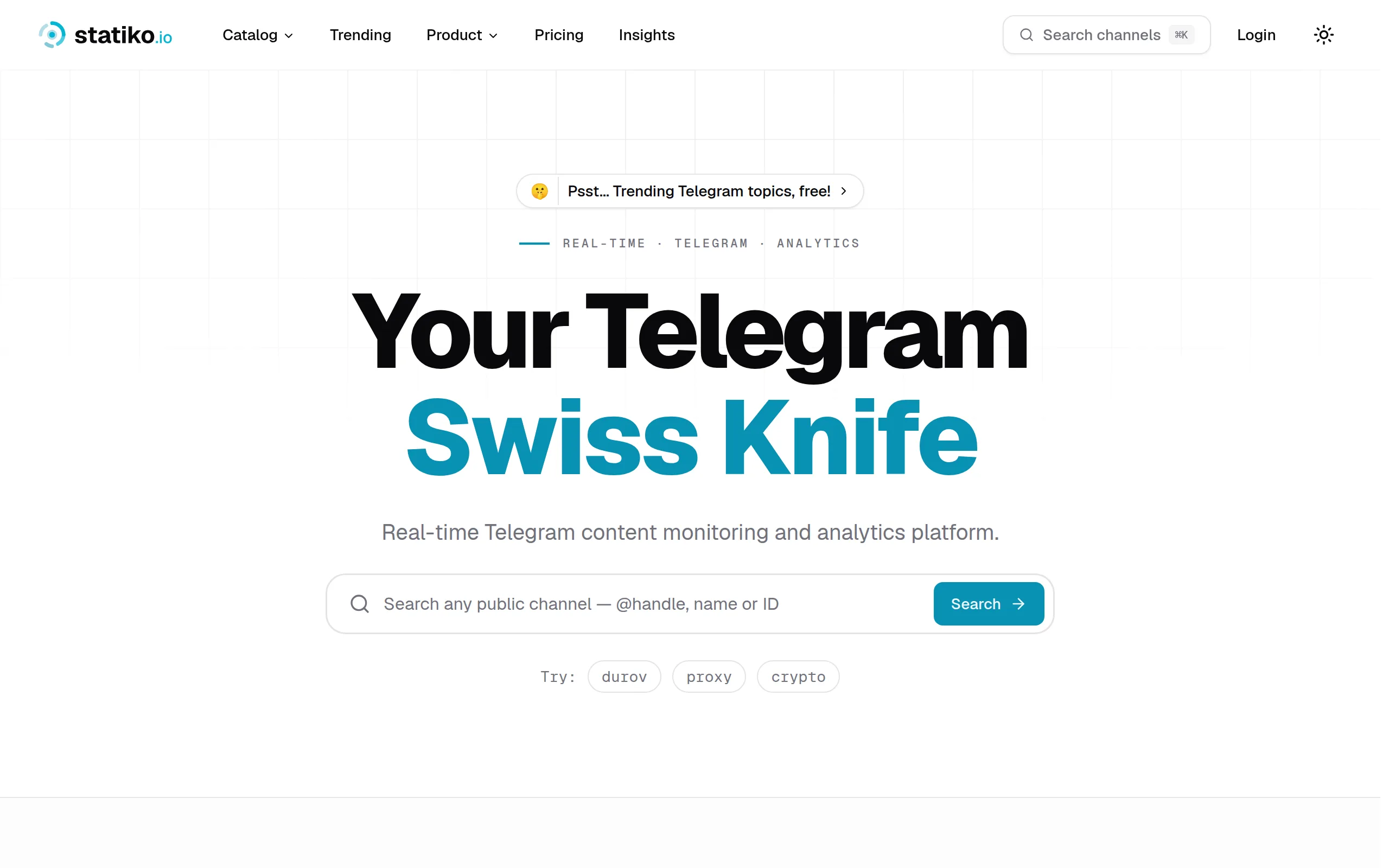
Statiko
Monitor any Telegram channel in real time - track posts, edits, deletions, and growth with AI recaps 📡

Shibui
AI website builder - describe your business, pick a niche template, edit by chatting, and publish instantly ✨

Pro Service
Find verified home service professionals, compare quotes, and pay securely through escrow - built for Brazilians across the US 🏠
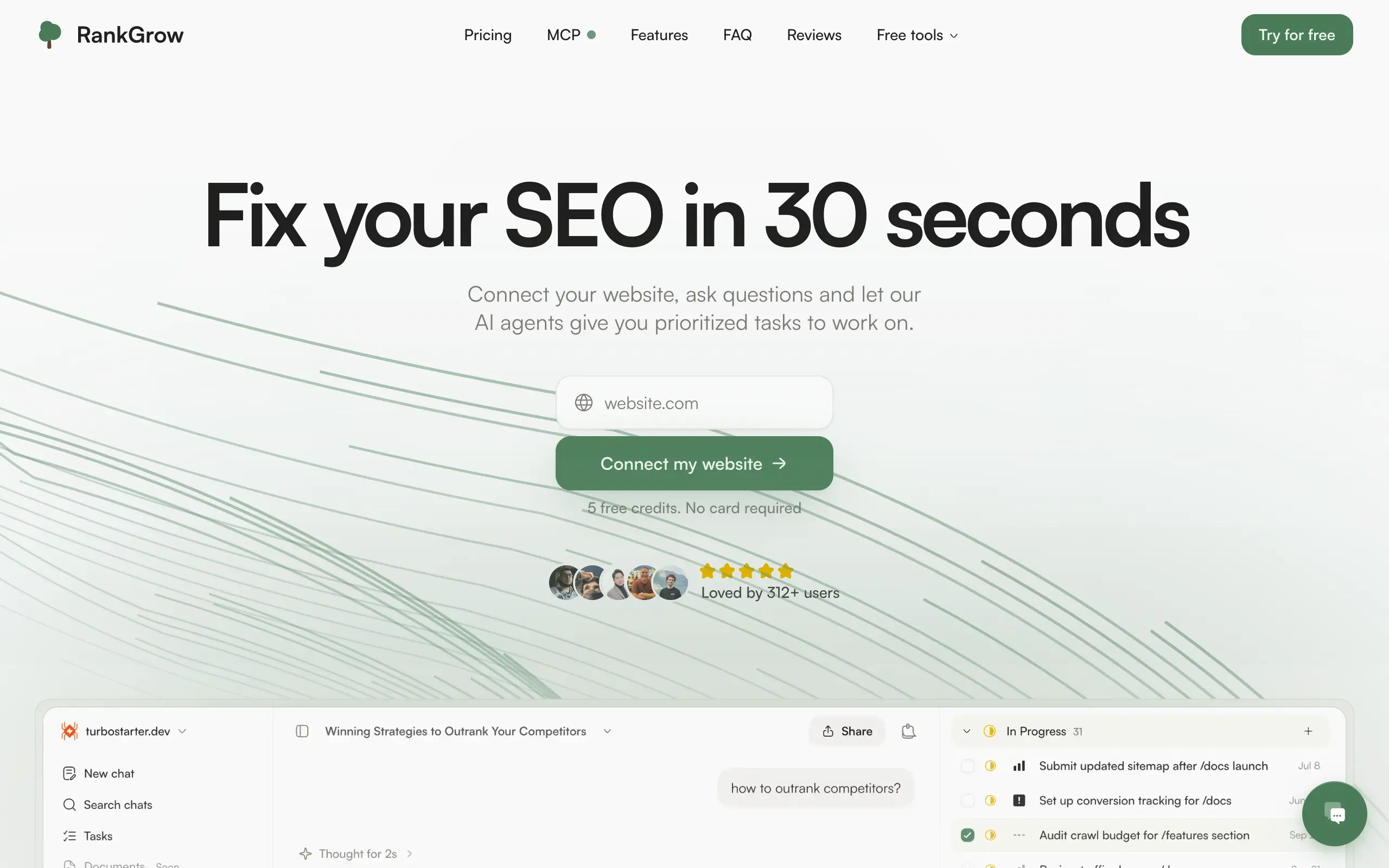
RankGrow
Fix your SEO with AI agents - connect Search Console, get prioritized tasks, and grow organic traffic 📈
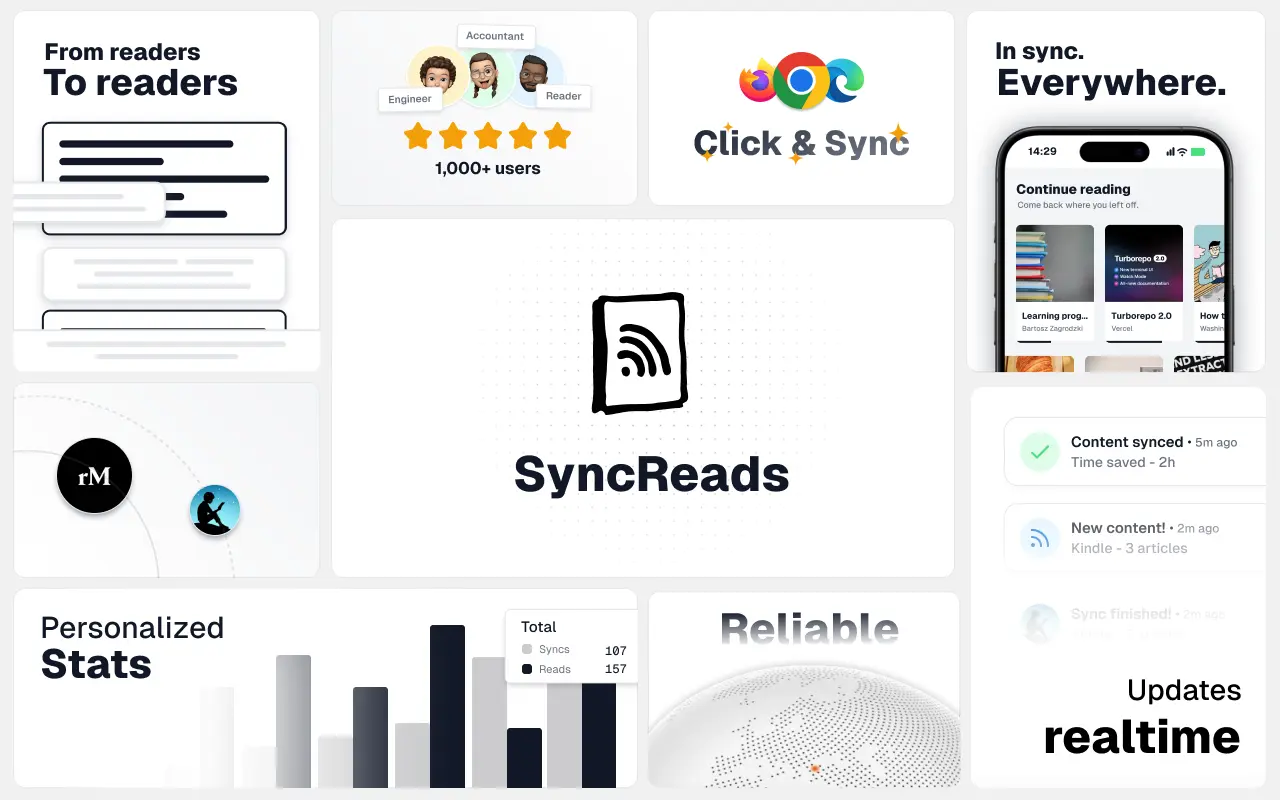
SyncReads
Sync your favorite content for distraction-free reading, save time and replace multiple apps. Anytime, anywhere 🔄
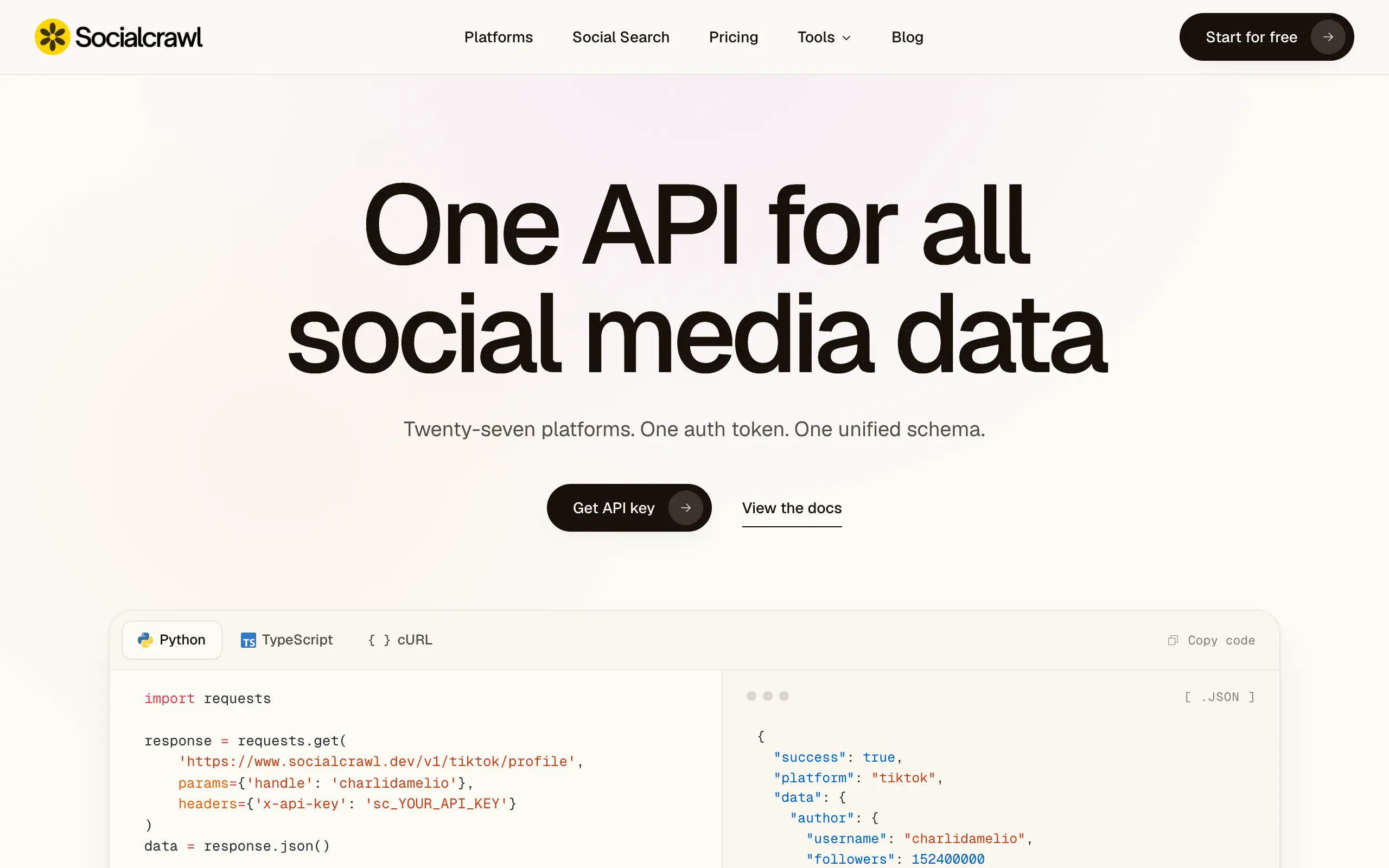
Socialcrawl
Get clean, structured data from 21 platforms like TikTok, Instagram, and YouTube with a single request 📊
Statiko
Monitor any Telegram channel in real time - track posts, edits, deletions, and growth with AI recaps 📡
Shibui
AI website builder - describe your business, pick a niche template, edit by chatting, and publish instantly ✨
Pro Service
Find verified home service professionals, compare quotes, and pay securely through escrow - built for Brazilians across the US 🏠
RankGrow
Fix your SEO with AI agents - connect Search Console, get prioritized tasks, and grow organic traffic 📈
SyncReads
Sync your favorite content for distraction-free reading, save time and replace multiple apps. Anytime, anywhere 🔄
Socialcrawl
Get clean, structured data from 21 platforms like TikTok, Instagram, and YouTube with a single request 📊
Statiko
Monitor any Telegram channel in real time - track posts, edits, deletions, and growth with AI recaps 📡
Shibui
AI website builder - describe your business, pick a niche template, edit by chatting, and publish instantly ✨
Pro Service
Find verified home service professionals, compare quotes, and pay securely through escrow - built for Brazilians across the US 🏠
RankGrow
Fix your SEO with AI agents - connect Search Console, get prioritized tasks, and grow organic traffic 📈
SyncReads
Sync your favorite content for distraction-free reading, save time and replace multiple apps. Anytime, anywhere 🔄
Socialcrawl
Get clean, structured data from 21 platforms like TikTok, Instagram, and YouTube with a single request 📊
Statiko
Monitor any Telegram channel in real time - track posts, edits, deletions, and growth with AI recaps 📡
Shibui
AI website builder - describe your business, pick a niche template, edit by chatting, and publish instantly ✨
Pro Service
Find verified home service professionals, compare quotes, and pay securely through escrow - built for Brazilians across the US 🏠
RankGrow
Fix your SEO with AI agents - connect Search Console, get prioritized tasks, and grow organic traffic 📈
SyncReads
Sync your favorite content for distraction-free reading, save time and replace multiple apps. Anytime, anywhere 🔄
Socialcrawl
Get clean, structured data from 21 platforms like TikTok, Instagram, and YouTube with a single request 📊
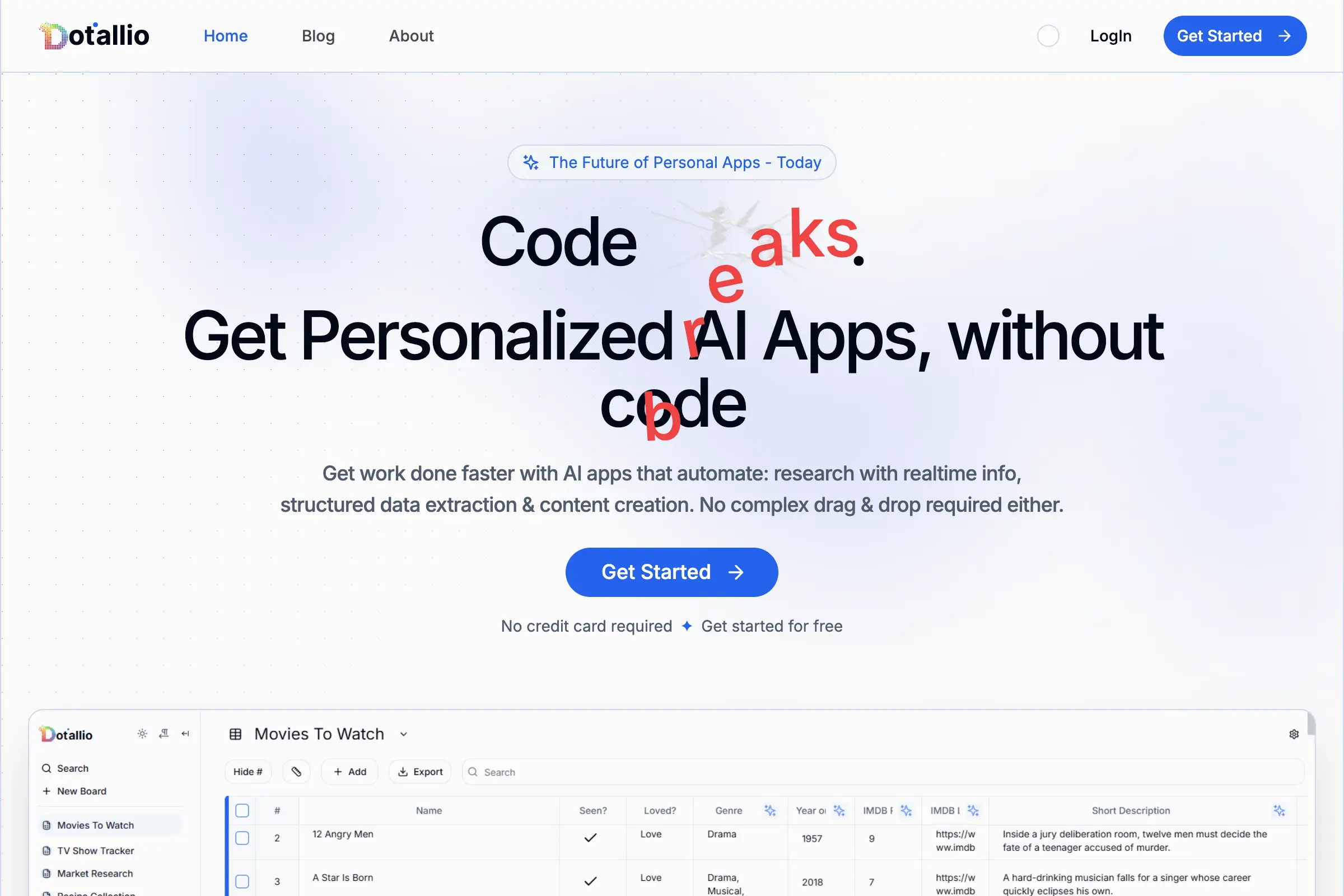
Dotallio
Personalized AI apps that automate research, data extraction, and content creation without code 🤖
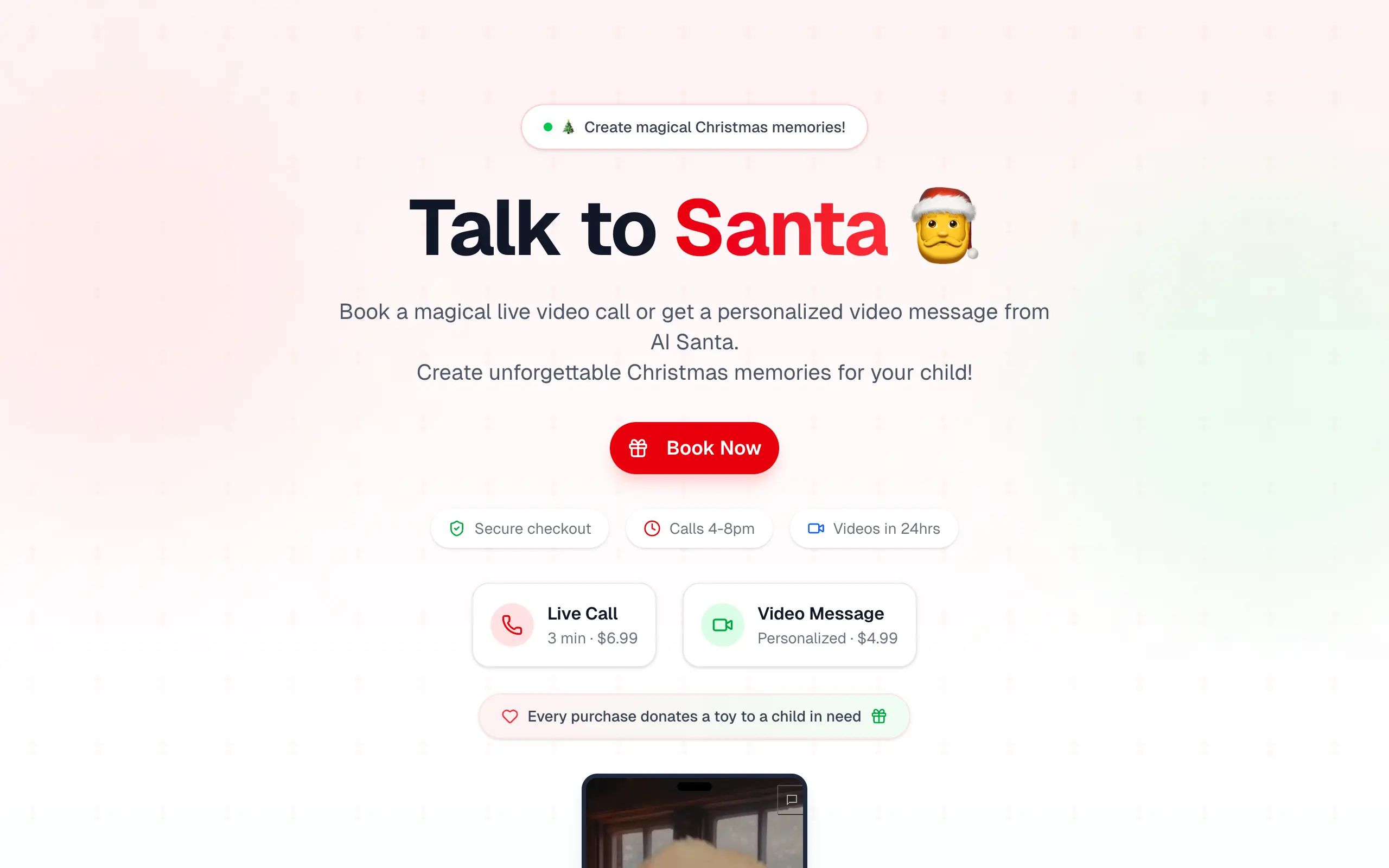
Talk to Santa
Enjoy a magical live video chat or receive a unique AI-generated video greeting from Santa Claus 🎅
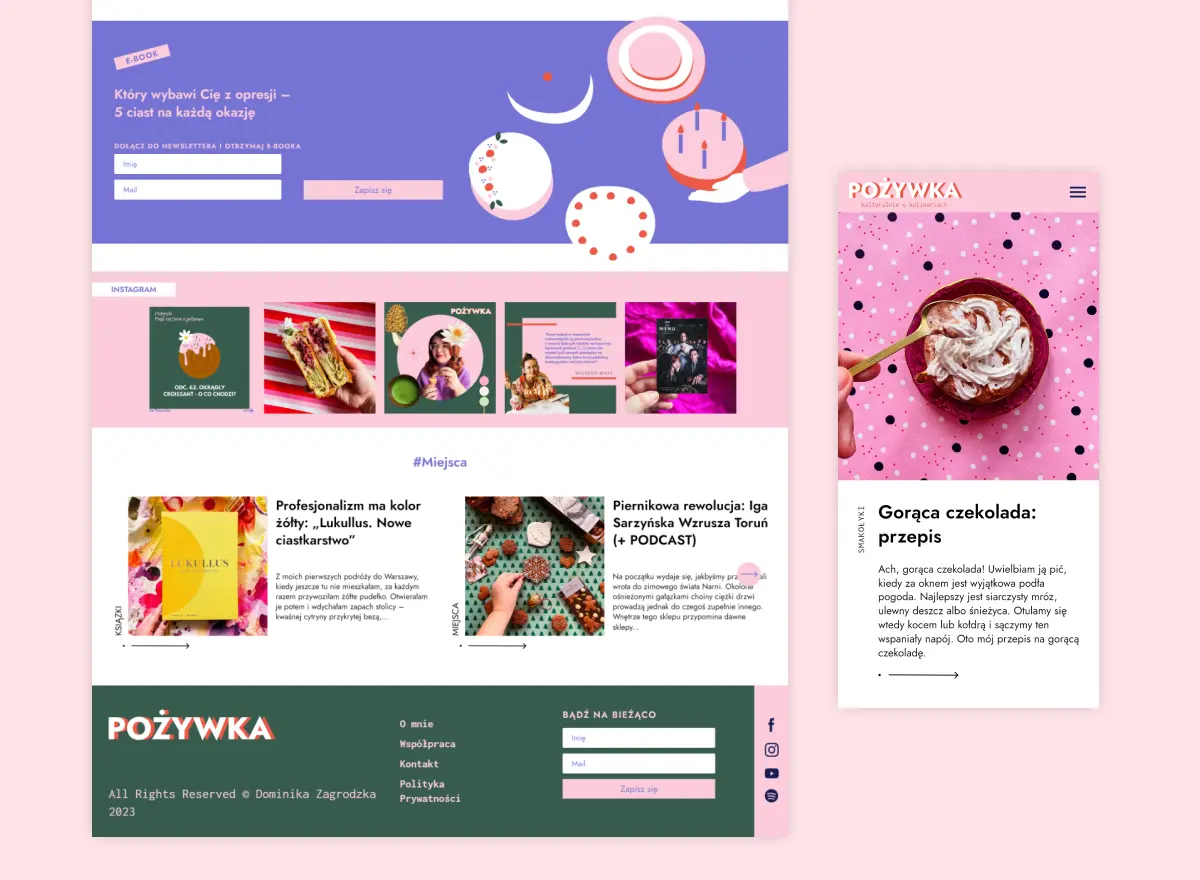
pozywka.pl
Scalable blog for food journalist, focused on performance and user experience 🌭
zagrodzki.me
Personal blog and portfolio of Bart Zagrodzki, where he shares his knowledge and work 💼
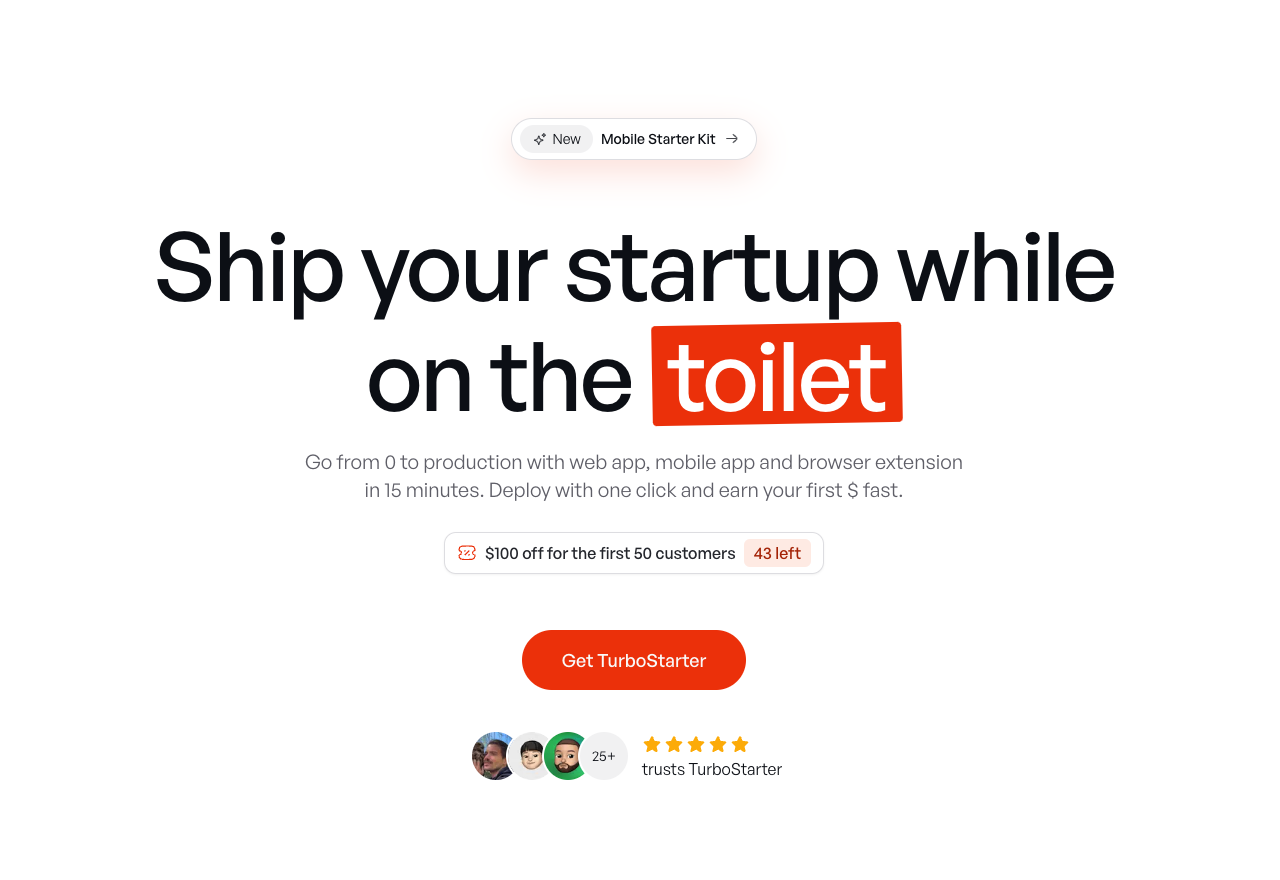
TurboStarter
Ship your startup everywhere. In minutes.
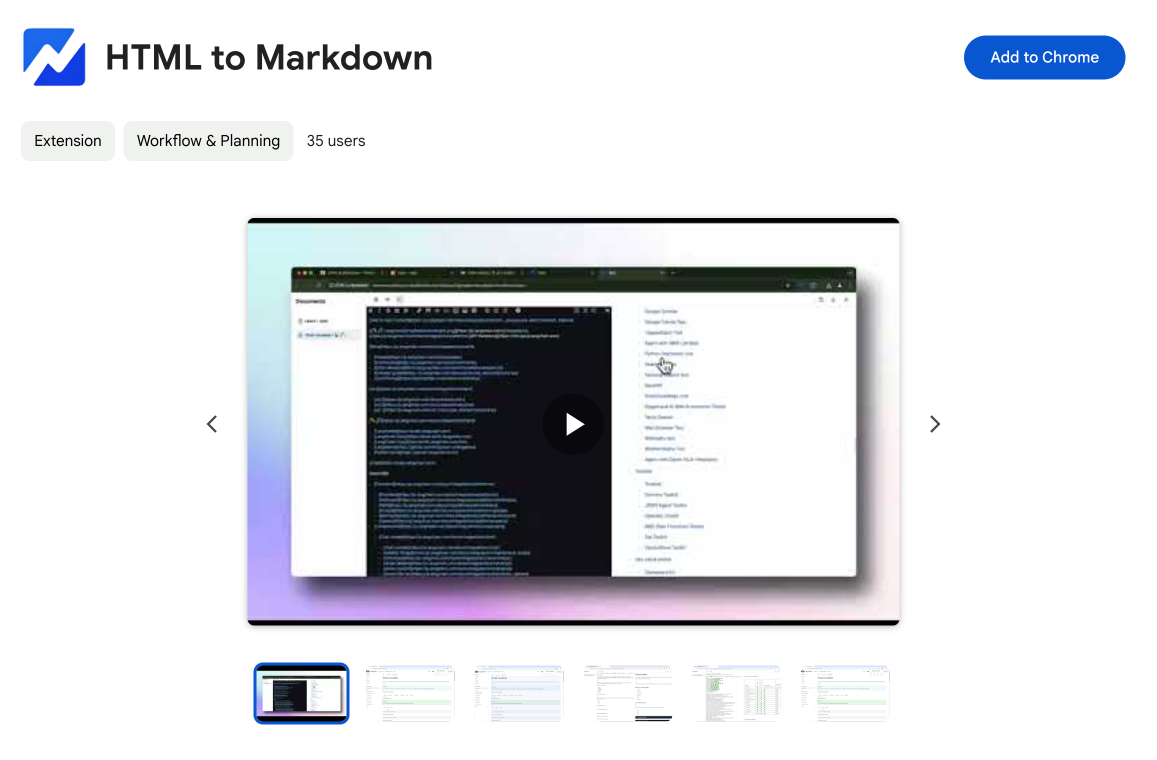
HTML to Markdown
Convert HTML to Markdown with ease, directly in your browser 📄
Dotallio
Personalized AI apps that automate research, data extraction, and content creation without code 🤖
Talk to Santa
Enjoy a magical live video chat or receive a unique AI-generated video greeting from Santa Claus 🎅
pozywka.pl
Scalable blog for food journalist, focused on performance and user experience 🌭
zagrodzki.me
Personal blog and portfolio of Bart Zagrodzki, where he shares his knowledge and work 💼
TurboStarter
Ship your startup everywhere. In minutes.
HTML to Markdown
Convert HTML to Markdown with ease, directly in your browser 📄
Dotallio
Personalized AI apps that automate research, data extraction, and content creation without code 🤖
Talk to Santa
Enjoy a magical live video chat or receive a unique AI-generated video greeting from Santa Claus 🎅
pozywka.pl
Scalable blog for food journalist, focused on performance and user experience 🌭
zagrodzki.me
Personal blog and portfolio of Bart Zagrodzki, where he shares his knowledge and work 💼
TurboStarter
Ship your startup everywhere. In minutes.
HTML to Markdown
Convert HTML to Markdown with ease, directly in your browser 📄
Dotallio
Personalized AI apps that automate research, data extraction, and content creation without code 🤖
Talk to Santa
Enjoy a magical live video chat or receive a unique AI-generated video greeting from Santa Claus 🎅
pozywka.pl
Scalable blog for food journalist, focused on performance and user experience 🌭
zagrodzki.me
Personal blog and portfolio of Bart Zagrodzki, where he shares his knowledge and work 💼
TurboStarter
Ship your startup everywhere. In minutes.
HTML to Markdown
Convert HTML to Markdown with ease, directly in your browser 📄
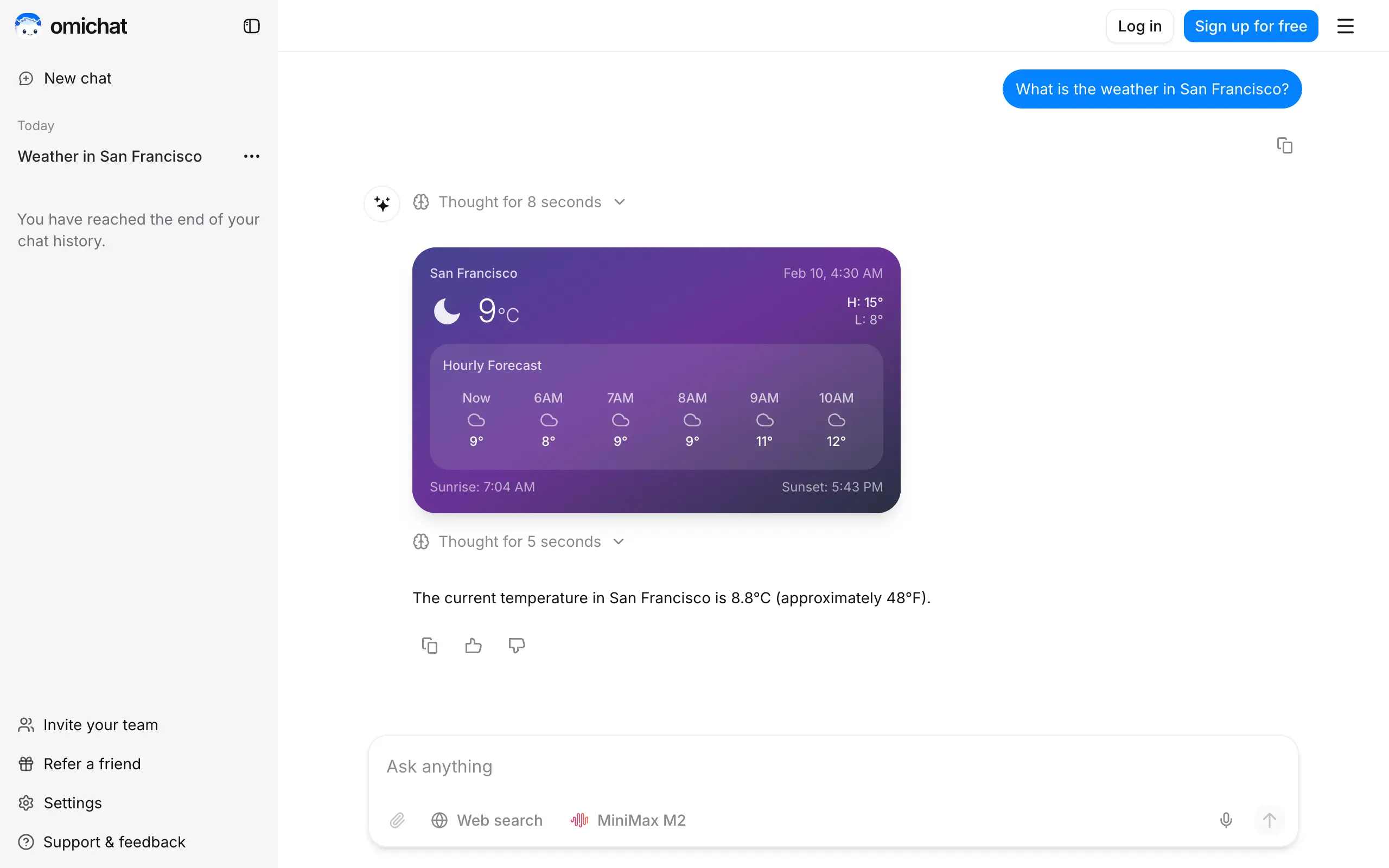
Omichat
Chat with 50+ AI models, including ChatGPT and Claude, in one place - switch models anytime without losing context 🤖
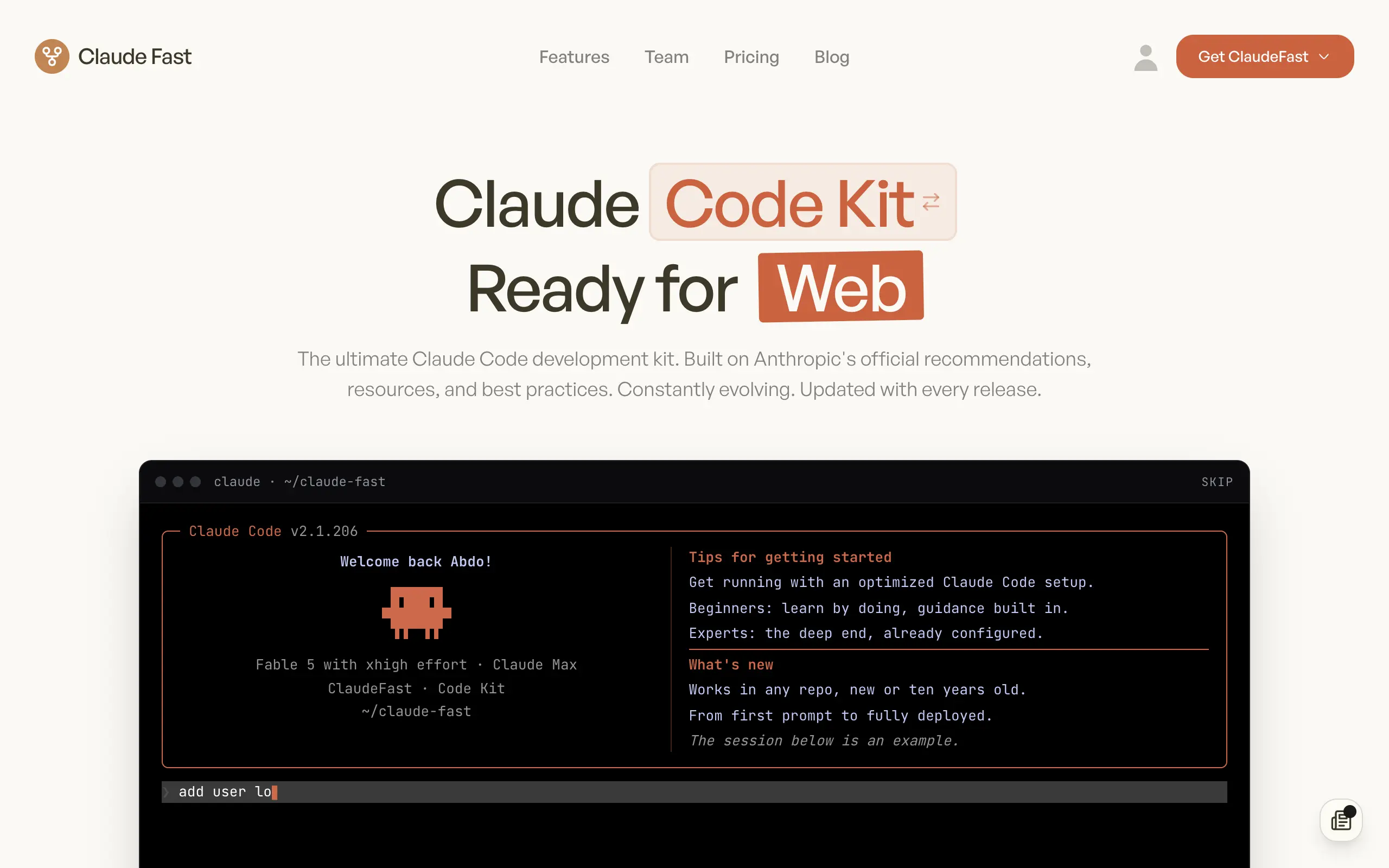
Claude Fast
Supercharge your Claude Code with 6x effective context window and specialized AI agents 🤖
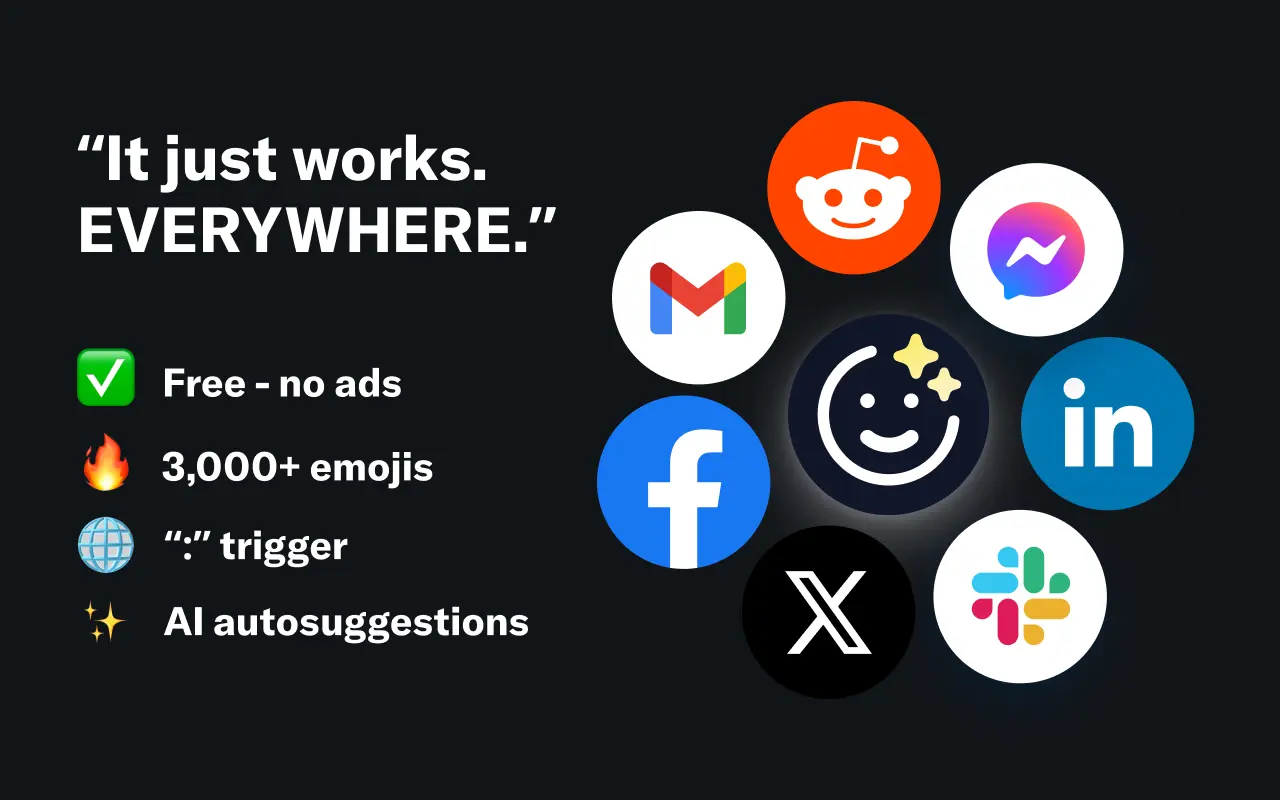
EmojAI
AI-powered emoji picker with smart, context-aware suggestions 🤖
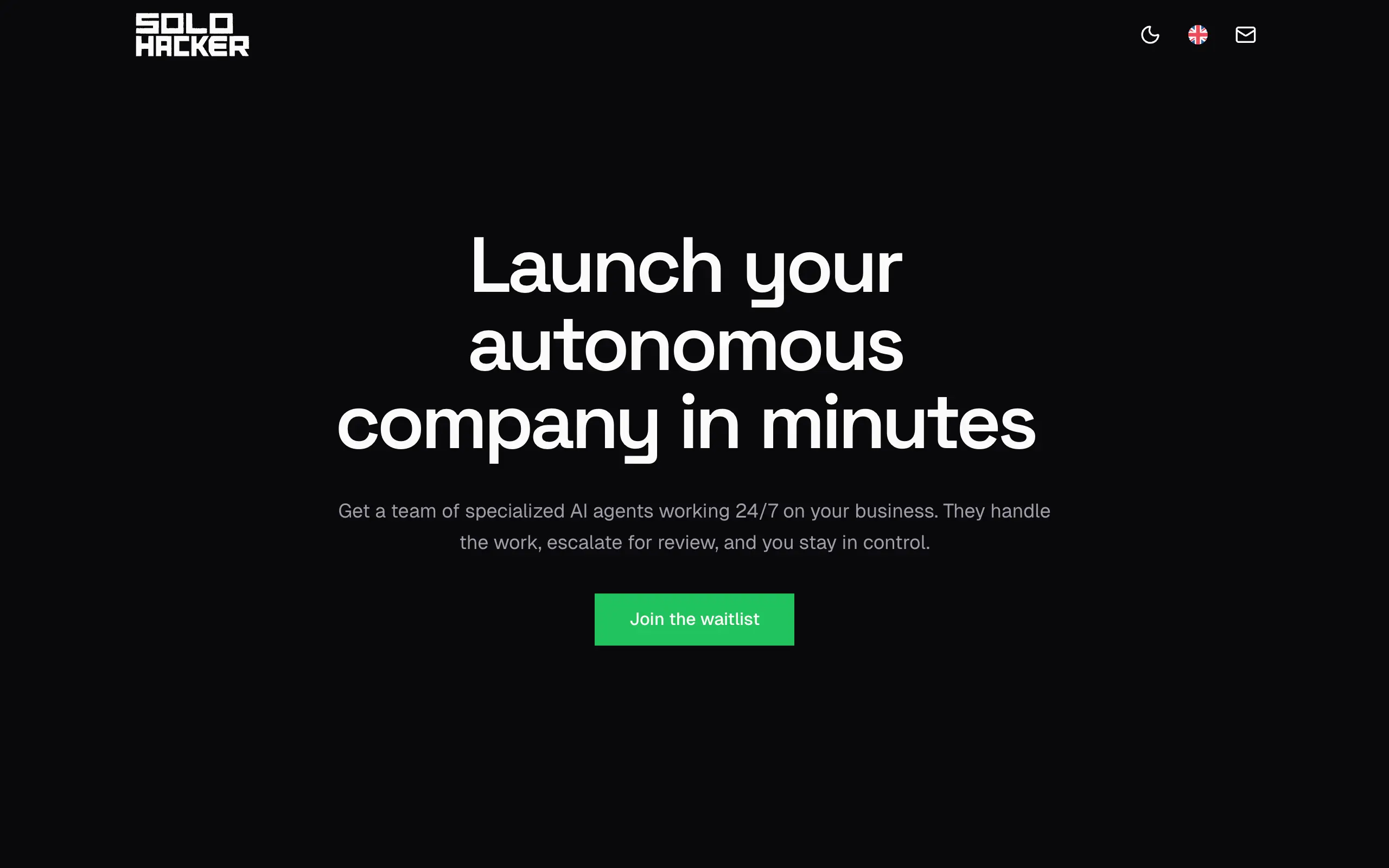
Solohacker
Autonomous company launcher - AI agents work 24/7, escalate what matters, and you stay in control 🤖
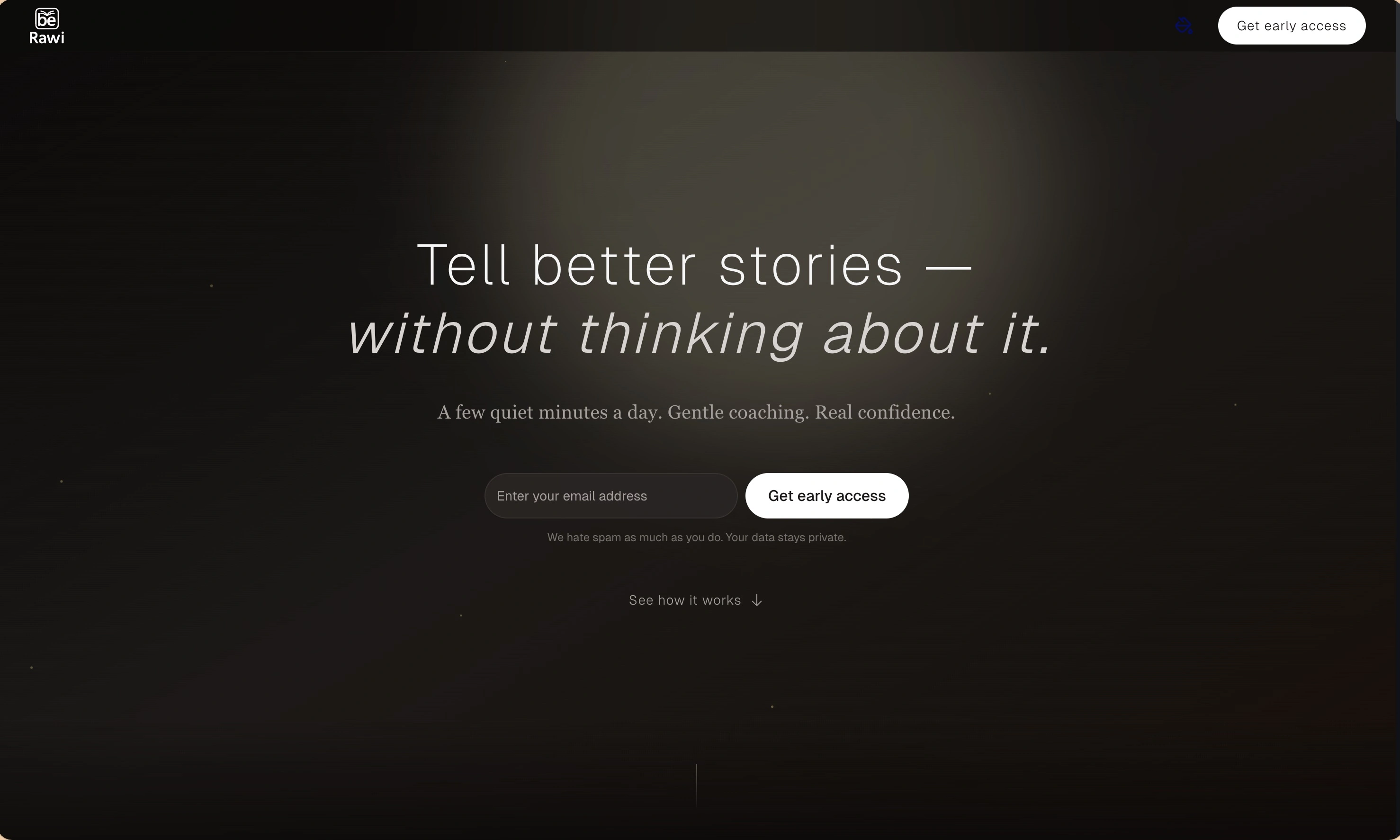
BeRawi: Storytelling Coach
Practice storytelling daily with instant feedback to sound clearer, more engaging, and confident 🎤
Omichat
Chat with 50+ AI models, including ChatGPT and Claude, in one place - switch models anytime without losing context 🤖
Claude Fast
Supercharge your Claude Code with 6x effective context window and specialized AI agents 🤖
EmojAI
AI-powered emoji picker with smart, context-aware suggestions 🤖
Solohacker
Autonomous company launcher - AI agents work 24/7, escalate what matters, and you stay in control 🤖
BeRawi: Storytelling Coach
Practice storytelling daily with instant feedback to sound clearer, more engaging, and confident 🎤
Omichat
Chat with 50+ AI models, including ChatGPT and Claude, in one place - switch models anytime without losing context 🤖
Claude Fast
Supercharge your Claude Code with 6x effective context window and specialized AI agents 🤖
EmojAI
AI-powered emoji picker with smart, context-aware suggestions 🤖
Solohacker
Autonomous company launcher - AI agents work 24/7, escalate what matters, and you stay in control 🤖
BeRawi: Storytelling Coach
Practice storytelling daily with instant feedback to sound clearer, more engaging, and confident 🎤
Omichat
Chat with 50+ AI models, including ChatGPT and Claude, in one place - switch models anytime without losing context 🤖
Claude Fast
Supercharge your Claude Code with 6x effective context window and specialized AI agents 🤖
EmojAI
AI-powered emoji picker with smart, context-aware suggestions 🤖
Solohacker
Autonomous company launcher - AI agents work 24/7, escalate what matters, and you stay in control 🤖
BeRawi: Storytelling Coach
Practice storytelling daily with instant feedback to sound clearer, more engaging, and confident 🎤

Connect with like-minded people
Join our community to get feedback, support, and grow together with 1,000+ builders on board, let's ship it!
Join usShip your startup everywhere. In minutes.
Don't burn tokens on setup and start building features on day one.