AestheticRecall AI
AI-powered follow-up engine for med spas that identifies lapsed clients and sends personalized treatment reminders to boost rebookings.
Why AI-powered med spa follow-up software is a high-value opportunity
AestheticRecall AI is an AI-powered follow-up engine for med spas that finds lapsed clients, determines which treatment reminders are relevant, and sends personalized rebooking outreach at the right time.
This solves a costly but common operational problem in aesthetic medicine. Most med spas already have a client database, appointment history, treatment notes, and marketing tools. What they often lack is a reliable system for turning that data into timely, individualized follow-up.
Staff members may remember to call VIP clients or send a generic monthly promotion. But manual recall workflows rarely scale across clients who have had injectables, laser treatments, facials, body contouring, skincare consultations, or membership visits. The result is predictable:
- Clients quietly drift away after a treatment cycle ends.
- Front-desk teams spend time searching records instead of serving current guests.
- Marketing messages feel generic and arrive at the wrong moment.
- Providers lose repeat revenue that could have been recovered with a thoughtful reminder.
- Owners cannot clearly see which retention activities actually drive bookings.
AestheticRecall AI positions itself as med spa rebooking software built for proactive retention, not just another broadcast messaging tool. Its core value proposition is simple: identify who is likely due for care, explain why, recommend the next best outreach action, and help the practice book the appointment.
For operators, this is compelling because retention is often more controllable than new-client acquisition. A med spa can spend heavily on paid social, search advertising, referral programs, and local partnerships to acquire a new client. Yet a client who has already trusted the practice with a treatment is generally easier to re-engage when communication is relevant, ethical, and well timed.
The product thesis
AestheticRecall AI should not promise to replace clinical judgment. It should help med spa teams operationalize their own treatment cadence, brand voice, service rules, and client relationships at scale.
The target audience for AestheticRecall AI
The strongest initial market is not every beauty business. It is the segment where appointment history, recurring treatment intervals, and high client lifetime value make recall automation financially meaningful.
Primary buyers are owner-operators and practice managers
The best early buyers are likely to be:
- Med spa founders operating one to five locations
- Practice managers responsible for bookings, staffing, and client retention
- Marketing managers at established aesthetic clinics
- Multi-location aesthetic groups with centralized marketing teams
- Plastic surgery practices with a med spa or non-surgical treatment department
- Dermatology practices that offer cosmetic procedures and memberships
These buyers are already measured on practical business outcomes. They care about appointment utilization, rebook rate, revenue per client, cancellation recovery, membership retention, provider schedules, and cost per acquisition.
They do not need a broad claim that “AI improves marketing.” They need a clear answer to a much narrower question: Which clients should our team contact this week, what should we say, and how many appointments did that outreach recover?
End users include front-desk, marketing, and clinical teams
AestheticRecall AI will serve several users with different workflows.
Front-desk coordinators
Need an easy priority queue, message approvals, response handling, and booking context without digging through multiple systems.
Marketing teams
Need segment controls, templates, campaign performance reporting, consent awareness, and brand-safe personalization.
Providers and clinical leads
Need control over treatment intervals, eligibility rules, escalation workflows, and language that does not make inappropriate clinical claims.
Owners and operators
Need a financial view of recovered revenue, rebook rates, client retention, and location-level performance.
Ideal customer profile for the first version
An ideal early customer may have the following characteristics:
- At least 500 to 2,000 historical clients in its practice management system
- Multiple repeatable treatment categories with recognizable maintenance windows
- A front-desk or marketing team that already sends manual recalls
- An online booking system or a trackable appointment scheduling workflow
- Permission-based SMS or email communication processes already in place
- Enough appointment capacity to absorb recovered demand
A solo practitioner can benefit too, but the return on a dedicated platform becomes more visible as appointment volume and historical client data increase.
Jobs to be done
The product should be designed around concrete operational jobs rather than generic “engagement.”
- “Help me find clients who are overdue without creating a spreadsheet.”
- “Help me prioritize the clients most likely to return.”
- “Help me send a reminder that feels helpful rather than salesy.”
- “Help us follow up after a consultation without dropping the lead.”
- “Help us recover last-minute cancellations and fill schedule gaps.”
- “Help me prove whether recall outreach generated booked revenue.”
- “Help us apply our brand and compliance rules consistently across locations.”
The med spa retention gap AestheticRecall AI can own
The market contains booking platforms, customer relationship management systems, email tools, patient engagement products, and all-in-one med spa operating platforms. Many are valuable. However, there is a distinct product gap between storing historical records and actively turning those records into a prioritized recall program.
Most systems record history but do not operationalize it
A typical med spa stack may include a practice management platform, forms software, point-of-sale tools, online booking, email marketing, text messaging, and a spreadsheet for ad hoc follow-up. The data may technically exist, but teams still need to answer questions such as:
- Which clients are overdue for their usual treatment?
- Which clients lapsed after a specific service?
- Which clients should receive a staff call rather than an automated text?
- Which treatment should be suggested based on their real history?
- Which outreach channel is permitted and likely to work?
- Which clients have already been contacted recently?
- Did the message lead to a completed appointment or only a click?
Without a dedicated workflow, staff often choose between generic campaigns and manual record reviews. Generic campaigns are efficient but less relevant. Manual reviews can be thoughtful but are difficult to sustain.
Timing is central to the product opportunity
Aesthetic treatment maintenance cycles vary. Some clients return on a predictable cadence, while others pause due to seasonality, budget, life events, dissatisfaction, scheduling friction, or a lack of clear next-step guidance.
The product opportunity is not merely “send a reminder after 90 days.” It is to create an adaptive client recall system that combines:
- Historical visit frequency
- Treatment category and service cadence
- Last appointment date
- Membership status
- Recent communications
- Booking behavior
- Preferred channel where consent exists
- Available appointment inventory
- Practice-defined rules and exclusions
The result should be a prioritized recommendation, not an opaque automated decision.
Why generic marketing automation is insufficient
Traditional email automation can send a sequence after a form submission or appointment. That is useful, but it typically does not understand the difference between a client who is slightly overdue for a facial and a high-value injectable client who has historically returned every few months but has now lapsed.
AestheticRecall AI can differentiate through treatment-aware recall intelligence. It should understand that the practice has its own policies and that the platform’s recommendations must be configurable, reviewable, and explainable.
Core features for an AI med spa follow-up engine
A strong minimum viable product should focus on the recall workflow from data ingestion through booked appointment attribution. Avoid trying to become a full practice management system on day one.
Client data sync and unified recall profiles
The foundation is a clean client profile assembled from connected systems. Each profile should show relevant information in a usable, permission-aware view.
Useful fields include:
- Client name and contact preferences
- Communication consent status
- Last visit date
- Historical treatments and appointment counts
- No-show and cancellation history
- Membership or package status
- Lifetime spend ranges where appropriate
- Preferred provider or location
- Recent messages and campaigns
- Upcoming appointments
- Rebooking risk or recall priority score
- Recommended outreach reason with a plain-language explanation
A key design principle is data minimization. The platform should only surface data necessary for recall and scheduling workflows. Sensitive medical information should not be casually inserted into marketing copy.
Lapsed client detection
The lapsed-client engine is the core of the product. It should identify clients whose expected return window has passed based on configurable practice rules and behavioral signals.
For example, an operator may define a treatment family’s expected interval as a range rather than a fixed date. The platform can then classify a client as:
- On track
- Approaching a likely maintenance window
- Due for follow-up
- Lapsed
- High-priority lapsed
- Excluded from automated outreach
The model should not imply that an individual clinically needs a treatment. Instead, it can say that the client may be due for a check-in according to the practice’s configured maintenance program and past appointment pattern.
Next-best-action recommendations
The product should recommend an action, not only produce a score. A high-quality recommendation might include:
- Suggested channel such as SMS, email, call task, or no outreach
- Suggested timing based on the client’s prior engagement
- Recommended message template
- Suggested service category or consultation
- Booking link or staff task
- Confidence level and explanation
- Suppression reasons when outreach should not occur
Explainability matters. If a manager sees “high priority,” they should be able to understand the logic in simple terms, such as “Last visit was 142 days ago, while this client’s prior interval was approximately 96 days, and they have not received a reminder in 30 days.”
Personalized message generation with approval controls
Generative AI can help draft outreach, but it needs guardrails. AestheticRecall AI should generate messages from approved templates, structured fields, and brand rules rather than letting a general-purpose model freely invent copy.
A safe message generation workflow could include:
- Select a practice-approved campaign purpose.
- Pull permitted personalization fields.
- Generate one or more on-brand drafts.
- Validate prohibited terms and required disclosures.
- Route the message for auto-send or staff approval based on practice policy.
- Log the final sent content and delivery outcome.
Here is an example of a structured message payload the application could generate before passing it to a messaging provider:
const recallMessage = {
  clientFirstName: "Maya",
  campaignType: "maintenance_check_in",
  channel: "sms",
  bookingUrl: "https://booking.example.com",
  allowedPersonalization: ["clientFirstName", "providerName"],
  body: "Hi Maya, this is the team at Glow Studio. We would love to help you plan your next visit when the timing feels right. You can view available appointments here: https://booking.example.com"
};
The production platform should use real booking URLs, configurable templates, opt-out language where required, and organization-specific consent rules. The example above is only a product pattern, not a compliance-approved message.
Multi-channel recall campaigns
Clients respond differently across channels. The platform should support channel orchestration rather than treating every client the same.
A practical sequence might include:
- An initial personalized email for lower-urgency recall
- An SMS reminder for opted-in clients who did not engage
- A call task for high-value clients, concierge members, or cases needing human follow-up
- A calendar reminder or booking link to reduce friction
- A suppression rule when the client books, opts out, or is already in active communication
The user should be able to choose whether campaigns are fully automated, approval-based, or staff-led.
Booking and revenue attribution
AestheticRecall AI must connect outreach to measurable outcomes. The most persuasive dashboard does not focus only on messages sent. It shows business impact.
Core reporting metrics should include:
- Rebooked appointments attributed to recall
- Completed visits attributed to recall
- Revenue attributed to recall where data is available
- Time from message to booking
- Response rate by channel
- Opt-out and unsubscribe rate
- Campaign conversion by treatment category
- Lapsed-client recovery rate
- Staff task completion rate
- Rebooking performance by location and provider
Attribution should be transparent. A booking that occurs shortly after a message may be influenced by the campaign, but attribution windows and methodology should be visible to customers. Avoid overstating causality.
Campaign controls and compliance center
Because med spas operate in a regulated and reputation-sensitive environment, compliance controls should be a product feature rather than a policy document buried in settings.
The platform should include:
- Consent status tracking
- Opt-out handling and suppression lists
- Quiet hours and sending limits
- Frequency caps
- Message approval workflows
- Template version history
- Audit logs
- Role-based access control
- Data retention settings
- Location-specific rules
- Sensitive-content restrictions
Compliance requires expert review
SMS, email, privacy, health information, and advertising obligations vary by jurisdiction and business model. AestheticRecall AI should be designed with legal counsel and compliance specialists, especially when integrations may process protected health information. Product controls support compliance operations, but they do not replace legal advice.
How the AI should work without becoming a black box
The strongest version of AestheticRecall AI combines rules, predictive signals, and human oversight.
Start with deterministic rules
Early-stage products should begin with rules that customers can understand and configure. This improves trust, accelerates implementation, and reduces the need for large volumes of labeled training data.
Examples include:
- Flag clients when they pass a practice-defined follow-up interval.
- Exclude clients with a future appointment.
- Suppress marketing outreach after an opt-out.
- Create a call task for premium membership clients.
- Avoid sending more than a defined number of messages in a time window.
- Route certain treatment categories for manual review.
Rules are also essential for safety. They create predictable boundaries around what the AI can and cannot do.
Add predictive prioritization over time
Once enough historical data exists, the platform can add models that estimate outcomes such as:
- Probability of rebooking within a defined period
- Likelihood of responding by SMS versus email
- Expected value of a recall opportunity
- Risk that a client will lapse permanently
- Best day or time to send, subject to consent and quiet-hour policies
The score should influence prioritization, not make irreversible decisions. In a practical interface, staff may see a ranked work queue with reasons and recommended action.
Use generative AI for language, not clinical decisions
Large language models are best used for constrained tasks such as:
- Rewriting approved copy in a brand voice
- Creating A/B test variants
- Summarizing client communication history for staff
- Categorizing message intent
- Drafting internal call notes
- Producing campaign performance summaries
They should not independently diagnose, recommend medical treatment, provide medical advice, or make eligibility decisions based on sensitive health information. This boundary protects clients, practices, and the product’s long-term credibility.
Recommended tech stack for AestheticRecall AI
The technical stack should support fast iteration, secure integrations, reliable background jobs, and auditability. The right architecture depends on the team’s experience and target market requirements.
Product application and user interface
For a modern SaaS application, a practical front-end foundation is:
- Next.js for full-stack React development, routing, and server-side capabilities
- React for interactive workflow interfaces
- TypeScript for safer application development
- Tailwind CSS for consistent, rapid interface styling
- shadcn/ui for composable interface patterns
A workflow-heavy product benefits from a clean dashboard that makes prioritization obvious. The interface should prioritize action queues, campaign review, client context, and performance reporting over decorative charts.
Backend, database, and background processing
A recommended backend architecture may include:
- PostgreSQL as the primary relational database
- Prisma for type-safe database access in TypeScript applications
- Redis for caching, rate limiting, and job coordination
- A durable workflow or job queue for scheduled recalls, campaign sends, retries, and webhook processing
- Object storage for export files, audit artifacts, and permitted uploaded documents
- An event log for key actions such as consent changes, sends, deliveries, bookings, and user approvals
Recall systems are inherently time-based. Background jobs are not optional. The platform must reliably evaluate clients daily or hourly, schedule communications, handle provider webhooks, and stop future sends when a client books or opts out.
AI and retrieval layer
For AI features, use a layered approach:
- Structured treatment and campaign metadata in PostgreSQL
- A rules engine for eligibility and suppression
- An LLM provider for constrained copy generation and summarization
- Evaluation datasets to test output quality and safety
- Prompt templates versioned alongside campaign configurations
- Human review queues for uncertain or high-risk outputs
If the product needs semantic search across internal playbooks, approved templates, and operating procedures, a vector search layer can be introduced. However, do not add vector infrastructure simply because AI is involved. Most early recall decisions are structured-data problems first.
Integrations and messaging infrastructure
Core integration categories include:
- Practice management and scheduling systems
- Online booking platforms
- Customer relationship management systems
- Email delivery providers
- SMS providers
- Calendar systems
- Analytics tools
- Payment or point-of-sale platforms where attribution is appropriate
Messaging providers should support delivery reporting, opt-out management, webhook events, sender registration requirements, and throughput controls. The product team must evaluate vendors based on regional availability, security posture, pricing, API reliability, and the practice’s compliance needs.
Build faster without sacrificing architecture
For founders validating the opportunity, TurboStarter can reduce time spent on repetitive SaaS foundations such as authentication, billing patterns, application structure, and dashboard scaffolding. That allows the team to focus early engineering effort on the differentiated parts of the product: integrations, recall logic, campaign controls, and measurable booking attribution.
Technology trade-offs to consider
| Decision | Fast path | Enterprise path | Key trade-off | Recommendation |
|---|---|---|---|---|
| Integrations | CSV imports and one major API | Native two-way integrations | Speed versus data freshness | Start narrow, then deepen |
| AI logic | Rules plus templates | Predictive ranking models | Transparency versus sophistication | Lead with explainable rules |
| Sending model | Staff approval required | Controlled automation | Safety versus operational scale | Offer both by risk level |
| Deployment | Shared SaaS environment | Dedicated enterprise environment | Cost versus buyer requirements | Earn enterprise complexity later |
Monetization strategy for med spa rebooking software
AestheticRecall AI should price around value creation while keeping the buying decision simple for small and mid-sized practices.
Subscription pricing by active client volume
The clearest starting model is a monthly subscription based on active or contactable client records. This aligns pricing with the size of the recall opportunity.
Possible plan structure includes:
- Starter plan for a single location with limited active clients and core recall campaigns
- Growth plan for larger databases, automation, multiple users, and deeper reporting
- Multi-location plan with centralized controls, location benchmarking, and advanced permissions
- Enterprise plan with custom integration work, security review, service-level commitments, and dedicated support
Avoid pricing solely by messages sent. Message-volume pricing can discourage thoughtful usage and makes customers focus on delivery costs rather than recovered bookings.
Usage-based add-ons
Appropriate add-ons may include:
- Additional SMS volume beyond included credits
- Premium AI-generated campaign variants
- Advanced integration connectors
- Data cleanup and migration services
- Custom reporting
- White-glove campaign strategy
- Multi-location implementation support
Performance-based pricing considerations
A performance component can be attractive because the product directly impacts rebooking. However, it introduces attribution disputes. If used, it should be limited and transparent.
For example, a customer may pay a small platform fee plus a success fee tied to completed appointments attributed within an agreed window. This works best when booking and completion data are reliably available.
In early stages, a straightforward subscription is safer. It is easier to sell, forecast, and support.
Competitive advantage and defensibility
AestheticRecall AI should not compete as a generic AI chatbot, generic CRM, or generic email tool. Its advantage comes from owning a narrow but valuable workflow.
The unique selling proposition
The product’s USP is:
AestheticRecall AI turns historical med spa appointment data into compliant, treatment-aware, personalized rebooking actions that staff can understand, approve, and measure.
This is more specific than “AI marketing automation.” It focuses on the outcome that med spa operators care about: recovering repeat appointments without burdening staff or eroding client trust.
Defensible product advantages
Over time, defensibility can come from several layers:
- Deep integrations with med spa scheduling and practice management systems
- A treatment-aware recall taxonomy configured by real operators
- Historical outcome data linking outreach, booking, attendance, and revenue
- Brand-safe and compliance-aware message controls
- Workflow adoption by front-desk and practice management teams
- Benchmarking data across locations while protecting customer privacy
- Proven implementation playbooks for different med spa operating models
The strongest moat is not the language model. Models are increasingly accessible. The moat is trusted workflow data, integration reliability, specialized configuration, measurable outcomes, and a reputation for safe execution.
Competitive positioning against adjacent tools
AestheticRecall AI can position against adjacent categories without claiming to replace them.
- Practice management platforms manage records and appointments.
- Booking tools reduce scheduling friction.
- CRMs manage contacts and broader marketing relationships.
- Messaging platforms deliver SMS and email.
- AI writing tools generate copy.
AestheticRecall AI sits above these systems as the recall intelligence and action layer. It decides who merits follow-up, coordinates the appropriate workflow, and measures the result.
Key risks and practical mitigation strategies
The idea is strong, but the risks are real. Addressing them early is essential for trust and enterprise readiness.
Integration complexity
Med spa software ecosystems can be fragmented. APIs may be incomplete, inconsistent, or unavailable.
Mitigation approaches include:
- Choose one high-demand integration for the initial wedge.
- Offer secure CSV import as a validation path.
- Build a canonical internal data model.
- Use an integration abstraction layer rather than hard-coding every vendor workflow.
- Clearly disclose data freshness limitations to users.
- Do not promise real-time sync until it has been proven.
Privacy and regulated data risk
Client records in aesthetic medicine may contain sensitive information. Whether a specific practice is subject to particular healthcare privacy obligations depends on its operations, relationships, and jurisdiction.
Mitigation approaches include:
- Practice data minimization from the first release.
- Encrypt data in transit and at rest.
- Apply role-based access controls and strong authentication.
- Maintain audit logs for data access and message approval.
- Separate marketing data from unnecessary clinical detail.
- Establish vendor security reviews and contractual safeguards.
- Engage qualified legal and privacy experts before handling sensitive data at scale.
Messaging consent and deliverability risk
Poorly managed SMS outreach can damage trust, trigger opt-outs, and create legal exposure.
Mitigation approaches include:
- Treat consent status as a first-class data object.
- Respect opt-outs immediately across all campaigns.
- Add frequency caps and quiet-hour settings.
- Use clear sender identification.
- Give clients easy ways to manage preferences.
- Monitor opt-out rates and complaint indicators.
- Require manual approval for high-sensitivity campaign categories.
AI hallucinations and inappropriate wording
A free-form model may generate unsupported promises, medical implications, or off-brand language.
Mitigation approaches include:
- Generate from approved template frameworks.
- Restrict the inputs available to the model.
- Use prohibited-language checks.
- Keep clinical claims out of automated messages.
- Require approval for new templates.
- Maintain evaluation tests for safety, tone, and factual consistency.
- Preserve a complete audit trail of generated and sent content.
Weak ROI proof
If customers cannot see results, the platform may be seen as another marketing expense.
Mitigation approaches include:
- Set up baseline retention metrics during onboarding.
- Define attribution methodology before launch.
- Report on completed appointments, not only message opens.
- Show control-group or holdout testing where feasible.
- Highlight recovered bookings alongside campaign costs.
- Provide monthly executive summaries for owners.
A practical implementation roadmap
The best go-to-market strategy is to validate one repeatable recall use case before building a large platform.
Phase one: validate the painful workflow
Start by interviewing med spa owners, front-desk managers, and marketing leads. Ask for real examples of follow-up processes, not hypothetical preferences.
Look for evidence such as:
- Staff-maintained recall spreadsheets
- Unworked lists of past clients
- Manual call lists
- Missed follow-up after consultations
- High-value clients who were not contacted in time
- Generic campaign performance that does not translate into bookings
The first product should likely focus on a limited set of treatment categories and one integration or import flow.
Phase two: ship a concierge MVP
A concierge MVP can combine software with human operational support. Upload a customer’s exported client list, apply agreed recall rules, generate approved outreach lists, and track booking outcomes.
This approach validates:
- Whether the data is usable
- Which rules customers trust
- Which channels produce response
- How much staff approval is needed
- What reporting buyers value
- Whether the recovered revenue justifies pricing
Phase three: automate the repeatable components
After observing several customers, automate the common path.
Phase four: expand into retention intelligence
Once recall workflows are reliable, expand carefully into adjacent use cases:
- Consultation follow-up
- Membership renewal reminders
- Package utilization reminders
- Cancellation recovery
- Waitlist filling
- Reactivation campaigns
- Provider transition outreach
- Location-level retention benchmarking
Each expansion should preserve the product’s core identity as an actionable retention system rather than turning it into an unfocused marketing suite.
Frequently asked questions about AI med spa follow-up software
No. The most valuable role for the platform is helping staff focus on the right clients and use consistent workflows. Human teams remain essential for nuanced conversations, clinical questions, relationship building, and exception handling.
Not initially. Many practices will prefer a review-and-approve workflow, especially for high-value clients or new campaign types. Controlled automation can be introduced after customers trust the rules, templates, and suppression logic.
Completed rebooked appointments are usually more meaningful than opens, clicks, or messages sent. A secondary metric can be lapsed-client recovery rate within a defined time period.
Usually, no. The product should minimize data access and use only the fields needed for recall operations. Detailed clinical notes should not be used for marketing personalization unless there is a clear, reviewed, and legally appropriate reason.
Final take: build the retention layer med spas are missing
AestheticRecall AI has a credible opportunity because it targets an operational issue that is both expensive and underserved: clients who would likely return but are not contacted with the right message at the right moment.
The winning product will not be the one that sends the most texts or generates the flashiest AI copy. It will be the one that gives med spa teams a trustworthy, measurable, and configurable way to recover appointments while respecting client preferences and operational boundaries.
Start narrow. Solve lapsed-client detection, personalized recall workflows, booking attribution, and approval controls exceptionally well. Prove that the platform can help a practice turn dormant client history into meaningful rebooking revenue. Then expand into the broader retention lifecycle from a position of trust.
More 🤖 AI Startup SaaS ideas
Discover more innovative ai startup SaaS ideas that are trending in 2026. Each idea is AI-generated with market validation and growth potential to help you find your next profitable venture faster than competitors.
Your competitors are building with TurboStarter
Below are some of the SaaS ideas that have been generated and built with our starter kit.
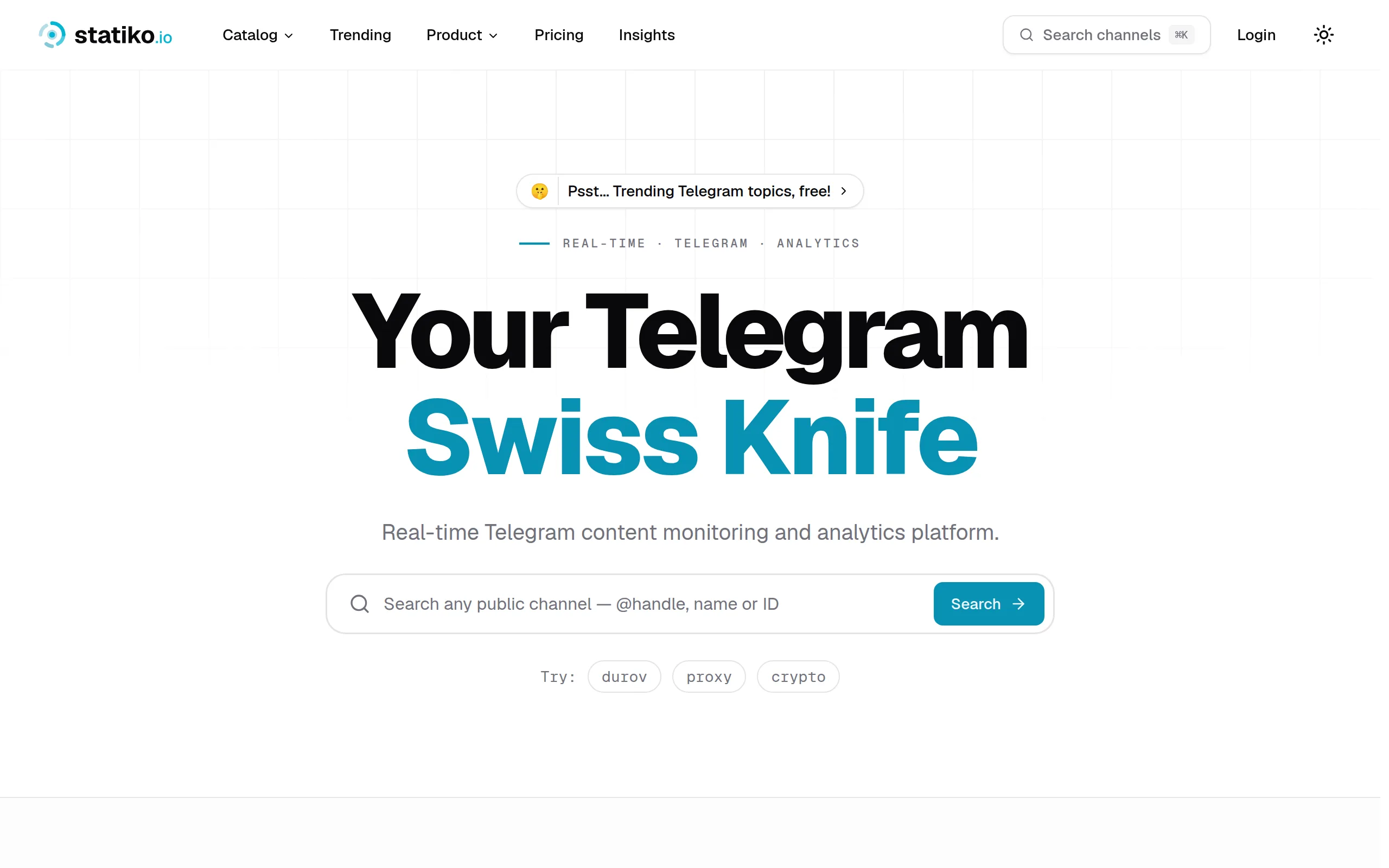
Statiko
Monitor any Telegram channel in real time - track posts, edits, deletions, and growth with AI recaps 📡
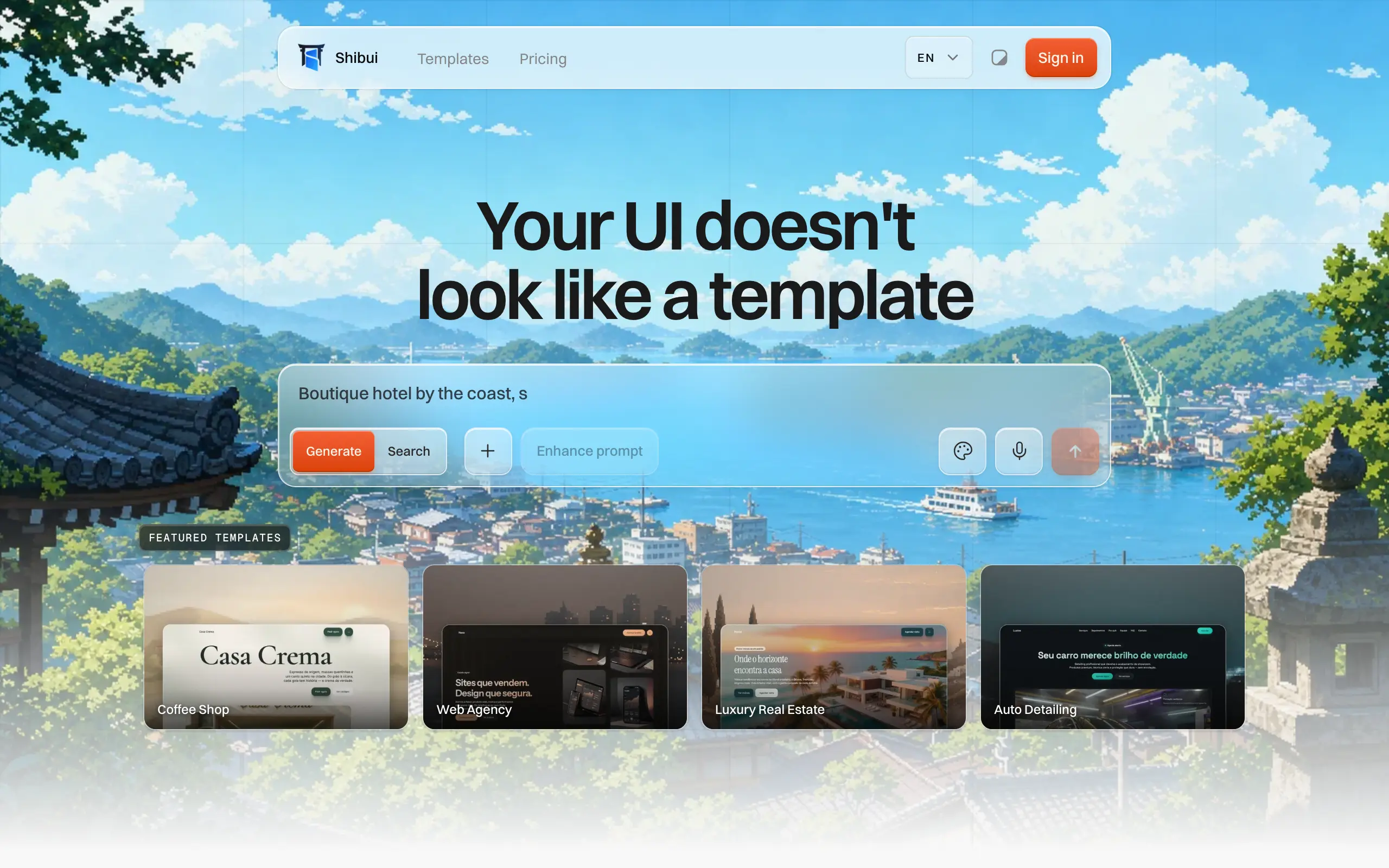
Shibui
AI website builder - describe your business, pick a niche template, edit by chatting, and publish instantly ✨
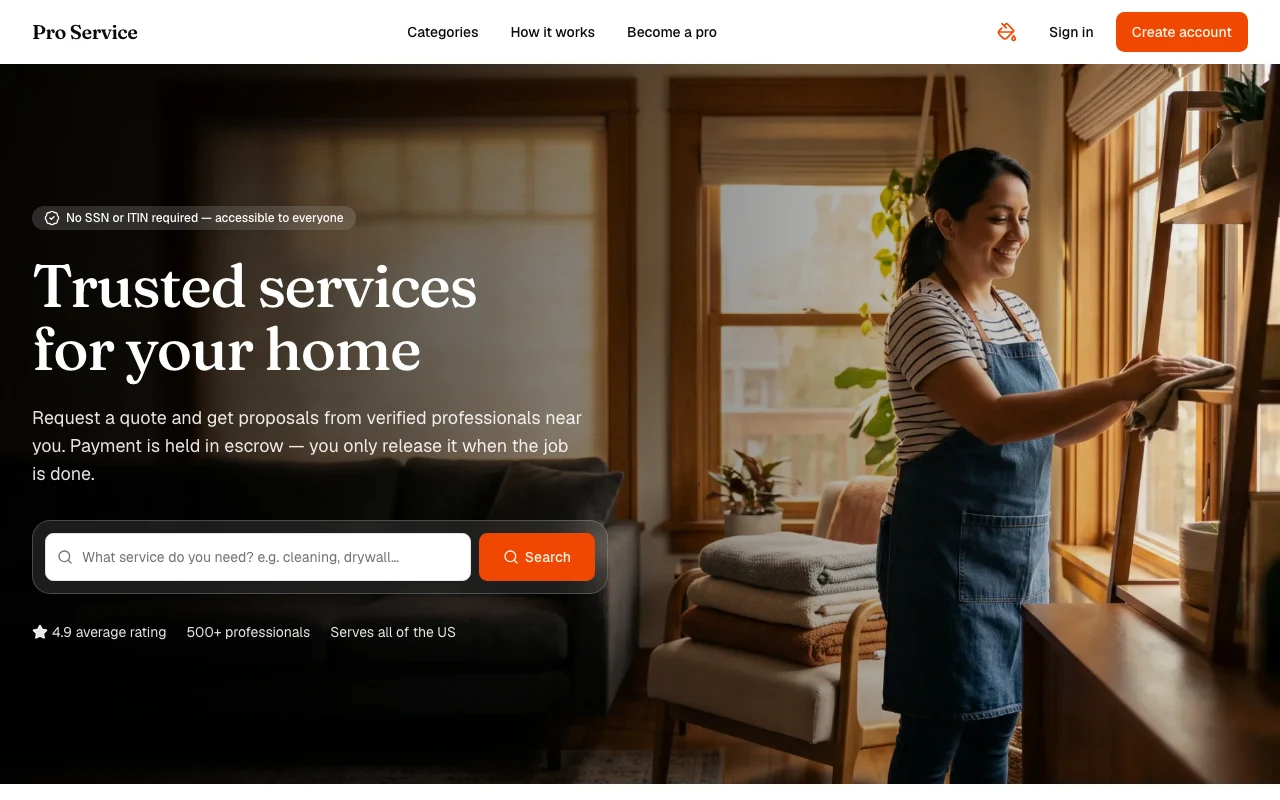
Pro Service
Find verified home service professionals, compare quotes, and pay securely through escrow - built for Brazilians across the US 🏠
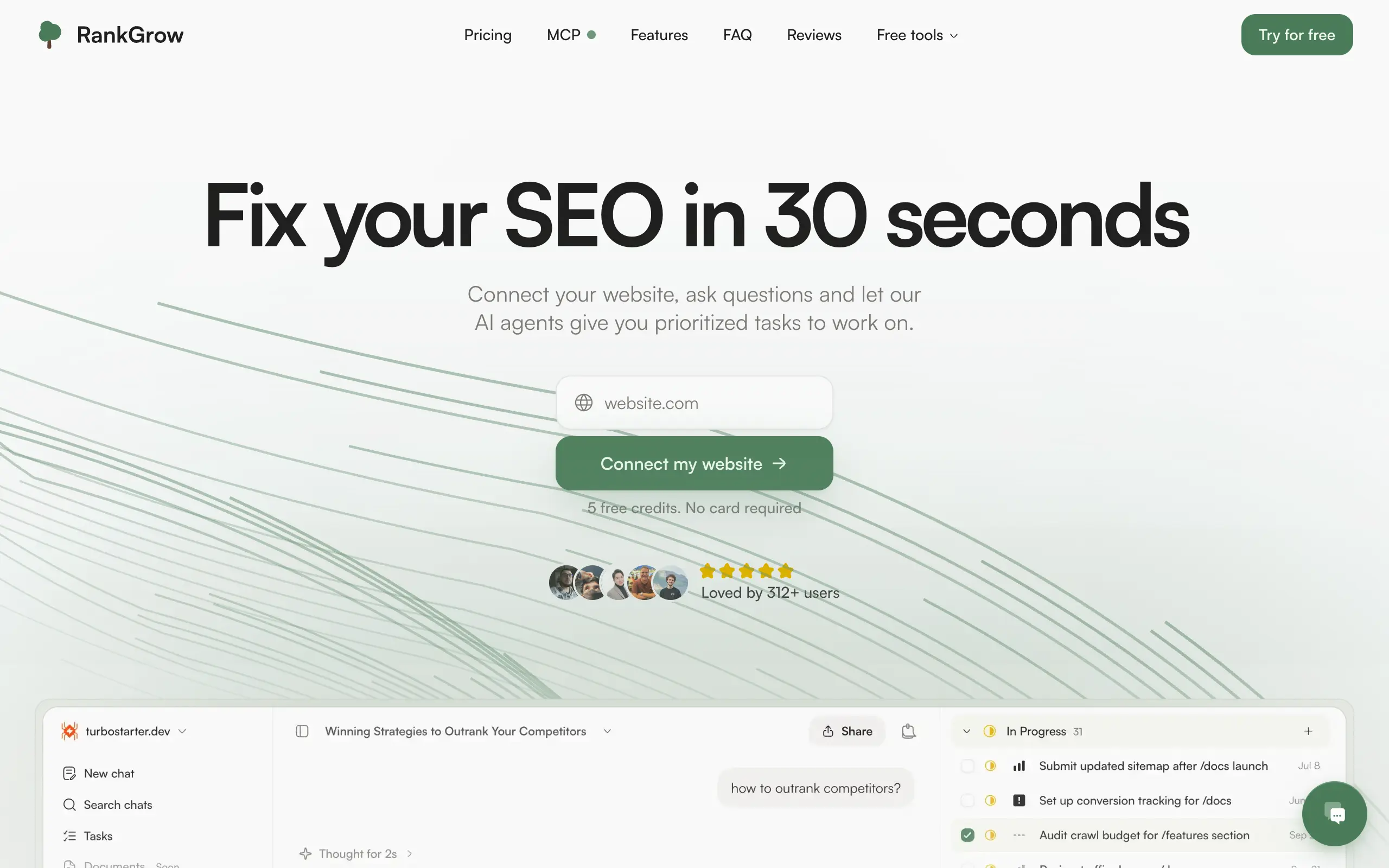
RankGrow
Fix your SEO with AI agents - connect Search Console, get prioritized tasks, and grow organic traffic 📈
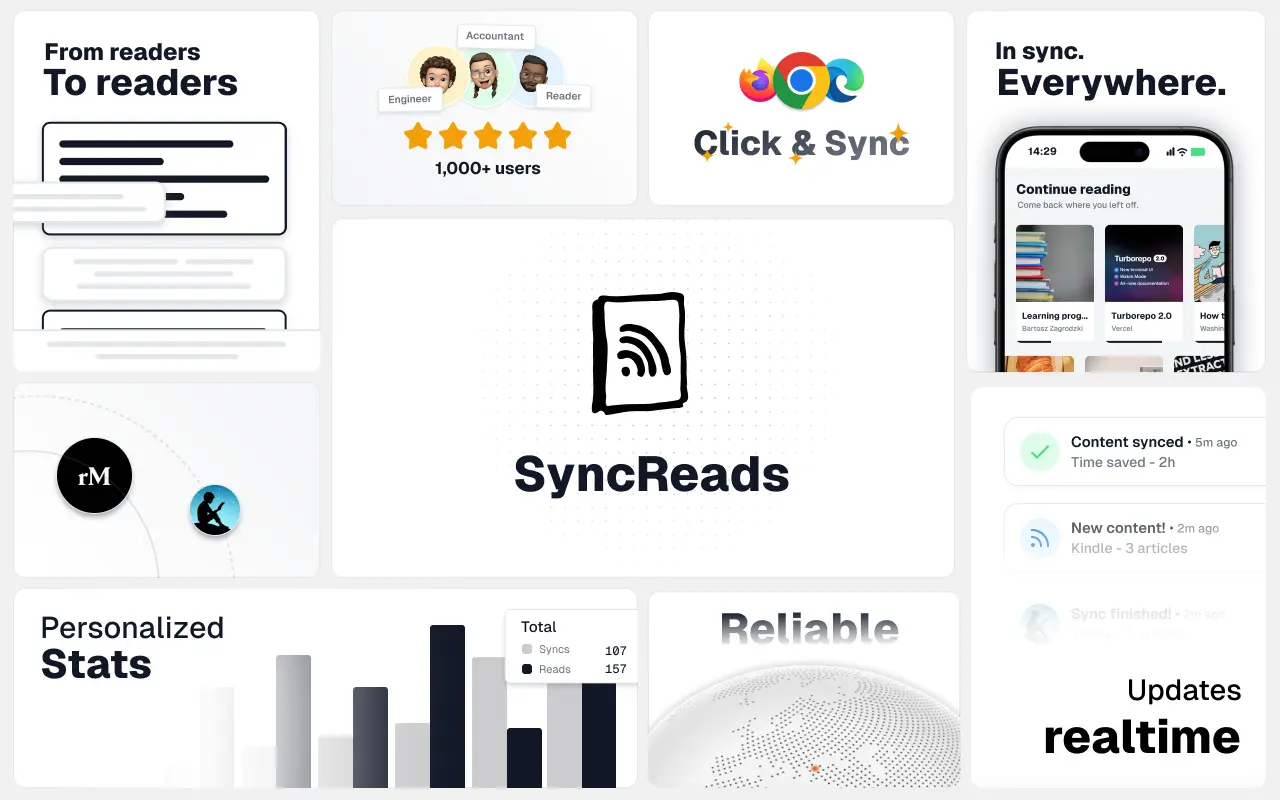
SyncReads
Sync your favorite content for distraction-free reading, save time and replace multiple apps. Anytime, anywhere 🔄
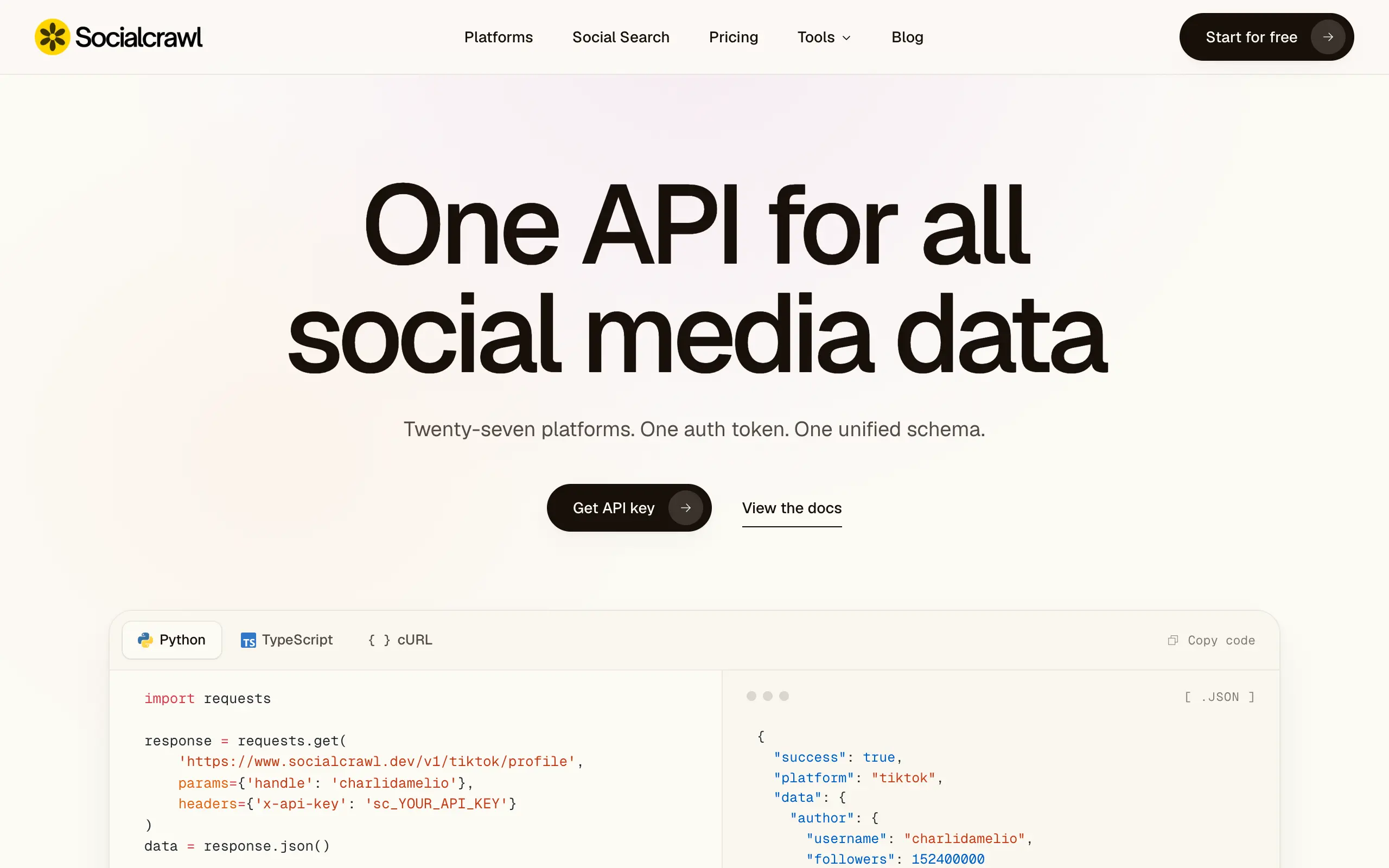
Socialcrawl
Get clean, structured data from 21 platforms like TikTok, Instagram, and YouTube with a single request 📊
Statiko
Monitor any Telegram channel in real time - track posts, edits, deletions, and growth with AI recaps 📡
Shibui
AI website builder - describe your business, pick a niche template, edit by chatting, and publish instantly ✨
Pro Service
Find verified home service professionals, compare quotes, and pay securely through escrow - built for Brazilians across the US 🏠
RankGrow
Fix your SEO with AI agents - connect Search Console, get prioritized tasks, and grow organic traffic 📈
SyncReads
Sync your favorite content for distraction-free reading, save time and replace multiple apps. Anytime, anywhere 🔄
Socialcrawl
Get clean, structured data from 21 platforms like TikTok, Instagram, and YouTube with a single request 📊
Statiko
Monitor any Telegram channel in real time - track posts, edits, deletions, and growth with AI recaps 📡
Shibui
AI website builder - describe your business, pick a niche template, edit by chatting, and publish instantly ✨
Pro Service
Find verified home service professionals, compare quotes, and pay securely through escrow - built for Brazilians across the US 🏠
RankGrow
Fix your SEO with AI agents - connect Search Console, get prioritized tasks, and grow organic traffic 📈
SyncReads
Sync your favorite content for distraction-free reading, save time and replace multiple apps. Anytime, anywhere 🔄
Socialcrawl
Get clean, structured data from 21 platforms like TikTok, Instagram, and YouTube with a single request 📊
Statiko
Monitor any Telegram channel in real time - track posts, edits, deletions, and growth with AI recaps 📡
Shibui
AI website builder - describe your business, pick a niche template, edit by chatting, and publish instantly ✨
Pro Service
Find verified home service professionals, compare quotes, and pay securely through escrow - built for Brazilians across the US 🏠
RankGrow
Fix your SEO with AI agents - connect Search Console, get prioritized tasks, and grow organic traffic 📈
SyncReads
Sync your favorite content for distraction-free reading, save time and replace multiple apps. Anytime, anywhere 🔄
Socialcrawl
Get clean, structured data from 21 platforms like TikTok, Instagram, and YouTube with a single request 📊
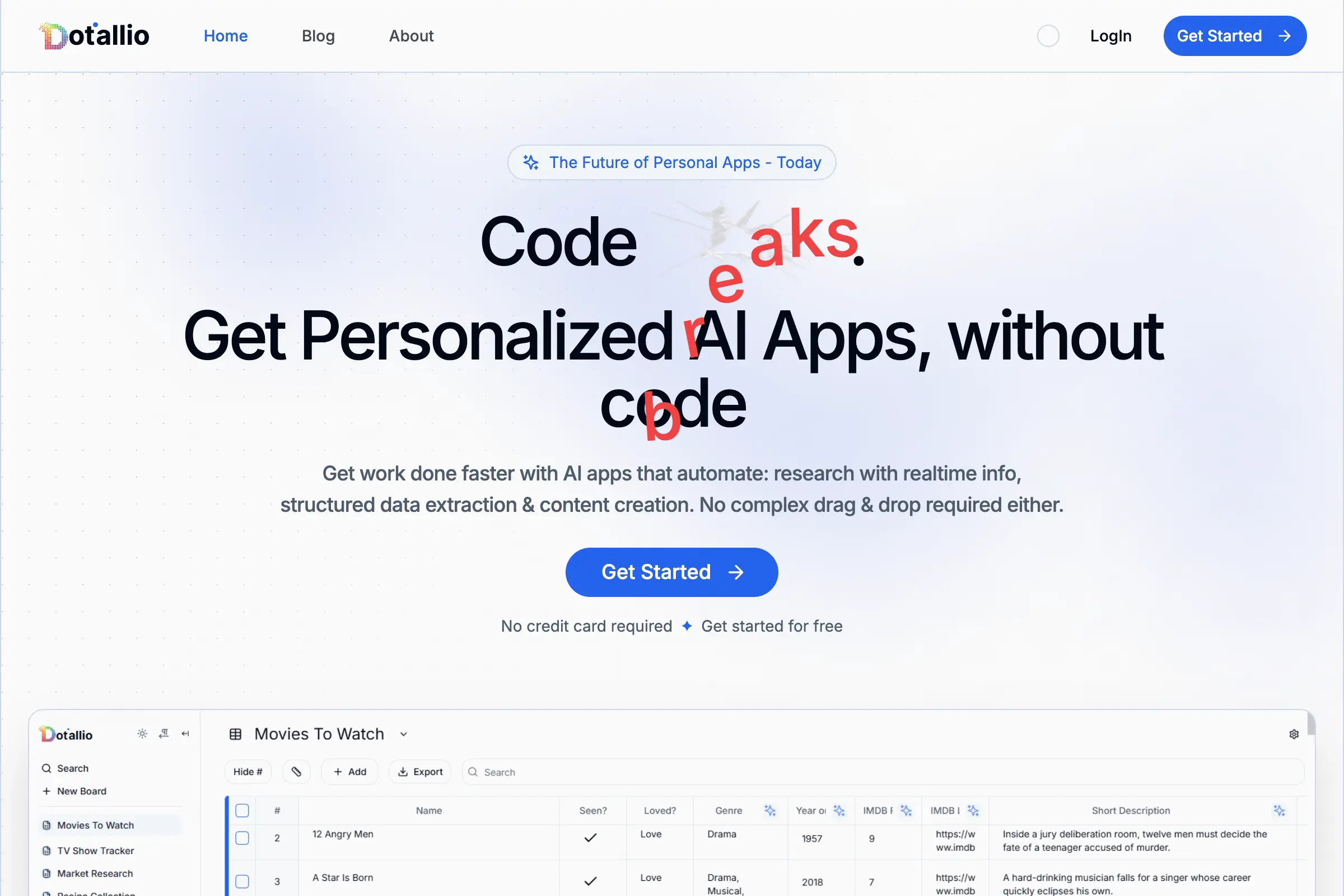
Dotallio
Personalized AI apps that automate research, data extraction, and content creation without code 🤖
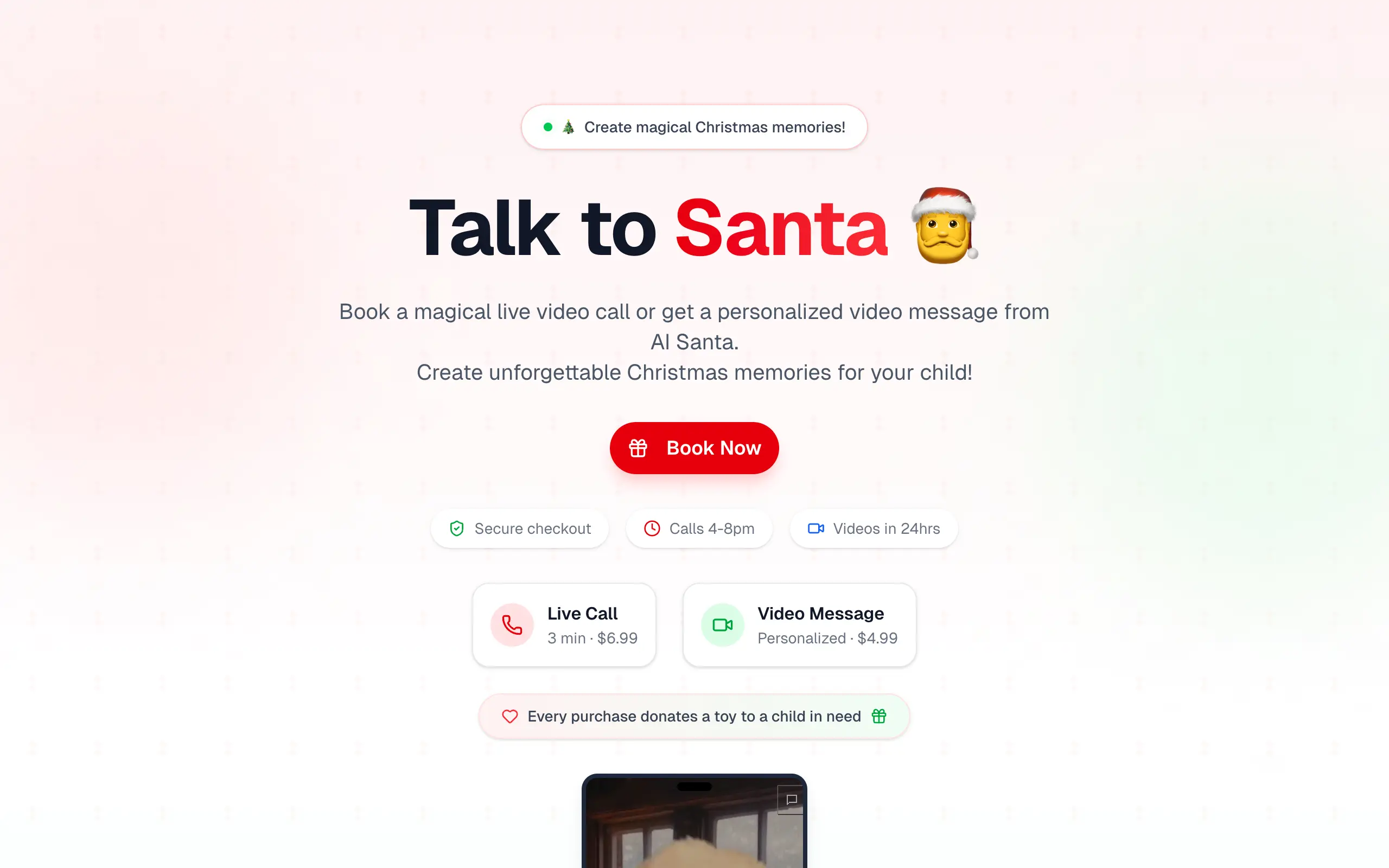
Talk to Santa
Enjoy a magical live video chat or receive a unique AI-generated video greeting from Santa Claus 🎅
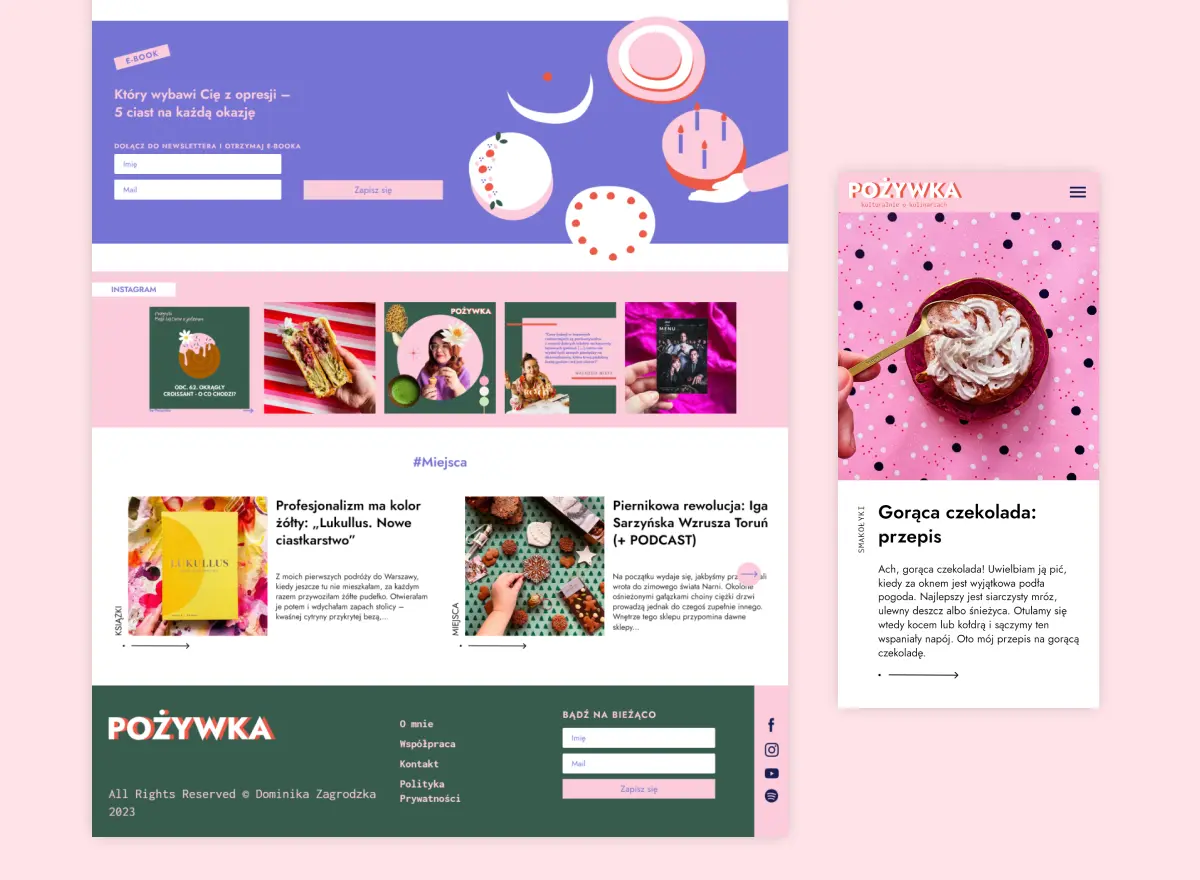
pozywka.pl
Scalable blog for food journalist, focused on performance and user experience 🌭
zagrodzki.me
Personal blog and portfolio of Bart Zagrodzki, where he shares his knowledge and work 💼
TurboStarter
Ship your startup everywhere. In minutes.
HTML to Markdown
Convert HTML to Markdown with ease, directly in your browser 📄
Dotallio
Personalized AI apps that automate research, data extraction, and content creation without code 🤖
Talk to Santa
Enjoy a magical live video chat or receive a unique AI-generated video greeting from Santa Claus 🎅
pozywka.pl
Scalable blog for food journalist, focused on performance and user experience 🌭
zagrodzki.me
Personal blog and portfolio of Bart Zagrodzki, where he shares his knowledge and work 💼
TurboStarter
Ship your startup everywhere. In minutes.
HTML to Markdown
Convert HTML to Markdown with ease, directly in your browser 📄
Dotallio
Personalized AI apps that automate research, data extraction, and content creation without code 🤖
Talk to Santa
Enjoy a magical live video chat or receive a unique AI-generated video greeting from Santa Claus 🎅
pozywka.pl
Scalable blog for food journalist, focused on performance and user experience 🌭
zagrodzki.me
Personal blog and portfolio of Bart Zagrodzki, where he shares his knowledge and work 💼
TurboStarter
Ship your startup everywhere. In minutes.
HTML to Markdown
Convert HTML to Markdown with ease, directly in your browser 📄
Dotallio
Personalized AI apps that automate research, data extraction, and content creation without code 🤖
Talk to Santa
Enjoy a magical live video chat or receive a unique AI-generated video greeting from Santa Claus 🎅
pozywka.pl
Scalable blog for food journalist, focused on performance and user experience 🌭
zagrodzki.me
Personal blog and portfolio of Bart Zagrodzki, where he shares his knowledge and work 💼
TurboStarter
Ship your startup everywhere. In minutes.
HTML to Markdown
Convert HTML to Markdown with ease, directly in your browser 📄
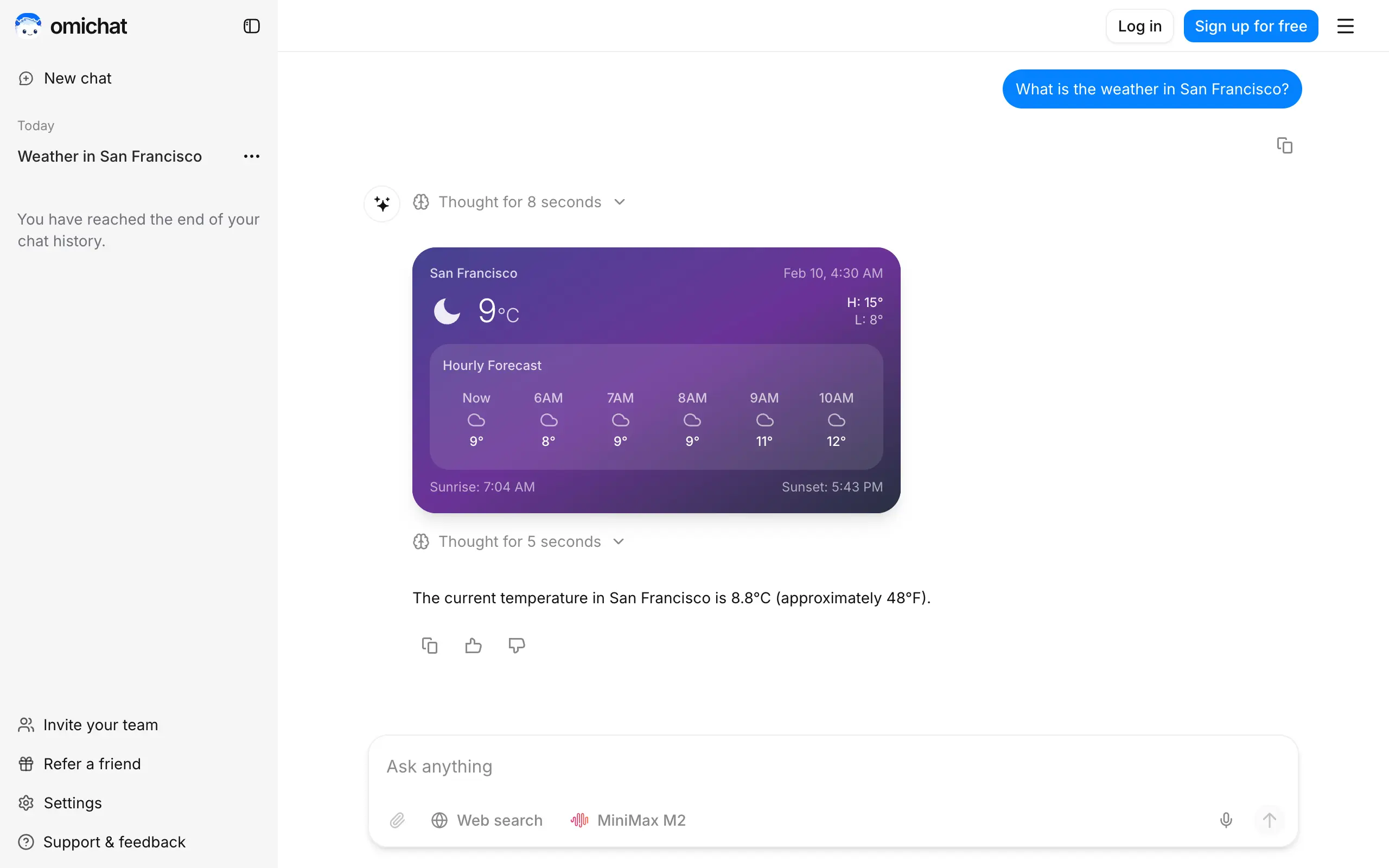
Omichat
Chat with 50+ AI models, including ChatGPT and Claude, in one place - switch models anytime without losing context 🤖
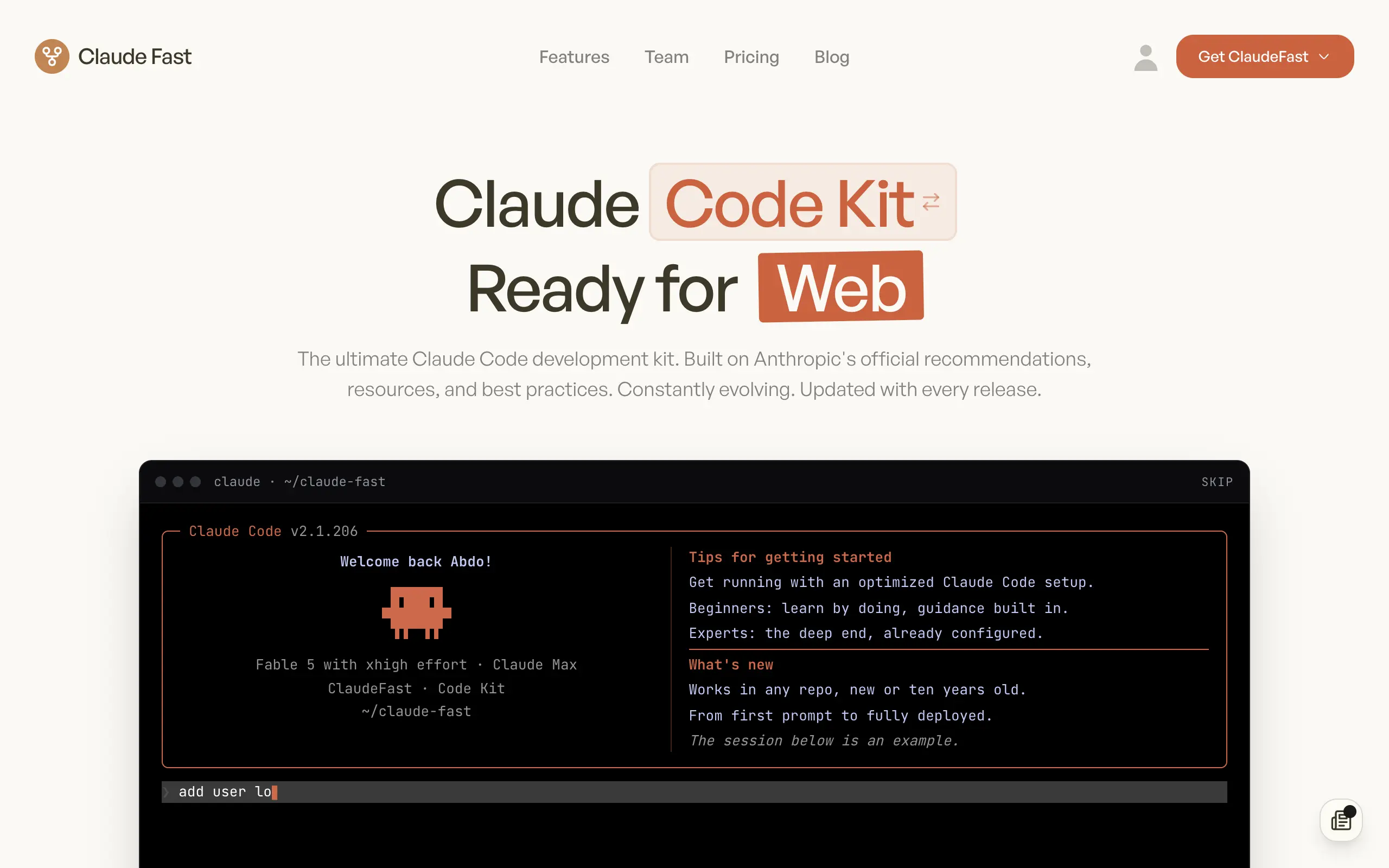
Claude Fast
Supercharge your Claude Code with 6x effective context window and specialized AI agents 🤖
EmojAI
AI-powered emoji picker with smart, context-aware suggestions 🤖
Solohacker
Autonomous company launcher - AI agents work 24/7, escalate what matters, and you stay in control 🤖
BeRawi: Storytelling Coach
Practice storytelling daily with instant feedback to sound clearer, more engaging, and confident 🎤
Omichat
Chat with 50+ AI models, including ChatGPT and Claude, in one place - switch models anytime without losing context 🤖
Claude Fast
Supercharge your Claude Code with 6x effective context window and specialized AI agents 🤖
EmojAI
AI-powered emoji picker with smart, context-aware suggestions 🤖
Solohacker
Autonomous company launcher - AI agents work 24/7, escalate what matters, and you stay in control 🤖
BeRawi: Storytelling Coach
Practice storytelling daily with instant feedback to sound clearer, more engaging, and confident 🎤
Omichat
Chat with 50+ AI models, including ChatGPT and Claude, in one place - switch models anytime without losing context 🤖
Claude Fast
Supercharge your Claude Code with 6x effective context window and specialized AI agents 🤖
EmojAI
AI-powered emoji picker with smart, context-aware suggestions 🤖
Solohacker
Autonomous company launcher - AI agents work 24/7, escalate what matters, and you stay in control 🤖
BeRawi: Storytelling Coach
Practice storytelling daily with instant feedback to sound clearer, more engaging, and confident 🎤
Omichat
Chat with 50+ AI models, including ChatGPT and Claude, in one place - switch models anytime without losing context 🤖
Claude Fast
Supercharge your Claude Code with 6x effective context window and specialized AI agents 🤖
EmojAI
AI-powered emoji picker with smart, context-aware suggestions 🤖
Solohacker
Autonomous company launcher - AI agents work 24/7, escalate what matters, and you stay in control 🤖
BeRawi: Storytelling Coach
Practice storytelling daily with instant feedback to sound clearer, more engaging, and confident 🎤

Connect with like-minded people
Join our community to get feedback, support, and grow together with 1,000+ builders on board, let's ship it!
Join usShip your startup everywhere. In minutes.
Don't burn tokens on setup and start building features on day one.