AetherCode BugHunter
Self-directed AI debugging agent that reproduces bugs, isolates root causes, and submits verified fixes directly to your Git workflow.
Why AI-powered autonomous debugging is the next frontier in DevOps
Software teams today are shipping faster than ever. Continuous integration, trunk-based development, microservices, and rapid feature cycles have become standard. Yet one persistent bottleneck remains: debugging.
Despite sophisticated tooling, developers still spend a significant portion of their time identifying, reproducing, and fixing bugs. Industry reports (such as those from GitHub’s State of the Octoverse and JetBrains Developer Ecosystem surveys) consistently show that debugging and maintenance consume a large share of engineering effort.
An AI debugging agent like AetherCode BugHunter addresses this exact pain point:
A self-directed AI debugging agent that reproduces bugs, isolates root causes, and submits verified fixes directly into your Git workflow.
This article provides a comprehensive, expert-level analysis of the opportunity, market gap, core features, tech stack, monetization, risks, and implementation strategy behind building an AI debugging SaaS platform like AetherCode BugHunter.
Understanding user search intent: what developers actually want
When developers search for terms like:
- AI debugging agent
- automated bug fixing AI
- self-healing code
- AI that fixes bugs in GitHub
- automated root cause analysis tool
They typically fall into one of these categories:
- Exploratory intent – Can AI really fix bugs automatically?
- Validation intent – Is this safe? Reliable? Production-ready?
- Technical intent – How does it integrate with GitHub, CI/CD, or monorepos?
- Strategic intent – Is there a business opportunity here?
This article addresses all four.
The core problem: debugging is expensive and cognitively draining
Debugging is not just a technical issue—it’s a cognitive load issue.
Why debugging slows teams down
- Reproducing the bug can be inconsistent.
- Logs are incomplete or misleading.
- Edge cases hide in distributed systems.
- Context switching kills developer focus.
- Fix verification requires regression testing.
In modern architectures (microservices, serverless, edge computing), the surface area of failure has expanded dramatically.
Traditional tools offer:
- Stack traces
- Logging
- Observability dashboards
- Static analysis
But they don’t autonomously close the loop from bug report → reproduction → fix → pull request.
That’s the gap AetherCode BugHunter fills.
What is AetherCode BugHunter?
AetherCode BugHunter is a self-directed AI debugging agent that:
- Detects or receives a bug report.
- Reproduces the issue in an isolated environment.
- Identifies the root cause.
- Generates a verified fix.
- Submits a pull request to the team’s Git workflow.
Unlike simple AI code suggestions, this is a full lifecycle debugging automation system.
Target audience analysis
To build and market AetherCode BugHunter effectively, you must understand your highest-value user segments.
1. SaaS startups (10–100 engineers)
Pain points:
- Limited QA resources
- High deployment velocity
- Frequent regressions
- Need to ship fast
Why they’ll adopt:
- Saves developer hours
- Reduces incident recovery time
- Improves code reliability
2. Enterprise engineering teams
Pain points:
- Large legacy codebases
- High MTTR (mean time to resolution)
- Compliance constraints
- Complex CI/CD pipelines
Why they’ll adopt:
- Automates repetitive bug fixes
- Reduces production risk
- Improves operational efficiency
3. DevOps & Platform teams
Pain points:
- Incident fatigue
- Cross-service debugging complexity
- Alert noise
Why they’ll adopt:
- AI-assisted root cause analysis
- Faster mitigation
- Fewer on-call escalations
4. Open-source maintainers
Pain points:
- Large backlog of issues
- Volunteer-based support
- Low bandwidth
Why they’ll adopt:
- Automated issue triage
- AI-generated pull requests
- Faster issue resolution
Market opportunity and gap analysis
Current solutions fall into three categories:
-
Static code analyzers
- ESLint
- SonarQube
- Type checkers
-
Observability platforms
- Datadog
- New Relic
- Sentry
-
AI coding assistants
- GitHub Copilot
- ChatGPT-based plugins
None of these:
- Autonomously reproduce bugs
- Verify fixes against test suites
- Submit validated PRs automatically
That’s the gap.
Competitive landscape comparison
| Capability | Static Analyzers | Observability Tools | AI Code Assistants | AetherCode BugHunter |
|---|---|---|---|---|
| Root cause detection | ⚠️ Partial | ⚠️ Manual | ❌ | ✅ Autonomous |
| Bug reproduction | ❌ | ❌ | ❌ | ✅ |
| Automated fix generation | ❌ | ❌ | ✅ Suggestive | ✅ Verified |
| PR submission | ❌ | ❌ | ❌ | ✅ |
Unique position: End-to-end autonomous debugging agent.
Core features of AetherCode BugHunter
1. Autonomous bug reproduction engine
- Spins up isolated sandbox environments
- Uses Docker or ephemeral VMs
- Replays user sessions or test cases
- Executes failing code paths
This is foundational. AI cannot fix what it cannot reproduce.
2. AI-powered root cause analysis
Combines:
- Static analysis
- Dynamic tracing
- Execution path mapping
- Large language models (LLMs)
The system correlates:
- Stack traces
- Git history
- Test failures
- Dependency graphs
3. Verified patch generation
Instead of generating speculative fixes, BugHunter:
- Proposes patch.
- Runs full test suite.
- Runs regression checks.
- Validates performance impact.
- Ensures no new errors introduced.
Only then is a PR created.
4. Native Git workflow integration
Supports:
- GitHub
- GitLab
- Bitbucket
Creates:
- Feature branch
- Commit with detailed explanation
- Pull request with summary
- Confidence score
5. Confidence scoring system
Each PR includes:
- Root cause confidence %
- Test coverage delta
- Risk analysis
- Code impact summary
This builds trust, which is essential for AI adoption.
6. Learning loop
The system improves by:
- Tracking merged vs rejected fixes
- Monitoring rollback events
- Incorporating developer feedback
This transforms BugHunter from a static AI into an evolving debugging intelligence layer.
Recommended tech stack
Building an AI debugging SaaS requires careful architectural choices.
Backend
- Node.js or Go for API services
- Python for AI orchestration
- Docker for sandboxed environments
- Kubernetes for scaling
AI layer
- LLM APIs (OpenAI, Anthropic, or self-hosted models)
- Retrieval-augmented generation (RAG)
- Vector databases (e.g., Pinecone, Weaviate)
Frontend
DevOps & orchestration
- Kubernetes
- Ephemeral container orchestration
- CI/CD hooks
- GitHub Apps integration
Example GitHub App webhook handler
// Simplified GitHub webhook handler (Node.js + Express)

app.post("/webhook", async (req, res) => {
  const event = req.headers["x-github-event"];

  if (event === "issues") {
    const issue = req.body.issue;

    if (issue.title.includes("bug")) {
      await triggerBugHunterWorkflow(issue);
    }
  }

  res.status(200).send("OK");
});
Architecture overview
- Issue created
- BugHunter spins up sandbox
- Reproduces bug
- Generates fix
- Validates patch
- Submits PR
- Learns from merge outcome
- Analyze error trace
- Map execution graph
- Identify likely faulty region
- Generate candidate patches
- Run automated validation
- Rank and select best fix
Monetization strategy
AetherCode BugHunter can adopt multiple revenue streams.
1. Usage-based pricing
Charge per:
- Debug session
- PR generated
- Lines of code analyzed
Best for startups.
2. Tiered subscription
| Plan | Target | Features |
|---|---|---|
| Starter | Indie devs | Limited fixes/month |
| Pro | SaaS teams | Unlimited PRs |
| Enterprise | Large orgs | SLA, on-prem, compliance |
3. Enterprise licensing
- Private cloud deployment
- SOC 2 compliance
- Dedicated support
- Custom AI fine-tuning
4. On-prem model hosting
For highly regulated industries (finance, healthcare).
Pricing psychology
To drive adoption:
- Offer free trial with 5 automated fixes.
- Show "hours saved" dashboard.
- Quantify ROI in developer salary terms.
Example:
“Saved 42 engineering hours this month.”
Potential risks and mitigation strategies
Risk 1: Low trust in AI-generated fixes
Mitigation:
- Always require human approval
- Provide detailed reasoning
- Include confidence score
- Allow rollback integration
Risk 2: Security vulnerabilities
AI-generated patches must:
- Avoid introducing injection flaws
- Follow secure coding standards
- Be scanned via SAST/DAST tools
Risk 3: Large monorepos complexity
Mitigation:
- Use incremental analysis
- Dependency graph partitioning
- Parallel sandbox environments
Risk 4: Cost of compute
Autonomous debugging is expensive.
Mitigation:
- Cache intermediate analysis
- Use model tiering (small → large)
- Batch similar bug patterns
Competitive advantage and defensibility
AetherCode BugHunter’s moat includes:
- Data flywheel
- Every fix improves the model.
- Workflow lock-in
- Deep Git integration.
- Debugging dataset
- Unique reproduction-to-fix dataset.
- Trust infrastructure
- Confidence scoring + validation.
Over time, this becomes difficult for generic AI coding tools to replicate.
Go-to-market strategy
Phase 1: Developer-first launch
- GitHub App marketplace
- Hacker News launch
- Dev.to technical article
- Free tier
Phase 2: SaaS startups
- Case studies
- ROI-driven landing pages
- Developer-focused SEO
Phase 3: Enterprise sales
- SOC 2 certification
- Security whitepaper
- Compliance documentation
SEO strategy for AetherCode BugHunter
Target primary keyword:
AI debugging agent
Secondary keywords:
- automated bug fixing
- AI root cause analysis
- autonomous code repair
- AI GitHub integration
- self-healing software
Create content clusters:
- “How AI can fix production bugs”
- “Automating pull requests with AI”
- “Reducing MTTR using machine learning”
Implementation roadmap
MVP scope (lean but powerful)
For version 1:
- GitHub-only integration
- JavaScript/TypeScript support
- Node.js projects
- Test-suite-based validation
- PR with explanation
Avoid:
- Multi-language support initially
- On-prem deployments
- Advanced enterprise features
Focus on product-market fit first.
Why now? Timing advantage
Several trends make 2026 ideal for AI debugging SaaS:
- Rapid LLM improvement
- Growing AI acceptance in engineering
- DevOps automation maturity
- Rising cloud complexity
Developers are no longer asking “Should we use AI?”
They’re asking “How far can AI go?”
AetherCode BugHunter answers:
All the way to verified pull requests.
Building faster with a SaaS starter framework
To accelerate development:
- Use a battle-tested SaaS boilerplate.
- Include auth, billing, and dashboard out of the box.
- Focus engineering effort on AI debugging core logic.
A strong foundation like TurboStarter can significantly reduce time-to-market by providing production-ready SaaS infrastructure.
Final actionable checklist
Before launching:
✅ Validate demand with 10 beta teams
✅ Ensure patch verification reliability > 90%
✅ Implement audit logs
✅ Create transparent AI reasoning summaries
✅ Add rollback support
✅ Publish security whitepaper
The future of autonomous software repair
We are moving toward a world where:
- Bugs are detected automatically.
- Root causes are identified instantly.
- Verified fixes are submitted autonomously.
- Developers focus on building features—not chasing stack traces.
AetherCode BugHunter represents the evolution from:
AI assistant → AI collaborator → AI autonomous debugger.
For founders and SaaS builders, this is not just a product opportunity—it’s a shift in how software maintenance will work in the AI era.
Ready to build your own AI debugging SaaS?
Whether you're launching AetherCode BugHunter or building another AI-powered developer tool, speed and execution matter.
Start with a solid SaaS foundation, validate fast, iterate with real developers, and focus relentlessly on delivering measurable time savings.
The future of debugging isn’t manual.
It’s autonomous.
More 🤖 AI Startup SaaS ideas
Discover more innovative ai startup SaaS ideas that are trending in 2026. Each idea is AI-generated with market validation and growth potential to help you find your next profitable venture faster than competitors.
Your competitors are building with TurboStarter
Below are some of the SaaS ideas that have been generated and built with our starter kit.
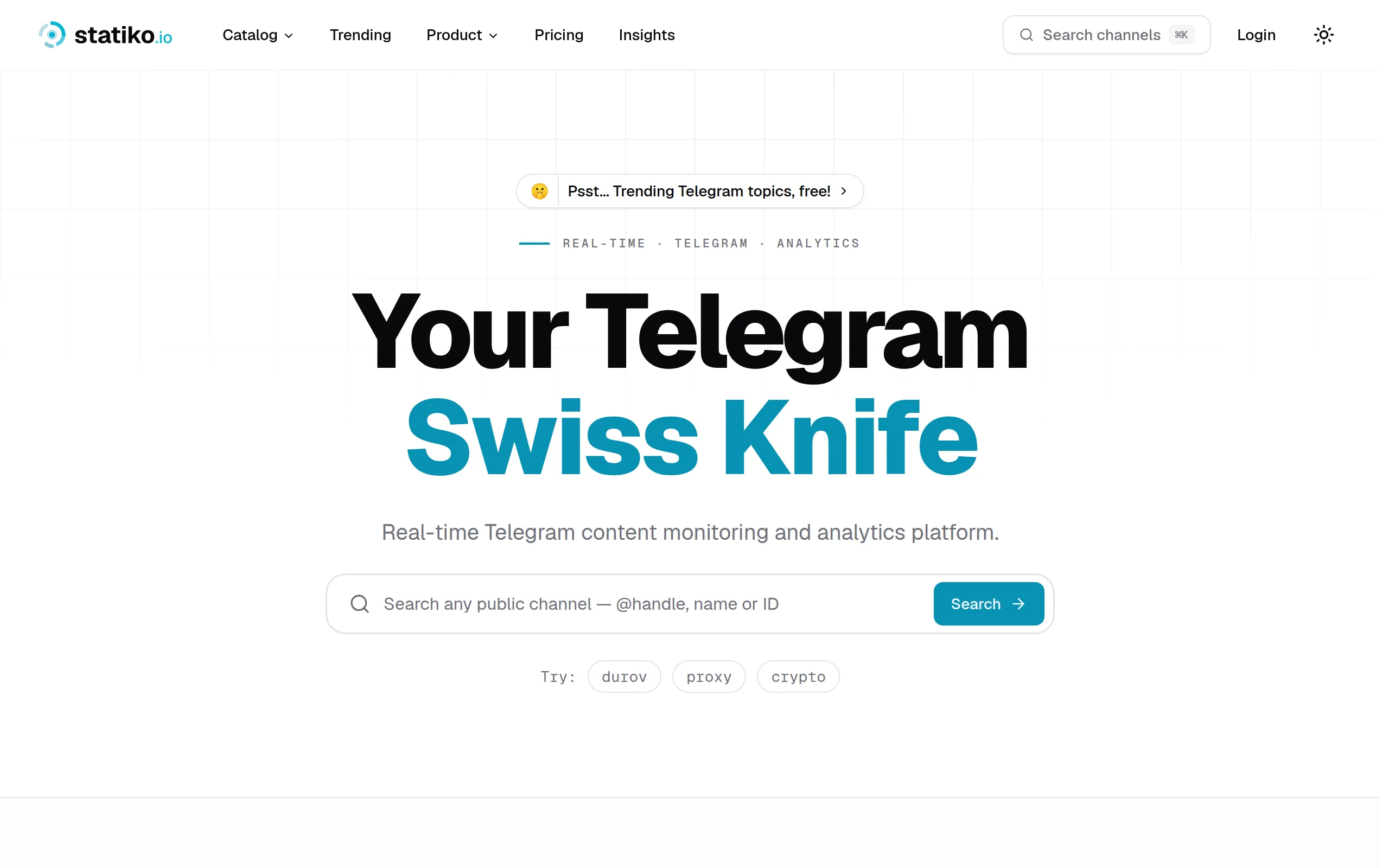
Statiko
Monitor any Telegram channel in real time - track posts, edits, deletions, and growth with AI recaps 📡

Shibui
AI website builder - describe your business, pick a niche template, edit by chatting, and publish instantly ✨

Pro Service
Find verified home service professionals, compare quotes, and pay securely through escrow - built for Brazilians across the US 🏠
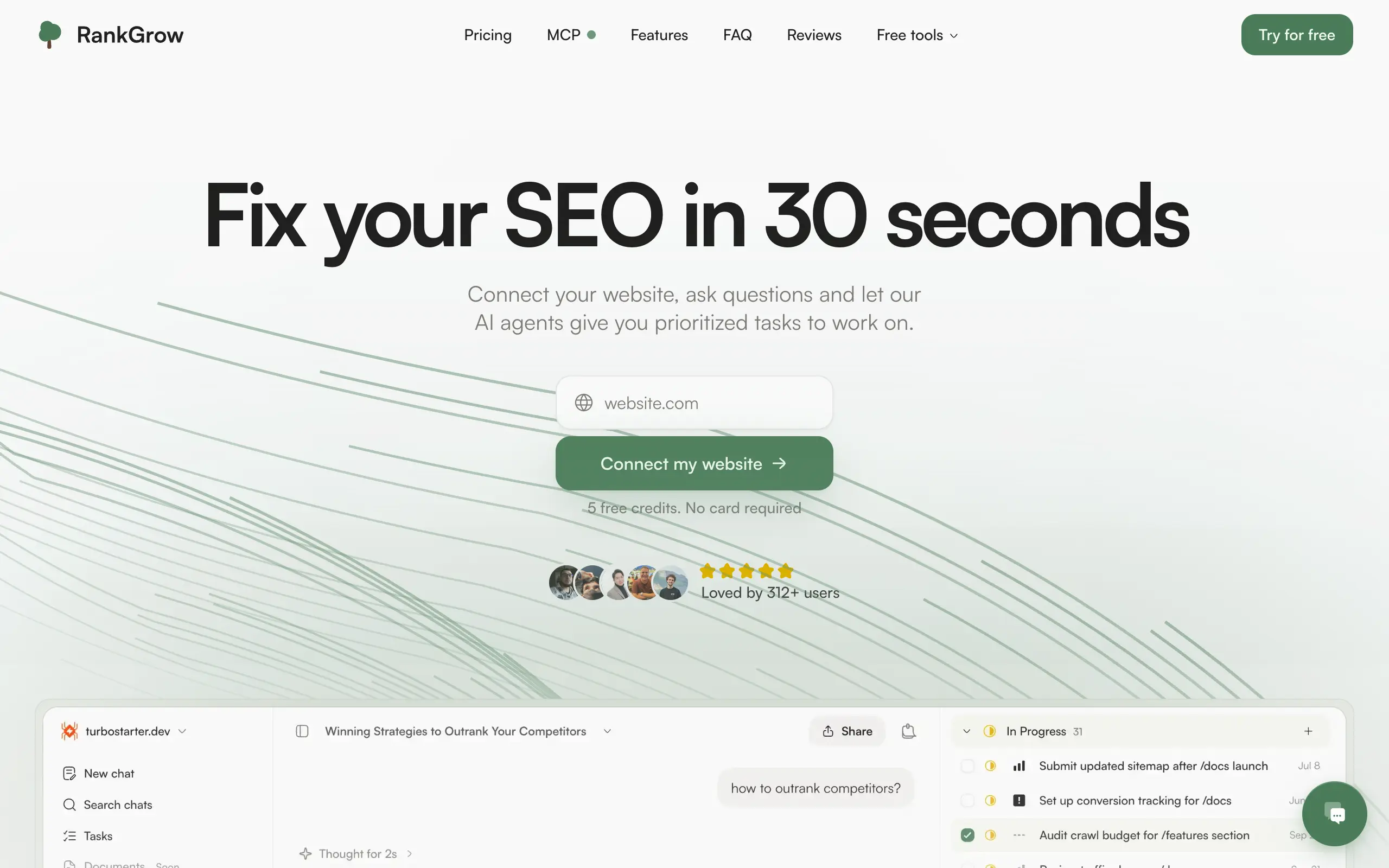
RankGrow
Fix your SEO with AI agents - connect Search Console, get prioritized tasks, and grow organic traffic 📈
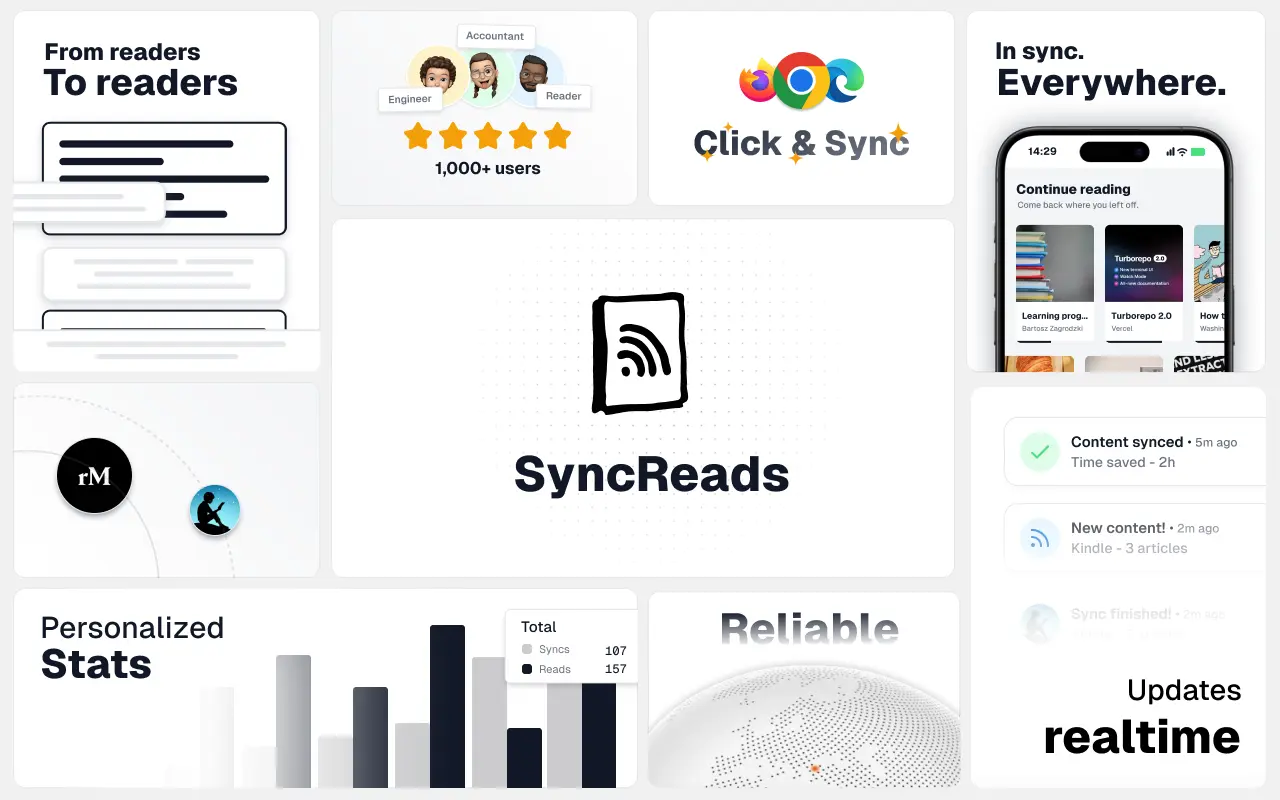
SyncReads
Sync your favorite content for distraction-free reading, save time and replace multiple apps. Anytime, anywhere 🔄
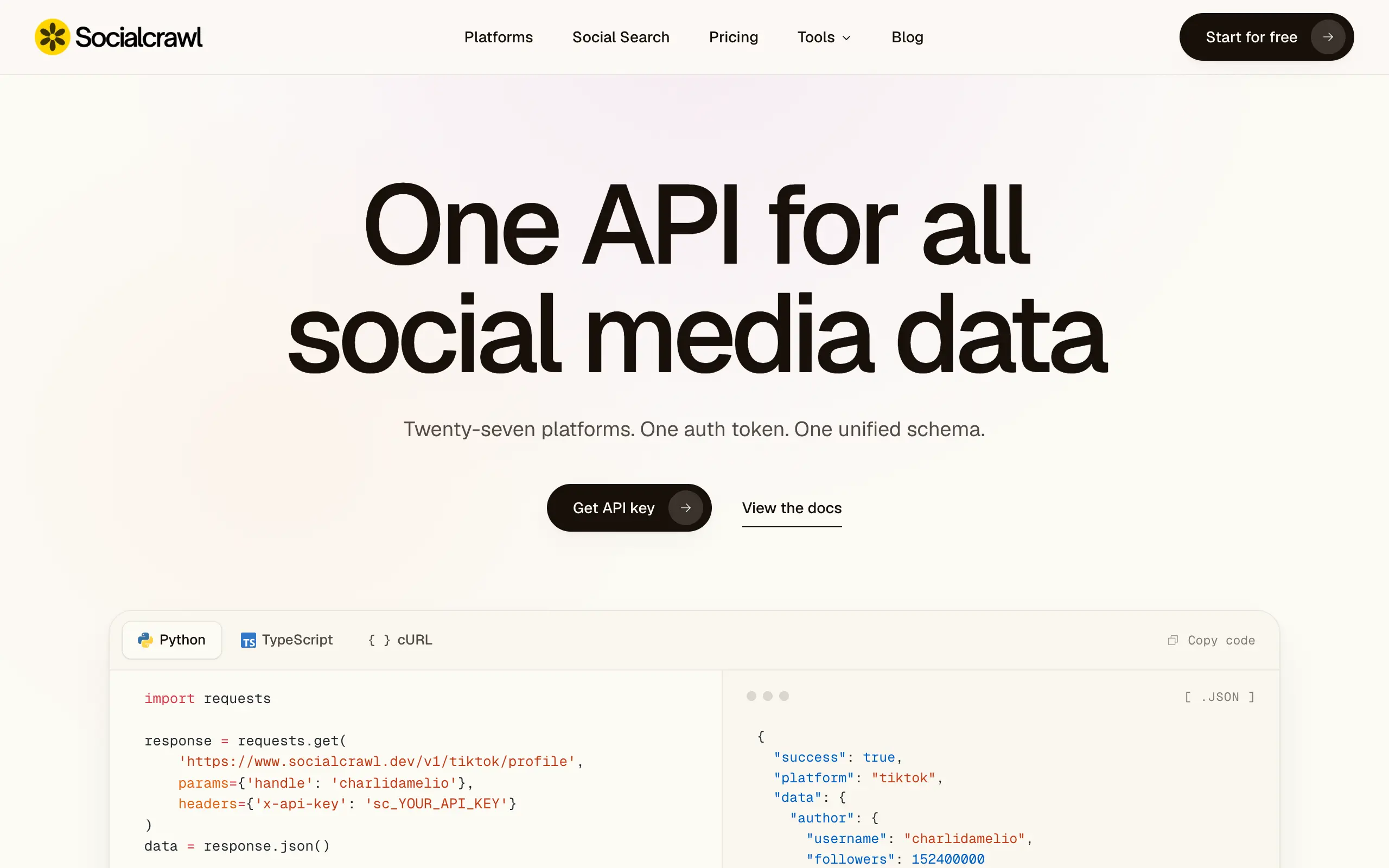
Socialcrawl
Get clean, structured data from 21 platforms like TikTok, Instagram, and YouTube with a single request 📊
Statiko
Monitor any Telegram channel in real time - track posts, edits, deletions, and growth with AI recaps 📡
Shibui
AI website builder - describe your business, pick a niche template, edit by chatting, and publish instantly ✨
Pro Service
Find verified home service professionals, compare quotes, and pay securely through escrow - built for Brazilians across the US 🏠
RankGrow
Fix your SEO with AI agents - connect Search Console, get prioritized tasks, and grow organic traffic 📈
SyncReads
Sync your favorite content for distraction-free reading, save time and replace multiple apps. Anytime, anywhere 🔄
Socialcrawl
Get clean, structured data from 21 platforms like TikTok, Instagram, and YouTube with a single request 📊
Statiko
Monitor any Telegram channel in real time - track posts, edits, deletions, and growth with AI recaps 📡
Shibui
AI website builder - describe your business, pick a niche template, edit by chatting, and publish instantly ✨
Pro Service
Find verified home service professionals, compare quotes, and pay securely through escrow - built for Brazilians across the US 🏠
RankGrow
Fix your SEO with AI agents - connect Search Console, get prioritized tasks, and grow organic traffic 📈
SyncReads
Sync your favorite content for distraction-free reading, save time and replace multiple apps. Anytime, anywhere 🔄
Socialcrawl
Get clean, structured data from 21 platforms like TikTok, Instagram, and YouTube with a single request 📊
Statiko
Monitor any Telegram channel in real time - track posts, edits, deletions, and growth with AI recaps 📡
Shibui
AI website builder - describe your business, pick a niche template, edit by chatting, and publish instantly ✨
Pro Service
Find verified home service professionals, compare quotes, and pay securely through escrow - built for Brazilians across the US 🏠
RankGrow
Fix your SEO with AI agents - connect Search Console, get prioritized tasks, and grow organic traffic 📈
SyncReads
Sync your favorite content for distraction-free reading, save time and replace multiple apps. Anytime, anywhere 🔄
Socialcrawl
Get clean, structured data from 21 platforms like TikTok, Instagram, and YouTube with a single request 📊
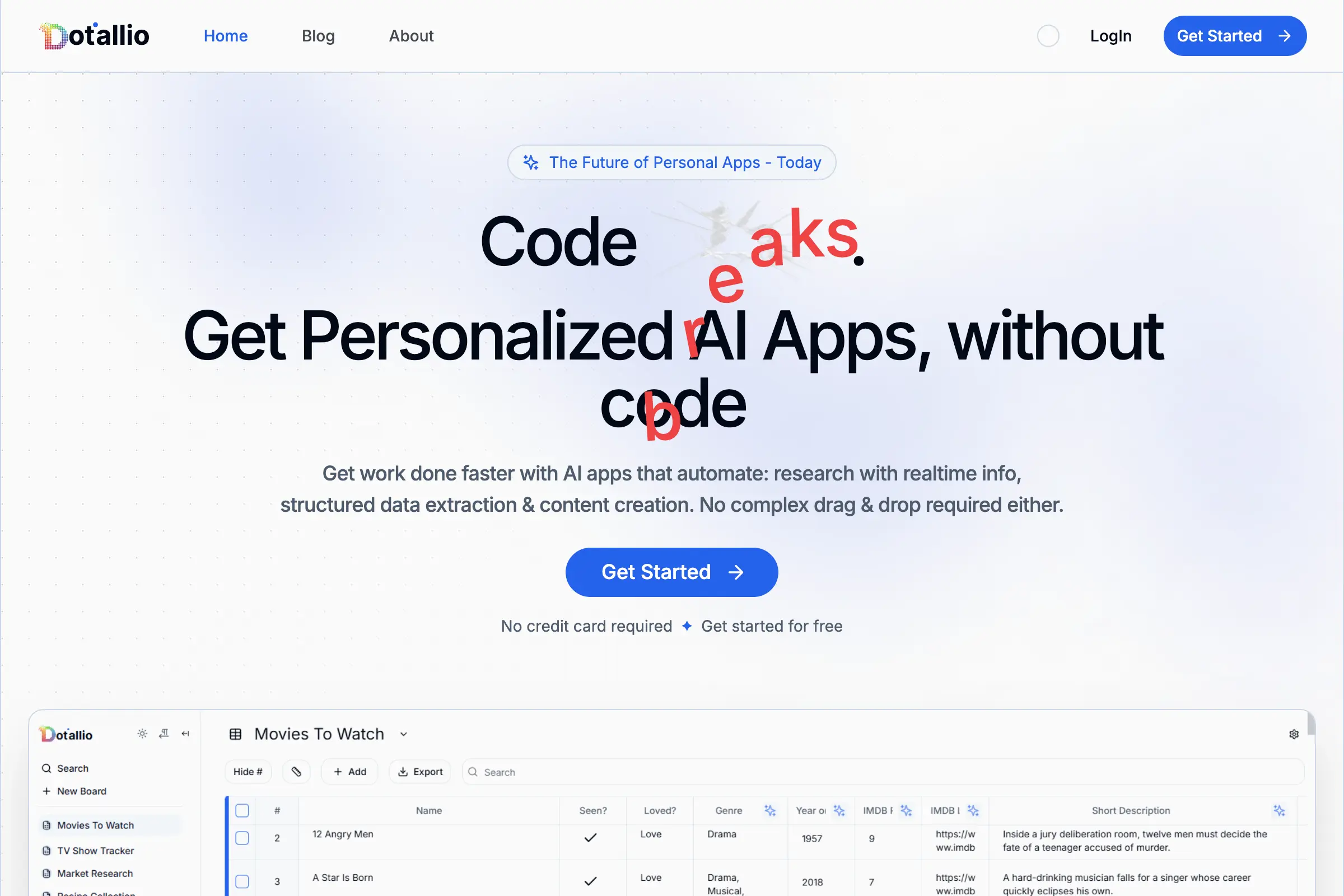
Dotallio
Personalized AI apps that automate research, data extraction, and content creation without code 🤖

Talk to Santa
Enjoy a magical live video chat or receive a unique AI-generated video greeting from Santa Claus 🎅

pozywka.pl
Scalable blog for food journalist, focused on performance and user experience 🌭
zagrodzki.me
Personal blog and portfolio of Bart Zagrodzki, where he shares his knowledge and work 💼
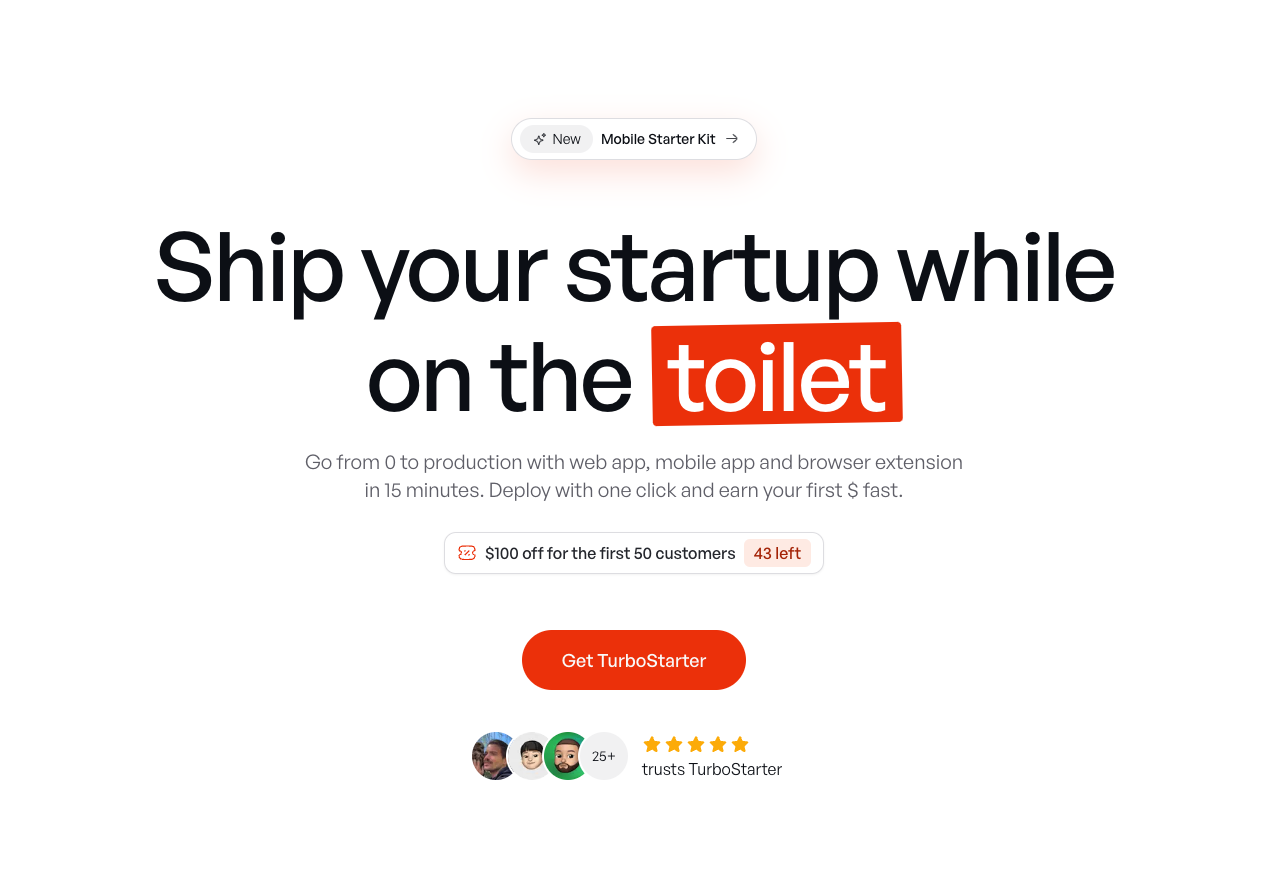
TurboStarter
Ship your startup everywhere. In minutes.
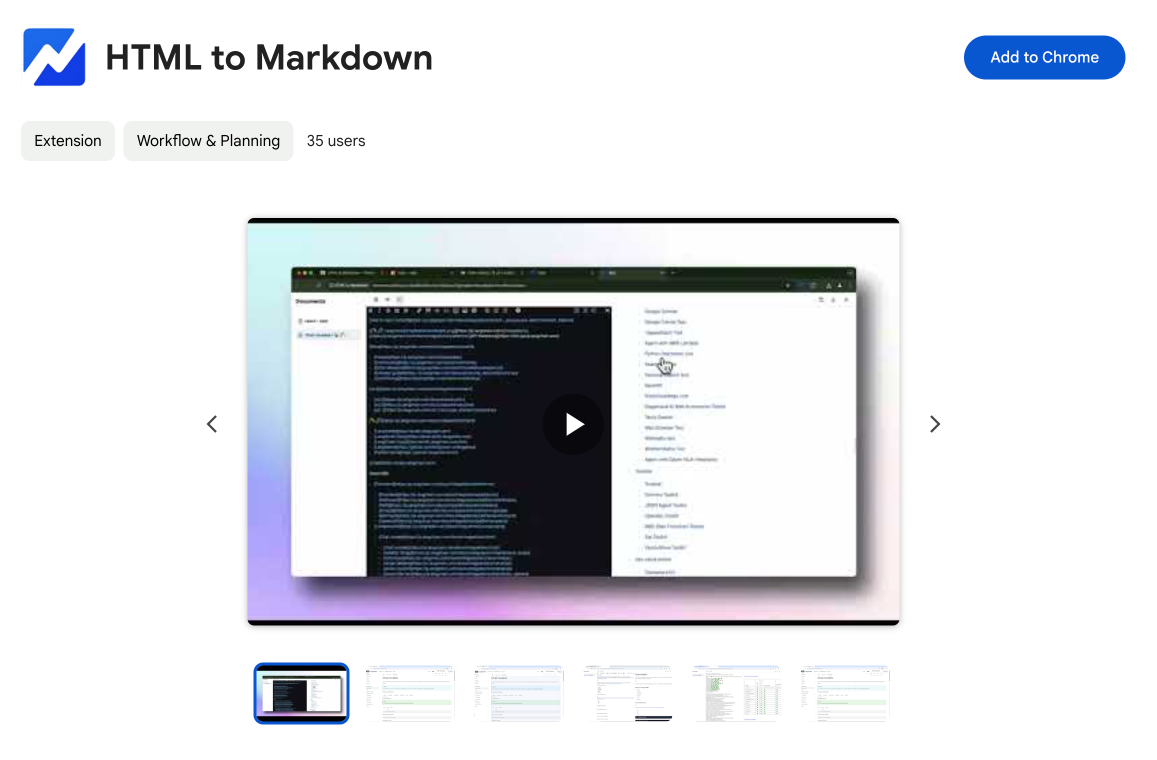
HTML to Markdown
Convert HTML to Markdown with ease, directly in your browser 📄
Dotallio
Personalized AI apps that automate research, data extraction, and content creation without code 🤖
Talk to Santa
Enjoy a magical live video chat or receive a unique AI-generated video greeting from Santa Claus 🎅
pozywka.pl
Scalable blog for food journalist, focused on performance and user experience 🌭
zagrodzki.me
Personal blog and portfolio of Bart Zagrodzki, where he shares his knowledge and work 💼
TurboStarter
Ship your startup everywhere. In minutes.
HTML to Markdown
Convert HTML to Markdown with ease, directly in your browser 📄
Dotallio
Personalized AI apps that automate research, data extraction, and content creation without code 🤖
Talk to Santa
Enjoy a magical live video chat or receive a unique AI-generated video greeting from Santa Claus 🎅
pozywka.pl
Scalable blog for food journalist, focused on performance and user experience 🌭
zagrodzki.me
Personal blog and portfolio of Bart Zagrodzki, where he shares his knowledge and work 💼
TurboStarter
Ship your startup everywhere. In minutes.
HTML to Markdown
Convert HTML to Markdown with ease, directly in your browser 📄
Dotallio
Personalized AI apps that automate research, data extraction, and content creation without code 🤖
Talk to Santa
Enjoy a magical live video chat or receive a unique AI-generated video greeting from Santa Claus 🎅
pozywka.pl
Scalable blog for food journalist, focused on performance and user experience 🌭
zagrodzki.me
Personal blog and portfolio of Bart Zagrodzki, where he shares his knowledge and work 💼
TurboStarter
Ship your startup everywhere. In minutes.
HTML to Markdown
Convert HTML to Markdown with ease, directly in your browser 📄
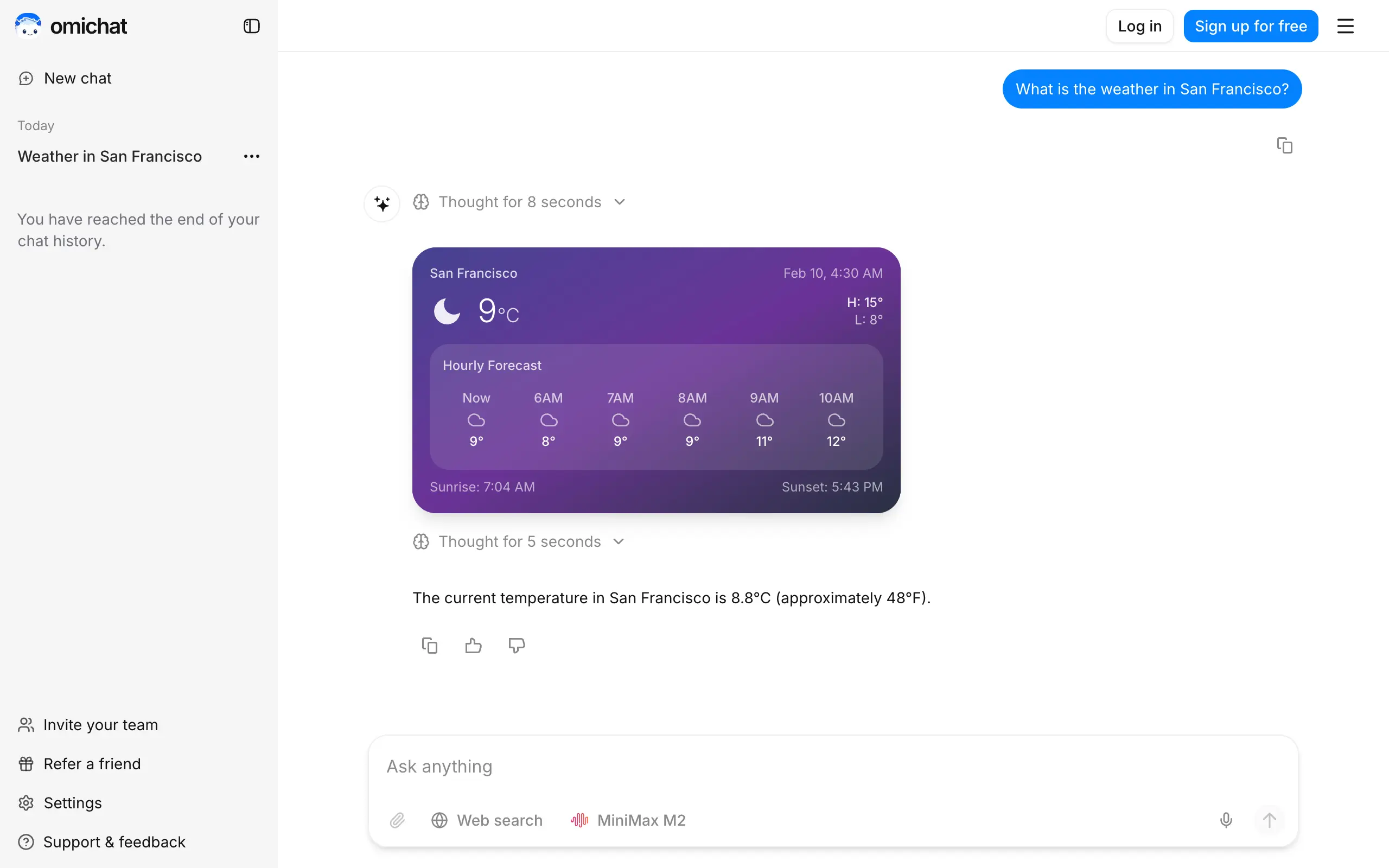
Omichat
Chat with 50+ AI models, including ChatGPT and Claude, in one place - switch models anytime without losing context 🤖
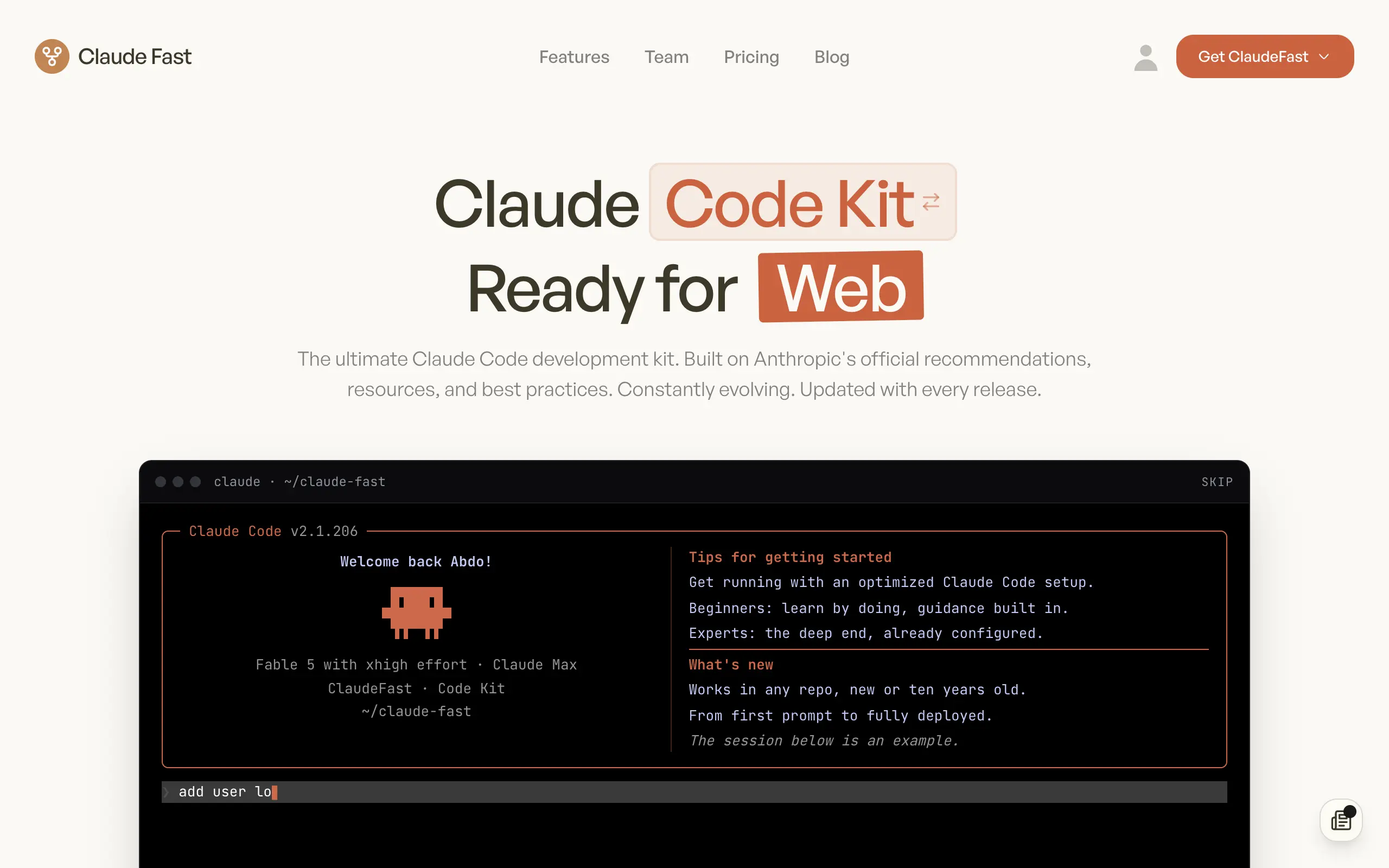
Claude Fast
Supercharge your Claude Code with 6x effective context window and specialized AI agents 🤖
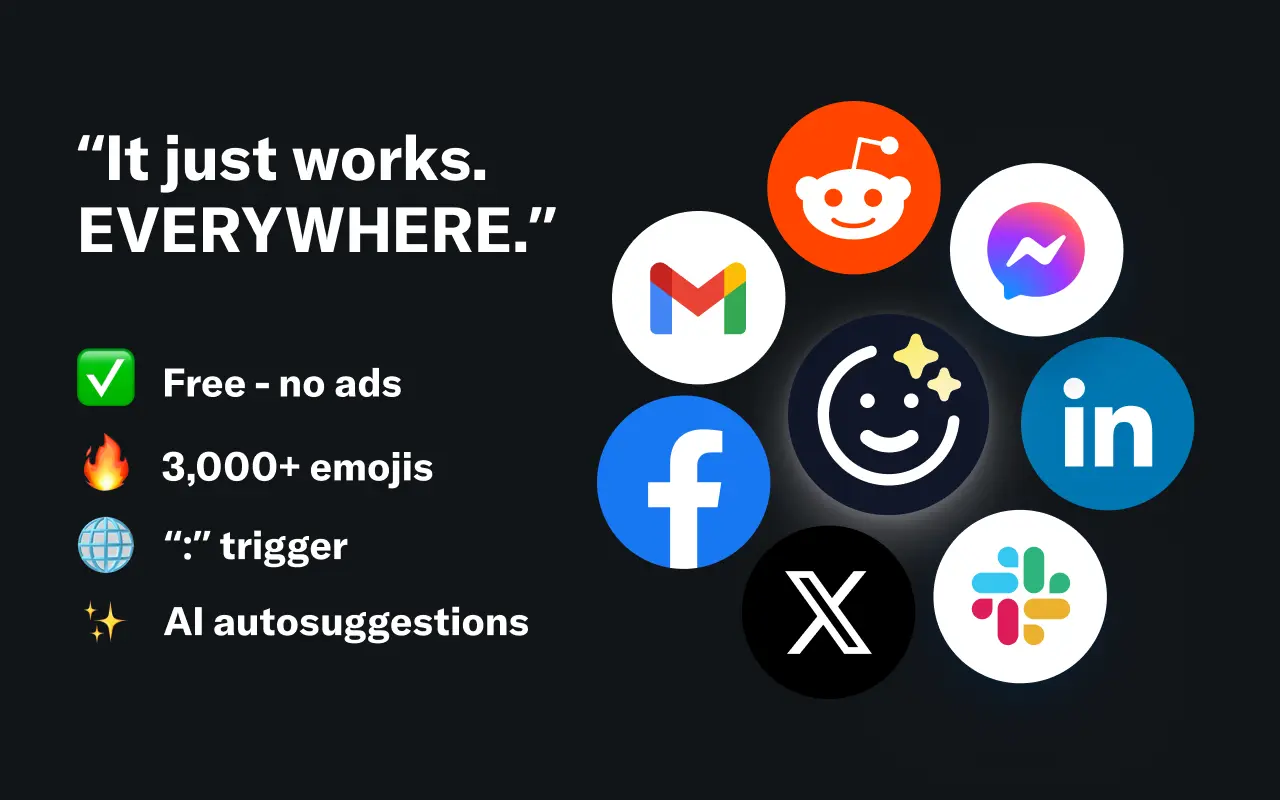
EmojAI
AI-powered emoji picker with smart, context-aware suggestions 🤖

Solohacker
Autonomous company launcher - AI agents work 24/7, escalate what matters, and you stay in control 🤖

BeRawi: Storytelling Coach
Practice storytelling daily with instant feedback to sound clearer, more engaging, and confident 🎤
Omichat
Chat with 50+ AI models, including ChatGPT and Claude, in one place - switch models anytime without losing context 🤖
Claude Fast
Supercharge your Claude Code with 6x effective context window and specialized AI agents 🤖
EmojAI
AI-powered emoji picker with smart, context-aware suggestions 🤖
Solohacker
Autonomous company launcher - AI agents work 24/7, escalate what matters, and you stay in control 🤖
BeRawi: Storytelling Coach
Practice storytelling daily with instant feedback to sound clearer, more engaging, and confident 🎤
Omichat
Chat with 50+ AI models, including ChatGPT and Claude, in one place - switch models anytime without losing context 🤖
Claude Fast
Supercharge your Claude Code with 6x effective context window and specialized AI agents 🤖
EmojAI
AI-powered emoji picker with smart, context-aware suggestions 🤖
Solohacker
Autonomous company launcher - AI agents work 24/7, escalate what matters, and you stay in control 🤖
BeRawi: Storytelling Coach
Practice storytelling daily with instant feedback to sound clearer, more engaging, and confident 🎤
Omichat
Chat with 50+ AI models, including ChatGPT and Claude, in one place - switch models anytime without losing context 🤖
Claude Fast
Supercharge your Claude Code with 6x effective context window and specialized AI agents 🤖
EmojAI
AI-powered emoji picker with smart, context-aware suggestions 🤖
Solohacker
Autonomous company launcher - AI agents work 24/7, escalate what matters, and you stay in control 🤖
BeRawi: Storytelling Coach
Practice storytelling daily with instant feedback to sound clearer, more engaging, and confident 🎤

Connect with like-minded people
Join our community to get feedback, support, and grow together with 1,000+ builders on board, let's ship it!
Join usShip your startup everywhere. In minutes.
Don't burn tokens on setup and start building features on day one.