AetherCode DebugMind
AI agent that reproduces, isolates, and fixes bugs from logs and stack traces, generating verified patches and pull requests automatically.
The rise of AI-powered debugging: why now?
Modern software teams ship faster than ever. Continuous integration, trunk-based development, microservices architectures, and global user bases mean more deployments, more logs, and more edge cases. But there’s a hidden cost: debugging complexity has exploded.
According to industry reports from sources like GitHub’s State of the Octoverse and Stack Overflow Developer Surveys (cite accordingly), developers spend a significant portion of their time fixing bugs rather than building new features. In large codebases, reproducing a bug from logs and stack traces alone can take hours—or days.
This is where an AI debugging agent like AetherCode DebugMind becomes transformational.
AetherCode DebugMind is an AI agent that:
- Reproduces bugs from logs and stack traces
- Isolates root causes across complex systems
- Generates verified patches
- Automatically creates pull requests (PRs)
- Validates fixes via test generation and CI integration
This article explores the full SaaS opportunity behind an AI bug-fixing agent, including:
- Target audience and real-world use cases
- Market gap and competitive landscape
- Core features and technical architecture
- Recommended tech stack and trade-offs
- Monetization strategies
- Risks and mitigation
- Clear implementation roadmap
If you’re evaluating this AI SaaS idea—whether as a founder, technical leader, or investor—this guide will help you validate and execute it strategically.
Understanding user intent: who needs an AI bug-fixing agent?
The primary search intent behind an “AI debugging agent” or “AI bug fixer” typically falls into three categories:
- Engineering leaders seeking to reduce MTTR (Mean Time to Resolution)
- Developers overwhelmed by recurring production bugs
- Startups wanting faster release cycles with smaller teams
Let’s break down the core audience.
1. High-growth SaaS companies
- Multiple deployments per day
- Growing codebase complexity
- Limited senior engineering bandwidth
- Expensive downtime
Pain points:
- Slow bug reproduction
- Incomplete logs
- Regression after hotfixes
- Burnout in on-call rotations
2. Enterprise engineering teams
- Massive monorepos
- Legacy code
- Cross-team dependencies
- Compliance requirements
Pain points:
- Hard-to-reproduce production issues
- Fragmented logging systems
- Slow root-cause analysis
- Expensive developer time
3. DevOps and platform teams
- Responsible for observability
- Monitor Sentry, Datadog, New Relic
- Handle incident escalations
Pain points:
- Too many alerts
- Log noise
- Poor signal-to-noise ratio
- Repetitive fixes
Market opportunity and gap analysis
The AI debugging SaaS market sits at the intersection of:
- AI coding assistants
- DevOps tooling
- Observability platforms
- Automated code review
Existing players
| Category | Examples |
|---|---|
| AI coding assistants | GitHub Copilot, Codeium |
| Error tracking | Sentry |
| Observability | Datadog |
| Static analysis | SonarQube |
| AI PR bots | Sweep, Bito |
However, here’s the gap:
Most tools detect issues or suggest code improvements, but very few fully reproduce, isolate, and ship verified fixes automatically.
That’s the differentiator.
The unique opportunity
AetherCode DebugMind positions itself as:
An autonomous AI debugging agent that goes from error log → root cause → verified patch → pull request, end-to-end.
That end-to-end loop is rare.
Market trends supporting this idea
- AI-native developer workflows are becoming standard.
- CI/CD pipelines are already automated.
- Git-based workflows dominate modern development.
- LLMs are increasingly capable of code reasoning across large repositories.
The timing is ideal.
Core features of AetherCode DebugMind
Let’s define what makes this AI debugging agent truly valuable.
Log ingestion & analysis
Ingest logs, stack traces, and error reports from Sentry, Datadog, and CI pipelines.
Bug reproduction engine
Reconstruct execution context and simulate failing scenarios locally or in sandbox.
Root cause analysis
Trace error across call graph and dependencies using AI reasoning.
Patch generation
Generate minimal, explainable, and testable code changes.
Auto pull request creation
Open PR with explanation, tests, and verification report.
Let’s explore these in detail.
How the AI bug-fixing pipeline works
1. Log and stack trace ingestion
Sources:
- Sentry API
- GitHub Actions logs
- CI failure logs
- CloudWatch, Datadog
- Custom webhooks
The AI parses:
- Stack trace call chain
- Error types
- Environment context
- Git commit SHA
- Dependency versions
2. Repository indexing
The entire repository is:
- Parsed into AST
- Indexed with embeddings
- Mapped into call graph
- Linked to test coverage
This allows contextual reasoning beyond just surface-level code suggestions.
3. Controlled reproduction environment
DebugMind spins up:
- A sandbox container
- Correct dependency versions
- Mocked services
- Isolated test case reproduction
This ensures fixes are not hallucinated but verified.
4. Root cause isolation
The AI agent:
- Maps error location to dependency chain
- Checks recent commits
- Evaluates diff impact
- Identifies failure branch
5. Patch generation with verification
The agent:
- Generates minimal patch
- Creates regression test
- Runs full test suite
- Measures coverage impact
- Generates performance diff if relevant
6. Automated PR creation
The final PR includes:
- Summary of bug
- Root cause explanation
- Patch diff
- Added tests
- Verification logs
Recommended technical architecture
Let’s discuss the practical stack to build AetherCode DebugMind.
Frontend dashboard
- React
- TailwindCSS
- Authentication with OAuth (GitHub, GitLab)
Backend API
- Node.js (TypeScript) or Python (FastAPI)
- REST + webhook endpoints
- Async job queue (BullMQ or Celery)
AI orchestration layer
- Multi-agent architecture
- LLM + tool usage
- Vector database (e.g., PostgreSQL + pgvector)
Sandbox execution
- Docker-based isolated runners
- Ephemeral containers
- Resource constraints
Example sandbox runner:
import { exec } from "child_process";

exec("docker run --rm -v /repo:/app node:20 npm test", (err, stdout, stderr) => {
  if (err) {
    console.error("Test failed:", stderr);
  } else {
    console.log("Tests passed:", stdout);
  }
});
CI/CD integration
- GitHub App
- GitHub Actions integration
- Webhook listeners
Trade-offs in AI debugging systems
Pros:
- Faster to build
- Lower infrastructure complexity
- Fewer moving parts
Cons:
- Risk of hallucinated fixes
- No actual test verification
- Lower enterprise trust
Pros:
- Verified patches
- Enterprise-ready reliability
- Reduced hallucination risk
Cons:
- Higher infrastructure cost
- More complex orchestration
- Longer development time
For DebugMind, the hybrid approach is essential to maintain trust and E-E-A-T standards.
Competitive advantage analysis
Let’s compare positioning.
| Feature | Copilot | Sentry | Static Analysis | AetherCode DebugMind | Manual Dev |
|---|---|---|---|---|---|
| Log ingestion | ❌ | ✅ | ❌ | ✅ | ✅ |
| Root cause isolation | ⚠️ | ❌ | ⚠️ | ✅ | ✅ |
| Auto patch generation | ✅ | ❌ | ❌ | ✅ | ✅ |
| Verified via test run | ❌ | ❌ | ❌ | ✅ | ✅ |
The differentiator: Verified, production-ready patches created autonomously.
Monetization strategy for an AI debugging SaaS
1. Usage-based pricing
- Per repository
- Per monthly bug fix
- Per CI run
2. Tiered SaaS plans
Starter
- 100 automated fixes/month
- GitHub only
- Basic logs
Growth
- Unlimited repos
- Sentry integration
- Advanced root cause reports
Enterprise
- Self-hosted option
- SOC 2 compliance
- SLA
- Dedicated sandbox cluster
3. API pricing
Allow other platforms to integrate the AI debugging engine.
Risk analysis and mitigation
Mitigation: Always run tests in sandbox before PR creation. Require CI pass before marking resolved.
Mitigation: Sandboxed containers with strict permissions and no external network access.
Mitigation: Provide full reasoning logs and explainable AI summary in every PR.
Mitigation: Cache embeddings, use smaller models for indexing, escalate to larger models only when necessary.
Go-to-market strategy
1. Start with GitHub App
- Easy installation
- Low friction
- Direct PR automation
2. Target developer communities
- Hacker News
- Dev.to
- Indie hacker groups
- SaaS founders
3. Publish debugging case studies
Show:
- Before: 6-hour fix
- After: 4-minute automated patch
Case studies drive credibility.
Implementation roadmap
For rapid SaaS scaffolding, authentication, billing, and dashboard infrastructure, you can bootstrap the foundation using TurboStarter, reducing months of boilerplate engineering.
Long-term vision: autonomous self-healing systems
The future evolution of AetherCode DebugMind:
- Auto-fix before humans see error
- Predict bugs before deployment
- Self-healing microservices
- Integration with feature flags
- AI-based performance regression detection
This shifts debugging from reactive to proactive.
Final thoughts
AI coding assistants changed how we write code.
AI debugging agents like AetherCode DebugMind will change how we maintain and stabilize code.
The competitive edge is not just generating code—it’s:
- Reproducing real production failures
- Verifying fixes automatically
- Creating production-ready pull requests
- Building developer trust
For founders, this represents a powerful opportunity in the AI DevTools space. For engineering teams, it represents reclaimed time, reduced burnout, and faster shipping cycles.
The next generation of SaaS will not just assist developers.
It will fix their bugs.
More 🤖 AI Startup SaaS ideas
Discover more innovative ai startup SaaS ideas that are trending in 2026. Each idea is AI-generated with market validation and growth potential to help you find your next profitable venture faster than competitors.
Your competitors are building with TurboStarter
Below are some of the SaaS ideas that have been generated and built with our starter kit.
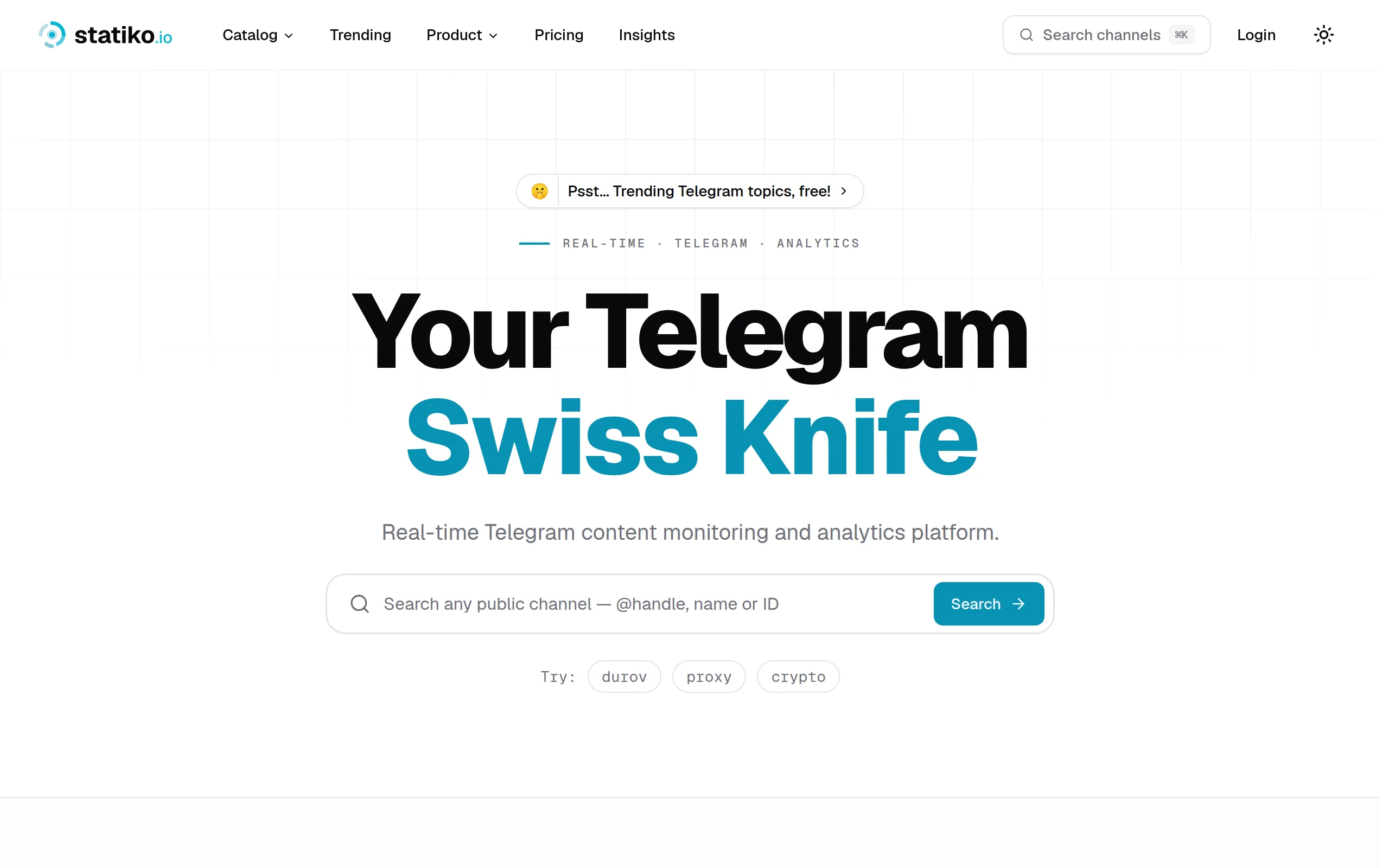
Statiko
Monitor any Telegram channel in real time - track posts, edits, deletions, and growth with AI recaps 📡

Shibui
AI website builder - describe your business, pick a niche template, edit by chatting, and publish instantly ✨

Pro Service
Find verified home service professionals, compare quotes, and pay securely through escrow - built for Brazilians across the US 🏠
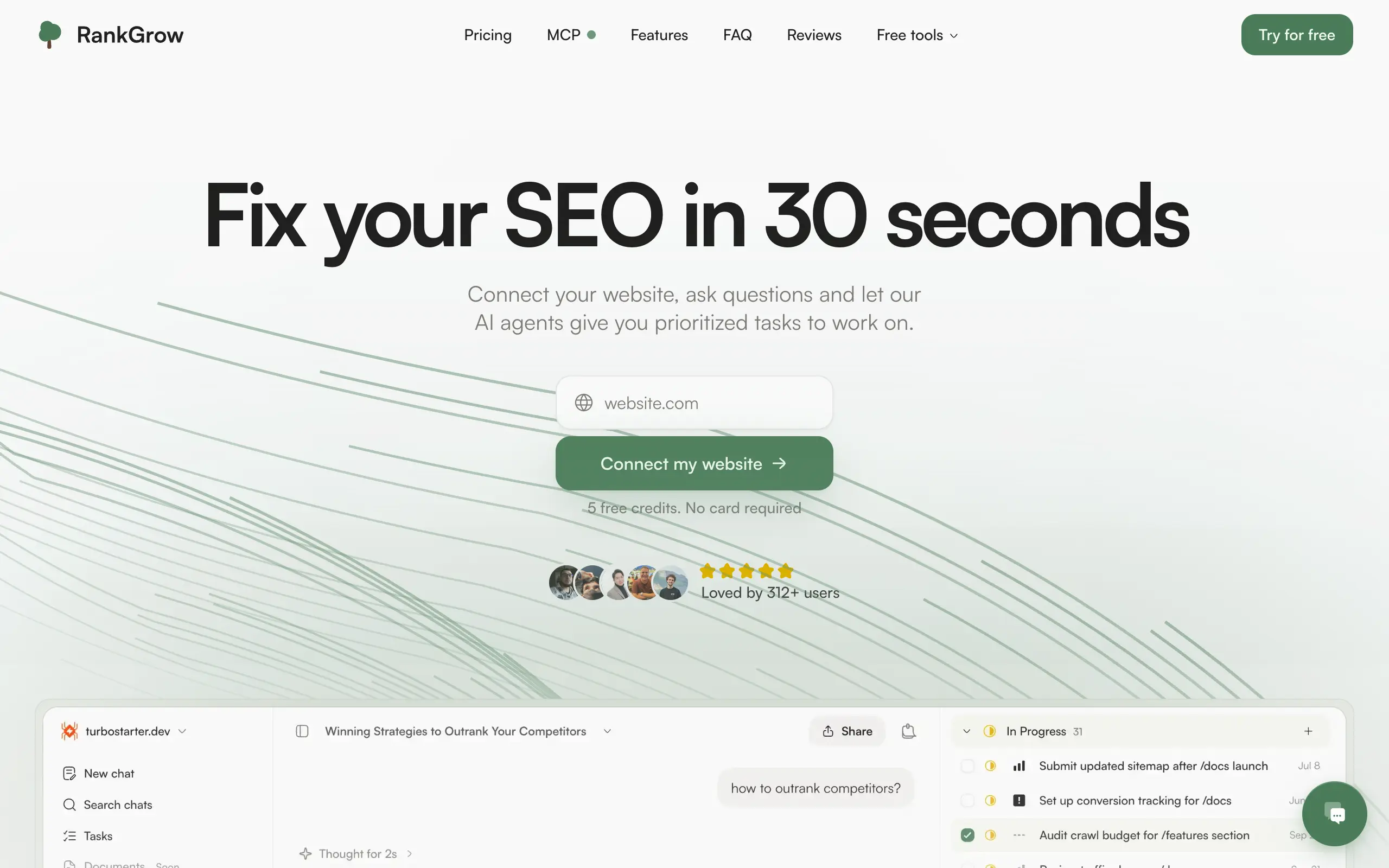
RankGrow
Fix your SEO with AI agents - connect Search Console, get prioritized tasks, and grow organic traffic 📈
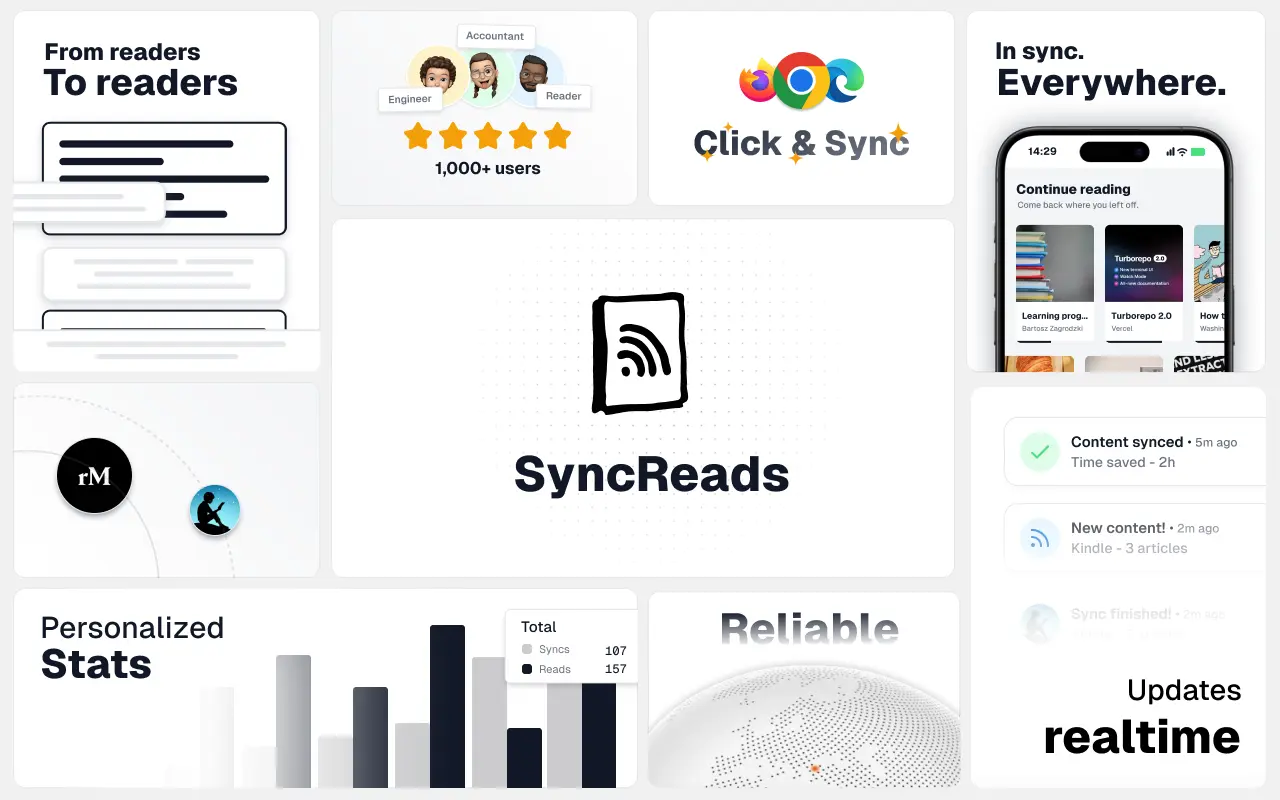
SyncReads
Sync your favorite content for distraction-free reading, save time and replace multiple apps. Anytime, anywhere 🔄
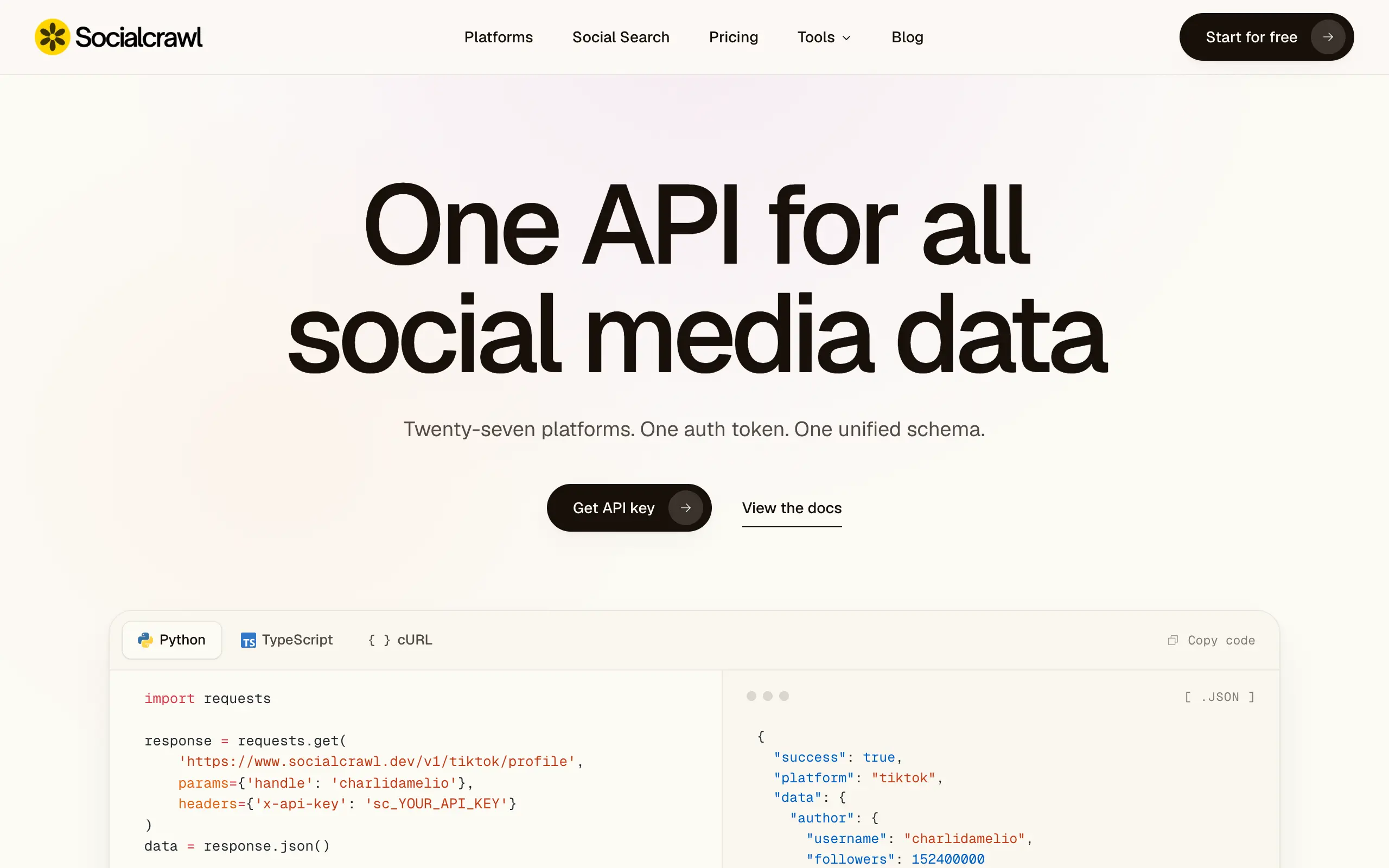
Socialcrawl
Get clean, structured data from 21 platforms like TikTok, Instagram, and YouTube with a single request 📊
Statiko
Monitor any Telegram channel in real time - track posts, edits, deletions, and growth with AI recaps 📡
Shibui
AI website builder - describe your business, pick a niche template, edit by chatting, and publish instantly ✨
Pro Service
Find verified home service professionals, compare quotes, and pay securely through escrow - built for Brazilians across the US 🏠
RankGrow
Fix your SEO with AI agents - connect Search Console, get prioritized tasks, and grow organic traffic 📈
SyncReads
Sync your favorite content for distraction-free reading, save time and replace multiple apps. Anytime, anywhere 🔄
Socialcrawl
Get clean, structured data from 21 platforms like TikTok, Instagram, and YouTube with a single request 📊
Statiko
Monitor any Telegram channel in real time - track posts, edits, deletions, and growth with AI recaps 📡
Shibui
AI website builder - describe your business, pick a niche template, edit by chatting, and publish instantly ✨
Pro Service
Find verified home service professionals, compare quotes, and pay securely through escrow - built for Brazilians across the US 🏠
RankGrow
Fix your SEO with AI agents - connect Search Console, get prioritized tasks, and grow organic traffic 📈
SyncReads
Sync your favorite content for distraction-free reading, save time and replace multiple apps. Anytime, anywhere 🔄
Socialcrawl
Get clean, structured data from 21 platforms like TikTok, Instagram, and YouTube with a single request 📊
Statiko
Monitor any Telegram channel in real time - track posts, edits, deletions, and growth with AI recaps 📡
Shibui
AI website builder - describe your business, pick a niche template, edit by chatting, and publish instantly ✨
Pro Service
Find verified home service professionals, compare quotes, and pay securely through escrow - built for Brazilians across the US 🏠
RankGrow
Fix your SEO with AI agents - connect Search Console, get prioritized tasks, and grow organic traffic 📈
SyncReads
Sync your favorite content for distraction-free reading, save time and replace multiple apps. Anytime, anywhere 🔄
Socialcrawl
Get clean, structured data from 21 platforms like TikTok, Instagram, and YouTube with a single request 📊
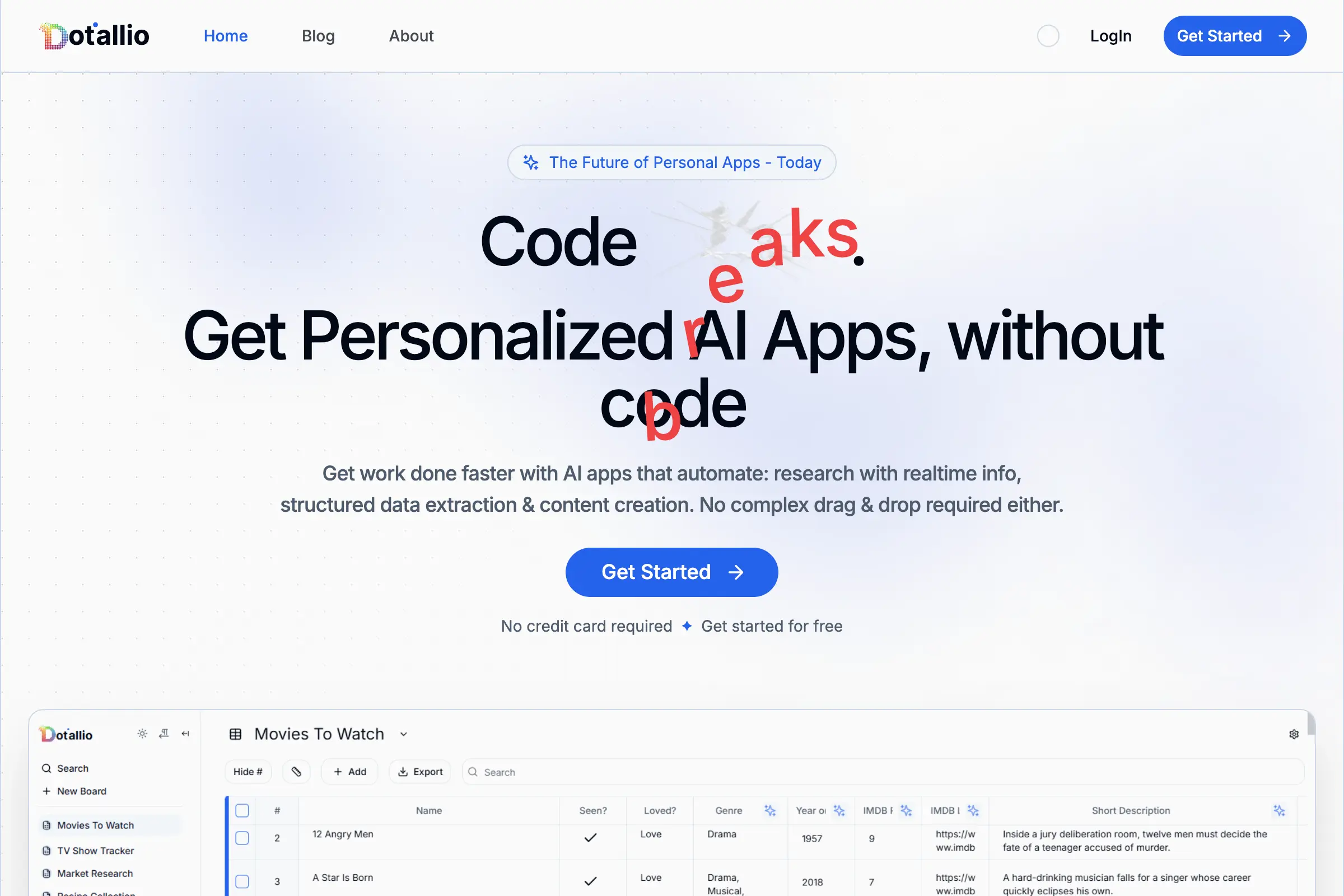
Dotallio
Personalized AI apps that automate research, data extraction, and content creation without code 🤖

Talk to Santa
Enjoy a magical live video chat or receive a unique AI-generated video greeting from Santa Claus 🎅

pozywka.pl
Scalable blog for food journalist, focused on performance and user experience 🌭
zagrodzki.me
Personal blog and portfolio of Bart Zagrodzki, where he shares his knowledge and work 💼
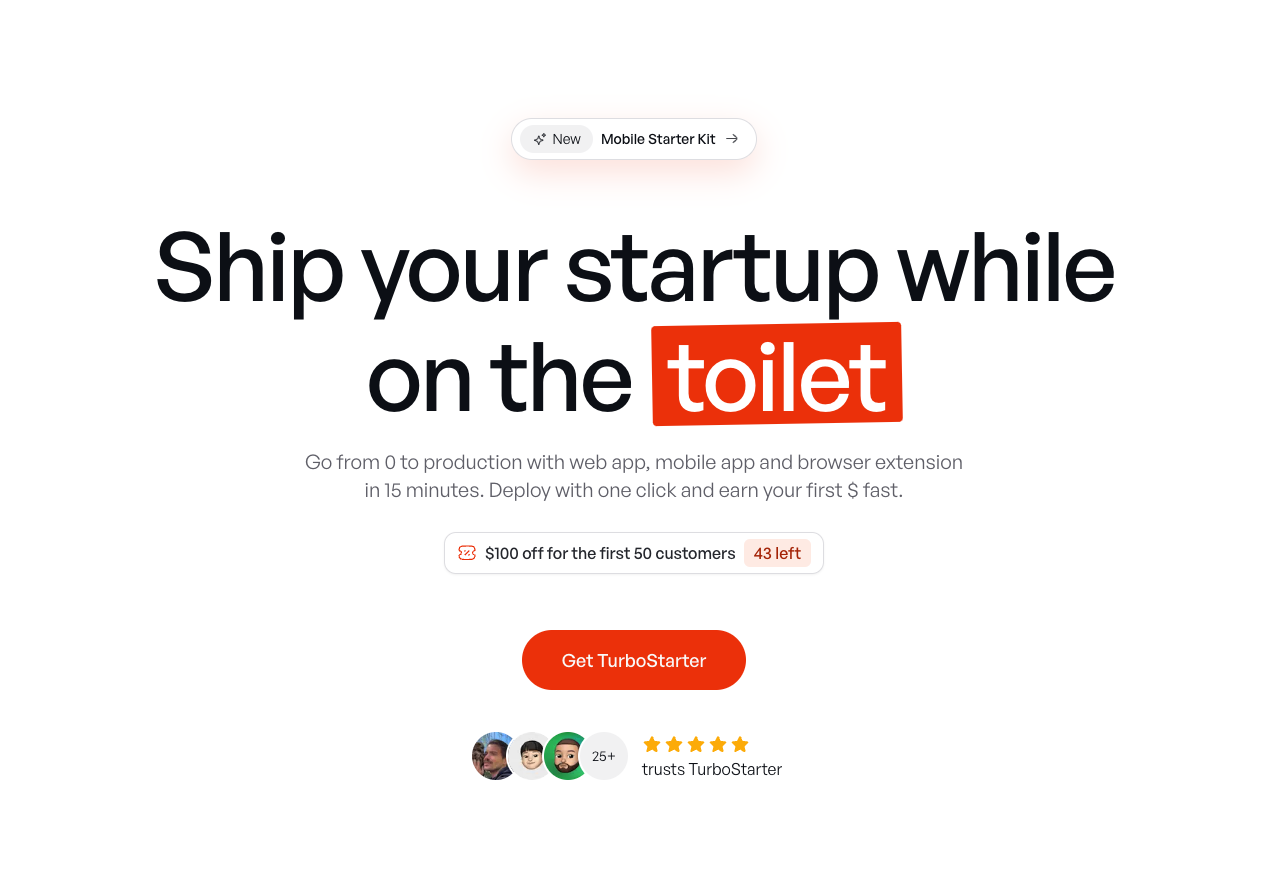
TurboStarter
Ship your startup everywhere. In minutes.
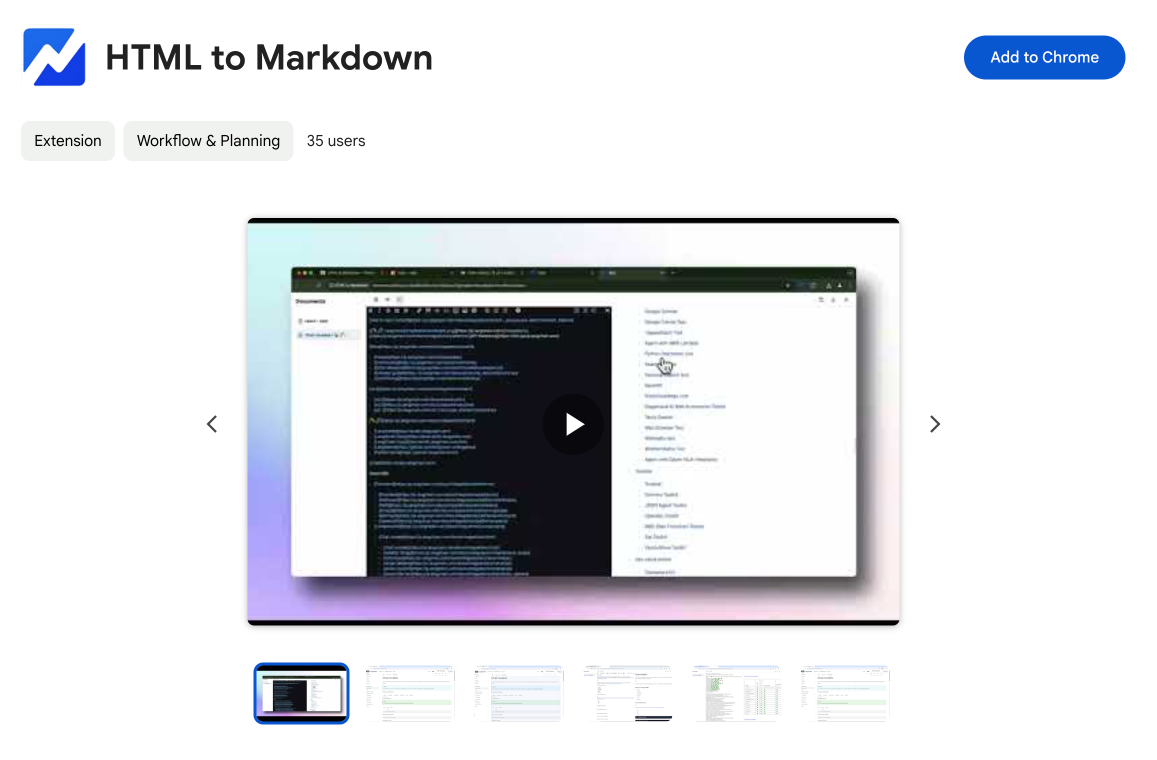
HTML to Markdown
Convert HTML to Markdown with ease, directly in your browser 📄
Dotallio
Personalized AI apps that automate research, data extraction, and content creation without code 🤖
Talk to Santa
Enjoy a magical live video chat or receive a unique AI-generated video greeting from Santa Claus 🎅
pozywka.pl
Scalable blog for food journalist, focused on performance and user experience 🌭
zagrodzki.me
Personal blog and portfolio of Bart Zagrodzki, where he shares his knowledge and work 💼
TurboStarter
Ship your startup everywhere. In minutes.
HTML to Markdown
Convert HTML to Markdown with ease, directly in your browser 📄
Dotallio
Personalized AI apps that automate research, data extraction, and content creation without code 🤖
Talk to Santa
Enjoy a magical live video chat or receive a unique AI-generated video greeting from Santa Claus 🎅
pozywka.pl
Scalable blog for food journalist, focused on performance and user experience 🌭
zagrodzki.me
Personal blog and portfolio of Bart Zagrodzki, where he shares his knowledge and work 💼
TurboStarter
Ship your startup everywhere. In minutes.
HTML to Markdown
Convert HTML to Markdown with ease, directly in your browser 📄
Dotallio
Personalized AI apps that automate research, data extraction, and content creation without code 🤖
Talk to Santa
Enjoy a magical live video chat or receive a unique AI-generated video greeting from Santa Claus 🎅
pozywka.pl
Scalable blog for food journalist, focused on performance and user experience 🌭
zagrodzki.me
Personal blog and portfolio of Bart Zagrodzki, where he shares his knowledge and work 💼
TurboStarter
Ship your startup everywhere. In minutes.
HTML to Markdown
Convert HTML to Markdown with ease, directly in your browser 📄
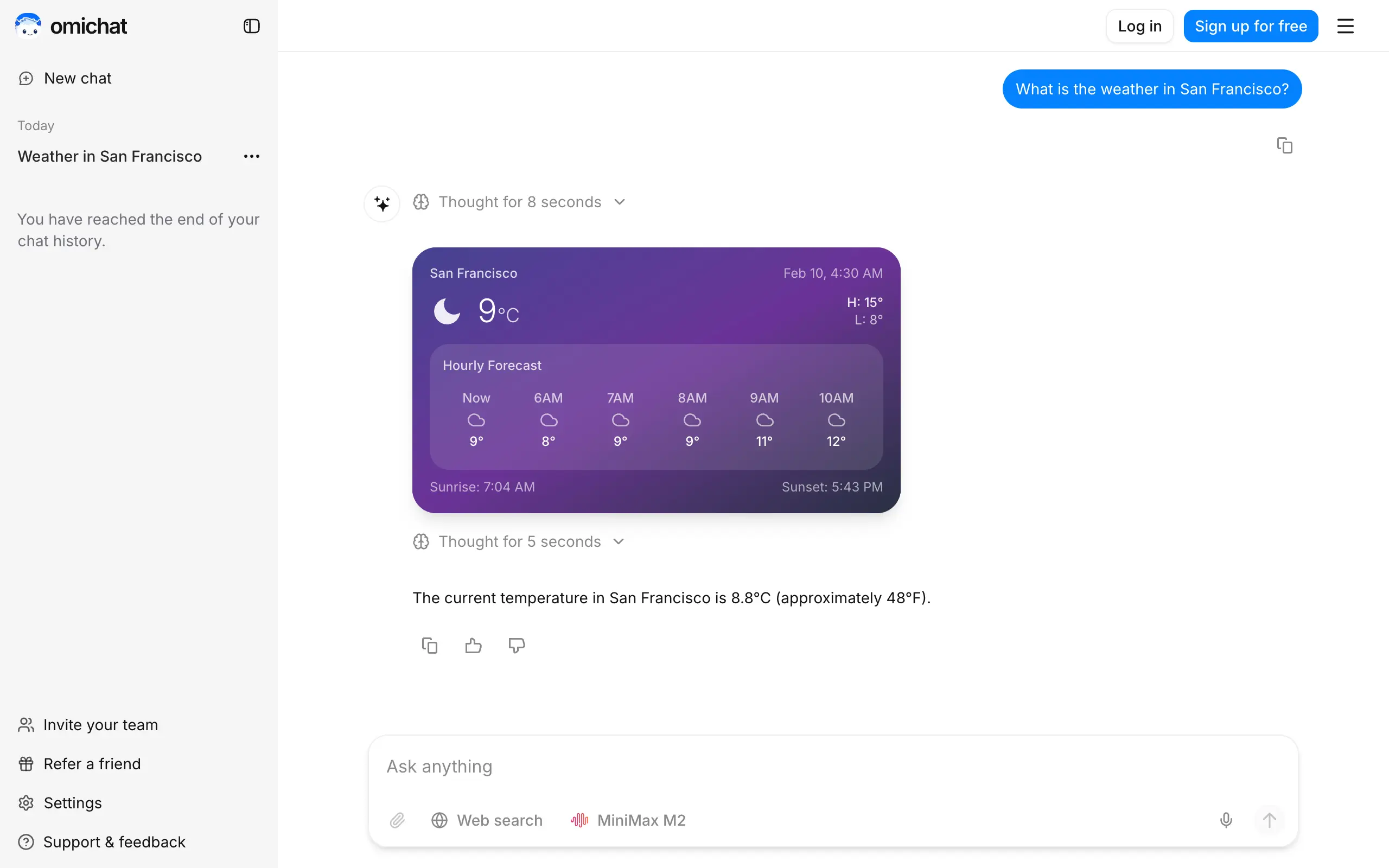
Omichat
Chat with 50+ AI models, including ChatGPT and Claude, in one place - switch models anytime without losing context 🤖
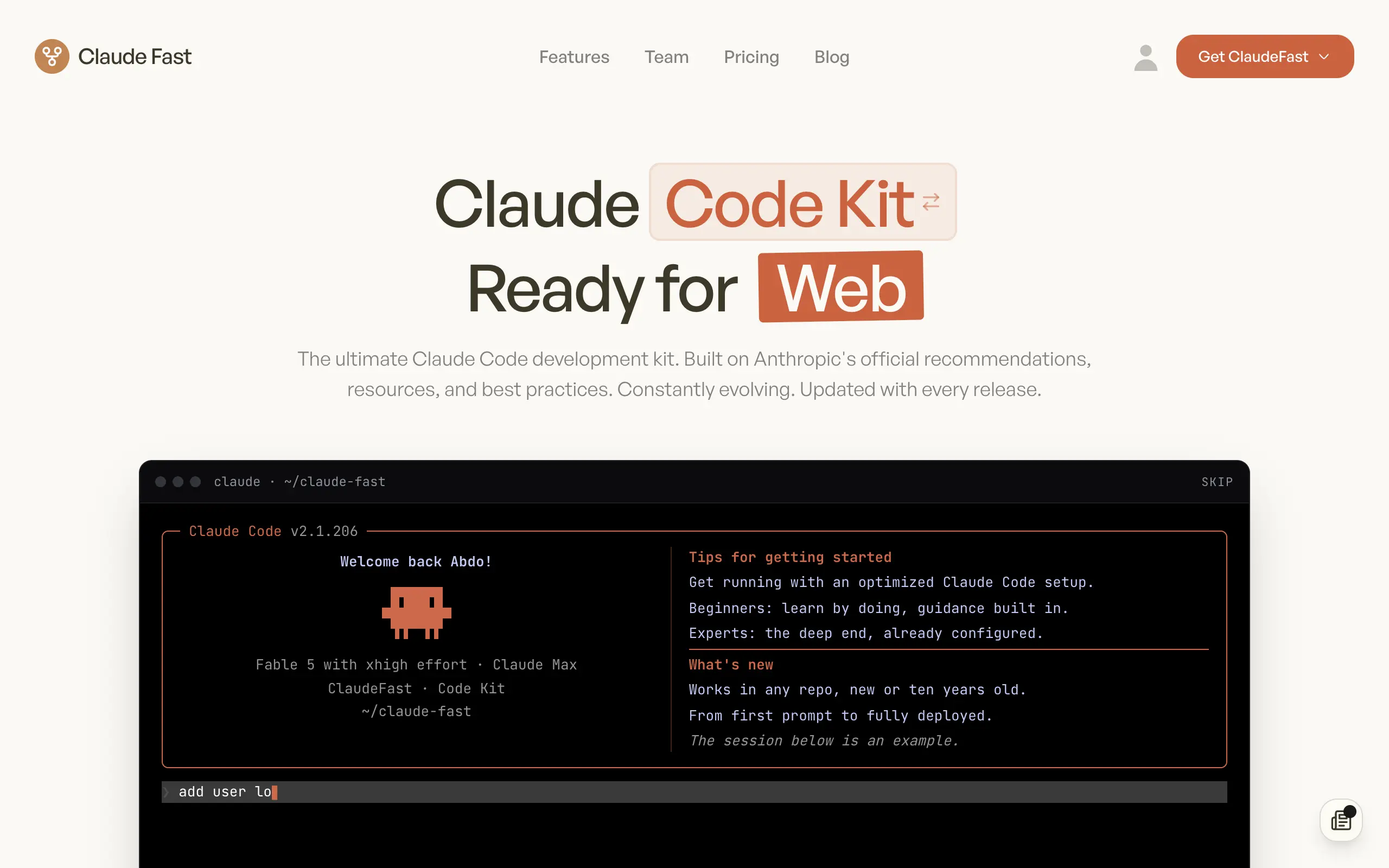
Claude Fast
Supercharge your Claude Code with 6x effective context window and specialized AI agents 🤖
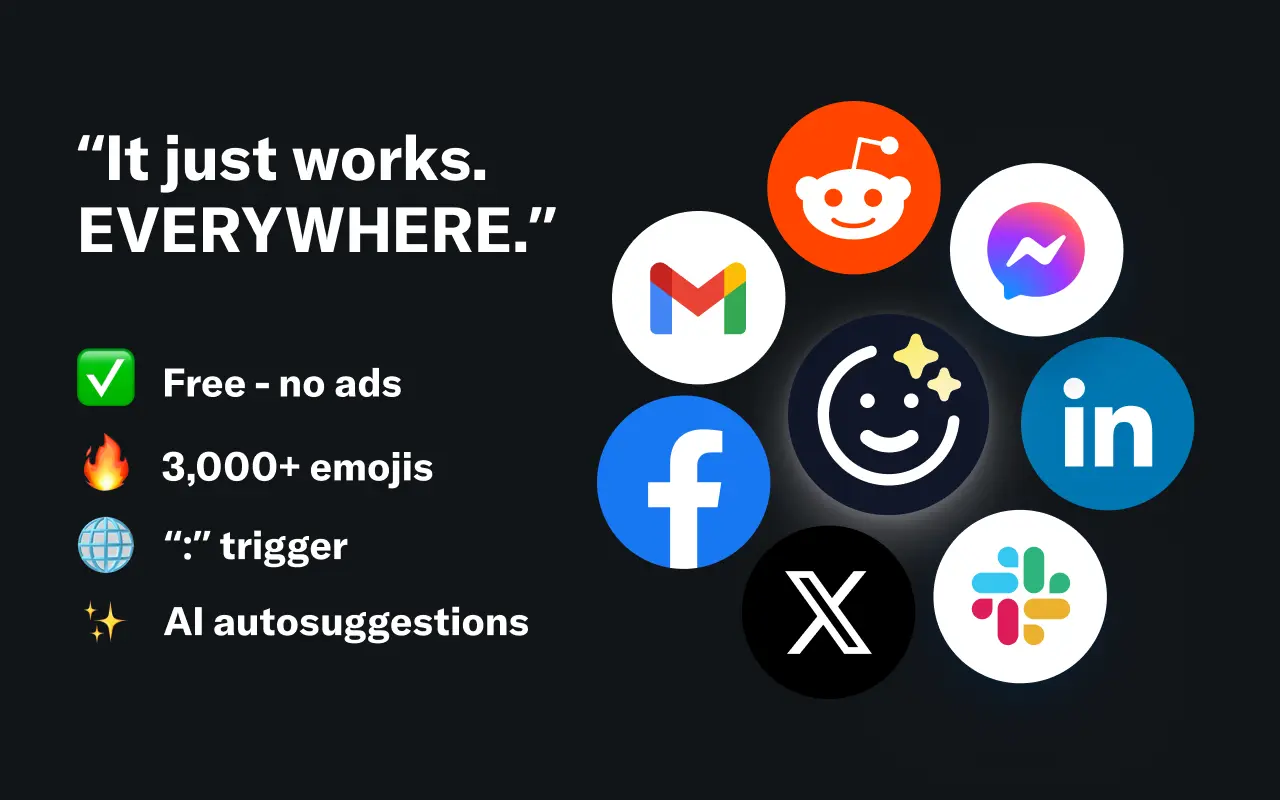
EmojAI
AI-powered emoji picker with smart, context-aware suggestions 🤖

Solohacker
Autonomous company launcher - AI agents work 24/7, escalate what matters, and you stay in control 🤖

BeRawi: Storytelling Coach
Practice storytelling daily with instant feedback to sound clearer, more engaging, and confident 🎤
Omichat
Chat with 50+ AI models, including ChatGPT and Claude, in one place - switch models anytime without losing context 🤖
Claude Fast
Supercharge your Claude Code with 6x effective context window and specialized AI agents 🤖
EmojAI
AI-powered emoji picker with smart, context-aware suggestions 🤖
Solohacker
Autonomous company launcher - AI agents work 24/7, escalate what matters, and you stay in control 🤖
BeRawi: Storytelling Coach
Practice storytelling daily with instant feedback to sound clearer, more engaging, and confident 🎤
Omichat
Chat with 50+ AI models, including ChatGPT and Claude, in one place - switch models anytime without losing context 🤖
Claude Fast
Supercharge your Claude Code with 6x effective context window and specialized AI agents 🤖
EmojAI
AI-powered emoji picker with smart, context-aware suggestions 🤖
Solohacker
Autonomous company launcher - AI agents work 24/7, escalate what matters, and you stay in control 🤖
BeRawi: Storytelling Coach
Practice storytelling daily with instant feedback to sound clearer, more engaging, and confident 🎤
Omichat
Chat with 50+ AI models, including ChatGPT and Claude, in one place - switch models anytime without losing context 🤖
Claude Fast
Supercharge your Claude Code with 6x effective context window and specialized AI agents 🤖
EmojAI
AI-powered emoji picker with smart, context-aware suggestions 🤖
Solohacker
Autonomous company launcher - AI agents work 24/7, escalate what matters, and you stay in control 🤖
BeRawi: Storytelling Coach
Practice storytelling daily with instant feedback to sound clearer, more engaging, and confident 🎤

Connect with like-minded people
Join our community to get feedback, support, and grow together with 1,000+ builders on board, let's ship it!
Join usShip your startup everywhere. In minutes.
Don't burn tokens on setup and start building features on day one.