AetherCode SpecForge
Turn product specs and user stories into production-ready code with an AI agent that maps requirements to architecture, tasks, and tests.
The future of AI-powered specification to code automation
Modern product teams struggle with a persistent gap: translating product specifications and user stories into production-ready code. Even with agile methodologies, there’s friction between product managers, designers, and engineers. Misinterpretations creep in. Edge cases are missed. Tests lag behind. Deadlines slip.
An AI-powered spec-to-code platform like AetherCode SpecForge addresses this exact pain point. It turns structured product requirements and user stories into:
- System architecture blueprints
- Actionable development tasks
- Production-ready code scaffolds
- Automated test suites
- Documentation artifacts
This article provides a comprehensive breakdown of the market opportunity, target users, feature set, tech stack, monetization strategy, risks, competitive landscape, and actionable steps to build and scale an AI requirements-to-code SaaS platform.
Understanding the user intent behind “AI spec to code”
When someone searches for:
- “AI that turns specs into code”
- “Generate code from product requirements”
- “AI for user story to code automation”
- “Automate software architecture from specs”
They typically fall into one of these categories:
- Startup founders looking to accelerate MVP development.
- Product managers seeking tighter alignment between product specs and engineering output.
- Engineering leaders wanting to reduce ambiguity and technical debt.
- CTOs and tech architects exploring AI-driven development automation.
- Developers interested in increasing velocity without sacrificing quality.
The core intent is efficiency + reliability + traceability.
AetherCode SpecForge addresses this by transforming natural-language requirements into a structured, testable, deployable engineering output.
The market opportunity for AI requirements-to-code platforms
Why the timing is ideal
Several macro trends create a strong opportunity:
- Widespread adoption of large language models (LLMs).
- Growing demand for AI-assisted development tools.
- Rising engineering costs.
- Increased complexity of distributed systems.
- Pressure to ship faster without sacrificing reliability.
Tools like GitHub Copilot and OpenAI models have proven that AI can assist coding. However, most current tools operate at the code snippet level, not at the product architecture and requirement level.
That gap is the opportunity.
The inefficiency in current workflows
A typical workflow:
- Product manager writes a PRD.
- Engineers review and interpret.
- Architects define system design.
- Developers break down into tasks.
- Tests are written separately.
- QA validates.
- Iterations introduce drift between spec and implementation.
This introduces:
- Misaligned assumptions
- Scope creep
- Rework
- Technical debt
- Incomplete test coverage
An AI agent that maps requirements → architecture → tasks → tests → scaffolding reduces this fragmentation.
Target audience analysis
1. Early-stage startups
Pain points:
- Limited engineering resources.
- Pressure to ship MVP fast.
- Lack of formal architecture planning.
What they need:
- Instant architecture blueprint.
- Scaffolding with best practices.
- Pre-written test suites.
- Task breakdown for small teams.
2. Product managers in mid-sized SaaS companies
Pain points:
- Engineering misinterprets specs.
- Hard to track requirement-to-code traceability.
- Slow feedback cycles.
What they need:
- Structured mapping of user stories to code.
- Automated test case generation.
- Clear dependency diagrams.
3. Engineering leaders & CTOs
Pain points:
- Inconsistent architecture patterns.
- Poor documentation.
- Technical debt from rushed features.
What they need:
- Standardized architectural outputs.
- Enforced patterns (DDD, Clean Architecture, microservices, etc.).
- Test coverage guarantees.
4. Enterprise teams
Pain points:
- Compliance requirements.
- Audit trails.
- Risk of undocumented logic.
What they need:
- Traceable requirement-to-implementation mapping.
- Versioned architecture artifacts.
- Security-aware code generation.
Core value proposition of AetherCode SpecForge
“Turn product specs and user stories into production-ready code with an AI agent that maps requirements to architecture, tasks, and tests.”
This is more than code generation. It is spec-driven engineering automation.
Key differentiators
- Requirement-to-architecture mapping
- Task graph generation
- Automated test-first scaffolding
- Traceability matrix
- Enforcement of architectural patterns
Core features and solution architecture
Let’s break down the feature set into functional modules.
1. Spec ingestion and structuring
Supports:
- Raw PRD text
- User stories
- Markdown docs
- Jira exports
- Notion pages
The system:
- Extracts entities
- Identifies functional requirements
- Detects non-functional requirements
- Resolves ambiguities
It converts unstructured input into a structured internal representation.
2. AI-driven architecture generation
The AI agent generates:
- Service boundaries
- Database schema suggestions
- API contracts
- Authentication flows
- Deployment topology
It supports patterns like:
- Monolith
- Modular monolith
- Microservices
- Serverless
- Event-driven systems
3. Task and sprint breakdown
The AI generates:
- Epics
- User stories
- Engineering tasks
- Dependency graphs
- Estimated complexity
This integrates with tools like Jira or Linear via API.
4. Production-ready code scaffolding
Outputs include:
- Backend API boilerplate
- Frontend scaffolding
- Database migrations
- Auth configuration
- Logging and error handling
Example (Node + Express API scaffold):
import express from "express";
import { registerUser } from "./controllers/userController";
import { validateRequest } from "./middleware/validate";

const app = express();
app.use(express.json());

app.post("/api/users", validateRequest, registerUser);

export default app;
But SpecForge goes further: it maps this endpoint to the original requirement.
5. Automated test generation
Generates:
- Unit tests
- Integration tests
- Edge-case tests
- Contract tests
Example Jest test:
import request from "supertest";
import app from "../app";

describe("User Registration", () => {
  it("should register a new user", async () => {
    const response = await request(app)
      .post("/api/users")
      .send({ email: "test@example.com", password: "Secure123!" });

    expect(response.statusCode).toBe(201);
  });
});
Every test references a requirement ID.
6. Traceability matrix
One of the most powerful features:
- Requirement → Architecture Node
- Requirement → Code File
- Requirement → Test Case
This is critical for:
- Compliance
- Audits
- Refactoring safety
Competitive landscape analysis
Most AI coding tools operate at the developer level.
Let’s compare.
| Feature | Copilot | ChatGPT | Low-code | SpecForge | Traditional SDLC |
|---|---|---|---|---|---|
| Spec → Architecture | ❌ | ❌ | ❌ | ✅ | ❌ |
| Traceability mapping | ❌ | ❌ | ❌ | ✅ | ❌ |
Unique selling proposition (USP)
SpecForge does not just generate code — it enforces a spec-driven engineering pipeline.
Recommended tech stack for building AetherCode SpecForge
Frontend
Why:
- Server-side rendering for SEO.
- Component-based architecture.
- Developer familiarity.
Backend
- Node.js + TypeScript
- Python for AI orchestration
- FastAPI for inference endpoints
Why:
- Strong ecosystem.
- LLM integrations.
- Scalability.
AI Layer
- OpenAI GPT-4+ or similar LLM
- Fine-tuned models for:
- Architecture mapping
- Test case generation
- Task decomposition
Use:
- Retrieval-Augmented Generation (RAG)
- Vector database (e.g., Pinecone or similar)
Infrastructure
- Docker
- Kubernetes (for enterprise tier)
- PostgreSQL
- Redis
- Object storage (S3-compatible)
Trade-offs to consider
- Full autonomy vs. human-in-the-loop validation
- Deterministic generation vs. creative flexibility
- Customization vs. standardization
Monetization strategy
1. Tiered SaaS pricing
- Starter: Limited spec size, basic scaffolding.
- Pro: Architecture + tests + integrations.
- Enterprise: On-prem, compliance mode, SSO.
2. Usage-based pricing
- Per spec processed
- Per lines of generated code
- Per LLM tokens consumed
3. Enterprise licensing
- SOC 2 alignment
- Private model hosting
- Custom architecture rules
Risks and mitigation strategies
Key risk
Overpromising autonomous generation without human validation can destroy trust.
Risk 1: Hallucinated architecture
Mitigation:
- Deterministic templates
- Rule-based validation layer
- Architecture linting engine
Risk 2: Security vulnerabilities in generated code
Mitigation:
- Static analysis
- Security rule engine
- OWASP pattern enforcement
Risk 3: Legal liability
Mitigation:
- Clear disclaimers
- Human approval step
- Versioned outputs
Competitive advantage through workflow integration
The strongest moat is not just AI — it’s deep workflow integration.
Integrations:
- Jira
- GitHub
- GitLab
- CI/CD pipelines
When SpecForge becomes embedded into the SDLC, switching becomes costly.
Implementation roadmap
Go-to-market strategy
Phase 1: Developer-first
- Product Hunt launch
- Dev-focused content marketing
- Technical demos
Phase 2: Product manager targeting
- LinkedIn thought leadership
- Case studies
- Webinar on spec-driven engineering
Phase 3: Enterprise
- Security certifications
- Architecture governance features
- Compliance modules
Building faster with the right foundation
If you’re launching an AI SaaS like SpecForge, speed matters.
Using a production-ready SaaS starter like TurboStarter can accelerate:
- Authentication
- Billing
- Multi-tenancy
- Role-based access
- Admin dashboards
This reduces months of boilerplate work.
Long-term vision: autonomous software factories
SpecForge can evolve into:
- Continuous spec monitoring
- Auto-refactoring when requirements change
- AI-driven architectural optimization
- Technical debt detection
Eventually:
Requirements in → production deployment out.
With humans supervising.
Final actionable blueprint
To build and scale AetherCode SpecForge:
- Start narrow (e.g., REST API scaffolding only).
- Prioritize traceability.
- Enforce architecture standards.
- Add enterprise governance early.
- Integrate into Git workflows.
- Position as spec-driven engineering, not just AI code generation.
Conclusion
The future of software development is not just AI-assisted coding — it’s AI-orchestrated engineering.
AetherCode SpecForge sits at the intersection of:
- Product management
- Software architecture
- Automated testing
- AI-driven development
By focusing on requirement-to-code traceability, architectural rigor, and test-first generation, it can create a powerful competitive advantage in the rapidly growing AI development tools market.
For founders, CTOs, and engineering leaders, the opportunity is clear:
Build the layer that connects intention to implementation.
That is where the next generation of software tooling will win.
More 🤖 AI Startup SaaS ideas
Discover more innovative ai startup SaaS ideas that are trending in 2026. Each idea is AI-generated with market validation and growth potential to help you find your next profitable venture faster than competitors.
Your competitors are building with TurboStarter
Below are some of the SaaS ideas that have been generated and built with our starter kit.
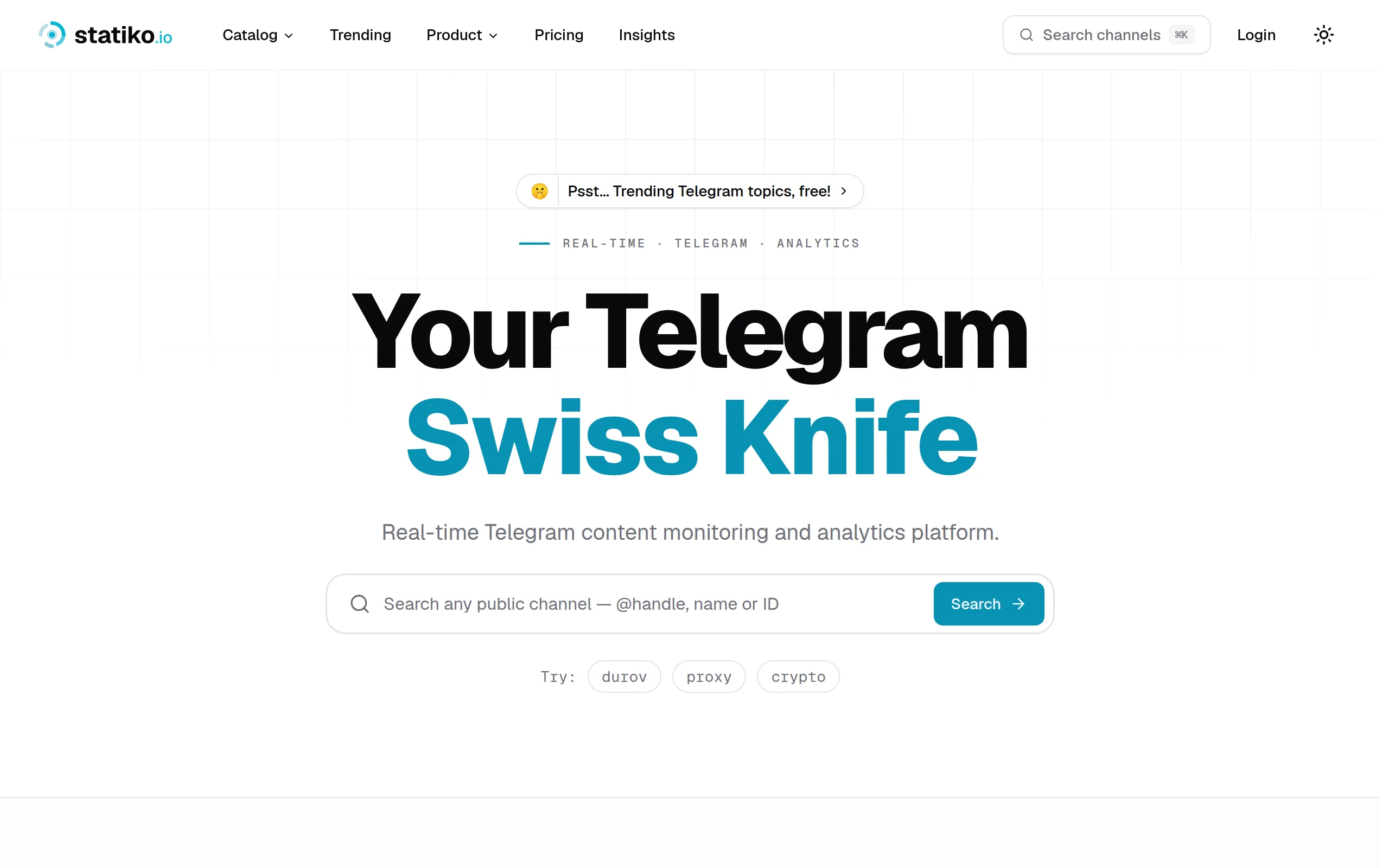
Statiko
Monitor any Telegram channel in real time - track posts, edits, deletions, and growth with AI recaps 📡

Shibui
AI website builder - describe your business, pick a niche template, edit by chatting, and publish instantly ✨

Pro Service
Find verified home service professionals, compare quotes, and pay securely through escrow - built for Brazilians across the US 🏠
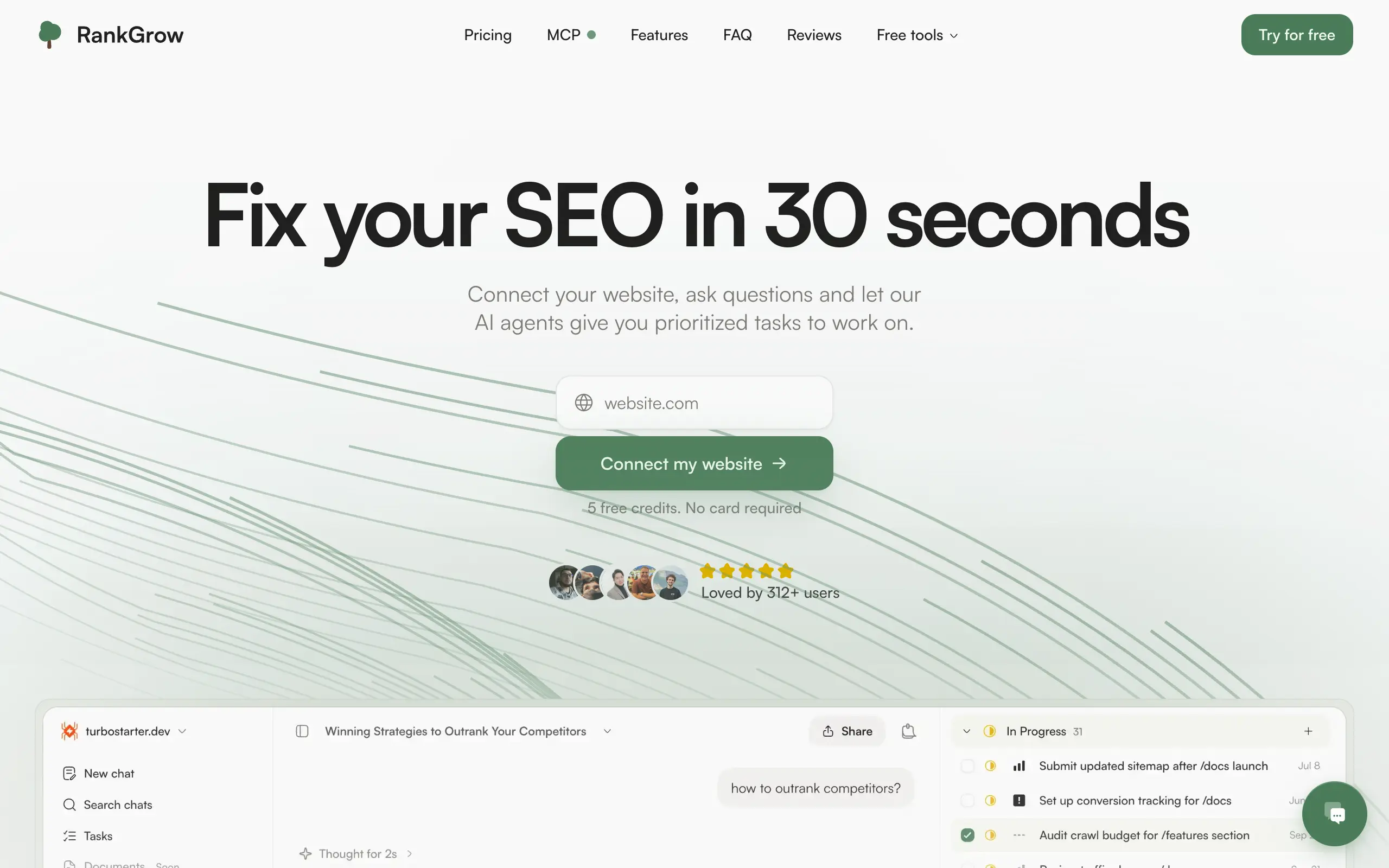
RankGrow
Fix your SEO with AI agents - connect Search Console, get prioritized tasks, and grow organic traffic 📈
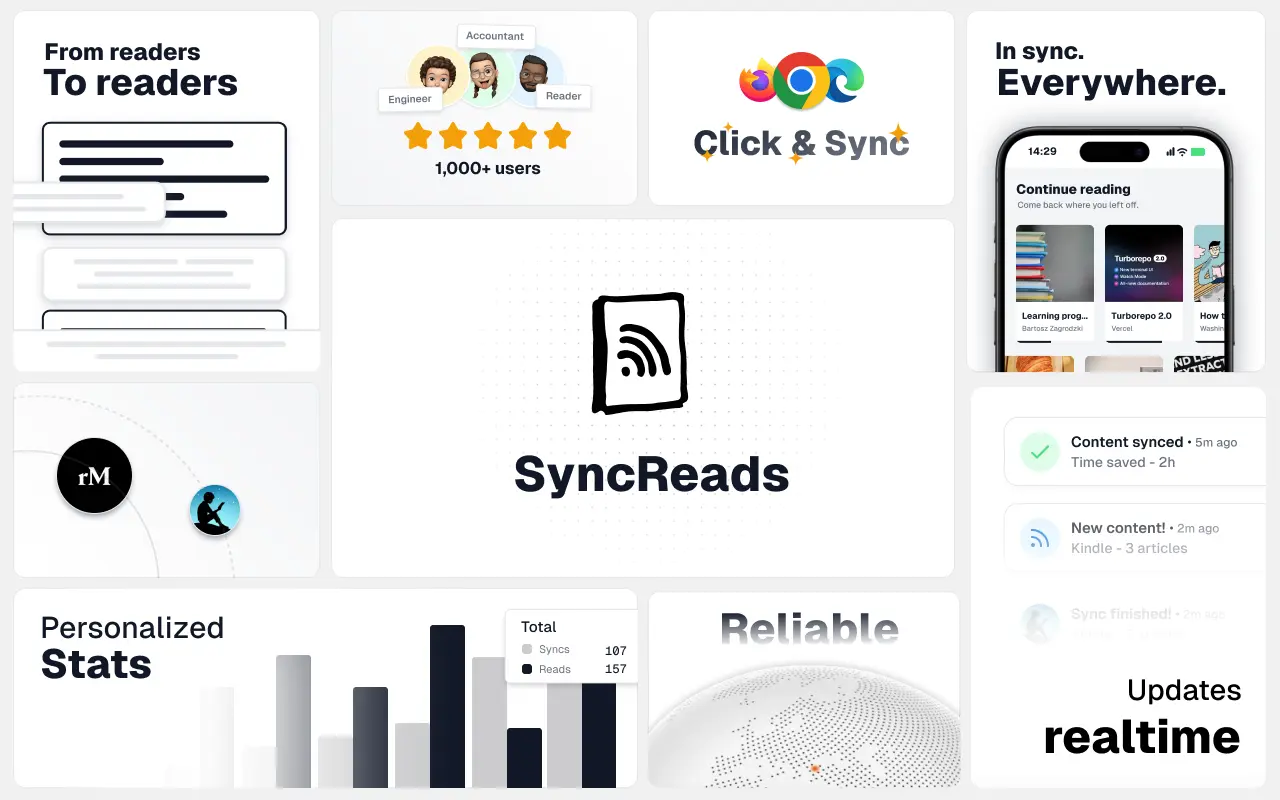
SyncReads
Sync your favorite content for distraction-free reading, save time and replace multiple apps. Anytime, anywhere 🔄
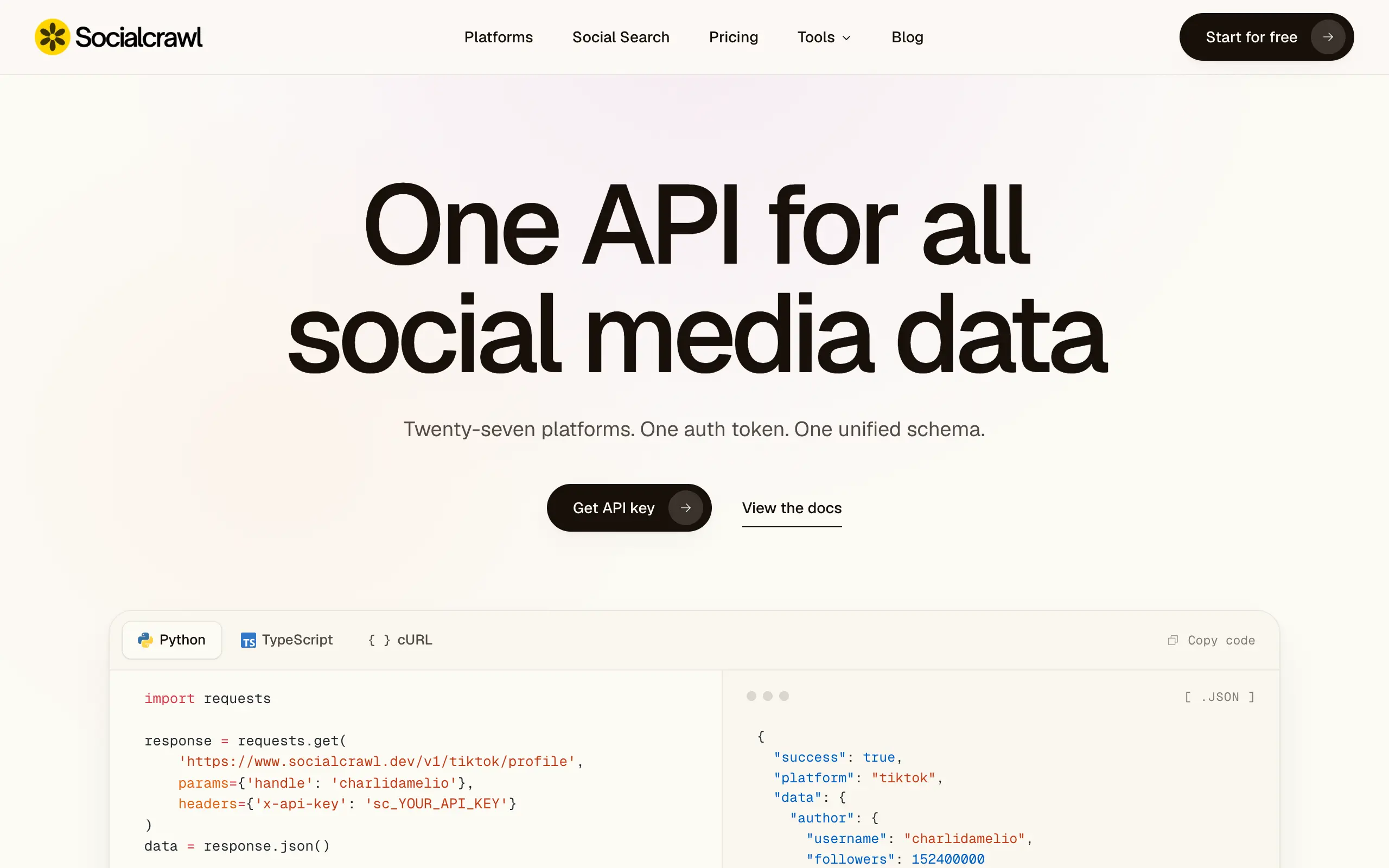
Socialcrawl
Get clean, structured data from 21 platforms like TikTok, Instagram, and YouTube with a single request 📊
Statiko
Monitor any Telegram channel in real time - track posts, edits, deletions, and growth with AI recaps 📡
Shibui
AI website builder - describe your business, pick a niche template, edit by chatting, and publish instantly ✨
Pro Service
Find verified home service professionals, compare quotes, and pay securely through escrow - built for Brazilians across the US 🏠
RankGrow
Fix your SEO with AI agents - connect Search Console, get prioritized tasks, and grow organic traffic 📈
SyncReads
Sync your favorite content for distraction-free reading, save time and replace multiple apps. Anytime, anywhere 🔄
Socialcrawl
Get clean, structured data from 21 platforms like TikTok, Instagram, and YouTube with a single request 📊
Statiko
Monitor any Telegram channel in real time - track posts, edits, deletions, and growth with AI recaps 📡
Shibui
AI website builder - describe your business, pick a niche template, edit by chatting, and publish instantly ✨
Pro Service
Find verified home service professionals, compare quotes, and pay securely through escrow - built for Brazilians across the US 🏠
RankGrow
Fix your SEO with AI agents - connect Search Console, get prioritized tasks, and grow organic traffic 📈
SyncReads
Sync your favorite content for distraction-free reading, save time and replace multiple apps. Anytime, anywhere 🔄
Socialcrawl
Get clean, structured data from 21 platforms like TikTok, Instagram, and YouTube with a single request 📊
Statiko
Monitor any Telegram channel in real time - track posts, edits, deletions, and growth with AI recaps 📡
Shibui
AI website builder - describe your business, pick a niche template, edit by chatting, and publish instantly ✨
Pro Service
Find verified home service professionals, compare quotes, and pay securely through escrow - built for Brazilians across the US 🏠
RankGrow
Fix your SEO with AI agents - connect Search Console, get prioritized tasks, and grow organic traffic 📈
SyncReads
Sync your favorite content for distraction-free reading, save time and replace multiple apps. Anytime, anywhere 🔄
Socialcrawl
Get clean, structured data from 21 platforms like TikTok, Instagram, and YouTube with a single request 📊
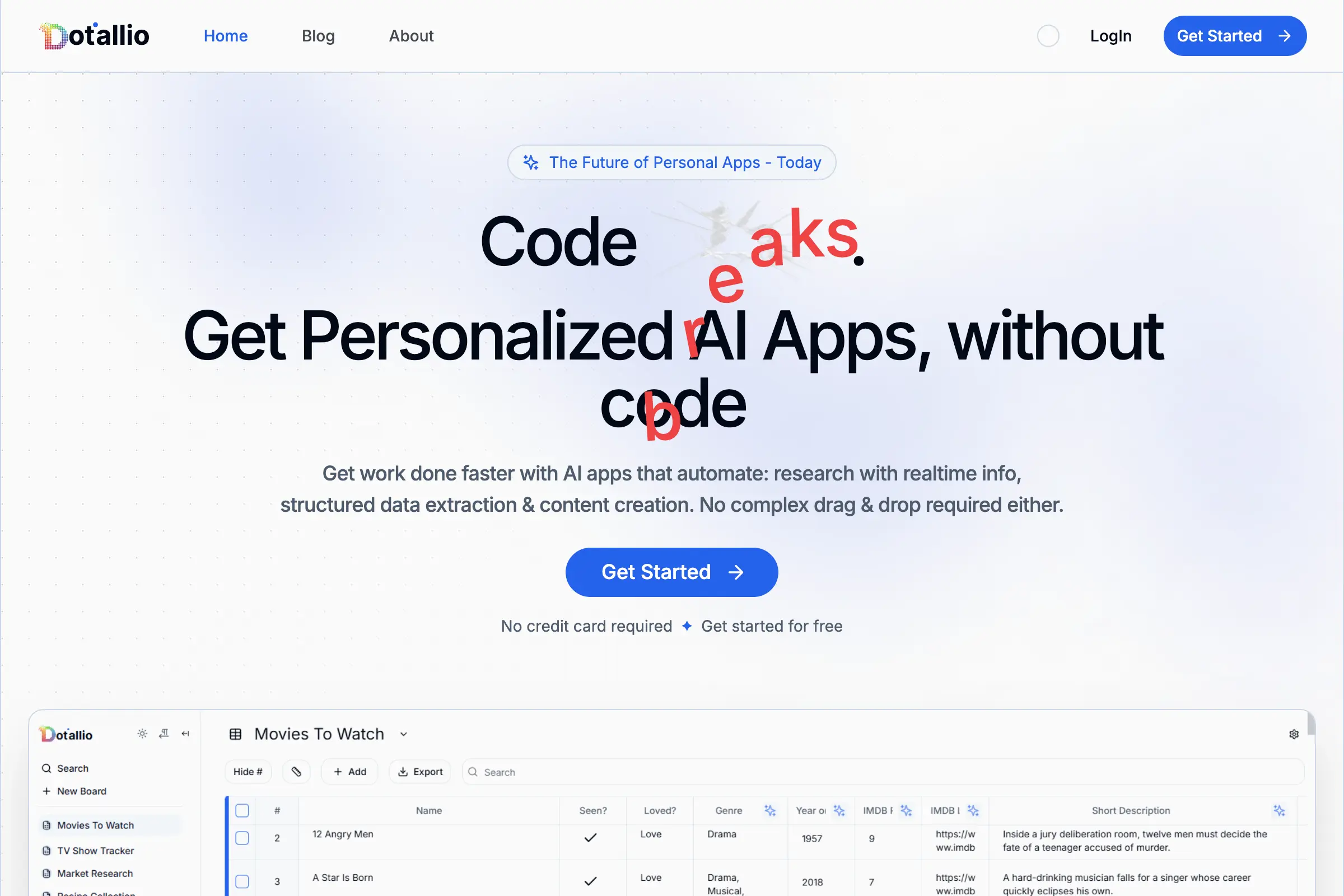
Dotallio
Personalized AI apps that automate research, data extraction, and content creation without code 🤖

Talk to Santa
Enjoy a magical live video chat or receive a unique AI-generated video greeting from Santa Claus 🎅

pozywka.pl
Scalable blog for food journalist, focused on performance and user experience 🌭
zagrodzki.me
Personal blog and portfolio of Bart Zagrodzki, where he shares his knowledge and work 💼
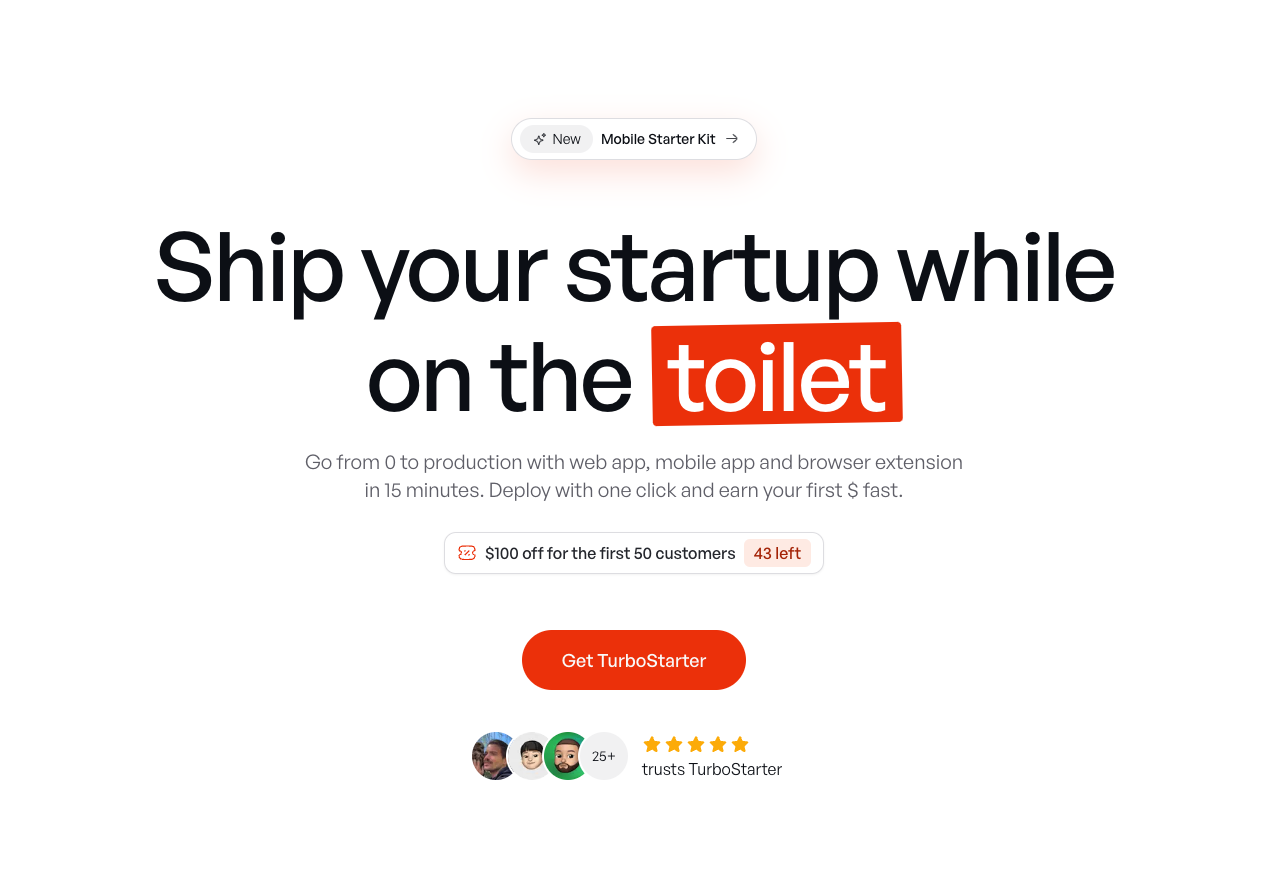
TurboStarter
Ship your startup everywhere. In minutes.
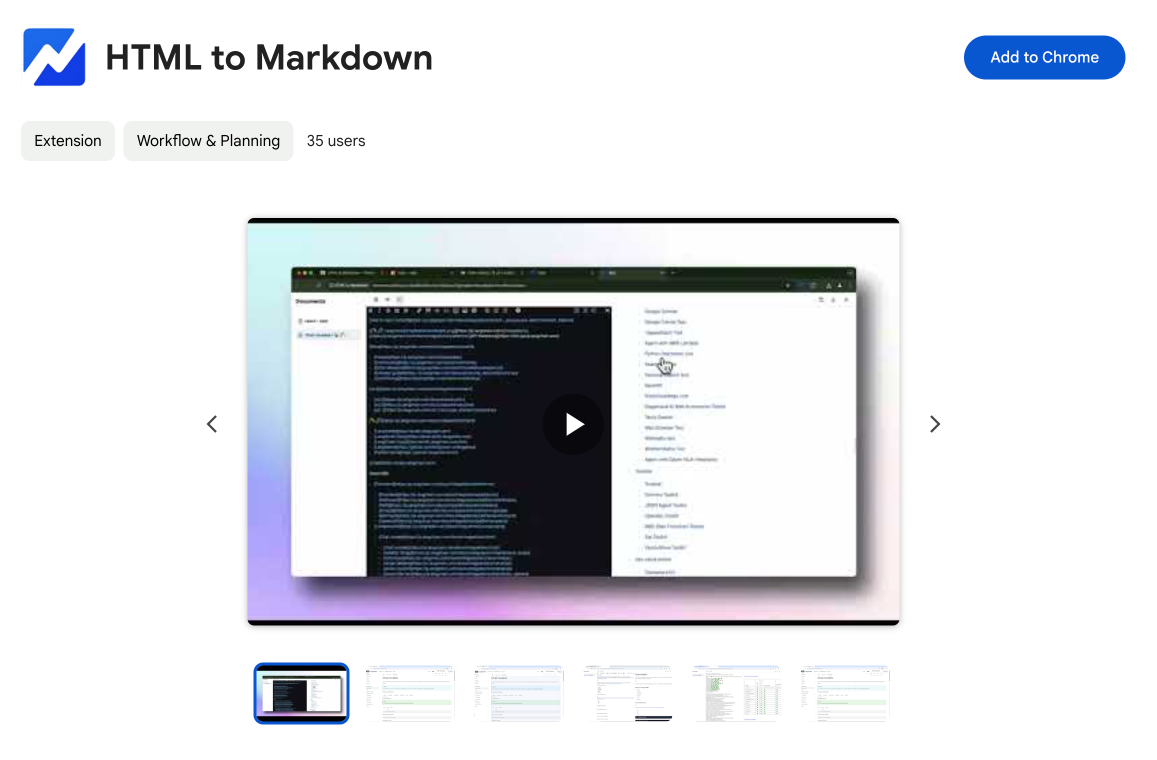
HTML to Markdown
Convert HTML to Markdown with ease, directly in your browser 📄
Dotallio
Personalized AI apps that automate research, data extraction, and content creation without code 🤖
Talk to Santa
Enjoy a magical live video chat or receive a unique AI-generated video greeting from Santa Claus 🎅
pozywka.pl
Scalable blog for food journalist, focused on performance and user experience 🌭
zagrodzki.me
Personal blog and portfolio of Bart Zagrodzki, where he shares his knowledge and work 💼
TurboStarter
Ship your startup everywhere. In minutes.
HTML to Markdown
Convert HTML to Markdown with ease, directly in your browser 📄
Dotallio
Personalized AI apps that automate research, data extraction, and content creation without code 🤖
Talk to Santa
Enjoy a magical live video chat or receive a unique AI-generated video greeting from Santa Claus 🎅
pozywka.pl
Scalable blog for food journalist, focused on performance and user experience 🌭
zagrodzki.me
Personal blog and portfolio of Bart Zagrodzki, where he shares his knowledge and work 💼
TurboStarter
Ship your startup everywhere. In minutes.
HTML to Markdown
Convert HTML to Markdown with ease, directly in your browser 📄
Dotallio
Personalized AI apps that automate research, data extraction, and content creation without code 🤖
Talk to Santa
Enjoy a magical live video chat or receive a unique AI-generated video greeting from Santa Claus 🎅
pozywka.pl
Scalable blog for food journalist, focused on performance and user experience 🌭
zagrodzki.me
Personal blog and portfolio of Bart Zagrodzki, where he shares his knowledge and work 💼
TurboStarter
Ship your startup everywhere. In minutes.
HTML to Markdown
Convert HTML to Markdown with ease, directly in your browser 📄
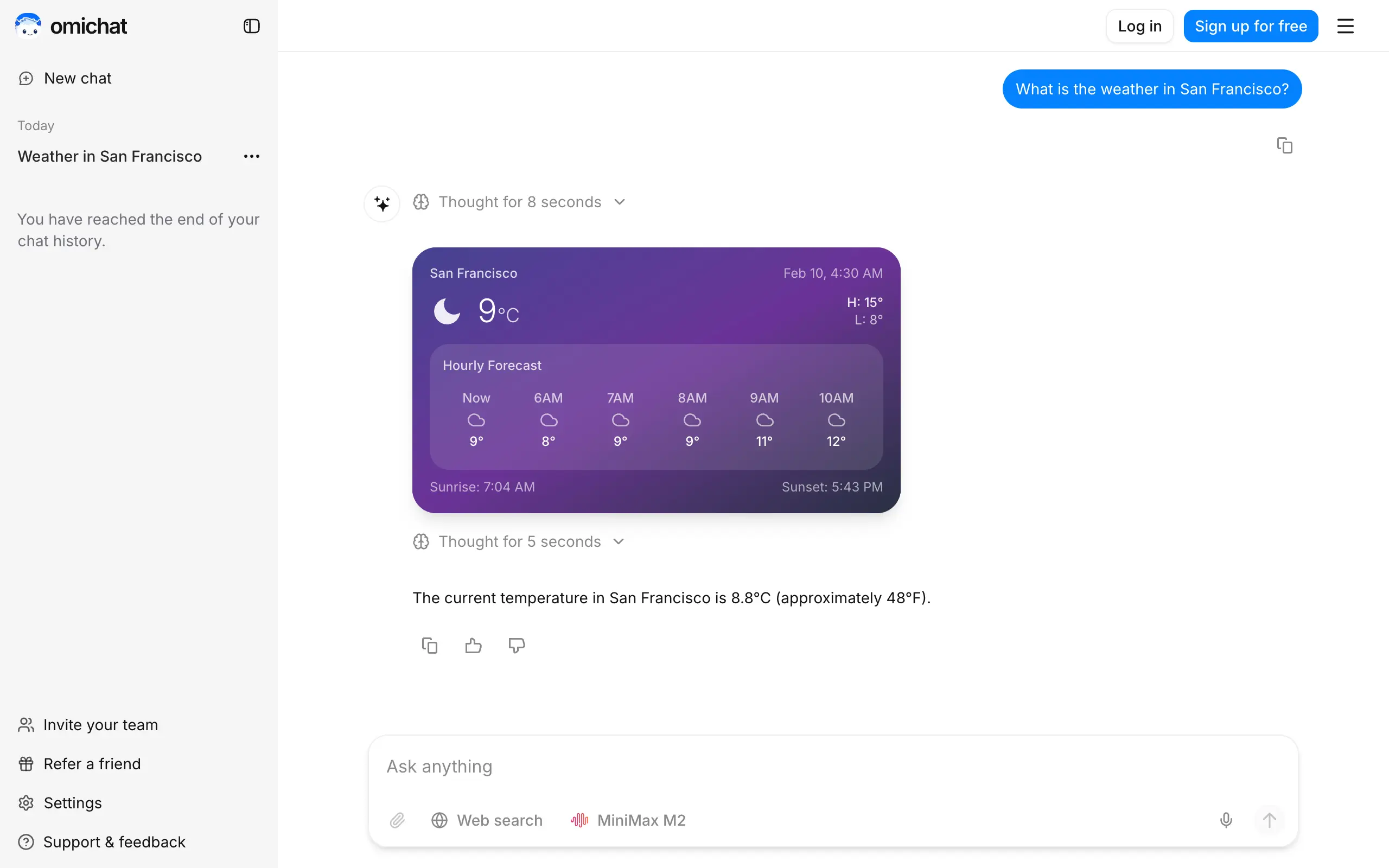
Omichat
Chat with 50+ AI models, including ChatGPT and Claude, in one place - switch models anytime without losing context 🤖
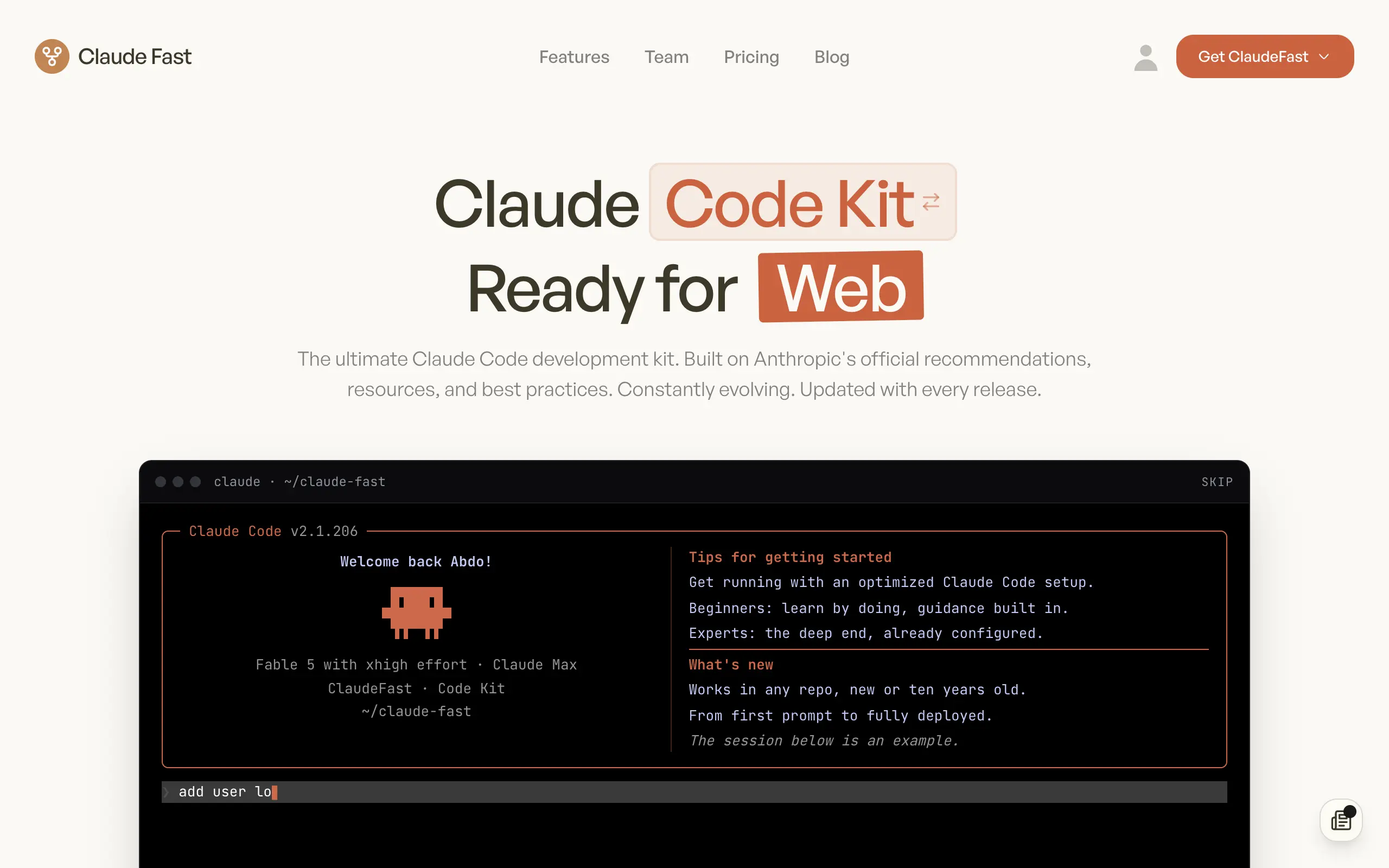
Claude Fast
Supercharge your Claude Code with 6x effective context window and specialized AI agents 🤖
EmojAI
AI-powered emoji picker with smart, context-aware suggestions 🤖
Solohacker
Autonomous company launcher - AI agents work 24/7, escalate what matters, and you stay in control 🤖
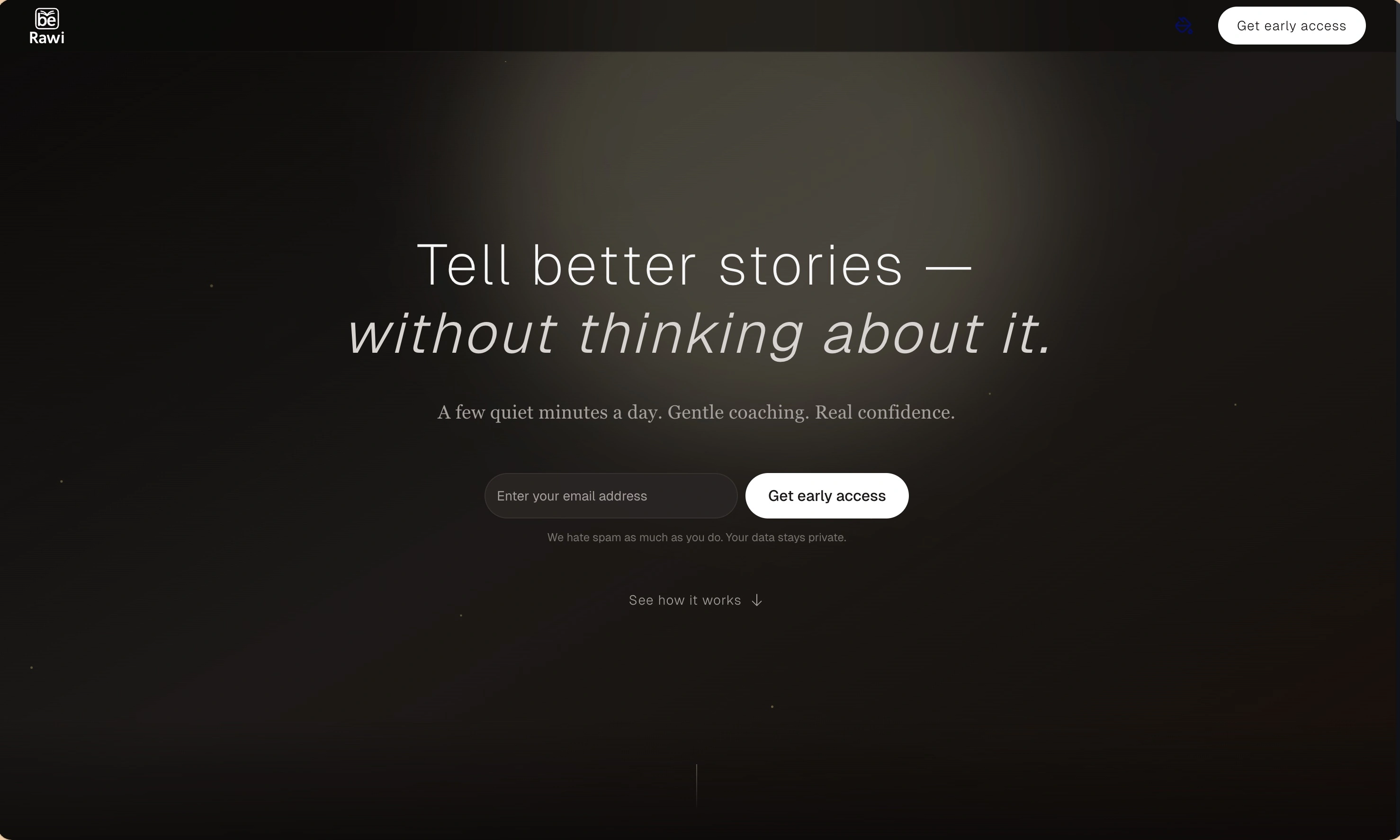
BeRawi: Storytelling Coach
Practice storytelling daily with instant feedback to sound clearer, more engaging, and confident 🎤
Omichat
Chat with 50+ AI models, including ChatGPT and Claude, in one place - switch models anytime without losing context 🤖
Claude Fast
Supercharge your Claude Code with 6x effective context window and specialized AI agents 🤖
EmojAI
AI-powered emoji picker with smart, context-aware suggestions 🤖
Solohacker
Autonomous company launcher - AI agents work 24/7, escalate what matters, and you stay in control 🤖
BeRawi: Storytelling Coach
Practice storytelling daily with instant feedback to sound clearer, more engaging, and confident 🎤
Omichat
Chat with 50+ AI models, including ChatGPT and Claude, in one place - switch models anytime without losing context 🤖
Claude Fast
Supercharge your Claude Code with 6x effective context window and specialized AI agents 🤖
EmojAI
AI-powered emoji picker with smart, context-aware suggestions 🤖
Solohacker
Autonomous company launcher - AI agents work 24/7, escalate what matters, and you stay in control 🤖
BeRawi: Storytelling Coach
Practice storytelling daily with instant feedback to sound clearer, more engaging, and confident 🎤
Omichat
Chat with 50+ AI models, including ChatGPT and Claude, in one place - switch models anytime without losing context 🤖
Claude Fast
Supercharge your Claude Code with 6x effective context window and specialized AI agents 🤖
EmojAI
AI-powered emoji picker with smart, context-aware suggestions 🤖
Solohacker
Autonomous company launcher - AI agents work 24/7, escalate what matters, and you stay in control 🤖
BeRawi: Storytelling Coach
Practice storytelling daily with instant feedback to sound clearer, more engaging, and confident 🎤

Connect with like-minded people
Join our community to get feedback, support, and grow together with 1,000+ builders on board, let's ship it!
Join usShip your startup everywhere. In minutes.
Don't burn tokens on setup and start building features on day one.