AgendaLens
AI meeting intelligence for local governments that summarizes agendas, extracts decisions, and creates searchable public records from minutes and video.
Local governments create a large volume of high-value public information in council, committee, planning, school board, and commission meetings. Yet much of that information remains difficult to find, slow to publish, and expensive to maintain. AgendaLens is an AI meeting intelligence platform designed to turn meeting agendas, minutes, recordings, and supporting documents into searchable, structured public records.
The core opportunity is clear. Municipal clerks and public information teams need a reliable way to publish accessible meeting records without adding more manual transcription, tagging, document formatting, and post-meeting follow-up. Residents, journalists, businesses, and elected officials need a faster way to understand what happened, what was decided, and where the official source material lives.
This guide evaluates AgendaLens as an AI meeting intelligence platform for local governments, including the audience, market gap, product scope, technology choices, monetization model, risks, and a practical path to launch.
Why AI meeting intelligence for local governments matters
Public meetings are foundational to local democracy. They document votes, policy discussions, public comments, budget decisions, zoning changes, procurement approvals, and other actions that directly affect communities.
However, the typical meeting record workflow is fragmented:
- Clerks publish an agenda as a PDF or document packet.
- Meetings are streamed through a separate video service.
- Staff manually draft minutes after the meeting.
- Approved minutes may be published weeks later.
- Residents must search multiple webpages, video portals, and document libraries.
- Important decisions are buried in long PDFs or multi-hour recordings.
A local government meeting intelligence platform closes this gap by creating a searchable layer over official meeting materials. Instead of requiring a resident to watch a two-hour recording or read a 400-page packet, the platform can identify agenda items, decisions, motions, votes, speakers, timestamps, and relevant source documents.
The important distinction is that AgendaLens should not present AI output as a replacement for official records. It should make official records more discoverable while preserving links, timestamps, citations, review workflows, and clear disclosure of the AI-assisted process.
The product principle that builds trust
AgendaLens should treat AI summaries as navigation and accessibility tools, not as legally authoritative substitutes for approved minutes, resolutions, recordings, or clerk-certified records.
This positioning is essential in the public sector. Trust, provenance, retention, and accessibility matter as much as speed.
The target audience for AgendaLens
The best early customers are organizations with recurring public meetings, limited administrative capacity, and a visible need to improve public access to records.
Primary buyers and internal champions
The most likely buyer is not always the person who uses the platform daily. AgendaLens should support both procurement stakeholders and operational users.
Municipal clerks
Clerks need faster workflows for preparing, reviewing, publishing, and retaining meeting materials while protecting the integrity of the official record.
City and county administrators
Administrators care about operational efficiency, public transparency, resident satisfaction, and reduced dependence on manual processes.
Public information officers
Communications teams need clear, timely ways to explain decisions and direct residents to verified source material.
IT and records managers
These stakeholders evaluate security, retention, access controls, integrations, accessibility, and vendor reliability.
End users who create public value
AgendaLens also needs to solve clear problems for the people using published records.
- Residents can search for issues such as road repairs, property taxes, permits, school policy, or neighborhood development.
- Journalists can locate votes, quotes, public comments, and timestamps without reviewing every minute of a recording.
- Local businesses can track procurement opportunities, zoning cases, ordinances, and regulatory changes.
- Advocates can follow issues across multiple meetings and receive alerts when topics reappear.
- Elected officials and staff can retrieve prior discussions and actions before preparing for new meetings.
- Researchers can analyze local policy history without manually collecting hundreds of meeting documents.
Ideal customer profile for the first launch
The strongest initial segment is likely a municipality, county, school district, or special district that has:
- Recurring public meetings at least twice per month
- Public video recordings or virtual meeting archives
- Agendas and minutes published online, often as PDFs
- A small clerk, communications, or records team
- Existing pressure to improve transparency or website usability
- No dedicated search layer across agenda packets, minutes, and video
Smaller local governments can be especially attractive because their staff often feel the administrative burden most acutely. At the same time, they may have limited budgets and long procurement cycles. A focused pilot model is more practical than attempting an enterprise-wide rollout from day one.
The market gap in local government meeting records
There are established tools for agenda management, livestreaming, document hosting, municipal websites, and video archiving. The gap is the connective intelligence layer between them.
Many current systems do one part of the workflow well:
- Agenda tools help staff prepare meeting packets and publish documents.
- Video providers host livestreams and recordings.
- Municipal website platforms display meeting pages.
- Document repositories store PDFs and supporting files.
- General transcription tools convert speech to text.
But residents still encounter a disconnected experience. A search for “downtown parking ordinance” might return an outdated PDF, a vague meeting title, or nothing at all. Even when the relevant discussion is publicly available, finding it can require significant time and knowledge of local government procedures.
AgendaLens can position itself as the public record discovery and intelligence layer that connects existing systems rather than attempting to replace every system of record.
| Capability | Agenda management tools | Video archives | Generic AI transcription | AgendaLens opportunity |
|---|---|---|---|---|
| Agenda publishing | Strong | Limited | Limited | Connect and enrich |
| Searchable video moments | Limited | Basic metadata | Possible | Agenda-aware timestamps |
| Decision extraction | Manual | No | Unreliable without context | Reviewed decision records |
| Public cross-meeting search | Often limited | Usually limited | Transcript-only | Unified semantic search |
| Record provenance | Strong for source files | Strong for video | Varies | Source-linked AI output |
The competitive advantage is not simply “AI summaries.” Summaries are easy to copy and can be inaccurate without appropriate controls. The defensible value is an end-to-end workflow that understands local government meeting structures, preserves provenance, supports clerk review, and produces a usable public search experience.
AgendaLens core features and solution design
A focused version of AgendaLens should solve the complete journey from raw meeting inputs to a trustworthy public-facing record.
Ingest agendas, packets, minutes, and video
The platform should accept multiple inputs because local government records are rarely standardized.
Initial ingestion options can include:
- Manual upload for PDF agendas, packets, minutes, and video files
- Public URL import for meeting pages and publicly hosted recordings
- Email forwarding for agenda packets sent to a designated inbox
- CSV import for historical meeting indexes
- API integrations with supported agenda or video providers
- RSS or webpage monitoring for municipalities that regularly publish new meeting materials
The ingestion pipeline should extract document text, preserve original files, record source URLs, identify meeting dates, and associate materials with the correct governing body.
This source metadata is not a secondary detail. It is central to the trust model. Every summary, extracted decision, or answer should be traceable to a meeting, document page, video timestamp, or official URL.
Create agenda-aware transcripts
Basic transcription is useful, but it does not fully solve the public-record discovery problem. AgendaLens should match transcript sections to agenda items wherever possible.
For example, a resident should be able to open an agenda item such as “Resolution 2025-14: sidewalk improvement contract” and see:
- A concise AI-generated explanation of the item
- Related packet pages and supporting documents
- The relevant video segment
- A transcript excerpt
- The motion and vote, if available
- The final recorded action
- Links to the official minutes or resolution when published
This turns a passive recording into a navigable meeting record.
Extract motions, votes, and decisions
Decision extraction is one of the highest-value capabilities, but it requires a cautious product design. Public meeting language can be ambiguous. A motion may be amended, withdrawn, tabled, split, or passed after a voice vote. The platform must distinguish what was discussed from what was formally decided.
AgendaLens should identify candidate records such as:
- Motions and seconding language
- Amendments
- Roll-call votes
- Voice votes and recorded outcomes
- Items continued to a future meeting
- Items tabled or withdrawn
- Resolutions, ordinances, contracts, and appointments
- Follow-up tasks assigned to staff
Each extracted decision should have a confidence score and a review state. A clerk or authorized staff member can confirm, edit, reject, or mark it as pending before public publication.
Generate accessible meeting summaries
Meeting summaries should be structured rather than generic. A strong output format includes:
- Meeting purpose and governing body
- Major decisions and votes
- Items requiring future action
- Public comment themes, with appropriate privacy safeguards
- Budget, policy, planning, or procurement highlights
- Links to official source materials
- A disclaimer that the summary is AI-assisted and references the official record
Accessibility is also a strong product benefit. Plain-language summaries, searchable transcripts, timestamped video links, and better document navigation can make public meetings more understandable for people who lack time, familiarity with government language, or access to live attendance.
Search across public records
The public search experience is where AgendaLens becomes an everyday transparency tool rather than a back-office workflow application.
Search should support:
- Natural-language queries such as “When did the council discuss a new fire station?”
- Keyword search for ordinance numbers, projects, addresses, and names
- Filters for meeting body, date range, topic, document type, and decision status
- Search results with short excerpts and source citations
- Links directly to the relevant video timestamp or document page
- Topic pages that group related records over time
- Optional watchlists and notifications for recurring local issues
A semantic search system can find relevant passages even when exact keywords differ. For example, a search for “property tax increase” could surface discussions described in the record as “millage rate,” “levy,” or “revenue adjustment.”
Establish a human review and audit workflow
For government customers, human oversight must be a first-class feature rather than an enterprise add-on.
A review dashboard should allow staff to:
- Inspect AI-generated summaries, agenda matches, and extracted decisions.
- Compare the output with original documents and video excerpts.
- Edit wording and correct classifications.
- Approve content for public release.
- Preserve an audit log of changes, reviewer actions, and publication dates.
- Export approved content into a permanent records workflow when required.
This model gives clerks control while still eliminating repetitive discovery, formatting, and drafting work.
The unique selling proposition of AgendaLens
AgendaLens should not market itself as a generic meeting note taker. That category is crowded and typically built for internal corporate meetings. Local government meetings have different legal, procedural, public-access, and archival requirements.
The clearest USP is:
AgendaLens transforms public meeting materials into source-linked, searchable, reviewable civic records without replacing the official record.
That statement communicates four differentiators:
- Source-linked means every AI-generated insight can lead back to a document page, transcript excerpt, or video timestamp.
- Searchable means residents can discover information across meeting archives, not merely browse one meeting at a time.
- Reviewable means clerks and staff can approve or correct AI output before publication.
- Civic records means the platform is purpose-built for public governance, transparency, and retention needs.
A secondary differentiator is its ability to work alongside existing agenda, streaming, and website systems. Replacing a municipality’s entire civic technology stack is expensive and politically difficult. An integration-first product can earn adoption faster.
Recommended technology stack for an AI meeting intelligence SaaS
AgendaLens needs a modern SaaS architecture that supports multi-tenancy, document processing, asynchronous media workflows, role-based access, and public search.
Product application and user interface
A strong front-end foundation is Next.js with React. This combination supports fast public pages, authenticated administration interfaces, server-rendered search results, and API routes within one framework.
Tailwind CSS is a practical choice for building a consistent, accessible interface quickly. Public government-facing pages should prioritize readability, high contrast, keyboard navigation, responsive layouts, and low-complexity interactions.
Recommended user-facing areas include:
- A public search portal for each local government tenant
- A meeting archive organized by body and date
- A meeting detail page with agenda, sources, video, transcript, and summary
- An agenda-item detail page with linked decisions and timestamps
- An internal review dashboard for clerks and administrators
- A tenant administration area for branding, integrations, retention settings, and users
Data storage and tenant architecture
PostgreSQL is well suited for structured civic records, users, audit logs, meeting metadata, agenda items, decisions, and permissions. It also supports full-text search and can be extended with vector capabilities through tools such as pgvector.
Supabase can accelerate early development by combining managed PostgreSQL, authentication, object storage, and row-level security. It is particularly useful for a small product team that needs to validate the workflow before building extensive infrastructure.
For larger or more security-sensitive customers, a cloud-native deployment on Amazon Web Services or another major provider may offer more flexibility around regional hosting, private networking, dedicated environments, and procurement requirements.
Document and video processing pipeline
Meeting intelligence workloads should run asynchronously. Uploading a video or ingesting a large agenda packet should create background jobs rather than making users wait in the browser.
The pipeline can follow this sequence:
For early-stage implementation, managed transcription and AI APIs reduce operational complexity. OpenAI can support language-model workflows, but the product architecture should remain provider-agnostic. Local government customers may request specific data processing terms, model hosting arrangements, or restrictions on how data is retained.
Search and retrieval design
A hybrid search approach is best for civic records:
- Traditional full-text search handles exact terms, ordinance numbers, street addresses, names, and dates.
- Semantic vector search helps interpret natural-language questions and related concepts.
- Metadata filtering ensures results stay within the correct municipality, governing body, date range, and publication state.
- Retrieval citations ensure the generated answer is grounded in specific source passages.
Do not allow a conversational interface to answer from model memory alone. Every answer should be based on retrieved municipal records and should display source links prominently.
type SourceCitation = {
  meetingId: string;
  agendaItemId?: string;
  documentUrl?: string;
  pageNumber?: number;
  videoTimestampSeconds?: number;
  transcriptExcerpt: string;
};

type DecisionRecord = {
  title: string;
  outcome: "approved" | "rejected" | "tabled" | "continued" | "uncertain";
  confidence: number;
  reviewStatus: "draft" | "approved" | "rejected";
  citations: SourceCitation[];
};
The uncertain state is important. In a public-record product, honest uncertainty is safer and more trustworthy than overconfident automation.
Build speed versus long-term control
A startup version of AgendaLens can use managed platforms to get to pilot customers quickly. The trade-off is dependency on third-party vendors for storage, transcription, AI inference, and search.
Use Next.js, Supabase, managed object storage, managed transcription, and a hosted AI API. This path minimizes infrastructure work and is ideal for testing a clerk review workflow with a limited number of municipalities.
Use cloud-managed PostgreSQL, private object storage, a durable job queue, configurable AI providers, centralized audit logging, and single-tenant deployment options. This path costs more to operate but addresses larger government procurement requirements.
A pragmatic roadmap begins with the validation path, while designing data models and interfaces that can support the enterprise-ready path later.
Monetization strategies for AgendaLens
Local government SaaS pricing should be predictable, easy to explain, and aligned with operational value. Usage-based AI costs exist in the background, but municipal buyers generally prefer annual budgets over volatile monthly bills.
Recommended pricing structure
A tiered annual subscription based on organization size and meeting volume is likely the strongest model.
- Starter tier for small towns, boards, or special districts with limited meetings and a basic public archive.
- Professional tier for municipalities and counties that need multiple governing bodies, review workflows, alerts, integrations, and higher processing limits.
- Enterprise tier for large cities, regional authorities, and multi-department organizations requiring SSO, custom retention, dedicated support, advanced security reviews, and optional private deployment.
A one-time onboarding fee can cover historical import, configuration, branding, staff training, and integration work. This protects gross margins when importing years of old PDFs and recordings.
Add-on revenue opportunities
Useful add-ons can include:
- Historical archive digitization and indexing
- Additional meeting hours or transcription capacity
- Public website embedding and branded search portals
- Advanced analytics dashboards for internal staff
- Records retention exports and custom archive connectors
- Premium API access for civic data teams or local news partners
- Multilingual summaries and translated public information
- White-glove clerk review support during peak periods
The platform should avoid pricing solely per user. The public value comes from processing and publishing meeting records, not from seat count. A meeting-volume or governing-body model better matches customer value.
Risks and mitigation for an AI public records platform
AI meeting intelligence has meaningful risks, particularly when it supports public-sector transparency. A credible AgendaLens strategy should acknowledge these risks directly.
Accuracy and hallucination risk
Language models can misinterpret unclear speech, confuse speakers, miss amendments, or state a conclusion that was not formally adopted.
Mitigation should include:
- Citations attached to every generated summary and decision
- Confidence scoring for extracted information
- A mandatory review state for decisions and other high-risk outputs
- Clear visual separation between official materials and AI-assisted content
- Conservative prompts that prefer “not found” or “uncertain” over unsupported conclusions
- Evaluation datasets built from real, anonymized meeting examples
Legal and records compliance risk
Public records laws, records retention rules, open meeting requirements, and accessibility obligations vary across jurisdictions. AgendaLens should not claim universal compliance without jurisdiction-specific review.
Mitigation should include:
- Configurable retention policies
- Exportable original files and metadata
- Immutable audit logs for review and publication actions
- Customer-controlled publication workflows
- Legal review of product language, especially around “official minutes”
- Clear terms that preserve the municipality’s ownership and control of records
Privacy and sensitive content risk
Public meetings may still contain sensitive personal information, protected student information, addresses, health details, or accidentally disclosed material. Automatically amplifying such content through search can create harm even if a recording is public.
Mitigation should include:
- Redaction workflows before publishing AI-generated text
- Rules for excluding executive-session materials and non-public uploads
- Role-based permissions for draft materials
- Search exclusion controls for selected content
- A takedown and correction process with documented response targets
Procurement and security risk
Government buyers often require vendor security questionnaires, accessibility reviews, insurance documentation, data processing terms, and procurement approvals.
Mitigation should include:
- Encryption in transit and at rest
- Multi-factor authentication for staff accounts
- Role-based access control and tenant isolation
- Regular backups and tested recovery procedures
- Documented incident response procedures
- A clear security overview and architecture diagram
- Accessibility testing against relevant standards
Integration risk
Every municipality may use different agenda formats, website platforms, video hosts, and naming conventions.
Mitigation should include:
- Starting with flexible upload and URL-import workflows
- Supporting a small number of high-demand integrations first
- Building an integration adapter layer instead of hard-coding provider assumptions
- Offering managed onboarding for complex historical archives
- Maintaining manual correction tools when automation cannot reliably map content
No. The platform should position approved minutes, resolutions, agendas, and recordings as the authoritative materials. AI-generated content improves discovery, accessibility, and navigation while linking users back to those sources.
It can, but automatic publication should be configurable. A safer default is staff approval for decision summaries and other content that could be interpreted as an official statement.
General meeting assistants are built for private internal conversations. AgendaLens is designed around public meeting procedures, source provenance, public search, clerk review, records retention, and civic accessibility.
Competitive advantage and defensibility
The strongest long-term moat is not the base AI model. Models and transcription providers will continue to improve and become more widely available. AgendaLens becomes defensible through the product system built around those models.
Key sources of advantage include:
- A local-government-specific data model for agendas, agenda items, motions, votes, minutes, bodies, and public records
- A review workflow that reflects how clerks validate and publish records
- Source-grounded citations that increase public trust
- Historical municipal archives that improve search relevance within each tenant
- Integrations with civic technology providers and municipal websites
- A public search experience that becomes valuable to residents and journalists over time
- Evaluation frameworks tailored to local government terminology and meeting procedures
- Procurement credibility through security, retention, and accessibility capabilities
The platform can also create network effects within a jurisdiction. As more meetings, documents, and decisions are indexed, the archive becomes increasingly useful. A resident researching a policy issue can trace its path across planning meetings, budget sessions, committee discussions, and final council votes.
Actionable implementation steps for launching AgendaLens
The most effective launch strategy is not to build every possible integration or automation feature. It is to validate one high-value workflow with a small number of design partners.
Phase one: validate the problem with clerks
Interview municipal clerks, records managers, public information officers, and local journalists. Focus on concrete workflows rather than broad opinions about AI.
Ask questions such as:
- Which meeting records take the most time to prepare and publish?
- How often do residents request help finding a prior discussion or vote?
- Which documents are hardest for the public to understand?
- What approval steps are required before content is published?
- What systems currently host agendas, minutes, and video?
- Which security or retention requirements would block adoption?
The goal is to identify the highest-friction meeting type. It may be city council, planning commission, school board, or county commission meetings.
Phase two: build the minimum credible workflow
The first product should support one complete, trusted path:
- Upload or import an agenda packet and recording.
- Generate a timestamped transcript.
- Match transcript segments to agenda items.
- Create a cited meeting summary and decision candidates.
- Allow a clerk to review and edit the output.
- Publish an accessible public meeting page with search.
Avoid launching with a broad chatbot as the primary experience. The public archive, clear source links, and review workflow are more important than a conversational interface at this stage.
Phase three: secure design partners
Offer a structured pilot to a small number of organizations. A successful pilot should define measurable outcomes, such as:
- Reduced staff time spent preparing public meeting summaries
- Faster publication of searchable meeting information
- Percentage of AI decision candidates approved with minimal edits
- Increased use of public meeting archive pages
- Reduced volume of resident requests for help locating meeting records
For a faster SaaS foundation, TurboStarter can help accelerate common product work such as authentication, billing, application structure, and deployment patterns, allowing the team to focus development effort on the specialized ingestion, review, and public-record intelligence workflows.
Phase four: expand from records to intelligence
Once the core workflow is trusted, AgendaLens can add higher-value features:
- Cross-meeting topic tracking
- Alerts for projects, addresses, ordinances, or policy terms
- Multilingual summaries
- Public question-answering with citations
- Historical archive imports
- Trends and decision analytics for internal teams
- Embeddable search on municipal websites
- Integrations with agenda management and video platforms
Final perspective
AgendaLens addresses a meaningful and underserved problem at the intersection of AI, civic technology, public transparency, and records management. Local governments already produce the information residents need. The challenge is turning fragmented agendas, PDFs, minutes, and recordings into a record that people can actually navigate.
The winning product will not promise perfect automation or attempt to replace clerks. It will make clerks more effective, make public records easier to find, and make every AI-generated insight traceable to the underlying official material.
By combining agenda-aware transcription, decision extraction, human review, source citations, and public semantic search, AgendaLens can become the trusted meeting intelligence layer for local governments that want to improve access to civic information without sacrificing accuracy or accountability.
More 🤖 AI Startup SaaS ideas
Discover more innovative ai startup SaaS ideas that are trending in 2026. Each idea is AI-generated with market validation and growth potential to help you find your next profitable venture faster than competitors.
Your competitors are building with TurboStarter
Below are some of the SaaS ideas that have been generated and built with our starter kit.
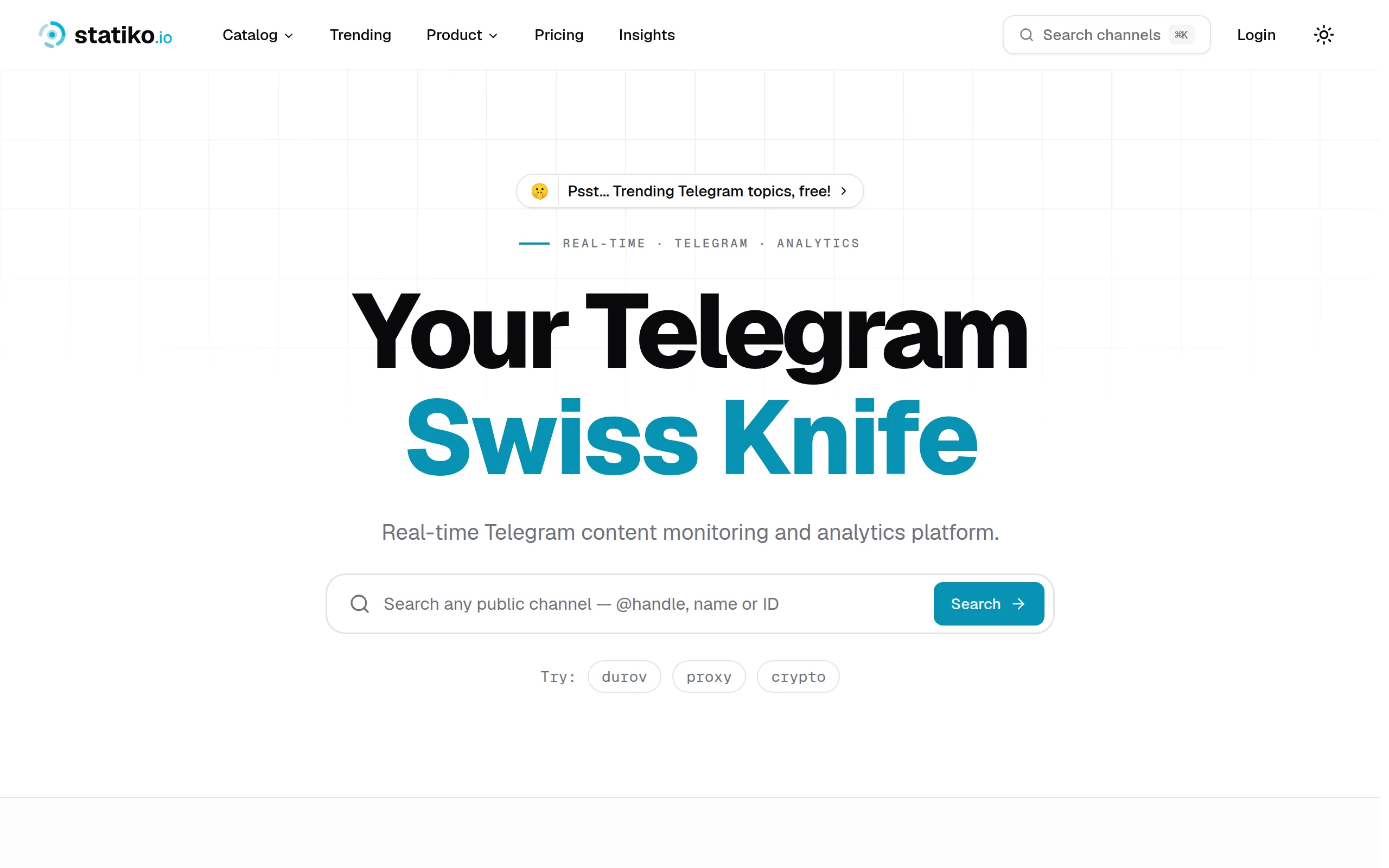
Statiko
Monitor any Telegram channel in real time - track posts, edits, deletions, and growth with AI recaps 📡

Shibui
AI website builder - describe your business, pick a niche template, edit by chatting, and publish instantly ✨

Pro Service
Find verified home service professionals, compare quotes, and pay securely through escrow - built for Brazilians across the US 🏠
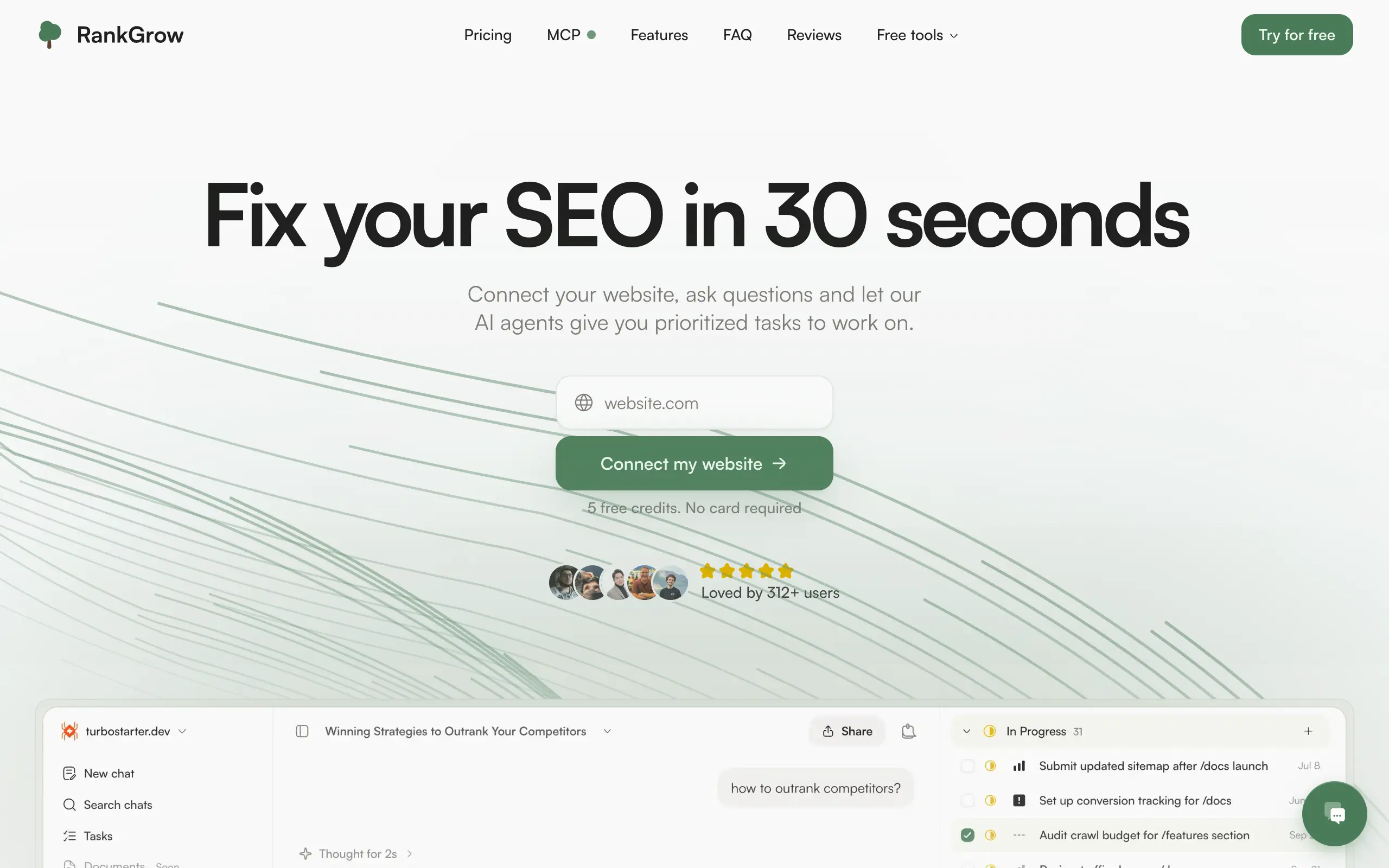
RankGrow
Fix your SEO with AI agents - connect Search Console, get prioritized tasks, and grow organic traffic 📈
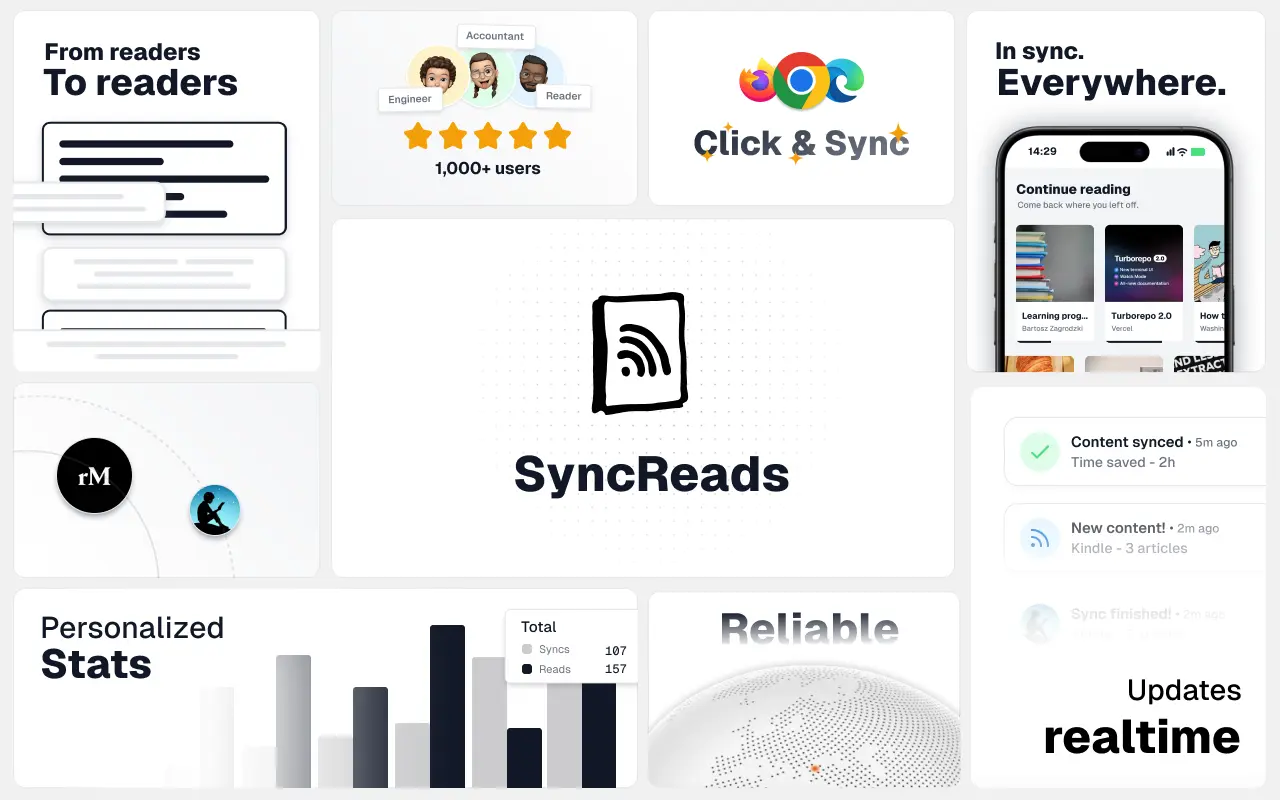
SyncReads
Sync your favorite content for distraction-free reading, save time and replace multiple apps. Anytime, anywhere 🔄
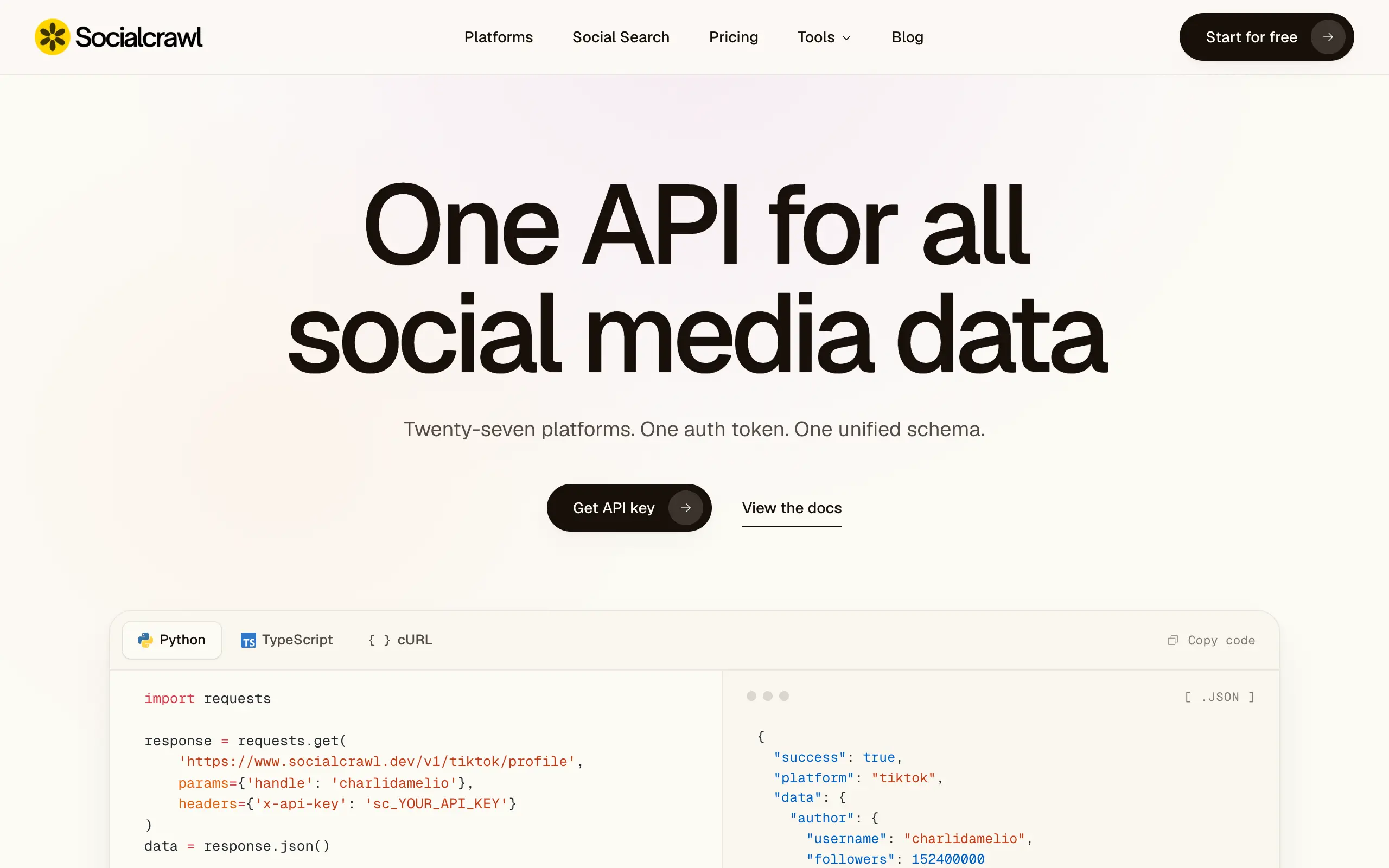
Socialcrawl
Get clean, structured data from 21 platforms like TikTok, Instagram, and YouTube with a single request 📊
Statiko
Monitor any Telegram channel in real time - track posts, edits, deletions, and growth with AI recaps 📡
Shibui
AI website builder - describe your business, pick a niche template, edit by chatting, and publish instantly ✨
Pro Service
Find verified home service professionals, compare quotes, and pay securely through escrow - built for Brazilians across the US 🏠
RankGrow
Fix your SEO with AI agents - connect Search Console, get prioritized tasks, and grow organic traffic 📈
SyncReads
Sync your favorite content for distraction-free reading, save time and replace multiple apps. Anytime, anywhere 🔄
Socialcrawl
Get clean, structured data from 21 platforms like TikTok, Instagram, and YouTube with a single request 📊
Statiko
Monitor any Telegram channel in real time - track posts, edits, deletions, and growth with AI recaps 📡
Shibui
AI website builder - describe your business, pick a niche template, edit by chatting, and publish instantly ✨
Pro Service
Find verified home service professionals, compare quotes, and pay securely through escrow - built for Brazilians across the US 🏠
RankGrow
Fix your SEO with AI agents - connect Search Console, get prioritized tasks, and grow organic traffic 📈
SyncReads
Sync your favorite content for distraction-free reading, save time and replace multiple apps. Anytime, anywhere 🔄
Socialcrawl
Get clean, structured data from 21 platforms like TikTok, Instagram, and YouTube with a single request 📊
Statiko
Monitor any Telegram channel in real time - track posts, edits, deletions, and growth with AI recaps 📡
Shibui
AI website builder - describe your business, pick a niche template, edit by chatting, and publish instantly ✨
Pro Service
Find verified home service professionals, compare quotes, and pay securely through escrow - built for Brazilians across the US 🏠
RankGrow
Fix your SEO with AI agents - connect Search Console, get prioritized tasks, and grow organic traffic 📈
SyncReads
Sync your favorite content for distraction-free reading, save time and replace multiple apps. Anytime, anywhere 🔄
Socialcrawl
Get clean, structured data from 21 platforms like TikTok, Instagram, and YouTube with a single request 📊
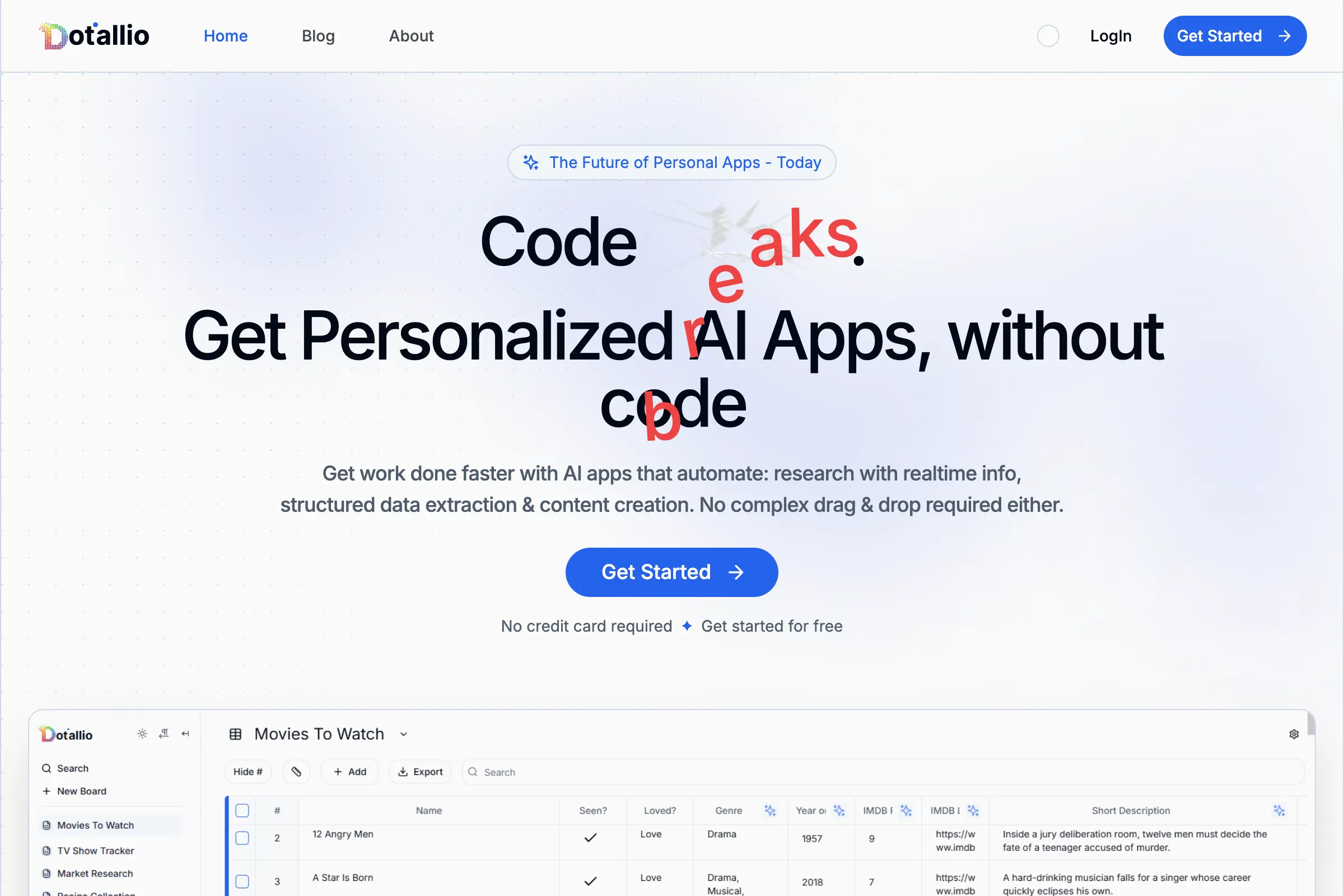
Dotallio
Personalized AI apps that automate research, data extraction, and content creation without code 🤖

Talk to Santa
Enjoy a magical live video chat or receive a unique AI-generated video greeting from Santa Claus 🎅

pozywka.pl
Scalable blog for food journalist, focused on performance and user experience 🌭
zagrodzki.me
Personal blog and portfolio of Bart Zagrodzki, where he shares his knowledge and work 💼
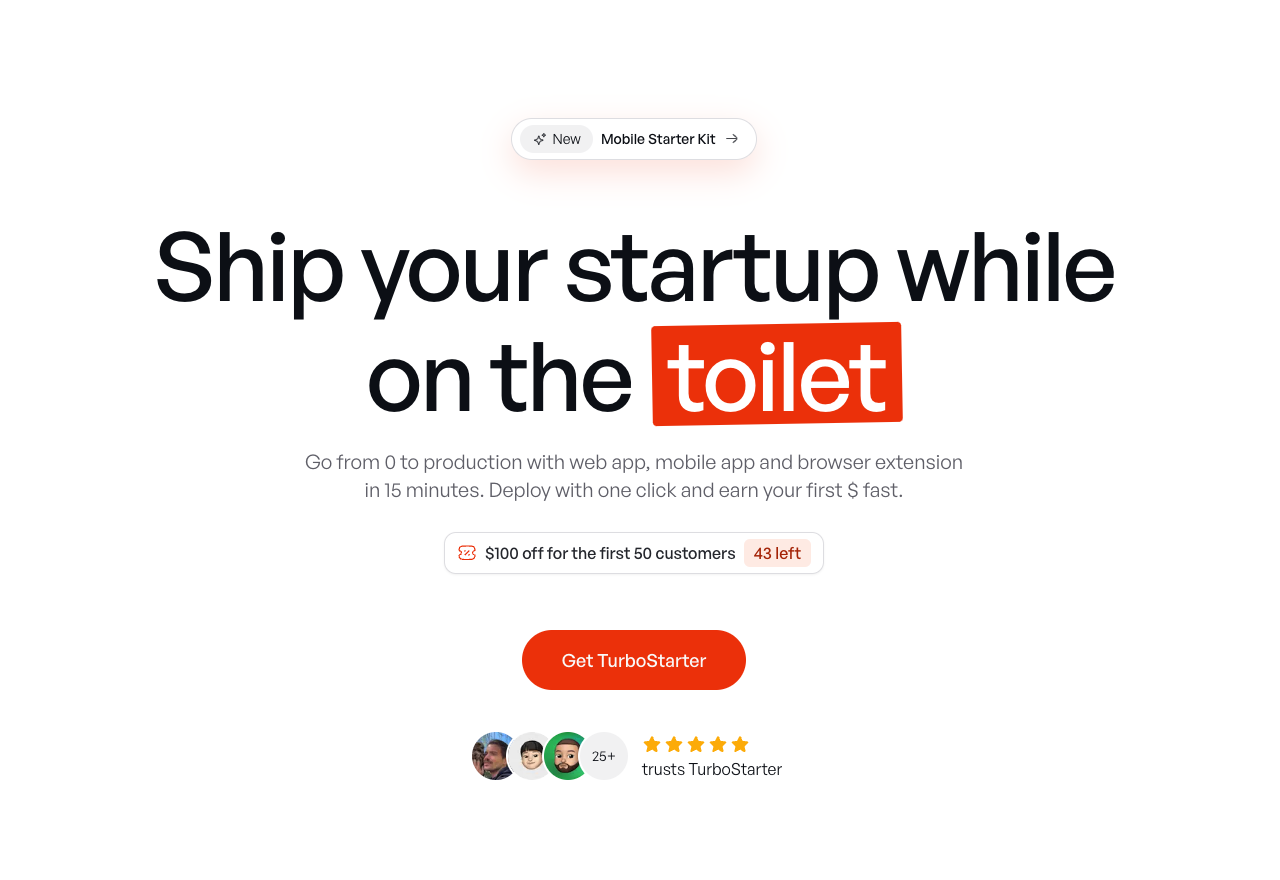
TurboStarter
Ship your startup everywhere. In minutes.
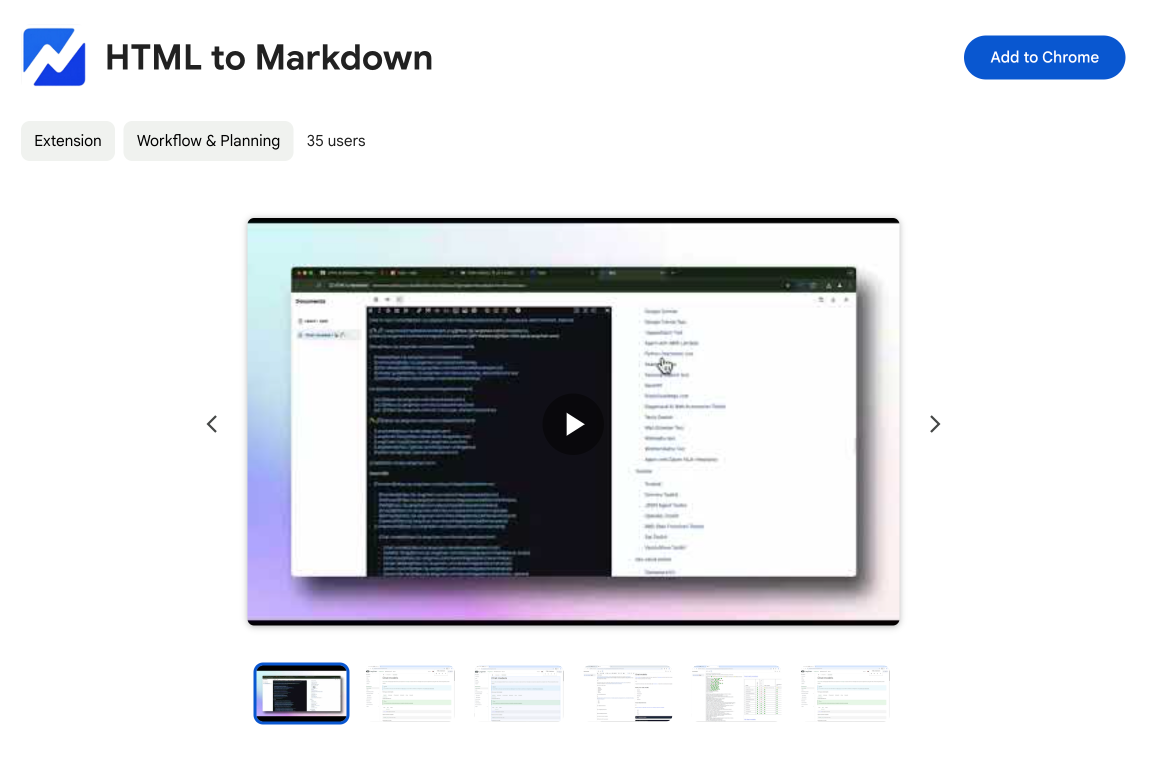
HTML to Markdown
Convert HTML to Markdown with ease, directly in your browser 📄
Dotallio
Personalized AI apps that automate research, data extraction, and content creation without code 🤖
Talk to Santa
Enjoy a magical live video chat or receive a unique AI-generated video greeting from Santa Claus 🎅
pozywka.pl
Scalable blog for food journalist, focused on performance and user experience 🌭
zagrodzki.me
Personal blog and portfolio of Bart Zagrodzki, where he shares his knowledge and work 💼
TurboStarter
Ship your startup everywhere. In minutes.
HTML to Markdown
Convert HTML to Markdown with ease, directly in your browser 📄
Dotallio
Personalized AI apps that automate research, data extraction, and content creation without code 🤖
Talk to Santa
Enjoy a magical live video chat or receive a unique AI-generated video greeting from Santa Claus 🎅
pozywka.pl
Scalable blog for food journalist, focused on performance and user experience 🌭
zagrodzki.me
Personal blog and portfolio of Bart Zagrodzki, where he shares his knowledge and work 💼
TurboStarter
Ship your startup everywhere. In minutes.
HTML to Markdown
Convert HTML to Markdown with ease, directly in your browser 📄
Dotallio
Personalized AI apps that automate research, data extraction, and content creation without code 🤖
Talk to Santa
Enjoy a magical live video chat or receive a unique AI-generated video greeting from Santa Claus 🎅
pozywka.pl
Scalable blog for food journalist, focused on performance and user experience 🌭
zagrodzki.me
Personal blog and portfolio of Bart Zagrodzki, where he shares his knowledge and work 💼
TurboStarter
Ship your startup everywhere. In minutes.
HTML to Markdown
Convert HTML to Markdown with ease, directly in your browser 📄
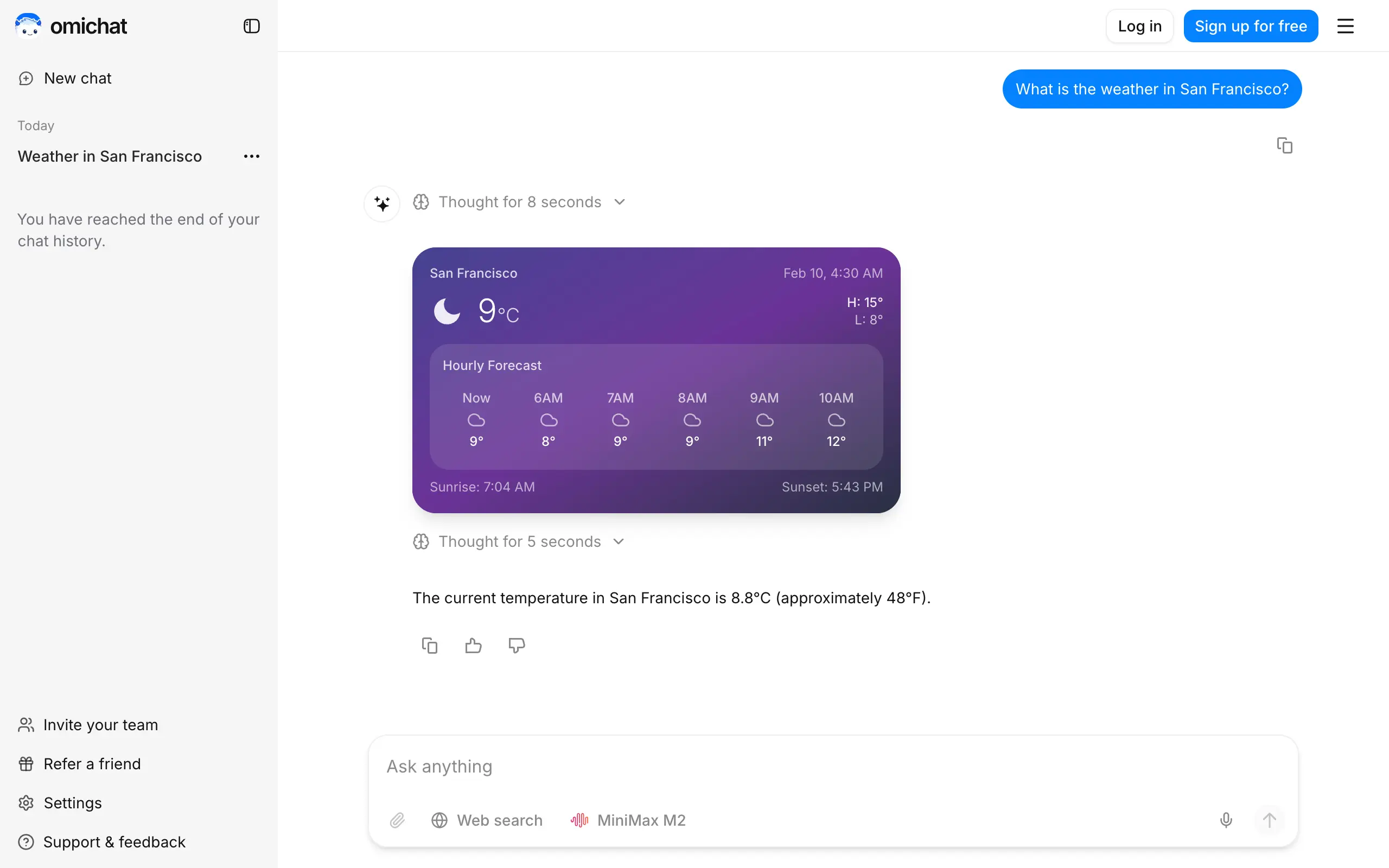
Omichat
Chat with 50+ AI models, including ChatGPT and Claude, in one place - switch models anytime without losing context 🤖
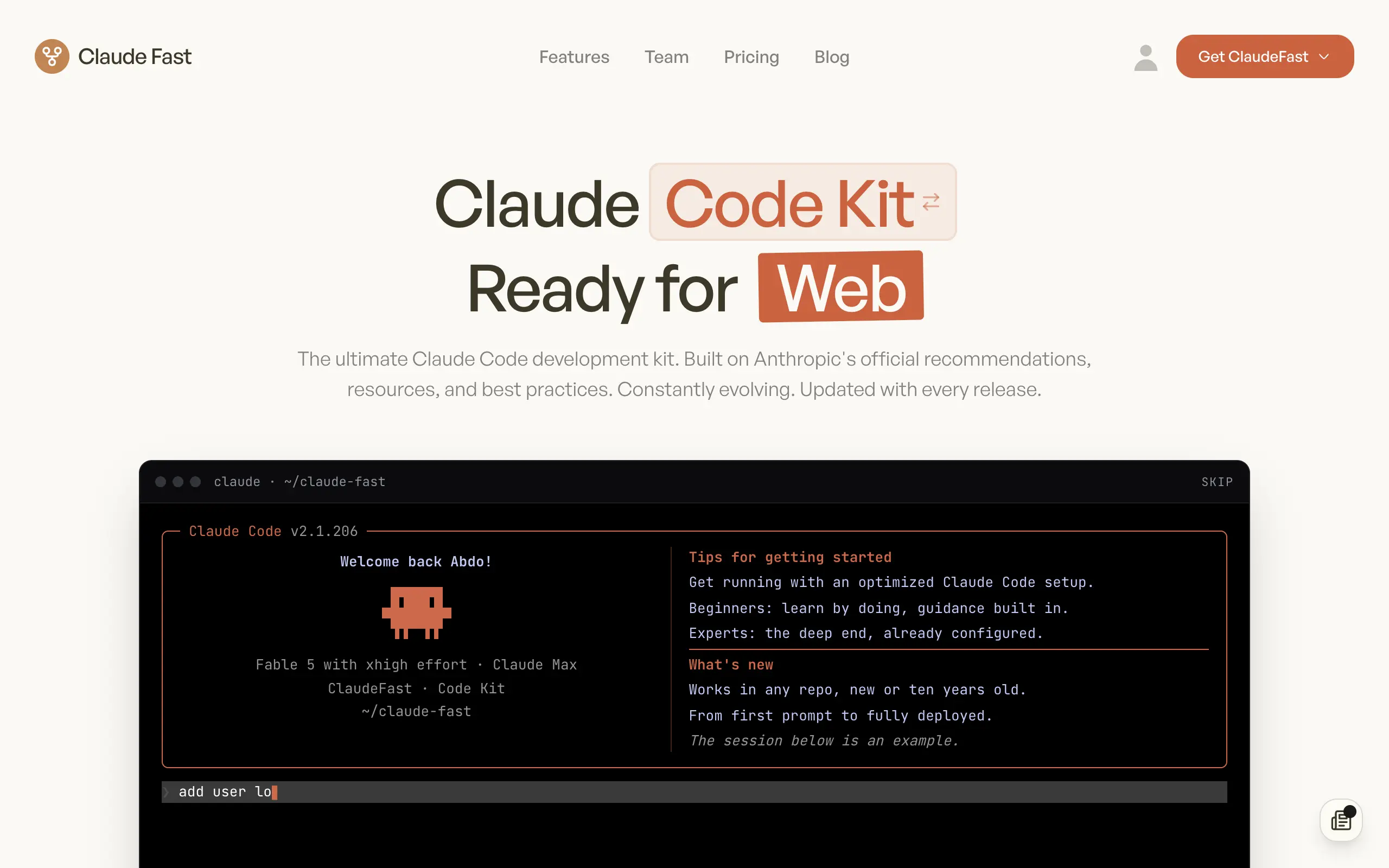
Claude Fast
Supercharge your Claude Code with 6x effective context window and specialized AI agents 🤖
EmojAI
AI-powered emoji picker with smart, context-aware suggestions 🤖
Solohacker
Autonomous company launcher - AI agents work 24/7, escalate what matters, and you stay in control 🤖
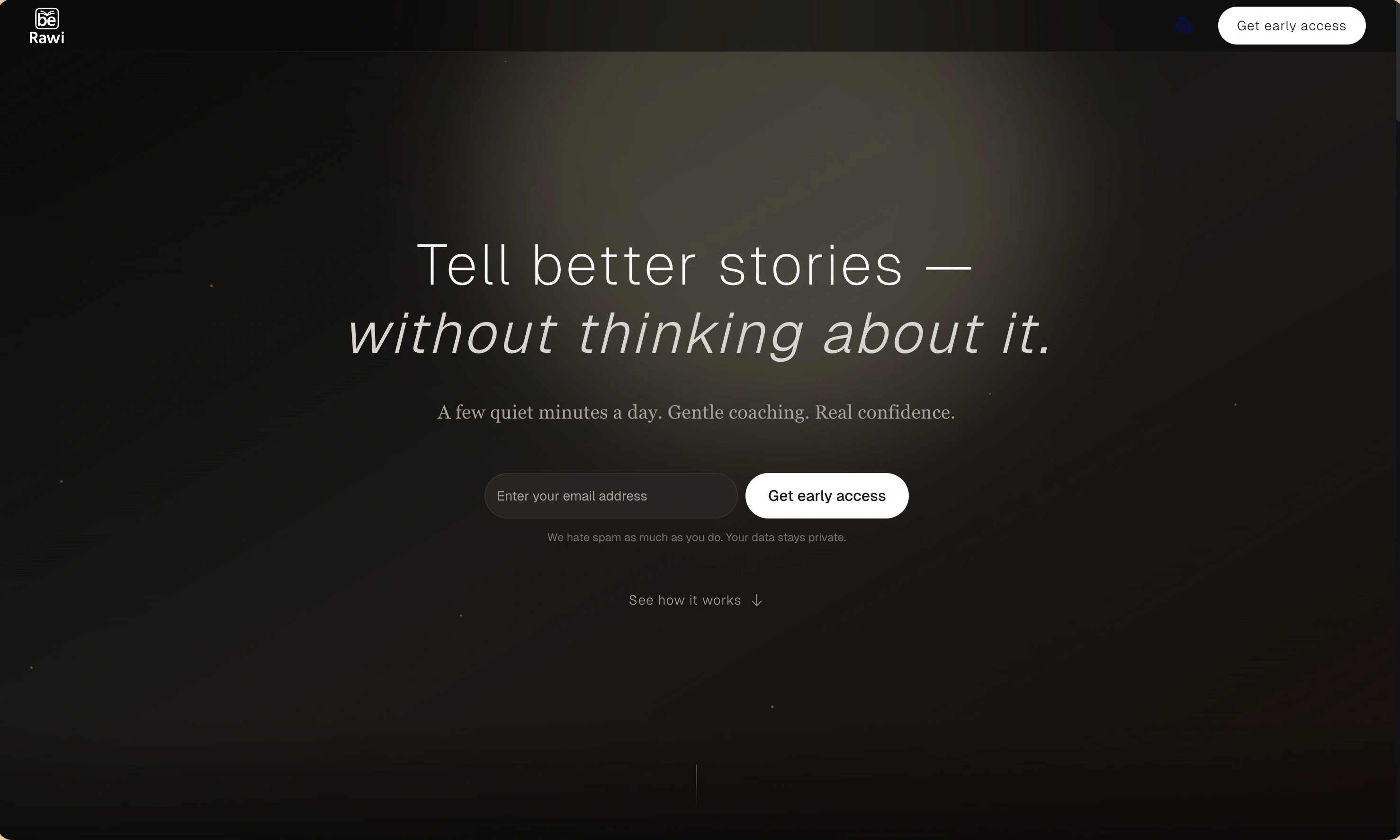
BeRawi: Storytelling Coach
Practice storytelling daily with instant feedback to sound clearer, more engaging, and confident 🎤
Omichat
Chat with 50+ AI models, including ChatGPT and Claude, in one place - switch models anytime without losing context 🤖
Claude Fast
Supercharge your Claude Code with 6x effective context window and specialized AI agents 🤖
EmojAI
AI-powered emoji picker with smart, context-aware suggestions 🤖
Solohacker
Autonomous company launcher - AI agents work 24/7, escalate what matters, and you stay in control 🤖
BeRawi: Storytelling Coach
Practice storytelling daily with instant feedback to sound clearer, more engaging, and confident 🎤
Omichat
Chat with 50+ AI models, including ChatGPT and Claude, in one place - switch models anytime without losing context 🤖
Claude Fast
Supercharge your Claude Code with 6x effective context window and specialized AI agents 🤖
EmojAI
AI-powered emoji picker with smart, context-aware suggestions 🤖
Solohacker
Autonomous company launcher - AI agents work 24/7, escalate what matters, and you stay in control 🤖
BeRawi: Storytelling Coach
Practice storytelling daily with instant feedback to sound clearer, more engaging, and confident 🎤
Omichat
Chat with 50+ AI models, including ChatGPT and Claude, in one place - switch models anytime without losing context 🤖
Claude Fast
Supercharge your Claude Code with 6x effective context window and specialized AI agents 🤖
EmojAI
AI-powered emoji picker with smart, context-aware suggestions 🤖
Solohacker
Autonomous company launcher - AI agents work 24/7, escalate what matters, and you stay in control 🤖
BeRawi: Storytelling Coach
Practice storytelling daily with instant feedback to sound clearer, more engaging, and confident 🎤

Connect with like-minded people
Join our community to get feedback, support, and grow together with 1,000+ builders on board, let's ship it!
Join usShip your startup everywhere. In minutes.
Don't burn tokens on setup and start building features on day one.