AgentFlow
A no-code AI automation platform that lets users orchestrate multi-LLM agents for complex workflows, integrating with popular SaaS tools and APIs seamlessly.
Understanding the need for no-code AI automation platforms
The rapid evolution of artificial intelligence (AI) and automation has transformed how businesses operate, but leveraging these technologies often requires significant technical expertise. Many organizations struggle to implement AI-driven workflows due to the complexity of integrating multiple large language models (LLMs), orchestrating agents, and connecting with existing SaaS tools and APIs. This is where AgentFlow, a no-code AI automation platform, steps in—empowering users to orchestrate multi-LLM agents for complex workflows without writing a single line of code.
In this comprehensive guide, we’ll explore the market demand for no-code AI automation, analyze AgentFlow’s unique value proposition, and provide actionable insights for those considering building, adopting, or investing in such a platform.
Who is AgentFlow for? Target audience analysis
Understanding the target audience is crucial for any SaaS product, especially in the rapidly evolving AI automation space. AgentFlow’s primary users can be segmented as follows:
- Non-technical business professionals: Operations managers, marketers, HR professionals, and project managers who need to automate repetitive tasks but lack coding skills.
- Product managers and business analysts: Individuals seeking to prototype, test, and deploy AI-driven workflows quickly, without waiting for engineering resources.
- Startups and SMBs: Smaller organizations that need to scale operations efficiently but cannot afford large development teams.
- Enterprise innovation teams: Departments within larger organizations tasked with digital transformation and process optimization.
- AI enthusiasts and citizen developers: Tech-savvy users who want to experiment with multi-agent LLM orchestration and API integrations without deep programming knowledge.
User intent: Most users are searching for ways to automate complex business processes, integrate AI into their workflows, and connect disparate SaaS tools—without the overhead of custom development. They want a platform that is intuitive, flexible, and powerful enough to handle real-world business logic.
Identifying the market opportunity and gaps
The rise of no-code and AI orchestration
The no-code movement has democratized software development, enabling non-engineers to build applications and automate workflows. Simultaneously, the explosion of LLMs (like GPT-4, Claude, and others) has unlocked new possibilities for intelligent automation. However, orchestrating multiple LLM agents and integrating them with SaaS tools remains a significant challenge.
Key market gaps:
- Fragmented solutions: Most existing platforms either focus on single-agent LLM automation or require coding for multi-agent orchestration.
- Integration complexity: Connecting AI agents to popular SaaS tools and APIs often involves custom scripts or middleware.
- Lack of transparency and control: Users want visibility into agent decision-making and the ability to customize workflows without technical barriers.
- Scalability and security: Many solutions lack enterprise-grade scalability, monitoring, and compliance features.
AgentFlow addresses these gaps by offering a unified, no-code platform for orchestrating multi-LLM agents, with seamless integration to SaaS tools and APIs.
Core features and solution details
AgentFlow’s feature set is designed to empower users to build, deploy, and manage complex AI-driven workflows with ease. Here’s a breakdown of its core capabilities:
1. Visual workflow builder
- Drag-and-drop interface: Users can visually design workflows, connecting LLM agents, triggers, and actions.
- Conditional logic: Support for branching, loops, and decision trees to handle complex business logic.
- Real-time preview: See how data flows between agents and integrations.
2. Multi-LLM agent orchestration
- Agent chaining: Orchestrate multiple LLMs (e.g., GPT-4, Claude, Llama) in a single workflow.
- Role assignment: Assign specialized tasks to different agents (e.g., summarization, data extraction, sentiment analysis).
- Context sharing: Pass context and data between agents for collaborative problem-solving.
3. Seamless SaaS and API integrations
- Pre-built connectors: Integrate with popular tools like Slack, Salesforce, HubSpot, Google Workspace, and more.
- Custom API support: Connect to any RESTful API with minimal configuration.
- Event-driven triggers: Automate workflows based on events from SaaS tools (e.g., new email, CRM update).
4. Monitoring, analytics, and transparency
- Execution logs: Track workflow runs, agent decisions, and data transformations.
- Error handling: Visualize and debug failed steps with actionable insights.
- Usage analytics: Monitor agent performance, API usage, and workflow efficiency.
5. Security, compliance, and scalability
- Role-based access control: Manage user permissions and workflow visibility.
- Data encryption: Ensure sensitive data is protected in transit and at rest.
- Audit trails: Maintain compliance with industry standards (e.g., GDPR, SOC 2).
6. Extensibility and customization
- Custom code blocks: For advanced users, insert code snippets (e.g., JavaScript, Python) where needed.
- Reusable templates: Save and share workflow templates across teams or the community.
No-code workflow builder
Design complex automations visually, without writing code.
Multi-agent LLM orchestration
Coordinate multiple AI agents for advanced tasks.
SaaS & API integrations
Connect with popular business tools and custom APIs.
Enterprise-grade security
Protect data and ensure compliance at every step.
Recommended tech stack for AgentFlow
Choosing the right technology stack is critical for building a scalable, secure, and user-friendly no-code AI automation platform. Here’s a recommended stack, along with trade-offs to consider:
Frontend
- React: For building a responsive, component-based UI.
- TailwindCSS: Enables rapid, consistent styling with utility-first CSS.
- Redux or Zustand: For state management in complex workflows.
- D3.js: For advanced data visualization (e.g., workflow graphs).
Trade-off: React offers flexibility and a large ecosystem, but may require optimization for performance in large, interactive workflow builders.
Backend
- Node.js: Handles API requests, workflow execution, and real-time updates.
- Python: For AI agent orchestration, LLM integration, and custom code execution.
- FastAPI: High-performance Python API framework for LLM and agent endpoints.
Trade-off: Combining Node.js and Python allows leveraging the strengths of both ecosystems, but introduces complexity in inter-process communication.
Orchestration and workflow engine
- Temporal: Durable, scalable workflow orchestration.
- Celery: For distributed task queues (if Python-centric).
Integrations and connectors
- n8n or custom integration layer: For managing SaaS and API connectors.
Database and storage
- PostgreSQL: Reliable relational database for workflow metadata.
- Redis: For caching and real-time data.
Security and compliance
Hosting and deployment
- Kubernetes: For container orchestration and scaling.
- AWS, GCP, or Azure: For cloud infrastructure.
Tip
Consider using TurboStarter to accelerate your SaaS MVP development with pre-built integrations and best practices.
Monetization strategy options
A robust monetization strategy ensures the sustainability and growth of AgentFlow. Here are proven SaaS models to consider:
1. Subscription-based pricing
- Tiered plans: Offer Free, Pro, and Enterprise tiers with increasing limits on workflows, agent runs, and integrations.
- Usage-based add-ons: Charge for additional LLM agent runs, premium connectors, or advanced analytics.
2. Marketplace and revenue sharing
- Workflow template marketplace: Allow users to buy/sell workflow templates, with AgentFlow taking a commission.
- Integration marketplace: Third-party developers can offer premium connectors.
3. Enterprise licensing
- Custom contracts: For large organizations needing on-premises deployment, advanced security, or custom SLAs.
4. Professional services
- Onboarding, training, and consulting: Offer paid services to help customers design and implement complex automations.
Potential risks and mitigation strategies
Launching and scaling a no-code AI automation platform comes with unique challenges. Here’s a breakdown of key risks and how to address them:
Handling sensitive business data requires robust encryption, access controls, and compliance with regulations like GDPR and SOC 2. Regular security audits and transparent data handling policies are essential.
LLM APIs can be expensive and may have rate limits or downtime. Mitigate by supporting multiple LLM providers, caching results, and offering usage controls to customers.
SaaS APIs change frequently, which can break integrations. Use versioned connectors, automated testing, and proactive monitoring to minimize disruptions.
No-code platforms can become overwhelming as features grow. Invest in UX design, in-app tutorials, and community support to ensure a smooth onboarding experience.
The no-code and AI automation space is crowded. Differentiate with unique features (multi-LLM orchestration, transparency, security) and focus on customer success.
Competitive advantage analysis
To stand out in a competitive landscape, AgentFlow must offer clear, defensible advantages. Here’s how it compares to typical alternatives:
| AgentFlow | Zapier | Make (Integromat) | LangChain | Custom scripts |
|---|---|---|---|---|
| ✅ Multi-LLM orchestration | ❌ | ❌ | ✅ (code required) | ❌ |
| ✅ No-code workflow builder | ✅ | ✅ | ❌ | ❌ |
| ✅ SaaS & API integrations | ✅ | ✅ | ❌ | ✅ (manual) |
| ✅ Transparency & monitoring | ❌ | ❌ | ✅ (code required) | ❌ |
| ✅ Enterprise security | ❌ | ❌ | ❌ | ❌ |
Key differentiators:
- True no-code multi-LLM orchestration: Most platforms require coding for multi-agent workflows.
- Deep SaaS and API integration: Out-of-the-box connectors for business tools.
- Transparency and control: Visual monitoring, error handling, and analytics.
- Enterprise-grade security: Built-in compliance and access controls.
Actionable implementation steps
Ready to build or adopt a no-code AI automation platform like AgentFlow? Here’s a step-by-step roadmap:
Industry trends and future outlook
The convergence of no-code, AI, and automation is accelerating. According to recent industry reports (suggest referencing Gartner or Forrester), the no-code/low-code market is projected to exceed $65 billion by 2027, with AI-driven automation as a key growth driver.
Emerging trends:
- Agentic AI: Multi-agent systems are becoming mainstream, enabling more sophisticated, collaborative workflows.
- Composable enterprise: Businesses are seeking modular, interoperable tools that integrate seamlessly with their existing stack.
- AI governance and transparency: As AI adoption grows, so does the demand for explainability, monitoring, and compliance.
AgentFlow is well-positioned to capitalize on these trends by offering a platform that is both powerful and accessible.
Why AgentFlow stands out: Unique selling proposition
AgentFlow’s USP lies in its ability to combine no-code simplicity with advanced AI orchestration. Unlike traditional automation tools, it empowers users to:
- Orchestrate multiple LLM agents in a single, visual workflow.
- Integrate seamlessly with the SaaS tools they already use.
- Maintain transparency, control, and security at every step.
- Scale from individual users to enterprise teams—without sacrificing usability.
This unique blend of features makes AgentFlow a compelling choice for organizations seeking to unlock the full potential of AI automation, regardless of their technical expertise.
Conclusion: Bringing no-code AI automation to everyone
The future of business automation is intelligent, collaborative, and accessible. AgentFlow bridges the gap between cutting-edge AI and real-world business needs, enabling anyone to build, deploy, and manage complex workflows—no code required.
Whether you’re a business leader, product manager, or innovator, now is the time to explore how no-code AI automation can transform your operations. Start by identifying your highest-impact use cases, and consider leveraging platforms like AgentFlow to accelerate your journey.
Further reading:
- React
- TailwindCSS
- TurboStarter
- For industry statistics, see reports from Gartner, Forrester, or McKinsey on no-code and AI automation trends.
This article demonstrates expert-level analysis and actionable guidance for anyone interested in no-code AI automation platforms like AgentFlow. For rapid SaaS prototyping, check out TurboStarter.
More 🤖 AI Startup SaaS ideas
Discover more innovative ai startup SaaS ideas that are trending in 2026. Each idea is AI-generated with market validation and growth potential to help you find your next profitable venture faster than competitors.
Your competitors are building with TurboStarter
Below are some of the SaaS ideas that have been generated and built with our starter kit.
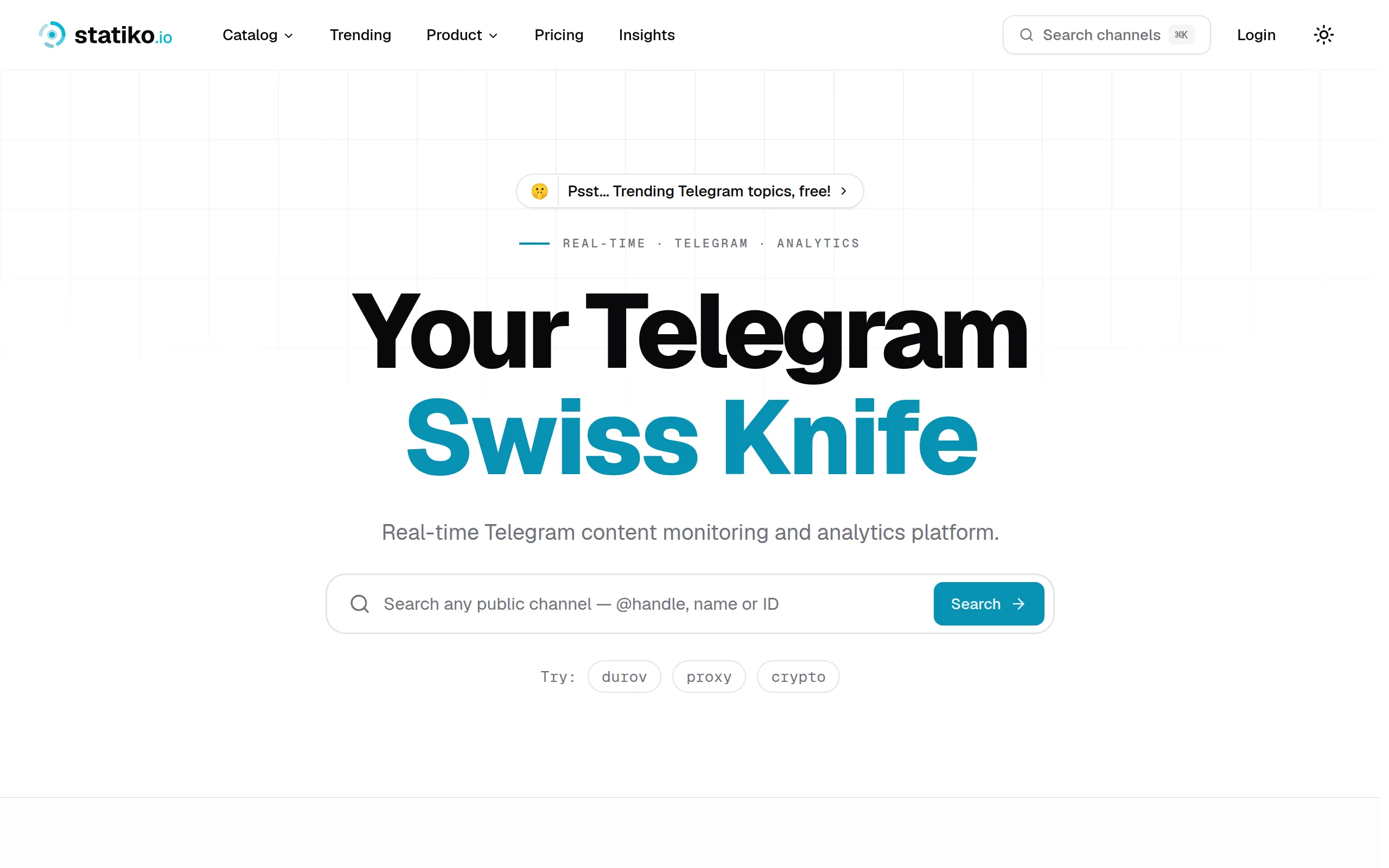
Statiko
Monitor any Telegram channel in real time - track posts, edits, deletions, and growth with AI recaps 📡

Shibui
AI website builder - describe your business, pick a niche template, edit by chatting, and publish instantly ✨

Pro Service
Find verified home service professionals, compare quotes, and pay securely through escrow - built for Brazilians across the US 🏠
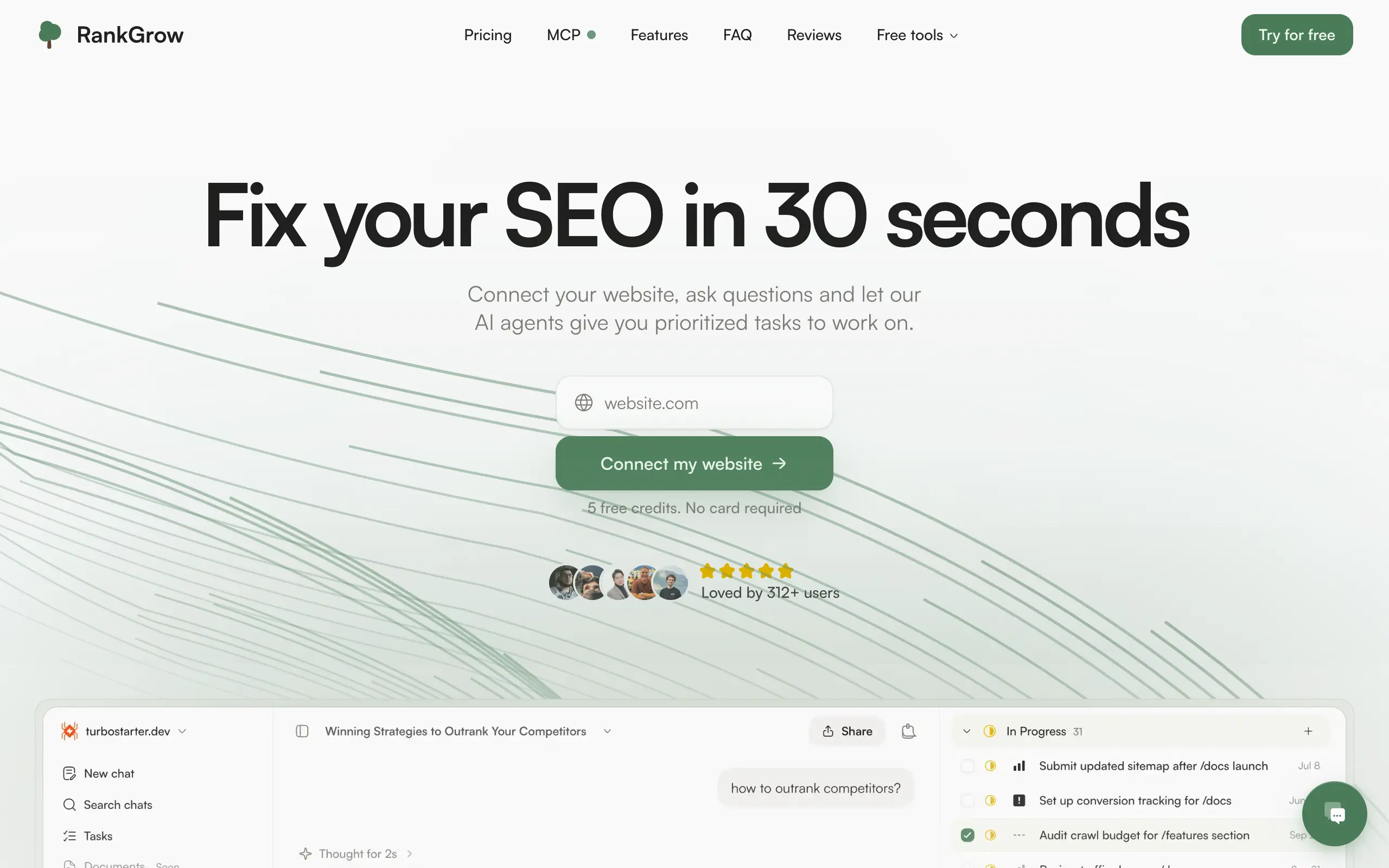
RankGrow
Fix your SEO with AI agents - connect Search Console, get prioritized tasks, and grow organic traffic 📈
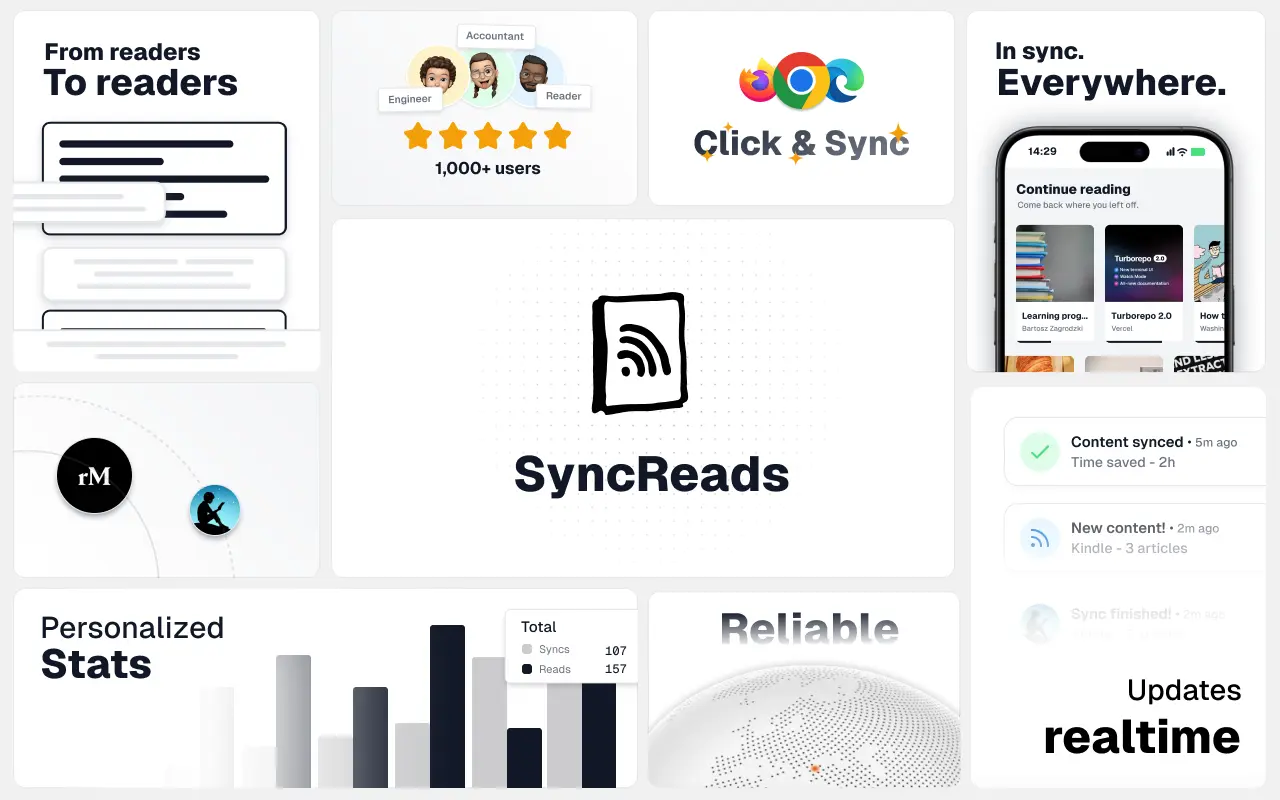
SyncReads
Sync your favorite content for distraction-free reading, save time and replace multiple apps. Anytime, anywhere 🔄
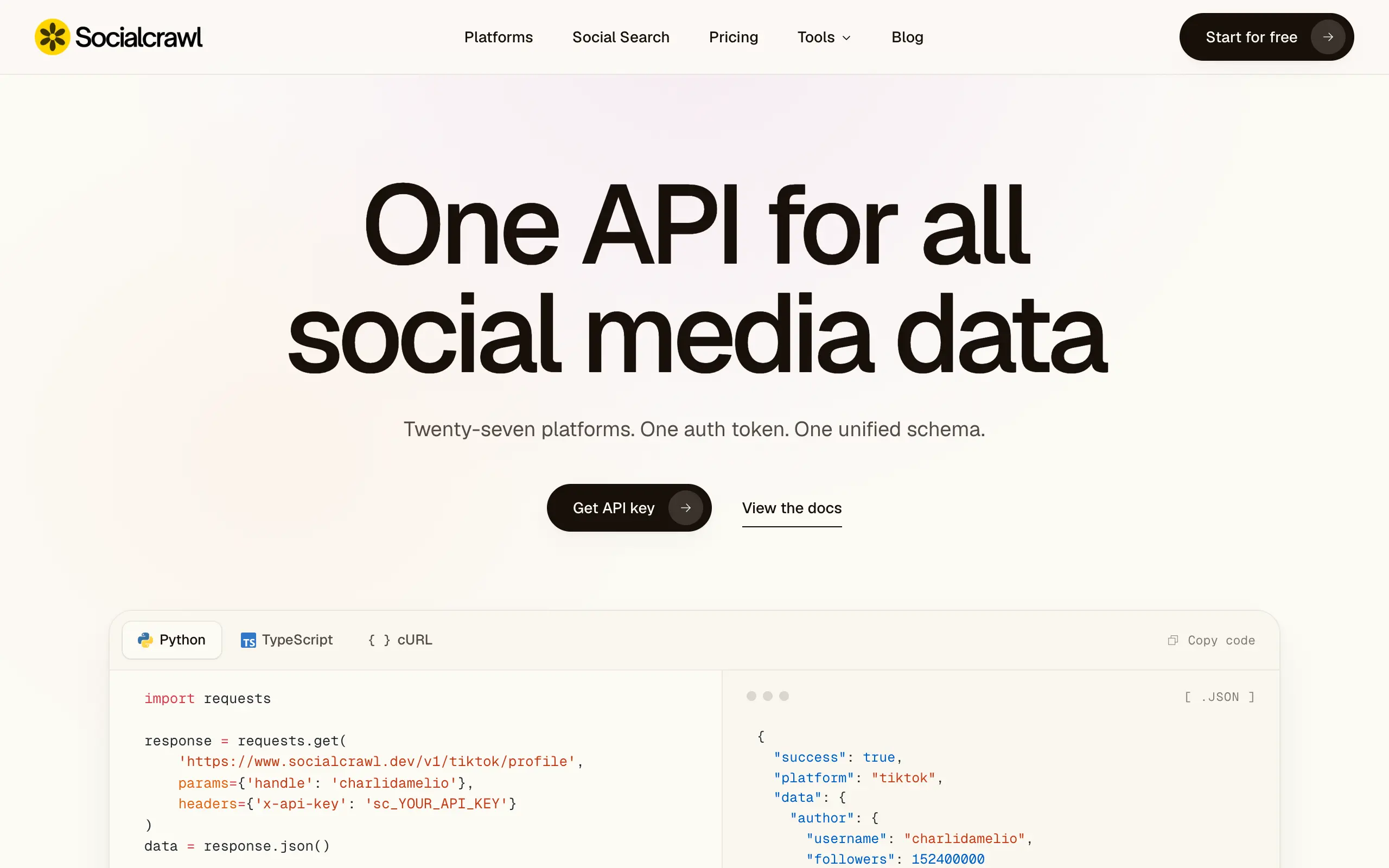
Socialcrawl
Get clean, structured data from 21 platforms like TikTok, Instagram, and YouTube with a single request 📊
Statiko
Monitor any Telegram channel in real time - track posts, edits, deletions, and growth with AI recaps 📡
Shibui
AI website builder - describe your business, pick a niche template, edit by chatting, and publish instantly ✨
Pro Service
Find verified home service professionals, compare quotes, and pay securely through escrow - built for Brazilians across the US 🏠
RankGrow
Fix your SEO with AI agents - connect Search Console, get prioritized tasks, and grow organic traffic 📈
SyncReads
Sync your favorite content for distraction-free reading, save time and replace multiple apps. Anytime, anywhere 🔄
Socialcrawl
Get clean, structured data from 21 platforms like TikTok, Instagram, and YouTube with a single request 📊
Statiko
Monitor any Telegram channel in real time - track posts, edits, deletions, and growth with AI recaps 📡
Shibui
AI website builder - describe your business, pick a niche template, edit by chatting, and publish instantly ✨
Pro Service
Find verified home service professionals, compare quotes, and pay securely through escrow - built for Brazilians across the US 🏠
RankGrow
Fix your SEO with AI agents - connect Search Console, get prioritized tasks, and grow organic traffic 📈
SyncReads
Sync your favorite content for distraction-free reading, save time and replace multiple apps. Anytime, anywhere 🔄
Socialcrawl
Get clean, structured data from 21 platforms like TikTok, Instagram, and YouTube with a single request 📊
Statiko
Monitor any Telegram channel in real time - track posts, edits, deletions, and growth with AI recaps 📡
Shibui
AI website builder - describe your business, pick a niche template, edit by chatting, and publish instantly ✨
Pro Service
Find verified home service professionals, compare quotes, and pay securely through escrow - built for Brazilians across the US 🏠
RankGrow
Fix your SEO with AI agents - connect Search Console, get prioritized tasks, and grow organic traffic 📈
SyncReads
Sync your favorite content for distraction-free reading, save time and replace multiple apps. Anytime, anywhere 🔄
Socialcrawl
Get clean, structured data from 21 platforms like TikTok, Instagram, and YouTube with a single request 📊
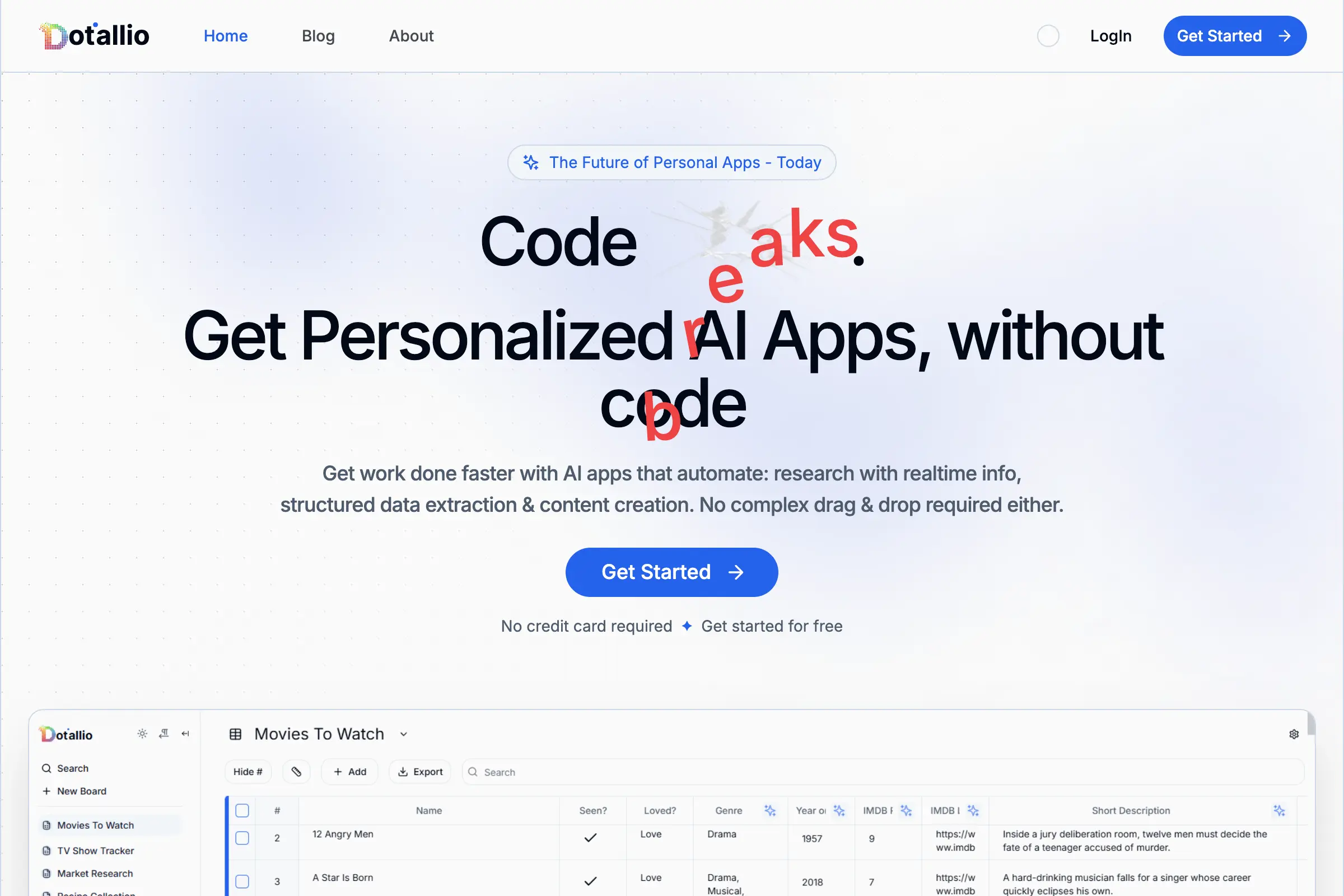
Dotallio
Personalized AI apps that automate research, data extraction, and content creation without code 🤖
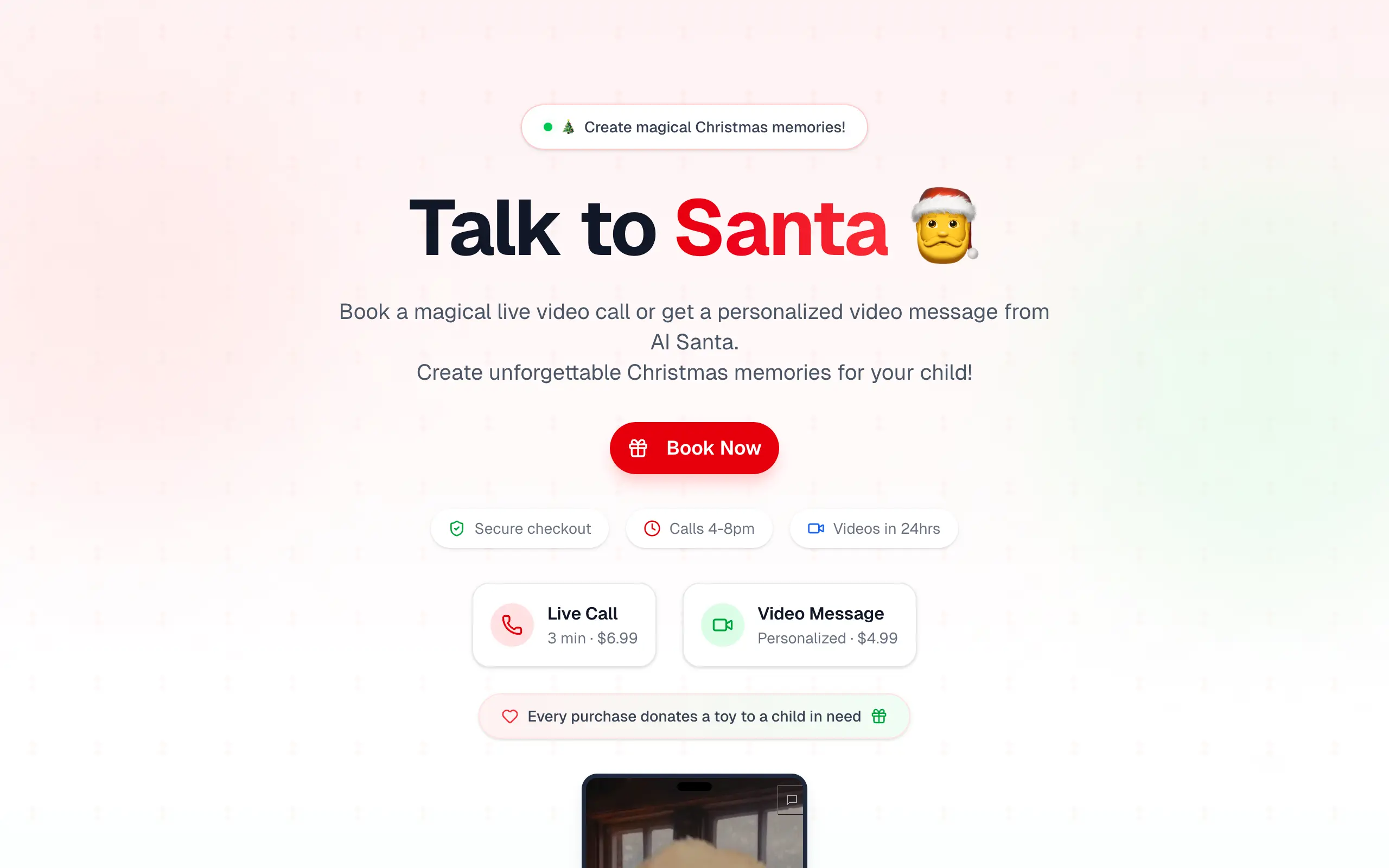
Talk to Santa
Enjoy a magical live video chat or receive a unique AI-generated video greeting from Santa Claus 🎅
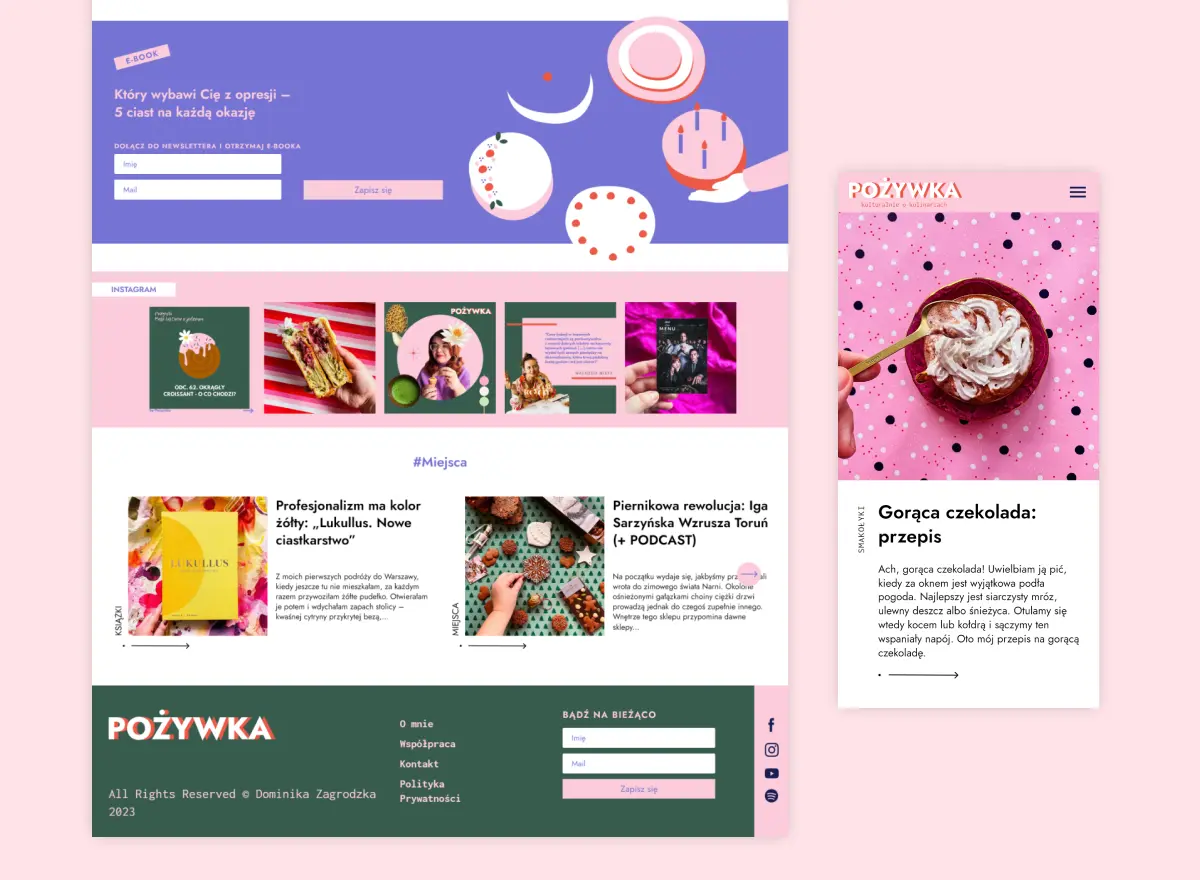
pozywka.pl
Scalable blog for food journalist, focused on performance and user experience 🌭
zagrodzki.me
Personal blog and portfolio of Bart Zagrodzki, where he shares his knowledge and work 💼
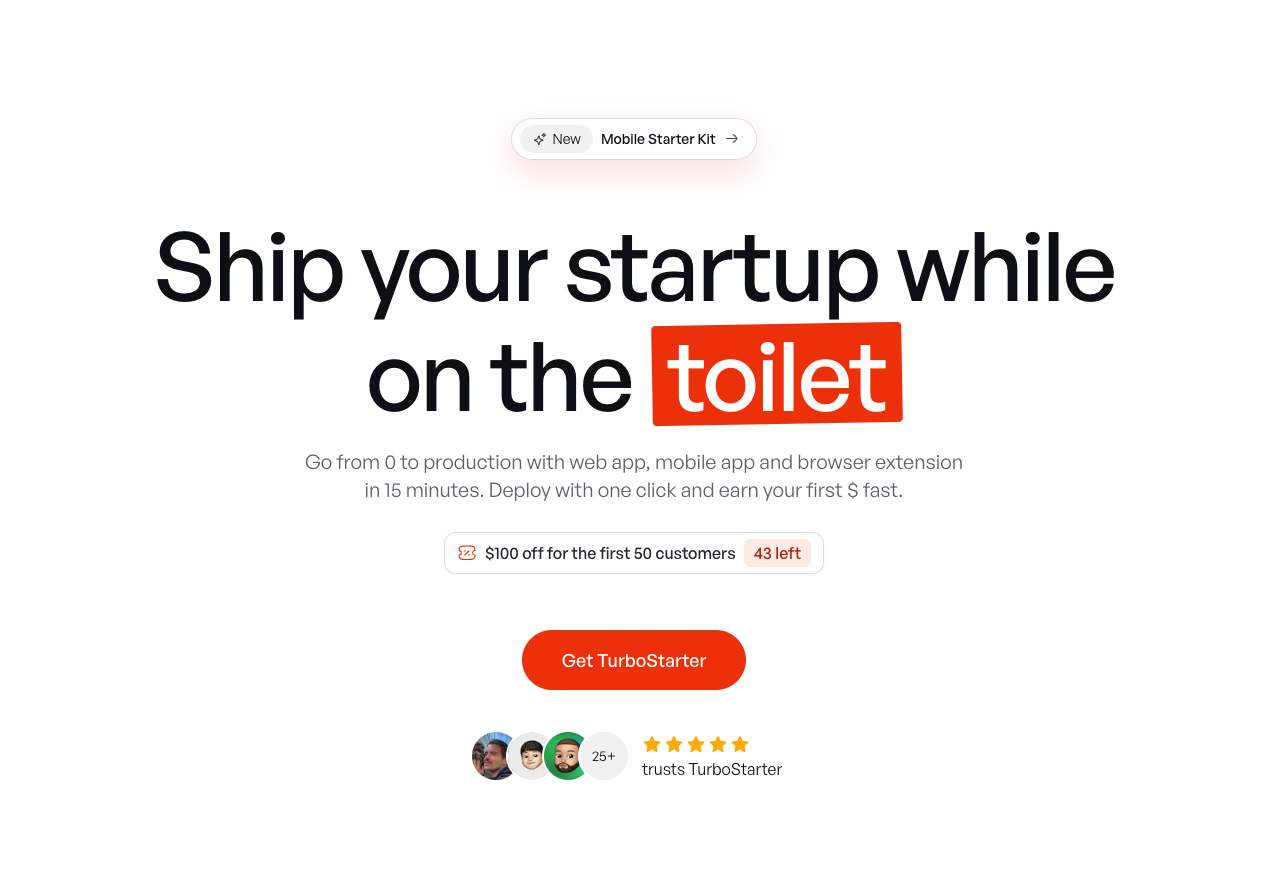
TurboStarter
Ship your startup everywhere. In minutes.
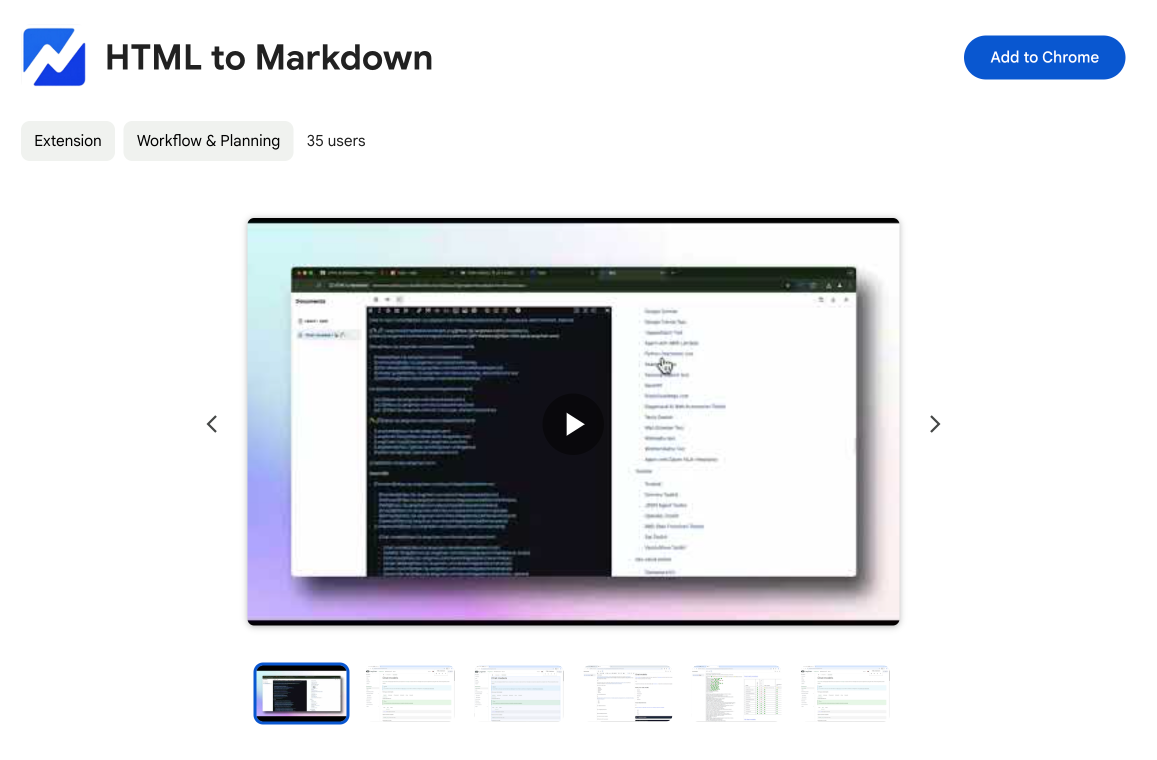
HTML to Markdown
Convert HTML to Markdown with ease, directly in your browser 📄
Dotallio
Personalized AI apps that automate research, data extraction, and content creation without code 🤖
Talk to Santa
Enjoy a magical live video chat or receive a unique AI-generated video greeting from Santa Claus 🎅
pozywka.pl
Scalable blog for food journalist, focused on performance and user experience 🌭
zagrodzki.me
Personal blog and portfolio of Bart Zagrodzki, where he shares his knowledge and work 💼
TurboStarter
Ship your startup everywhere. In minutes.
HTML to Markdown
Convert HTML to Markdown with ease, directly in your browser 📄
Dotallio
Personalized AI apps that automate research, data extraction, and content creation without code 🤖
Talk to Santa
Enjoy a magical live video chat or receive a unique AI-generated video greeting from Santa Claus 🎅
pozywka.pl
Scalable blog for food journalist, focused on performance and user experience 🌭
zagrodzki.me
Personal blog and portfolio of Bart Zagrodzki, where he shares his knowledge and work 💼
TurboStarter
Ship your startup everywhere. In minutes.
HTML to Markdown
Convert HTML to Markdown with ease, directly in your browser 📄
Dotallio
Personalized AI apps that automate research, data extraction, and content creation without code 🤖
Talk to Santa
Enjoy a magical live video chat or receive a unique AI-generated video greeting from Santa Claus 🎅
pozywka.pl
Scalable blog for food journalist, focused on performance and user experience 🌭
zagrodzki.me
Personal blog and portfolio of Bart Zagrodzki, where he shares his knowledge and work 💼
TurboStarter
Ship your startup everywhere. In minutes.
HTML to Markdown
Convert HTML to Markdown with ease, directly in your browser 📄
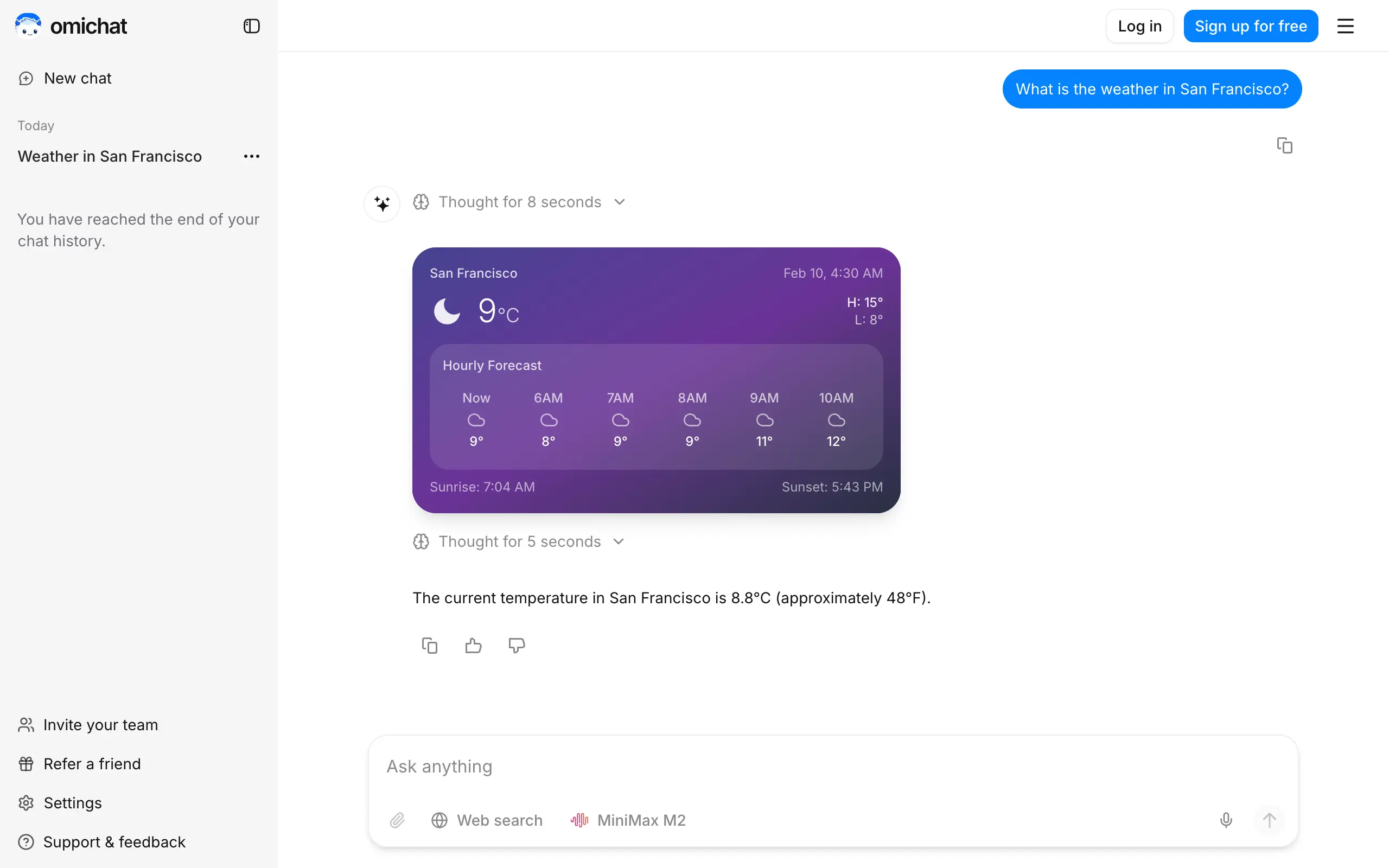
Omichat
Chat with 50+ AI models, including ChatGPT and Claude, in one place - switch models anytime without losing context 🤖
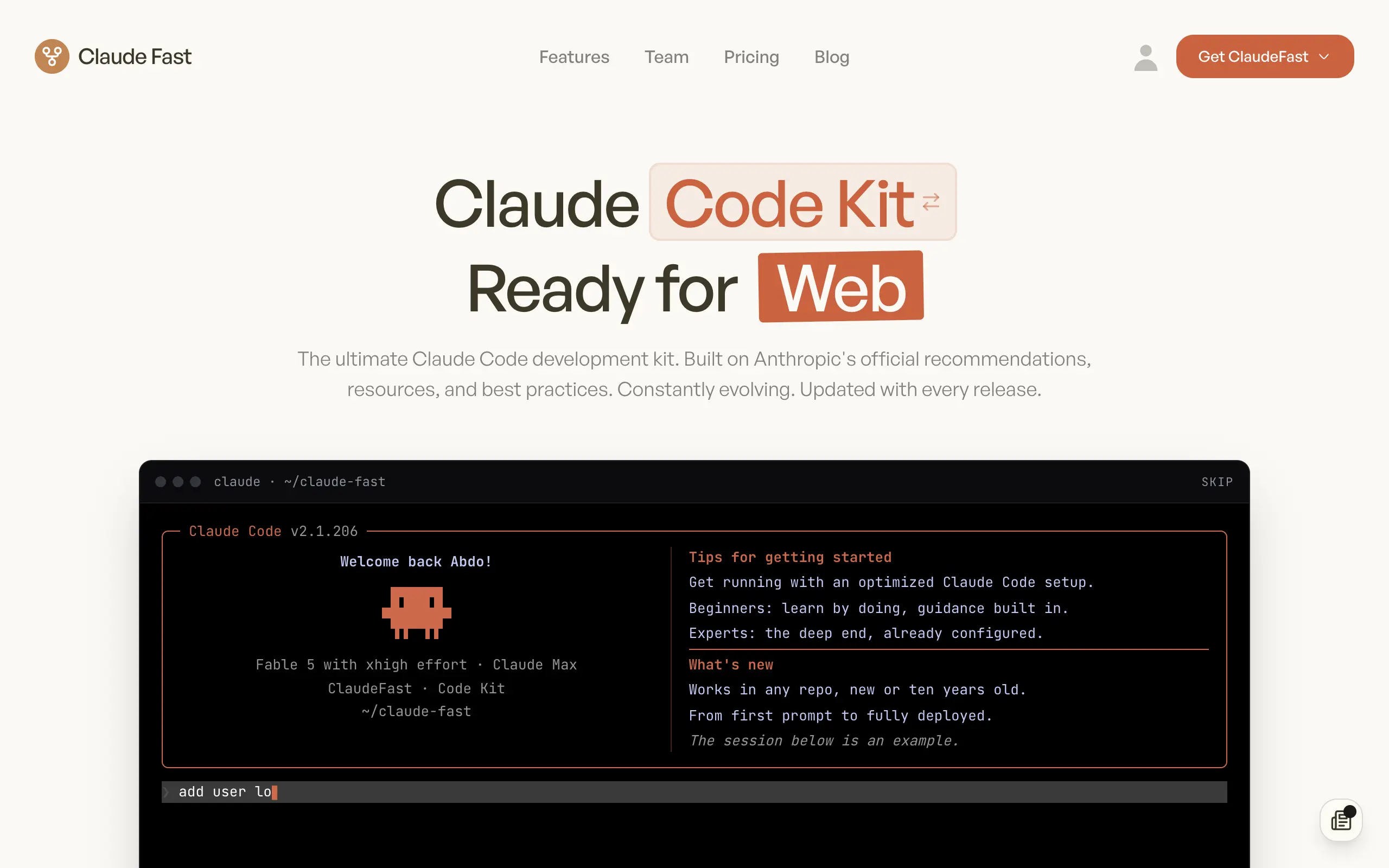
Claude Fast
Supercharge your Claude Code with 6x effective context window and specialized AI agents 🤖
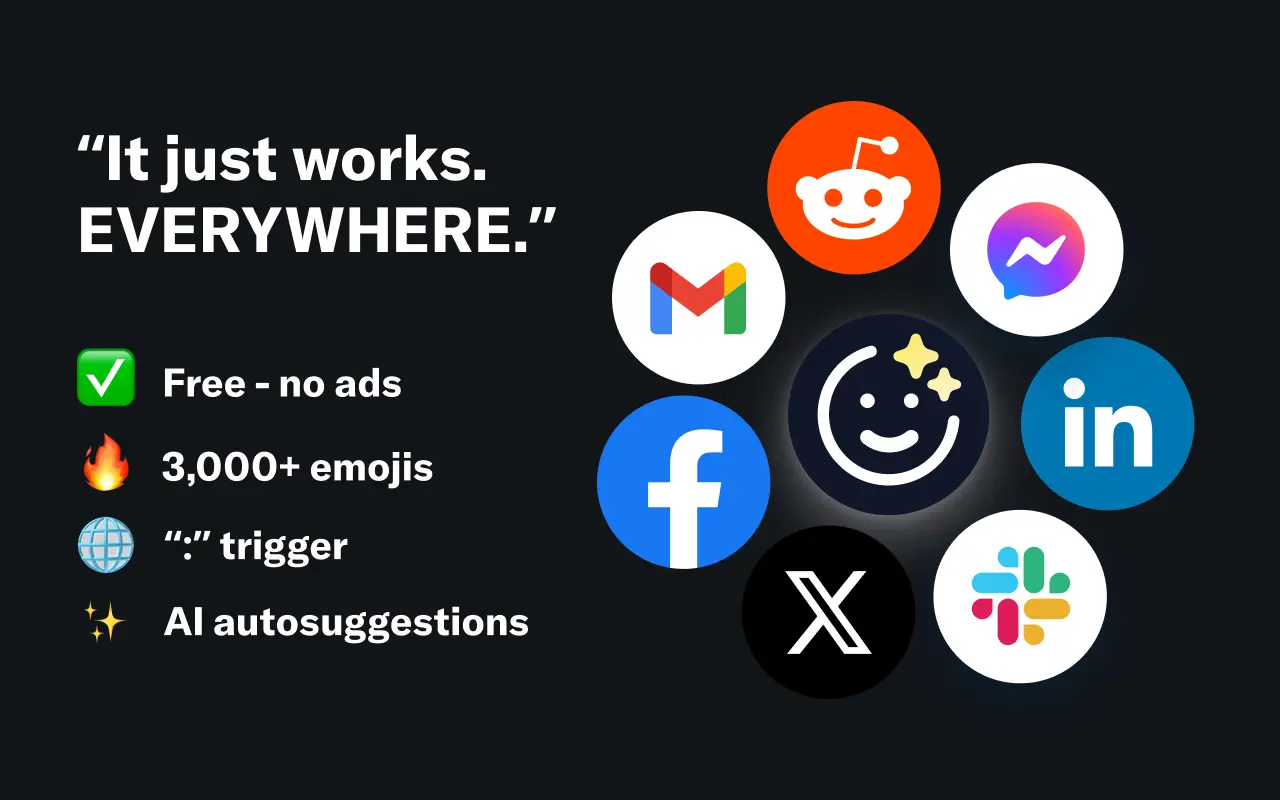
EmojAI
AI-powered emoji picker with smart, context-aware suggestions 🤖
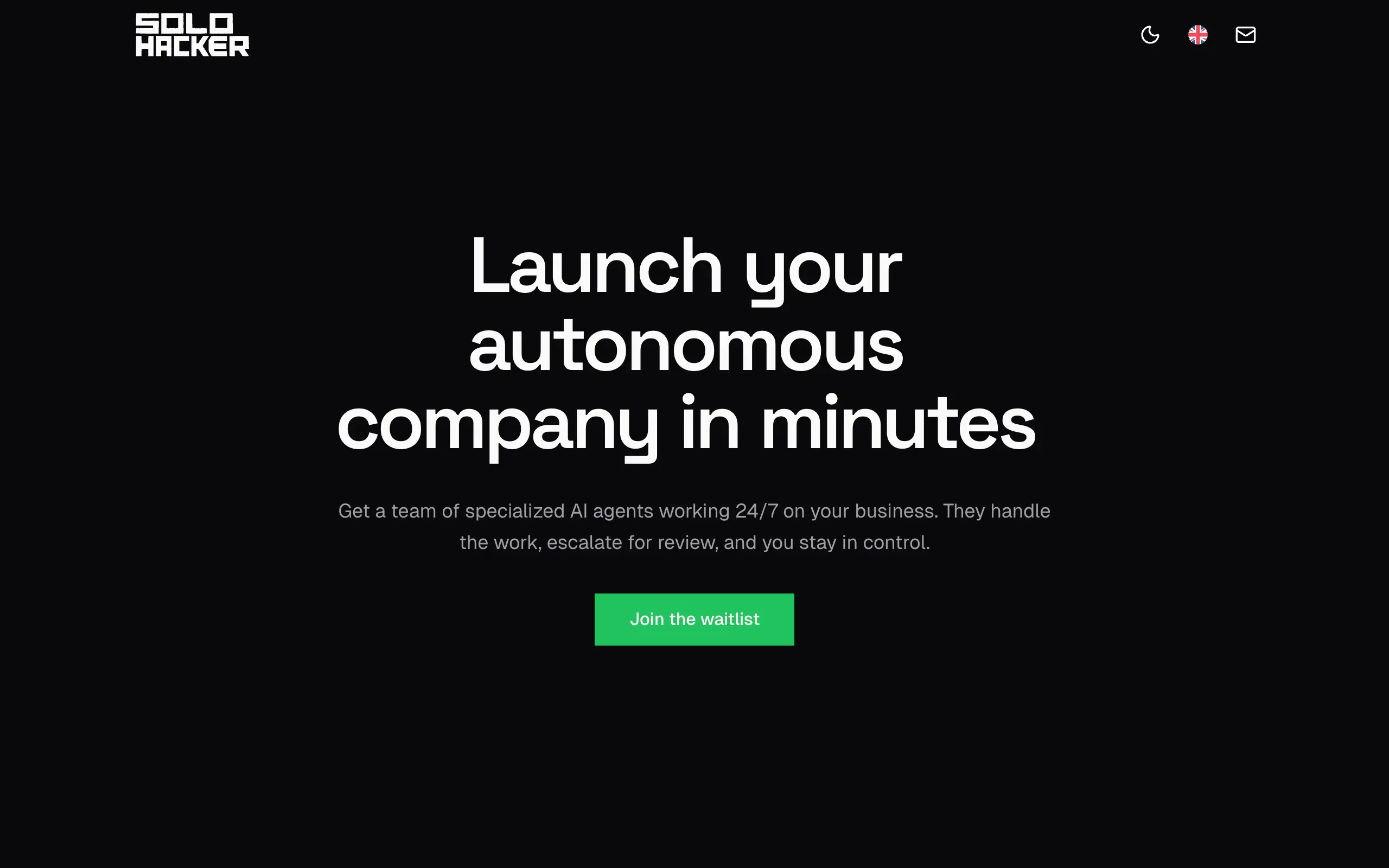
Solohacker
Autonomous company launcher - AI agents work 24/7, escalate what matters, and you stay in control 🤖
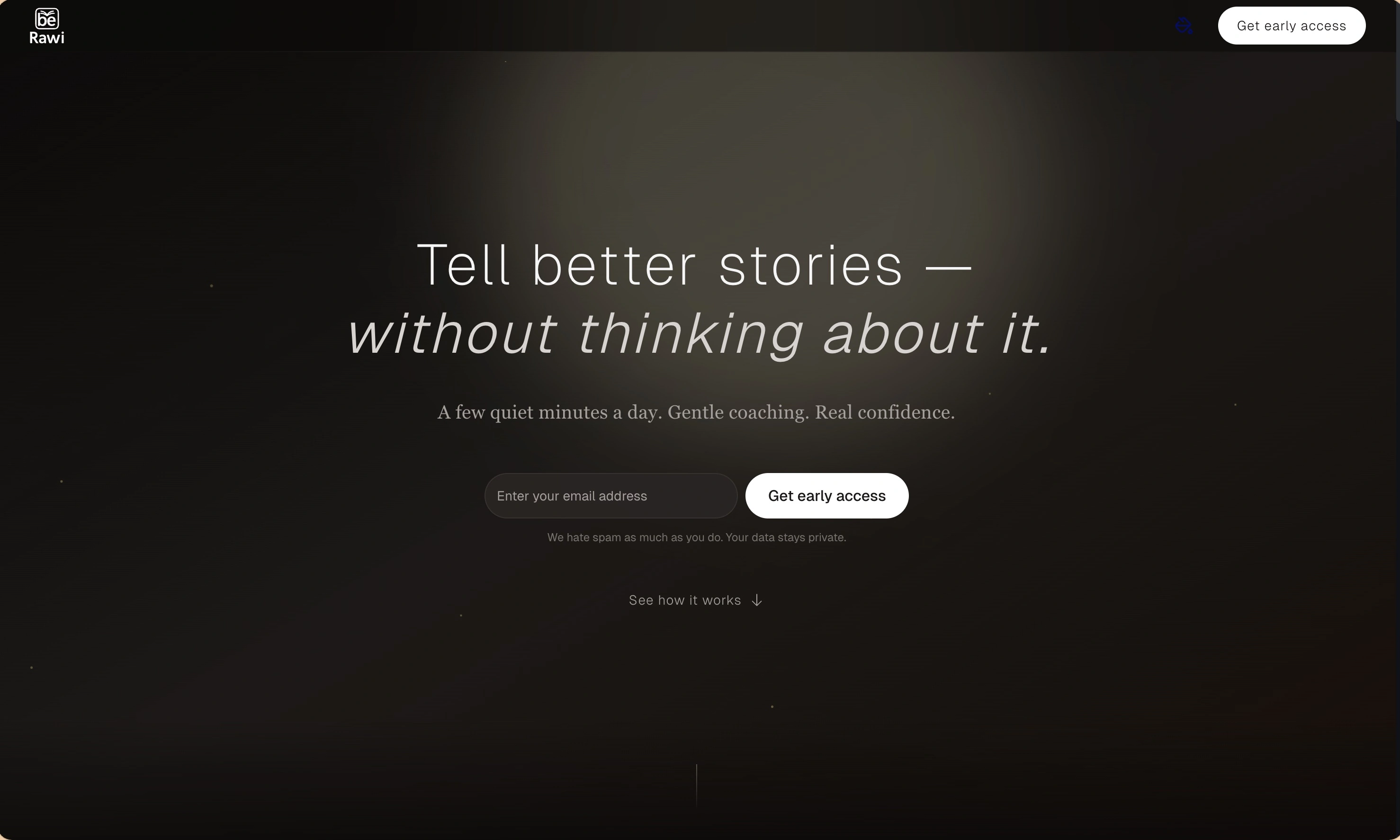
BeRawi: Storytelling Coach
Practice storytelling daily with instant feedback to sound clearer, more engaging, and confident 🎤
Omichat
Chat with 50+ AI models, including ChatGPT and Claude, in one place - switch models anytime without losing context 🤖
Claude Fast
Supercharge your Claude Code with 6x effective context window and specialized AI agents 🤖
EmojAI
AI-powered emoji picker with smart, context-aware suggestions 🤖
Solohacker
Autonomous company launcher - AI agents work 24/7, escalate what matters, and you stay in control 🤖
BeRawi: Storytelling Coach
Practice storytelling daily with instant feedback to sound clearer, more engaging, and confident 🎤
Omichat
Chat with 50+ AI models, including ChatGPT and Claude, in one place - switch models anytime without losing context 🤖
Claude Fast
Supercharge your Claude Code with 6x effective context window and specialized AI agents 🤖
EmojAI
AI-powered emoji picker with smart, context-aware suggestions 🤖
Solohacker
Autonomous company launcher - AI agents work 24/7, escalate what matters, and you stay in control 🤖
BeRawi: Storytelling Coach
Practice storytelling daily with instant feedback to sound clearer, more engaging, and confident 🎤
Omichat
Chat with 50+ AI models, including ChatGPT and Claude, in one place - switch models anytime without losing context 🤖
Claude Fast
Supercharge your Claude Code with 6x effective context window and specialized AI agents 🤖
EmojAI
AI-powered emoji picker with smart, context-aware suggestions 🤖
Solohacker
Autonomous company launcher - AI agents work 24/7, escalate what matters, and you stay in control 🤖
BeRawi: Storytelling Coach
Practice storytelling daily with instant feedback to sound clearer, more engaging, and confident 🎤

Connect with like-minded people
Join our community to get feedback, support, and grow together with 1,000+ builders on board, let's ship it!
Join usShip your startup everywhere. In minutes.
Don't burn tokens on setup and start building features on day one.