AgentOps Radar
Monitor, evaluate, and optimize AI agents in production with real-time tracing, cost analytics, and failure detection for dev teams.
The rise of AI agent observability and why it matters now
AI agents are no longer experimental prototypes. They are autonomous systems executing workflows, calling APIs, retrieving documents, writing code, and making decisions with limited human intervention. As large language models (LLMs) become more capable and frameworks like LangChain, LlamaIndex, and custom orchestration layers mature, production-grade AI agents are moving into mission-critical environments.
But here’s the uncomfortable truth:
Most teams deploy AI agents without production-grade monitoring, cost visibility, or structured failure analysis.
That gap creates risk. Unbounded token costs. Silent hallucinations. Tool misfires. Latency spikes. Security blind spots. Regressions after model upgrades.
This is exactly where AgentOps Radar fits: a specialized AI agent observability and optimization platform designed to monitor, evaluate, and optimize AI agents in production with real-time tracing, cost analytics, and failure detection.
This article explores:
- The target market and user intent
- The production AI monitoring gap
- Core features of AgentOps Radar
- Technical architecture and trade-offs
- Monetization strategy
- Risks and mitigation
- Competitive positioning
- Actionable implementation roadmap
If you're building or investing in AI infrastructure, this deep dive will help validate the opportunity and define execution strategy.
Understanding user intent behind AI agent monitoring
When someone searches for:
- “AI agent monitoring tools”
- “LLM observability platform”
- “agentops best practices”
- “how to monitor AI agents in production”
- “LLM cost analytics”
They are typically seeking one of four things:
- Validation – Is this a real problem others are facing?
- Comparison – How does this differ from generic APM tools?
- Implementation guidance – How do I instrument my AI system?
- Optimization insight – How can I reduce cost and improve reliability?
AgentOps Radar directly addresses these intents by focusing on AI-native operational visibility, not generic log aggregation.
The production gap in AI agent systems
Traditional DevOps tools were not built for probabilistic systems.
AI agents introduce challenges that differ fundamentally from deterministic microservices:
1. Non-deterministic outputs
An agent can produce different results for the same input. That makes debugging and regression detection more complex.
2. Token-based economics
Costs are tied to:
- Input tokens
- Output tokens
- Model choice
- Retrieval augmentation size
- Tool execution frequency
Without cost attribution per trace, budgets spiral quickly.
3. Tool orchestration complexity
Agents:
- Call external APIs
- Execute code
- Perform database lookups
- Chain reasoning steps
A single user request can generate 10–50 internal operations.
4. Silent failure modes
Unlike HTTP 500 errors, AI systems fail in subtle ways:
- Hallucinated facts
- Partial reasoning breakdown
- Incomplete tool usage
- Context truncation
These failures don’t always crash systems. They degrade trust.
Market opportunity for AI agent observability
AI infrastructure spending is accelerating globally. Enterprise AI adoption is expanding across customer support, operations, internal automation, and product features.
Key macro trends driving demand:
- Explosion of AI copilots
- Growth of multi-agent architectures
- Increasing model switching (OpenAI, Anthropic, open-source LLMs)
- Regulatory pressure for AI transparency
- CFO scrutiny on token spending
While APM tools like Datadog and New Relic handle infrastructure metrics, they lack AI-native semantics such as:
- Prompt tracking
- Token-level analytics
- Chain-of-thought debugging
- Tool execution tracing
- LLM response quality scoring
This creates a clear market gap for AI agent observability platforms purpose-built for production AI systems.
Target audience analysis
AgentOps Radar is not for hobbyists. It serves technical teams deploying AI at scale.
Primary ICP: AI-native product teams
- SaaS companies embedding AI copilots
- Startups building AI-first workflows
- Dev teams managing multiple LLM providers
Pain points:
- Rising model bills
- Hard-to-reproduce bugs
- Inconsistent agent behavior
- Poor visibility into reasoning chains
Secondary ICP: Enterprise innovation teams
- Internal AI automation
- Compliance-sensitive environments
- Regulated industries
Pain points:
- Audit requirements
- Traceability mandates
- Governance reporting
- Vendor comparison analytics
Tertiary ICP: AI consultancies
- Need centralized visibility
- Want performance proof for clients
- Require cost transparency
Core features of AgentOps Radar
To compete effectively in AI agent monitoring, the platform must go beyond logs and metrics.
Here’s a breakdown of essential capabilities.
1. Real-time agent tracing
Each request generates a structured trace showing:
- User input
- Prompt templates
- Retrieved context
- Tool calls
- LLM outputs
- Token usage per step
- Latency per node
This enables deterministic debugging in a probabilistic system.
Trace visualization features:
- Expandable execution graph
- Timeline view
- Step-by-step reasoning mapping
- Model switching comparison
2. Token and cost analytics
Cost observability is non-negotiable.
AgentOps Radar should provide:
- Cost per request
- Cost per user
- Cost per feature
- Cost per model
- Cost trend over time
Why this matters
Without per-feature cost breakdowns, teams cannot optimize prompts, adjust model tiers, or implement fallback logic strategically.
Advanced analytics could include:
- Cost anomaly detection
- Budget thresholds with alerts
- Model ROI comparison dashboards
3. Failure detection and anomaly monitoring
AI failures are subtle. The platform must detect:
- Output drift
- Tool misuse
- Empty or truncated outputs
- Context overflow
- Model latency spikes
- Prompt injection attempts
Possible techniques:
- Embedding similarity checks
- Confidence scoring
- Pattern detection in responses
- Automatic regression tests
4. Evaluation engine for AI agents
AgentOps Radar should include structured evaluation capabilities:
- Dataset-based evaluation
- Ground-truth scoring
- Hallucination detection heuristics
- Custom metric definitions
Offline testing before deployment:
- Run agent against test dataset
- Compare outputs to expected results
- Score performance
- Detect regressions after prompt changes
Live monitoring in production:
- Real-time output sampling
- Randomized quality checks
- Performance degradation alerts
- Shadow deployment comparisons
5. Model and tool experimentation layer
Teams frequently ask:
Should we switch to a cheaper model?
Should we adjust system prompts?
Should we use RAG differently?
AgentOps Radar can provide:
- A/B testing for prompts
- Multi-model experimentation
- Tool usage frequency tracking
- Outcome comparison dashboards
6. Security and compliance monitoring
Enterprises require:
- PII detection in prompts
- Prompt injection detection
- Audit trails
- Access control logs
This becomes a strong enterprise upsell feature.
Feature comparison landscape
Below is a simplified view of how AgentOps Radar differentiates from generic observability tools.
| Capability | Traditional APM | Log Aggregator | AI Agent Monitoring | AgentOps Radar |
|---|---|---|---|---|
| Token-level cost tracking | ❌ | ❌ | ✅ | ✅ |
| Prompt & trace visualization | ❌ | ❌ | ✅ | ✅ |
| AI-specific anomaly detection | ❌ | ❌ | ✅ | ✅ |
| Infrastructure metrics | ✅ | ❌ | Limited | Integrated |
Recommended tech stack for building AgentOps Radar
A production-grade AI observability platform must balance performance, scale, and flexibility.
Backend
- Runtime: Node.js or Go
- Framework: NestJS (if Node) or Fiber (if Go)
- Data ingestion: Event-based streaming (Kafka or managed equivalent)
- API layer: REST + WebSocket for real-time updates
Data storage
- Trace storage: ClickHouse (high-performance analytical DB)
- Logs: ElasticSearch or OpenSearch
- Metrics: Time-series DB like TimescaleDB
- Cold storage: S3-compatible object storage
Trade-off:
- ClickHouse excels in analytical queries but requires operational maturity.
- PostgreSQL is easier but less scalable for heavy trace workloads.
Frontend
- React
- TailwindCSS
- Recharts or ECharts for visualizations
AI evaluation engine
- Python microservice
- FastAPI
- Integration with multiple LLM providers
Example trace ingestion middleware
Below is a simplified TypeScript example for capturing LLM usage:
export async function traceLLMCall({
  model,
  prompt,
  response,
  inputTokens,
  outputTokens,
  latencyMs,
}) {
  const trace = {
    model,
    promptHash: hash(prompt),
    responsePreview: response.slice(0, 500),
    inputTokens,
    outputTokens,
    totalCost: calculateCost(model, inputTokens, outputTokens),
    latencyMs,
    timestamp: new Date().toISOString(),
  };

  await fetch("https://api.agentopsradar.dev/ingest", {
    method: "POST",
    headers: { "Content-Type": "application/json" },
    body: JSON.stringify(trace),
  });
}
This abstraction makes integration lightweight and developer-friendly.
Monetization strategy for AgentOps Radar
AI observability aligns well with usage-based pricing.
Option 1: Usage-based (recommended)
- Free tier: 10,000 traces/month
- Pro: $49–$199/month based on trace volume
- Enterprise: Custom pricing + SLA
Pros:
- Aligns with AI usage growth
- Predictable upsell path
- High margin
Option 2: Seat-based pricing
Less aligned with AI cost dynamics.
Option 3: Hybrid model
- Base subscription
- Overage per million tokens monitored
Competitive advantage and differentiation
To stand out in the AI monitoring space, AgentOps Radar must focus on:
1. Deep AI-native semantics
Not just logs. Not just metrics.
But structured understanding of:
- Prompts
- Tools
- Retrieval
- Context windows
- Reasoning paths
2. Cost-first analytics
Make cost optimization a primary dashboard, not an afterthought.
3. Developer-first experience
- Easy SDK
- Minimal integration friction
- Excellent documentation
- Quick onboarding templates
4. Evaluation + monitoring unification
Most platforms separate testing and monitoring.
Combining both is powerful.
Risks and mitigation strategies
Risk 1: Rapid model ecosystem evolution
Mitigation:
- Provider-agnostic abstraction layer
- Modular integration adapters
Risk 2: Enterprise trust barrier
Mitigation:
- SOC 2 roadmap
- Encryption at rest and in transit
- On-prem or VPC deployment options
Risk 3: Commoditization by large APM vendors
Mitigation:
- Focus on AI-native depth
- Move faster
- Specialize heavily
Risk 4: High infrastructure cost
Mitigation:
- Tiered storage strategy
- Retention policies
- Aggregated analytics after X days
Building a defensible moat
AgentOps Radar can build defensibility through:
- Historical trace dataset insights
- Benchmark analytics across industries
- Proprietary anomaly detection models
- Integrations with major AI frameworks
Data network effects
The more agents monitored, the better anomaly detection and benchmarking become.
Switching cost
Teams rely on historical traces and dashboards for debugging and compliance.
Ecosystem integrations
Deep integrations increase lock-in and expand platform value.
Implementation roadmap
Here is a realistic phased build plan.
Go-to-market strategy
Phase 1: Developer adoption
- Launch on Product Hunt
- Publish technical blogs
- Create open-source SDK
- Offer generous free tier
Phase 2: Community positioning
- Publish AI cost benchmarks
- Share case studies
- Host webinars on AI agent best practices
Phase 3: Enterprise expansion
- Direct outreach
- Compliance positioning
- Custom integrations
How to accelerate development
Building a SaaS platform from scratch is time-consuming. Infrastructure, authentication, billing, dashboards—it adds overhead.
A starter framework like TurboStarter can significantly reduce time-to-market by providing:
- Authentication
- SaaS billing
- Admin dashboards
- Team management
- Scalable architecture foundation
This allows your team to focus on the core differentiator: AI agent monitoring and evaluation logic.
Frequently asked questions about AI agent monitoring
Yes. AI agent observability requires semantic understanding of prompts, token usage, reasoning steps, and probabilistic outputs. Traditional logging lacks AI-native structure.
AI costs scale non-linearly. Without token visibility, companies cannot forecast, optimize, or control LLM spending.
Yes. With streaming trace ingestion and event-based architecture, real-time dashboards and anomaly detection are achievable.
Final thoughts: why AgentOps Radar is timely and necessary
AI agents are becoming digital employees. And like any workforce, they require:
- Supervision
- Performance reviews
- Budget control
- Risk monitoring
AgentOps Radar positions itself as the control center for AI agents in production.
The opportunity is clear:
- AI adoption is accelerating.
- Cost management is urgent.
- Reliability expectations are rising.
- Enterprises demand transparency.
By focusing deeply on real-time tracing, cost analytics, and failure detection, AgentOps Radar can become foundational infrastructure for AI-native companies.
The key is execution speed, developer trust, and relentless AI-native specialization.
Next steps to turn this into a real SaaS product
- Validate interest with 10–20 AI product teams
- Build a lightweight SDK prototype
- Ship cost analytics before advanced AI scoring
- Publish transparent documentation
- Iterate based on real production data
Then scale.
If executed with precision, AgentOps Radar can define the emerging category of AI agent operations (AgentOps)—and become indispensable to teams building the future of intelligent software.
More 🤖 AI Startup SaaS ideas
Discover more innovative ai startup SaaS ideas that are trending in 2026. Each idea is AI-generated with market validation and growth potential to help you find your next profitable venture faster than competitors.
Your competitors are building with TurboStarter
Below are some of the SaaS ideas that have been generated and built with our starter kit.
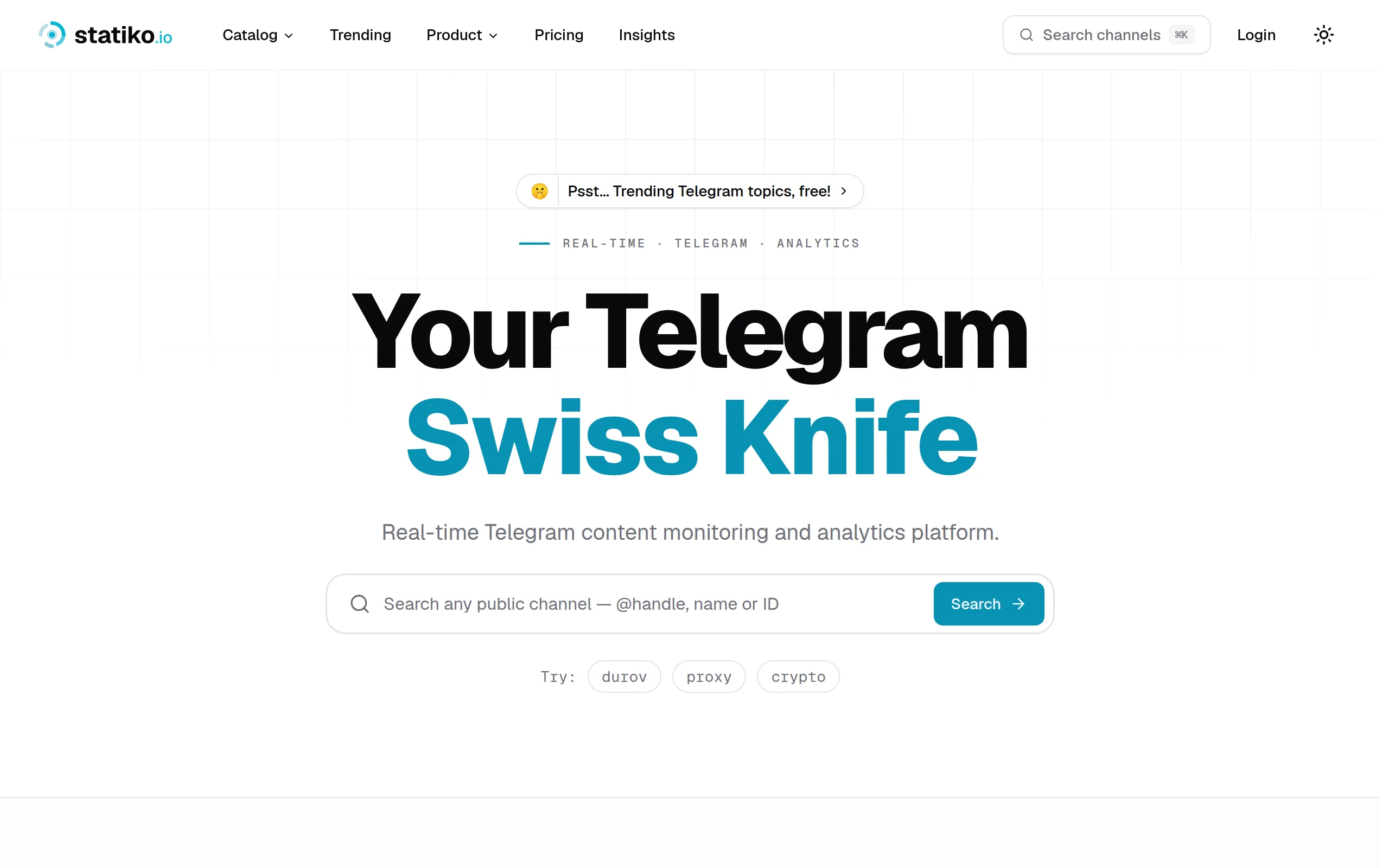
Statiko
Monitor any Telegram channel in real time - track posts, edits, deletions, and growth with AI recaps 📡

Shibui
AI website builder - describe your business, pick a niche template, edit by chatting, and publish instantly ✨

Pro Service
Find verified home service professionals, compare quotes, and pay securely through escrow - built for Brazilians across the US 🏠
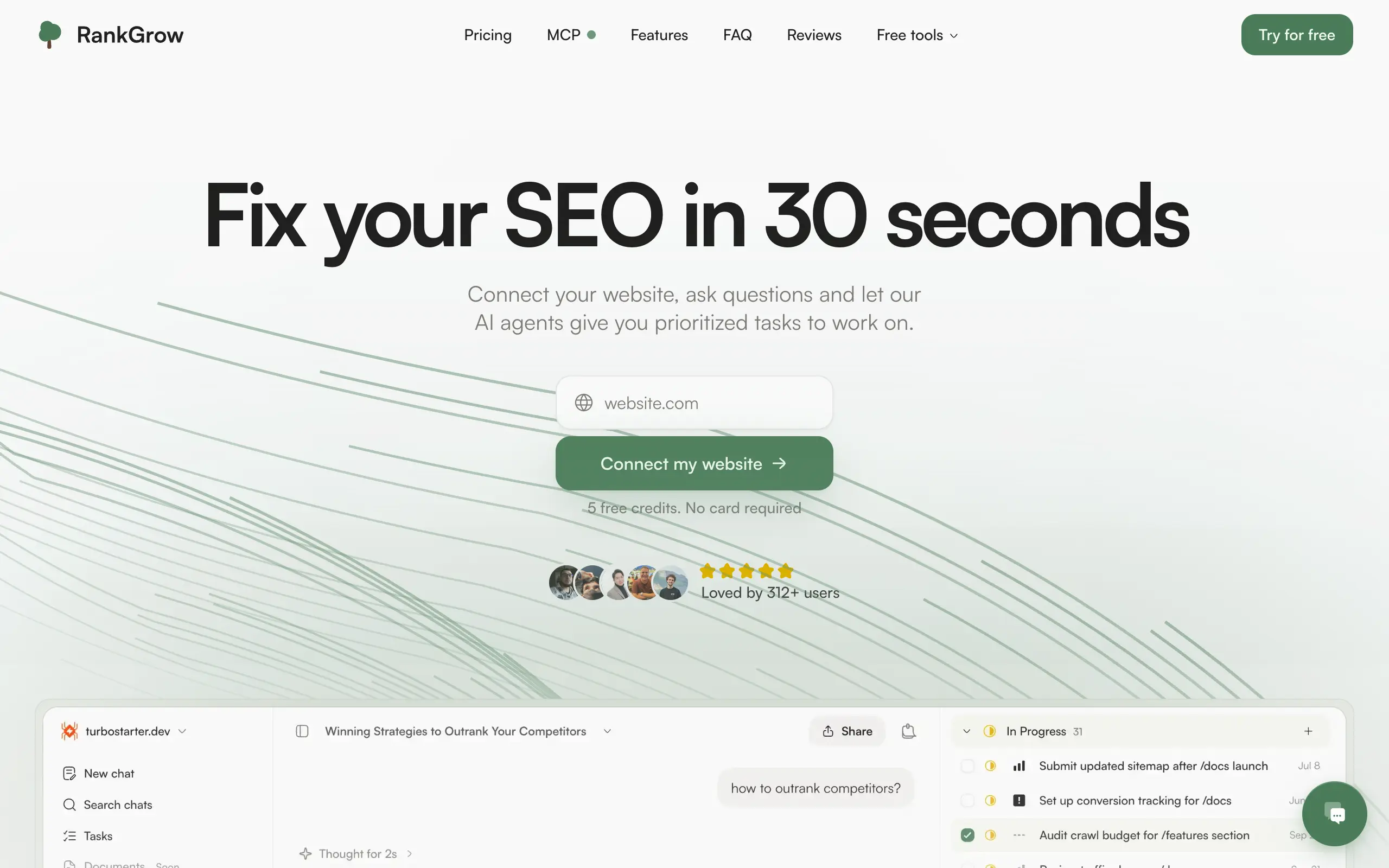
RankGrow
Fix your SEO with AI agents - connect Search Console, get prioritized tasks, and grow organic traffic 📈
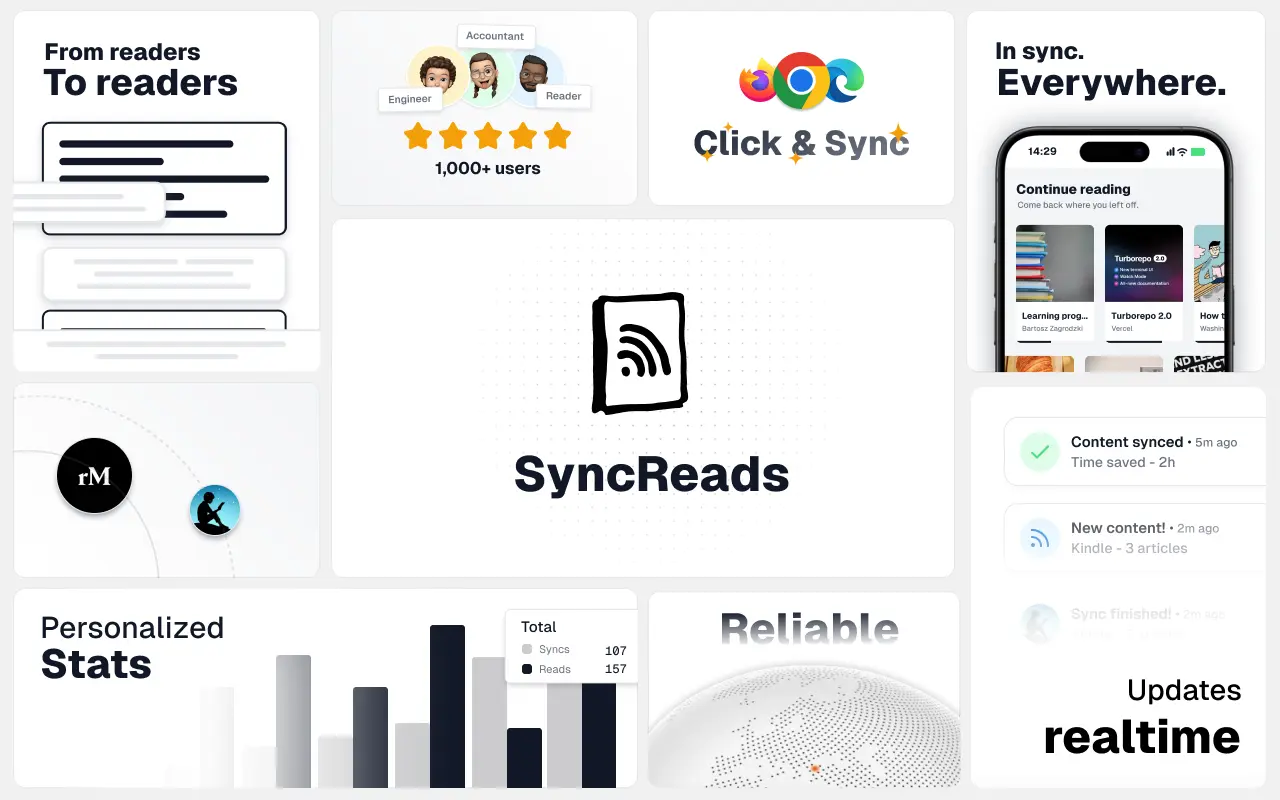
SyncReads
Sync your favorite content for distraction-free reading, save time and replace multiple apps. Anytime, anywhere 🔄
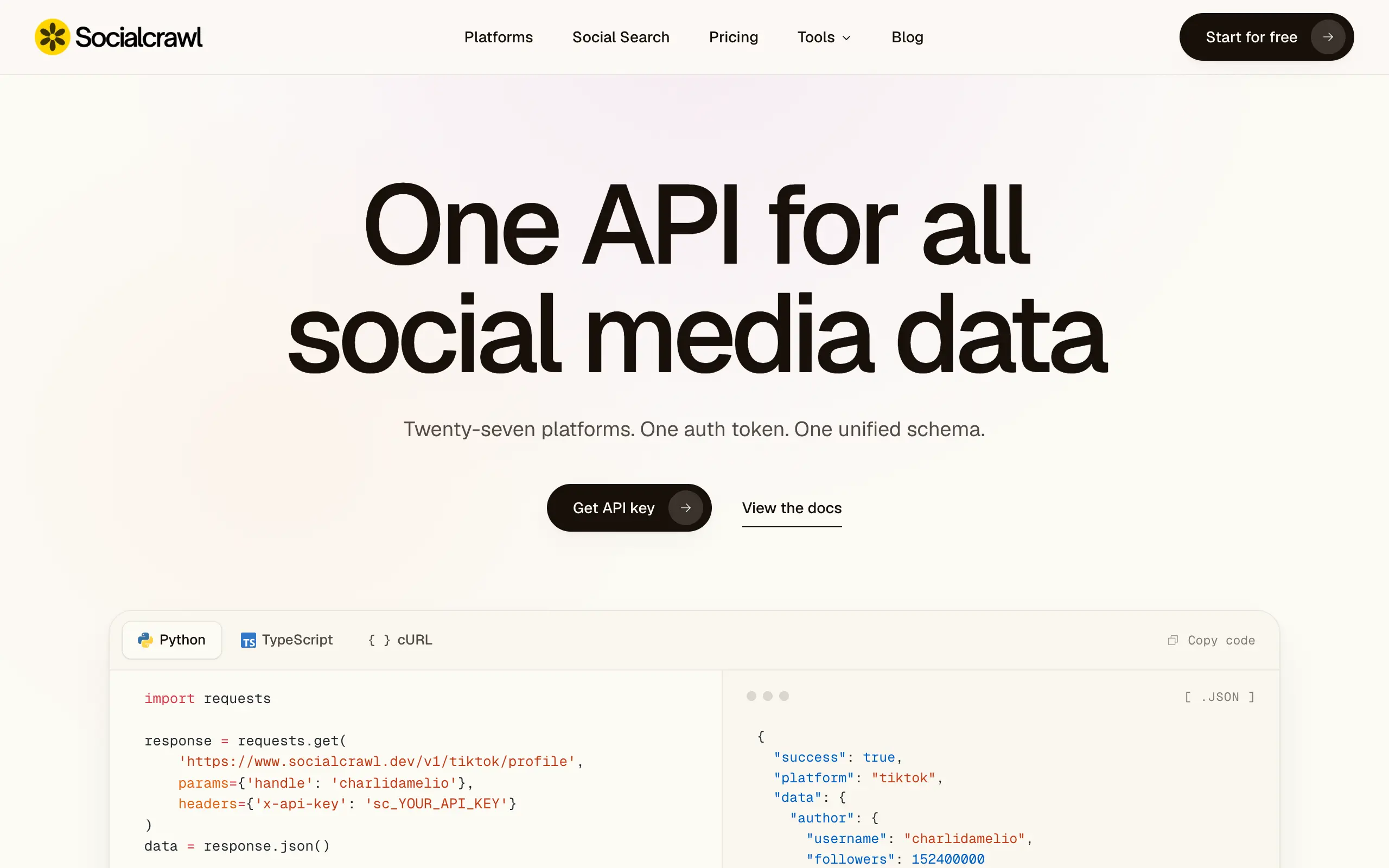
Socialcrawl
Get clean, structured data from 21 platforms like TikTok, Instagram, and YouTube with a single request 📊
Statiko
Monitor any Telegram channel in real time - track posts, edits, deletions, and growth with AI recaps 📡
Shibui
AI website builder - describe your business, pick a niche template, edit by chatting, and publish instantly ✨
Pro Service
Find verified home service professionals, compare quotes, and pay securely through escrow - built for Brazilians across the US 🏠
RankGrow
Fix your SEO with AI agents - connect Search Console, get prioritized tasks, and grow organic traffic 📈
SyncReads
Sync your favorite content for distraction-free reading, save time and replace multiple apps. Anytime, anywhere 🔄
Socialcrawl
Get clean, structured data from 21 platforms like TikTok, Instagram, and YouTube with a single request 📊
Statiko
Monitor any Telegram channel in real time - track posts, edits, deletions, and growth with AI recaps 📡
Shibui
AI website builder - describe your business, pick a niche template, edit by chatting, and publish instantly ✨
Pro Service
Find verified home service professionals, compare quotes, and pay securely through escrow - built for Brazilians across the US 🏠
RankGrow
Fix your SEO with AI agents - connect Search Console, get prioritized tasks, and grow organic traffic 📈
SyncReads
Sync your favorite content for distraction-free reading, save time and replace multiple apps. Anytime, anywhere 🔄
Socialcrawl
Get clean, structured data from 21 platforms like TikTok, Instagram, and YouTube with a single request 📊
Statiko
Monitor any Telegram channel in real time - track posts, edits, deletions, and growth with AI recaps 📡
Shibui
AI website builder - describe your business, pick a niche template, edit by chatting, and publish instantly ✨
Pro Service
Find verified home service professionals, compare quotes, and pay securely through escrow - built for Brazilians across the US 🏠
RankGrow
Fix your SEO with AI agents - connect Search Console, get prioritized tasks, and grow organic traffic 📈
SyncReads
Sync your favorite content for distraction-free reading, save time and replace multiple apps. Anytime, anywhere 🔄
Socialcrawl
Get clean, structured data from 21 platforms like TikTok, Instagram, and YouTube with a single request 📊
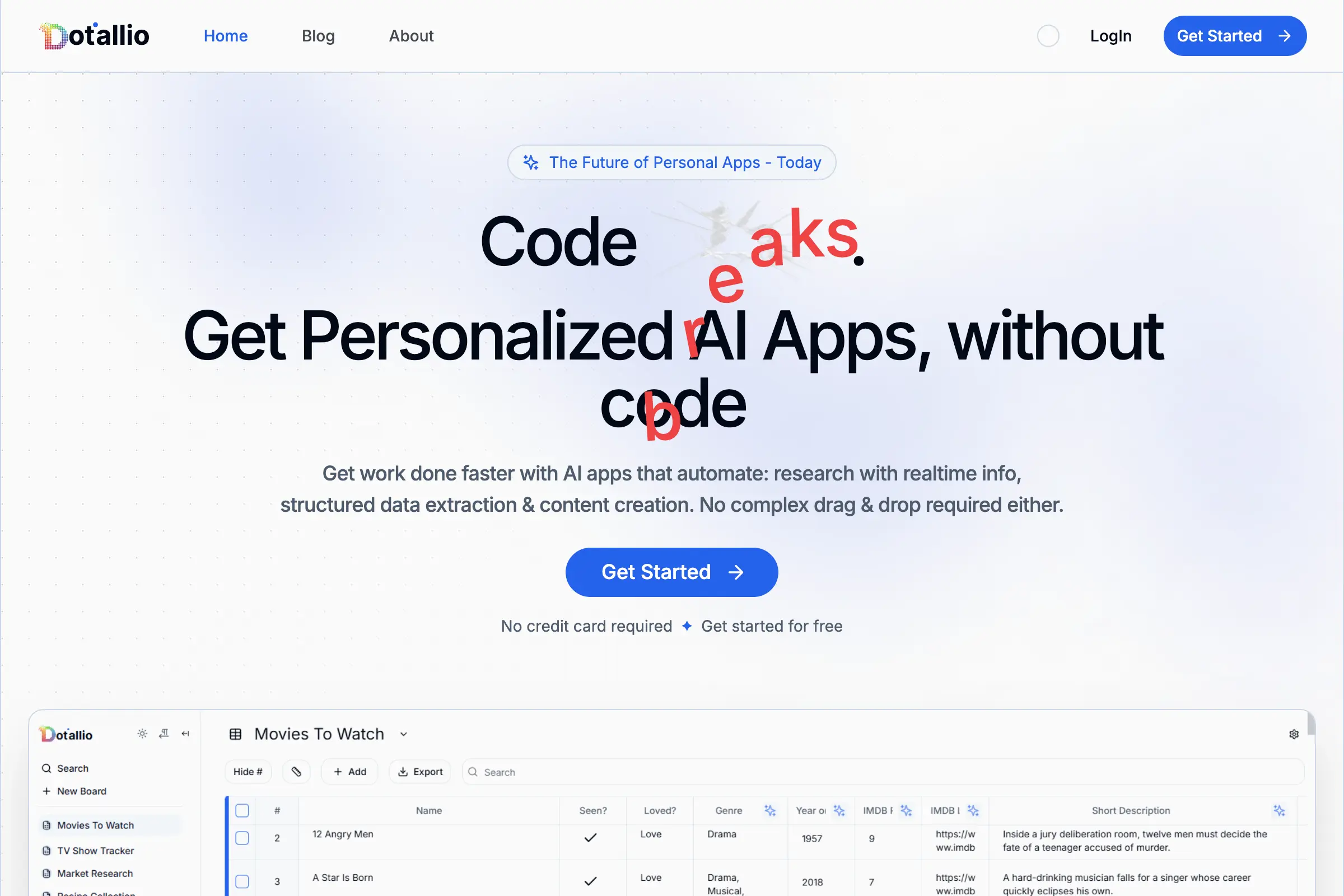
Dotallio
Personalized AI apps that automate research, data extraction, and content creation without code 🤖

Talk to Santa
Enjoy a magical live video chat or receive a unique AI-generated video greeting from Santa Claus 🎅

pozywka.pl
Scalable blog for food journalist, focused on performance and user experience 🌭
zagrodzki.me
Personal blog and portfolio of Bart Zagrodzki, where he shares his knowledge and work 💼
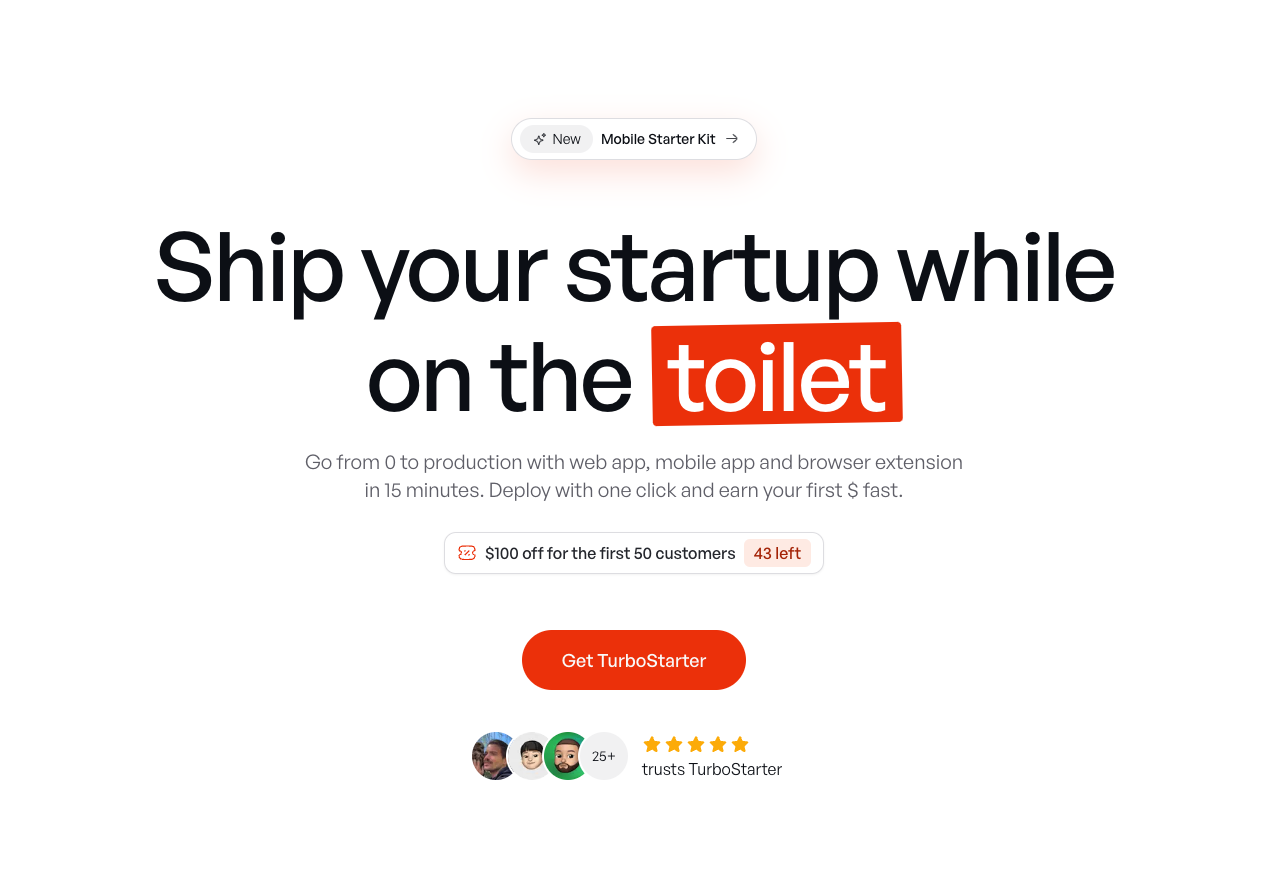
TurboStarter
Ship your startup everywhere. In minutes.
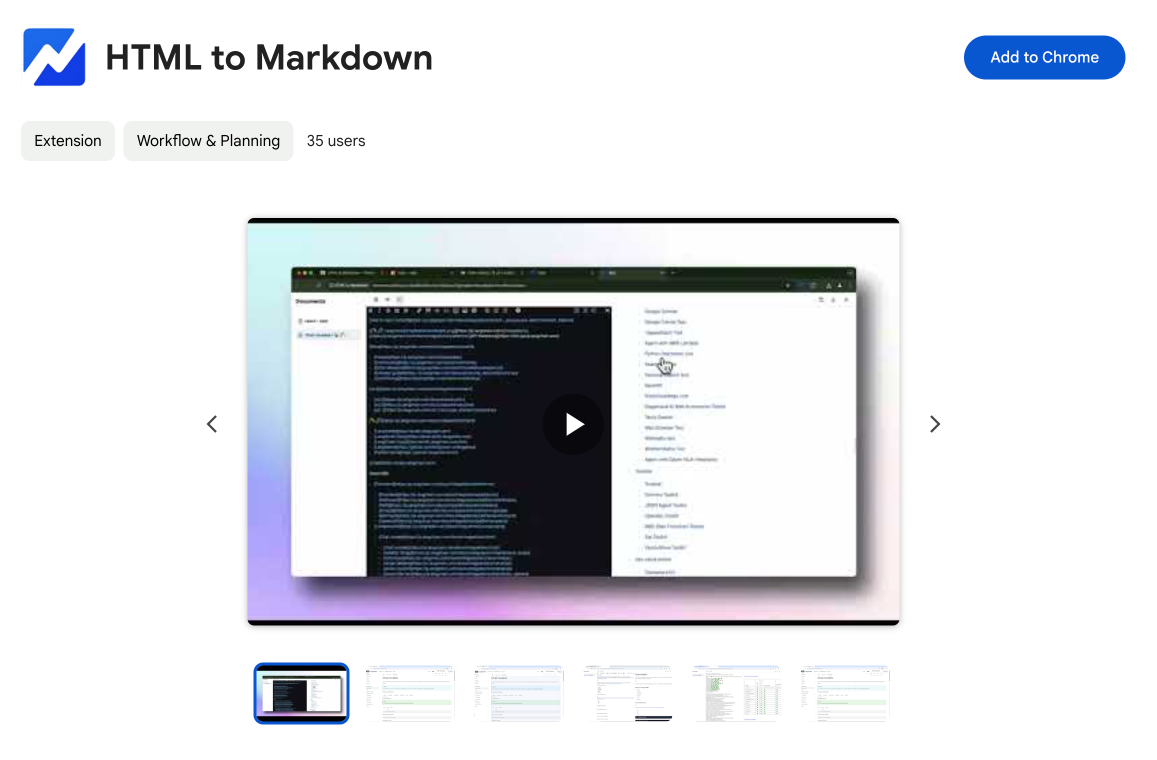
HTML to Markdown
Convert HTML to Markdown with ease, directly in your browser 📄
Dotallio
Personalized AI apps that automate research, data extraction, and content creation without code 🤖
Talk to Santa
Enjoy a magical live video chat or receive a unique AI-generated video greeting from Santa Claus 🎅
pozywka.pl
Scalable blog for food journalist, focused on performance and user experience 🌭
zagrodzki.me
Personal blog and portfolio of Bart Zagrodzki, where he shares his knowledge and work 💼
TurboStarter
Ship your startup everywhere. In minutes.
HTML to Markdown
Convert HTML to Markdown with ease, directly in your browser 📄
Dotallio
Personalized AI apps that automate research, data extraction, and content creation without code 🤖
Talk to Santa
Enjoy a magical live video chat or receive a unique AI-generated video greeting from Santa Claus 🎅
pozywka.pl
Scalable blog for food journalist, focused on performance and user experience 🌭
zagrodzki.me
Personal blog and portfolio of Bart Zagrodzki, where he shares his knowledge and work 💼
TurboStarter
Ship your startup everywhere. In minutes.
HTML to Markdown
Convert HTML to Markdown with ease, directly in your browser 📄
Dotallio
Personalized AI apps that automate research, data extraction, and content creation without code 🤖
Talk to Santa
Enjoy a magical live video chat or receive a unique AI-generated video greeting from Santa Claus 🎅
pozywka.pl
Scalable blog for food journalist, focused on performance and user experience 🌭
zagrodzki.me
Personal blog and portfolio of Bart Zagrodzki, where he shares his knowledge and work 💼
TurboStarter
Ship your startup everywhere. In minutes.
HTML to Markdown
Convert HTML to Markdown with ease, directly in your browser 📄
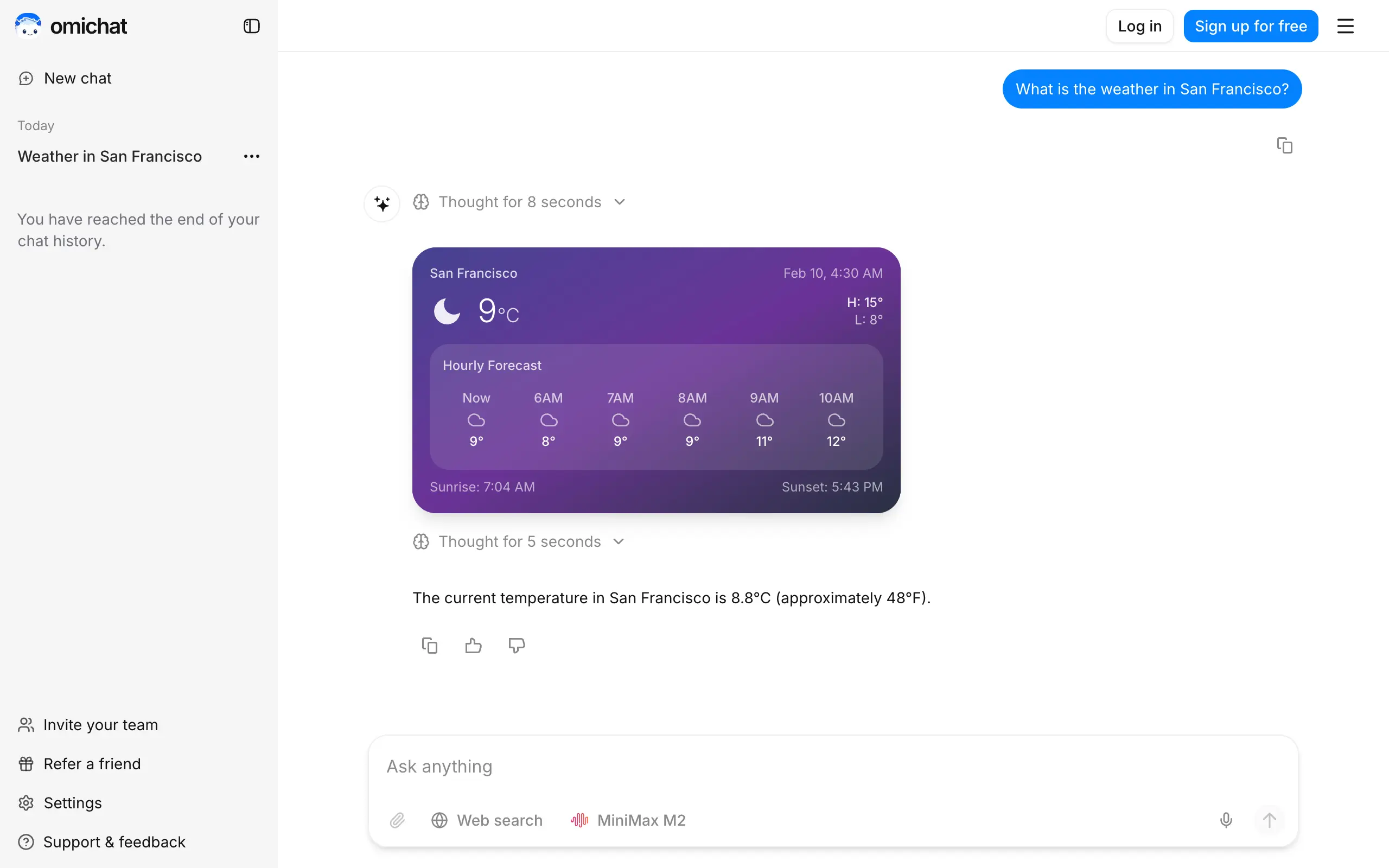
Omichat
Chat with 50+ AI models, including ChatGPT and Claude, in one place - switch models anytime without losing context 🤖
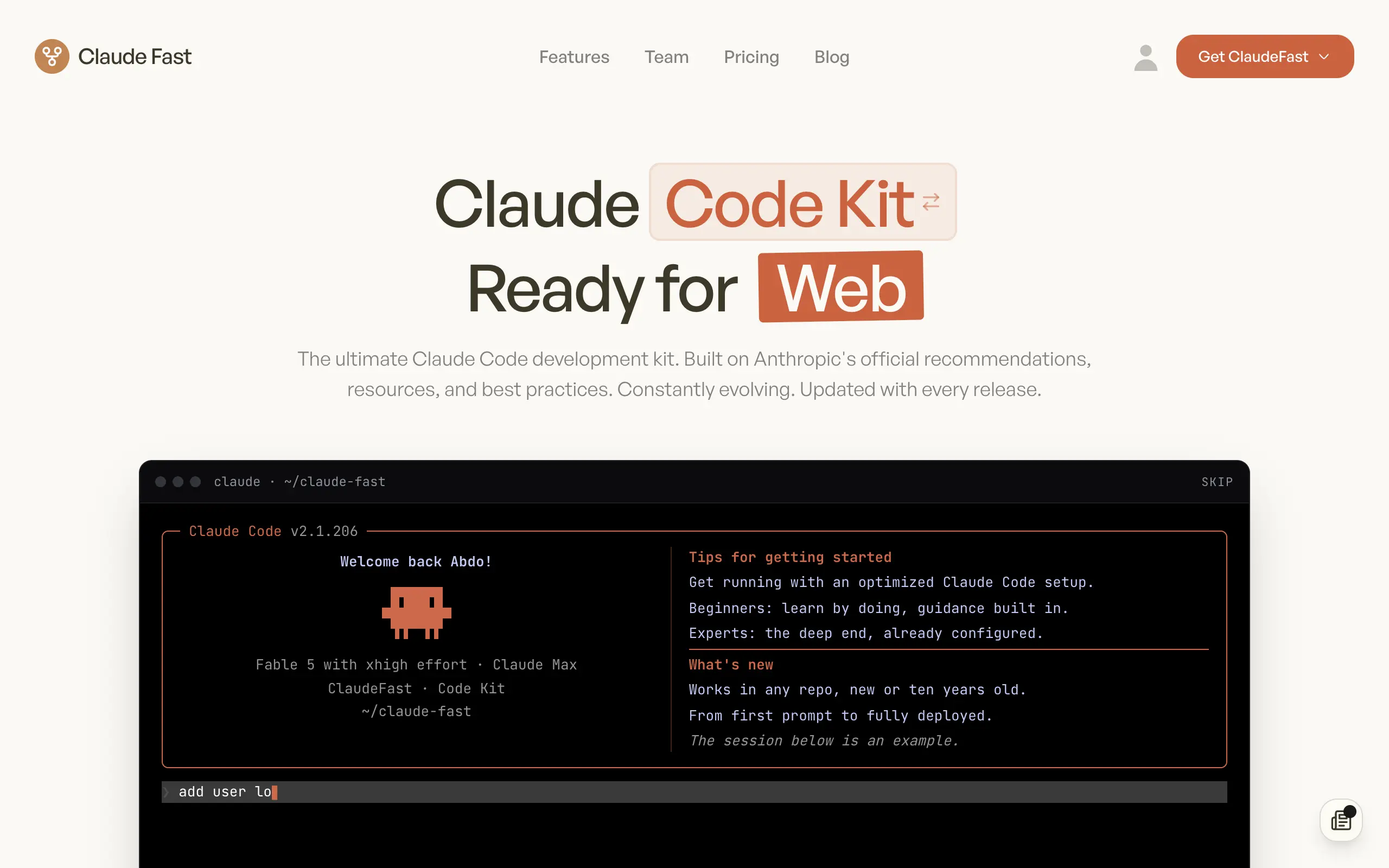
Claude Fast
Supercharge your Claude Code with 6x effective context window and specialized AI agents 🤖
EmojAI
AI-powered emoji picker with smart, context-aware suggestions 🤖
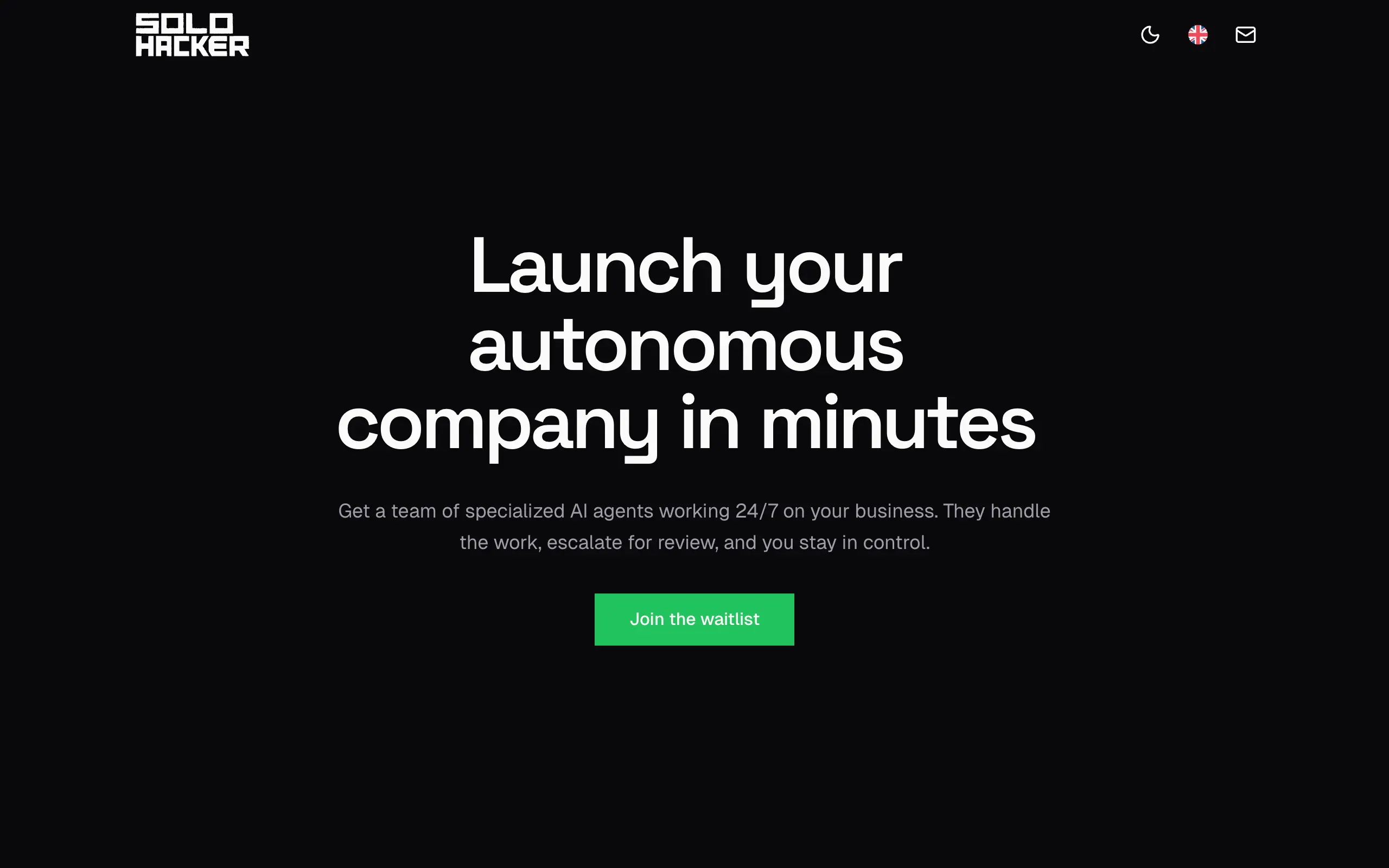
Solohacker
Autonomous company launcher - AI agents work 24/7, escalate what matters, and you stay in control 🤖
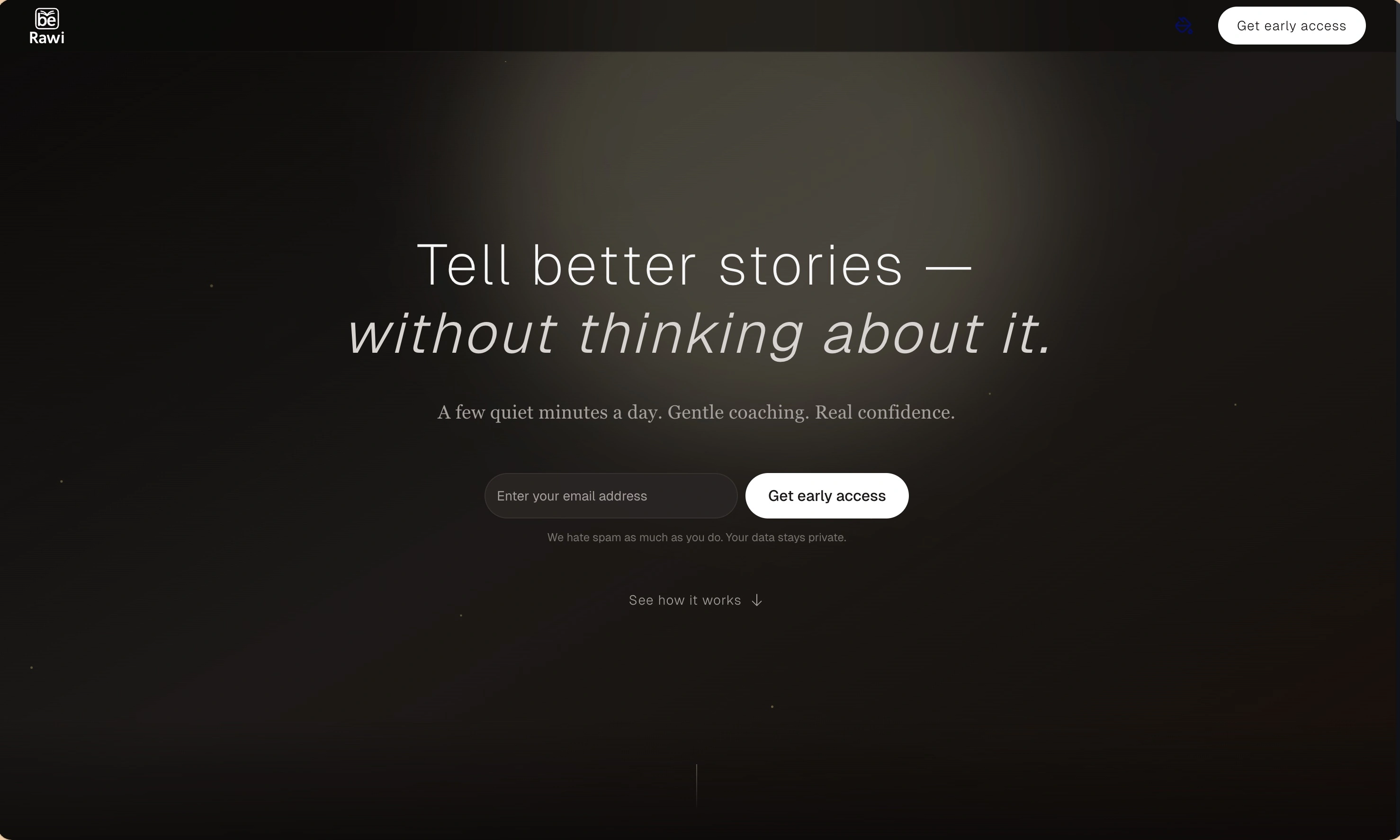
BeRawi: Storytelling Coach
Practice storytelling daily with instant feedback to sound clearer, more engaging, and confident 🎤
Omichat
Chat with 50+ AI models, including ChatGPT and Claude, in one place - switch models anytime without losing context 🤖
Claude Fast
Supercharge your Claude Code with 6x effective context window and specialized AI agents 🤖
EmojAI
AI-powered emoji picker with smart, context-aware suggestions 🤖
Solohacker
Autonomous company launcher - AI agents work 24/7, escalate what matters, and you stay in control 🤖
BeRawi: Storytelling Coach
Practice storytelling daily with instant feedback to sound clearer, more engaging, and confident 🎤
Omichat
Chat with 50+ AI models, including ChatGPT and Claude, in one place - switch models anytime without losing context 🤖
Claude Fast
Supercharge your Claude Code with 6x effective context window and specialized AI agents 🤖
EmojAI
AI-powered emoji picker with smart, context-aware suggestions 🤖
Solohacker
Autonomous company launcher - AI agents work 24/7, escalate what matters, and you stay in control 🤖
BeRawi: Storytelling Coach
Practice storytelling daily with instant feedback to sound clearer, more engaging, and confident 🎤
Omichat
Chat with 50+ AI models, including ChatGPT and Claude, in one place - switch models anytime without losing context 🤖
Claude Fast
Supercharge your Claude Code with 6x effective context window and specialized AI agents 🤖
EmojAI
AI-powered emoji picker with smart, context-aware suggestions 🤖
Solohacker
Autonomous company launcher - AI agents work 24/7, escalate what matters, and you stay in control 🤖
BeRawi: Storytelling Coach
Practice storytelling daily with instant feedback to sound clearer, more engaging, and confident 🎤

Connect with like-minded people
Join our community to get feedback, support, and grow together with 1,000+ builders on board, let's ship it!
Join usShip your startup everywhere. In minutes.
Don't burn tokens on setup and start building features on day one.