AgentReady
Compare APIs and tools by agent readiness, MCP support, pricing, and integration quality. Vendors pay for enhanced listings and developer leads.
What AgentReady is and why it matters
AgentReady is a discovery and evaluation platform for developers choosing APIs and tools for AI agents. It compares products by agent readiness, including MCP support, integration quality, documentation, authentication, pricing, and the practical effort required to connect a tool to an agent workflow.
The idea addresses a new version of a familiar developer problem: finding the right service is not enough. Developers also need to know whether an AI agent can use it reliably, what setup is required, how much it costs at realistic usage levels, and whether the integration is maintained.
That creates an opportunity for a specialized product between vendor documentation, API directories, and developer review platforms. AgentReady could help developers make faster, better-informed decisions while giving vendors a credible way to demonstrate their products’ readiness for agent-based software.
The central challenge is trust. A directory can list hundreds of products quickly, but a useful evaluation platform must explain how each score was produced, distinguish verified facts from vendor claims, and keep information current as products and protocols change. AgentReady’s long-term value would therefore come not from the number of listings alone, but from the quality and reliability of its comparison data.
The core product promise
AgentReady should help a developer answer three questions quickly: Can an agent use this tool? What will it take to integrate? And what will it cost to run?
The search intent and customer problem
People searching for agent-ready APIs, MCP tools, or integrations are likely trying to evaluate a product or solve an implementation problem. They may be building an AI agent and need a specific capability, such as payments, web search, data access, scheduling, or customer support. Alternatively, they may be a vendor trying to make an existing API easier for agents to use.
Today, that research can involve jumping between:
- API documentation and SDK repositories
- Vendor pages describing MCP support or agent integrations
- Community discussions and issue trackers
- Pricing pages with different usage units
- API marketplaces and software directories
- Hands-on testing to discover authentication, error handling, and setup requirements
Those sources are useful, but the information is fragmented. A marketing page may say that a product supports agents without clarifying whether it offers a maintained MCP server, a conventional API that an agent can call through custom code, or merely an integration through another platform.
The distinction matters. An integration that appears technically possible may still be difficult to use safely or consistently. The developer may need to write a wrapper, handle tool errors, manage credentials, implement retries, or constrain the agent’s access to sensitive actions.
AgentReady can reduce this research burden by making the evaluation criteria explicit and comparable. It should not claim that one product is universally “best.” Instead, it should help users understand which option fits a particular workflow, technical environment, budget, and risk tolerance.
Target audience for AgentReady
A strong launch strategy starts with a defined audience rather than trying to serve every buyer of every API. AgentReady has several potential customer groups, but they do not have equal urgency or the same needs.
AI application developers
Independent developers and small product teams are likely to be the clearest initial audience. They often need to connect an agent to external capabilities while keeping implementation time manageable.
They may want to compare:
- Whether an MCP server is available and maintained
- Whether a standard API or SDK is available as an alternative
- The authentication flow and credential requirements
- Tool descriptions, input schemas, and error behavior
- Pricing at expected call volumes
- The level of custom code required for integration
For this audience, the product’s value is practical rather than abstract. A comparison page should help a developer make a technical decision without replacing the documentation they will need to implement it.
Platform and infrastructure teams
Larger organizations may evaluate agent integrations as part of a broader architecture, security, and procurement process. Their questions can include data handling, access controls, auditability, rate limits, service reliability, and vendor support.
This audience may have greater willingness to pay for team features, but it also expects careful sourcing and a clear distinction between verified product capabilities and unverified claims. Enterprise-oriented evaluations should avoid presenting a single readiness score as a substitute for security review.
API and software vendors
Vendors are the likely paying customers for enhanced listings and developer leads. They may use AgentReady to communicate how their products work with agent frameworks, expose implementation details, and identify missing documentation or integration support.
However, a vendor listing must not become a paid endorsement. If vendors can pay for visibility, the platform should clearly label sponsored placement and preserve the independence of ratings, comparisons, and editorial conclusions.
Technical evaluators and consultants
Consultants, solution architects, and technical leaders can use the platform to build shortlists and communicate trade-offs. Their needs may include shareable comparisons, evaluation notes, and filters for specific deployment or compliance requirements.
This group can also help establish credibility. If evaluators repeatedly use AgentReady to structure vendor assessments, the product can become a useful research layer rather than simply another list of tools.
Market opportunity and the gap AgentReady can fill
The market opportunity is not just “more AI tools are being launched.” It is the gap between agent capability claims and implementation-ready information.
As AI applications become more capable of calling external tools, developers need a dependable way to identify and evaluate those tools. MCP support is one important signal, but it is not a complete measure of agent readiness. A product can expose an MCP server and still have unclear documentation, poor error handling, limited permissions, or pricing that is difficult to estimate.
Likewise, a product without MCP may still be a good choice if it offers a well-designed API, reliable SDKs, clear authentication, and stable documentation. AgentReady should therefore evaluate the whole integration experience rather than treating one protocol as a pass-or-fail requirement.
Where existing discovery approaches fall short
Common discovery options tend to focus on one part of the problem:
- API directories help users discover products but may not assess the quality of agent integrations.
- Vendor pages provide authoritative details but are not standardized for side-by-side evaluation.
- Documentation sites explain implementation but are difficult to compare across vendors.
- Community discussions reveal practical experience but may be incomplete, outdated, or hard to verify.
- General software review sites often evaluate business software rather than tool schemas, API behavior, or agent-specific setup.
AgentReady can bring these details together in a structured profile. The opportunity is strongest if the platform tells users not only what a vendor supports, but also how that support was verified, when it was last checked, and what limitations remain.
A focused initial market
A broad directory can quickly become expensive to maintain. Each category has different technical and commercial evaluation requirements. A more credible approach is to begin with a few categories where developers have clear integration needs and vendors have a strong incentive to be discovered.
Potential starting categories include:
- Search and web research
- Databases and data platforms
- Payments and commerce
- Messaging and communication
- Developer tools and observability
These are examples, not a commitment to launch across all of them. The best starting category is the one where the founding team can validate listings directly, reach both developers and vendors, and identify repeated comparison questions.
Agent readiness should be a transparent framework
The term “agent-ready” can become vague unless AgentReady defines it carefully. A good framework should separate objective facts from subjective assessments and explain the evidence behind each dimension.
One possible evaluation model includes the following areas:
| Evaluation area | What to assess | Example evidence |
|---|---|---|
| Protocol and tool access | MCP support, API availability, and supported integration paths | Public documentation, repositories, or vendor confirmation |
| Integration quality | Setup complexity, SDK quality, examples, and tool schema clarity | Hands-on testing and documentation review |
| Reliability signals | Error responses, retry guidance, rate limits, and operational details | API documentation, changelogs, and observed behavior |
| Security and control | Authentication, permission scope, secrets handling, and destructive actions | Security documentation and implementation review |
| Pricing clarity | Published rates, usage units, included limits, and overage rules | Current pricing pages and vendor confirmation |
| Maintenance | Documentation freshness, release activity, and support channels | Repository or documentation activity, where available |
This model can support filters and comparisons without collapsing every quality dimension into one opaque score.
Use evidence levels, not unsupported certainty
Each listing should state the basis for its claims. For example, AgentReady might classify evidence as:
- Verified by AgentReady — the team tested or reviewed the feature directly.
- Documented by the vendor — the claim appears in current official documentation.
- Vendor-reported — a representative supplied the information, but it has not been independently tested.
- Community-reported — users have reported the capability or limitation, but the information requires confirmation.
This approach makes uncertainty visible and gives users a reason to trust the platform. It also helps vendors correct inaccuracies without allowing them to control the final evaluation.
Avoid a misleading single score
A single “readiness score” is easy to display but can hide important trade-offs. A product might have excellent documentation and no MCP server. Another might have MCP support but weak pricing transparency. Neither should be reduced to an unexplained number.
If AgentReady uses an overall score, it should:
- Publish the scoring methodology
- Show the underlying category scores
- Indicate the date of the last review
- Explain missing or unverified data
- Avoid implying that the score predicts production reliability
- Allow users to compare products based on their own priorities
A developer seeking a quick prototype may weight setup speed highly. A regulated business may care more about permission controls and audit information. Transparent categories make both kinds of comparison more useful.
Core features and product experience
AgentReady should be built around a clear research workflow: discover, filter, compare, verify, and act.
1. Searchable product directory
The directory is the foundation. Each listing should provide enough information for a first-pass decision without pretending to replace official documentation.
A useful product profile could include:
- Product name, category, and description
- Supported APIs, SDKs, and agent integrations
- MCP support status and relevant setup details
- Authentication methods and permission considerations
- Pricing model and published usage units
- Documentation and repository references, when available
- Last-verified date and evidence classification
- Known limitations and implementation notes
The directory should support filters by category, protocol, pricing model, language or SDK availability, and verification status. Filters should reflect real user decisions, not exist merely to make the interface feel comprehensive.
2. Side-by-side comparisons
A comparison feature can become a core reason to return. Users should be able to compare a small set of tools across consistent categories, see where information is missing, and save or share the result.
For example, a team evaluating search tools might compare:
- Whether a dedicated agent integration exists
- The type of MCP or API support available
- Authentication and setup requirements
- Published pricing units
- Documentation quality and verification status
- Important caveats identified during review
A useful comparison explains differences. It should not rank products based on paid placement or hide limitations in fine print.
3. MCP and integration detail pages
MCP support deserves special handling because “supports MCP” can refer to different implementation realities. Listings should specify whether the integration is vendor-operated, community-maintained, or created by a third party. They should also show the expected configuration and note whether users need to provide their own credentials.
When a product supports multiple connection paths, AgentReady should list them separately. This gives developers a realistic choice between using an MCP server, calling an API directly, or building a custom adapter.
4. Pricing comparison and cost scenarios
Pricing is difficult to compare when vendors use different units, tiers, and overage rules. AgentReady can make this more useful by showing the published pricing model in its original terms and offering clearly labeled scenarios.
For example, the platform might let users enter an estimated number of calls or transactions and calculate a rough range where enough public information exists. It should state assumptions and avoid presenting estimates as guaranteed bills.
If pricing cannot be calculated reliably, the listing should say so. “Contact sales” is useful information, not a data gap to conceal.
5. Vendor listing claims and update workflow
Vendors need a way to submit corrections, add product details, and request a review. A responsible workflow could include:
- A free claim process for basic factual updates
- An audit trail showing what information changed
- Review status for submitted claims
- Clear rules for handling disputed assessments
- A visible label for paid placements or enhanced content
Vendors should be able to improve factual completeness without purchasing a favorable score. That separation is essential to the platform’s credibility.
6. Developer leads with clear consent
Developer leads can be commercially valuable, but this feature needs careful design. A user who reads a listing has not automatically consented to share personal or company information with a vendor.
Lead generation should be explicit. For example, a developer could request a demo, ask a question, or choose to share a project brief with selected vendors. AgentReady should explain what information is shared and with whom before the user submits it.
Recommended technology stack
AgentReady’s initial technical architecture should prioritize data quality, search performance, and maintainability. The product does not need a complex AI system to launch. A well-structured database, a reliable review workflow, and clear provenance are more important than adding generative features prematurely.
Application and interface
A practical web stack could use Next.js with React for the application and server-rendered product pages. This approach can support indexable directory pages, user accounts, comparison tools, and an admin interface within a familiar full-stack framework.
Tailwind CSS can help a small team build consistent UI components quickly. The trade-off is that utility-first styling requires conventions and shared components to avoid inconsistent markup as the product grows.
Data storage and search
A relational database such as PostgreSQL is a strong starting point because listings, vendors, evidence records, pricing snapshots, and review events have clear relationships. A structured schema also makes it easier to track changes over time.
Search can begin with database-supported text search and filters. A dedicated search service may become worthwhile if the directory grows, users need typo-tolerant discovery, or ranking requirements become more sophisticated. Adding a separate search system too early creates operational overhead without necessarily improving the initial experience.
Authentication, billing, and background work
AgentReady may eventually need vendor accounts, paid plans, and review permissions. Use a managed authentication and billing provider where it reduces operational burden, but design permissions carefully. Vendor users should be able to manage their own factual listing data without changing independent assessments.
Background jobs can handle scheduled checks, submission notifications, pricing review reminders, and data processing. The key is not the specific queue technology; it is making sure updates do not silently overwrite verified information.
A small, explicit data model
A listing should not be a single free-form description. Consider separating:
- Product and vendor records
- Integration records, including MCP and API options
- Claims and their source evidence
- Pricing records with effective dates
- Review events and reviewer notes
- Vendor-submitted edits and moderation status
This structure supports transparent change history. It also makes it possible to show that a price was reviewed on a specific date rather than displaying an outdated figure as current.
Do not overbuild the scoring engine
Start with a published rubric and human-reviewed evidence. Automated extraction can help identify documentation changes, but it should not silently turn a vendor’s marketing copy into a verified readiness score.
Monetization strategy for AgentReady
The idea includes vendor-paid enhanced listings and developer leads. Both can work, but the business model should preserve user trust and create value for vendors beyond buying visibility.
Free directory with paid vendor tools
A free baseline listing can help build coverage and organic discovery. Paid vendor plans might add:
- Enhanced product descriptions and media
- Additional integration documentation
- Team access and listing analytics
- Change notifications for listing reviews
- Lead-management tools for explicitly requested contact
- Sponsored placement with clear labeling
The main risk is allowing paid listings to look like editorial recommendations. Sponsored results should be visually distinct, and paid status should not change independent verification or scores.
Qualified developer leads
A lead product can generate revenue when users voluntarily request vendor contact. To make the offer attractive to vendors, AgentReady should focus on lead relevance rather than raw volume.
Potential qualification signals could include the user’s selected use case, preferred integration route, project stage, and approximate requirements. Collect only information that is necessary and clearly disclosed. Lead quality should be measured by outcomes such as vendor follow-up and developer satisfaction, not by the number of forms submitted.
Subscription plans for teams
A paid developer or team plan could provide saved shortlists, shared evaluations, private notes, and exportable comparisons. These features are valuable when a platform becomes part of a recurring evaluation workflow rather than a one-time discovery visit.
The best time to introduce subscriptions is after observing repeated use. If users visit once to find an MCP server and never return, a subscription may not fit the behavior. If teams repeatedly compare tools across projects, collaboration features may justify payment.
Research and data products
Over time, AgentReady could offer structured market reports or an API for integration metadata. This should come after the underlying data is reliable. Selling a dataset with weak freshness guarantees can damage the brand more than it helps revenue.
Testing willingness to pay
Rather than assuming a specific price, test a small number of clear packages with target vendors and teams. Ask what task the paid feature replaces, what budget it comes from, and what evidence would justify renewal. Early conversations should validate the problem and purchase process, not just collect positive reactions.
Competitive advantage and positioning
AgentReady’s competitive advantage should come from a combination of structured evaluation, evidence transparency, and agent-specific comparison.
| Alternative | Typical strength | Potential gap AgentReady can address |
|---|---|---|
| API directories | Broad product discovery | Limited agent-specific implementation detail |
| Vendor documentation | Authoritative product instructions | Difficult to compare across vendors |
| General review platforms | User feedback and business context | May not assess API or MCP integration quality |
| Community lists | Fast-moving ecosystem coverage | Inconsistent verification and maintenance |
| AgentReady | Standardized readiness information | Must earn trust through evidence and freshness |
The strongest positioning is not “the largest list of AI tools.” A larger database is easy to imitate and expensive to maintain. A more defensible position is “the clearest way to evaluate whether an API or tool is practical for an agent workflow.”
That position depends on execution:
- A useful rubric that maps to actual implementation decisions
- A trustworthy evidence model that separates verification from claims
- Freshness practices that flag outdated information
- A focused audience that gives feedback on real integration work
- Vendor participation that improves factual coverage without controlling editorial judgment
The platform could also build a feedback loop. Developers identify missing details and report implementation friction. AgentReady uses that feedback to prioritize reviews. Vendors update documentation and integrations in response. If managed transparently, this process can improve the quality of the directory over time.
Potential risks and how to mitigate them
Outdated or incorrect listings
API details, pricing, and integrations change. An outdated listing can waste developer time and weaken trust.
Mitigation: Display last-verified dates, store source evidence, allow vendors to submit corrections, and create review reminders for high-traffic listings. Mark stale information visibly instead of implying that every listing is current.
Vendor influence over rankings
If vendors pay for enhanced listings or leads, users may question whether the platform’s assessments are independent.
Mitigation: Separate editorial evaluation from commercial features. Publish sponsorship labels and scoring criteria. Do not sell higher readiness scores, and keep a record of how assessments are produced.
Ambiguous meaning of “agent-ready”
The phrase may be interpreted as a guarantee that a product is safe, reliable, or compatible with every agent framework.
Mitigation: Define the term narrowly. Explain that AgentReady evaluates documented and observed integration characteristics, not universal production suitability. Encourage users to perform their own security and reliability reviews.
Difficult-to-standardize integrations
A vendor’s MCP implementation, API behavior, and authentication requirements may differ substantially from another’s. A single rubric can oversimplify these differences.
Mitigation: Use category-specific criteria where necessary. Keep core dimensions consistent while adding relevant details for each product category. Show missing data instead of forcing every listing into a false equivalence.
Lead privacy and consent
Users may not expect their research activity to be shared with vendors.
Mitigation: Make lead sharing an explicit action, state exactly what will be shared, and provide clear controls. Do not treat browsing behavior as a lead without informed consent.
Cold-start marketplace challenges
Developers need useful coverage, while vendors want evidence of audience demand. A sparse directory may struggle to attract either side.
Mitigation: Start with one or two categories and publish exceptionally useful comparisons. Recruit a small group of design partners, conduct hands-on reviews, and build repeatable content around specific developer questions.
Search traffic without product value
SEO can bring visitors, but a large volume of low-intent traffic does not prove that the product solves a recurring problem.
Mitigation: Measure successful comparisons, saved shortlists, return visits, vendor claims, and user-reported time saved. Treat organic traffic as one acquisition channel, not as the product’s main success metric.
SEO and content strategy for AgentReady
Search content can help AgentReady reach developers at the moment they are evaluating integrations. The content should support the directory rather than exist as a separate publishing operation.
High-intent topics might include:
- How to evaluate an MCP server for a production workflow
- MCP support versus direct API integration
- How to compare agent tools by pricing and permissions
- Integration guides for specific product categories
- Practical checklists for agent tool security and setup
- Comparisons of products within a tightly defined use case
Each article should connect to structured listings and explain its methodology. A comparison page should state which products were reviewed, what criteria were used, and when the information was checked. Avoid unsupported claims such as “best” unless the article explains the use case and evidence behind the recommendation.
For search engine optimization, prioritize clear page titles, descriptive headings, internal links between categories and listings, and unique content for every product page. Do not generate hundreds of near-identical pages from a thin template. Search visibility is more sustainable when pages answer distinct questions and contain useful, maintained information.
If AgentReady publishes market statistics, the article should cite an authoritative source and specify the publication date, methodology, and relevant limitations. Where the platform does not have reliable data, it is better to describe the trend qualitatively than to invent a precise number.
Actionable implementation plan
The best first version is a trustworthy research product with a narrow scope, not a broad marketplace with an unproven scoring system.
Choose a narrow category
Interview developers who recently integrated tools into an agent workflow. Ask what they compared, where information was missing, and which details changed their decision. Select one initial category where the problem is frequent and listings can be verified.
Define the evaluation rubric
Write the criteria before publishing rankings. Separate factual fields from qualitative assessments, define evidence levels, and decide how missing information will be shown. Test the rubric against several products to identify inconsistent or irrelevant criteria.
Build a small, verified directory
Launch with a limited number of carefully reviewed listings. Include source references, last-verified dates, and known limitations. A smaller, credible directory is more valuable than a large collection of unverified vendor claims.
Add comparisons and user feedback
Let users compare products on practical criteria and submit corrections or experience reports. Moderate feedback and distinguish user reports from verified platform findings.
Recruit vendor design partners
Offer vendors a clear process to claim and update their listings. Test paid features with a small group, while keeping editorial assessments independent and sponsorship labels obvious.
Measure repeated value
Track whether users complete comparisons, save shortlists, return for new evaluations, and request vendor contact intentionally. Use interviews and behavior data to refine the product before expanding categories or adding complex automation.
A fast launch can use a starter kit to reduce time spent on routine application scaffolding. TurboStarter may help teams move more quickly through common SaaS foundations, leaving more time to focus on AgentReady’s distinctive work: its evidence model, directory data, comparison experience, and vendor trust policies.
Final assessment
AgentReady has a credible product opportunity because agent developers need more than a list of APIs. They need consistent, current information about integration paths, MCP support, pricing, setup effort, and operational caveats.
The idea’s strongest differentiation is a transparent evaluation framework that treats agent readiness as a set of explainable dimensions rather than an unexplained badge. Its business model can combine vendor tools, clearly labeled enhanced listings, and consent-based developer leads, provided that commercial incentives do not influence independent assessments.
The key execution risk is trust. AgentReady will need to maintain information, disclose evidence quality, handle vendor corrections fairly, and avoid turning incomplete data into confident recommendations. A focused launch, human-verified listings, and a published rubric are the best ways to establish that foundation.
If the team can make one decision noticeably easier—choosing the right tool for a defined agent workflow—AgentReady can earn the right to expand into more categories, team evaluation features, and structured integration data.
More 🤖 AI Startup SaaS ideas
Discover more innovative ai startup SaaS ideas that are trending in 2026. Each idea is AI-generated with market validation and growth potential to help you find your next profitable venture faster than competitors.
Your competitors are building with TurboStarter
Below are some of the SaaS ideas that have been generated and built with our starter kit.
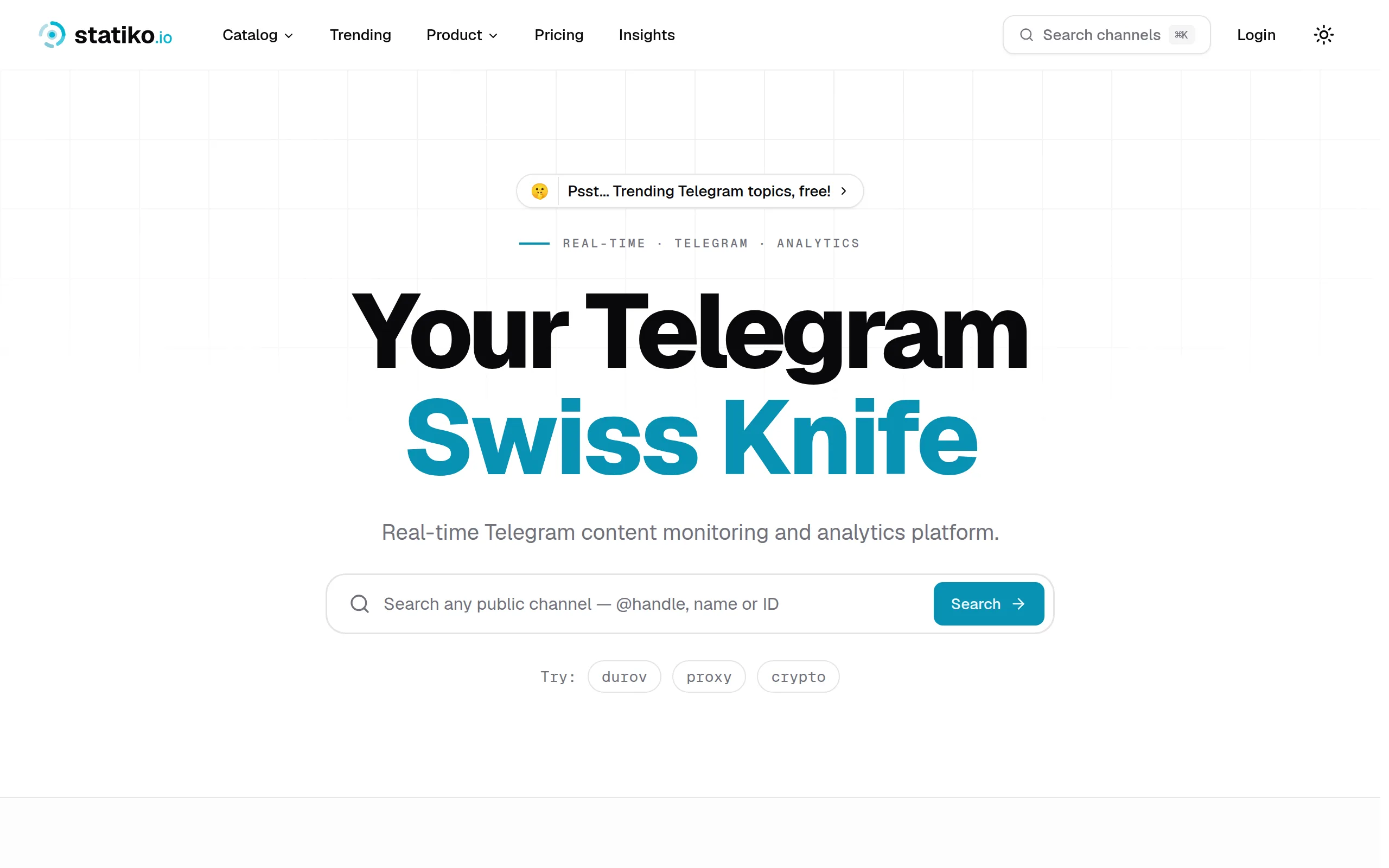
Statiko
Monitor any Telegram channel in real time - track posts, edits, deletions, and growth with AI recaps 📡

Shibui
AI website builder - describe your business, pick a niche template, edit by chatting, and publish instantly ✨

Pro Service
Find verified home service professionals, compare quotes, and pay securely through escrow - built for Brazilians across the US 🏠
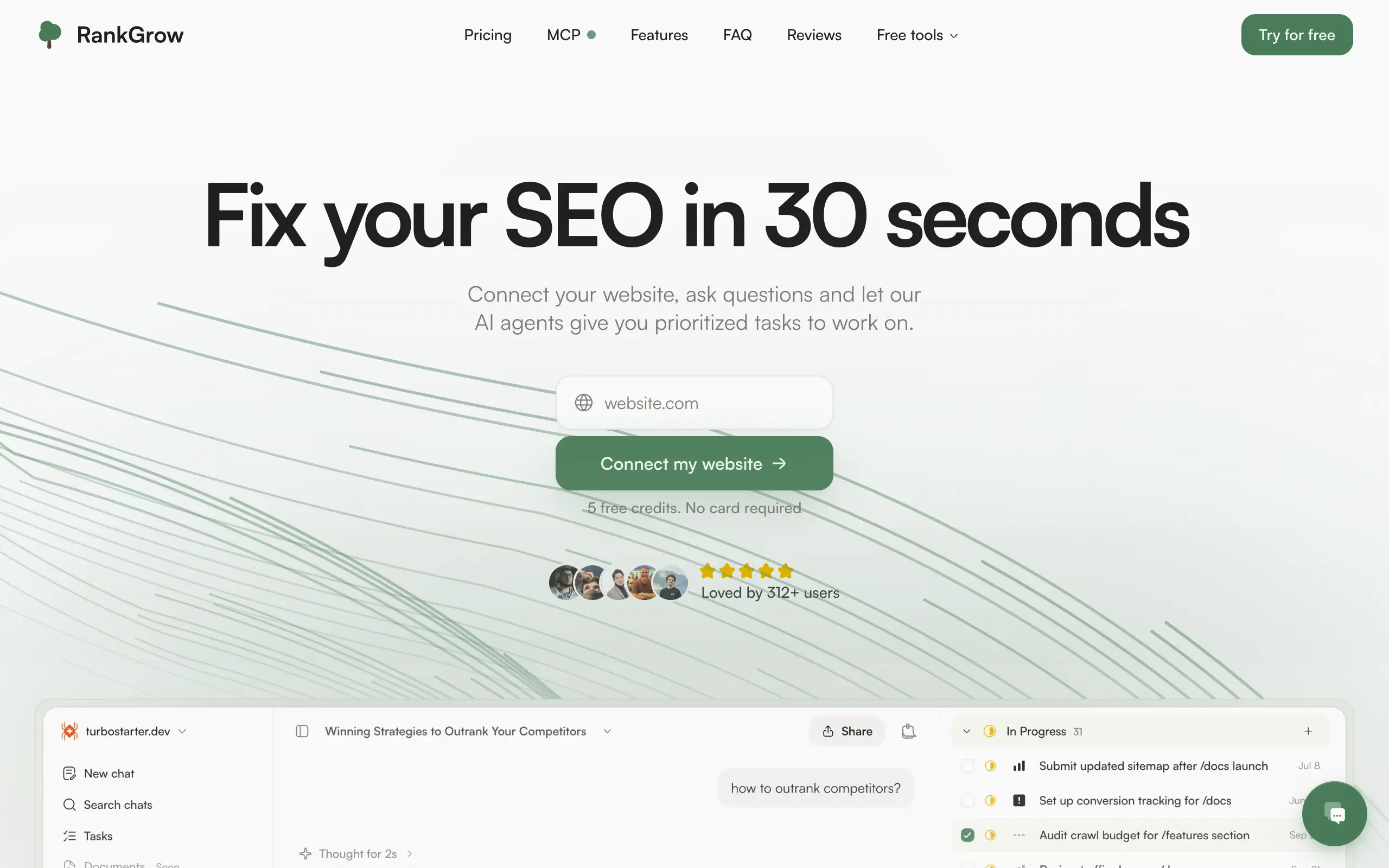
RankGrow
Fix your SEO with AI agents - connect Search Console, get prioritized tasks, and grow organic traffic 📈
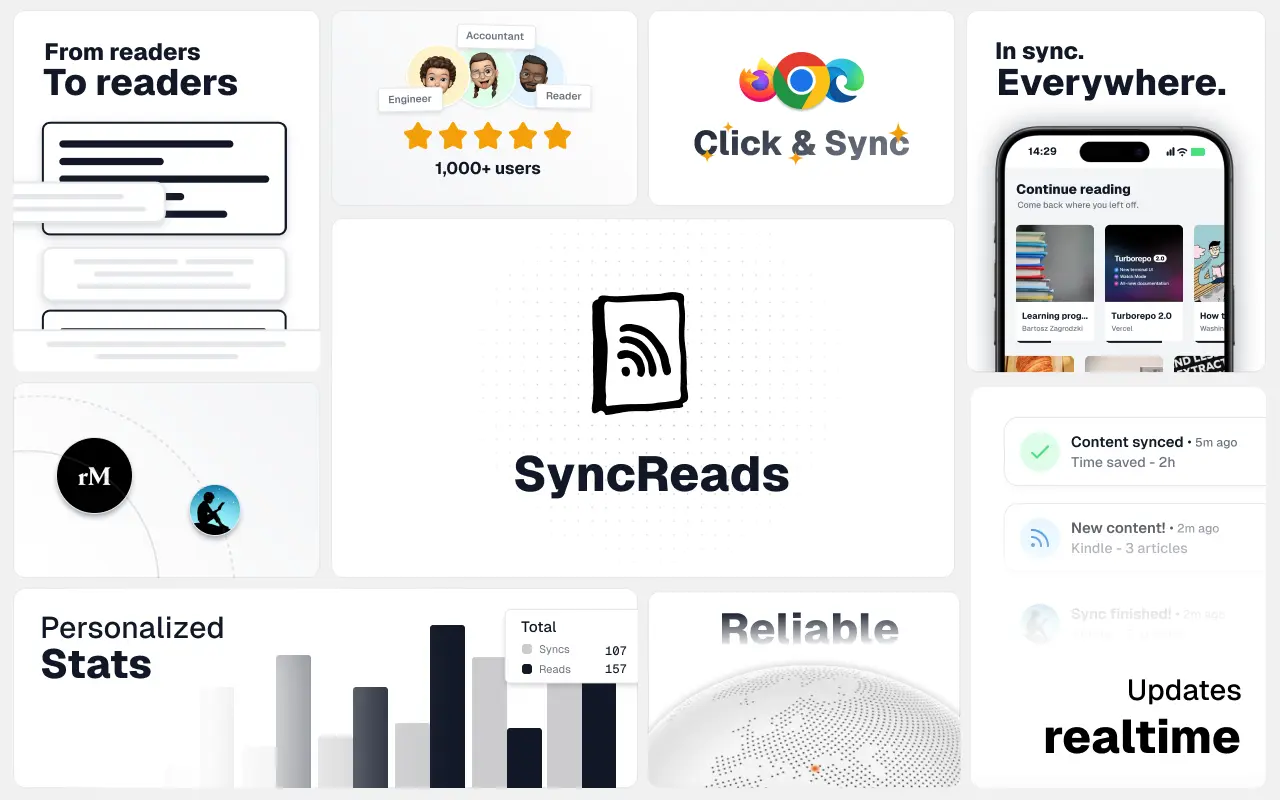
SyncReads
Sync your favorite content for distraction-free reading, save time and replace multiple apps. Anytime, anywhere 🔄
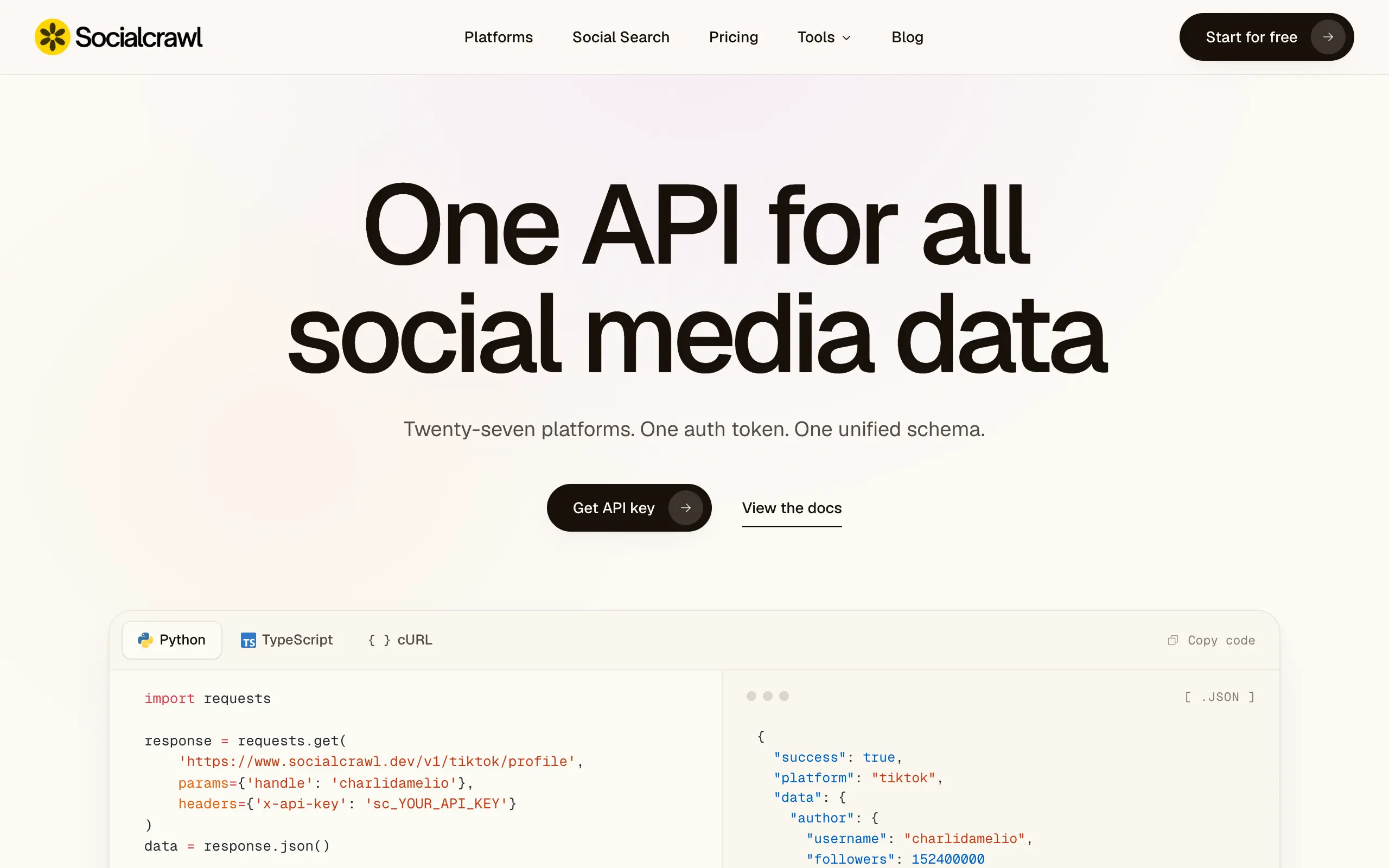
Socialcrawl
Get clean, structured data from 21 platforms like TikTok, Instagram, and YouTube with a single request 📊
Statiko
Monitor any Telegram channel in real time - track posts, edits, deletions, and growth with AI recaps 📡
Shibui
AI website builder - describe your business, pick a niche template, edit by chatting, and publish instantly ✨
Pro Service
Find verified home service professionals, compare quotes, and pay securely through escrow - built for Brazilians across the US 🏠
RankGrow
Fix your SEO with AI agents - connect Search Console, get prioritized tasks, and grow organic traffic 📈
SyncReads
Sync your favorite content for distraction-free reading, save time and replace multiple apps. Anytime, anywhere 🔄
Socialcrawl
Get clean, structured data from 21 platforms like TikTok, Instagram, and YouTube with a single request 📊
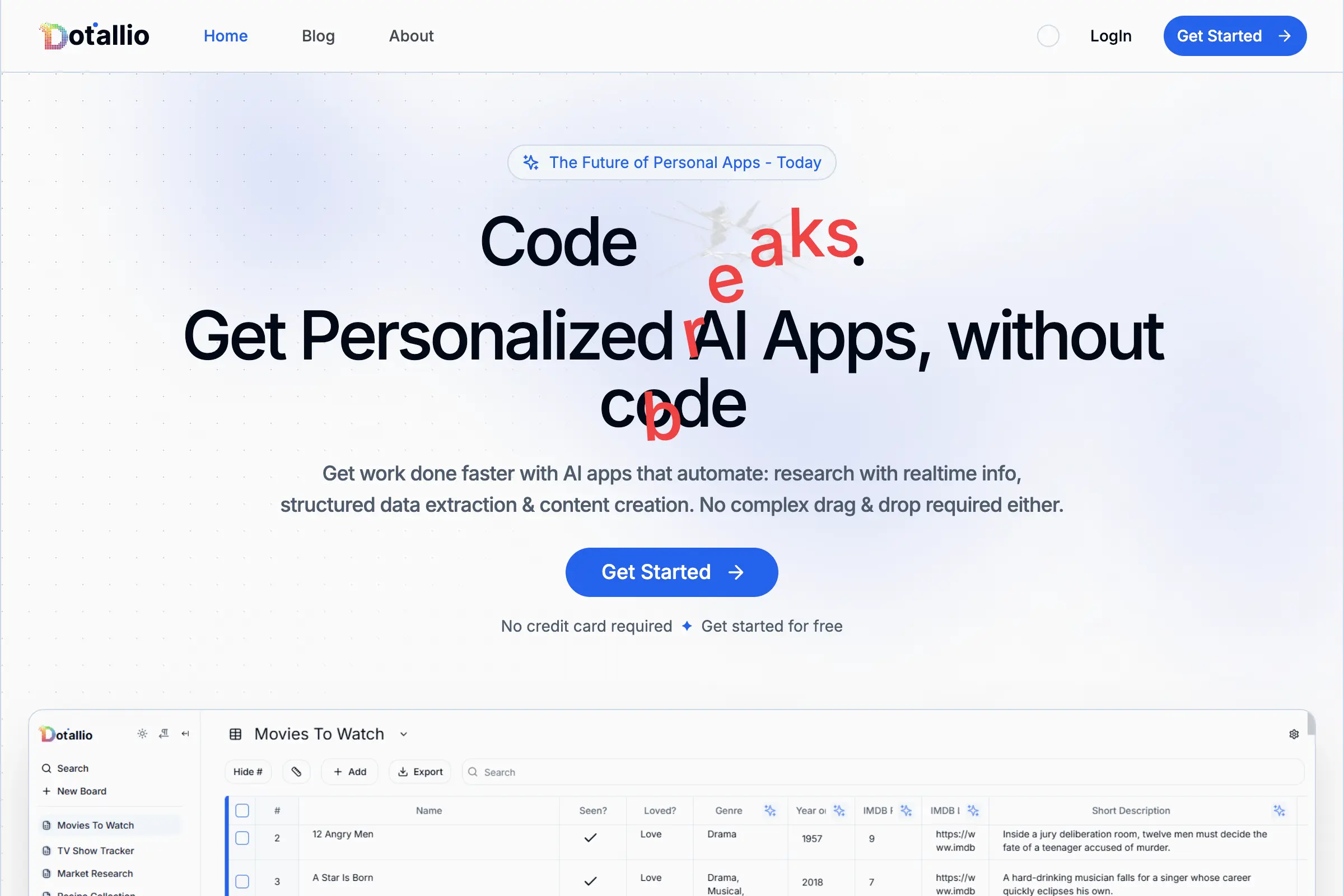
Dotallio
Personalized AI apps that automate research, data extraction, and content creation without code 🤖

Talk to Santa
Enjoy a magical live video chat or receive a unique AI-generated video greeting from Santa Claus 🎅

pozywka.pl
Scalable blog for food journalist, focused on performance and user experience 🌭
zagrodzki.me
Personal blog and portfolio of Bart Zagrodzki, where he shares his knowledge and work 💼
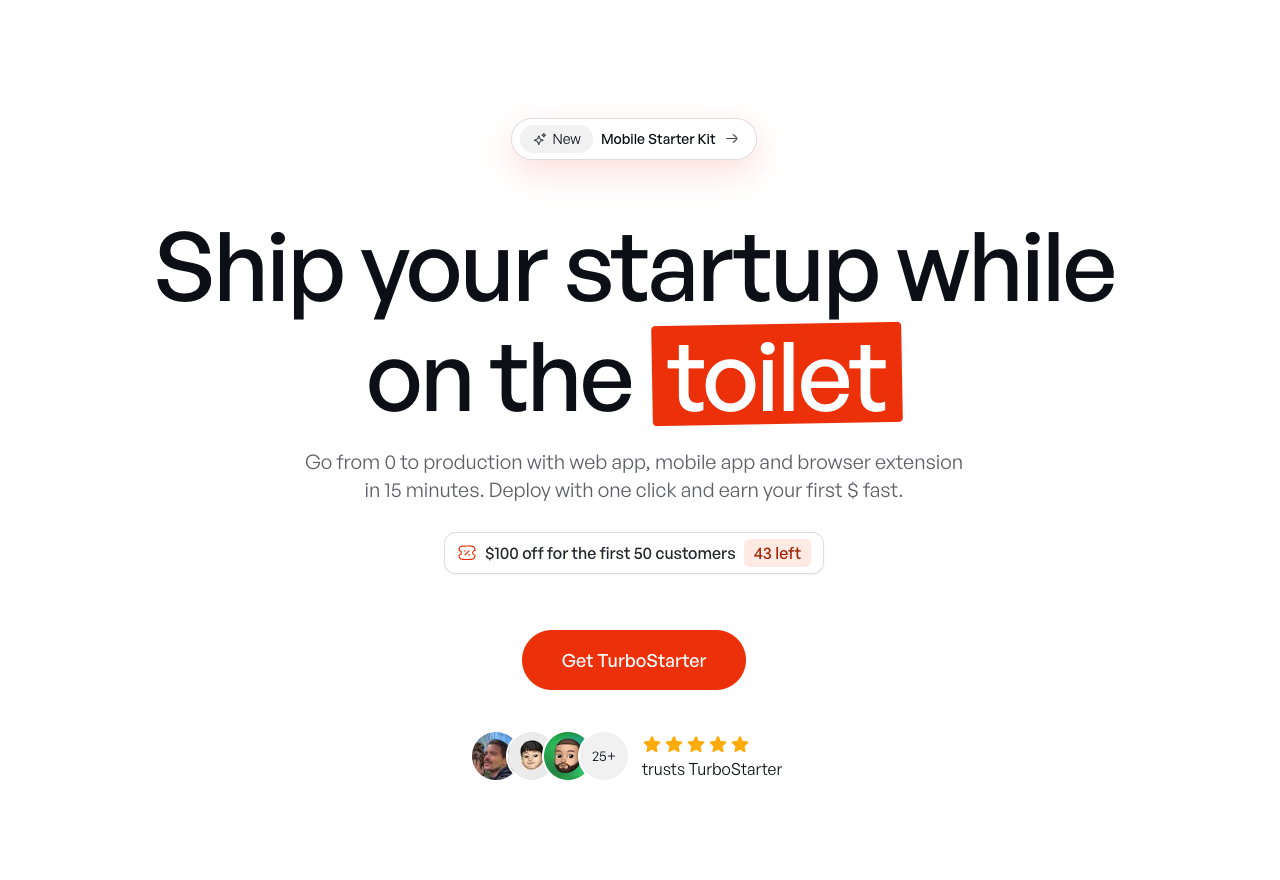
TurboStarter
Ship your startup everywhere. In minutes.
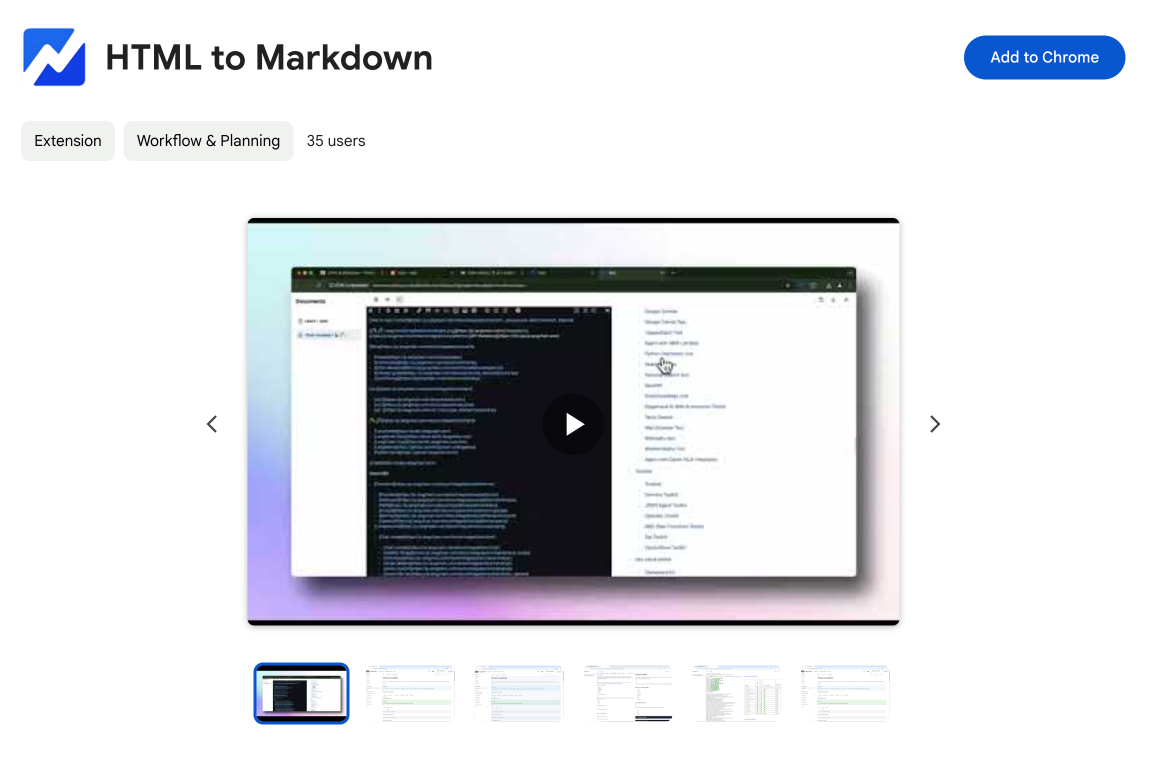
HTML to Markdown
Convert HTML to Markdown with ease, directly in your browser 📄
Dotallio
Personalized AI apps that automate research, data extraction, and content creation without code 🤖
Talk to Santa
Enjoy a magical live video chat or receive a unique AI-generated video greeting from Santa Claus 🎅
pozywka.pl
Scalable blog for food journalist, focused on performance and user experience 🌭
zagrodzki.me
Personal blog and portfolio of Bart Zagrodzki, where he shares his knowledge and work 💼
TurboStarter
Ship your startup everywhere. In minutes.
HTML to Markdown
Convert HTML to Markdown with ease, directly in your browser 📄
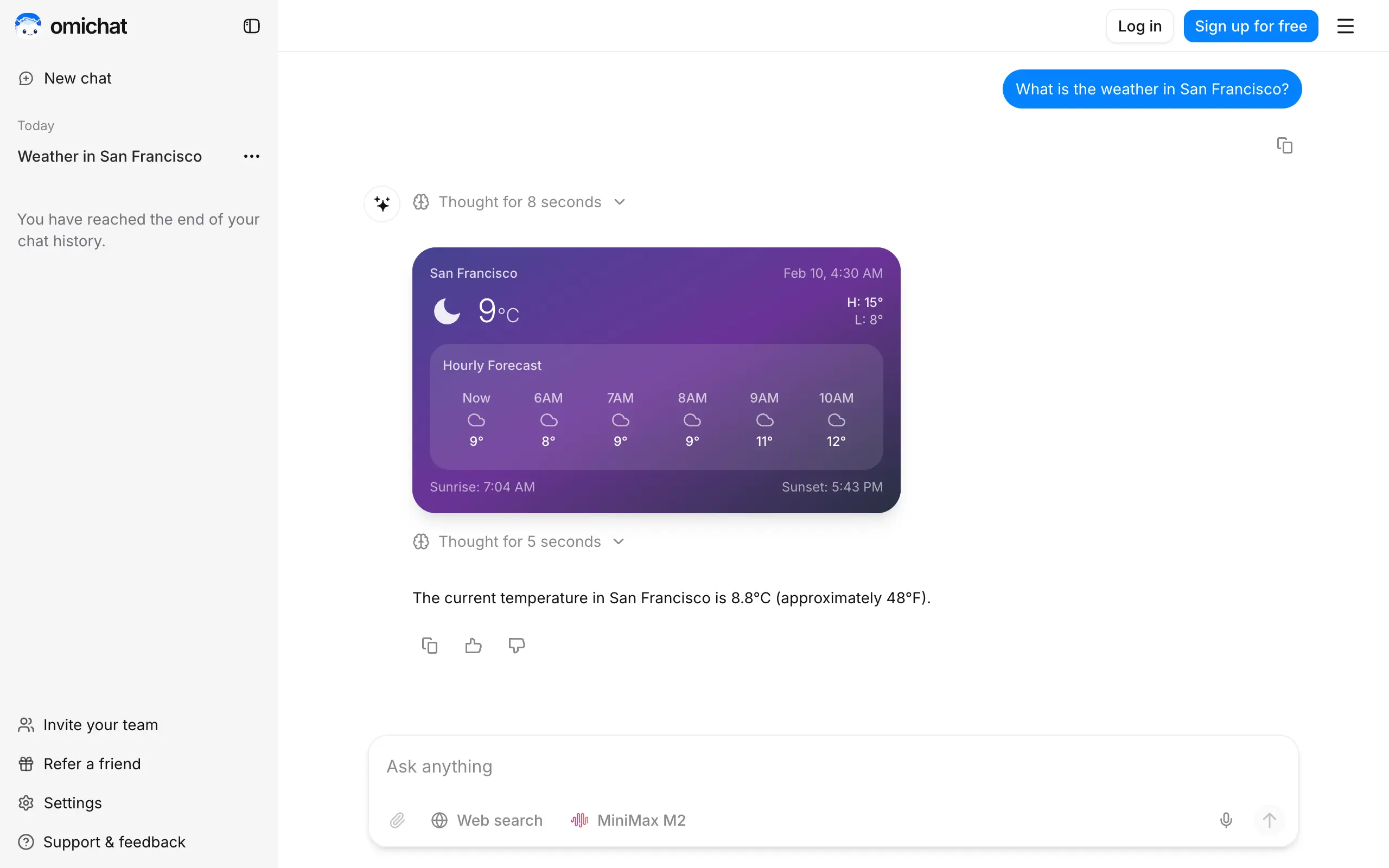
Omichat
Chat with 50+ AI models, including ChatGPT and Claude, in one place - switch models anytime without losing context 🤖
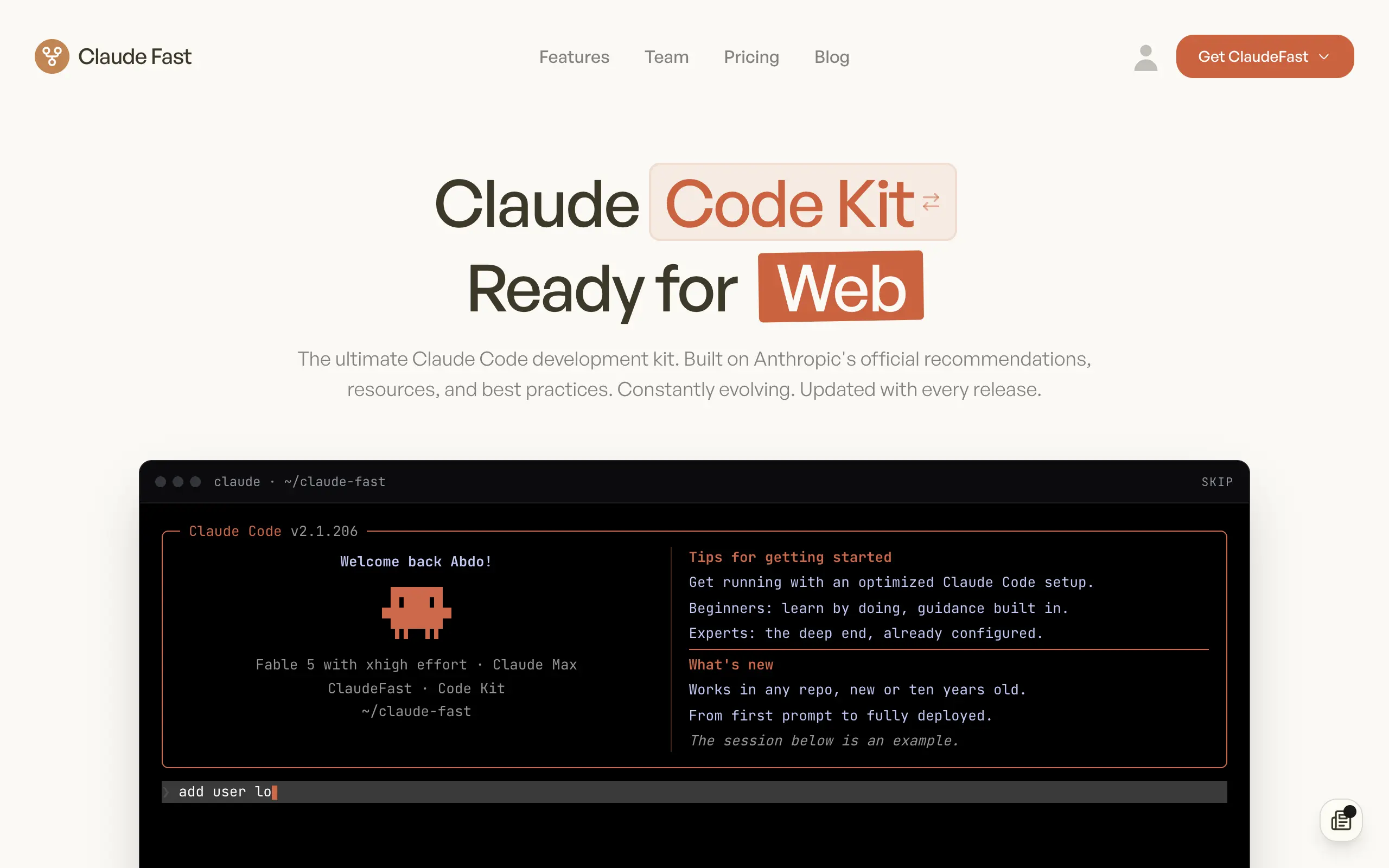
Claude Fast
Supercharge your Claude Code with 6x effective context window and specialized AI agents 🤖
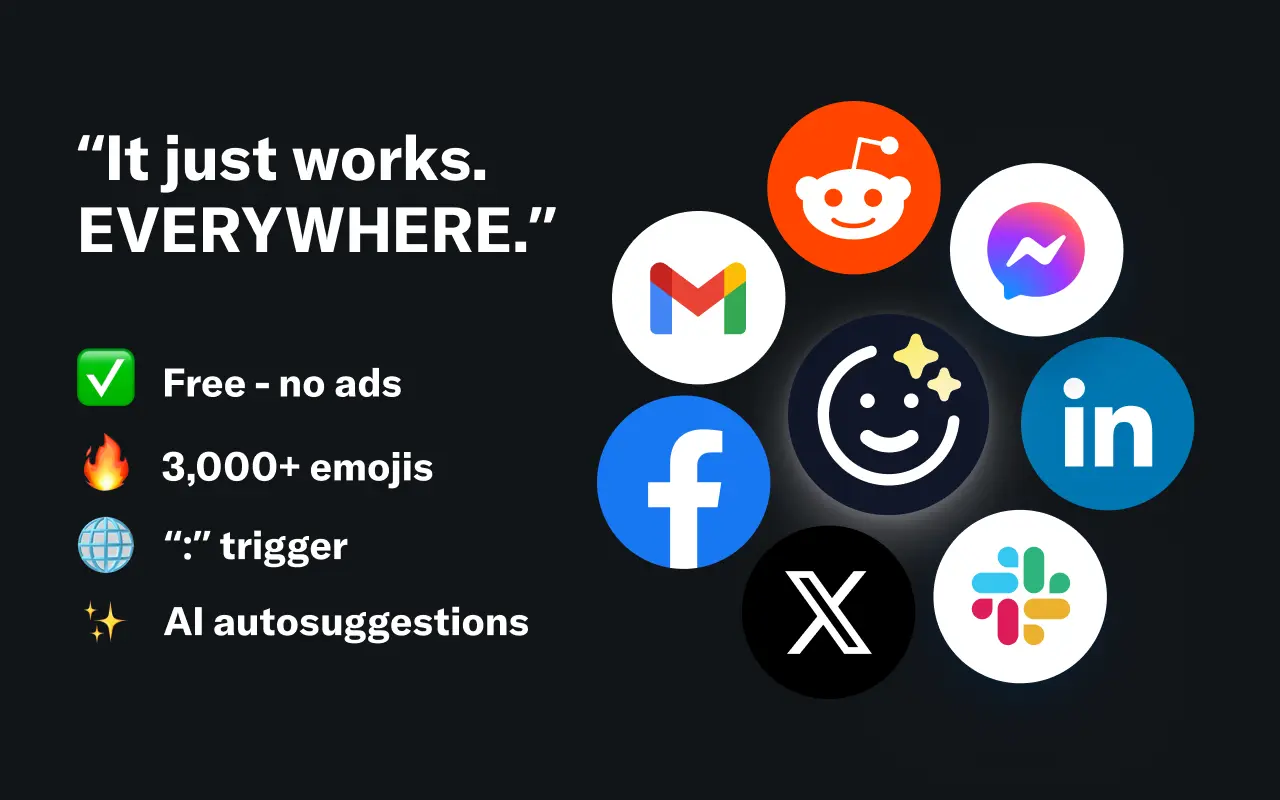
EmojAI
AI-powered emoji picker with smart, context-aware suggestions 🤖

Solohacker
Autonomous company launcher - AI agents work 24/7, escalate what matters, and you stay in control 🤖

BeRawi: Storytelling Coach
Practice storytelling daily with instant feedback to sound clearer, more engaging, and confident 🎤
Omichat
Chat with 50+ AI models, including ChatGPT and Claude, in one place - switch models anytime without losing context 🤖
Claude Fast
Supercharge your Claude Code with 6x effective context window and specialized AI agents 🤖
EmojAI
AI-powered emoji picker with smart, context-aware suggestions 🤖
Solohacker
Autonomous company launcher - AI agents work 24/7, escalate what matters, and you stay in control 🤖
BeRawi: Storytelling Coach
Practice storytelling daily with instant feedback to sound clearer, more engaging, and confident 🎤

Connect with like-minded people
Join our community to get feedback, support, and grow together with 1,000+ builders on board, let's ship it!
Join usShip your startup everywhere. In minutes.
Don't burn tokens on setup and start building features on day one.