AI-Based Content Topic Suggester
A SaaS app for content creators and marketers that analyzes trending topics, competitor content, and search data to recommend the 5 most promising new content ideas tailored to your audience and SEO needs. Integrates with CMS and social media platforms for quick publishing workflows.
AI-Based Content Topic Suggester: In-Depth Analysis & Implementation Guide
Understanding the user intent: What do users want from an AI-based content topic suggester?
Any search for an “AI-based content topic suggester” is grounded in the actionable need to uncover new, high-potential content topics with minimal guesswork. The underlying issues users typically face include:
- Content creators want to drive more organic traffic, leads, or social shares.
- SEO agencies need to stay ahead of trends and outperform competitors.
- Marketers are seeking new ideas that align directly with their target audience interests.
- Users often struggle to efficiently analyze competitive and trending data.
- Quick publishing cycles are critical, demanding CMS and social platform integration.
User intent is clear: Find a reliable, automated solution that delivers data-backed, relevant, and SEO-worthy content topics, minimizing research time and maximizing ROI.
Who needs an AI-based content topic suggester? Target audience insights
Understanding the primary user personas is essential to building both value and the right product roadmap. This tool serves a diverse spectrum:
Primary user segments
- Content marketers: Agencies, in-house teams, and freelance strategists who must consistently generate engaging blog post, video, or social media ideas.
- SEO professionals: Individuals or teams managing on-page SEO and content strategy, looking for timely topic discovery based on search trends and gaps.
- Corporate marketing teams: Enterprises operating across multiple niches or verticals, requiring scalable topic recommendations.
- Independent creators & influencers: Bloggers, YouTubers, and social-first brands that depend on trending, audience-aligned ideas.
- Digital publishing companies: Media outlets and online magazines aiming to outpace competitors with first-mover content on emerging topics.
Their pain points in content ideation
- Analysis overload: Wading through massive datasets (Google Trends, competitor sites, social listening) is overwhelming.
- Rapid shifts in demand: Trending topics change quickly. Manual workflows can’t react in real time.
- SEO-misaligned topics: Content ideas often lack sufficient search intent validation, resulting in wasted effort.
- Lack of workflow integration: Time is lost copying results into CMS platforms or social schedulers.
An effective AI-based content topic suggester directly mitigates these friction points by automating the gathering, analysis, and actionable suggestion process at scale.
Market opportunity: Addressing the gap in content ideation tools
How large and urgent is the need?
The content marketing software space is booming, with Statista estimating global spend to surpass $400 billion in the coming years. Yet, the ideation and strategy segment remains underserved:
- Too generic: Most current tools offer broad “content calendars” without targeted, up-to-date topic intelligence driven by real insights.
- Limited AI implementation: Many “AI” tools simply automate old keyword suggestion processes using static lists.
- Poor multi-channel integration: Marketers need outputs that plug into both websites and social media seamlessly.
- Lack of real-time trend awareness: Only a handful of platforms intelligently combine trend data, SEO potential, and competitive gaps.
Emerging trends amplifying demand
- Rise of generative AI: Advances like GPT-4 and other large language models (OpenAI) make nuanced, context-aware topic suggestions increasingly possible.
- Algorithmic social networks: Viral cycles on TikTok, LinkedIn, and Twitter now require hyper-relevant, rapid response content.
- Zero-click search and semantic SEO: Google’s evolving SERP features demand more precise alignment between content and user questions.
Bottom line: The AI-based content topic suggester fills a critical gap for marketers craving smarter, holistic, and faster ideation based on both trend analysis and technical SEO requirements.
Solution overview: How an AI-based content topic suggester works
Let’s break down the core workflow and how this tool delivers value.
Key features and solution components
Trend analysis engine
Aggregates real-time topic data from Google Trends, social mentions, and industry forums to surface what’s gaining traction.
Competitive content mapping
Benchmarks your site/content versus top competitors, identifying what gaps you can exploit.
SEO intent & search data alignment
Matches potential topics against search volume, keyword difficulty, and intent to maximize organic traffic potential.
Audience profiling & customization
Analyzes your specific audience interests, engagement data, and historical content performance for tailored recommendations.
CMS & social media integration
One-click send to WordPress, Shopify, HubSpot, and social scheduling tools for smooth publishing workflows.
The core topic suggestion process
Typical data sources
- Google Trends & related searches
- SERP analysis via tools like SEMrush, Ahrefs, or in-house scraping
- Social listening APIs (Twitter, Reddit, LinkedIn)
- Analytics/CMS data from connected accounts
Core features in detail: How the AI-based content topic suggester gives you an edge
1. Smart trend detection
By scanning APIs from Google Trends, Twitter, and Reddit, the system captures real-time and emerging topics, often before they reach saturation among competitors.
2. Competitor content gap analysis
- AI parses competitor blogs, landing pages, and top-performing social content.
- Compares against your historical output to reveal untapped angles or subjects.
- Surfaces “content gaps” with high opportunity, especially where search volume is high but competition is low.
3. SEO-led topic scoring
The platform uses semantic keyword relevance, search intent mapping, and keyword difficulty to:
- Score topics by likely organic ROI.
- Highlight quick-win topics (high volume, low competition).
- Suggest long-tail or voice search questions audiences are actually asking.
4. Audience-tailored insights
- AI models leverage your web analytics, existing engagement metrics, and industry benchmarks.
- Topics aren’t just “trendy”—they’re uniquely relevant to your actual audience profile.
5. Seamless publishing integration
- With robust plugins or API connections, suggested topics can be:
- Reduces manual hand-off, accelerating the content creation pipeline.
Technology stack recommendations for an AI-based content topic suggester
An effective SaaS in this space relies on a mix of best-in-class AI, scalable infrastructure, and secure integration. Here’s a breakdown:
Recommended tech stack: key layers
| Layer | Technology | Rationale | Trade-offs |
|---|---|---|---|
| Frontend | React + TailwindCSS | Fast, modular UI; great ecosystem for dashboards | Requires solid JS skills; initial setup overhead |
| Backend/API | Node.js with Express or Fastify | Flexible for API development, async by design | Heavy traffic can be harder to manage than Go/Elixir |
| AI/ML | OpenAI or Anthropic APIs + custom language models | Leverage SOTA NLP for topic analysis & suggestions | Ongoing API cost; privacy/data governance to manage |
| Data aggregation | Python scripts / microservices | Rich ecosystem for web scraping, data prep | Need to handle scaling, maintenance |
| Database | PostgreSQL / MongoDB | Reliable, scalable, works with JSON and tabular data | Must optimize for both speed and full-text search |
| Integration | OAuth & RESTful APIs for CMS/social | Universal compatibility | Each platform has quirks, ongoing maintenance |
| Hosting | AWS, GCP, or Vercel | Scalable, reliable, CI/CD automation | Cost, compliance, and setup considerations |
Why this stack?
- Combines enterprise-grade reliability, world-class UI, and rapid development options.
- Pre-built integrations (e.g., for WordPress) ease onboarding.
- AI APIs ensure you’re always current with language model advances.
Tip: For early-stage MVPs, consider TurboStarter, which can help bootstrap your SaaS securely and swiftly.
Monetization strategies for AI-based content topic suggesters
Finding the right revenue model is crucial for long-term sustainability in SaaS. Viable strategies include:
1. Subscription-based SaaS (freemium + pro tiers)
- Free: Basic daily topic suggestions, limited integrations.
- Pro/Team: Unlimited topic requests, advanced integrations, team collaboration, custom audience analysis.
- Enterprise: API access, premium support, analytics exports, bulk trend reports.
2. Pay-per-use/API credits
- Charge per topic request, or per successful “export” to CMS.
- Good for agencies or platforms integrating at scale.
3. White-label & integrations
- Offer a white-labeled solution for agencies or publishers.
- Monthly or annual license fee for CMS and social platform partners.
4. Affiliate/partner marketplace
- Enable add-ons (e.g., automated content writing, email campaign tools) and earn referral revenue.
Industry benchmarks suggest monthly ARPUs between $29 (individual) and $499 (enterprise). See similar models in tools like Clearscope, SurferSEO, or BuzzSumo.
Risks and challenges (and how to mitigate them)
Even with a smart idea and technical execution, potential pitfalls must be addressed early:
Key risks
- Data privacy & API reliance: Handling user data securely is critical, especially with social and CMS integrations. Third-party data source reliability can fluctuate.
- Model accuracy: AI suggestions must be reliably relevant—irrelevant or spammy topics damage trust and churn rates.
- Market saturation: As generative AI adoption grows, differentiation is harder.
- Changing SEO/social platform APIs: Shifts in how data is shared (or throttled) can break features if not quickly addressed.
Mitigation strategies
- Transparent data management: Clear privacy policies, GDPR/CCPA compliance, and regular security audits.
- Continuous AI model refinement: Use user feedback loops to retrain models and filter out poor suggestions.
- Unique integrations: Emphasize workflows (e.g., "one-click to CMS") that few competitors offer.
- Feature modularity: Design architecture so components can be swapped or updated rapidly.
- Frequent market research: Monitor algorithmic shifts in Google and social nets, updating as needed.
Competitive landscape: How does your AI-based content topic suggester stand out?
Let’s dissect leading competitors and showcase the distinct advantages of this solution.
| Trend Analysis | CMS Integration | Full SEO Scoring | Custom Audience Profiling | Competitive Gap Analysis |
|---|---|---|---|---|
| ✅ | ❌ | ❌ | ✅ | ❌ |
| ✅ | ❌ | ✅ | ✅ | ❌ |
Unique selling proposition (USP)
This AI-based content topic suggester uniquely delivers:
- Holistic analysis (trends, competitors, SEO, and your audience in one pipeline)
- Real-time, always-fresh suggestions, avoiding stale or generic advice
- Deep integration with CMS & social tools, not just passive reporting
- Transparency: Each idea comes with context and “why this matters” metrics
Actionable insights
Unlike keyword tools or static content calendars, this solution delivers fully contextual, data-backed topics designed to trigger actual engagement and organic growth, tailored to your unique needs.
Implementation guide: Building and launching an AI-based content topic suggester
If you’re ready to bring this idea to market, focus on execution with this repeatable framework:
Market & user validation: Interview content marketers, conduct surveys, and run smoke tests (landing page with waitlist) to validate real pain and demand.
MVP design & stack setup: Use React + TailwindCSS for UI, Node.js for backend, and integrate OpenAI APIs for initial topic generation.
Build data connectors: Use Python or JavaScript microservices to regularly fetch trend, search, and social data. Implement initial CMS & social media integrations.
Develop scoring models: Combine NLP (for topic relevance), trend velocity, SEO metrics, and basic audience matching. Score and rank potential topics.
Launch closed beta: Invite early adopters, gather in-depth feedback, and refine UI/UX as well as model outputs.
Iterate and expand features: Add advanced audience profiling, team collaboration, analytics, and more integrations based on user needs.
Go to market & scale: Develop a comprehensive SaaS pricing model (freemium, team, enterprise). Launch via targeted digital ads, demos, and agency outreach.
Example code snippet: Integrating with a CMS (WordPress post creation)
// Example: Publishing a topic suggestion as draft post via WordPress REST API
import axios from 'axios';

async function createWordpressPost(siteUrl, authToken, title, content) {
  const endpoint = `${siteUrl}/wp-json/wp/v2/posts`;
  const response = await axios.post(
    endpoint,
    { title, content, status: 'draft' },
    { headers: { Authorization: `Bearer ${authToken}` } }
  );
  return response.data;
}
Final thoughts and next steps
Harnessing an AI-based content topic suggester significantly elevates content operations, delivering the competitive edge that today’s marketers and publishers need. It aligns trending, audience-driven, and SEO-prioritized topics—integrating directly into existing publishing workflows.
To maximize your success:
- Start with real user feedback.
- Prioritize rapid prototyping and lean integration.
- Maintain focus on actionable, always-current insights over generic keyword lists.
For builders ready to launch, TurboStarter offers an excellent foundation to leapfrog common SaaS development hurdles.
Frequently asked questions
Not at all. The best platforms are no-code friendly and require only basic setup (connecting your CMS and analytics). Marketers, SEOs, and creators can all benefit directly.
Leading solutions update topics daily or even hourly, pulling from the latest trend and search data.
When models are trained on your historical content and audience data, recommendations are highly tailored. Still, always review for fit and context before publishing.
Resources for further learning
- React - Frontend framework for modern SaaS UIs
- TailwindCSS - Utility-first CSS for quick design
- TurboStarter - Rapid SaaS scaffolding platform
- OpenAI - AI language models for content and NLP analysis
By deploying an AI-based content topic suggester, you future-proof your content strategy, enabling scalable, data-driven ideation and dramatically improved content ROI.
More 🤖 AI Startup SaaS ideas
Discover more innovative ai startup SaaS ideas that are trending in 2026. Each idea is AI-generated with market validation and growth potential to help you find your next profitable venture faster than competitors.
Your competitors are building with TurboStarter
Below are some of the SaaS ideas that have been generated and built with our starter kit.

Statiko
Monitor any Telegram channel in real time - track posts, edits, deletions, and growth with AI recaps 📡

Shibui
AI website builder - describe your business, pick a niche template, edit by chatting, and publish instantly ✨

Pro Service
Find verified home service professionals, compare quotes, and pay securely through escrow - built for Brazilians across the US 🏠
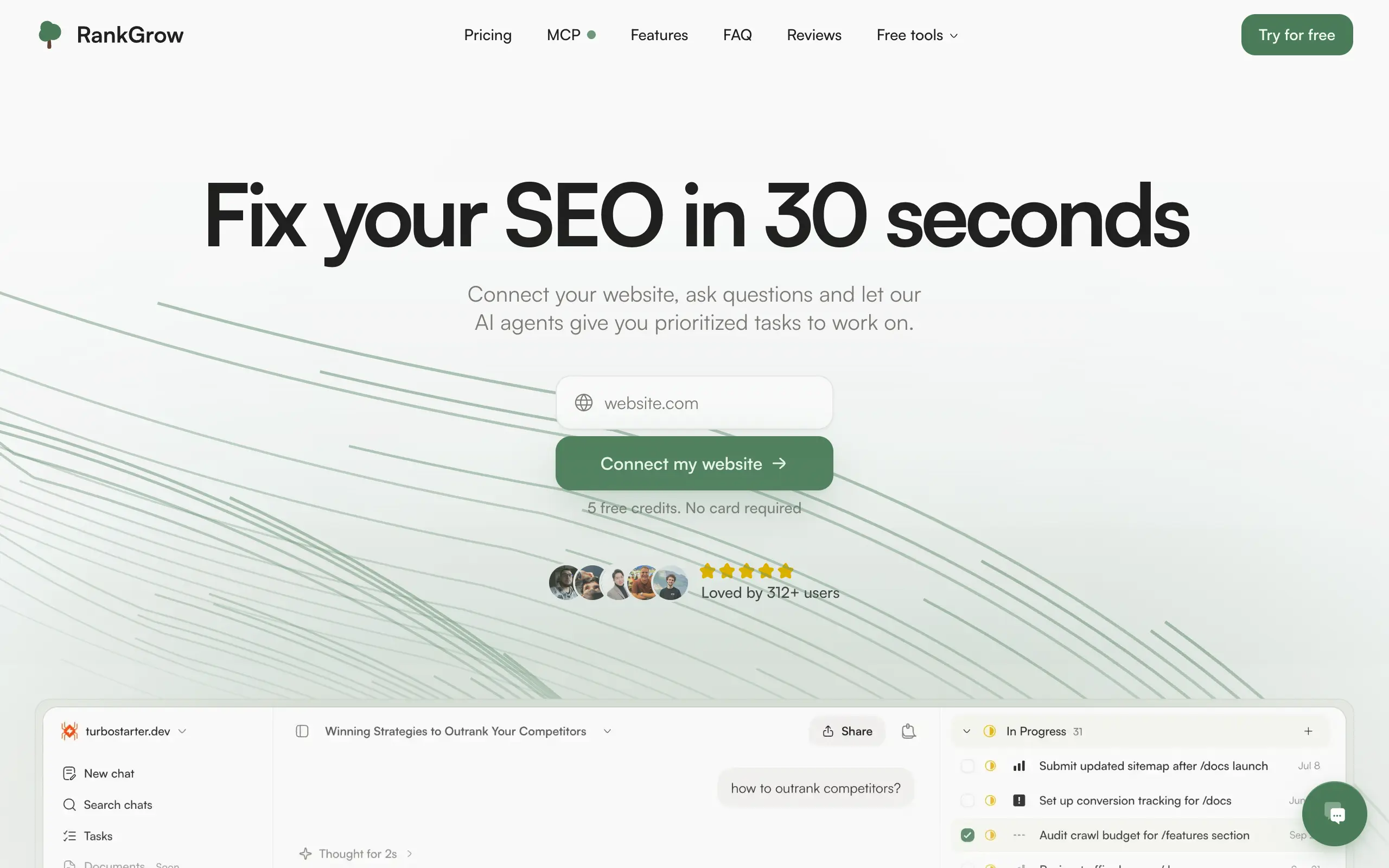
RankGrow
Fix your SEO with AI agents - connect Search Console, get prioritized tasks, and grow organic traffic 📈
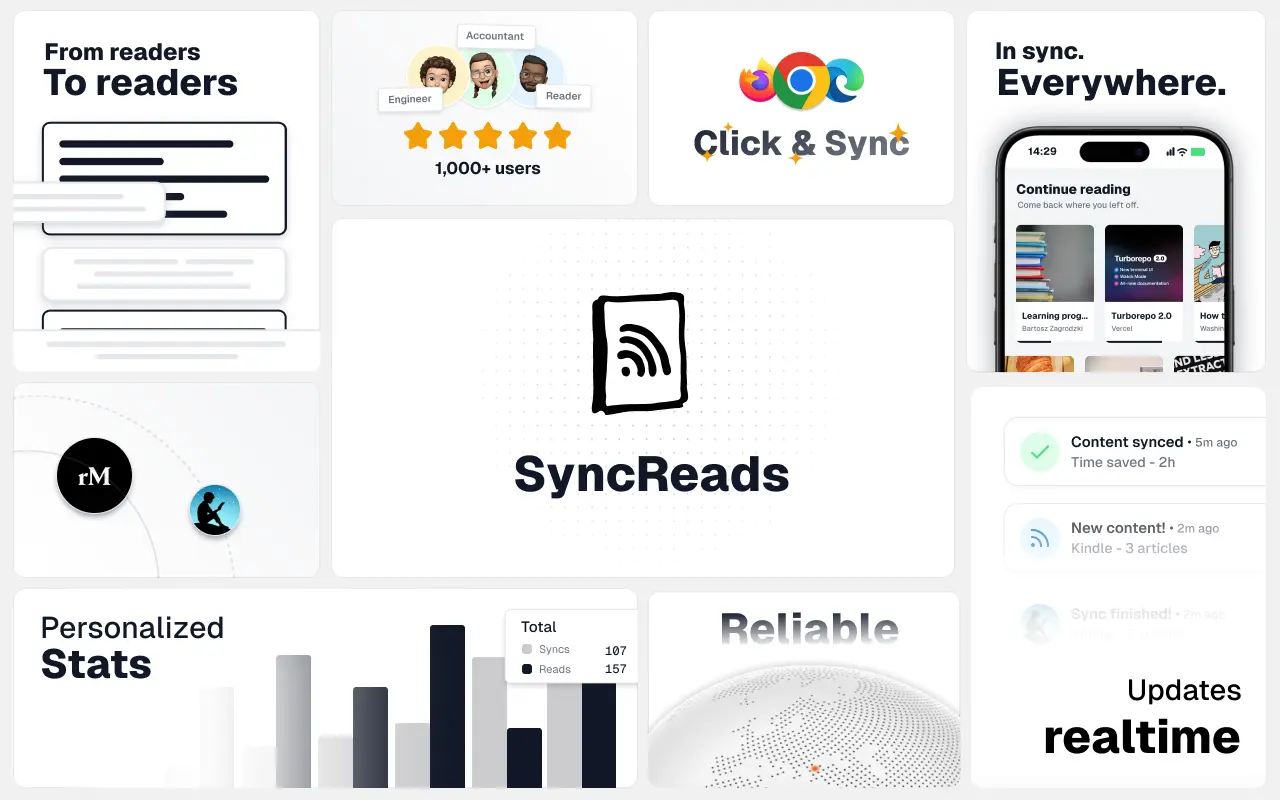
SyncReads
Sync your favorite content for distraction-free reading, save time and replace multiple apps. Anytime, anywhere 🔄
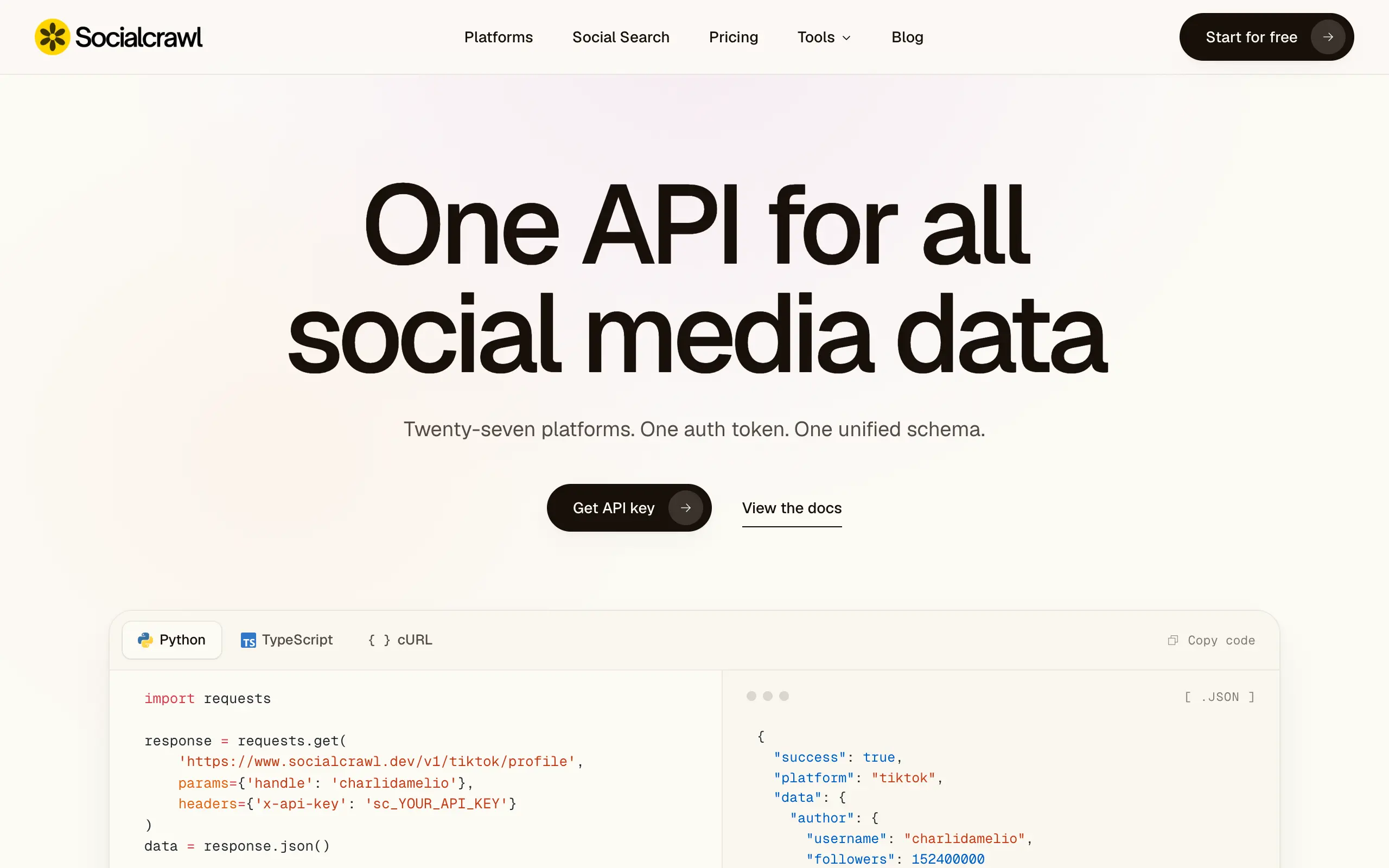
Socialcrawl
Get clean, structured data from 21 platforms like TikTok, Instagram, and YouTube with a single request 📊
Statiko
Monitor any Telegram channel in real time - track posts, edits, deletions, and growth with AI recaps 📡
Shibui
AI website builder - describe your business, pick a niche template, edit by chatting, and publish instantly ✨
Pro Service
Find verified home service professionals, compare quotes, and pay securely through escrow - built for Brazilians across the US 🏠
RankGrow
Fix your SEO with AI agents - connect Search Console, get prioritized tasks, and grow organic traffic 📈
SyncReads
Sync your favorite content for distraction-free reading, save time and replace multiple apps. Anytime, anywhere 🔄
Socialcrawl
Get clean, structured data from 21 platforms like TikTok, Instagram, and YouTube with a single request 📊
Statiko
Monitor any Telegram channel in real time - track posts, edits, deletions, and growth with AI recaps 📡
Shibui
AI website builder - describe your business, pick a niche template, edit by chatting, and publish instantly ✨
Pro Service
Find verified home service professionals, compare quotes, and pay securely through escrow - built for Brazilians across the US 🏠
RankGrow
Fix your SEO with AI agents - connect Search Console, get prioritized tasks, and grow organic traffic 📈
SyncReads
Sync your favorite content for distraction-free reading, save time and replace multiple apps. Anytime, anywhere 🔄
Socialcrawl
Get clean, structured data from 21 platforms like TikTok, Instagram, and YouTube with a single request 📊
Statiko
Monitor any Telegram channel in real time - track posts, edits, deletions, and growth with AI recaps 📡
Shibui
AI website builder - describe your business, pick a niche template, edit by chatting, and publish instantly ✨
Pro Service
Find verified home service professionals, compare quotes, and pay securely through escrow - built for Brazilians across the US 🏠
RankGrow
Fix your SEO with AI agents - connect Search Console, get prioritized tasks, and grow organic traffic 📈
SyncReads
Sync your favorite content for distraction-free reading, save time and replace multiple apps. Anytime, anywhere 🔄
Socialcrawl
Get clean, structured data from 21 platforms like TikTok, Instagram, and YouTube with a single request 📊
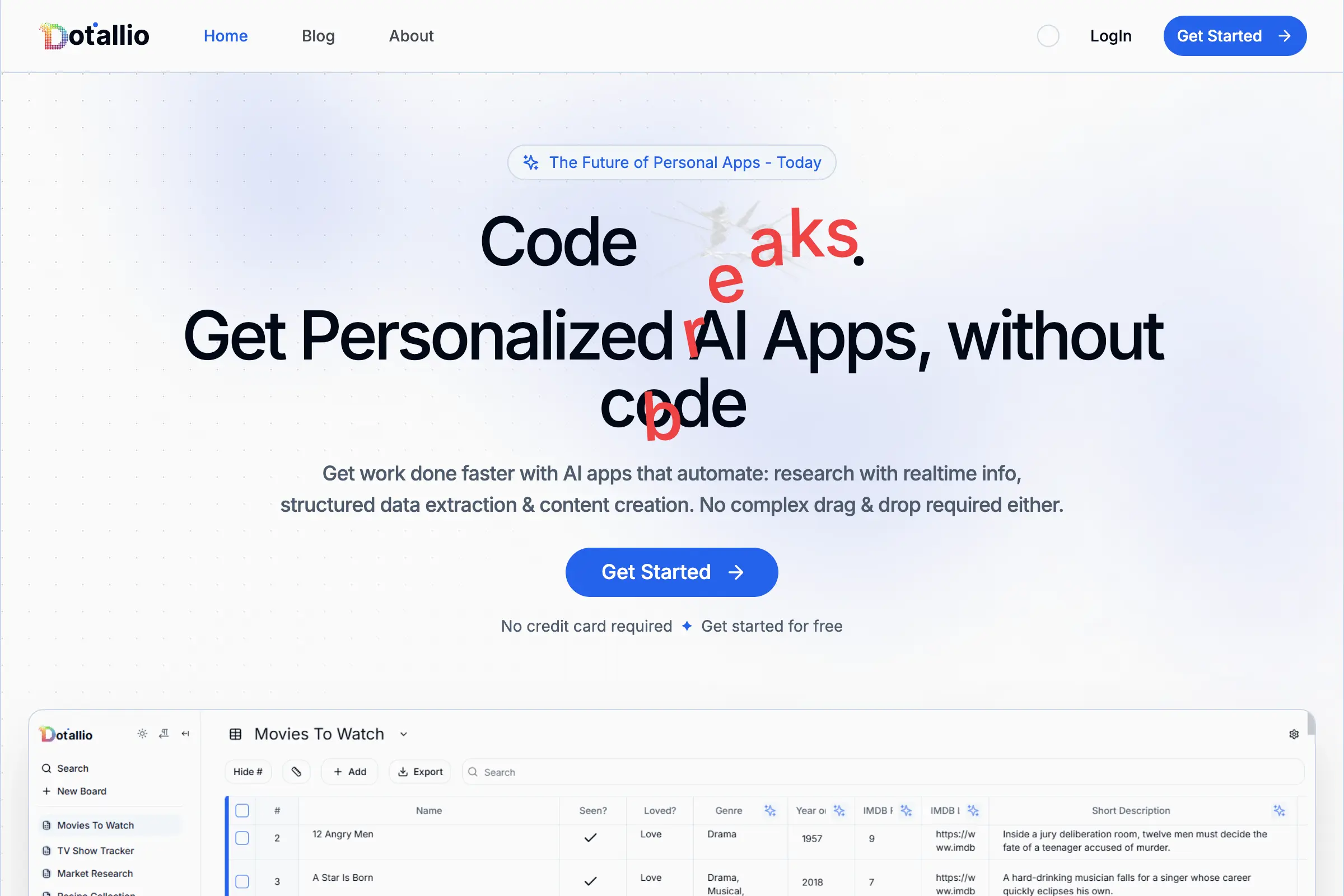
Dotallio
Personalized AI apps that automate research, data extraction, and content creation without code 🤖

Talk to Santa
Enjoy a magical live video chat or receive a unique AI-generated video greeting from Santa Claus 🎅

pozywka.pl
Scalable blog for food journalist, focused on performance and user experience 🌭
zagrodzki.me
Personal blog and portfolio of Bart Zagrodzki, where he shares his knowledge and work 💼
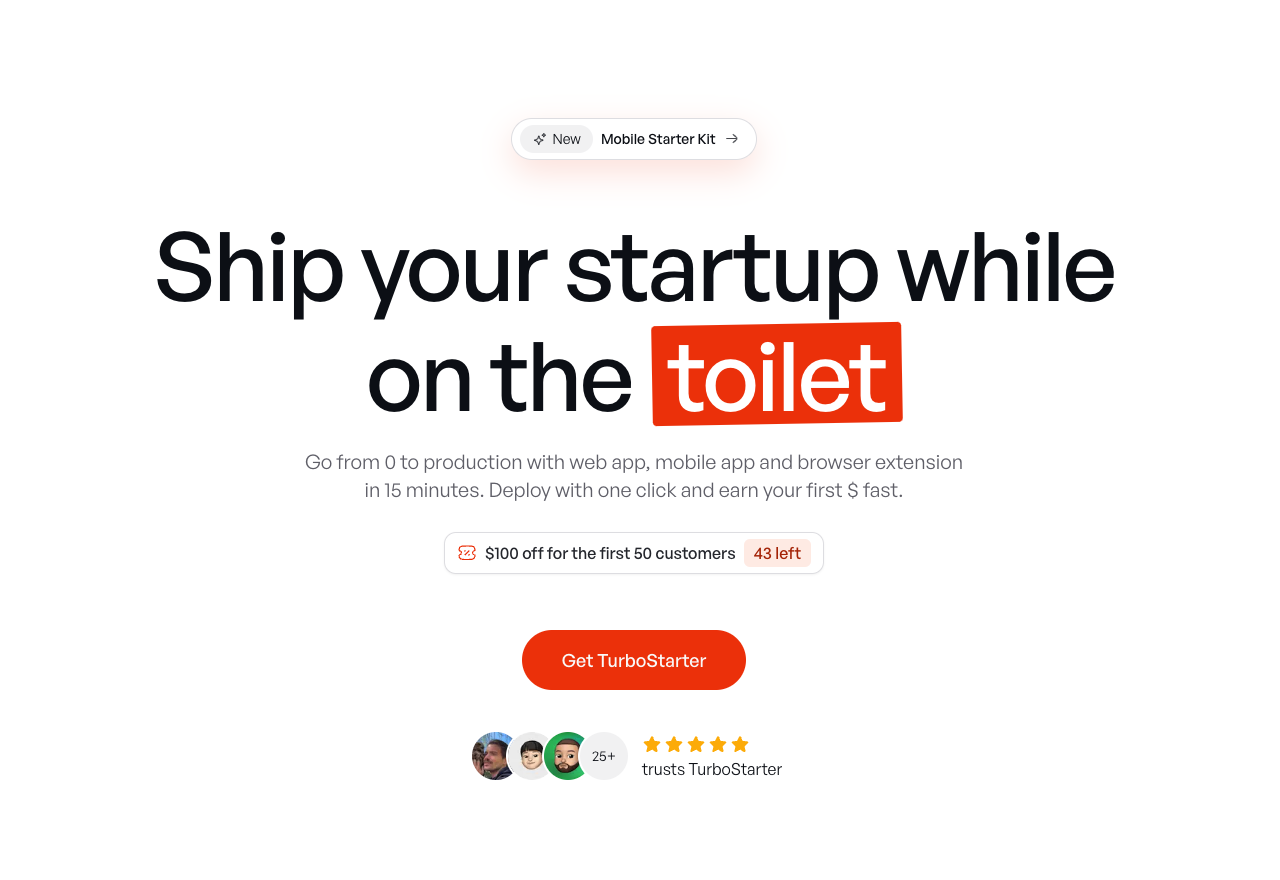
TurboStarter
Ship your startup everywhere. In minutes.
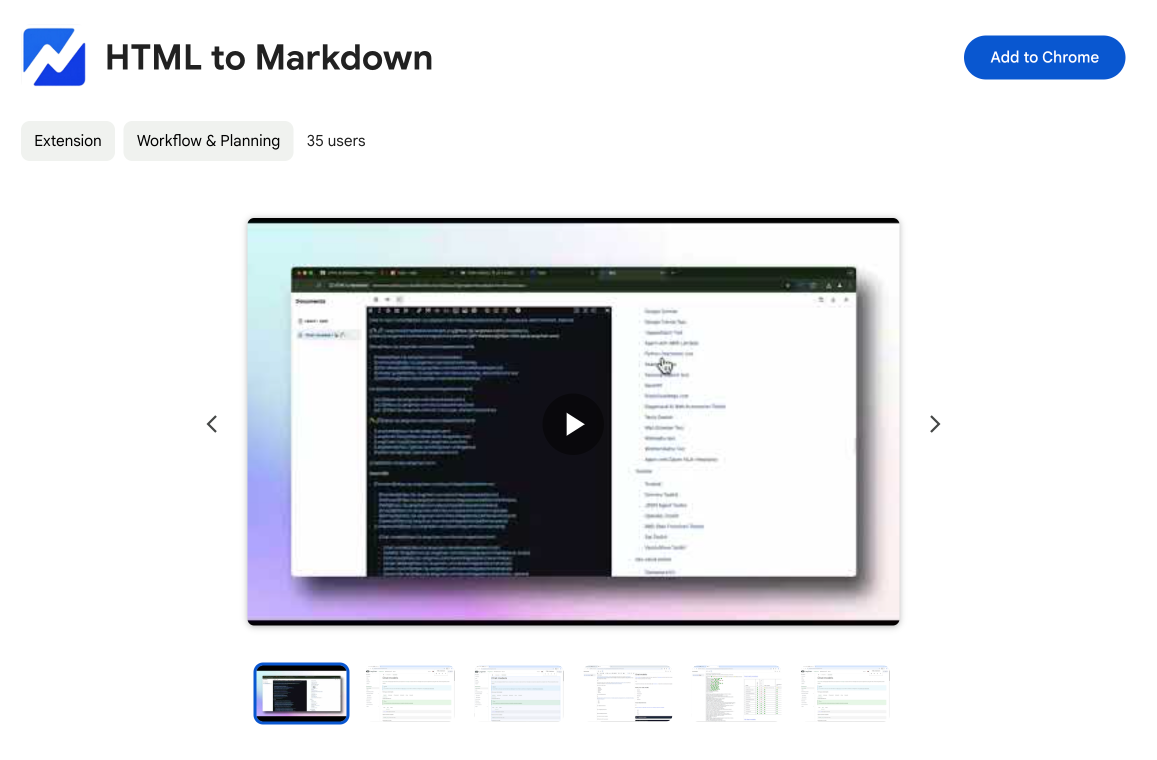
HTML to Markdown
Convert HTML to Markdown with ease, directly in your browser 📄
Dotallio
Personalized AI apps that automate research, data extraction, and content creation without code 🤖
Talk to Santa
Enjoy a magical live video chat or receive a unique AI-generated video greeting from Santa Claus 🎅
pozywka.pl
Scalable blog for food journalist, focused on performance and user experience 🌭
zagrodzki.me
Personal blog and portfolio of Bart Zagrodzki, where he shares his knowledge and work 💼
TurboStarter
Ship your startup everywhere. In minutes.
HTML to Markdown
Convert HTML to Markdown with ease, directly in your browser 📄
Dotallio
Personalized AI apps that automate research, data extraction, and content creation without code 🤖
Talk to Santa
Enjoy a magical live video chat or receive a unique AI-generated video greeting from Santa Claus 🎅
pozywka.pl
Scalable blog for food journalist, focused on performance and user experience 🌭
zagrodzki.me
Personal blog and portfolio of Bart Zagrodzki, where he shares his knowledge and work 💼
TurboStarter
Ship your startup everywhere. In minutes.
HTML to Markdown
Convert HTML to Markdown with ease, directly in your browser 📄
Dotallio
Personalized AI apps that automate research, data extraction, and content creation without code 🤖
Talk to Santa
Enjoy a magical live video chat or receive a unique AI-generated video greeting from Santa Claus 🎅
pozywka.pl
Scalable blog for food journalist, focused on performance and user experience 🌭
zagrodzki.me
Personal blog and portfolio of Bart Zagrodzki, where he shares his knowledge and work 💼
TurboStarter
Ship your startup everywhere. In minutes.
HTML to Markdown
Convert HTML to Markdown with ease, directly in your browser 📄
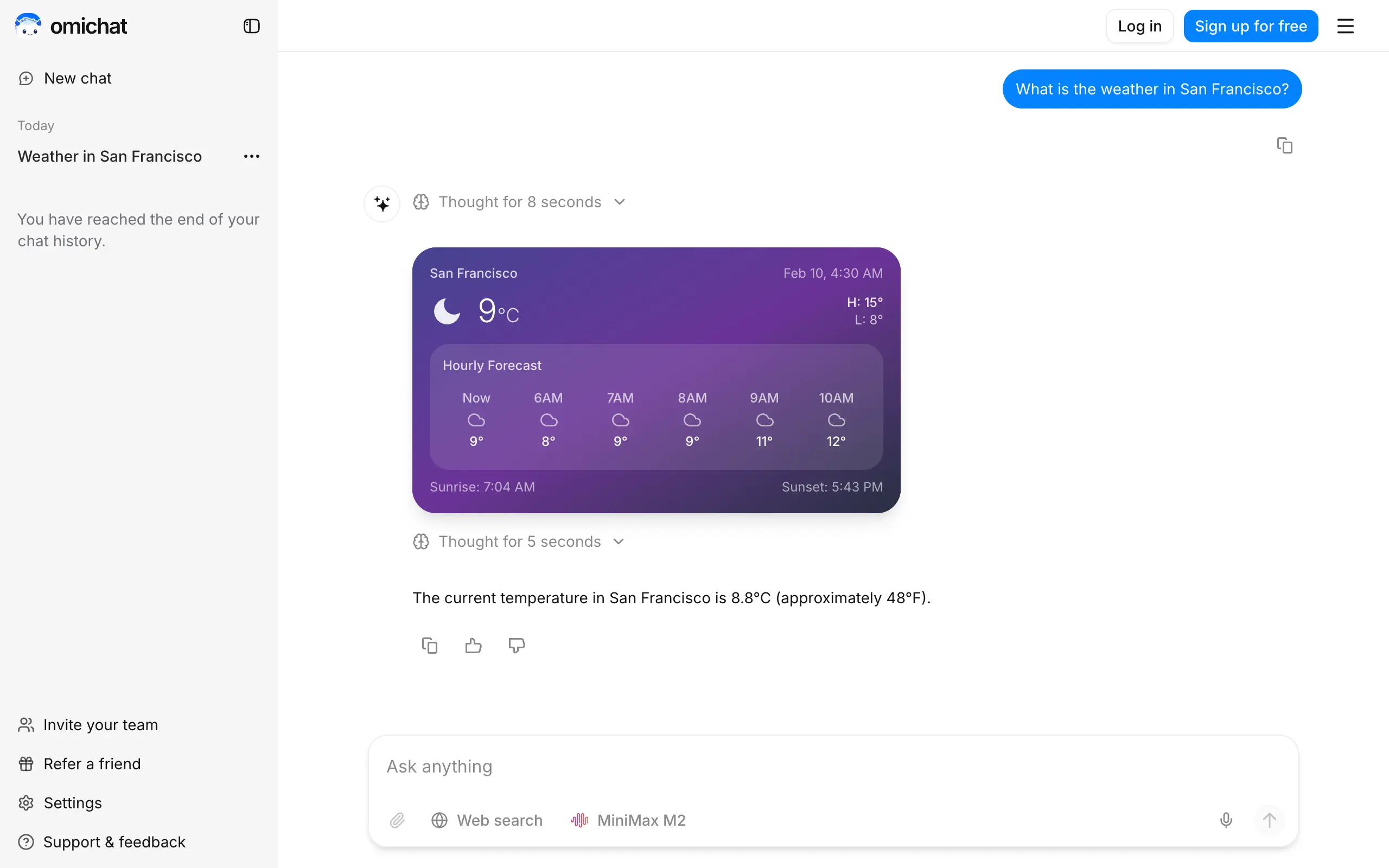
Omichat
Chat with 50+ AI models, including ChatGPT and Claude, in one place - switch models anytime without losing context 🤖
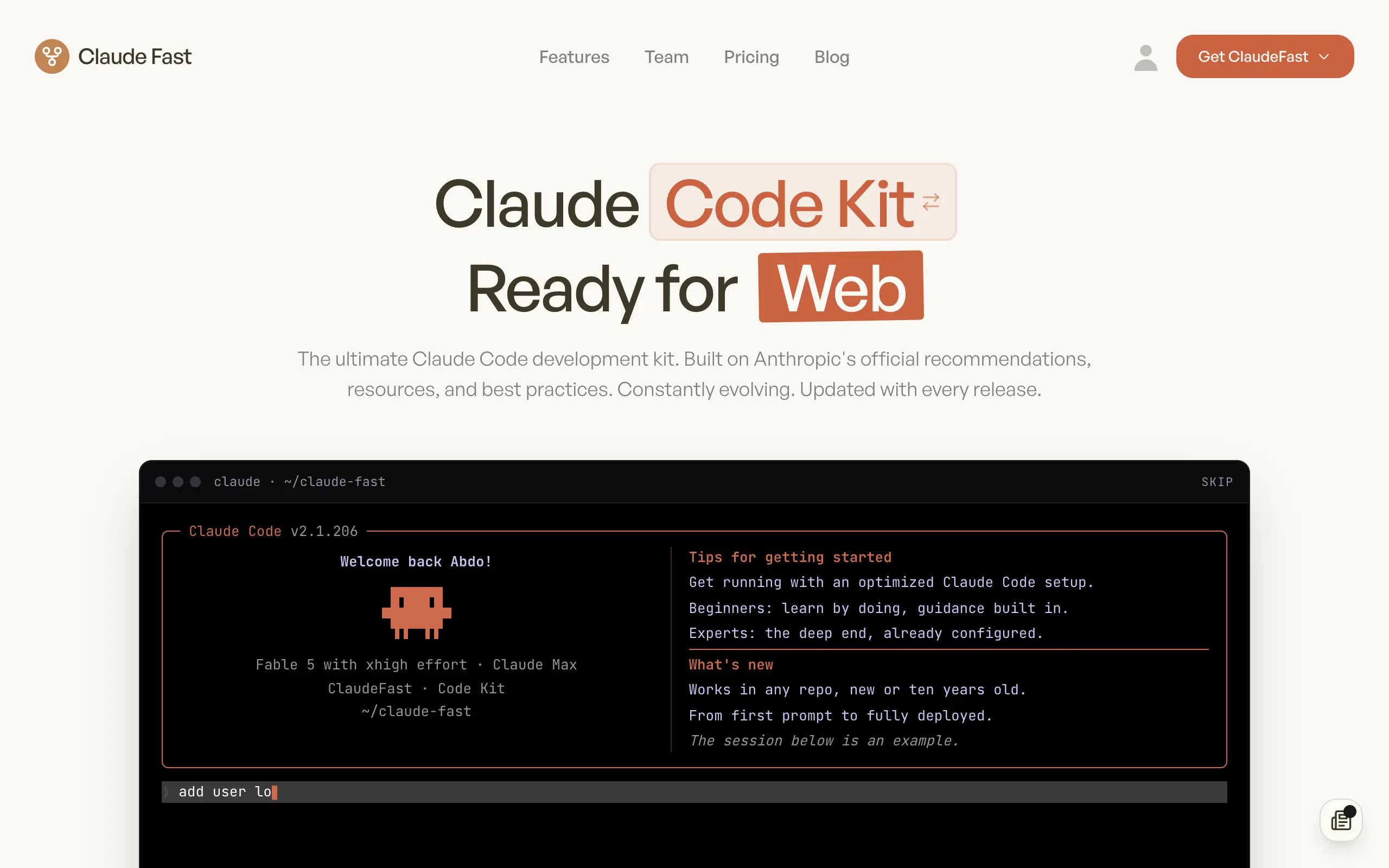
Claude Fast
Supercharge your Claude Code with 6x effective context window and specialized AI agents 🤖
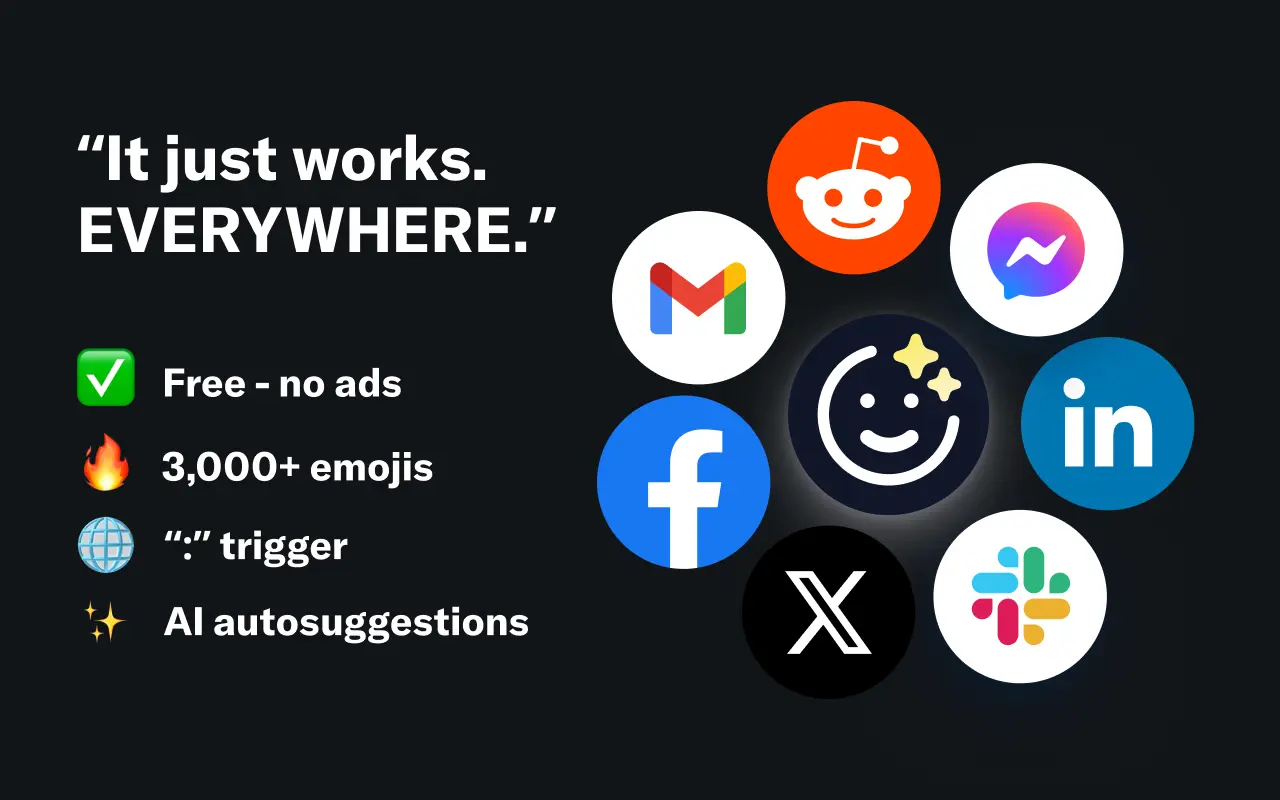
EmojAI
AI-powered emoji picker with smart, context-aware suggestions 🤖

Solohacker
Autonomous company launcher - AI agents work 24/7, escalate what matters, and you stay in control 🤖
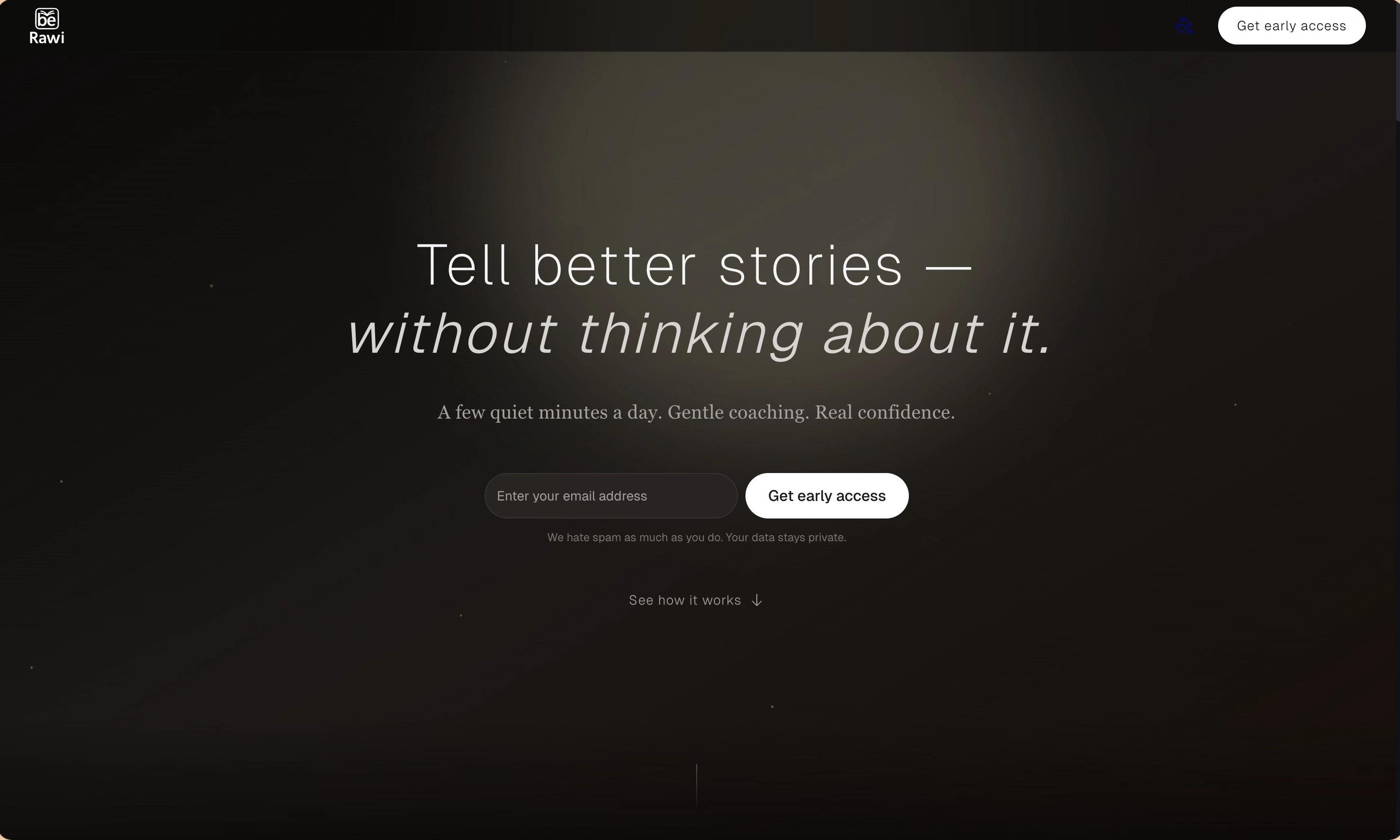
BeRawi: Storytelling Coach
Practice storytelling daily with instant feedback to sound clearer, more engaging, and confident 🎤
Omichat
Chat with 50+ AI models, including ChatGPT and Claude, in one place - switch models anytime without losing context 🤖
Claude Fast
Supercharge your Claude Code with 6x effective context window and specialized AI agents 🤖
EmojAI
AI-powered emoji picker with smart, context-aware suggestions 🤖
Solohacker
Autonomous company launcher - AI agents work 24/7, escalate what matters, and you stay in control 🤖
BeRawi: Storytelling Coach
Practice storytelling daily with instant feedback to sound clearer, more engaging, and confident 🎤
Omichat
Chat with 50+ AI models, including ChatGPT and Claude, in one place - switch models anytime without losing context 🤖
Claude Fast
Supercharge your Claude Code with 6x effective context window and specialized AI agents 🤖
EmojAI
AI-powered emoji picker with smart, context-aware suggestions 🤖
Solohacker
Autonomous company launcher - AI agents work 24/7, escalate what matters, and you stay in control 🤖
BeRawi: Storytelling Coach
Practice storytelling daily with instant feedback to sound clearer, more engaging, and confident 🎤
Omichat
Chat with 50+ AI models, including ChatGPT and Claude, in one place - switch models anytime without losing context 🤖
Claude Fast
Supercharge your Claude Code with 6x effective context window and specialized AI agents 🤖
EmojAI
AI-powered emoji picker with smart, context-aware suggestions 🤖
Solohacker
Autonomous company launcher - AI agents work 24/7, escalate what matters, and you stay in control 🤖
BeRawi: Storytelling Coach
Practice storytelling daily with instant feedback to sound clearer, more engaging, and confident 🎤

Connect with like-minded people
Join our community to get feedback, support, and grow together with 1,000+ builders on board, let's ship it!
Join usShip your startup everywhere. In minutes.
Don't burn tokens on setup and start building features on day one.