AI-Driven Business Workflow Optimizer
A SaaS platform that uses AI to map, analyze, and continuously improve business workflows across departments (HR, finance, operations). It ingests logs from various tools (databases, CRM, ITSM systems), identifies bottlenecks, automates repetitive support/admin tasks, and recommends process improvements. Includes workflow simulation, ROI prediction, and direct integration with automation tools (Zapier, Power Automate). Target users: Operations managers, IT admins, business process owners. Monetization: Per-user/month pricing, premium workflow and integration packages.
Understanding the AI-driven business workflow optimizer: Solving operational inefficiencies with intelligence
In today's fast-evolving business landscape, operational excellence is more critical—and complex—than ever. Organizations grapple with scattered systems, manual bottlenecks, and lack of visibility into inefficiencies. The AI-driven business workflow optimizer emerges as an advanced SaaS solution, leveraging artificial intelligence to map, analyze, and enhance workflows across HR, finance, and operations.
But what exactly does this solution offer, who needs it, and how does AI bring tangible value? This comprehensive guide unpacks all aspects—from target audience and market opportunity to features, architecture, monetization strategies, and actionable steps for building or evaluating such a platform.
Who needs an AI-driven workflow optimizer? Target audience analysis
Solving workflow inefficiency is not a universal challenge—it requires understanding whose problems you're solving. This platform primarily caters to:
Operations managers
- Responsible for ensuring streamlined processes and optimal resource allocation.
- Need visibility into daily business workflows, inefficiencies, and ways to boost productivity.
- Often tasked with cross-departmental process alignment.
IT administrators
- Manage integrations among databases, SaaS tools, and legacy systems.
- Handle data ingestion, system logging, and security—often under pressure to automate and modernize.
Business process owners
- HR, finance, and operations leads with direct accountability for outcomes and process improvement.
- Seek tools that help them justify investments in digital transformation and automation.
Additional stakeholders
- Compliance officers: Need audit trails and documentation of automated actions.
- Automation engineers: Integrate workflow tooling with platforms like Zapier and Power Automate.
Key intent: These users aren't just seeking analytics—they need continuous improvement powered by data, automation, and actionable AI-driven recommendations.
Why now? Identifying the market opportunity and gap
Despite a crowded field of workflow automation and business intelligence tools, a significant market gap persists. Traditional platforms (even leading CRMs, ITSMs, or RPA tools) typically suffer from:
- Lack of holistic, cross-departmental workflow mapping.
- Minimal use of AI/ML for real-time bottleneck identification and process simulation.
- Manual configuration overhead and complex integration requirements.
- Limited ability to predict ROI or model process change outcomes before implementation.
- Fragmented automation, with no single platform bridging analytics and hands-on workflow optimization.
Industry trends supporting this market gap:
- IDC forecasts that global spending on digital transformation will reach $3.4 trillion by 2026 (suggest a reference to IDC research).
- The adoption of AI in enterprise process management is growing at ~40% YoY, primarily for its potential to deliver measurable ROI (cite Gartner, if relevant).
Key insight
Legacy workflow tools focus on documenting or automating existing processes—rarely optimizing or proactively recommending changes using real business data.
Core features: How an AI-driven workflow optimizer delivers value
This SaaS platform stands out by offering a tightly integrated suite of features underpinned by AI, designed for real business outcomes:
1. Automated workflow discovery & mapping
- Log ingestion: Securely connects to databases, CRMs, ITSMs, and SaaS logs.
- Visual mapping: Presents a dynamic, visual representation of workflows across departments—uncovering hidden dependencies.
- AI-driven process mining: Uses ML models to reconstruct actual process flows and deviations.
2. Bottleneck analysis and continuous improvement
- Root cause analysis: Identifies repetitive tasks, bottlenecks, and human error points.
- Anomaly detection: Alerts for process deviations or unexpected delays.
3. Workflow simulation and ROI prediction
- What-if scenarios: Users can simulate process changes and visualize their downstream impact.
- Predictive analytics: AI models forecast the ROI of optimizing or automating workflow segments—before committing resources.
4. Automation recommendations and direct integrations
- Personalized recommendations: AI suggests steps or processes to automate for maximum impact.
- Integration with leading platforms: Enables hands-free workflow automation and orchestration via Zapier, Power Automate, and other tools.
5. Cross-departmental insights and reporting
- Unified dashboard: Centralizes KPI tracking across HR, finance, operations.
- Exportable reports: Built-in reporting for audits, compliance, and executive review.
AI-powered process mining
Automated mapping of actual workflows by ingesting logs and reconstructing business processes.
Bottleneck detection
Pinpoints slowdowns, repetitive manual steps, and sources of human error across departments.
Simulation & ROI modeling
Visualizes potential process improvements and predicts return on investment.
Seamless automation
One-click integration with industry-leading automation platforms for instant optimization.
Related LSI keywords: AI workflow automation, process mining SaaS, workflow simulation, business process optimization, enterprise automation, workflow analytics.
Recommended tech stack for an AI-driven workflow optimizer
Selecting the right tech stack is crucial for scalability, security, and maintainability. Here’s a breakdown of recommended technologies:
| Functionality | Recommended Tech | Why | Alternatives | Trade-offs |
|---|---|---|---|---|
| Web frontend | React + TailwindCSS | Component reusability, responsive UI | Vue.js, Svelte | Vue/Svelte may offer lighter bundles, but less mature ecosystem |
| API & backend | Node.js + Express | Fast async processing, large library ecosystem | Python (FastAPI, Django) | Python excels in AI/ML, but may require separate API/data layers |
| Workflow processing & automation | Temporal | Reliable distributed workflow orchestration | Apache Airflow | Airflow is batch-focused, less suited for real-time use cases |
| AI/ML engine | TensorFlow or PyTorch | Industry standard for advanced AI modeling | Scikit-learn | Great for classical ML, but limited for deep learning/complex tasks |
| Integrations | Zapier, Power Automate | Broad ecosystem, rapid integration | Custom integrations | More control, but higher maintenance overhead |
| Database | PostgreSQL | Reliable, supports complex queries | MongoDB | Better for unstructured logs, but less optimal for analytics-heavy use |
| Authentication & user management | Auth0 or Firebase Auth | Secure, scalable, SSO-ready | In-house OAuth | Custom solutions increase development burden and risk |
Considerations
- Security: Enterprise-grade encryption, role-based access control, and audit logging are essential.
- Scalability: Choice of orchestration and cloud infrastructure (AWS, GCP, Azure) impacts ability to handle enterprise workloads.
- Extensibility: Open API design enables third-party integrations as workflow needs grow.
Monetization strategy options
The most effective SaaS monetization strategies balance accessibility for entry-level customers and scale for large enterprises.
1. Per-user/month pricing
- Lower barrier to entry: Fits operational and IT budgets.
- Predictable ARR: Easier for finance teams to justify ongoing ROI.
2. Premium workflow packages
- Pay-as-you-grow: Charge for advanced features (simulation, custom reports, API access).
- Departmental add-ons: Bundle premium integrations (e.g., advanced Power Automate connectors) or cross-department analytics.
3. Usage-based or metered pricing
- Log ingestion volume: Monetize according to the number of workflows, tasks, or data processed.
- API calls: Ideal for high-scale or custom environments.
4. Enterprise plans
- White-glove onboarding, dedicated support, custom SLAs.
- Integration with existing ITSM, security, and compliance tooling.
Best practice
Start with simple per-user pricing, then expand to workflow- or feature-based tiers as your SaaS matures.
Risks and challenges (plus how to mitigate them)
No transformative SaaS comes without risks—anticipating them is critical for E-E-A-T and business viability.
Challenge: Ingesting and mapping data from diverse tools (e.g., CRMs, databases, SaaS systems) can be a technical quagmire.
Mitigation: Start with the most popular integrations and API-friendly platforms. Use middleware and robust ETL (Extract, Transform, Load) pipelines.
Challenge: Storing and processing sensitive operational and HR data.
Mitigation: Adhere to SOC 2, ISO 27001, and local compliance. Provide fine-grained access controls and audit logging.
Challenge: Black-box AI recommendations can reduce trust and hinder adoption in regulated industries.
Mitigation: Build in explainability layers—show users why automation or bottleneck changes are suggested.
Challenge: Stakeholders may resist workflow changes, even with data-driven insights.
Mitigation: Offer simulation features and ROI projections to align proposed changes with business outcomes before deploying.
Challenge: Incorrectly identified bottlenecks or automation steps could disrupt operations.
Mitigation: Allow for user verification, approval workflows, and detailed rollback procedures.
Competitive advantage: How this platform stands out
The SaaS space around workflow and process optimization is active—but the AI-driven business workflow optimizer carves out clear differentiation:
- AI-first, not rules-driven: While RPA and workflow tools like UiPath or Nintex rely on user-mapped flows, this platform uses live data and ML to uncover ground truths and suggest ongoing improvements.
- True cross-department visibility: Most alternatives are siloed—this optimizer links HR, finance, IT, and operations under a unified view.
- Proactive optimization: Recommends not just what to automate, but why, with ROI simulation up front.
- Tight automation integration: Seamless actioning of AI recommendations via Zapier and Power Automate.
- End-to-end journey: From mapping and analysis to simulation, action, and outcome measurement, it’s a full closed-loop solution.
Feature comparison table
| AI Process Mining | ROI Simulation | Cross-Dept Insights | Direct Automation | Legacy Tooling |
|---|---|---|---|---|
| ✅ | ❌ | ❌ | ✅ | ❌ |
| ✅ | ❌ | ✅ | ✅ | ❌ |
Actionable implementation steps: Building or adopting an AI-driven business workflow optimizer
For SaaS founders, enterprise architects, or business process owners interested in building or procuring such a solution, here’s a logical roadmap:
Define key workflow goals: Identify which business functions (HR, finance, operations, IT) are most in need of process optimization.
Map out required integrations: List all critical databases, CRMs, ITSM, and SaaS platforms in use.
Establish secure data pipelines: Prioritize systems with solid API support and robust access controls.
Deploy initial workflow mapping: Use process mining to visualize actual process flows and identify quick wins.
Iterate with AI/ML models: Train models on log data to surface bottlenecks and suggest improvements. Incorporate explainability for trust.
Integrate automation tooling: Connect Zapier, Power Automate, and build out direct workflow triggers.
Simulate and validate changes: Leverage built-in simulation to “preview” impact and secure stakeholder buy-in.
Monitor and refine: Continuously track outcomes, iteratively improve models, and expand integration footprint as organizational needs evolve.
The unique selling proposition: Why choose an AI-driven business workflow optimizer?
No matter your organization’s digital maturity, the AI-driven business workflow optimizer stands apart due to:
- Seamless end-to-end workflow intelligence: Not just process mapping or basic automation.
- Continuous, data-backed improvement: Workflows adapt as your organization’s processes change.
- Tangible ROI modeling and simulation: Build confidence and alignment across business and IT stakeholders.
- Accessible automation: Direct integration with top-tier automation platforms, without costly custom development.
- Enterprise-grade adaptability: Suitable for mid-market organizations up to the Fortune 500.
Adopting such a platform isn’t just about cost savings; it’s about unlocking a culture of operational excellence and data-driven decision making.
Key takeaways and next steps
- Businesses seeking to transform workflows, reduce bottlenecks, and accelerate automation require advanced, AI-powered solutions.
- The AI-driven business workflow optimizer unifies process mapping, analysis, simulation, and direct action—closing the loop from insight to impact.
- Best-in-class tools embrace both IT and business personas, supporting secure, scalable integrations.
- Ready to build or adopt? Start with clear use cases, prioritize integrations, and demand transparent, explainable AI—backed by robust ROI forecasting.
Explore more
For SaaS founders and enterprise leaders, consider platforms like TurboStarter to accelerate your AI-powered workflow innovation journey.
More 🤖 AI Startup SaaS ideas
Discover more innovative ai startup SaaS ideas that are trending in 2026. Each idea is AI-generated with market validation and growth potential to help you find your next profitable venture faster than competitors.
Your competitors are building with TurboStarter
Below are some of the SaaS ideas that have been generated and built with our starter kit.
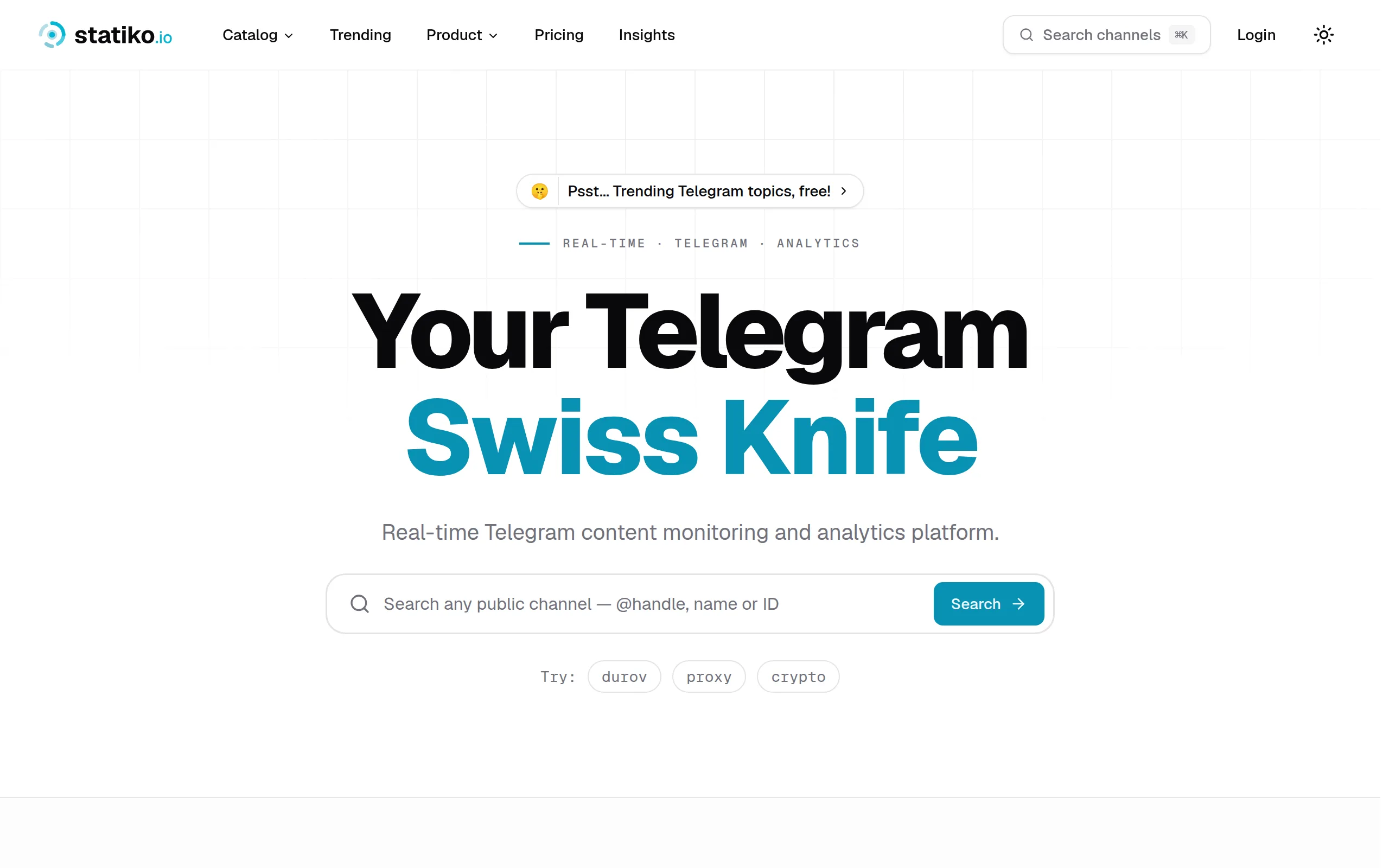
Statiko
Monitor any Telegram channel in real time - track posts, edits, deletions, and growth with AI recaps 📡

Shibui
AI website builder - describe your business, pick a niche template, edit by chatting, and publish instantly ✨

Pro Service
Find verified home service professionals, compare quotes, and pay securely through escrow - built for Brazilians across the US 🏠
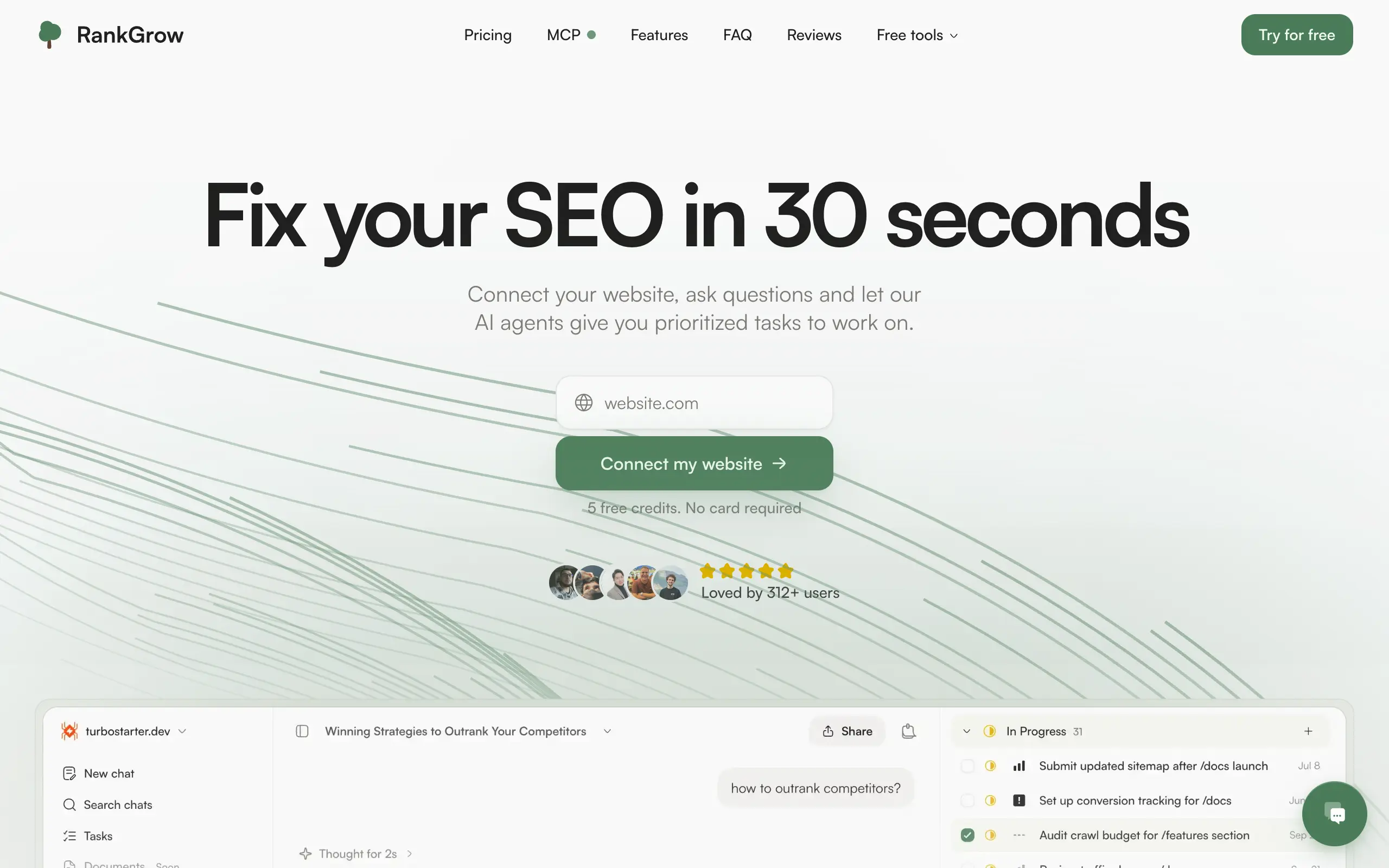
RankGrow
Fix your SEO with AI agents - connect Search Console, get prioritized tasks, and grow organic traffic 📈
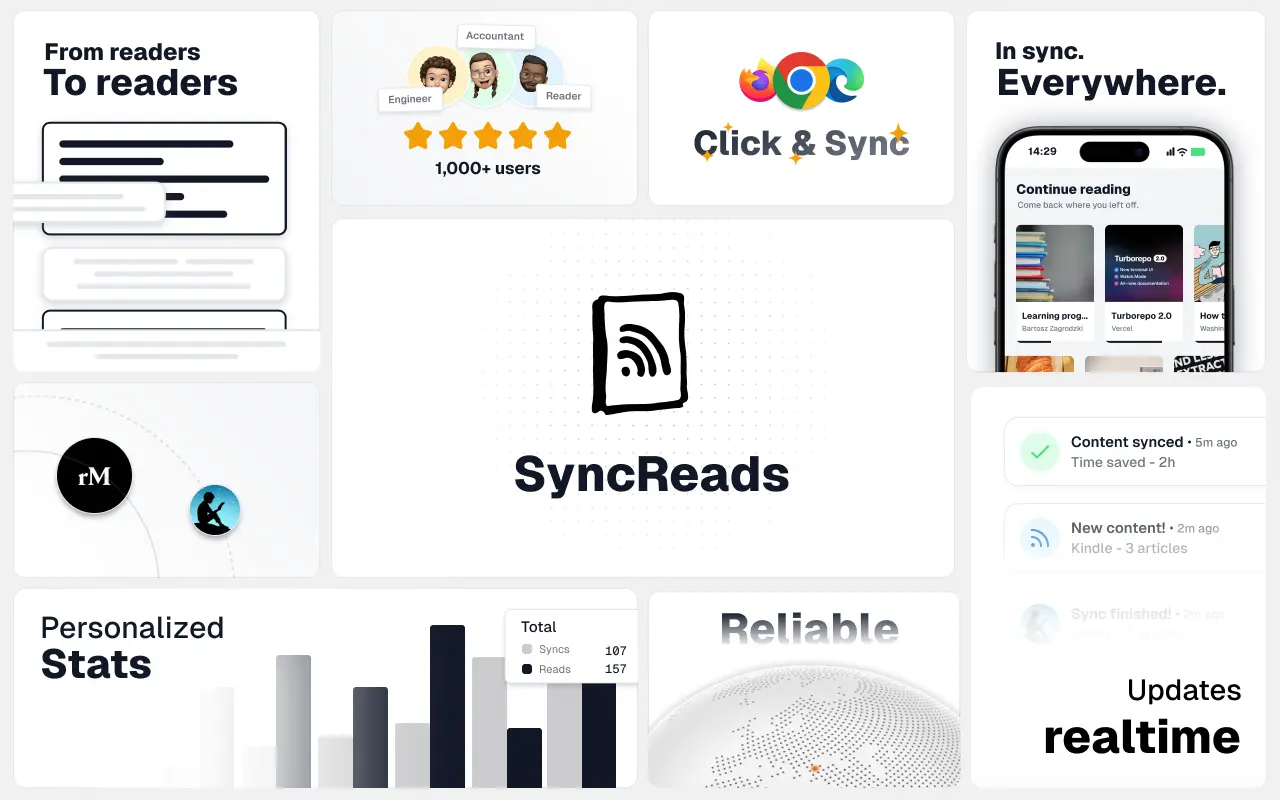
SyncReads
Sync your favorite content for distraction-free reading, save time and replace multiple apps. Anytime, anywhere 🔄
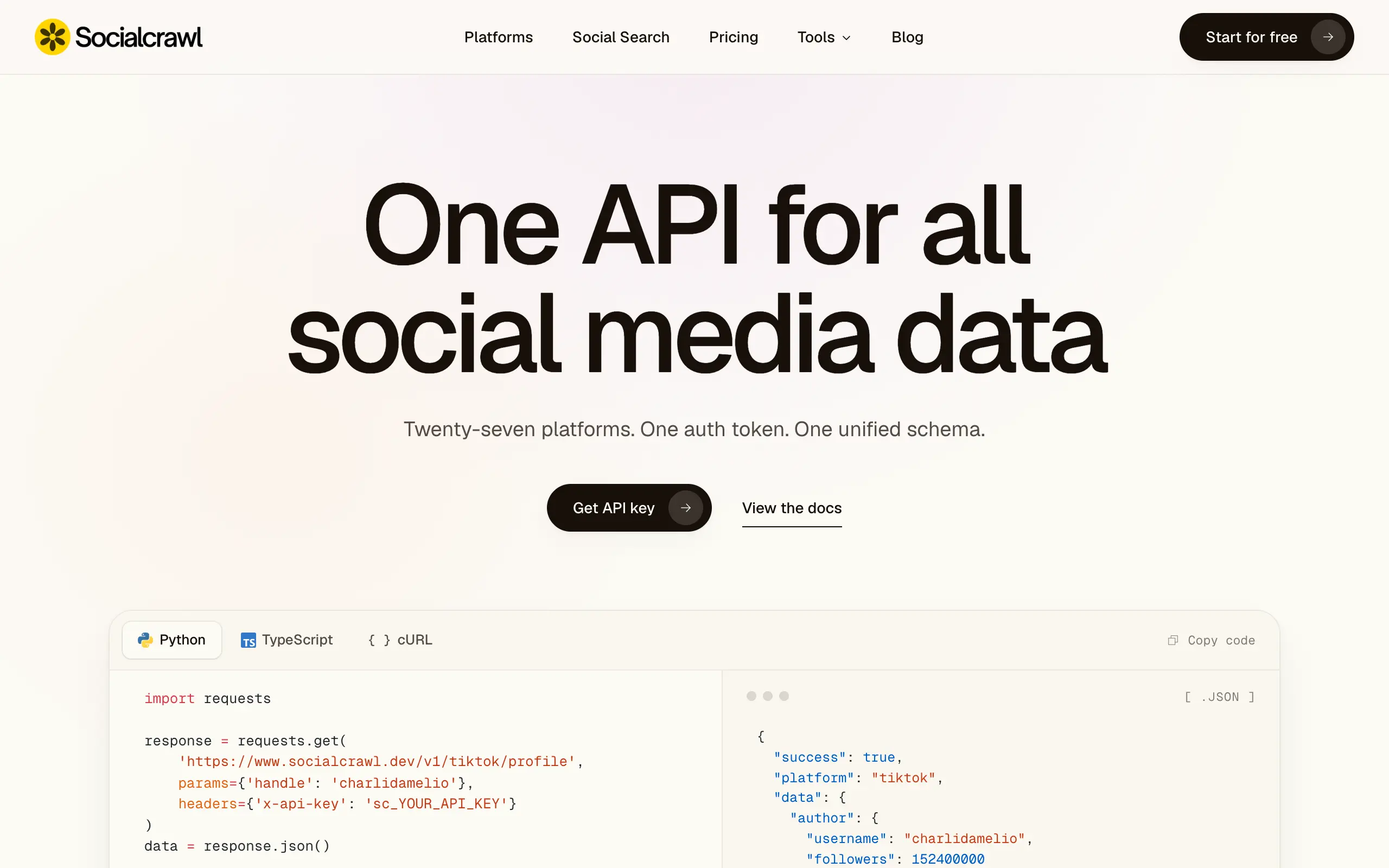
Socialcrawl
Get clean, structured data from 21 platforms like TikTok, Instagram, and YouTube with a single request 📊
Statiko
Monitor any Telegram channel in real time - track posts, edits, deletions, and growth with AI recaps 📡
Shibui
AI website builder - describe your business, pick a niche template, edit by chatting, and publish instantly ✨
Pro Service
Find verified home service professionals, compare quotes, and pay securely through escrow - built for Brazilians across the US 🏠
RankGrow
Fix your SEO with AI agents - connect Search Console, get prioritized tasks, and grow organic traffic 📈
SyncReads
Sync your favorite content for distraction-free reading, save time and replace multiple apps. Anytime, anywhere 🔄
Socialcrawl
Get clean, structured data from 21 platforms like TikTok, Instagram, and YouTube with a single request 📊
Statiko
Monitor any Telegram channel in real time - track posts, edits, deletions, and growth with AI recaps 📡
Shibui
AI website builder - describe your business, pick a niche template, edit by chatting, and publish instantly ✨
Pro Service
Find verified home service professionals, compare quotes, and pay securely through escrow - built for Brazilians across the US 🏠
RankGrow
Fix your SEO with AI agents - connect Search Console, get prioritized tasks, and grow organic traffic 📈
SyncReads
Sync your favorite content for distraction-free reading, save time and replace multiple apps. Anytime, anywhere 🔄
Socialcrawl
Get clean, structured data from 21 platforms like TikTok, Instagram, and YouTube with a single request 📊
Statiko
Monitor any Telegram channel in real time - track posts, edits, deletions, and growth with AI recaps 📡
Shibui
AI website builder - describe your business, pick a niche template, edit by chatting, and publish instantly ✨
Pro Service
Find verified home service professionals, compare quotes, and pay securely through escrow - built for Brazilians across the US 🏠
RankGrow
Fix your SEO with AI agents - connect Search Console, get prioritized tasks, and grow organic traffic 📈
SyncReads
Sync your favorite content for distraction-free reading, save time and replace multiple apps. Anytime, anywhere 🔄
Socialcrawl
Get clean, structured data from 21 platforms like TikTok, Instagram, and YouTube with a single request 📊
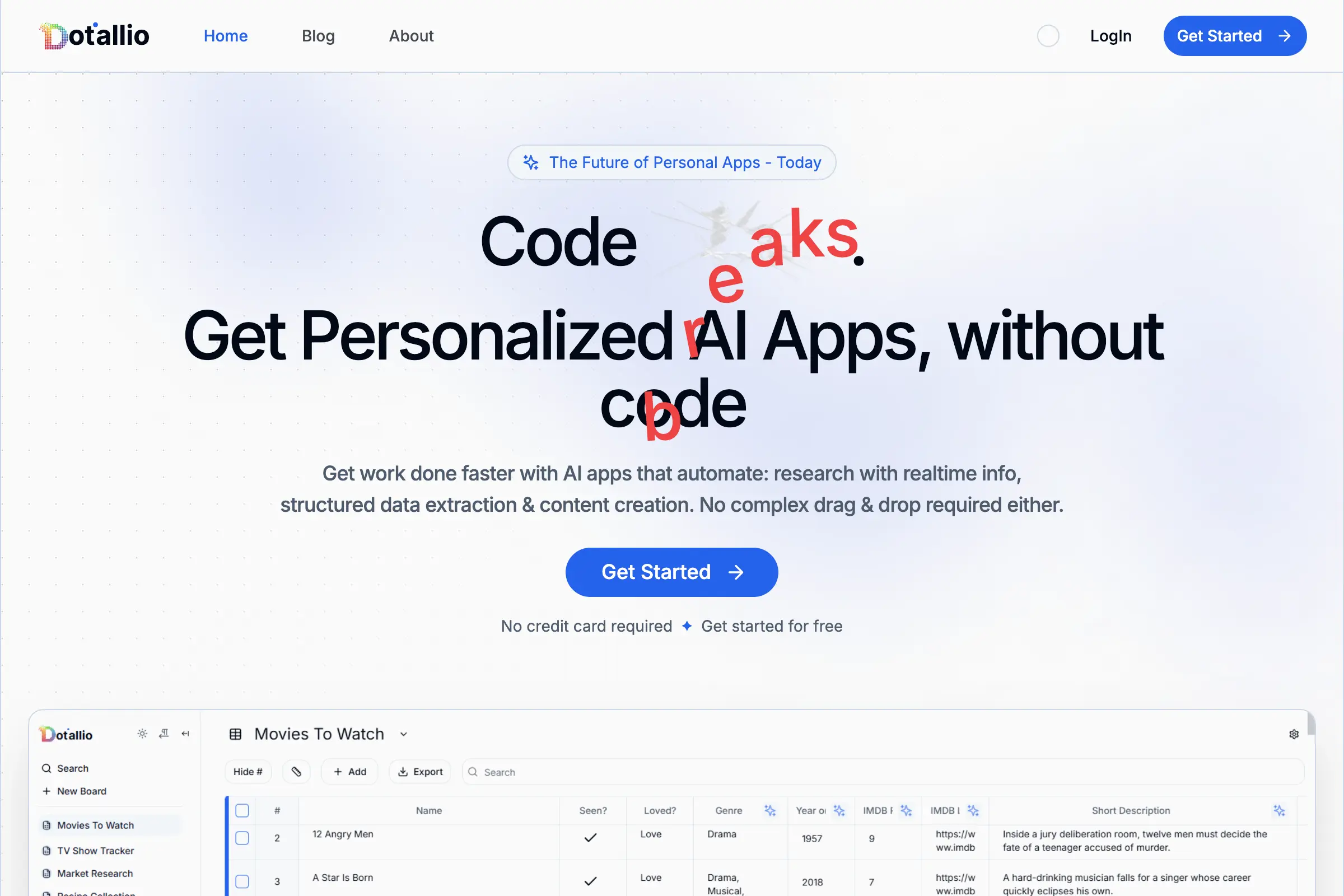
Dotallio
Personalized AI apps that automate research, data extraction, and content creation without code 🤖

Talk to Santa
Enjoy a magical live video chat or receive a unique AI-generated video greeting from Santa Claus 🎅
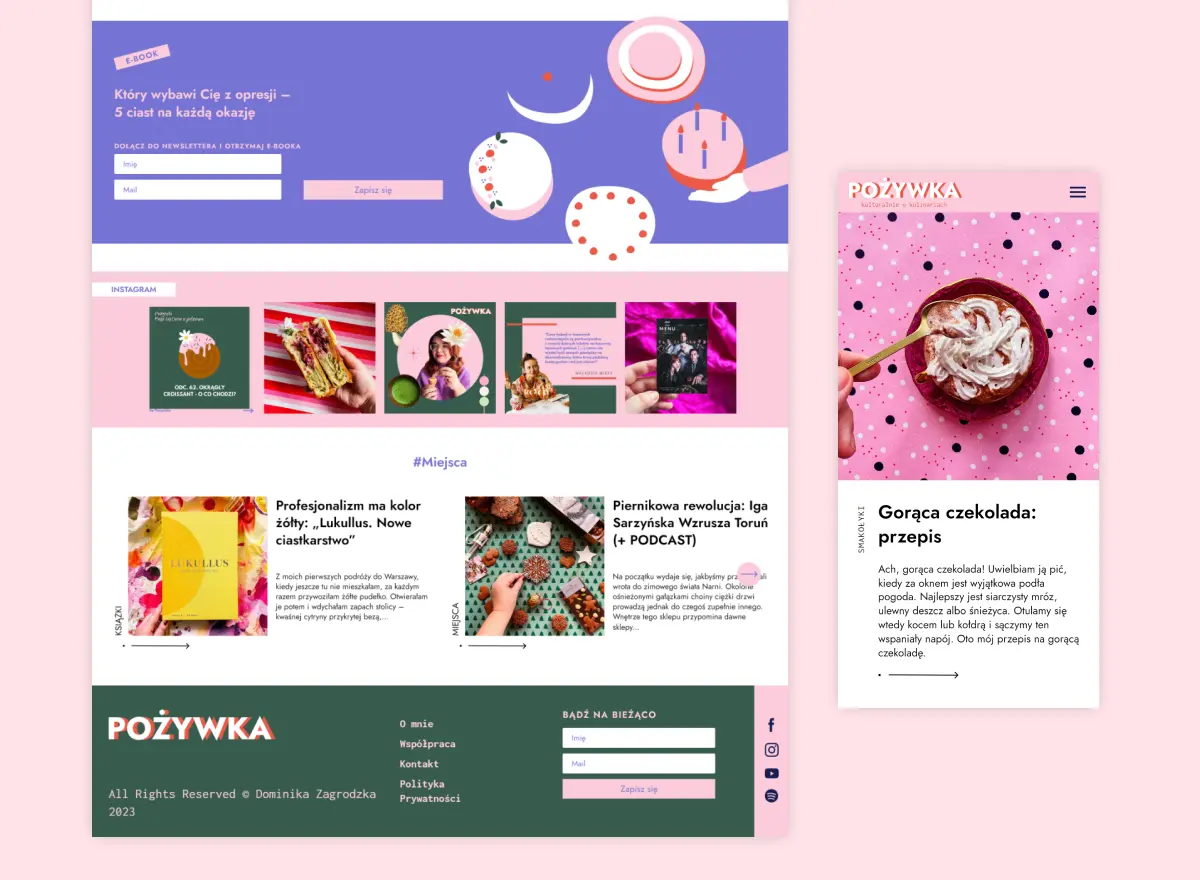
pozywka.pl
Scalable blog for food journalist, focused on performance and user experience 🌭
zagrodzki.me
Personal blog and portfolio of Bart Zagrodzki, where he shares his knowledge and work 💼
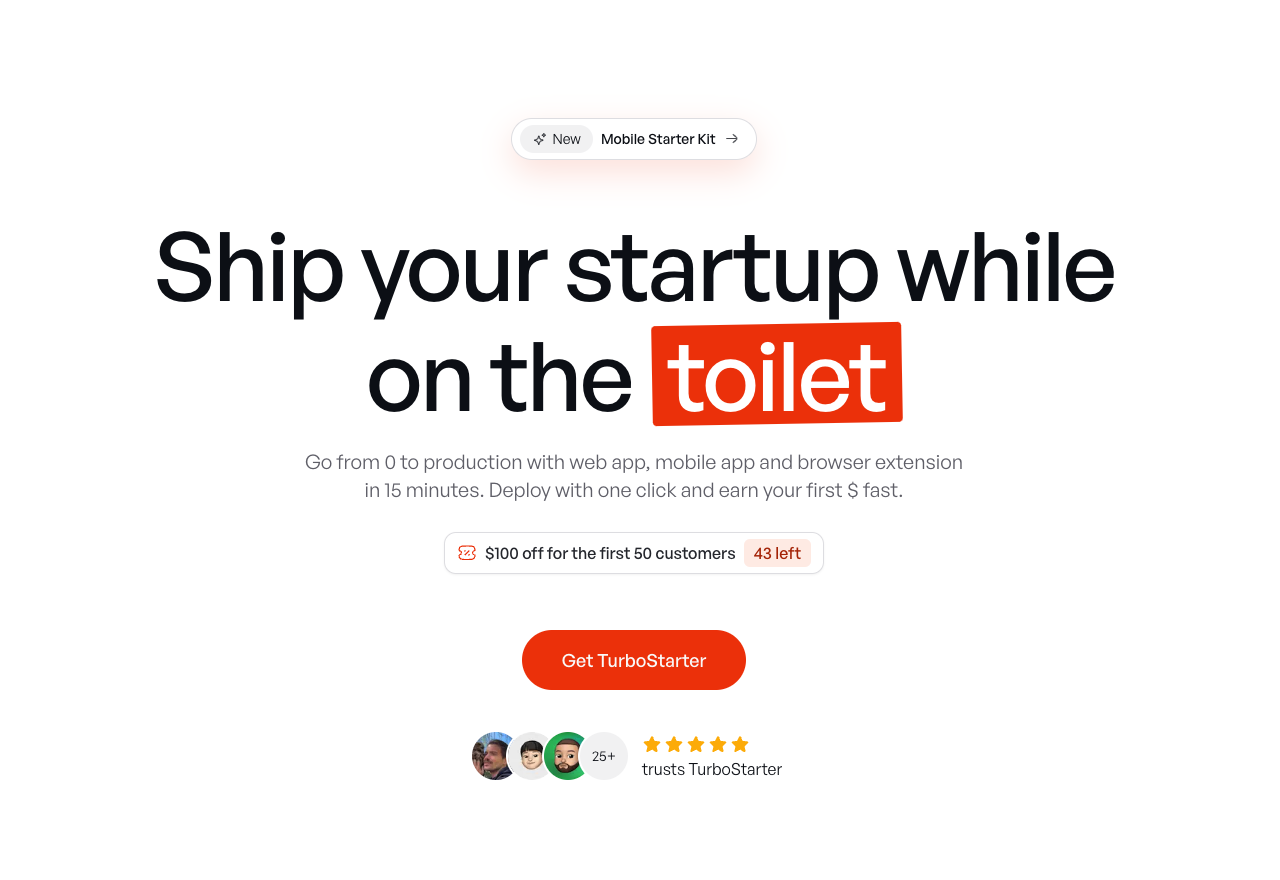
TurboStarter
Ship your startup everywhere. In minutes.
HTML to Markdown
Convert HTML to Markdown with ease, directly in your browser 📄
Dotallio
Personalized AI apps that automate research, data extraction, and content creation without code 🤖
Talk to Santa
Enjoy a magical live video chat or receive a unique AI-generated video greeting from Santa Claus 🎅
pozywka.pl
Scalable blog for food journalist, focused on performance and user experience 🌭
zagrodzki.me
Personal blog and portfolio of Bart Zagrodzki, where he shares his knowledge and work 💼
TurboStarter
Ship your startup everywhere. In minutes.
HTML to Markdown
Convert HTML to Markdown with ease, directly in your browser 📄
Dotallio
Personalized AI apps that automate research, data extraction, and content creation without code 🤖
Talk to Santa
Enjoy a magical live video chat or receive a unique AI-generated video greeting from Santa Claus 🎅
pozywka.pl
Scalable blog for food journalist, focused on performance and user experience 🌭
zagrodzki.me
Personal blog and portfolio of Bart Zagrodzki, where he shares his knowledge and work 💼
TurboStarter
Ship your startup everywhere. In minutes.
HTML to Markdown
Convert HTML to Markdown with ease, directly in your browser 📄
Dotallio
Personalized AI apps that automate research, data extraction, and content creation without code 🤖
Talk to Santa
Enjoy a magical live video chat or receive a unique AI-generated video greeting from Santa Claus 🎅
pozywka.pl
Scalable blog for food journalist, focused on performance and user experience 🌭
zagrodzki.me
Personal blog and portfolio of Bart Zagrodzki, where he shares his knowledge and work 💼
TurboStarter
Ship your startup everywhere. In minutes.
HTML to Markdown
Convert HTML to Markdown with ease, directly in your browser 📄
Omichat
Chat with 50+ AI models, including ChatGPT and Claude, in one place - switch models anytime without losing context 🤖
Claude Fast
Supercharge your Claude Code with 6x effective context window and specialized AI agents 🤖
EmojAI
AI-powered emoji picker with smart, context-aware suggestions 🤖
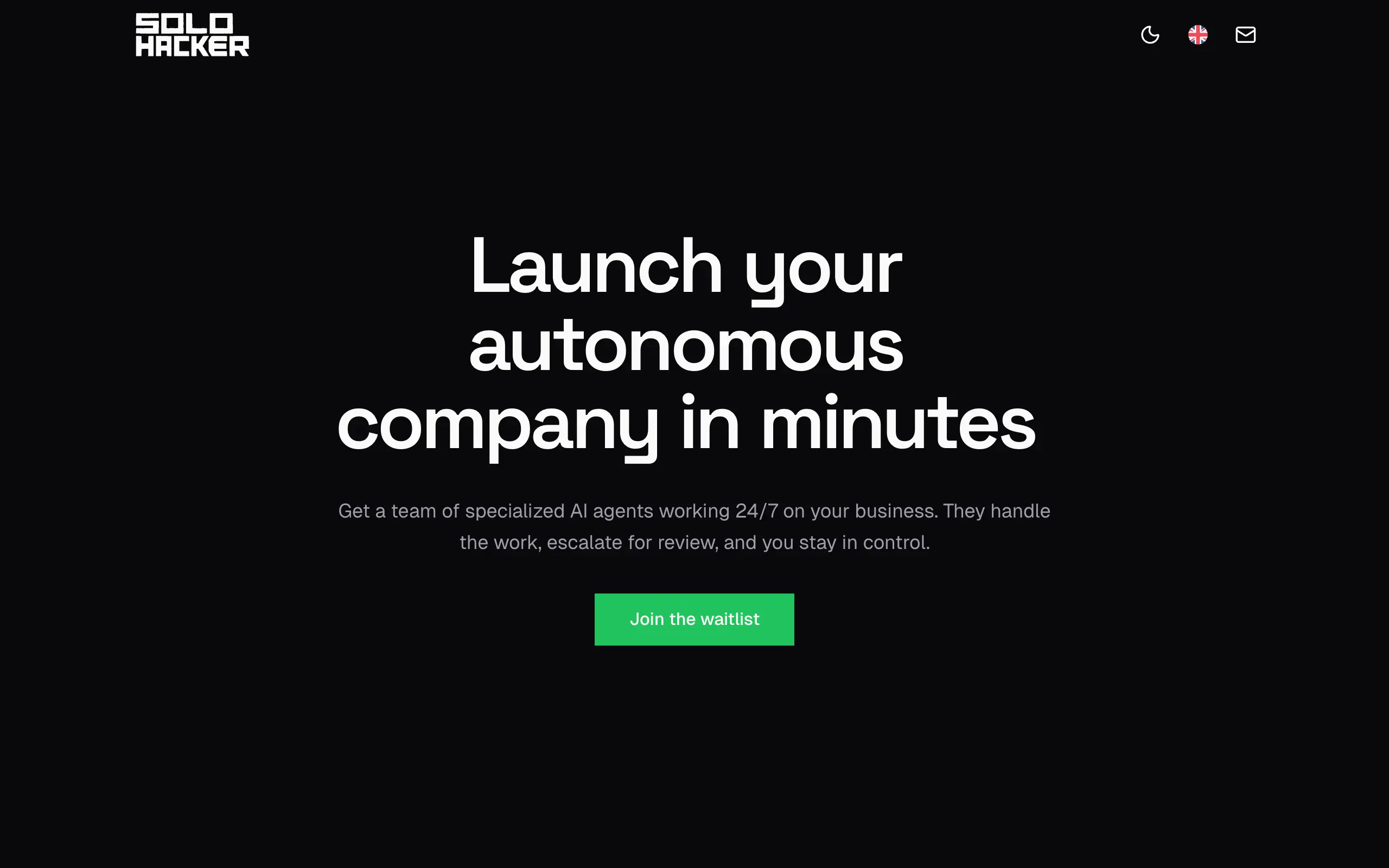
Solohacker
Autonomous company launcher - AI agents work 24/7, escalate what matters, and you stay in control 🤖
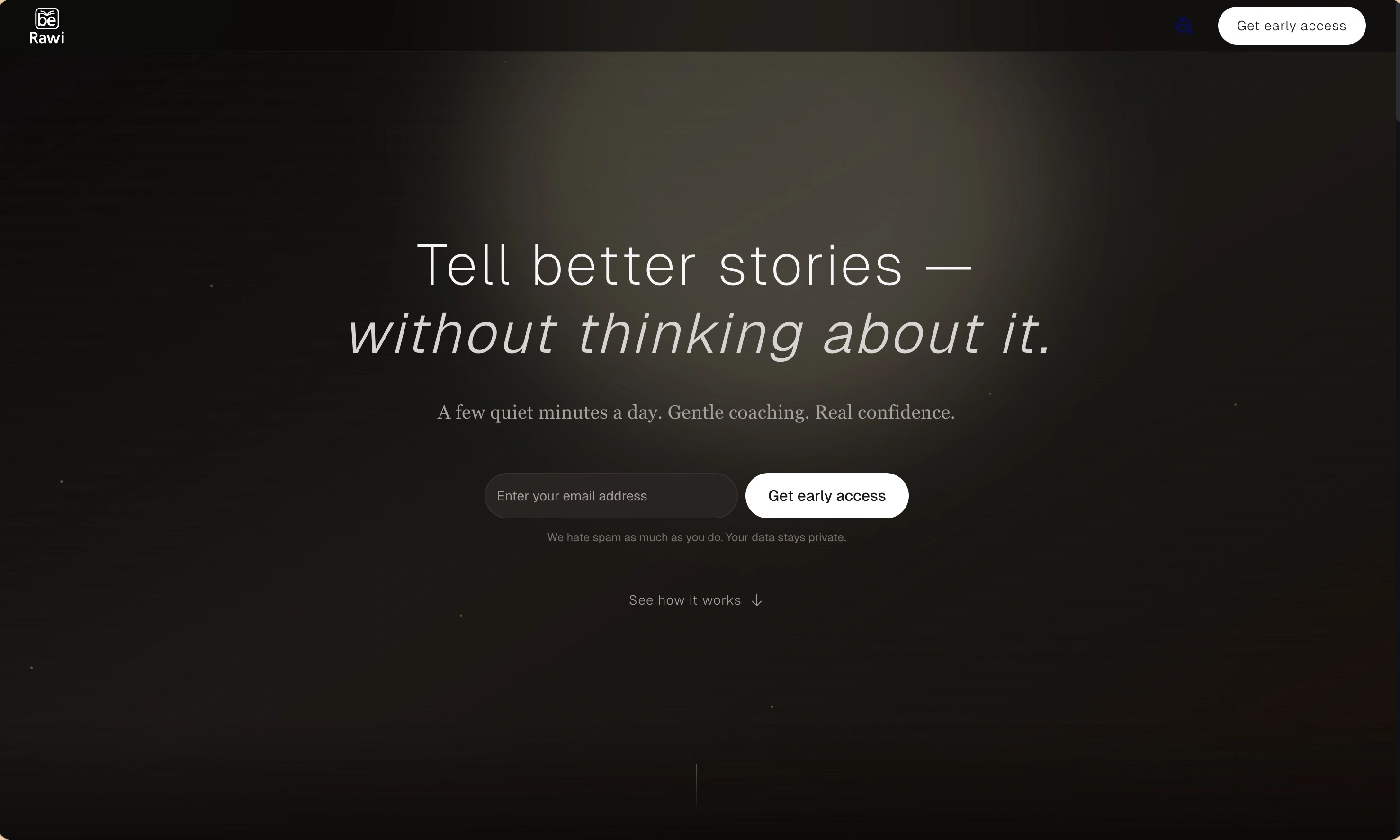
BeRawi: Storytelling Coach
Practice storytelling daily with instant feedback to sound clearer, more engaging, and confident 🎤
Omichat
Chat with 50+ AI models, including ChatGPT and Claude, in one place - switch models anytime without losing context 🤖
Claude Fast
Supercharge your Claude Code with 6x effective context window and specialized AI agents 🤖
EmojAI
AI-powered emoji picker with smart, context-aware suggestions 🤖
Solohacker
Autonomous company launcher - AI agents work 24/7, escalate what matters, and you stay in control 🤖
BeRawi: Storytelling Coach
Practice storytelling daily with instant feedback to sound clearer, more engaging, and confident 🎤
Omichat
Chat with 50+ AI models, including ChatGPT and Claude, in one place - switch models anytime without losing context 🤖
Claude Fast
Supercharge your Claude Code with 6x effective context window and specialized AI agents 🤖
EmojAI
AI-powered emoji picker with smart, context-aware suggestions 🤖
Solohacker
Autonomous company launcher - AI agents work 24/7, escalate what matters, and you stay in control 🤖
BeRawi: Storytelling Coach
Practice storytelling daily with instant feedback to sound clearer, more engaging, and confident 🎤
Omichat
Chat with 50+ AI models, including ChatGPT and Claude, in one place - switch models anytime without losing context 🤖
Claude Fast
Supercharge your Claude Code with 6x effective context window and specialized AI agents 🤖
EmojAI
AI-powered emoji picker with smart, context-aware suggestions 🤖
Solohacker
Autonomous company launcher - AI agents work 24/7, escalate what matters, and you stay in control 🤖
BeRawi: Storytelling Coach
Practice storytelling daily with instant feedback to sound clearer, more engaging, and confident 🎤

Connect with like-minded people
Join our community to get feedback, support, and grow together with 1,000+ builders on board, let's ship it!
Join usShip your startup everywhere. In minutes.
Don't burn tokens on setup and start building features on day one.