AI-Powered Skill Gap Analyzer
A SaaS platform for employee development that leverages AI to assess employees' current skill sets (via surveys, project data, and self-assessments), mapping them against required skills for company objectives and specific roles. It automatically suggests learning resources, mentors, and in-house training opportunities, creating personalized upskilling plans and progress dashboards for both employees and management.
Understanding the search intent behind an AI-powered skill gap analyzer
When users seek out information about an AI-powered skill gap analyzer, their search intent typically falls into one or more of these areas:
- Understanding the technology: How does AI enable skill gap analysis in HR and employee development?
- Seeking validation: Does the tool solve real HR/edtech pain points, is there market demand, and what are industry trends?
- Feature exploration: What core features set an AI-driven platform apart from traditional methods?
- Practical implementation: What is the recommended tech stack, and how can organizations roll out such a solution?
- Comparative analysis: How does this SaaS platform compare to existing solutions, and what is the unique selling proposition?
- Actionability: What are the implementation steps, risks, and monetization models?
This article is designed to provide detailed, actionable answers while demonstrating real-world expertise and the trustworthiness necessary to resonate with HR leaders, edtech entrepreneurs, and technical founders.
Target audience analysis
Understanding the distinct needs of your audience ensures a tailored value proposition and product-market fit. The primary target users of an AI-powered skill gap analyzer include:
1. HR professionals & People Ops leaders
- Pain points: Manual competency mapping, outdated skill matrices, blind spots in employee development, lack of data-driven insights.
- Needs: Accurate, up-to-date gap analysis; actionable learning recommendations; employee growth tracking.
2. Learning & development (L&D) managers
- Pain points: Difficulty identifying the right upskilling initiatives, inconsistent development plans, poor engagement analytics.
- Needs: Personalized skill-building paths, content/resource suggestion engines, effectiveness tracking dashboards.
3. Business/tech executives
- Pain points: Aligning workforce capabilities with business objectives, skills mismatch impacting performance or innovation.
- Needs: High-level analytics, organizational skill heatmaps, and ROI tracking on upskilling investments.
4. Employees
- Pain points: Unclear growth paths, irrelevant or generic training, lack of recognition for upskilling.
- Needs: Transparent feedback, tailored learning plans, mentorship connections.
5. Edtech solution providers & consultants
- Pain points: Integrating AI features into platforms, standing out in the crowded HR tech landscape.
- Needs: Robust, white-labelable technology, API integrations, adaptable recommendations.
Market opportunity and gap identification
The demand for dynamic, AI-enabled workforce development solutions is surging, driven by:
- The rapid pace of technological change.
- Skills obsolescence (studies suggest many technical skills have a half-life of 2–5 years).
- The rise of remote/hybrid work, requiring scalable digital development tools.
- Increasing C-suite focus on workforce agility and internal mobility.
Existing solutions and key limitations
- Static LMSs (Learning Management Systems): Typically offer generic course catalogs with little personalization and lack integrated skill mapping.
- Manual assessments: Time-consuming, subjective, and difficult to scale across large, diverse teams.
- Analytics add-ons: Often provide rear-view metrics, missing prescriptive or adaptive insights.
Where the AI-powered skill gap analyzer stands out
- Continuous, AI-driven insights: Real-time mapping of current vs. required skills.
- Automated, personalized recommendations: Learning material, mentors, and opportunities matched to individual and company needs.
- Progress dashboards: Multi-stakeholder visibility, allowing HR, managers, and employees to track outcomes.
Industry trend
Recent HR tech market reports indicate the global corporate e-learning market will exceed $50B by 2026, with skill analytics and personalization as top growth drivers (cite: Deloitte, Gartner).
Core features and solution details
To deliver on the promise of a truly AI-powered skill gap analyzer, your SaaS should incorporate these foundational components:
1. Intelligent skill assessment engine
- Multi-source input: Utilize employee self-assessments, peer feedback, project data (e.g., GitHub, JIRA), and survey responses for a holistic profile.
- Natural language processing (NLP): Extract and standardize skill mentions from unstructured feedback, documents, and project logs.
2. Role and objective mapping
- Company-wide skill ontology: Maintain a dynamic reference model of skills required for all roles and objectives.
- Automated mapping: AI cross-references employee profiles with required skills, surfacing gaps by role, team, or project.
3. Personalized recommendations
- Learning resource matching: Suggests courses, articles, or in-house materials matched to skill gaps, leveraging integrations with major LMSs (e.g., LinkedIn Learning, Coursera).
- Mentor suggestions: Identifies internal experts willing to mentor based on skill overlap and company availability.
- Internal opportunity alerts: Flags projects or training sessions relevant to individual development goals.
4. Upskilling plan builder
- Smart planning: Automatically sequences recommended learning and opportunities based on urgency, prerequisites, and time availability.
- Goal setting: Lets employees and managers co-create upskilling targets aligned with business needs.
5. Real-time dashboards
- Employee view: Personal skill progression, completed/upcoming activities, and feedback.
- Management view: Aggregate insight into team/organization skill coverage, trending gaps, and ROI on development initiatives.
6. Integrations & API access
- HRIS sync: Connects with BambooHR, Workday, or other HR software for seamless data flow.
- LMS connectors: Push/pull data about course completions, certifications, etc.
- Open API: Enables extensibility for custom analytics, white-label, or embedding in other platforms.
AI and machine learning algorithms analyze disparate data sources (skills in text, project participation, feedback sentiment, completion rates), dynamically updating the skill profile and recommending the shortest, most relevant upskilling paths.
Employee data is kept secure through enterprise-grade encryption, opt-in consent controls, and compliance with GDPR/CCPA. Only aggregated, anonymized insights are visible to management.
Recommended tech stack for an AI-powered skill gap analyzer
Selecting the right stack is vital for accuracy, performance, scalability, and maintainability.
Frontend:
- React: UI development for dashboards and admin panels.
- TailwindCSS: For rapid, responsive design.
- Redux or Recoil: State management for complex interfaces.
Backend:
- Node.js: Performs API orchestration and integration with HR/LMS platforms.
- Python: Handles AI/ML components (NLP for skills extraction, recommendation system, analytics).
Machine learning/AI:
- scikit-learn or TensorFlow: Core ML operations.
- spaCy: Natural language parsing for skill extraction.
Database:
- PostgreSQL: Primary RDBMS for structured data.
- Redis: Caching for fast recommendations.
Deployment/ops:
- Docker: Containerization.
- Kubernetes: For scalability and orchestration.
- AWS or GCP: Cloud hosting, ML services, managed DBs.
Alternative options/Trade-offs:
- Use Vue.js or Svelte for the frontend if you prefer lighter-weight frameworks; however, React has a larger enterprise talent pool.
- Python end-to-end for both backend and ML increases code reuse but can limit real-time web socket performance.
- Opting for a serverless platform (e.g., AWS Lambda) can reduce DevOps overhead but may complicate background ML tasks.
- Graph Databases (Neo4j) could be considered for highly relational skill mapping but increase complexity.
- Managed ML services (AWS SageMaker, GCP Vertex AI) accelerate prototyping but may incur vendor lock-in and higher recurring costs.
Monetization strategy options
Building a sustainable business model around your SaaS is crucial. For HR and edtech SaaS, the following monetization models are proven and viable:
Per-employee subscription
A monthly, per-seat fee for organizations (e.g., $3–10/user/month), scaled according to org size.
Tiered features
Basic plans offer analytics and recommendations, premium tiers add API, custom integrations, white-label, and advanced reporting.
Usage-based pricing
For API and white-label partners, charge by number of assessments, recommendations generated, or external integrations.
Professional services
Optional setup, onboarding, organizational skill mapping services for larger enterprises.
Marketplace commissions
Take a percentage of purchases or bookings if employees enroll in third-party courses, workshops, or mentorship platforms via your tool.
Pro tip: Offer a transparent, no-surprise free trial that showcases value in the first 30 days to drive enterprise adoption and word-of-mouth.
Potential risks and mitigation
As with any HR tech SaaS, careful evaluation of risks builds trust and safeguards adoption:
Key risks
- Data privacy concerns: Handling sensitive employee data – risk of breaches or misuse.
- User adoption resistance: Employees or managers may distrust AI-driven assessments or feel hindered by “automated” recommendations.
- Bias in AI: Inadvertent propagation of systemic bias in recommendations or evaluation.
- Integration challenges: Complexity in syncing with diverse HRIS and LMS platforms.
Mitigation strategies
Data privacy/dependability
- End-to-end encryption for storage and transit.
- Regular vulnerability assessments, SOC 2 controls, GDPR/CCPA compliance.
AI explainability/bias reduction
- Audit models for fairness and transparency.
- Provide clear rationales alongside recommendations.
- Allow employees to self-correct or supplement skill data.
User buy-in
- Make skill assessments collaborative and transparent.
- Incorporate employee-driven goal setting, not just top-down mandates.
- Offer opt-outs for specific recommendations or data sources.
Integration framework
- Well-documented APIs and modular connectors.
- Dedicated onboarding support for enterprise integrations.
Note
Failure to address trust and transparency issues can severely impact adoption rates and brand reputation in HR tech.
Competitive advantage analysis
The AI-powered skill gap analyzer's unique strengths position it ahead of legacy platforms:
| Continuous AI insights | Static analysis | Automated recommendations | Personalization | Integration-friendly |
|---|---|---|---|---|
| ✅ | ❌ | ❌ | ✅ | ❌ |
| ✅ | ❌ | ✅ | ✅ | ❌ |
Unique selling proposition (USP)
AI-powered skill gap analyzer is the only SaaS platform in the HR/edtech space that:
- Provides real-time, AI-driven skill mapping using diverse, multi-source data inputs.
- Generates personalized upskilling journeys—not just course suggestions, but holistic plans including mentorship and in-house projects.
- Offers dual dashboards tailored for employees (personal growth) and management (org-wide trends & ROI).
- Ensures open API-first design—allowing rapid integration/extension in even complex HR ecosystems.
Actionable implementation steps
Here's how to take your idea from concept to enterprise-ready SaaS:
Conclusion: Seizing the future of data-driven employee development
The shift toward AI-powered skill gap analyzers is not just a technological upgrade—it is becoming foundational for future-proofing organizational talent. By embracing dynamic, real-time skill analytics and personalized upskilling, companies can drive workforce agility, boost retention, and ensure their teams are always ready for what’s next.
Building and scaling such a SaaS platform means delivering domain-defining features (AI assessment, recommendation engines, dual analytics), robust privacy practices, and seamless integration potential.
Don’t reinvent the wheel: Modern SaaS launch platforms like TurboStarter can accelerate early-stage development and help manage foundational SaaS infrastructure, compliance, and cloud scaling—leaving your team free to perfect the product and forge go-to-market partnerships.
Frequently asked questions
In fast-moving sectors, quarterly reassessments are ideal. AI-driven platforms can keep this data current by continuously updating based on new feedback and project input.
Yes—recommendations source data from actual performance, learning patterns, peer suggestions, and evolving company objectives, generating highly individualized plans.
By tracking skill gap closure rates, employee engagement in learning, promotion/internal mobility stats, and improved performance on linked objectives. Dashboards automate this analysis.
API-first design and prebuilt connectors make integration feasible for most leading HR/LMS systems.
Ready to transform your workforce development with the next generation of AI-powered skill analysis? Now is the time to lead the change.
More 🤖 AI Startup SaaS ideas
Discover more innovative ai startup SaaS ideas that are trending in 2026. Each idea is AI-generated with market validation and growth potential to help you find your next profitable venture faster than competitors.
Your competitors are building with TurboStarter
Below are some of the SaaS ideas that have been generated and built with our starter kit.
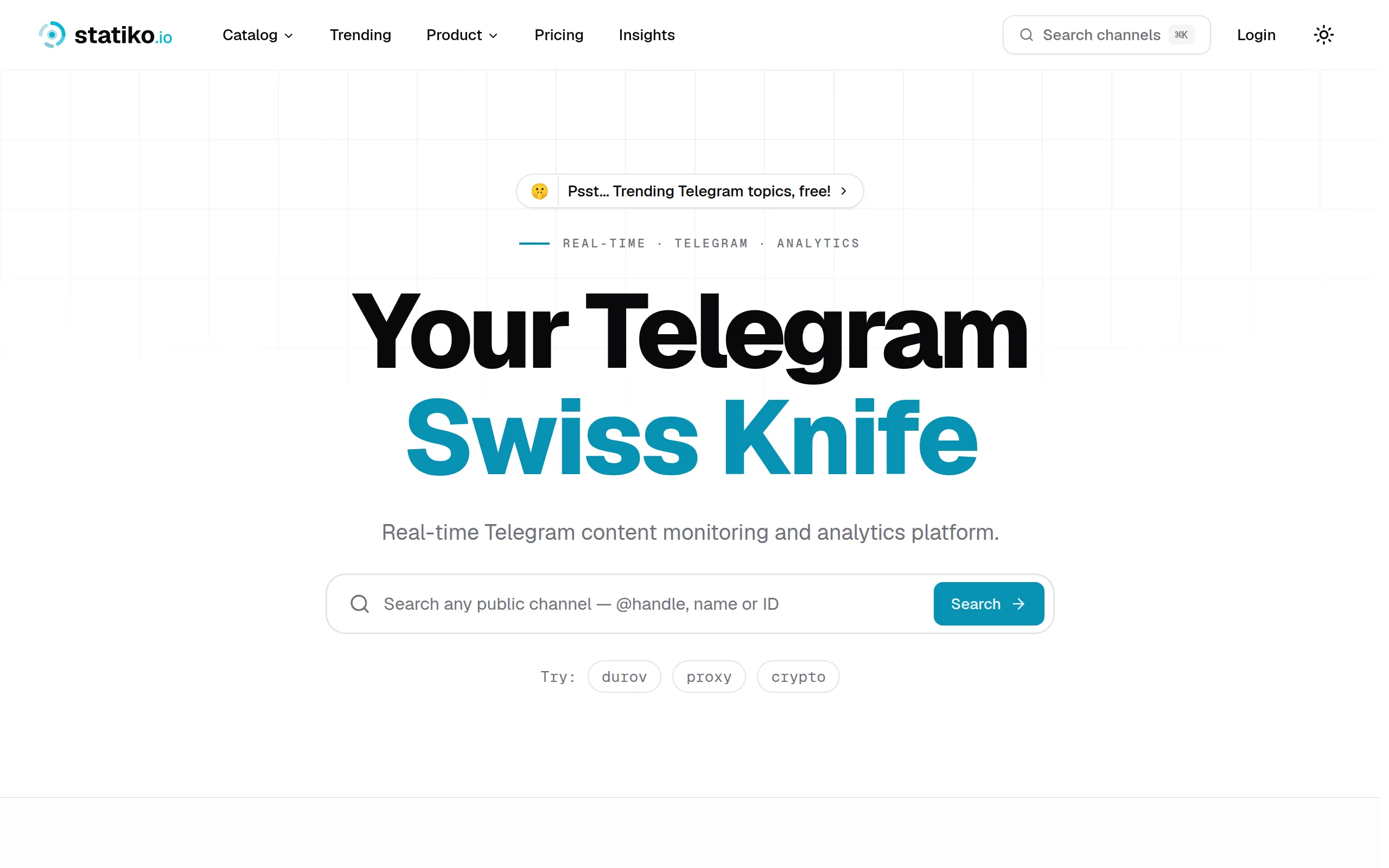
Statiko
Monitor any Telegram channel in real time - track posts, edits, deletions, and growth with AI recaps 📡
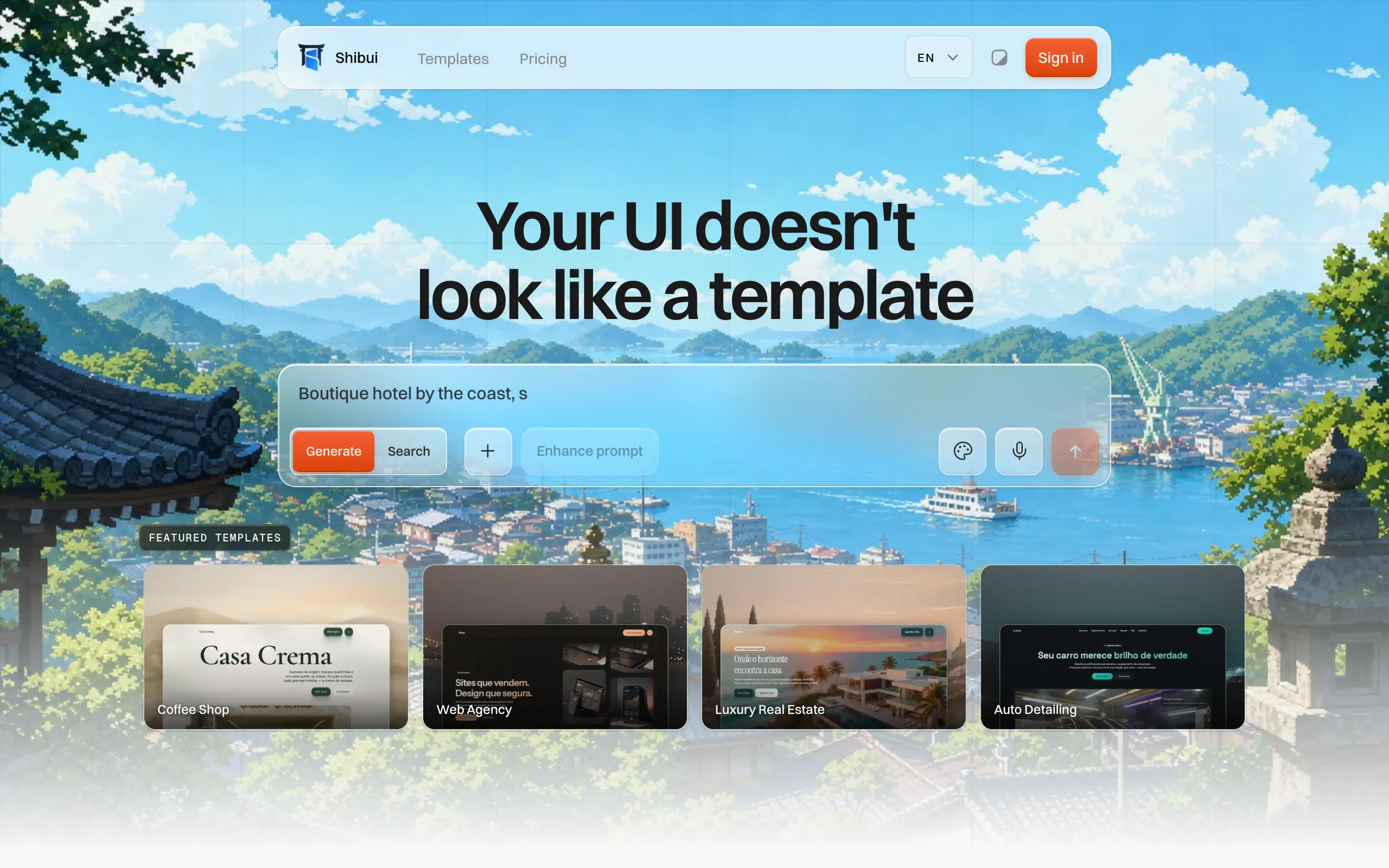
Shibui
AI website builder - describe your business, pick a niche template, edit by chatting, and publish instantly ✨

Pro Service
Find verified home service professionals, compare quotes, and pay securely through escrow - built for Brazilians across the US 🏠
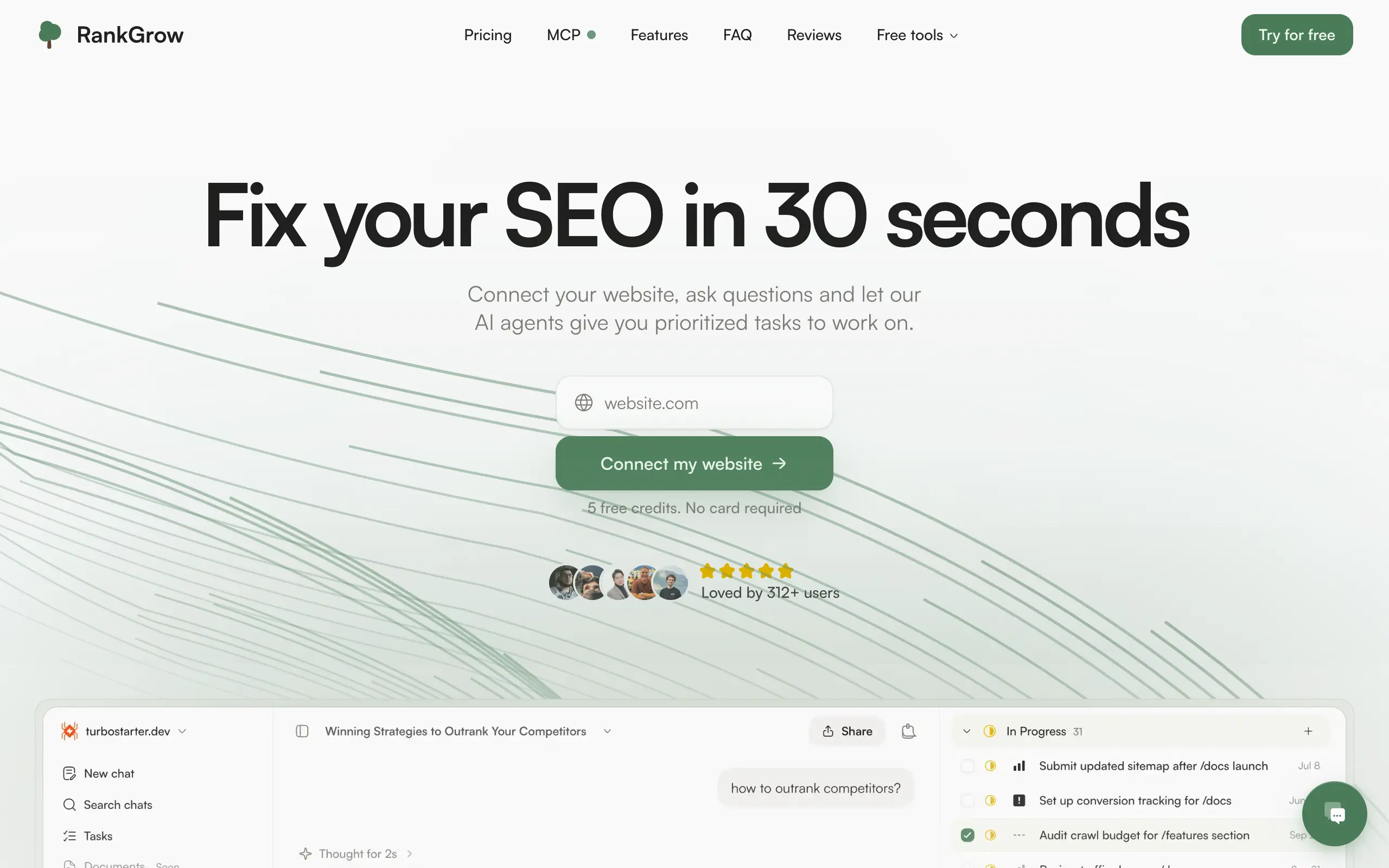
RankGrow
Fix your SEO with AI agents - connect Search Console, get prioritized tasks, and grow organic traffic 📈
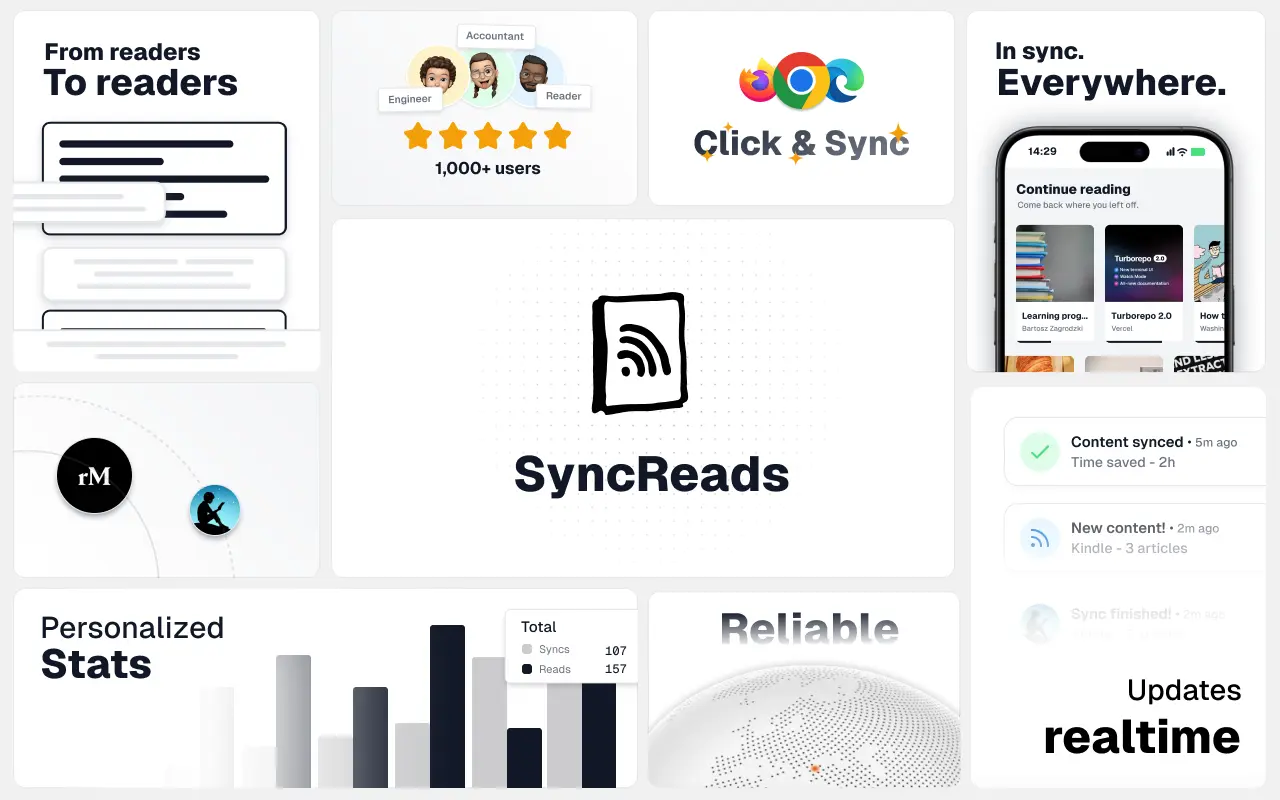
SyncReads
Sync your favorite content for distraction-free reading, save time and replace multiple apps. Anytime, anywhere 🔄
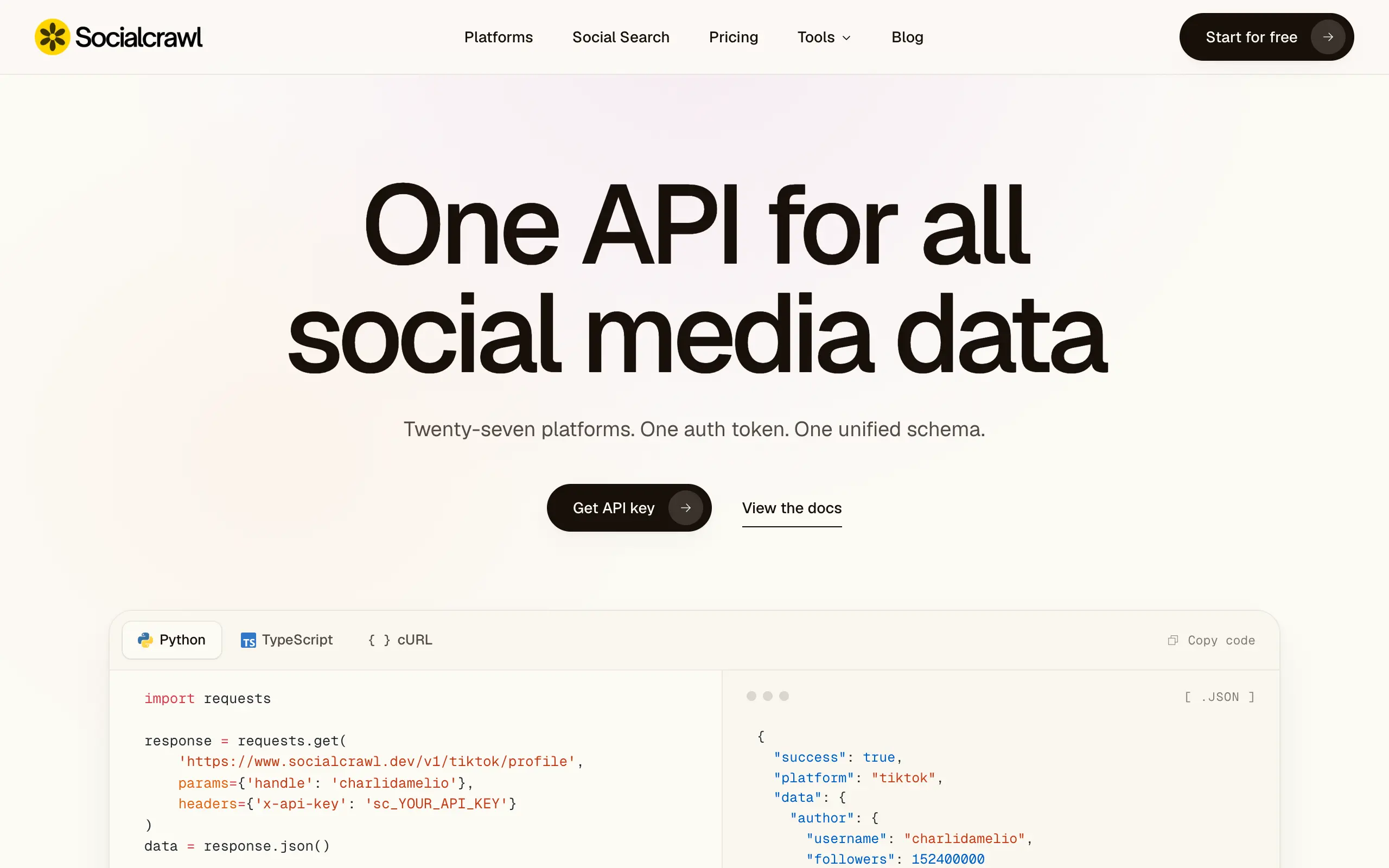
Socialcrawl
Get clean, structured data from 21 platforms like TikTok, Instagram, and YouTube with a single request 📊
Statiko
Monitor any Telegram channel in real time - track posts, edits, deletions, and growth with AI recaps 📡
Shibui
AI website builder - describe your business, pick a niche template, edit by chatting, and publish instantly ✨
Pro Service
Find verified home service professionals, compare quotes, and pay securely through escrow - built for Brazilians across the US 🏠
RankGrow
Fix your SEO with AI agents - connect Search Console, get prioritized tasks, and grow organic traffic 📈
SyncReads
Sync your favorite content for distraction-free reading, save time and replace multiple apps. Anytime, anywhere 🔄
Socialcrawl
Get clean, structured data from 21 platforms like TikTok, Instagram, and YouTube with a single request 📊
Statiko
Monitor any Telegram channel in real time - track posts, edits, deletions, and growth with AI recaps 📡
Shibui
AI website builder - describe your business, pick a niche template, edit by chatting, and publish instantly ✨
Pro Service
Find verified home service professionals, compare quotes, and pay securely through escrow - built for Brazilians across the US 🏠
RankGrow
Fix your SEO with AI agents - connect Search Console, get prioritized tasks, and grow organic traffic 📈
SyncReads
Sync your favorite content for distraction-free reading, save time and replace multiple apps. Anytime, anywhere 🔄
Socialcrawl
Get clean, structured data from 21 platforms like TikTok, Instagram, and YouTube with a single request 📊
Statiko
Monitor any Telegram channel in real time - track posts, edits, deletions, and growth with AI recaps 📡
Shibui
AI website builder - describe your business, pick a niche template, edit by chatting, and publish instantly ✨
Pro Service
Find verified home service professionals, compare quotes, and pay securely through escrow - built for Brazilians across the US 🏠
RankGrow
Fix your SEO with AI agents - connect Search Console, get prioritized tasks, and grow organic traffic 📈
SyncReads
Sync your favorite content for distraction-free reading, save time and replace multiple apps. Anytime, anywhere 🔄
Socialcrawl
Get clean, structured data from 21 platforms like TikTok, Instagram, and YouTube with a single request 📊
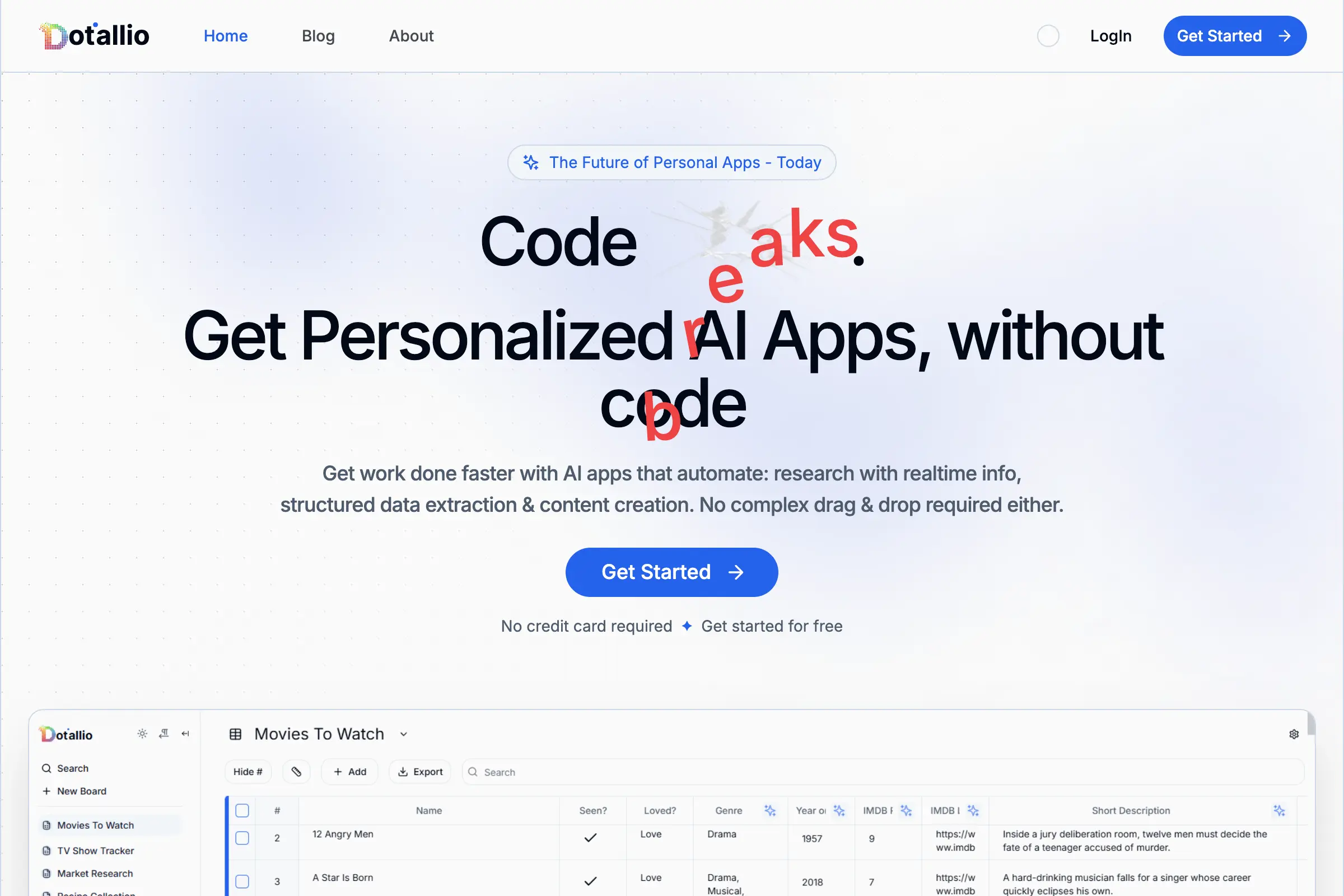
Dotallio
Personalized AI apps that automate research, data extraction, and content creation without code 🤖
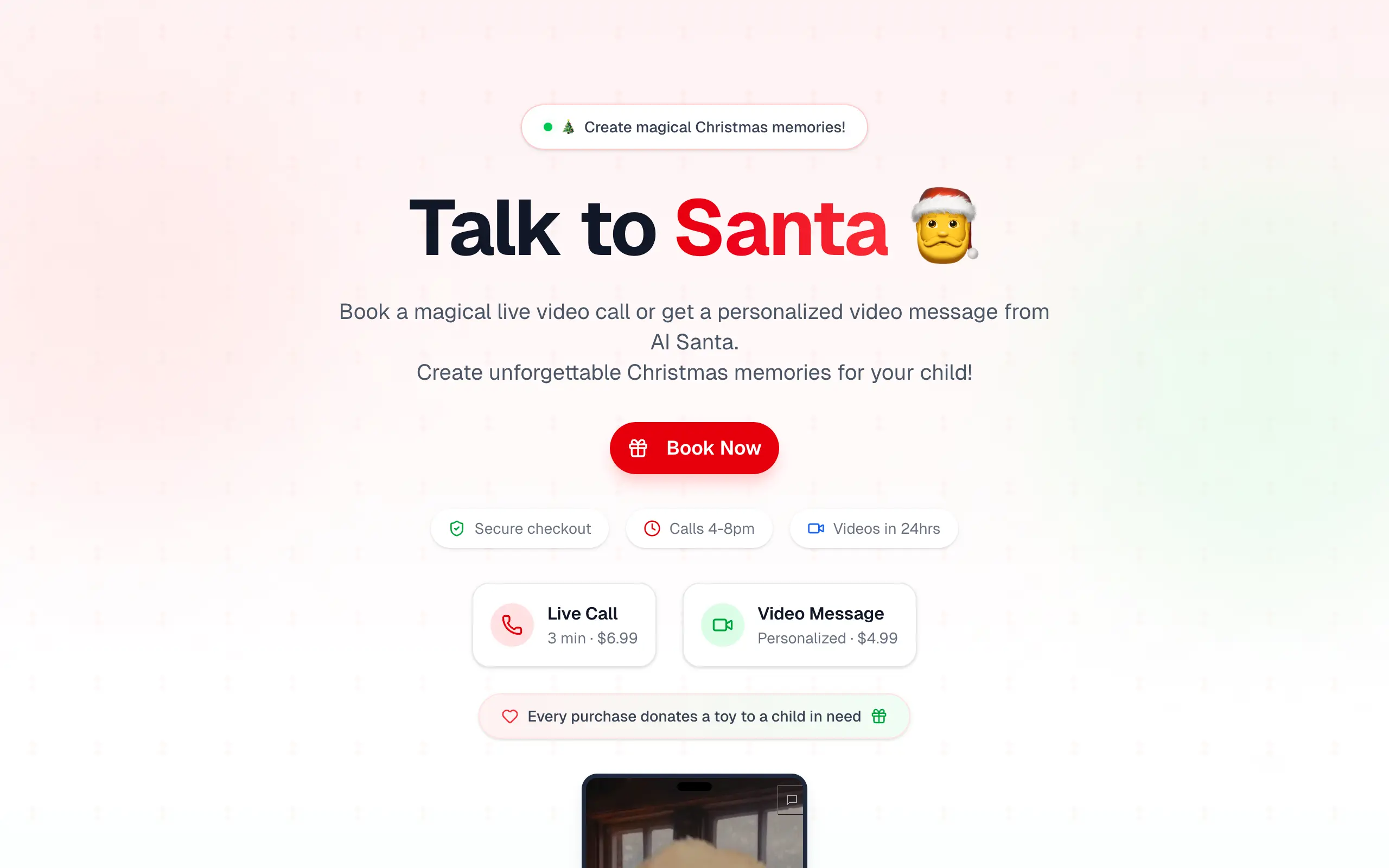
Talk to Santa
Enjoy a magical live video chat or receive a unique AI-generated video greeting from Santa Claus 🎅
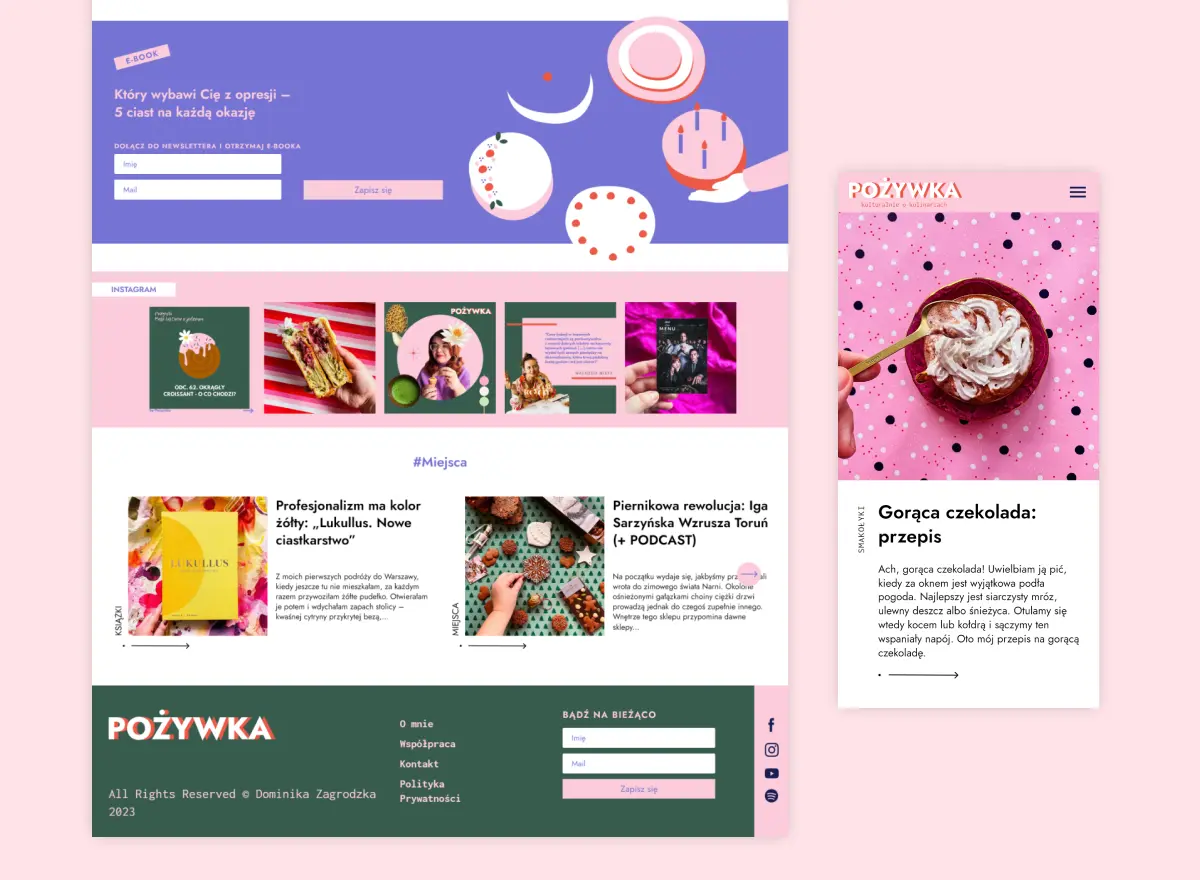
pozywka.pl
Scalable blog for food journalist, focused on performance and user experience 🌭
zagrodzki.me
Personal blog and portfolio of Bart Zagrodzki, where he shares his knowledge and work 💼
TurboStarter
Ship your startup everywhere. In minutes.
HTML to Markdown
Convert HTML to Markdown with ease, directly in your browser 📄
Dotallio
Personalized AI apps that automate research, data extraction, and content creation without code 🤖
Talk to Santa
Enjoy a magical live video chat or receive a unique AI-generated video greeting from Santa Claus 🎅
pozywka.pl
Scalable blog for food journalist, focused on performance and user experience 🌭
zagrodzki.me
Personal blog and portfolio of Bart Zagrodzki, where he shares his knowledge and work 💼
TurboStarter
Ship your startup everywhere. In minutes.
HTML to Markdown
Convert HTML to Markdown with ease, directly in your browser 📄
Dotallio
Personalized AI apps that automate research, data extraction, and content creation without code 🤖
Talk to Santa
Enjoy a magical live video chat or receive a unique AI-generated video greeting from Santa Claus 🎅
pozywka.pl
Scalable blog for food journalist, focused on performance and user experience 🌭
zagrodzki.me
Personal blog and portfolio of Bart Zagrodzki, where he shares his knowledge and work 💼
TurboStarter
Ship your startup everywhere. In minutes.
HTML to Markdown
Convert HTML to Markdown with ease, directly in your browser 📄
Dotallio
Personalized AI apps that automate research, data extraction, and content creation without code 🤖
Talk to Santa
Enjoy a magical live video chat or receive a unique AI-generated video greeting from Santa Claus 🎅
pozywka.pl
Scalable blog for food journalist, focused on performance and user experience 🌭
zagrodzki.me
Personal blog and portfolio of Bart Zagrodzki, where he shares his knowledge and work 💼
TurboStarter
Ship your startup everywhere. In minutes.
HTML to Markdown
Convert HTML to Markdown with ease, directly in your browser 📄
Omichat
Chat with 50+ AI models, including ChatGPT and Claude, in one place - switch models anytime without losing context 🤖
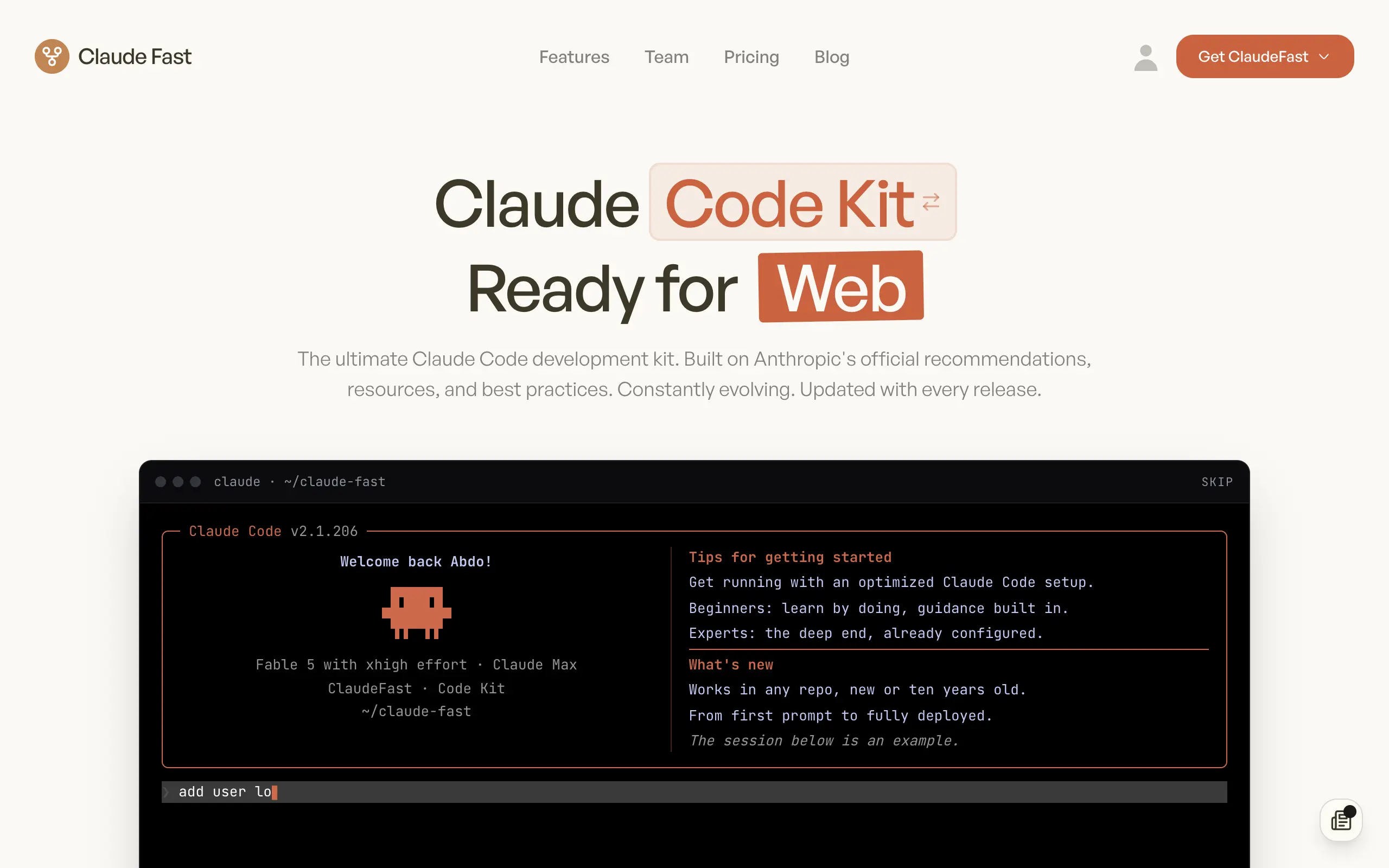
Claude Fast
Supercharge your Claude Code with 6x effective context window and specialized AI agents 🤖
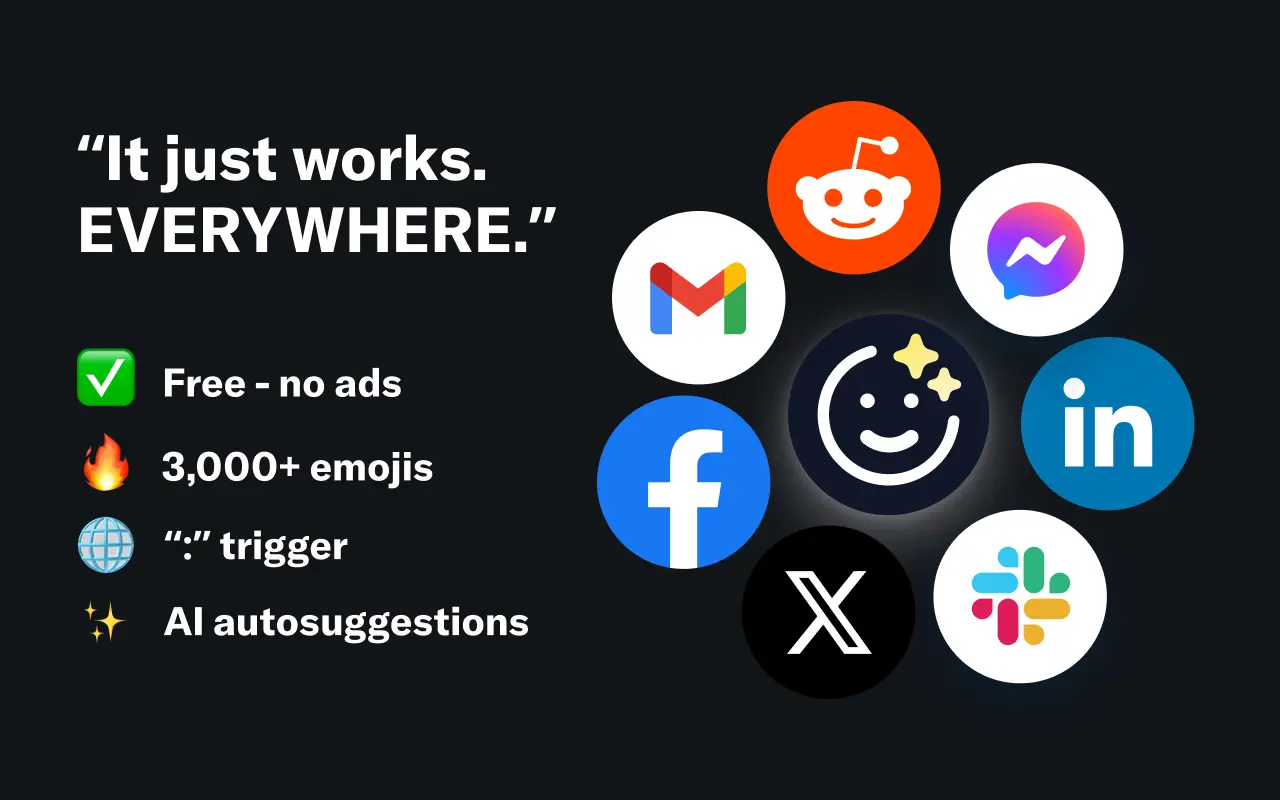
EmojAI
AI-powered emoji picker with smart, context-aware suggestions 🤖
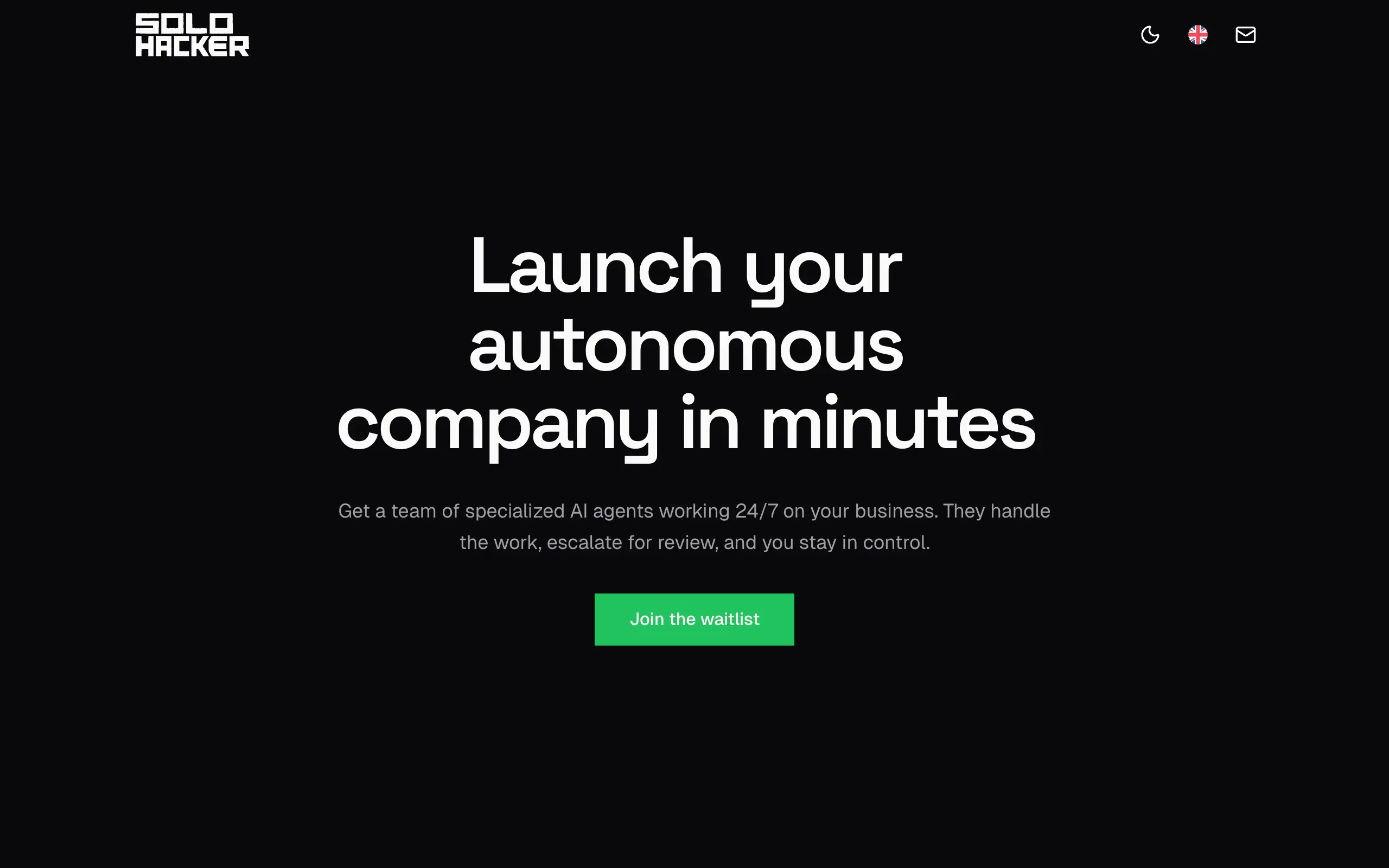
Solohacker
Autonomous company launcher - AI agents work 24/7, escalate what matters, and you stay in control 🤖
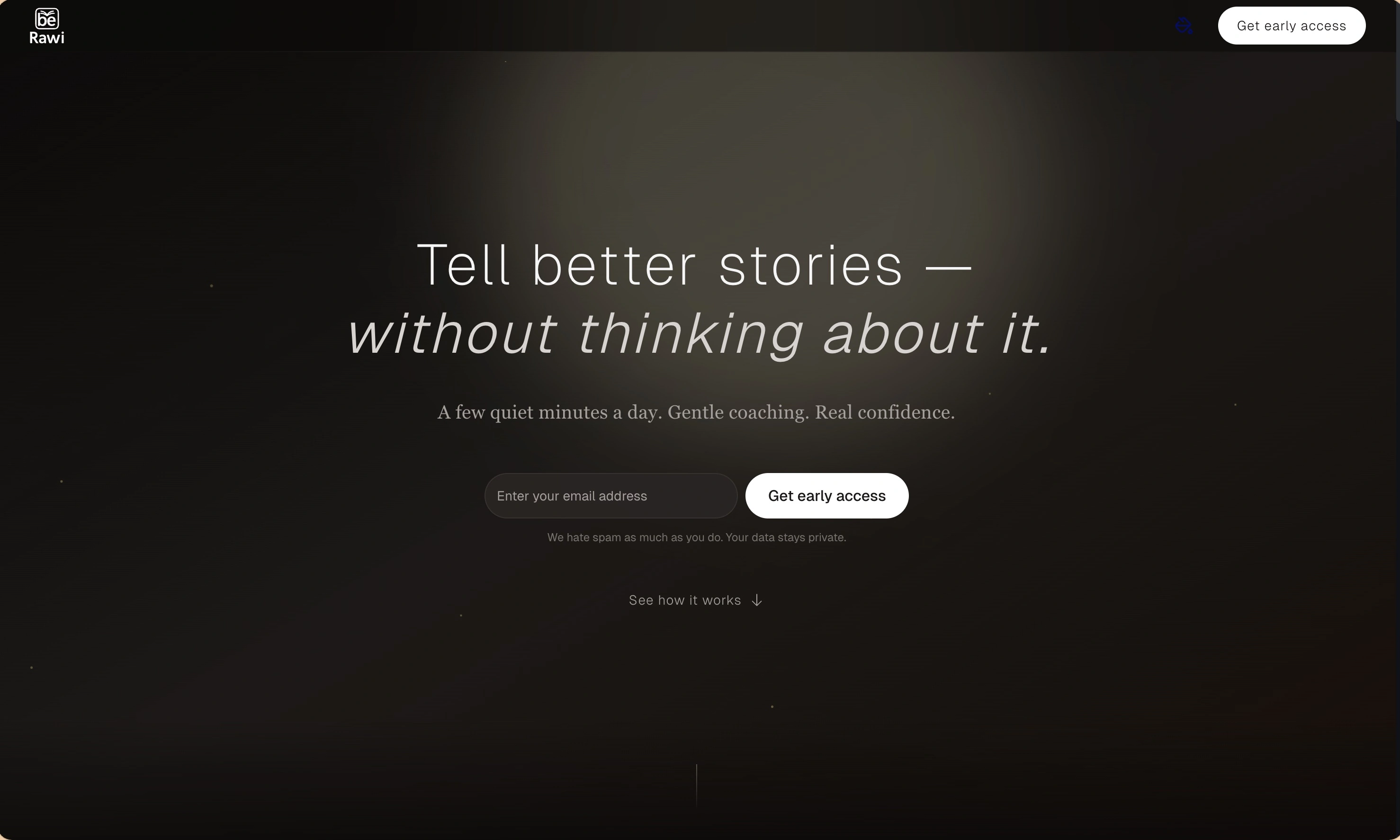
BeRawi: Storytelling Coach
Practice storytelling daily with instant feedback to sound clearer, more engaging, and confident 🎤
Omichat
Chat with 50+ AI models, including ChatGPT and Claude, in one place - switch models anytime without losing context 🤖
Claude Fast
Supercharge your Claude Code with 6x effective context window and specialized AI agents 🤖
EmojAI
AI-powered emoji picker with smart, context-aware suggestions 🤖
Solohacker
Autonomous company launcher - AI agents work 24/7, escalate what matters, and you stay in control 🤖
BeRawi: Storytelling Coach
Practice storytelling daily with instant feedback to sound clearer, more engaging, and confident 🎤
Omichat
Chat with 50+ AI models, including ChatGPT and Claude, in one place - switch models anytime without losing context 🤖
Claude Fast
Supercharge your Claude Code with 6x effective context window and specialized AI agents 🤖
EmojAI
AI-powered emoji picker with smart, context-aware suggestions 🤖
Solohacker
Autonomous company launcher - AI agents work 24/7, escalate what matters, and you stay in control 🤖
BeRawi: Storytelling Coach
Practice storytelling daily with instant feedback to sound clearer, more engaging, and confident 🎤
Omichat
Chat with 50+ AI models, including ChatGPT and Claude, in one place - switch models anytime without losing context 🤖
Claude Fast
Supercharge your Claude Code with 6x effective context window and specialized AI agents 🤖
EmojAI
AI-powered emoji picker with smart, context-aware suggestions 🤖
Solohacker
Autonomous company launcher - AI agents work 24/7, escalate what matters, and you stay in control 🤖
BeRawi: Storytelling Coach
Practice storytelling daily with instant feedback to sound clearer, more engaging, and confident 🎤

Connect with like-minded people
Join our community to get feedback, support, and grow together with 1,000+ builders on board, let's ship it!
Join usShip your startup everywhere. In minutes.
Don't burn tokens on setup and start building features on day one.