AI TutorMate
An AI-powered personal tutor that adapts to students' learning styles and paces, providing personalized lessons and feedback. Ideal for students and educators looking for tailored educational experiences.
Understanding the Target Audience
The idea behind this AI-powered personal tutor is designed for a dynamic and diverse audience consisting of students, educators, and even homeschooling parents. The system adapts to individual learning styles and paces, making it an excellent fit for:
- High school and college students looking for personalized study plans
- Educators seeking innovative teaching tools that enhance lesson delivery
- Parents who want to supplement their children's education at home
- Institutions aiming to integrate modern technology into their curriculum
By focusing on these groups, the solution provides substantial value to a market eager for digital transformation in education.
Exploring the Market Opportunity
The educational technology (edtech) sector has seen exponential growth over recent years. The integration of AI into learning environments is no longer a futuristic concept—it’s a reality that is quickly reshaping how knowledge is imparted and acquired. Some key market insights include:
- Growing demand for remote and personalized learning
- Increased use of AI to offer unique learning journeys tailored to individual needs
- A shift from one-size-fits-all curricula to adaptive learning systems
- Strong investor interest in startups that combine technology with education
This idea leverages these trends by delivering the real-time feedback and adaptive learning paths required to meet modern educational demands. The competitive landscape is transforming as traditional methods are challenged by innovative, tech-forward solutions, and our AI tutor proposes a secure foothold in this competitive and promising market.
Comprehensive Tech Stack for Rapid Deployment
For a product like this, choosing an appropriate tech stack is crucial to ensure responsiveness, scalability, and adaptability. Leveraging best-in-class technologies while accelerating the development process is a key component of the project. Consider the following approach:
- Frontend: Implement using React or Next.js, which allows for fast render times and a great user experience.
- Backend: A Node.js or Python Django/Flask framework enables efficient handling of AI models and data.
- AI & Machine Learning: Integration of machine learning libraries like TensorFlow or PyTorch to enable personalized learning strategies.
- Database: Utilize scalable databases such as PostgreSQL or MongoDB for storing user data and learning analytics.
- Cloud Providers: Services like AWS, Google Cloud, or Azure ensure scalability and secure, on-demand storage.
For a rapid implementation, consider utilizing a starter kit like TurboStarter, which is designed for web, mobile, and browser extension development. This can speed up the prototyping and production phases significantly.
Here’s a brief code snippet illustrating how to integrate a simple logging function that might be used during development:
const test = () => {
  console.log("this is a code snippet!");
}
The tech stack is built not only to handle the current load but also to integrate seamlessly with new features as the product evolves. Continuous integration and deployment (CI/CD) practices, automated testing, and containerization (e.g., with Docker) are recommended to streamline development cycles.
Innovative Monetization Strategies
Monetization is a central aspect of this project, and several revenue streams can be explored. Key monetization strategies include:
- Subscription Model: Offer tiered subscription plans that cater to various needs—from basic tutoring to advanced, personalized coaching.
- Freemium Model with Premium Upsells: Provide essential AI tutoring services for free while offering premium features (such as one-on-one tutoring sessions or advanced analytics) for subscribers.
- Institutional Licensing: Market to schools, universities, and educational institutions that could integrate this tool into their existing systems.
- Affiliate and Partnership Programs: Generate additional revenue by partnering with educational content providers, examination boards, or recognized edtech platforms.
- Data-Driven Insights: Monetize aggregated, anonymized data (with user consent) to provide insights on education trends, learning behavior, and more.
Each of these strategies can be tested and optimized based on early user feedback. By diversifying the revenue streams, the product can achieve a stable and sustainable financial model while ensuring continuous value delivery to its users.
Assessing Risks and Mitigation Strategies
No project is without risks, and it is vital to understand and address potential challenges in advance. The following points highlight some of the risks and ways to mitigate them:
- Data Privacy and Security: As the system collects sensitive educational data, robust encryption protocols and compliance with data protection laws (like GDPR) are essential.
- Bias in AI Algorithms: AI systems are not immune to biases, which could affect learning outcomes. Regular audits and updates of the algorithms are needed.
- Scalability Issues: Rapid growth in user base might strain the system’s performance. Implementing cloud scaling and load balancing is recommended.
- User Adoption: Resistance from traditional educational institutions can be a risk. Strategies include offering pilot programs, in-depth user training, and clear documentation to ease the transition.
- Technical Debt: Rapid development can sometimes lead to technical debt. A solid architecture with modular components and rigorous testing helps in reducing long-term issues.
To further mitigate these risks:
- Invest in cybersecurity measures early in the design phase.
- Build bias-checking routines into the AI training process.
- Plan regular scalability tests and portfolio reviews.
- Continuously gather user feedback to adapt quickly to market demands.
- Maintain a deliberate refactoring schedule to address technical debt.
This proactive approach to risk management not only improves the product’s resilience but also builds trust among early adopters and investors.
Competitive Advantages in a Crowded Market
Differentiating your product in the competitive edtech market means focusing on features and functionalities that deliver unique advantages. Here are some compelling aspects that distinguish the solution:
- Adaptive Learning: Using advanced AI, the tutoring system customizes lessons in real time based on the student’s progress and learning style.
- Real-Time Feedback: Immediate responses during learning sessions ensure that students can correct mistakes on the fly and reinforce concepts as needed.
- Scalability and Flexibility: The technical architecture supports a wide range of learning environments, from classroom settings to remote education.
- User-Centric Design: The interface is crafted with both students and educators in mind, ensuring usability and engagement.
- Data-Driven Insights: Detailed analytics empower educators to understand learning patterns and adjust teaching methods accordingly.
Feature Highlight
The adaptive learning engine tailors educational content to individual needs, leveraging AI to deliver a highly personalized learning experience.
In addition to these features, the product benefits from a strong focus on both UI/UX and robust back-end performance, ensuring that it operates seamlessly across different devices and settings. This thoughtful approach to design and functionality positions the product ahead of many existing edtech solutions.
Community-Driven Learning and Engagement
A major strength of this AI tutoring system is its ability to foster community engagement. The platform is built to not just deliver educational material, but also to encourage interactive learning experiences. Some of the community features include:
- Discussion Forums: Where students can interact, ask questions, and collaborate on difficult topics.
- Live Q&A Sessions: Scheduled times for educators to engage with students directly.
- Peer Review Mechanisms: Allowing students to give and receive feedback on assignments and projects.
- Learning Challenges and Gamification: Rewards and badges for progress milestones, making learning both engaging and competitive.
By incorporating these community features, the platform creates an ecosystem where learning is a shared journey, thereby increasing engagement and retention rates.
Embracing Modern Development Tools and Practices
To ensure the success and rapid evolution of this tutor platform, leveraging current development methodologies is non-negotiable. Agile methodologies, continuous feedback loops, and DevOps practices ensure that the product remains iterative and responsive to market feedback.
Agile Methodology: Emphasizes iterative development, frequent reassessment, and adapting quickly to change. This ensures that the platform evolves as new educational needs emerge.
DevOps Practices: Streamline development by integrating production, testing, and deployment workflows. This significantly reduces downtime and expedites feature rollouts.
Embedding these practices from the get-go is crucial in sustaining long-term growth and ensuring that the product remains both competitive and cutting-edge. For those who want to kickstart such projects quickly, consider tools like TurboStarter which provide a robust foundation for both web and mobile development.
Detailed Monetization and Value Proposition
The monetization strategy goes hand-in-hand with delivering value to the users. Each payment model is carefully crafted to align with the evolving needs of a diverse user base:
- Monthly/Annual Subscriptions: Recurring payments ensure that users have continued access to the latest features and personalized content. Multiple tiers can cater to the budget constraints of students and the institutional budgets of schools.
- One-Time Payments for Specialized Modules: For certain premium courses or specialized tutoring sessions, a one-time payment option provides flexibility.
- Ad-Supported Free Tier: This model can help to drive initial user adoption while generating revenue through relevant educational advertisements.
- Performance and Outcome-Based Incentives: Incentivize improved learning outcomes through rewards, which can be monetized by partnering with educational sponsors or institutions.
Each revenue stream adds another layer of value, and careful testing and iteration can help refine these strategies into a robust financial model that sustains ongoing development.
Insightful Tip
Consider adopting a flexible monetization approach in the early phases, as user feedback may reveal unexpected preferences or market opportunities.
Highlighting Implementation Steps
Building and deploying such a sophisticated AI tutoring system requires methodical planning and execution. Below are the key steps to implement the project successfully:
These steps outline a clear roadmap that blends innovative technology with user-centric design, ensuring that the product not only meets but exceeds the expectations of its target audience.
The Road Ahead for an AI-Powered Learning Revolution
In summary, this AI-powered tuition platform stands to revolutionize personalized education by delivering tailored, adaptive learning experiences that dynamically adjust to each student's needs. The strength of this approach lies in its focus on empathy, usability, and powerful AI-driven insights that transform the educational landscape.
Software that learns alongside its users helps bridge gaps in traditional education methods, catering to both visual and interactive learners alike. Whether it’s through live interactions or autonomous learning sessions, students receive a highly personalized pathway that makes education both enjoyable and attainable.
The combination of a robust tech stack with advanced AI capabilities promises a future where learning is truly personalized. As technology continues to advance, educators are presented with an unprecedented opportunity to harness these tools for fostering a deeper, more engaging learning experience. Building a community around this shared vision of improved educational outcomes can drive significant market traction and long-term success.
Before wrapping up, it's important to note the significance of continuous improvement and adaptability in software development. In this rapidly changing environment, maintaining an iterative approach that is receptive to feedback is crucial for long-term viability.
If you are ready to pioneer this educational revolution and deploy the solution quickly, taking advantage of modern starter kits and development frameworks can set you on the right path.
Conclusion: Implementation Roadmap and Next Steps
The road to launching this groundbreaking AI tutoring platform is as promising as it is challenging. By focusing on user-centric design, a rigorous technical framework, diversified monetization models, and proactive risk mitigation, the foundation is set for a truly innovative product in the edtech space.
In summary, here are the implementation steps:
- Market Research: Begin with comprehensive market and user research to solidify requirements.
- Tech Stack Selection: Finalize the technology stack, with an eye towards scalability and flexibility; consider TurboStarter for rapid project initiation.
- AI Development: Build and test the adaptive learning engine, ensuring thorough validation for bias and performance.
- UX/UI Implementation: Design an engaging, intuitive interface with community features (forums, live Q&A, gamification) that support seamless user interaction.
- Beta Testing & Feedback: Launch beta iterations, gather actionable feedback, and iterate quickly.
- Monetization Strategy Rollout: Implement multiple revenue streams and adjust based on user engagement and conversion data.
- Security & Compliance: Ensure robust data privacy and security measures are in place to build trust.
- Iterative Improvement: Use agile and DevOps methodologies to continuously refine the product.
By following these clearly defined steps, the implementation process encourages iterative growth and refinement—ultimately leading to a successful, market-leading AI tutoring solution that stands out in the competitive edtech landscape.
Embark on this exciting journey by leveraging advanced technologies, community engagement, and strong implementation practices. The future of education is digital, adaptive, and centered around empowering every learner to achieve their full potential.
More 🤖 AI Startup SaaS ideas
Discover more innovative ai startup SaaS ideas that are trending in 2026. Each idea is AI-generated with market validation and growth potential to help you find your next profitable venture faster than competitors.
Your competitors are building with TurboStarter
Below are some of the SaaS ideas that have been generated and built with our starter kit.
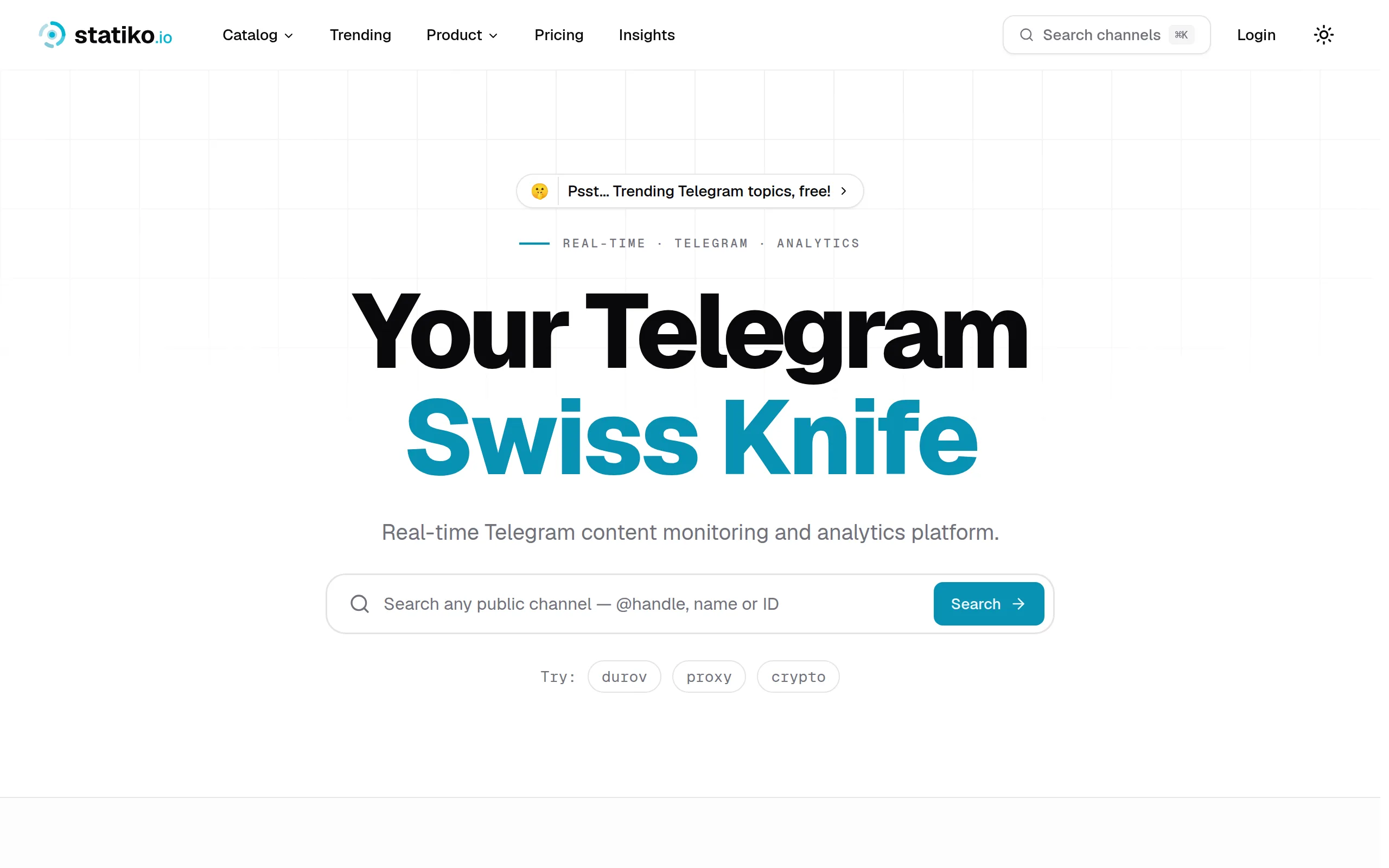
Statiko
Monitor any Telegram channel in real time - track posts, edits, deletions, and growth with AI recaps 📡

Shibui
AI website builder - describe your business, pick a niche template, edit by chatting, and publish instantly ✨

Pro Service
Find verified home service professionals, compare quotes, and pay securely through escrow - built for Brazilians across the US 🏠
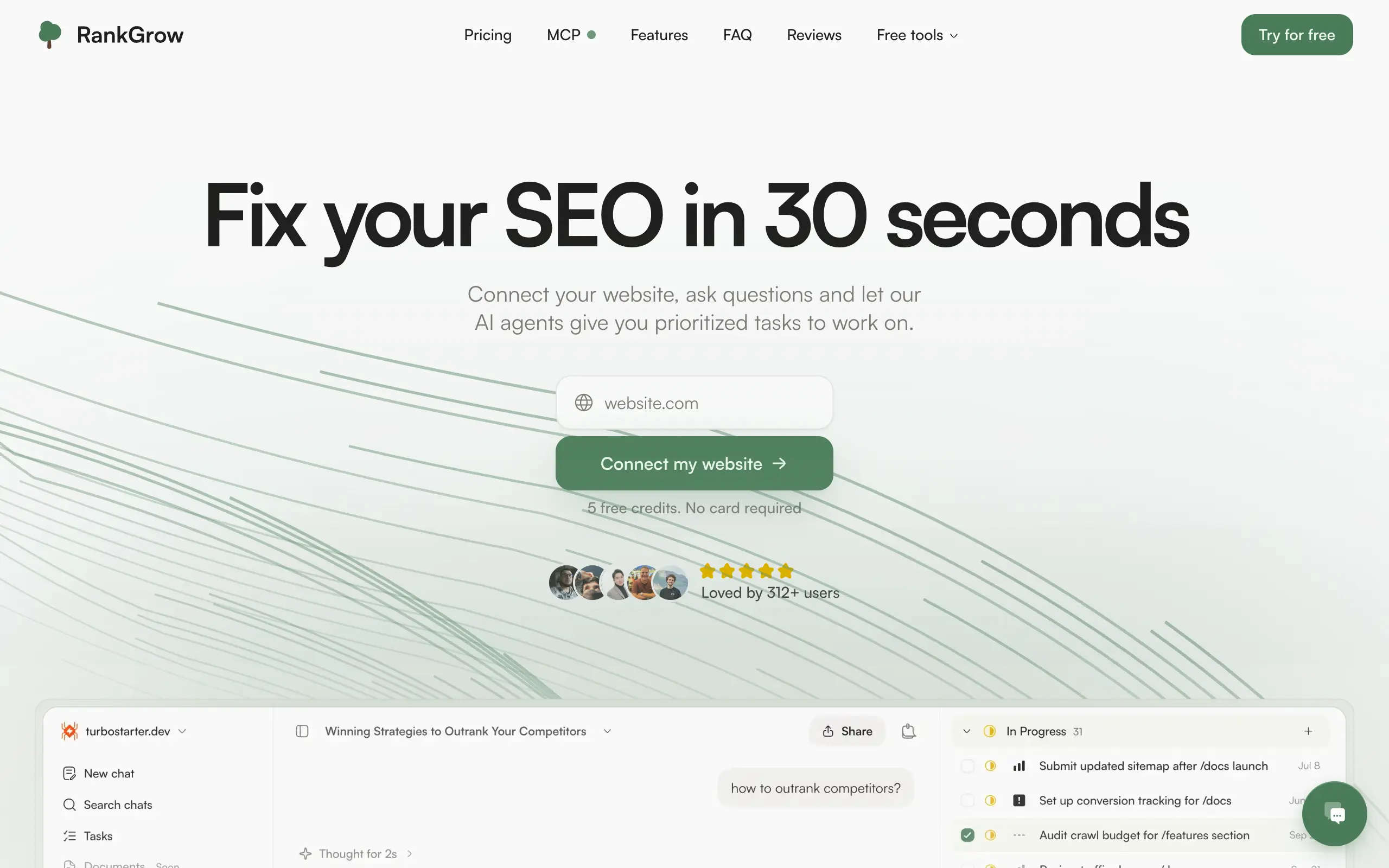
RankGrow
Fix your SEO with AI agents - connect Search Console, get prioritized tasks, and grow organic traffic 📈
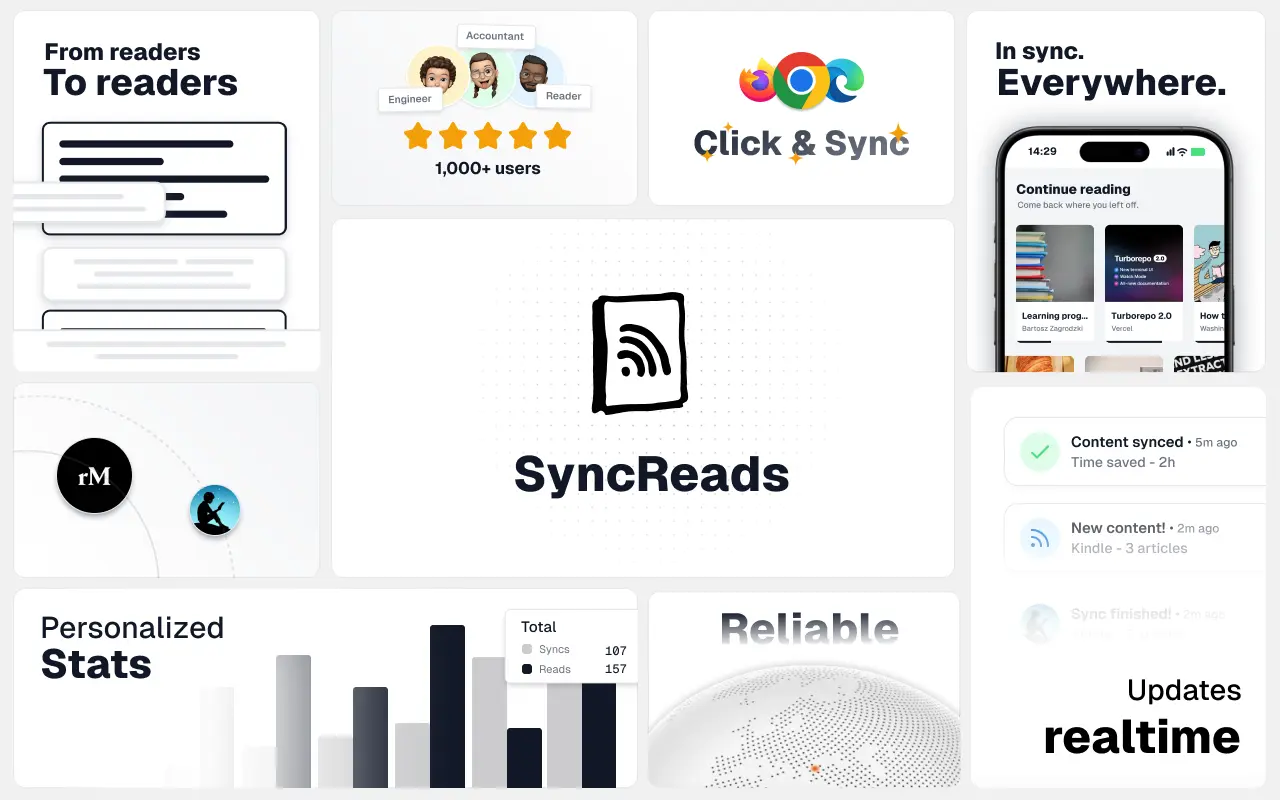
SyncReads
Sync your favorite content for distraction-free reading, save time and replace multiple apps. Anytime, anywhere 🔄
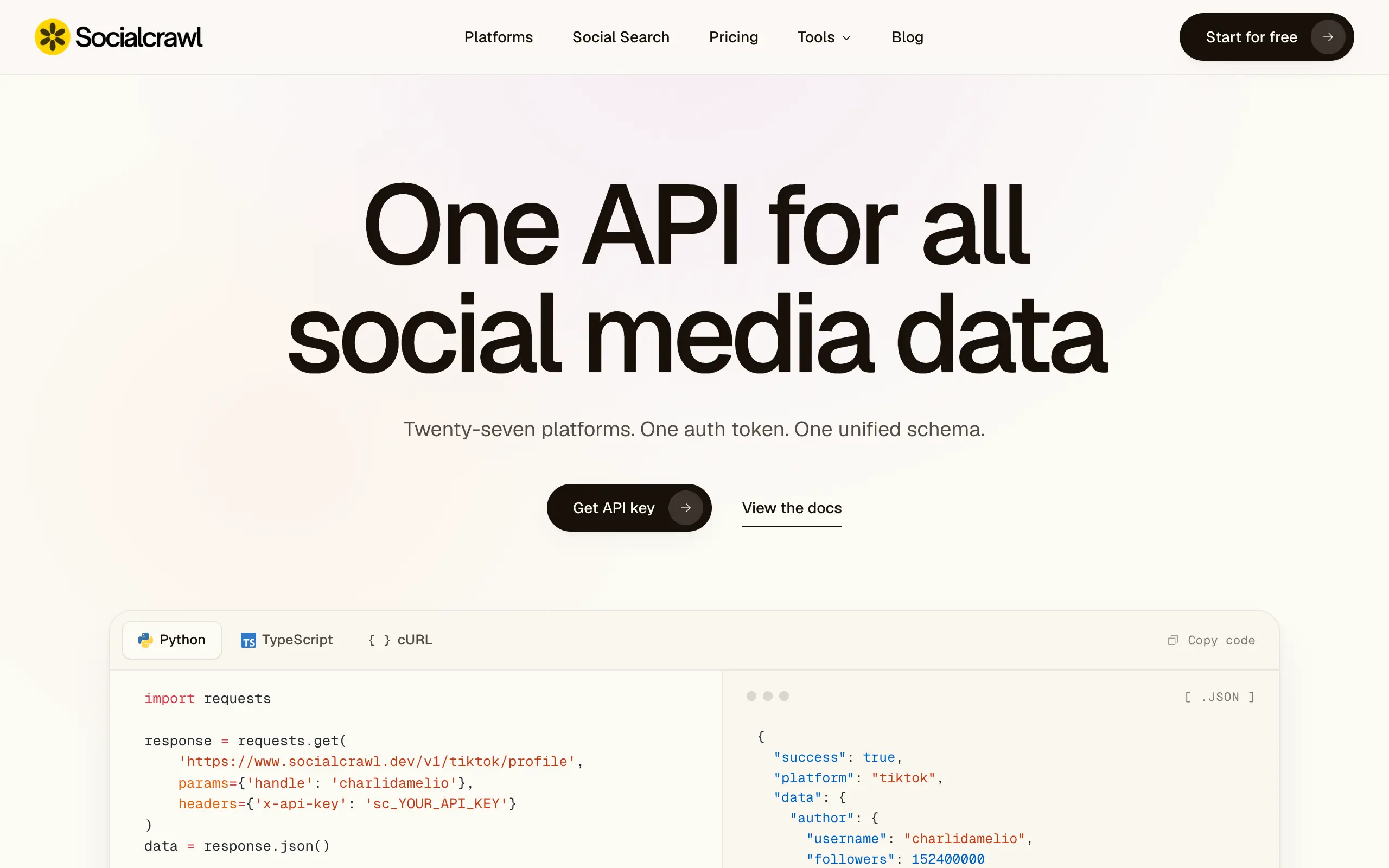
Socialcrawl
Get clean, structured data from 21 platforms like TikTok, Instagram, and YouTube with a single request 📊
Statiko
Monitor any Telegram channel in real time - track posts, edits, deletions, and growth with AI recaps 📡
Shibui
AI website builder - describe your business, pick a niche template, edit by chatting, and publish instantly ✨
Pro Service
Find verified home service professionals, compare quotes, and pay securely through escrow - built for Brazilians across the US 🏠
RankGrow
Fix your SEO with AI agents - connect Search Console, get prioritized tasks, and grow organic traffic 📈
SyncReads
Sync your favorite content for distraction-free reading, save time and replace multiple apps. Anytime, anywhere 🔄
Socialcrawl
Get clean, structured data from 21 platforms like TikTok, Instagram, and YouTube with a single request 📊
Statiko
Monitor any Telegram channel in real time - track posts, edits, deletions, and growth with AI recaps 📡
Shibui
AI website builder - describe your business, pick a niche template, edit by chatting, and publish instantly ✨
Pro Service
Find verified home service professionals, compare quotes, and pay securely through escrow - built for Brazilians across the US 🏠
RankGrow
Fix your SEO with AI agents - connect Search Console, get prioritized tasks, and grow organic traffic 📈
SyncReads
Sync your favorite content for distraction-free reading, save time and replace multiple apps. Anytime, anywhere 🔄
Socialcrawl
Get clean, structured data from 21 platforms like TikTok, Instagram, and YouTube with a single request 📊
Statiko
Monitor any Telegram channel in real time - track posts, edits, deletions, and growth with AI recaps 📡
Shibui
AI website builder - describe your business, pick a niche template, edit by chatting, and publish instantly ✨
Pro Service
Find verified home service professionals, compare quotes, and pay securely through escrow - built for Brazilians across the US 🏠
RankGrow
Fix your SEO with AI agents - connect Search Console, get prioritized tasks, and grow organic traffic 📈
SyncReads
Sync your favorite content for distraction-free reading, save time and replace multiple apps. Anytime, anywhere 🔄
Socialcrawl
Get clean, structured data from 21 platforms like TikTok, Instagram, and YouTube with a single request 📊
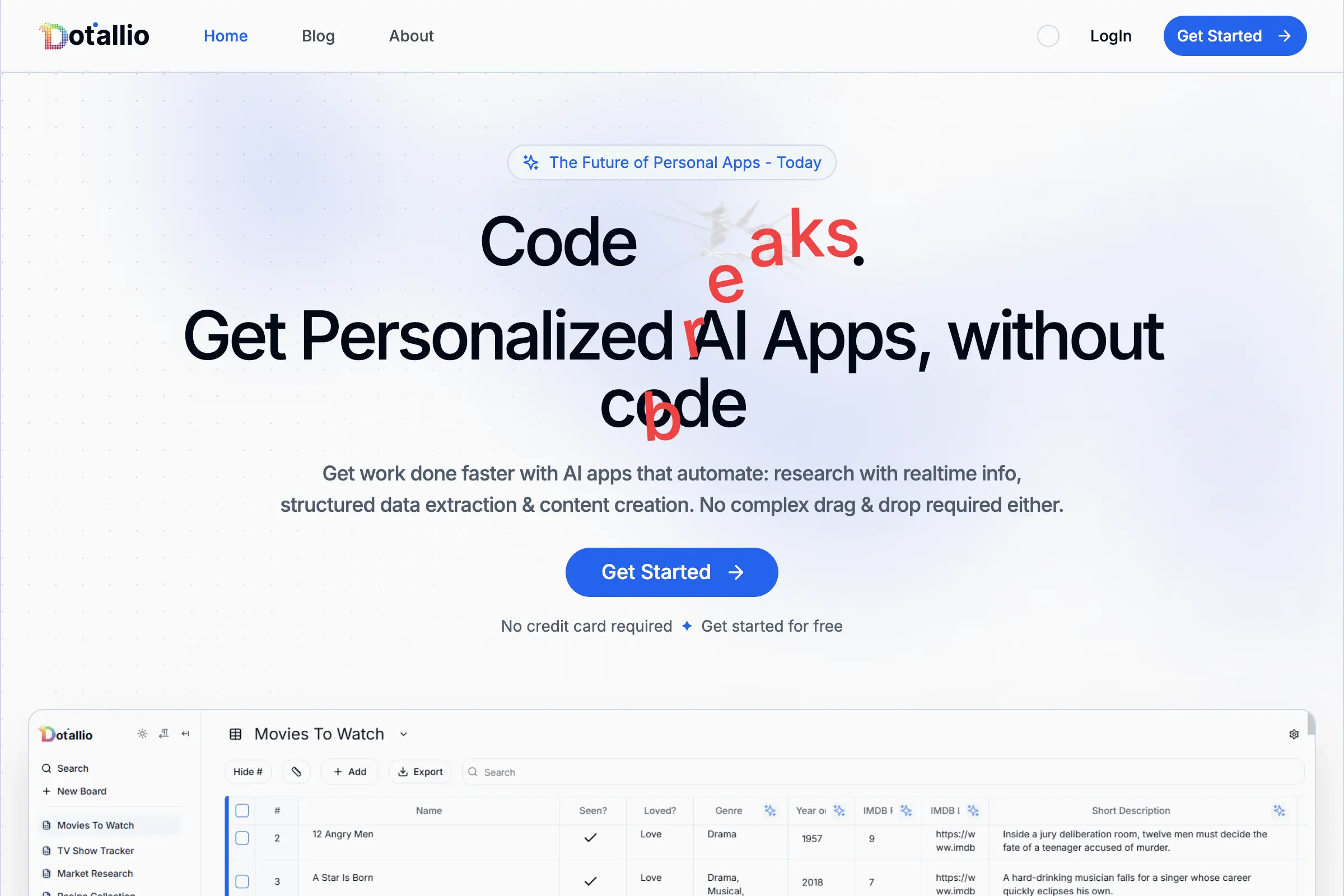
Dotallio
Personalized AI apps that automate research, data extraction, and content creation without code 🤖

Talk to Santa
Enjoy a magical live video chat or receive a unique AI-generated video greeting from Santa Claus 🎅

pozywka.pl
Scalable blog for food journalist, focused on performance and user experience 🌭
zagrodzki.me
Personal blog and portfolio of Bart Zagrodzki, where he shares his knowledge and work 💼
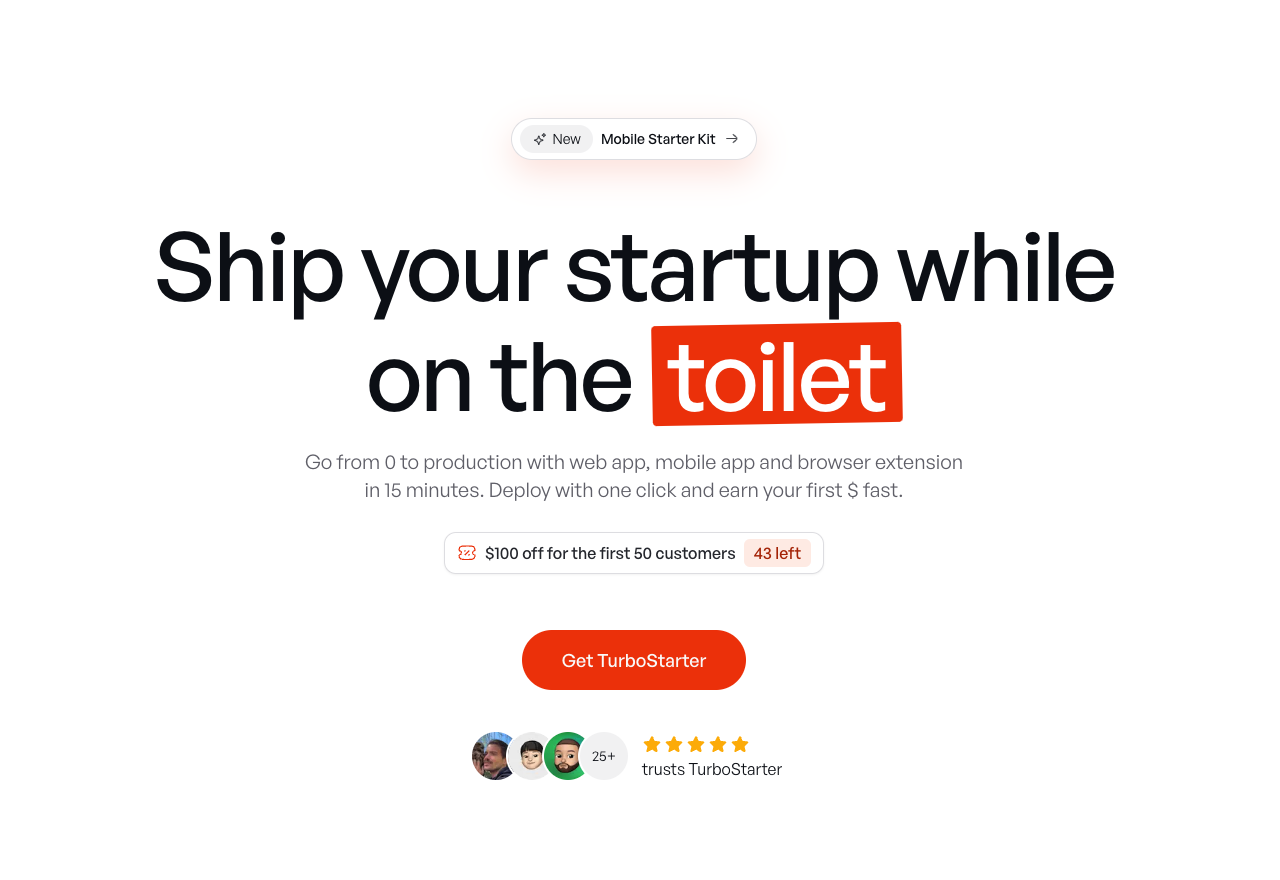
TurboStarter
Ship your startup everywhere. In minutes.
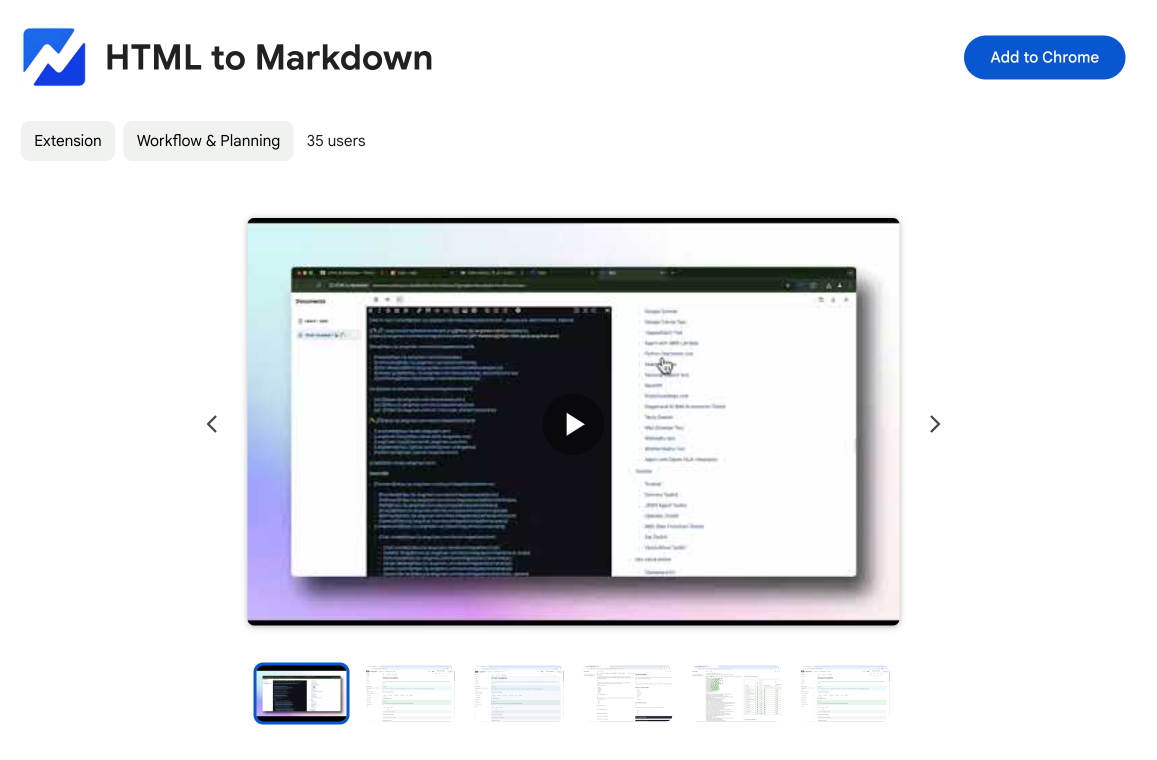
HTML to Markdown
Convert HTML to Markdown with ease, directly in your browser 📄
Dotallio
Personalized AI apps that automate research, data extraction, and content creation without code 🤖
Talk to Santa
Enjoy a magical live video chat or receive a unique AI-generated video greeting from Santa Claus 🎅
pozywka.pl
Scalable blog for food journalist, focused on performance and user experience 🌭
zagrodzki.me
Personal blog and portfolio of Bart Zagrodzki, where he shares his knowledge and work 💼
TurboStarter
Ship your startup everywhere. In minutes.
HTML to Markdown
Convert HTML to Markdown with ease, directly in your browser 📄
Dotallio
Personalized AI apps that automate research, data extraction, and content creation without code 🤖
Talk to Santa
Enjoy a magical live video chat or receive a unique AI-generated video greeting from Santa Claus 🎅
pozywka.pl
Scalable blog for food journalist, focused on performance and user experience 🌭
zagrodzki.me
Personal blog and portfolio of Bart Zagrodzki, where he shares his knowledge and work 💼
TurboStarter
Ship your startup everywhere. In minutes.
HTML to Markdown
Convert HTML to Markdown with ease, directly in your browser 📄
Dotallio
Personalized AI apps that automate research, data extraction, and content creation without code 🤖
Talk to Santa
Enjoy a magical live video chat or receive a unique AI-generated video greeting from Santa Claus 🎅
pozywka.pl
Scalable blog for food journalist, focused on performance and user experience 🌭
zagrodzki.me
Personal blog and portfolio of Bart Zagrodzki, where he shares his knowledge and work 💼
TurboStarter
Ship your startup everywhere. In minutes.
HTML to Markdown
Convert HTML to Markdown with ease, directly in your browser 📄
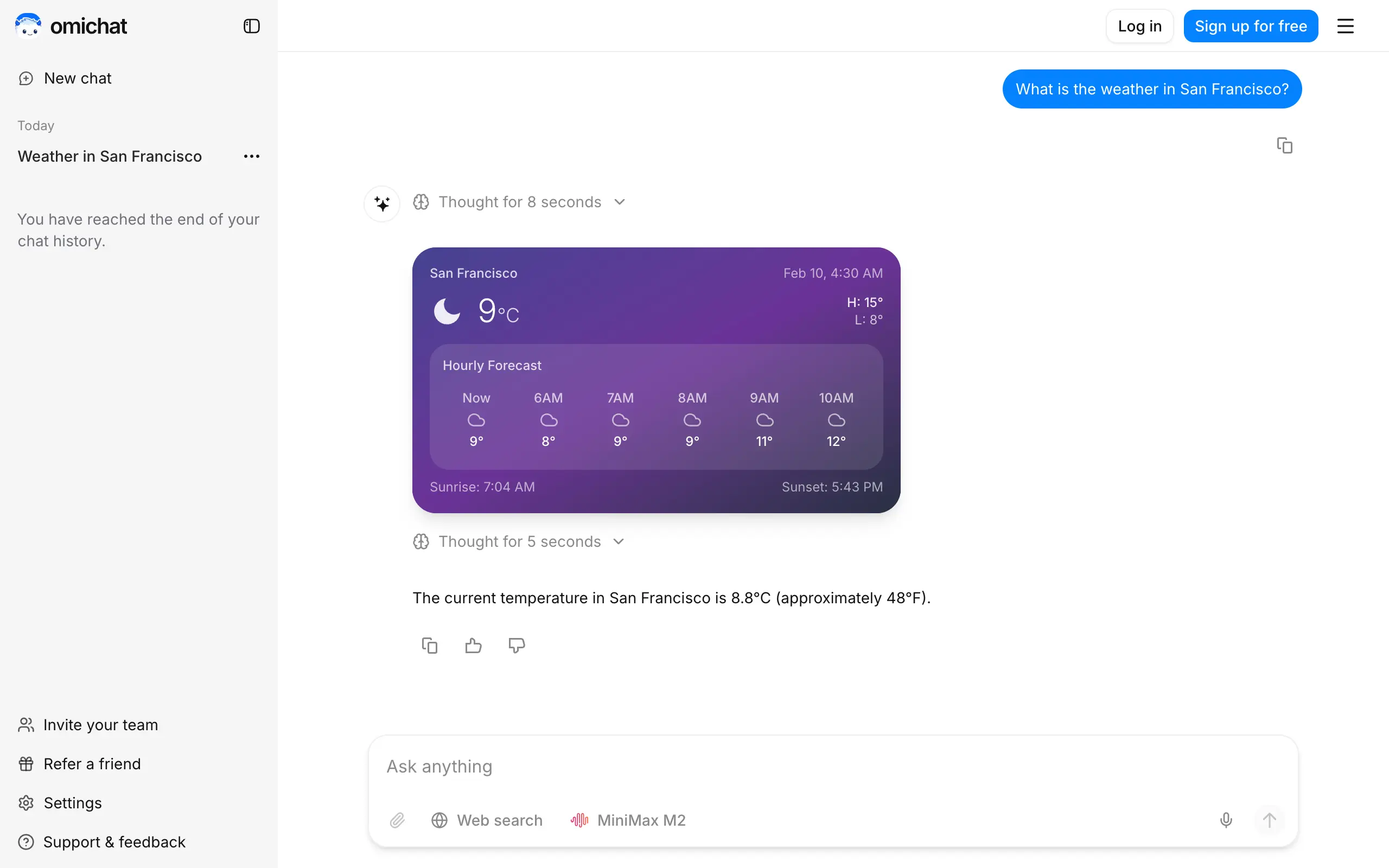
Omichat
Chat with 50+ AI models, including ChatGPT and Claude, in one place - switch models anytime without losing context 🤖
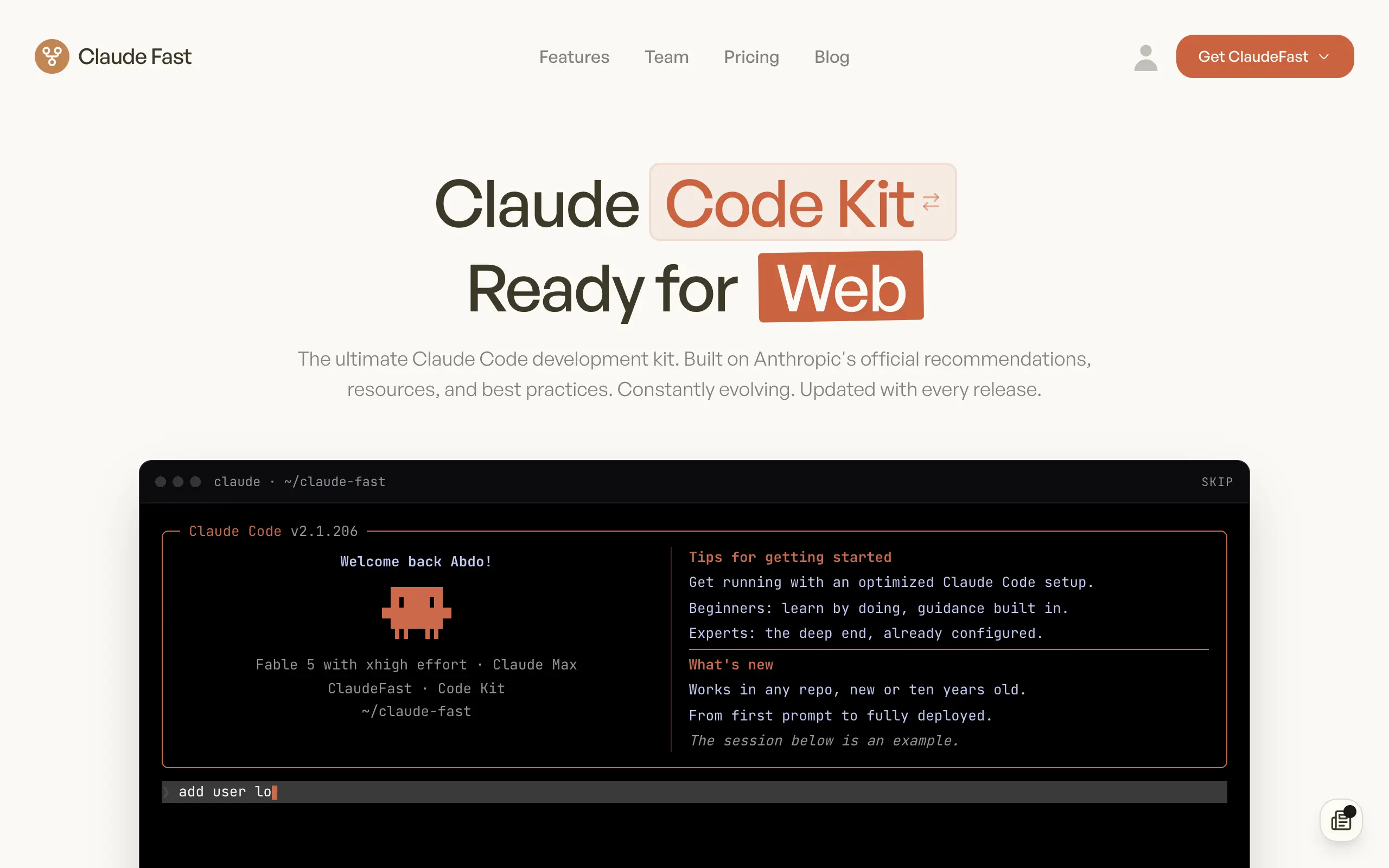
Claude Fast
Supercharge your Claude Code with 6x effective context window and specialized AI agents 🤖
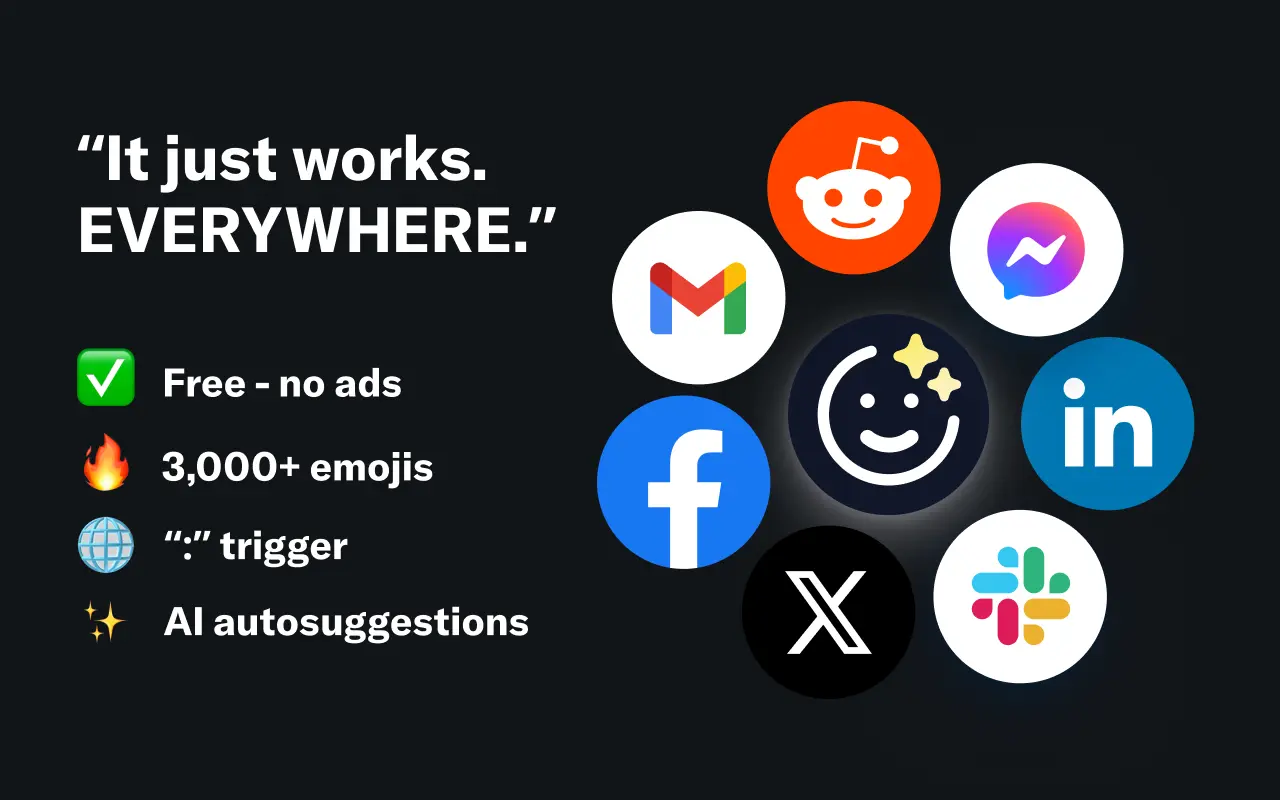
EmojAI
AI-powered emoji picker with smart, context-aware suggestions 🤖
Solohacker
Autonomous company launcher - AI agents work 24/7, escalate what matters, and you stay in control 🤖
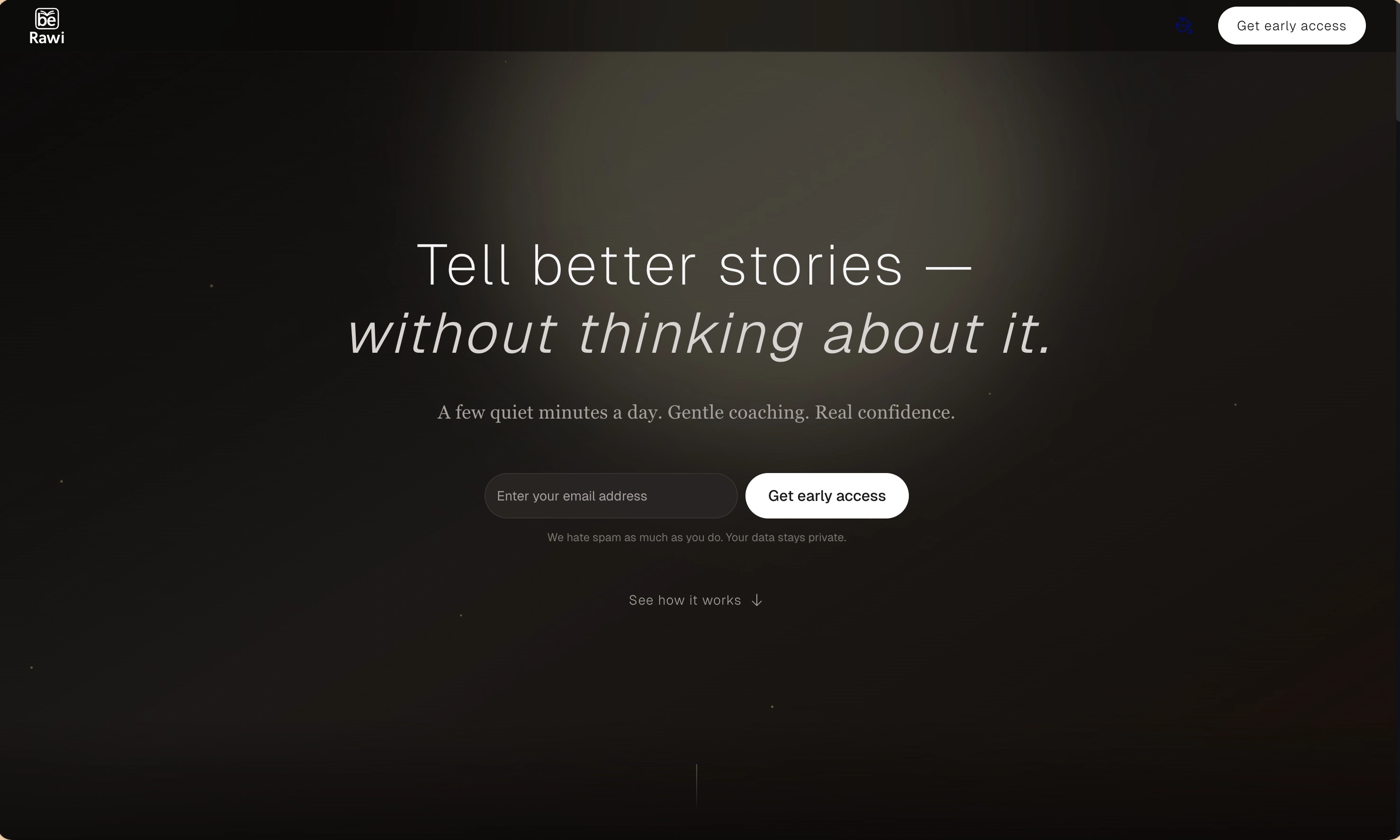
BeRawi: Storytelling Coach
Practice storytelling daily with instant feedback to sound clearer, more engaging, and confident 🎤
Omichat
Chat with 50+ AI models, including ChatGPT and Claude, in one place - switch models anytime without losing context 🤖
Claude Fast
Supercharge your Claude Code with 6x effective context window and specialized AI agents 🤖
EmojAI
AI-powered emoji picker with smart, context-aware suggestions 🤖
Solohacker
Autonomous company launcher - AI agents work 24/7, escalate what matters, and you stay in control 🤖
BeRawi: Storytelling Coach
Practice storytelling daily with instant feedback to sound clearer, more engaging, and confident 🎤
Omichat
Chat with 50+ AI models, including ChatGPT and Claude, in one place - switch models anytime without losing context 🤖
Claude Fast
Supercharge your Claude Code with 6x effective context window and specialized AI agents 🤖
EmojAI
AI-powered emoji picker with smart, context-aware suggestions 🤖
Solohacker
Autonomous company launcher - AI agents work 24/7, escalate what matters, and you stay in control 🤖
BeRawi: Storytelling Coach
Practice storytelling daily with instant feedback to sound clearer, more engaging, and confident 🎤
Omichat
Chat with 50+ AI models, including ChatGPT and Claude, in one place - switch models anytime without losing context 🤖
Claude Fast
Supercharge your Claude Code with 6x effective context window and specialized AI agents 🤖
EmojAI
AI-powered emoji picker with smart, context-aware suggestions 🤖
Solohacker
Autonomous company launcher - AI agents work 24/7, escalate what matters, and you stay in control 🤖
BeRawi: Storytelling Coach
Practice storytelling daily with instant feedback to sound clearer, more engaging, and confident 🎤

Connect with like-minded people
Join our community to get feedback, support, and grow together with 1,000+ builders on board, let's ship it!
Join usShip your startup everywhere. In minutes.
Don't burn tokens on setup and start building features on day one.