AlertSense
Smart alert management platform that reduces noise by clustering incidents, prioritizing critical issues, and auto-routing alerts to the right engineers.
smart alert management platform: reducing alert fatigue with AI
Modern engineering teams are drowning in alerts. From infrastructure monitoring tools to application logs, security notifications, and third-party integrations, the volume of alerts has grown exponentially. The result? Alert fatigue, missed critical incidents, slower response times, and burned-out engineers.
This is where an AI-powered smart alert management platform like AlertSense comes in. By clustering incidents, prioritizing critical issues, and auto-routing alerts to the right engineers, AlertSense addresses a fundamental pain point in DevOps and SRE workflows.
In this article, we’ll break down the market opportunity, target audience, core features, technical architecture, monetization strategies, and a step-by-step implementation roadmap for building a platform like AlertSense.
understanding the alert fatigue problem
Alert fatigue isn’t just an annoyance—it’s a systemic failure point in modern software operations.
why alert fatigue happens
Most organizations rely on multiple monitoring systems:
- Infrastructure monitoring (e.g., Datadog, Prometheus)
- Application performance monitoring (APM)
- Log aggregation systems
- Security tools (SIEM)
- Third-party integrations
Each system generates alerts independently, often without context or correlation.
consequences of poor alert management
- Engineers ignore alerts due to noise
- Critical incidents get buried under low-priority notifications
- Increased mean time to resolution (MTTR)
- Burnout in on-call teams
- Revenue loss due to downtime
Real-world risk
Industry reports (e.g., from PagerDuty and Atlassian) consistently show that excessive alert noise is one of the top causes of delayed incident response. When teams receive hundreds of alerts daily, signal gets lost in noise.
what is AlertSense?
AlertSense is an AI-driven alert management platform that transforms chaotic alert streams into actionable intelligence.
core value proposition
Instead of flooding engineers with alerts, AlertSense:
- Clusters related alerts into incidents
- Prioritizes based on business impact
- Automatically routes alerts to the right engineer
- Continuously learns from past incidents
how it differs from traditional tools
Traditional tools like PagerDuty focus on routing alerts. AlertSense goes further by reducing alerts before routing them.
| Feature | Traditional Tools | AlertSense | Impact | AI-driven |
|---|---|---|---|---|
| Alert routing | ✅ | ✅ | Basic functionality | ❌ |
| Alert clustering | ❌ | ✅ | Reduces noise | ✅ |
| Priority scoring | Limited | Advanced | Faster response | ✅ |
| Learning from incidents | ❌ | ✅ | Continuous improvement | ✅ |
target audience analysis
primary users
-
DevOps engineers
- Manage infrastructure and deployments
- Need actionable alerts without noise
-
Site reliability engineers (SREs)
- Focus on uptime and system reliability
- Require intelligent incident prioritization
-
Platform engineering teams
- Build internal developer platforms
- Need centralized alert intelligence
-
CTOs and engineering leaders
- Care about system stability and team productivity
- Want reduced MTTR and operational efficiency
secondary users
- Security teams (for alert correlation)
- Product teams (for user-impact awareness)
- Customer support (incident awareness)
ideal customer profile (ICP)
- SaaS companies with:
- Microservices architecture
- Multi-cloud or hybrid environments
- 24/7 uptime requirements
- Teams larger than 10 engineers
market opportunity and gap
growing DevOps tooling market
The DevOps market is rapidly expanding, driven by:
- Cloud adoption
- Microservices architecture
- Continuous deployment practices
Alert management sits at the intersection of:
- Observability
- Incident response
- AI-driven automation
key gap in current solutions
Existing tools focus on:
- Alert delivery (PagerDuty)
- Monitoring (Datadog, New Relic)
- Logging (ELK stack)
But few tools effectively address:
- Alert deduplication
- Cross-system correlation
- Context-aware prioritization
- Intelligent routing
Opportunity insight
AI-native alert management is still underdeveloped compared to other DevOps categories. This creates a strong opportunity for differentiation with machine learning and automation.
core features of AlertSense
1. intelligent alert clustering
Group related alerts into a single incident using:
- Time proximity
- Service dependencies
- Log similarity
- Historical patterns
2. AI-based prioritization
Assign priority scores based on:
- Affected services
- User impact
- Historical severity
- Business metrics
3. auto-routing to engineers
Automatically assign incidents based on:
- Ownership rules
- Past incident handling
- Skill matching
- On-call schedules
4. root cause suggestion
Leverage AI to suggest likely causes:
- Recent deployments
- Infrastructure changes
- Known issue patterns
5. incident timeline generation
Provide a real-time timeline of:
- Alert triggers
- System changes
- Response actions
6. feedback loop learning
Allow engineers to:
- Mark false positives
- Adjust priority levels
- Improve clustering accuracy
product architecture overview
high-level system design
AlertSense would consist of:
- Ingestion layer: collects alerts from multiple sources
- Processing engine: clusters and analyzes alerts
- AI engine: prioritization and routing
- Notification system: sends alerts to users
- Dashboard UI: visualizes incidents
example architecture flow
// Simplified alert processing pipeline
function processAlert(alert) {
  const cluster = clusterEngine.group(alert);
  const priority = aiModel.score(cluster);
  const assignee = routingEngine.assign(cluster);

  notify(assignee, {
    cluster,
    priority
  });
}
recommended tech stack
frontend
- React
- TailwindCSS
- WebSockets for real-time updates
backend
- Node.js (fast iteration) or Go (high performance)
- GraphQL or REST API
- Event-driven architecture using Kafka or RabbitMQ
AI/ML layer
- Python (for ML models)
- TensorFlow or PyTorch
- Embedding models for clustering
infrastructure
- Kubernetes for scalability
- AWS or GCP for cloud services
- Redis for caching
- PostgreSQL for structured data
trade-offs to consider
Node.js
- Faster development
- Large ecosystem
Go
- Better concurrency
- Lower latency
Monolith
- Easier to build initially
- Faster MVP
Microservices
- Scalable
- More complex
competitive landscape
key competitors
- PagerDuty
- Opsgenie
- Splunk On-Call
- Datadog Incident Management
AlertSense competitive advantage
AI-first approach
Built from the ground up with machine learning, not added as an afterthought.
Noise reduction focus
Reduces alerts before routing them, unlike traditional tools.
Continuous learning
Improves over time based on team behavior and feedback.
Context-aware intelligence
Understands relationships between systems and alerts.
monetization strategy
pricing models
-
per-user pricing
- Common in SaaS
- Easy to scale
-
usage-based pricing
- Based on number of alerts processed
- Aligns with value delivered
-
tiered plans
- Free: basic alert routing
- Pro: AI clustering and prioritization
- Enterprise: advanced analytics and integrations
additional revenue streams
- Premium integrations
- SLA guarantees
- On-prem deployment for enterprises
potential risks and mitigation
risk 1: inaccurate AI predictions
Mitigation:
- Human-in-the-loop feedback
- Continuous model training
risk 2: integration complexity
Mitigation:
- Provide pre-built connectors
- Offer robust API documentation
risk 3: competition from incumbents
Mitigation:
- Focus on differentiation (AI-first)
- Target underserved mid-market companies
risk 4: trust in automation
Mitigation:
- Transparent decision-making
- Explainable AI features
implementation roadmap
phase 1: MVP (0–3 months)
phase 2: AI enhancement (3–6 months)
phase 3: scaling and integrations (6–12 months)
go-to-market strategy
early traction channels
- DevOps communities (Reddit, Hacker News)
- Open-source integrations
- Content marketing (SEO blogs)
content strategy
Focus on topics like:
- "How to reduce alert fatigue"
- "Best alert management tools"
- "AI in DevOps"
partnerships
- Cloud providers
- Monitoring platforms
- DevOps consultancies
SEO strategy for AlertSense
primary keywords
- smart alert management platform
- AI alert management
- alert fatigue solution
- incident management automation
secondary keywords
- alert clustering
- incident prioritization
- DevOps alerting tools
- SRE alert management
content ideas
- Case studies
- Technical deep dives
- Comparisons with PagerDuty
future trends in alert management
AI-driven operations (AIOps)
The future of DevOps lies in automation:
- Predictive incident detection
- Self-healing systems
- Autonomous infrastructure
observability convergence
Monitoring, logging, and tracing will merge into unified platforms.
shift-left reliability
Teams will detect and fix issues earlier in development cycles.
actionable steps to build AlertSense
If you're serious about building this SaaS, here’s a practical path forward:
- Validate the idea with DevOps teams
- Build a lightweight MVP
- Focus on one killer feature (clustering)
- Iterate based on feedback
- Scale with AI enhancements
Using a modern SaaS starter kit like TurboStarter can significantly reduce development time by providing authentication, billing, and infrastructure out of the box.
conclusion
AlertSense represents a powerful opportunity in a rapidly growing market. By focusing on reducing noise rather than just routing alerts, it addresses a core pain point that existing tools only partially solve.
With the rise of AI and increasing system complexity, the demand for intelligent alert management will only grow. A well-executed platform can become an essential part of every modern engineering stack.
The key to success lies in:
- Delivering immediate value through noise reduction
- Building trust with transparent AI
- Continuously improving through feedback loops
If executed correctly, AlertSense could redefine how teams handle incidents—and turn alert chaos into clarity.
More 🤖 AI Startup SaaS ideas
Discover more innovative ai startup SaaS ideas that are trending in 2026. Each idea is AI-generated with market validation and growth potential to help you find your next profitable venture faster than competitors.
Your competitors are building with TurboStarter
Below are some of the SaaS ideas that have been generated and built with our starter kit.
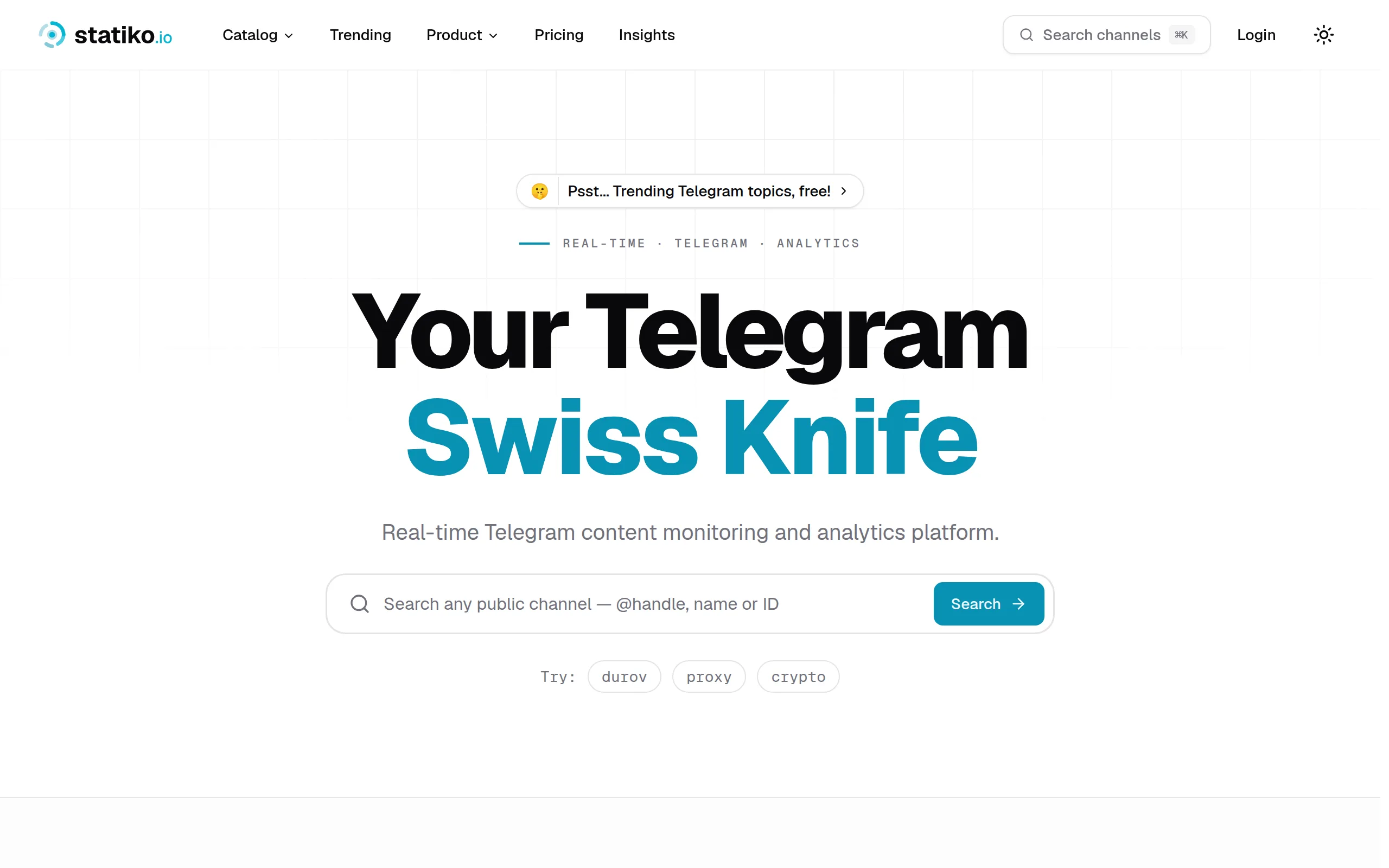
Statiko
Monitor any Telegram channel in real time - track posts, edits, deletions, and growth with AI recaps 📡

Shibui
AI website builder - describe your business, pick a niche template, edit by chatting, and publish instantly ✨

Pro Service
Find verified home service professionals, compare quotes, and pay securely through escrow - built for Brazilians across the US 🏠
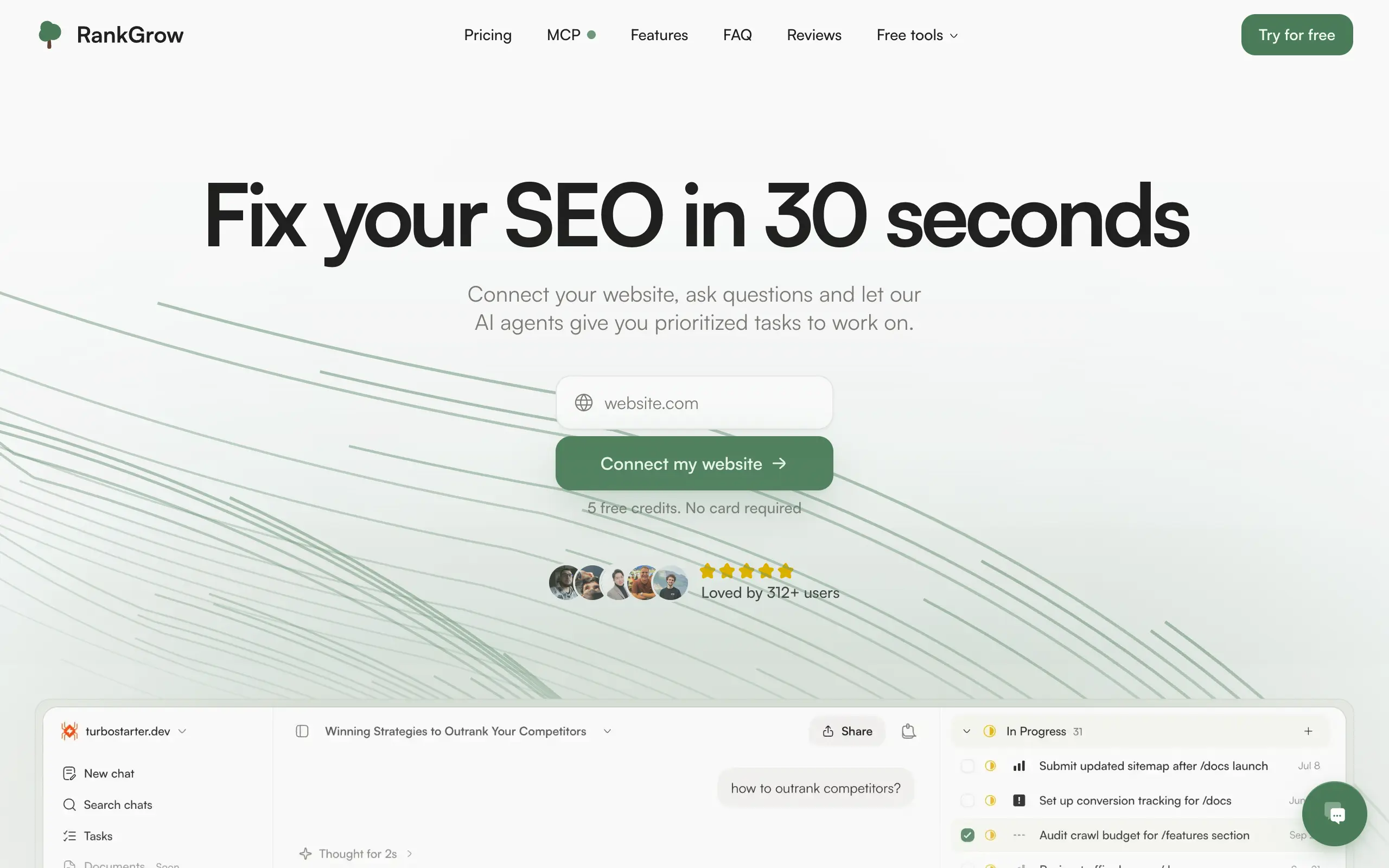
RankGrow
Fix your SEO with AI agents - connect Search Console, get prioritized tasks, and grow organic traffic 📈
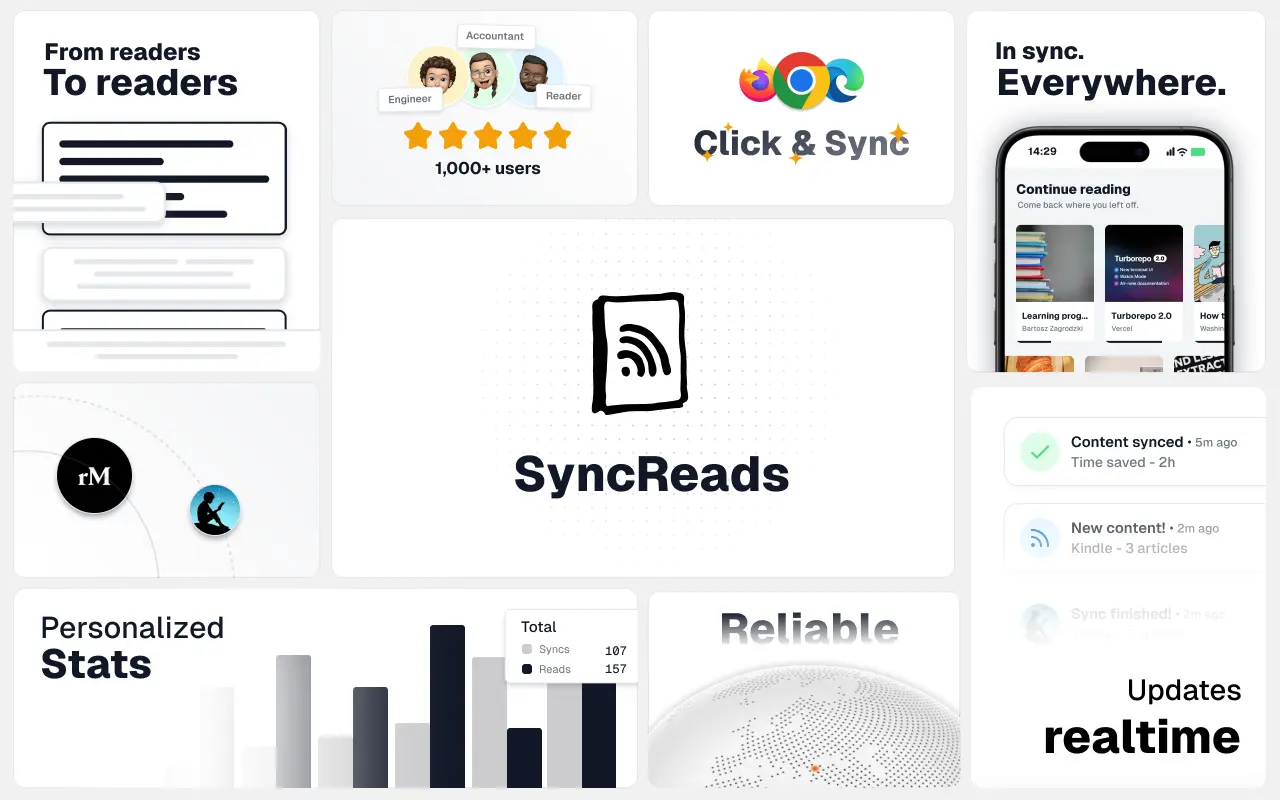
SyncReads
Sync your favorite content for distraction-free reading, save time and replace multiple apps. Anytime, anywhere 🔄
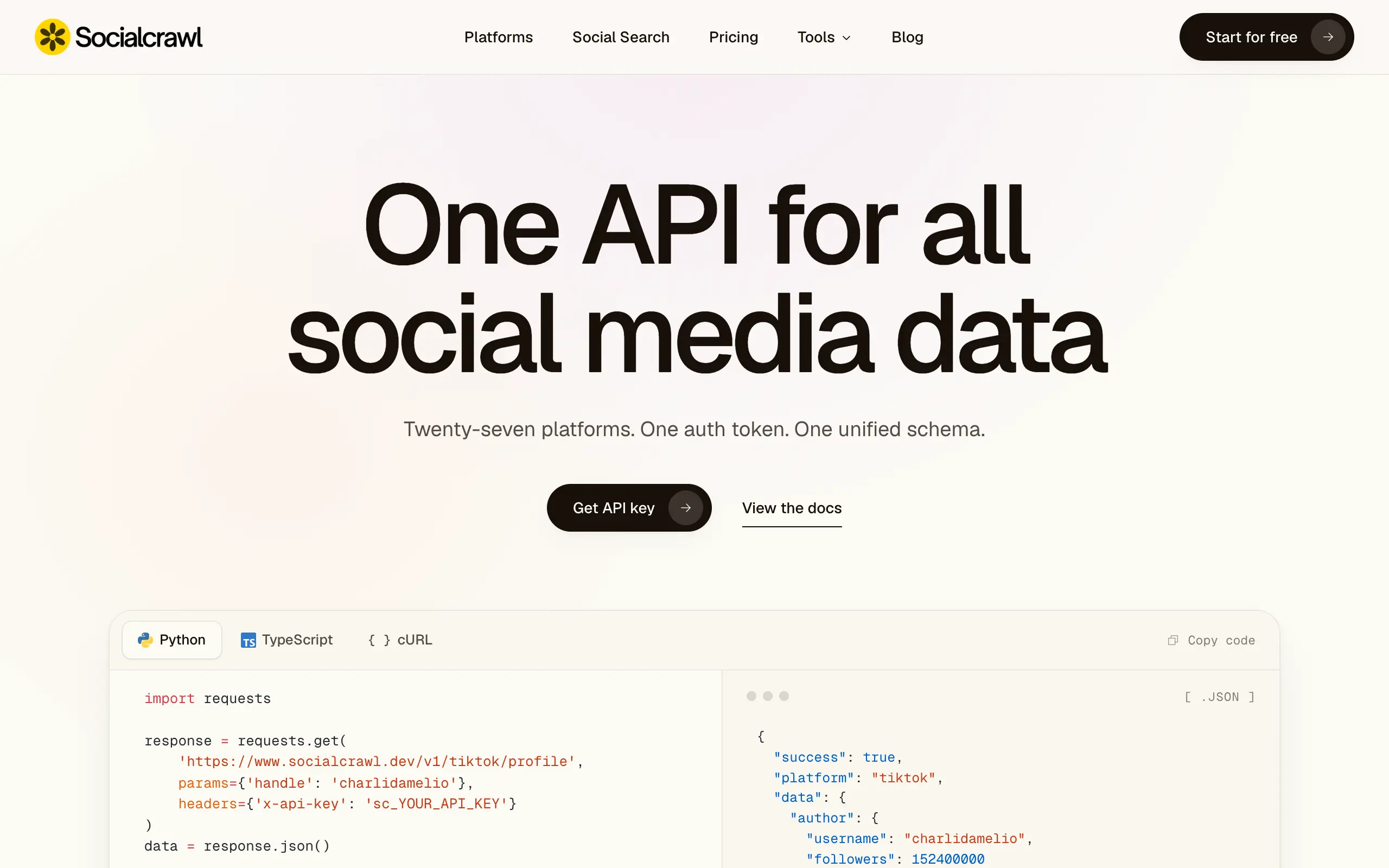
Socialcrawl
Get clean, structured data from 21 platforms like TikTok, Instagram, and YouTube with a single request 📊
Statiko
Monitor any Telegram channel in real time - track posts, edits, deletions, and growth with AI recaps 📡
Shibui
AI website builder - describe your business, pick a niche template, edit by chatting, and publish instantly ✨
Pro Service
Find verified home service professionals, compare quotes, and pay securely through escrow - built for Brazilians across the US 🏠
RankGrow
Fix your SEO with AI agents - connect Search Console, get prioritized tasks, and grow organic traffic 📈
SyncReads
Sync your favorite content for distraction-free reading, save time and replace multiple apps. Anytime, anywhere 🔄
Socialcrawl
Get clean, structured data from 21 platforms like TikTok, Instagram, and YouTube with a single request 📊
Statiko
Monitor any Telegram channel in real time - track posts, edits, deletions, and growth with AI recaps 📡
Shibui
AI website builder - describe your business, pick a niche template, edit by chatting, and publish instantly ✨
Pro Service
Find verified home service professionals, compare quotes, and pay securely through escrow - built for Brazilians across the US 🏠
RankGrow
Fix your SEO with AI agents - connect Search Console, get prioritized tasks, and grow organic traffic 📈
SyncReads
Sync your favorite content for distraction-free reading, save time and replace multiple apps. Anytime, anywhere 🔄
Socialcrawl
Get clean, structured data from 21 platforms like TikTok, Instagram, and YouTube with a single request 📊
Statiko
Monitor any Telegram channel in real time - track posts, edits, deletions, and growth with AI recaps 📡
Shibui
AI website builder - describe your business, pick a niche template, edit by chatting, and publish instantly ✨
Pro Service
Find verified home service professionals, compare quotes, and pay securely through escrow - built for Brazilians across the US 🏠
RankGrow
Fix your SEO with AI agents - connect Search Console, get prioritized tasks, and grow organic traffic 📈
SyncReads
Sync your favorite content for distraction-free reading, save time and replace multiple apps. Anytime, anywhere 🔄
Socialcrawl
Get clean, structured data from 21 platforms like TikTok, Instagram, and YouTube with a single request 📊
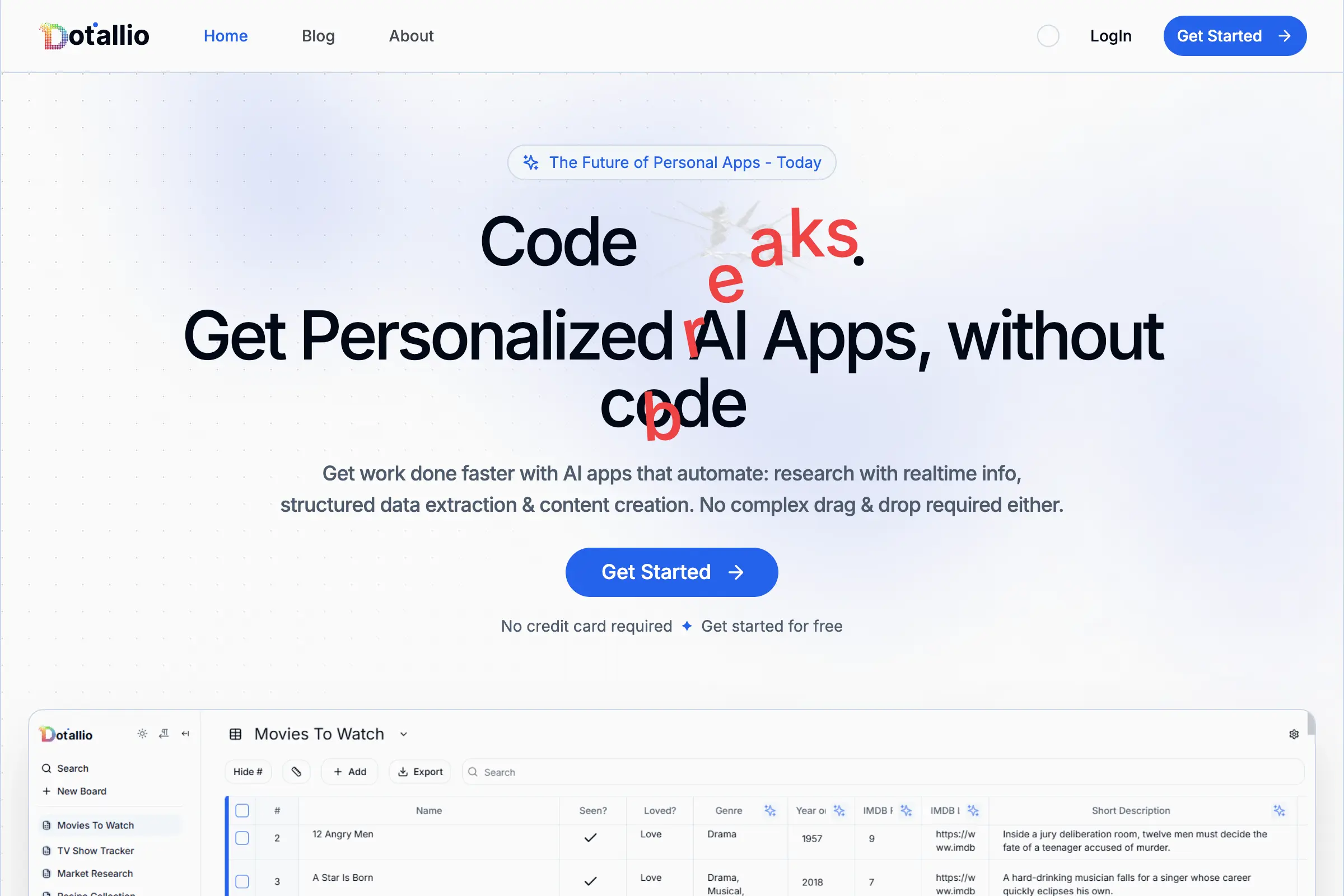
Dotallio
Personalized AI apps that automate research, data extraction, and content creation without code 🤖

Talk to Santa
Enjoy a magical live video chat or receive a unique AI-generated video greeting from Santa Claus 🎅

pozywka.pl
Scalable blog for food journalist, focused on performance and user experience 🌭
zagrodzki.me
Personal blog and portfolio of Bart Zagrodzki, where he shares his knowledge and work 💼
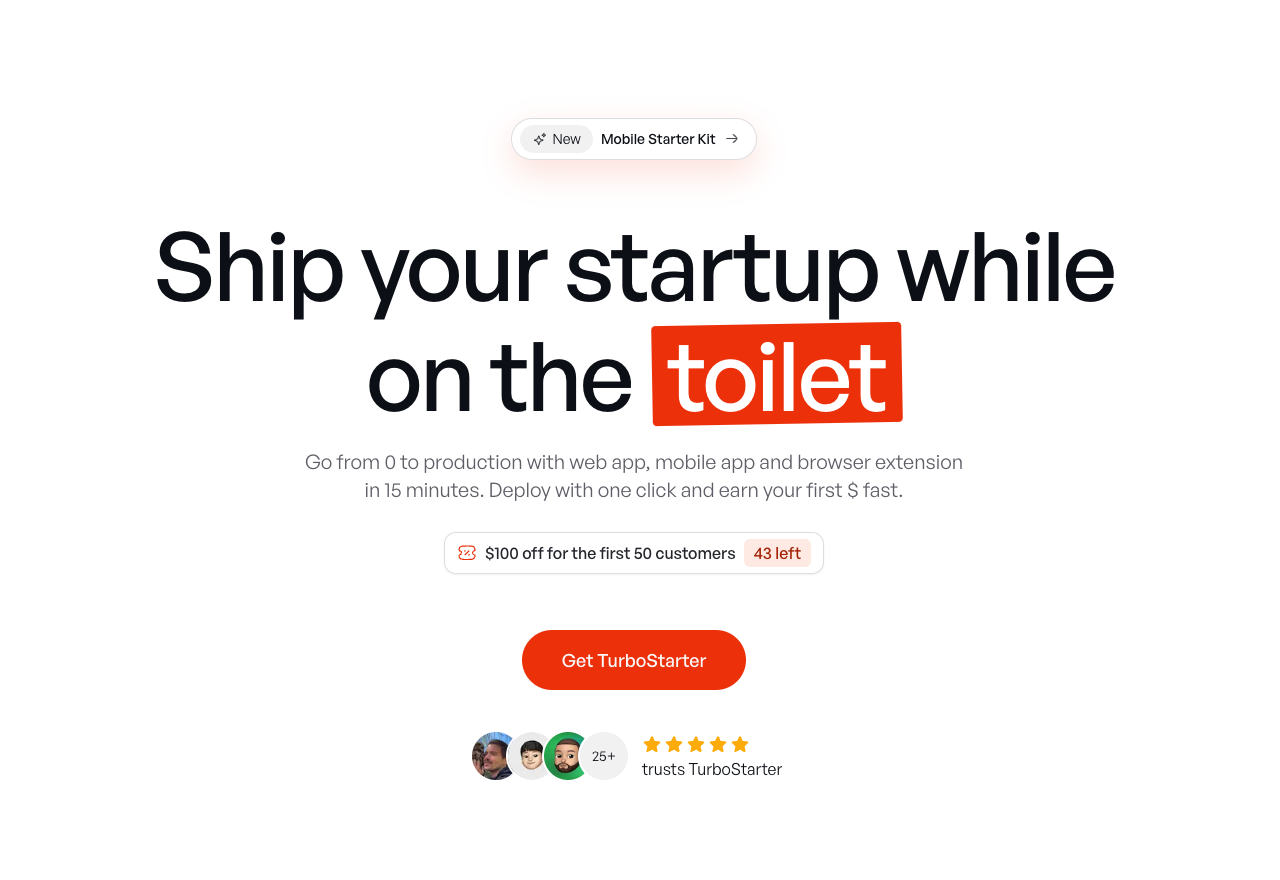
TurboStarter
Ship your startup everywhere. In minutes.
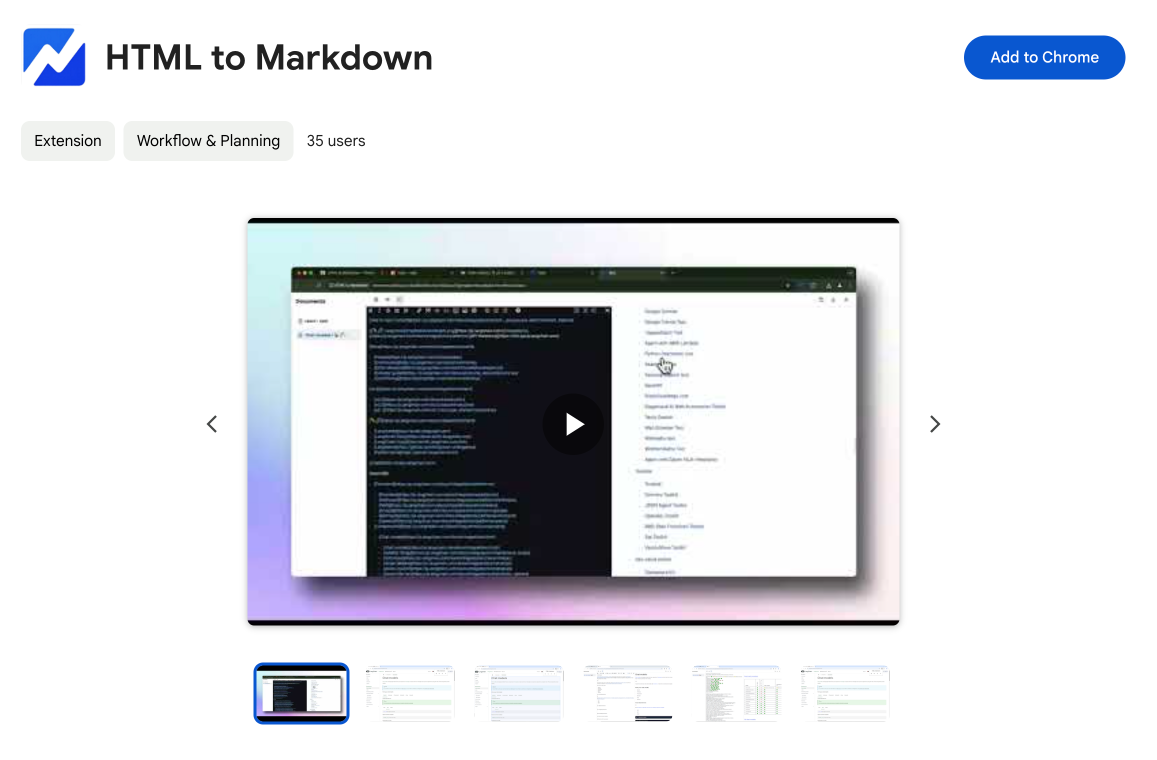
HTML to Markdown
Convert HTML to Markdown with ease, directly in your browser 📄
Dotallio
Personalized AI apps that automate research, data extraction, and content creation without code 🤖
Talk to Santa
Enjoy a magical live video chat or receive a unique AI-generated video greeting from Santa Claus 🎅
pozywka.pl
Scalable blog for food journalist, focused on performance and user experience 🌭
zagrodzki.me
Personal blog and portfolio of Bart Zagrodzki, where he shares his knowledge and work 💼
TurboStarter
Ship your startup everywhere. In minutes.
HTML to Markdown
Convert HTML to Markdown with ease, directly in your browser 📄
Dotallio
Personalized AI apps that automate research, data extraction, and content creation without code 🤖
Talk to Santa
Enjoy a magical live video chat or receive a unique AI-generated video greeting from Santa Claus 🎅
pozywka.pl
Scalable blog for food journalist, focused on performance and user experience 🌭
zagrodzki.me
Personal blog and portfolio of Bart Zagrodzki, where he shares his knowledge and work 💼
TurboStarter
Ship your startup everywhere. In minutes.
HTML to Markdown
Convert HTML to Markdown with ease, directly in your browser 📄
Dotallio
Personalized AI apps that automate research, data extraction, and content creation without code 🤖
Talk to Santa
Enjoy a magical live video chat or receive a unique AI-generated video greeting from Santa Claus 🎅
pozywka.pl
Scalable blog for food journalist, focused on performance and user experience 🌭
zagrodzki.me
Personal blog and portfolio of Bart Zagrodzki, where he shares his knowledge and work 💼
TurboStarter
Ship your startup everywhere. In minutes.
HTML to Markdown
Convert HTML to Markdown with ease, directly in your browser 📄
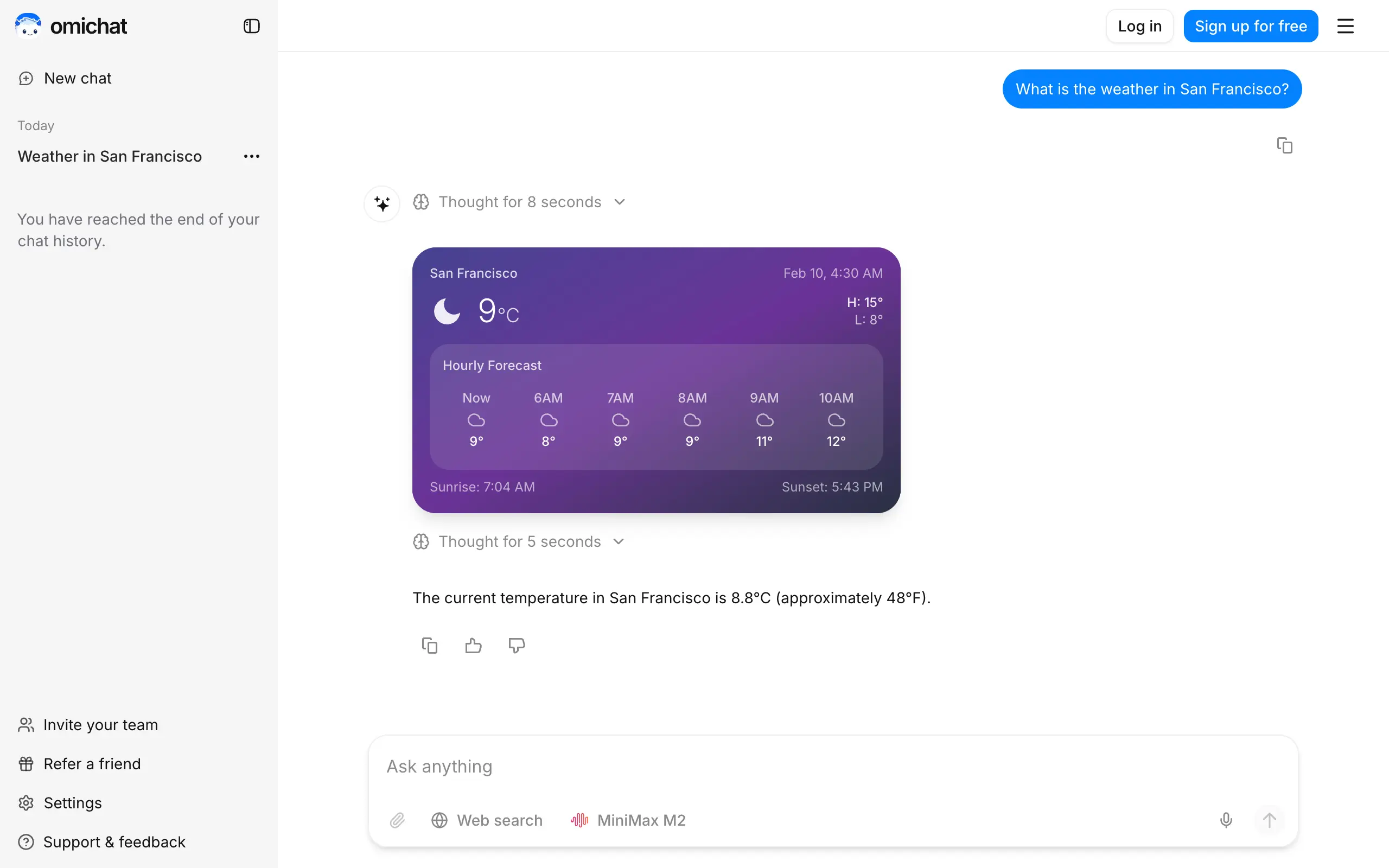
Omichat
Chat with 50+ AI models, including ChatGPT and Claude, in one place - switch models anytime without losing context 🤖
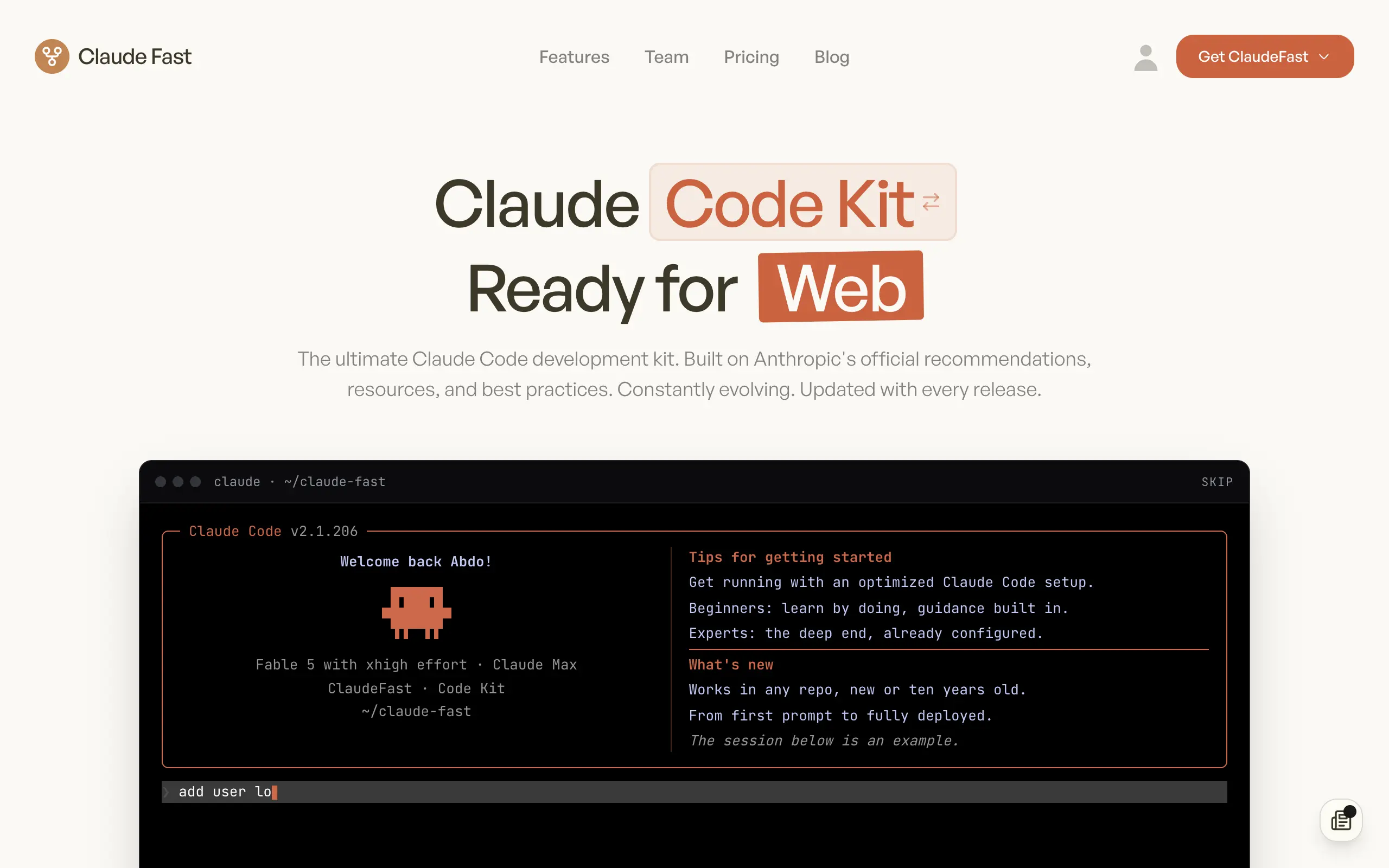
Claude Fast
Supercharge your Claude Code with 6x effective context window and specialized AI agents 🤖
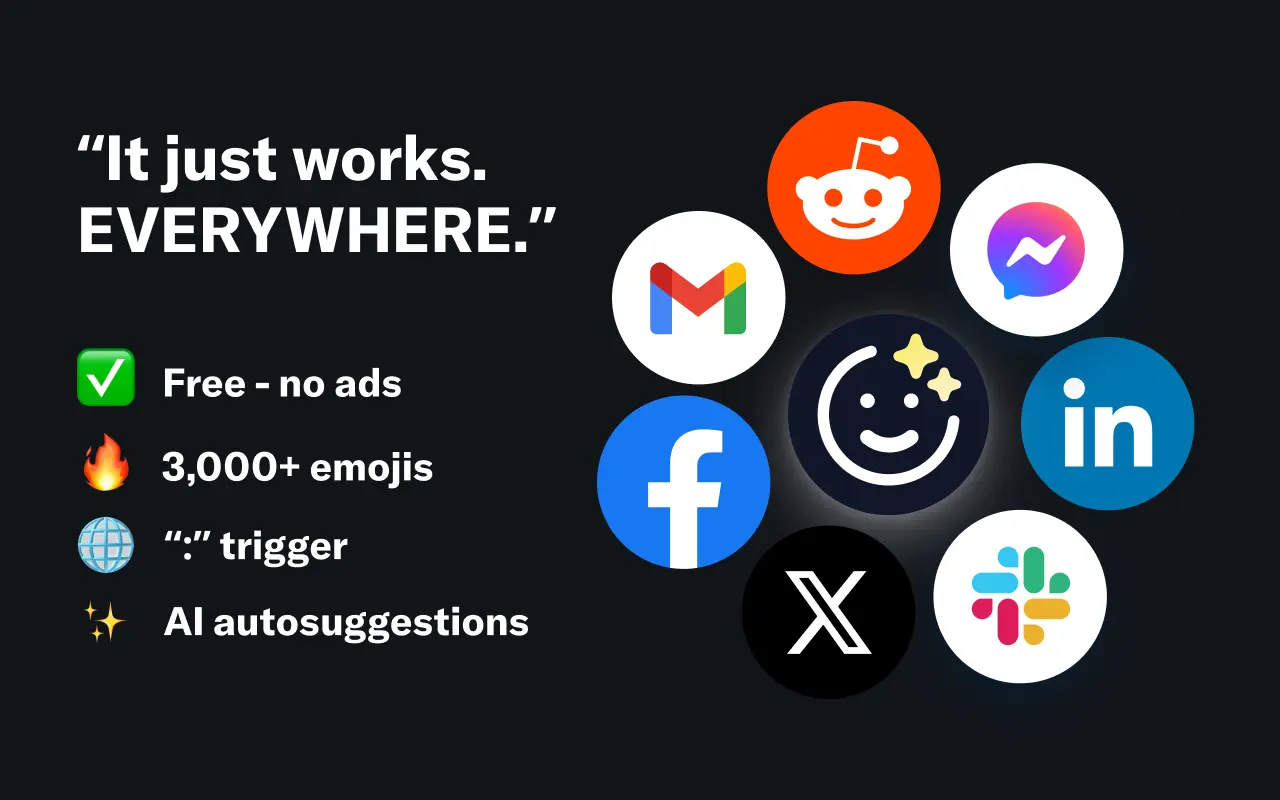
EmojAI
AI-powered emoji picker with smart, context-aware suggestions 🤖
Solohacker
Autonomous company launcher - AI agents work 24/7, escalate what matters, and you stay in control 🤖
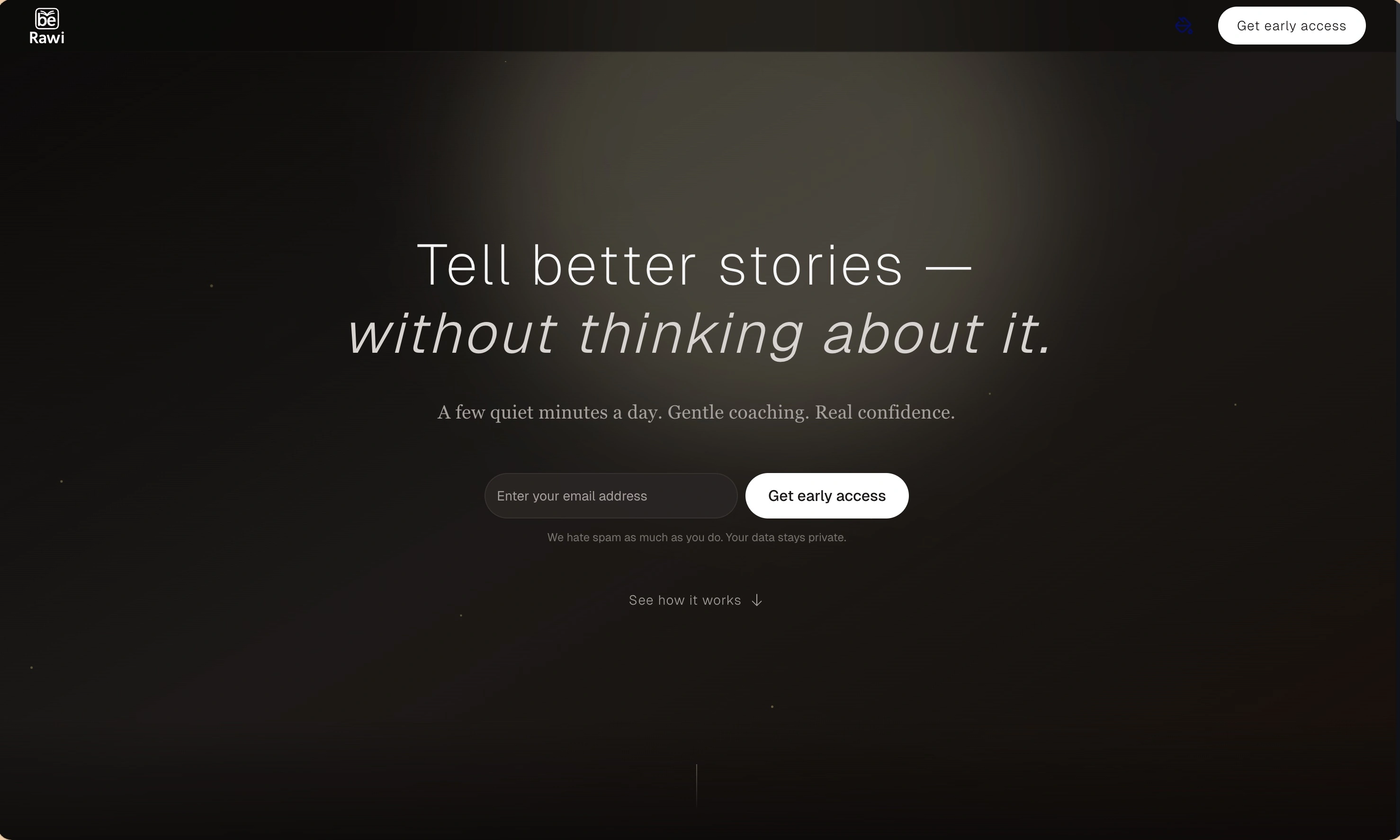
BeRawi: Storytelling Coach
Practice storytelling daily with instant feedback to sound clearer, more engaging, and confident 🎤
Omichat
Chat with 50+ AI models, including ChatGPT and Claude, in one place - switch models anytime without losing context 🤖
Claude Fast
Supercharge your Claude Code with 6x effective context window and specialized AI agents 🤖
EmojAI
AI-powered emoji picker with smart, context-aware suggestions 🤖
Solohacker
Autonomous company launcher - AI agents work 24/7, escalate what matters, and you stay in control 🤖
BeRawi: Storytelling Coach
Practice storytelling daily with instant feedback to sound clearer, more engaging, and confident 🎤
Omichat
Chat with 50+ AI models, including ChatGPT and Claude, in one place - switch models anytime without losing context 🤖
Claude Fast
Supercharge your Claude Code with 6x effective context window and specialized AI agents 🤖
EmojAI
AI-powered emoji picker with smart, context-aware suggestions 🤖
Solohacker
Autonomous company launcher - AI agents work 24/7, escalate what matters, and you stay in control 🤖
BeRawi: Storytelling Coach
Practice storytelling daily with instant feedback to sound clearer, more engaging, and confident 🎤
Omichat
Chat with 50+ AI models, including ChatGPT and Claude, in one place - switch models anytime without losing context 🤖
Claude Fast
Supercharge your Claude Code with 6x effective context window and specialized AI agents 🤖
EmojAI
AI-powered emoji picker with smart, context-aware suggestions 🤖
Solohacker
Autonomous company launcher - AI agents work 24/7, escalate what matters, and you stay in control 🤖
BeRawi: Storytelling Coach
Practice storytelling daily with instant feedback to sound clearer, more engaging, and confident 🎤

Connect with like-minded people
Join our community to get feedback, support, and grow together with 1,000+ builders on board, let's ship it!
Join usShip your startup everywhere. In minutes.
Don't burn tokens on setup and start building features on day one.