AlphaSignal Radar
AI tool that scans earnings calls, filings, and insider trades to uncover early investment signals and sentiment shifts for retail and professional investors.
The future of AI-powered earnings analysis and insider signal detection
Financial markets generate massive volumes of unstructured data every day: earnings call transcripts, SEC filings, press releases, insider trades, analyst notes, and macro commentary. For retail investors and even many professional traders, the bottleneck is no longer access to data — it’s processing and interpreting it fast enough to act before the market fully prices it in.
An AI-powered platform that scans earnings calls, SEC filings, and insider transactions to detect early investment signals and sentiment shifts directly addresses this gap. By combining natural language processing (NLP), insider activity tracking, and anomaly detection, such a tool can surface alpha-generating insights that are otherwise buried in dense financial documents.
This article provides a comprehensive breakdown of how an AI investment signal platform like this can be built, positioned, and monetized — while ensuring strong E-E-A-T principles, user intent alignment, and long-term defensibility.
Understanding user intent: who is searching for AI investment signal tools?
Before building or marketing an AI stock analysis SaaS, it’s critical to understand search intent. Users typically fall into three core buckets:
1. Retail investors seeking an edge
They search for:
- “AI stock analysis tools”
- “earnings call sentiment analysis”
- “insider trading alerts software”
- “how to analyze SEC filings quickly”
Their intent:
- Save time
- Gain informational edge
- Avoid emotional bias
- Spot opportunities early
They want:
- Simplicity
- Actionable alerts
- Clear signal scoring
- Affordable pricing
2. Active traders and swing traders
They search for:
- “earnings surprise predictor”
- “insider buying screener”
- “sentiment shift before stock breakout”
- “AI earnings transcript analysis”
Their intent:
- Trade short- to medium-term price moves
- Capture volatility after earnings
- Detect institutional positioning
They want:
- Real-time alerts
- Quantified sentiment shifts
- Historical backtesting
3. Professional investors and analysts
They search for:
- “AI financial document analysis”
- “automated 10-K parsing”
- “NLP for earnings calls”
- “insider trading signal research”
Their intent:
- Increase research efficiency
- Augment existing models
- Discover non-obvious correlations
They want:
- Data exports
- API access
- Deep analytics
- Reliability and transparency
A successful platform must serve at least two of these segments effectively, with tiered complexity and pricing.
Market opportunity: the gap in earnings and insider analysis
The data explosion problem
Public companies generate:
- Quarterly earnings transcripts
- 10-Q and 10-K filings
- 8-K disclosures
- Insider transaction reports (Form 4)
- Press releases and investor presentations
The SEC’s EDGAR database continues to grow rapidly. Retail investors can technically access this data for free — but extracting meaning from it requires time and expertise.
The current landscape
Existing solutions include:
- Terminal-grade platforms (Bloomberg, Refinitiv) – Expensive, enterprise-focused
- Quant platforms (Koyfin, Sentieo) – Advanced but complex
- Retail stock screeners – Mostly price/ratio based
- Insider tracking websites – Basic filtering, limited context
What’s missing?
A unified AI-driven signal layer that:
- Reads documents automatically
- Detects sentiment shifts
- Correlates insider behavior with narrative tone
- Surfaces early signals in a digestible way
That’s the gap.
The core value proposition
An AI earnings and insider signal platform should focus on one primary promise:
“We detect meaningful sentiment shifts and insider signals before they become obvious to the broader market.”
This positioning emphasizes:
- Speed
- Pattern recognition
- Early signal detection
- Reduced cognitive load
Key features of an AI-powered investment signal platform
Below is a structured breakdown of high-impact features.
1. Earnings call sentiment analysis
Use large language models to:
- Parse transcripts
- Identify tone changes
- Compare current quarter to previous quarters
- Detect confidence shifts
Examples of signals:
- Increased use of cautious language
- Reduced forward guidance clarity
- Avoidance of specific performance metrics
- Shift from growth narrative to cost control narrative
Advanced feature:
- CEO vs CFO sentiment divergence detection
2. SEC filing anomaly detection
Automatically scan:
- 10-K risk factors
- 10-Q updates
- 8-K disclosures
AI can flag:
- New risk categories added
- Language intensity increase in legal disclosures
- Significant changes in revenue recognition language
- Liquidity risk shifts
This is especially valuable because subtle wording changes can signal future volatility.
3. Insider trading intelligence engine
Raw insider transaction data alone is noisy. The key is contextualization.
Signals to generate:
- Cluster buying (multiple executives buying simultaneously)
- High-conviction purchases vs routine sales
- Unusual trade size relative to salary
- Insider buying after sentiment drop
Advanced signal:
- Insider activity diverging from earnings call tone
For example:
- Negative tone + heavy insider buying → potential undervaluation
- Positive tone + heavy insider selling → possible overconfidence
4. Composite alpha score
Combine:
- Sentiment trend
- Insider activity score
- Filing anomaly index
- Historical performance patterns
Produce:
- A weighted alpha score
- Bullish / Neutral / Bearish classification
- Confidence level
This simplifies decision-making for users.
5. Historical backtesting module
To build trust and authority, the platform must provide:
- Historical signal performance
- Win-rate tracking
- Sharpe ratio or risk-adjusted returns
- Sector-level performance breakdown
Transparency builds E-E-A-T and long-term credibility.
Feature comparison snapshot
| Feature | Basic Screeners | Insider Sites | Enterprise Terminals | AI Signal Platform | Manual Analysis |
|---|---|---|---|---|---|
| Sentiment shift detection | ❌ | ❌ | ✅ | ✅ | ❌ |
| Insider clustering intelligence | ❌ | ✅ | ✅ | ✅ | ❌ |
Recommended AI and technical architecture
Building a robust AI investment signal tool requires careful stack decisions.
Frontend
- React for dynamic dashboards
- TailwindCSS for rapid UI styling
- Charting: Recharts or TradingView integrations
Why React?
- Mature ecosystem
- Component reusability
- Real-time updates
Backend
- Node.js or Python (FastAPI)
- PostgreSQL for structured data
- ElasticSearch for transcript search
- Redis for caching
Trade-offs:
- Python is stronger for NLP workflows.
- Node.js integrates smoothly with full-stack JS ecosystems.
For AI-heavy platforms, Python is typically preferred.
AI layer
Core components:
- LLM-based transcript summarization
- Fine-tuned sentiment classifier
- Anomaly detection model
- Insider behavior clustering algorithm
Possible infrastructure:
- OpenAI APIs
- Custom fine-tuned transformer models
- Vector database (e.g., Pinecone or Weaviate)
Data ingestion pipeline
Sample signal calculation logic
def calculate_alpha_score(sentiment_score, insider_score, anomaly_score):
    weight_sentiment = 0.4
    weight_insider = 0.35
    weight_anomaly = 0.25

    composite = (
        sentiment_score * weight_sentiment +
        insider_score * weight_insider +
        anomaly_score * weight_anomaly
    )

    return round(composite, 2)
Weights can be optimized through backtesting.
Monetization strategies
A strong AI financial SaaS needs layered pricing.
1. Freemium model
- Limited signals per month
- Delayed data access
- Basic sentiment summaries
Goal: Acquire retail users and drive upgrades.
2. Pro tier ($29–$99/month)
- Real-time alerts
- Insider clustering
- Sector heatmaps
- Historical performance charts
Target: Active traders.
3. Professional tier ($199–$499/month)
- API access
- Data exports
- Advanced anomaly detection
- Backtesting engine
Target: Analysts, small hedge funds, RIAs.
4. Enterprise licensing
- White-labeled data feeds
- Custom signal models
- Dedicated infrastructure
Competitive advantage and defensibility
1. Proprietary signal scoring
The composite alpha score becomes a defensible moat over time as data accumulates.
2. Historical training dataset
Years of structured transcript + insider pattern data increase predictive power.
3. UX simplicity
Enterprise tools overwhelm users. A clean, signal-focused interface differentiates.
4. Trust-first transparency
Publishing:
- Methodology
- Signal performance metrics
- Risk disclosures
Builds authority and reduces skepticism.
Risks and mitigation strategies
Regulatory risk
Financial signals may be interpreted as advice.
Mitigation:
- Clear disclaimers
- Avoid personalized recommendations
- Position as research tool
Model hallucination risk
LLMs can misinterpret nuanced financial language.
Mitigation:
- Retrieval-augmented generation (RAG)
- Cross-validation across multiple models
- Human-in-the-loop review for major alerts
Data quality issues
Transcripts may contain formatting errors.
Mitigation:
- Structured parsing pipeline
- Automated cleaning scripts
- Confidence score attached to each signal
Overfitting historical patterns
Backtests can look great but fail live.
Mitigation:
- Out-of-sample validation
- Rolling window retraining
- Conservative weighting
Go-to-market strategy
Phase 1: Authority-driven content marketing
Create:
- Deep earnings breakdown blogs
- Insider signal case studies
- Historical backtests
- Market trend reports
This captures SEO traffic for:
- “AI earnings analysis”
- “insider buying signals”
- “earnings call sentiment tool”
Phase 2: Trader communities
- Reddit investing groups
- Twitter/X finance influencers
- Substack finance newsletters
Offer early access and publish transparent results.
Phase 3: API integration partnerships
- Trading platforms
- Portfolio tracking apps
- Fintech startups
Example product positioning framework
Retail investors
Simple dashboard, clear bullish/bearish indicators, mobile alerts.
Active traders
Real-time sentiment shifts and insider clustering with volatility tracking.
Professional analysts
API access, raw signal exports, and backtesting tools.
Implementation roadmap
Building faster with a SaaS starter framework
Instead of building authentication, billing, and dashboards from scratch, founders can accelerate development using a production-ready SaaS foundation like TurboStarter.
This reduces:
- Infrastructure setup time
- Auth implementation complexity
- Stripe billing integration effort
- Deployment friction
Allowing you to focus on:
- AI modeling
- Data ingestion
- Signal accuracy
- User acquisition
Long-term expansion opportunities
Future extensions could include:
- Options flow sentiment integration
- Institutional 13F filing analysis
- Macroeconomic signal overlays
- AI-generated earnings summaries
- Portfolio-level risk signal dashboard
Eventually, the platform could evolve into a full AI investment intelligence layer.
Why this idea has strong long-term potential
- Financial data volume is growing.
- Retail participation in markets remains high.
- AI model capabilities are rapidly improving.
- Time scarcity among investors increases demand for automation.
- Sentiment analysis is becoming more sophisticated with transformer-based models.
The intersection of AI and financial document intelligence is still under-optimized for retail investors — creating a strong opportunity window.
Final thoughts: building a durable AI investment signal platform
An AI-powered earnings call and insider trading signal platform sits at the intersection of:
- Natural language processing
- Behavioral finance
- Quantitative modeling
- Fintech UX
To succeed, the focus must be:
- Accuracy over hype
- Transparency over black-box mystique
- Usability over complexity
- Continuous backtesting and refinement
If executed correctly, such a platform can become a daily decision-support tool for thousands of investors seeking an informational edge in increasingly competitive markets.
The opportunity isn’t just to build another stock tool — it’s to build an AI-driven intelligence layer that turns overwhelming financial data into actionable clarity.
More 🤖 AI Startup SaaS ideas
Discover more innovative ai startup SaaS ideas that are trending in 2026. Each idea is AI-generated with market validation and growth potential to help you find your next profitable venture faster than competitors.
Your competitors are building with TurboStarter
Below are some of the SaaS ideas that have been generated and built with our starter kit.

Statiko
Monitor any Telegram channel in real time - track posts, edits, deletions, and growth with AI recaps 📡

Shibui
AI website builder - describe your business, pick a niche template, edit by chatting, and publish instantly ✨

Pro Service
Find verified home service professionals, compare quotes, and pay securely through escrow - built for Brazilians across the US 🏠
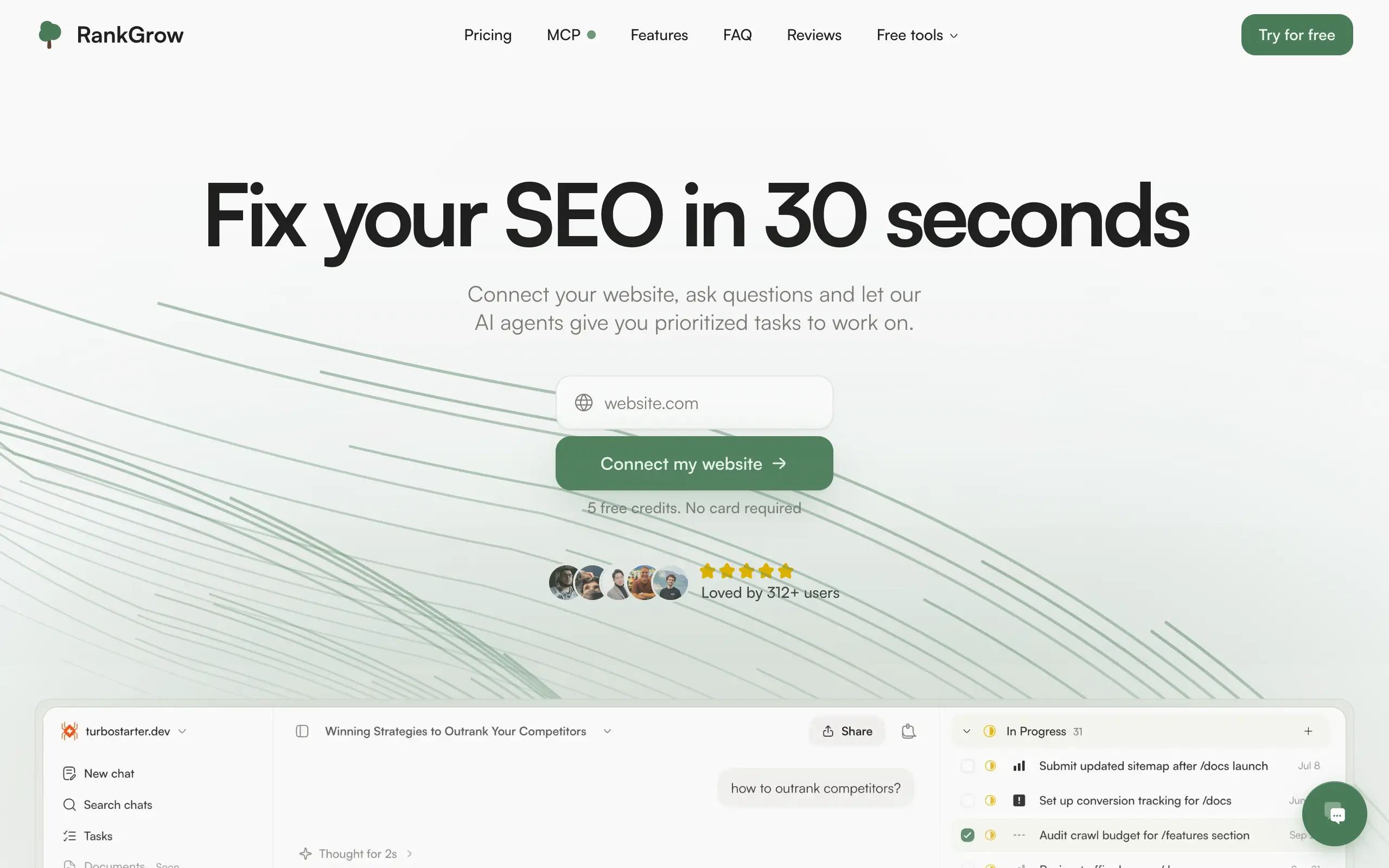
RankGrow
Fix your SEO with AI agents - connect Search Console, get prioritized tasks, and grow organic traffic 📈
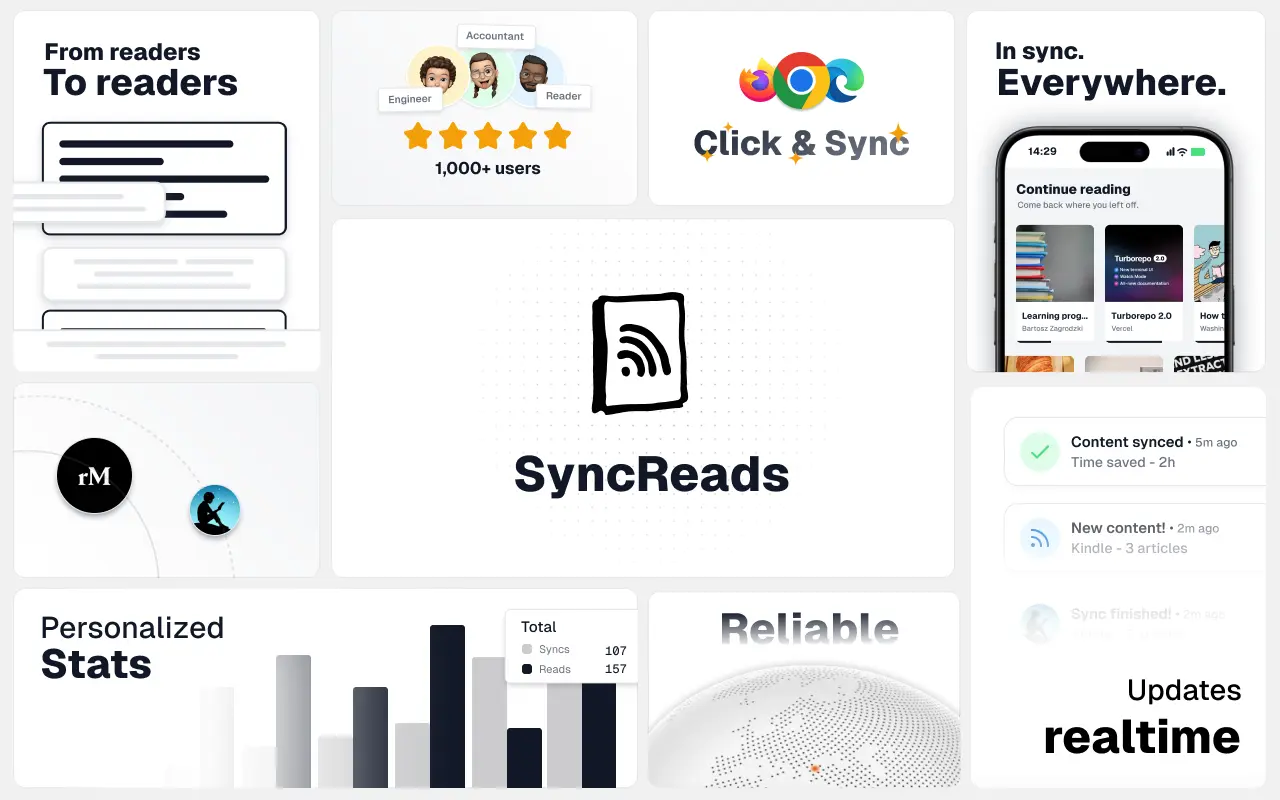
SyncReads
Sync your favorite content for distraction-free reading, save time and replace multiple apps. Anytime, anywhere 🔄
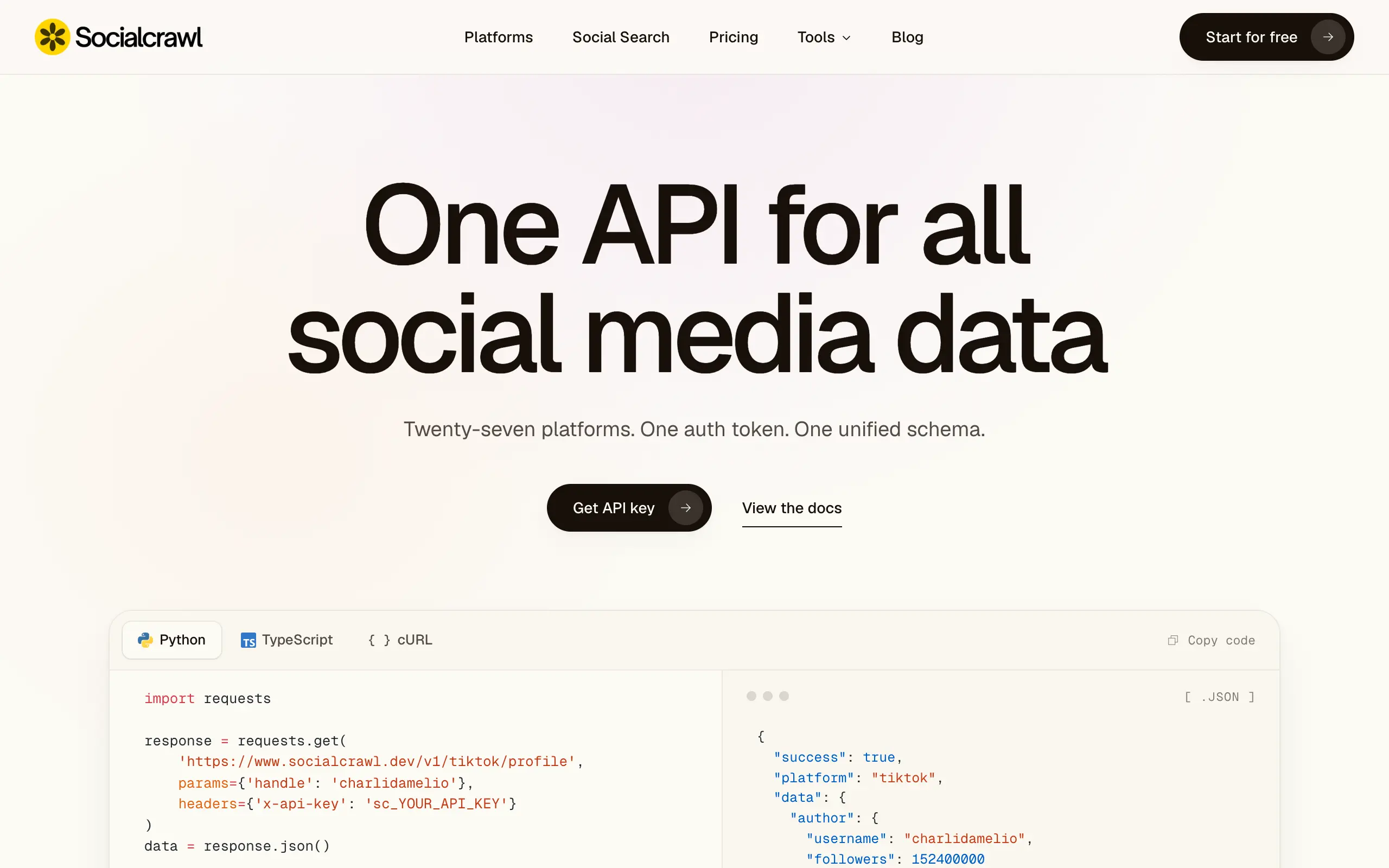
Socialcrawl
Get clean, structured data from 21 platforms like TikTok, Instagram, and YouTube with a single request 📊
Statiko
Monitor any Telegram channel in real time - track posts, edits, deletions, and growth with AI recaps 📡
Shibui
AI website builder - describe your business, pick a niche template, edit by chatting, and publish instantly ✨
Pro Service
Find verified home service professionals, compare quotes, and pay securely through escrow - built for Brazilians across the US 🏠
RankGrow
Fix your SEO with AI agents - connect Search Console, get prioritized tasks, and grow organic traffic 📈
SyncReads
Sync your favorite content for distraction-free reading, save time and replace multiple apps. Anytime, anywhere 🔄
Socialcrawl
Get clean, structured data from 21 platforms like TikTok, Instagram, and YouTube with a single request 📊
Statiko
Monitor any Telegram channel in real time - track posts, edits, deletions, and growth with AI recaps 📡
Shibui
AI website builder - describe your business, pick a niche template, edit by chatting, and publish instantly ✨
Pro Service
Find verified home service professionals, compare quotes, and pay securely through escrow - built for Brazilians across the US 🏠
RankGrow
Fix your SEO with AI agents - connect Search Console, get prioritized tasks, and grow organic traffic 📈
SyncReads
Sync your favorite content for distraction-free reading, save time and replace multiple apps. Anytime, anywhere 🔄
Socialcrawl
Get clean, structured data from 21 platforms like TikTok, Instagram, and YouTube with a single request 📊
Statiko
Monitor any Telegram channel in real time - track posts, edits, deletions, and growth with AI recaps 📡
Shibui
AI website builder - describe your business, pick a niche template, edit by chatting, and publish instantly ✨
Pro Service
Find verified home service professionals, compare quotes, and pay securely through escrow - built for Brazilians across the US 🏠
RankGrow
Fix your SEO with AI agents - connect Search Console, get prioritized tasks, and grow organic traffic 📈
SyncReads
Sync your favorite content for distraction-free reading, save time and replace multiple apps. Anytime, anywhere 🔄
Socialcrawl
Get clean, structured data from 21 platforms like TikTok, Instagram, and YouTube with a single request 📊
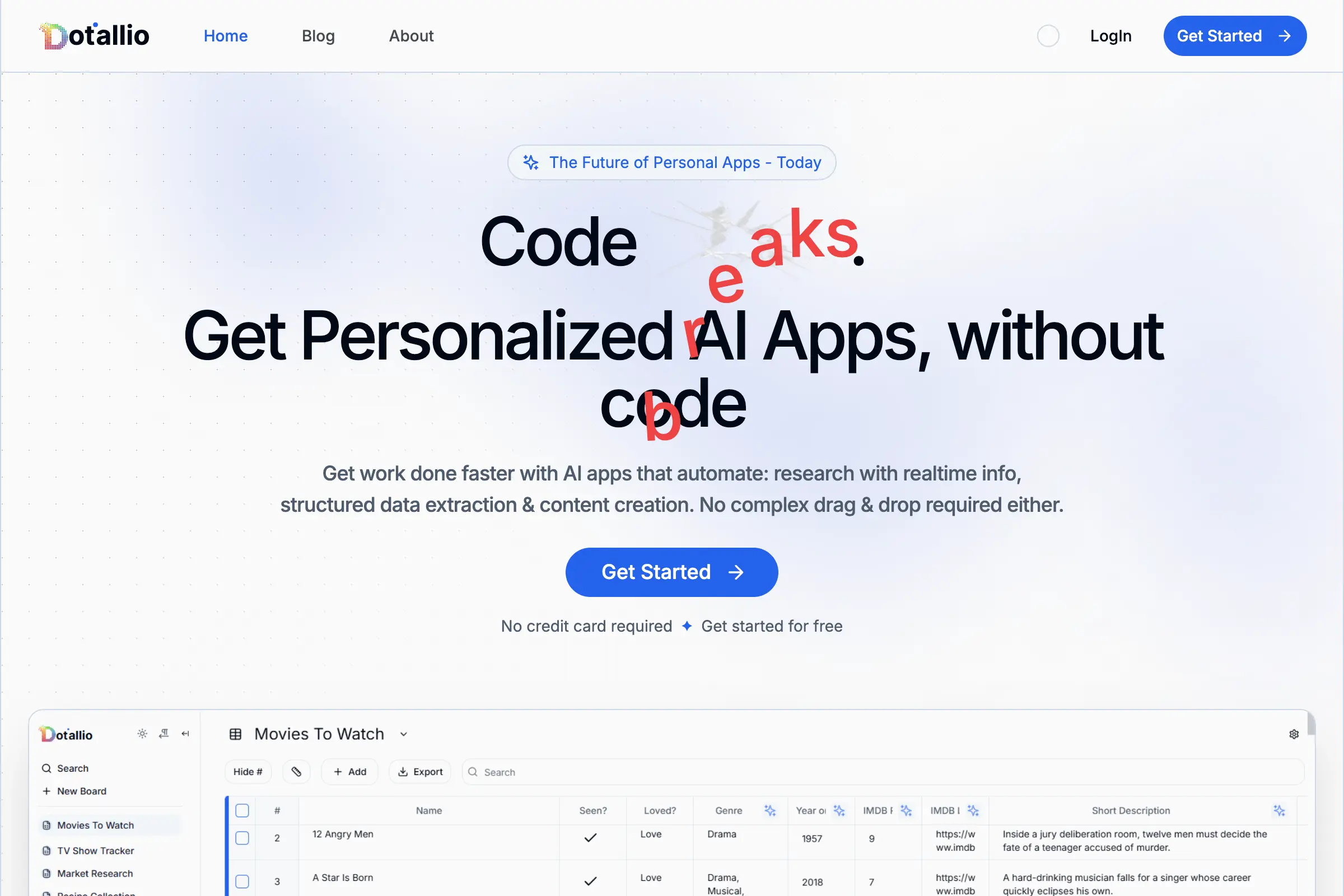
Dotallio
Personalized AI apps that automate research, data extraction, and content creation without code 🤖

Talk to Santa
Enjoy a magical live video chat or receive a unique AI-generated video greeting from Santa Claus 🎅

pozywka.pl
Scalable blog for food journalist, focused on performance and user experience 🌭
zagrodzki.me
Personal blog and portfolio of Bart Zagrodzki, where he shares his knowledge and work 💼
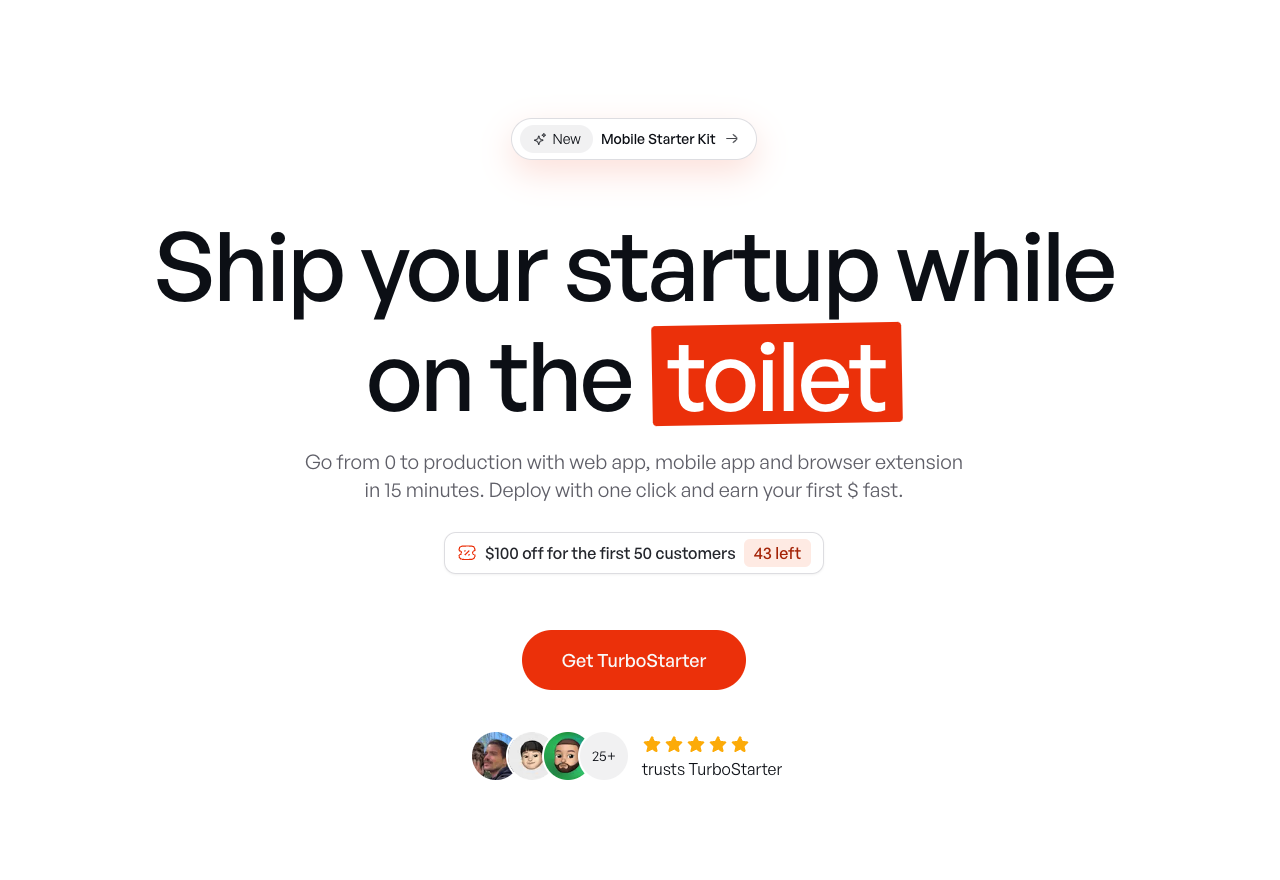
TurboStarter
Ship your startup everywhere. In minutes.
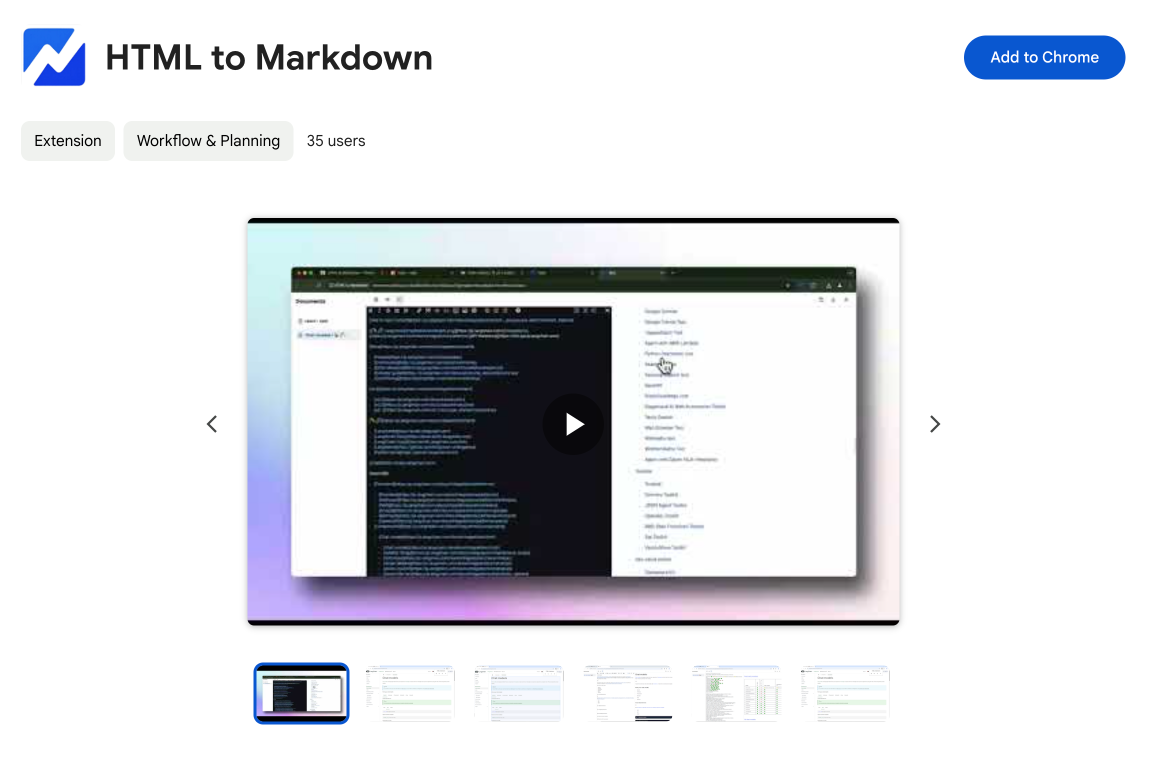
HTML to Markdown
Convert HTML to Markdown with ease, directly in your browser 📄
Dotallio
Personalized AI apps that automate research, data extraction, and content creation without code 🤖
Talk to Santa
Enjoy a magical live video chat or receive a unique AI-generated video greeting from Santa Claus 🎅
pozywka.pl
Scalable blog for food journalist, focused on performance and user experience 🌭
zagrodzki.me
Personal blog and portfolio of Bart Zagrodzki, where he shares his knowledge and work 💼
TurboStarter
Ship your startup everywhere. In minutes.
HTML to Markdown
Convert HTML to Markdown with ease, directly in your browser 📄
Dotallio
Personalized AI apps that automate research, data extraction, and content creation without code 🤖
Talk to Santa
Enjoy a magical live video chat or receive a unique AI-generated video greeting from Santa Claus 🎅
pozywka.pl
Scalable blog for food journalist, focused on performance and user experience 🌭
zagrodzki.me
Personal blog and portfolio of Bart Zagrodzki, where he shares his knowledge and work 💼
TurboStarter
Ship your startup everywhere. In minutes.
HTML to Markdown
Convert HTML to Markdown with ease, directly in your browser 📄
Dotallio
Personalized AI apps that automate research, data extraction, and content creation without code 🤖
Talk to Santa
Enjoy a magical live video chat or receive a unique AI-generated video greeting from Santa Claus 🎅
pozywka.pl
Scalable blog for food journalist, focused on performance and user experience 🌭
zagrodzki.me
Personal blog and portfolio of Bart Zagrodzki, where he shares his knowledge and work 💼
TurboStarter
Ship your startup everywhere. In minutes.
HTML to Markdown
Convert HTML to Markdown with ease, directly in your browser 📄
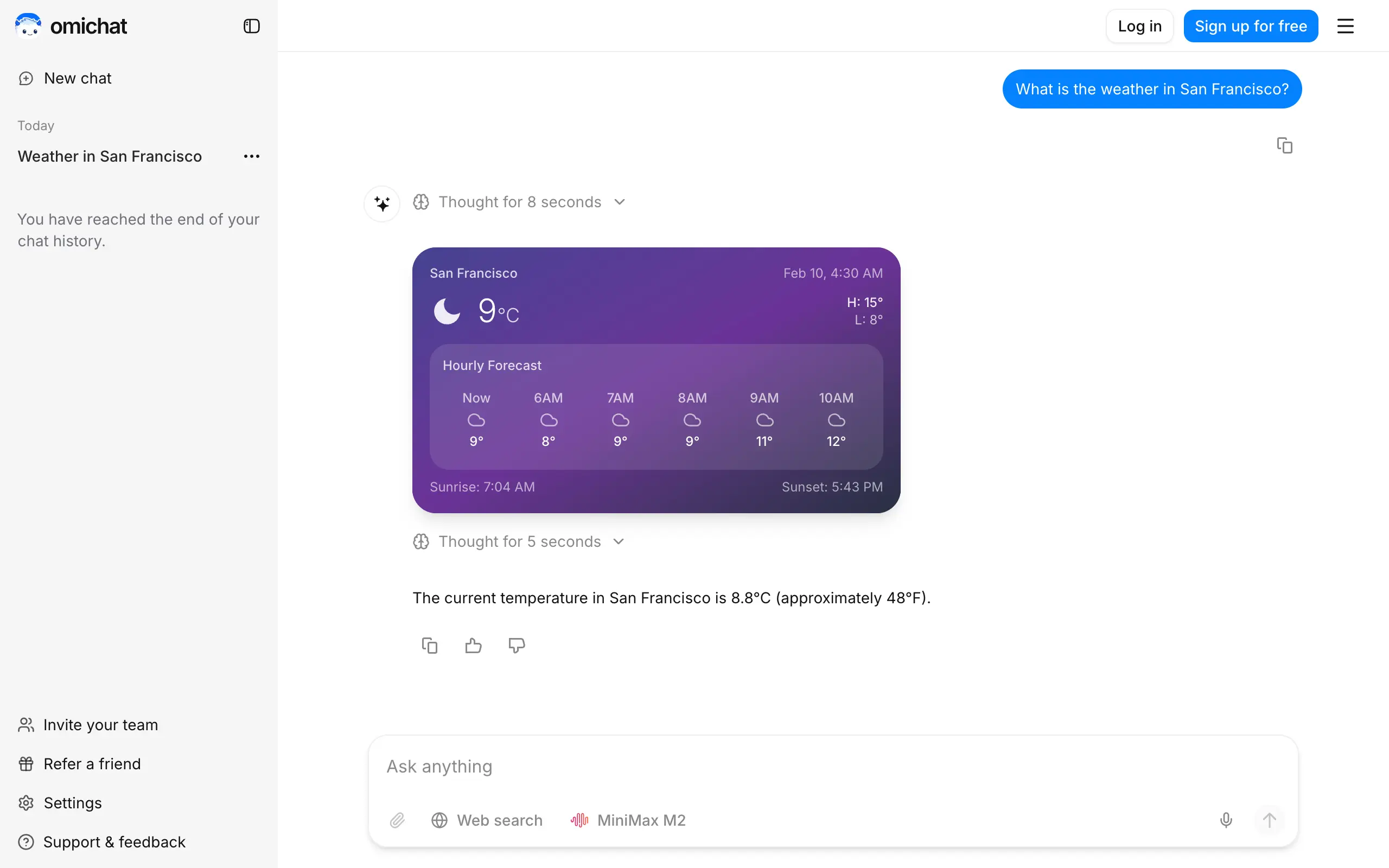
Omichat
Chat with 50+ AI models, including ChatGPT and Claude, in one place - switch models anytime without losing context 🤖
Claude Fast
Supercharge your Claude Code with 6x effective context window and specialized AI agents 🤖
EmojAI
AI-powered emoji picker with smart, context-aware suggestions 🤖

Solohacker
Autonomous company launcher - AI agents work 24/7, escalate what matters, and you stay in control 🤖

BeRawi: Storytelling Coach
Practice storytelling daily with instant feedback to sound clearer, more engaging, and confident 🎤
Omichat
Chat with 50+ AI models, including ChatGPT and Claude, in one place - switch models anytime without losing context 🤖
Claude Fast
Supercharge your Claude Code with 6x effective context window and specialized AI agents 🤖
EmojAI
AI-powered emoji picker with smart, context-aware suggestions 🤖
Solohacker
Autonomous company launcher - AI agents work 24/7, escalate what matters, and you stay in control 🤖
BeRawi: Storytelling Coach
Practice storytelling daily with instant feedback to sound clearer, more engaging, and confident 🎤
Omichat
Chat with 50+ AI models, including ChatGPT and Claude, in one place - switch models anytime without losing context 🤖
Claude Fast
Supercharge your Claude Code with 6x effective context window and specialized AI agents 🤖
EmojAI
AI-powered emoji picker with smart, context-aware suggestions 🤖
Solohacker
Autonomous company launcher - AI agents work 24/7, escalate what matters, and you stay in control 🤖
BeRawi: Storytelling Coach
Practice storytelling daily with instant feedback to sound clearer, more engaging, and confident 🎤
Omichat
Chat with 50+ AI models, including ChatGPT and Claude, in one place - switch models anytime without losing context 🤖
Claude Fast
Supercharge your Claude Code with 6x effective context window and specialized AI agents 🤖
EmojAI
AI-powered emoji picker with smart, context-aware suggestions 🤖
Solohacker
Autonomous company launcher - AI agents work 24/7, escalate what matters, and you stay in control 🤖
BeRawi: Storytelling Coach
Practice storytelling daily with instant feedback to sound clearer, more engaging, and confident 🎤

Connect with like-minded people
Join our community to get feedback, support, and grow together with 1,000+ builders on board, let's ship it!
Join usShip your startup everywhere. In minutes.
Don't burn tokens on setup and start building features on day one.