AnswerOps Index
Find vetted AEO agencies by industry, platform, and verified AI-search outcomes. Agencies pay for premium profiles and qualified buyer leads.
Why AnswerOps Index addresses a growing buyer problem
As people increasingly use AI assistants and answer engines to discover products, services, and expertise, businesses are asking a practical question: Who can help us become more visible in AI-generated answers, and how do we know that help works?
AnswerOps Index is a proposed directory and lead-generation platform for answering that question. It helps buyers find vetted answer engine optimization (AEO) agencies by industry, platform, and verified AI-search outcomes. Agencies can pay for premium profiles and qualified buyer leads.
The idea sits at the intersection of several changing disciplines: search engine optimization, generative engine optimization, digital PR, content strategy, and analytics. That convergence creates opportunity, but it also creates confusion. “AEO” can mean different things to different providers, and evidence of success can be difficult to compare.
A well-designed AEO agency directory can bring order to that market. Its job is not simply to list providers. It should help buyers evaluate expertise, understand what services include, compare evidence fairly, and take a confident next step.
The product’s strongest position is therefore not “a bigger list of agencies.” It is a trusted discovery and evaluation layer for AI-search services.
What AnswerOps Index is—and what it is not
AnswerOps Index would be a curated marketplace where companies can search for agencies that improve their visibility in AI-powered search experiences. Depending on the buyer’s needs, those experiences may include AI-generated search summaries, conversational assistants, and other answer engines.
A directory is relatively simple: it organizes profiles and contact details. A marketplace goes further by matching buyer needs with providers and helping those parties begin a commercial relationship. AnswerOps Index can start as a directory and evolve toward a marketplace as it develops reliable qualification, verification, and lead-routing processes.
The product should avoid promising that an agency can guarantee a specific placement in an AI answer. Such promises are difficult to substantiate, and results can vary with the query, location, personalization, model, index, and time of measurement. Instead, the platform can help buyers assess a provider’s process, relevant experience, documented work, and measured outcomes.
A clear product definition might be:
AnswerOps Index helps businesses compare vetted AEO agencies using transparent service information, relevant expertise, and evidence that buyers can inspect.
That positioning distinguishes the platform from a generic agency list, a self-reported award directory, or a vendor’s own lead-generation site.
Who the AEO agency directory should serve
A two-sided marketplace needs to understand both sides of the transaction. Buyers need confidence and relevant choices. Agencies need qualified opportunities and a credible way to communicate their expertise.
Buyers looking for AEO services
The most likely buyers are organizations that rely on online discovery but lack in-house expertise in AI-search visibility. These buyers may include:
- B2B software companies that want to appear in research-oriented queries and comparisons.
- Professional services firms that need to build visibility around specialized, high-trust topics.
- E-commerce brands that want their products, attributes, and reputation represented accurately in AI-assisted shopping research.
- Healthcare, finance, and other regulated organizations that need careful review of claims and content quality.
- Marketing leaders who are evaluating AEO as part of a wider organic acquisition strategy.
- Founders and small teams that need an experienced partner but do not have the resources to evaluate every agency independently.
Their search intent is usually commercial and investigative. A buyer may search for “AEO agency for SaaS,” “generative engine optimization consultant,” or “agency that improves visibility in AI search.” They are not just looking for an explanation of AEO. They want to determine which provider is credible, suitable for their situation, and worth contacting.
The directory should help those buyers answer questions such as:
- Does this agency understand my industry and audience?
- Which AI-search platforms or answer experiences does it work with?
- What work is included in its engagement?
- How does it measure progress?
- Can it show relevant examples and explain how results were measured?
- Is it transparent about uncertainty and limitations?
- What is the likely scope, timeline, and cost of a first engagement?
Agencies looking for qualified demand
On the supply side, AEO agencies need more than profile views. They want opportunities from buyers whose needs match their services, market, budget, and expertise.
Potential agency members range from specialist consultancies to larger SEO and digital marketing firms adding AEO services. Their needs may include:
- A reputable place to explain a new or evolving service category.
- Leads with enough context to support a meaningful sales conversation.
- A way to demonstrate relevant experience without relying on vague claims.
- Visibility among buyers actively comparing providers.
- A neutral third-party profile that adds credibility to their own marketing.
The platform should not treat every agency as interchangeable. A boutique firm specializing in ecommerce product data may be a better fit for one buyer than a full-service SEO agency. The directory’s filters and profile structure should make those differences visible.
The best initial customer segment
Trying to serve every buyer and every agency from day one can make the product difficult to differentiate. A more focused launch could begin with one vertical, such as B2B SaaS, or one buyer problem, such as selecting an agency for AI-search visibility measurement.
A focused segment makes it easier to:
- Recruit providers with relevant experience.
- Create useful filters and evaluation criteria.
- Build buyer-facing content around specific search intent.
- Learn what counts as a qualified lead.
- Develop a reputation before expanding the directory.
The platform can broaden its coverage after it has evidence that its initial category delivers useful matches.
The market gap and opportunity
AI-driven discovery is changing how organizations think about organic visibility. Buyers may encounter brands through traditional search results, answer summaries, conversational interfaces, and citations or recommendations inside AI-generated responses. Meanwhile, service providers are developing new offerings and adapting established SEO practices to these environments.
The resulting market gap is not simply a shortage of agencies. It is a shortage of standardized, trustworthy information for evaluating AEO providers.
Why a generic agency directory is not enough
Traditional directories often rely on basic filters, self-reported descriptions, paid placements, and public reviews. Those features can help buyers create a shortlist, but they may not answer the distinctive questions involved in an emerging service category.
For AEO, buyers also need to understand:
- What the agency means by AEO, GEO, or AI-search optimization.
- Whether its work focuses on technical accessibility, content, brand authority, digital PR, structured data, analytics, or some combination.
- How it collects and interprets evidence from answer engines.
- Whether reported outcomes are attributable to the agency’s work.
- How it handles volatility in AI-generated responses.
- Whether examples are relevant to the buyer’s industry and use case.
A directory that gives all agencies the same generic profile page will miss this opportunity. The product can differentiate through structured, comparable information and a careful approach to evidence.
Why evidence needs a defined standard
“Verified AI-search outcomes” is a compelling promise, but it must be operationally clear. A buyer should be able to understand what the platform verified, how it was checked, and what it does not prove.
For example, a reported outcome might describe a measured change in the frequency with which a brand appeared in a defined set of prompts over a particular period. That is more informative than a claim such as “we help brands dominate AI search.” It is still not proof that the agency alone caused the change.
Verification can be presented in levels:
- Identity verified means the business and its representatives have been checked.
- Client reference checked means the platform has confirmed a client relationship or reference.
- Evidence reviewed means supporting materials have been inspected against a published checklist.
- Outcome documented means the profile provides a defined measurement, time period, and methodology.
- Independently audited means a qualified reviewer has assessed the evidence using a stricter process.
The labels should describe the verification performed, not imply a blanket endorsement. A provider that has submitted a case study should not receive the same badge as one whose methodology and client evidence have undergone independent review.
Make trust a product feature
A useful verification badge explains what was checked, when it was checked, and what the badge does not mean. Clear boundaries protect buyers, agencies, and the directory’s reputation.
Core features that make AnswerOps Index useful
The MVP should solve the buyer’s evaluation problem before it tries to automate every part of the marketplace.
Search and filters built around buyer fit
A buyer should be able to narrow the directory by criteria that change the likelihood of a good engagement. Useful filters could include:
- Industry or vertical specialization.
- Company size and typical client profile.
- Service focus, such as content strategy, technical SEO, digital PR, or measurement.
- Platforms and answer experiences supported.
- Geographic coverage and working languages.
- Engagement type, such as audit, consulting, or ongoing retainer.
- Minimum project size or published pricing range.
- Evidence and verification level.
Avoid filters that are easy to add but hard to interpret. A long list of platform logos, for example, is less useful than a clear explanation of what the agency actually does for each platform or experience.
Profiles that support comparison
A strong profile should provide more than a paragraph of promotional copy. It should give the buyer structured details that can be compared across providers.
A profile might include:
- A concise description of the agency’s approach.
- Industries served and examples of relevant clients.
- Services offered and services explicitly not offered.
- Typical engagement types and starting project ranges, where the agency chooses to share them.
- Measurement methods and reporting cadence.
- Case studies with context, time periods, and methodology.
- References or evidence reviewed by the platform.
- Disclosure of paid placement or premium membership.
- A clear next step, such as a consultation request or request for information.
A complete profile also helps search engines and AI systems interpret the provider’s expertise. That does not guarantee visibility, but clear, consistent information is more useful to people and machines than vague, keyword-heavy copy.
Lead qualification and routing
A lead form should capture enough information to help an agency decide whether it can serve the buyer. It should not feel like an unnecessary interrogation.
Useful qualification questions include:
- What is the company’s industry and website?
- What outcome is the buyer trying to improve?
- Which markets, languages, or platforms matter?
- Is the buyer looking for an audit, project, or ongoing support?
- What is the expected decision timeline?
- Is a budget range available?
The platform can use these answers to route a request to a small number of suitable agencies rather than sending it to every paid member. Fewer, better-matched introductions are more valuable than high-volume lead distribution that agencies learn to ignore.
Reviews and case studies with context
Reviews can help buyers understand communication, delivery, and collaboration. Case studies can show what an agency did and what changed. Neither should be presented as conclusive proof of future results.
AnswerOps Index can improve quality by requiring context such as:
- The client’s industry and starting situation.
- The scope and duration of the work.
- The measurement method and baseline.
- The outcome reported and the period measured.
- Other relevant marketing work that may have influenced the result.
- Permission to publish the evidence.
This approach makes case studies more credible and reduces the risk of promoting an outcome without enough context to interpret it.
Saved lists and comparison tools
A buyer may review providers across several sessions or share a shortlist with colleagues. Account features can support that process with:
- Saved agency profiles.
- Side-by-side comparisons.
- Notes for internal review.
- A shared shortlist for a marketing team.
- A record of inquiries and responses.
These features can come after the initial directory and lead flow are working. The first version should prioritize discovery, trust, and contact conversion.
How the verification system could work
Verification should be a repeatable operational process, not just a badge design. The platform needs to define what it reviews, who reviews it, how often information expires, and how agencies can correct inaccuracies.
Start with a public evidence policy
Publish a concise policy explaining:
- Which documents or evidence types the platform accepts.
- How client references are confirmed.
- Whether evidence is reviewed by staff or an external reviewer.
- How sensitive information is handled.
- What each verification label means.
- How agencies can challenge or update a profile.
- How buyers can report a concern.
The policy is part of the product. It sets expectations before a buyer relies on a badge or case study.
Separate evidence review from paid placement
Premium profiles can be a valid revenue source, but payment should never be mistaken for verification. If paid placement affects position in search results, label it clearly. If an agency pays for a profile upgrade, that should not automatically improve its verification status.
A practical model is to separate:
- Listing status, which determines whether an agency meets basic inclusion criteria.
- Verification status, which reflects checks performed.
- Prominence, which may be affected by a paid product and must be disclosed.
- Buyer feedback, which reflects reported experience and should be moderated under a consistent policy.
Keeping those concepts distinct helps preserve trust while allowing the company to monetize.
Treat outcomes as observations, not guarantees
AI-generated responses can vary across prompts, locations, accounts, time periods, and product changes. A single screenshot is therefore a weak basis for a broad claim. Outcome documentation should explain the sampling method, date range, and relevant conditions.
For example, rather than presenting “ranked in AI search” as a universal result, a profile could describe the number and type of queries examined, the measurement window, the observed brand mentions or citations, and the limitations of the test. Buyers can then decide how much weight to place on the evidence.
Recommended technology stack
The best stack is the one that helps the team launch a trustworthy directory, protect user data, and iterate quickly. The first version does not require a complex AI architecture. Most of the core work is structured data, search, verification workflows, and reliable lead delivery.
A practical MVP stack
A lean implementation could use:
- Frontend and application layer: Next.js with React for directory pages, profiles, search, and account workflows.
- Styling: Tailwind CSS for a consistent design system and fast iteration.
- Database: PostgreSQL for agencies, categories, verification records, inquiries, and subscription state.
- Search: Start with PostgreSQL full-text search and well-defined filters. Add a dedicated search service if query complexity or scale warrants it.
- Authentication: Use a managed authentication solution or a well-maintained framework integration, with roles for buyers, agency owners, reviewers, and administrators.
- Payments: Stripe can support subscriptions and payment flows for premium profiles, subject to the business’s chosen billing model.
- Analytics: Track search behavior, profile engagement, form completion, lead acceptance, and buyer satisfaction while respecting consent and privacy requirements.
- Email: Use a transactional email provider for verification, lead notifications, and account messages.
A relational database is a sensible starting point because marketplace data has clear relationships. Agencies have profiles, services, evidence records, memberships, and inquiries. A relational model makes it easier to enforce integrity and audit changes.
The trade-offs to consider
A managed platform can reduce operational work and speed up an MVP, but it may introduce vendor costs or migration work later. A custom implementation offers more control but consumes engineering time that could be spent validating the marketplace.
Search also involves trade-offs. Database search is often sufficient for an early directory and keeps the architecture simple. A dedicated search engine may become worthwhile when the platform needs richer relevance ranking, typo tolerance, faceted navigation across a large catalog, or more complex personalization.
Use AI selectively. AI can help categorize agency descriptions, summarize profile information, or flag missing fields for human review. It should not independently award verification badges, determine whether a case study is true, or make opaque decisions about which agency receives a buyer’s lead.
Design the data model for trust and traceability
At minimum, keep separate records for:
- Agency identity and profile details.
- Services, industries, and supported platforms.
- Evidence submitted and review status.
- Verification decisions and reviewer notes.
- Membership plans and payment status.
- Buyer inquiries and routing outcomes.
- User consent, moderation actions, and audit events.
A verification decision should include who made it, when it was made, what evidence was reviewed, and when it should be revisited. This makes it easier to handle appeals, correct errors, and improve standards over time.
Monetization strategy for AnswerOps Index
AnswerOps Index can generate revenue from agencies, buyers, or both. The best early model should align the platform’s revenue with buyer trust and useful outcomes.
Premium agency profiles
Agencies may pay for richer profiles, analytics, additional portfolio space, or tools for managing inbound inquiries. Premium features should improve how an agency presents itself without implying that it is more trustworthy simply because it pays.
Potential premium features include:
- Expanded case study and service sections.
- Profile analytics and inquiry tracking.
- Additional team or location profiles.
- Lead management tools.
- Category-specific content opportunities.
- Profile completion support.
The platform should label paid features that influence visibility. If premium membership includes a more prominent placement, make that clear to buyers.
Qualified lead fees
Charging for accepted or qualified leads can align revenue with buyer intent better than selling raw contact details. The definition of “qualified” must be explicit. For example, the platform could define a qualified lead as a buyer who has supplied a valid business contact, a relevant need, and enough information for an agency to assess fit.
Avoid charging agencies for duplicate, invalid, or clearly mismatched inquiries. A transparent refund or dispute policy can reduce friction and encourage agencies to take the lead product seriously.
Buyer-side services
Over time, the platform could offer paid services to buyers, such as:
- A structured agency shortlist.
- A procurement brief or requirements template.
- A facilitated introduction process.
- An independent review of proposed measurement plans.
- A buyer education package for evaluating AEO proposals.
These services may be especially useful for larger organizations with multiple stakeholders or formal procurement requirements. They also create a way to monetize buyer value without making the directory dependent solely on agency payments.
Sponsored content and events
Webinars, research briefings, and sponsored educational content can create additional revenue and help clarify the category. Sponsorship should be disclosed, and editorial content should remain distinct from paid promotion.
A sensible pricing progression
A practical sequence is:
- Launch with free basic profiles to build useful supply.
- Test buyer demand and learn which profile details influence shortlisting.
- Introduce premium tools or profile upgrades with clear disclosure.
- Test lead fees only after lead quality can be measured.
- Add buyer-side services when the platform has earned trust and can demonstrate value.
This sequencing reduces the risk of monetizing before the directory has enough credibility to attract buyers.
Competitive advantage and positioning
AnswerOps Index will compete for attention with traditional agency directories, SEO marketplaces, review sites, professional networks, and agencies’ own websites. It does not need to beat every alternative at every feature. It needs to be meaningfully better at a specific job: helping buyers evaluate AEO providers.
| Evaluation area | Generic directory | Agency website | AnswerOps Index opportunity |
|---|---|---|---|
| Search by AEO specialization | Often broad | Limited to one provider | Structured filters across providers |
| Side-by-side comparison | Sometimes available | Not available | Comparable service and evidence fields |
| Outcome context | Varies by listing | Controlled by the agency | Standardized case study requirements |
| Paid placement disclosure | Varies | Not applicable | Clear labels and separation from verification |
| Buyer-to-provider matching | Often basic | Only for that agency | Qualified, needs-based routing |
The defensible advantage is data quality
A searchable list is easy to reproduce. A trusted system for collecting, checking, updating, and interpreting relevant information is harder to build. Over time, AnswerOps Index could develop a proprietary dataset about:
- Which agency specializations buyers request.
- Which information helps buyers shortlist providers.
- What types of engagement buyers seek.
- Which lead characteristics correlate with a successful introduction.
- How AEO providers describe their methods and measurement practices.
This data can improve search relevance, lead routing, category design, and buyer education. It should be collected transparently and used responsibly.
Trust can compound into a moat
A directory becomes more useful as good agencies participate and buyers return. But that network effect depends on quality. If paid listings crowd out relevant providers or outcome claims are weakly reviewed, the same growth can damage credibility.
The platform’s advantage should therefore come from a combination of:
- A clear inclusion standard.
- Useful category and specialization data.
- Outcome documentation with visible limitations.
- Buyer feedback and lead-quality learning.
- Transparent commercial disclosures.
- A focused editorial voice that explains the field without overstating certainty.
A concise USP
A strong unique selling proposition for AnswerOps Index is:
Find and compare AEO agencies using buyer-relevant specialties and evidence standards designed for AI-search work.
That statement explains the audience, the category, and the difference. It avoids claiming that the platform can guarantee rankings or that every listed agency has achieved the same level of verification.
Risks and how to mitigate them
An early marketplace faces operational, commercial, and reputational risks. Planning for them is part of building a trustworthy product.
Risk: The AEO category is inconsistently defined
Different agencies may use AEO, GEO, AI SEO, or similar terms to describe overlapping services. Buyers may not know which label applies to their problem.
Mitigation: Explain the terminology in plain language, let agencies describe their methods in structured categories, and ask buyers about desired outcomes rather than relying on acronyms alone.
Risk: Outcome claims are difficult to verify
AI-search interfaces can change, and measurement practices may differ between agencies. A badge that suggests universal validation can create false confidence.
Mitigation: Publish verification levels, require methodology and time-period context, review evidence periodically, and describe outcomes as observations rather than guarantees.
Risk: Paid listings weaken perceived neutrality
If premium agencies dominate results without disclosure, buyers may conclude that the directory is pay-to-play.
Mitigation: Separate payment from verification, label sponsored placement, explain ranking factors, and preserve useful organic filters or relevance-based sorting.
Risk: Low-quality agencies join to access leads
A lead marketplace may attract providers that prioritize volume over fit or overstate their experience.
Mitigation: Use minimum inclusion requirements, monitor buyer complaints, create a documented moderation process, and remove or suspend profiles when they violate published policies.
Risk: Buyers and agencies bypass the platform
After an introduction, the parties may work together directly. That is normal for a marketplace, but it can make revenue and outcome measurement harder.
Mitigation: Give both sides value beyond the introduction, such as profile analytics, shared briefs, comparison tools, reporting, or ongoing procurement support. Do not make the product’s value depend on hiding contact details.
Risk: Search demand takes time to develop
A new directory may have limited organic traffic at launch, particularly if the category is still emerging.
Mitigation: Begin with a focused niche, publish genuinely useful buyer education, recruit trusted agencies, and use direct partnerships and communities to reach early users. Measure qualified inquiries rather than page views alone.
Risk: Sensitive business information is exposed
Case studies may contain confidential client data, and buyer inquiries may include commercially sensitive plans.
Mitigation: Collect only necessary information, obtain permission before publishing evidence, define access controls, and establish retention and deletion policies. Seek legal and privacy guidance appropriate to the markets served.
Content strategy for search visibility
AnswerOps Index needs content that supports both discovery and trust. A collection of thin pages targeting every possible keyword will not create durable authority. The content strategy should answer real buyer questions and connect those answers to useful provider profiles.
Build topic clusters around evaluation intent
Useful content topics might include:
- How to choose an AEO agency.
- What to ask during an AEO agency consultation.
- How AEO differs from traditional SEO and generative engine optimization.
- How agencies measure AI-search visibility.
- What a responsible AEO case study should include.
- How to evaluate an AEO proposal.
- AEO agency comparisons by industry or service focus.
These pages can link to relevant categories and agency profiles where those links help readers take action. Editorial coverage should avoid presenting directory membership as evidence of superior results.
Create category pages with meaningful information
A category page should do more than list agency names. It can define the buyer problem, explain relevant services, describe what evidence to look for, and show providers matching the category. For example, an industry page can clarify why regulated-sector experience may matter and what buyers should ask about review and approval workflows.
Keep claims current and attributable
The AI-search landscape changes quickly. Mark content with review dates, identify the author or reviewer where appropriate, and update material when platform behavior or measurement practices change. For statistics, use a clearly identified primary source and publication date. If reliable public data is unavailable, explain the uncertainty rather than inventing a market figure.
How to measure whether the product is working
Early metrics should measure marketplace quality, not just traffic. A directory can attract visitors without helping buyers find suitable providers.
Track the funnel from discovery to outcome:
- Search-to-profile click rate.
- Profile-to-inquiry conversion rate.
- Percentage of inquiries with sufficient qualification information.
- Agency acceptance or response rate.
- Time to first meaningful response.
- Buyer-reported fit and satisfaction.
- Lead dispute, refund, or complaint rate.
- Repeat buyer usage and referral activity.
- Agency renewal and profile completion rates.
Use qualitative interviews alongside product analytics. Ask buyers what information they needed but could not find, and ask agencies whether the inquiry was relevant enough to justify follow-up. Those conversations can reveal problems that a conversion dashboard cannot explain.
A useful north-star metric might be successful buyer-provider introductions, defined through a consistent follow-up process rather than assumed from a form submission. The definition can evolve, but it should reflect value for both sides.
Actionable implementation steps
A staged launch helps the team validate the riskiest assumptions before investing in a large catalog or sophisticated matching system.
Choose a narrow launch segment. Select a clear starting audience, such as B2B software buyers or a specific AEO service need. Interview prospective buyers and agencies to confirm the vocabulary they use, their evaluation criteria, and the information missing from current options.
Write the inclusion and verification policy. Define who can list, what evidence is required, what each verification label means, how paid placement will be disclosed, and how profiles can be appealed or corrected.
Recruit a small, diverse group of agencies. Prioritize relevance and evidence quality over catalog size. Include different agency sizes and service approaches so that the directory can test whether its categories support real comparison.
Build the MVP around discovery and qualified inquiries. Implement searchable profiles, meaningful filters, a concise lead form, and an administrative review workflow. Keep AI-assisted features optional and subject to human oversight.
Test the directory with real buyers. Ask target buyers to complete realistic tasks, such as finding an agency for a defined industry and objective. Observe where they hesitate, which filters they use, and what information they need before making contact.
Measure lead quality and improve matching. Follow up with both parties after an introduction. Use their feedback to refine qualification questions, categories, profile requirements, and the definition of a useful lead.
Introduce monetization carefully. Start with transparent premium profile features or clearly labeled sponsorship. Test lead fees only after the platform can consistently identify, route, and evaluate qualified opportunities.
Expand based on demonstrated demand. Add industries, geographies, buyer tools, or additional verification tiers when usage and interviews show that the expansion solves a real problem.
For a faster foundation, TurboStarter can help teams start a SaaS product with a reusable application base, leaving more time for the parts that make AnswerOps Index distinctive: agency data, evidence standards, buyer workflows, and marketplace trust.
Frequently asked questions
An AEO agency directory is a searchable resource for finding providers that help organizations improve how they are represented in AI-powered answers and related discovery experiences. A useful directory goes beyond contact details by organizing providers around relevant services, industries, methods, and evidence.
AnswerOps Index is designed around the evaluation needs of buyers considering AI-search services. Its potential differentiators include structured specialization data, transparent verification levels, contextualized case studies, and lead routing based on buyer needs.
No directory should imply that an agency can guarantee a particular answer-engine placement or response. Outputs and measurement conditions can change. Buyers should evaluate an agency’s methods, relevant experience, evidence, and explanation of uncertainty rather than relying on guarantees.
Potential revenue sources include premium agency profiles, clearly disclosed sponsored placements, fees for qualified leads, and buyer-side services such as facilitated shortlists. The platform should keep payment separate from verification and make commercial relationships clear.
Final perspective
AnswerOps Index has a credible opportunity because buyers are trying to evaluate a new and evolving class of marketing services, while agencies need a better way to communicate relevant expertise. The opportunity is not to declare one universal definition of AEO or promise predictable AI-search placements. It is to make provider discovery more understandable and evidence more comparable.
The strongest version of the product will earn trust through its operating choices: clear verification labels, context-rich outcomes, useful filters, visible paid-placement disclosures, and a lead process that respects the needs of both buyers and agencies.
Start focused, validate the matching problem with real users, and make trust part of the product from the beginning. If AnswerOps Index can consistently help buyers find a suitable provider—and help good agencies reach the right prospects—it can become more than a directory. It can become a dependable decision layer for the AEO services market.
More 🤖 AI Startup SaaS ideas
Discover more innovative ai startup SaaS ideas that are trending in 2026. Each idea is AI-generated with market validation and growth potential to help you find your next profitable venture faster than competitors.
Your competitors are building with TurboStarter
Below are some of the SaaS ideas that have been generated and built with our starter kit.
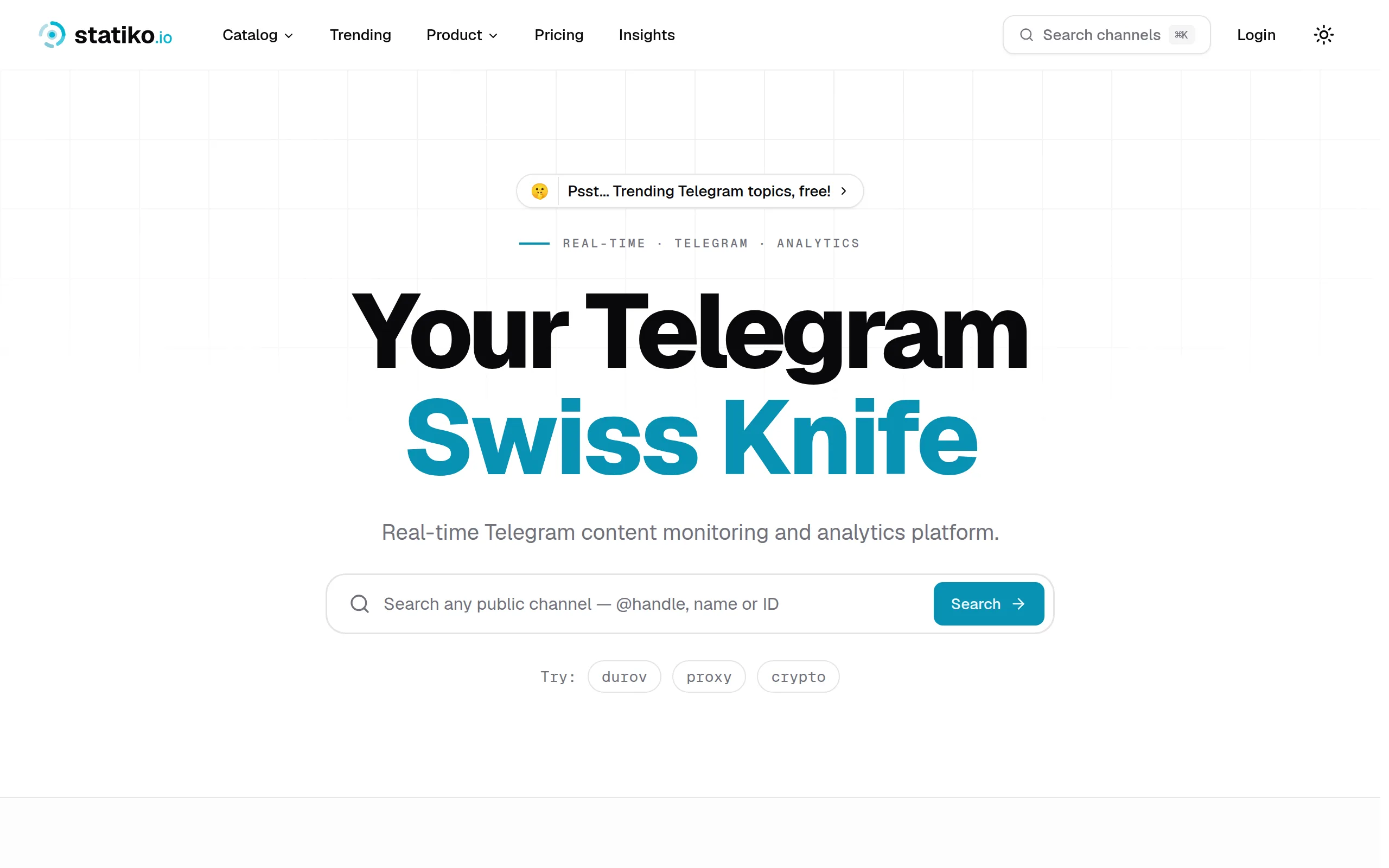
Statiko
Monitor any Telegram channel in real time - track posts, edits, deletions, and growth with AI recaps 📡

Shibui
AI website builder - describe your business, pick a niche template, edit by chatting, and publish instantly ✨

Pro Service
Find verified home service professionals, compare quotes, and pay securely through escrow - built for Brazilians across the US 🏠
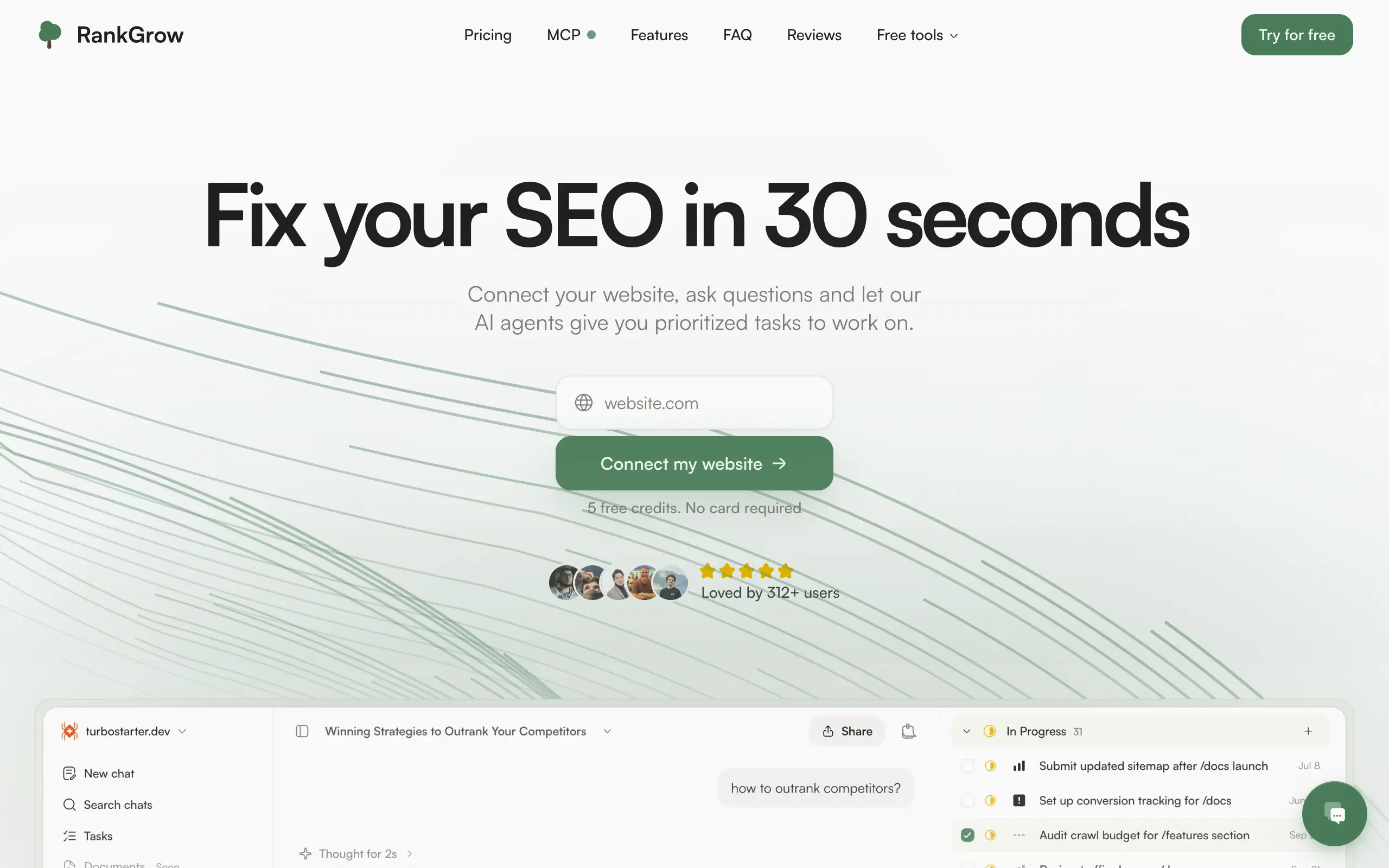
RankGrow
Fix your SEO with AI agents - connect Search Console, get prioritized tasks, and grow organic traffic 📈
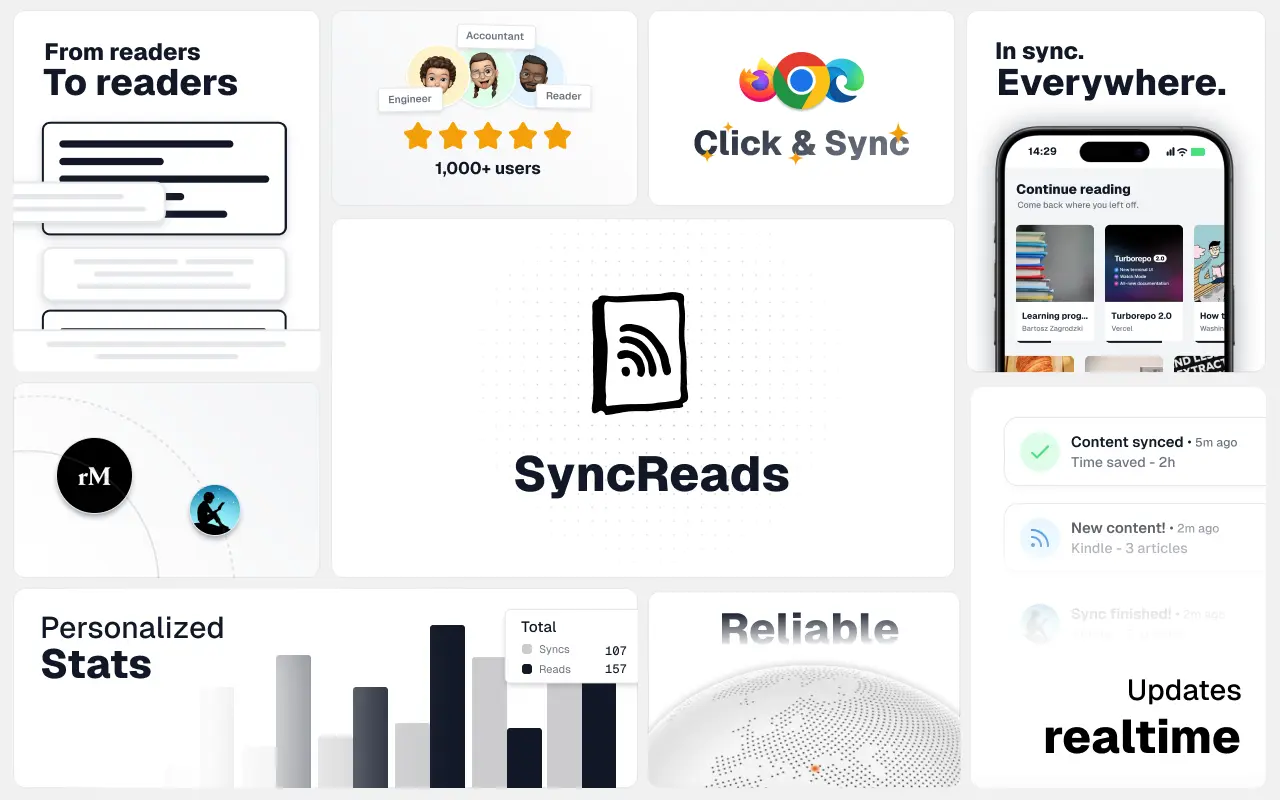
SyncReads
Sync your favorite content for distraction-free reading, save time and replace multiple apps. Anytime, anywhere 🔄
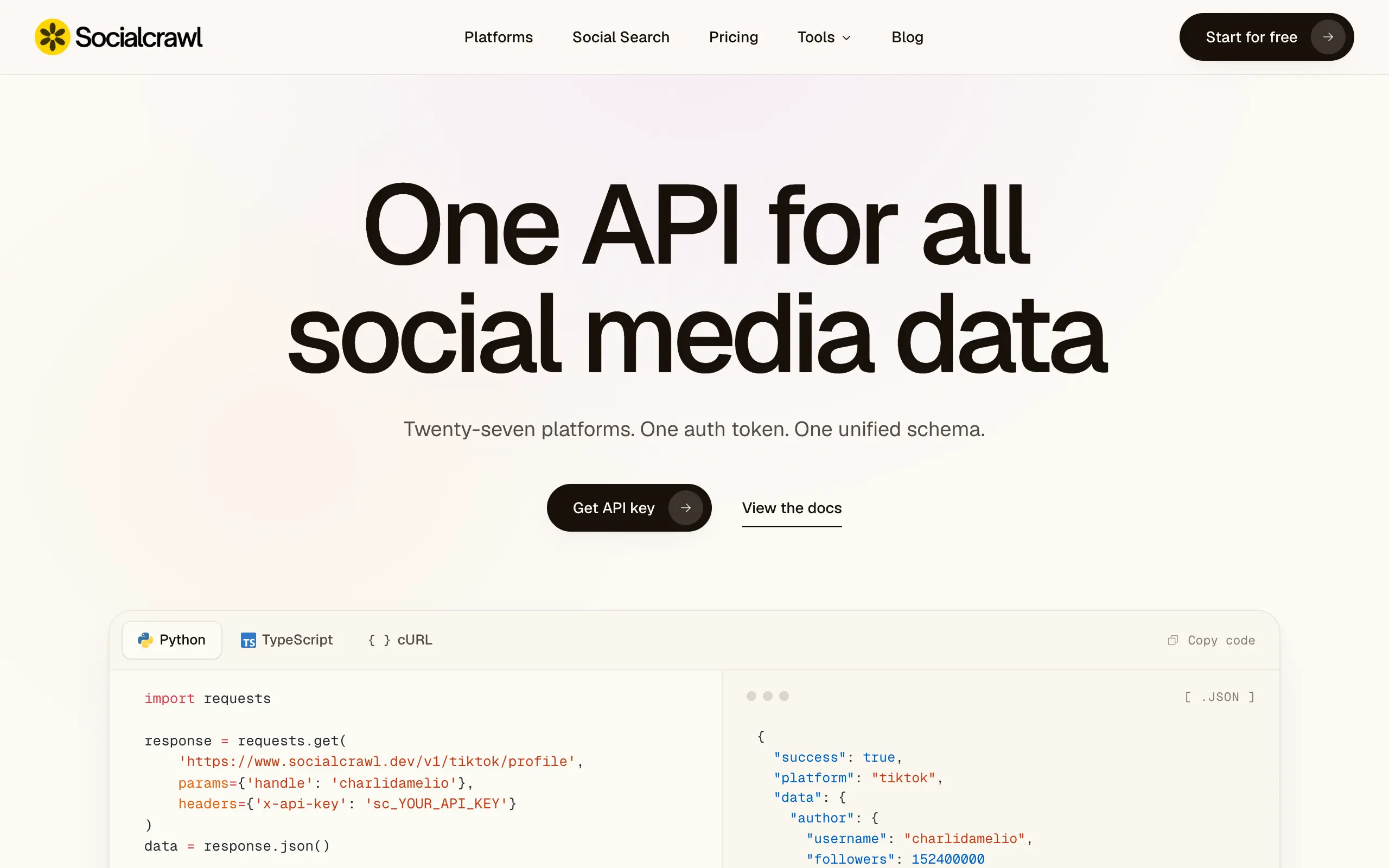
Socialcrawl
Get clean, structured data from 21 platforms like TikTok, Instagram, and YouTube with a single request 📊
Statiko
Monitor any Telegram channel in real time - track posts, edits, deletions, and growth with AI recaps 📡
Shibui
AI website builder - describe your business, pick a niche template, edit by chatting, and publish instantly ✨
Pro Service
Find verified home service professionals, compare quotes, and pay securely through escrow - built for Brazilians across the US 🏠
RankGrow
Fix your SEO with AI agents - connect Search Console, get prioritized tasks, and grow organic traffic 📈
SyncReads
Sync your favorite content for distraction-free reading, save time and replace multiple apps. Anytime, anywhere 🔄
Socialcrawl
Get clean, structured data from 21 platforms like TikTok, Instagram, and YouTube with a single request 📊
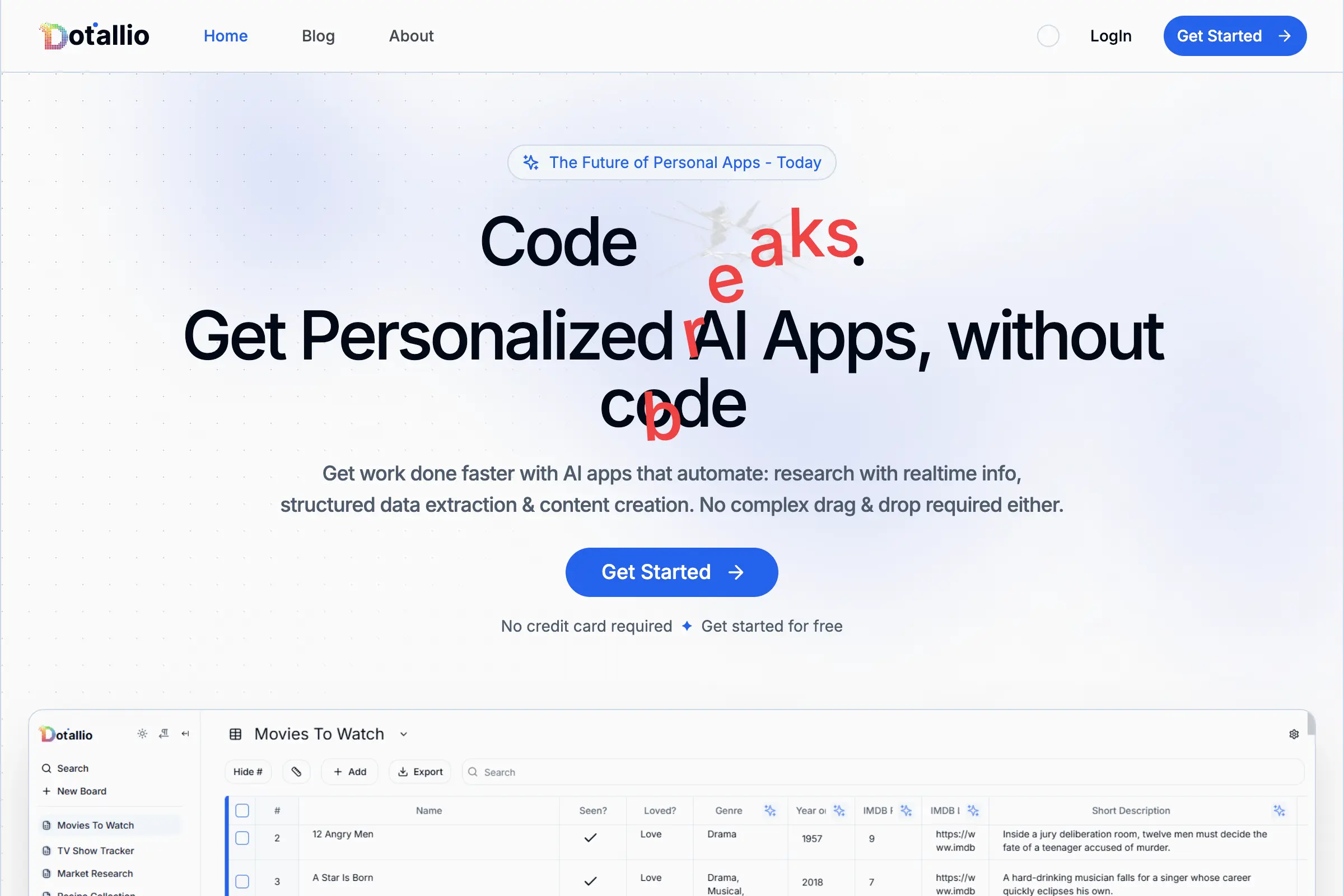
Dotallio
Personalized AI apps that automate research, data extraction, and content creation without code 🤖

Talk to Santa
Enjoy a magical live video chat or receive a unique AI-generated video greeting from Santa Claus 🎅

pozywka.pl
Scalable blog for food journalist, focused on performance and user experience 🌭
zagrodzki.me
Personal blog and portfolio of Bart Zagrodzki, where he shares his knowledge and work 💼
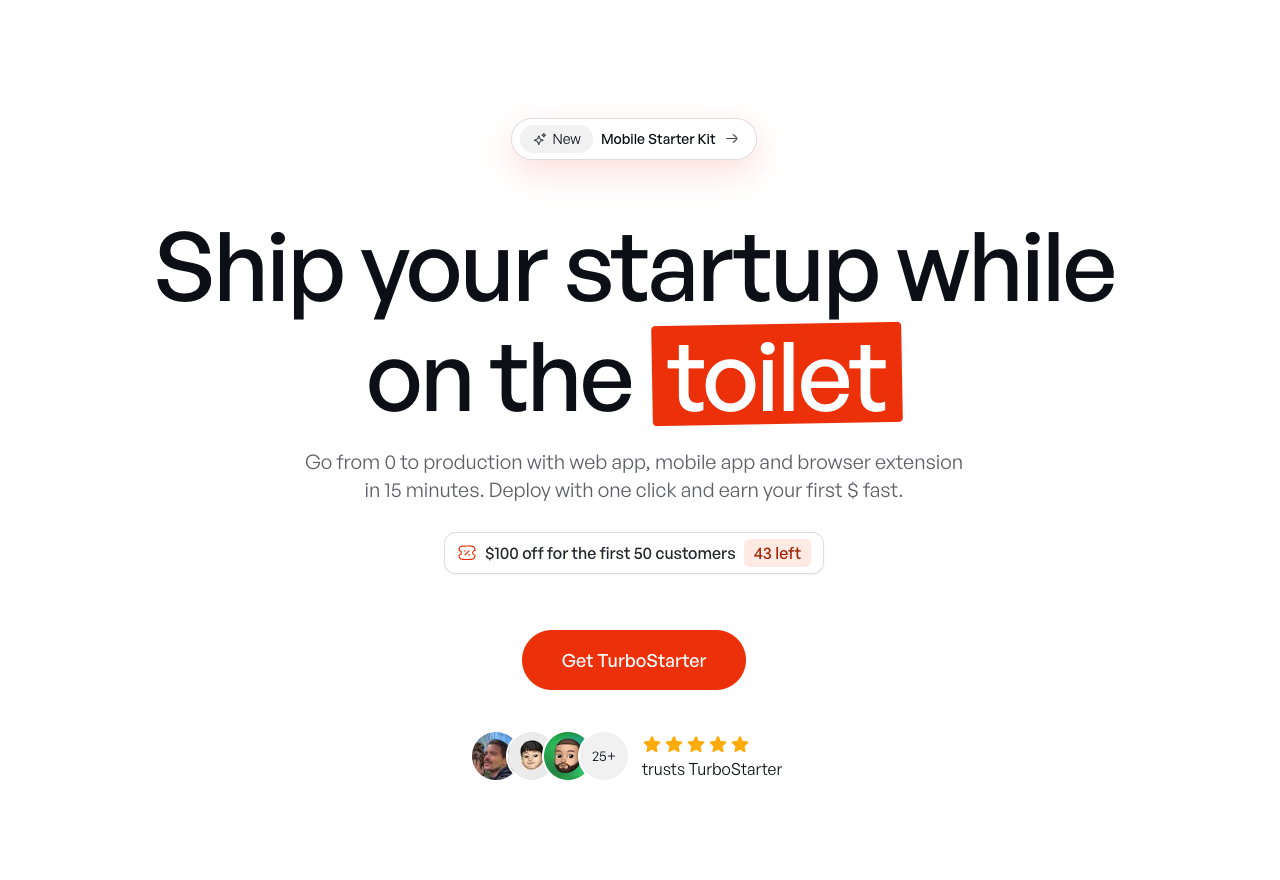
TurboStarter
Ship your startup everywhere. In minutes.
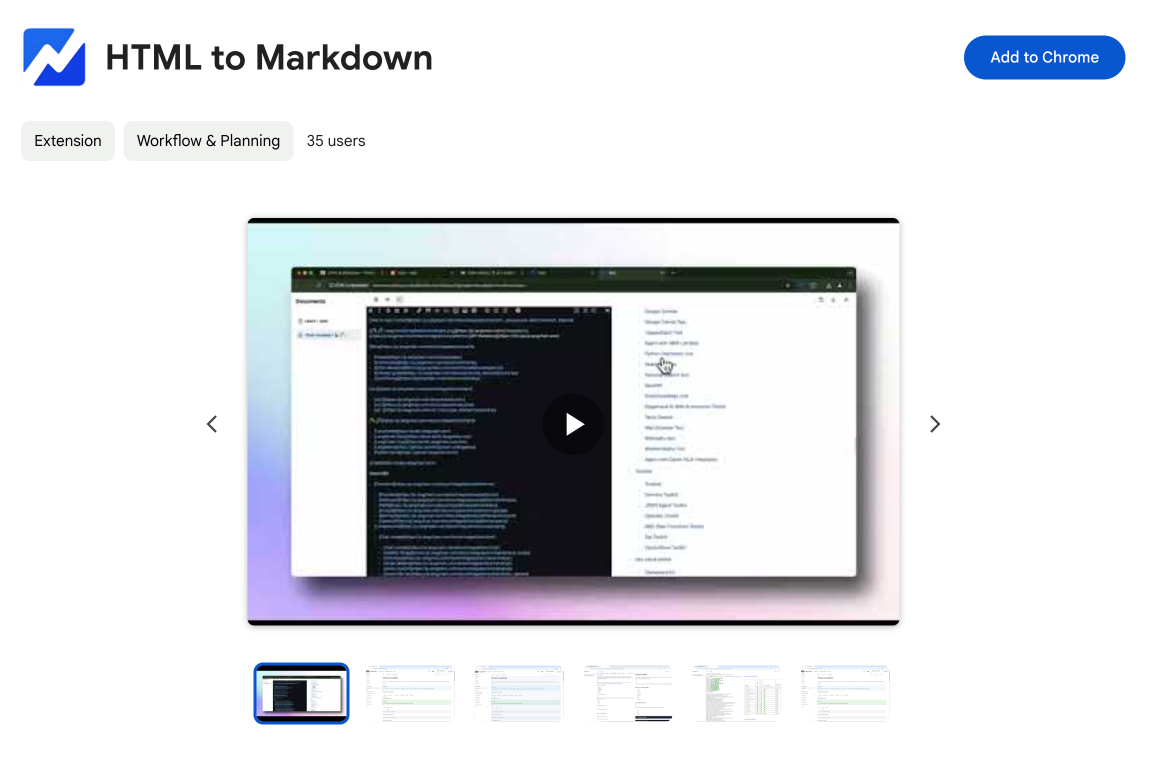
HTML to Markdown
Convert HTML to Markdown with ease, directly in your browser 📄
Dotallio
Personalized AI apps that automate research, data extraction, and content creation without code 🤖
Talk to Santa
Enjoy a magical live video chat or receive a unique AI-generated video greeting from Santa Claus 🎅
pozywka.pl
Scalable blog for food journalist, focused on performance and user experience 🌭
zagrodzki.me
Personal blog and portfolio of Bart Zagrodzki, where he shares his knowledge and work 💼
TurboStarter
Ship your startup everywhere. In minutes.
HTML to Markdown
Convert HTML to Markdown with ease, directly in your browser 📄
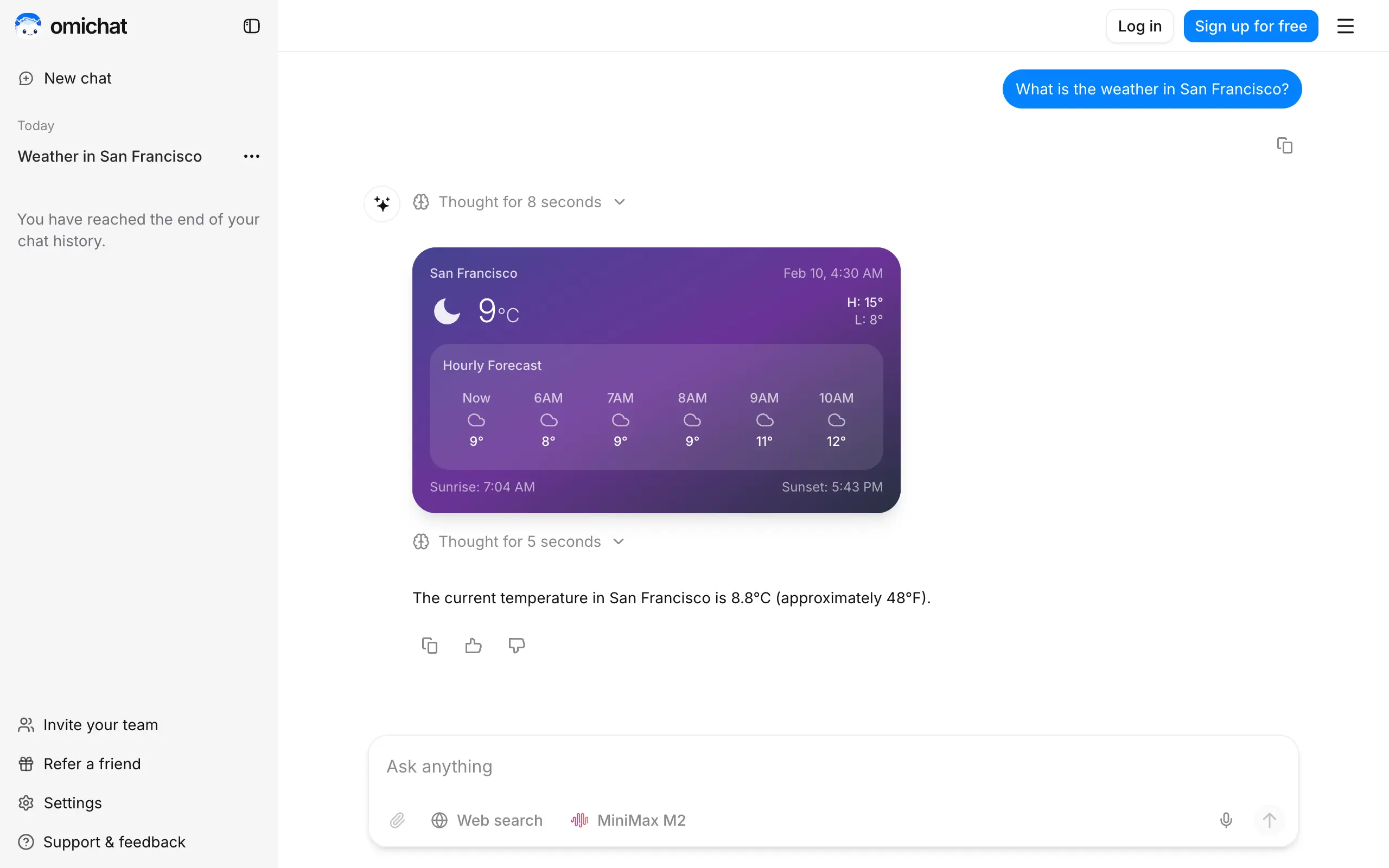
Omichat
Chat with 50+ AI models, including ChatGPT and Claude, in one place - switch models anytime without losing context 🤖
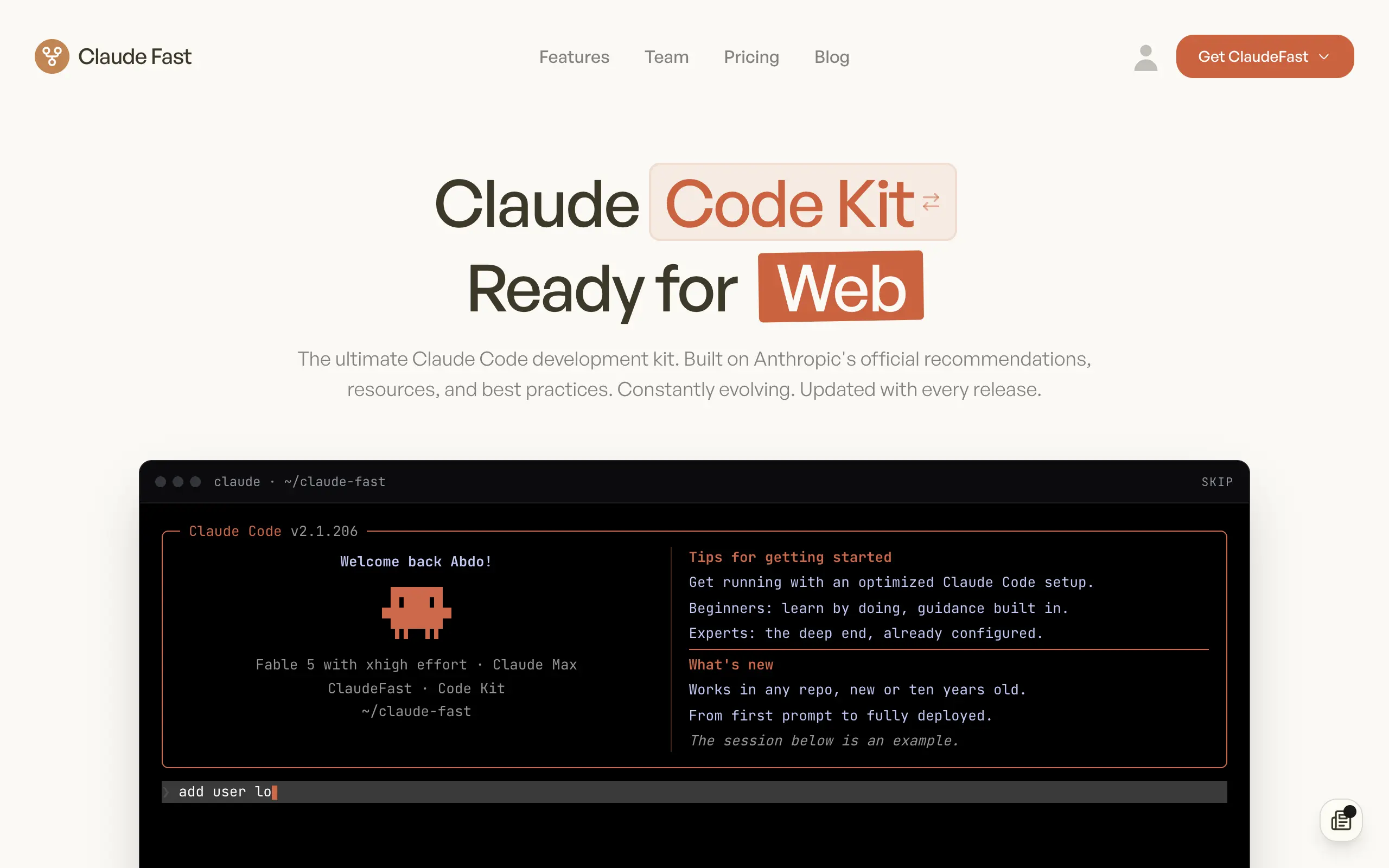
Claude Fast
Supercharge your Claude Code with 6x effective context window and specialized AI agents 🤖
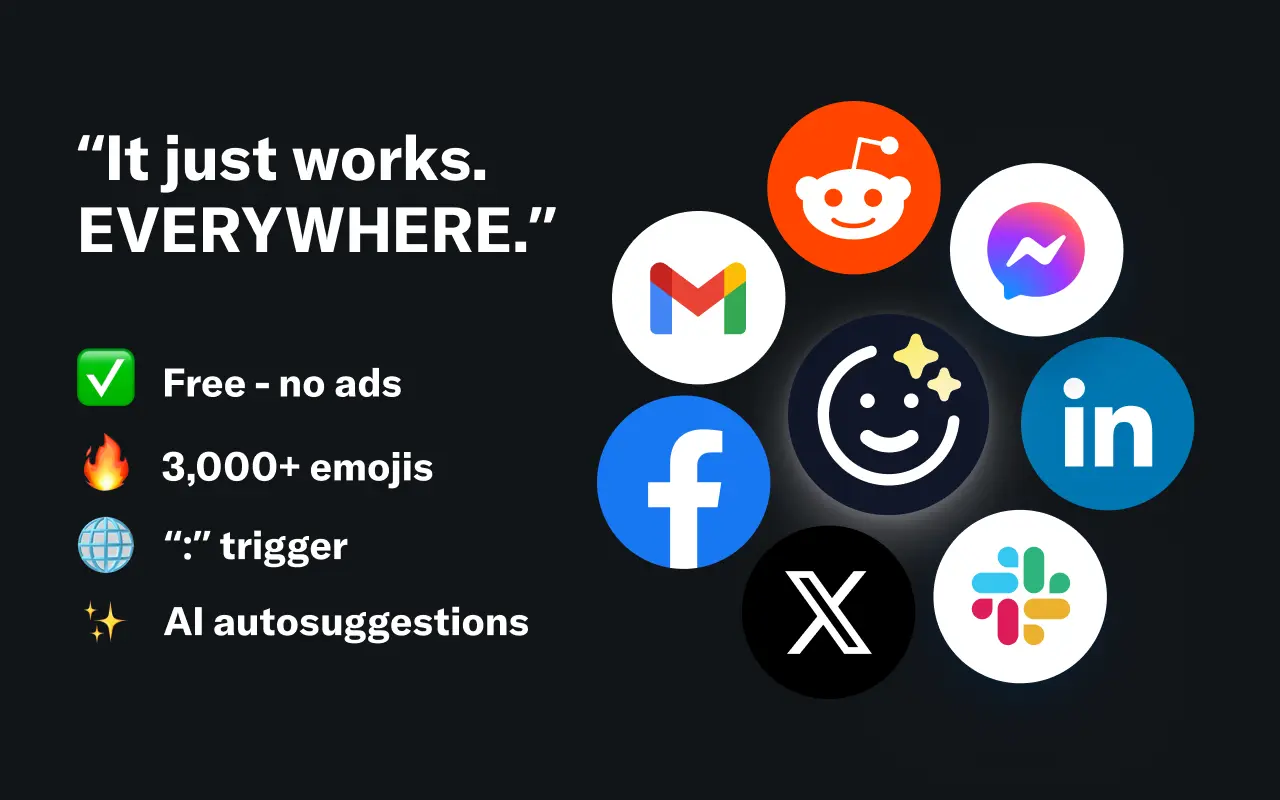
EmojAI
AI-powered emoji picker with smart, context-aware suggestions 🤖
Solohacker
Autonomous company launcher - AI agents work 24/7, escalate what matters, and you stay in control 🤖

BeRawi: Storytelling Coach
Practice storytelling daily with instant feedback to sound clearer, more engaging, and confident 🎤
Omichat
Chat with 50+ AI models, including ChatGPT and Claude, in one place - switch models anytime without losing context 🤖
Claude Fast
Supercharge your Claude Code with 6x effective context window and specialized AI agents 🤖
EmojAI
AI-powered emoji picker with smart, context-aware suggestions 🤖
Solohacker
Autonomous company launcher - AI agents work 24/7, escalate what matters, and you stay in control 🤖
BeRawi: Storytelling Coach
Practice storytelling daily with instant feedback to sound clearer, more engaging, and confident 🎤

Connect with like-minded people
Join our community to get feedback, support, and grow together with 1,000+ builders on board, let's ship it!
Join usShip your startup everywhere. In minutes.
Don't burn tokens on setup and start building features on day one.