AppShield Insights
AI-driven platform that analyzes and hardens web app deployments on NetScaler and cloud, offering tailored vulnerability insights and auto-fix suggestions.
Understanding the user need for AI-powered web app security platforms
Organizations today face relentless cyber threats targeting their web applications—from zero-day vulnerabilities in their cloud deployments to legacy misconfigurations in managed services like NetScaler. With cloud architectures and continuous delivery, attack surfaces continually evolve, overwhelming traditional security teams. The user intent behind seeking solutions like AppShield Insights is clear: they need an automated, intelligent, and continuously updated way to identify vulnerabilities, understand risk exposure, and apply actionable security recommendations without draining resources or requiring deep infosec expertise.
Who is searching for AppShield Insights (target audience analysis)
Identifying the optimal target audience helps refine AppShield Insights’ positioning and feature set. The primary user personas include:
- DevOps engineers & platform/security teams at medium to large enterprises using NetScaler (formerly Citrix ADC) and popular cloud providers (AWS, Azure, GCP).
- IT managers and CISOs overseeing compliance and risk in regulated sectors (finance, healthcare, SaaS, e-commerce).
- SMBs and scale-ups using cloud platforms who lack in-house security but value simple, AI-powered solutions for vulnerability management.
- Managed service providers (MSPs) seeking to add automated web security offerings for multiple client deployments.
Their motivations are:
- Minimizing breach risk in dynamic web environments
- Augmenting existing SOC teams with AI-driven analysis
- Streamlining compliance (PCI DSS, HIPAA, GDPR, SOX)
- Reducing false positives and alert fatigue
- Rapidly triaging and auto-fixing vulnerabilities
Why target NetScaler and cloud users?
NetScaler remains a critical part of enterprise infrastructure, while cloud platforms represent the largest growth in new web app deployments. Focusing on both allows AppShield Insights to address modern and legacy security needs simultaneously.
Market gap and opportunity analysis
The application security market is undergoing transformation, with several critical trends:
- Tool proliferation: Typical organizations juggle multiple SAST, DAST, WAF, and vulnerability scanners—but these often lack context, output high false positives, and require manual triage.
- AI in security: First-generation tools offer pattern matching, but few deploy advanced, explainable AI that adapts to each app’s evolving architecture and risk profile.
- NetScaler coverage: While cloud-focused solutions proliferate, enterprise NetScaler deployments remain underserved by most modern vulnerability tools.
- Limited auto-remediation: Most platforms stop at alerting and reporting, leaving resource-strapped teams with long to-do lists and no help in prioritizing or implementing fixes.
AppShield Insights seizes on these gaps:
- Bringing deep, AI-based analysis that understands web app context—beyond signatures and static checks.
- Providing tailored, prioritized vulnerability insights (not just raw scan reports).
- Offering auto-fix suggestions and (optionally) automated patching/playbook execution for rapid risk reduction.
- Supporting both hybrid (NetScaler/legacy) and cloud-native deployments in a unified platform.
This positions AppShield Insights uniquely to fill a crucial gap between complex (often noisy) enterprise security tools and lightweight offerings that lack depth.
Core features of AppShield Insights
At the heart of AppShield Insights is the blend of artificial intelligence, relevant integrations, actionable insights, and workflow automation. The following features address key security pain points:
1. AI-driven vulnerability detection & contextual risk scoring
- Uses machine learning to analyze web app configurations, manifests, and traffic (including NetScaler ADC and cloud WAF data).
- Maps vulnerabilities to the app’s actual exposure, business logic, and threat landscape—prioritizing findings based on true risk.
- Continuously adapts detection algorithms using recent CVEs, misconfigurations, OWASP Top 10, and industry-specific threats.
2. Smart, actionable insights & auto-fix recommendations
- Each vulnerability comes with a tailored explanation—what it means, how it’s being exploited in the wild, and why it matters for your specific stack.
- Automatically generates step-by-step remediation guides (and code/config snippets) for each finding.
- Where supported, enables auto-remediation, applying safe config changes or patches directly, with rollback.
3. Seamless NetScaler and multi-cloud integration
- One-click onboarding of NetScaler instances with deep configuration parsing.
- Agentless connection to AWS, Azure, GCP app deployments, with scope-limited permission models.
- Unified dashboard for hybrid environments—compare, aggregate, and filter vulnerabilities across legacy and cloud systems.
4. Real-time threat intelligence feed
- Surfaces emerging threat intelligence matched to your specific exposure points.
- Alerts on urgently exploitable vulnerabilities, zero-days, and actively targeted CVEs.
- Delivered through dashboard, email, and Slack/Teams integrations.
5. Compliance & exportable reporting
- Built-in compliance report templates (PCI DSS, HIPAA, GDPR, SOC2, etc.).
- Export findings and remediation logs to SIEM, GRC, or PDF for auditor review.
6. Flexible automation & workflow integration
- API-first platform for CI/CD, ticketing, and SOAR integrations (e.g., with Jira, ServiceNow, PagerDuty).
- Role-based access control and audit logging for team environments.
AI that adapts to your stack
Contextual analysis ensures risk scoring and fixes are meaningful for each unique deployment.
Hybrid-ready architecture
Supports both modern cloud and on-prem NetScaler, future-proofing organizations in transition.
Guided & automatic remediation
Fix vulnerabilities with clear, tested steps or fully automate safe patches.
Compliance made easier
Export audit-ready reports for PCI, HIPAA, and more with one click.
Recommended tech stack for AppShield Insights
Selecting the right technology stack is essential for scalability, maintainability, and security.
Suggested stack overview
- Frontend: Built with React for a responsive UX, integrating TailwindCSS for scalable styling.
- Backend: Node.js or Python (FastAPI) for robust API and integration flexibility.
- AI Layer: PyTorch or TensorFlow for machine learning pipelines; leverages large language models for context-aware suggestions.
- Data Storage: PostgreSQL for structured data; Elasticsearch for search-heavy features and threat feed ingestion.
- Deployment: Docker, Kubernetes for scalable, secure deployment. Supports hybrid and on-prem deployment.
- Integrations: SDKs for NetScaler, major IAM/cloud APIs, and webhook support.
- Security: Frameworks for RBAC, audit logging, and data encryption in transit and at rest.
Trade-offs and rationale
- React + TailwindCSS: Excellent for building complex, responsive admin dashboards, with higher talent availability. Angular could be considered but has a steeper learning curve and heavier bundle sizes for dashboards.
- Python AI stack: Offers better access to cutting-edge AI/ML libraries vs. Java or .NET.
- Kubernetes: Enables scalable deployments in cloud or private cloud/sendbox environments—critical for handling enterprise customer loads.
Monetization strategy options
AppShield Insights can leverage several SaaS pricing models to drive growth and maximize value:
1. Tiered subscription pricing
- Free tier: Limited basic scanning for small projects or proof-of-concept, encouraging adoption.
- Pro/Team: Unlocks full NetScaler and cloud integrations, advanced reporting, API access.
- Enterprise: Adds SSO/SAML, RBAC, custom integrations, advanced compliance, SLA support, and on-prem deployment.
2. Usage-based/seat-based billing
- Fees based on number of apps scanned, NetScaler/cloud instances monitored, or monthly API calls.
- Optional add-ons for auto-remediation, advanced AI packs, or premium support.
3. Compliance and audit packages
- Charge for on-demand compliance reports or integration with third-party risk platforms.
4. Integration marketplace
- Revenue sharing with premium integrations (ticketing, SIEM, extended threat intel feeds).
Subscription tiers work best for predictable budgets and enterprise buying cycles; usage-based fits fast-scaling startups and MSPs managing fluctuating client portfolios.
Yes. Making PCI/SOC2-auditor ready reports a paid feature creates upsell opportunities, while still offering core security to all users.
Potential risks and mitigation strategies
While AppShield Insights is well-positioned, launching in the security SaaS space requires careful risk management:
1. False positives/negatives in vulnerability findings
- Mitigation: Invest in continual machine learning tuning, benchmark against public CVE datasets, enable user feedback on findings.
2. AI explainability and trust
- Mitigation: Provide clear lineage for each finding (source, analysis, rationale) and allow human review before automated changes.
3. Security of the platform itself
- Mitigation: Perform third-party code audits, enforce strict internal RBAC, encrypt all sensitive data, and adhere to established cloud security practices.
4. Keeping up with evolving threats
- Mitigation: Maintain real-time threat intelligence outputs, leverage external threat feeds, and automatically update models/rules with each new disclosure.
5. Integration sprawl and onboarding friction
- Mitigation: Invest in API/SDK standardization, clear onboarding wizards, and white-glove customer support for early users.
| Risk | User Impact | Likelihood | Mitigation | Residual Risk |
|---|---|---|---|---|
| False positives | Wasted time | Medium | Continuous ML tuning | Low |
| Platform breach | Loss of trust | Low | Audits, strong encryption | Low |
Competitive landscape and unique selling proposition
The web application security market has legacy players (Qualys, Rapid7), specialized cloud tools (Palo Alto Prisma Cloud), and rapid-growth newcomers. However, most solutions fall into one of two camps:
- Broad vulnerability scanners: Prone to noisy reporting, lacking remediation logic, slow to adapt to hybrid (NetScaler + cloud) deployments.
- Point solutions or cloud-only services: Miss the nuanced threat models of legacy ADCs/infrastructure.
How AppShield Insights stands out
- Hybrid-first architecture: One of the few to natively and deeply support both NetScaler and multi-cloud environments.
- AI-powered contextual insights: Goes beyond static rules—leveraging AI/ML to offer relevant, actionable findings tailored to each stack, and not just generic best practices.
- Embedded auto-remediation: Reduces bottlenecks by offering safe, testable auto-fix capabilities, which competitors often lack or gate behind pro services.
- User-centric onboarding and guidance: Designed for highly usable vulnerability and compliance workflows (vs. “expert-only” dashboards).
- Extensible integration and workflow automation: Supports enterprise toolchains out of the box for adoption at scale.
Summary competitive comparison
| AppShield Insights | Legacy Scanners | Cloud-only SecOps | Manual Pen-testing | Open-source tools |
|---|---|---|---|---|
| ✅ | ❌ | ❌ | ✅ | ❌ |
| ✅ | ❌ | ✅ | ✅ | ❌ |
Step-by-step implementation plan
Translating the idea into production requires a phased, validated strategy.
Market validation & design: Conduct user interviews with NetScaler admins and cloud infosec teams. Iterate wireframes and requirements to ensure alignment with real-world pain points.
Pilot AI engine & data pipeline: Build MVP for ingesting NetScaler and cloud configs; train vulnerability models on open CVE datasets and enterprise-reported incidents.
Develop the UI and integrations: Use React and TailwindCSS to design a dashboard for hybrid deployments. Integrate authentication, RBAC, and workflow APIs.
Auto-remediation, compliance & export tools: Layer in guided remediation and compliance exporting, prioritizing PCI/HIPAA templates first.
Security audits & early customer pilots: Run full-stack code reviews, penetration tests, and beta deployments with design partners. Iterate based on findings and feedback.
Commercial launch & ongoing iteration: Roll out paid tiers, expand to more integrations, and develop a partner marketplace for rich ecosystem support.
Practical code snippet: sample risk scoring function (Python)
def contextual_risk_score(vuln, app_context, threat_intel):
    weight_vuln_severity = 0.6
    weight_asset_criticality = 0.3
    weight_threat_activity = 0.1

    severity = vuln['cvssScore'] / 10.0
    criticality = app_context.get('asset_criticality', 0.5)
    threat_score = threat_intel.get(vuln['cveId'], 0)

    risk_score = (
        (severity * weight_vuln_severity) +
        (criticality * weight_asset_criticality) +
        (threat_score * weight_threat_activity)
    )
    return round(risk_score * 100)
Actionable next steps for launching AppShield Insights
- Validate the problem-solution fit: Set up discovery meetings with current NetScaler/cloud DevOps teams. Present mockups and collect feedback on “must-have” vs. “nice-to-have” features.
- Start with lean MVP: Focus on AI-assisted vulnerability detection and easy onboarding for NetScaler/cloud, even with basic reporting.
- Emphasize frictionless onboarding and explainable AI: Minimize integration steps, prioritize clarity in findings and fixes.
- Build a partner/marketplace strategy: Engage compliance consultants, NetScaler integrators, MSPs for channel sales.
- Plan for frequent iteration: Schedule monthly sprints to add new compliance templates, vulnerability rulepacks, and automation features.
Want to prototype rapidly?
Platforms like TurboStarter can help you scaffold your SaaS MVP quickly, integrating authentication, admin panels, and more—accelerating your journey from concept to market-ready launch.
Conclusion: Why AppShield Insights is a powerful, future-proof SaaS opportunity
Web app vulnerabilities remain a leading cause of breaches—and the sheer scale, speed, and hybrid complexity of today’s deployments make manual, signature-driven security approaches obsolete. AppShield Insights squarely focuses on this market need:
- AI-powered, contextual analysis ensures users act on real, prioritized vulnerabilities.
- Hybrid (NetScaler + cloud) support fills a unique and growing gap.
- Auto-fix and integration-first automation reduce friction, accelerate remediation, and plug into enterprise workflows.
- Compliance-ready, explainable, and auditor-friendly by default.
By bringing true intelligence and usability to web app security, AppShield Insights can define a new benchmark for how modern security teams safeguard cloud and legacy workloads.
Ready to launch your SaaS security platform? Combine the power of advanced AI, seamless integration, and relentless focus on user outcomes—ensuring security is never an afterthought.
More 🤖 AI Startup SaaS ideas
Discover more innovative ai startup SaaS ideas that are trending in 2026. Each idea is AI-generated with market validation and growth potential to help you find your next profitable venture faster than competitors.
Your competitors are building with TurboStarter
Below are some of the SaaS ideas that have been generated and built with our starter kit.
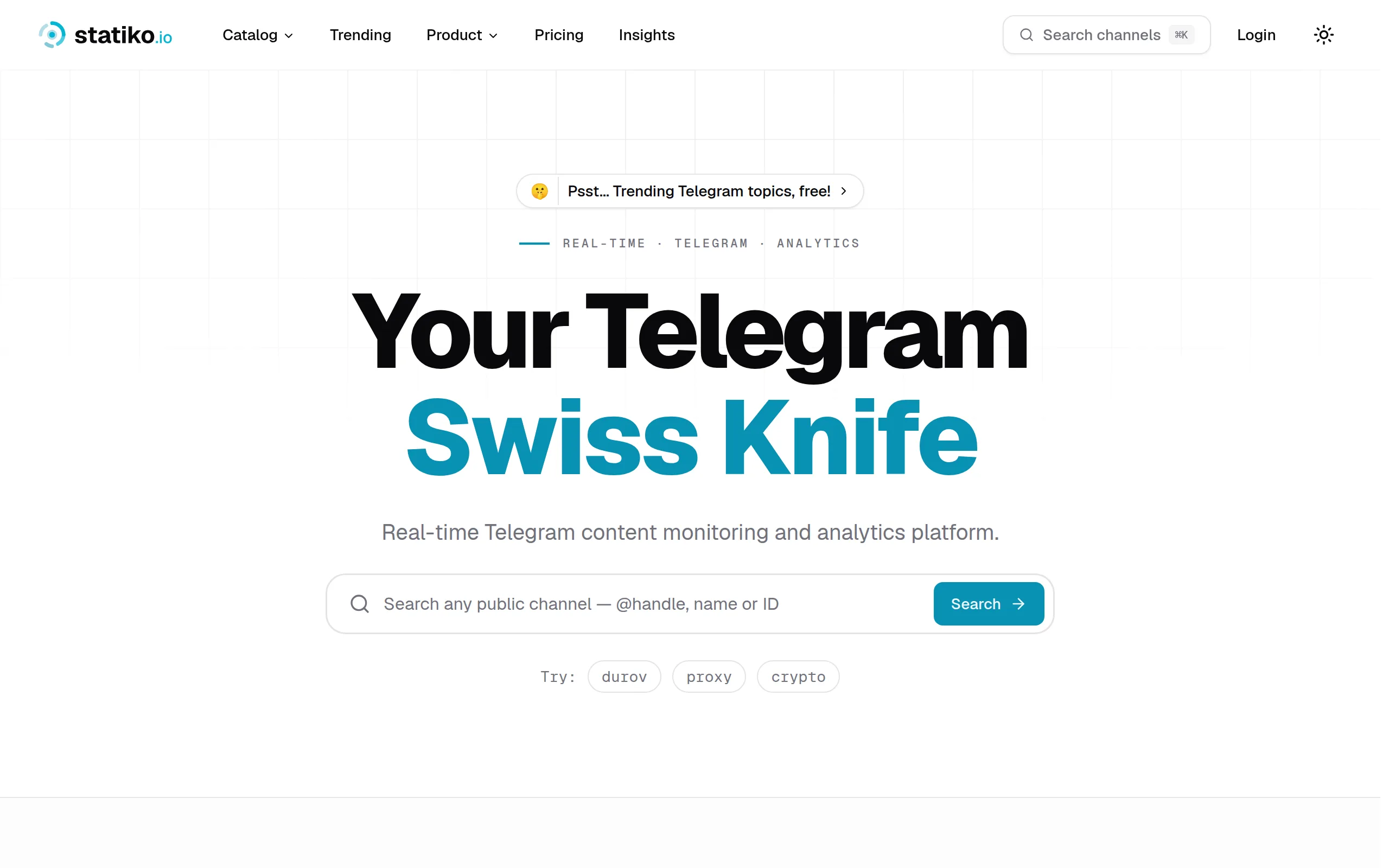
Statiko
Monitor any Telegram channel in real time - track posts, edits, deletions, and growth with AI recaps 📡

Shibui
AI website builder - describe your business, pick a niche template, edit by chatting, and publish instantly ✨

Pro Service
Find verified home service professionals, compare quotes, and pay securely through escrow - built for Brazilians across the US 🏠
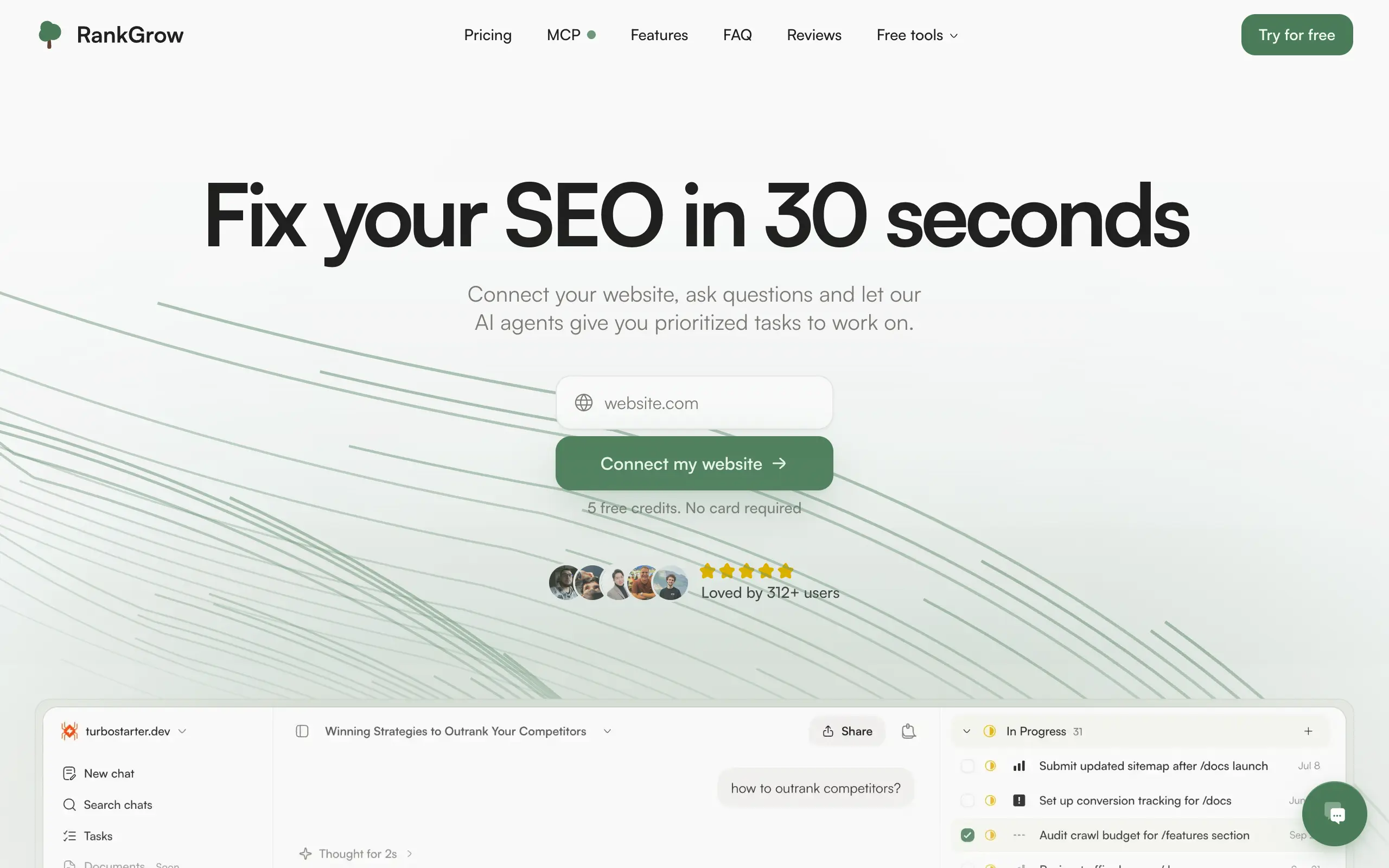
RankGrow
Fix your SEO with AI agents - connect Search Console, get prioritized tasks, and grow organic traffic 📈
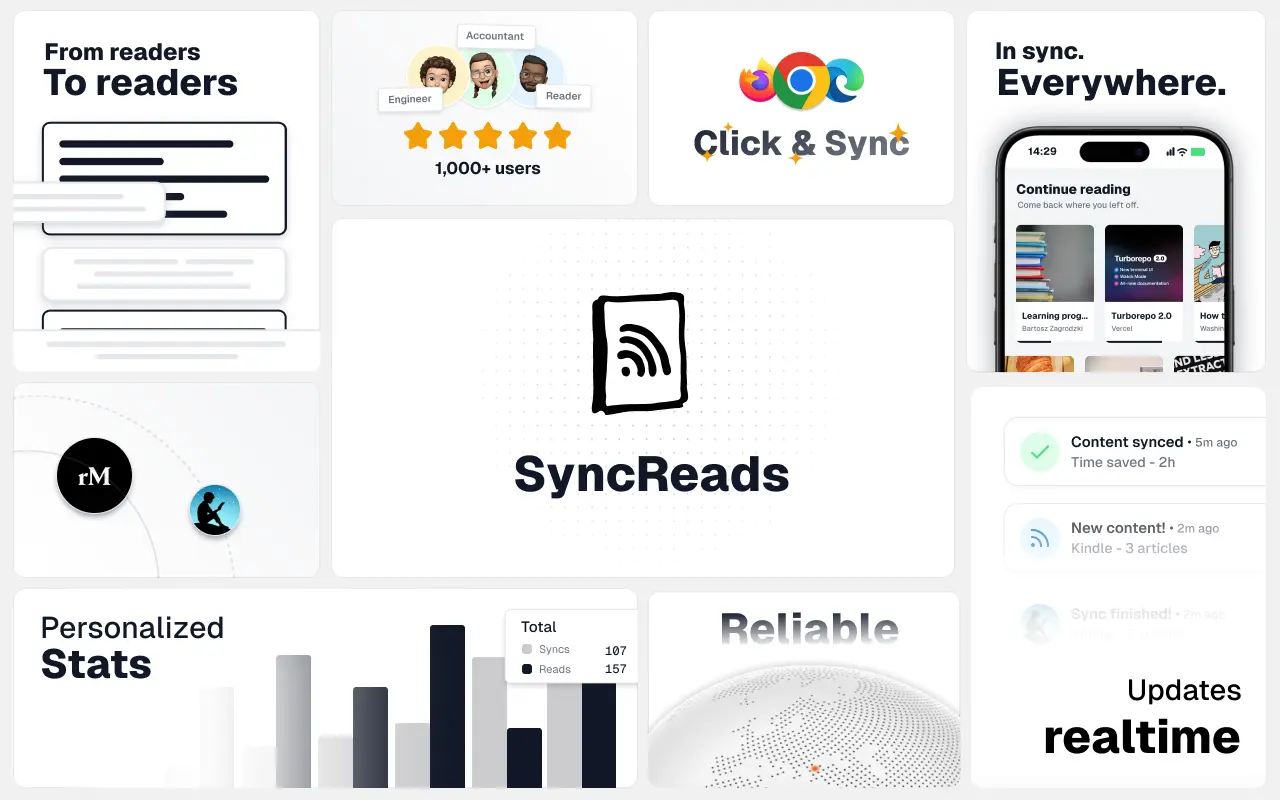
SyncReads
Sync your favorite content for distraction-free reading, save time and replace multiple apps. Anytime, anywhere 🔄
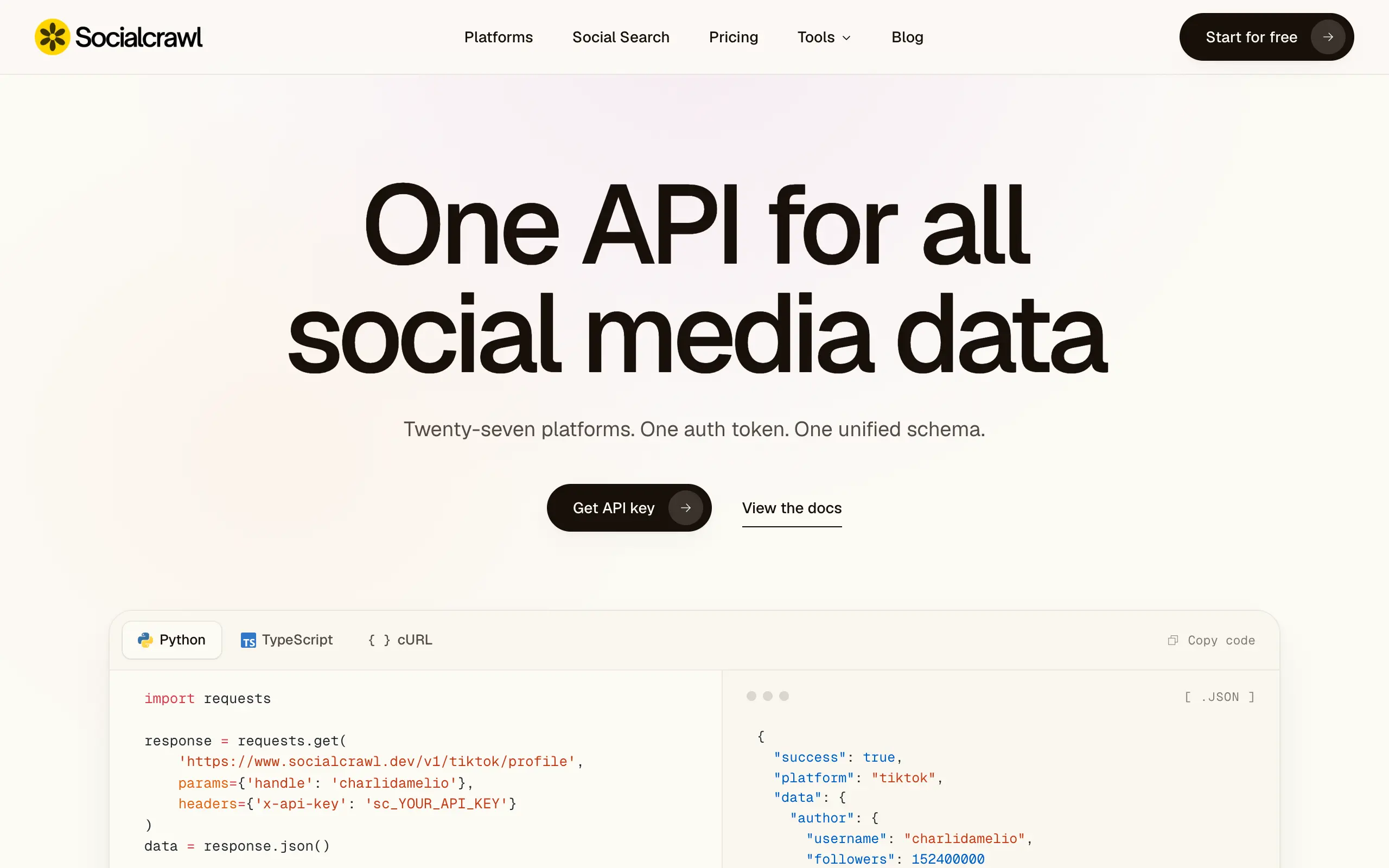
Socialcrawl
Get clean, structured data from 21 platforms like TikTok, Instagram, and YouTube with a single request 📊
Statiko
Monitor any Telegram channel in real time - track posts, edits, deletions, and growth with AI recaps 📡
Shibui
AI website builder - describe your business, pick a niche template, edit by chatting, and publish instantly ✨
Pro Service
Find verified home service professionals, compare quotes, and pay securely through escrow - built for Brazilians across the US 🏠
RankGrow
Fix your SEO with AI agents - connect Search Console, get prioritized tasks, and grow organic traffic 📈
SyncReads
Sync your favorite content for distraction-free reading, save time and replace multiple apps. Anytime, anywhere 🔄
Socialcrawl
Get clean, structured data from 21 platforms like TikTok, Instagram, and YouTube with a single request 📊
Statiko
Monitor any Telegram channel in real time - track posts, edits, deletions, and growth with AI recaps 📡
Shibui
AI website builder - describe your business, pick a niche template, edit by chatting, and publish instantly ✨
Pro Service
Find verified home service professionals, compare quotes, and pay securely through escrow - built for Brazilians across the US 🏠
RankGrow
Fix your SEO with AI agents - connect Search Console, get prioritized tasks, and grow organic traffic 📈
SyncReads
Sync your favorite content for distraction-free reading, save time and replace multiple apps. Anytime, anywhere 🔄
Socialcrawl
Get clean, structured data from 21 platforms like TikTok, Instagram, and YouTube with a single request 📊
Statiko
Monitor any Telegram channel in real time - track posts, edits, deletions, and growth with AI recaps 📡
Shibui
AI website builder - describe your business, pick a niche template, edit by chatting, and publish instantly ✨
Pro Service
Find verified home service professionals, compare quotes, and pay securely through escrow - built for Brazilians across the US 🏠
RankGrow
Fix your SEO with AI agents - connect Search Console, get prioritized tasks, and grow organic traffic 📈
SyncReads
Sync your favorite content for distraction-free reading, save time and replace multiple apps. Anytime, anywhere 🔄
Socialcrawl
Get clean, structured data from 21 platforms like TikTok, Instagram, and YouTube with a single request 📊
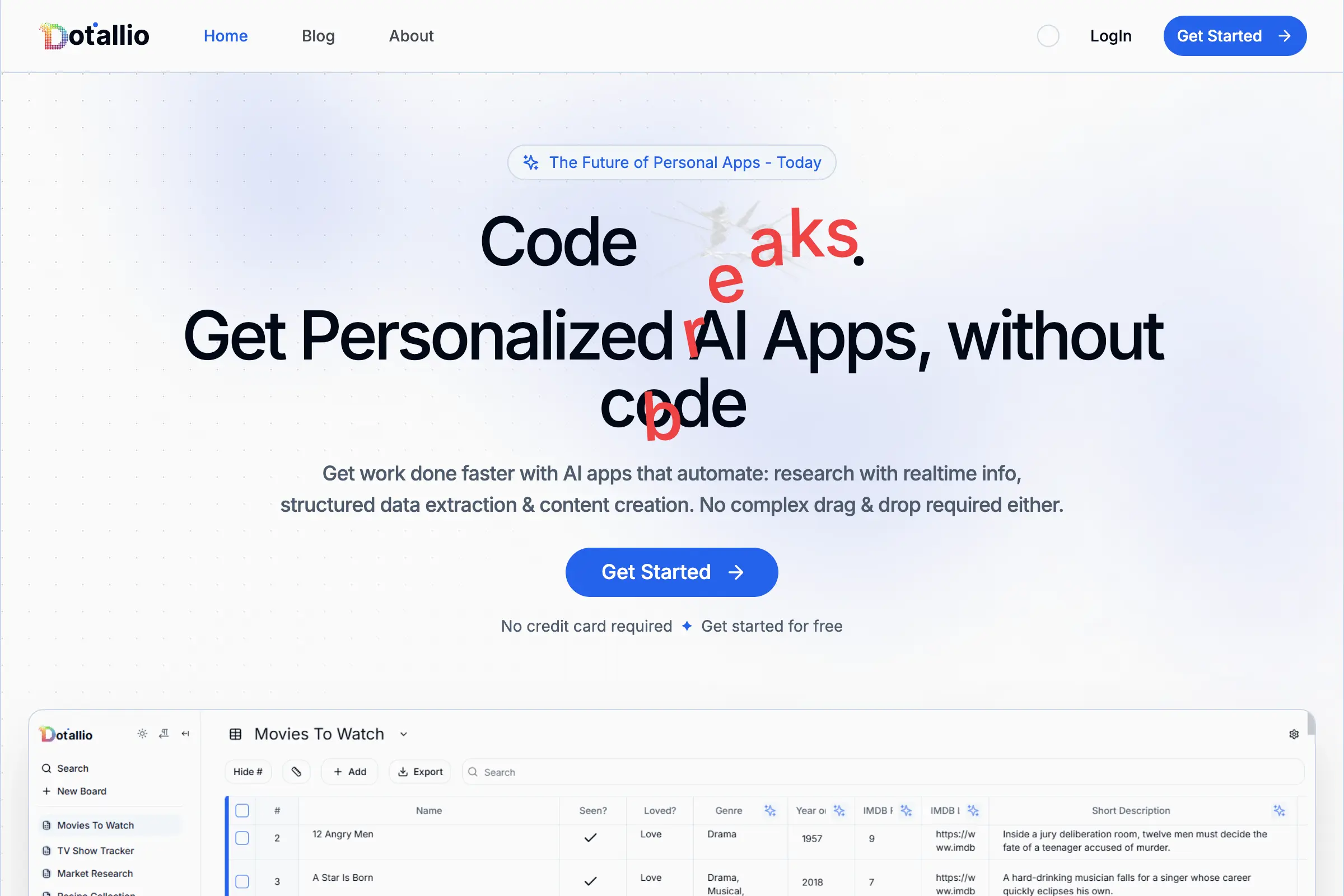
Dotallio
Personalized AI apps that automate research, data extraction, and content creation without code 🤖

Talk to Santa
Enjoy a magical live video chat or receive a unique AI-generated video greeting from Santa Claus 🎅
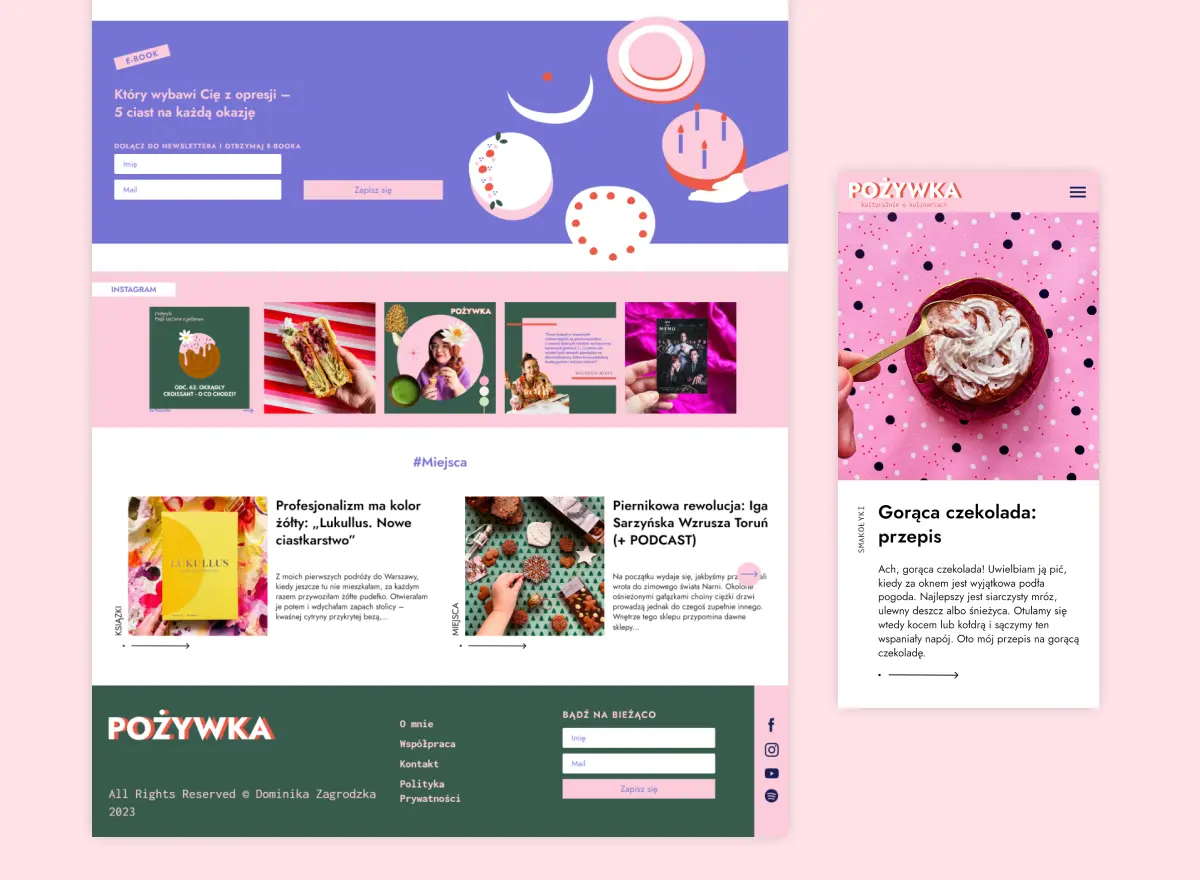
pozywka.pl
Scalable blog for food journalist, focused on performance and user experience 🌭
zagrodzki.me
Personal blog and portfolio of Bart Zagrodzki, where he shares his knowledge and work 💼
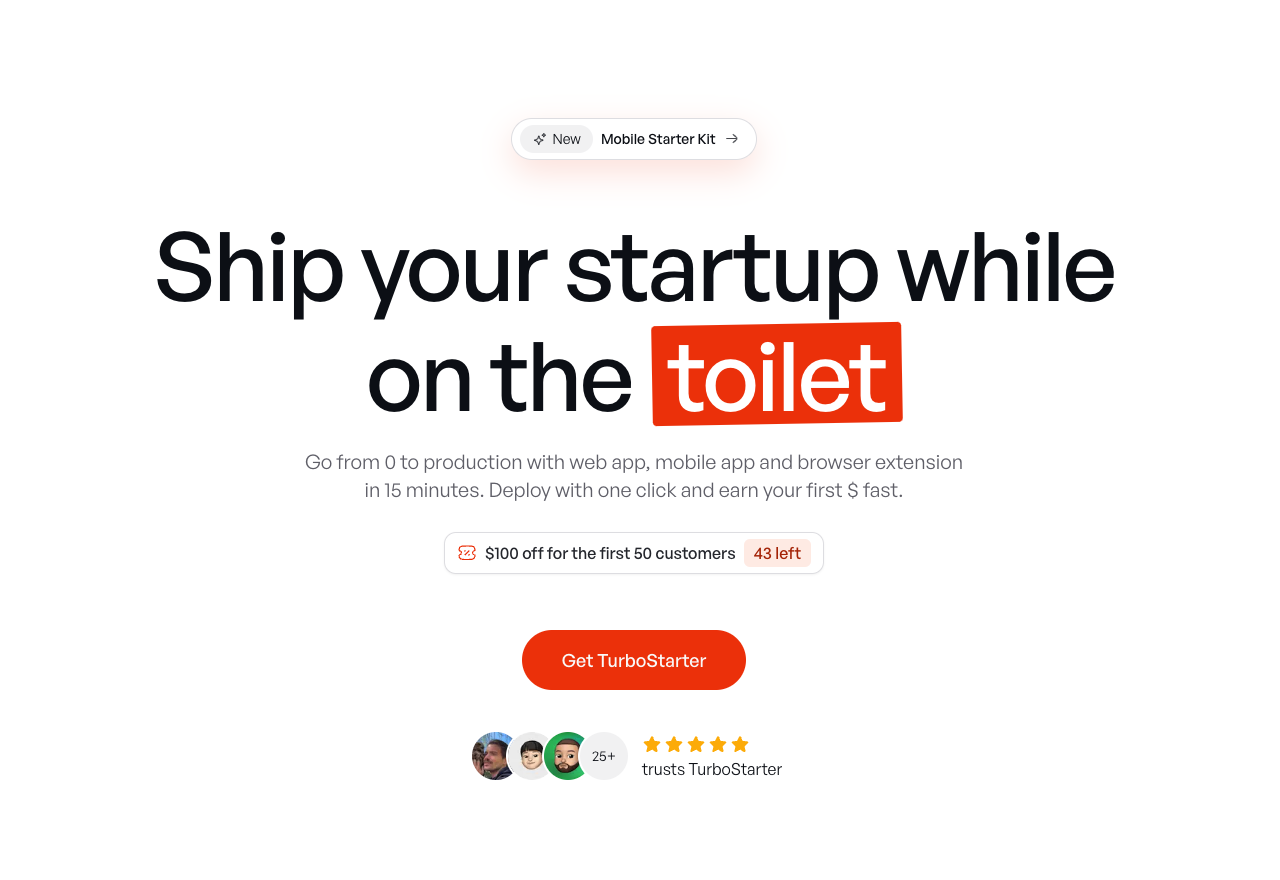
TurboStarter
Ship your startup everywhere. In minutes.
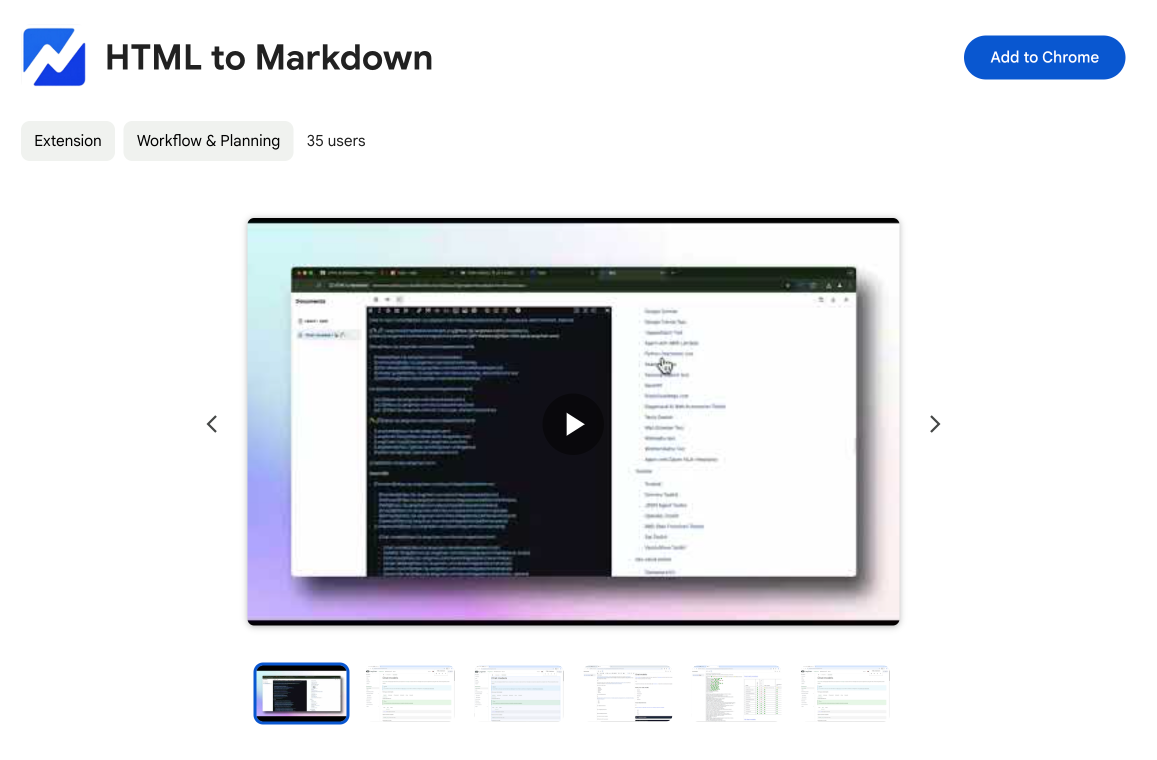
HTML to Markdown
Convert HTML to Markdown with ease, directly in your browser 📄
Dotallio
Personalized AI apps that automate research, data extraction, and content creation without code 🤖
Talk to Santa
Enjoy a magical live video chat or receive a unique AI-generated video greeting from Santa Claus 🎅
pozywka.pl
Scalable blog for food journalist, focused on performance and user experience 🌭
zagrodzki.me
Personal blog and portfolio of Bart Zagrodzki, where he shares his knowledge and work 💼
TurboStarter
Ship your startup everywhere. In minutes.
HTML to Markdown
Convert HTML to Markdown with ease, directly in your browser 📄
Dotallio
Personalized AI apps that automate research, data extraction, and content creation without code 🤖
Talk to Santa
Enjoy a magical live video chat or receive a unique AI-generated video greeting from Santa Claus 🎅
pozywka.pl
Scalable blog for food journalist, focused on performance and user experience 🌭
zagrodzki.me
Personal blog and portfolio of Bart Zagrodzki, where he shares his knowledge and work 💼
TurboStarter
Ship your startup everywhere. In minutes.
HTML to Markdown
Convert HTML to Markdown with ease, directly in your browser 📄
Dotallio
Personalized AI apps that automate research, data extraction, and content creation without code 🤖
Talk to Santa
Enjoy a magical live video chat or receive a unique AI-generated video greeting from Santa Claus 🎅
pozywka.pl
Scalable blog for food journalist, focused on performance and user experience 🌭
zagrodzki.me
Personal blog and portfolio of Bart Zagrodzki, where he shares his knowledge and work 💼
TurboStarter
Ship your startup everywhere. In minutes.
HTML to Markdown
Convert HTML to Markdown with ease, directly in your browser 📄
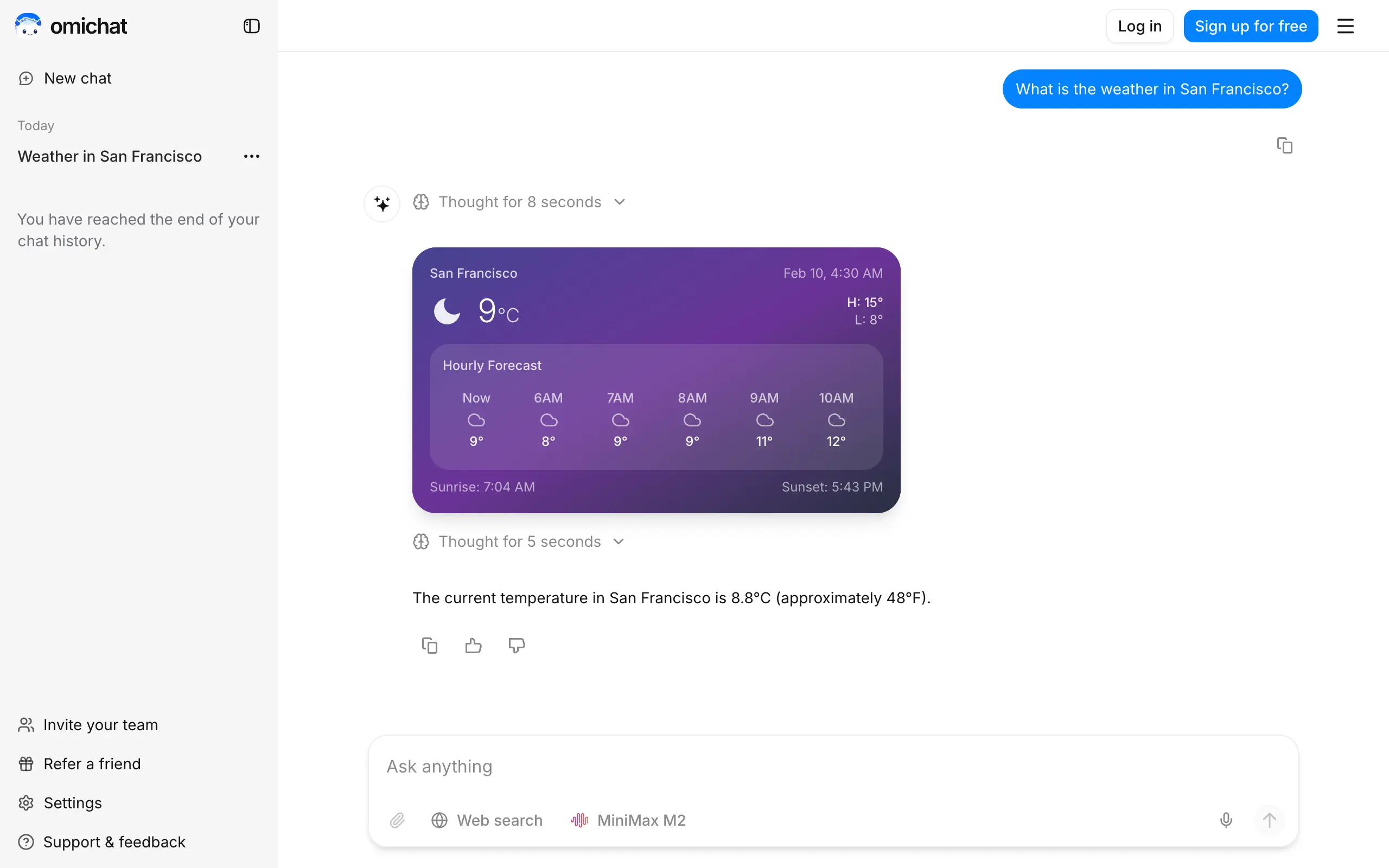
Omichat
Chat with 50+ AI models, including ChatGPT and Claude, in one place - switch models anytime without losing context 🤖
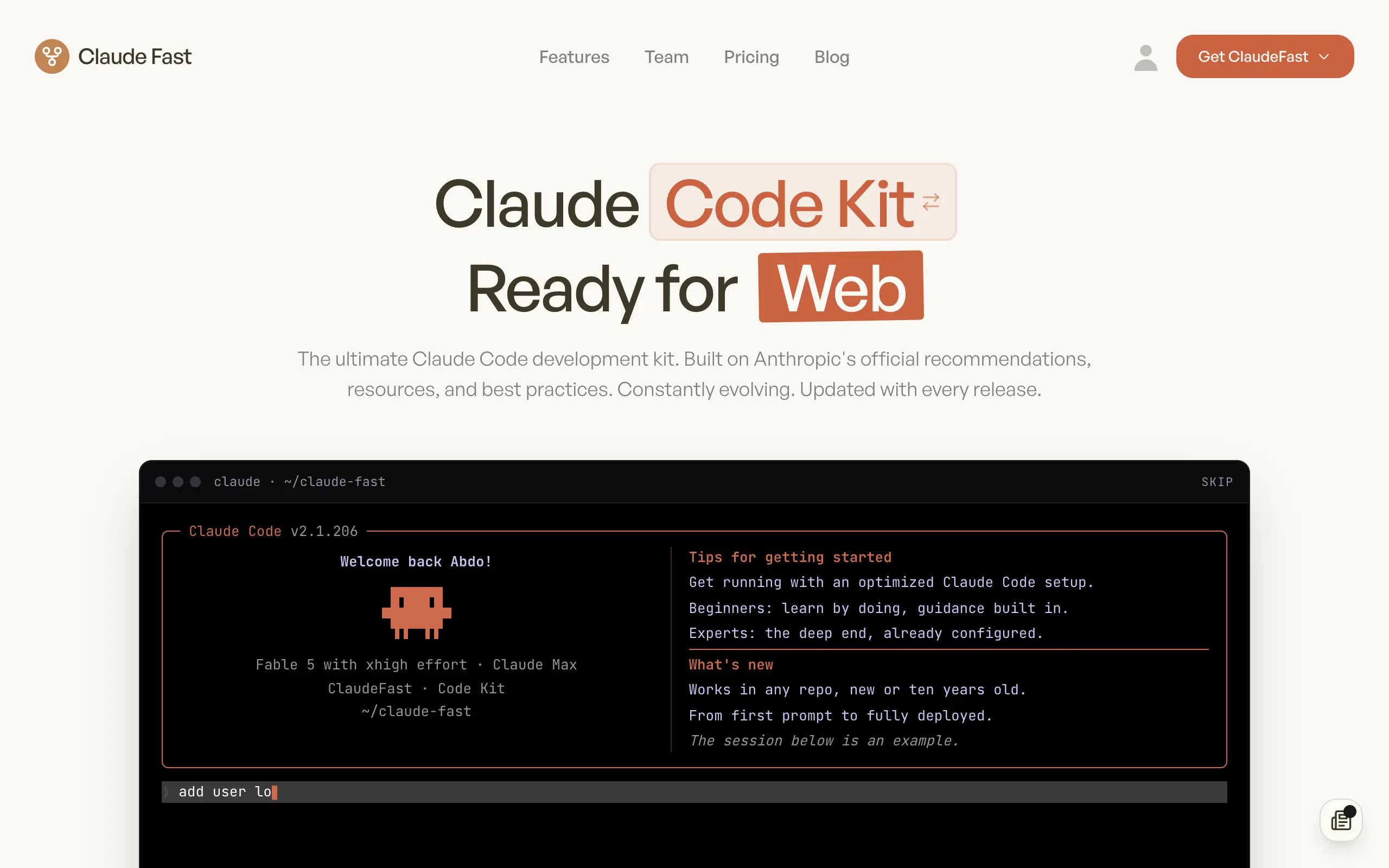
Claude Fast
Supercharge your Claude Code with 6x effective context window and specialized AI agents 🤖
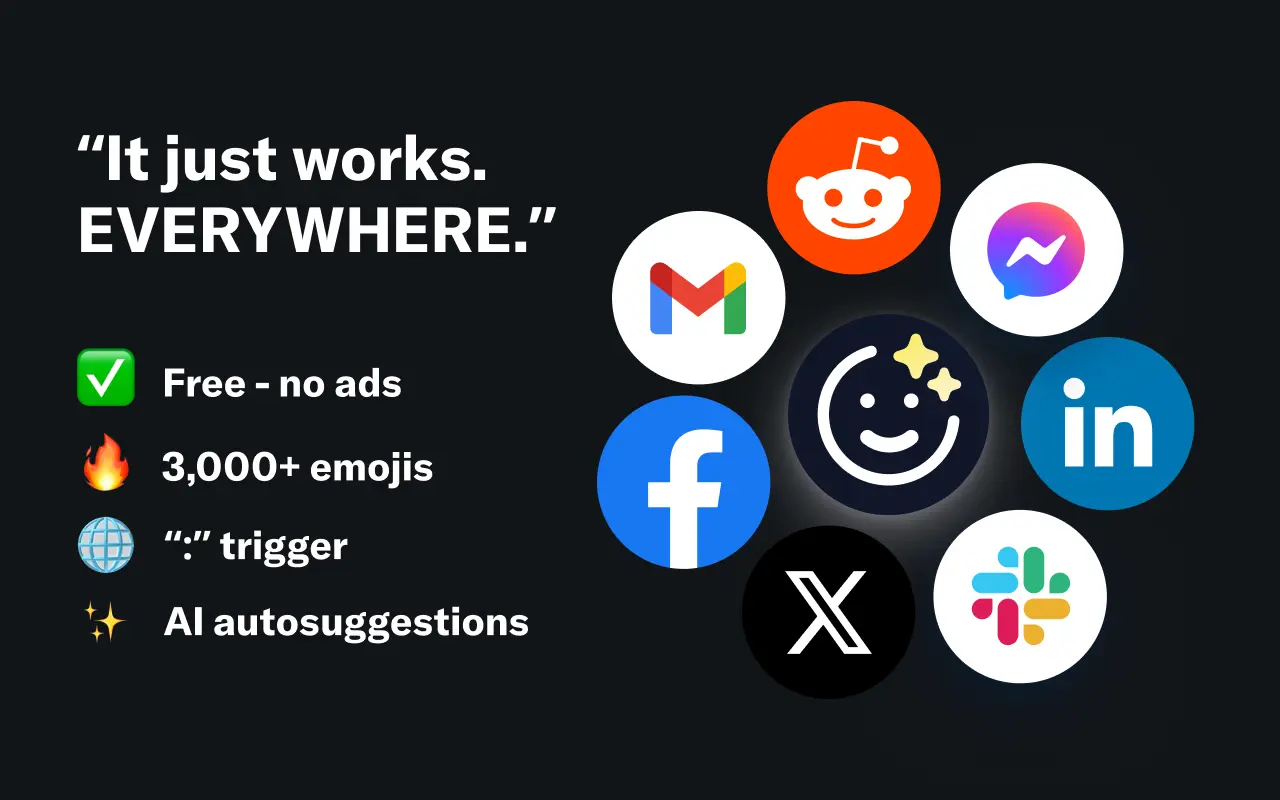
EmojAI
AI-powered emoji picker with smart, context-aware suggestions 🤖
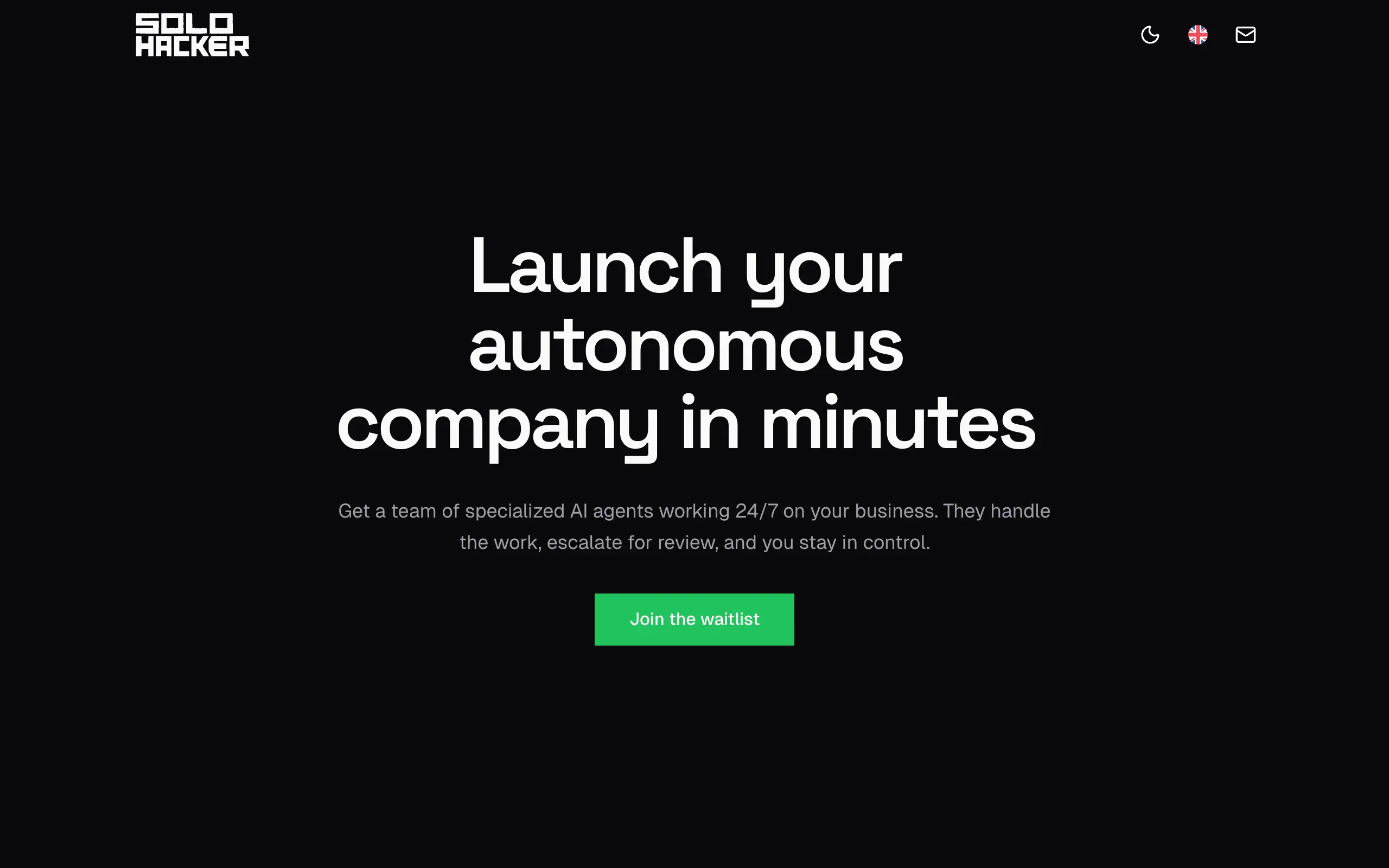
Solohacker
Autonomous company launcher - AI agents work 24/7, escalate what matters, and you stay in control 🤖

BeRawi: Storytelling Coach
Practice storytelling daily with instant feedback to sound clearer, more engaging, and confident 🎤
Omichat
Chat with 50+ AI models, including ChatGPT and Claude, in one place - switch models anytime without losing context 🤖
Claude Fast
Supercharge your Claude Code with 6x effective context window and specialized AI agents 🤖
EmojAI
AI-powered emoji picker with smart, context-aware suggestions 🤖
Solohacker
Autonomous company launcher - AI agents work 24/7, escalate what matters, and you stay in control 🤖
BeRawi: Storytelling Coach
Practice storytelling daily with instant feedback to sound clearer, more engaging, and confident 🎤
Omichat
Chat with 50+ AI models, including ChatGPT and Claude, in one place - switch models anytime without losing context 🤖
Claude Fast
Supercharge your Claude Code with 6x effective context window and specialized AI agents 🤖
EmojAI
AI-powered emoji picker with smart, context-aware suggestions 🤖
Solohacker
Autonomous company launcher - AI agents work 24/7, escalate what matters, and you stay in control 🤖
BeRawi: Storytelling Coach
Practice storytelling daily with instant feedback to sound clearer, more engaging, and confident 🎤
Omichat
Chat with 50+ AI models, including ChatGPT and Claude, in one place - switch models anytime without losing context 🤖
Claude Fast
Supercharge your Claude Code with 6x effective context window and specialized AI agents 🤖
EmojAI
AI-powered emoji picker with smart, context-aware suggestions 🤖
Solohacker
Autonomous company launcher - AI agents work 24/7, escalate what matters, and you stay in control 🤖
BeRawi: Storytelling Coach
Practice storytelling daily with instant feedback to sound clearer, more engaging, and confident 🎤

Connect with like-minded people
Join our community to get feedback, support, and grow together with 1,000+ builders on board, let's ship it!
Join usShip your startup everywhere. In minutes.
Don't burn tokens on setup and start building features on day one.