AquaLog AI
Automatically log dives, identify marine species from photos, and generate adventure reports using AI for divers who love exploring and sharing their journeys.
Understanding the user intent behind AquaLog AI
When divers search for solutions like AquaLog AI, their intent is clear: they want a seamless, intelligent way to log their dives, identify marine species from their photos, and generate engaging adventure reports. These users are often passionate about underwater exploration, eager to document their journeys, and interested in sharing their experiences with friends, dive communities, or on social media.
Key user intents include:
- Automating dive logs: Reducing manual entry and errors.
- Marine species identification: Leveraging AI to recognize and catalog marine life from dive photos.
- Adventure reporting: Creating visually appealing, shareable reports of their underwater adventures.
- Community engagement: Sharing logs and discoveries with peers or the broader diving community.
- Personal record-keeping: Maintaining a detailed, searchable history of dives and sightings.
Understanding these motivations is crucial for building a solution that not only meets but exceeds diver expectations.
Target audience analysis: Who benefits from AquaLog AI?
AquaLog AI is designed for a diverse yet focused audience within the diving ecosystem. Let's break down the primary user segments:
1. Recreational divers
- Profile: Hobbyists, travel divers, and adventure seekers.
- Needs: Easy logging, species identification, and social sharing.
- Pain points: Manual logbooks, difficulty recalling details, and lack of marine biology expertise.
2. Professional divers and instructors
- Profile: Dive instructors, guides, and marine researchers.
- Needs: Accurate records for students/clients, scientific data collection, and efficient reporting.
- Pain points: Time-consuming paperwork, inconsistent data, and the need for credible documentation.
3. Dive centers and tour operators
- Profile: Businesses offering dive trips, training, and equipment rental.
- Needs: Streamlined client record management, value-added services, and marketing content.
- Pain points: Administrative overhead, client engagement, and differentiation in a competitive market.
4. Marine conservationists and citizen scientists
- Profile: Individuals and organizations focused on marine research and conservation.
- Needs: Reliable species identification, data aggregation, and reporting tools.
- Pain points: Data fragmentation, manual analysis, and limited resources.
Secondary audiences may include underwater photographers, travel bloggers, and adventure tourism platforms seeking to enrich their content with verified dive data and species insights.
Identifying the market opportunity and gap
The global scuba diving market is projected to grow steadily, driven by increased interest in adventure tourism and marine conservation. However, the digital tools available to divers often lag behind user expectations, especially in the areas of automation and AI-driven insights.
Current challenges in the market
- Manual dive logging: Most divers still rely on paper logbooks or basic digital apps, which are prone to errors and lack advanced features.
- Species identification: Existing solutions require manual lookup or expert knowledge, making it difficult for non-specialists to accurately identify marine life.
- Fragmented reporting: Generating comprehensive, visually appealing adventure reports is time-consuming and often requires multiple tools.
- Limited integration: Few platforms offer a unified experience that combines logging, identification, and reporting.
The gap AquaLog AI fills
AquaLog AI addresses these pain points by offering an all-in-one, AI-powered platform that automates dive logging, leverages computer vision for species identification, and generates shareable adventure reports. This not only saves time but also enhances the diving experience, fosters community engagement, and supports marine research efforts.
Industry trend
AI-powered image recognition and automated reporting are rapidly transforming outdoor adventure and citizen science platforms, making advanced features accessible to non-experts.
Core features and solution details
AquaLog AI stands out by integrating advanced AI capabilities with user-friendly design. Here’s a breakdown of its core features:
1. Automated dive logging
- Automatic data capture: Syncs with dive computers, mobile sensors, or manual input to record depth, duration, location, and conditions.
- Smart suggestions: AI recommends log details based on previous dives and environmental data.
- Cloud storage: Secure, searchable, and accessible from any device.
2. AI-powered marine species identification
- Photo analysis: Users upload dive photos; AI analyzes and identifies marine species using deep learning models.
- Species database: Access to a growing, verified database of marine life with images, descriptions, and conservation status.
- Learning feedback: Users can confirm or correct identifications, improving model accuracy over time.
3. Adventure report generation
- Automated storytelling: AI compiles dive data, photos, and species sightings into visually rich, narrative reports.
- Customization: Users can edit, annotate, and personalize reports before sharing.
- Export and sharing: One-click export to PDF, social media, or direct sharing with dive buddies.
4. Community and collaboration
- Dive groups: Create or join groups to share logs, photos, and reports.
- Leaderboard and achievements: Gamified elements to encourage engagement and friendly competition.
- Conservation impact: Option to contribute sightings to marine research and conservation projects.
5. Security and privacy
- User control: Granular privacy settings for logs, photos, and reports.
- Data encryption: End-to-end encryption for sensitive information.
Automated logging
Effortlessly record every dive with AI-powered data capture.
Species identification
Instantly recognize marine life from your photos using deep learning.
Adventure reports
Generate and share stunning dive stories with a single click.
Community features
Connect, compete, and collaborate with fellow divers worldwide.
Recommended tech stack for AquaLog AI
Choosing the right technology stack is critical for delivering a robust, scalable, and user-friendly SaaS platform. Here’s a recommended stack, along with trade-offs to consider:
Frontend
- React: Modern, component-based UI development.
- TailwindCSS: Utility-first CSS framework for rapid, responsive design.
- Progressive Web App (PWA): Ensures offline access and mobile optimization.
Backend
- Node.js: Scalable, event-driven server-side logic.
- Express: Lightweight web framework for APIs.
- Python (for AI models): Industry standard for machine learning and computer vision.
AI and machine learning
- TensorFlow or PyTorch: Deep learning frameworks for image recognition.
- Pre-trained models: Leverage transfer learning with models like ResNet or EfficientNet for species identification.
Database
- PostgreSQL: Reliable, relational database for structured data.
- MongoDB: Flexible, document-based storage for unstructured data (e.g., logs, reports).
Cloud and DevOps
- AWS or Google Cloud: Scalable hosting, storage, and AI services.
- Docker: Containerization for consistent deployment.
- TurboStarter: Accelerate SaaS development with boilerplate code, authentication, and integrations.
Trade-offs to consider
- Python vs. Node.js for backend: Python excels in AI/ML but may require additional orchestration for real-time APIs. Node.js offers speed and scalability for web services.
- Relational vs. NoSQL databases: PostgreSQL ensures data integrity for logs, while MongoDB offers flexibility for user-generated content.
- Cloud provider lock-in: AWS and Google Cloud both offer robust AI services, but consider multi-cloud strategies to avoid vendor lock-in.
Monetization strategy options
AquaLog AI can adopt several monetization models to maximize revenue while delivering value to users:
1. Freemium model
- Free tier: Basic dive logging, limited species identification, and standard reports.
- Premium tier: Unlimited logs, advanced AI features, custom reports, and community perks.
2. Subscription plans
- Monthly/annual subscriptions: Access to all features, priority support, and exclusive content.
- Family/group plans: Discounted rates for dive groups or centers.
3. Pay-per-use
- On-demand species identification: Charge per photo analyzed for non-subscribers.
- Report generation credits: Users purchase credits for advanced report exports.
4. B2B partnerships
- Dive centers and tour operators: Offer white-label solutions or bulk licensing.
- Conservation organizations: Data licensing or custom analytics for research.
5. Affiliate and marketplace
- Equipment recommendations: Earn commissions by partnering with dive gear brands.
- Travel packages: Integrate with travel platforms for booking and referral revenue.
The freemium model lowers the barrier to entry, attracting a large user base. As users experience the value of advanced features, many convert to paid plans, driving sustainable growth.
Pay-per-use can deter frequent users and complicate billing. It's best used for high-value, occasional features rather than core functionality.
Potential risks and mitigation strategies
Launching an AI-powered SaaS like AquaLog AI involves several risks. Here’s how to anticipate and address them:
1. AI accuracy and reliability
- Risk: Incorrect species identification could frustrate users or spread misinformation.
- Mitigation: Use high-quality training data, enable user feedback for corrections, and regularly update models.
2. Data privacy and security
- Risk: Sensitive user data (location, photos) could be exposed.
- Mitigation: Implement end-to-end encryption, strict access controls, and transparent privacy policies.
3. User adoption and retention
- Risk: Divers may be slow to adopt new technology or revert to manual methods.
- Mitigation: Focus on intuitive UX, onboarding tutorials, and community features to drive engagement.
4. Regulatory compliance
- Risk: Handling user data across regions may trigger GDPR or other compliance requirements.
- Mitigation: Build with privacy by design, offer data export/deletion, and stay updated on regulations.
5. Technical scalability
- Risk: Rapid user growth could strain infrastructure.
- Mitigation: Use cloud-native, auto-scaling solutions and monitor performance proactively.
| AI accuracy | Data privacy | User adoption | Compliance | Scalability |
|---|---|---|---|---|
| ✅ | ❌ | ❌ | ✅ | ❌ |
| ✅ | ❌ | ✅ | ✅ | ❌ |
Competitive advantage analysis
AquaLog AI’s unique selling proposition (USP) lies in its seamless integration of AI-driven features tailored specifically for divers. Here’s how it stands out:
1. End-to-end automation
Unlike generic logging apps, AquaLog AI automates the entire process—from data capture to report generation—minimizing manual effort and errors.
2. Advanced species identification
Most competitors offer basic logging or manual species lookup. AquaLog AI leverages state-of-the-art computer vision to deliver instant, accurate identifications, even for non-experts.
3. Community and conservation focus
By enabling users to contribute sightings to research and conservation projects, AquaLog AI fosters a sense of purpose and community engagement.
4. Customizable, shareable reports
The platform’s AI-generated adventure reports are visually compelling and easy to share, enhancing user satisfaction and organic growth.
5. Scalable, secure architecture
Built with modern, cloud-native technologies, AquaLog AI ensures reliability, data security, and rapid feature iteration.
Why AquaLog AI is different
AquaLog AI is not just a digital logbook—it's a smart, connected platform that empowers divers to explore, learn, and share like never before.
Actionable implementation steps
Ready to bring AquaLog AI to life? Here’s a step-by-step roadmap:
Conclusion: Why AquaLog AI is the future of dive logging
AquaLog AI is poised to revolutionize the way divers document, understand, and share their underwater adventures. By combining automated dive logging, AI-powered species identification, and dynamic adventure reporting, it delivers unmatched value to recreational and professional divers alike.
Key takeaways:
- Addresses real user pain points with automation and intelligence.
- Supports marine conservation through data sharing and community engagement.
- Offers a scalable, secure, and modern SaaS platform built on proven technologies.
- Stands out from competitors with its unique blend of features and user-centric design.
If you’re passionate about diving, marine life, or building innovative SaaS products, now is the perfect time to dive into the future with AquaLog AI.
Frequently asked questions
The AI models are trained on extensive, curated datasets and continuously improved through user feedback. While accuracy is high for common species, rare or poorly photographed specimens may require manual confirmation.
Yes! You can manually enter dive details or use your smartphone’s sensors. Integration with popular dive computers is also supported for seamless data capture.
Absolutely. AquaLog AI uses end-to-end encryption and gives you full control over your data sharing and privacy settings.
By opting in, your species sightings and dive data can be shared (anonymously) with research and conservation organizations, helping protect marine ecosystems.
Example: AI-powered species identification code snippet
Here’s a simplified example of how a photo might be processed for species identification using TensorFlow and a pre-trained model:
import tensorflow as tf
from tensorflow.keras.preprocessing import image
import numpy as np

# Load pre-trained model
model = tf.keras.models.load_model('marine_species_model.h5')

# Load and preprocess image
img = image.load_img('dive_photo.jpg', target_size=(224, 224))
x = image.img_to_array(img)
x = np.expand_dims(x, axis=0)
x /= 255.0

# Predict species
predictions = model.predict(x)
predicted_species = np.argmax(predictions, axis=1)
print(f"Identified species: {predicted_species}")
By focusing on real diver needs, leveraging cutting-edge AI, and building with scalability and security in mind, AquaLog AI is set to become the go-to platform for underwater explorers worldwide.
More 🤖 AI Startup SaaS ideas
Discover more innovative ai startup SaaS ideas that are trending in 2026. Each idea is AI-generated with market validation and growth potential to help you find your next profitable venture faster than competitors.
Your competitors are building with TurboStarter
Below are some of the SaaS ideas that have been generated and built with our starter kit.
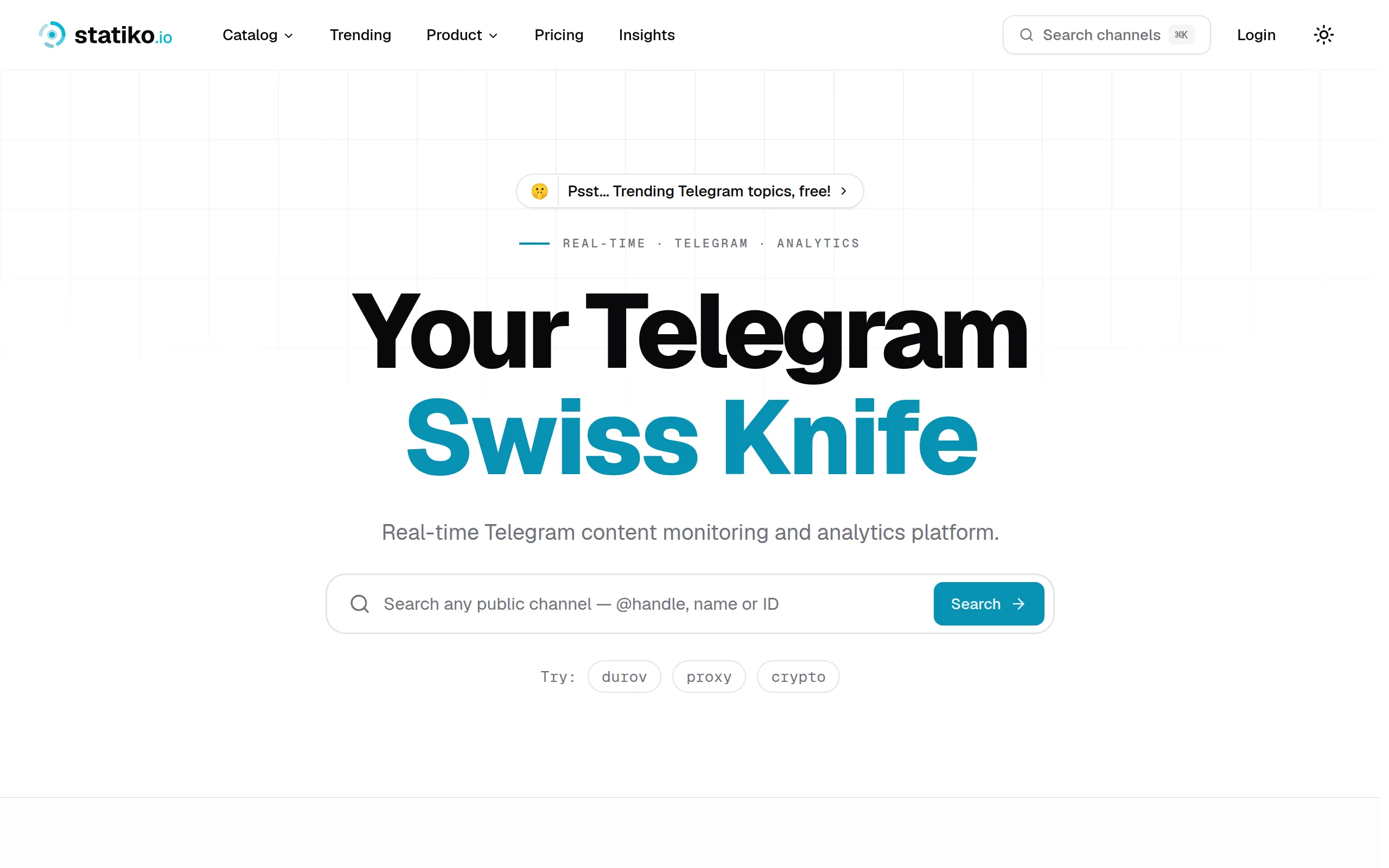
Statiko
Monitor any Telegram channel in real time - track posts, edits, deletions, and growth with AI recaps 📡
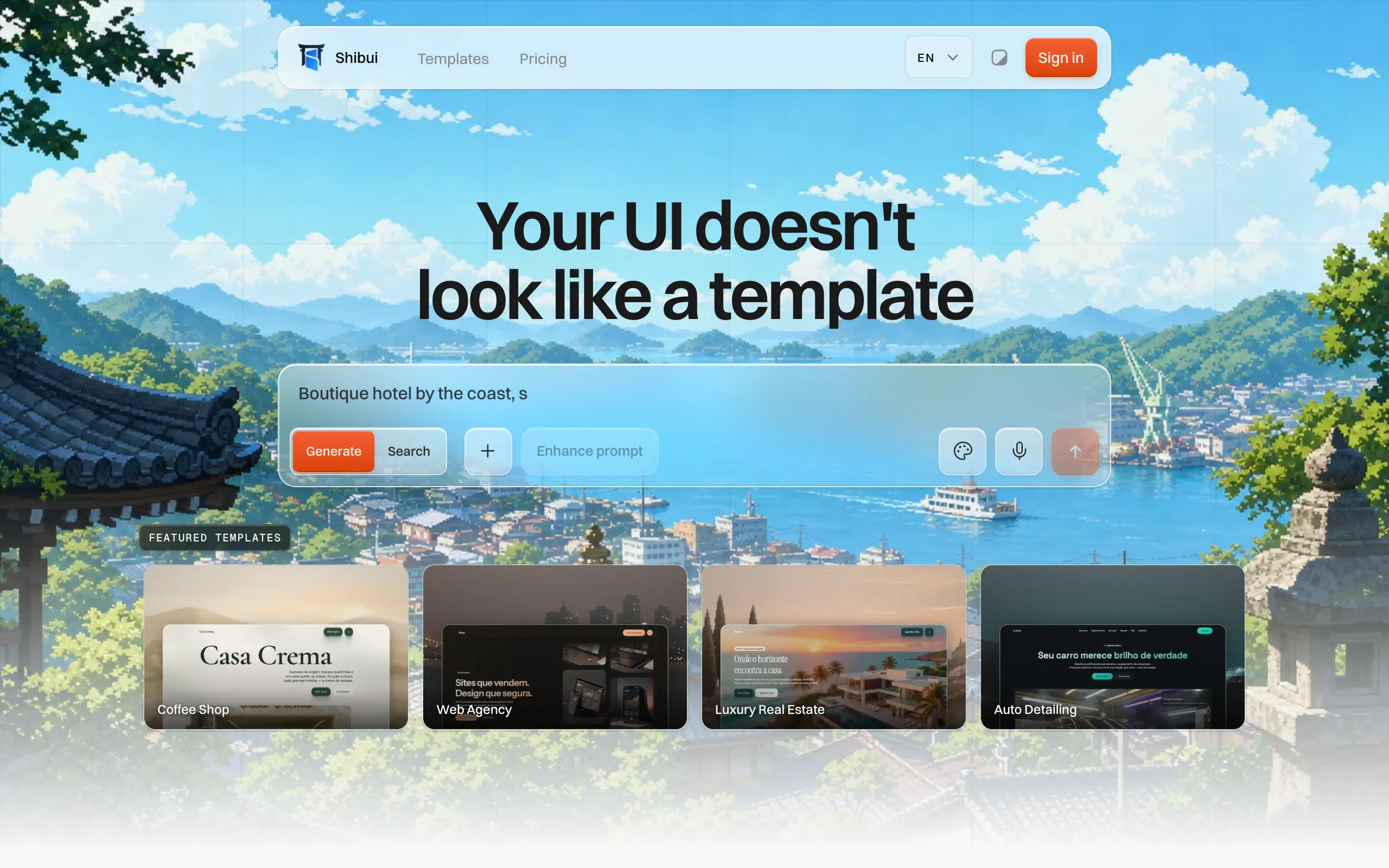
Shibui
AI website builder - describe your business, pick a niche template, edit by chatting, and publish instantly ✨

Pro Service
Find verified home service professionals, compare quotes, and pay securely through escrow - built for Brazilians across the US 🏠
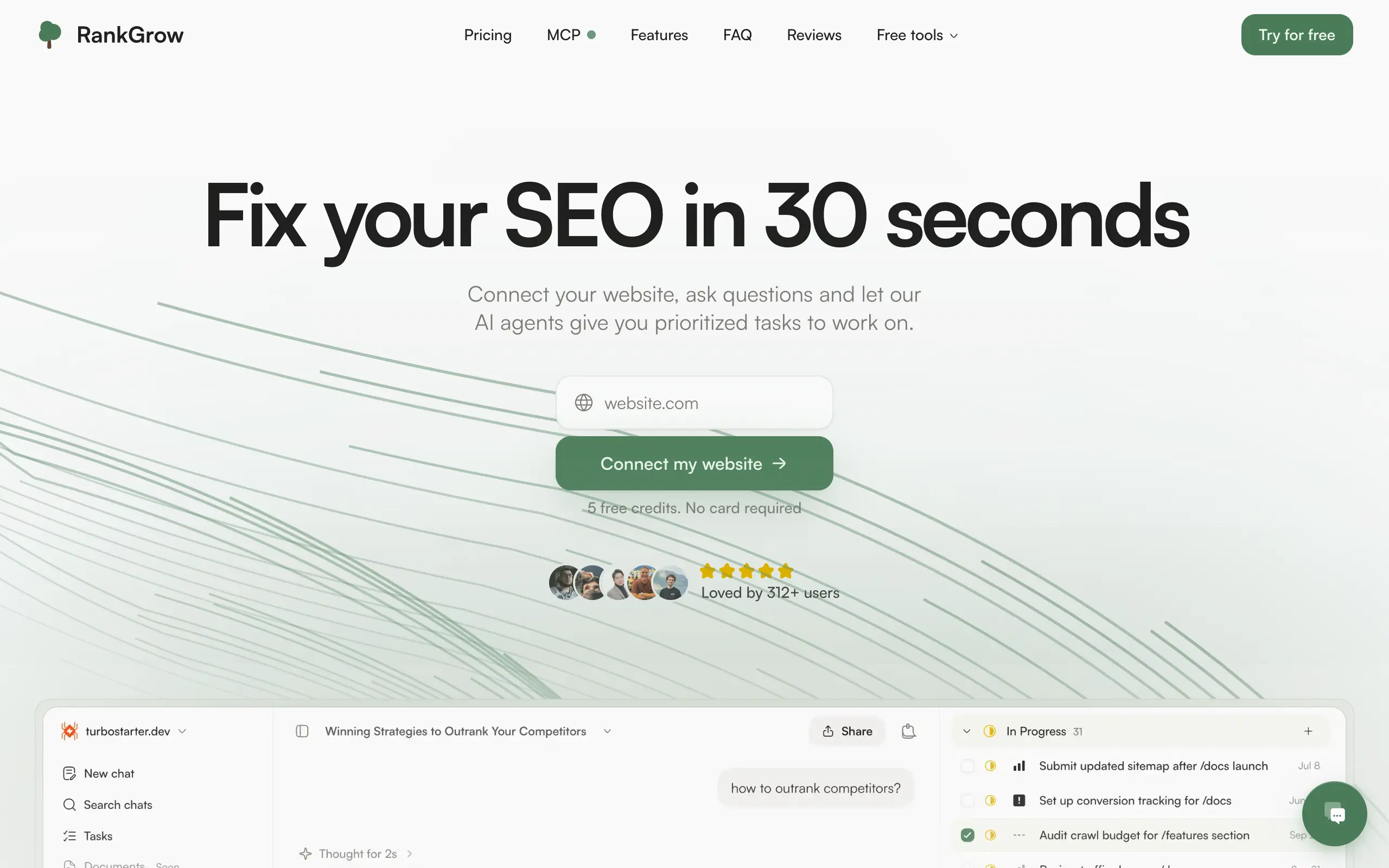
RankGrow
Fix your SEO with AI agents - connect Search Console, get prioritized tasks, and grow organic traffic 📈
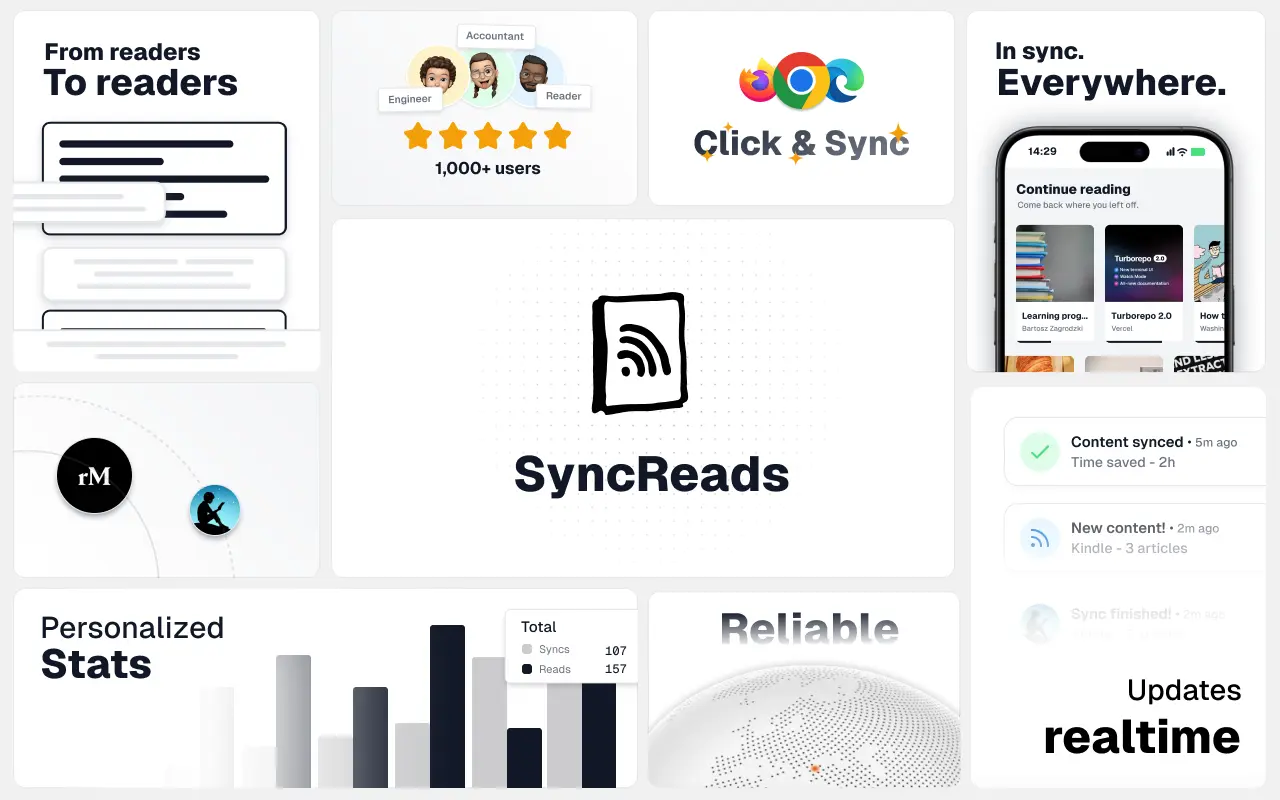
SyncReads
Sync your favorite content for distraction-free reading, save time and replace multiple apps. Anytime, anywhere 🔄
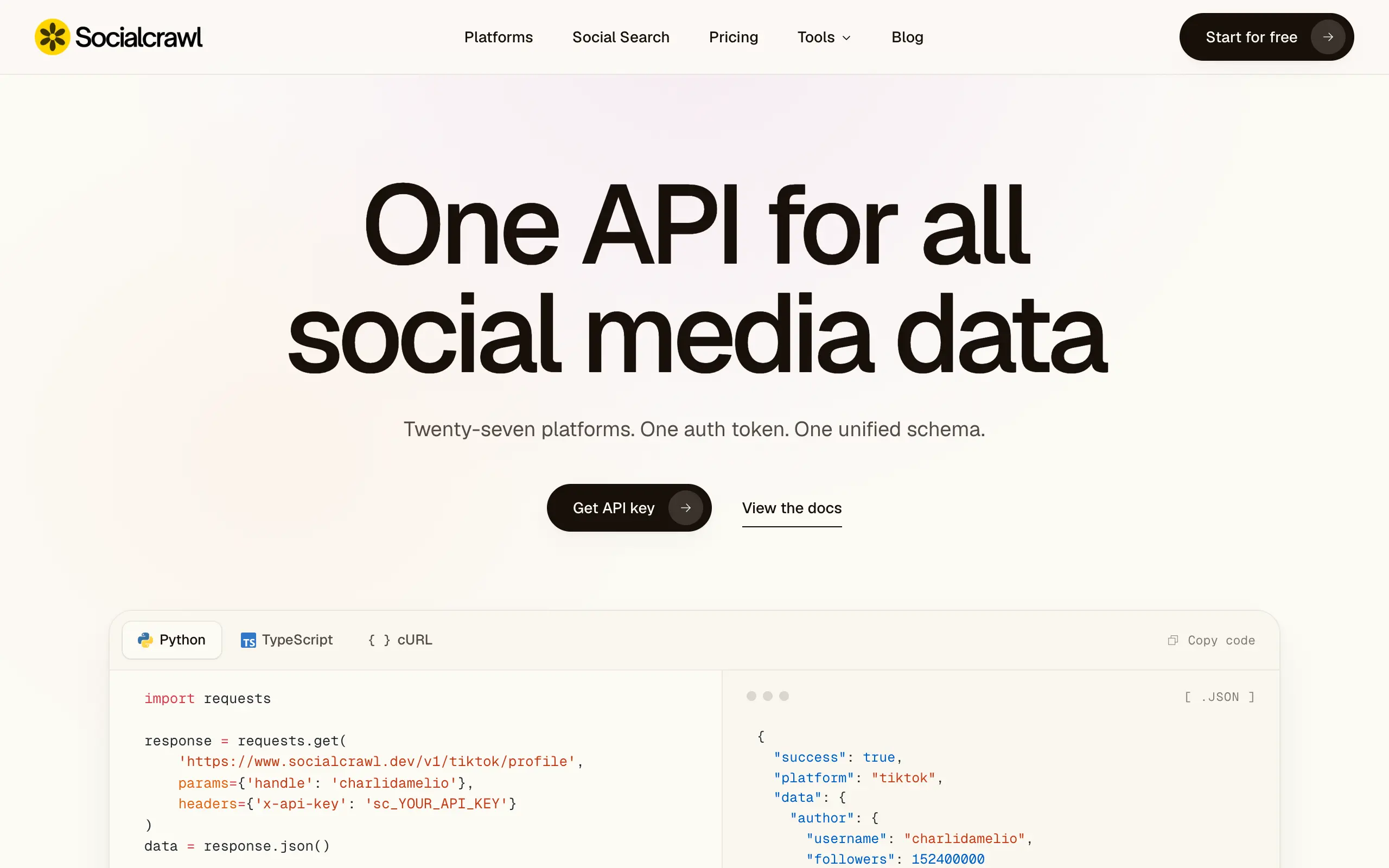
Socialcrawl
Get clean, structured data from 21 platforms like TikTok, Instagram, and YouTube with a single request 📊
Statiko
Monitor any Telegram channel in real time - track posts, edits, deletions, and growth with AI recaps 📡
Shibui
AI website builder - describe your business, pick a niche template, edit by chatting, and publish instantly ✨
Pro Service
Find verified home service professionals, compare quotes, and pay securely through escrow - built for Brazilians across the US 🏠
RankGrow
Fix your SEO with AI agents - connect Search Console, get prioritized tasks, and grow organic traffic 📈
SyncReads
Sync your favorite content for distraction-free reading, save time and replace multiple apps. Anytime, anywhere 🔄
Socialcrawl
Get clean, structured data from 21 platforms like TikTok, Instagram, and YouTube with a single request 📊
Statiko
Monitor any Telegram channel in real time - track posts, edits, deletions, and growth with AI recaps 📡
Shibui
AI website builder - describe your business, pick a niche template, edit by chatting, and publish instantly ✨
Pro Service
Find verified home service professionals, compare quotes, and pay securely through escrow - built for Brazilians across the US 🏠
RankGrow
Fix your SEO with AI agents - connect Search Console, get prioritized tasks, and grow organic traffic 📈
SyncReads
Sync your favorite content for distraction-free reading, save time and replace multiple apps. Anytime, anywhere 🔄
Socialcrawl
Get clean, structured data from 21 platforms like TikTok, Instagram, and YouTube with a single request 📊
Statiko
Monitor any Telegram channel in real time - track posts, edits, deletions, and growth with AI recaps 📡
Shibui
AI website builder - describe your business, pick a niche template, edit by chatting, and publish instantly ✨
Pro Service
Find verified home service professionals, compare quotes, and pay securely through escrow - built for Brazilians across the US 🏠
RankGrow
Fix your SEO with AI agents - connect Search Console, get prioritized tasks, and grow organic traffic 📈
SyncReads
Sync your favorite content for distraction-free reading, save time and replace multiple apps. Anytime, anywhere 🔄
Socialcrawl
Get clean, structured data from 21 platforms like TikTok, Instagram, and YouTube with a single request 📊
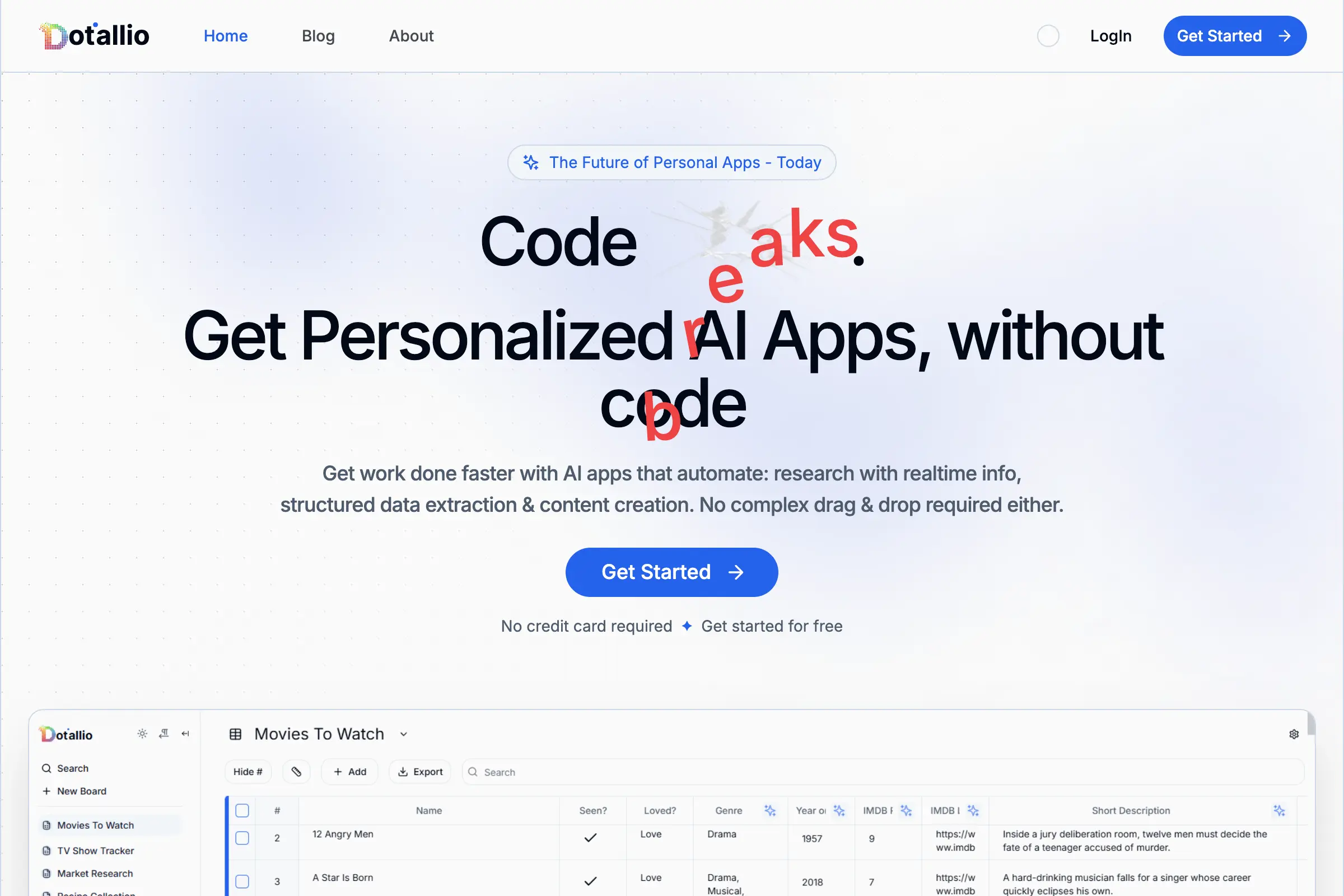
Dotallio
Personalized AI apps that automate research, data extraction, and content creation without code 🤖
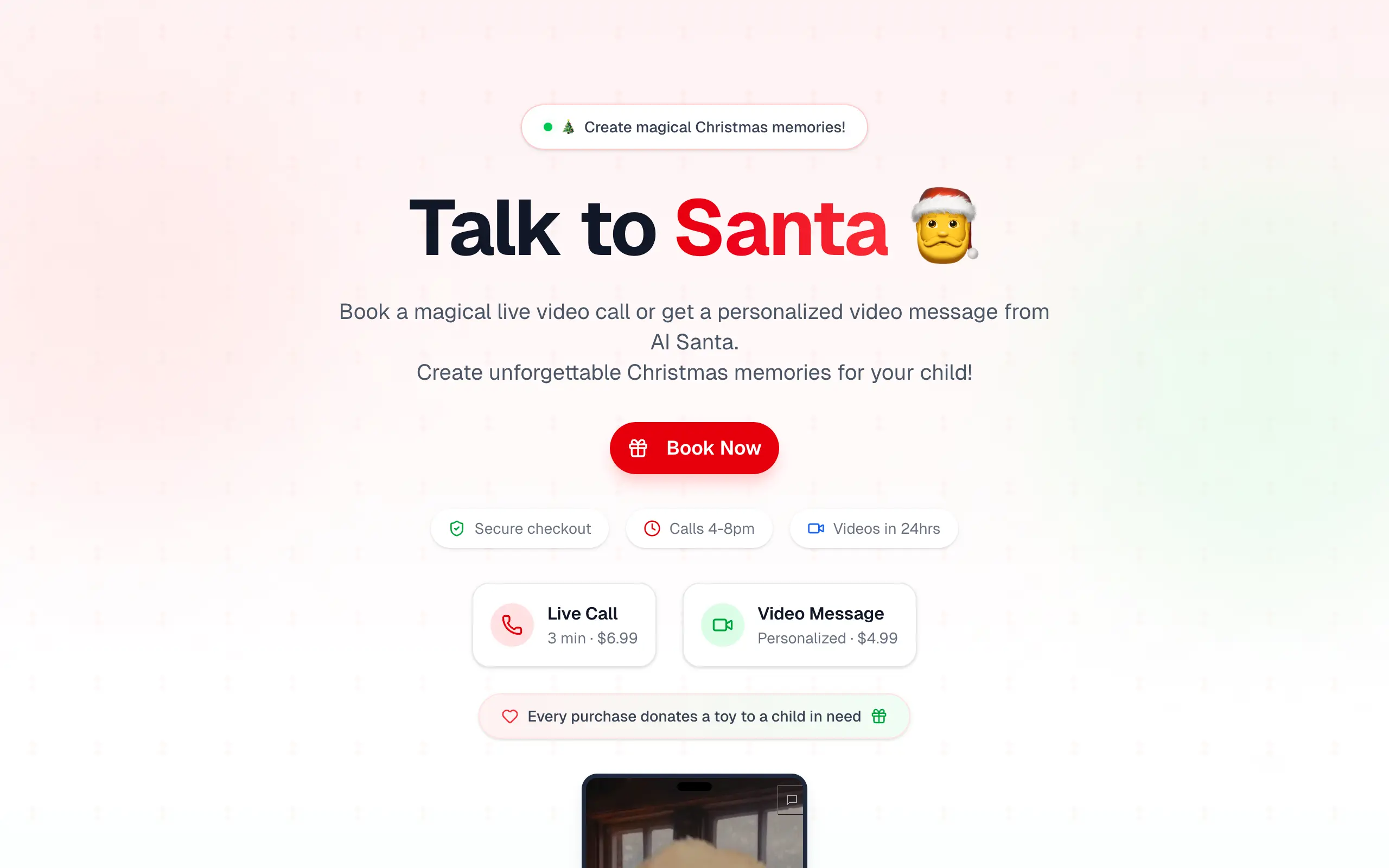
Talk to Santa
Enjoy a magical live video chat or receive a unique AI-generated video greeting from Santa Claus 🎅
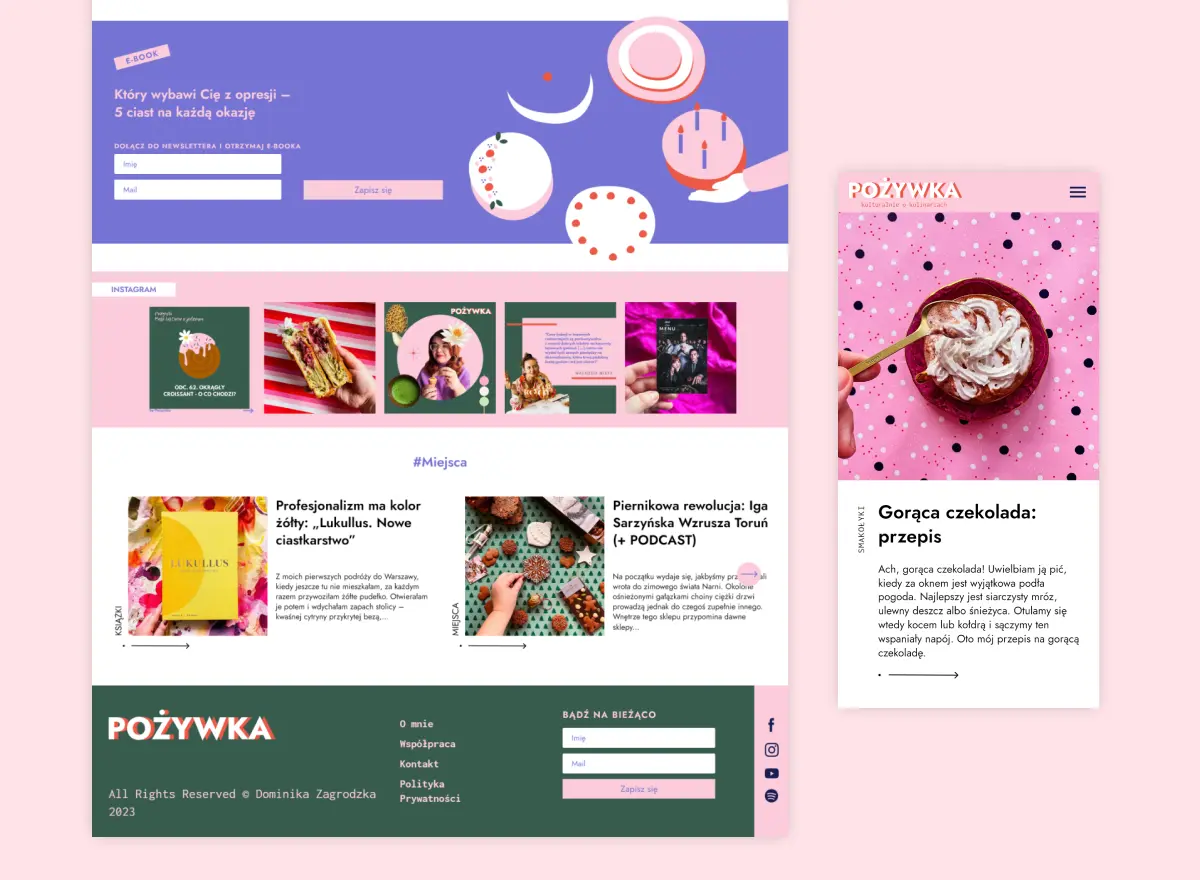
pozywka.pl
Scalable blog for food journalist, focused on performance and user experience 🌭
zagrodzki.me
Personal blog and portfolio of Bart Zagrodzki, where he shares his knowledge and work 💼
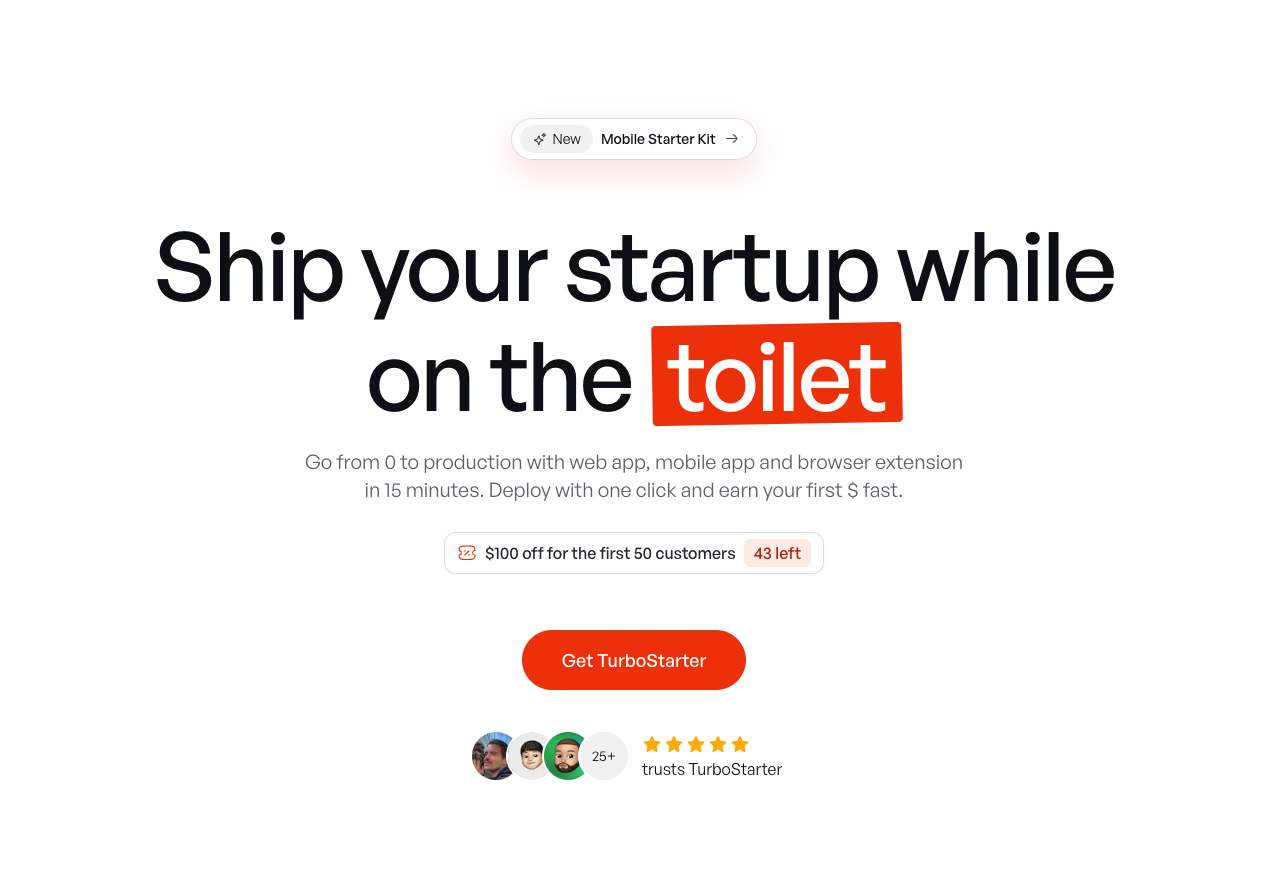
TurboStarter
Ship your startup everywhere. In minutes.
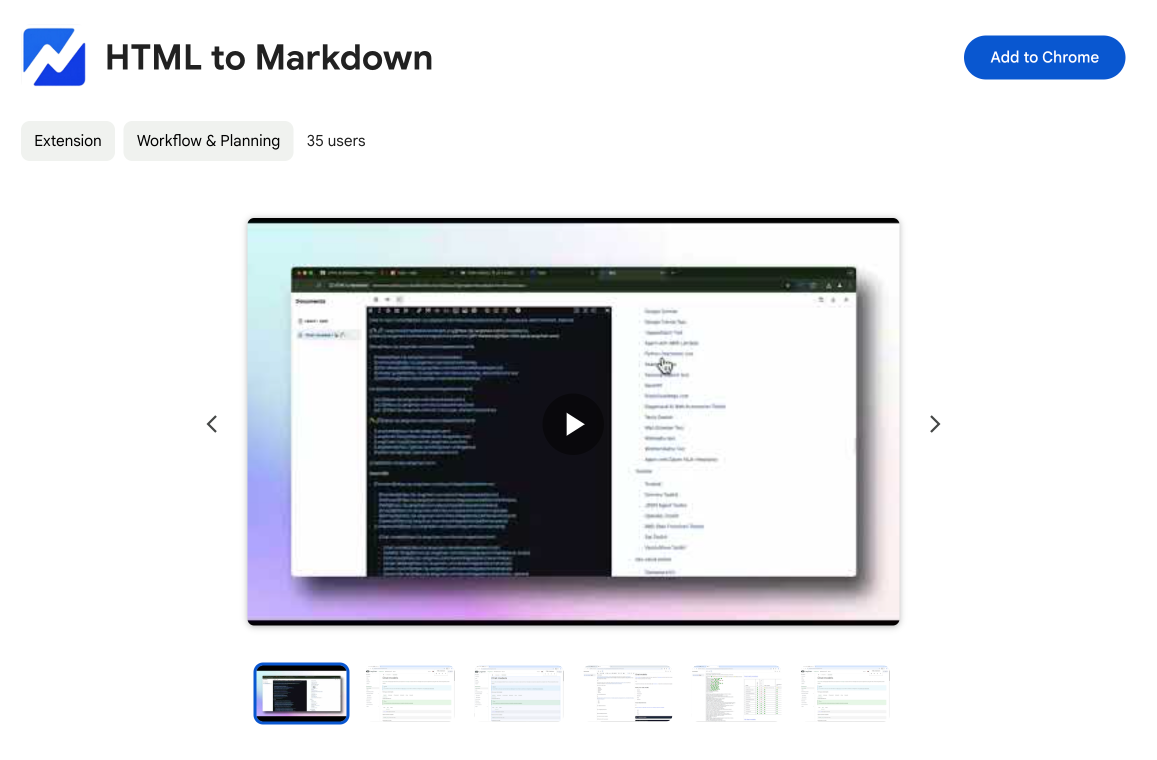
HTML to Markdown
Convert HTML to Markdown with ease, directly in your browser 📄
Dotallio
Personalized AI apps that automate research, data extraction, and content creation without code 🤖
Talk to Santa
Enjoy a magical live video chat or receive a unique AI-generated video greeting from Santa Claus 🎅
pozywka.pl
Scalable blog for food journalist, focused on performance and user experience 🌭
zagrodzki.me
Personal blog and portfolio of Bart Zagrodzki, where he shares his knowledge and work 💼
TurboStarter
Ship your startup everywhere. In minutes.
HTML to Markdown
Convert HTML to Markdown with ease, directly in your browser 📄
Dotallio
Personalized AI apps that automate research, data extraction, and content creation without code 🤖
Talk to Santa
Enjoy a magical live video chat or receive a unique AI-generated video greeting from Santa Claus 🎅
pozywka.pl
Scalable blog for food journalist, focused on performance and user experience 🌭
zagrodzki.me
Personal blog and portfolio of Bart Zagrodzki, where he shares his knowledge and work 💼
TurboStarter
Ship your startup everywhere. In minutes.
HTML to Markdown
Convert HTML to Markdown with ease, directly in your browser 📄
Dotallio
Personalized AI apps that automate research, data extraction, and content creation without code 🤖
Talk to Santa
Enjoy a magical live video chat or receive a unique AI-generated video greeting from Santa Claus 🎅
pozywka.pl
Scalable blog for food journalist, focused on performance and user experience 🌭
zagrodzki.me
Personal blog and portfolio of Bart Zagrodzki, where he shares his knowledge and work 💼
TurboStarter
Ship your startup everywhere. In minutes.
HTML to Markdown
Convert HTML to Markdown with ease, directly in your browser 📄
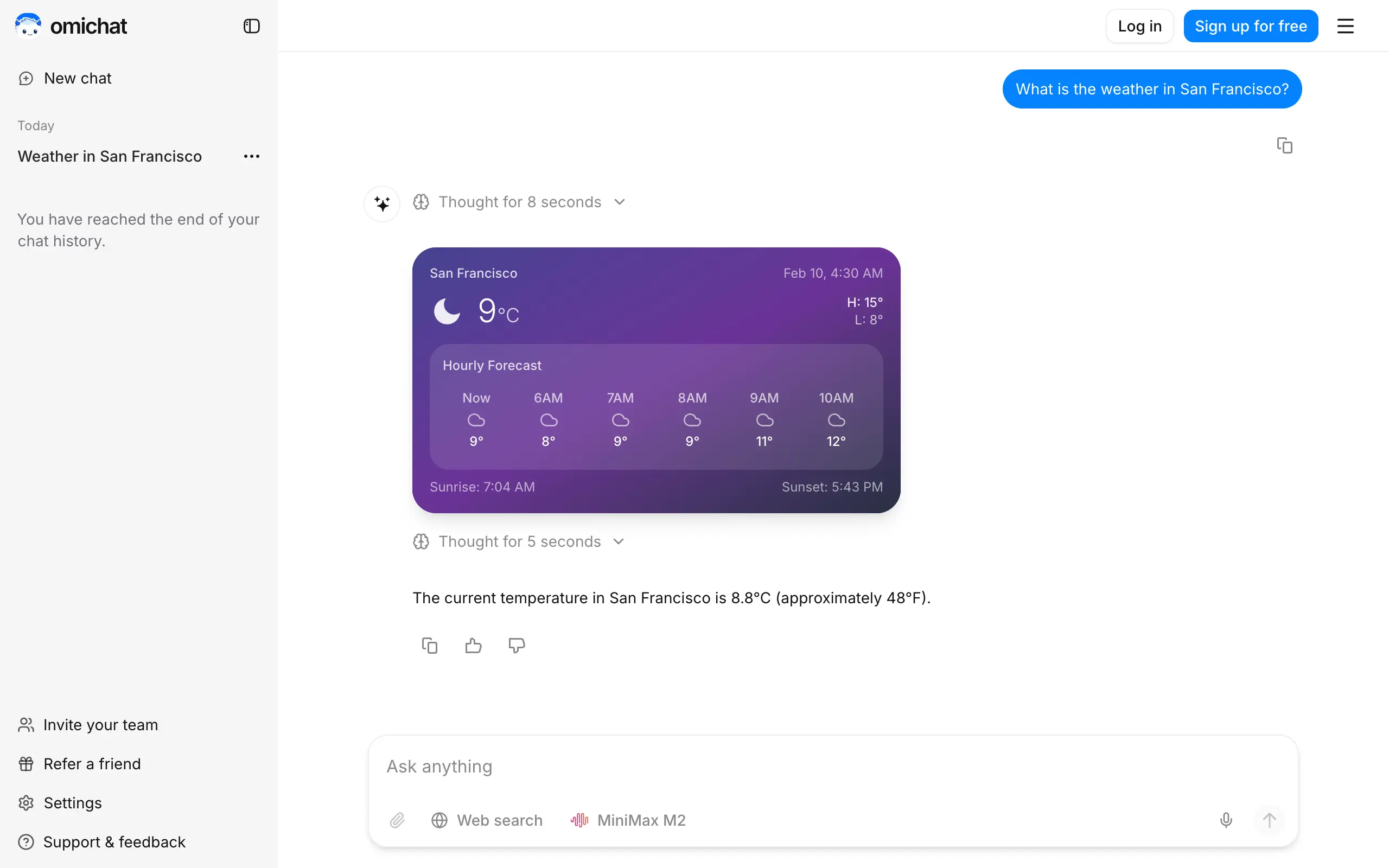
Omichat
Chat with 50+ AI models, including ChatGPT and Claude, in one place - switch models anytime without losing context 🤖
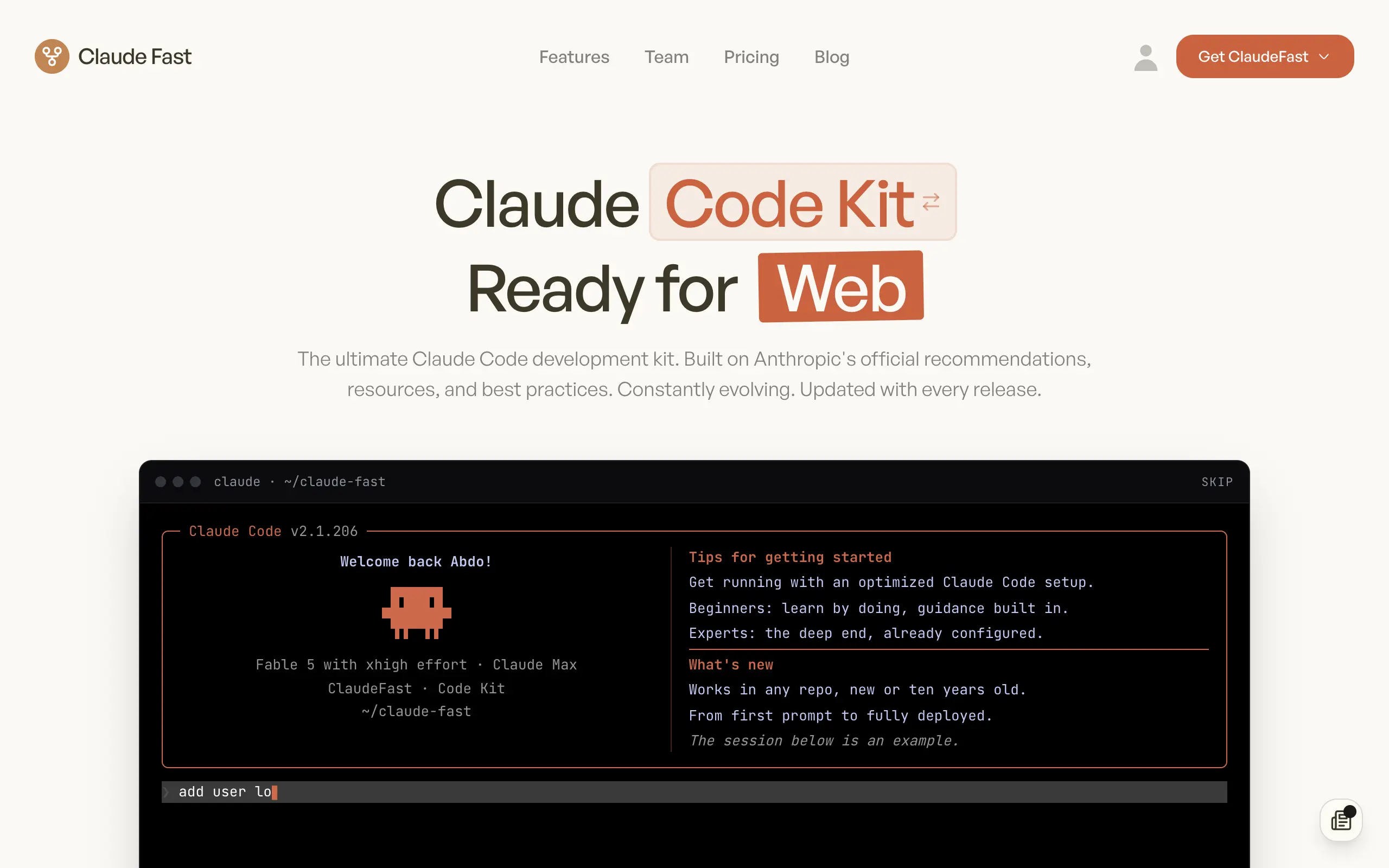
Claude Fast
Supercharge your Claude Code with 6x effective context window and specialized AI agents 🤖
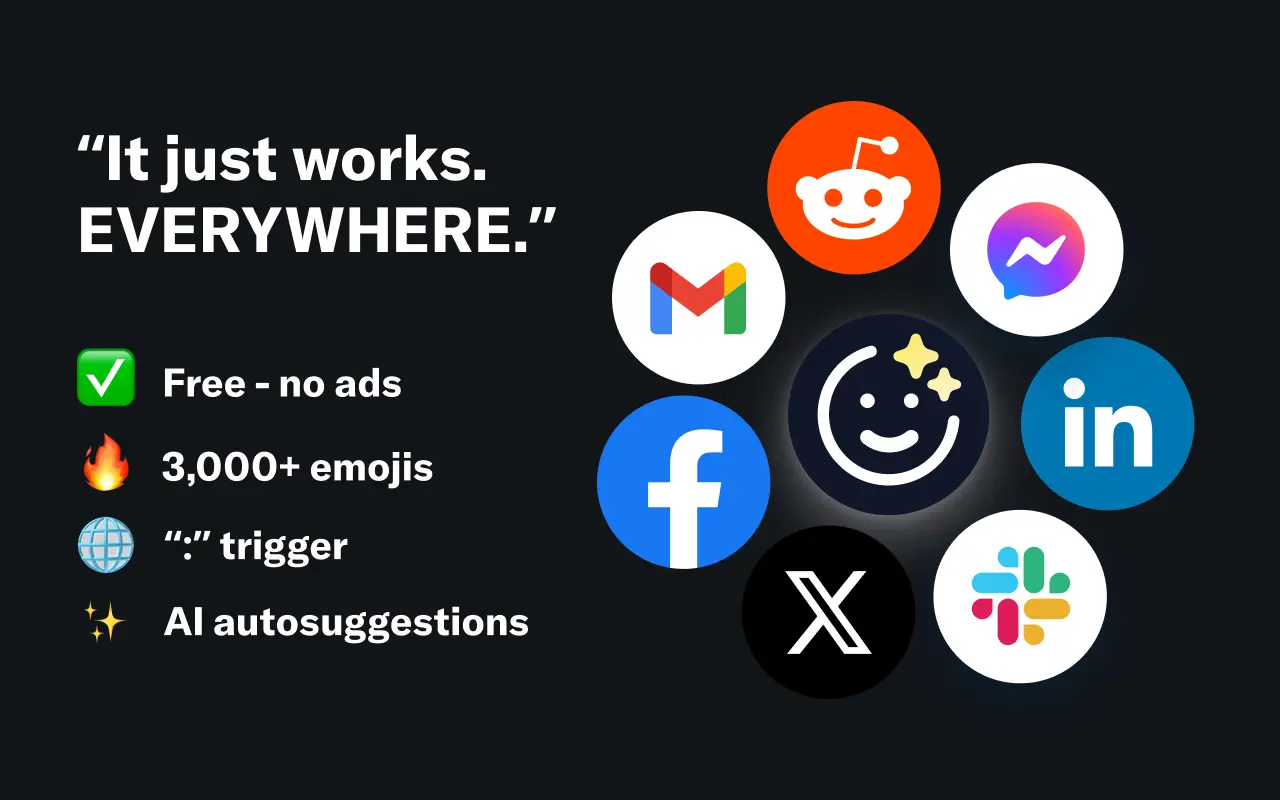
EmojAI
AI-powered emoji picker with smart, context-aware suggestions 🤖

Solohacker
Autonomous company launcher - AI agents work 24/7, escalate what matters, and you stay in control 🤖
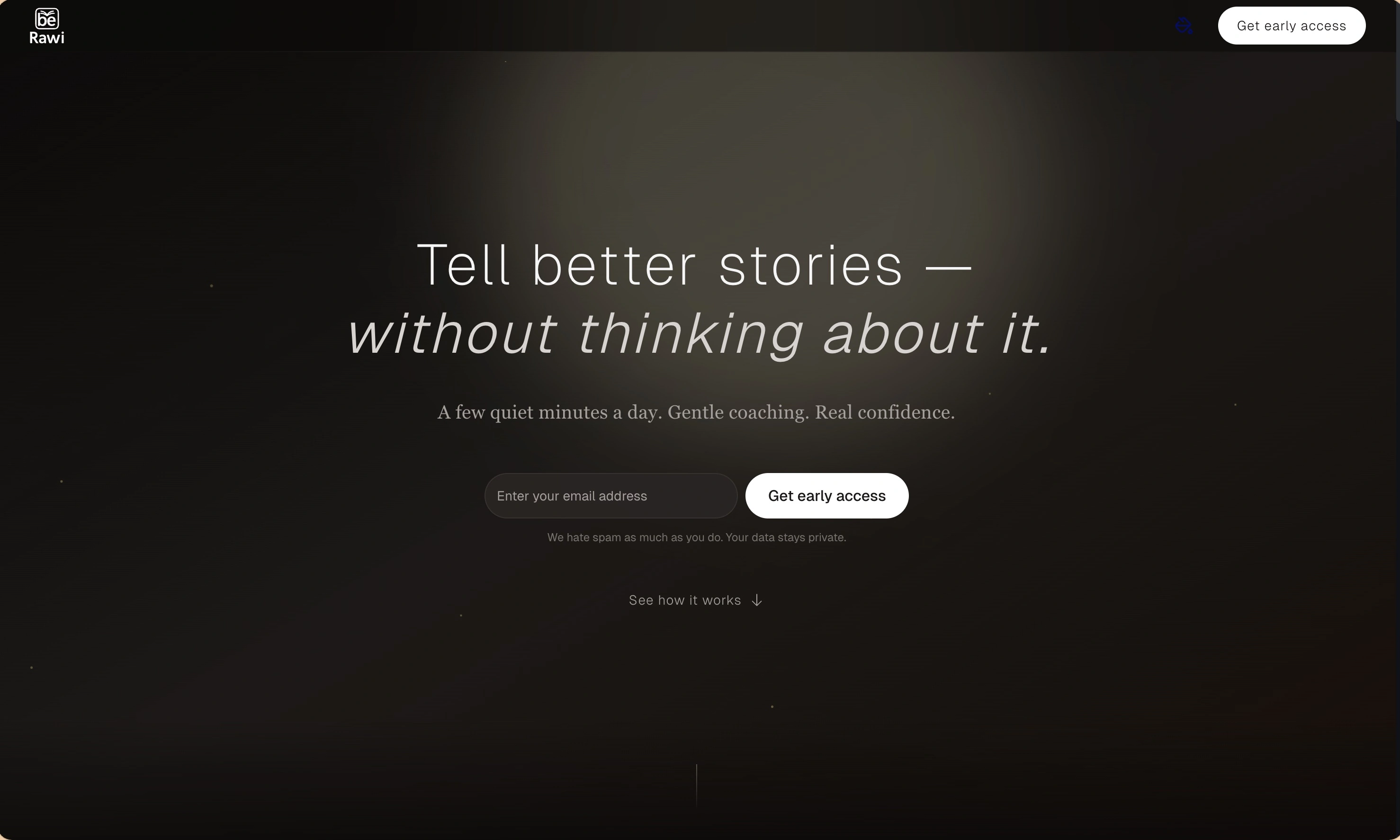
BeRawi: Storytelling Coach
Practice storytelling daily with instant feedback to sound clearer, more engaging, and confident 🎤
Omichat
Chat with 50+ AI models, including ChatGPT and Claude, in one place - switch models anytime without losing context 🤖
Claude Fast
Supercharge your Claude Code with 6x effective context window and specialized AI agents 🤖
EmojAI
AI-powered emoji picker with smart, context-aware suggestions 🤖
Solohacker
Autonomous company launcher - AI agents work 24/7, escalate what matters, and you stay in control 🤖
BeRawi: Storytelling Coach
Practice storytelling daily with instant feedback to sound clearer, more engaging, and confident 🎤
Omichat
Chat with 50+ AI models, including ChatGPT and Claude, in one place - switch models anytime without losing context 🤖
Claude Fast
Supercharge your Claude Code with 6x effective context window and specialized AI agents 🤖
EmojAI
AI-powered emoji picker with smart, context-aware suggestions 🤖
Solohacker
Autonomous company launcher - AI agents work 24/7, escalate what matters, and you stay in control 🤖
BeRawi: Storytelling Coach
Practice storytelling daily with instant feedback to sound clearer, more engaging, and confident 🎤
Omichat
Chat with 50+ AI models, including ChatGPT and Claude, in one place - switch models anytime without losing context 🤖
Claude Fast
Supercharge your Claude Code with 6x effective context window and specialized AI agents 🤖
EmojAI
AI-powered emoji picker with smart, context-aware suggestions 🤖
Solohacker
Autonomous company launcher - AI agents work 24/7, escalate what matters, and you stay in control 🤖
BeRawi: Storytelling Coach
Practice storytelling daily with instant feedback to sound clearer, more engaging, and confident 🎤

Connect with like-minded people
Join our community to get feedback, support, and grow together with 1,000+ builders on board, let's ship it!
Join usShip your startup everywhere. In minutes.
Don't burn tokens on setup and start building features on day one.