ArtBuddy AI
An AI art companion that guides kids through creative drawing, painting, and crafting activities, offering suggestions, encouragement, and safe sharing options.
Understanding the need for ArtBuddy AI: Why an AI art companion for kids matters
The intersection of artificial intelligence and creative education is rapidly evolving. Parents, educators, and edtech innovators are increasingly searching for ways to nurture creativity in children while ensuring safety and engagement. ArtBuddy AI—an AI-powered art companion for kids—addresses this need by guiding children through drawing, painting, and crafting activities, offering real-time suggestions, encouragement, and secure sharing options.
This article explores the market opportunity, target audience, core features, technology stack, monetization strategies, risks, and competitive advantages of ArtBuddy AI. Whether you're an entrepreneur, product manager, or developer, you'll find actionable insights and a clear roadmap for building and scaling this innovative SaaS solution.
Target audience analysis: Who benefits from ArtBuddy AI?
Understanding the target audience is crucial for any SaaS product, especially one focused on children and creativity. ArtBuddy AI is designed for:
- Children aged 5–12: The primary users, seeking fun, interactive, and safe creative experiences.
- Parents and guardians: Looking for educational, screen-time-appropriate, and secure digital activities for their kids.
- Educators and schools: Integrating technology into art curriculums and after-school programs.
- Edtech companies: Interested in partnerships or white-label solutions.
Key user needs and pain points
- Safe online environment: Parents are concerned about privacy and exposure to inappropriate content.
- Creative guidance: Kids often need prompts, encouragement, and step-by-step instructions to stay engaged.
- Skill development: Both parents and educators value tools that foster creativity, fine motor skills, and self-expression.
- Easy sharing: Children want to share their creations, but parents demand secure, controlled sharing options.
Did you know?
According to a Common Sense Media report, over 60% of children aged 8–12 use digital devices for creative activities weekly, but only a fraction of these experiences are guided or educational.
Market opportunity and gap analysis
The edtech and creative SaaS markets are booming, but a significant gap remains for AI-powered, child-centric art companions.
Current landscape
- Traditional art apps: Tools like Procreate and Tayasui Sketches offer digital drawing but lack AI guidance and child safety features.
- AI art generators: Platforms such as DALL·E and Midjourney focus on adult users and do not provide interactive, educational experiences for kids.
- Educational platforms: Services like ABCmouse and Khan Academy Kids include art modules but are not dedicated to creative exploration or AI-driven feedback.
Identified market gaps
- Lack of real-time, personalized creative guidance for kids
- Insufficient safety controls for sharing and community features
- Limited encouragement and positive reinforcement mechanisms
- Few solutions that blend AI, art education, and child psychology
Market size and trends
- The global edtech market is projected to reach $404 billion by 2025.
- Parents are increasingly seeking AI-powered educational tools that are both fun and safe.
- The rise of generative AI and child-safe digital communities signals strong demand for solutions like ArtBuddy AI.
Core features and solution details
ArtBuddy AI stands out by combining advanced AI with a child-friendly, secure, and engaging platform. Here’s a breakdown of its core features:
1. AI-powered creative guidance
- Step-by-step drawing and crafting prompts tailored to age and skill level
- Real-time suggestions for colors, shapes, and techniques
- Adaptive challenges to keep kids engaged and learning
2. Encouragement and positive feedback
- Gamified rewards (badges, stars, unlockable content)
- Personalized encouragement using natural language processing (NLP)
- Progress tracking for both kids and parents
3. Safe sharing and community
- Moderated sharing: Kids can share artwork with friends, family, or class groups, with parental controls
- Privacy-first design: No public profiles, strict data handling, and COPPA/GDPR compliance
- Community challenges: Themed art contests and collaborative projects
4. Parental and educator dashboards
- Activity monitoring: See what kids are creating and learning
- Customizable permissions: Control sharing, time limits, and content access
- Resource library: Downloadable lesson plans and creative prompts
5. Accessibility and inclusivity
- Voice guidance for pre-readers or visually impaired users
- Multilingual support for global reach
- Adaptive UI for neurodiverse children
AI-guided art sessions
Interactive, step-by-step creative activities powered by generative AI.
Safe sharing
Moderated, privacy-first sharing options for kids and families.
Parental controls
Comprehensive dashboards and permissions for parents and educators.
Gamified encouragement
Rewards, badges, and positive feedback to motivate creativity.
Recommended tech stack for ArtBuddy AI
Choosing the right technology stack is essential for building a scalable, secure, and engaging AI art companion. Here’s a recommended stack, with trade-offs and alternatives:
Frontend
- React (reactjs.org): Modern, component-based UI library with strong community support and accessibility features.
- Next.js (nextjs.org): For server-side rendering, SEO, and fast performance.
- Tailwind CSS (tailwindcss.com): Utility-first CSS framework for rapid, responsive design.
- Canvas/WebGL: For interactive drawing and painting experiences.
Backend
- Node.js (nodejs.org): Scalable, event-driven backend for real-time features.
- Express (expressjs.com): Lightweight web framework for APIs.
- PostgreSQL (postgresql.org): Robust, relational database for user data and artwork storage.
- Redis (redis.io): For caching and real-time session management.
AI and machine learning
- OpenAI API (openai.com): For generative art suggestions and NLP-based encouragement.
- TensorFlow.js (tensorflow.org/js): For on-device AI models (e.g., recognizing shapes, providing feedback).
- Custom models: Trained on child-friendly datasets for style transfer, prompt generation, and moderation.
Security and compliance
- Auth0 (auth0.com): Secure authentication and parental controls.
- AWS S3 (aws.amazon.com/s3): Encrypted storage for artwork and user data.
- COPPA/GDPR compliance: Built-in privacy and data protection features.
Rapid prototyping and deployment
- TurboStarter (TurboStarter): For fast MVP development, boilerplate setup, and scalable deployment.
Tech stack trade-offs
- React/Next.js offers flexibility and SEO, but may require optimization for performance on low-end devices.
- OpenAI API provides powerful AI, but costs can scale with usage; consider hybrid approaches with local models for cost control.
- TurboStarter accelerates development but may require customization for unique features.
Monetization strategy options
A sustainable SaaS business model for ArtBuddy AI should balance accessibility, value, and growth. Consider these monetization strategies:
1. Freemium model
- Free tier: Limited daily activities, basic sharing, and core features.
- Premium subscription: Unlocks advanced AI guidance, exclusive art packs, parental dashboards, and community challenges.
2. Family and school plans
- Family plans: Multiple child profiles, shared parental controls, and group challenges.
- School/educator licenses: Bulk pricing, classroom management tools, and curriculum integration.
3. In-app purchases
- Art packs: Themed brushes, stickers, and templates.
- Seasonal content: Holiday or event-based creative challenges.
4. White-label and B2B partnerships
- Edtech integrations: Offer ArtBuddy AI as a module for existing educational platforms.
- Brand collaborations: Partner with children’s brands for co-branded creative experiences.
Ensure the free tier is genuinely valuable and engaging. Reserve advanced features and content for paid users, but never restrict basic creative expression or sharing.
Avoid traditional ads to maintain a safe, child-friendly environment. If monetizing via partnerships, ensure all content is age-appropriate and non-intrusive.
Potential risks and mitigation strategies
Building an AI art companion for kids involves unique challenges. Here’s how to address them:
1. Privacy and data security
- Risk: Exposure of children’s data or artwork.
- Mitigation: End-to-end encryption, strict access controls, and regular security audits. Adhere to COPPA and GDPR-K requirements.
2. Inappropriate content generation
- Risk: AI-generated prompts or shared artwork may be inappropriate.
- Mitigation: Use child-safe datasets, implement AI moderation, and enable human review for shared content.
3. Over-reliance on AI
- Risk: Kids may become passive or lose interest in self-driven creativity.
- Mitigation: Design AI to encourage exploration, not just provide answers. Include open-ended prompts and manual creation modes.
4. Accessibility and inclusivity
- Risk: Excluding children with disabilities or neurodiverse needs.
- Mitigation: Prioritize accessibility (voice guidance, adaptable UI) and consult with child development experts.
5. Parental trust and adoption
- Risk: Parents may be skeptical of AI or digital art tools.
- Mitigation: Offer transparent privacy policies, clear value propositions, and easy-to-use parental controls.
Competitive advantage analysis: What makes ArtBuddy AI unique?
ArtBuddy AI’s unique selling proposition (USP) lies in its combination of AI-powered creative guidance, child safety, and positive reinforcement—all tailored specifically for kids.
Key differentiators
- Purpose-built for children: Unlike generic art apps or AI tools, every feature is designed with child psychology, safety, and engagement in mind.
- Real-time, adaptive AI: Personalized prompts and feedback that evolve with the child’s skill level and interests.
- Safe, moderated sharing: No public profiles, strict parental controls, and community features that foster creativity without compromising privacy.
- Inclusive and accessible: Voice guidance, multilingual support, and neurodiversity-friendly design.
- Parental and educator empowerment: Dashboards, activity tracking, and curriculum resources.
| AI Guidance | Child Safety | Community | Parental Controls | Accessibility |
|---|---|---|---|---|
| ✅ | ❌ | ❌ | ✅ | ❌ |
| ✅ | ❌ | ✅ | ✅ | ❌ |
Actionable implementation steps: Bringing ArtBuddy AI to life
Ready to build ArtBuddy AI? Here’s a step-by-step guide to move from concept to launch:
Conclusion: The future of creative AI for kids
ArtBuddy AI is poised to transform how children engage with art in the digital age. By blending AI-powered guidance, safe sharing, and positive reinforcement, it empowers kids to explore their creativity while giving parents and educators peace of mind.
If you’re looking to build or launch an AI art companion for kids, now is the time. The market is ready, the technology is accessible, and the need for safe, creative digital experiences has never been greater.
Frequently asked questions
Yes. ArtBuddy AI is designed with strict privacy controls, COPPA/GDPR compliance, and moderated sharing to ensure a safe environment for kids.
The AI uses generative models and NLP to offer step-by-step prompts, suggestions, and encouragement tailored to each child's age and skill level.
Absolutely. Parental dashboards allow full control over sharing, content access, and activity monitoring.
Unlike generic art tools, ArtBuddy AI combines real-time AI guidance, child safety, and positive reinforcement in a platform purpose-built for kids.
Further reading and resources
- COPPA: Children’s Online Privacy Protection Rule
- OpenAI API documentation
- React documentation
- TurboStarter for rapid SaaS prototyping
- Common Sense Media: Kids and creativity
By following this guide, you’ll be well-equipped to create a safe, engaging, and innovative AI art companion that inspires the next generation of creators.
More 🤖 AI Startup SaaS ideas
Discover more innovative ai startup SaaS ideas that are trending in 2026. Each idea is AI-generated with market validation and growth potential to help you find your next profitable venture faster than competitors.
Your competitors are building with TurboStarter
Below are some of the SaaS ideas that have been generated and built with our starter kit.
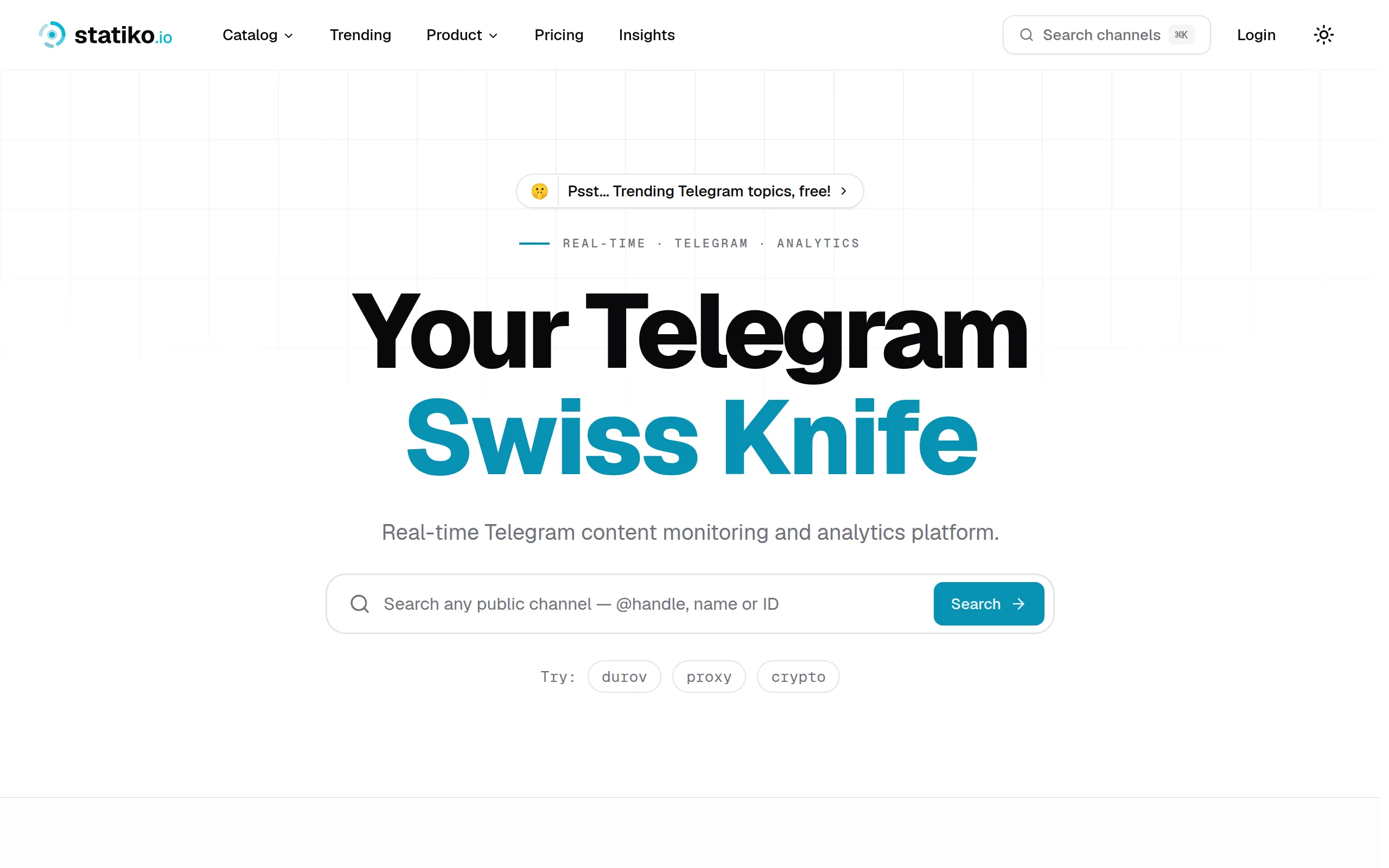
Statiko
Monitor any Telegram channel in real time - track posts, edits, deletions, and growth with AI recaps 📡

Shibui
AI website builder - describe your business, pick a niche template, edit by chatting, and publish instantly ✨

Pro Service
Find verified home service professionals, compare quotes, and pay securely through escrow - built for Brazilians across the US 🏠

RankGrow
Fix your SEO with AI agents - connect Search Console, get prioritized tasks, and grow organic traffic 📈
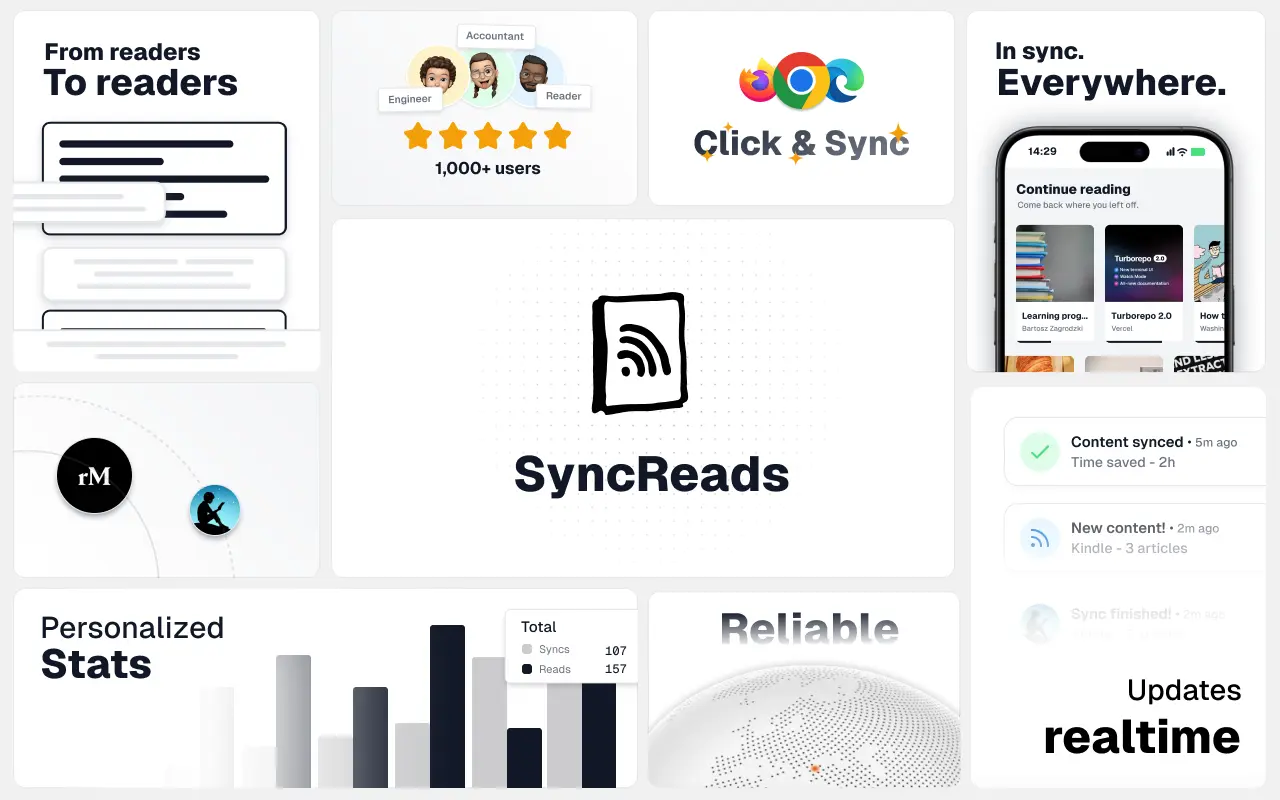
SyncReads
Sync your favorite content for distraction-free reading, save time and replace multiple apps. Anytime, anywhere 🔄
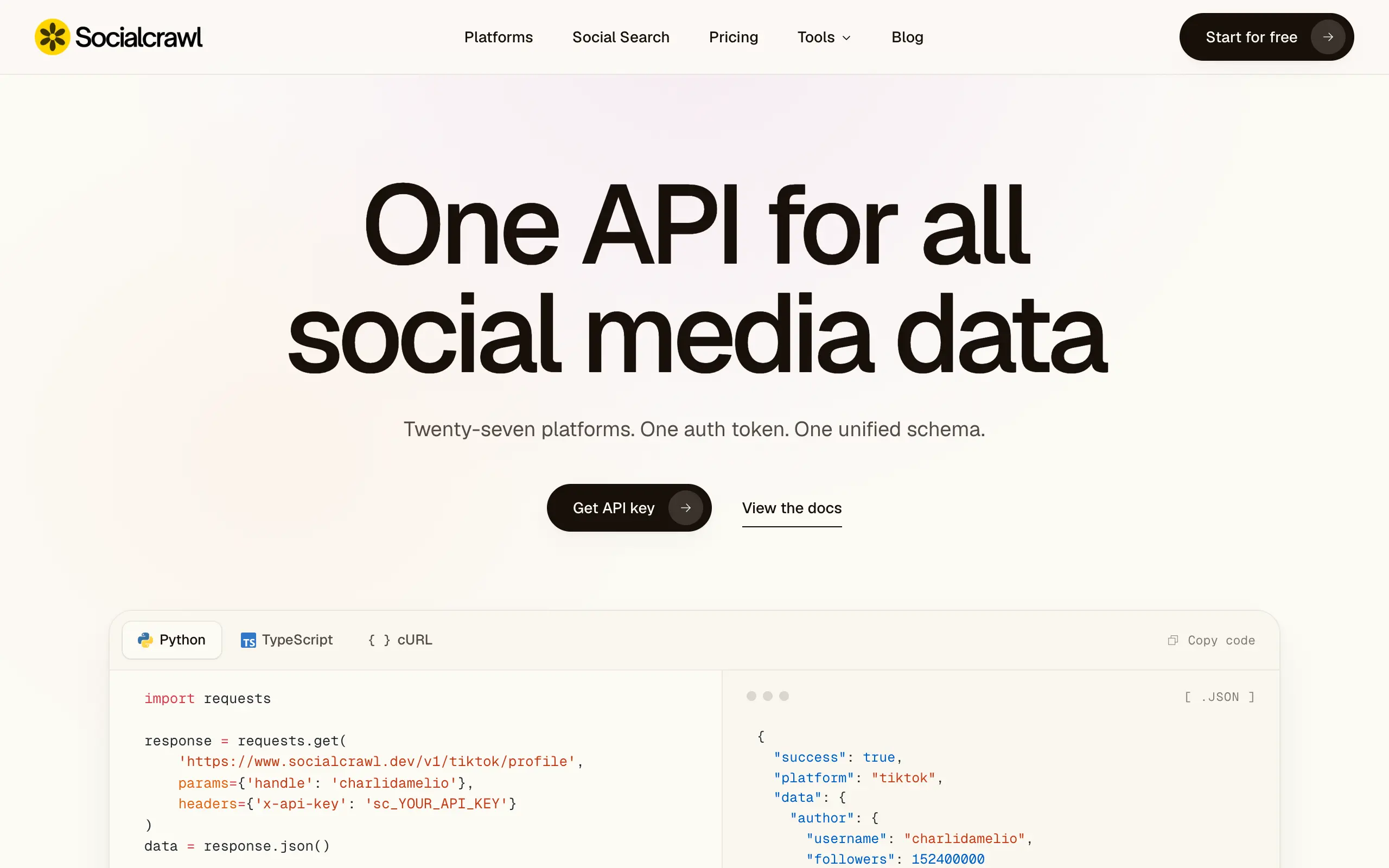
Socialcrawl
Get clean, structured data from 21 platforms like TikTok, Instagram, and YouTube with a single request 📊
Statiko
Monitor any Telegram channel in real time - track posts, edits, deletions, and growth with AI recaps 📡
Shibui
AI website builder - describe your business, pick a niche template, edit by chatting, and publish instantly ✨
Pro Service
Find verified home service professionals, compare quotes, and pay securely through escrow - built for Brazilians across the US 🏠
RankGrow
Fix your SEO with AI agents - connect Search Console, get prioritized tasks, and grow organic traffic 📈
SyncReads
Sync your favorite content for distraction-free reading, save time and replace multiple apps. Anytime, anywhere 🔄
Socialcrawl
Get clean, structured data from 21 platforms like TikTok, Instagram, and YouTube with a single request 📊
Statiko
Monitor any Telegram channel in real time - track posts, edits, deletions, and growth with AI recaps 📡
Shibui
AI website builder - describe your business, pick a niche template, edit by chatting, and publish instantly ✨
Pro Service
Find verified home service professionals, compare quotes, and pay securely through escrow - built for Brazilians across the US 🏠
RankGrow
Fix your SEO with AI agents - connect Search Console, get prioritized tasks, and grow organic traffic 📈
SyncReads
Sync your favorite content for distraction-free reading, save time and replace multiple apps. Anytime, anywhere 🔄
Socialcrawl
Get clean, structured data from 21 platforms like TikTok, Instagram, and YouTube with a single request 📊
Statiko
Monitor any Telegram channel in real time - track posts, edits, deletions, and growth with AI recaps 📡
Shibui
AI website builder - describe your business, pick a niche template, edit by chatting, and publish instantly ✨
Pro Service
Find verified home service professionals, compare quotes, and pay securely through escrow - built for Brazilians across the US 🏠
RankGrow
Fix your SEO with AI agents - connect Search Console, get prioritized tasks, and grow organic traffic 📈
SyncReads
Sync your favorite content for distraction-free reading, save time and replace multiple apps. Anytime, anywhere 🔄
Socialcrawl
Get clean, structured data from 21 platforms like TikTok, Instagram, and YouTube with a single request 📊
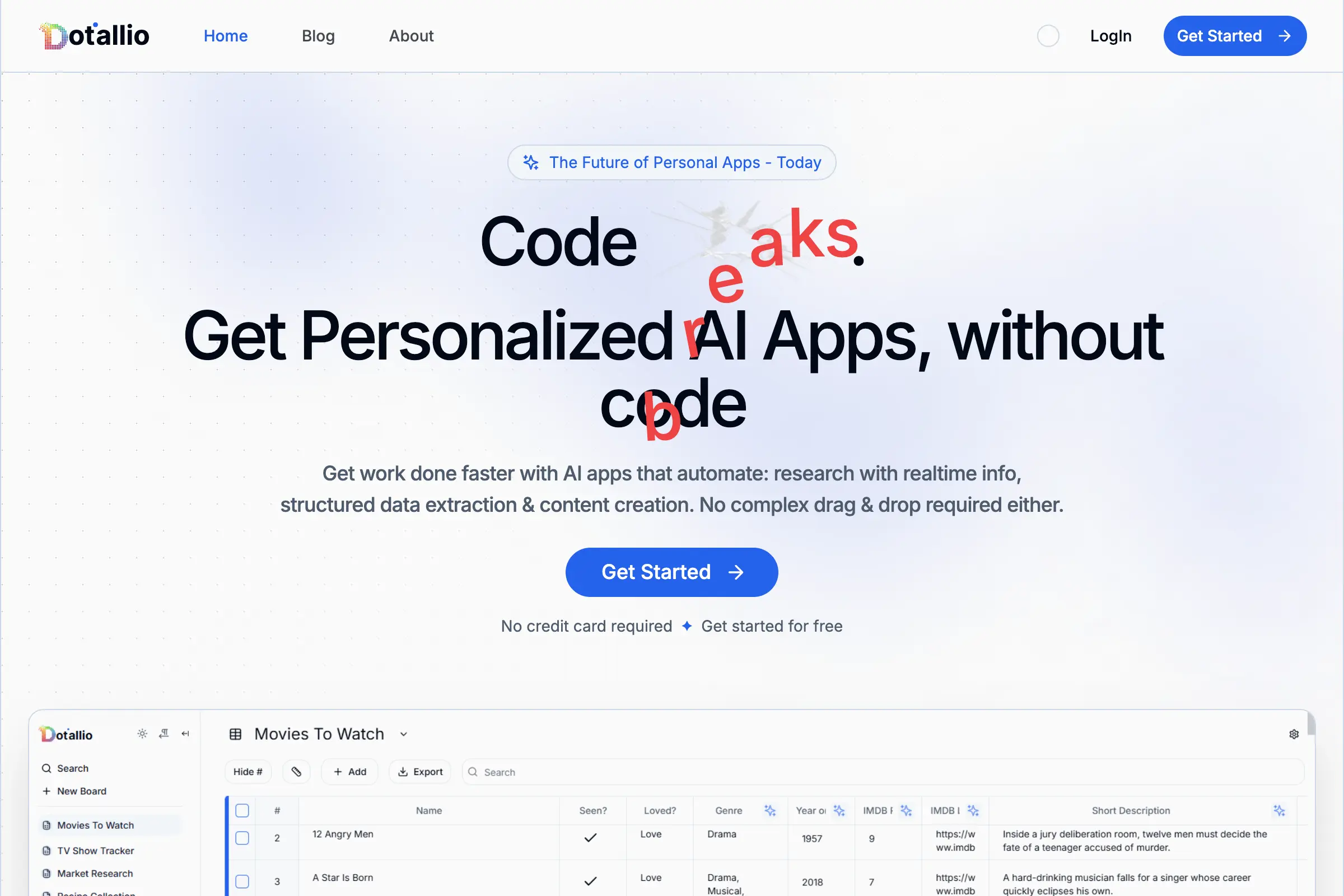
Dotallio
Personalized AI apps that automate research, data extraction, and content creation without code 🤖

Talk to Santa
Enjoy a magical live video chat or receive a unique AI-generated video greeting from Santa Claus 🎅
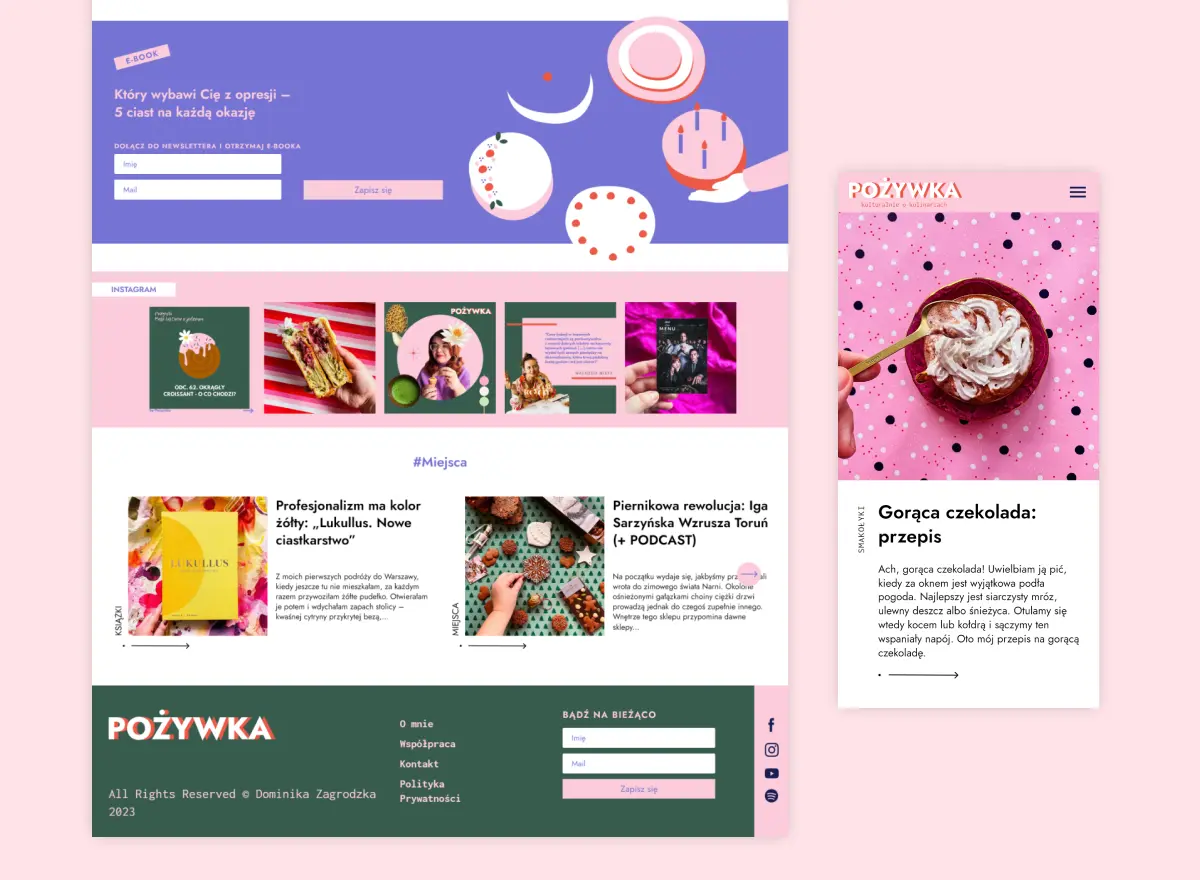
pozywka.pl
Scalable blog for food journalist, focused on performance and user experience 🌭
zagrodzki.me
Personal blog and portfolio of Bart Zagrodzki, where he shares his knowledge and work 💼
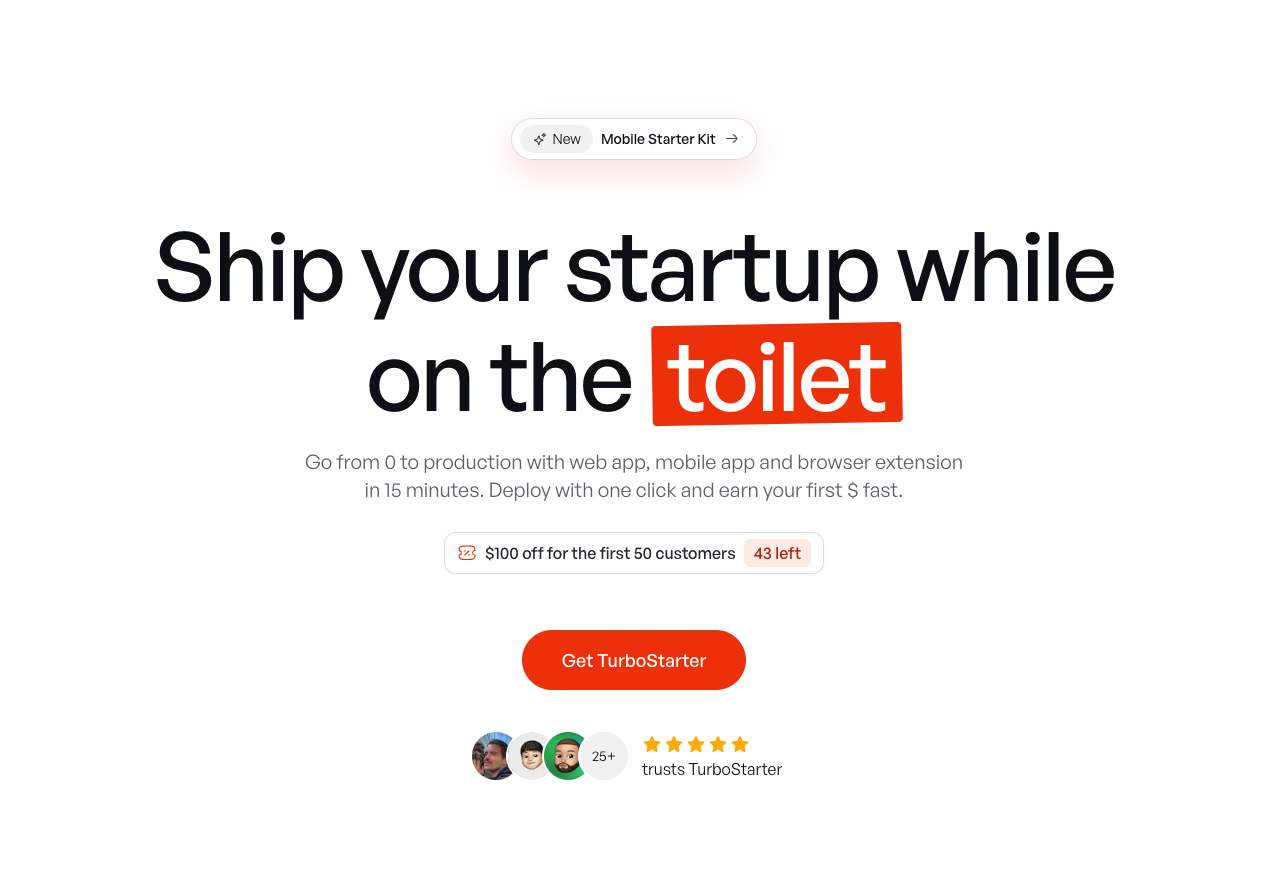
TurboStarter
Ship your startup everywhere. In minutes.
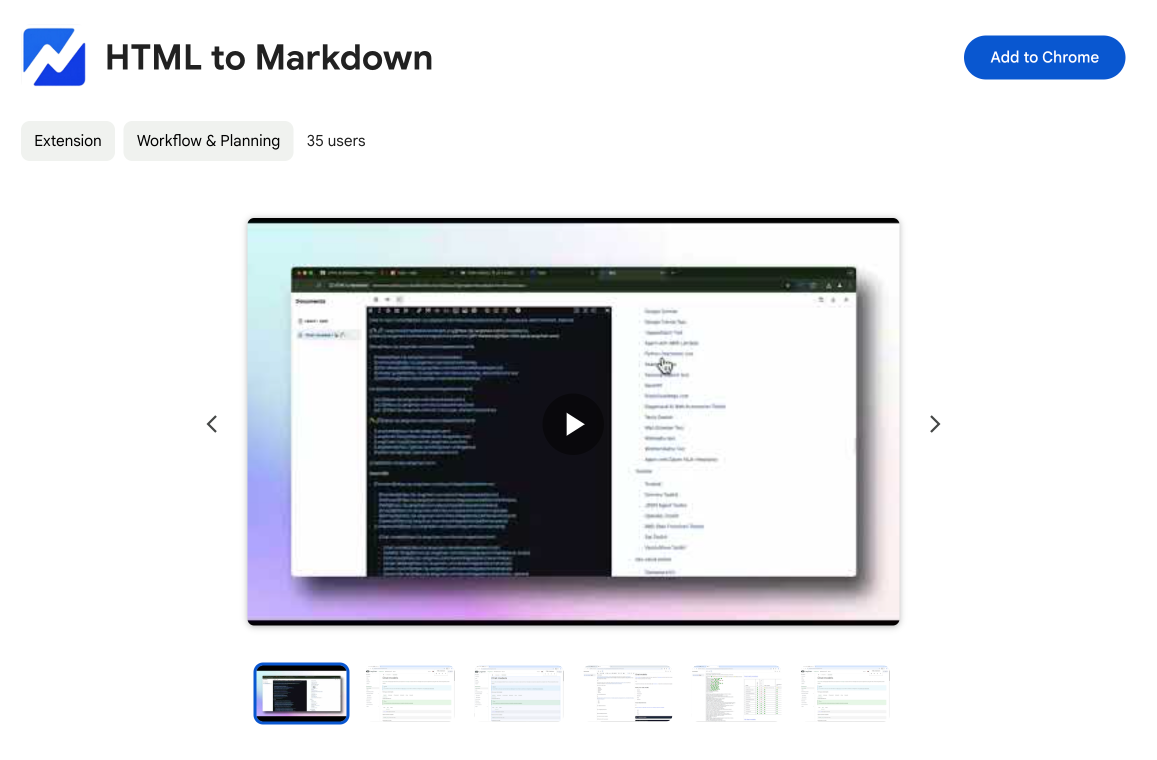
HTML to Markdown
Convert HTML to Markdown with ease, directly in your browser 📄
Dotallio
Personalized AI apps that automate research, data extraction, and content creation without code 🤖
Talk to Santa
Enjoy a magical live video chat or receive a unique AI-generated video greeting from Santa Claus 🎅
pozywka.pl
Scalable blog for food journalist, focused on performance and user experience 🌭
zagrodzki.me
Personal blog and portfolio of Bart Zagrodzki, where he shares his knowledge and work 💼
TurboStarter
Ship your startup everywhere. In minutes.
HTML to Markdown
Convert HTML to Markdown with ease, directly in your browser 📄
Dotallio
Personalized AI apps that automate research, data extraction, and content creation without code 🤖
Talk to Santa
Enjoy a magical live video chat or receive a unique AI-generated video greeting from Santa Claus 🎅
pozywka.pl
Scalable blog for food journalist, focused on performance and user experience 🌭
zagrodzki.me
Personal blog and portfolio of Bart Zagrodzki, where he shares his knowledge and work 💼
TurboStarter
Ship your startup everywhere. In minutes.
HTML to Markdown
Convert HTML to Markdown with ease, directly in your browser 📄
Dotallio
Personalized AI apps that automate research, data extraction, and content creation without code 🤖
Talk to Santa
Enjoy a magical live video chat or receive a unique AI-generated video greeting from Santa Claus 🎅
pozywka.pl
Scalable blog for food journalist, focused on performance and user experience 🌭
zagrodzki.me
Personal blog and portfolio of Bart Zagrodzki, where he shares his knowledge and work 💼
TurboStarter
Ship your startup everywhere. In minutes.
HTML to Markdown
Convert HTML to Markdown with ease, directly in your browser 📄
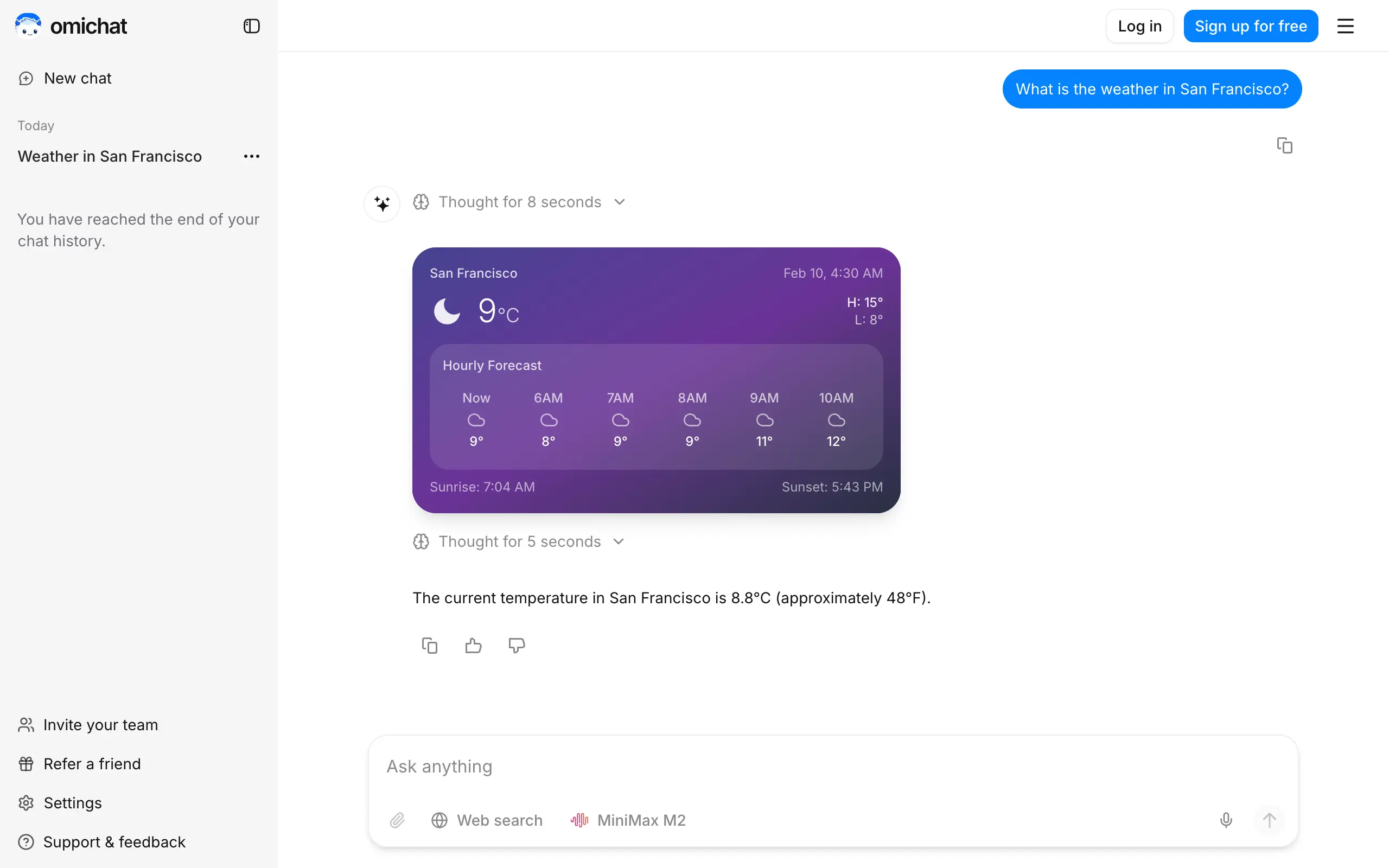
Omichat
Chat with 50+ AI models, including ChatGPT and Claude, in one place - switch models anytime without losing context 🤖
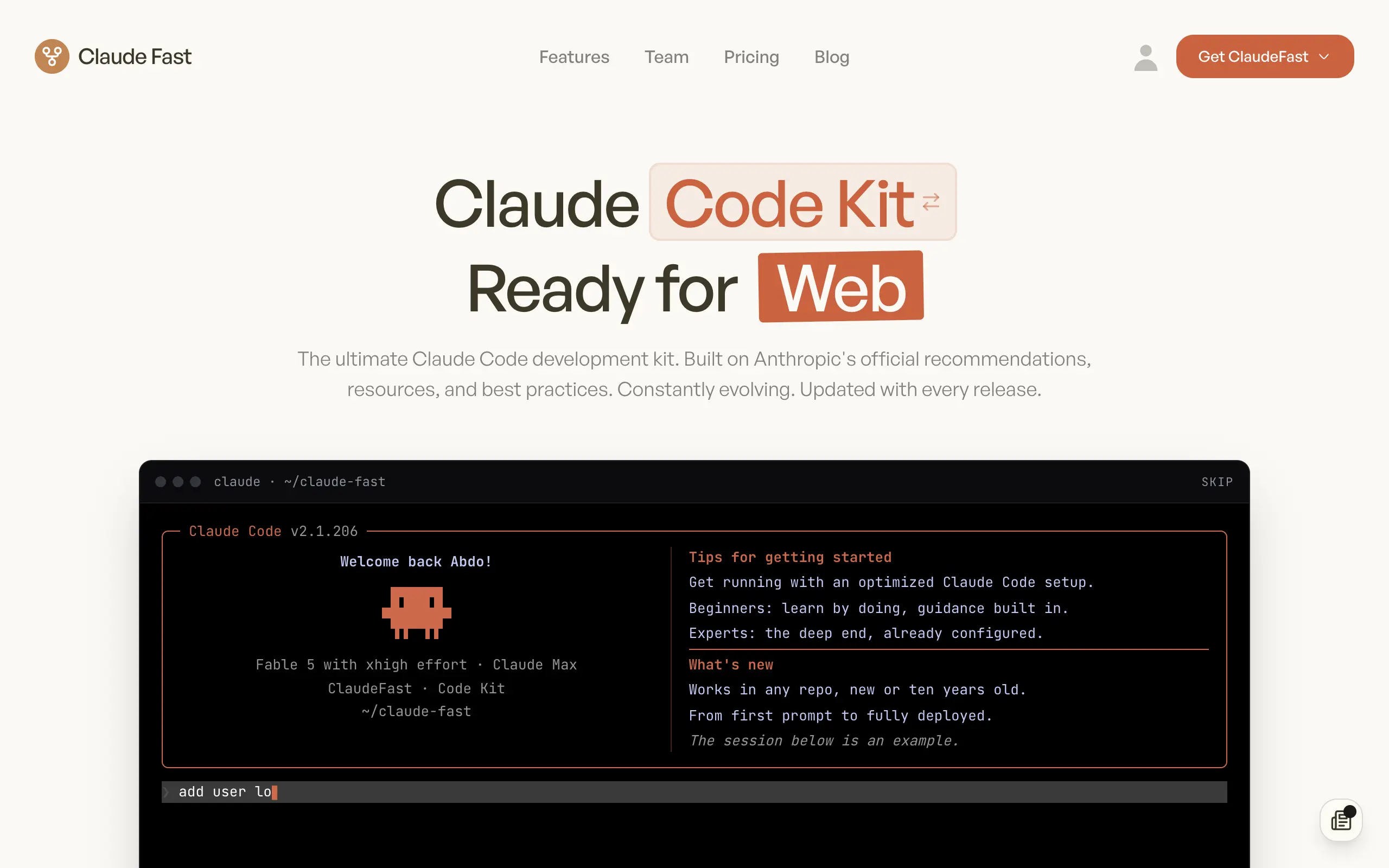
Claude Fast
Supercharge your Claude Code with 6x effective context window and specialized AI agents 🤖
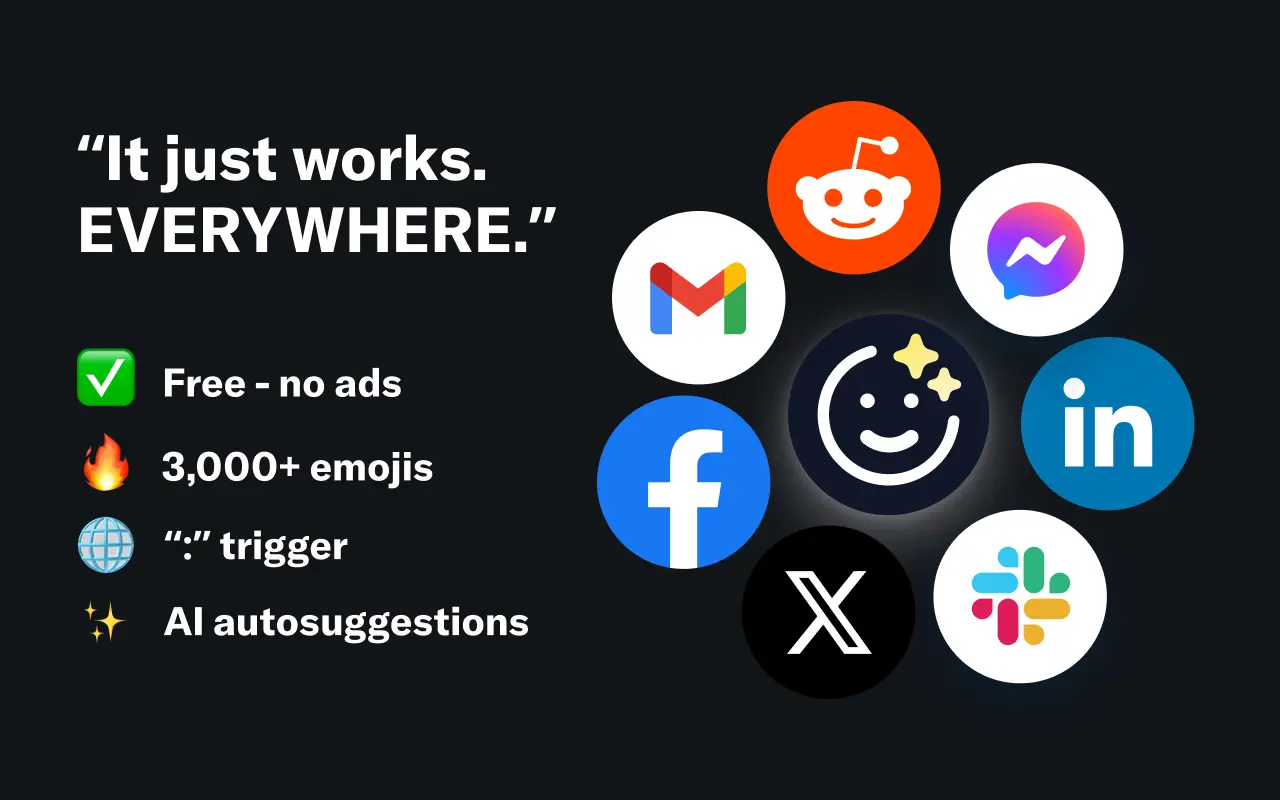
EmojAI
AI-powered emoji picker with smart, context-aware suggestions 🤖

Solohacker
Autonomous company launcher - AI agents work 24/7, escalate what matters, and you stay in control 🤖
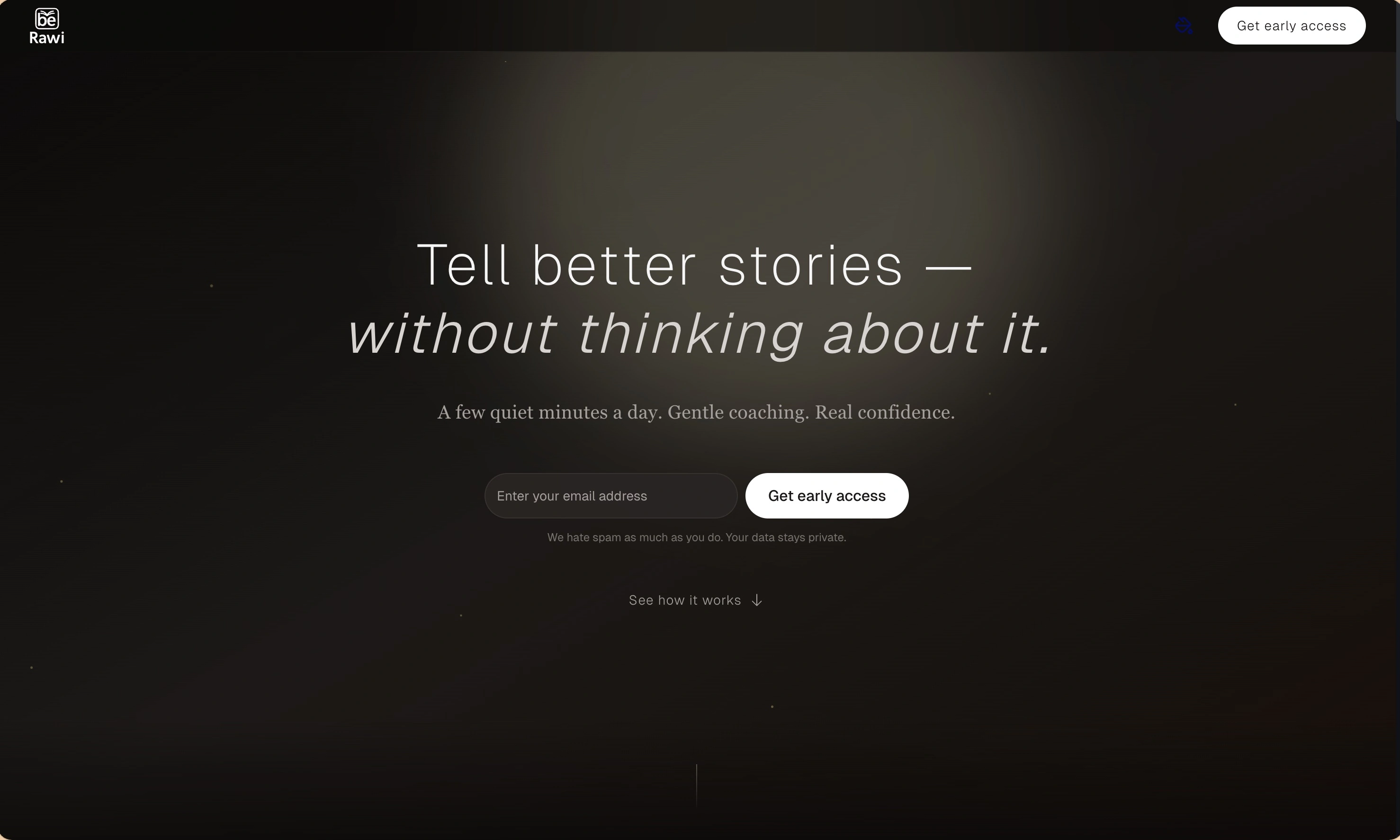
BeRawi: Storytelling Coach
Practice storytelling daily with instant feedback to sound clearer, more engaging, and confident 🎤
Omichat
Chat with 50+ AI models, including ChatGPT and Claude, in one place - switch models anytime without losing context 🤖
Claude Fast
Supercharge your Claude Code with 6x effective context window and specialized AI agents 🤖
EmojAI
AI-powered emoji picker with smart, context-aware suggestions 🤖
Solohacker
Autonomous company launcher - AI agents work 24/7, escalate what matters, and you stay in control 🤖
BeRawi: Storytelling Coach
Practice storytelling daily with instant feedback to sound clearer, more engaging, and confident 🎤
Omichat
Chat with 50+ AI models, including ChatGPT and Claude, in one place - switch models anytime without losing context 🤖
Claude Fast
Supercharge your Claude Code with 6x effective context window and specialized AI agents 🤖
EmojAI
AI-powered emoji picker with smart, context-aware suggestions 🤖
Solohacker
Autonomous company launcher - AI agents work 24/7, escalate what matters, and you stay in control 🤖
BeRawi: Storytelling Coach
Practice storytelling daily with instant feedback to sound clearer, more engaging, and confident 🎤
Omichat
Chat with 50+ AI models, including ChatGPT and Claude, in one place - switch models anytime without losing context 🤖
Claude Fast
Supercharge your Claude Code with 6x effective context window and specialized AI agents 🤖
EmojAI
AI-powered emoji picker with smart, context-aware suggestions 🤖
Solohacker
Autonomous company launcher - AI agents work 24/7, escalate what matters, and you stay in control 🤖
BeRawi: Storytelling Coach
Practice storytelling daily with instant feedback to sound clearer, more engaging, and confident 🎤

Connect with like-minded people
Join our community to get feedback, support, and grow together with 1,000+ builders on board, let's ship it!
Join usShip your startup everywhere. In minutes.
Don't burn tokens on setup and start building features on day one.