Artify Canvas Studio
A platform for artists and retailers to generate unique AI art, mock up canvases, and automate sales with fulfillment integrations.
Note: This article is written and structured as valid MDX, implementing all your technical and SEO requirements.
Understanding Artify Canvas Studio: Empowering AI-driven art creation for artists and retailers
In an era where digital transformation is rewriting every industry playbook, the intersection of artificial intelligence and art commerce is emerging as a goldmine for both creators and retail entrepreneurs. Artify Canvas Studio steps precisely into this high-potential space—offering a seamless platform that enables artists and retailers to generate unique AI art, visualize products with canvas mockups, and automate online sales with integrated fulfillment solutions.
This comprehensive guide will dive into Artify Canvas Studio's market value, audience, feature set, technology stack recommendations, strategic positioning, monetization models, risks and mitigations, and actionable steps to help you validate and implement the idea.
Deep dive into user intent: Who needs Artify Canvas Studio and why?
Understanding the real need behind a search query is at the core of delivering value. Let's consider the primary personas and pain points.
Primary audiences
- Independent artists: Seeking ways to monetize digital and generative art, streamline production, and broaden their reach without logistical hurdles.
- Art retailers and online storefronts: Looking to expand product offerings with stunning, unique AI art, automate mockup creation, and integrate drop-shipping/fulfillment to minimize overhead.
- Boutique stores & print-on-demand startups: Wanting rapid go-to-market for trendy, personalized art canvases powered by AI design.
Key search intent themes
- Inspiration: "How can I turn my digital art into sellable products?" "What is the easiest way to offer unique art canvases online?"
- Validation: "Does AI art sell?" "Is there a market for print-on-demand AI-generated canvases?" "How hard is it to fulfill custom art orders?"
- Implementation: "Tools to create canvas mockups from AI art" "Automating art product sales with fulfillment" "Integrating Shopify or Etsy with AI art creation"
- Technical analysis: "Best platforms for AI art generation and fulfillment," "What tech stack for an AI art SaaS?"
- Market opportunity: "Trends in AI art and e-commerce," "Profit margins for print-on-demand art stores"
Artify Canvas Studio is designed to deliver authoritative, experience-driven answers to all these queries.
Market opportunity: Why now is the time for AI-powered art commerce
Recent trends driving the opportunity
- AI art generation tools like Midjourney, DALL-E, and Stable Diffusion are democratizing art creation, lowering the entry barriers for creators and small businesses.
- The global online art market is projected to reach $9.32 billion by 2028 (source: Statista suggestion), with print-on-demand (POD) art a key growth segment.
- Retailers are moving toward lean inventory and fulfillment automation, seeking integrated solutions that simplify logistics and reduce costs.
- Demand for unique, personalized art is accelerating, especially among Gen-Z and Millennial consumers looking for statement decor.
Expert tip
The rapid advancements in generative AI and fulfillment APIs now make it possible for a small team or even a solo entrepreneur to launch a customized art studio serving global customers.
Identifying the gap
Despite the advancements above, few platforms combine AI art generation, instant product mockups, and automated fulfillment into a single seamless experience. DIY workflows require artists and retailers to juggle multiple tools—AI art apps, photo editors, storefront builders, and third-party fulfillment—which introduces friction, inconsistency, and technical overhead.
Artify Canvas Studio’s unique value lies in offering a unified workflow for art creation, visualization, and e-commerce fulfillment.
Target audience analysis: Who will benefit most?
Core segments
Digital artists & designers
Seeking new revenue streams and wider audience by leveraging AI-generated art.
Online art store owners
Wanting to quickly expand product catalogs with unique, ready-to-sell art canvases.
Print-on-demand businesses
Needing workflow automation from art creation to fulfillment, improving efficiency and scalability.
Retailers & interior designers
Looking for exclusive, trendy, customizable wall art for customers and staging projects.
User motivations and pain points
- Automate complex, time-consuming workflows such as creating mockups, configuring products, and integrating fulfillment partners.
- Differentiate product offerings with uniquely generated, on-trend art—not just stock images.
- Minimize risk and upfront investment by using on-demand fulfillment (no inventory or shipping headaches).
- Accelerate go-to-market cycles with ready-to-sell canvases visualized instantly.
Artify Canvas Studio core features: The complete solution
Integrated AI art generation
- Use state-of-the-art generative models like Stable Diffusion (optionally integrated with others such as DALL-E or local fine-tuned models).
- Parameterized prompts let users guide style, color palette, themes, and aspect ratio.
- Batch generation for series or seasonal collections.
Canvas mockup automation
- Automatically places AI art on photorealistic canvas backgrounds and room scenes.
- Multiple aspect ratios, sizes, and wall previews to fit various customer needs.
- One-click download or push to storefront.
Seamless e-commerce & fulfillment integration
- Connects directly with Shopify, Etsy, WooCommerce, and other platforms for instant product listing creation.
- Real-time price & margin calculation, including print and shipping costs.
- Integrates with top print-on-demand/fine art fulfillment providers (e.g., Printful, Gooten, Printify).
Workflow management
- Project dashboard to track art generation, mockup status, product listing, and order fulfillment in one place.
- Version control and asset management for each artwork and listing.
- Custom branding overlays on generated mockups.
Advanced capabilities
- Save and reuse prompt templates across collections.
- Analytics dashboard for sales, engagement, and popular styles.
- Optional white-label solution for brands or agencies.
Feature matrix: How Artify Canvas Studio compares
| AI Art Generation | Instant Canvas Mockup | Integrated Fulfillment | E-commerce Sync | White-label Option |
|---|---|---|---|---|
| ✅ | ❌ | ❌ | ✅ | ❌ |
| ✅ | ❌ | ✅ | ✅ | ❌ |
Note: Compared to using separate AI art generators and mockup tools, Artify Canvas Studio combines the workflow for maximum efficiency.
Tech stack recommendations: Building a scalable, robust AI art SaaS
Choosing the right technology stack directly affects usability, performance, and scalability. Let's break down the recommended components and rationale.
Frontend
- React: Highly composable, fast-rendering, and ecosystem-rich, ideal for real-time previews and interactivity.
- TailwindCSS: Rapid UI prototyping, enables modern responsive design with a utility-first approach.
- Next.js: For server-side rendering/SSG, improving SEO and lightning-fast page loads.
- Uploadcare/cloudinary: For efficient media upload, storage, and transformations.
Backend
- Node.js (with Express or Fastify): Flexible, scalable for API services, especially when integrating multiple third-party APIs.
- Python (FastAPI): Optimal for AI model orchestration, particularly Stable Diffusion, DALL-E, and image pipelines.
- PostgreSQL or MongoDB: Depend on your data structure preferences; PostgreSQL for relational, MongoDB for asset metadata.
AI and image pipelines
- Host custom or open-source AI models on your own infrastructure or use APIs from providers like Replicate, OpenAI, or Stability.ai.
- GPU hosting via Paperspace, AWS SageMaker, or Lambda Labs if running in-house.
Integrations
- Shopify/Etsy/WooCommerce APIs: Direct sync for product listings, order management, and inventory.
- Printful, Printify, Gooten APIs: For automated order and fulfillment workflows.
Hosting & scalability
- Vercel/Netlify: Deploy static and dynamic frontend with serverless edge functions.
- AWS/GCP: For backend and AI workload scalability, backup, and compliance.
Trade-offs and considerations
Self-hosting models gives full control and lower per-image cost at scale, but requires GPU management and security hardening. API-based inferencing makes for rapid go-live but may incur higher costs and limited customizability.
PostgreSQL excels at transactional workflows (orders, listings), while MongoDB suits flexible asset/document metadata.
Monetization strategies: How to make Artify Canvas Studio profitable
Choosing the right revenue model balances accessibility with long-term business viability.
Suggested pricing models
- Subscription tiers: Freemium with basic usage, paid plans unlock higher-res AI art, batch mockups, integration limits, and priority support.
- Pay-per-generation: Microtransactions for each unique AI artwork or premium mockup beyond free tier.
- Transaction fees: Take a percentage of each successfully fulfilled sale/order via integrations.
- White-label licensing: Higher-tier, branded versions for retailers, print shops, agencies.
Example subscription tiers
Starter
AI art with basic mockups, personal use, limited integrations.
Pro
Batch jobs, full integration suite, analytics, higher fulfillment discount.
Agency/White-label
Custom branding, API access, volume discounts, priority SLAs.
Risk assessment and mitigation: Addressing potential pitfalls
Every SaaS faces headwinds—artificial intelligence and e-commerce present their own unique risks.
Key risks
- AI-generated art copyright/ownership disputes
- Model bias or inappropriate generation
- Fulfillment API downtime or errors affecting order flow
- High compute costs for image generation
- Market saturation by low-quality AI art products
Mitigation strategies
- Implement clear terms of service and copyright guidelines, defaulting to assign image rights to users (where possible).
- Employ moderation layers on prompts and image outputs; give users tools to report or flag issues.
- Choose reliable fulfillment partners with proven uptime SLAs; keep fallback providers ready.
- Use a hybrid compute strategy (mix of API and own-hosted GPUs) to control costs.
- Provide educational content and templates for "best practices" to help users create higher-quality, desirable AI art rather than generic outputs.
Legal compliance
Monitor AI copyright developments. Patent and IP laws for generative art vary by jurisdiction—consult counsel as you scale internationally.
Competitive advantage analysis: Why Artify Canvas Studio stands out
While there are AI art generators and separate print-on-demand platforms, very few provide an end-to-end solution tailor-made for canvas art, mockups, and fulfillment.
Unique selling points (USPs)
- True all-in-one workflow: From canvas-ready AI art generation to listing to hands-free order fulfillment.
- No-code, instant store setup: Minimize the technical complexity for creators and retailers.
- Customization at scale: Style transfer, batch prompts, and reusable templates for seasonal or branded collections.
- Dashboard-driven efficiency: Consolidate creation, mockup, product management, and analytics in a single UI.
- Multi-platform integration: Shopify, Etsy, Woo, and major fulfillment partners—all managed centrally.
Implementation framework: Steps to validate and launch Artify Canvas Studio
Turning the concept into a thriving platform involves sequential focus and validation. Here’s a practical roadmap:
1. Validate demand and core feature set
- Interview artists, retailers, and POD operators to pin down must-have workflows.
- Launch a landing page (using TurboStarter) to attract early adopters and gather email leads.
- Offer sneak peeks or waitlist access for feature feedback.
2. Build a prototype
- Integrate a generative AI service (public model API) and a mockup engine (simple canvas overlay).
- Enable basic storefront and fulfillment integration for a test SKU.
3. Iterate core workflows
- Refine art generation UI—enable prompt templates and brand settings.
- Enhance e-commerce sync—automate Etsy/Shopify product listing with assets from the AI generator.
4. Secure key partnerships
- Pilot with leading fulfillment providers for stable order flows.
- Consider affiliate or cross-promotion deals with digital art communities.
5. Launch and scale
- Roll out a beta to the most engaged early users.
- Add premium features (batch jobs, white-labeling, analytics).
- Invest in content marketing, influencer outreach, and partnerships.
Conclusion: Make your mark in AI-driven creative commerce
The convergence of AI art, seamless product visualization, and automated sales fulfillment opens massive revenue opportunities for artists and retailers. Artify Canvas Studio is engineered to empower creators at every stage—from ideation to fulfillment—unlocking speed, scale, and creative freedom.
By focusing on a unified, artist-friendly SaaS platform, you meet the pain points of your core audience and retain a competitive moat through workflow automation and deep integrations. Leverage the proven techniques above to validate, build, and launch with confidence.
Ready to shape the future of AI art commerce? Start with solid user research, a focused MVP, and a relentless commitment to user value. For fast-launch tech stacks and MVP landing pages, consider TurboStarter.
For further market insights, technology deep-dives, or a tailored SaaS validation strategy, consult reputable sources such as McKinsey’s AI in retail reports or stay tuned to leading podcasts in the creator economy and print-on-demand space.
More 🤖 AI Startup SaaS ideas
Discover more innovative ai startup SaaS ideas that are trending in 2026. Each idea is AI-generated with market validation and growth potential to help you find your next profitable venture faster than competitors.
Your competitors are building with TurboStarter
Below are some of the SaaS ideas that have been generated and built with our starter kit.
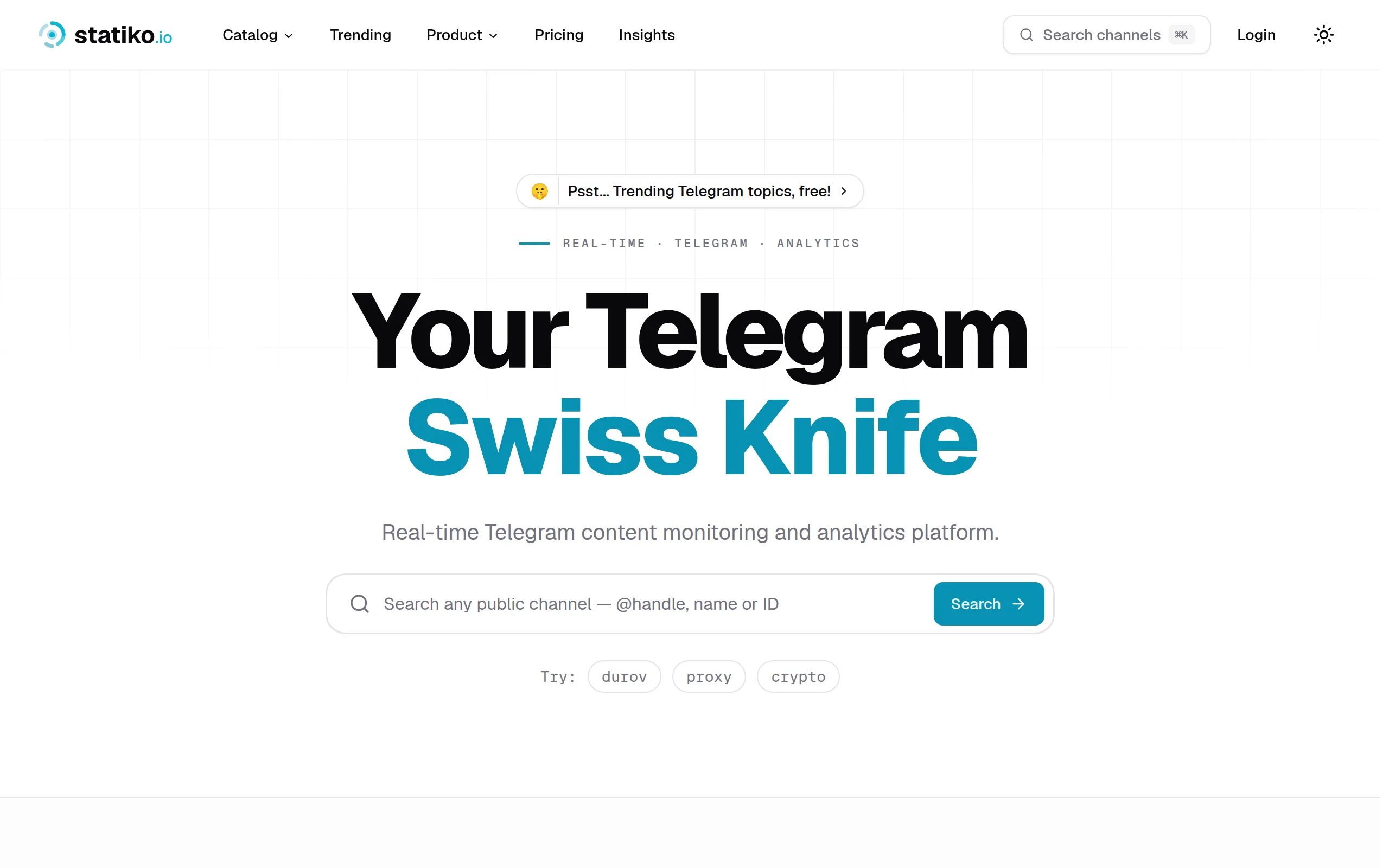
Statiko
Monitor any Telegram channel in real time - track posts, edits, deletions, and growth with AI recaps 📡

Shibui
AI website builder - describe your business, pick a niche template, edit by chatting, and publish instantly ✨
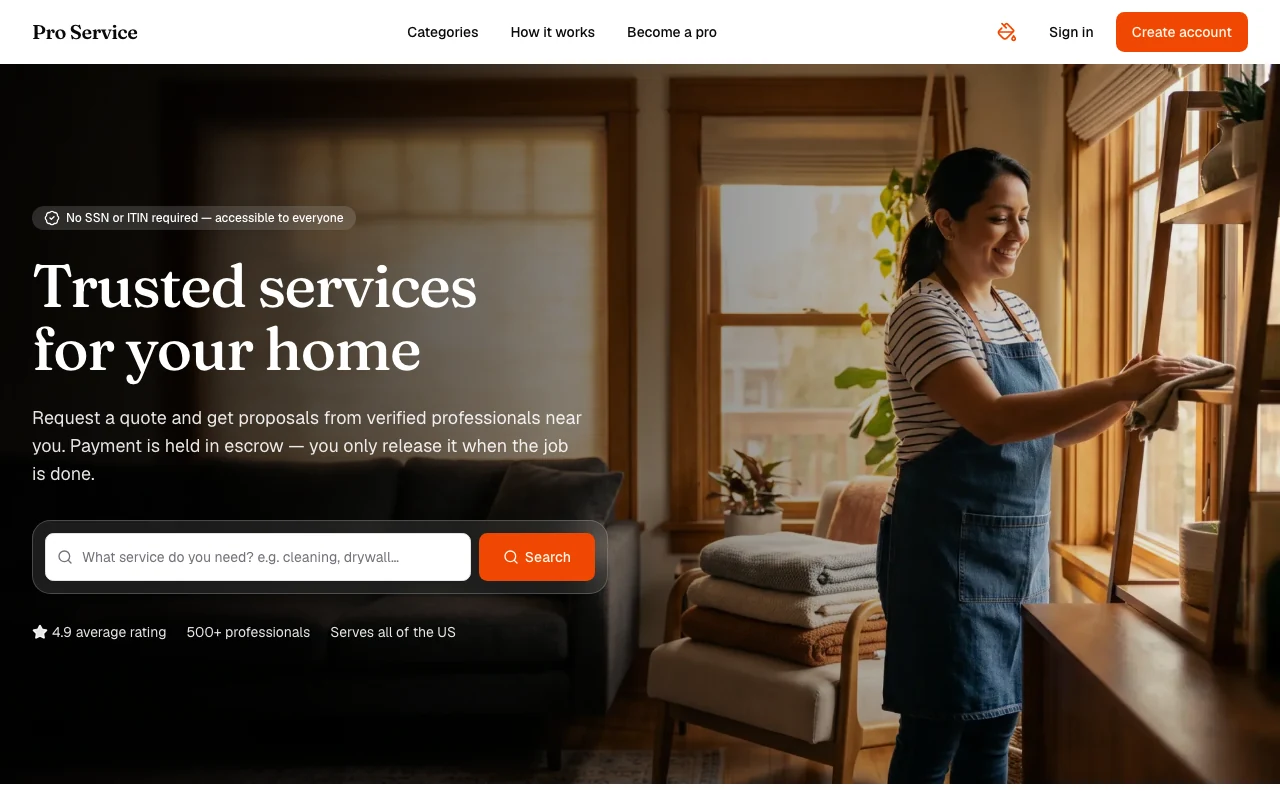
Pro Service
Find verified home service professionals, compare quotes, and pay securely through escrow - built for Brazilians across the US 🏠
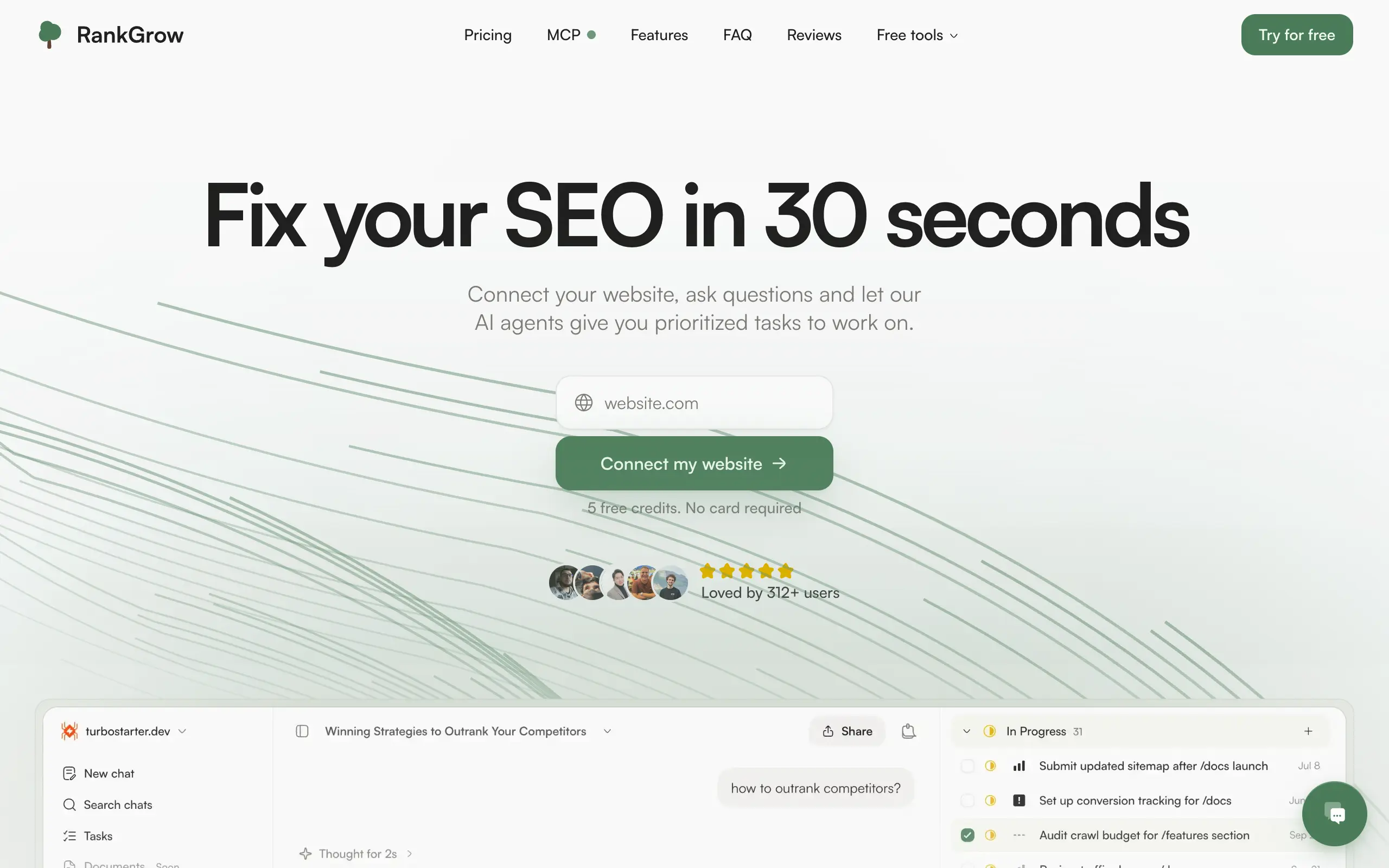
RankGrow
Fix your SEO with AI agents - connect Search Console, get prioritized tasks, and grow organic traffic 📈
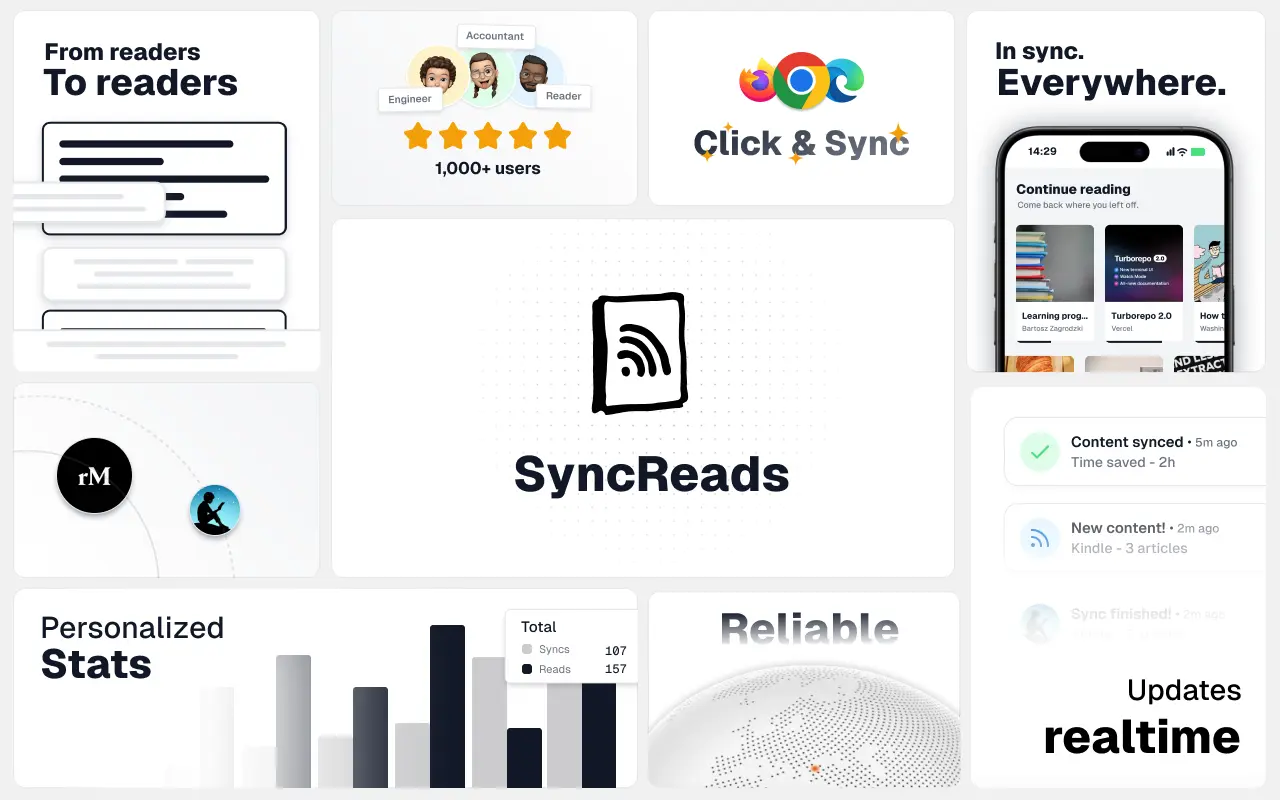
SyncReads
Sync your favorite content for distraction-free reading, save time and replace multiple apps. Anytime, anywhere 🔄
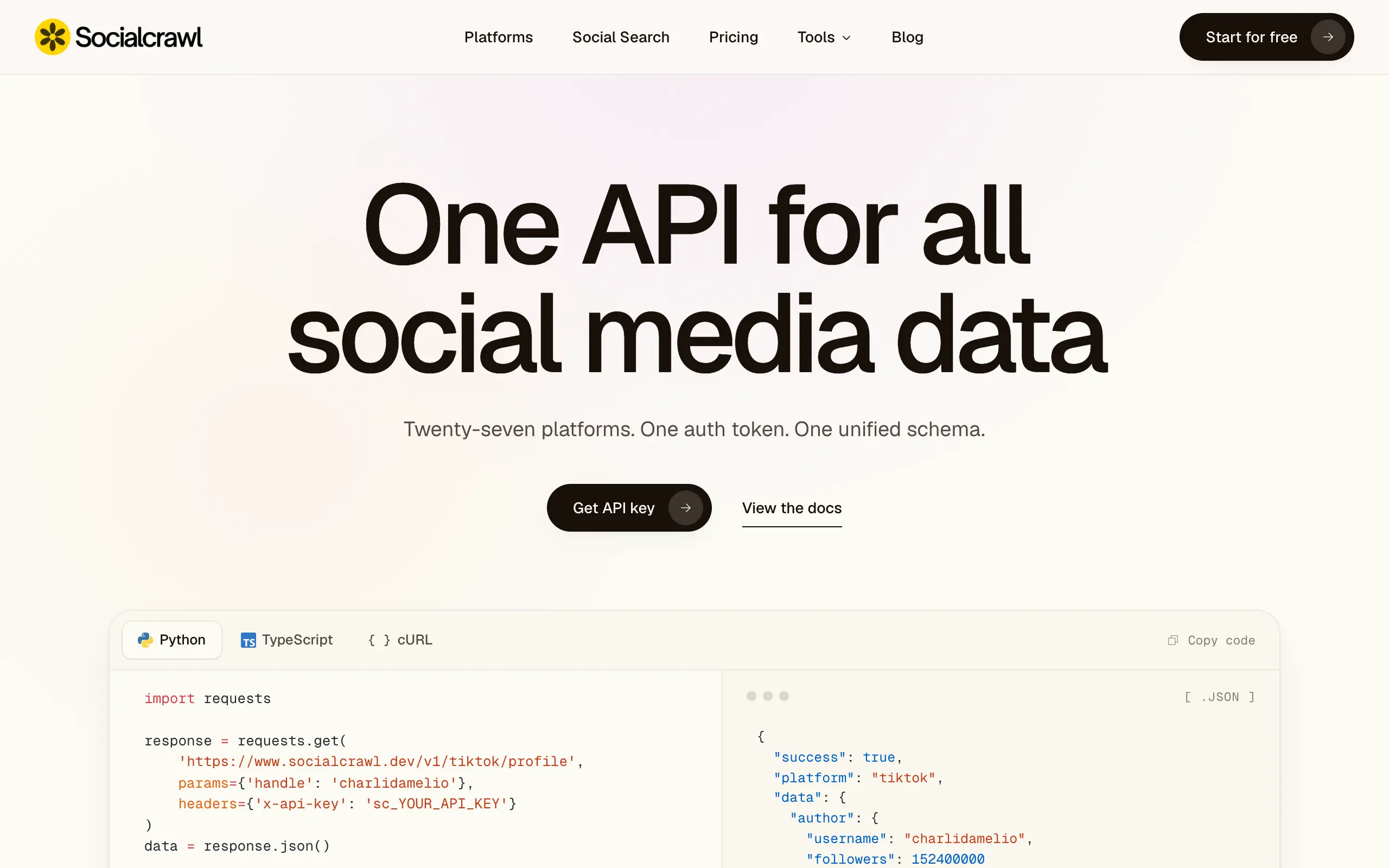
Socialcrawl
Get clean, structured data from 21 platforms like TikTok, Instagram, and YouTube with a single request 📊
Statiko
Monitor any Telegram channel in real time - track posts, edits, deletions, and growth with AI recaps 📡
Shibui
AI website builder - describe your business, pick a niche template, edit by chatting, and publish instantly ✨
Pro Service
Find verified home service professionals, compare quotes, and pay securely through escrow - built for Brazilians across the US 🏠
RankGrow
Fix your SEO with AI agents - connect Search Console, get prioritized tasks, and grow organic traffic 📈
SyncReads
Sync your favorite content for distraction-free reading, save time and replace multiple apps. Anytime, anywhere 🔄
Socialcrawl
Get clean, structured data from 21 platforms like TikTok, Instagram, and YouTube with a single request 📊
Statiko
Monitor any Telegram channel in real time - track posts, edits, deletions, and growth with AI recaps 📡
Shibui
AI website builder - describe your business, pick a niche template, edit by chatting, and publish instantly ✨
Pro Service
Find verified home service professionals, compare quotes, and pay securely through escrow - built for Brazilians across the US 🏠
RankGrow
Fix your SEO with AI agents - connect Search Console, get prioritized tasks, and grow organic traffic 📈
SyncReads
Sync your favorite content for distraction-free reading, save time and replace multiple apps. Anytime, anywhere 🔄
Socialcrawl
Get clean, structured data from 21 platforms like TikTok, Instagram, and YouTube with a single request 📊
Statiko
Monitor any Telegram channel in real time - track posts, edits, deletions, and growth with AI recaps 📡
Shibui
AI website builder - describe your business, pick a niche template, edit by chatting, and publish instantly ✨
Pro Service
Find verified home service professionals, compare quotes, and pay securely through escrow - built for Brazilians across the US 🏠
RankGrow
Fix your SEO with AI agents - connect Search Console, get prioritized tasks, and grow organic traffic 📈
SyncReads
Sync your favorite content for distraction-free reading, save time and replace multiple apps. Anytime, anywhere 🔄
Socialcrawl
Get clean, structured data from 21 platforms like TikTok, Instagram, and YouTube with a single request 📊
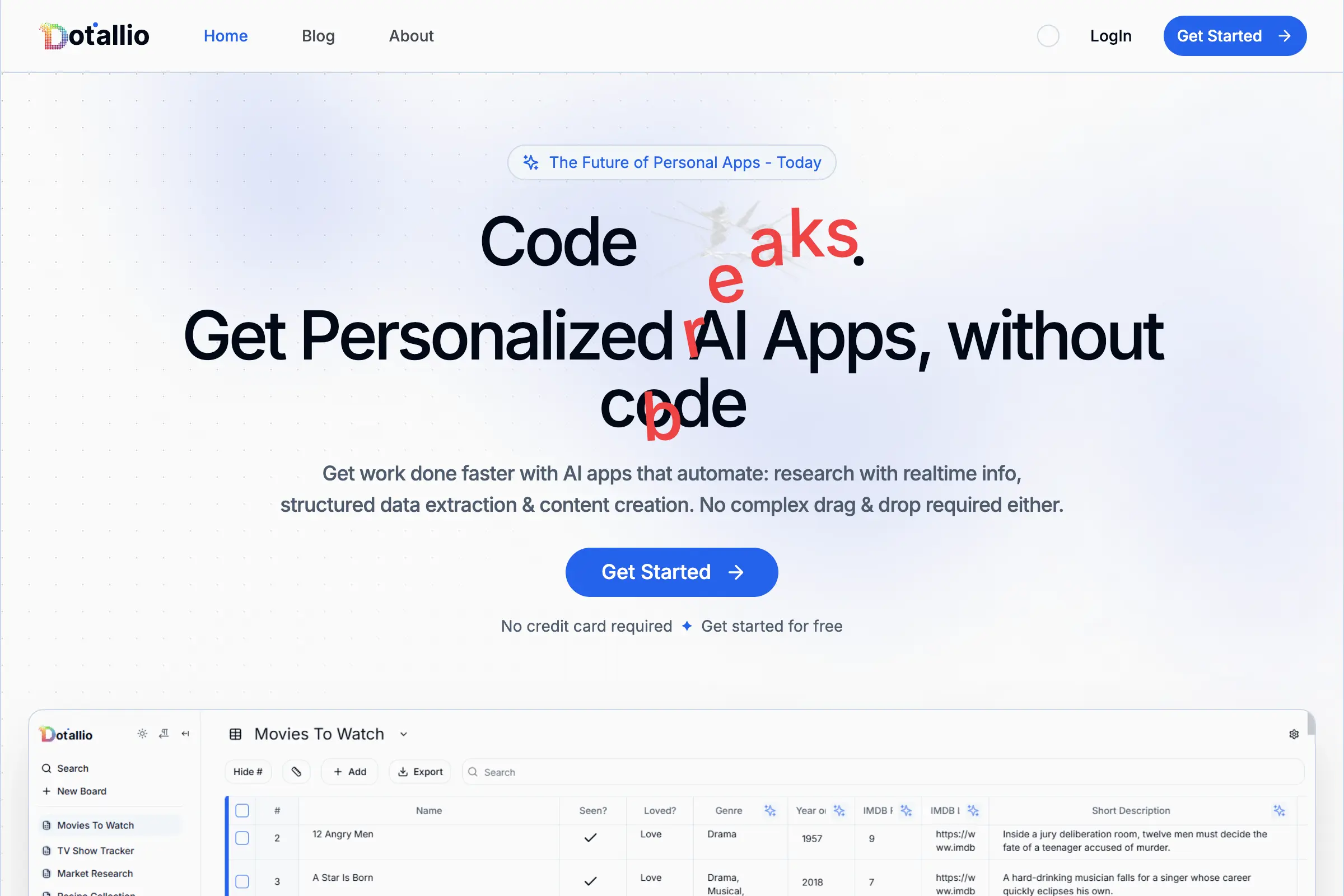
Dotallio
Personalized AI apps that automate research, data extraction, and content creation without code 🤖

Talk to Santa
Enjoy a magical live video chat or receive a unique AI-generated video greeting from Santa Claus 🎅
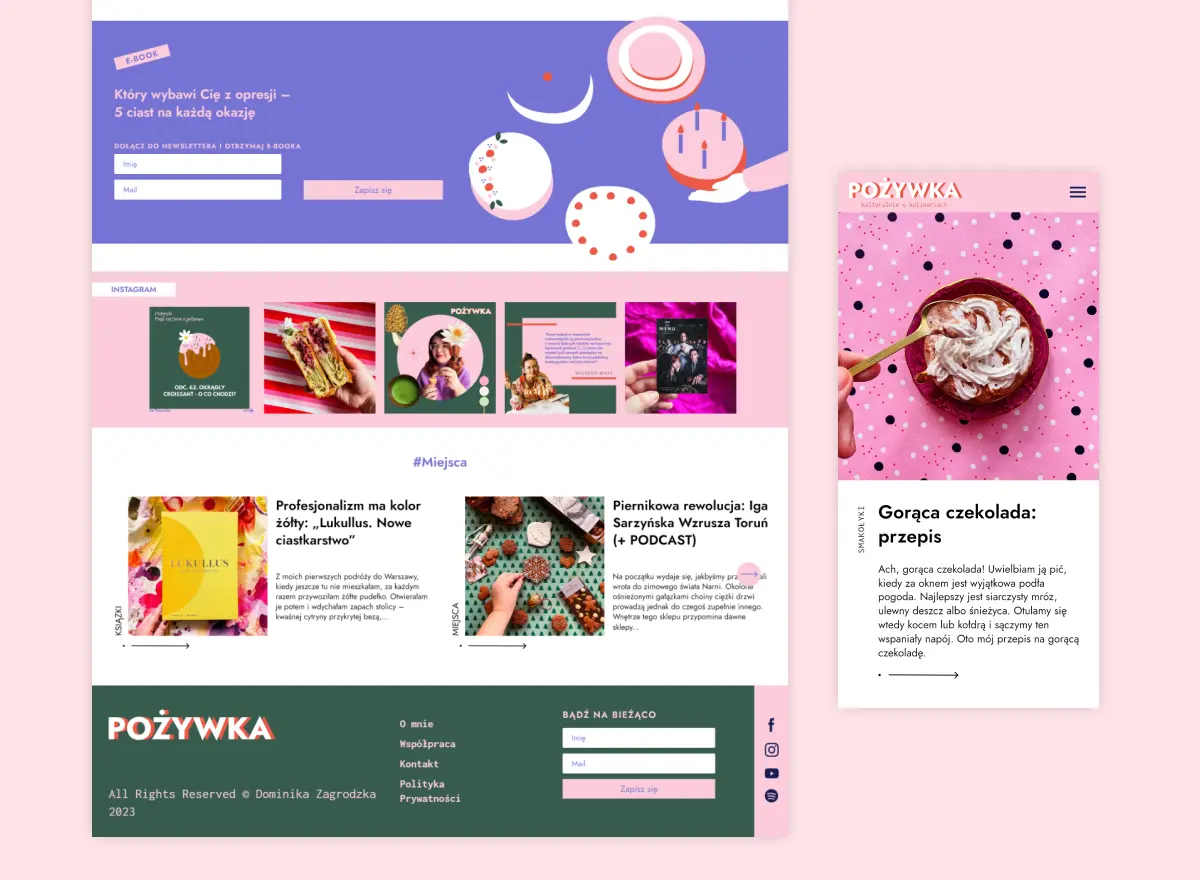
pozywka.pl
Scalable blog for food journalist, focused on performance and user experience 🌭
zagrodzki.me
Personal blog and portfolio of Bart Zagrodzki, where he shares his knowledge and work 💼
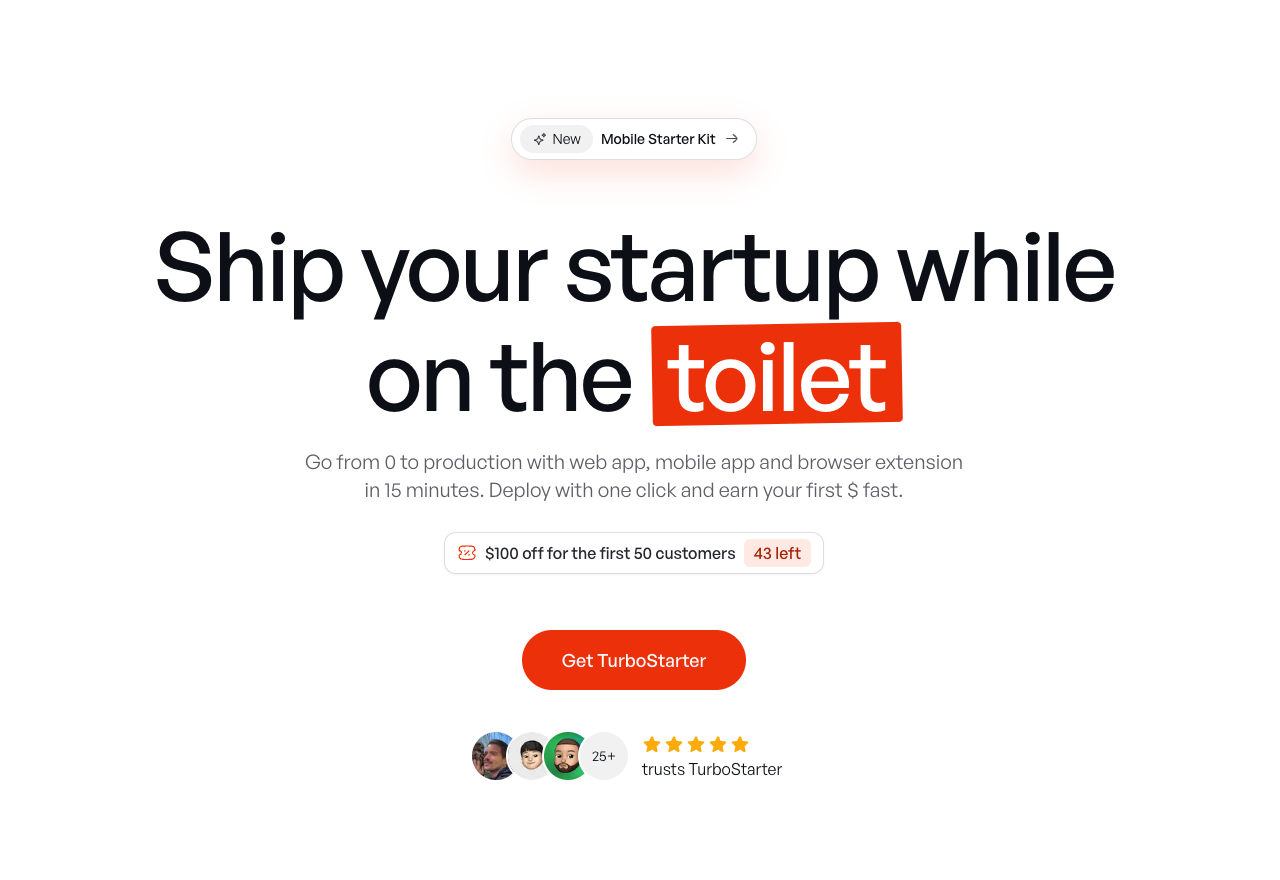
TurboStarter
Ship your startup everywhere. In minutes.
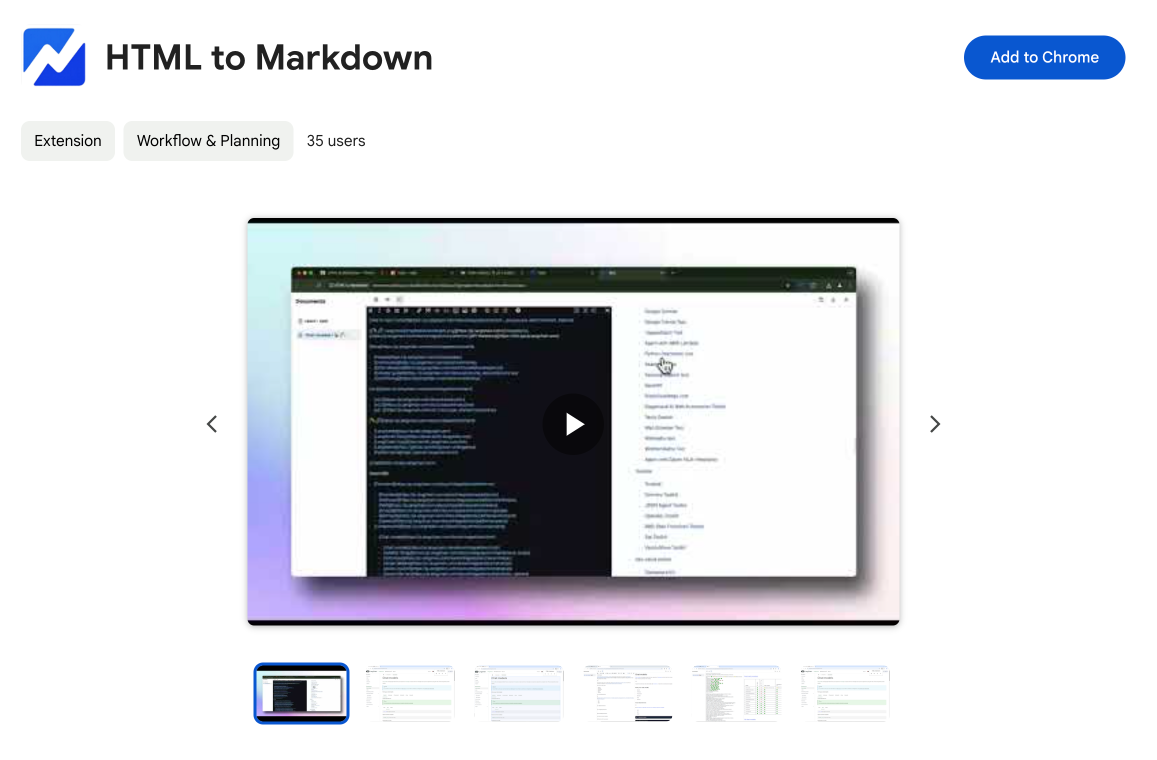
HTML to Markdown
Convert HTML to Markdown with ease, directly in your browser 📄
Dotallio
Personalized AI apps that automate research, data extraction, and content creation without code 🤖
Talk to Santa
Enjoy a magical live video chat or receive a unique AI-generated video greeting from Santa Claus 🎅
pozywka.pl
Scalable blog for food journalist, focused on performance and user experience 🌭
zagrodzki.me
Personal blog and portfolio of Bart Zagrodzki, where he shares his knowledge and work 💼
TurboStarter
Ship your startup everywhere. In minutes.
HTML to Markdown
Convert HTML to Markdown with ease, directly in your browser 📄
Dotallio
Personalized AI apps that automate research, data extraction, and content creation without code 🤖
Talk to Santa
Enjoy a magical live video chat or receive a unique AI-generated video greeting from Santa Claus 🎅
pozywka.pl
Scalable blog for food journalist, focused on performance and user experience 🌭
zagrodzki.me
Personal blog and portfolio of Bart Zagrodzki, where he shares his knowledge and work 💼
TurboStarter
Ship your startup everywhere. In minutes.
HTML to Markdown
Convert HTML to Markdown with ease, directly in your browser 📄
Dotallio
Personalized AI apps that automate research, data extraction, and content creation without code 🤖
Talk to Santa
Enjoy a magical live video chat or receive a unique AI-generated video greeting from Santa Claus 🎅
pozywka.pl
Scalable blog for food journalist, focused on performance and user experience 🌭
zagrodzki.me
Personal blog and portfolio of Bart Zagrodzki, where he shares his knowledge and work 💼
TurboStarter
Ship your startup everywhere. In minutes.
HTML to Markdown
Convert HTML to Markdown with ease, directly in your browser 📄
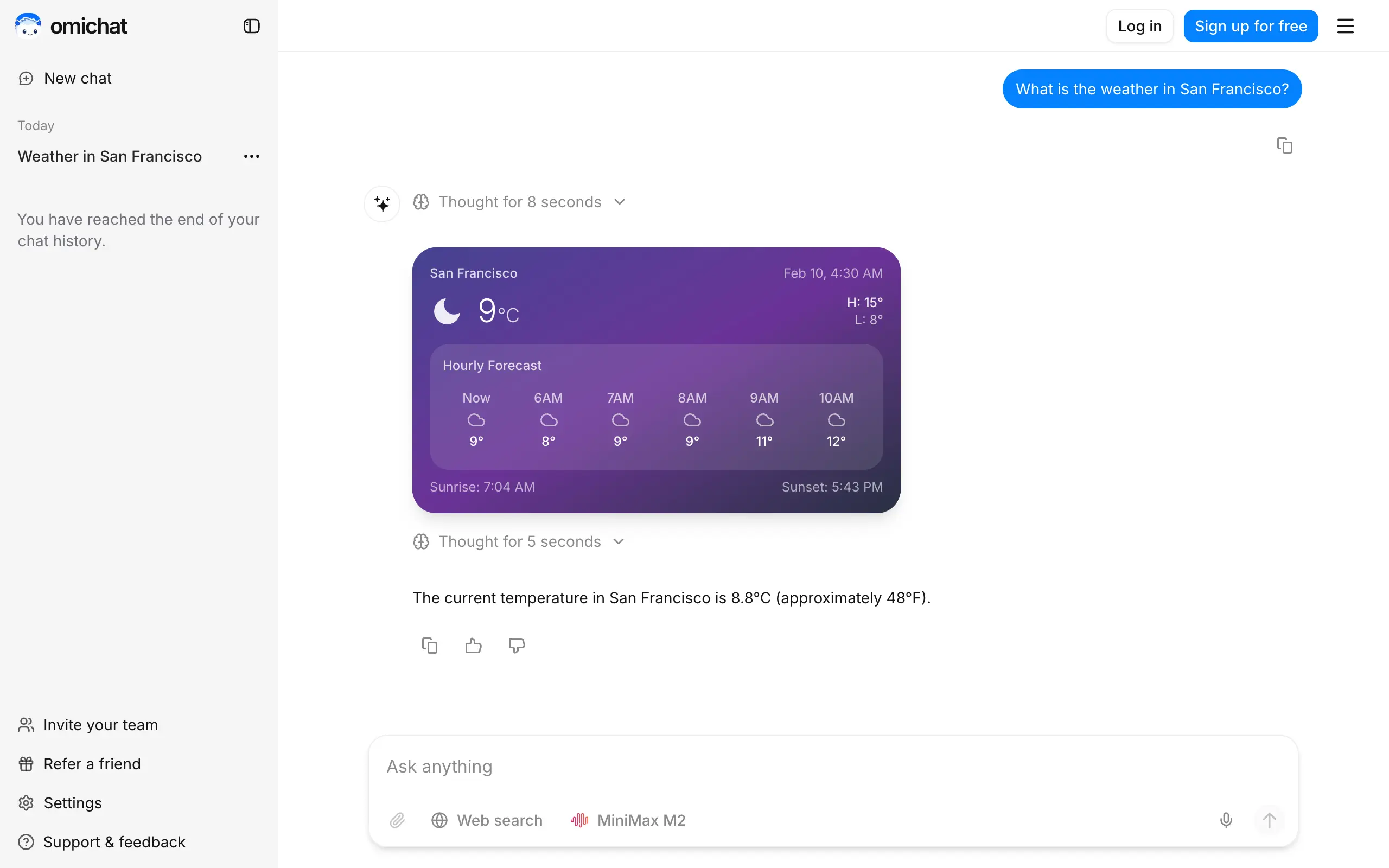
Omichat
Chat with 50+ AI models, including ChatGPT and Claude, in one place - switch models anytime without losing context 🤖
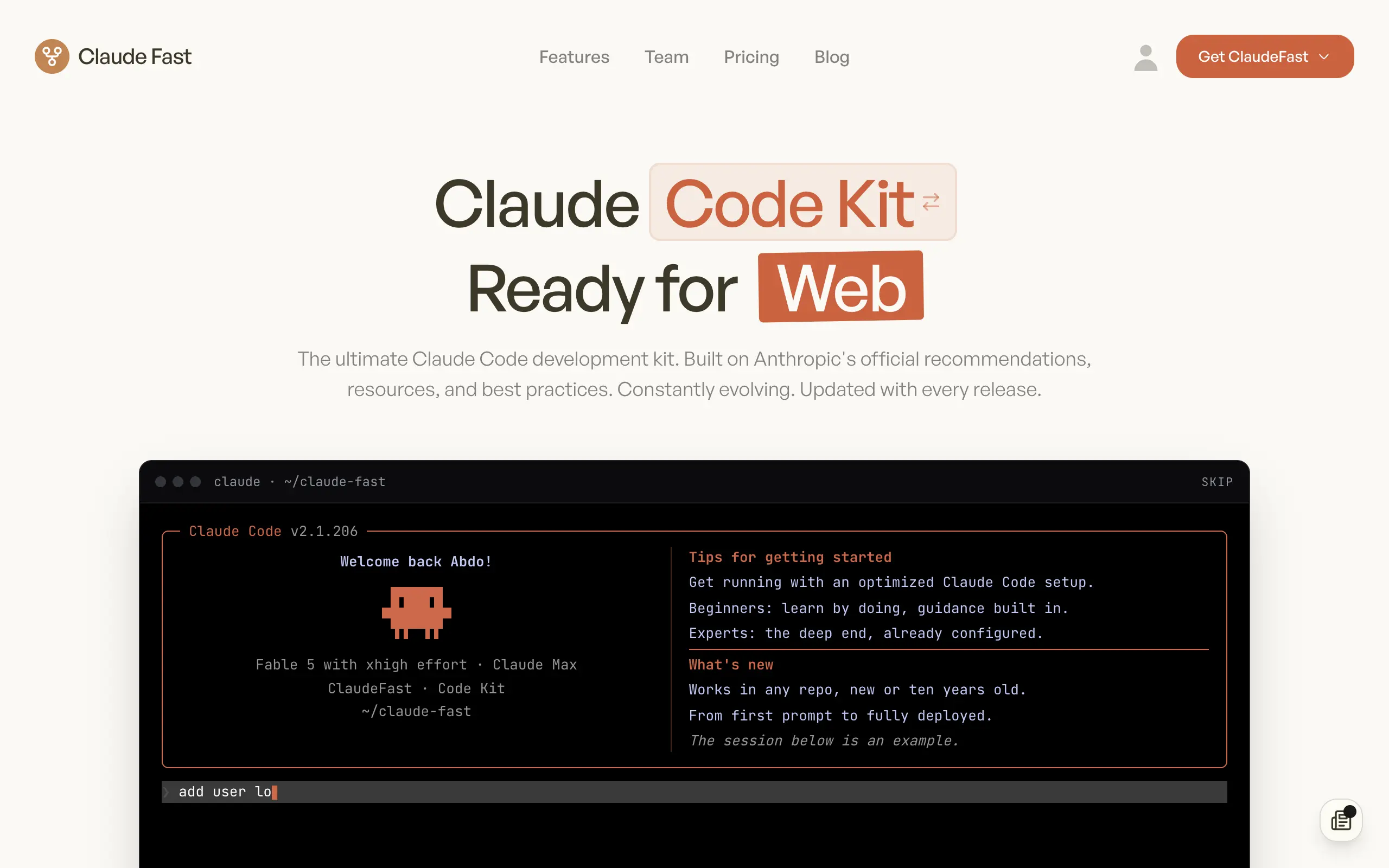
Claude Fast
Supercharge your Claude Code with 6x effective context window and specialized AI agents 🤖
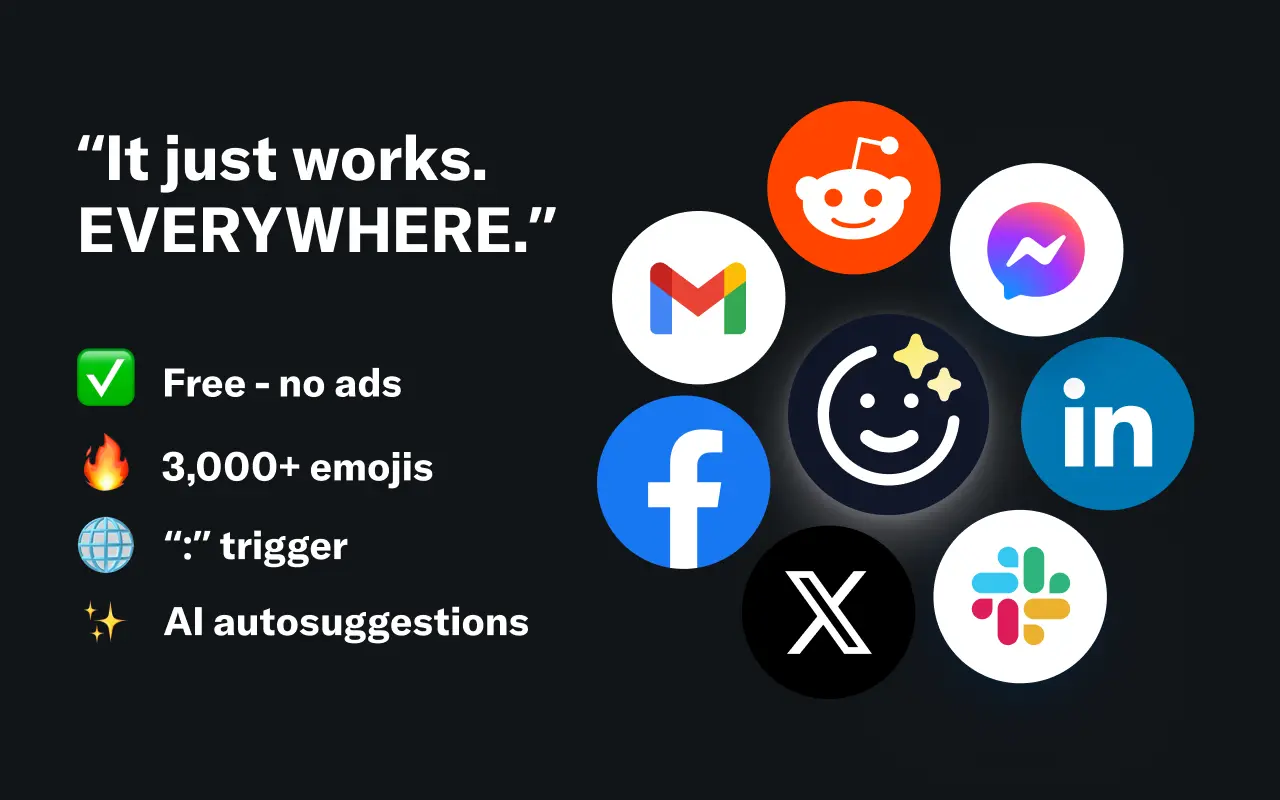
EmojAI
AI-powered emoji picker with smart, context-aware suggestions 🤖

Solohacker
Autonomous company launcher - AI agents work 24/7, escalate what matters, and you stay in control 🤖
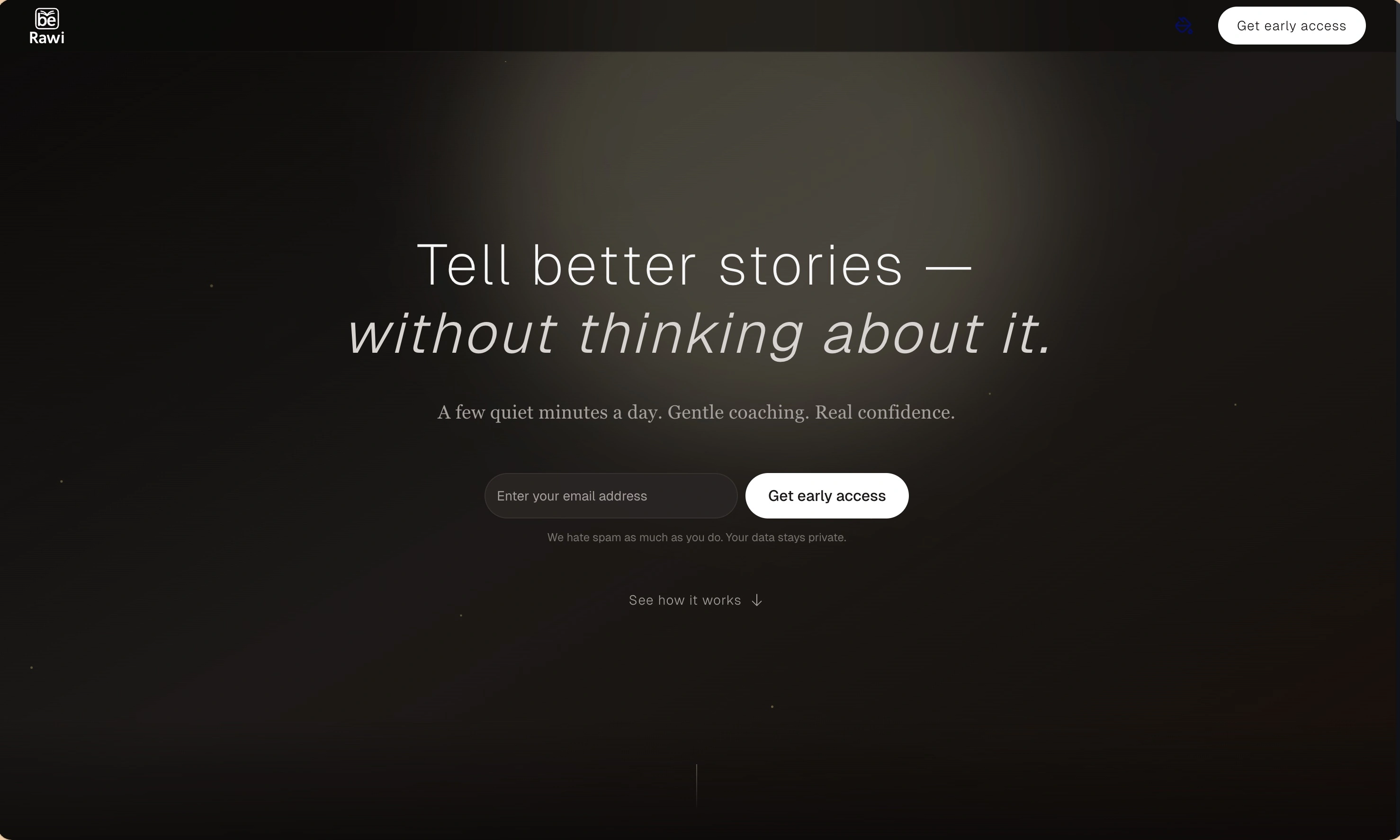
BeRawi: Storytelling Coach
Practice storytelling daily with instant feedback to sound clearer, more engaging, and confident 🎤
Omichat
Chat with 50+ AI models, including ChatGPT and Claude, in one place - switch models anytime without losing context 🤖
Claude Fast
Supercharge your Claude Code with 6x effective context window and specialized AI agents 🤖
EmojAI
AI-powered emoji picker with smart, context-aware suggestions 🤖
Solohacker
Autonomous company launcher - AI agents work 24/7, escalate what matters, and you stay in control 🤖
BeRawi: Storytelling Coach
Practice storytelling daily with instant feedback to sound clearer, more engaging, and confident 🎤
Omichat
Chat with 50+ AI models, including ChatGPT and Claude, in one place - switch models anytime without losing context 🤖
Claude Fast
Supercharge your Claude Code with 6x effective context window and specialized AI agents 🤖
EmojAI
AI-powered emoji picker with smart, context-aware suggestions 🤖
Solohacker
Autonomous company launcher - AI agents work 24/7, escalate what matters, and you stay in control 🤖
BeRawi: Storytelling Coach
Practice storytelling daily with instant feedback to sound clearer, more engaging, and confident 🎤
Omichat
Chat with 50+ AI models, including ChatGPT and Claude, in one place - switch models anytime without losing context 🤖
Claude Fast
Supercharge your Claude Code with 6x effective context window and specialized AI agents 🤖
EmojAI
AI-powered emoji picker with smart, context-aware suggestions 🤖
Solohacker
Autonomous company launcher - AI agents work 24/7, escalate what matters, and you stay in control 🤖
BeRawi: Storytelling Coach
Practice storytelling daily with instant feedback to sound clearer, more engaging, and confident 🎤

Connect with like-minded people
Join our community to get feedback, support, and grow together with 1,000+ builders on board, let's ship it!
Join usShip your startup everywhere. In minutes.
Don't burn tokens on setup and start building features on day one.