ArtifyAssets
Transform sketches or concepts into polished, game-ready 2D/3D assets using generative AI, saving time and costs for game development teams.
Understanding the need for AI-powered asset generation in game development
Game development is a resource-intensive process, especially when it comes to creating high-quality 2D and 3D assets. Studios, indie developers, and even hobbyists often face bottlenecks in asset production—whether due to limited budgets, tight deadlines, or a lack of specialized talent. This is where ArtifyAssets, an AI-driven SaaS platform, steps in: it transforms rough sketches or conceptual ideas into polished, game-ready assets, dramatically reducing both time and cost.
In this article, we’ll explore the market opportunity for ArtifyAssets, analyze its target audience, break down its core features, and provide a comprehensive guide to building, monetizing, and scaling this innovative AI SaaS solution.
Who needs ArtifyAssets? Target audience analysis
Understanding the user base is crucial for any SaaS product, especially one as specialized as ArtifyAssets. The primary keyword here is AI game asset generator, with related terms like "AI 2D asset creation," "AI 3D asset generator," and "game art automation" also highly relevant.
Key user segments
- Indie game developers: Often working with limited resources, these creators need to maximize output without hiring large art teams.
- Small to mid-sized studios: Studios looking to accelerate prototyping or fill gaps in their art pipeline.
- Freelance artists: Professionals who want to speed up repetitive tasks or offer new services to clients.
- Educational institutions: Game design programs seeking tools for rapid prototyping and teaching.
- Hobbyists and modders: Individuals creating mods or personal projects who lack access to professional artists.
User pain points addressed
- High cost of asset creation: Commissioning custom art is expensive.
- Time constraints: Manual asset production can delay game releases.
- Skill gaps: Not every developer is a skilled artist, especially in both 2D and 3D.
- Iteration bottlenecks: Rapid prototyping is hindered by slow asset turnaround.
Speed up prototyping
Generate placeholder or final assets in minutes, not weeks.
Reduce costs
Eliminate the need for large art teams or expensive outsourcing.
Empower creativity
Let developers focus on gameplay and design, not asset bottlenecks.
Market opportunity and gap analysis
The global game development market is booming, with the indie segment growing rapidly thanks to accessible engines like Unity and Unreal. Yet, asset creation remains a persistent hurdle.
Current landscape
- Manual asset creation: Still the norm, requiring skilled artists and significant time investment.
- Asset marketplaces: Platforms like Unity Asset Store or Sketchfab offer pre-made assets, but these often lack uniqueness and may not fit a project’s style.
- Basic AI tools: Some AI art generators exist, but few are tailored for game-ready output, and even fewer handle both 2D and 3D assets with proper optimization.
Identified market gaps
- Lack of end-to-end AI asset pipelines: Most tools focus on concept art, not game-ready assets (with correct formats, LODs, or rigging).
- Limited customization: Existing AI tools rarely allow for style control, animation-ready output, or seamless integration into game engines.
- Fragmented workflows: Developers must juggle multiple tools for concept, modeling, texturing, and optimization.
Industry trend
Generative AI in game development is projected to grow significantly, with recent advancements in diffusion models and 3D mesh generation making high-quality, automated asset creation increasingly viable. (Reference: [VentureBeat AI in Gaming Report, 2023])
Core features of ArtifyAssets: What sets it apart
To address these gaps, ArtifyAssets must deliver a robust, user-friendly, and production-ready solution. Here’s a breakdown of the essential features and their benefits.
1. Sketch-to-asset pipeline
- Input: Users upload a sketch, concept art, or even a textual description.
- AI processing: Advanced generative models convert input into polished 2D sprites or 3D models.
- Output: Game-ready assets in popular formats (PNG, FBX, OBJ, GLTF).
2. Style and fidelity controls
- Custom style transfer: Match assets to a specific art style (pixel art, cel-shaded, realistic, etc.).
- Resolution and polycount settings: Ensure assets are optimized for target platforms (mobile, PC, console).
3. Animation and rigging support
- Auto-rigging for 3D models: Generate assets ready for animation.
- Sprite sheet generation: For 2D assets, output animated sequences or sprite sheets.
4. Seamless engine integration
- Export presets: One-click export for Unity, Unreal, Godot, and other engines.
- Metadata embedding: Include collision, LOD, and material data for immediate use.
5. Collaboration and versioning
- Team workspaces: Allow multiple users to collaborate on asset creation.
- Version control: Track changes and revert to previous iterations.
6. API access
- Developer API: Integrate ArtifyAssets into custom pipelines or automated build systems.
The platform applies post-processing steps such as mesh optimization, UV unwrapping, and format validation to ensure assets meet the technical requirements of modern game engines.
Yes, users can adjust style, resolution, and other parameters, and even provide reference images for more precise control.
Recommended tech stack for building ArtifyAssets
Choosing the right technology stack is critical for performance, scalability, and maintainability. Here’s a recommended approach, with trade-offs considered.
Frontend
- React: For a responsive, interactive UI.
- TailwindCSS: Rapid, consistent styling.
- Three.js: For real-time 3D previews in the browser.
- Redux or Zustand: State management for complex workflows.
Backend
- Python (FastAPI): Efficient for serving AI models and REST APIs.
- Node.js: For real-time collaboration features (WebSockets).
- PostgreSQL: Robust relational database for user data and asset metadata.
- Redis: Caching and queue management for AI job processing.
AI/ML infrastructure
- PyTorch or TensorFlow: For training and serving generative models.
- ONNX Runtime: For cross-platform model deployment.
- NVIDIA Triton Inference Server: Scalable, GPU-accelerated inference.
Storage and deployment
- AWS S3 or Google Cloud Storage: Asset storage and delivery.
- Docker & Kubernetes: Containerization and orchestration for scalability.
- CI/CD: Automated testing and deployment pipelines.
Trade-offs
- Python vs. Node.js for backend: Python excels at AI workloads, but Node.js is better for real-time features. A hybrid approach leverages both strengths.
- Self-hosted vs. managed AI infrastructure: Managed services reduce ops overhead but may limit customization and increase costs at scale.
- React for UI
- TailwindCSS for styling
- Three.js for 3D previews
- FastAPI (Python) for API
- Node.js for real-time features
- PostgreSQL for data
- PyTorch/TensorFlow for model training
- ONNX Runtime for deployment
- NVIDIA Triton for inference
Monetization strategies for ArtifyAssets
A sustainable SaaS business model is essential. Here are proven approaches for monetizing an AI game asset generator:
1. Subscription tiers
- Free tier: Limited monthly asset generations, watermarked outputs, or lower resolution.
- Pro tier: Unlimited generations, high-res exports, advanced style controls.
- Team/Studio tier: Collaboration features, API access, priority support.
2. Pay-per-asset
- On-demand credits: Users purchase credits to generate assets without a subscription.
3. Enterprise licensing
- Custom integrations: Offer white-label or on-premise solutions for large studios.
4. Marketplace revenue share
- User-generated assets: Allow users to sell assets created with ArtifyAssets, taking a commission.
5. API usage fees
- Developer API: Charge based on API calls or data transfer.
| Subscription | Pay-per-asset | Enterprise | Marketplace | API |
|---|---|---|---|---|
| ✅ | ❌ | ❌ | ✅ | ❌ |
| ✅ | ❌ | ✅ | ✅ | ❌ |
Risks and mitigation strategies
Launching an AI-powered SaaS like ArtifyAssets comes with unique challenges. Here’s how to anticipate and address them.
1. Quality and consistency of AI output
- Risk: Generated assets may not meet professional standards or may lack consistency.
- Mitigation:
- Continuously train models on diverse, high-quality datasets.
- Allow user feedback to fine-tune outputs.
- Offer manual post-processing or editing tools.
2. Copyright and ethical concerns
- Risk: AI-generated assets may inadvertently replicate copyrighted material.
- Mitigation:
- Use only licensed or original training data.
- Implement plagiarism detection and transparency features.
3. Performance and scalability
- Risk: High demand could overwhelm servers, leading to slow generation times.
- Mitigation:
- Use scalable cloud infrastructure.
- Implement job queues and prioritize premium users.
4. User adoption and trust
- Risk: Developers may be skeptical of AI-generated assets’ quality or usability.
- Mitigation:
- Provide transparent documentation and sample outputs.
- Offer a generous free tier for trial.
- Highlight successful case studies.
Important
Always ensure compliance with copyright laws and be transparent about how AI models are trained and how user data is handled.
Competitive advantage: Why ArtifyAssets stands out
While several AI art generators exist, few are purpose-built for game development. ArtifyAssets’ unique selling proposition (USP) lies in its end-to-end, game-ready asset pipeline—from sketch to optimized, engine-ready output.
Key differentiators
- Game-focused output: Assets are not just visually appealing but technically optimized for real-time engines.
- 2D and 3D support: Most competitors focus on one or the other.
- Customization and control: Fine-tune style, resolution, and technical specs.
- Collaboration features: Built for teams, not just individuals.
- API-first approach: Enables integration into any studio’s workflow.
How ArtifyAssets compares
- Versus generic AI art tools: Delivers assets in game-ready formats, with animation and rigging support.
- Versus asset marketplaces: Generates unique, project-specific assets rather than generic, pre-made ones.
- Versus manual pipelines: Reduces production time from weeks to minutes.
Actionable steps to implement ArtifyAssets
Ready to bring ArtifyAssets to life? Here’s a step-by-step roadmap for founders and technical teams.
Conclusion: The future of AI in game asset creation
ArtifyAssets is poised to revolutionize how game developers create and iterate on visual assets. By leveraging cutting-edge generative AI, it empowers teams of all sizes to focus on creativity and gameplay, not production bottlenecks. With a clear market need, robust technical foundation, and a flexible monetization strategy, ArtifyAssets stands out as a compelling SaaS opportunity in the rapidly evolving game development landscape.
For founders and builders, the path forward is clear: validate, prototype, iterate, and scale. By prioritizing user needs and technical excellence, ArtifyAssets can become the go-to platform for AI-powered game asset generation.
Further resources
- TurboStarter — Accelerate your SaaS MVP launch.
- React — Official documentation.
- TailwindCSS — Utility-first CSS framework.
- Unity Asset Store — Example of a traditional asset marketplace.
- [VentureBeat AI in Gaming Report, 2023] — For industry trends and statistics (suggested reference).
Frequently asked questions
Yes, the platform is designed to handle both 2D sprites and 3D models, with export options for all major game engines.
Absolutely. ArtifyAssets offers a robust API for developers and studios to automate asset generation and integrate with their existing workflows.
The AI models are trained on licensed or original datasets, and the platform includes plagiarism detection to ensure asset originality.
More 🤖 AI Startup SaaS ideas
Discover more innovative ai startup SaaS ideas that are trending in 2026. Each idea is AI-generated with market validation and growth potential to help you find your next profitable venture faster than competitors.
Your competitors are building with TurboStarter
Below are some of the SaaS ideas that have been generated and built with our starter kit.
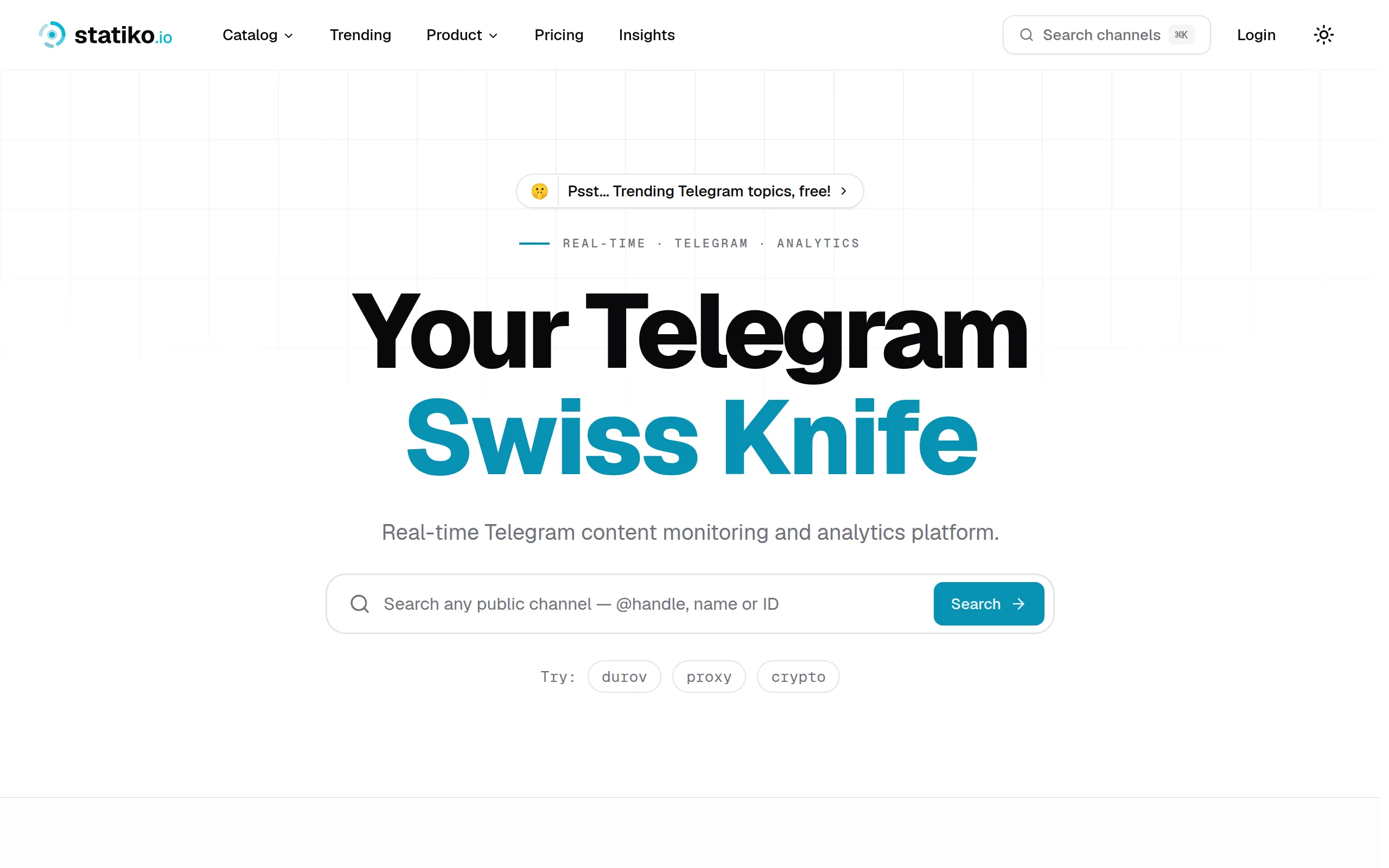
Statiko
Monitor any Telegram channel in real time - track posts, edits, deletions, and growth with AI recaps 📡

Shibui
AI website builder - describe your business, pick a niche template, edit by chatting, and publish instantly ✨

Pro Service
Find verified home service professionals, compare quotes, and pay securely through escrow - built for Brazilians across the US 🏠

RankGrow
Fix your SEO with AI agents - connect Search Console, get prioritized tasks, and grow organic traffic 📈
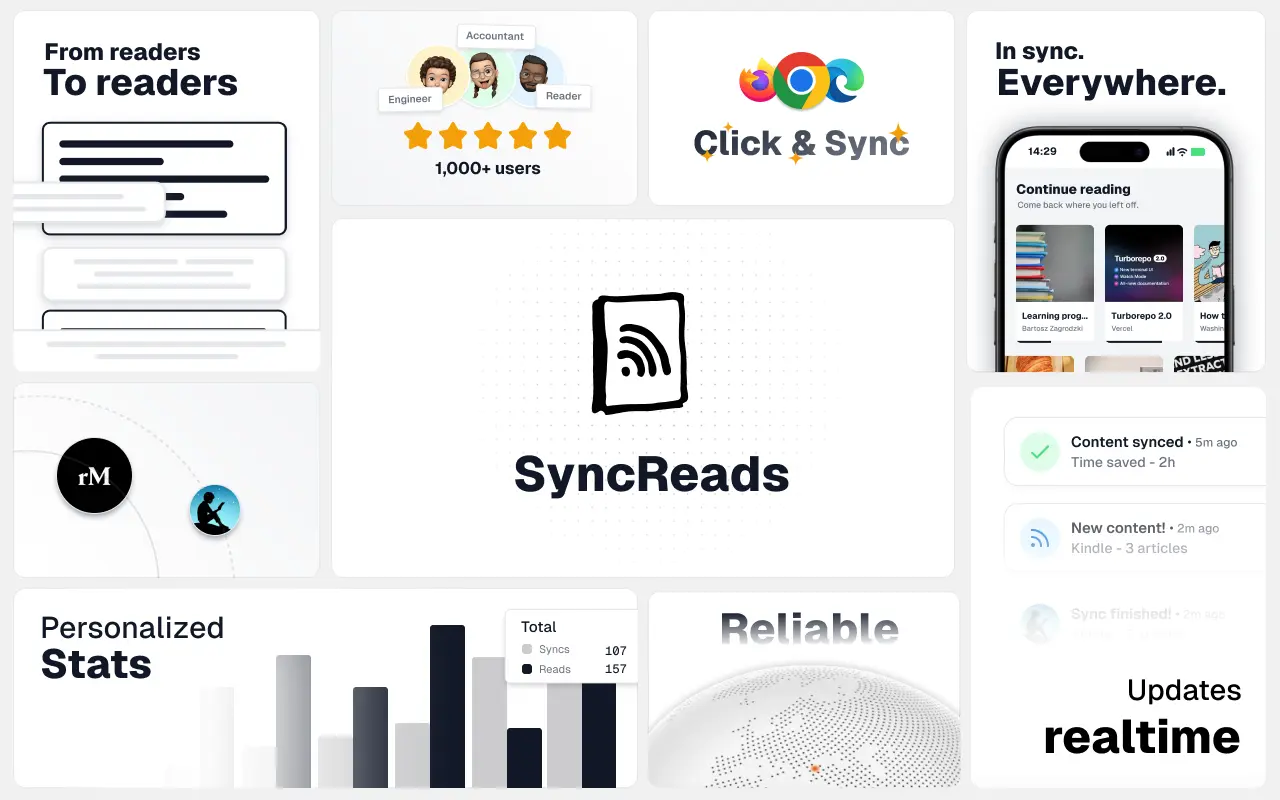
SyncReads
Sync your favorite content for distraction-free reading, save time and replace multiple apps. Anytime, anywhere 🔄
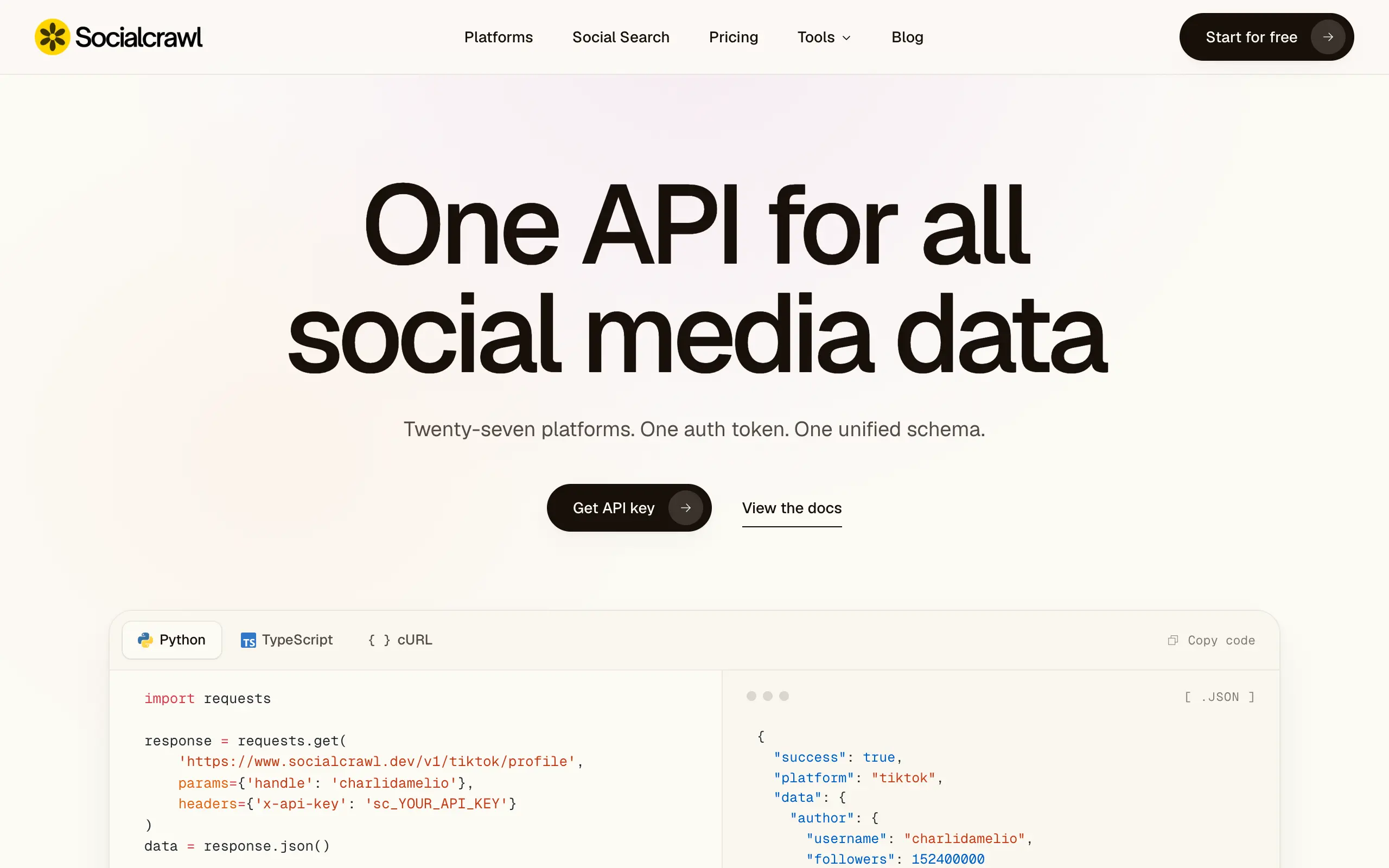
Socialcrawl
Get clean, structured data from 21 platforms like TikTok, Instagram, and YouTube with a single request 📊
Statiko
Monitor any Telegram channel in real time - track posts, edits, deletions, and growth with AI recaps 📡
Shibui
AI website builder - describe your business, pick a niche template, edit by chatting, and publish instantly ✨
Pro Service
Find verified home service professionals, compare quotes, and pay securely through escrow - built for Brazilians across the US 🏠
RankGrow
Fix your SEO with AI agents - connect Search Console, get prioritized tasks, and grow organic traffic 📈
SyncReads
Sync your favorite content for distraction-free reading, save time and replace multiple apps. Anytime, anywhere 🔄
Socialcrawl
Get clean, structured data from 21 platforms like TikTok, Instagram, and YouTube with a single request 📊
Statiko
Monitor any Telegram channel in real time - track posts, edits, deletions, and growth with AI recaps 📡
Shibui
AI website builder - describe your business, pick a niche template, edit by chatting, and publish instantly ✨
Pro Service
Find verified home service professionals, compare quotes, and pay securely through escrow - built for Brazilians across the US 🏠
RankGrow
Fix your SEO with AI agents - connect Search Console, get prioritized tasks, and grow organic traffic 📈
SyncReads
Sync your favorite content for distraction-free reading, save time and replace multiple apps. Anytime, anywhere 🔄
Socialcrawl
Get clean, structured data from 21 platforms like TikTok, Instagram, and YouTube with a single request 📊
Statiko
Monitor any Telegram channel in real time - track posts, edits, deletions, and growth with AI recaps 📡
Shibui
AI website builder - describe your business, pick a niche template, edit by chatting, and publish instantly ✨
Pro Service
Find verified home service professionals, compare quotes, and pay securely through escrow - built for Brazilians across the US 🏠
RankGrow
Fix your SEO with AI agents - connect Search Console, get prioritized tasks, and grow organic traffic 📈
SyncReads
Sync your favorite content for distraction-free reading, save time and replace multiple apps. Anytime, anywhere 🔄
Socialcrawl
Get clean, structured data from 21 platforms like TikTok, Instagram, and YouTube with a single request 📊
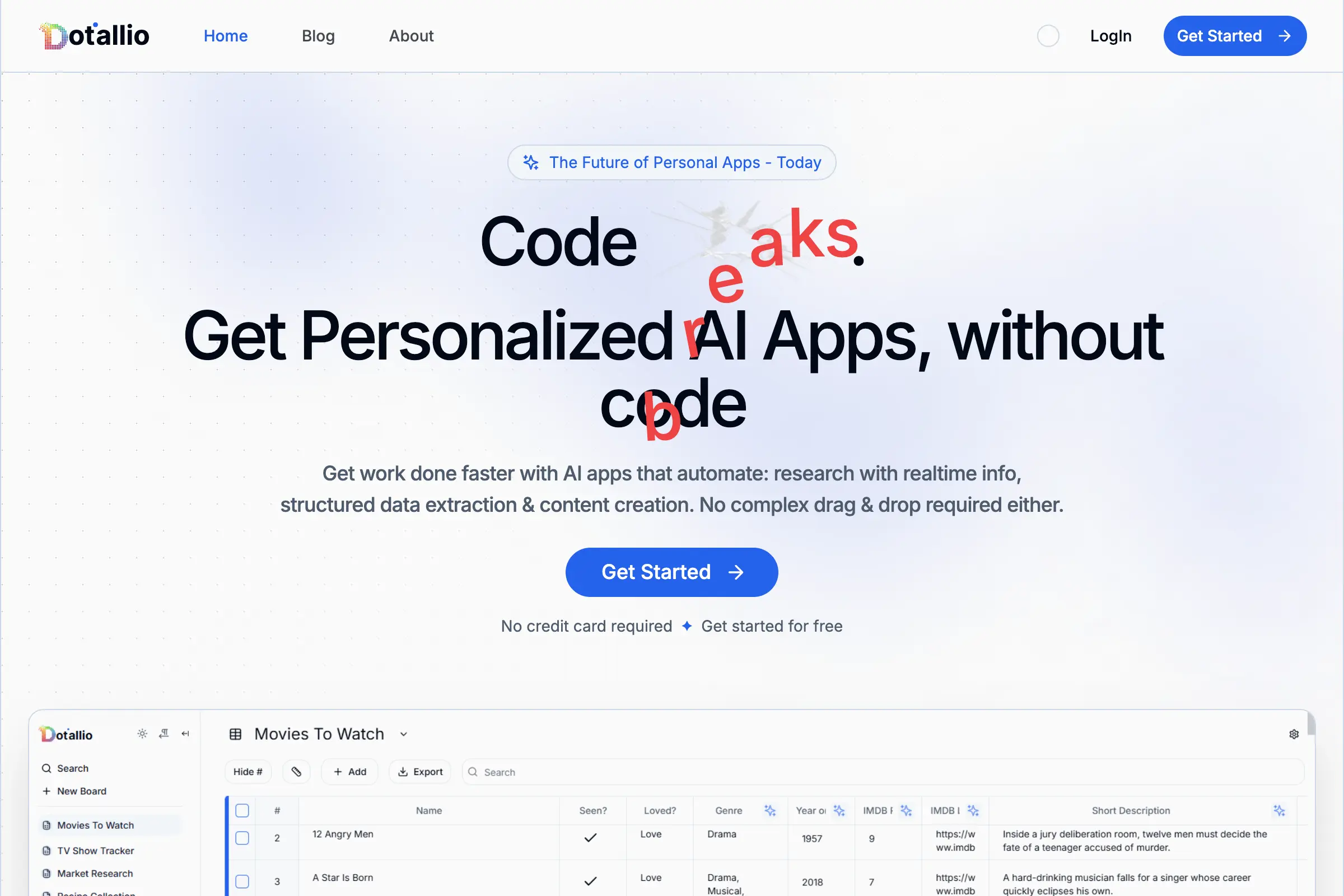
Dotallio
Personalized AI apps that automate research, data extraction, and content creation without code 🤖

Talk to Santa
Enjoy a magical live video chat or receive a unique AI-generated video greeting from Santa Claus 🎅

pozywka.pl
Scalable blog for food journalist, focused on performance and user experience 🌭
zagrodzki.me
Personal blog and portfolio of Bart Zagrodzki, where he shares his knowledge and work 💼
TurboStarter
Ship your startup everywhere. In minutes.
HTML to Markdown
Convert HTML to Markdown with ease, directly in your browser 📄
Dotallio
Personalized AI apps that automate research, data extraction, and content creation without code 🤖
Talk to Santa
Enjoy a magical live video chat or receive a unique AI-generated video greeting from Santa Claus 🎅
pozywka.pl
Scalable blog for food journalist, focused on performance and user experience 🌭
zagrodzki.me
Personal blog and portfolio of Bart Zagrodzki, where he shares his knowledge and work 💼
TurboStarter
Ship your startup everywhere. In minutes.
HTML to Markdown
Convert HTML to Markdown with ease, directly in your browser 📄
Dotallio
Personalized AI apps that automate research, data extraction, and content creation without code 🤖
Talk to Santa
Enjoy a magical live video chat or receive a unique AI-generated video greeting from Santa Claus 🎅
pozywka.pl
Scalable blog for food journalist, focused on performance and user experience 🌭
zagrodzki.me
Personal blog and portfolio of Bart Zagrodzki, where he shares his knowledge and work 💼
TurboStarter
Ship your startup everywhere. In minutes.
HTML to Markdown
Convert HTML to Markdown with ease, directly in your browser 📄
Dotallio
Personalized AI apps that automate research, data extraction, and content creation without code 🤖
Talk to Santa
Enjoy a magical live video chat or receive a unique AI-generated video greeting from Santa Claus 🎅
pozywka.pl
Scalable blog for food journalist, focused on performance and user experience 🌭
zagrodzki.me
Personal blog and portfolio of Bart Zagrodzki, where he shares his knowledge and work 💼
TurboStarter
Ship your startup everywhere. In minutes.
HTML to Markdown
Convert HTML to Markdown with ease, directly in your browser 📄
Omichat
Chat with 50+ AI models, including ChatGPT and Claude, in one place - switch models anytime without losing context 🤖
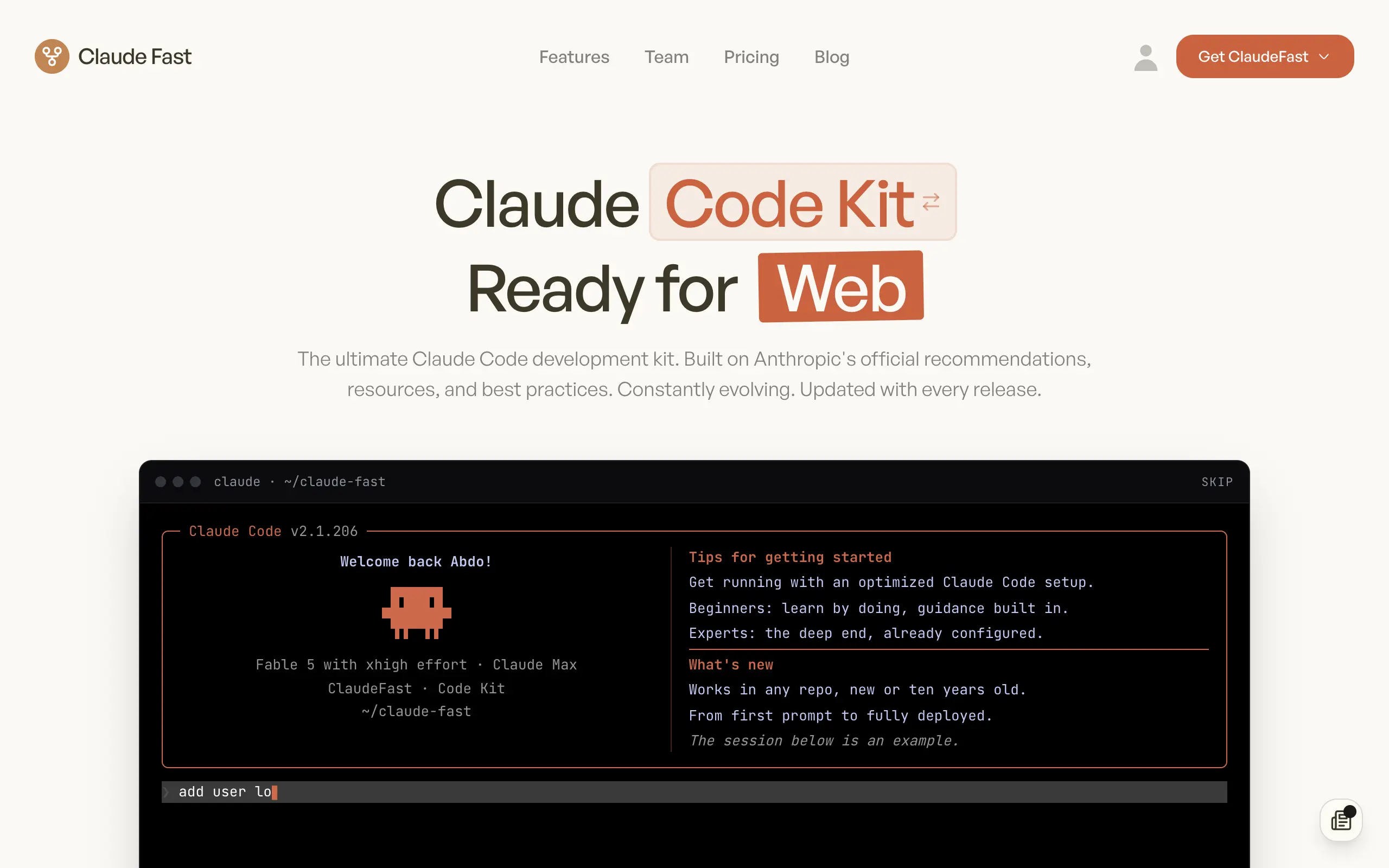
Claude Fast
Supercharge your Claude Code with 6x effective context window and specialized AI agents 🤖
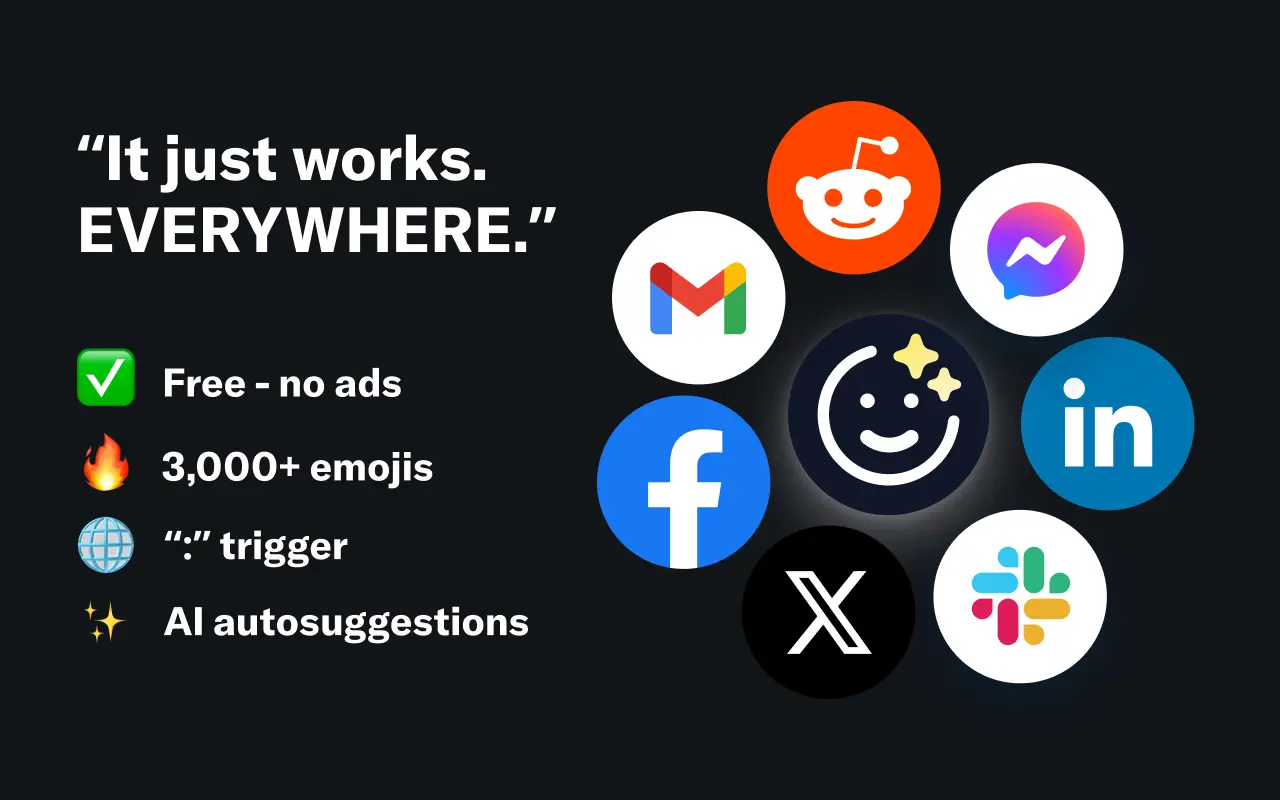
EmojAI
AI-powered emoji picker with smart, context-aware suggestions 🤖

Solohacker
Autonomous company launcher - AI agents work 24/7, escalate what matters, and you stay in control 🤖
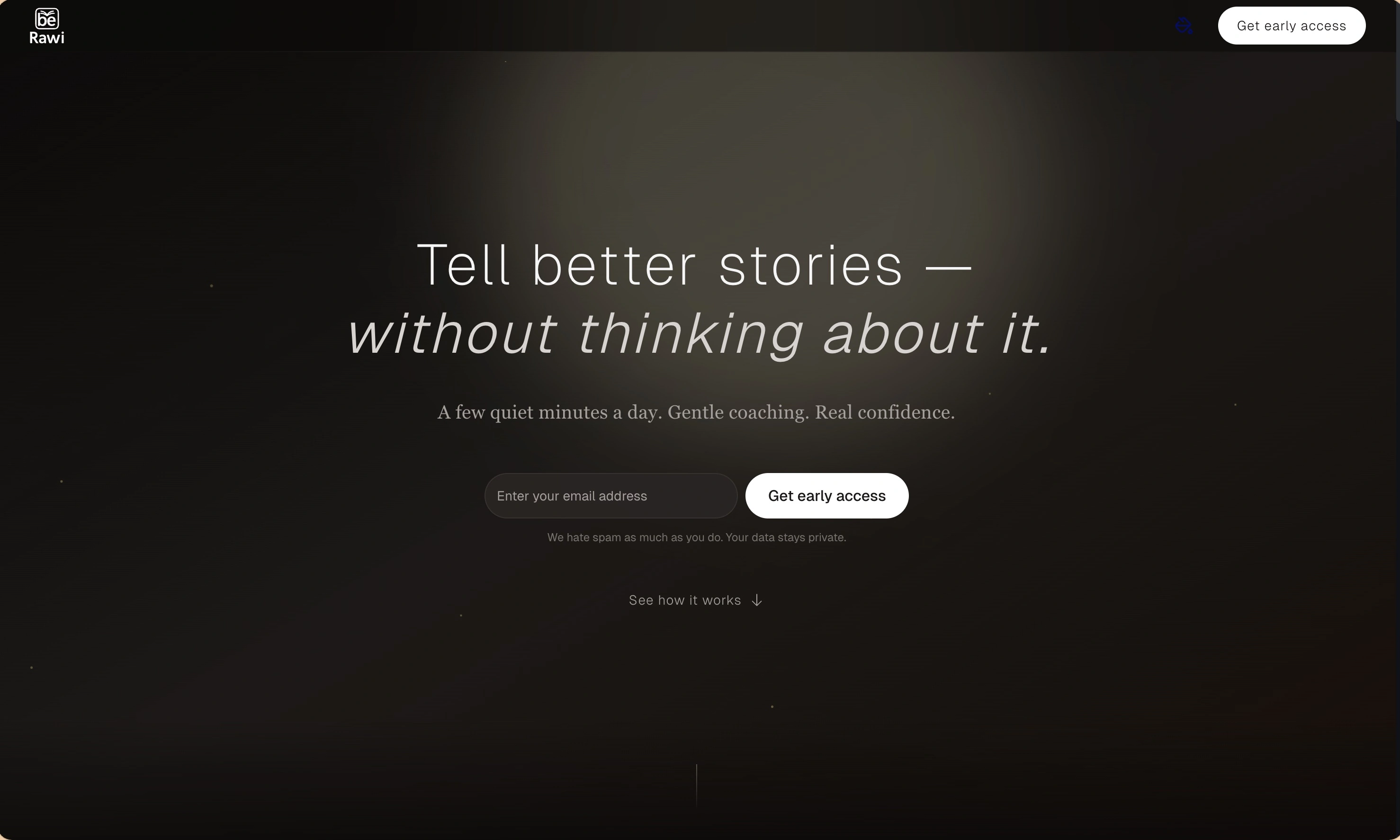
BeRawi: Storytelling Coach
Practice storytelling daily with instant feedback to sound clearer, more engaging, and confident 🎤
Omichat
Chat with 50+ AI models, including ChatGPT and Claude, in one place - switch models anytime without losing context 🤖
Claude Fast
Supercharge your Claude Code with 6x effective context window and specialized AI agents 🤖
EmojAI
AI-powered emoji picker with smart, context-aware suggestions 🤖
Solohacker
Autonomous company launcher - AI agents work 24/7, escalate what matters, and you stay in control 🤖
BeRawi: Storytelling Coach
Practice storytelling daily with instant feedback to sound clearer, more engaging, and confident 🎤
Omichat
Chat with 50+ AI models, including ChatGPT and Claude, in one place - switch models anytime without losing context 🤖
Claude Fast
Supercharge your Claude Code with 6x effective context window and specialized AI agents 🤖
EmojAI
AI-powered emoji picker with smart, context-aware suggestions 🤖
Solohacker
Autonomous company launcher - AI agents work 24/7, escalate what matters, and you stay in control 🤖
BeRawi: Storytelling Coach
Practice storytelling daily with instant feedback to sound clearer, more engaging, and confident 🎤
Omichat
Chat with 50+ AI models, including ChatGPT and Claude, in one place - switch models anytime without losing context 🤖
Claude Fast
Supercharge your Claude Code with 6x effective context window and specialized AI agents 🤖
EmojAI
AI-powered emoji picker with smart, context-aware suggestions 🤖
Solohacker
Autonomous company launcher - AI agents work 24/7, escalate what matters, and you stay in control 🤖
BeRawi: Storytelling Coach
Practice storytelling daily with instant feedback to sound clearer, more engaging, and confident 🎤

Connect with like-minded people
Join our community to get feedback, support, and grow together with 1,000+ builders on board, let's ship it!
Join usShip your startup everywhere. In minutes.
Don't burn tokens on setup and start building features on day one.