AskBetter
An AI prompt companion that helps users define vague problems through adaptive questions, then delivers a useful plan, draft, or recommendation.
What AskBetter solves for AI users
Most people do not struggle because AI tools are incapable. They struggle because they begin with an incomplete thought:
- “Help me grow my business.”
- “What should I build?”
- “Write a better marketing plan.”
- “How do I fix team communication?”
- “I need a career change.”
These are real problems, but they are not yet actionable prompts. They lack context, constraints, target outcomes, available resources, and a definition of success. When users submit vague requests to a general AI assistant, the result is often a generic answer that sounds useful but does not create momentum.
AskBetter is an AI prompt companion designed to solve this gap. Rather than treating prompting as a one-shot request, it guides the user through adaptive follow-up questions. The product then converts an unclear idea into a practical plan, polished draft, structured recommendation, or next-step decision framework.
The core value proposition is simple:
AskBetter helps users think more clearly before asking AI to answer.
This positioning makes the product more than another AI chat interface. It is a problem-definition layer that sits between a user’s vague intent and the useful output they actually need.
For solo founders, marketers, managers, students, consultants, and knowledge workers, this approach can improve the quality of AI outputs without requiring users to become prompt engineering experts.
The strategic opportunity
The strongest version of AskBetter is not marketed as a prompt generator. It should be positioned as an AI-powered clarity tool that turns fuzzy problems into confident next actions.
Why an AI prompt companion has a real market opportunity
The market for generative AI is increasingly crowded, but most products still ask users to do the hardest part themselves: define the problem correctly.
General-purpose AI assistants are excellent at generating text, summarizing information, brainstorming, coding, and analyzing documents. However, they commonly fail when the original prompt is underspecified. A user might receive an impressive-looking response, yet still lack an answer tailored to their situation.
That creates a meaningful market gap for an adaptive AI questioning tool.
The gap between AI capability and user clarity
AI adoption has accelerated across marketing, customer support, product development, education, sales, and operations. Yet many users still experience several recurring problems:
- They do not know what information to include in a prompt.
- They ask for an output before defining the desired outcome.
- They receive generic AI responses and assume the model is not useful.
- They do not know which follow-up questions matter.
- They have context in their head but cannot communicate it efficiently.
- They need a decision or plan, not simply a block of generated text.
AskBetter can address these issues with guided AI conversations that identify missing context and progressively narrow the problem.
For example, a user who says, “I need help with my SaaS marketing” should not immediately receive a generic marketing checklist. AskBetter should first determine:
- What product is being sold.
- Who the ideal customer is.
- What stage the company is in.
- What channels have already been tested.
- What budget, team, and timeframe are available.
- What measurable outcome matters most.
Only after gathering those details should the product create a plan.
Why this is different from traditional prompt libraries
Prompt libraries offer static templates. They are useful for repeatable tasks, but they often assume the user already knows what they need.
AskBetter serves a different job to be done:
- A prompt library says, “Use this prompt for a marketing strategy.”
- An AI prompt companion says, “Let’s determine what marketing problem you actually have before we write the strategy.”
This distinction is important. Templates optimize execution after clarity exists. AskBetter helps create clarity in the first place.
The ideal timing for AskBetter
Several product and user-behavior trends support this idea:
- AI users increasingly expect personalized outputs rather than generic drafts.
- Teams are adopting AI without formal prompt training.
- Professionals need help converting discussions into decisions and deliverables.
- Vertical AI workflows are becoming more valuable than broad chat experiences.
- Trust, privacy, and transparency are becoming stronger buying criteria for AI software.
Founders should validate current demand with reputable sources such as industry reports from major research firms, public earnings calls from AI platforms, and annual workplace AI surveys. When citing statistics in marketing materials, use a clear source format such as “Source: Organization name, report title, publication year” and verify every number before publication.
Target audience analysis for AskBetter
AskBetter has broad appeal, but a broad launch strategy would weaken its positioning. The strongest go-to-market approach is to start with users who experience repeated ambiguity in high-value work.
Primary audience: knowledge workers using AI without a repeatable process
The primary customer profile is a knowledge worker who already knows AI can help but struggles to get consistently useful results.
This audience includes:
- Product managers defining feature requirements.
- Marketers developing campaign briefs.
- Founders planning product launches.
- Consultants structuring client recommendations.
- Managers preparing difficult conversations.
- Freelancers scoping projects.
- Students clarifying research questions.
- Job seekers preparing career plans and applications.
These users are not necessarily beginners. Many have used ChatGPT or other AI assistants repeatedly. Their frustration is that answers often feel too broad, too obvious, or disconnected from the real-world constraints of their work.
Secondary audience: teams that need standardized thinking
Teams can be a high-value expansion market because unclear requests create downstream inefficiency.
Consider common workplace situations:
- A marketing team starts a campaign without a clear audience segment.
- A product team receives a feature request without success criteria.
- A sales leader needs a territory plan but has not identified the bottleneck.
- A consultant gathers client notes but needs a decision-ready recommendation.
- A people manager must address a performance issue thoughtfully.
In each case, AskBetter can provide a repeatable intake workflow. The result is not just a better AI response. It is a better internal brief.
High-intent user segments to prioritize
Founders and indie hackers
They need fast help with positioning, validation, launch plans, prioritization, and customer research.
Marketing professionals
They benefit from adaptive campaign briefs, audience analysis, content planning, and conversion-focused recommendations.
Consultants and agencies
They can use structured discovery workflows to turn client ambiguity into high-value deliverables.
Managers and operators
They need practical decision support for planning, communication, hiring, process improvement, and team alignment.
User pain points AskBetter should address
The best messaging should describe the user’s emotional and operational frustration, not just the product functionality.
Common pain points include:
- “I know something is wrong, but I cannot articulate the problem.”
- “AI gives me generic answers because I do not know what to ask.”
- “I spend too much time rewriting prompts.”
- “I need a decision framework, not more ideas.”
- “I need to turn scattered thoughts into an execution plan.”
- “I do not want to share sensitive context with a generic public tool.”
- “I want AI guidance, but I still want control over the conclusion.”
These statements can inform landing page copy, onboarding prompts, paid search campaigns, and product-led growth loops.
The core AskBetter workflow
A successful AI prompt companion should feel conversational, fast, and purposeful. The product should avoid interrogating users with a long form disguised as a chatbot.
The ideal experience is a guided loop:
- The user describes a challenge in natural language.
- AskBetter identifies ambiguity, assumptions, and missing context.
- The product asks the highest-value follow-up question.
- The user answers, skips, or selects from suggested options.
- AskBetter updates its understanding of the problem.
- The system generates an outcome appropriate to the user’s goal.
- The user refines, exports, saves, or shares the result.
Adaptive questions are the product’s core intelligence
The quality of the questioning engine will determine whether AskBetter feels valuable or frustrating.
Questions should not be random or exhaustive. They should be selected based on their expected impact on the quality of the final output.
For a marketing request, high-value questions may include:
- Who is the target buyer?
- What action should the audience take?
- What offer or product is being promoted?
- Which channel is the priority?
- What proof, differentiation, or customer insight is available?
- What constraints exist around budget, brand, timing, or compliance?
For a career request, the system may instead ask:
- What role or direction are you considering?
- What parts of your current work energize or drain you?
- What income requirements or geographic constraints apply?
- Which skills are transferable?
- Is the goal to explore options, make a decision, or prepare an application?
The system should recognize that not every question is equally important.
A useful answer should match the user’s desired outcome
AskBetter should let users choose, or infer, the type of output they need. Possible output modes include:
| Output mode | Best for | Core deliverable | User value | Priority |
|---|---|---|---|---|
| Action plan | Projects and goals | Sequenced next steps | Creates momentum | High |
| Decision guide | Complex choices | Options, trade-offs, recommendation | Reduces uncertainty | High |
| Draft | Writing tasks | Email, brief, proposal, document | Saves time | High |
| Research brief | Discovery and analysis | Questions, hypotheses, research plan | Improves investigation | Medium |
| Prompt export | External AI workflows | Structured reusable prompt | Extends product utility | Medium |
The output should explicitly show how the system arrived at its recommendation. For example, a final plan can include:
- The problem statement.
- The assumptions used.
- The key constraints.
- The recommended approach.
- Immediate next actions.
- Risks to monitor.
- Questions that remain unanswered.
This transparency is essential for building trust. Users should feel that AskBetter is helping them think, not pretending to know more than it does.
Core features for an AI problem-definition tool
A compelling minimum viable product does not need every productivity feature. It needs an excellent clarity-to-output workflow.
Guided problem intake
The first screen should make starting easy. Users can write a sentence, paste notes, upload a brief, or choose a common workflow.
Useful starter prompts might include:
- “I need help making a decision.”
- “I need to plan a project.”
- “I need to write something.”
- “I need to solve a business problem.”
- “I need to clarify a goal.”
- “I need to prepare for an important conversation.”
This reduces blank-page anxiety and helps the system classify intent early.
Intent detection and problem classification
AskBetter should identify the likely category of the user’s request. Examples include:
- Strategic planning.
- Business validation.
- Writing and communication.
- Personal productivity.
- Career planning.
- Product discovery.
- Marketing strategy.
- Customer research.
- Team management.
Classification enables better follow-up questions, better output formatting, and clearer templates without requiring users to navigate a complex menu.
Dynamic question sequencing
The question engine should consider several factors:
- Relevance to the current problem type.
- Information already supplied by the user.
- User’s willingness to answer more questions.
- The desired output format.
- The uncertainty level of the recommendation.
- Whether sensitive information is being requested.
A strong implementation can assign an internal confidence score to each key context field. If the system has enough information to produce a useful answer, it should stop asking and generate the result. If confidence is low on a high-impact variable, it should ask a focused follow-up question.
Editable problem statement
One of AskBetter’s most valuable moments should be the creation of a clear problem statement.
For example, a vague request such as “Help me improve our onboarding” could become:
Create a 30-day plan to improve activation for self-serve trial users of a B2B SaaS product, with emphasis on reducing time-to-value for non-technical teams and measuring activation through first-project completion.
Users should be able to edit this statement before generating the final result. This creates ownership and reduces the “black box” effect common in AI products.
Outcome generator with practical formatting
The final result should be structured for action, not just polished prose. Depending on the workflow, AskBetter can generate:
- A prioritized action plan.
- A decision matrix.
- A project brief.
- A campaign strategy.
- A customer interview guide.
- A product requirements draft.
- A difficult-conversation script.
- A reusable master prompt.
Each output should be easy to copy, export, revise, and share.
Saved sessions and reusable context
Users will return if AskBetter remembers their working context safely.
Useful memory features include:
- Saved projects.
- Reusable company profiles.
- Personal preferences.
- Brand voice settings.
- Role and team context.
- Reusable frameworks.
- Previous decisions and plans.
Privacy controls should be explicit. Users need clear options to delete sessions, disable retention, and understand how their content is handled.
Collaboration and feedback loops
For team plans, collaboration can become a meaningful differentiator.
Possible features include:
- Shareable read-only links.
- Comments on a generated plan.
- Approval states.
- Version history.
- Team workspace templates.
- Feedback capture after implementation.
A feedback loop can also improve the product itself. AskBetter can ask whether the final output was useful and which action the user took. With consent and appropriate privacy safeguards, this feedback can improve prompt orchestration and template quality.
AskBetter’s unique selling proposition
The unique selling proposition should be stated with clarity:
AskBetter does not just generate answers. It helps users define the right question, gather the context that matters, and turn ambiguity into a useful next step.
This is stronger than positioning the product as a prompt enhancer or AI writing assistant.
Competitive advantage against general AI chat tools
General AI tools are powerful, but they are designed for many tasks. AskBetter can win by being opinionated about one valuable workflow: moving from uncertainty to clarity.
Its advantages can include:
- Adaptive discovery instead of static prompt templates.
- Outcome-aware questioning based on the requested deliverable.
- Structured final outputs designed for implementation.
- Transparency around assumptions and missing information.
- Domain-specific playbooks for high-value use cases.
- Reusable context for recurring professional work.
- Privacy-first workspace controls for paid customers.
Competitive advantage against prompt marketplaces
Prompt marketplaces are often collections of generic instructions. They may help users discover ideas, but they do not deeply understand the user’s situation.
AskBetter can differentiate by making every interaction contextual.
A marketing manager should not need to search through hundreds of prompts to find “the best prompt for a campaign strategy.” They should be able to describe their situation and receive a tailored discovery flow that produces the exact brief, plan, or prompt needed.
Competitive advantage against consultants and coaches
AskBetter will not replace expert consultants for high-stakes strategy. However, it can make expert-quality thinking frameworks more accessible for lower-stakes or early-stage work.
The positioning should be careful:
- AskBetter can accelerate preparation.
- AskBetter can improve the quality of a first draft.
- AskBetter can help users organize options.
- AskBetter should not claim to provide professional legal, medical, financial, or regulated advice.
This balance strengthens trust and reduces product risk.
Recommended tech stack for AskBetter
The best technical stack depends on the founding team’s experience, speed requirements, privacy obligations, and expected usage volume. For a modern SaaS MVP, the goal should be rapid iteration without compromising observability, security, or future extensibility.
Frontend and application framework
A strong default stack is Next.js with React and TypeScript.
This combination works well because it supports:
- Server-rendered marketing pages for SEO.
- Responsive authenticated application experiences.
- API routes or server actions for product logic.
- Strong type safety for complex AI workflow states.
- A mature ecosystem for authentication, billing, analytics, and deployments.
For styling, Tailwind CSS is a practical choice. It enables rapid UI iteration and makes it easier to maintain a consistent design system as the product grows.
Backend and database architecture
For early-stage development, a managed PostgreSQL database is an excellent foundation. PostgreSQL provides mature relational modeling, strong querying, and support for structured JSON data when needed.
Core database entities may include:
- Users and organizations.
- Workspaces and roles.
- Sessions.
- User messages.
- AI question states.
- Problem statements.
- Generated outputs.
- Saved templates.
- Usage events.
- Subscription records.
- Consent and retention preferences.
Use a background job system for long-running output generation, document processing, notifications, and analytics aggregation. This prevents slow AI tasks from degrading the interactive user experience.
AI orchestration layer
The AI layer should not be a single large prompt. It should be a modular orchestration system with clear stages.
A practical flow may look like this:
type AskBetterSession = {
  goal: string
  problemType: "planning" | "decision" | "writing" | "research"
  knownContext: Record<string, string>
  unansweredCriticalFields: string[]
  confidenceScore: number
}

async function advanceSession(session: AskBetterSession) {
  if (session.unansweredCriticalFields.length > 0) {
    return {
      mode: "question",
      question: await generateBestFollowUpQuestion(session),
    }
  }

  return {
    mode: "output",
    result: await generateStructuredRecommendation(session),
  }
}
The logic should separate:
- Intent classification.
- Context extraction.
- Missing-information detection.
- Follow-up question selection.
- Output generation.
- Output evaluation.
- Safety and policy checks.
This separation makes the product easier to test, refine, and audit.
Model strategy and trade-offs
AskBetter should be model-flexible. Different tasks may require different trade-offs between cost, latency, reasoning quality, and data controls.
Use higher-capability models when generating nuanced strategic recommendations, analyzing lengthy context, or handling complex synthesis. Use faster and lower-cost models for classification, session summaries, metadata extraction, and simple routing.
The main trade-offs are:
- Higher-quality models can produce better reasoning but increase operating costs and response times.
- Smaller models are faster and cheaper but may miss nuance in ambiguous user problems.
- Single-model architectures are easier to maintain but less cost-efficient.
- Multi-model routing can optimize unit economics but adds engineering complexity.
For product quality, do not rely on a model’s implicit memory across turns. Persist structured context in your own application layer. This makes sessions more reliable and gives users greater control over stored information.
Retrieval and knowledge features
AskBetter can later support user-provided documents, company materials, notes, and playbooks. Retrieval-augmented generation can help ground outputs in relevant user context.
Potential use cases include:
- Generating a campaign plan based on brand guidelines.
- Creating a project brief from meeting notes.
- Building a sales strategy from customer interview summaries.
- Drafting a proposal based on prior case studies.
- Preparing a manager for a conversation using performance documentation.
When implementing retrieval, prioritize source citations inside the product. Users should be able to see which uploaded document informed a recommendation.
Security, privacy, and AI governance
Trust should be built into the architecture, not added as a marketing layer.
At minimum, AskBetter should provide:
- Encryption in transit and at rest.
- Clear data retention settings.
- Account deletion workflows.
- Access controls for team workspaces.
- Audit logs for enterprise plans.
- Secure secret management.
- Input and output logging policies.
- Rate limits and abuse prevention.
- Clear disclosure that AI outputs may be inaccurate.
For governance guidance, product teams can review the NIST AI Risk Management Framework. It provides a useful reference point for thinking about AI risk, transparency, measurement, and governance.
Monetization strategies for AskBetter
A freemium SaaS model is likely the best starting point because users need to experience the value of adaptive questioning before they are willing to pay.
Suggested pricing structure
- "Free plan": limited monthly sessions, basic output types, and short session history.
- "Pro plan": higher usage limits, saved projects, advanced templates, exports, and reusable context.
- "Team plan": shared workspaces, collaboration, organization memory, admin controls, and centralized billing.
- "Enterprise plan": security review support, single sign-on, custom retention policies, audit logs, and dedicated onboarding.
The price should be tied to the value of better decisions and faster execution, not merely token consumption.
Usage-based pricing considerations
Usage-based pricing can work for AI products, but it can create anxiety if users do not know what an interaction will cost. A hybrid model is often more user-friendly:
- A predictable monthly subscription.
- Included session or generation allowance.
- Transparent overage pricing for heavy use.
- Higher-priced tiers for premium models or advanced workflows.
Avoid making users think in tokens. They are buying clarity, plans, drafts, and decisions.
High-value expansion revenue
Over time, AskBetter can add revenue through:
- Industry-specific workflow packs.
- Consultant and agency workspaces.
- White-label discovery flows.
- API access for embedded adaptive question experiences.
- Custom team templates.
- Enterprise implementation services.
- Private deployment options for regulated organizations.
Risks and mitigation for an AI prompt companion
Every AI SaaS product faces product, market, operational, and trust-related risks. Addressing these early improves the odds of building a durable business.
Risk: users perceive it as “just another chatbot”
This is the largest positioning risk. If AskBetter looks like a simple chat interface, users may compare it directly to free general-purpose AI tools.
Mitigation should focus on product experience and messaging:
- Make the structured discovery flow visible.
- Show the evolving problem statement.
- Deliver implementation-ready outputs.
- Build opinionated workflows for valuable use cases.
- Demonstrate a clear before-and-after transformation.
- Emphasize saved context and repeatable thinking systems.
Risk: too many questions create friction
Adaptive questioning can become annoying if users feel interrogated before receiving value.
Mitigation should include:
- Ask only high-impact questions.
- Let users skip questions.
- Offer suggested answers and multiple-choice responses.
- Display progress and explain why a question matters.
- Generate an early draft when enough information exists.
- Allow users to refine the output after generation.
The product should feel like a smart facilitator, not a compliance form.
Risk: inaccurate or overconfident recommendations
AI can produce plausible but flawed answers. This is particularly risky for financial, medical, legal, hiring, or other high-impact decisions.
Mitigation should include:
- Clearly identify assumptions.
- Encourage users to validate high-stakes information.
- Use calibrated language when confidence is low.
- Add domain-specific safety rules.
- Avoid presenting generated output as professional advice.
- Offer source-grounded workflows when users provide verified documents.
Risk: AI costs outpace revenue
Long conversations and premium models can become expensive, especially on a free plan.
Mitigation includes:
- Model routing based on task complexity.
- Session summarization to reduce repeated context.
- Token budgets per plan.
- Cached templates for common workflows.
- Limits on expensive document analysis.
- Monitoring cost per active user and cost per successful outcome.
Risk: privacy concerns limit adoption
Users may want to discuss internal strategy, personal career decisions, customer issues, or confidential documents.
Mitigation should prioritize transparency:
- Explain what data is stored.
- Provide easy deletion controls.
- Separate customer data by workspace.
- Offer no-training or restricted-data options where possible.
- Create clear privacy documentation.
- Make enterprise security controls a roadmap priority.
A practical implementation roadmap
The fastest route to product-market fit is to build a focused MVP around one or two high-frequency use cases rather than launching as a universal problem-solving tool.
Start with adaptive clarification for a narrow audience, such as founders creating launch plans or marketers developing campaign briefs. Build the intake flow, follow-up question engine, editable problem statement, structured output, saved history, and basic billing.
Measure whether users complete sessions, save outputs, return for additional problems, and report that the final recommendation led to action. Conduct interviews with users who abandon the flow to learn whether the issue is question quality, speed, trust, or unclear value.
Add templates, team workspaces, document grounding, collaboration, reusable organization context, and vertical-specific workflows only after the core clarity-to-action loop shows repeatable retention.
Step 1: select a beachhead use case
Choose one segment with a repeated, expensive ambiguity problem. Strong early options include:
- SaaS founders needing go-to-market plans.
- Marketing teams needing campaign briefs.
- Consultants needing client discovery summaries.
- Product managers turning ideas into requirements.
- Managers preparing sensitive conversations.
A narrow focus improves onboarding, question quality, landing page relevance, and customer acquisition efficiency.
Step 2: define the quality bar for outputs
Before writing product code, create a set of realistic user scenarios. For each scenario, document:
- The vague starting request.
- The ideal clarifying questions.
- The minimum context needed.
- The final problem statement.
- The expected output structure.
- Common failure modes.
- A human expert’s evaluation criteria.
This becomes the foundation for AI evaluation. Without a quality benchmark, teams often optimize for responses that sound polished instead of outputs that are genuinely useful.
Step 3: build and test the questioning engine
Start with a combination of structured workflow schemas and AI-generated question wording. Do not leave the entire user journey to an unconstrained model.
For example, a campaign-planning workflow may require fields for audience, offer, channel, goal, proof points, budget, and timeframe. The model can determine which field to ask for next and phrase the question naturally.
This approach gives the product consistency while retaining conversational flexibility.
Step 4: instrument meaningful product metrics
Track metrics that indicate real value rather than vanity engagement.
Key metrics include:
- Session completion rate.
- Average questions per completed session.
- Time to first useful output.
- Output save or export rate.
- Repeat session rate.
- Weekly active users.
- User-rated usefulness.
- Conversion from free to paid.
- Cost per completed session.
- Percentage of users who take a reported next action.
The most important signal is whether users return with another ambiguous problem. That indicates they trust AskBetter as part of their thinking process.
Step 5: launch with targeted distribution
Initial distribution should align with the beachhead audience.
Possible channels include:
- Founder and indie hacker communities.
- LinkedIn content about better AI problem definition.
- SEO articles targeting “how to ask AI better questions” and “AI prompt clarification tool.”
- Product-led templates for campaign briefs and decision frameworks.
- Partnerships with consultants, coaches, and agencies.
- Short demo videos showing vague input transformed into an actionable plan.
Building with a proven SaaS foundation can reduce time spent on commodity infrastructure. TurboStarter can be useful for teams that want to accelerate work on authentication, payments, dashboards, and core application scaffolding while focusing product effort on the AskBetter intelligence layer.
Frequently asked questions about building AskBetter
AskBetter should be positioned as an AI prompt companion and problem-definition tool. It can generate prompts, but its primary value is helping users clarify their situation before creating a plan, draft, recommendation, or reusable prompt.
Static forms ask every user the same questions. Adaptive questions respond to what the user has already shared, skip irrelevant fields, and focus on the information most likely to improve the final outcome.
Launch with a use case where unclear thinking creates a measurable cost. Marketing planning, founder go-to-market strategy, consulting discovery, and product brief creation are strong options because users need structured outputs and often repeat the workflow.
Show assumptions, let users edit the problem statement, explain why questions are being asked, provide clear privacy controls, and avoid overstating certainty. Trust comes from transparency and consistently useful outputs.
The long-term opportunity for AskBetter
AskBetter can become more than a tool for writing better prompts. Its long-term opportunity is to become a trusted interface for structured thinking.
As AI becomes embedded in everyday work, users will not only need faster content generation. They will need help framing decisions, identifying missing context, challenging assumptions, and moving from discussion to action.
That is the durable promise behind an AI prompt companion:
- Start with uncertainty.
- Ask the questions that matter.
- Define the real problem.
- Produce a useful outcome.
- Help the user take the next step.
If the product consistently delivers that transformation, AskBetter can stand out in a crowded AI market by solving the problem that comes before every great AI answer: asking better.
More 🤖 AI Startup SaaS ideas
Discover more innovative ai startup SaaS ideas that are trending in 2026. Each idea is AI-generated with market validation and growth potential to help you find your next profitable venture faster than competitors.
Your competitors are building with TurboStarter
Below are some of the SaaS ideas that have been generated and built with our starter kit.
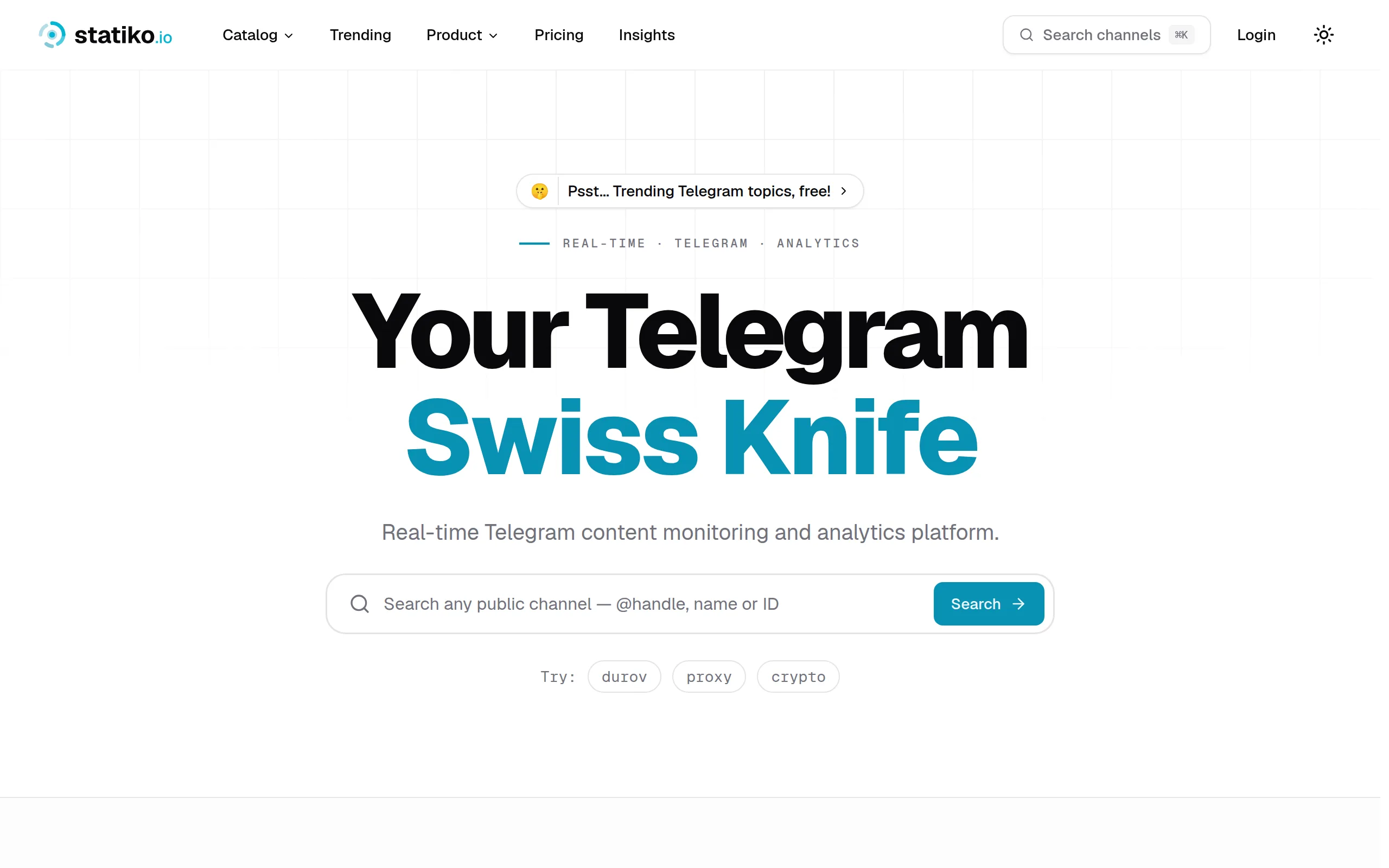
Statiko
Monitor any Telegram channel in real time - track posts, edits, deletions, and growth with AI recaps 📡
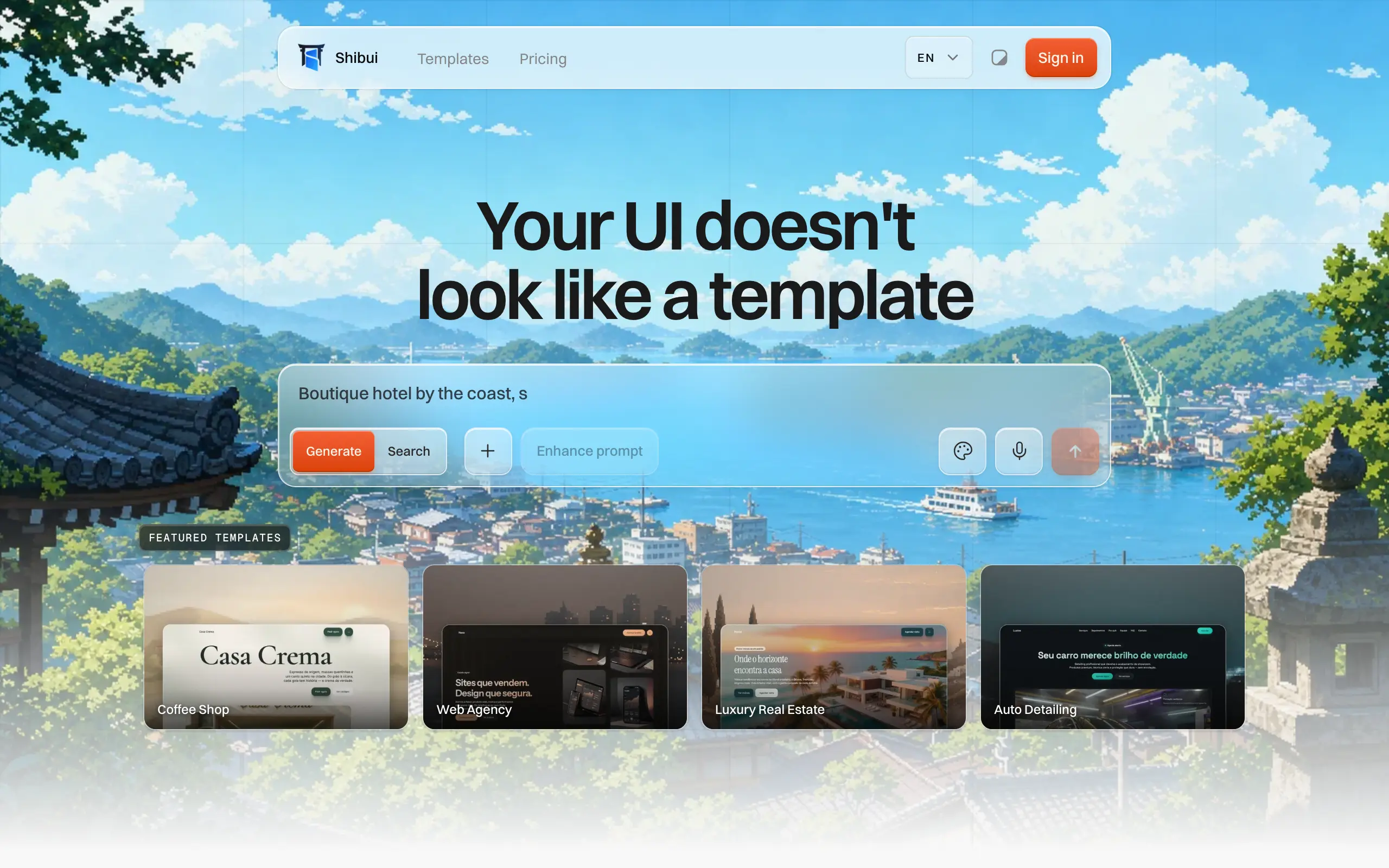
Shibui
AI website builder - describe your business, pick a niche template, edit by chatting, and publish instantly ✨

Pro Service
Find verified home service professionals, compare quotes, and pay securely through escrow - built for Brazilians across the US 🏠
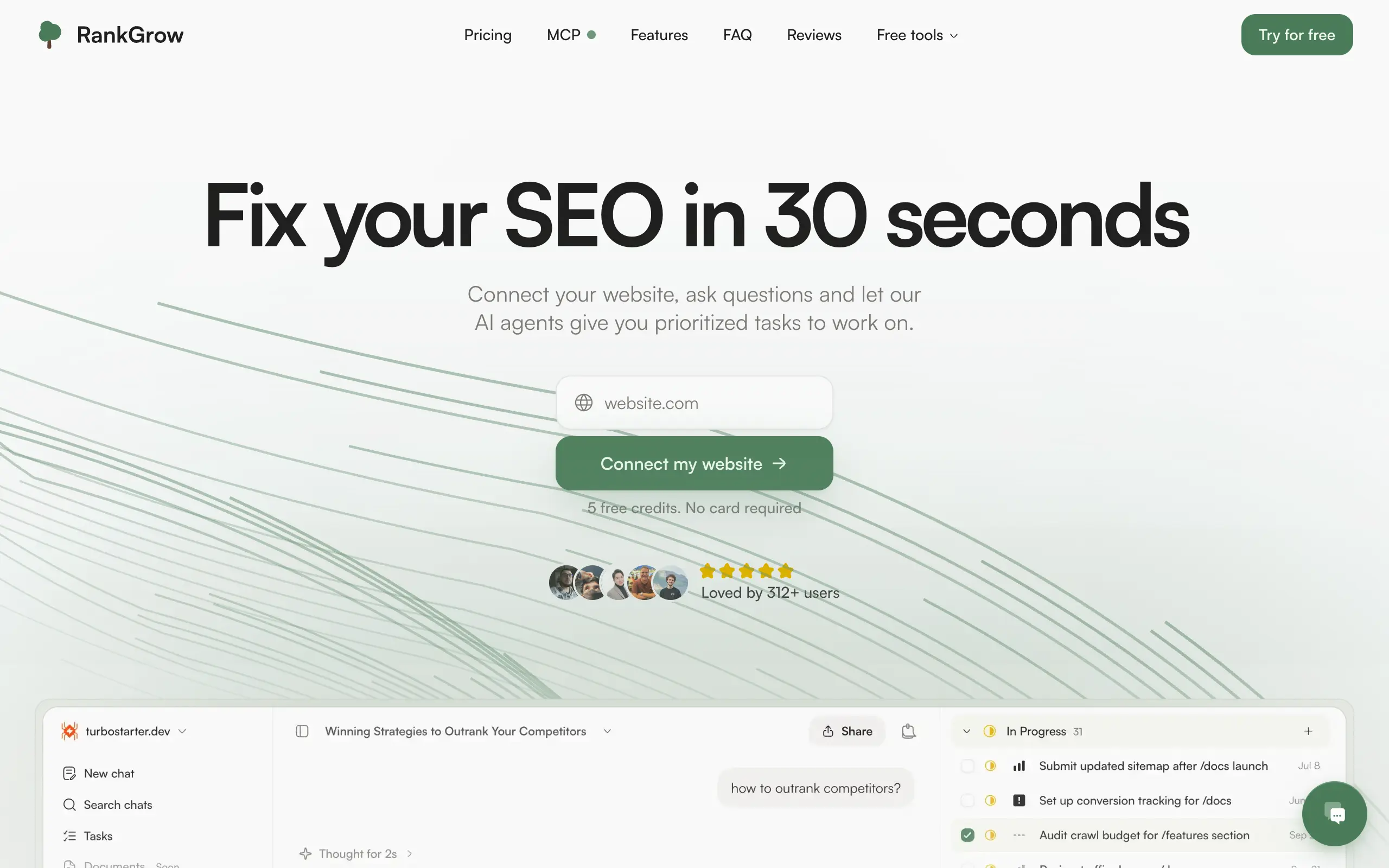
RankGrow
Fix your SEO with AI agents - connect Search Console, get prioritized tasks, and grow organic traffic 📈
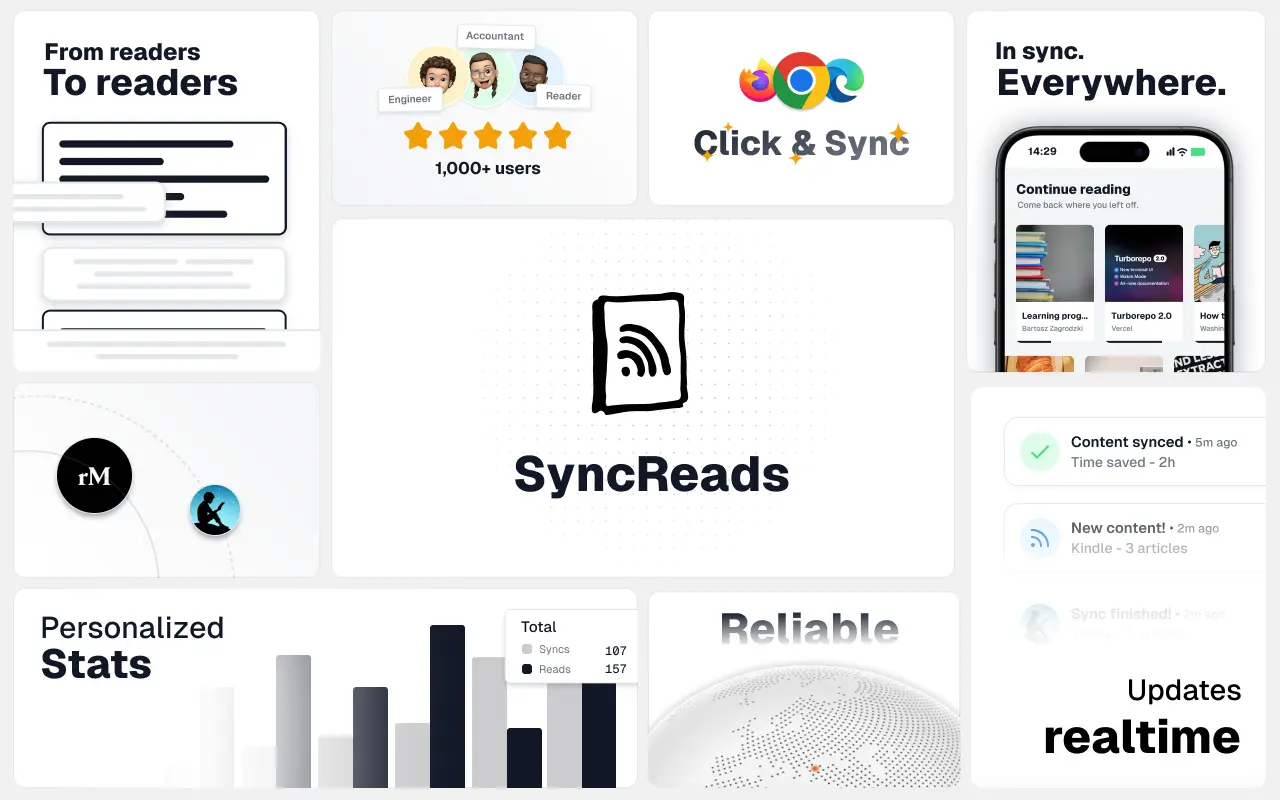
SyncReads
Sync your favorite content for distraction-free reading, save time and replace multiple apps. Anytime, anywhere 🔄
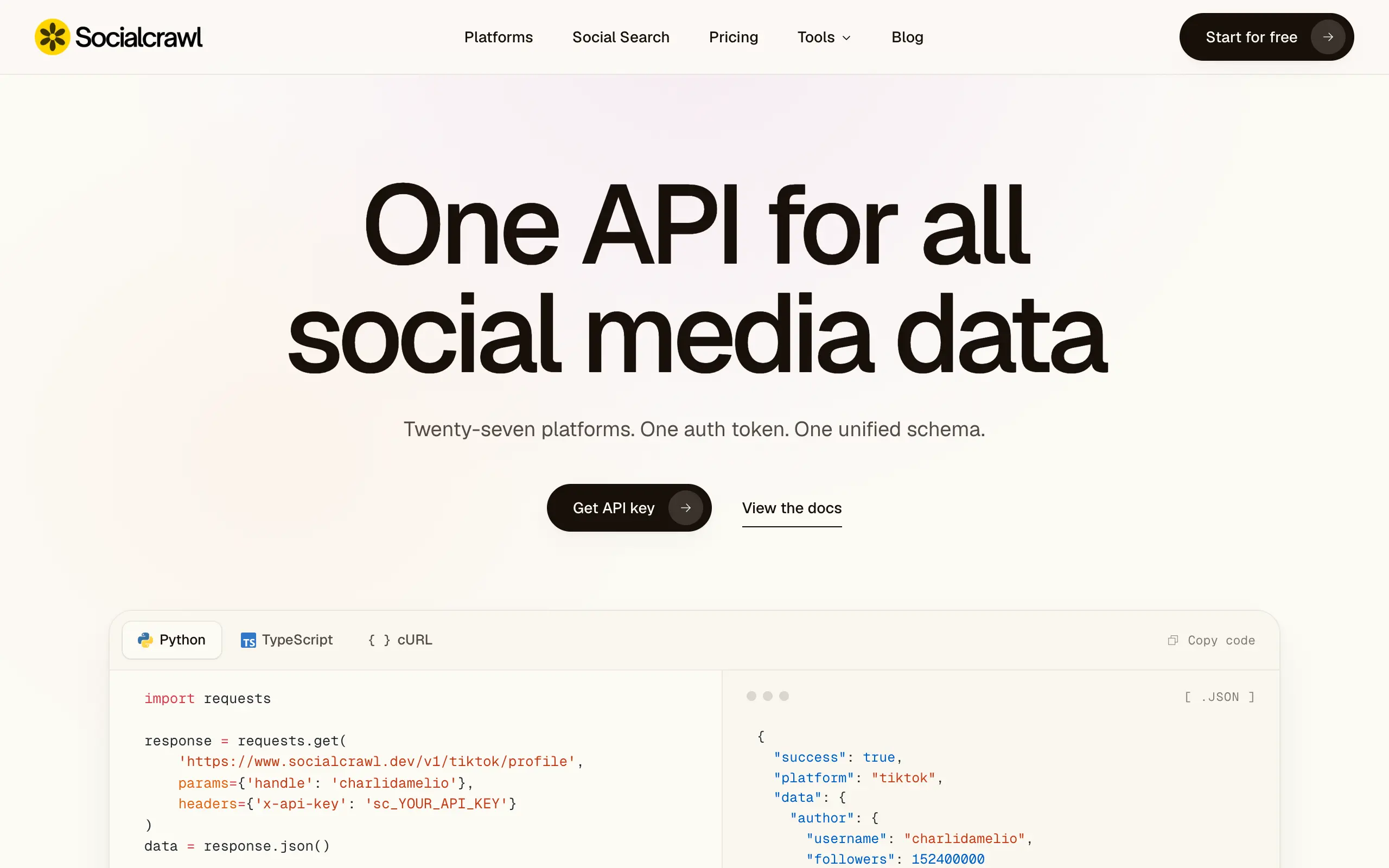
Socialcrawl
Get clean, structured data from 21 platforms like TikTok, Instagram, and YouTube with a single request 📊
Statiko
Monitor any Telegram channel in real time - track posts, edits, deletions, and growth with AI recaps 📡
Shibui
AI website builder - describe your business, pick a niche template, edit by chatting, and publish instantly ✨
Pro Service
Find verified home service professionals, compare quotes, and pay securely through escrow - built for Brazilians across the US 🏠
RankGrow
Fix your SEO with AI agents - connect Search Console, get prioritized tasks, and grow organic traffic 📈
SyncReads
Sync your favorite content for distraction-free reading, save time and replace multiple apps. Anytime, anywhere 🔄
Socialcrawl
Get clean, structured data from 21 platforms like TikTok, Instagram, and YouTube with a single request 📊
Statiko
Monitor any Telegram channel in real time - track posts, edits, deletions, and growth with AI recaps 📡
Shibui
AI website builder - describe your business, pick a niche template, edit by chatting, and publish instantly ✨
Pro Service
Find verified home service professionals, compare quotes, and pay securely through escrow - built for Brazilians across the US 🏠
RankGrow
Fix your SEO with AI agents - connect Search Console, get prioritized tasks, and grow organic traffic 📈
SyncReads
Sync your favorite content for distraction-free reading, save time and replace multiple apps. Anytime, anywhere 🔄
Socialcrawl
Get clean, structured data from 21 platforms like TikTok, Instagram, and YouTube with a single request 📊
Statiko
Monitor any Telegram channel in real time - track posts, edits, deletions, and growth with AI recaps 📡
Shibui
AI website builder - describe your business, pick a niche template, edit by chatting, and publish instantly ✨
Pro Service
Find verified home service professionals, compare quotes, and pay securely through escrow - built for Brazilians across the US 🏠
RankGrow
Fix your SEO with AI agents - connect Search Console, get prioritized tasks, and grow organic traffic 📈
SyncReads
Sync your favorite content for distraction-free reading, save time and replace multiple apps. Anytime, anywhere 🔄
Socialcrawl
Get clean, structured data from 21 platforms like TikTok, Instagram, and YouTube with a single request 📊
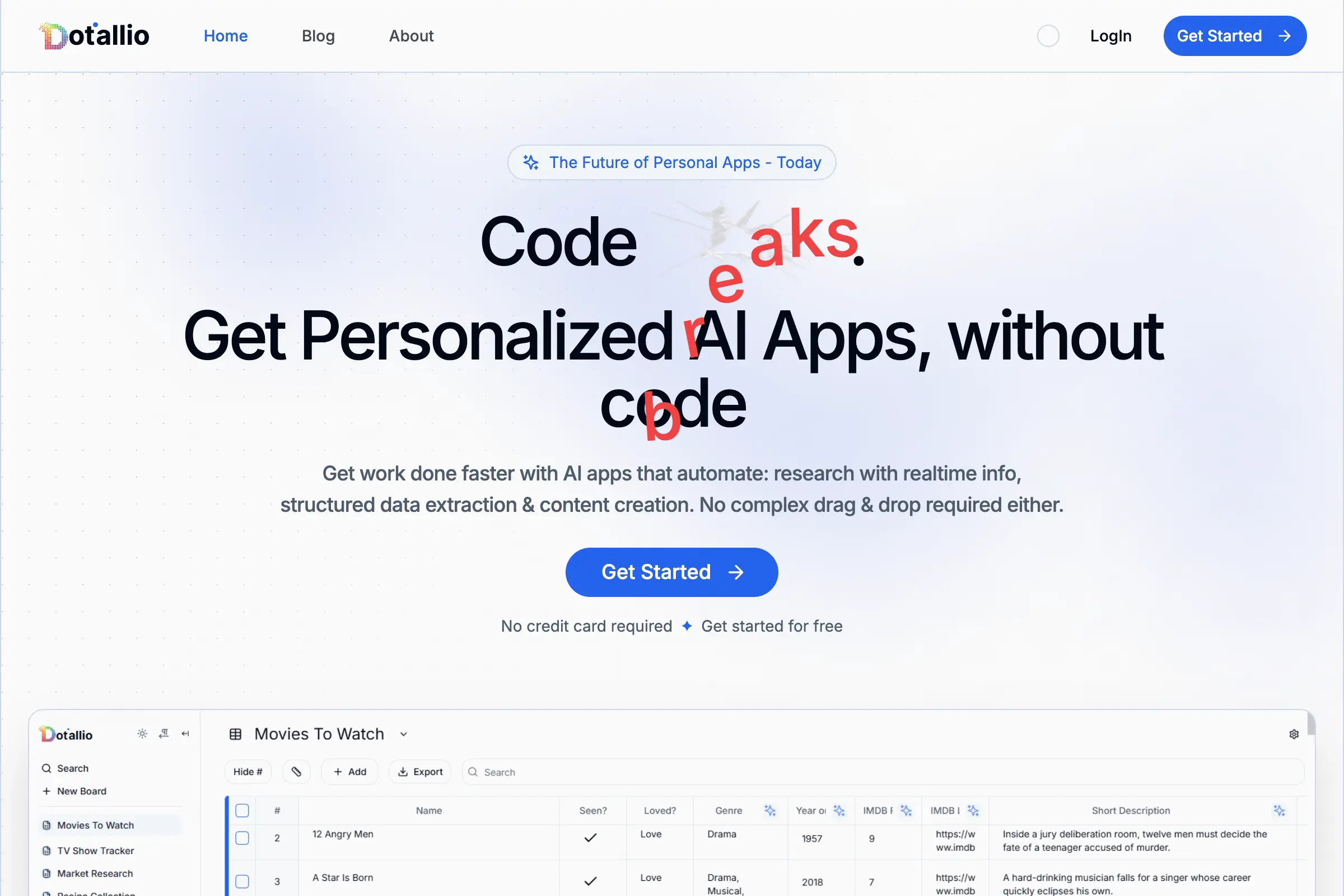
Dotallio
Personalized AI apps that automate research, data extraction, and content creation without code 🤖
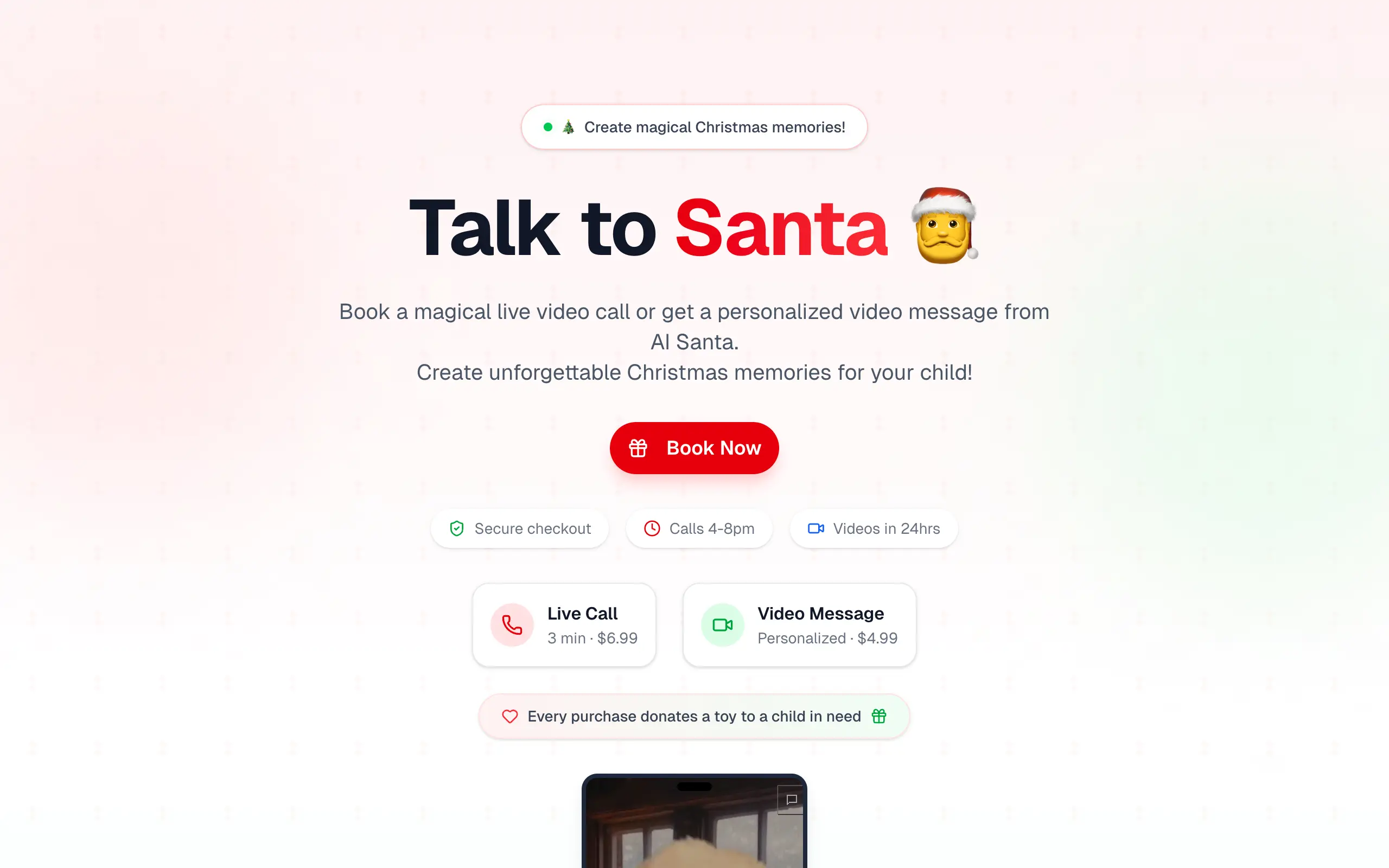
Talk to Santa
Enjoy a magical live video chat or receive a unique AI-generated video greeting from Santa Claus 🎅
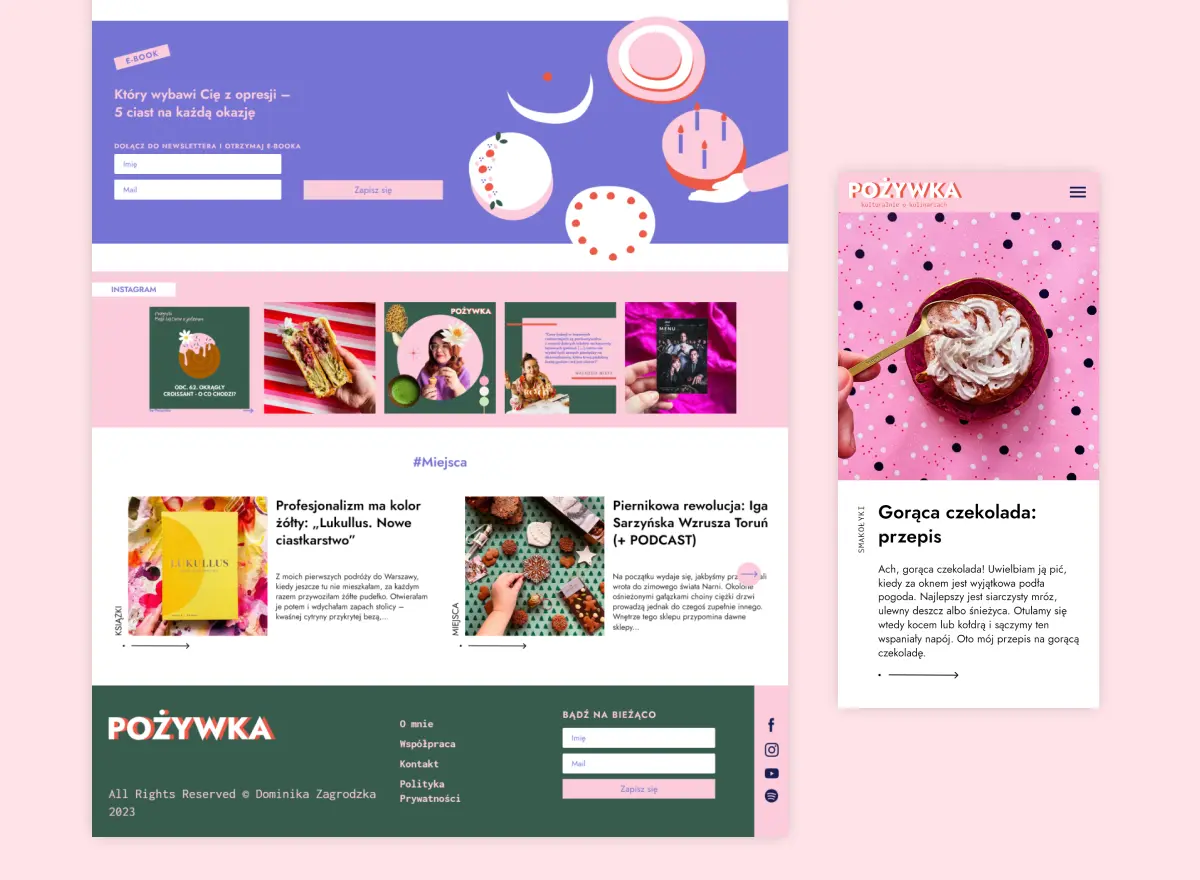
pozywka.pl
Scalable blog for food journalist, focused on performance and user experience 🌭
zagrodzki.me
Personal blog and portfolio of Bart Zagrodzki, where he shares his knowledge and work 💼
TurboStarter
Ship your startup everywhere. In minutes.
HTML to Markdown
Convert HTML to Markdown with ease, directly in your browser 📄
Dotallio
Personalized AI apps that automate research, data extraction, and content creation without code 🤖
Talk to Santa
Enjoy a magical live video chat or receive a unique AI-generated video greeting from Santa Claus 🎅
pozywka.pl
Scalable blog for food journalist, focused on performance and user experience 🌭
zagrodzki.me
Personal blog and portfolio of Bart Zagrodzki, where he shares his knowledge and work 💼
TurboStarter
Ship your startup everywhere. In minutes.
HTML to Markdown
Convert HTML to Markdown with ease, directly in your browser 📄
Dotallio
Personalized AI apps that automate research, data extraction, and content creation without code 🤖
Talk to Santa
Enjoy a magical live video chat or receive a unique AI-generated video greeting from Santa Claus 🎅
pozywka.pl
Scalable blog for food journalist, focused on performance and user experience 🌭
zagrodzki.me
Personal blog and portfolio of Bart Zagrodzki, where he shares his knowledge and work 💼
TurboStarter
Ship your startup everywhere. In minutes.
HTML to Markdown
Convert HTML to Markdown with ease, directly in your browser 📄
Dotallio
Personalized AI apps that automate research, data extraction, and content creation without code 🤖
Talk to Santa
Enjoy a magical live video chat or receive a unique AI-generated video greeting from Santa Claus 🎅
pozywka.pl
Scalable blog for food journalist, focused on performance and user experience 🌭
zagrodzki.me
Personal blog and portfolio of Bart Zagrodzki, where he shares his knowledge and work 💼
TurboStarter
Ship your startup everywhere. In minutes.
HTML to Markdown
Convert HTML to Markdown with ease, directly in your browser 📄
Omichat
Chat with 50+ AI models, including ChatGPT and Claude, in one place - switch models anytime without losing context 🤖
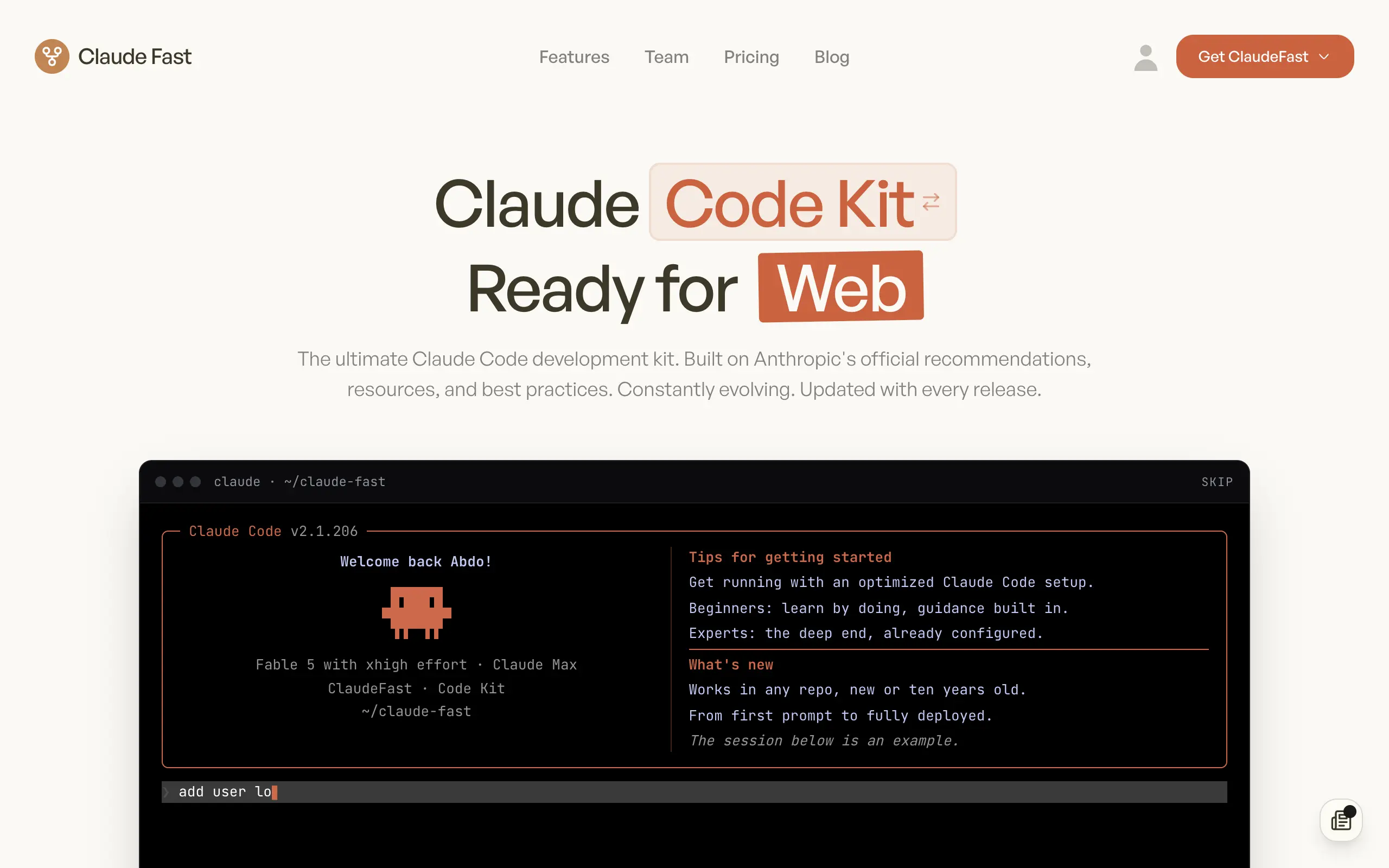
Claude Fast
Supercharge your Claude Code with 6x effective context window and specialized AI agents 🤖
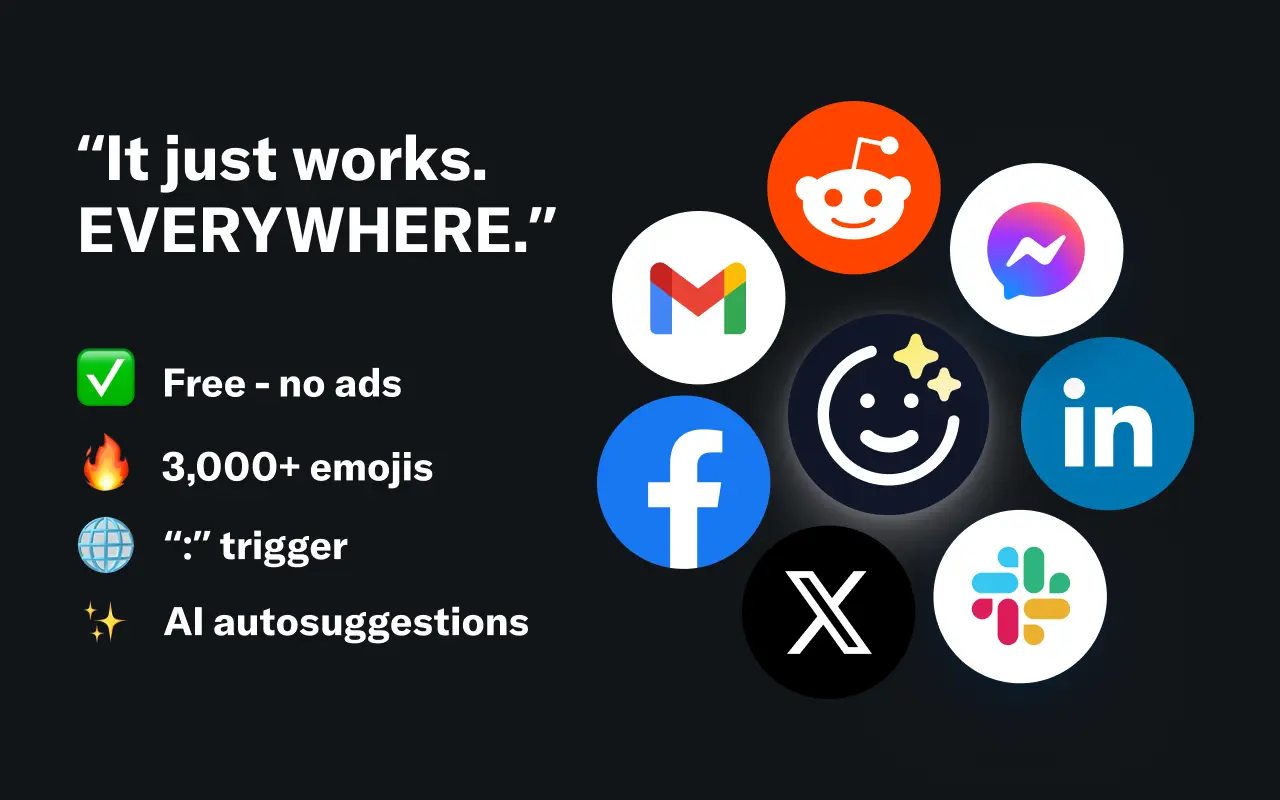
EmojAI
AI-powered emoji picker with smart, context-aware suggestions 🤖
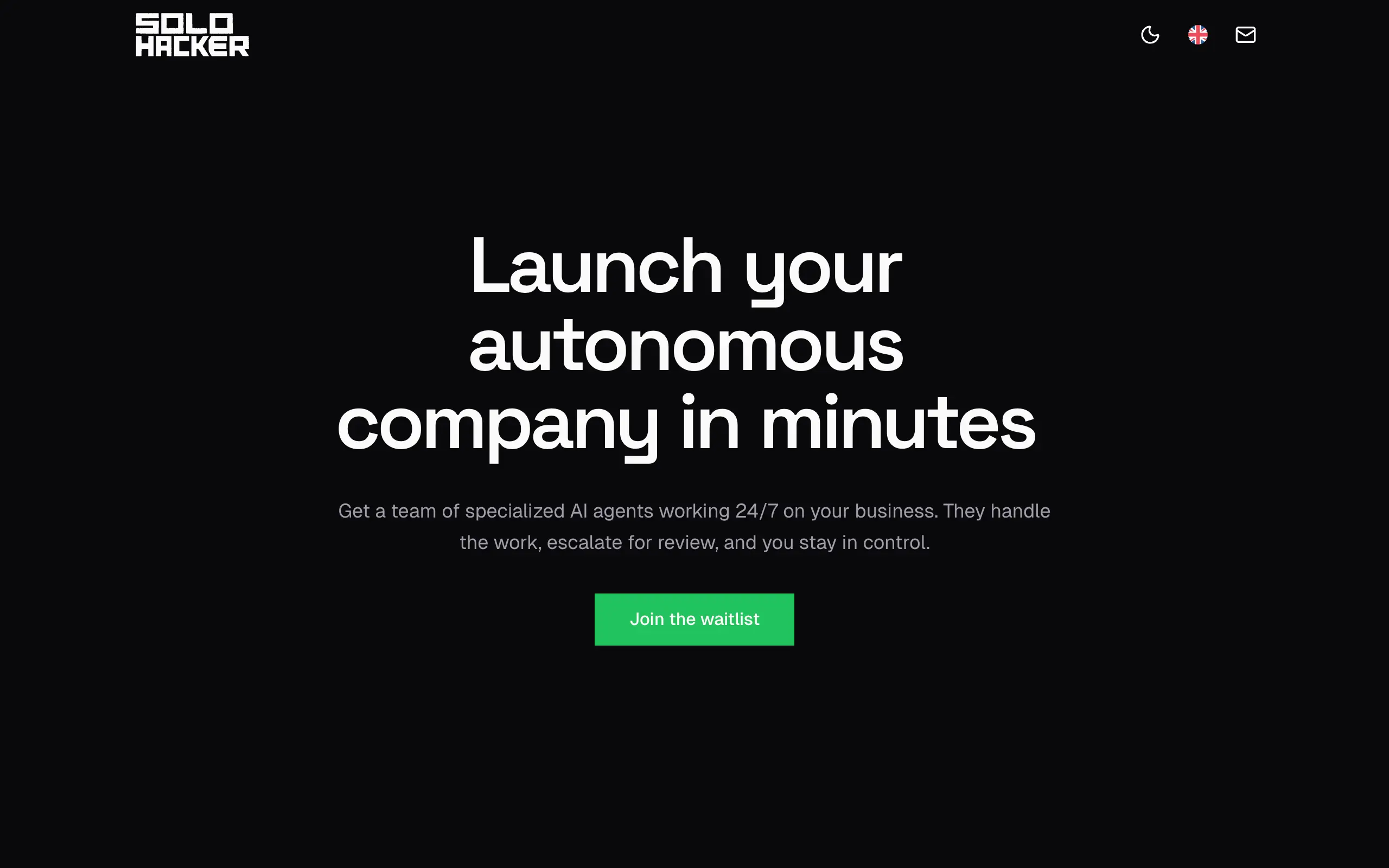
Solohacker
Autonomous company launcher - AI agents work 24/7, escalate what matters, and you stay in control 🤖
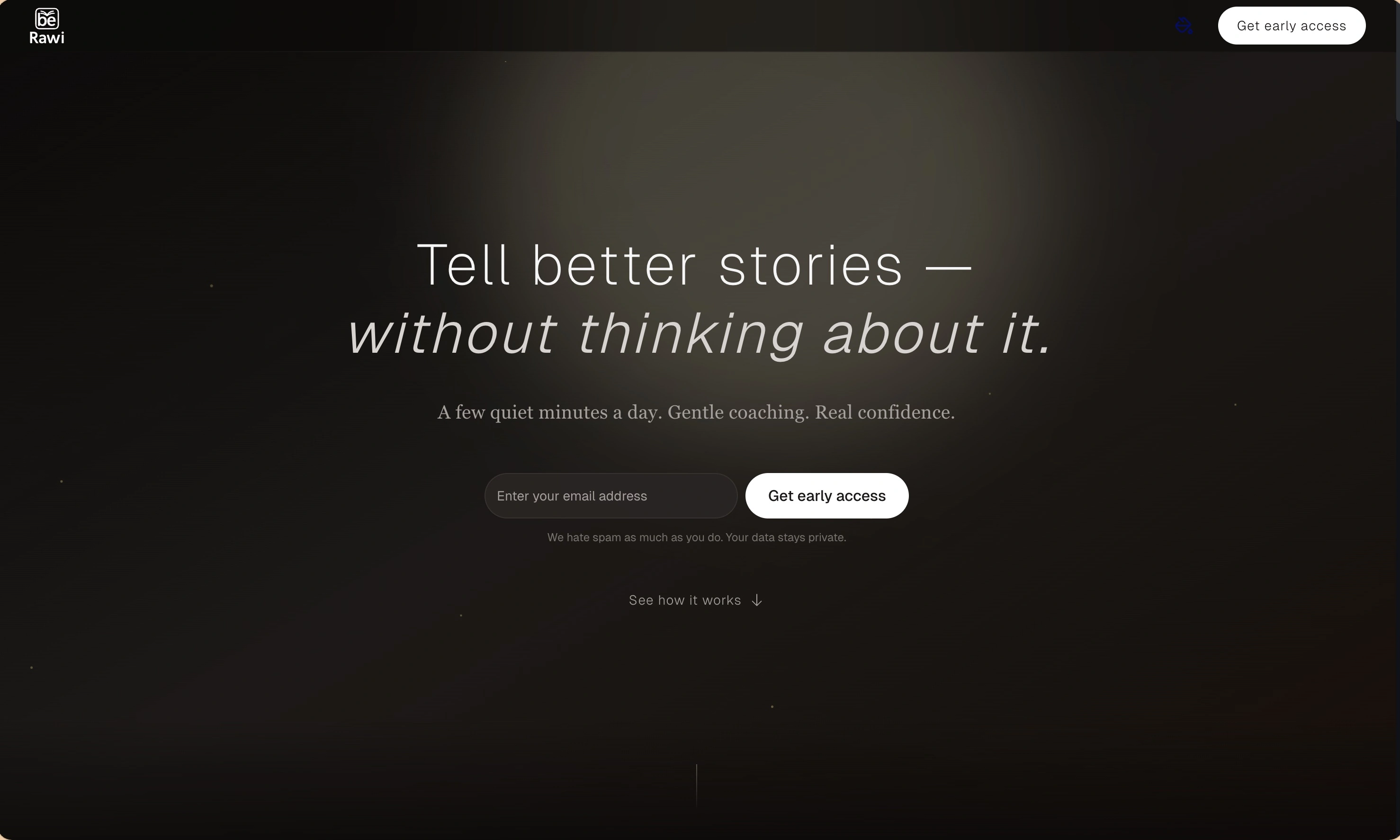
BeRawi: Storytelling Coach
Practice storytelling daily with instant feedback to sound clearer, more engaging, and confident 🎤
Omichat
Chat with 50+ AI models, including ChatGPT and Claude, in one place - switch models anytime without losing context 🤖
Claude Fast
Supercharge your Claude Code with 6x effective context window and specialized AI agents 🤖
EmojAI
AI-powered emoji picker with smart, context-aware suggestions 🤖
Solohacker
Autonomous company launcher - AI agents work 24/7, escalate what matters, and you stay in control 🤖
BeRawi: Storytelling Coach
Practice storytelling daily with instant feedback to sound clearer, more engaging, and confident 🎤
Omichat
Chat with 50+ AI models, including ChatGPT and Claude, in one place - switch models anytime without losing context 🤖
Claude Fast
Supercharge your Claude Code with 6x effective context window and specialized AI agents 🤖
EmojAI
AI-powered emoji picker with smart, context-aware suggestions 🤖
Solohacker
Autonomous company launcher - AI agents work 24/7, escalate what matters, and you stay in control 🤖
BeRawi: Storytelling Coach
Practice storytelling daily with instant feedback to sound clearer, more engaging, and confident 🎤
Omichat
Chat with 50+ AI models, including ChatGPT and Claude, in one place - switch models anytime without losing context 🤖
Claude Fast
Supercharge your Claude Code with 6x effective context window and specialized AI agents 🤖
EmojAI
AI-powered emoji picker with smart, context-aware suggestions 🤖
Solohacker
Autonomous company launcher - AI agents work 24/7, escalate what matters, and you stay in control 🤖
BeRawi: Storytelling Coach
Practice storytelling daily with instant feedback to sound clearer, more engaging, and confident 🎤

Connect with like-minded people
Join our community to get feedback, support, and grow together with 1,000+ builders on board, let's ship it!
Join usShip your startup everywhere. In minutes.
Don't burn tokens on setup and start building features on day one.