AtelierMind AI
An AI studio assistant that helps fine artists refine concepts, critique compositions, and translate sculptural ideas into exhibition-ready project plans.
The future of the AI studio assistant for fine artists
Fine artists often work in isolation. Unlike designers in tech companies or marketers in agencies, painters, sculptors, installation artists, and mixed-media creators rarely have access to structured feedback, collaborative tools, or strategic planning frameworks.
At the same time, the art world has become increasingly complex:
- Exhibition proposals require professional documentation.
- Grant applications demand detailed project plans and budgets.
- Galleries expect polished artist statements and coherent series concepts.
- Collectors want narrative clarity and intellectual depth.
AtelierMind AI positions itself as an AI studio assistant for fine artists—helping them refine concepts, critique compositions, and translate sculptural or installation ideas into exhibition-ready project plans.
This article explores the market opportunity, product strategy, technical architecture, monetization, risks, and a step-by-step implementation roadmap for building and scaling an AI assistant specifically designed for the contemporary fine art ecosystem.
Understanding user intent behind “AI studio assistant for artists”
When someone searches for:
- “AI tool for fine artists”
- “AI art critique tool”
- “AI assistant for exhibition planning”
- “AI for sculptors”
- “AI concept development for artists”
They are typically looking for one of four things:
- Creative inspiration – help generating ideas or refining a concept.
- Professional critique – feedback on composition, narrative, or structure.
- Practical planning tools – assistance with proposals, grants, budgets.
- Translation of vision into production – turning a conceptual idea into a buildable plan.
AtelierMind AI must address all four in an integrated way. Unlike generic AI writing tools or image generators, it needs to understand:
- Fine art discourse.
- Curatorial language.
- Material processes (bronze casting, resin, steel fabrication, etc.).
- Exhibition logistics and institutional frameworks.
This is not “AI for making art.”
It is AI for elevating artistic thinking and professional execution.
Target audience analysis
To build a defensible AI SaaS in the art space, precision targeting is critical.
Primary user segments
Emerging fine artists
Recent MFA graduates or self-taught artists building portfolios and applying to residencies or grants.
Mid-career sculptors & installation artists
Artists with exhibition history who need structured planning tools for complex projects.
Art school students
Students seeking critique and help articulating conceptual frameworks.
Independent curators
Professionals developing thematic exhibitions who need structured concept refinement.
Pain points by segment
Emerging artists
- Struggle to articulate their artistic philosophy.
- Lack access to professional critique.
- Difficulty writing compelling artist statements.
Sculptors & installation artists
- Complex material logistics.
- Budget planning for fabrication.
- Safety and engineering considerations.
Art students
- Inconsistent mentorship quality.
- Need fast iteration feedback before critiques.
- Difficulty connecting theory to execution.
Curators
- Need cohesive exhibition narratives.
- Research-heavy proposal writing.
- Coordination across multiple artists.
Market opportunity and gap
The AI + art intersection is underserved
Most AI tools targeting artists fall into two categories:
- Generative AI tools (image generation, style transfer).
- General-purpose writing assistants (e.g., broad LLM-based tools).
What’s missing is:
A domain-trained AI studio assistant that understands fine art critique, conceptual frameworks, and exhibition logistics.
Macro trends supporting AtelierMind AI
- The global art market reached an estimated $65+ billion in recent years (source: Art Basel & UBS Art Market Report).
- MFA programs are growing internationally.
- Artists are increasingly entrepreneurial and self-managed.
- AI adoption in creative workflows is accelerating.
Yet there is no dominant AI platform dedicated to serious fine art development.
This creates a strong positioning opportunity.
Core value proposition of AtelierMind AI
AtelierMind AI is not a replacement for artistic intuition.
It is a structured thinking partner.
Core promise
Transform intuitive artistic ideas into professionally articulated, exhibition-ready projects.
Three core capabilities
Core features and solution design
1. Concept refinement engine
Artists often start with vague impulses:
- “I want to explore decay and memory through rusted metal.”
- “I’m thinking of a large suspended textile installation about migration.”
AtelierMind AI would:
- Ask structured follow-up questions.
- Identify theoretical frameworks (e.g., phenomenology, post-colonial discourse).
- Suggest historical references.
- Detect conceptual inconsistencies.
Example output:
- A refined conceptual statement.
- A 150-word exhibition-ready description.
- A longer critical positioning text.
2. AI-driven composition critique
For visual analysis, the system can:
- Accept uploaded images of works-in-progress.
- Analyze compositional balance.
- Evaluate focal hierarchy.
- Suggest spatial improvements.
- Flag inconsistencies between concept and execution.
Positioning insight
This feature differentiates AtelierMind AI from generic AI writing tools by combining visual critique with conceptual analysis.
3. Sculptural idea translation engine
Sculptors face unique challenges:
- Structural feasibility.
- Material sourcing.
- Fabrication techniques.
- Installation logistics.
AtelierMind AI could generate:
- Material breakdowns.
- Fabrication workflow suggestions.
- Risk assessments.
- Budget estimates.
- Installation timelines.
For example:
// Example: structured project plan object
const projectPlan = {
  title: "Suspended Steel Memory Structure",
  materials: ["Mild steel rods", "Industrial cables", "Anchor bolts"],
  fabricationPhases: [
    "CAD modeling",
    "Welding and assembly",
    "Surface treatment",
    "Load testing"
  ],
  estimatedBudget: "$8,000 - $12,000",
  timeline: "12 weeks"
}
4. Exhibition and grant proposal generator
This module should produce:
- Exhibition concepts.
- Curatorial rationale.
- Artist statements.
- Project descriptions.
- Budget sheets.
- Timeline charts.
It should also adapt tone based on:
- Museum submission.
- Public art commission.
- Private gallery proposal.
- Academic grant application.
5. Personalized critique memory
A powerful differentiator:
- Store artist’s past works.
- Learn recurring themes.
- Track conceptual evolution.
- Offer longitudinal critique.
This creates retention and long-term value.
Competitive landscape analysis
While there are AI tools in adjacent spaces, none deeply focus on fine art conceptual refinement.
| Feature | Generic AI Writers | Image Generators | Project Mgmt Tools | AtelierMind AI |
|---|---|---|---|---|
| Fine art conceptual critique | ❌ | ❌ | ❌ | ✅ |
| Exhibition-ready documentation | ❌ | ❌ | ❌ | ✅ |
| Visual composition analysis | ❌ | ✅ (limited) | ❌ | ✅ |
| Material & fabrication planning | ❌ | ❌ | ❌ | ✅ |
Recommended tech stack (with trade-offs)
Frontend
Why:
- Fast development.
- Strong ecosystem.
- SEO optimization with server-side rendering.
Backend
- Node.js with API routes (Next.js).
- PostgreSQL for structured data.
- Vector database (e.g., Pinecone or Supabase vector support) for memory embeddings.
AI layer
- Multimodal LLM (text + image analysis).
- Fine-tuned domain prompts.
- Retrieval-augmented generation (RAG).
Trade-offs:
- Fine-tuning increases cost but improves domain specificity.
- RAG reduces hallucination risk but requires careful document curation.
Infrastructure
- Vercel for frontend deployment.
- Scalable object storage for image uploads.
- Role-based authentication for privacy.
Monetization strategy
1. Tiered subscription model
Free tier
- Limited critiques per month.
- Basic concept refinement.
Pro tier ($29–$49/month)
- Unlimited critiques.
- Exhibition plan generator.
- Visual analysis.
- Project memory.
Studio tier ($79–$149/month)
- Multi-project storage.
- Team collaboration.
- Grant templates.
- Advanced material planning.
2. Institutional licensing
Art schools could license AtelierMind AI:
- Student accounts.
- Critique integration.
- Faculty dashboards.
This creates recurring, high-value contracts.
3. Premium add-ons
- Public art budget calculators.
- Curatorial toolkit.
- Artist career planning module.
Risks and mitigation strategies
Risk 1: Artists distrust AI
Fine artists may see AI as antithetical to authenticity.
Mitigation:
- Position as assistant, not creator.
- Emphasize conceptual refinement, not generative replacement.
- Publish transparency statements.
Risk 2: Over-reliance on AI critique
Students might bypass human mentorship.
Mitigation:
- Encourage integration with real critique sessions.
- Add disclaimers.
- Include “Questions to ask your mentor” sections.
Risk 3: Hallucinated fabrication advice
Incorrect structural guidance could be dangerous.
Mitigation:
- Clearly label engineering advice as conceptual.
- Encourage consultation with licensed engineers.
- Integrate safety disclaimers.
Critical
Never position AtelierMind AI as a certified engineering tool. It must remain advisory.
Unique selling proposition (USP)
AtelierMind AI’s defensible edge lies in:
- Domain-specific intelligence trained on fine art discourse.
- Multimodal critique (visual + conceptual).
- Exhibition-focused planning, not generic productivity.
- Longitudinal artistic memory tracking.
This combination is extremely difficult for general AI tools to replicate without deep vertical focus.
Implementation roadmap
Go-to-market strategy
Phase 1: Authority building
- Publish deep content on:
- “How to write a strong artist statement.”
- “How to plan a gallery exhibition.”
- “Sculpture fabrication budgeting guide.”
SEO content around “AI for fine artists” and “AI art critique tool” will attract early adopters.
Phase 2: Academic partnerships
- Target MFA programs.
- Offer semester-long pilot programs.
- Provide educator dashboards.
Phase 3: Community integration
- Host virtual critique salons.
- Partner with residency programs.
- Sponsor emerging artist awards.
Why now is the right time
Three converging trends:
- Multimodal AI is mature enough for image + text analysis.
- Artists increasingly operate independently without institutional backing.
- The art world is becoming more documentation-heavy and professionalized.
AtelierMind AI sits at the intersection of these forces.
Building faster with the right foundation
To validate and launch faster, using a structured SaaS foundation can reduce months of engineering effort. A production-ready starter like TurboStarter provides:
- Authentication
- Payments integration
- Modern frontend stack
- Scalable backend structure
This allows founders to focus on:
- Prompt engineering.
- Fine art domain training.
- UX tailored for artists.
Final thoughts
AtelierMind AI is not about automating art.
It is about:
- Clarifying artistic thought.
- Elevating professional presentation.
- Reducing administrative friction.
- Supporting creative independence.
The opportunity lies in vertical specialization. By focusing deeply on fine artists—especially sculptors and installation creators—AtelierMind AI can become the definitive AI studio assistant in the fine art world.
In a landscape flooded with generic AI tools, depth beats breadth.
And for serious artists, depth is everything.
More 🤖 AI Startup SaaS ideas
Discover more innovative ai startup SaaS ideas that are trending in 2026. Each idea is AI-generated with market validation and growth potential to help you find your next profitable venture faster than competitors.
Your competitors are building with TurboStarter
Below are some of the SaaS ideas that have been generated and built with our starter kit.
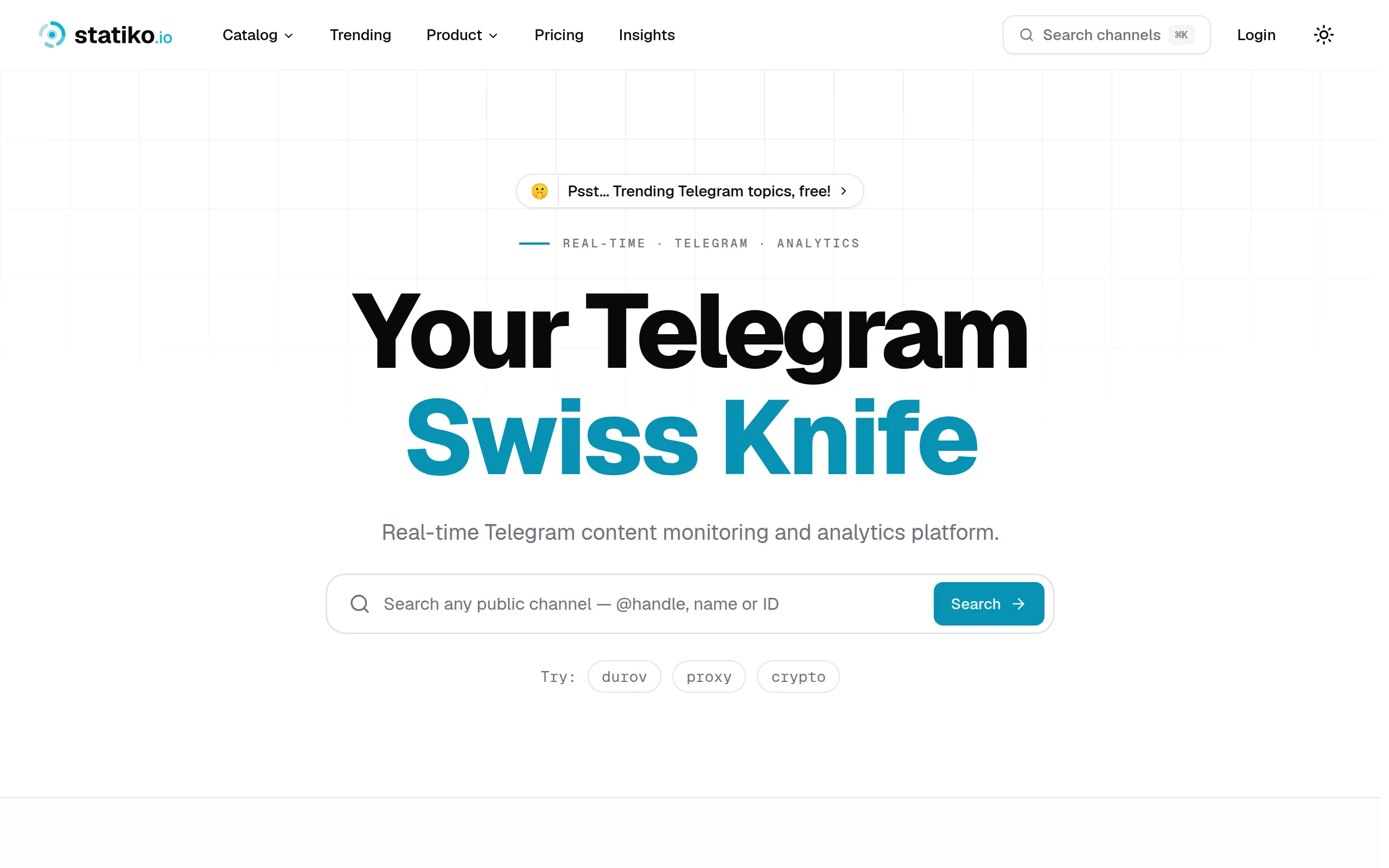
Statiko
Monitor any Telegram channel in real time - track posts, edits, deletions, and growth with AI recaps 📡

Shibui
AI website builder - describe your business, pick a niche template, edit by chatting, and publish instantly ✨

Pro Service
Find verified home service professionals, compare quotes, and pay securely through escrow - built for Brazilians across the US 🏠

RankGrow
Fix your SEO with AI agents - connect Search Console, get prioritized tasks, and grow organic traffic 📈
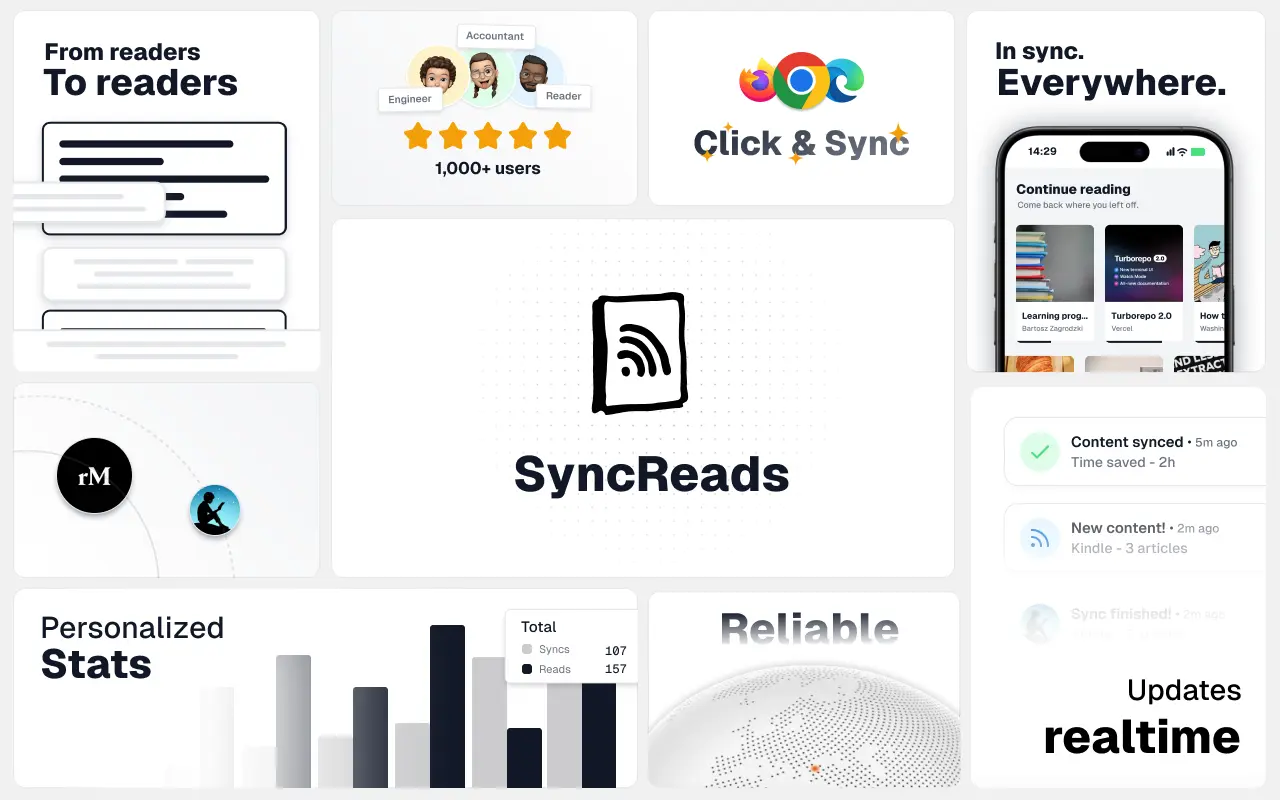
SyncReads
Sync your favorite content for distraction-free reading, save time and replace multiple apps. Anytime, anywhere 🔄
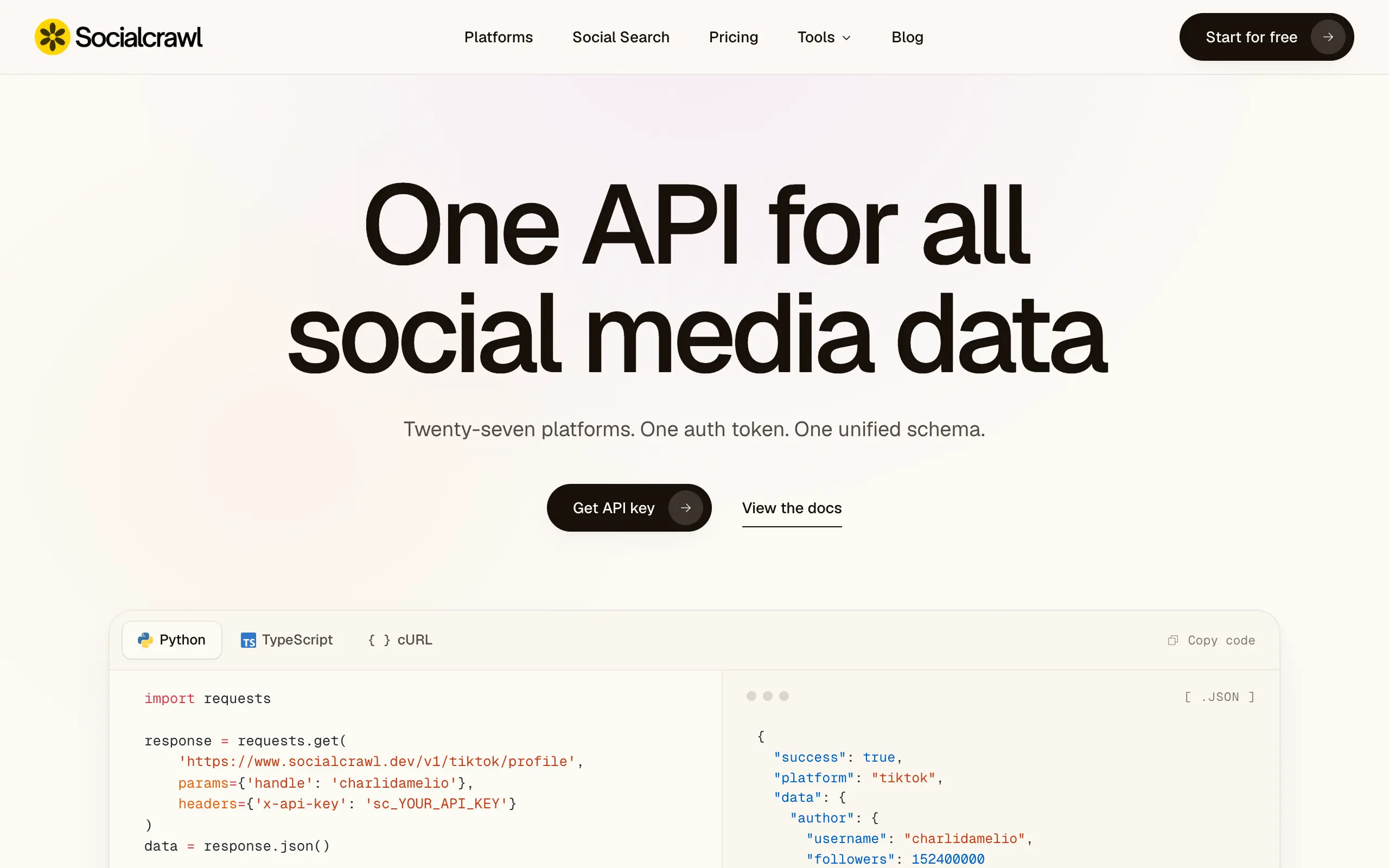
Socialcrawl
Get clean, structured data from 21 platforms like TikTok, Instagram, and YouTube with a single request 📊
Statiko
Monitor any Telegram channel in real time - track posts, edits, deletions, and growth with AI recaps 📡
Shibui
AI website builder - describe your business, pick a niche template, edit by chatting, and publish instantly ✨
Pro Service
Find verified home service professionals, compare quotes, and pay securely through escrow - built for Brazilians across the US 🏠
RankGrow
Fix your SEO with AI agents - connect Search Console, get prioritized tasks, and grow organic traffic 📈
SyncReads
Sync your favorite content for distraction-free reading, save time and replace multiple apps. Anytime, anywhere 🔄
Socialcrawl
Get clean, structured data from 21 platforms like TikTok, Instagram, and YouTube with a single request 📊
Statiko
Monitor any Telegram channel in real time - track posts, edits, deletions, and growth with AI recaps 📡
Shibui
AI website builder - describe your business, pick a niche template, edit by chatting, and publish instantly ✨
Pro Service
Find verified home service professionals, compare quotes, and pay securely through escrow - built for Brazilians across the US 🏠
RankGrow
Fix your SEO with AI agents - connect Search Console, get prioritized tasks, and grow organic traffic 📈
SyncReads
Sync your favorite content for distraction-free reading, save time and replace multiple apps. Anytime, anywhere 🔄
Socialcrawl
Get clean, structured data from 21 platforms like TikTok, Instagram, and YouTube with a single request 📊
Statiko
Monitor any Telegram channel in real time - track posts, edits, deletions, and growth with AI recaps 📡
Shibui
AI website builder - describe your business, pick a niche template, edit by chatting, and publish instantly ✨
Pro Service
Find verified home service professionals, compare quotes, and pay securely through escrow - built for Brazilians across the US 🏠
RankGrow
Fix your SEO with AI agents - connect Search Console, get prioritized tasks, and grow organic traffic 📈
SyncReads
Sync your favorite content for distraction-free reading, save time and replace multiple apps. Anytime, anywhere 🔄
Socialcrawl
Get clean, structured data from 21 platforms like TikTok, Instagram, and YouTube with a single request 📊
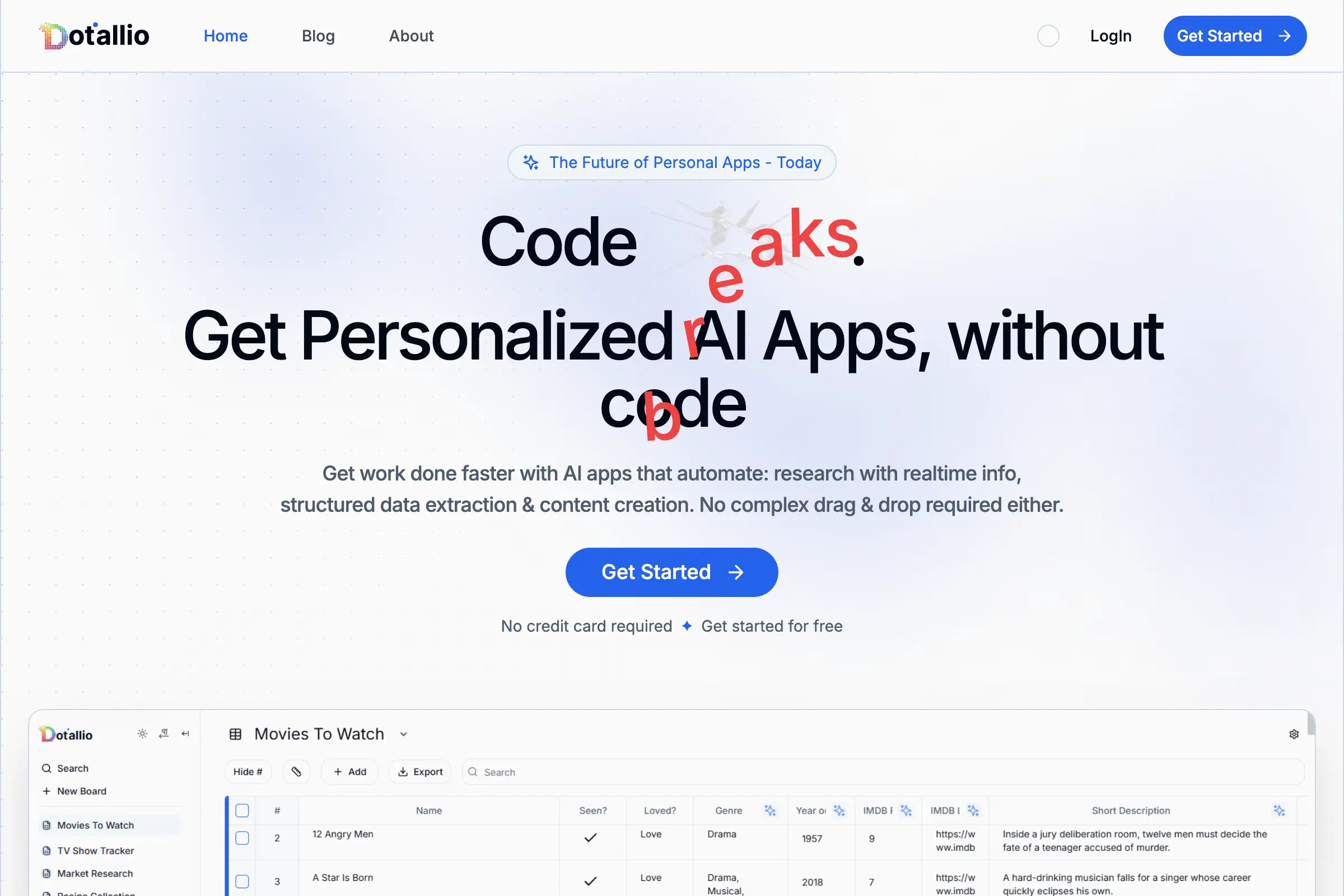
Dotallio
Personalized AI apps that automate research, data extraction, and content creation without code 🤖

Talk to Santa
Enjoy a magical live video chat or receive a unique AI-generated video greeting from Santa Claus 🎅
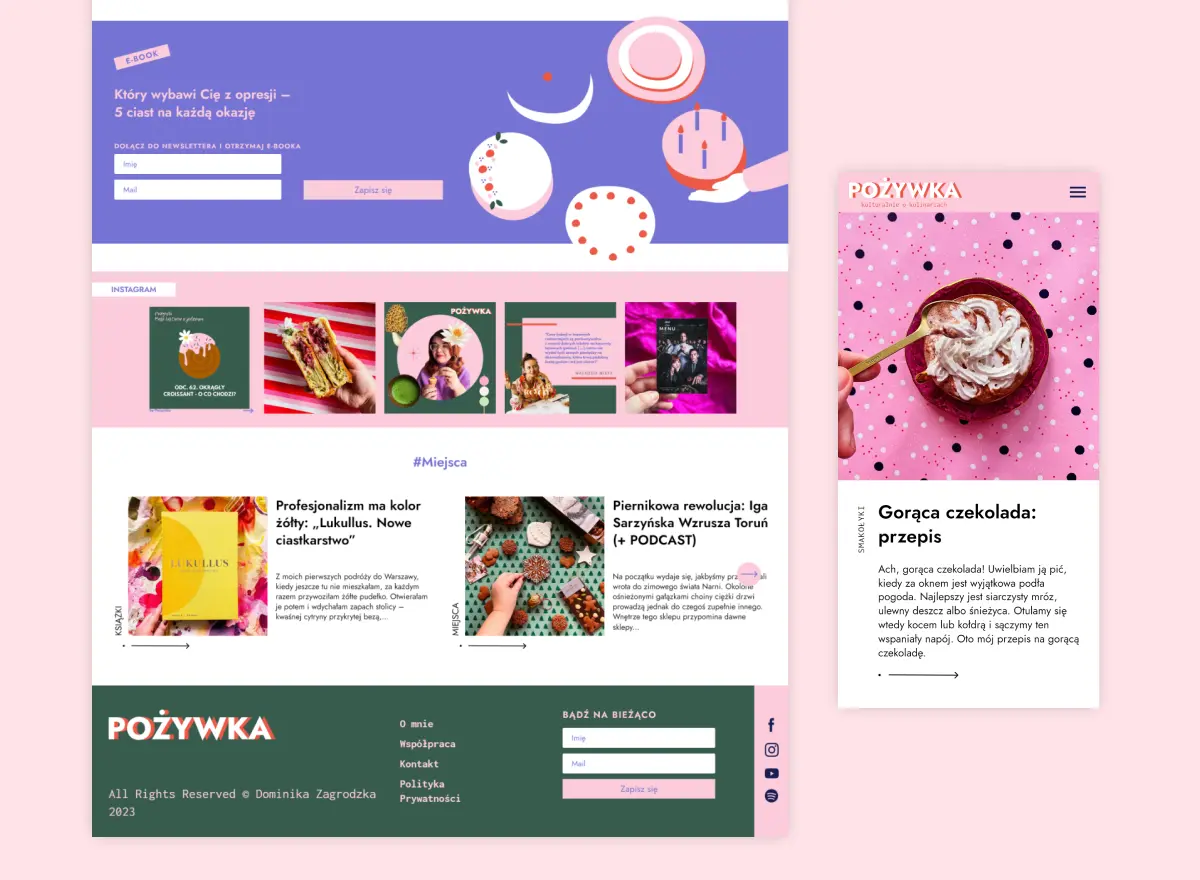
pozywka.pl
Scalable blog for food journalist, focused on performance and user experience 🌭
zagrodzki.me
Personal blog and portfolio of Bart Zagrodzki, where he shares his knowledge and work 💼
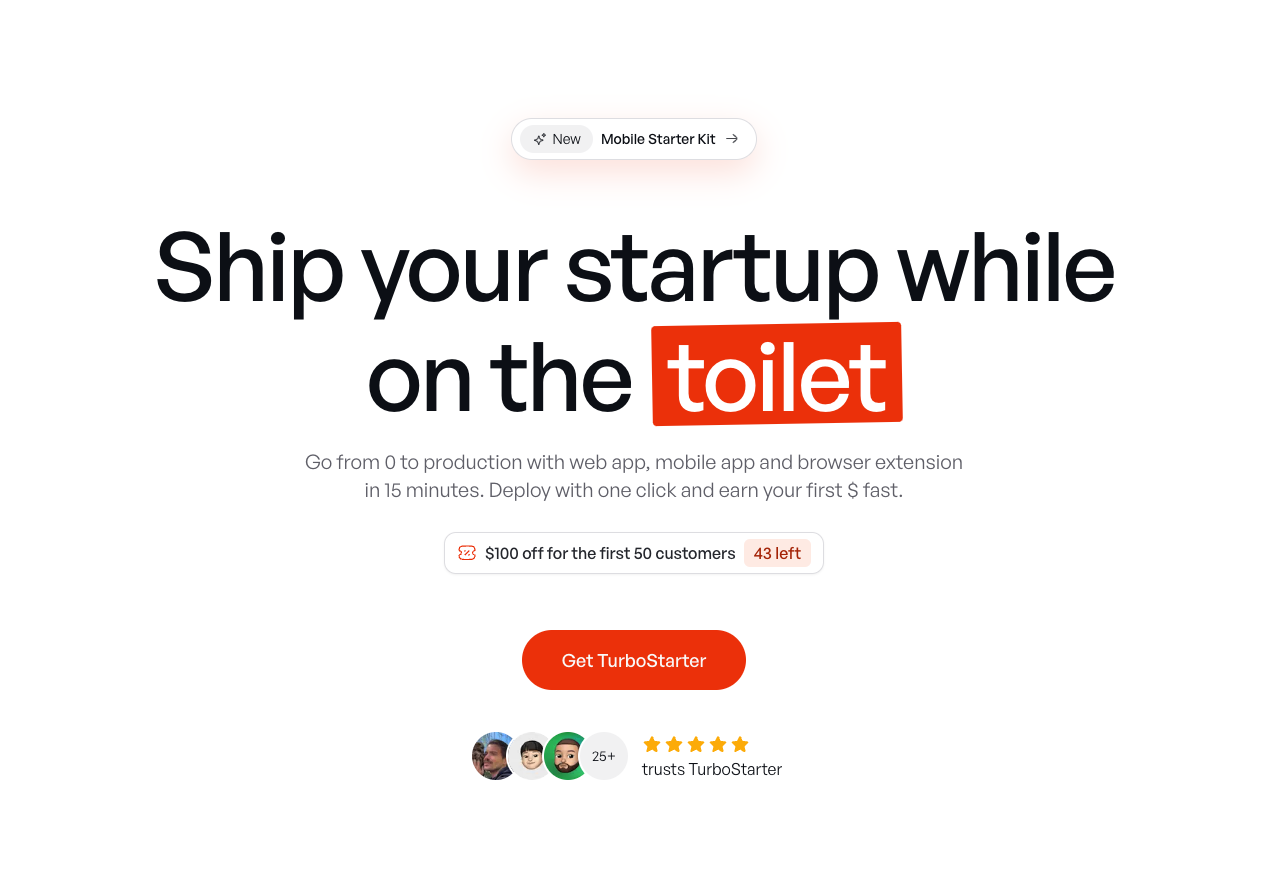
TurboStarter
Ship your startup everywhere. In minutes.
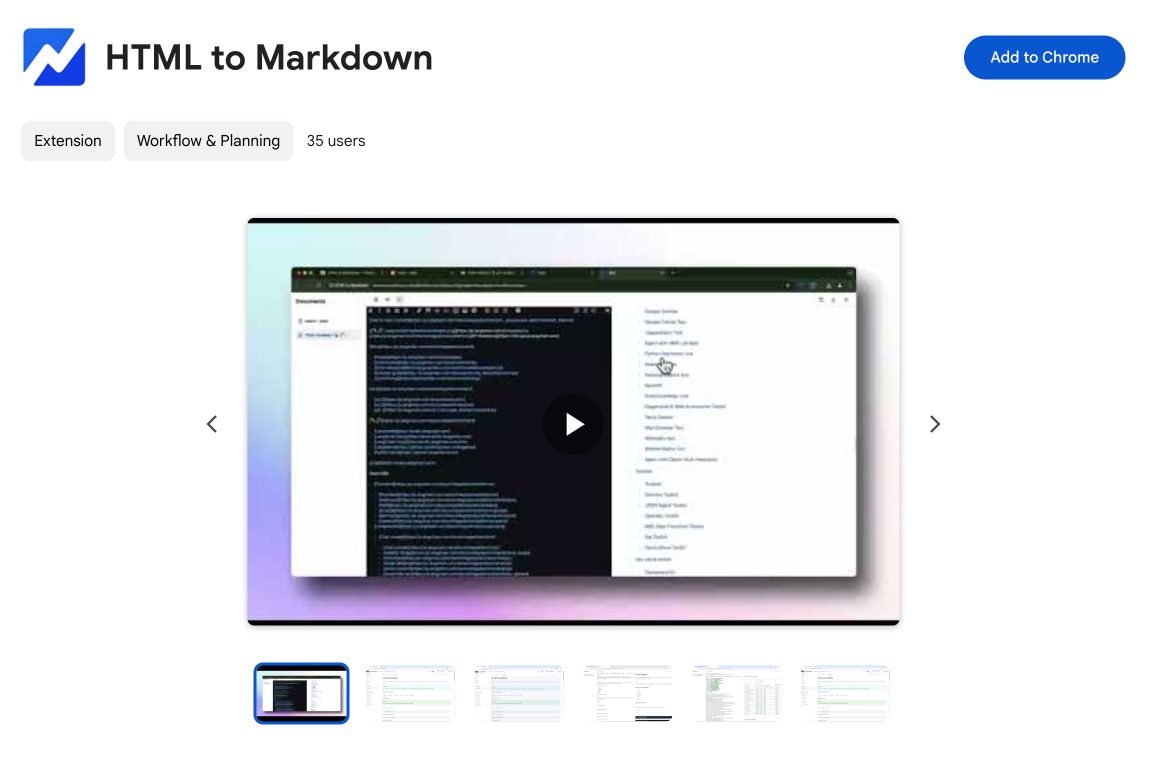
HTML to Markdown
Convert HTML to Markdown with ease, directly in your browser 📄
Dotallio
Personalized AI apps that automate research, data extraction, and content creation without code 🤖
Talk to Santa
Enjoy a magical live video chat or receive a unique AI-generated video greeting from Santa Claus 🎅
pozywka.pl
Scalable blog for food journalist, focused on performance and user experience 🌭
zagrodzki.me
Personal blog and portfolio of Bart Zagrodzki, where he shares his knowledge and work 💼
TurboStarter
Ship your startup everywhere. In minutes.
HTML to Markdown
Convert HTML to Markdown with ease, directly in your browser 📄
Dotallio
Personalized AI apps that automate research, data extraction, and content creation without code 🤖
Talk to Santa
Enjoy a magical live video chat or receive a unique AI-generated video greeting from Santa Claus 🎅
pozywka.pl
Scalable blog for food journalist, focused on performance and user experience 🌭
zagrodzki.me
Personal blog and portfolio of Bart Zagrodzki, where he shares his knowledge and work 💼
TurboStarter
Ship your startup everywhere. In minutes.
HTML to Markdown
Convert HTML to Markdown with ease, directly in your browser 📄
Dotallio
Personalized AI apps that automate research, data extraction, and content creation without code 🤖
Talk to Santa
Enjoy a magical live video chat or receive a unique AI-generated video greeting from Santa Claus 🎅
pozywka.pl
Scalable blog for food journalist, focused on performance and user experience 🌭
zagrodzki.me
Personal blog and portfolio of Bart Zagrodzki, where he shares his knowledge and work 💼
TurboStarter
Ship your startup everywhere. In minutes.
HTML to Markdown
Convert HTML to Markdown with ease, directly in your browser 📄
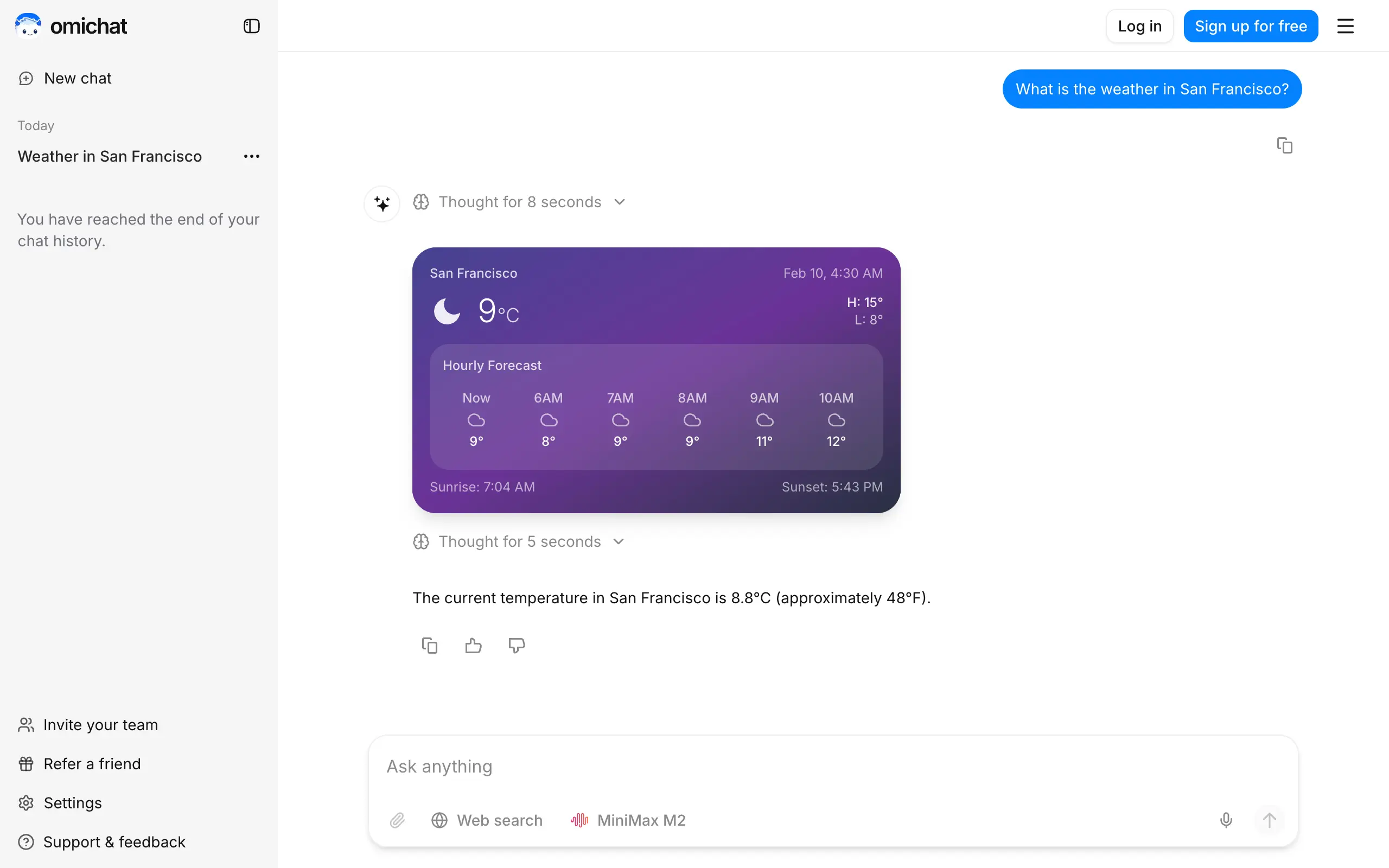
Omichat
Chat with 50+ AI models, including ChatGPT and Claude, in one place - switch models anytime without losing context 🤖
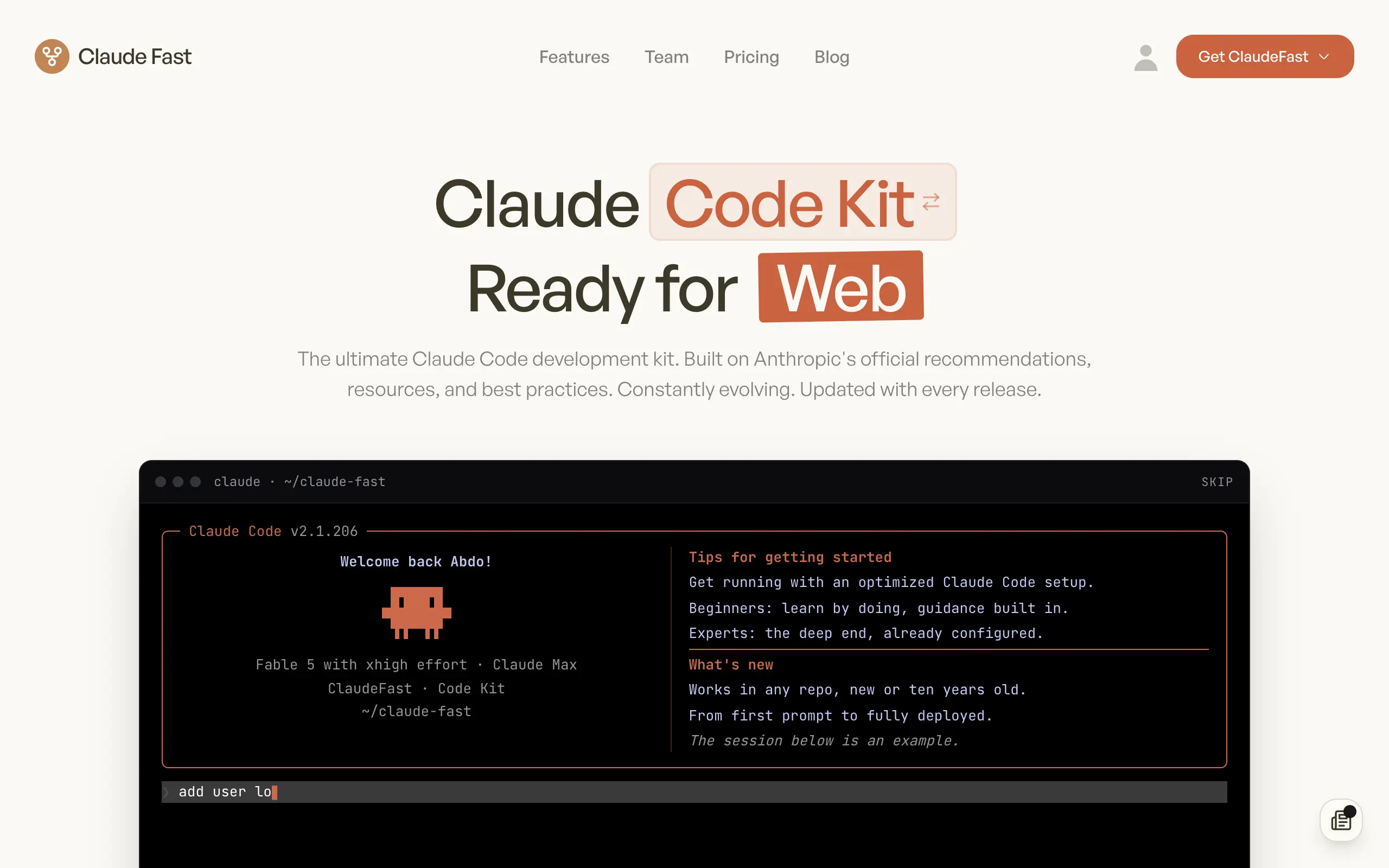
Claude Fast
Supercharge your Claude Code with 6x effective context window and specialized AI agents 🤖
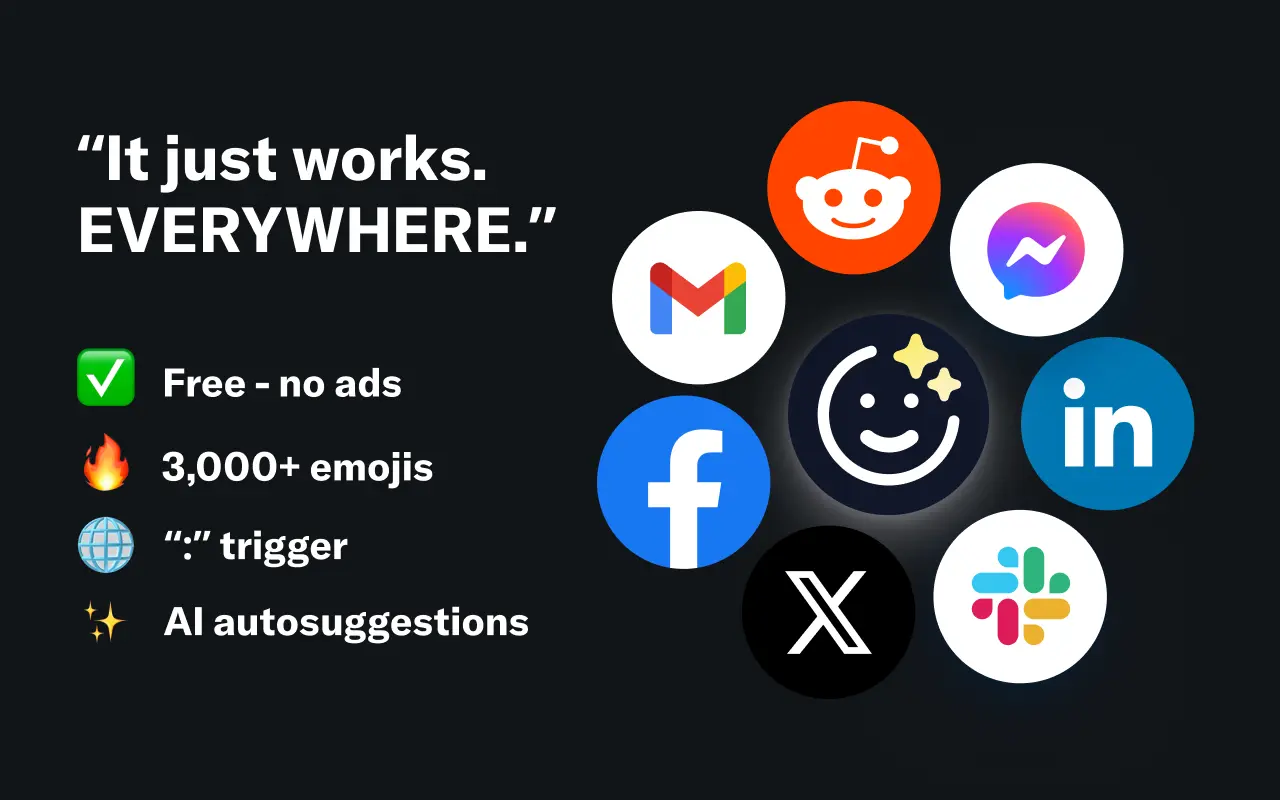
EmojAI
AI-powered emoji picker with smart, context-aware suggestions 🤖

Solohacker
Autonomous company launcher - AI agents work 24/7, escalate what matters, and you stay in control 🤖
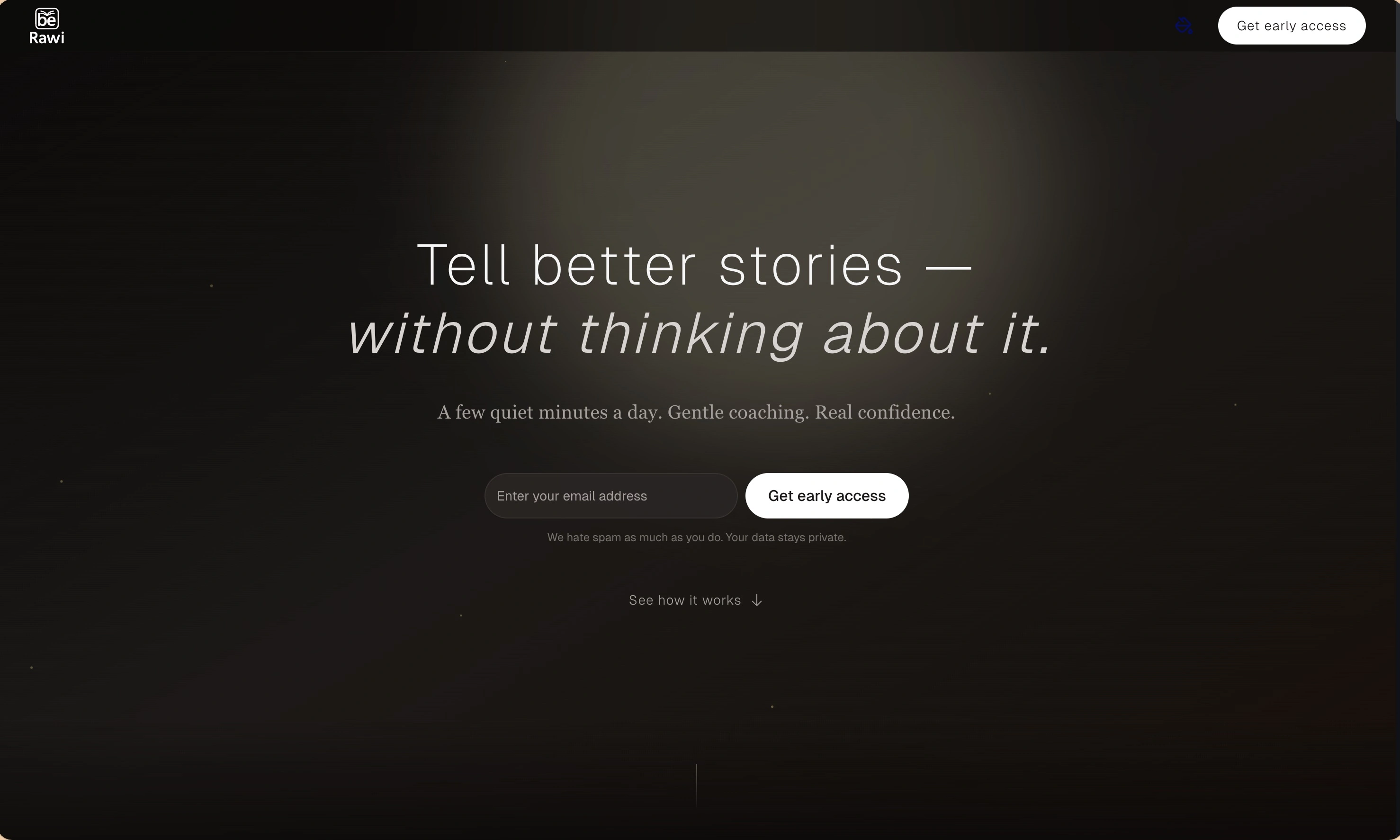
BeRawi: Storytelling Coach
Practice storytelling daily with instant feedback to sound clearer, more engaging, and confident 🎤
Omichat
Chat with 50+ AI models, including ChatGPT and Claude, in one place - switch models anytime without losing context 🤖
Claude Fast
Supercharge your Claude Code with 6x effective context window and specialized AI agents 🤖
EmojAI
AI-powered emoji picker with smart, context-aware suggestions 🤖
Solohacker
Autonomous company launcher - AI agents work 24/7, escalate what matters, and you stay in control 🤖
BeRawi: Storytelling Coach
Practice storytelling daily with instant feedback to sound clearer, more engaging, and confident 🎤
Omichat
Chat with 50+ AI models, including ChatGPT and Claude, in one place - switch models anytime without losing context 🤖
Claude Fast
Supercharge your Claude Code with 6x effective context window and specialized AI agents 🤖
EmojAI
AI-powered emoji picker with smart, context-aware suggestions 🤖
Solohacker
Autonomous company launcher - AI agents work 24/7, escalate what matters, and you stay in control 🤖
BeRawi: Storytelling Coach
Practice storytelling daily with instant feedback to sound clearer, more engaging, and confident 🎤
Omichat
Chat with 50+ AI models, including ChatGPT and Claude, in one place - switch models anytime without losing context 🤖
Claude Fast
Supercharge your Claude Code with 6x effective context window and specialized AI agents 🤖
EmojAI
AI-powered emoji picker with smart, context-aware suggestions 🤖
Solohacker
Autonomous company launcher - AI agents work 24/7, escalate what matters, and you stay in control 🤖
BeRawi: Storytelling Coach
Practice storytelling daily with instant feedback to sound clearer, more engaging, and confident 🎤

Connect with like-minded people
Join our community to get feedback, support, and grow together with 1,000+ builders on board, let's ship it!
Join usShip your startup everywhere. In minutes.
Don't burn tokens on setup and start building features on day one.