AttackSurfaceAI
AI-powered platform that continuously maps, monitors, and prioritizes an enterprise’s external attack surface with real-time risk scoring and remediation guidance.
Understanding the need for continuous attack surface management in modern enterprises
As organizations accelerate digital transformation, their external attack surface has expanded far beyond traditional network perimeters. Cloud infrastructure, SaaS tools, APIs, remote work, shadow IT, and third-party integrations continuously introduce new internet-facing assets—often without security teams having full visibility.
This growing complexity has made external attack surface management (EASM) one of the most critical disciplines in modern cybersecurity. According to widely cited industry reports (for example, from large security vendors and analyst firms), a significant percentage of breaches now originate from unknown, unmanaged, or misconfigured external assets rather than zero-day exploits.
This is where AI-powered attack surface management platforms like AttackSurfaceAI become strategically essential.
AttackSurfaceAI is designed to continuously map, monitor, and prioritize an enterprise’s external attack surface, providing real-time risk scoring and actionable remediation guidance. Unlike legacy tools that rely on periodic scans or manual inventories, AttackSurfaceAI treats the attack surface as a living system that must be observed and evaluated continuously.
This article provides a deep, expert-level exploration of the AttackSurfaceAI concept—covering the market opportunity, target audience, core features, technical architecture, monetization strategies, risks, and a practical implementation roadmap.
What is AttackSurfaceAI and why it matters
AttackSurfaceAI is an AI-driven external attack surface management (EASM) platform that automatically discovers, classifies, and monitors all internet-facing assets associated with an organization, including:
- Domains and subdomains
- IP addresses and cloud instances
- Web applications and APIs
- Exposed services, ports, and misconfigurations
- Leaked credentials and exposed data
- Third-party dependencies that expand risk
The platform continuously evaluates these assets using machine learning models, threat intelligence, and behavioral analysis to produce a real-time risk score and prioritized remediation guidance.
The core problem AttackSurfaceAI solves
Most enterprises struggle with three systemic security problems:
-
Incomplete visibility
- Security teams don’t know what assets exist.
- Shadow IT and forgotten infrastructure persist for years.
-
Alert overload without prioritization
- Vulnerability scanners produce thousands of findings.
- Teams lack context on what truly matters right now.
-
Slow remediation cycles
- Even when issues are identified, there’s little guidance on how to fix them efficiently.
AttackSurfaceAI directly addresses all three by combining continuous discovery, context-aware risk scoring, and clear remediation workflows.
Key insight
Attack surface management is no longer about discovering assets once—it’s about continuously understanding how changes in infrastructure and threat behavior affect real-world risk.
Target audience analysis: who benefits most from AttackSurfaceAI
Primary buyers and users
AttackSurfaceAI targets mid-market to large enterprises with complex, dynamic infrastructures. Key personas include:
CISOs and heads of security
- Need executive-level visibility into external risk
- Require defensible metrics for board reporting
- Care about reducing breach likelihood, not just compliance
Security operations (SecOps) teams
- Responsible for vulnerability management and incident prevention
- Overwhelmed by tools that generate noise instead of clarity
- Need prioritized, actionable insights
DevSecOps and cloud security teams
- Managing fast-changing cloud environments
- Need automated discovery tied to CI/CD and infrastructure-as-code
- Prefer integrations over standalone dashboards
Risk and compliance leaders
- Focused on regulatory requirements (ISO 27001, SOC 2, etc.)
- Need evidence of continuous monitoring and remediation
Secondary audiences
- Managed security service providers (MSSPs)
- Cyber insurance underwriters seeking objective risk signals
- M&A teams performing technical due diligence
Market opportunity and gap analysis
The EASM market landscape
The external attack surface management market has grown rapidly in response to:
- Cloud-native infrastructure adoption
- Increased breach costs and regulatory scrutiny
- The rise of ransomware and supply chain attacks
While several well-funded vendors operate in this space, significant gaps remain.
Key gaps in existing solutions
-
Static scanning models
- Many tools still operate on scheduled scans.
- They miss ephemeral assets and short-lived exposures.
-
Poor prioritization
- CVSS scores alone do not reflect real-world exploitability.
- Little context about asset criticality or exposure duration.
-
Limited remediation guidance
- Findings are surfaced without clear ownership or fix steps.
- Engineers struggle to translate alerts into action.
-
Weak AI utilization
- “AI-powered” often means basic heuristics or rules engines.
- Few platforms truly adapt to asset behavior and threat patterns.
Where AttackSurfaceAI stands out
AttackSurfaceAI is positioned as a next-generation AI-first EASM platform, focusing on:
- Continuous discovery rather than snapshots
- Dynamic, context-aware risk scoring
- Clear, role-based remediation workflows
This creates a strong differentiation in a crowded market.
Core features of AttackSurfaceAI
Continuous asset discovery and mapping
AttackSurfaceAI uses a combination of:
- Passive DNS analysis
- Certificate transparency logs
- Cloud provider metadata
- Web crawling and fingerprinting
- Threat intelligence feeds
to continuously discover new external assets the moment they appear.
Unlike traditional asset inventories, this mapping updates in near real time and maintains historical context.
AI-driven risk scoring engine
At the heart of AttackSurfaceAI is its real-time risk scoring system, which evaluates assets based on multiple dimensions:
- Exposure level (public, restricted, sensitive)
- Vulnerability severity and exploitability
- Asset business criticality
- Observed threat activity
- Change velocity (how often the asset changes)
The result is a prioritized risk queue that answers the most important question:
“What should we fix first to reduce real-world risk?”
Contextual remediation guidance
Rather than listing generic issues, AttackSurfaceAI provides:
- Step-by-step remediation recommendations
- Ownership suggestions (security vs DevOps vs IT)
- Links to internal tickets or workflows
- Risk impact explanations for stakeholders
This dramatically reduces time-to-fix.
Real-time alerts and monitoring
Security teams receive alerts when:
- New assets appear unexpectedly
- High-risk misconfigurations are detected
- Risk scores spike due to threat activity
- Sensitive data becomes exposed
Alerts are designed to be actionable, not noisy.
Integrations and workflows
AttackSurfaceAI integrates with:
- Issue trackers (Jira, Linear, etc.)
- SIEM and SOAR platforms
- Cloud providers and CI/CD pipelines
- Communication tools like Slack
This ensures findings flow naturally into existing security processes.
Competitive advantage analysis
| Capability | Traditional scanners | Legacy EASM tools | AttackSurfaceAI | Manual audits |
|---|---|---|---|---|
| Continuous discovery | ❌ | ✅ | ✅ | ❌ |
| AI-driven prioritization | ❌ | ⚠️ | ✅ | ❌ |
| Real-time risk scoring | ❌ | ⚠️ | ✅ | ❌ |
| Actionable remediation guidance | ❌ | ⚠️ | ✅ | ❌ |
AttackSurfaceAI’s unique selling proposition (USP) lies in its ability to combine continuous visibility, adaptive AI risk scoring, and practical remediation workflows into a single cohesive platform.
Recommended tech stack and architecture
High-level architecture
AttackSurfaceAI would typically follow a cloud-native, modular architecture:
- Distributed asset discovery services
- Centralized data ingestion and normalization
- AI/ML risk scoring pipeline
- API-first backend
- Web-based analytics dashboard
Frontend
- React for building a modular, responsive UI
- Official site: https://reactjs.org
- TailwindCSS or similar utility-first styling
- Real-time dashboards using WebSockets or polling
Backend and data layer
- Node.js or Python-based microservices
- Graph-oriented or document databases for asset relationships
- Time-series storage for risk score history
AI and data processing
- Python-based ML pipelines
- Feature extraction from asset metadata and threat intel
- Model retraining based on feedback loops
Trade-offs to consider
- Accuracy vs explainability: Highly complex models may be harder to explain to customers
- Real-time processing vs cost: Continuous monitoring can be resource-intensive
- Automation vs control: Some customers prefer manual approval before actions
A balanced approach is critical for enterprise trust.
Monetization strategy options
Tiered SaaS subscriptions
Most EASM platforms monetize via annual subscriptions, tiered by:
- Number of monitored assets
- Frequency of scanning and updates
- Access to advanced AI features
- Integration availability
Usage-based pricing
An alternative is pricing based on:
- Number of discovered assets per month
- Volume of risk events processed
- API usage
This aligns cost with value but requires careful predictability.
Enterprise and MSSP licensing
- Custom pricing for large organizations
- White-label options for MSSPs
- Volume discounts and multi-tenant support
Add-on revenue streams
- Advanced threat intelligence feeds
- Compliance reporting modules
- Dedicated onboarding and support packages
Risks, challenges, and mitigation strategies
Over-alerting can quickly reduce customer trust. Mitigation requires strong prioritization logic, feedback loops, and explainable AI models.
Incorrect asset ownership or misattributed domains can lead to confusion. Maintaining historical context and verification mechanisms is essential.
The EASM space is crowded with well-funded vendors. Clear positioning, strong UX, and differentiated AI capabilities are required to stand out.
Implementation roadmap: from MVP to scale
Phase 1: Core MVP
Phase 2: AI enhancement and integrations
Phase 3: Enterprise readiness
Go-to-market strategy and early traction
To gain early traction, AttackSurfaceAI should focus on:
- Security-led content marketing (case studies, breach analysis)
- Partnerships with MSSPs and consultants
- Free attack surface assessments as lead magnets
- Founder-led sales for early enterprise customers
Accelerators like TurboStarter can significantly reduce time-to-market by providing validated SaaS infrastructure, launch support, and growth guidance.
Why AttackSurfaceAI is well-positioned for long-term success
AttackSurfaceAI aligns with several long-term cybersecurity trends:
- Continuous security validation
- AI-driven prioritization
- Shift from reactive to proactive defense
- Board-level focus on measurable risk reduction
By focusing on clarity over noise and action over alerts, the platform has the potential to become a core system of record for external cyber risk.
Final thoughts and next steps
AttackSurfaceAI represents a compelling opportunity in the evolving cybersecurity landscape. Its focus on continuous mapping, real-time AI risk scoring, and actionable remediation guidance directly addresses unmet enterprise needs.
For founders or teams considering building this platform, the next steps are clear:
- Validate pain points with real security teams
- Start with a focused MVP targeting visibility and prioritization
- Invest early in explainability and trust
- Design for integration, not isolation
If executed thoughtfully, AttackSurfaceAI can move beyond being just another security tool—and become a strategic risk intelligence platform.
More 🤖 AI Startup SaaS ideas
Discover more innovative ai startup SaaS ideas that are trending in 2026. Each idea is AI-generated with market validation and growth potential to help you find your next profitable venture faster than competitors.
Your competitors are building with TurboStarter
Below are some of the SaaS ideas that have been generated and built with our starter kit.
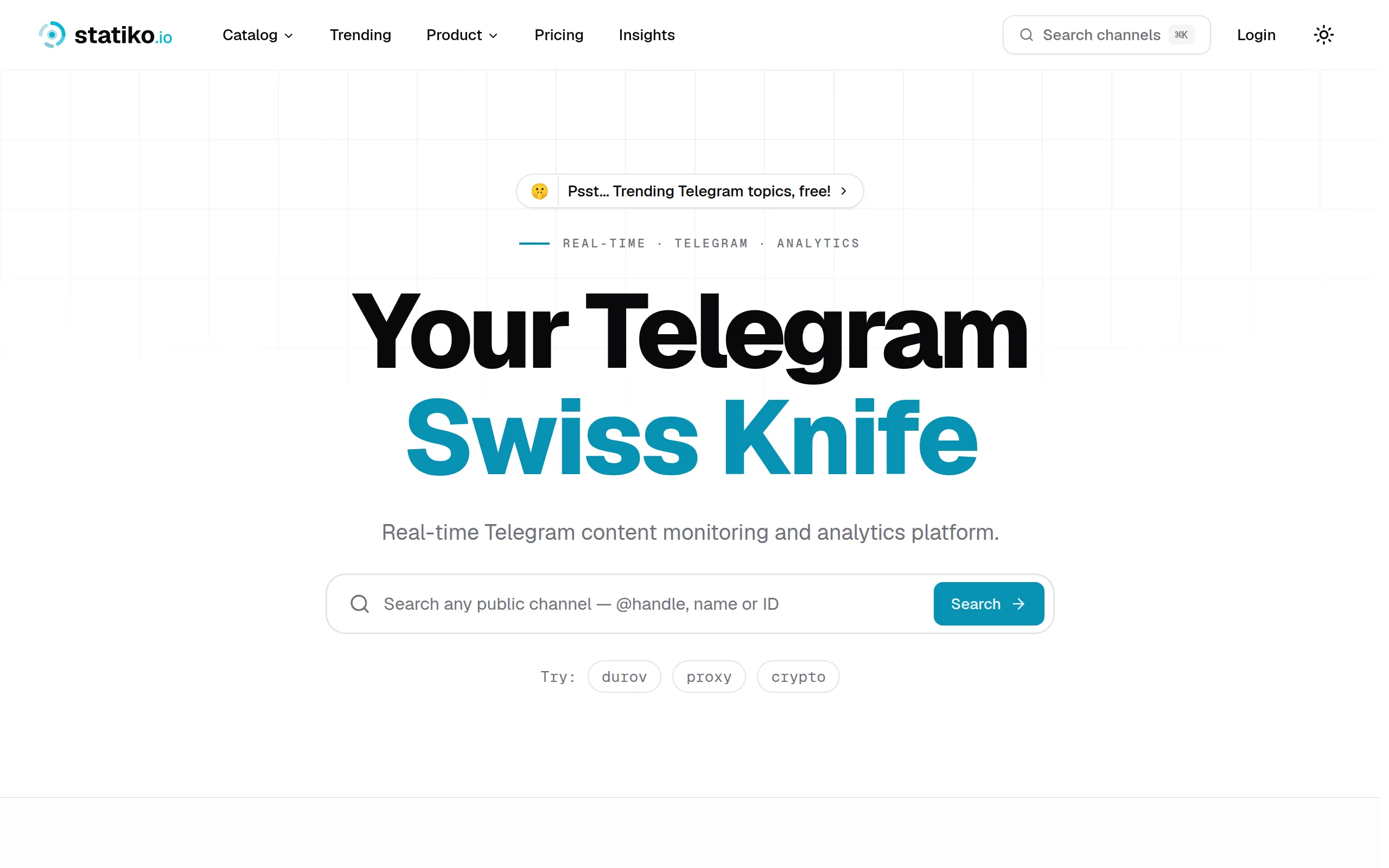
Statiko
Monitor any Telegram channel in real time - track posts, edits, deletions, and growth with AI recaps 📡

Shibui
AI website builder - describe your business, pick a niche template, edit by chatting, and publish instantly ✨

Pro Service
Find verified home service professionals, compare quotes, and pay securely through escrow - built for Brazilians across the US 🏠
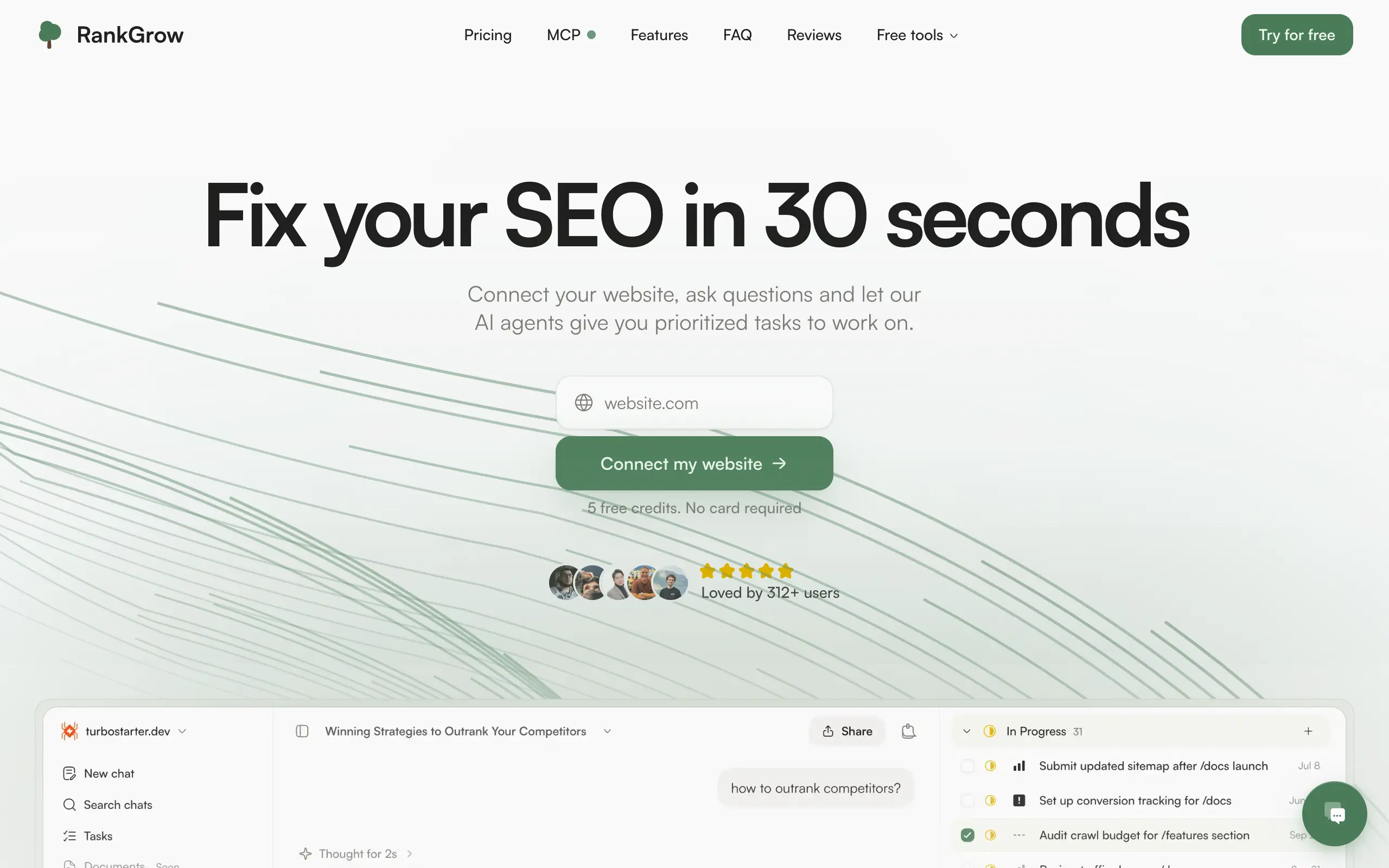
RankGrow
Fix your SEO with AI agents - connect Search Console, get prioritized tasks, and grow organic traffic 📈
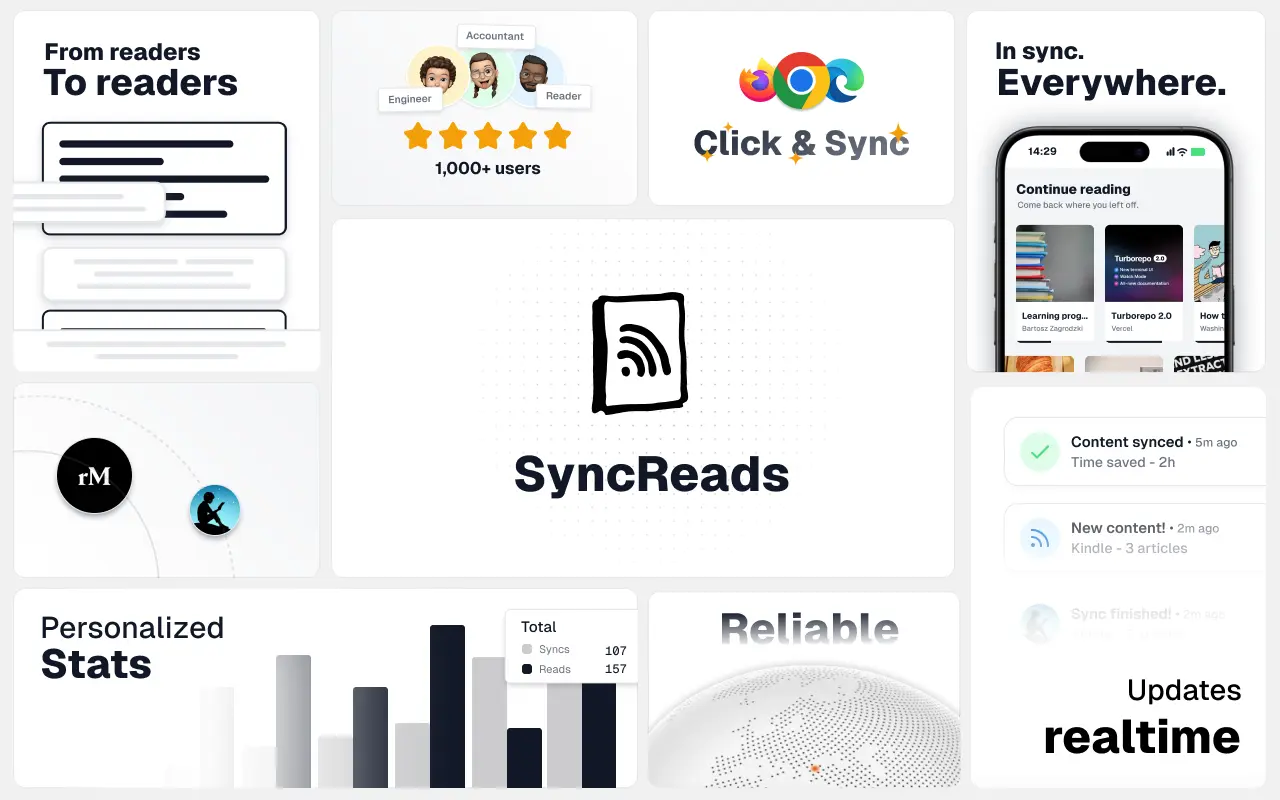
SyncReads
Sync your favorite content for distraction-free reading, save time and replace multiple apps. Anytime, anywhere 🔄
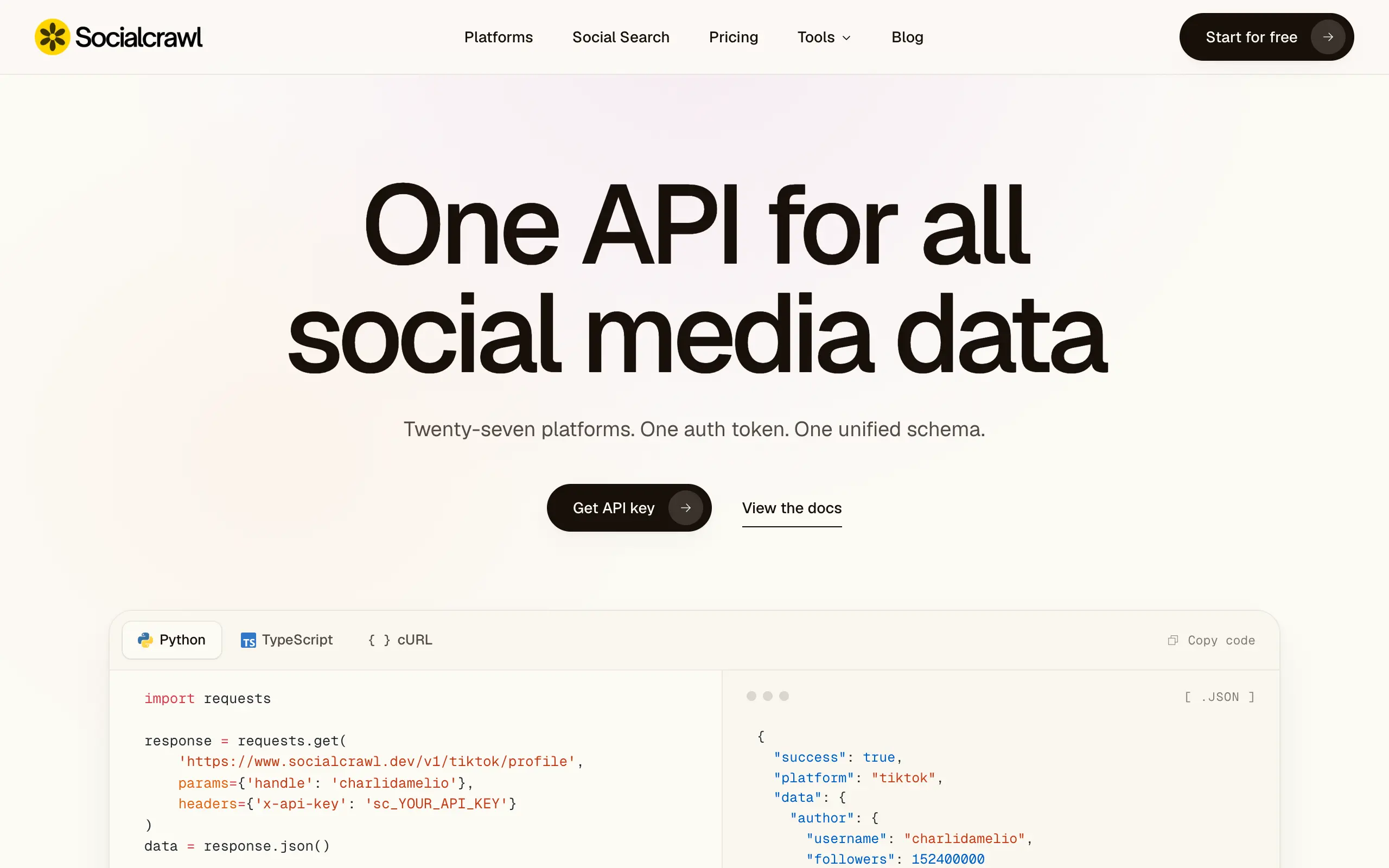
Socialcrawl
Get clean, structured data from 21 platforms like TikTok, Instagram, and YouTube with a single request 📊
Statiko
Monitor any Telegram channel in real time - track posts, edits, deletions, and growth with AI recaps 📡
Shibui
AI website builder - describe your business, pick a niche template, edit by chatting, and publish instantly ✨
Pro Service
Find verified home service professionals, compare quotes, and pay securely through escrow - built for Brazilians across the US 🏠
RankGrow
Fix your SEO with AI agents - connect Search Console, get prioritized tasks, and grow organic traffic 📈
SyncReads
Sync your favorite content for distraction-free reading, save time and replace multiple apps. Anytime, anywhere 🔄
Socialcrawl
Get clean, structured data from 21 platforms like TikTok, Instagram, and YouTube with a single request 📊
Statiko
Monitor any Telegram channel in real time - track posts, edits, deletions, and growth with AI recaps 📡
Shibui
AI website builder - describe your business, pick a niche template, edit by chatting, and publish instantly ✨
Pro Service
Find verified home service professionals, compare quotes, and pay securely through escrow - built for Brazilians across the US 🏠
RankGrow
Fix your SEO with AI agents - connect Search Console, get prioritized tasks, and grow organic traffic 📈
SyncReads
Sync your favorite content for distraction-free reading, save time and replace multiple apps. Anytime, anywhere 🔄
Socialcrawl
Get clean, structured data from 21 platforms like TikTok, Instagram, and YouTube with a single request 📊
Statiko
Monitor any Telegram channel in real time - track posts, edits, deletions, and growth with AI recaps 📡
Shibui
AI website builder - describe your business, pick a niche template, edit by chatting, and publish instantly ✨
Pro Service
Find verified home service professionals, compare quotes, and pay securely through escrow - built for Brazilians across the US 🏠
RankGrow
Fix your SEO with AI agents - connect Search Console, get prioritized tasks, and grow organic traffic 📈
SyncReads
Sync your favorite content for distraction-free reading, save time and replace multiple apps. Anytime, anywhere 🔄
Socialcrawl
Get clean, structured data from 21 platforms like TikTok, Instagram, and YouTube with a single request 📊
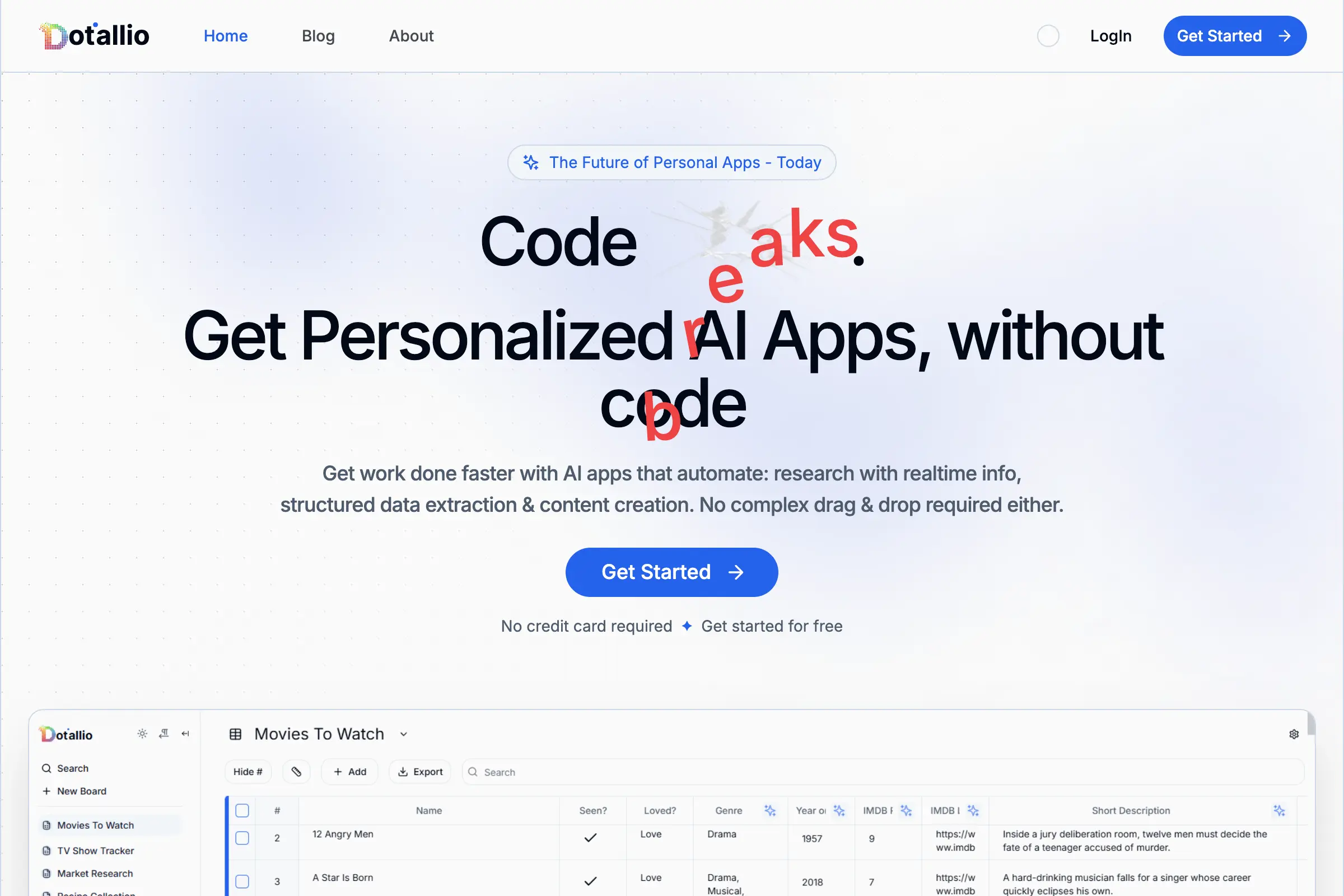
Dotallio
Personalized AI apps that automate research, data extraction, and content creation without code 🤖

Talk to Santa
Enjoy a magical live video chat or receive a unique AI-generated video greeting from Santa Claus 🎅

pozywka.pl
Scalable blog for food journalist, focused on performance and user experience 🌭
zagrodzki.me
Personal blog and portfolio of Bart Zagrodzki, where he shares his knowledge and work 💼
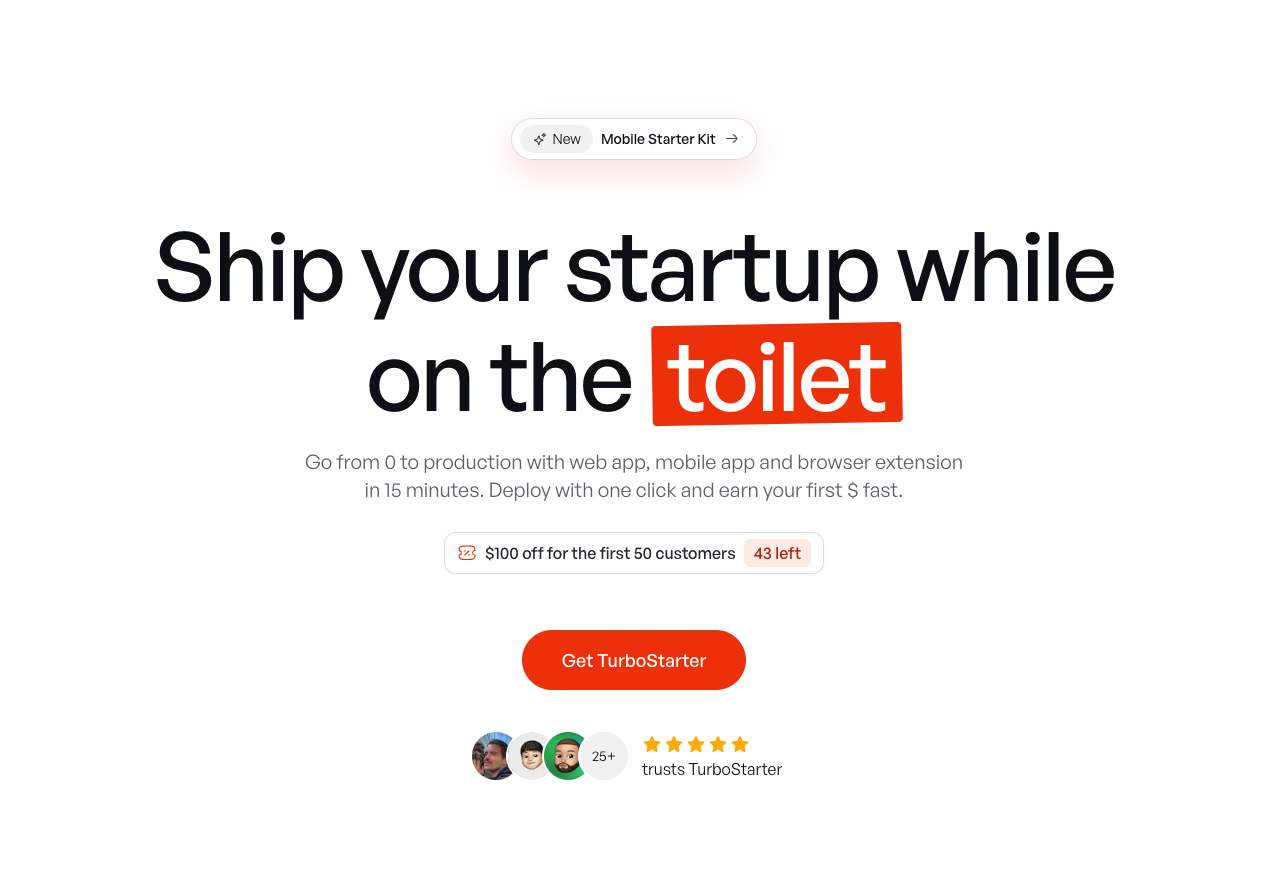
TurboStarter
Ship your startup everywhere. In minutes.
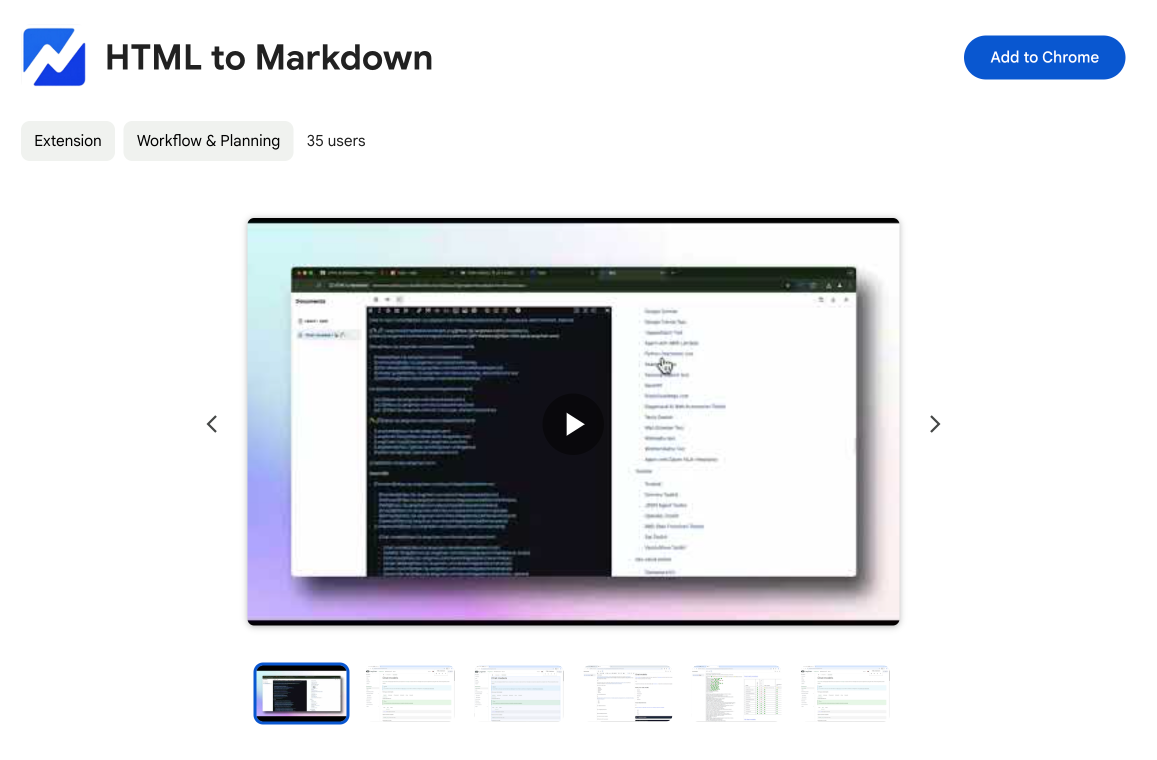
HTML to Markdown
Convert HTML to Markdown with ease, directly in your browser 📄
Dotallio
Personalized AI apps that automate research, data extraction, and content creation without code 🤖
Talk to Santa
Enjoy a magical live video chat or receive a unique AI-generated video greeting from Santa Claus 🎅
pozywka.pl
Scalable blog for food journalist, focused on performance and user experience 🌭
zagrodzki.me
Personal blog and portfolio of Bart Zagrodzki, where he shares his knowledge and work 💼
TurboStarter
Ship your startup everywhere. In minutes.
HTML to Markdown
Convert HTML to Markdown with ease, directly in your browser 📄
Dotallio
Personalized AI apps that automate research, data extraction, and content creation without code 🤖
Talk to Santa
Enjoy a magical live video chat or receive a unique AI-generated video greeting from Santa Claus 🎅
pozywka.pl
Scalable blog for food journalist, focused on performance and user experience 🌭
zagrodzki.me
Personal blog and portfolio of Bart Zagrodzki, where he shares his knowledge and work 💼
TurboStarter
Ship your startup everywhere. In minutes.
HTML to Markdown
Convert HTML to Markdown with ease, directly in your browser 📄
Dotallio
Personalized AI apps that automate research, data extraction, and content creation without code 🤖
Talk to Santa
Enjoy a magical live video chat or receive a unique AI-generated video greeting from Santa Claus 🎅
pozywka.pl
Scalable blog for food journalist, focused on performance and user experience 🌭
zagrodzki.me
Personal blog and portfolio of Bart Zagrodzki, where he shares his knowledge and work 💼
TurboStarter
Ship your startup everywhere. In minutes.
HTML to Markdown
Convert HTML to Markdown with ease, directly in your browser 📄
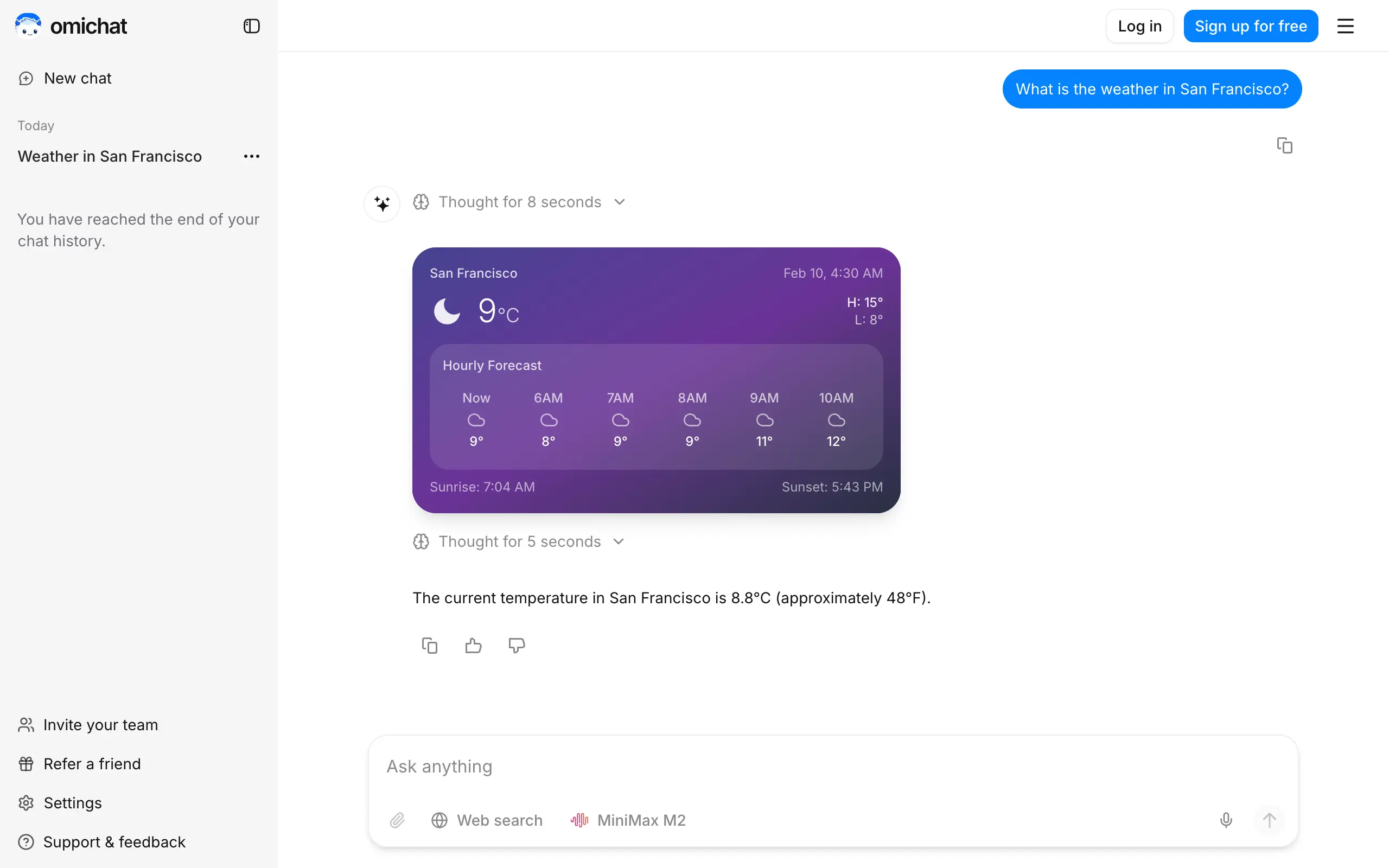
Omichat
Chat with 50+ AI models, including ChatGPT and Claude, in one place - switch models anytime without losing context 🤖
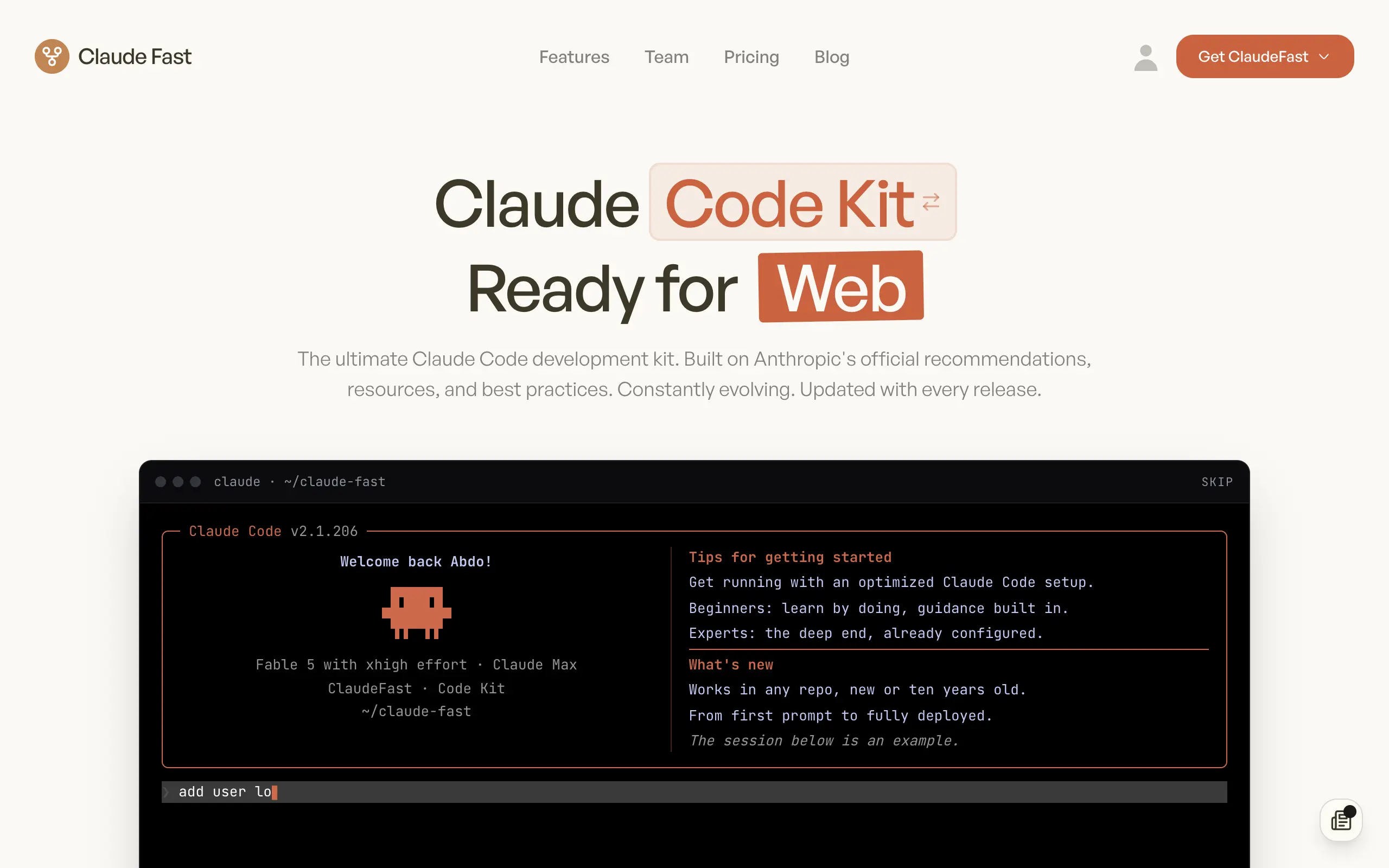
Claude Fast
Supercharge your Claude Code with 6x effective context window and specialized AI agents 🤖
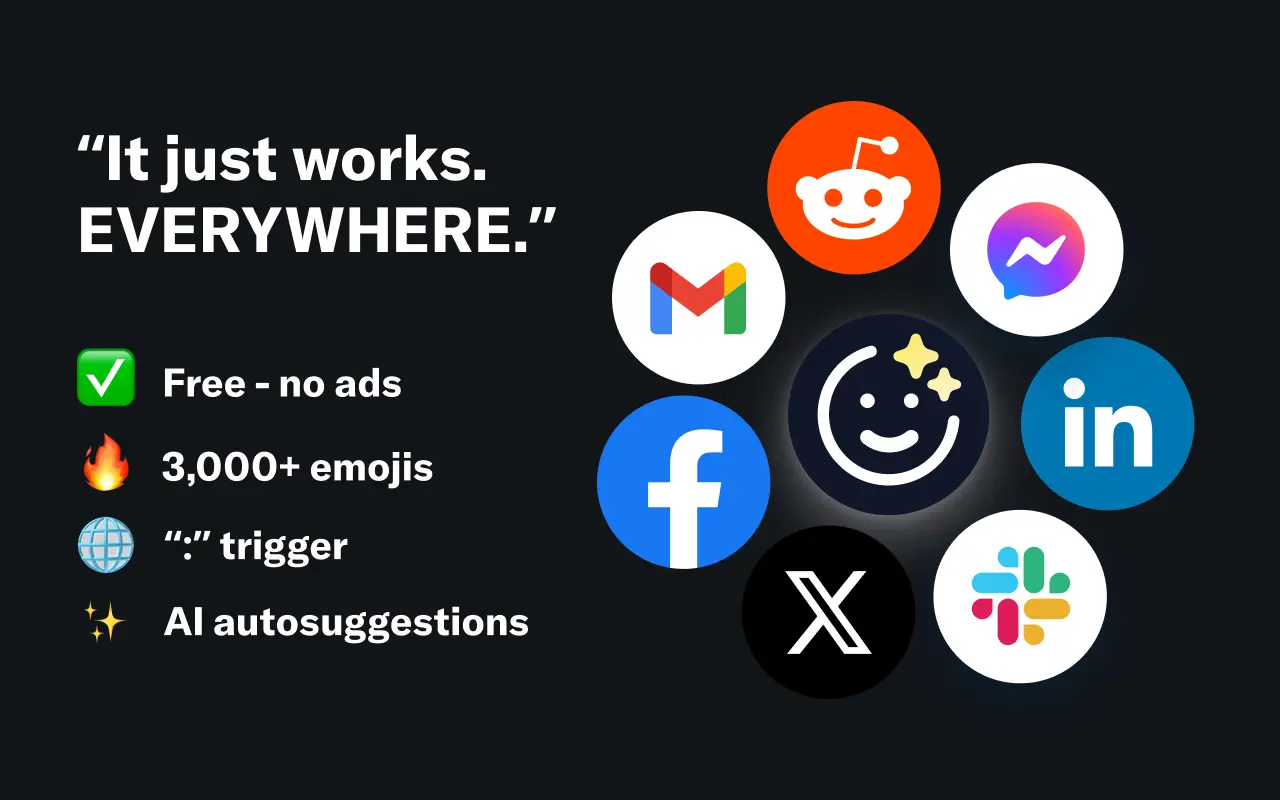
EmojAI
AI-powered emoji picker with smart, context-aware suggestions 🤖

Solohacker
Autonomous company launcher - AI agents work 24/7, escalate what matters, and you stay in control 🤖

BeRawi: Storytelling Coach
Practice storytelling daily with instant feedback to sound clearer, more engaging, and confident 🎤
Omichat
Chat with 50+ AI models, including ChatGPT and Claude, in one place - switch models anytime without losing context 🤖
Claude Fast
Supercharge your Claude Code with 6x effective context window and specialized AI agents 🤖
EmojAI
AI-powered emoji picker with smart, context-aware suggestions 🤖
Solohacker
Autonomous company launcher - AI agents work 24/7, escalate what matters, and you stay in control 🤖
BeRawi: Storytelling Coach
Practice storytelling daily with instant feedback to sound clearer, more engaging, and confident 🎤
Omichat
Chat with 50+ AI models, including ChatGPT and Claude, in one place - switch models anytime without losing context 🤖
Claude Fast
Supercharge your Claude Code with 6x effective context window and specialized AI agents 🤖
EmojAI
AI-powered emoji picker with smart, context-aware suggestions 🤖
Solohacker
Autonomous company launcher - AI agents work 24/7, escalate what matters, and you stay in control 🤖
BeRawi: Storytelling Coach
Practice storytelling daily with instant feedback to sound clearer, more engaging, and confident 🎤
Omichat
Chat with 50+ AI models, including ChatGPT and Claude, in one place - switch models anytime without losing context 🤖
Claude Fast
Supercharge your Claude Code with 6x effective context window and specialized AI agents 🤖
EmojAI
AI-powered emoji picker with smart, context-aware suggestions 🤖
Solohacker
Autonomous company launcher - AI agents work 24/7, escalate what matters, and you stay in control 🤖
BeRawi: Storytelling Coach
Practice storytelling daily with instant feedback to sound clearer, more engaging, and confident 🎤

Connect with like-minded people
Join our community to get feedback, support, and grow together with 1,000+ builders on board, let's ship it!
Join usShip your startup everywhere. In minutes.
Don't burn tokens on setup and start building features on day one.