AuditShield AI
AI-driven tax audit defense platform that flags risks, simulates audit scenarios, and auto-generates documentation to keep businesses compliant.
What is an AI-driven tax audit defense platform and why it matters
Tax compliance has always been a high-stakes, high-anxiety function for businesses. The rise of increasingly complex tax regulations, cross-border operations, and real-time reporting requirements has made traditional compliance methods brittle and reactive. This is where an AI-driven tax audit defense platform like AuditShield AI enters the picture.
At its core, AuditShield AI is designed to proactively identify audit risks, simulate potential audit scenarios, and automatically generate defensible documentation before authorities ever come knocking. Instead of scrambling during an audit, businesses operate in a state of continuous audit readiness.
This shift—from reactive compliance to proactive defense—is not just a convenience. It’s becoming a competitive necessity.
Key insight
Regulators globally are increasingly using AI and data analytics themselves. Businesses that don’t adopt similar tools risk falling behind in both compliance and defense.
The growing problem: why tax audits are becoming harder to manage
Increasing regulatory complexity
Tax codes are evolving rapidly, especially with:
- Digital services taxes
- Global minimum tax frameworks (e.g., OECD Pillar Two)
- Cross-border transaction scrutiny
- Real-time reporting mandates
Even mid-sized companies now face compliance challenges that previously only affected large enterprises.
Audit frequency and sophistication are rising
Tax authorities are no longer relying on random audits. They use:
- Data matching across jurisdictions
- AI-based anomaly detection
- Industry benchmarking
This means audits are more targeted—and harder to defend against if your data isn’t airtight.
Manual processes are no longer sufficient
Traditional workflows rely on:
- Spreadsheets
- Static reports
- Human interpretation
These approaches fail when dealing with:
- Large-scale transaction datasets
- Real-time compliance requirements
- Complex entity structures
Target audience: who needs AuditShield AI the most
AuditShield AI is not a one-size-fits-all tool. Its highest value lies with organizations that face high compliance complexity and audit exposure.
Primary segments
1. Mid-sized to enterprise businesses
- Multi-entity organizations
- Cross-border operations
- High transaction volume
These companies need automated risk detection and audit simulation to avoid costly penalties.
2. Accounting and tax advisory firms
- CPA firms managing multiple clients
- Tax consultants handling audits
They benefit from scaling their services without increasing headcount.
3. E-commerce and digital-first companies
- High transaction volumes
- Sales across jurisdictions
- Complex VAT/GST handling
These businesses are frequent audit targets due to data inconsistencies.
4. CFOs and finance teams
- Responsible for compliance strategy
- Need real-time visibility into risk exposure
Market opportunity and gap analysis
A fragmented and underserved market
The tax technology landscape includes:
But very few solutions focus specifically on audit defense automation.
The gap AuditShield AI fills
AuditShield AI bridges three critical gaps:
- Proactive risk identification (before audits occur)
- Simulation-based preparation (instead of static reporting)
- Automated documentation generation (reducing manual work)
Market size and growth
The global tax tech market is growing rapidly, driven by:
- Regulatory digitization
- AI adoption in finance
- Demand for automation
Industry reports (e.g., from Gartner or Deloitte—recommended for citation) suggest double-digit growth in compliance automation tools.
Core features of AuditShield AI
1. AI-powered risk detection
AuditShield AI continuously scans financial and transactional data to identify:
- Anomalies
- Inconsistencies
- High-risk patterns
It uses machine learning models trained on:
- Historical audit data
- Industry benchmarks
- Regulatory rules
2. audit simulation engine
This is a defining feature.
Instead of guessing audit outcomes, users can:
- Simulate different audit scenarios
- Test exposure levels
- Identify weak points in documentation
3. automated documentation generation
AuditShield AI generates:
- Audit-ready reports
- Supporting documentation
- Justification narratives
This dramatically reduces preparation time and ensures consistency.
4. real-time compliance dashboard
A centralized dashboard provides:
- Risk scores
- Alerts
- Compliance status
5. integration with existing systems
AuditShield AI integrates with:
- ERPs like SAP
- Accounting tools
- Data warehouses
Feature comparison: traditional vs AI-driven audit defense
| Capability | Traditional methods | AuditShield AI | Impact | Automation level |
|---|---|---|---|---|
| Risk detection | Manual review | AI-driven analysis | Early issue detection | High |
| Audit preparation | Reactive | Proactive simulation | Better outcomes | High |
| Documentation | Manual creation | Auto-generated | Time savings | High |
How AuditShield AI works (technical overview)
Data ingestion and normalization
AuditShield AI connects to multiple data sources and standardizes them.
// Example: simplified data ingestion pipeline
async function ingestFinancialData(source) {
  const rawData = await source.fetch();
  return normalize(rawData);
}
AI model layer
Models perform:
- Anomaly detection
- Risk scoring
- Pattern recognition
Technologies could include:
rules + AI hybrid approach
Pure AI is not enough in compliance.
AuditShield AI combines:
- Rule-based systems (for regulatory accuracy)
- Machine learning (for pattern detection)
Recommended tech stack for building AuditShield AI
frontend
backend
- Node.js or Python (FastAPI)
- GraphQL or REST APIs
AI/ML layer
- Python ecosystem
- TensorFlow / PyTorch
data infrastructure
- PostgreSQL
- Data warehouse (e.g., Snowflake)
deployment
- AWS or GCP
- Docker + Kubernetes
SaaS boilerplate acceleration
To speed up development, platforms like TurboStarter can help launch production-ready SaaS faster with built-in authentication, billing, and architecture patterns.
Monetization strategy
subscription tiers
- Basic: risk detection
- Pro: simulations + documentation
- Enterprise: full suite + integrations
usage-based pricing
Charge based on:
- Number of transactions analyzed
- Number of entities
enterprise licensing
Custom pricing for:
- Large corporations
- Accounting firms
Competitive landscape and differentiation
existing players
- Compliance software providers
- ERP systems
- Audit consulting firms
AuditShield AI’s competitive advantage
Proactive vs reactive
Most tools help after problems arise. AuditShield prevents them.
AI + simulation
Combines predictive analytics with scenario modeling.
Automation-first
Reduces manual documentation and preparation effort.
Risks and challenges
regulatory accuracy
AI must align with constantly changing laws.
Mitigation:
- Frequent updates
- Rule-based validation layer
data security
Handling sensitive financial data requires:
- Encryption
- Compliance (SOC 2, GDPR)
user trust
Finance teams are cautious about AI decisions.
Mitigation:
- Explainable AI
- Transparent risk scoring
Real-world use cases
scenario 1: e-commerce company
- Detects VAT inconsistencies
- Simulates audit
- Generates documentation
scenario 2: accounting firm
- Manages multiple client audits
- Scales without hiring more staff
Implementation roadmap
SEO opportunities for AuditShield AI
primary keyword targets
- AI tax audit defense platform
- tax audit automation software
- AI tax compliance tool
long-tail keywords
- how to prepare for a tax audit with AI
- automate tax audit documentation
- audit risk detection software
Future trends shaping this space
AI-native compliance
Tax systems will become:
- Real-time
- Fully automated
- Predictive
government digitization
Authorities will increasingly:
- Require digital reporting
- Use AI for audits
Final thoughts: why AuditShield AI is a high-potential SaaS
AuditShield AI sits at the intersection of:
- AI innovation
- Regulatory necessity
- Enterprise pain points
It addresses a critical, high-cost problem with a scalable, automation-first approach.
The biggest opportunity lies in positioning it not just as a tool—but as a defensive layer for modern finance teams.
Actionable next steps to build AuditShield AI
- Conduct 10–15 interviews with CFOs and tax professionals
- Identify the most common audit pain points
- Build a narrow MVP (risk detection only)
- Validate willingness to pay
- Expand into simulations and automation
Frequently asked questions
AI is highly effective for detecting patterns and anomalies, but it should always be combined with rule-based systems and human oversight to ensure compliance accuracy.
Compliance software focuses on filing and reporting. AuditShield AI focuses on risk detection, simulation, and audit readiness.
Yes, but the highest ROI is typically seen in businesses with complex operations or high transaction volumes.
By leveraging AI in a domain that has traditionally resisted automation, AuditShield AI represents a significant leap forward. For founders and operators, this is a rare opportunity to build a SaaS product that is not only innovative—but essential.
More 🤖 AI Startup SaaS ideas
Discover more innovative ai startup SaaS ideas that are trending in 2026. Each idea is AI-generated with market validation and growth potential to help you find your next profitable venture faster than competitors.
Your competitors are building with TurboStarter
Below are some of the SaaS ideas that have been generated and built with our starter kit.
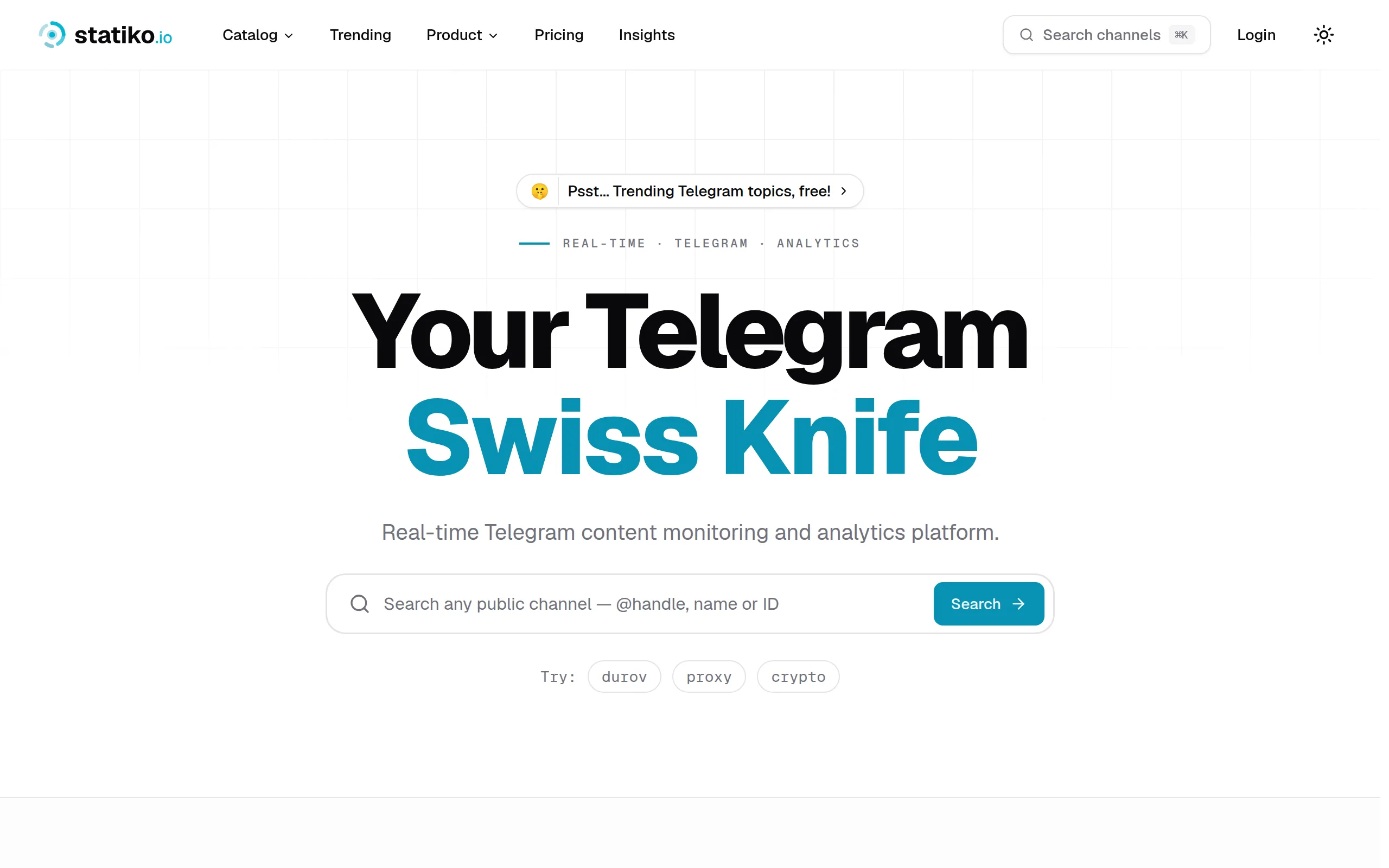
Statiko
Monitor any Telegram channel in real time - track posts, edits, deletions, and growth with AI recaps 📡

Shibui
AI website builder - describe your business, pick a niche template, edit by chatting, and publish instantly ✨

Pro Service
Find verified home service professionals, compare quotes, and pay securely through escrow - built for Brazilians across the US 🏠
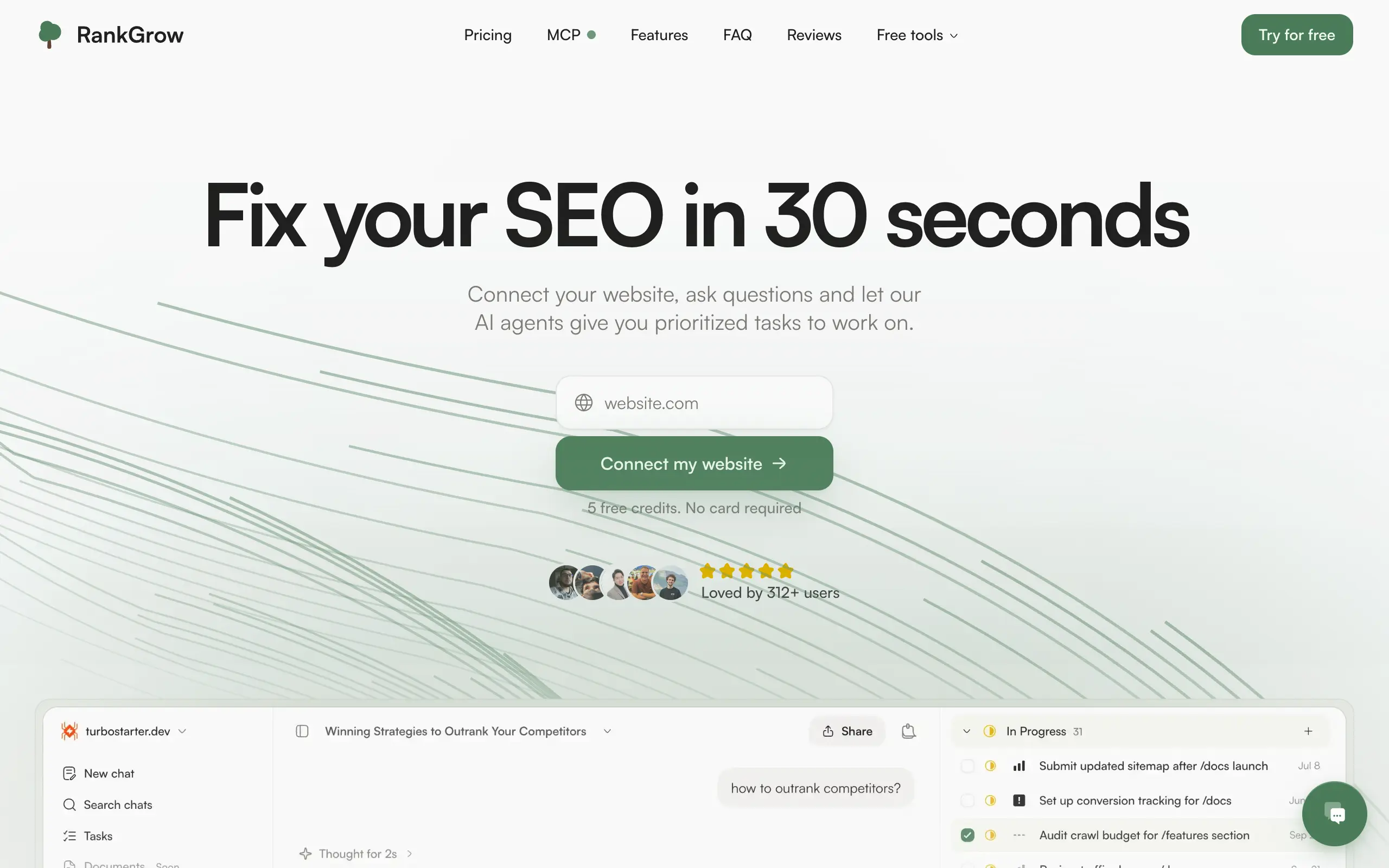
RankGrow
Fix your SEO with AI agents - connect Search Console, get prioritized tasks, and grow organic traffic 📈
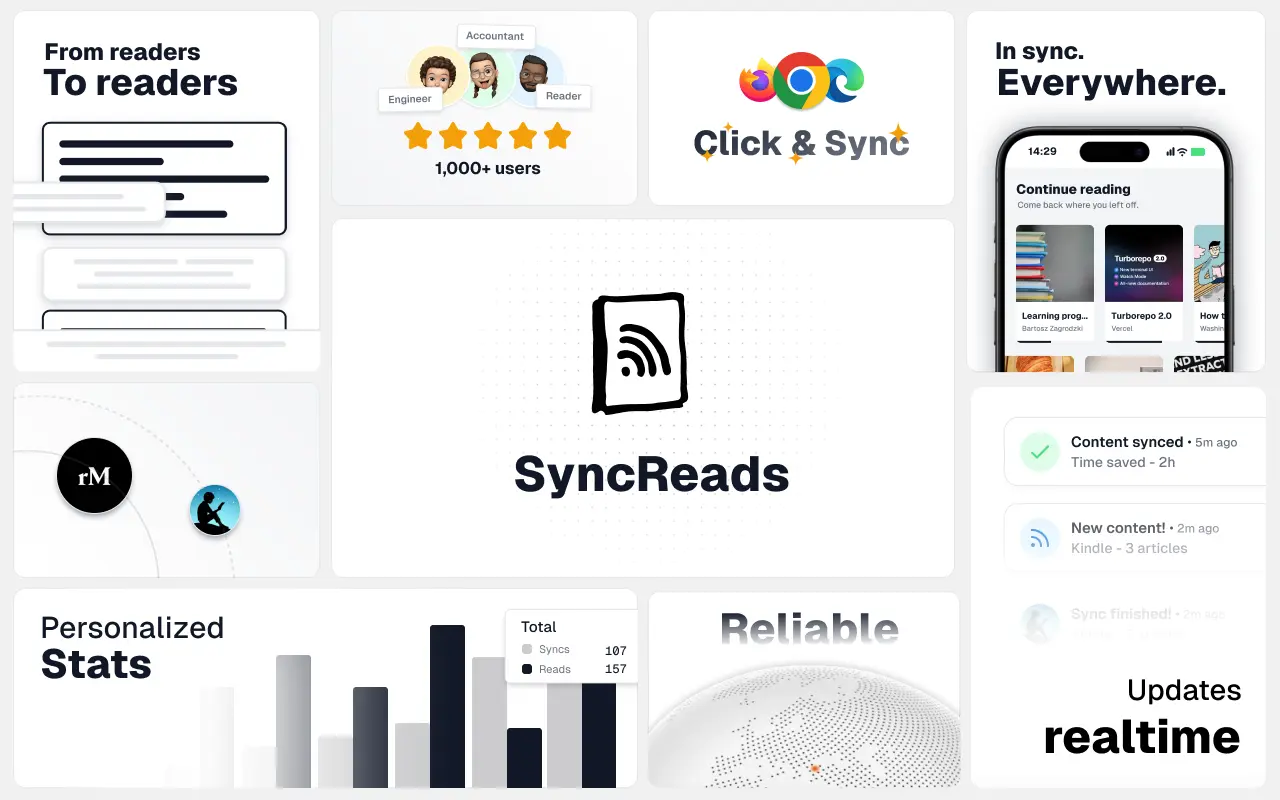
SyncReads
Sync your favorite content for distraction-free reading, save time and replace multiple apps. Anytime, anywhere 🔄
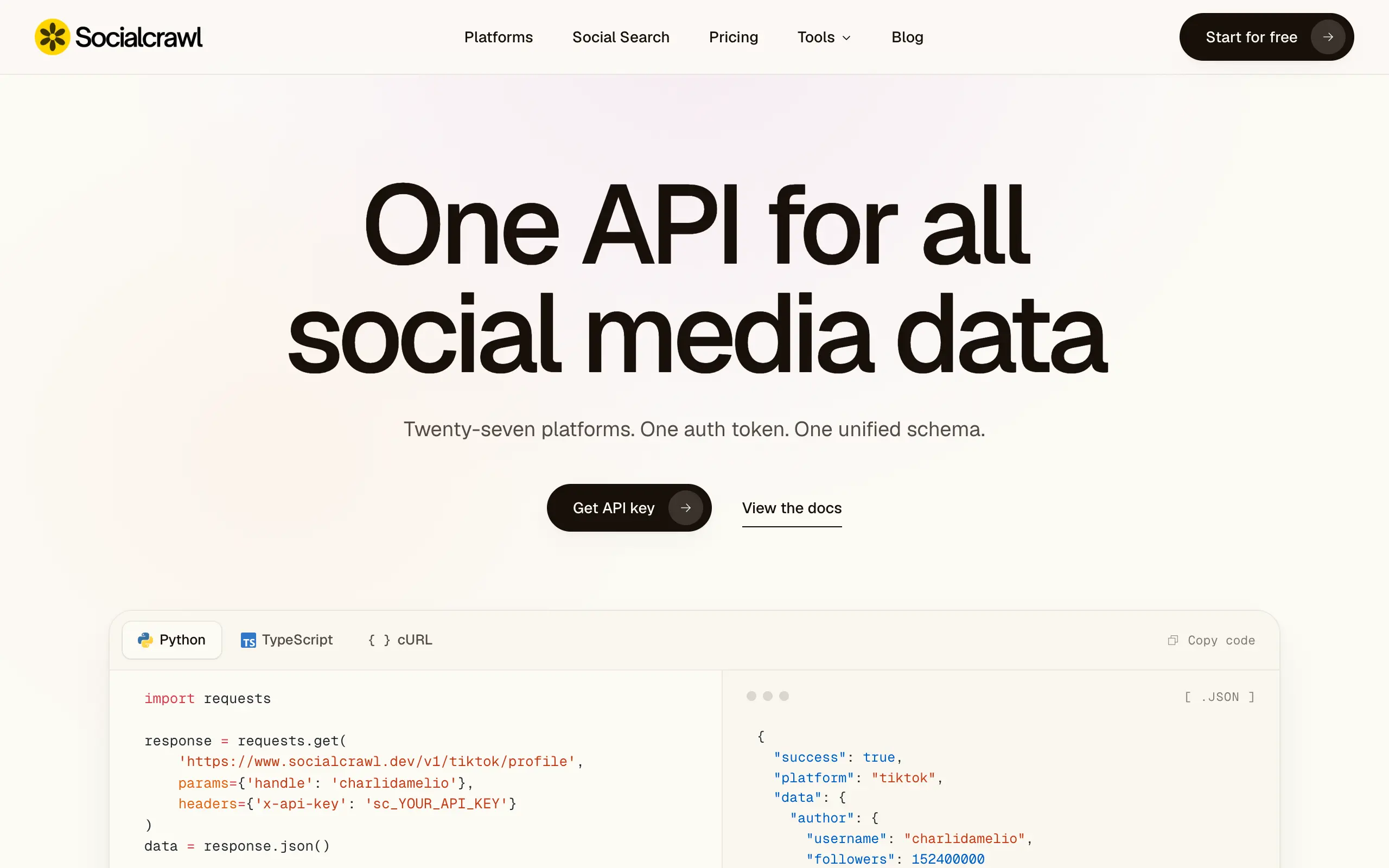
Socialcrawl
Get clean, structured data from 21 platforms like TikTok, Instagram, and YouTube with a single request 📊
Statiko
Monitor any Telegram channel in real time - track posts, edits, deletions, and growth with AI recaps 📡
Shibui
AI website builder - describe your business, pick a niche template, edit by chatting, and publish instantly ✨
Pro Service
Find verified home service professionals, compare quotes, and pay securely through escrow - built for Brazilians across the US 🏠
RankGrow
Fix your SEO with AI agents - connect Search Console, get prioritized tasks, and grow organic traffic 📈
SyncReads
Sync your favorite content for distraction-free reading, save time and replace multiple apps. Anytime, anywhere 🔄
Socialcrawl
Get clean, structured data from 21 platforms like TikTok, Instagram, and YouTube with a single request 📊
Statiko
Monitor any Telegram channel in real time - track posts, edits, deletions, and growth with AI recaps 📡
Shibui
AI website builder - describe your business, pick a niche template, edit by chatting, and publish instantly ✨
Pro Service
Find verified home service professionals, compare quotes, and pay securely through escrow - built for Brazilians across the US 🏠
RankGrow
Fix your SEO with AI agents - connect Search Console, get prioritized tasks, and grow organic traffic 📈
SyncReads
Sync your favorite content for distraction-free reading, save time and replace multiple apps. Anytime, anywhere 🔄
Socialcrawl
Get clean, structured data from 21 platforms like TikTok, Instagram, and YouTube with a single request 📊
Statiko
Monitor any Telegram channel in real time - track posts, edits, deletions, and growth with AI recaps 📡
Shibui
AI website builder - describe your business, pick a niche template, edit by chatting, and publish instantly ✨
Pro Service
Find verified home service professionals, compare quotes, and pay securely through escrow - built for Brazilians across the US 🏠
RankGrow
Fix your SEO with AI agents - connect Search Console, get prioritized tasks, and grow organic traffic 📈
SyncReads
Sync your favorite content for distraction-free reading, save time and replace multiple apps. Anytime, anywhere 🔄
Socialcrawl
Get clean, structured data from 21 platforms like TikTok, Instagram, and YouTube with a single request 📊
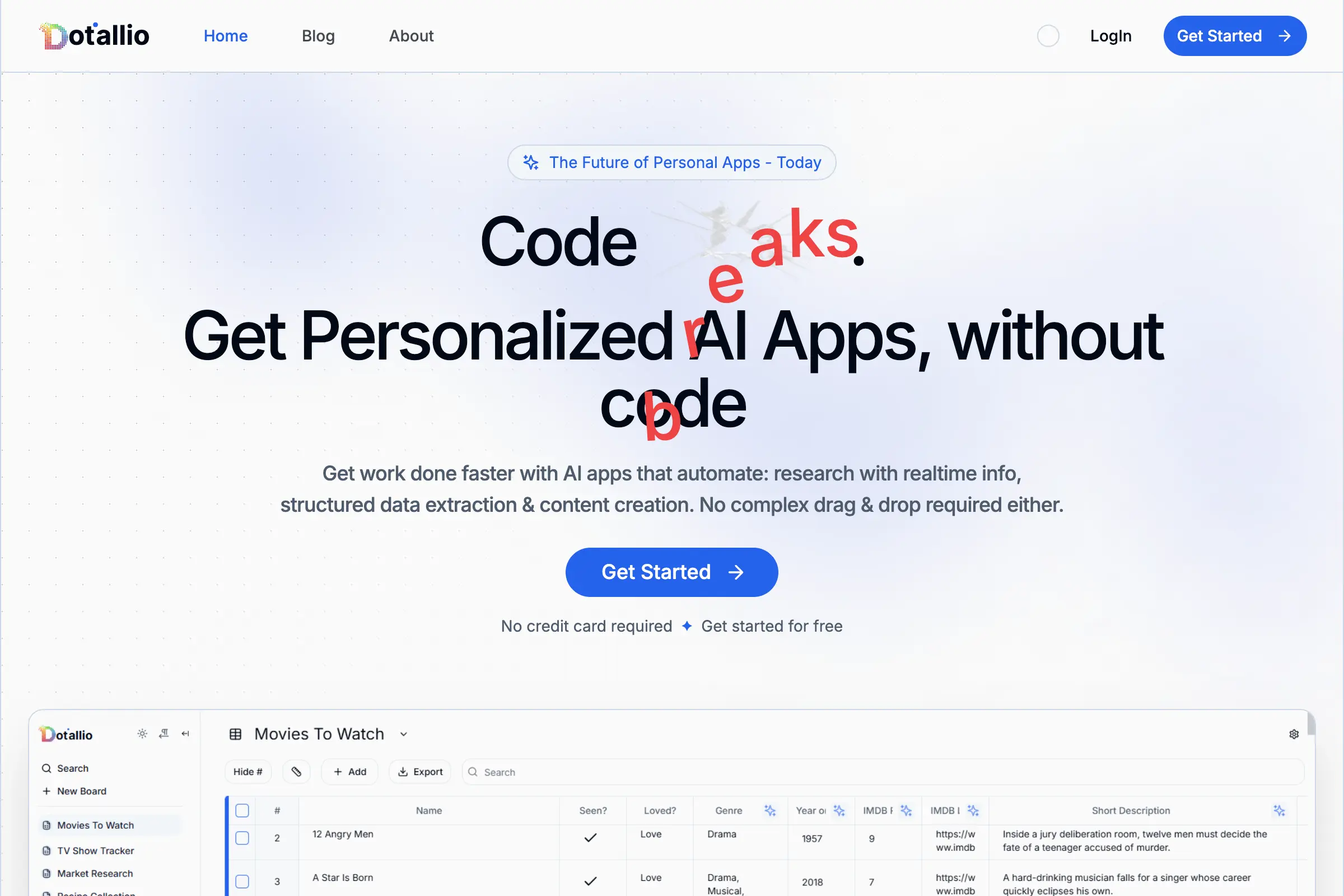
Dotallio
Personalized AI apps that automate research, data extraction, and content creation without code 🤖

Talk to Santa
Enjoy a magical live video chat or receive a unique AI-generated video greeting from Santa Claus 🎅

pozywka.pl
Scalable blog for food journalist, focused on performance and user experience 🌭
zagrodzki.me
Personal blog and portfolio of Bart Zagrodzki, where he shares his knowledge and work 💼
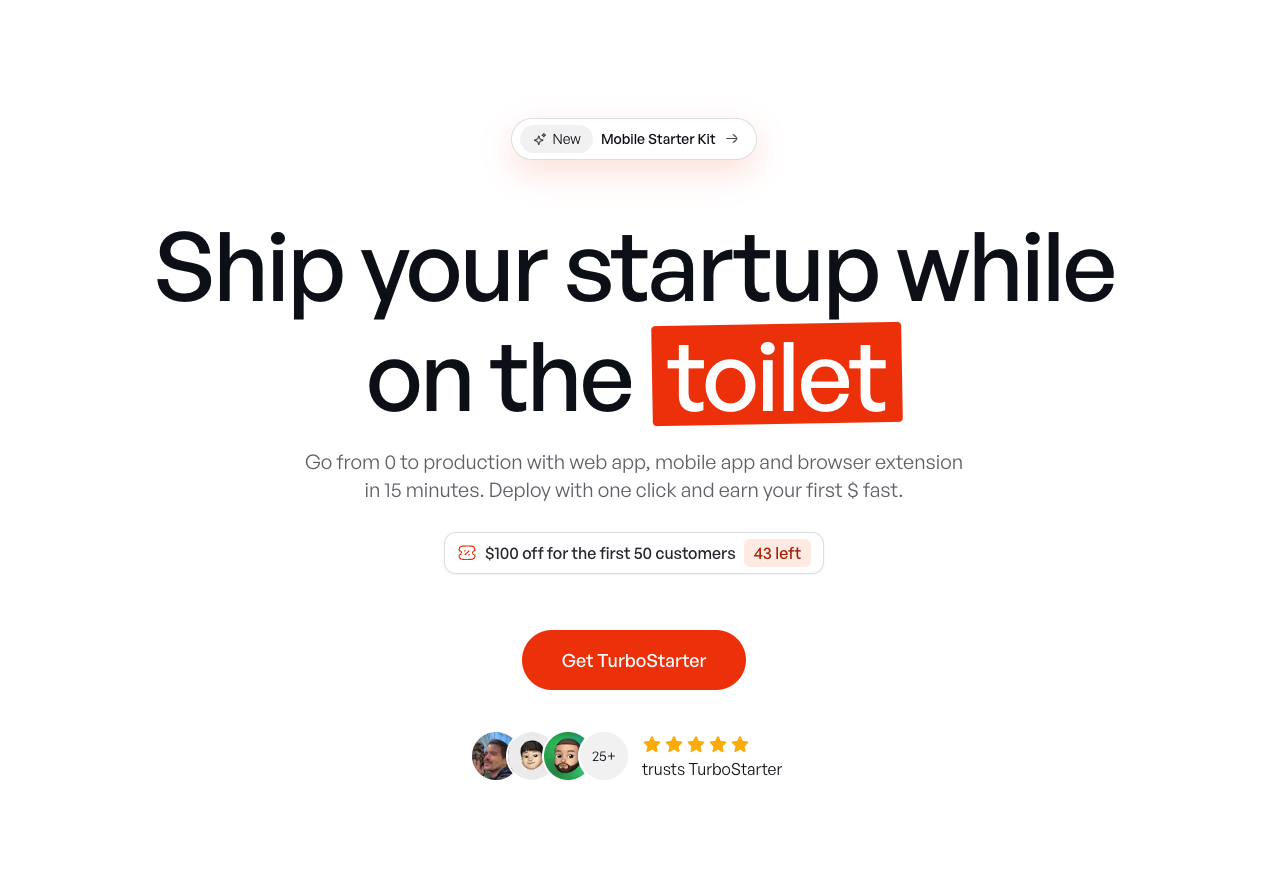
TurboStarter
Ship your startup everywhere. In minutes.
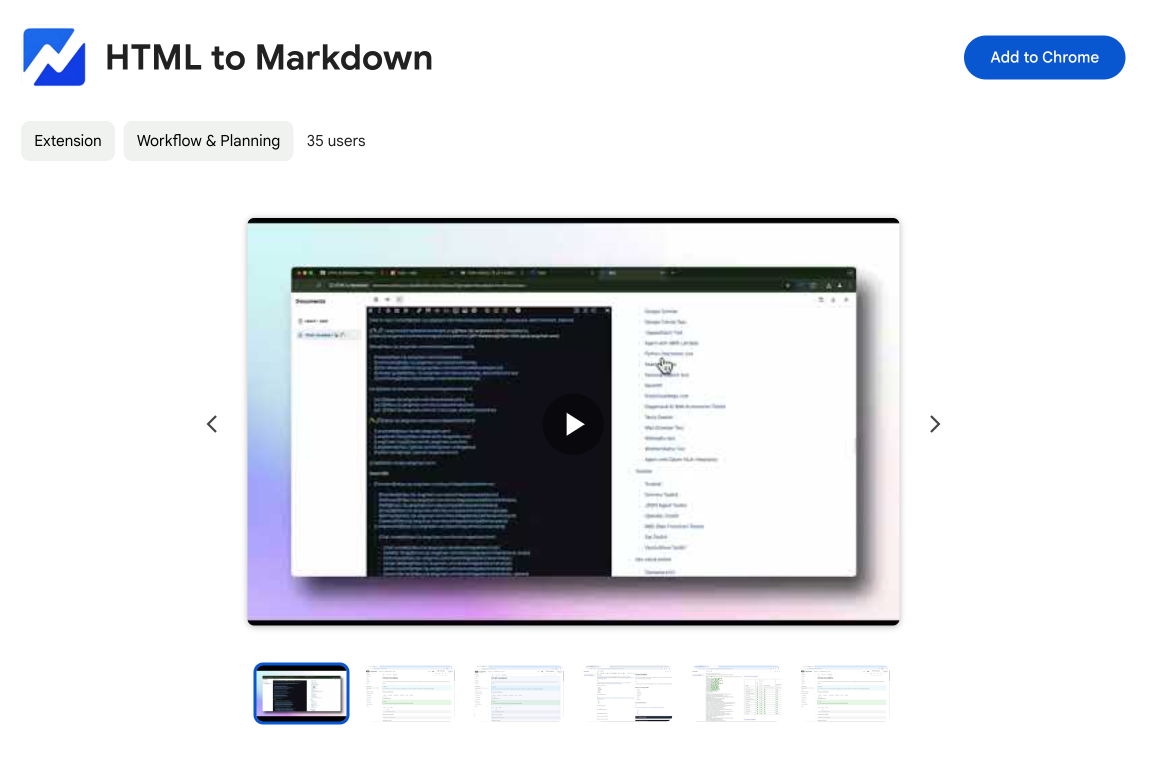
HTML to Markdown
Convert HTML to Markdown with ease, directly in your browser 📄
Dotallio
Personalized AI apps that automate research, data extraction, and content creation without code 🤖
Talk to Santa
Enjoy a magical live video chat or receive a unique AI-generated video greeting from Santa Claus 🎅
pozywka.pl
Scalable blog for food journalist, focused on performance and user experience 🌭
zagrodzki.me
Personal blog and portfolio of Bart Zagrodzki, where he shares his knowledge and work 💼
TurboStarter
Ship your startup everywhere. In minutes.
HTML to Markdown
Convert HTML to Markdown with ease, directly in your browser 📄
Dotallio
Personalized AI apps that automate research, data extraction, and content creation without code 🤖
Talk to Santa
Enjoy a magical live video chat or receive a unique AI-generated video greeting from Santa Claus 🎅
pozywka.pl
Scalable blog for food journalist, focused on performance and user experience 🌭
zagrodzki.me
Personal blog and portfolio of Bart Zagrodzki, where he shares his knowledge and work 💼
TurboStarter
Ship your startup everywhere. In minutes.
HTML to Markdown
Convert HTML to Markdown with ease, directly in your browser 📄
Dotallio
Personalized AI apps that automate research, data extraction, and content creation without code 🤖
Talk to Santa
Enjoy a magical live video chat or receive a unique AI-generated video greeting from Santa Claus 🎅
pozywka.pl
Scalable blog for food journalist, focused on performance and user experience 🌭
zagrodzki.me
Personal blog and portfolio of Bart Zagrodzki, where he shares his knowledge and work 💼
TurboStarter
Ship your startup everywhere. In minutes.
HTML to Markdown
Convert HTML to Markdown with ease, directly in your browser 📄
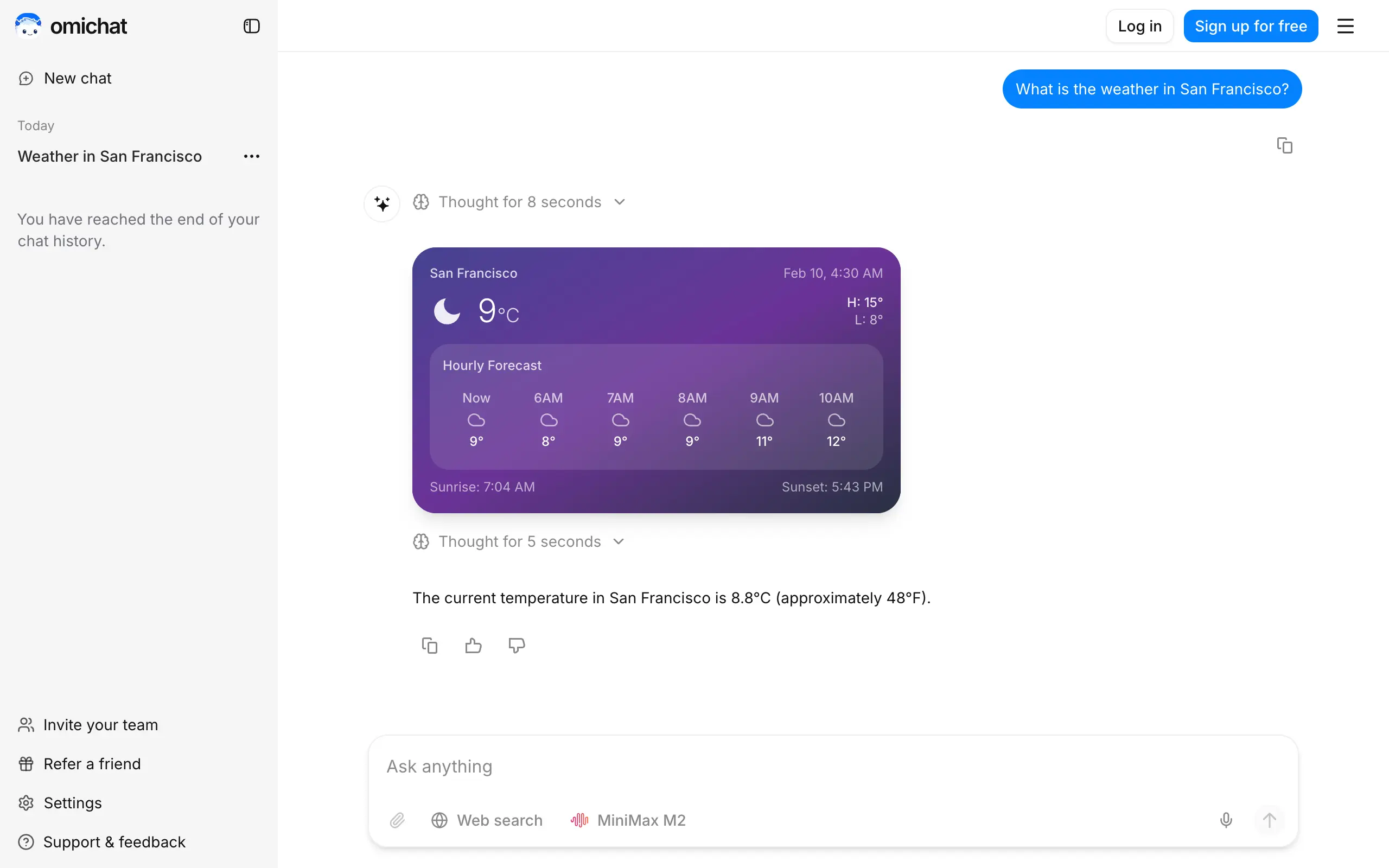
Omichat
Chat with 50+ AI models, including ChatGPT and Claude, in one place - switch models anytime without losing context 🤖
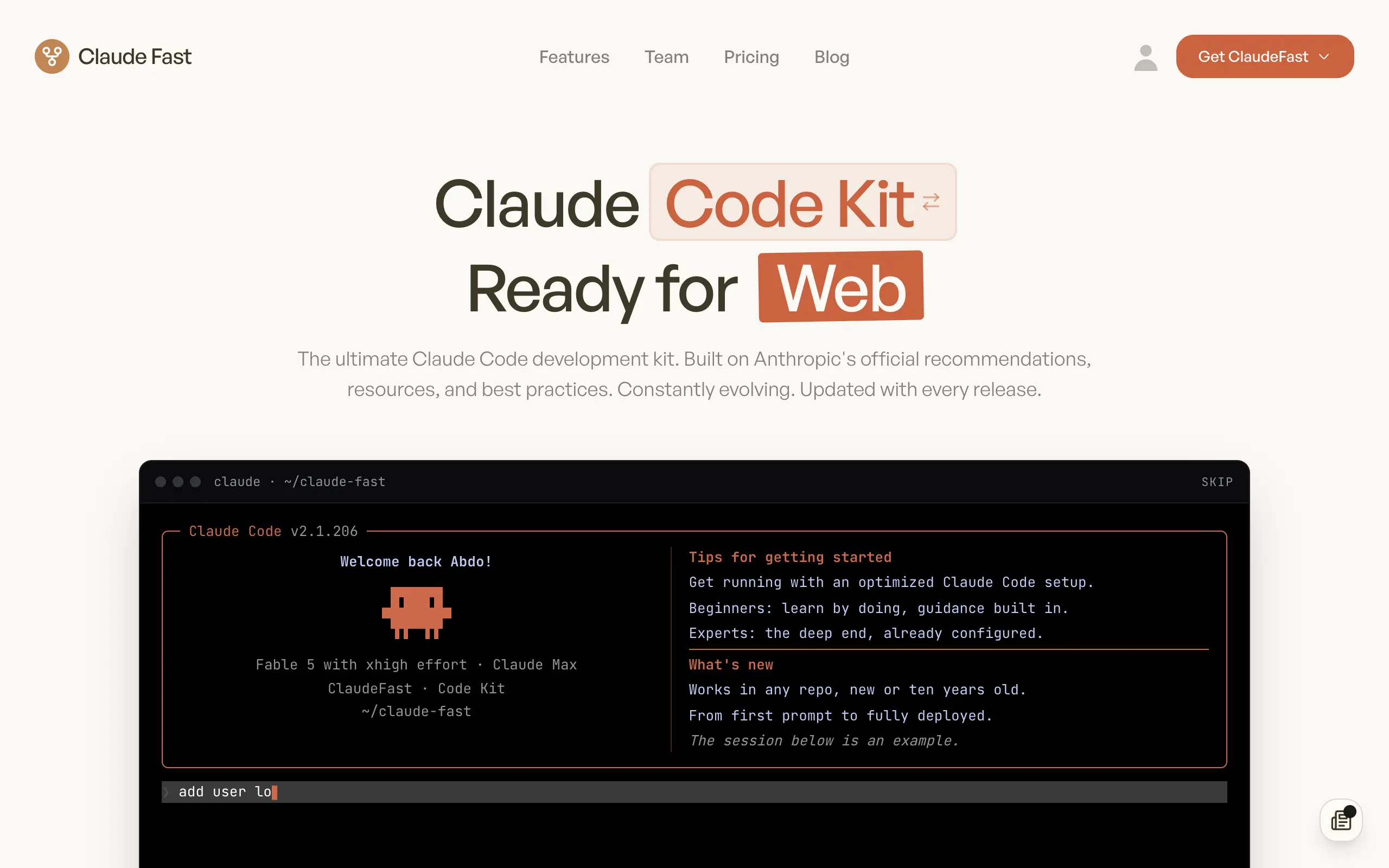
Claude Fast
Supercharge your Claude Code with 6x effective context window and specialized AI agents 🤖
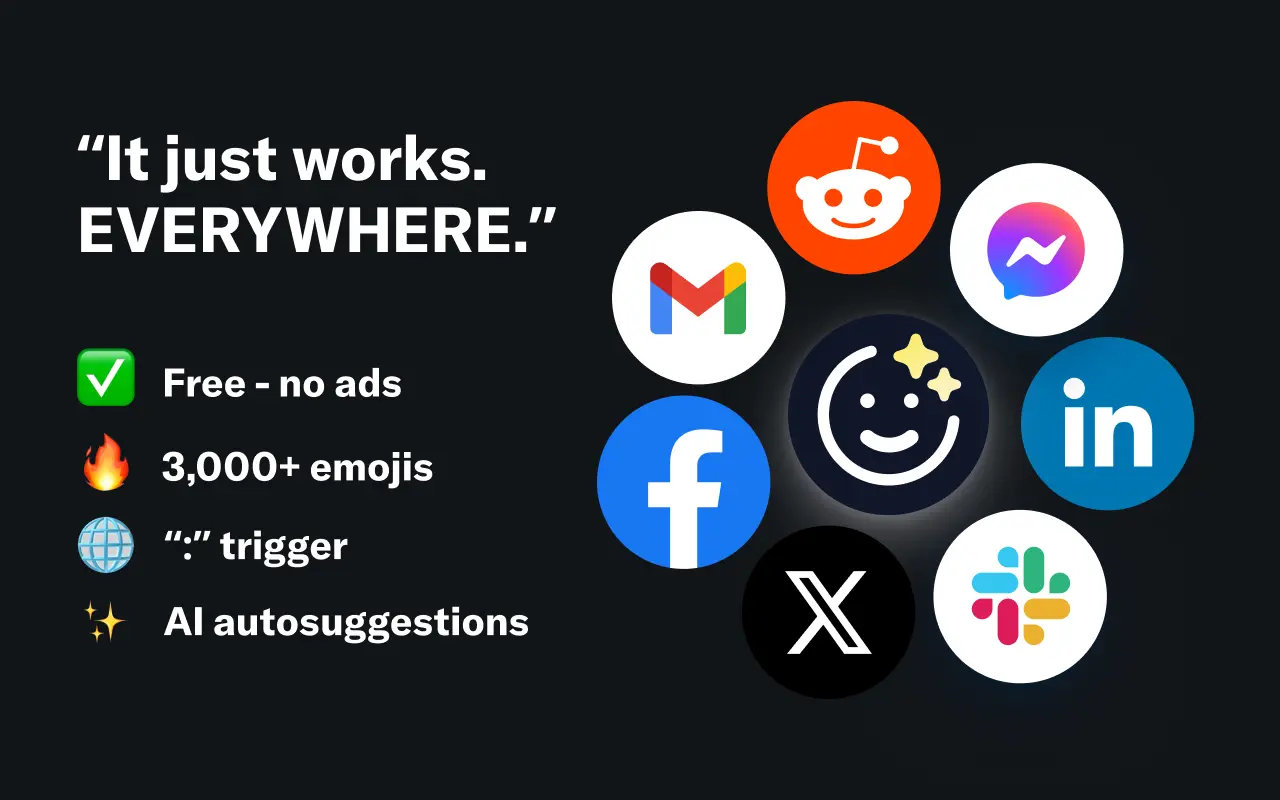
EmojAI
AI-powered emoji picker with smart, context-aware suggestions 🤖
Solohacker
Autonomous company launcher - AI agents work 24/7, escalate what matters, and you stay in control 🤖
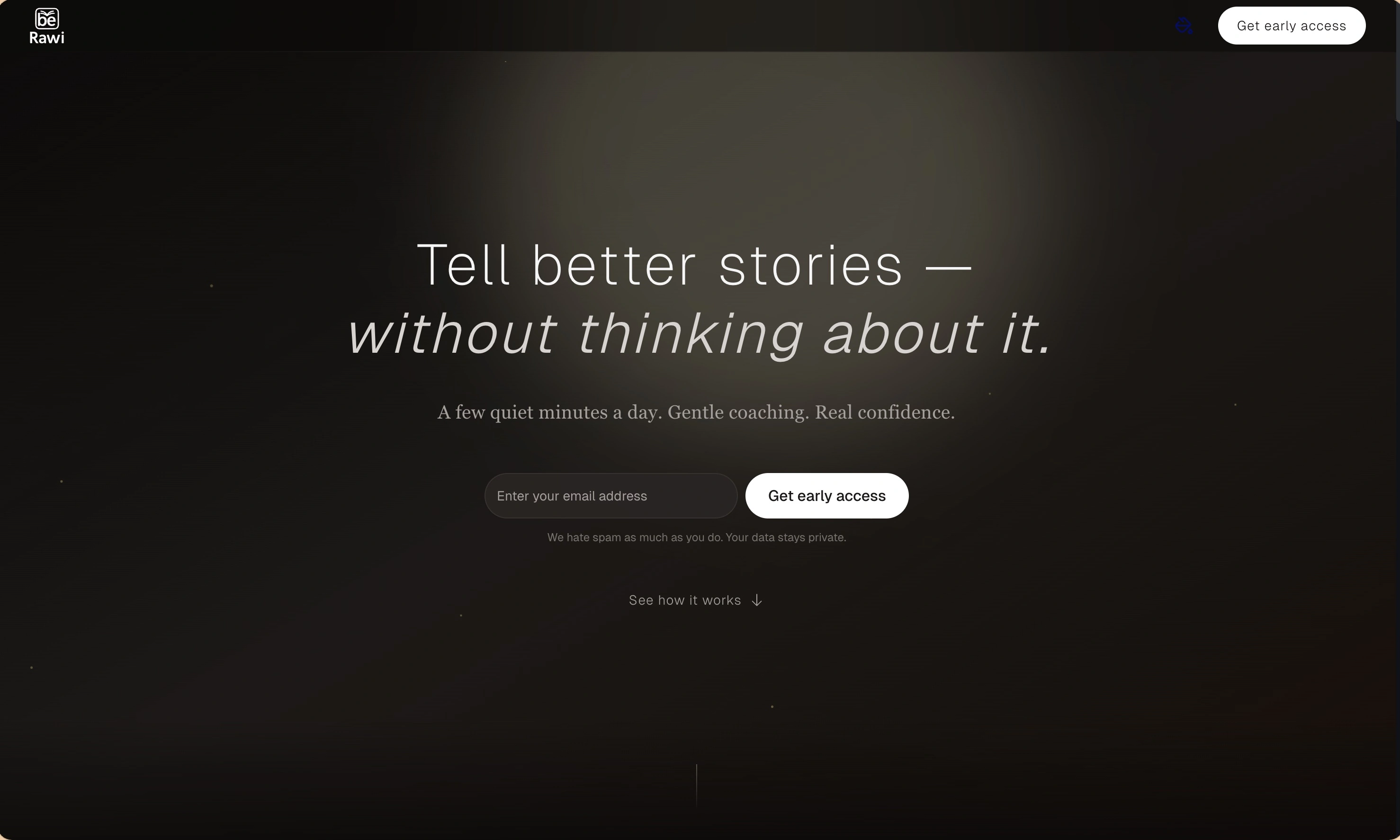
BeRawi: Storytelling Coach
Practice storytelling daily with instant feedback to sound clearer, more engaging, and confident 🎤
Omichat
Chat with 50+ AI models, including ChatGPT and Claude, in one place - switch models anytime without losing context 🤖
Claude Fast
Supercharge your Claude Code with 6x effective context window and specialized AI agents 🤖
EmojAI
AI-powered emoji picker with smart, context-aware suggestions 🤖
Solohacker
Autonomous company launcher - AI agents work 24/7, escalate what matters, and you stay in control 🤖
BeRawi: Storytelling Coach
Practice storytelling daily with instant feedback to sound clearer, more engaging, and confident 🎤
Omichat
Chat with 50+ AI models, including ChatGPT and Claude, in one place - switch models anytime without losing context 🤖
Claude Fast
Supercharge your Claude Code with 6x effective context window and specialized AI agents 🤖
EmojAI
AI-powered emoji picker with smart, context-aware suggestions 🤖
Solohacker
Autonomous company launcher - AI agents work 24/7, escalate what matters, and you stay in control 🤖
BeRawi: Storytelling Coach
Practice storytelling daily with instant feedback to sound clearer, more engaging, and confident 🎤
Omichat
Chat with 50+ AI models, including ChatGPT and Claude, in one place - switch models anytime without losing context 🤖
Claude Fast
Supercharge your Claude Code with 6x effective context window and specialized AI agents 🤖
EmojAI
AI-powered emoji picker with smart, context-aware suggestions 🤖
Solohacker
Autonomous company launcher - AI agents work 24/7, escalate what matters, and you stay in control 🤖
BeRawi: Storytelling Coach
Practice storytelling daily with instant feedback to sound clearer, more engaging, and confident 🎤

Connect with like-minded people
Join our community to get feedback, support, and grow together with 1,000+ builders on board, let's ship it!
Join usShip your startup everywhere. In minutes.
Don't burn tokens on setup and start building features on day one.