AuthenticLens
AI-powered video verification platform that detects deepfakes and flags manipulated content to combat fake news and protect media authenticity.
Understanding the need for AI-powered video verification
The explosion of digital video content across social platforms, news channels, and private communications has amplified challenges around verifying media authenticity. With deepfakes—AI-manipulated videos indistinguishable from the real thing—on the rise, even trained eyes can be deceived. The spread of manipulated visuals can skew public perception, influence elections, drive scams, and incite conflict.
AuthenticLens, an AI-driven video verification platform, addresses this urgent problem by detecting deepfakes and flagging manipulated content. Let’s explore the critical market need, how AuthenticLens works, and why this solution matters now more than ever.
Target audience analysis: Who needs trustworthy video verification?
Identifying the primary and secondary user segments for AuthenticLens is the foundation for product success. Each segment has unique pain points and potential use cases, fueling both product and market strategy decisions.
Primary user groups
-
News organizations & journalists
Rely on authentic video sources to maintain credibility and fight misinformation. Increasingly under pressure to verify user-generated content and submissions at scale. -
Social media platforms Face mounting scrutiny to limit the sharing of manipulated content and comply with evolving regulatory frameworks.
-
Law enforcement & legal professionals
Video evidence is critical—yet increasingly unreliable. Need clear, auditable verification to withstand legal challenges. -
Fact-checking organizations Must rapidly assess videos for truthfulness, context, and manipulation, often in real time.
Secondary user groups
-
Brands and advertisers
Protecting reputations and verifying endorsements/placements in influencer content or campaigns. -
Academic institutions & researchers
Require authentic data for media studies, AI training, and digital ethics research. -
Government agencies
National security, election integrity, and public information campaigns depend on verifiable sources.
Key pain points addressed:
- Detecting increasingly sophisticated deepfakes and forgeries
- Automating large-scale media verification
- Detailed reporting to support claims of authenticity
- Integrating verification into publishing and content moderation workflows
Market opportunity and gap identification
AI-generated fake videos have evolved dramatically. According to industry watchdog Deeptrace (suggest referencing their 2019 deepfake report), deepfake videos online have doubled every six months since 2018. Business, government, and society face mounting risks—including financial fraud via manipulated CEO videos, viral misinformation, and eroding trust in digital evidence.
Current solutions and limitations:
-
Manual verification
Labor-intensive and subjective; not scalable. -
Conventional detection tools
Often limited to static images, lack ongoing updates for evolving deepfake techniques, or provide incomplete reporting. -
Platform-specific moderation
Social networks use proprietary, opaque approaches—and their interests may not align with unbiased verification.
The gap: Scalable, transparent, and evolving verification
AuthenticLens fills this gap by offering:
- Cross-platform, independent analysis of video files and streams
- State-of-the-art AI models constantly updated to keep pace with new manipulation techniques
- Actionable, detailed authenticity reports for both automated and human-in-the-loop review
- Chain-of-custody and audit trails for use in legal, journalistic, or governmental contexts
This approach directly aligns with the latest market trends, including growing regulatory interest in media authentication, and the surge of generative AI-powered content.
Core features and solution architecture
To address user intent and market gaps, AuthenticLens offers a suite of integrated features purpose-built for detecting manipulated videos and supporting organizations in real-world verification workflows.
Key features at a glance
Advanced deepfake detection
Detects AI-generated or AI-manipulated content using multi-modal analysis, including facial anomalies, voice inconsistencies, and frame-level artifacts.
Tamper-evidence & manipulation flagging
Highlights specific regions or segments of a video likely to be altered, providing visual maps and detailed flags in the report.
Timestamp & source validation
Verifies metadata, timestamps, hash signatures, and chain-of-custody to spot post-recording modifications.
Instant authenticity scoring
Generates a trust score that summarizes the level of confidence in a video's authenticity, with clear explanation of factors.
Automated and manual review workflows
Seamlessly integrates into editorial or moderation pipelines, supporting both automated flags and expert-in-the-loop case reviews.
API & integrations
Robust REST API for connecting to content management systems, social platforms, or third-party fact-checking tools.
Reporting and audit logs
Downloadable, court-admissible reports and detailed logs for compliance, legal, or academic needs.
How AuthenticLens works: Detection engine details
-
Video upload or ingestion (file, stream, or URL).
-
AI-powered analysis runs frame-by-frame, examining key biometric signals and media properties. Techniques include:
- Facial forensics (melting artifacts, unnatural eye movements)
- Audio-lip syncing inconsistencies
- GAN (Generative Adversarial Network) anomaly detection
- Metadata inconsistency checks
-
Flagging with confidence scores—accompanied by annotated visuals, overlays, and a breakdown of analysis results.
-
Human review loop, optionally, before final authenticity report is generated and delivered.
Example: Using the AuthenticLens API for video verification
// Upload and verify a video through the AuthenticLens API (conceptual example)
import axios from 'axios';

const videoFile = /* select file via form or programmatically */;

const formData = new FormData();
formData.append('video', videoFile);

axios.post('https://api.authenticlens.verify/verify', formData)
  .then(response => {
    console.log('Authenticity score:', response.data.authenticityScore);
    console.log('Detailed report:', response.data.report);
  });
Note: Always refer to official documentation for the latest API endpoints and authentication requirements.
Recommended tech stack, architecture, and trade-offs
Building a robust deepfake detection platform demands a modern, flexible, and scalable technology stack, capable of continuous evolution.
Frontend
- React
Enables rich UI, fast iteration, reusable components, and robust state management. Strong ecosystem for dashboard analytics. - TailwindCSS
For rapid UI prototyping and a scalable design system.
Backend
- Python / FastAPI
Chosen for its synergy with cutting-edge AI/ML libraries and fast asynchronous operations. - PyTorch or TensorFlow
For AI model training and inference. Both have large communities; PyTorch may be preferred for research flexibility, TensorFlow for production deployment.
Data infrastructure
- PostgreSQL
For structured data (upload logs, reports, audit trails), ACID compliance, and powerful querying. - Object storage (e.g., AWS S3)
Scalable, secure storage for large video files and processed outputs.
AI/ML operations
- Docker & Kubernetes
For scalable deployment and parallel processing of verification jobs.
API & integrations
- RESTful API for integration with third-party apps and publishing workflows.
- Webhooks for real-time notifications to connected systems.
Trade-offs to consider
-
Cloud vs. on-premises deployment:
Cloud-native is faster and more scalable, but some clients (e.g., law enforcement or governments) may require on-premises options for privacy. -
Model explainability vs. speed:
Highly explainable AI models help audit authenticity, but may process slower than pure black-box detection.
Monetization strategies for an AI video verification platform
AuthenticLens’ business model can leverage different SaaS monetization frameworks, each with its own market fit.
Common pricing models
- Per-verification pricing
Users pay per individual video verification, ideal for lower-volume clients or occasional needs. - Subscription tiers
Access is bundled into monthly or annual plans with usage quotas (e.g., number of verifications, API calls, priority support). - Enterprise/custom solutions
Bespoke offerings for high-volume users (media companies, large platforms) with advanced workflows, integrations, and SLAs.
Additional revenue streams
- White-labeling or OEM licensing
Allowing other SaaS providers or media tools to incorporate AuthenticLens as a built-in verification module. - Partnerships with fact-checkers and investigative organizations
Revenue-share or co-branded partnership models. - Value-added reporting & compliance documentation
Additional fees for enhanced, legally admissible reports.
Table: Example feature and pricing accessibility matrix
| Standard | Pro | Enterprise | Custom API | White-label |
|---|---|---|---|---|
| ✅ | ❌ | ❌ | ✅ | ❌ |
| ✅ | ❌ | ✅ | ✅ | ❌ |
Competitive landscape and unique competitive advantage
While the need for authentic video verification is clear, new platforms and tools are emerging. Understanding AuthenticLens' competitive advantage is crucial.
Current alternatives
- Microsoft Video Authenticator
Detects probabilities of manipulation but is limited to specific detection methods. - Amber Video, Serelay
Focus on provenance and device-based watermarking rather than deep content analysis. - Deepware Scanner, Sensity AI
Offer detection, but may lack customizable workflows, audit logs, or integratable APIs.
AuthenticLens’ unique value proposition
-
Multi-modal, state-of-the-art detection
Combines visual + audio + metadata analysis for higher accuracy and broader manipulation coverage. -
Transparent reporting and audit trails
Every detection is supported by detailed, court-admissible documentation and trackable logs. -
Continuous learning engine
Models are retrained and updated as new deepfake and manipulation tactics arise. -
Human-in-the-loop verification
Supports both fully automated and expert-reviewed workflows for high-risk or ambiguous cases. -
Rich integrations
Well-documented API, webhook support, and out-of-the-box CMS/social platform connectors. -
Privacy and compliance
Designed for GDPR, CCPA, and similar frameworks, making it suitable for global organizations.
Did you know?
According to recent reports, over 90% of deepfake content online is still used for malicious intent. Proactively verifying media with solutions like AuthenticLens is critical for public trust [[suggest referencing MIT Technology Review, 2023]].
Potential risks and mitigation strategies
Launching a platform in the rapidly evolving deepfake detection space comes with unique challenges.
Key risks
- Rapid evolution of deepfake technology
Deepfakes may outpace detection—platform must evolve rapidly. - False positives/negatives Can damage user trust or lead to unjust censorship.
- User privacy and data security
Handling sensitive video content at scale. - Legal and compliance concerns
Different jurisdictions may define manipulation, evidence, and verification standards differently.
Mitigation strategies
- Continuous model retraining
Leveraging open and proprietary datasets to keep pace with latest manipulation tactics. - Human review fallback
Allow manual review for high-risk or automated “uncertain” cases. - Strong encryption and access controls
Ensuring videos, reports, and audit logs are protected end-to-end. - Compliance-first documentation
Maintain robust documentation and transparent processes for regulatory needs.
By combining multi-modal AI signals and offering human-in-the-loop review for edge cases, AuthenticLens minimizes both types of errors. The platform also provides confidence scores and detailed reasoning for every detection.
Data retention policies are transparent and configurable. By default, client videos are not used to retrain models without explicit, informed user consent.
Freshness: Industry trends and emerging developments
-
Generative AI on the rise:
Tools such as DALL-E and other text-to-video models have lowered entry barriers, increasing the volume of manipulated content. -
Growing regulation:
Legislative initiatives in the EU, US, and APAC are mandating provenance and verification for media, especially political content. -
Content provenance standards:
Initiatives like the Content Authenticity Initiative aim to standardize metadata, further enabling platforms like AuthenticLens. -
AI explainability:
Regulators and end-users demand transparency. AuthenticLens’ focus on detailed, explainable reports directly addresses this shift.
Actionable implementation steps
Go from idea to launch with these pragmatic, structured steps:
Why AuthenticLens stands out: A summary of advantages
- Holistic, AI-powered detection covering new and evolving manipulation techniques
- Transparent, auditable reports tailored for legal, compliance, and editorial workflows
- API-first design with plug-and-play integrations for rapid adoption
- Human-in-the-loop workflows to maximize accuracy and trust
- Built-in privacy and compliance controls for global applicability
AuthenticLens is positioned as a trusted guardian for organizations feeling the pressure of modern media manipulation. In a world where seeing is no longer believing, robust and transparent verification is not just a luxury—it’s essential.
For founders and teams building advanced SaaS tools in AI, media, or security, starting with best-in-class technical scaffolding accelerates time-to-market. Platforms like TurboStarter simplify the process of building, scaling, and securing your SaaS foundation.
Final thoughts
Deepfake and manipulated video content is set to grow more prevalent and sophisticated. The success of AI-powered video verification platforms like AuthenticLens will be measured not only by technical prowess, but also by user trust, transparency, and adaptability. Investing in these capabilities today is both a business opportunity and a responsibility for media, tech, and institutions shaping the future of informed society.
More 🤖 AI Startup SaaS ideas
Discover more innovative ai startup SaaS ideas that are trending in 2026. Each idea is AI-generated with market validation and growth potential to help you find your next profitable venture faster than competitors.
Your competitors are building with TurboStarter
Below are some of the SaaS ideas that have been generated and built with our starter kit.

Statiko
Monitor any Telegram channel in real time - track posts, edits, deletions, and growth with AI recaps 📡

Shibui
AI website builder - describe your business, pick a niche template, edit by chatting, and publish instantly ✨

Pro Service
Find verified home service professionals, compare quotes, and pay securely through escrow - built for Brazilians across the US 🏠
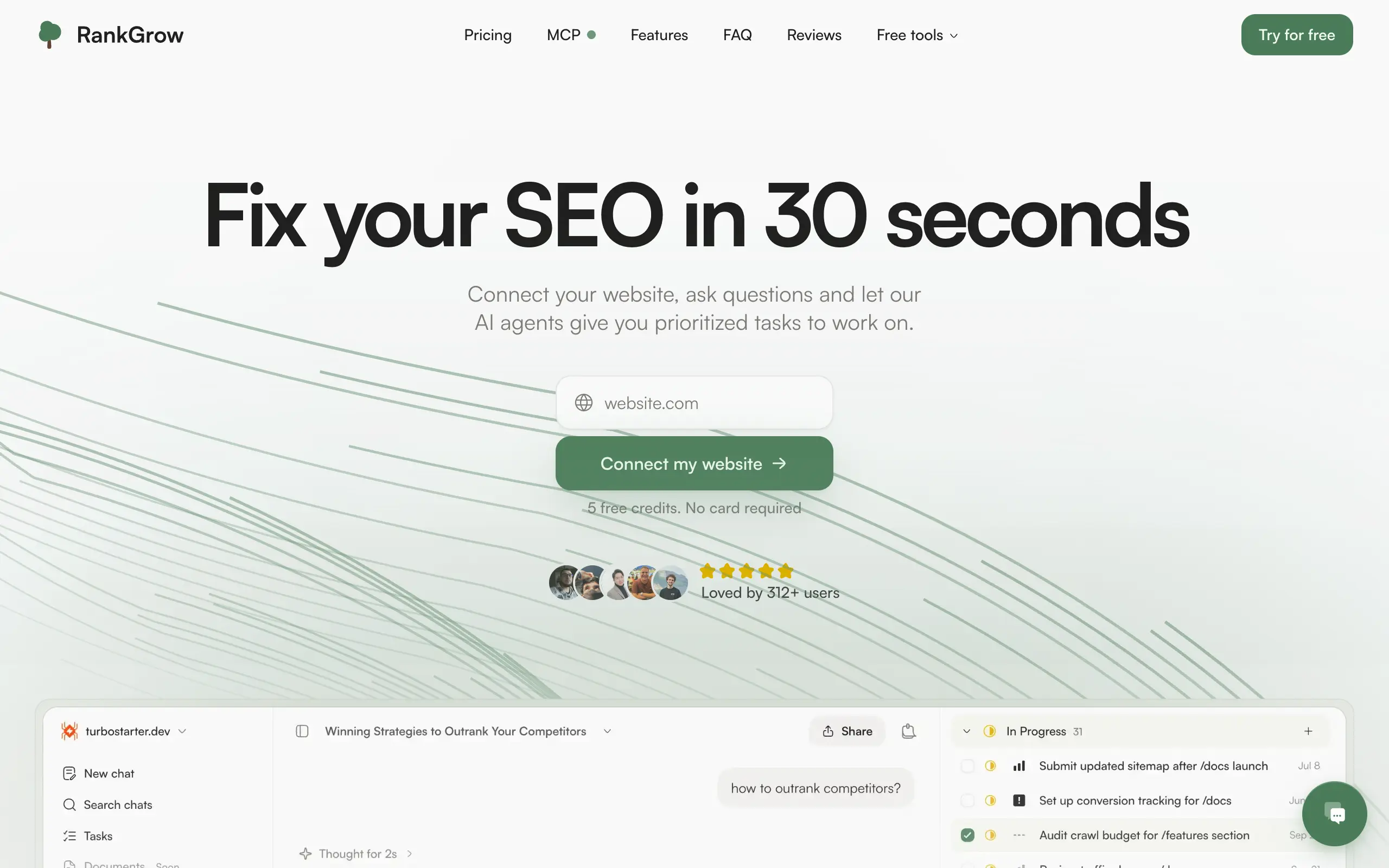
RankGrow
Fix your SEO with AI agents - connect Search Console, get prioritized tasks, and grow organic traffic 📈

SyncReads
Sync your favorite content for distraction-free reading, save time and replace multiple apps. Anytime, anywhere 🔄
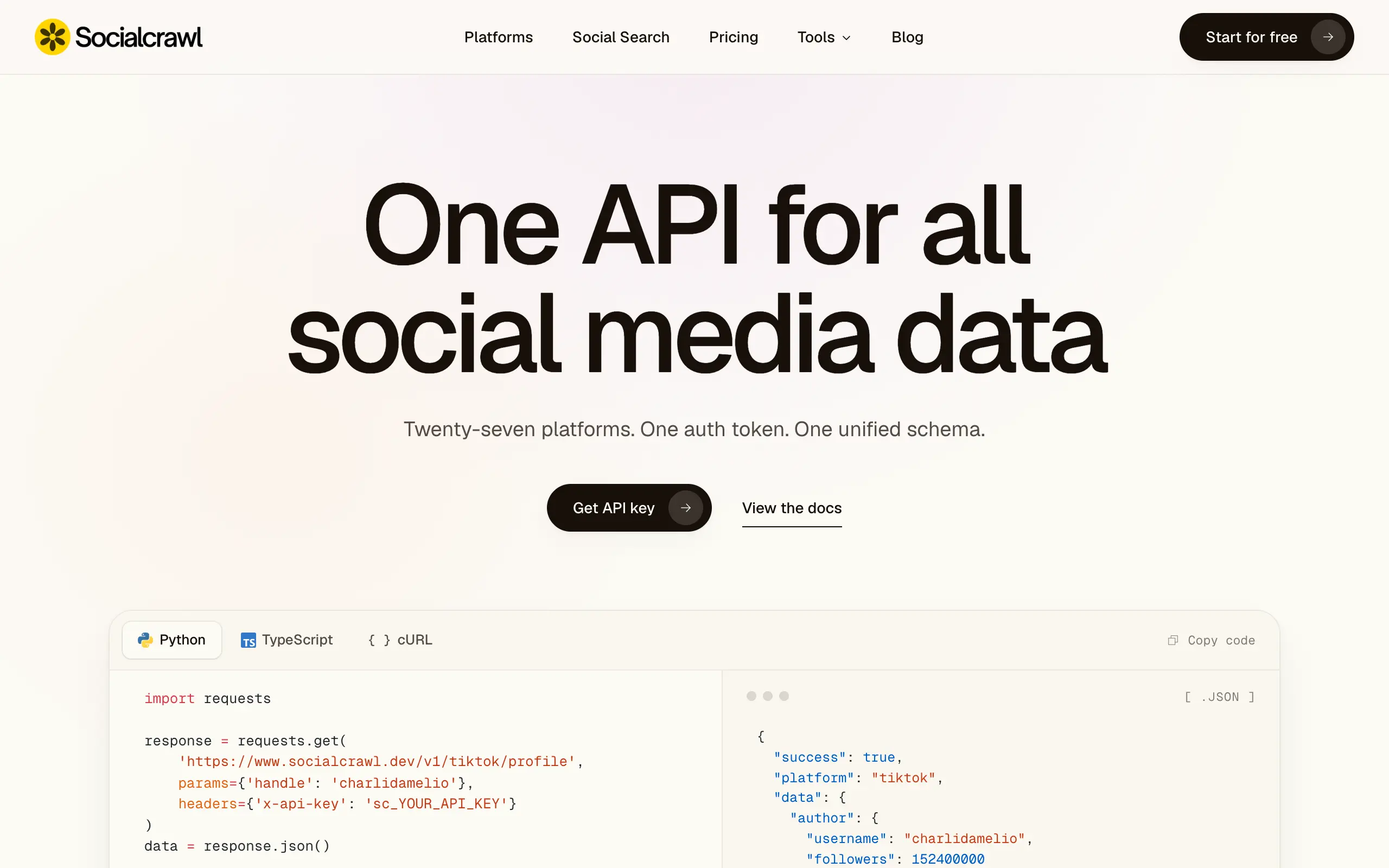
Socialcrawl
Get clean, structured data from 21 platforms like TikTok, Instagram, and YouTube with a single request 📊
Statiko
Monitor any Telegram channel in real time - track posts, edits, deletions, and growth with AI recaps 📡
Shibui
AI website builder - describe your business, pick a niche template, edit by chatting, and publish instantly ✨
Pro Service
Find verified home service professionals, compare quotes, and pay securely through escrow - built for Brazilians across the US 🏠
RankGrow
Fix your SEO with AI agents - connect Search Console, get prioritized tasks, and grow organic traffic 📈
SyncReads
Sync your favorite content for distraction-free reading, save time and replace multiple apps. Anytime, anywhere 🔄
Socialcrawl
Get clean, structured data from 21 platforms like TikTok, Instagram, and YouTube with a single request 📊
Statiko
Monitor any Telegram channel in real time - track posts, edits, deletions, and growth with AI recaps 📡
Shibui
AI website builder - describe your business, pick a niche template, edit by chatting, and publish instantly ✨
Pro Service
Find verified home service professionals, compare quotes, and pay securely through escrow - built for Brazilians across the US 🏠
RankGrow
Fix your SEO with AI agents - connect Search Console, get prioritized tasks, and grow organic traffic 📈
SyncReads
Sync your favorite content for distraction-free reading, save time and replace multiple apps. Anytime, anywhere 🔄
Socialcrawl
Get clean, structured data from 21 platforms like TikTok, Instagram, and YouTube with a single request 📊
Statiko
Monitor any Telegram channel in real time - track posts, edits, deletions, and growth with AI recaps 📡
Shibui
AI website builder - describe your business, pick a niche template, edit by chatting, and publish instantly ✨
Pro Service
Find verified home service professionals, compare quotes, and pay securely through escrow - built for Brazilians across the US 🏠
RankGrow
Fix your SEO with AI agents - connect Search Console, get prioritized tasks, and grow organic traffic 📈
SyncReads
Sync your favorite content for distraction-free reading, save time and replace multiple apps. Anytime, anywhere 🔄
Socialcrawl
Get clean, structured data from 21 platforms like TikTok, Instagram, and YouTube with a single request 📊
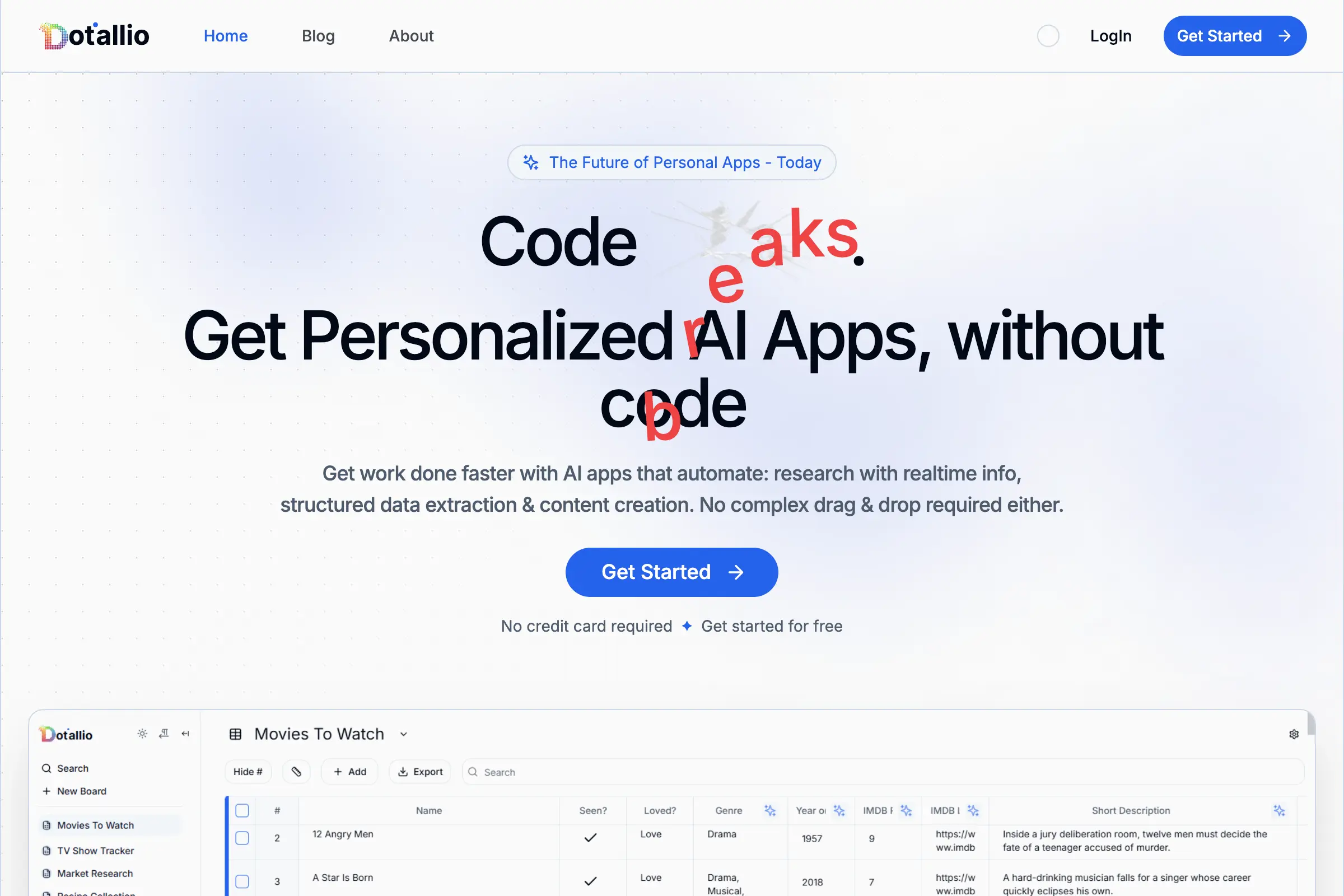
Dotallio
Personalized AI apps that automate research, data extraction, and content creation without code 🤖

Talk to Santa
Enjoy a magical live video chat or receive a unique AI-generated video greeting from Santa Claus 🎅

pozywka.pl
Scalable blog for food journalist, focused on performance and user experience 🌭
zagrodzki.me
Personal blog and portfolio of Bart Zagrodzki, where he shares his knowledge and work 💼
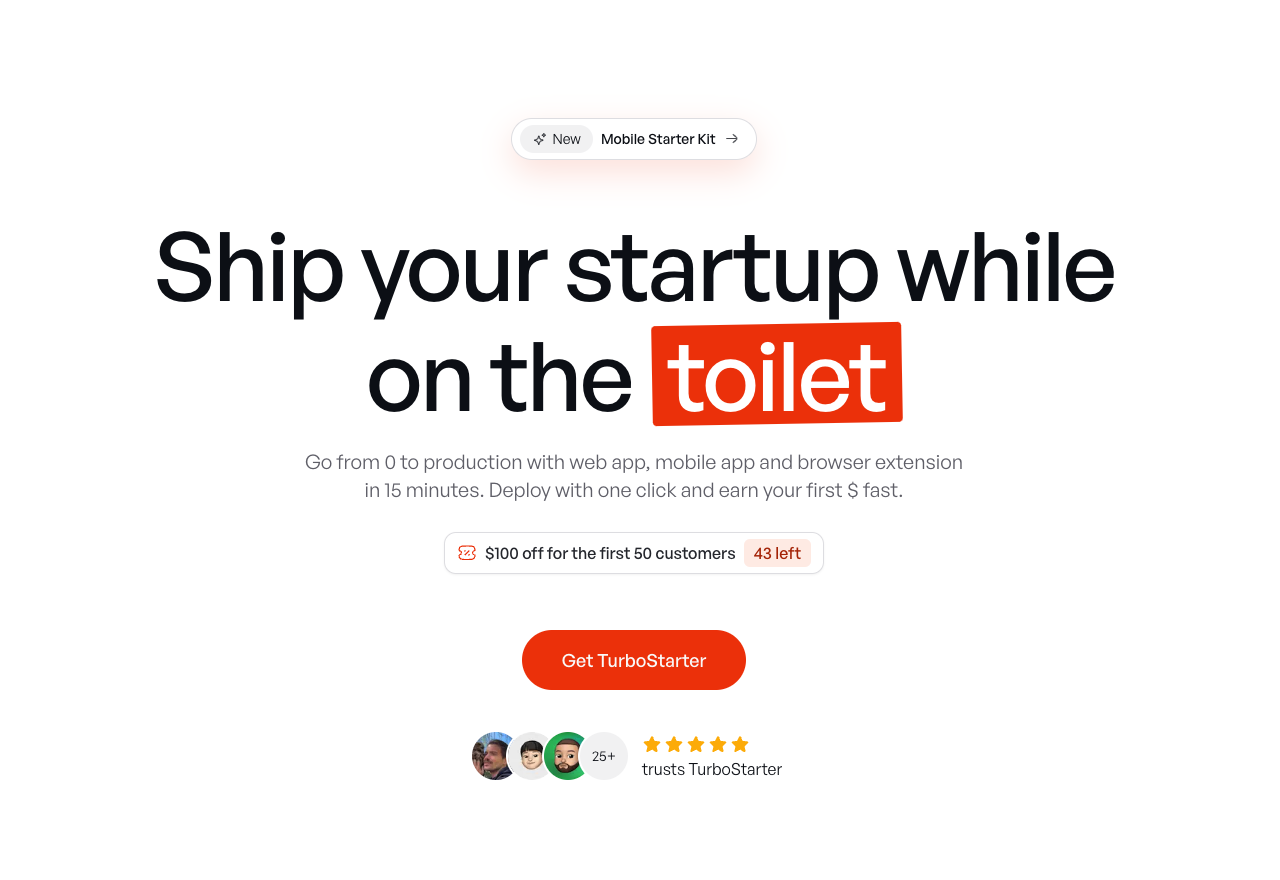
TurboStarter
Ship your startup everywhere. In minutes.
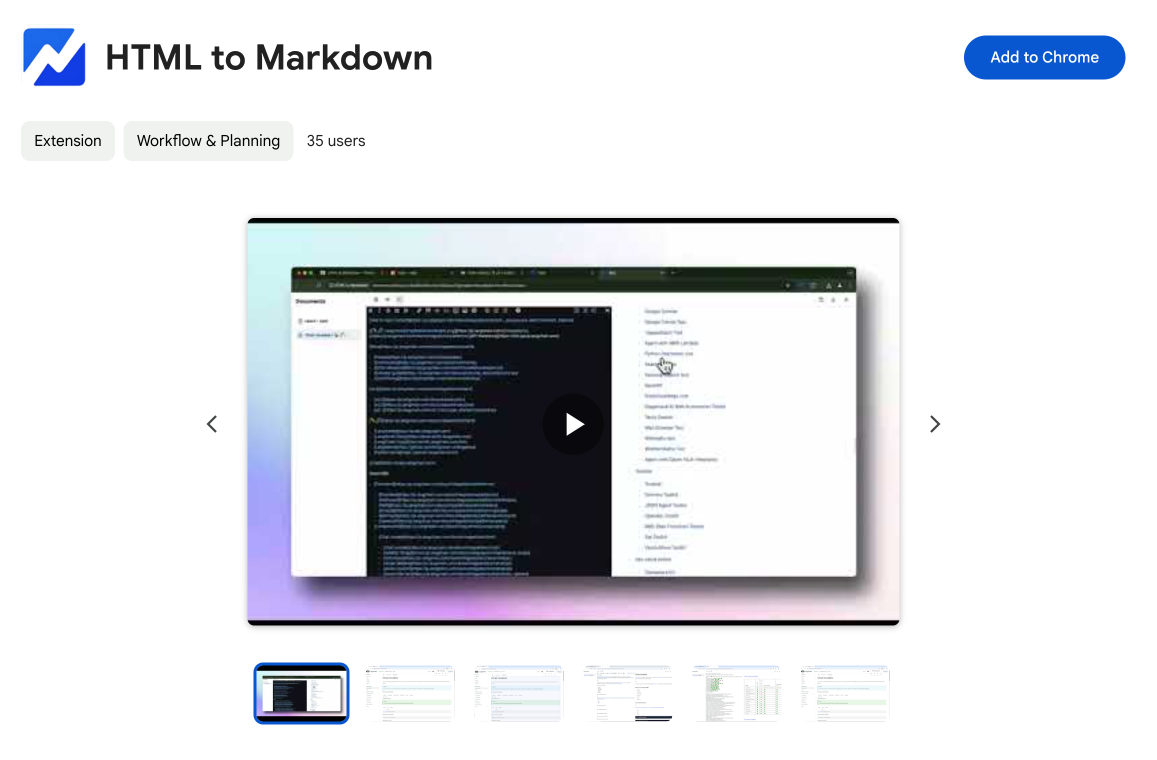
HTML to Markdown
Convert HTML to Markdown with ease, directly in your browser 📄
Dotallio
Personalized AI apps that automate research, data extraction, and content creation without code 🤖
Talk to Santa
Enjoy a magical live video chat or receive a unique AI-generated video greeting from Santa Claus 🎅
pozywka.pl
Scalable blog for food journalist, focused on performance and user experience 🌭
zagrodzki.me
Personal blog and portfolio of Bart Zagrodzki, where he shares his knowledge and work 💼
TurboStarter
Ship your startup everywhere. In minutes.
HTML to Markdown
Convert HTML to Markdown with ease, directly in your browser 📄
Dotallio
Personalized AI apps that automate research, data extraction, and content creation without code 🤖
Talk to Santa
Enjoy a magical live video chat or receive a unique AI-generated video greeting from Santa Claus 🎅
pozywka.pl
Scalable blog for food journalist, focused on performance and user experience 🌭
zagrodzki.me
Personal blog and portfolio of Bart Zagrodzki, where he shares his knowledge and work 💼
TurboStarter
Ship your startup everywhere. In minutes.
HTML to Markdown
Convert HTML to Markdown with ease, directly in your browser 📄
Dotallio
Personalized AI apps that automate research, data extraction, and content creation without code 🤖
Talk to Santa
Enjoy a magical live video chat or receive a unique AI-generated video greeting from Santa Claus 🎅
pozywka.pl
Scalable blog for food journalist, focused on performance and user experience 🌭
zagrodzki.me
Personal blog and portfolio of Bart Zagrodzki, where he shares his knowledge and work 💼
TurboStarter
Ship your startup everywhere. In minutes.
HTML to Markdown
Convert HTML to Markdown with ease, directly in your browser 📄
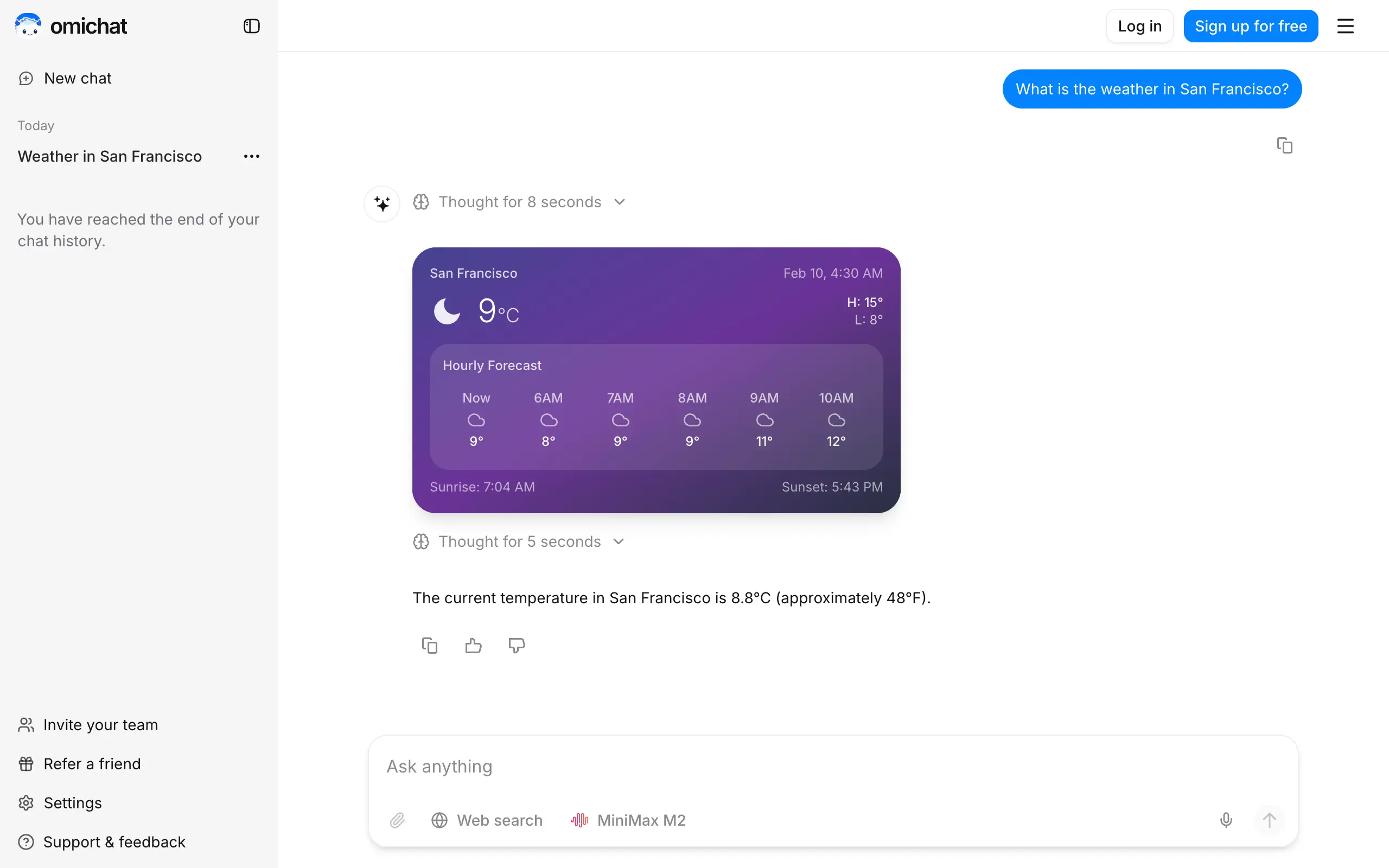
Omichat
Chat with 50+ AI models, including ChatGPT and Claude, in one place - switch models anytime without losing context 🤖
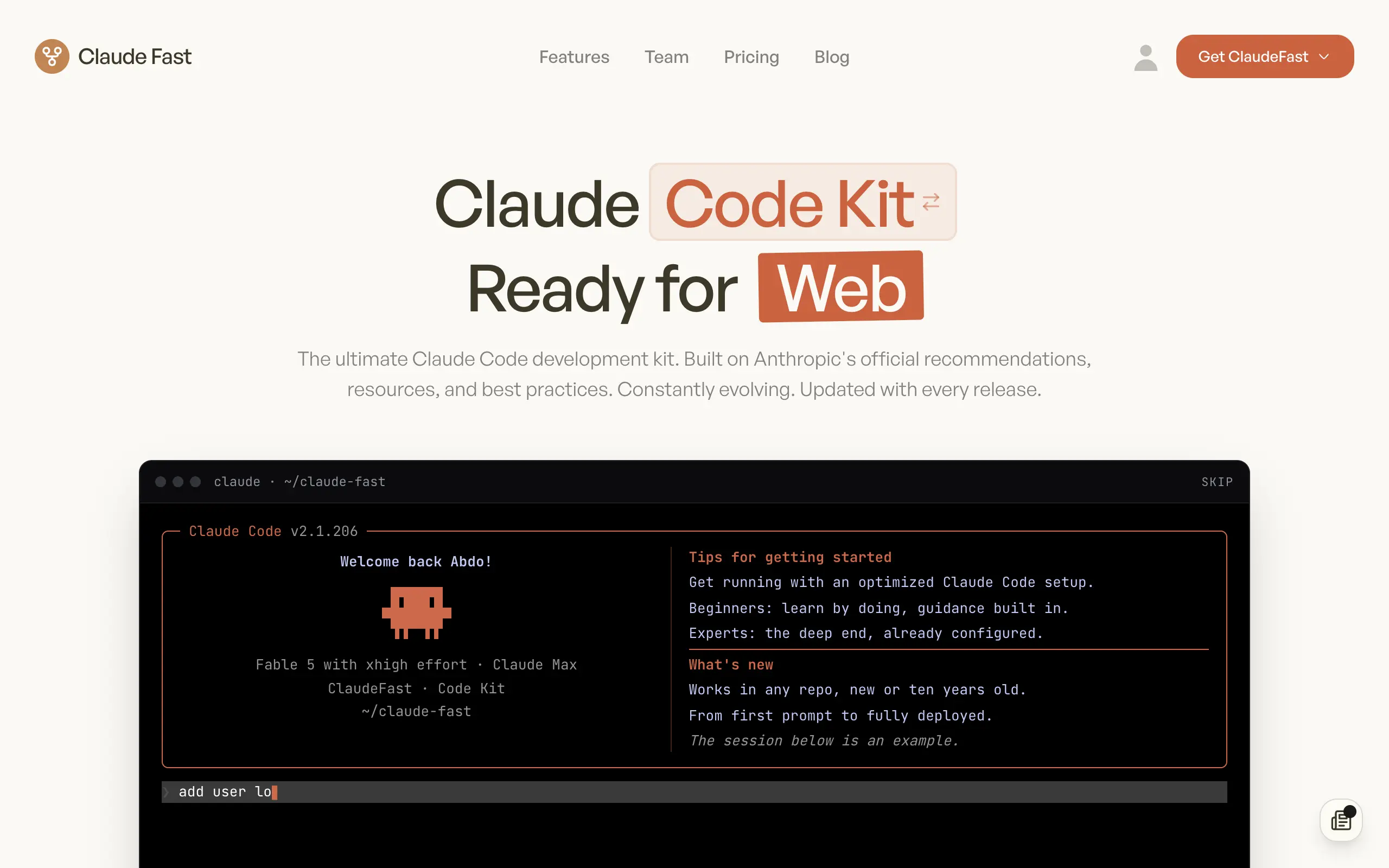
Claude Fast
Supercharge your Claude Code with 6x effective context window and specialized AI agents 🤖
EmojAI
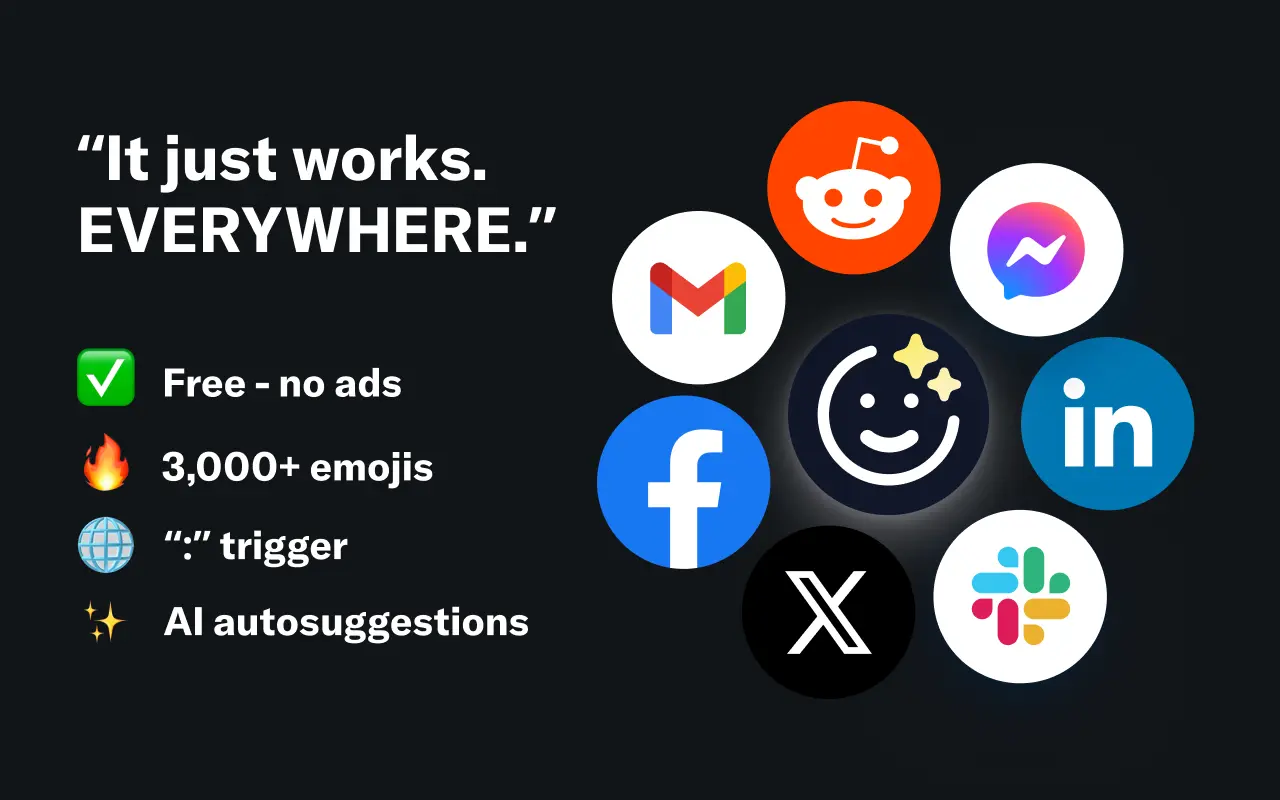
AI-powered emoji picker with smart, context-aware suggestions 🤖

Solohacker
Autonomous company launcher - AI agents work 24/7, escalate what matters, and you stay in control 🤖

BeRawi: Storytelling Coach
Practice storytelling daily with instant feedback to sound clearer, more engaging, and confident 🎤
Omichat
Chat with 50+ AI models, including ChatGPT and Claude, in one place - switch models anytime without losing context 🤖
Claude Fast
Supercharge your Claude Code with 6x effective context window and specialized AI agents 🤖
EmojAI
AI-powered emoji picker with smart, context-aware suggestions 🤖
Solohacker
Autonomous company launcher - AI agents work 24/7, escalate what matters, and you stay in control 🤖
BeRawi: Storytelling Coach
Practice storytelling daily with instant feedback to sound clearer, more engaging, and confident 🎤
Omichat
Chat with 50+ AI models, including ChatGPT and Claude, in one place - switch models anytime without losing context 🤖
Claude Fast
Supercharge your Claude Code with 6x effective context window and specialized AI agents 🤖
EmojAI
AI-powered emoji picker with smart, context-aware suggestions 🤖
Solohacker
Autonomous company launcher - AI agents work 24/7, escalate what matters, and you stay in control 🤖
BeRawi: Storytelling Coach
Practice storytelling daily with instant feedback to sound clearer, more engaging, and confident 🎤
Omichat
Chat with 50+ AI models, including ChatGPT and Claude, in one place - switch models anytime without losing context 🤖
Claude Fast
Supercharge your Claude Code with 6x effective context window and specialized AI agents 🤖
EmojAI
AI-powered emoji picker with smart, context-aware suggestions 🤖
Solohacker
Autonomous company launcher - AI agents work 24/7, escalate what matters, and you stay in control 🤖
BeRawi: Storytelling Coach
Practice storytelling daily with instant feedback to sound clearer, more engaging, and confident 🎤

Connect with like-minded people
Join our community to get feedback, support, and grow together with 1,000+ builders on board, let's ship it!
Join usShip your startup everywhere. In minutes.
Don't burn tokens on setup and start building features on day one.