AutoBrief
AutoBrief generates daily, AI-powered executive summaries from long emails, documents, or news feeds, saving professionals hours each week.
Understanding the need for AI-powered document summarization
In today's fast-paced business environment, professionals and teams are inundated with information—long reports, detailed emails, and complex documents. The sheer volume of content can be overwhelming, leading to missed insights, delayed decisions, and productivity bottlenecks. This is where AutoBrief, an AI assistant that summarizes lengthy documents, emails, and reports into concise, actionable briefs, becomes invaluable.
The primary keyword for this article is AI document summarization (and related terms: AI summary tool, automated brief generator, document summarizer, email summarization, actionable summaries). We'll explore how AutoBrief addresses the core pain points of modern professionals, the market opportunity, technical considerations, and actionable steps for implementation.
Who needs AutoBrief? Target audience analysis
Understanding the target audience is crucial for any SaaS product, especially one focused on AI-powered document summarization. AutoBrief is designed for:
- Busy professionals: Executives, managers, consultants, and knowledge workers who deal with information overload.
- Teams in fast-paced industries: Legal, finance, healthcare, tech, and consulting, where timely insights are critical.
- Remote and distributed teams: Where asynchronous communication leads to long email threads and shared documents.
- Students and researchers: Who need to digest academic papers, research reports, or case studies quickly.
- Customer support and sales teams: Who must process and act on large volumes of client communications.
User intent for searching an AI summary tool like AutoBrief typically falls into these categories:
- Productivity boost: Looking for ways to save time and focus on high-value tasks.
- Information management: Seeking tools to manage and distill large volumes of information.
- Decision support: Wanting actionable insights from complex or lengthy content.
- Validation and comparison: Comparing AutoBrief to other document summarization tools.
Identifying the market opportunity and gaps
The global market for AI-powered productivity tools is expanding rapidly. According to recent industry reports (suggest referencing Gartner or Statista for up-to-date figures), the demand for AI document summarization solutions is driven by:
- Information overload: The average knowledge worker spends over 25% of their time reading and processing information.
- Remote work trends: Increased reliance on digital communication and documentation.
- AI adoption: Growing trust in AI for automating repetitive, cognitive tasks.
Market gaps that AutoBrief addresses:
- Lack of actionable summaries: Many tools provide generic summaries, but few focus on extracting actionable items, decisions, and next steps.
- Integration challenges: Existing solutions often lack seamless integration with email clients, document management systems, or team collaboration tools.
- Customization and context: Most summarizers do not adapt to industry-specific jargon or user preferences.
- Data privacy concerns: Professionals need assurance that sensitive documents are handled securely.
Core features and solution details
AutoBrief stands out by offering a comprehensive suite of features tailored to the needs of busy professionals and teams:
1. Multi-format summarization
- Documents: Summarize PDFs, Word files, Google Docs, and more.
- Emails: Extract key points, decisions, and action items from long email threads.
- Reports: Condense lengthy business, financial, or research reports into executive briefs.
2. Actionable insights extraction
- Action items: Automatically identify tasks, deadlines, and responsibilities.
- Decisions and highlights: Pinpoint key decisions, recommendations, and critical data points.
- Custom summary length: Users can set the desired summary length or level of detail.
3. Seamless integrations
- Email clients: Outlook, Gmail, and others.
- Document management: Google Drive, Dropbox, OneDrive.
- Team collaboration: Slack, Microsoft Teams, Notion.
4. Industry-specific customization
- Jargon adaptation: AI models fine-tuned for legal, medical, financial, or technical language.
- Template-based outputs: Customizable summary templates for different use cases.
5. Data privacy and security
- On-premise and cloud options: For organizations with strict compliance needs.
- End-to-end encryption: Ensuring sensitive information is protected.
6. User-friendly interface
- Web dashboard: Drag-and-drop document upload, summary history, and export options.
- Browser extension: Summarize content directly from the web or email client.
7. Collaboration features
- Shared briefs: Distribute summaries to team members with comments and feedback.
- Version control: Track changes and updates to summaries.
Multi-format support
Summarize documents, emails, and reports in various formats.
Actionable insights
Extract tasks, decisions, and key highlights automatically.
Seamless integrations
Connect with popular email, document, and collaboration tools.
Industry customization
Tailor summaries to your field's language and needs.
Data privacy
Enterprise-grade security and compliance options.
Recommended tech stack for building AutoBrief
Choosing the right technology stack is essential for delivering a robust, scalable, and secure AI summary tool. Here’s a breakdown of recommended technologies and their trade-offs:
Frontend
- React: For building a responsive, interactive web dashboard and browser extension.
- TailwindCSS: For rapid UI development with a modern, customizable design system.
Trade-off: React offers flexibility and a large ecosystem, but may require additional libraries for state management (e.g., Redux or Zustand).
Backend
- Node.js: For scalable API development and real-time processing.
- Python: For AI/ML model integration, leveraging libraries like Hugging Face Transformers for NLP tasks.
Trade-off: Node.js excels at handling concurrent requests, while Python is ideal for AI workloads. A hybrid approach (microservices) can combine their strengths.
AI/ML
- Hugging Face Transformers: State-of-the-art NLP models for summarization.
- OpenAI API: For leveraging advanced LLMs (e.g., GPT-4) for high-quality summaries.
Trade-off: OpenAI offers superior results but incurs usage costs and potential data privacy concerns. Self-hosted models via Hugging Face offer more control but may require more resources.
Integrations
- Zapier or native APIs: For connecting with email, document, and collaboration platforms.
Security
- OAuth 2.0: For secure authentication and authorization.
- End-to-end encryption: For data protection at rest and in transit.
Deployment
- Docker: For containerization and easy deployment.
- AWS, Azure, or Google Cloud: For scalable cloud infrastructure.
Monetization strategy options
A successful SaaS like AutoBrief needs a clear path to revenue. Here are proven monetization models for an AI summary tool:
1. Subscription-based pricing
- Tiered plans: Free, Pro, and Enterprise tiers based on usage limits, integrations, and advanced features.
- Per-user or per-seat pricing: Scales with team size.
2. Pay-as-you-go
- Usage-based billing: Charge per document, word count, or summary generated.
3. Enterprise licensing
- Custom contracts: For large organizations needing on-premise deployment, advanced security, or custom integrations.
4. Add-ons and premium features
- Industry-specific models: Charge extra for legal, medical, or financial summarization.
- API access: Monetize via developer access to the summarization engine.
5. Freemium model
- Basic features free: Upsell advanced features, integrations, or higher usage limits.
Advertising is generally not recommended for productivity SaaS targeting professionals, as it can undermine trust and user experience.
Yes, offering a white-label version for enterprises or SaaS partners can open additional revenue streams.
Potential risks and mitigation strategies
Launching an AI-powered document summarizer comes with unique challenges. Here’s how to address them:
1. Data privacy and compliance
- Risk: Handling sensitive documents may raise privacy and compliance concerns (GDPR, HIPAA, etc.).
- Mitigation: Offer on-premise deployment, end-to-end encryption, and transparent data policies.
2. Summary accuracy and reliability
- Risk: Inaccurate or misleading summaries can erode trust.
- Mitigation: Use state-of-the-art models, allow user feedback, and provide confidence scores or source references.
3. Integration complexity
- Risk: Difficulty integrating with diverse platforms can limit adoption.
- Mitigation: Prioritize popular platforms, offer robust APIs, and provide clear documentation.
4. AI model bias
- Risk: Summaries may reflect biases present in training data.
- Mitigation: Regularly audit models, allow user customization, and support multiple summary styles.
5. Cost management
- Risk: High AI/ML processing costs, especially with third-party APIs.
- Mitigation: Optimize model usage, offer usage-based pricing, and explore self-hosted models.
Competitive advantage analysis
AutoBrief enters a competitive landscape with several established and emerging players. Here’s how it stands out:
| AutoBrief | Generic Summarizers | Email-only Tools | Manual Summarization | Basic AI APIs |
|---|---|---|---|---|
| ✅ | ❌ | ❌ | ✅ | ❌ |
| ✅ | ❌ | ✅ | ✅ | ❌ |
Unique selling points (USPs):
- Actionable, context-aware summaries: Not just condensed text, but clear next steps and decisions.
- Multi-format and multi-platform: Works across documents, emails, and reports, with deep integrations.
- Industry customization: Adapts to the language and needs of specific sectors.
- Enterprise-grade privacy: Flexible deployment and robust security.
- User feedback loop: Continuous improvement based on real-world usage.
Implementation steps: How to build and launch AutoBrief
Building a successful AI summary tool like AutoBrief requires a structured approach. Here’s a step-by-step guide:
Staying ahead: Industry trends and future opportunities
The field of AI document summarization is evolving rapidly. To ensure AutoBrief remains relevant and competitive, consider these trends:
- Advancements in large language models (LLMs): Newer models (e.g., GPT-4, open-source alternatives) offer improved accuracy and context understanding.
- Real-time summarization: Instant summaries for live meetings, webinars, or chat conversations.
- Voice and video summarization: Expanding beyond text to multimedia content.
- Personalization: AI that learns user preferences for summary style, length, and focus.
- Explainable AI: Providing transparency into how summaries are generated, building user trust.
Pro tip
Stay updated with the latest in NLP and AI by following reputable sources like Hugging Face, OpenAI, and industry research publications.
Conclusion: Why AutoBrief is the future of actionable AI summaries
AutoBrief is more than just an AI summary tool—it's a productivity accelerator for modern professionals and teams. By focusing on actionable, context-aware briefs, seamless integrations, and enterprise-grade privacy, it fills a critical gap in the market. With a robust tech stack, flexible monetization, and a clear roadmap for innovation, AutoBrief is well-positioned to become the go-to solution for AI-powered document summarization.
Ready to turn information overload into actionable insights? Explore how TurboStarter can help you launch your own SaaS like AutoBrief, or get started building your AI summary tool today.
More 🤖 AI Startup SaaS ideas
Discover more innovative ai startup SaaS ideas that are trending in 2026. Each idea is AI-generated with market validation and growth potential to help you find your next profitable venture faster than competitors.
Your competitors are building with TurboStarter
Below are some of the SaaS ideas that have been generated and built with our starter kit.
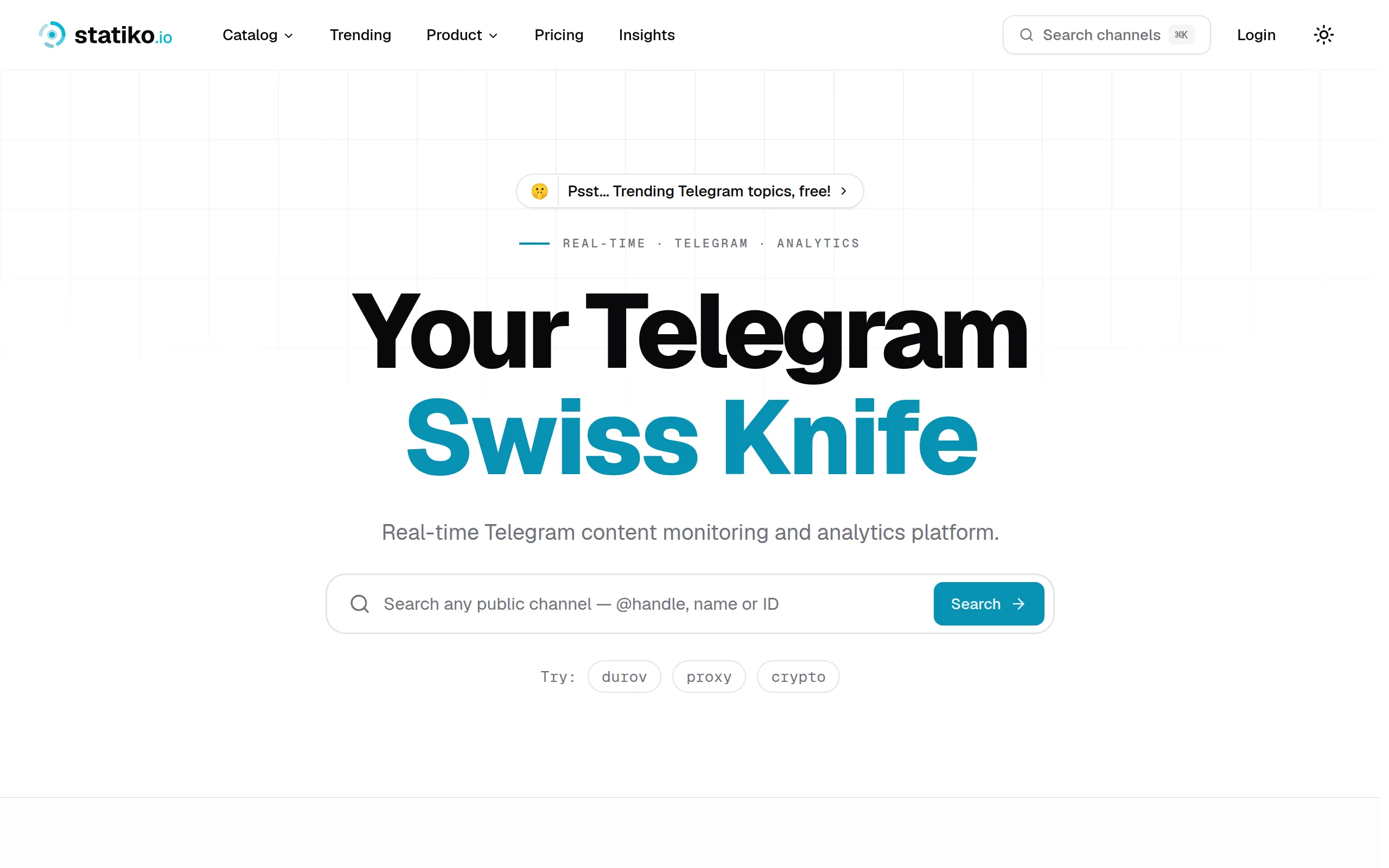
Statiko
Monitor any Telegram channel in real time - track posts, edits, deletions, and growth with AI recaps 📡

Shibui
AI website builder - describe your business, pick a niche template, edit by chatting, and publish instantly ✨

Pro Service
Find verified home service professionals, compare quotes, and pay securely through escrow - built for Brazilians across the US 🏠
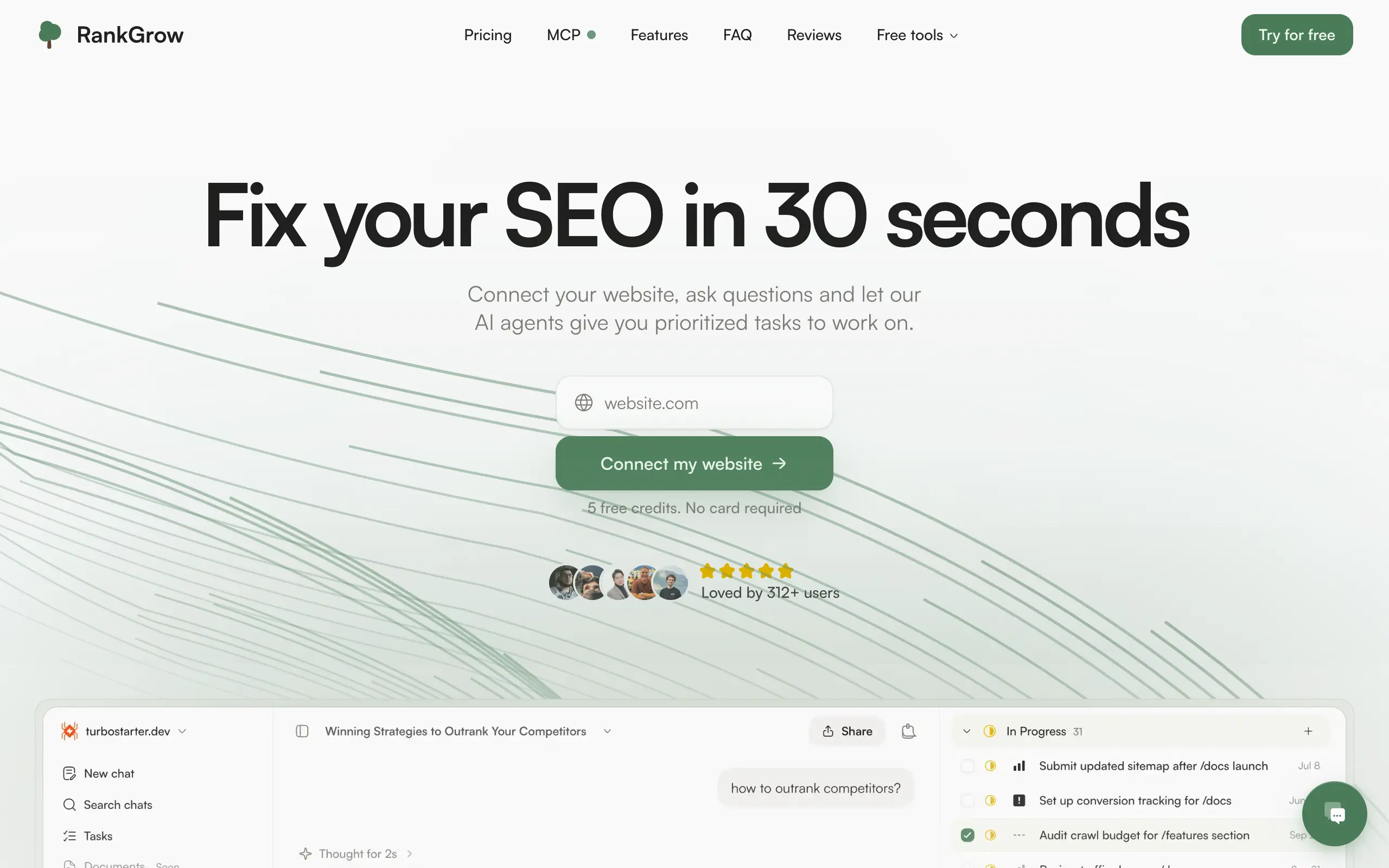
RankGrow
Fix your SEO with AI agents - connect Search Console, get prioritized tasks, and grow organic traffic 📈
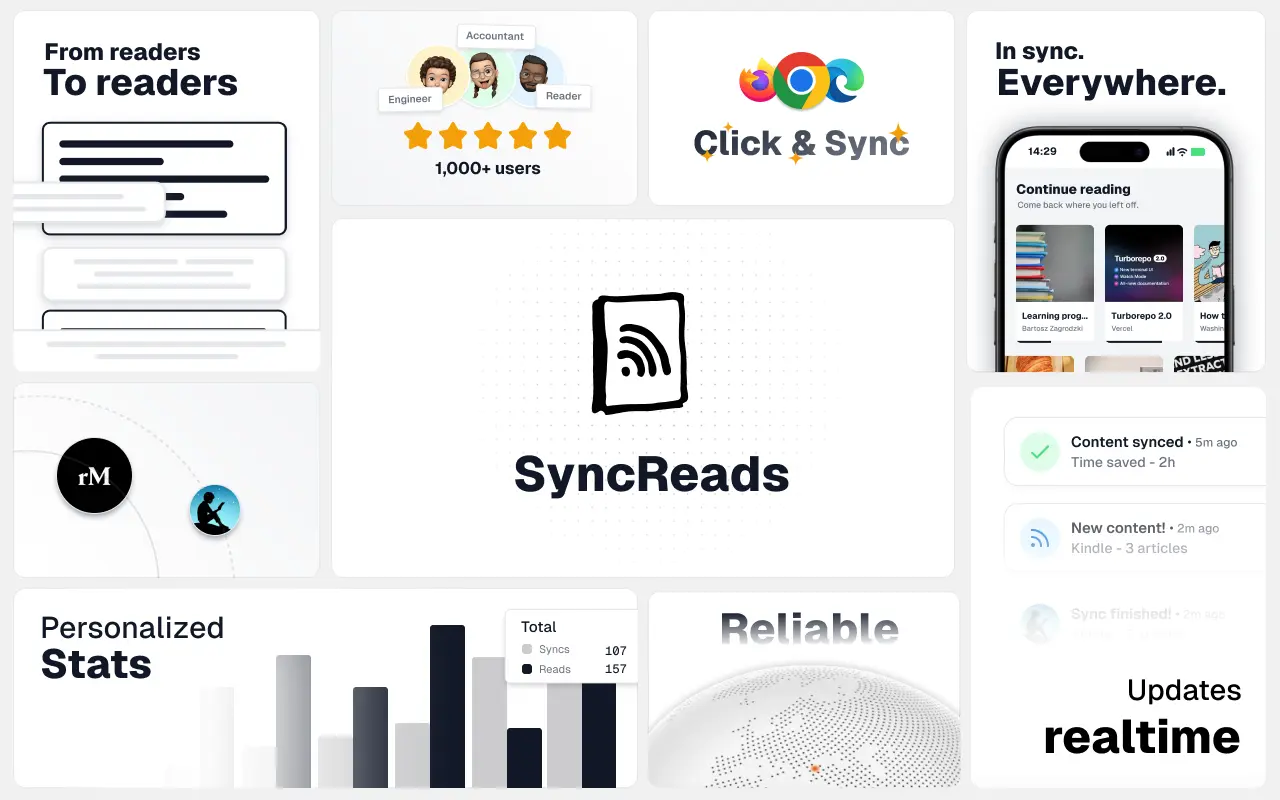
SyncReads
Sync your favorite content for distraction-free reading, save time and replace multiple apps. Anytime, anywhere 🔄
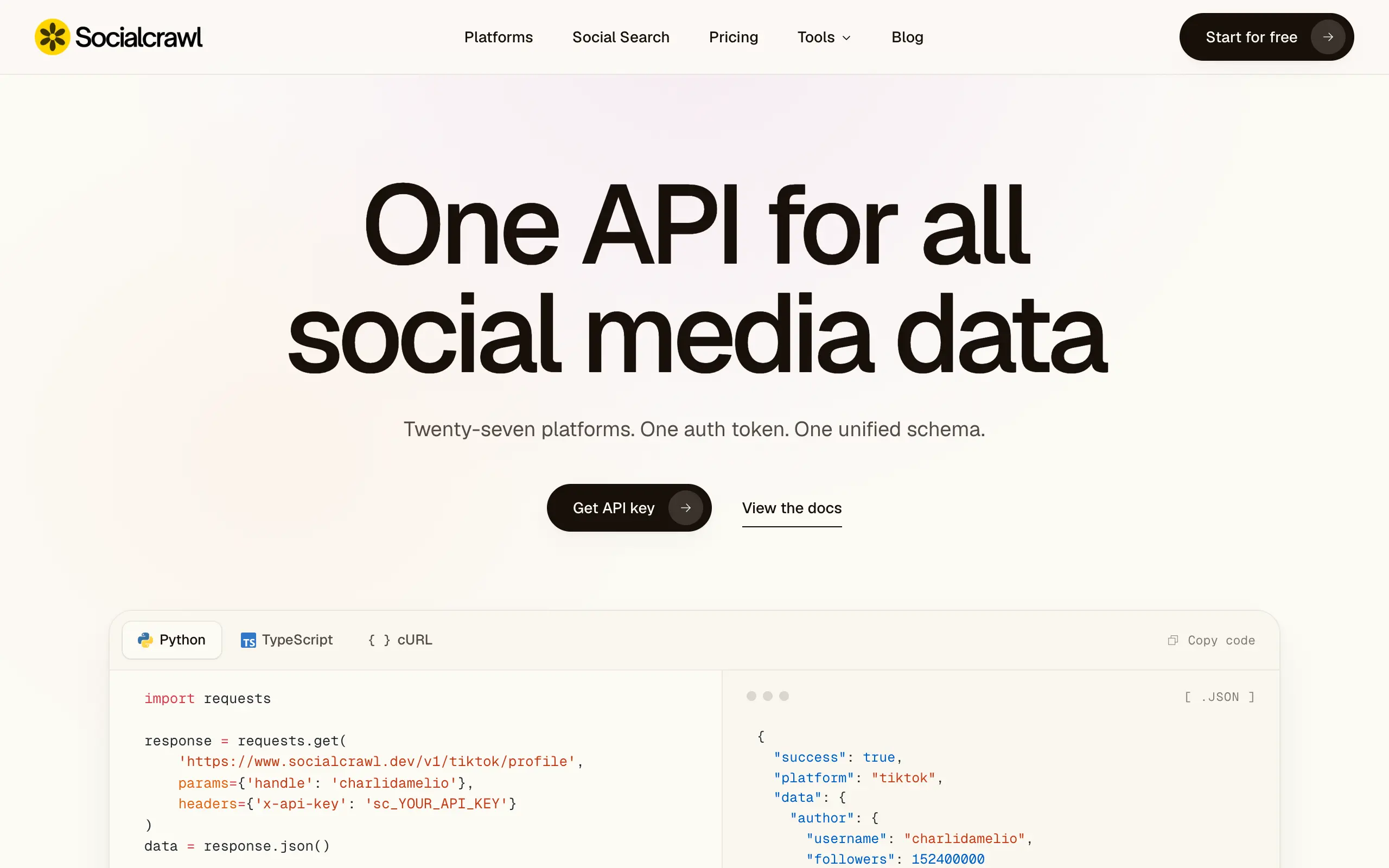
Socialcrawl
Get clean, structured data from 21 platforms like TikTok, Instagram, and YouTube with a single request 📊
Statiko
Monitor any Telegram channel in real time - track posts, edits, deletions, and growth with AI recaps 📡
Shibui
AI website builder - describe your business, pick a niche template, edit by chatting, and publish instantly ✨
Pro Service
Find verified home service professionals, compare quotes, and pay securely through escrow - built for Brazilians across the US 🏠
RankGrow
Fix your SEO with AI agents - connect Search Console, get prioritized tasks, and grow organic traffic 📈
SyncReads
Sync your favorite content for distraction-free reading, save time and replace multiple apps. Anytime, anywhere 🔄
Socialcrawl
Get clean, structured data from 21 platforms like TikTok, Instagram, and YouTube with a single request 📊
Statiko
Monitor any Telegram channel in real time - track posts, edits, deletions, and growth with AI recaps 📡
Shibui
AI website builder - describe your business, pick a niche template, edit by chatting, and publish instantly ✨
Pro Service
Find verified home service professionals, compare quotes, and pay securely through escrow - built for Brazilians across the US 🏠
RankGrow
Fix your SEO with AI agents - connect Search Console, get prioritized tasks, and grow organic traffic 📈
SyncReads
Sync your favorite content for distraction-free reading, save time and replace multiple apps. Anytime, anywhere 🔄
Socialcrawl
Get clean, structured data from 21 platforms like TikTok, Instagram, and YouTube with a single request 📊
Statiko
Monitor any Telegram channel in real time - track posts, edits, deletions, and growth with AI recaps 📡
Shibui
AI website builder - describe your business, pick a niche template, edit by chatting, and publish instantly ✨
Pro Service
Find verified home service professionals, compare quotes, and pay securely through escrow - built for Brazilians across the US 🏠
RankGrow
Fix your SEO with AI agents - connect Search Console, get prioritized tasks, and grow organic traffic 📈
SyncReads
Sync your favorite content for distraction-free reading, save time and replace multiple apps. Anytime, anywhere 🔄
Socialcrawl
Get clean, structured data from 21 platforms like TikTok, Instagram, and YouTube with a single request 📊
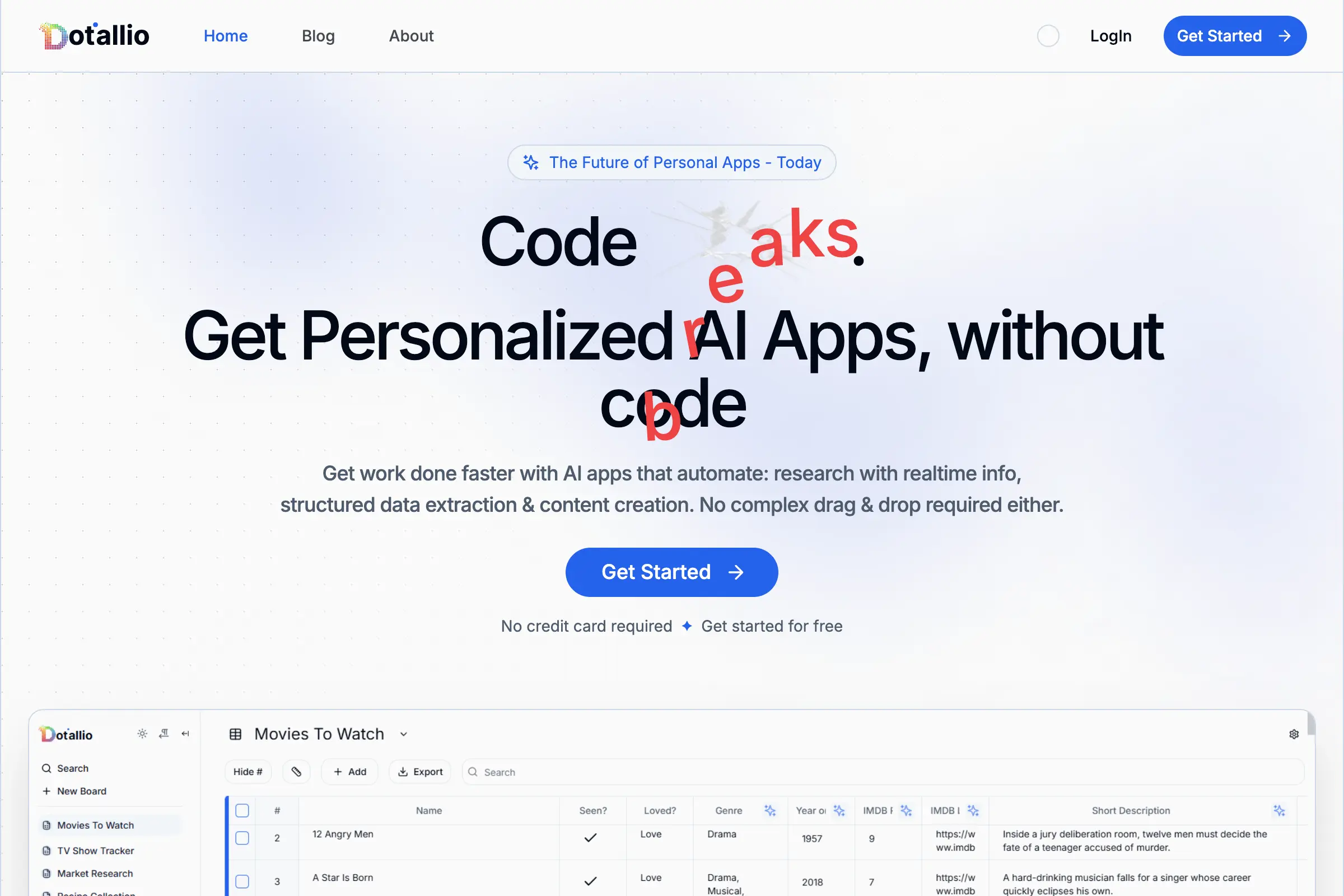
Dotallio
Personalized AI apps that automate research, data extraction, and content creation without code 🤖

Talk to Santa
Enjoy a magical live video chat or receive a unique AI-generated video greeting from Santa Claus 🎅
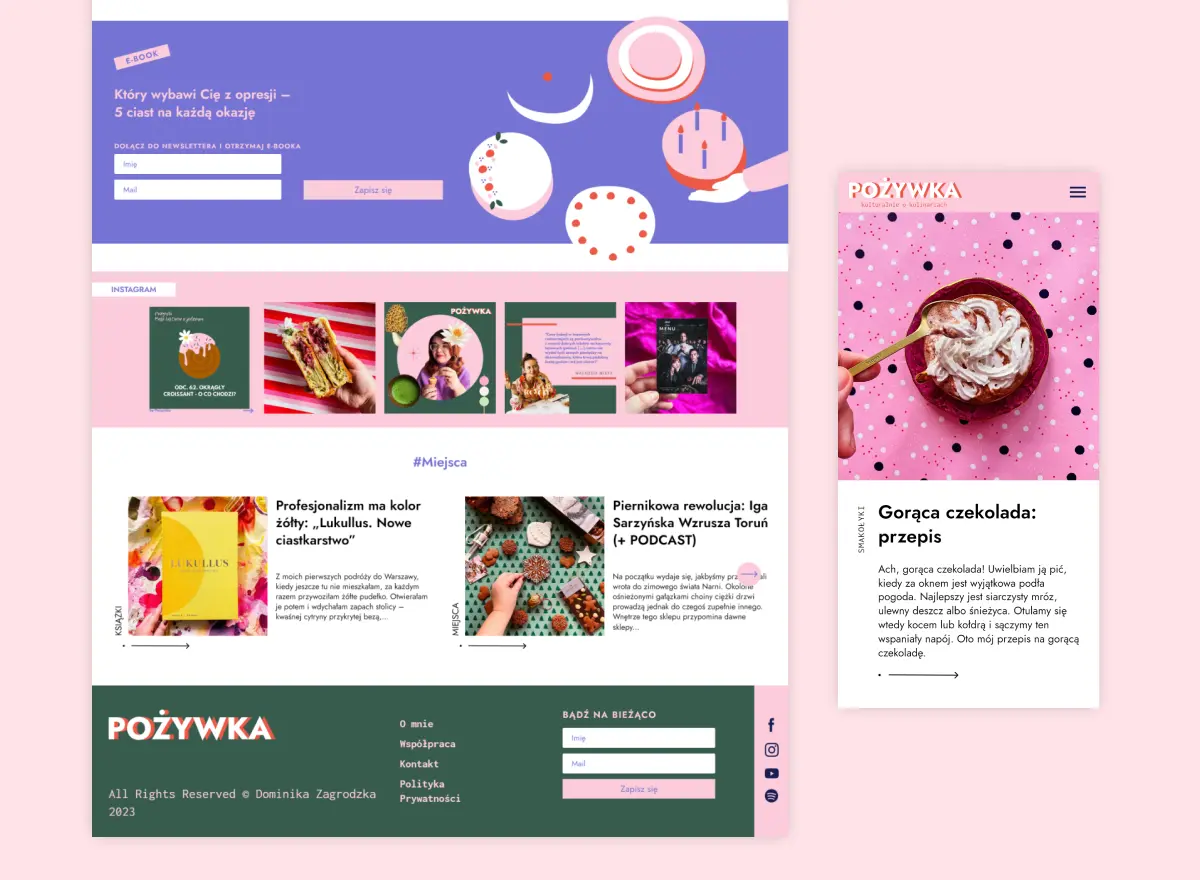
pozywka.pl
Scalable blog for food journalist, focused on performance and user experience 🌭
zagrodzki.me
Personal blog and portfolio of Bart Zagrodzki, where he shares his knowledge and work 💼
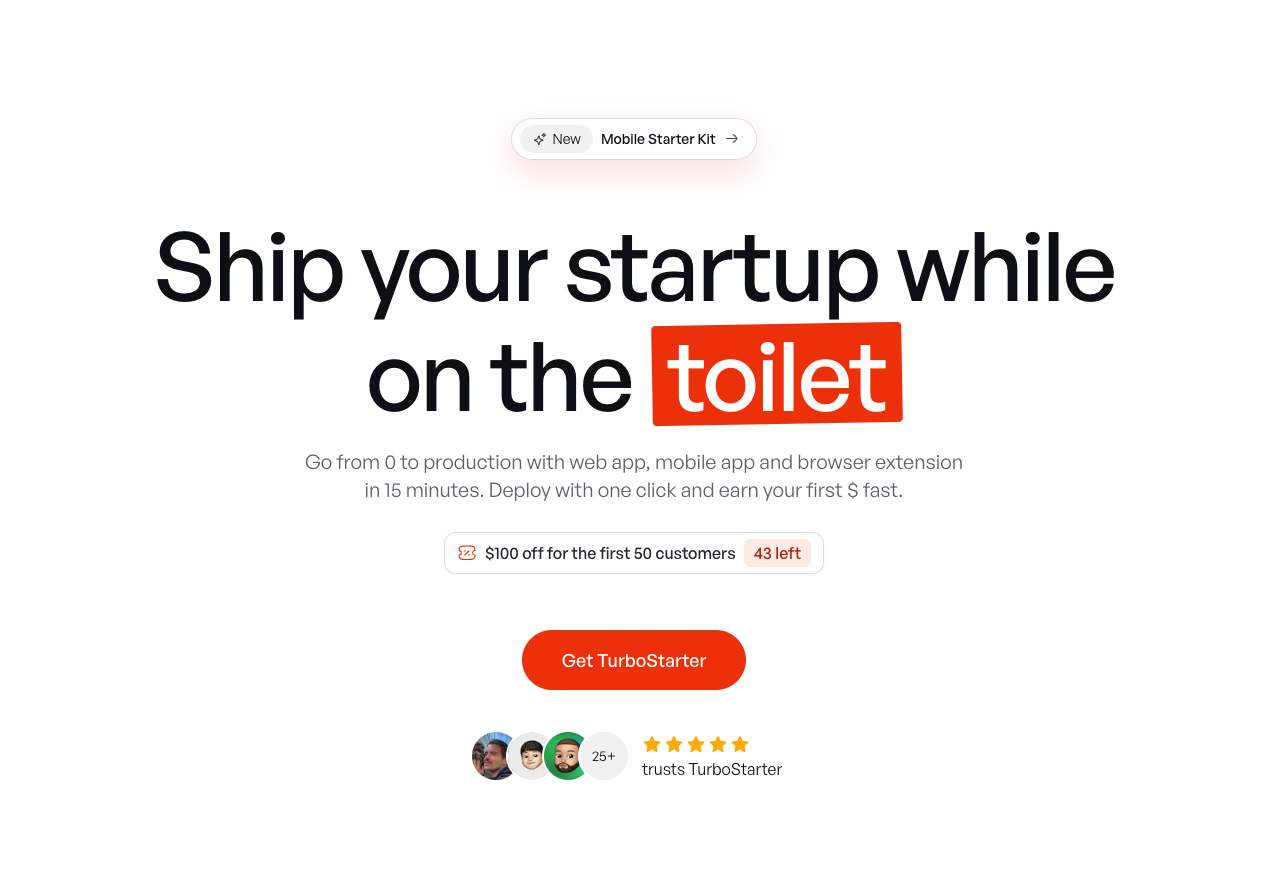
TurboStarter
Ship your startup everywhere. In minutes.
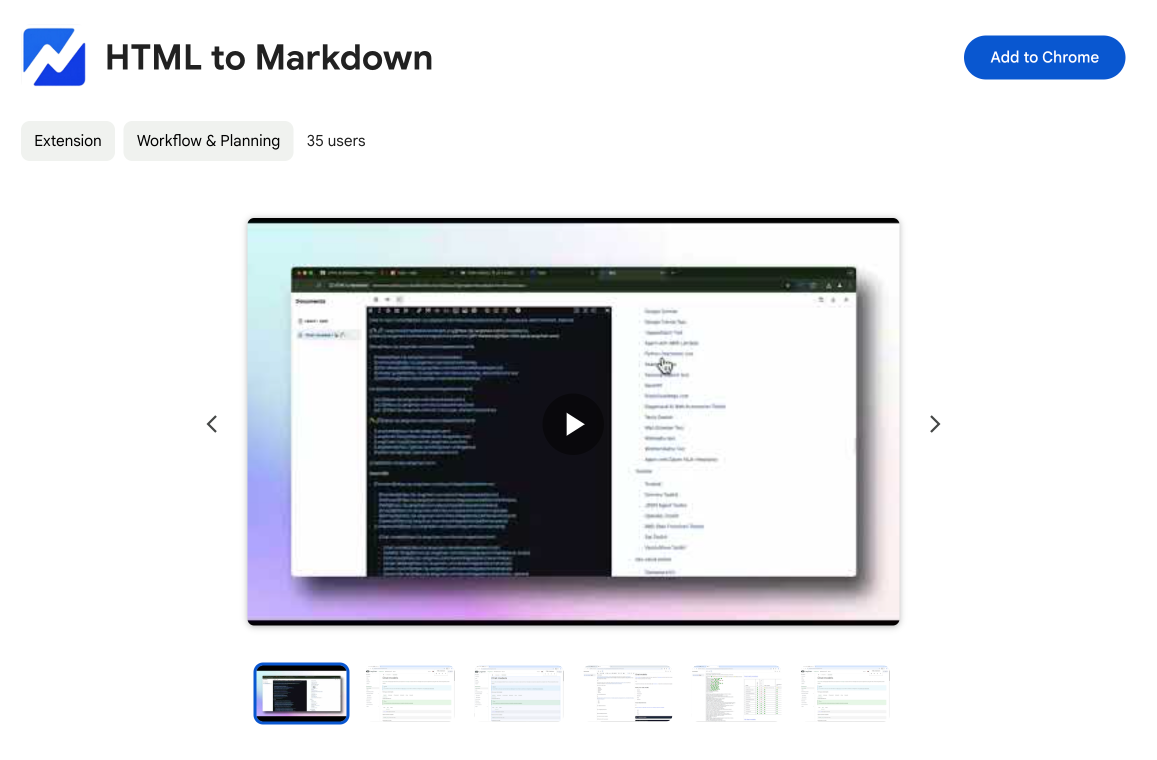
HTML to Markdown
Convert HTML to Markdown with ease, directly in your browser 📄
Dotallio
Personalized AI apps that automate research, data extraction, and content creation without code 🤖
Talk to Santa
Enjoy a magical live video chat or receive a unique AI-generated video greeting from Santa Claus 🎅
pozywka.pl
Scalable blog for food journalist, focused on performance and user experience 🌭
zagrodzki.me
Personal blog and portfolio of Bart Zagrodzki, where he shares his knowledge and work 💼
TurboStarter
Ship your startup everywhere. In minutes.
HTML to Markdown
Convert HTML to Markdown with ease, directly in your browser 📄
Dotallio
Personalized AI apps that automate research, data extraction, and content creation without code 🤖
Talk to Santa
Enjoy a magical live video chat or receive a unique AI-generated video greeting from Santa Claus 🎅
pozywka.pl
Scalable blog for food journalist, focused on performance and user experience 🌭
zagrodzki.me
Personal blog and portfolio of Bart Zagrodzki, where he shares his knowledge and work 💼
TurboStarter
Ship your startup everywhere. In minutes.
HTML to Markdown
Convert HTML to Markdown with ease, directly in your browser 📄
Dotallio
Personalized AI apps that automate research, data extraction, and content creation without code 🤖
Talk to Santa
Enjoy a magical live video chat or receive a unique AI-generated video greeting from Santa Claus 🎅
pozywka.pl
Scalable blog for food journalist, focused on performance and user experience 🌭
zagrodzki.me
Personal blog and portfolio of Bart Zagrodzki, where he shares his knowledge and work 💼
TurboStarter
Ship your startup everywhere. In minutes.
HTML to Markdown
Convert HTML to Markdown with ease, directly in your browser 📄
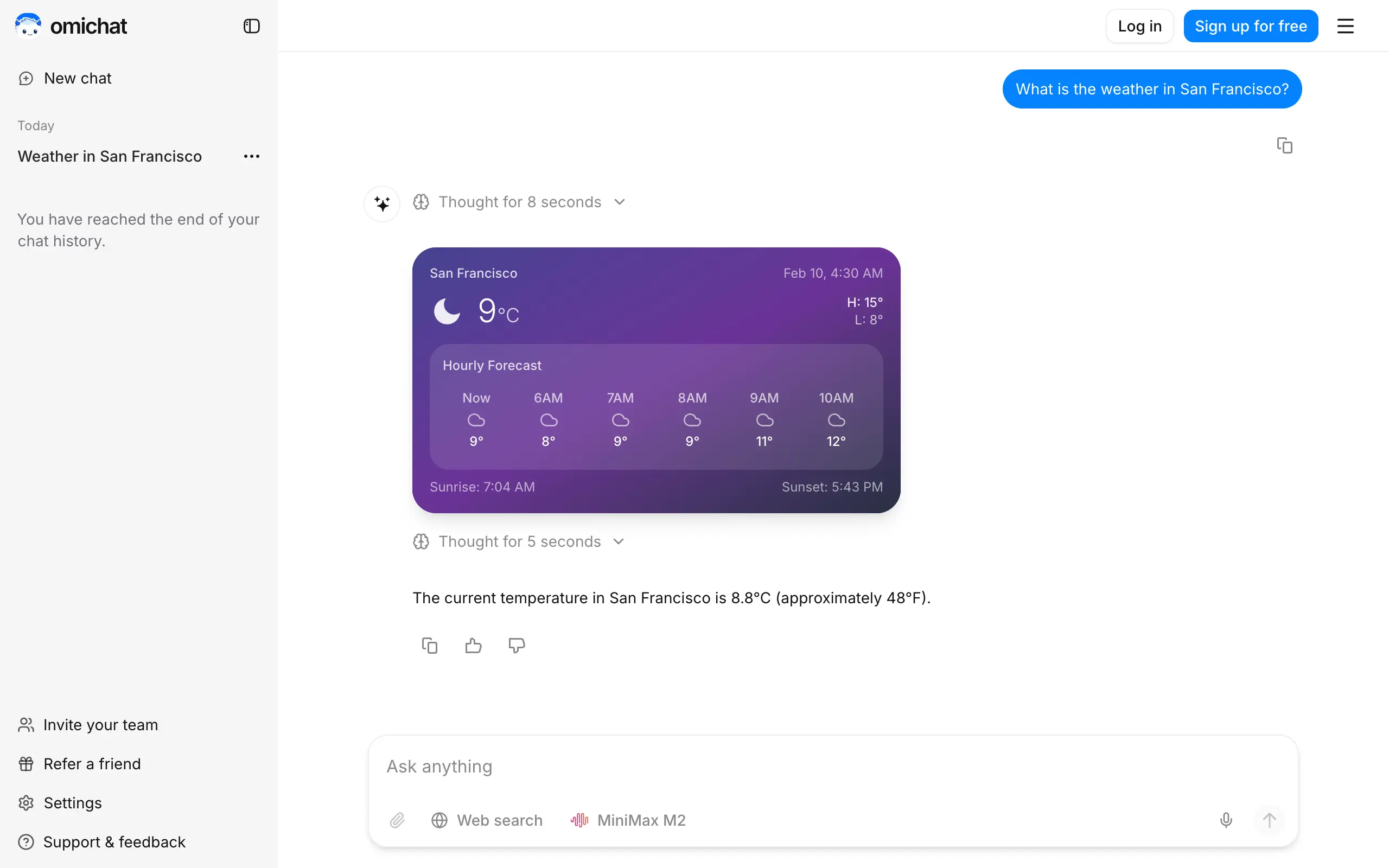
Omichat
Chat with 50+ AI models, including ChatGPT and Claude, in one place - switch models anytime without losing context 🤖
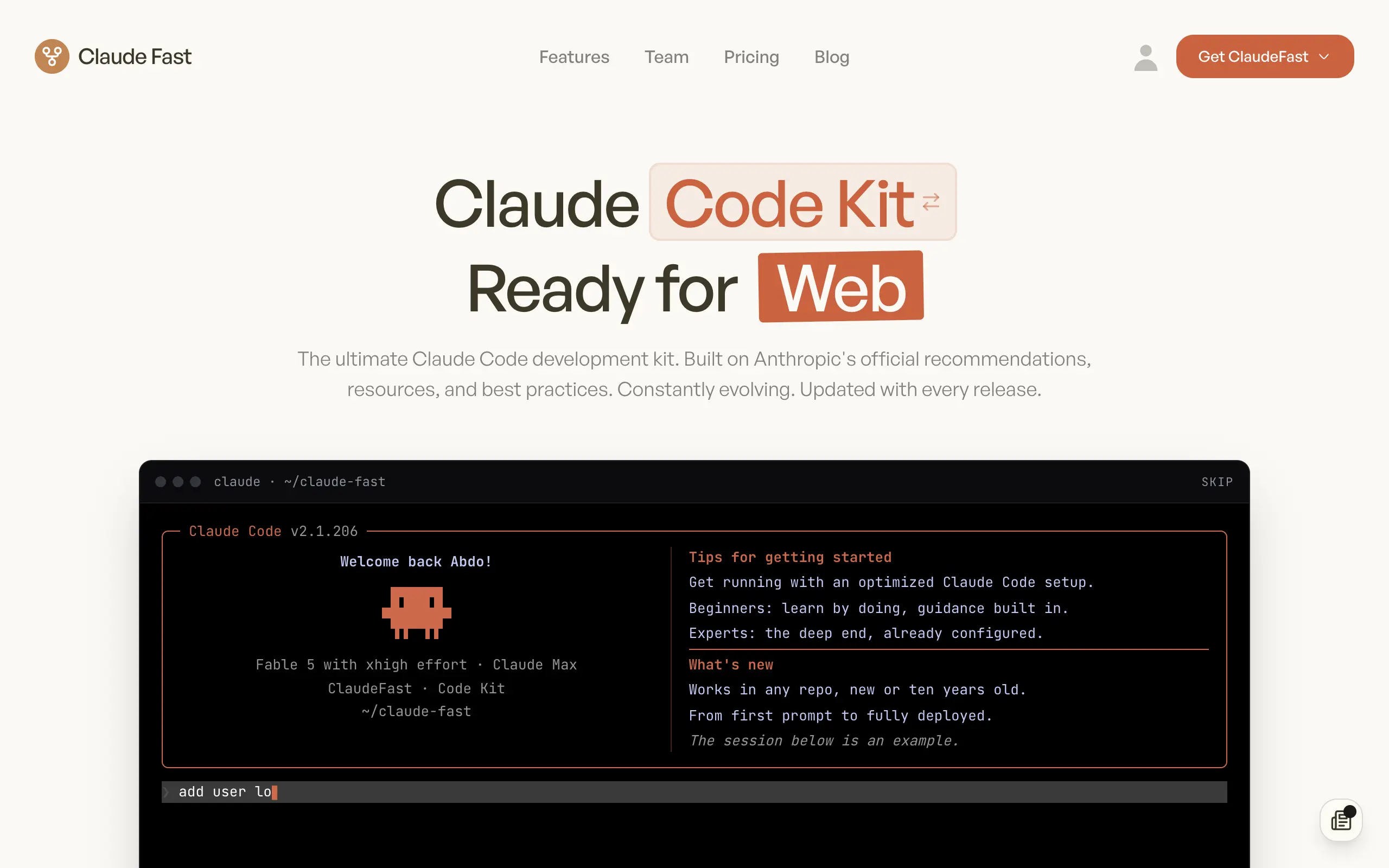
Claude Fast
Supercharge your Claude Code with 6x effective context window and specialized AI agents 🤖
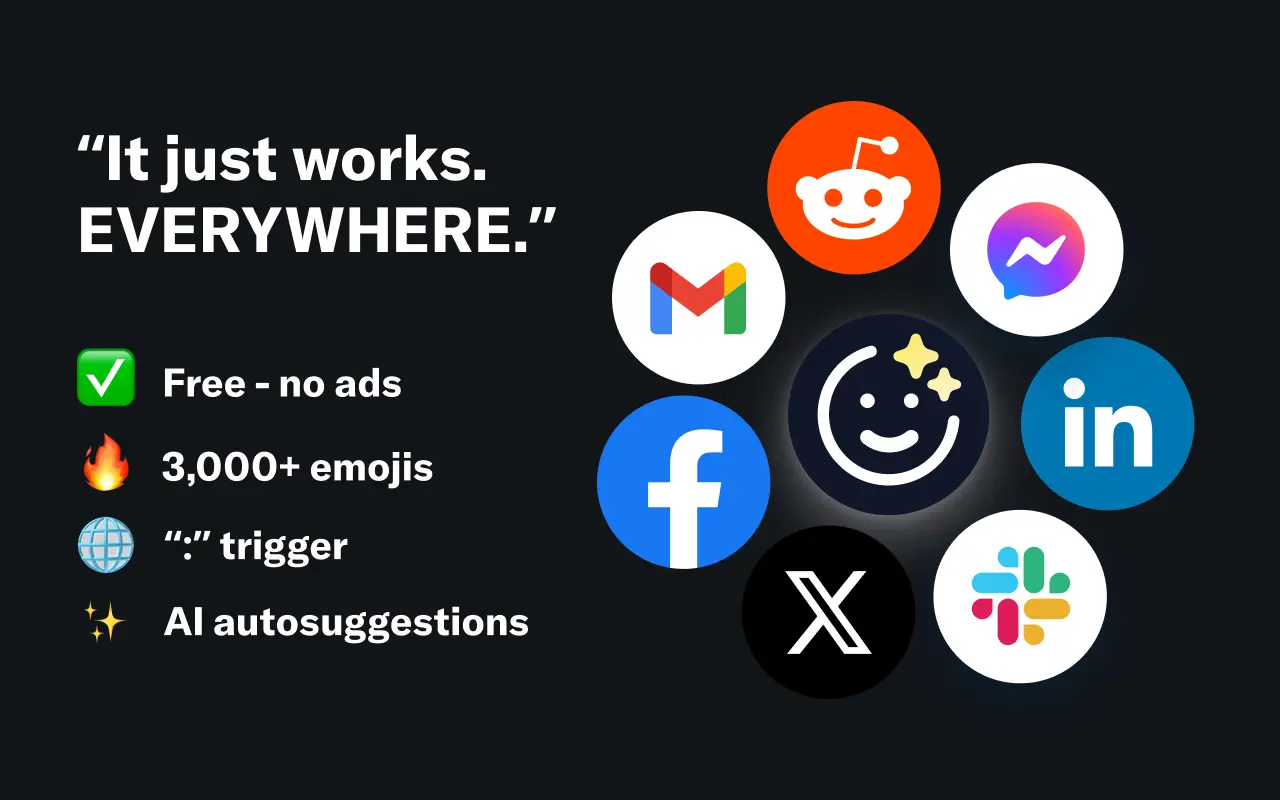
EmojAI
AI-powered emoji picker with smart, context-aware suggestions 🤖
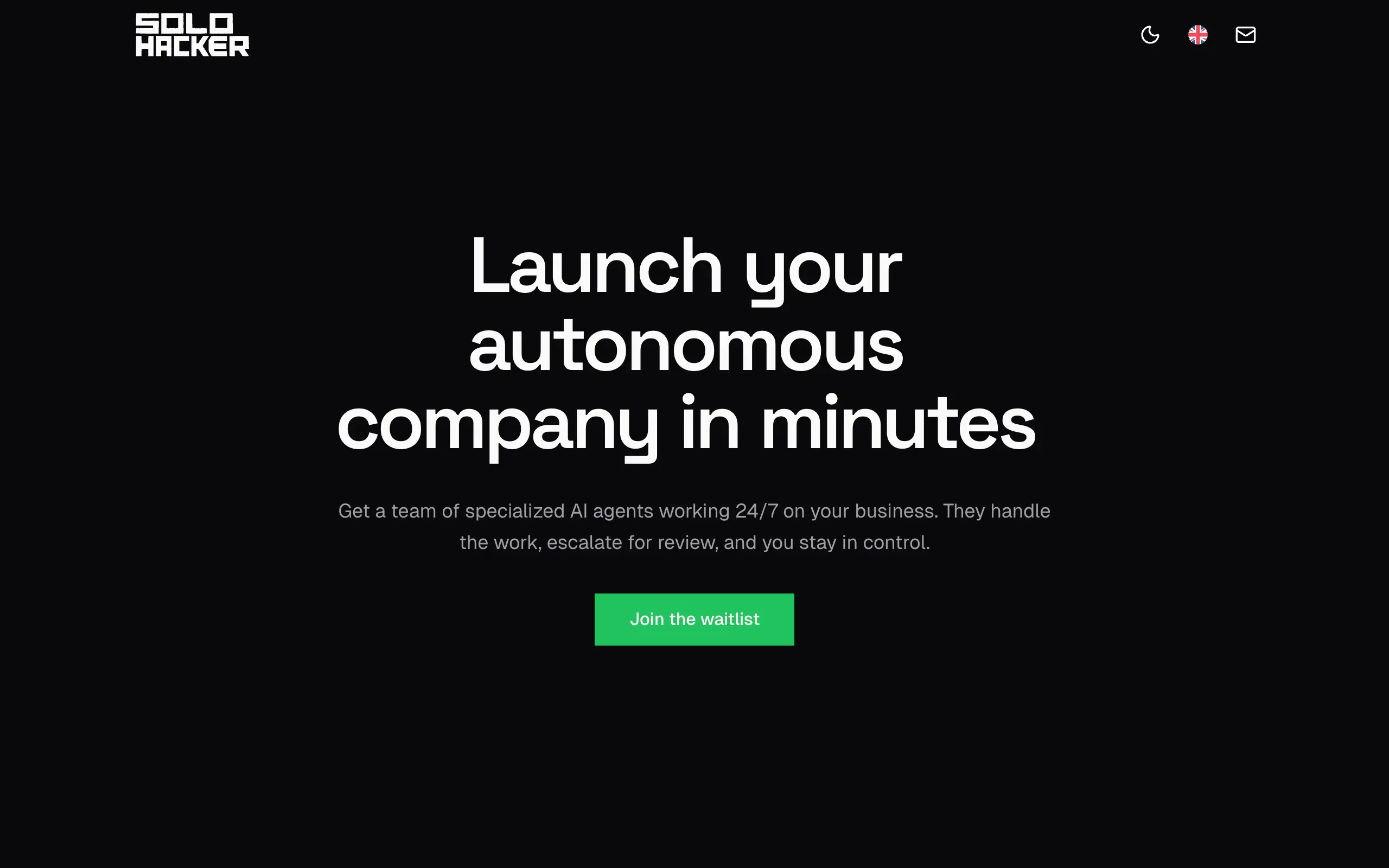
Solohacker
Autonomous company launcher - AI agents work 24/7, escalate what matters, and you stay in control 🤖
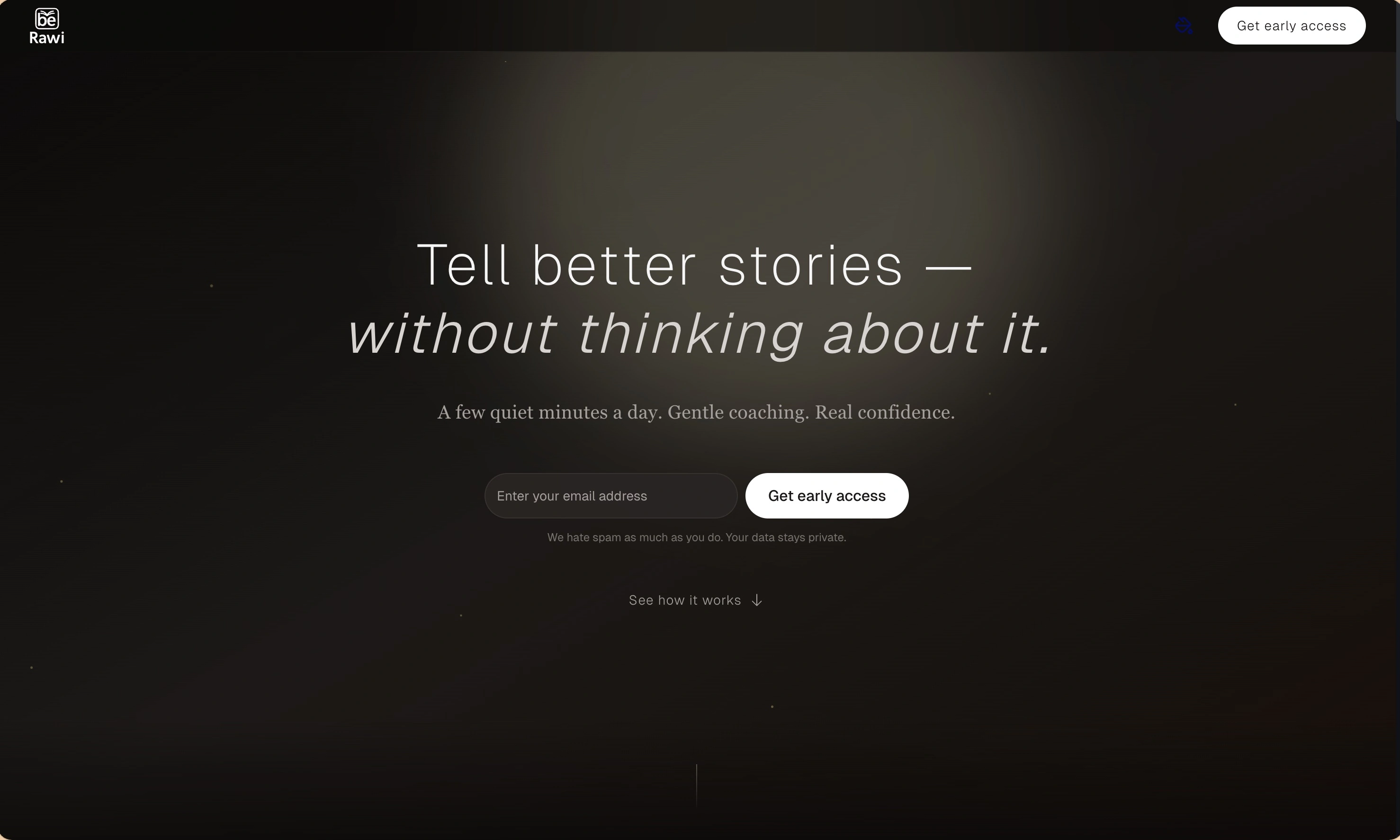
BeRawi: Storytelling Coach
Practice storytelling daily with instant feedback to sound clearer, more engaging, and confident 🎤
Omichat
Chat with 50+ AI models, including ChatGPT and Claude, in one place - switch models anytime without losing context 🤖
Claude Fast
Supercharge your Claude Code with 6x effective context window and specialized AI agents 🤖
EmojAI
AI-powered emoji picker with smart, context-aware suggestions 🤖
Solohacker
Autonomous company launcher - AI agents work 24/7, escalate what matters, and you stay in control 🤖
BeRawi: Storytelling Coach
Practice storytelling daily with instant feedback to sound clearer, more engaging, and confident 🎤
Omichat
Chat with 50+ AI models, including ChatGPT and Claude, in one place - switch models anytime without losing context 🤖
Claude Fast
Supercharge your Claude Code with 6x effective context window and specialized AI agents 🤖
EmojAI
AI-powered emoji picker with smart, context-aware suggestions 🤖
Solohacker
Autonomous company launcher - AI agents work 24/7, escalate what matters, and you stay in control 🤖
BeRawi: Storytelling Coach
Practice storytelling daily with instant feedback to sound clearer, more engaging, and confident 🎤
Omichat
Chat with 50+ AI models, including ChatGPT and Claude, in one place - switch models anytime without losing context 🤖
Claude Fast
Supercharge your Claude Code with 6x effective context window and specialized AI agents 🤖
EmojAI
AI-powered emoji picker with smart, context-aware suggestions 🤖
Solohacker
Autonomous company launcher - AI agents work 24/7, escalate what matters, and you stay in control 🤖
BeRawi: Storytelling Coach
Practice storytelling daily with instant feedback to sound clearer, more engaging, and confident 🎤

Connect with like-minded people
Join our community to get feedback, support, and grow together with 1,000+ builders on board, let's ship it!
Join usShip your startup everywhere. In minutes.
Don't burn tokens on setup and start building features on day one.