AutoBriefly
AI assistant that summarizes lengthy documents, emails, and reports into concise, actionable briefs for busy professionals and executives.
AutoBriefly is an AI-powered SaaS platform designed to transform how professionals and teams handle information overload. By automatically summarizing lengthy documents, meetings, and emails into concise, actionable briefs, AutoBriefly addresses a critical pain point for modern knowledge workers: the need to stay informed without drowning in details.
In this comprehensive guide, we’ll explore the AutoBriefly SaaS idea from every angle—target audience, market opportunity, core features, technology stack, monetization, risks, competitive landscape, and actionable steps for implementation. Whether you’re seeking inspiration, validation, or a blueprint for building a similar solution, this article delivers expert-level insights grounded in E-E-A-T principles.
Understanding the target audience for AutoBriefly
AutoBriefly’s primary value proposition—automated, AI-driven summarization—caters to a broad but clearly defined set of users. Let’s break down the core segments:
1. Busy professionals and executives
- Pain points: Overwhelmed by the volume of reports, proposals, and emails; need to make quick, informed decisions.
- Use cases: Receive daily or weekly briefs, extract key action items from meetings, stay updated on projects without reading every detail.
2. Team leaders and project managers
- Pain points: Coordinating across distributed teams, ensuring everyone is aligned, and minimizing time spent in meetings.
- Use cases: Summarize meeting transcripts, generate follow-up tasks, share concise updates with stakeholders.
3. Legal, compliance, and research professionals
- Pain points: Reviewing lengthy contracts, regulatory documents, or research papers; extracting relevant clauses or findings.
- Use cases: Automated contract summaries, compliance checklists, research digests.
4. Customer support and sales teams
- Pain points: Sifting through long email threads, CRM notes, or support tickets to find actionable insights.
- Use cases: Summarize customer interactions, highlight key issues, prepare quick briefs for handoffs.
5. Enterprise and SMBs
- Pain points: Information silos, inconsistent communication, and productivity loss due to information overload.
- Use cases: Organization-wide deployment for document, meeting, and email summarization.
User intent insight
AutoBriefly’s users are searching for ways to save time, reduce cognitive load, and improve decision-making by distilling information into actionable insights. They value accuracy, security, and seamless integration with their existing workflows.
Identifying the market opportunity and gap
The explosion of digital communication and remote work has led to a deluge of information. According to IDC, the global datasphere is expected to reach 175 zettabytes by 2025. Professionals spend up to 28% of their workweek reading and responding to emails alone (McKinsey).
Why now? Key market drivers
- AI advancements: Large Language Models (LLMs) like GPT-4 and open-source alternatives have made high-quality summarization feasible at scale.
- Remote/hybrid work: More meetings are recorded and transcribed, increasing the need for automated summarization.
- Productivity focus: Organizations are investing in tools that help employees work smarter, not harder.
Market gap analysis
While some tools offer basic summarization (e.g., email clients, note-taking apps), most lack:
- Multi-source integration: Ability to summarize across documents, meetings, and emails in one platform.
- Actionable output: Not just summaries, but clear next steps and key decisions.
- Enterprise-grade security: Compliance with data privacy standards (GDPR, SOC 2, etc.).
- Customization: Tailoring summaries to user roles, preferences, or industry jargon.
AutoBriefly is purpose-built for professional workflows, offering deep integrations, actionable briefs, and enterprise-level security. Unlike generic tools, it understands context, extracts action items, and adapts to organizational needs.
Core features and solution details
AutoBriefly’s success hinges on delivering tangible value through a robust, user-friendly feature set. Here’s what sets it apart:
1. Multi-source AI summarization
- Documents: Upload PDFs, Word files, or cloud documents for instant summarization.
- Meetings: Integrate with Zoom, Microsoft Teams, or Google Meet to summarize transcripts and recordings.
- Emails: Connect to Gmail, Outlook, or other providers to generate daily/weekly email briefs.
2. Actionable briefs
- Key points extraction: Highlight main ideas, decisions, and supporting data.
- Action items: Automatically detect and list tasks, deadlines, and responsible parties.
- Custom summary length: Choose between ultra-concise, standard, or detailed briefs.
3. Integrations and workflow automation
- Calendar and task management: Sync action items with tools like Asana, Trello, or Jira.
- Cloud storage: Connect to Google Drive, Dropbox, or OneDrive.
- APIs and webhooks: Enable custom integrations for enterprise clients.
4. Security and compliance
- Data encryption: End-to-end encryption for all uploaded and processed data.
- Access controls: Role-based permissions and audit logs.
- Compliance: GDPR, SOC 2, and HIPAA-ready (for relevant industries).
5. Customization and analytics
- Personalized summaries: Adapt output based on user preferences, industry, or department.
- Usage analytics: Track summary usage, time saved, and productivity gains.
AI-powered multi-source summarization
Summarize documents, meetings, and emails in one place.
Actionable insights
Extract key points and next steps, not just summaries.
Enterprise-grade security
Compliant with leading data privacy standards.
Seamless integrations
Connect with your favorite productivity tools.
Recommended tech stack for building AutoBriefly
Selecting the right technology stack is crucial for scalability, security, and rapid development. Here’s an expert-recommended stack for an AI SaaS like AutoBriefly:
1. Frontend
- React: Modern, component-based UI development.
- Next.js: Server-side rendering, API routes, and SEO optimization.
- Tailwind CSS: Utility-first CSS for rapid, consistent styling.
2. Backend
- Node.js: Scalable, event-driven server environment.
- Express.js: Lightweight web framework for APIs.
- Python: For AI/ML pipelines, leveraging libraries like Transformers (Hugging Face) or spaCy.
3. AI/ML infrastructure
- OpenAI GPT-4: State-of-the-art summarization (with fallback to open-source models for cost control).
- Hugging Face Inference Endpoints: Deploy custom or open-source models.
- LangChain: Orchestrate LLM workflows and prompt engineering.
4. Data storage and security
- PostgreSQL: Reliable relational database.
- AWS S3: Secure file storage.
- Auth0: Authentication and role-based access control.
5. Integrations and automation
- Zapier: No-code workflow automation.
- TurboStarter: Accelerate SaaS MVP development with pre-built authentication, billing, and integrations.
6. Monitoring and analytics
| Frontend | Backend | AI/ML | Storage | Integrations |
|---|---|---|---|---|
| ✅ | ❌ | ❌ | ✅ | ❌ |
| ✅ | ❌ | ✅ | ✅ | ❌ |
Trade-offs and considerations
- OpenAI vs. open-source models: OpenAI offers best-in-class quality but can be costly at scale. Open-source models (e.g., Llama 2) offer cost savings but may require more engineering effort.
- TurboStarter: Using TurboStarter can dramatically reduce time-to-market by providing authentication, billing, and integration scaffolding out of the box.
- Security: Prioritize encryption, compliance, and regular security audits, especially for enterprise clients.
Pro tip
Start with a hybrid approach: leverage OpenAI for initial quality, then fine-tune open-source models as usage grows to optimize costs.
Monetization strategy options
A successful SaaS must balance value delivery with sustainable revenue. Here are proven monetization models for AutoBriefly:
1. Subscription tiers
- Freemium: Limited summaries per month, basic integrations.
- Pro: Unlimited summaries, advanced integrations, priority support.
- Enterprise: Custom SLAs, on-premise deployment, dedicated support.
2. Pay-per-use
- API access: Charge per summarized document, meeting, or email for high-volume users or integration partners.
3. Add-ons and upsells
- Custom model training: Tailor AI models for specific industries or organizations.
- Advanced analytics: Offer premium reporting and productivity insights.
4. White-label solutions
- B2B partnerships: License the platform to other SaaS providers or large enterprises under their own brand.
Flexible subscription plans
Cater to individuals, teams, and enterprises.
API monetization
Enable integration partners and developers.
Premium add-ons
Unlock advanced features and analytics.
Potential risks and mitigation strategies
Launching an AI SaaS like AutoBriefly comes with unique challenges. Here’s how to anticipate and address them:
1. Data privacy and security
- Risk: Handling sensitive documents and communications.
- Mitigation: Implement end-to-end encryption, regular security audits, and strict access controls. Stay updated with evolving compliance standards.
2. AI accuracy and bias
- Risk: Summaries may omit critical information or misinterpret context.
- Mitigation: Use human-in-the-loop review for high-stakes summaries, allow user feedback to improve models, and regularly evaluate model performance.
3. Integration complexity
- Risk: Supporting a wide range of third-party tools and formats.
- Mitigation: Prioritize integrations based on user demand, use standardized APIs, and leverage platforms like Zapier for extensibility.
4. Cost management
- Risk: High AI inference costs, especially with premium models.
- Mitigation: Optimize model usage, cache frequent summaries, and gradually shift to open-source models as feasible.
5. Market competition
- Risk: Competing with established productivity and AI tools.
- Mitigation: Focus on unique value (multi-source, actionable briefs, security), build strong integrations, and maintain rapid feature development.
AutoBriefly allows users to set summary granularity, review full transcripts, and provide feedback to continuously improve accuracy.
All data is encrypted in transit and at rest, with strict access controls and compliance with leading privacy standards.
Competitive advantage analysis
To stand out in a crowded market, AutoBriefly must deliver clear, defensible advantages:
1. Unified multi-source summarization
Most competitors focus on a single channel (e.g., just meetings or just documents). AutoBriefly’s ability to summarize across documents, meetings, and emails in one platform is a major differentiator.
2. Actionable, not just concise
While many tools generate summaries, few extract action items, decisions, and next steps—turning information into productivity.
3. Deep integrations
AutoBriefly’s seamless connections with productivity, storage, and communication tools embed it directly into user workflows, reducing friction.
4. Enterprise-grade security
By prioritizing compliance and robust security, AutoBriefly appeals to organizations with strict data requirements.
5. Customization and adaptability
Personalized summaries, industry-specific models, and flexible deployment options (cloud or on-premise) make AutoBriefly suitable for a wide range of clients.
Actionable implementation steps
Ready to bring AutoBriefly to life? Here’s a step-by-step roadmap:
Conclusion: Why AutoBriefly stands out and how to get started
AutoBriefly is more than just an AI summarization tool—it’s a productivity multiplier for modern teams and professionals. By unifying document, meeting, and email summarization into actionable briefs, it addresses a real, growing need in today’s information-saturated workplace.
Key takeaways:
- The market is primed for AI-powered productivity tools that save time and reduce information overload.
- AutoBriefly’s unique blend of multi-source integration, actionable insights, and enterprise security sets it apart.
- Leveraging modern tech stacks and platforms like TurboStarter can dramatically accelerate development and reduce risk.
If you’re considering building or investing in an AI SaaS like AutoBriefly, now is the time to act. Focus on user needs, security, and seamless workflow integration to capture a share of this rapidly expanding market.
Frequently asked questions
Yes, by integrating with meeting platforms and transcription services, AutoBriefly can process and summarize audio/video content.
Absolutely. All data is encrypted, and the platform is designed to meet leading compliance standards.
Yes, users can choose summary length, focus areas, and even industry-specific templates.
AutoBriefly delivers summaries in seconds, saving hours of manual effort and reducing the risk of human error or bias.
By following this expert blueprint, you can confidently validate, build, and scale an AI SaaS like AutoBriefly—delivering real value to professionals and organizations worldwide.
More 🤖 AI Startup SaaS ideas
Discover more innovative ai startup SaaS ideas that are trending in 2026. Each idea is AI-generated with market validation and growth potential to help you find your next profitable venture faster than competitors.
Your competitors are building with TurboStarter
Below are some of the SaaS ideas that have been generated and built with our starter kit.
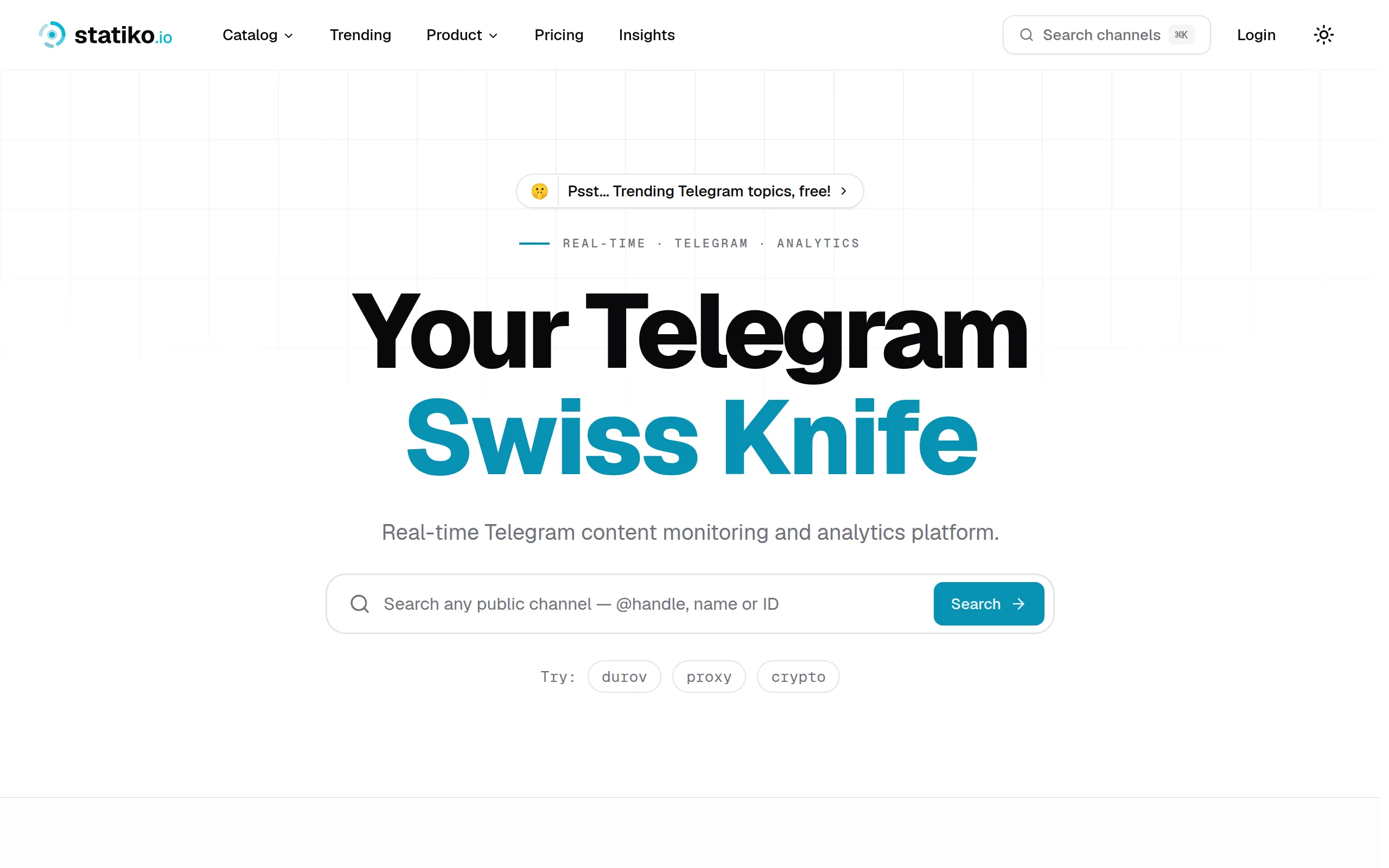
Statiko
Monitor any Telegram channel in real time - track posts, edits, deletions, and growth with AI recaps 📡

Shibui
AI website builder - describe your business, pick a niche template, edit by chatting, and publish instantly ✨

Pro Service
Find verified home service professionals, compare quotes, and pay securely through escrow - built for Brazilians across the US 🏠
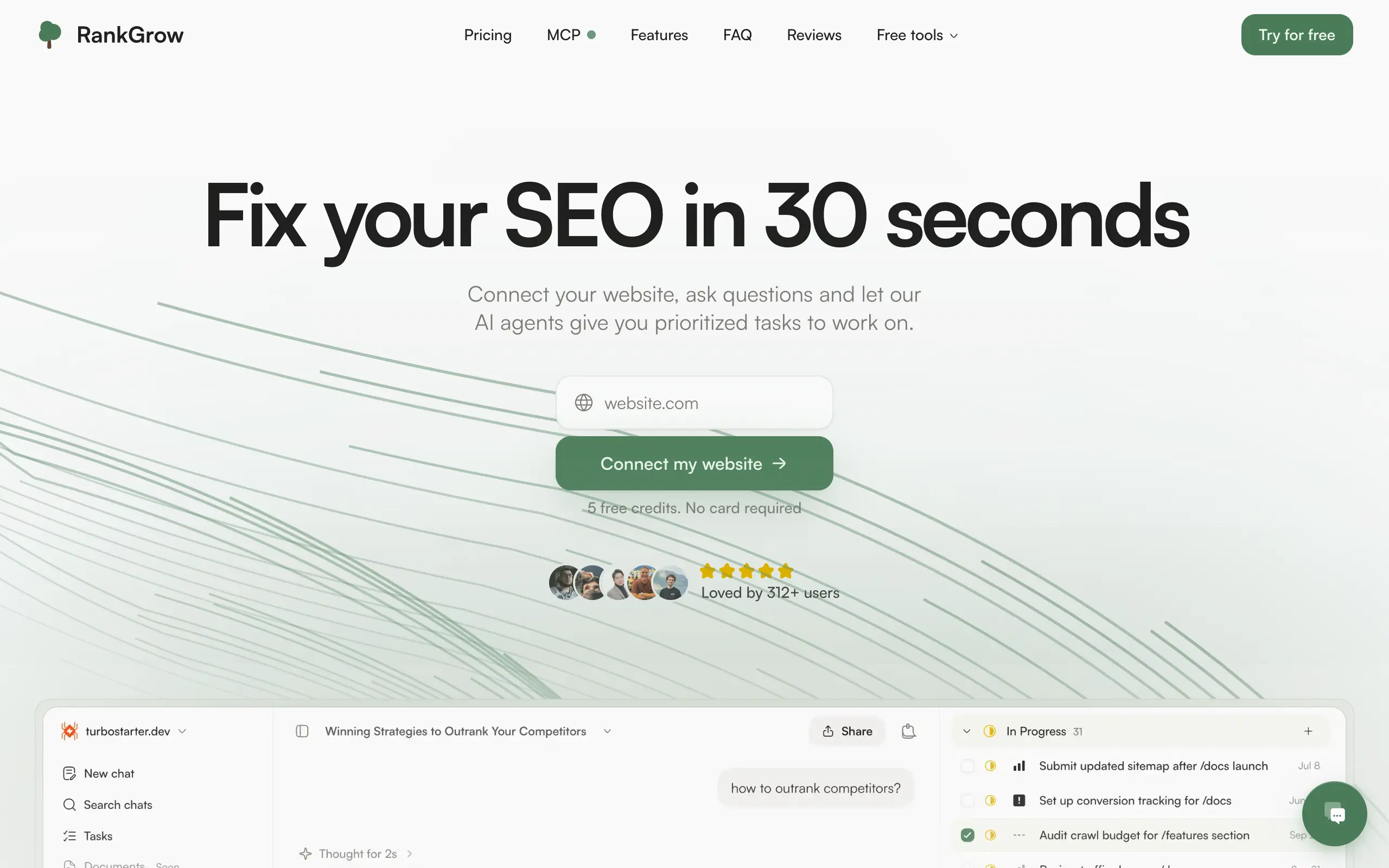
RankGrow
Fix your SEO with AI agents - connect Search Console, get prioritized tasks, and grow organic traffic 📈
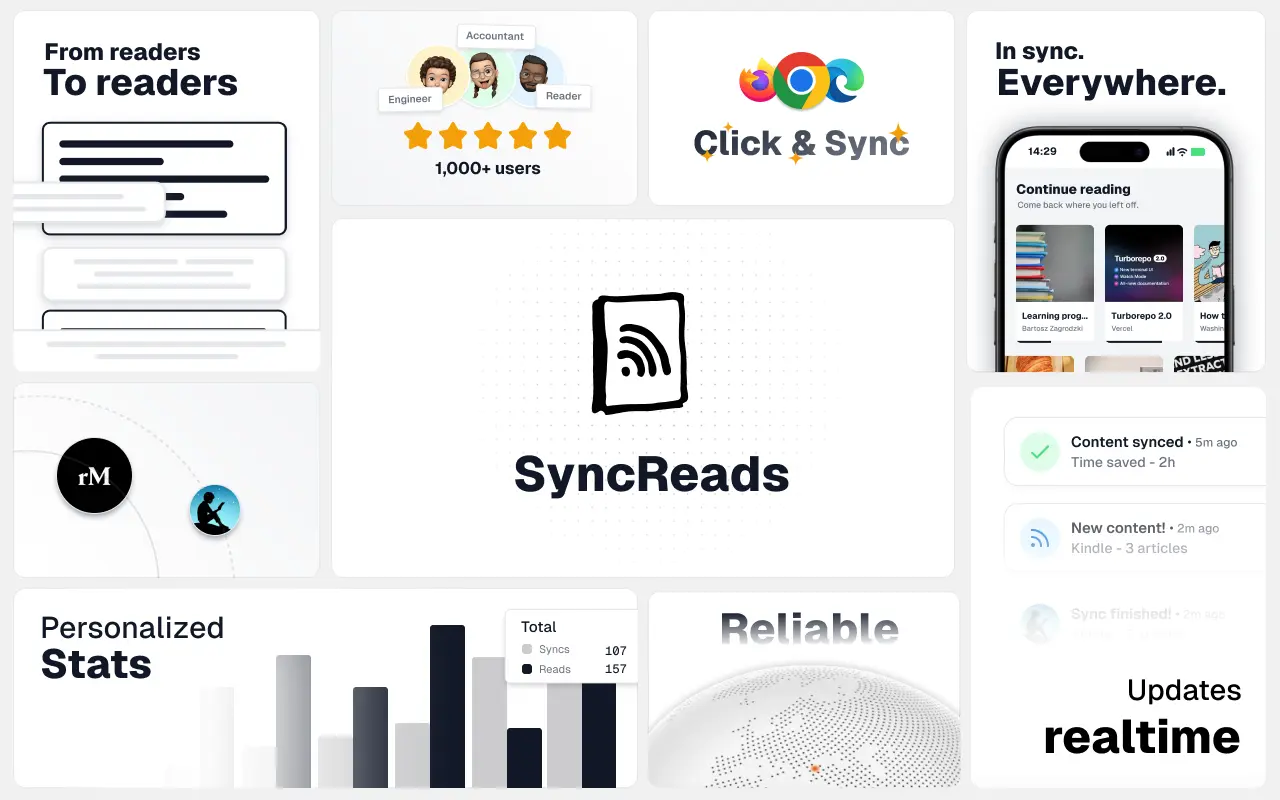
SyncReads
Sync your favorite content for distraction-free reading, save time and replace multiple apps. Anytime, anywhere 🔄
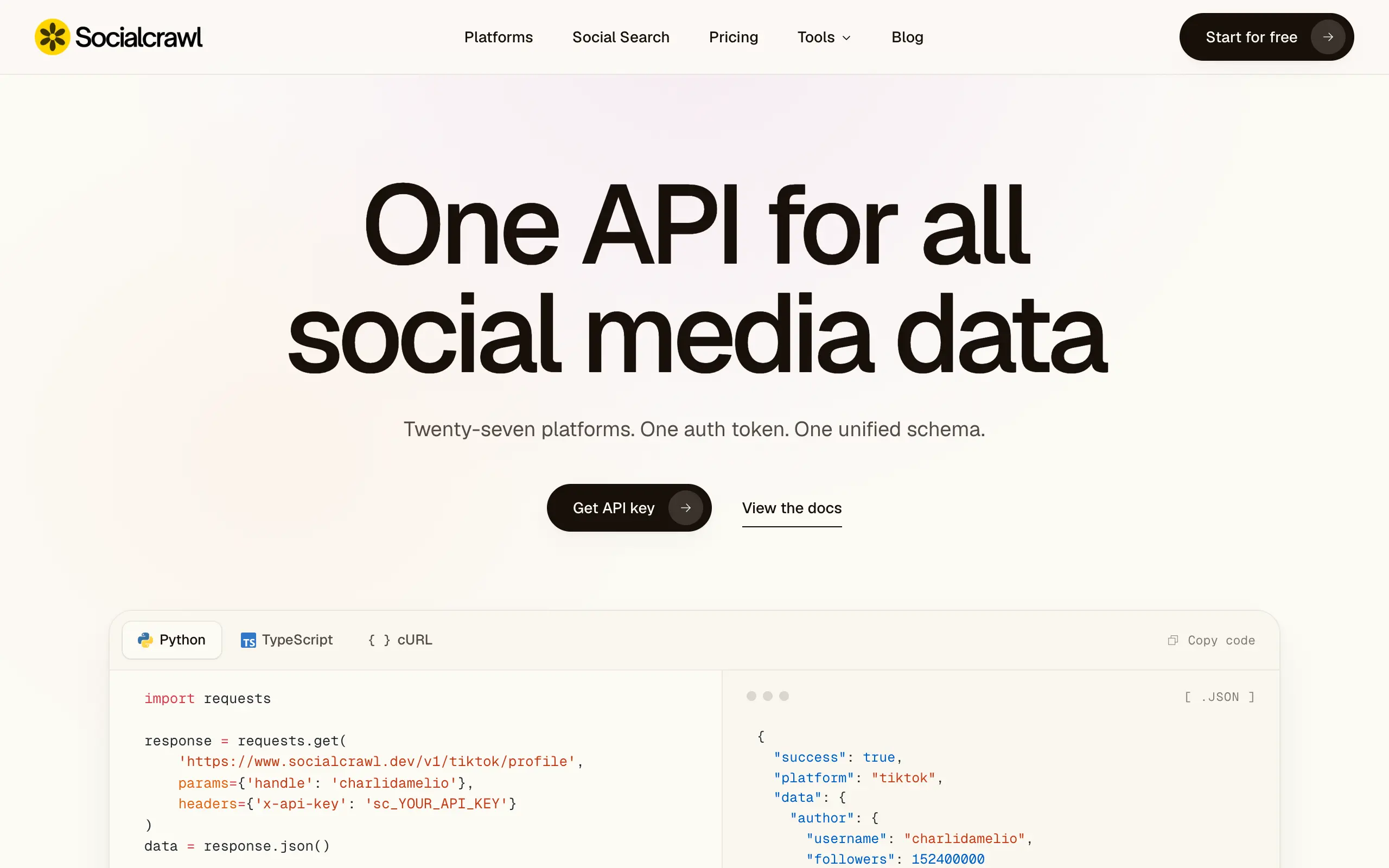
Socialcrawl
Get clean, structured data from 21 platforms like TikTok, Instagram, and YouTube with a single request 📊
Statiko
Monitor any Telegram channel in real time - track posts, edits, deletions, and growth with AI recaps 📡
Shibui
AI website builder - describe your business, pick a niche template, edit by chatting, and publish instantly ✨
Pro Service
Find verified home service professionals, compare quotes, and pay securely through escrow - built for Brazilians across the US 🏠
RankGrow
Fix your SEO with AI agents - connect Search Console, get prioritized tasks, and grow organic traffic 📈
SyncReads
Sync your favorite content for distraction-free reading, save time and replace multiple apps. Anytime, anywhere 🔄
Socialcrawl
Get clean, structured data from 21 platforms like TikTok, Instagram, and YouTube with a single request 📊
Statiko
Monitor any Telegram channel in real time - track posts, edits, deletions, and growth with AI recaps 📡
Shibui
AI website builder - describe your business, pick a niche template, edit by chatting, and publish instantly ✨
Pro Service
Find verified home service professionals, compare quotes, and pay securely through escrow - built for Brazilians across the US 🏠
RankGrow
Fix your SEO with AI agents - connect Search Console, get prioritized tasks, and grow organic traffic 📈
SyncReads
Sync your favorite content for distraction-free reading, save time and replace multiple apps. Anytime, anywhere 🔄
Socialcrawl
Get clean, structured data from 21 platforms like TikTok, Instagram, and YouTube with a single request 📊
Statiko
Monitor any Telegram channel in real time - track posts, edits, deletions, and growth with AI recaps 📡
Shibui
AI website builder - describe your business, pick a niche template, edit by chatting, and publish instantly ✨
Pro Service
Find verified home service professionals, compare quotes, and pay securely through escrow - built for Brazilians across the US 🏠
RankGrow
Fix your SEO with AI agents - connect Search Console, get prioritized tasks, and grow organic traffic 📈
SyncReads
Sync your favorite content for distraction-free reading, save time and replace multiple apps. Anytime, anywhere 🔄
Socialcrawl
Get clean, structured data from 21 platforms like TikTok, Instagram, and YouTube with a single request 📊
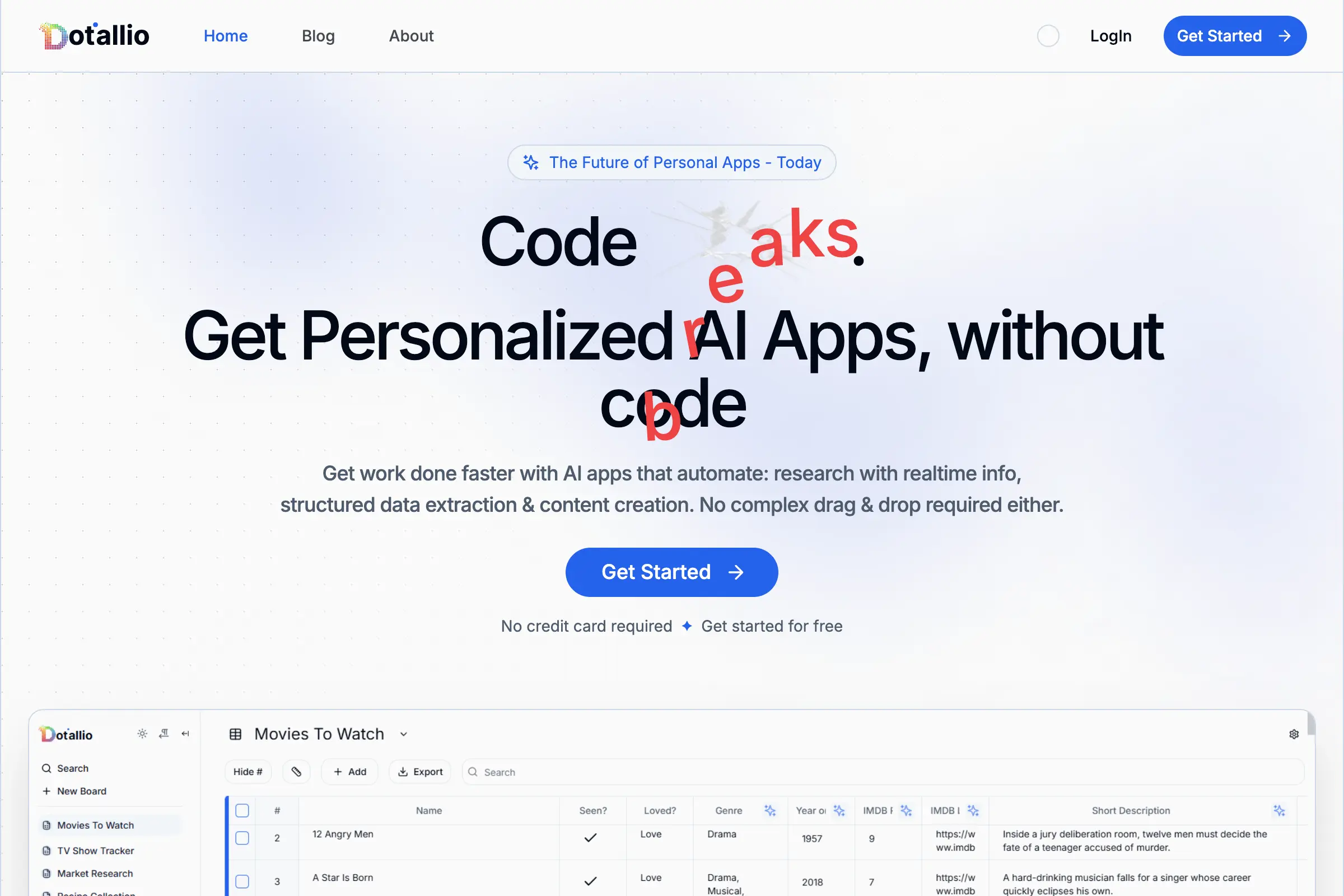
Dotallio
Personalized AI apps that automate research, data extraction, and content creation without code 🤖

Talk to Santa
Enjoy a magical live video chat or receive a unique AI-generated video greeting from Santa Claus 🎅
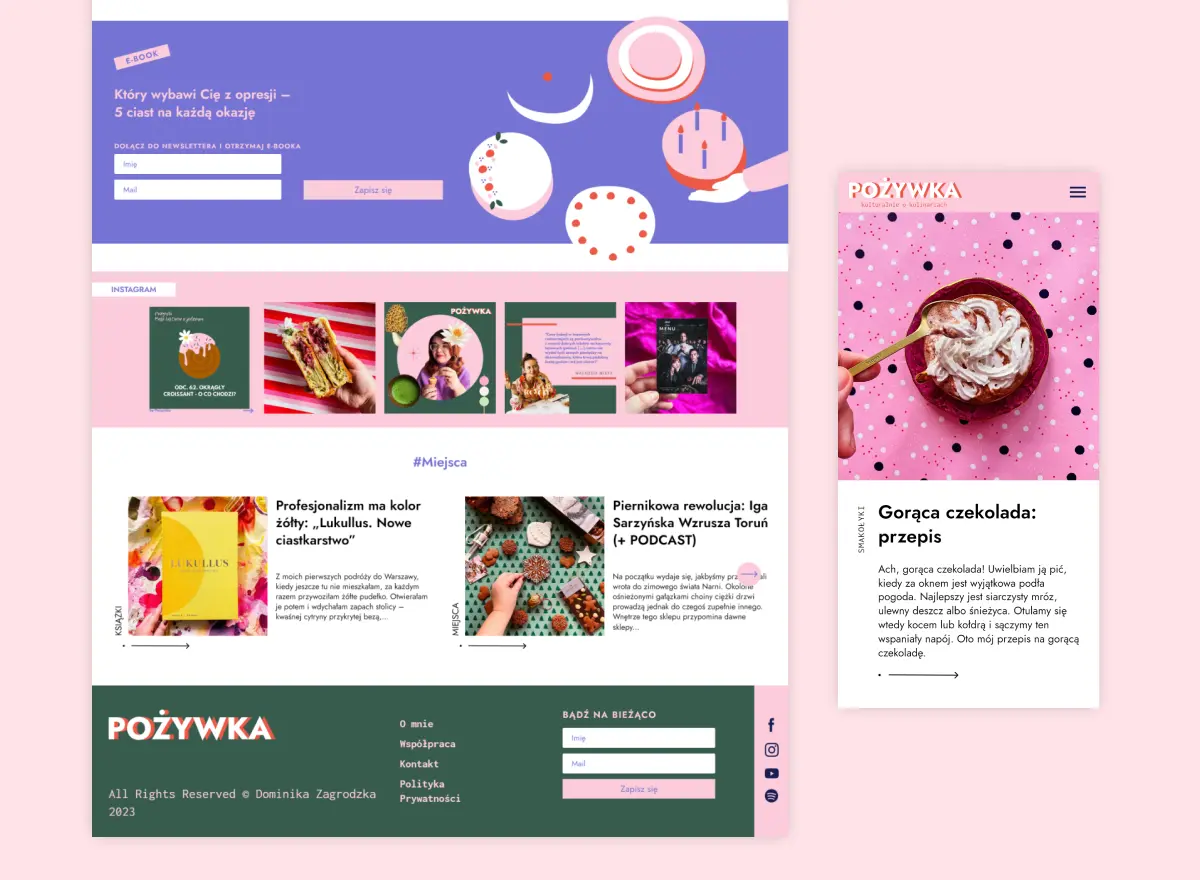
pozywka.pl
Scalable blog for food journalist, focused on performance and user experience 🌭
zagrodzki.me
Personal blog and portfolio of Bart Zagrodzki, where he shares his knowledge and work 💼
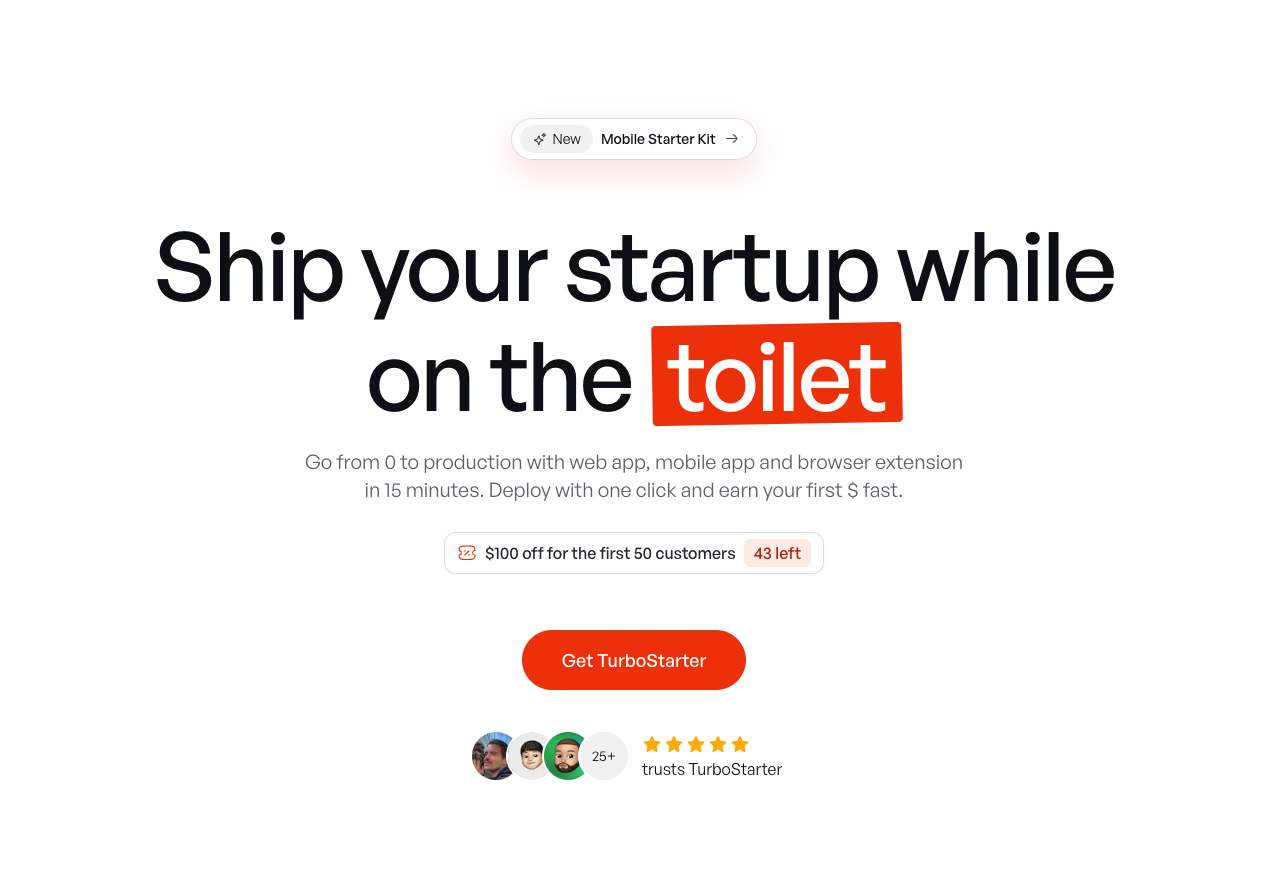
TurboStarter
Ship your startup everywhere. In minutes.
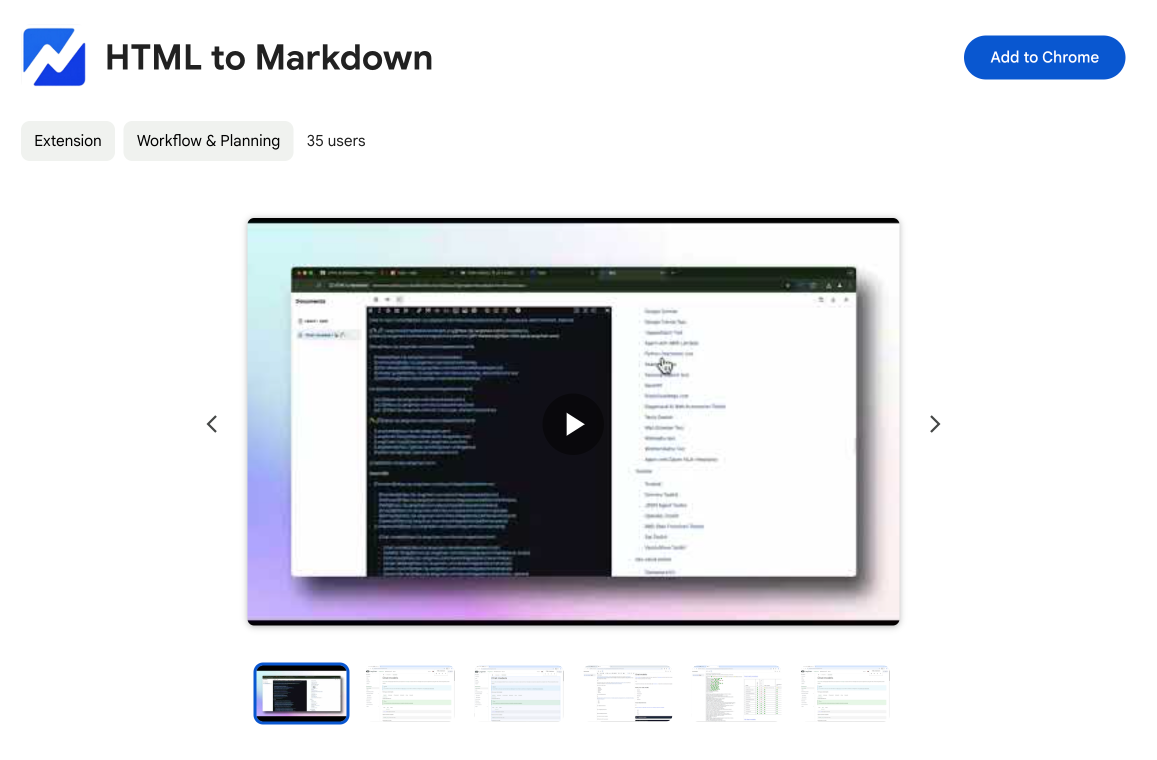
HTML to Markdown
Convert HTML to Markdown with ease, directly in your browser 📄
Dotallio
Personalized AI apps that automate research, data extraction, and content creation without code 🤖
Talk to Santa
Enjoy a magical live video chat or receive a unique AI-generated video greeting from Santa Claus 🎅
pozywka.pl
Scalable blog for food journalist, focused on performance and user experience 🌭
zagrodzki.me
Personal blog and portfolio of Bart Zagrodzki, where he shares his knowledge and work 💼
TurboStarter
Ship your startup everywhere. In minutes.
HTML to Markdown
Convert HTML to Markdown with ease, directly in your browser 📄
Dotallio
Personalized AI apps that automate research, data extraction, and content creation without code 🤖
Talk to Santa
Enjoy a magical live video chat or receive a unique AI-generated video greeting from Santa Claus 🎅
pozywka.pl
Scalable blog for food journalist, focused on performance and user experience 🌭
zagrodzki.me
Personal blog and portfolio of Bart Zagrodzki, where he shares his knowledge and work 💼
TurboStarter
Ship your startup everywhere. In minutes.
HTML to Markdown
Convert HTML to Markdown with ease, directly in your browser 📄
Dotallio
Personalized AI apps that automate research, data extraction, and content creation without code 🤖
Talk to Santa
Enjoy a magical live video chat or receive a unique AI-generated video greeting from Santa Claus 🎅
pozywka.pl
Scalable blog for food journalist, focused on performance and user experience 🌭
zagrodzki.me
Personal blog and portfolio of Bart Zagrodzki, where he shares his knowledge and work 💼
TurboStarter
Ship your startup everywhere. In minutes.
HTML to Markdown
Convert HTML to Markdown with ease, directly in your browser 📄
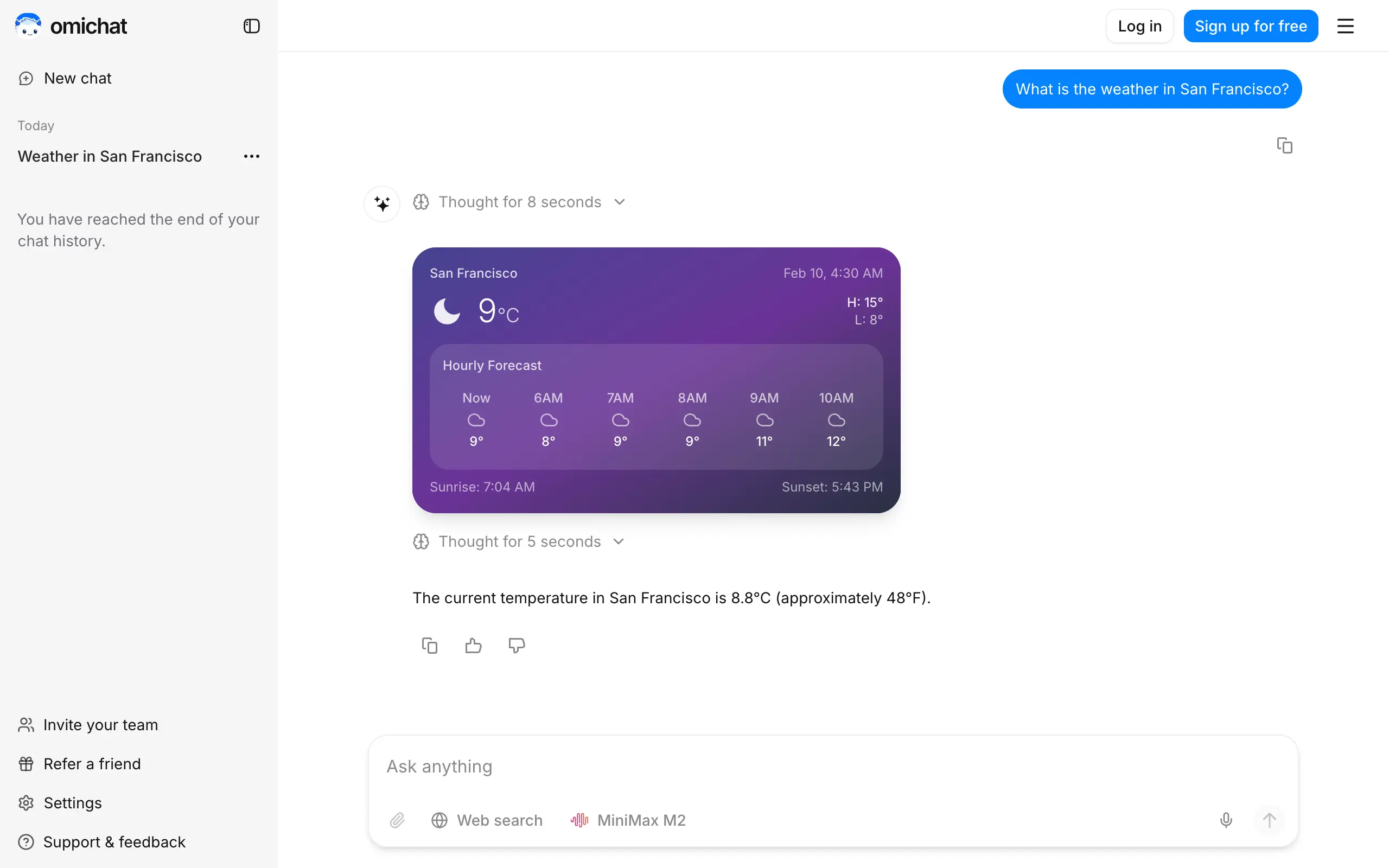
Omichat
Chat with 50+ AI models, including ChatGPT and Claude, in one place - switch models anytime without losing context 🤖
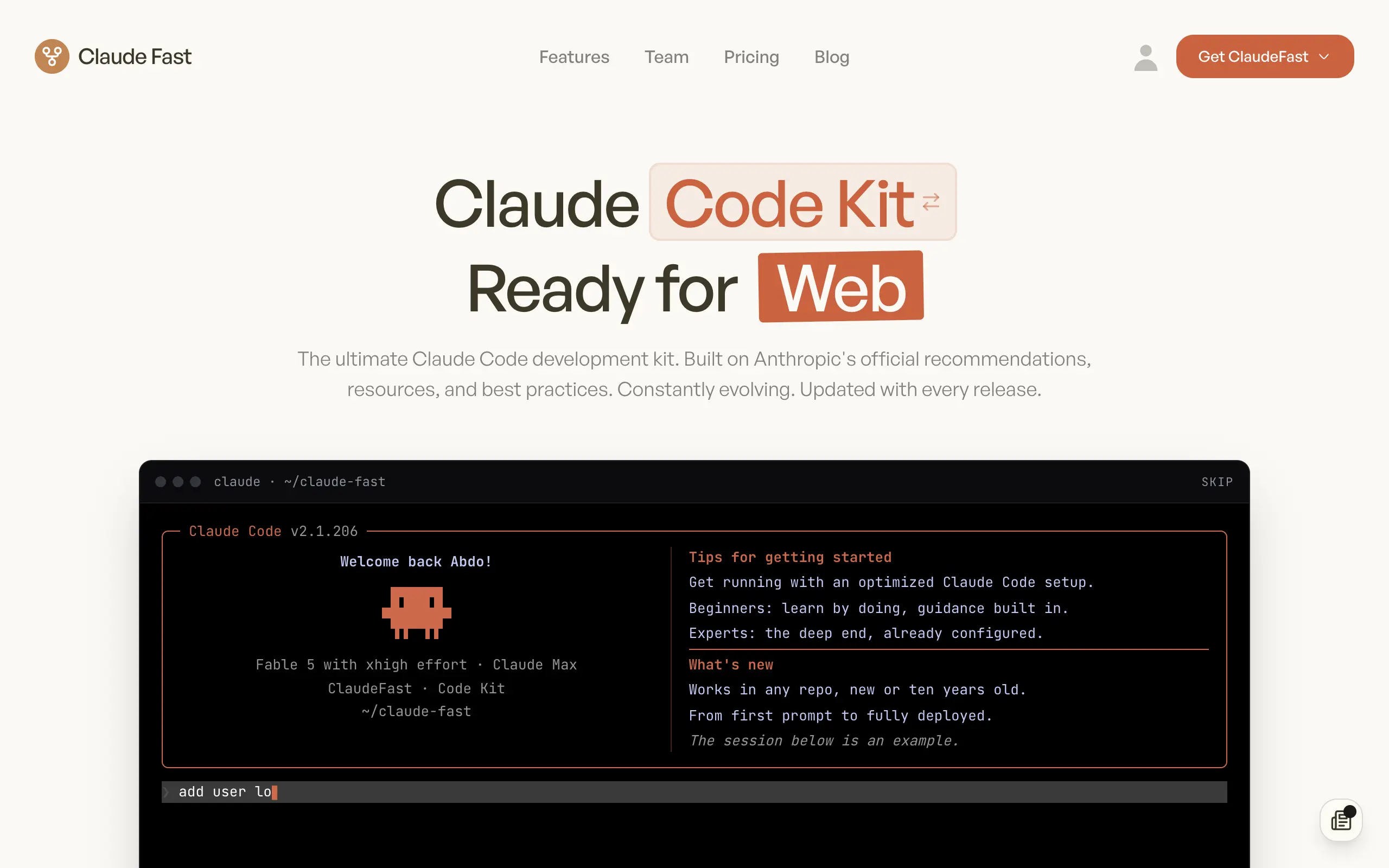
Claude Fast
Supercharge your Claude Code with 6x effective context window and specialized AI agents 🤖
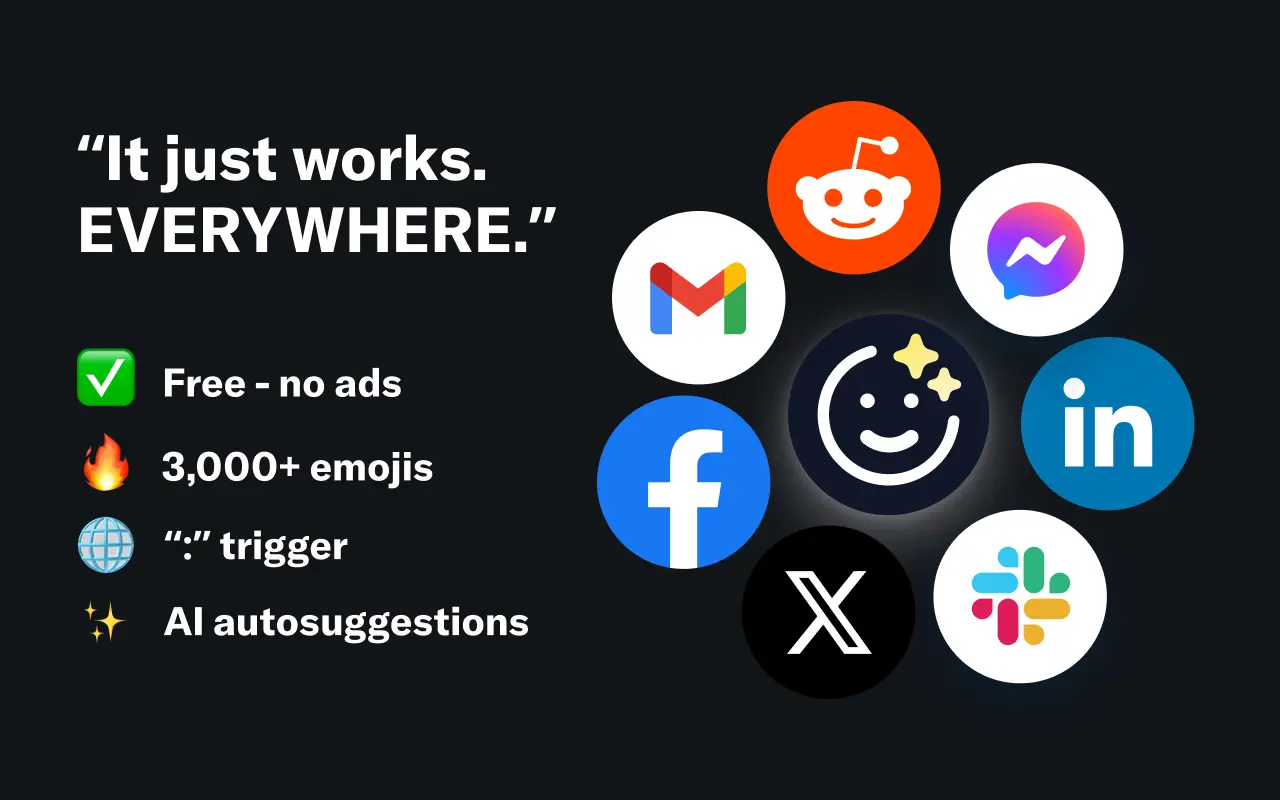
EmojAI
AI-powered emoji picker with smart, context-aware suggestions 🤖
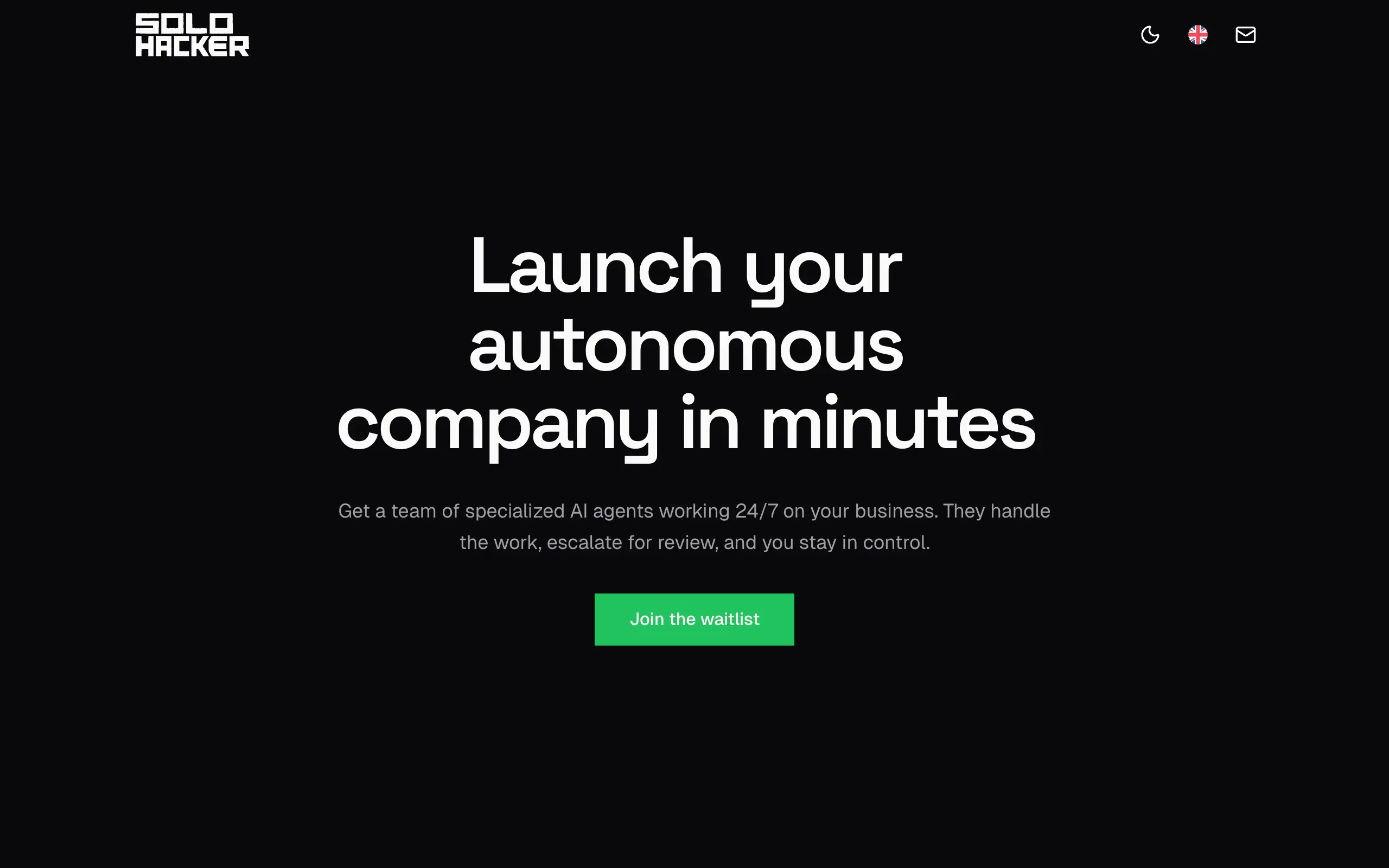
Solohacker
Autonomous company launcher - AI agents work 24/7, escalate what matters, and you stay in control 🤖
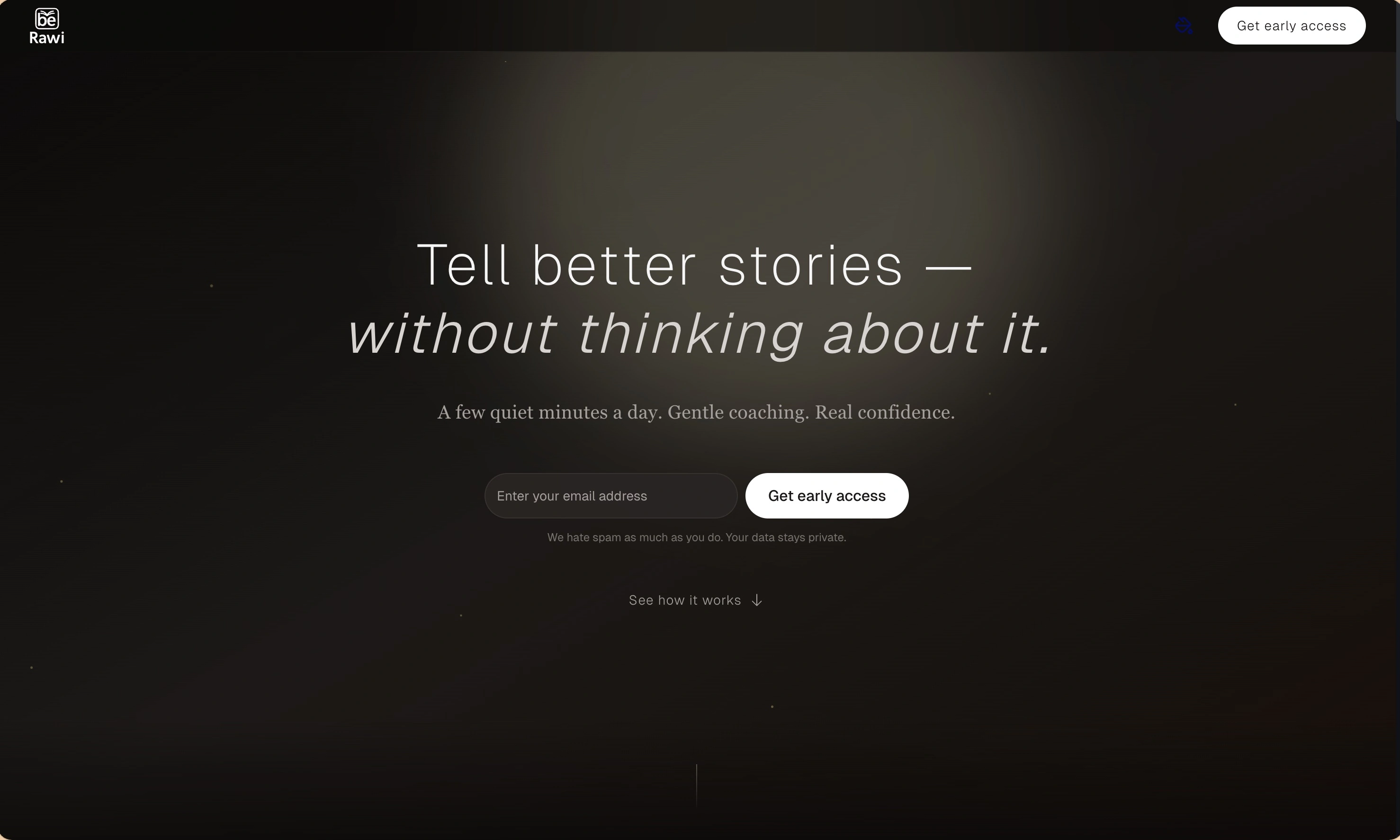
BeRawi: Storytelling Coach
Practice storytelling daily with instant feedback to sound clearer, more engaging, and confident 🎤
Omichat
Chat with 50+ AI models, including ChatGPT and Claude, in one place - switch models anytime without losing context 🤖
Claude Fast
Supercharge your Claude Code with 6x effective context window and specialized AI agents 🤖
EmojAI
AI-powered emoji picker with smart, context-aware suggestions 🤖
Solohacker
Autonomous company launcher - AI agents work 24/7, escalate what matters, and you stay in control 🤖
BeRawi: Storytelling Coach
Practice storytelling daily with instant feedback to sound clearer, more engaging, and confident 🎤
Omichat
Chat with 50+ AI models, including ChatGPT and Claude, in one place - switch models anytime without losing context 🤖
Claude Fast
Supercharge your Claude Code with 6x effective context window and specialized AI agents 🤖
EmojAI
AI-powered emoji picker with smart, context-aware suggestions 🤖
Solohacker
Autonomous company launcher - AI agents work 24/7, escalate what matters, and you stay in control 🤖
BeRawi: Storytelling Coach
Practice storytelling daily with instant feedback to sound clearer, more engaging, and confident 🎤
Omichat
Chat with 50+ AI models, including ChatGPT and Claude, in one place - switch models anytime without losing context 🤖
Claude Fast
Supercharge your Claude Code with 6x effective context window and specialized AI agents 🤖
EmojAI
AI-powered emoji picker with smart, context-aware suggestions 🤖
Solohacker
Autonomous company launcher - AI agents work 24/7, escalate what matters, and you stay in control 🤖
BeRawi: Storytelling Coach
Practice storytelling daily with instant feedback to sound clearer, more engaging, and confident 🎤

Connect with like-minded people
Join our community to get feedback, support, and grow together with 1,000+ builders on board, let's ship it!
Join usShip your startup everywhere. In minutes.
Don't burn tokens on setup and start building features on day one.