AutoDoc Genius
AI service that automatically generates, updates, and audits technical documentation for IT systems, codebases, and APIs, saving hours of manual work.
Understanding the need for automated technical documentation
Technical documentation is the backbone of any successful IT system, codebase, or API. Yet, maintaining up-to-date, accurate, and comprehensive documentation is a notorious pain point for developers, DevOps teams, and technical writers. Manual documentation is time-consuming, error-prone, and often neglected as projects evolve. This is where AutoDoc Genius, an AI-powered service for automatic documentation generation, updating, and auditing, steps in to revolutionize the process.
In this article, we’ll explore the market demand for automated documentation, analyze the target audience, identify the market gap, and provide a deep dive into the features, technology, monetization, and competitive landscape of AutoDoc Genius. Whether you’re seeking inspiration, validation, or a blueprint for implementation, this guide will deliver actionable insights and expert analysis.
Who needs AutoDoc Genius? Target audience analysis
Understanding the core users is essential for any SaaS product’s success. AutoDoc Genius is designed for a broad yet clearly defined audience:
- Software developers: Need to keep code documentation current for maintainability and onboarding.
- DevOps engineers: Require up-to-date infrastructure and deployment documentation for smooth operations.
- API providers: Must deliver clear, accurate API docs to ensure developer adoption and reduce support tickets.
- Technical writers: Seek tools to automate repetitive documentation tasks and focus on higher-value content.
- IT managers and CTOs: Want to enforce documentation standards and reduce technical debt.
- QA teams: Benefit from documentation that reflects the latest system changes for accurate testing.
Pain points addressed:
- Outdated or missing documentation
- High manual effort and context switching
- Difficulty enforcing documentation standards
- Onboarding delays for new team members
- Increased risk of errors and miscommunication
Developers
Save hours by automating code and API documentation updates.
DevOps & IT
Ensure infrastructure docs are always in sync with deployments.
Technical Writers
Automate repetitive tasks and focus on strategic content.
Market opportunity and gap analysis
The documentation dilemma
Despite the critical importance of documentation, studies show that up to 60% of software projects suffer from incomplete or outdated documentation (see [reference format: industry survey on documentation quality]). The rise of microservices, rapid release cycles, and distributed teams has only exacerbated the challenge.
Existing solutions and their limitations
While there are tools like Swagger for API docs and Sphinx for Python codebases, most require manual input or are limited to specific languages or frameworks. Generic documentation platforms (e.g., Confluence) lack deep code integration and automation.
Key market gaps:
- Lack of end-to-end automation for generating, updating, and auditing documentation
- Limited support for multi-language, multi-system environments
- Insufficient AI-driven insights for documentation quality and compliance
- Manual effort required to keep docs in sync with code and infrastructure changes
Why now? Industry trends driving demand
- AI advancements: Large Language Models (LLMs) like GPT-4 have made it possible to generate human-like, context-aware documentation.
- DevOps & CI/CD adoption: Continuous integration demands documentation that evolves with code.
- Remote & distributed teams: Up-to-date docs are essential for asynchronous collaboration.
- Compliance & security: Auditable documentation is increasingly required for regulatory standards (e.g., SOC 2, ISO 27001).
Industry trend
The global market for AI-powered developer tools is projected to grow at over 25% CAGR through 2028 [reference format: market research report].
Core features and solution details
AutoDoc Genius stands out by offering a comprehensive, AI-driven approach to technical documentation. Here’s how it addresses the core needs of its users:
1. Automated documentation generation
- Codebase analysis: Parses source code (multiple languages) to extract functions, classes, and comments.
- API introspection: Reads OpenAPI/Swagger specs, GraphQL schemas, and generates detailed endpoint docs.
- Infrastructure mapping: Integrates with tools like Terraform and Ansible to document infrastructure as code.
2. Continuous documentation updates
- CI/CD integration: Hooks into GitHub Actions, GitLab CI, or Jenkins to auto-update docs on every commit or release.
- Change detection: Uses AI to identify code changes and update only the relevant documentation sections.
- Versioning support: Maintains documentation for multiple versions/releases.
3. Documentation auditing and quality checks
- Completeness scoring: AI evaluates documentation coverage and highlights gaps.
- Style and compliance checks: Enforces custom documentation standards and best practices.
- Audit trails: Tracks changes and provides a history of documentation updates for compliance.
4. Multi-format and multi-language support
- Output formats: Markdown, HTML, PDF, and integration with platforms like ReadTheDocs.
- Language support: Works with Python, JavaScript, Java, Go, C#, and more.
5. Collaboration and workflow features
- Review workflows: Assign documentation review tasks to team members.
- Commenting and suggestions: Inline comments and AI-powered suggestions for improvement.
- Notifications: Alerts for outdated or incomplete documentation.
AutoDoc Genius leverages advanced LLMs to understand code context, generate natural language explanations, and even suggest improvements based on best practices. The AI is fine-tuned on technical documentation datasets for accuracy and relevance.
Yes, AutoDoc Genius offers plugins and APIs for popular code repositories, CI/CD pipelines, and documentation platforms, ensuring seamless integration into existing workflows.
Recommended tech stack and architecture
Choosing the right technology stack is crucial for scalability, maintainability, and performance. Here’s a recommended stack for building AutoDoc Genius, along with trade-offs to consider.
Backend
- Programming language: Python (for AI/ML integration and code parsing libraries)
- AI/ML framework: PyTorch or TensorFlow for LLM integration
- API server: FastAPI (async, high performance)
- Database: PostgreSQL (relational data, audit logs), Redis (caching)
- Task queue: Celery for background processing
Frontend
- Framework: React (component-based, rich UI)
- Styling: TailwindCSS (utility-first, rapid prototyping)
- State management: Redux or Recoil
DevOps & integrations
- Containerization: Docker for consistent deployment
- CI/CD: GitHub Actions, GitLab CI
- Cloud provider: AWS, GCP, or Azure for scalability
Trade-offs
- Python vs. Node.js: Python excels in AI/ML, but Node.js may offer better performance for real-time features.
- Self-hosted vs. SaaS: SaaS is easier for most users, but some enterprises may require on-premises deployment for compliance.
| Python | Node.js | Self-hosted | SaaS | Monolith |
|---|---|---|---|---|
| ✅ | ❌ | ❌ | ✅ | ❌ |
| ✅ | ❌ | ✅ | ✅ | ❌ |
Monetization strategy options
A robust monetization strategy ensures sustainability and growth. Here are proven SaaS models for AutoDoc Genius:
1. Subscription-based pricing
- Tiered plans: Free (limited features), Pro, and Enterprise
- Usage-based: Number of projects, users, or documentation pages
2. Pay-as-you-go
- API credits: Charge per documentation generation or audit
- Overage fees: For exceeding plan limits
3. Enterprise licensing
- Custom SLAs: Priority support, on-premises deployment, compliance features
- Volume discounts: For large teams or organizations
4. Add-ons and integrations
- Marketplace: Sell premium integrations (e.g., with Jira, Slack)
- AI-powered audits: Offer advanced compliance or security checks as paid add-ons
Best practice
Start with a freemium model to drive adoption, then upsell advanced features and integrations to power users and enterprises.
Potential risks and mitigation strategies
Launching an AI-powered documentation SaaS comes with unique challenges. Here’s how to anticipate and address them:
1. AI accuracy and hallucination
- Risk: AI may generate incorrect or misleading documentation.
- Mitigation: Human-in-the-loop review workflows, continuous model fine-tuning, and transparency in AI-generated content.
2. Data privacy and security
- Risk: Handling sensitive codebases and infrastructure data.
- Mitigation: End-to-end encryption, strict access controls, and compliance with GDPR/SOC 2.
3. Integration complexity
- Risk: Difficulty integrating with diverse tech stacks and tools.
- Mitigation: Provide robust APIs, SDKs, and pre-built plugins for popular platforms.
4. User adoption and change management
- Risk: Resistance from teams used to manual documentation.
- Mitigation: Offer onboarding resources, in-app tutorials, and clear ROI metrics.
All data is encrypted in transit and at rest. Users can choose to self-host for maximum control, and the platform undergoes regular security audits.
Users can review, edit, and approve all AI-generated documentation before publishing. Feedback is used to improve the model over time.
Competitive advantage analysis
AutoDoc Genius is not just another documentation tool. Here’s what sets it apart:
Unique selling propositions (USPs)
- End-to-end automation: From generation to auditing, all in one platform.
- AI-powered insights: Goes beyond templates to provide context-aware, high-quality documentation.
- Multi-system support: Works across codebases, APIs, and infrastructure.
- Seamless integration: Plugs into existing developer workflows with minimal friction.
- Compliance-ready: Built-in audit trails and compliance checks.
How AutoDoc Genius compares
| Feature | AutoDoc Genius | Traditional Tools | Generic Docs Platforms |
|---|---|---|---|
| AI-powered generation | ✅ | ❌ | ❌ |
| Automated auditing | ✅ | ❌ | ❌ |
| Multi-language support | ✅ | ✅ | ❌ |
| CI/CD integration | ✅ | ✅ | ❌ |
| Compliance & audit trails | ✅ | ❌ | ❌ |
Why choose AutoDoc Genius?
By combining AI, automation, and deep integration, AutoDoc Genius delivers documentation that is always accurate, always up-to-date, and always audit-ready.
Actionable implementation steps
Ready to bring AutoDoc Genius to life? Here’s a step-by-step roadmap:
Conclusion: The future of technical documentation is automated
The days of manual, outdated, and incomplete technical documentation are numbered. With the rise of AI and automation, tools like AutoDoc Genius are poised to transform how teams document, audit, and maintain their IT systems, codebases, and APIs. By addressing real-world pain points, leveraging cutting-edge technology, and focusing on seamless integration, AutoDoc Genius offers a compelling solution for modern software teams.
For those looking to accelerate development, reduce technical debt, and ensure compliance, adopting an AI-powered documentation platform is no longer optional—it’s essential.
Further resources
- TurboStarter — Accelerate your SaaS MVP development.
- React — Official documentation for building user interfaces.
- TailwindCSS — Utility-first CSS framework.
- FastAPI — High-performance Python API framework.
- PyTorch — Deep learning framework for AI/ML.
- Swagger — API documentation and design tools.
Frequently asked questions
AutoDoc Genius supports codebase, API, and infrastructure documentation across multiple languages and formats.
The platform is designed for both startups and large organizations, with flexible pricing and features.
All data is processed securely, with options for on-premises deployment for maximum privacy.
More 🤖 AI Startup SaaS ideas
Discover more innovative ai startup SaaS ideas that are trending in 2026. Each idea is AI-generated with market validation and growth potential to help you find your next profitable venture faster than competitors.
Your competitors are building with TurboStarter
Below are some of the SaaS ideas that have been generated and built with our starter kit.

Statiko
Monitor any Telegram channel in real time - track posts, edits, deletions, and growth with AI recaps 📡

Shibui
AI website builder - describe your business, pick a niche template, edit by chatting, and publish instantly ✨

Pro Service
Find verified home service professionals, compare quotes, and pay securely through escrow - built for Brazilians across the US 🏠
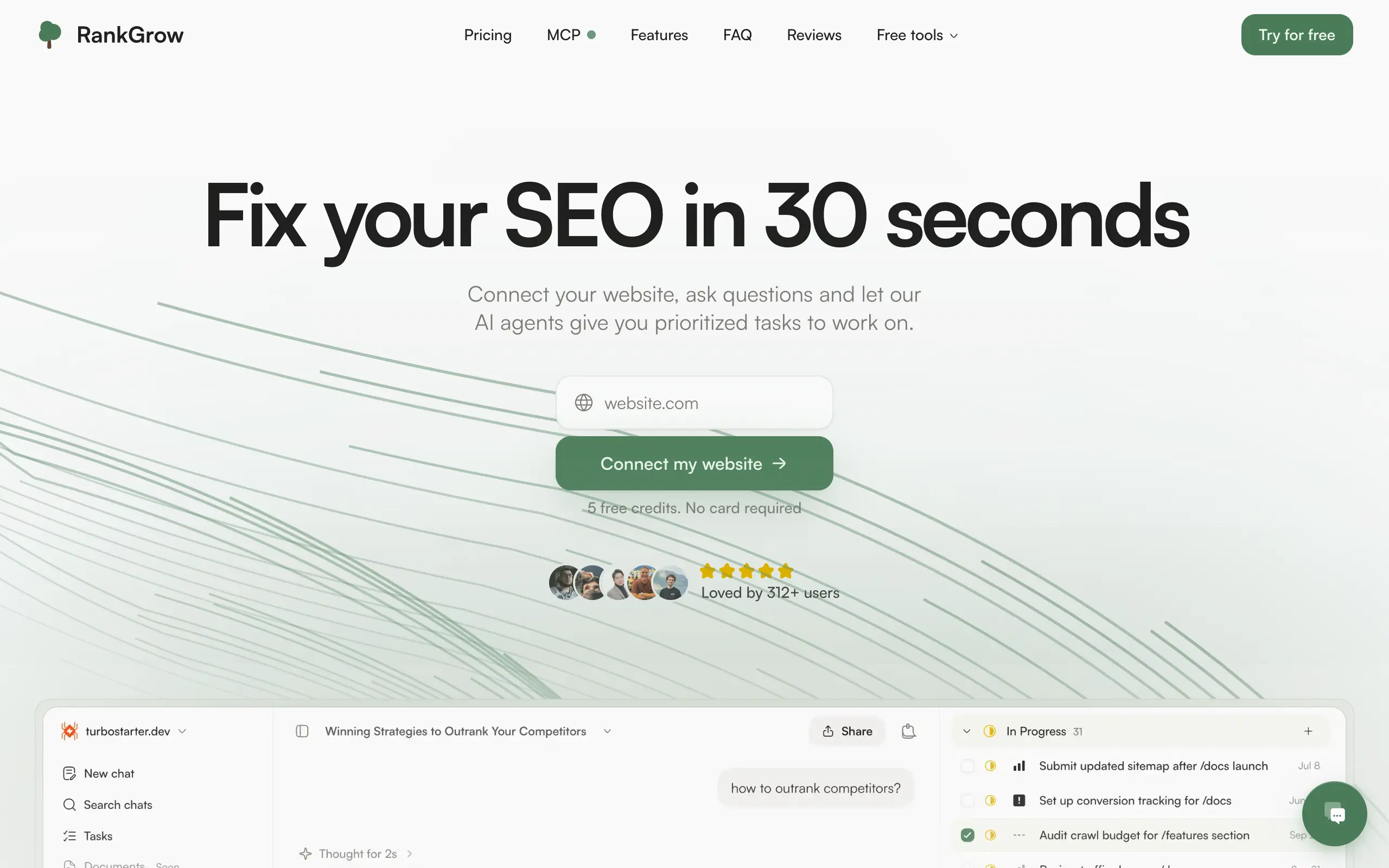
RankGrow
Fix your SEO with AI agents - connect Search Console, get prioritized tasks, and grow organic traffic 📈
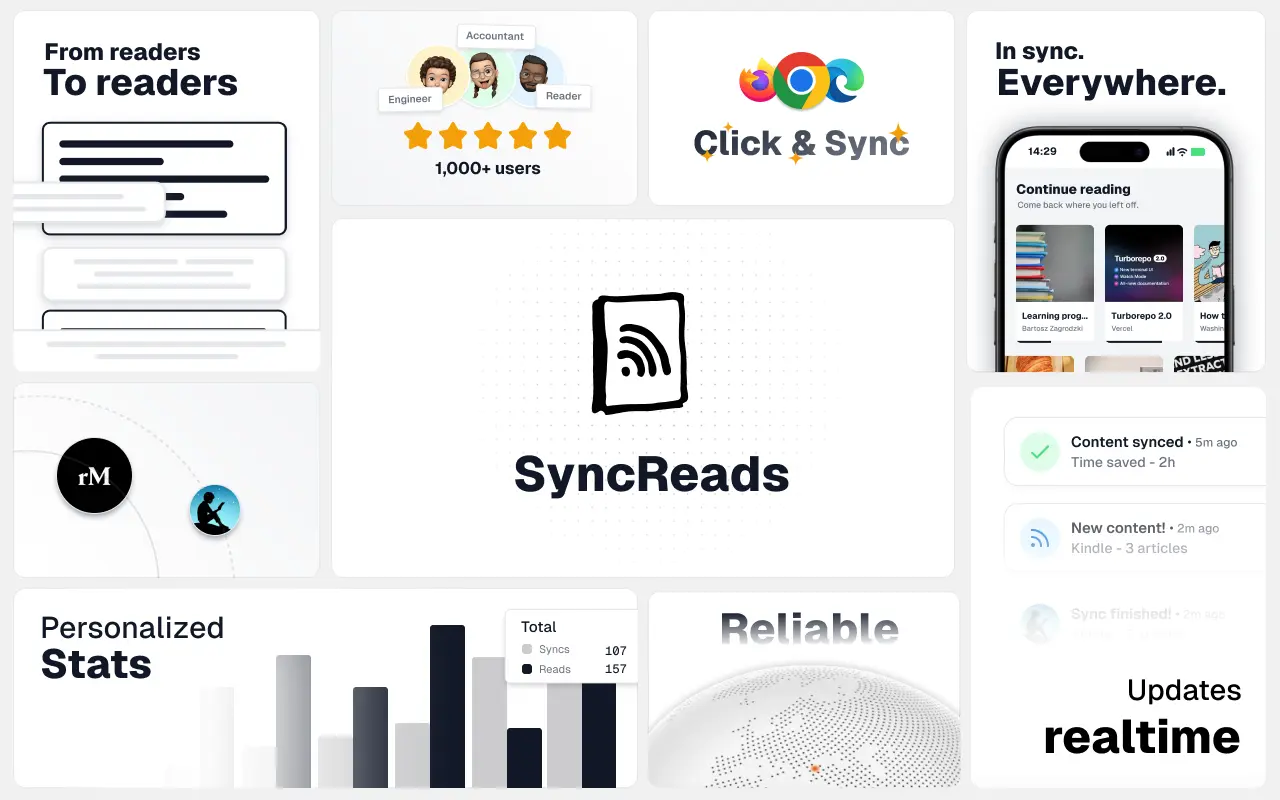
SyncReads
Sync your favorite content for distraction-free reading, save time and replace multiple apps. Anytime, anywhere 🔄
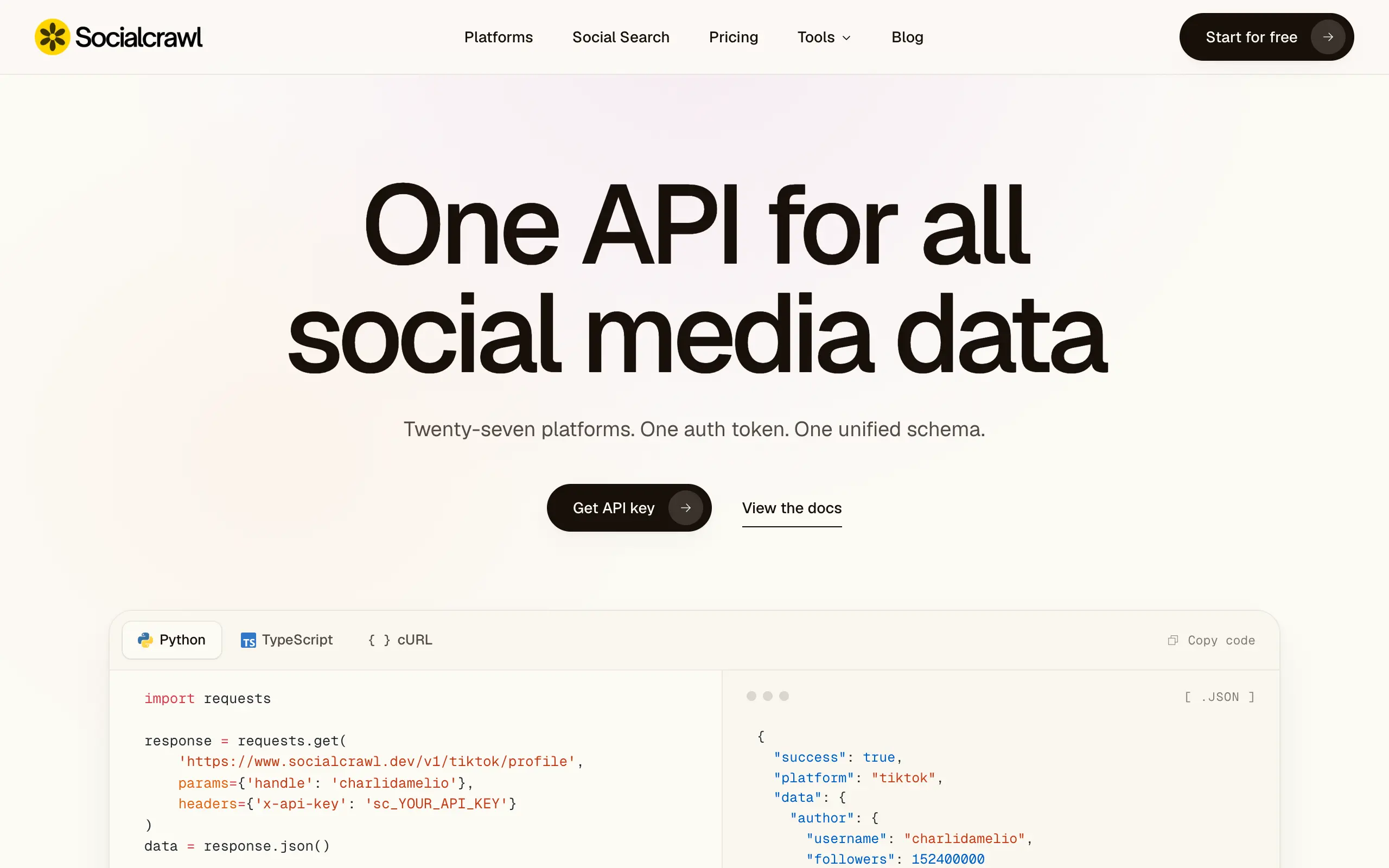
Socialcrawl
Get clean, structured data from 21 platforms like TikTok, Instagram, and YouTube with a single request 📊
Statiko
Monitor any Telegram channel in real time - track posts, edits, deletions, and growth with AI recaps 📡
Shibui
AI website builder - describe your business, pick a niche template, edit by chatting, and publish instantly ✨
Pro Service
Find verified home service professionals, compare quotes, and pay securely through escrow - built for Brazilians across the US 🏠
RankGrow
Fix your SEO with AI agents - connect Search Console, get prioritized tasks, and grow organic traffic 📈
SyncReads
Sync your favorite content for distraction-free reading, save time and replace multiple apps. Anytime, anywhere 🔄
Socialcrawl
Get clean, structured data from 21 platforms like TikTok, Instagram, and YouTube with a single request 📊
Statiko
Monitor any Telegram channel in real time - track posts, edits, deletions, and growth with AI recaps 📡
Shibui
AI website builder - describe your business, pick a niche template, edit by chatting, and publish instantly ✨
Pro Service
Find verified home service professionals, compare quotes, and pay securely through escrow - built for Brazilians across the US 🏠
RankGrow
Fix your SEO with AI agents - connect Search Console, get prioritized tasks, and grow organic traffic 📈
SyncReads
Sync your favorite content for distraction-free reading, save time and replace multiple apps. Anytime, anywhere 🔄
Socialcrawl
Get clean, structured data from 21 platforms like TikTok, Instagram, and YouTube with a single request 📊
Statiko
Monitor any Telegram channel in real time - track posts, edits, deletions, and growth with AI recaps 📡
Shibui
AI website builder - describe your business, pick a niche template, edit by chatting, and publish instantly ✨
Pro Service
Find verified home service professionals, compare quotes, and pay securely through escrow - built for Brazilians across the US 🏠
RankGrow
Fix your SEO with AI agents - connect Search Console, get prioritized tasks, and grow organic traffic 📈
SyncReads
Sync your favorite content for distraction-free reading, save time and replace multiple apps. Anytime, anywhere 🔄
Socialcrawl
Get clean, structured data from 21 platforms like TikTok, Instagram, and YouTube with a single request 📊
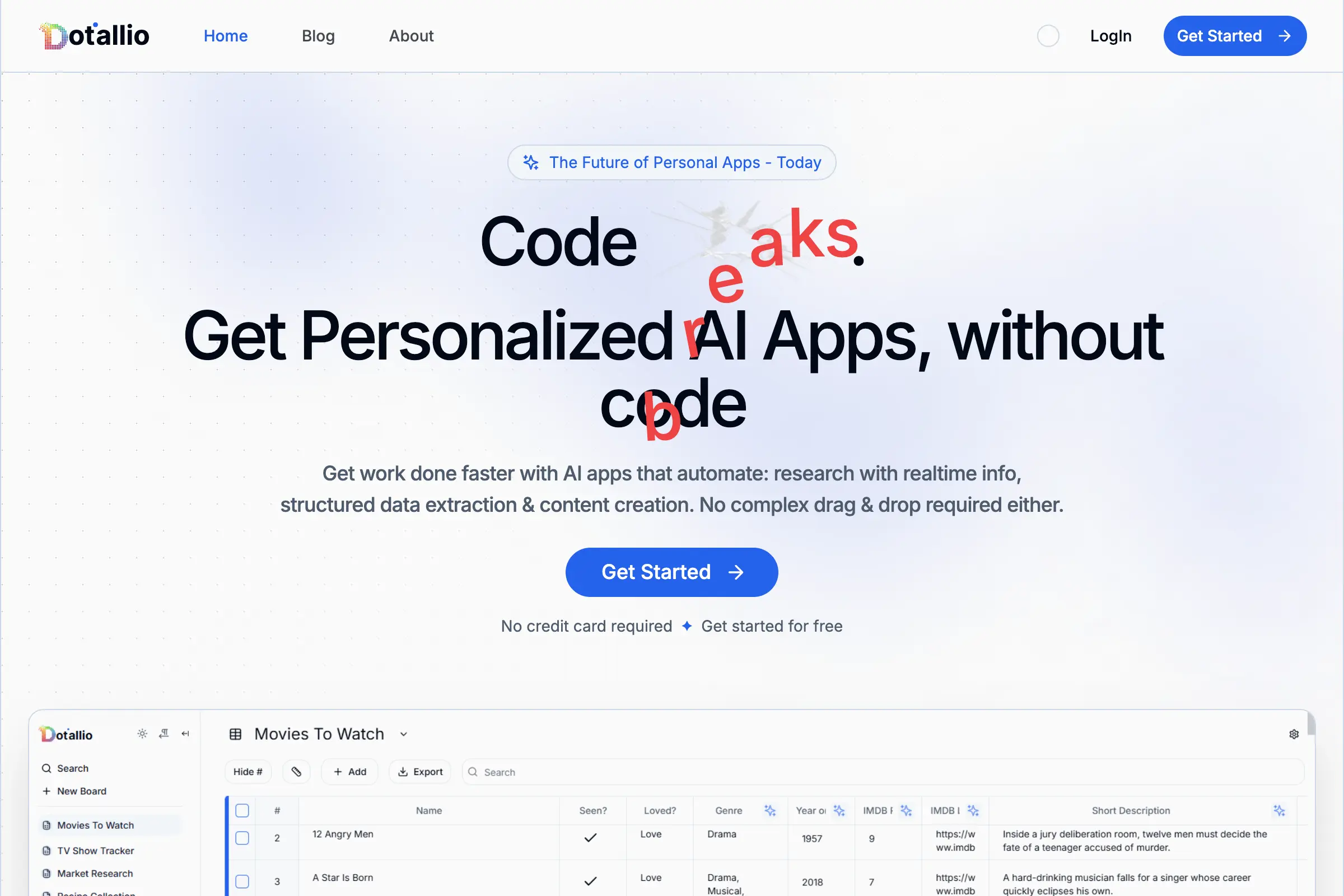
Dotallio
Personalized AI apps that automate research, data extraction, and content creation without code 🤖

Talk to Santa
Enjoy a magical live video chat or receive a unique AI-generated video greeting from Santa Claus 🎅

pozywka.pl
Scalable blog for food journalist, focused on performance and user experience 🌭
zagrodzki.me
Personal blog and portfolio of Bart Zagrodzki, where he shares his knowledge and work 💼
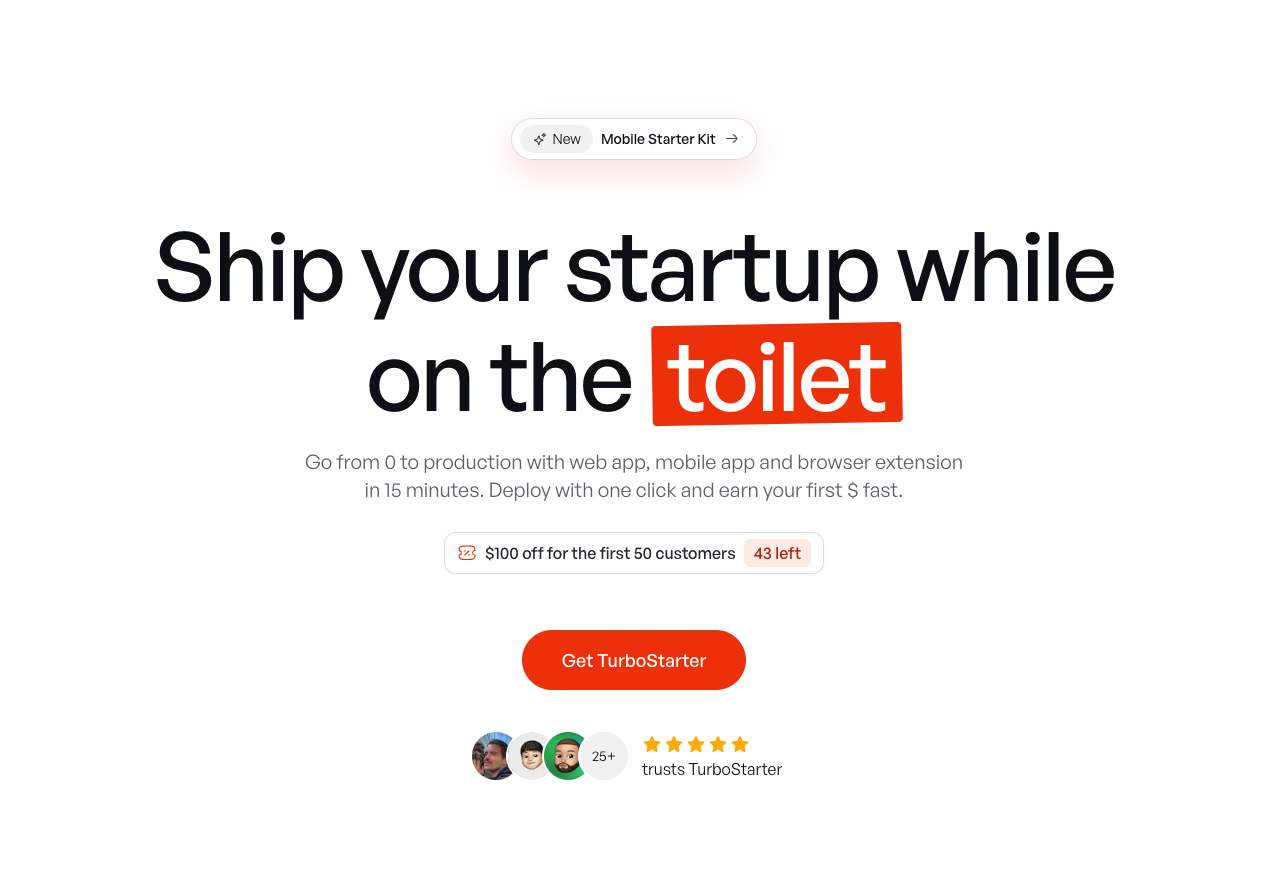
TurboStarter
Ship your startup everywhere. In minutes.
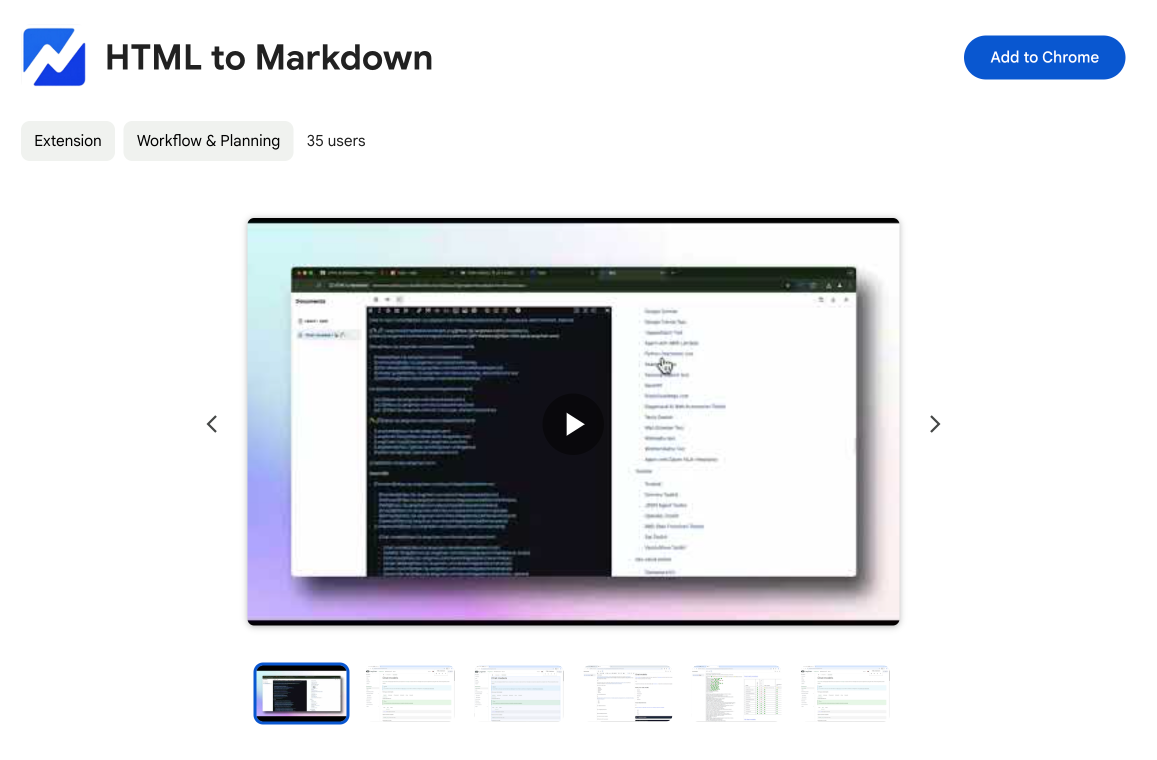
HTML to Markdown
Convert HTML to Markdown with ease, directly in your browser 📄
Dotallio
Personalized AI apps that automate research, data extraction, and content creation without code 🤖
Talk to Santa
Enjoy a magical live video chat or receive a unique AI-generated video greeting from Santa Claus 🎅
pozywka.pl
Scalable blog for food journalist, focused on performance and user experience 🌭
zagrodzki.me
Personal blog and portfolio of Bart Zagrodzki, where he shares his knowledge and work 💼
TurboStarter
Ship your startup everywhere. In minutes.
HTML to Markdown
Convert HTML to Markdown with ease, directly in your browser 📄
Dotallio
Personalized AI apps that automate research, data extraction, and content creation without code 🤖
Talk to Santa
Enjoy a magical live video chat or receive a unique AI-generated video greeting from Santa Claus 🎅
pozywka.pl
Scalable blog for food journalist, focused on performance and user experience 🌭
zagrodzki.me
Personal blog and portfolio of Bart Zagrodzki, where he shares his knowledge and work 💼
TurboStarter
Ship your startup everywhere. In minutes.
HTML to Markdown
Convert HTML to Markdown with ease, directly in your browser 📄
Dotallio
Personalized AI apps that automate research, data extraction, and content creation without code 🤖
Talk to Santa
Enjoy a magical live video chat or receive a unique AI-generated video greeting from Santa Claus 🎅
pozywka.pl
Scalable blog for food journalist, focused on performance and user experience 🌭
zagrodzki.me
Personal blog and portfolio of Bart Zagrodzki, where he shares his knowledge and work 💼
TurboStarter
Ship your startup everywhere. In minutes.
HTML to Markdown
Convert HTML to Markdown with ease, directly in your browser 📄
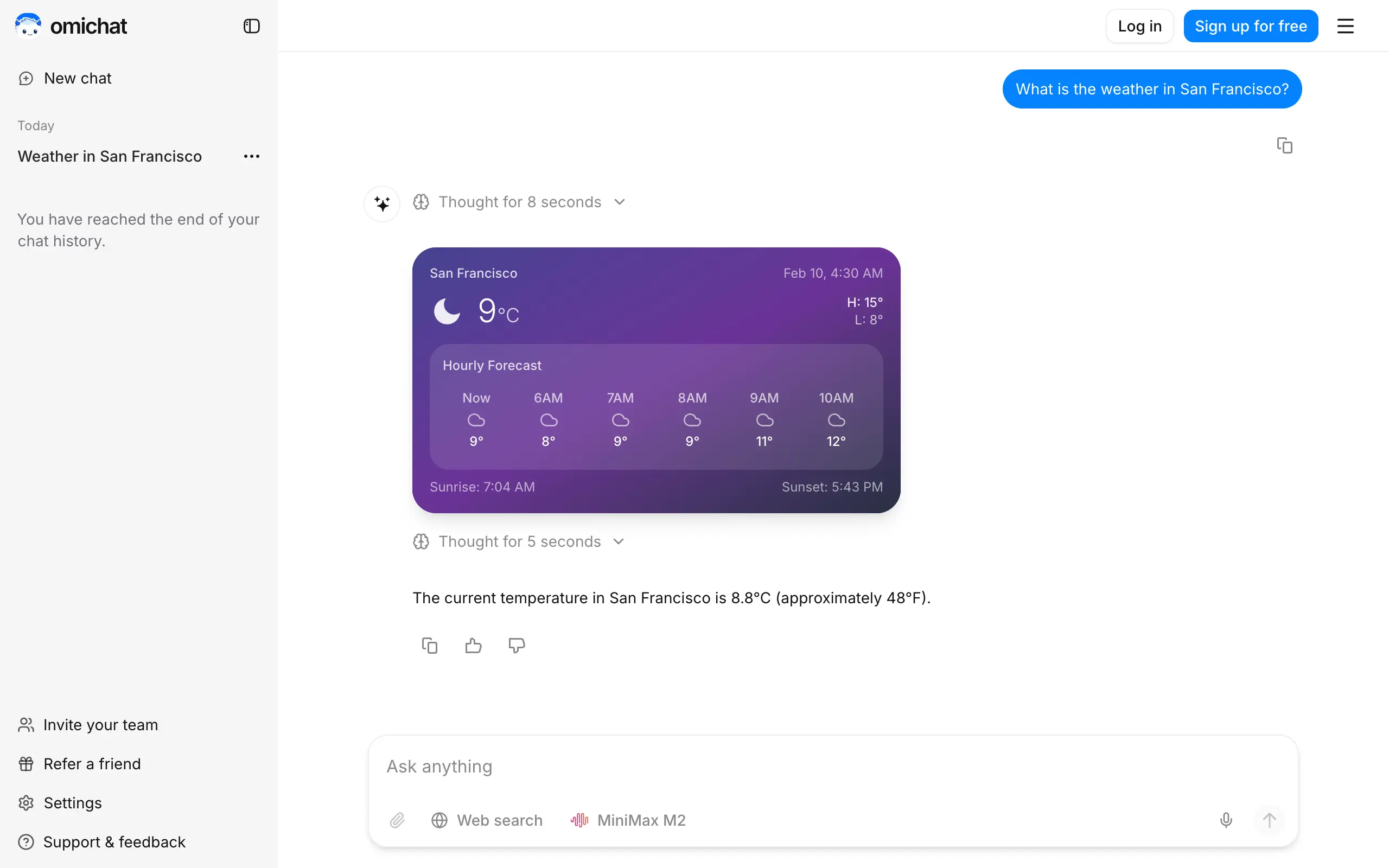
Omichat
Chat with 50+ AI models, including ChatGPT and Claude, in one place - switch models anytime without losing context 🤖
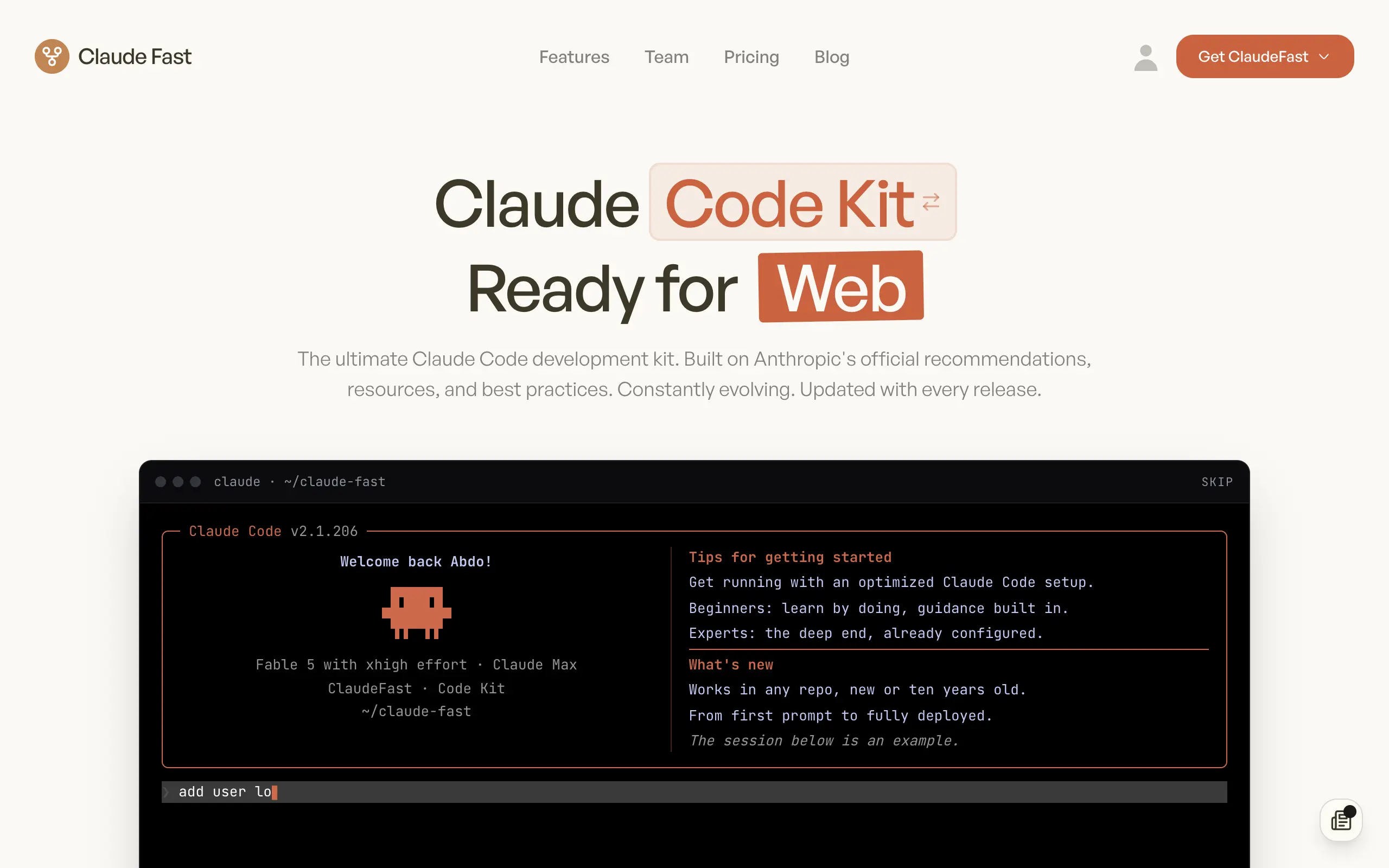
Claude Fast
Supercharge your Claude Code with 6x effective context window and specialized AI agents 🤖
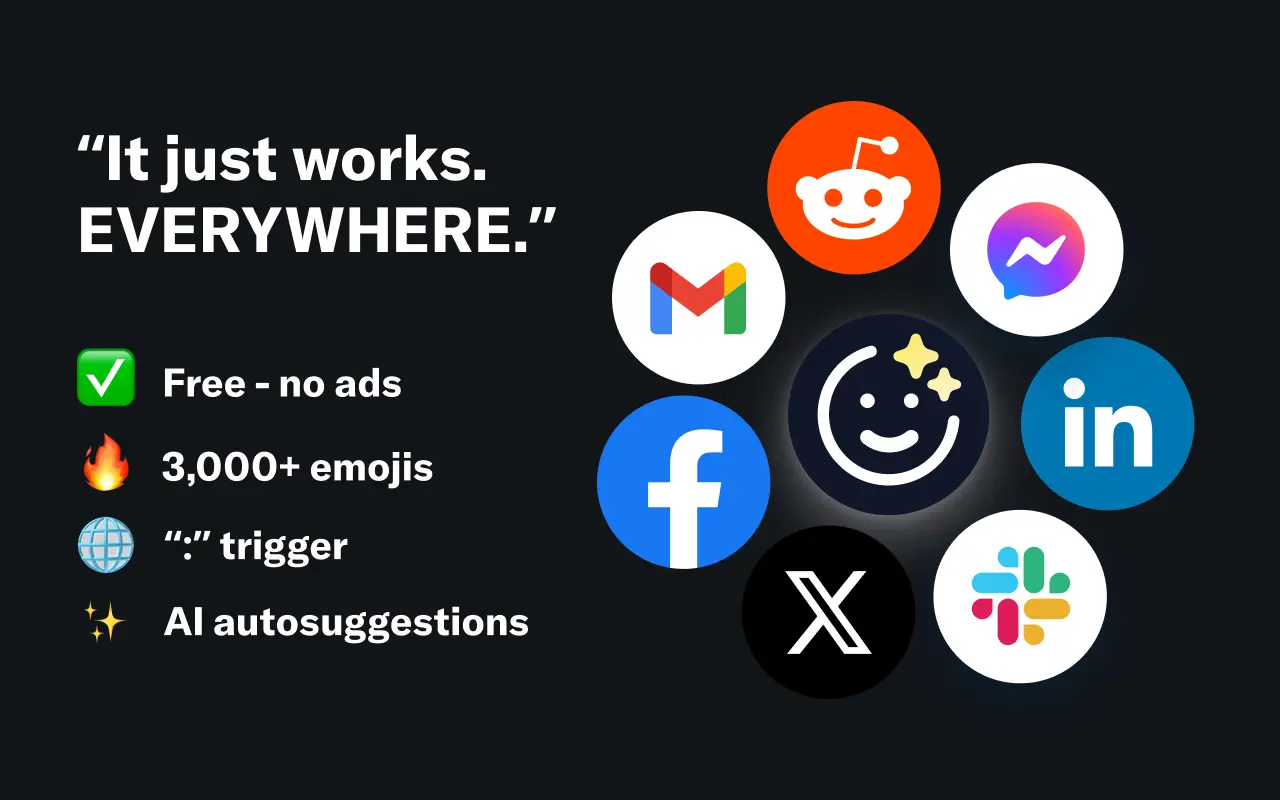
EmojAI
AI-powered emoji picker with smart, context-aware suggestions 🤖
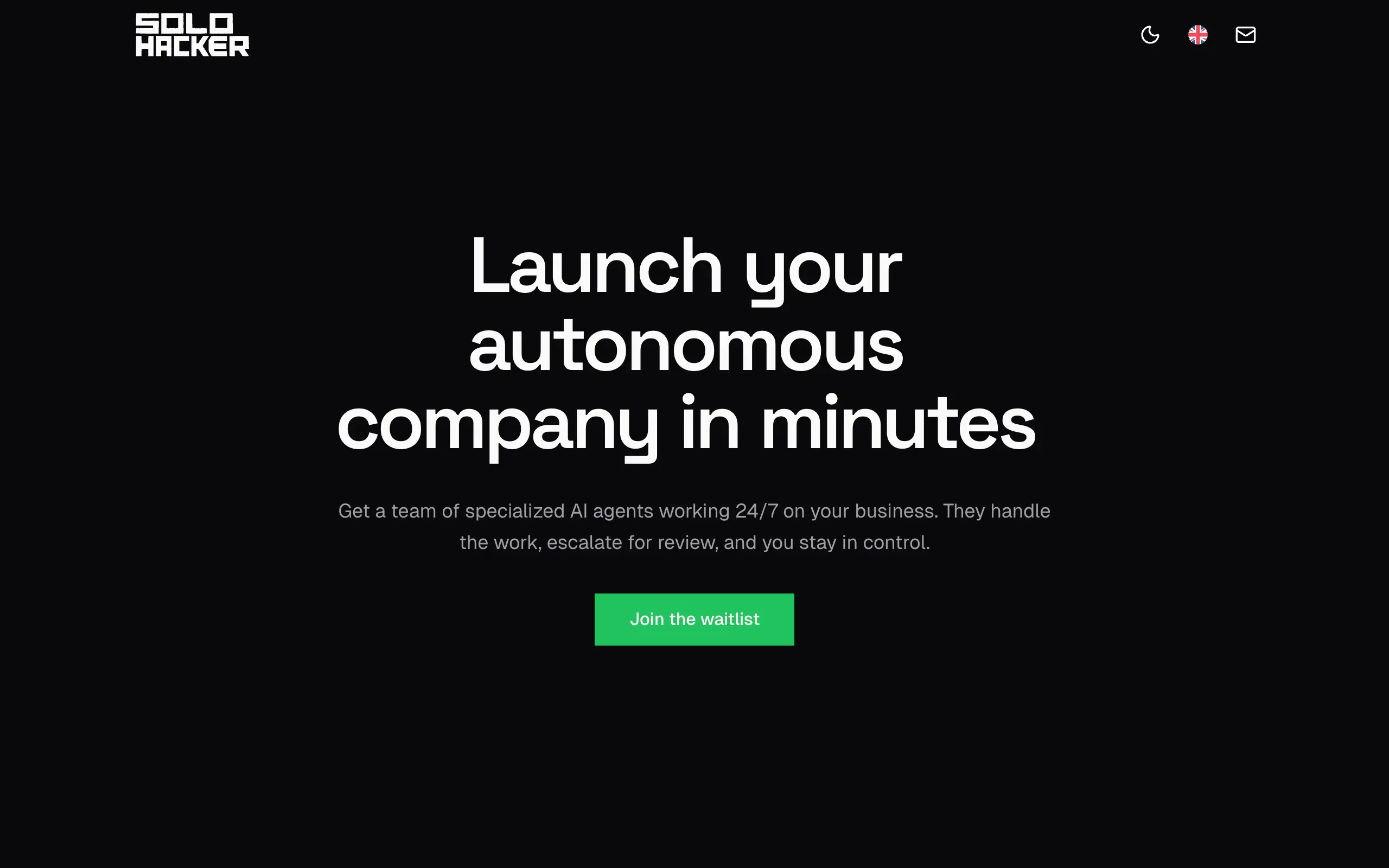
Solohacker
Autonomous company launcher - AI agents work 24/7, escalate what matters, and you stay in control 🤖

BeRawi: Storytelling Coach
Practice storytelling daily with instant feedback to sound clearer, more engaging, and confident 🎤
Omichat
Chat with 50+ AI models, including ChatGPT and Claude, in one place - switch models anytime without losing context 🤖
Claude Fast
Supercharge your Claude Code with 6x effective context window and specialized AI agents 🤖
EmojAI
AI-powered emoji picker with smart, context-aware suggestions 🤖
Solohacker
Autonomous company launcher - AI agents work 24/7, escalate what matters, and you stay in control 🤖
BeRawi: Storytelling Coach
Practice storytelling daily with instant feedback to sound clearer, more engaging, and confident 🎤
Omichat
Chat with 50+ AI models, including ChatGPT and Claude, in one place - switch models anytime without losing context 🤖
Claude Fast
Supercharge your Claude Code with 6x effective context window and specialized AI agents 🤖
EmojAI
AI-powered emoji picker with smart, context-aware suggestions 🤖
Solohacker
Autonomous company launcher - AI agents work 24/7, escalate what matters, and you stay in control 🤖
BeRawi: Storytelling Coach
Practice storytelling daily with instant feedback to sound clearer, more engaging, and confident 🎤
Omichat
Chat with 50+ AI models, including ChatGPT and Claude, in one place - switch models anytime without losing context 🤖
Claude Fast
Supercharge your Claude Code with 6x effective context window and specialized AI agents 🤖
EmojAI
AI-powered emoji picker with smart, context-aware suggestions 🤖
Solohacker
Autonomous company launcher - AI agents work 24/7, escalate what matters, and you stay in control 🤖
BeRawi: Storytelling Coach
Practice storytelling daily with instant feedback to sound clearer, more engaging, and confident 🎤

Connect with like-minded people
Join our community to get feedback, support, and grow together with 1,000+ builders on board, let's ship it!
Join usShip your startup everywhere. In minutes.
Don't burn tokens on setup and start building features on day one.