AutoFlow Auditor
AI-powered platform that analyzes existing automation workflows to detect inefficiencies, failure risks, and cost leaks, then recommends optimized logic and tooling.
Understanding the problem AutoFlow Auditor is designed to solve
Modern businesses increasingly rely on automation platforms like Zapier, Make (formerly Integromat), n8n, Power Automate, and custom workflow engines to connect apps, move data, and eliminate manual work. While these tools unlock enormous productivity gains, they also introduce a new class of hidden problems:
- Automation sprawl: Hundreds or thousands of workflows created over time, often without centralized governance.
- Silent failures: Automations that partially fail, retry endlessly, or quietly drop data.
- Cost leaks: Inefficient logic, redundant steps, and over-triggered workflows driving up usage-based pricing.
- Technical debt: Workflows built quickly that no longer reflect current business logic or tools.
AutoFlow Auditor directly addresses this growing pain point. As an AI-powered workflow auditing platform, it analyzes existing automation workflows, detects inefficiencies and risks, and recommends optimized logic, tooling, and architectural improvements.
This article explores the market opportunity, technical design, monetization strategies, and competitive advantage of AutoFlow Auditor in depth—helping founders, operators, and technical leaders evaluate its viability and execution.
Who is searching for workflow auditing software?
Understanding search intent is critical for positioning AutoFlow Auditor effectively. Users looking for this type of solution typically fall into one of the following categories.
Primary target audiences
1. Operations and RevOps teams
Operations teams manage business-critical workflows across CRM, marketing, billing, and support systems. They care deeply about:
- Reliability and uptime
- Data consistency across tools
- Cost control as automation usage scales
Search intent examples:
- “How to audit Zapier workflows”
- “Automation cost optimization tools”
- “Detect broken automations”
2. No-code and low-code builders
Independent builders and internal automation specialists often manage dozens of workflows for clients or departments.
Their needs include:
- Visibility into workflow performance
- Best-practice recommendations
- Confidence that changes won’t break production logic
Search intent examples:
- “Optimize Make.com scenarios”
- “n8n workflow performance issues”
- “Automation best practices audit”
3. Engineering and platform teams
In larger organizations, automation increasingly overlaps with engineering systems. These teams care about:
- Failure risk and error handling
- Security and access control
- Architectural consistency
Search intent examples:
- “Automation observability”
- “Workflow monitoring and optimization”
- “Reduce automation technical debt”
The growing market opportunity for automation optimization
Automation adoption is accelerating
Workflow automation is no longer a niche practice. It is now core infrastructure for modern digital businesses. Industry trends show:
- Rapid adoption of no-code and low-code tools across SMBs and enterprises
- Increased reliance on usage-based pricing models for automation platforms
- Growing complexity as automations span more tools and data sources
As automation matures, optimization and governance become inevitable next steps—similar to how cloud cost management emerged after cloud adoption scaled.
Suggestion for citation: Market growth data for no-code/low-code platforms from Gartner or Forrester.
The hidden cost problem
Most automation tools charge based on:
- Task executions
- Operations
- Runtime minutes
This creates a powerful incentive to optimize, yet very few teams have visibility into:
- Which workflows are inefficient
- Where redundant triggers exist
- How much money is wasted on poor logic design
AutoFlow Auditor positions itself as the FinOps + observability layer for automation.
What makes AutoFlow Auditor different?
Core value proposition
AutoFlow Auditor is not another automation builder. It is a diagnostic and intelligence layer that sits on top of existing workflows.
Its core promise:
“We analyze what you already have, find what’s broken or inefficient, and tell you exactly how to fix it.”
This framing resonates strongly with teams who are already invested in automation tools and don’t want to migrate or rebuild from scratch.
Unique selling proposition (USP)
- Vendor-agnostic auditing across multiple automation platforms
- AI-driven insights, not static rule checks
- Actionable recommendations, not just dashboards
- Cost, reliability, and maintainability analyzed together
Core features and solution design
1. Workflow ingestion and normalization
AutoFlow Auditor connects to automation platforms via APIs or export files and normalizes workflows into a unified internal model.
Supported inputs may include:
- Zapier Zaps
- Make.com scenarios
- n8n workflows
- Power Automate flows
- Custom JSON/YAML workflow definitions
This abstraction layer is critical to enable cross-platform analysis.
2. AI-powered inefficiency detection
Once workflows are ingested, AutoFlow Auditor applies AI and heuristics to detect issues such as:
- Redundant triggers or actions
- Excessive polling instead of event-based triggers
- Unnecessary branching or looping
- Overuse of premium or high-cost operations
Example insight:
“This workflow runs 4,200 times per month but only produces output 12% of the time. Consider adding a filter earlier to reduce executions.”
3. Failure risk and reliability analysis
Failures in automation are often silent and cumulative. AutoFlow Auditor evaluates:
- Missing error handling or retries
- Long dependency chains
- External API rate limit risks
- Single points of failure
Why failure risk matters
Even a 1% failure rate can translate into thousands of lost records per month at scale. Automation reliability is a business continuity issue, not just a technical concern.
4. Cost leakage identification
Cost optimization is one of the strongest monetization levers for AutoFlow Auditor.
The platform highlights:
- High-frequency workflows with low business value
- Expensive steps that could be replaced with cheaper alternatives
- Duplicate workflows solving the same problem
This allows teams to quantify ROI quickly—often within the first audit.
5. Optimization recommendations and refactoring guidance
AutoFlow Auditor doesn’t just flag problems. It recommends:
- Improved logic patterns
- Alternative tools or triggers
- Consolidation opportunities
- Suggested refactors (with before/after comparisons)
Replace polling-based triggers with webhooks to reduce task usage by ~65% and improve real-time responsiveness.
How AutoFlow Auditor compares to existing solutions
Competitive landscape overview
Most existing tools fall into one of these categories:
- Automation platforms (Zapier, Make, n8n)
- Monitoring tools (logs, basic error alerts)
- General observability platforms
None are purpose-built for automation auditing and optimization.
| Feature | Automation platforms | Monitoring tools | AutoFlow Auditor | General APM | Spreadsheets/manual audits |
|---|---|---|---|---|---|
| Workflow visibility | ✅ | ✅ | ✅ | ❌ | ✅ |
| Cost optimization insights | ❌ | ❌ | ✅ | ❌ | ❌ |
Recommended tech stack and architectural considerations
Frontend
- Framework: React
- Styling: TailwindCSS
- Data visualization: Charting libraries for cost and risk trends
Trade-offs:
- React offers flexibility and ecosystem maturity.
- Visualization complexity may increase frontend complexity over time.
Backend and AI layer
- API layer: Node.js or Python-based services
- AI analysis:
- Rule-based heuristics for deterministic checks
- LLMs for pattern recognition and recommendation generation
- Workflow parsing: Platform-specific adapters
AI explainability
Recommendations must be transparent. Users need to understand why an optimization is suggested, especially when business logic is involved.
Infrastructure and security
- Secure OAuth connections to automation platforms
- Read-only access by default
- Strong data isolation per workspace
Security posture is critical to trust, especially when accessing sensitive business workflows.
Monetization strategies for AutoFlow Auditor
1. SaaS subscription tiers
Common pricing dimensions:
- Number of workflows audited
- Connected automation platforms
- Advanced AI recommendations
- Historical trend analysis
Example tiers:
- Starter (individual builders)
- Pro (SMBs)
- Enterprise (custom pricing, compliance)
2. Usage-based optimization reports
One-time or recurring audit reports:
- Monthly cost leakage analysis
- Pre-migration audits
- Compliance or reliability reviews
This model is attractive to consultants and agencies.
3. Agency and consultant partnerships
Agencies managing automations for clients can:
- White-label reports
- Bundle audits into retainers
- Use AutoFlow Auditor as a delivery multiplier
High-margin B2B SaaS
Recurring value tied directly to cost savings and risk reduction.
Fast time-to-value
Users see actionable insights immediately after connecting workflows.
Strong expansion revenue
More workflows and platforms naturally increase usage.
Risks, challenges, and mitigation strategies
Risk: Platform API limitations
Some automation platforms expose limited workflow metadata.
Mitigation:
- Start with platforms offering robust APIs
- Use export/import options
- Partner early with ecosystem leaders
Risk: Over-reliance on AI recommendations
Poor recommendations could erode trust.
Mitigation:
- Combine AI with deterministic checks
- Provide confidence scores
- Allow user feedback loops to improve models
Risk: User resistance to change
Teams may hesitate to modify “working” automations.
Mitigation:
- Emphasize read-only auditing
- Show quantified benefits before suggesting changes
- Provide rollback-safe refactor guidance
Why AutoFlow Auditor has a defensible competitive advantage
Data network effects
As more workflows are audited:
- The system learns common anti-patterns
- Recommendations improve over time
- Benchmarks become more accurate
Category creation
AutoFlow Auditor defines a new category:
Automation auditing and optimization software
Category leaders benefit disproportionately from:
- Brand association
- Thought leadership
- SEO dominance
Practical implementation roadmap
SEO strategy for autoflow auditor
Primary keyword examples:
- automation workflow audit software
- AI workflow optimization
- automation cost optimization tool
Supporting semantic keywords:
- workflow inefficiencies
- automation observability
- no-code optimization
- workflow risk analysis
Content opportunities:
- Platform-specific audit guides
- Cost optimization case studies
- Automation best practices
How TurboStarter accelerates building AutoFlow Auditor
Launching a complex SaaS like AutoFlow Auditor requires speed, reliability, and best practices out of the gate. Using TurboStarter gives founders:
- A production-ready SaaS foundation
- Authentication, billing, and team management
- Faster time-to-market with fewer architectural mistakes
This allows you to focus on what truly differentiates AutoFlow Auditor: deep workflow intelligence and optimization.
Final thoughts and next steps
AutoFlow Auditor addresses a clear and growing pain point in the automation ecosystem. As businesses scale their use of no-code and low-code tools, auditing, optimization, and governance become unavoidable.
By focusing on:
- Actionable insights
- Cost savings
- Reliability improvements
- Vendor-agnostic support
AutoFlow Auditor has the potential to become essential infrastructure for modern operations teams.
If you’re evaluating this idea, the next step is simple: talk to automation-heavy teams and audit their workflows manually. You’ll quickly see how much value an AI-powered auditor can unlock.
More 🤖 AI Startup SaaS ideas
Discover more innovative ai startup SaaS ideas that are trending in 2026. Each idea is AI-generated with market validation and growth potential to help you find your next profitable venture faster than competitors.
Your competitors are building with TurboStarter
Below are some of the SaaS ideas that have been generated and built with our starter kit.

Statiko
Monitor any Telegram channel in real time - track posts, edits, deletions, and growth with AI recaps 📡

Shibui
AI website builder - describe your business, pick a niche template, edit by chatting, and publish instantly ✨

Pro Service
Find verified home service professionals, compare quotes, and pay securely through escrow - built for Brazilians across the US 🏠
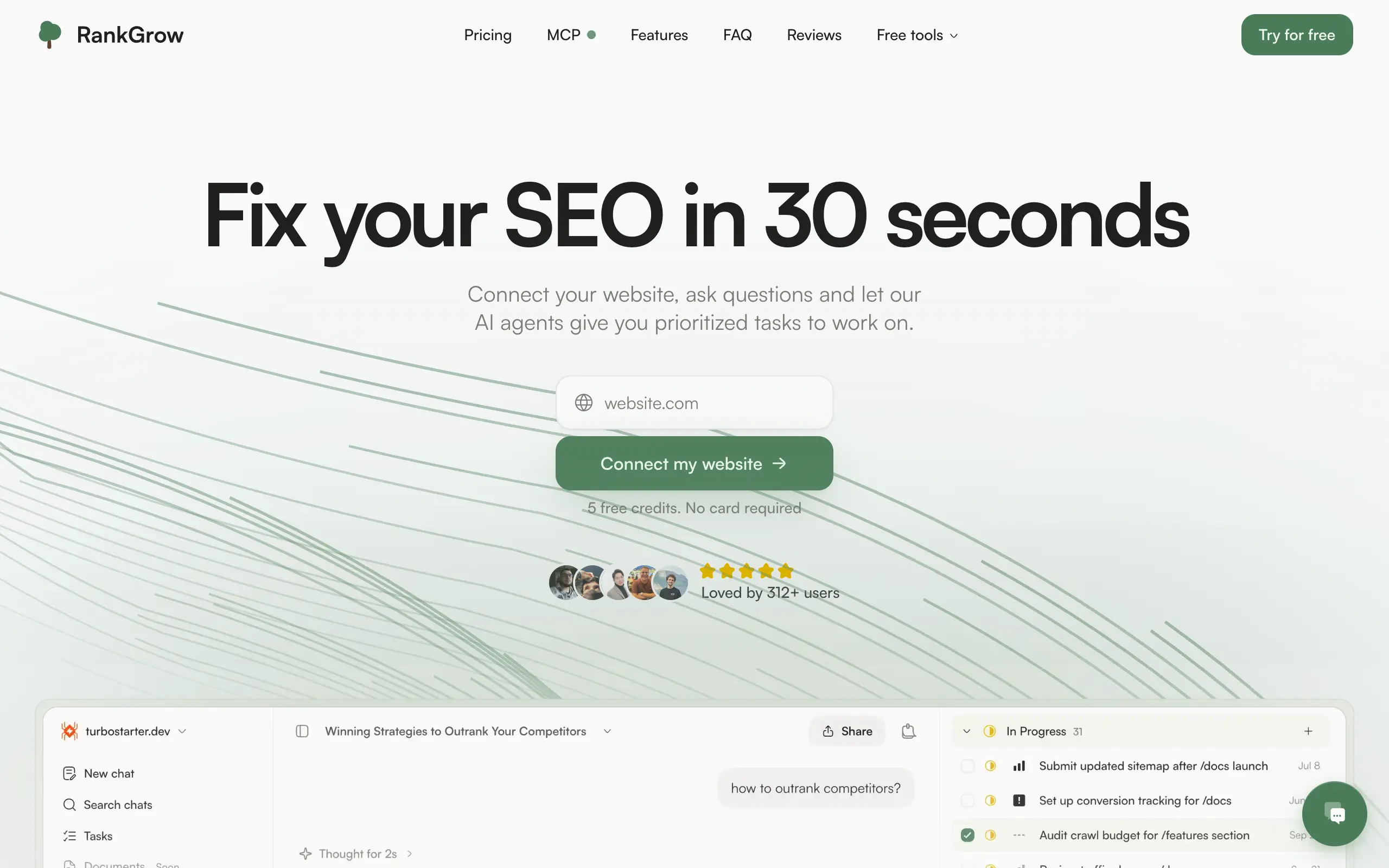
RankGrow
Fix your SEO with AI agents - connect Search Console, get prioritized tasks, and grow organic traffic 📈
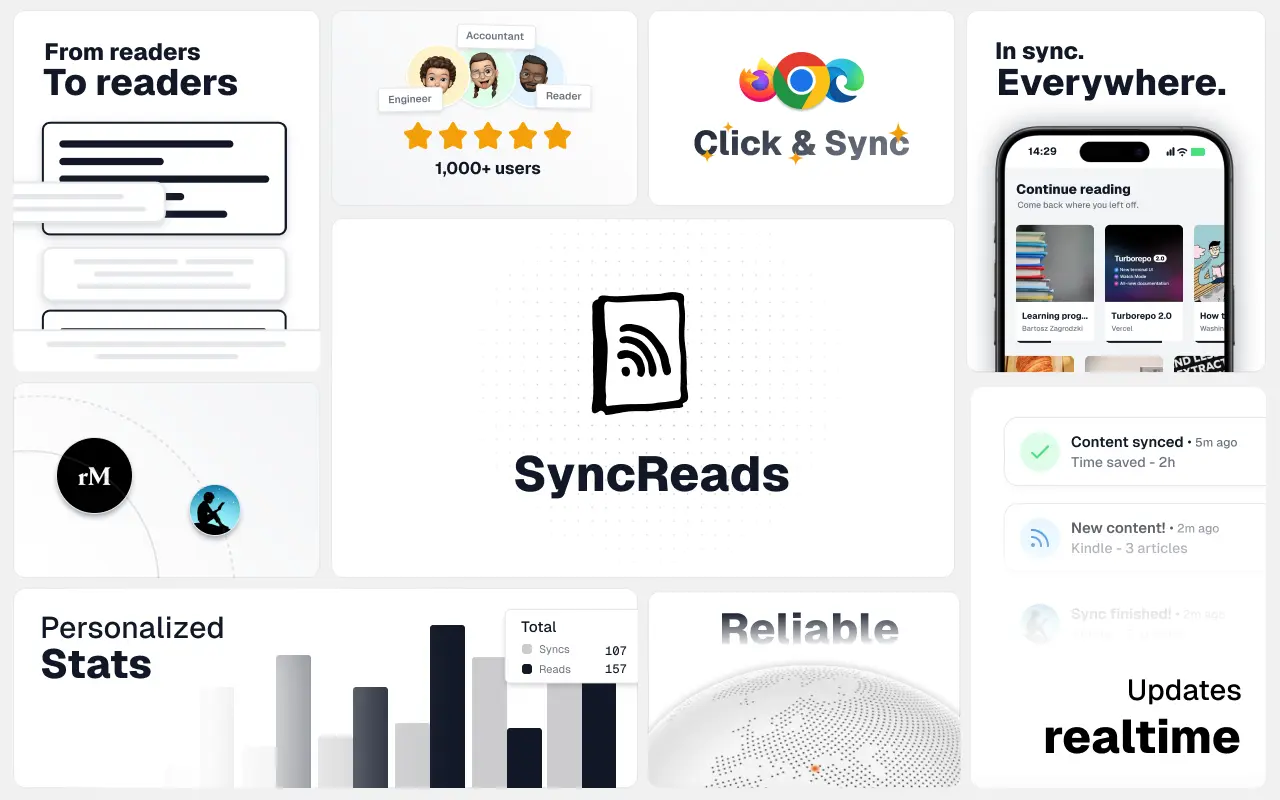
SyncReads
Sync your favorite content for distraction-free reading, save time and replace multiple apps. Anytime, anywhere 🔄
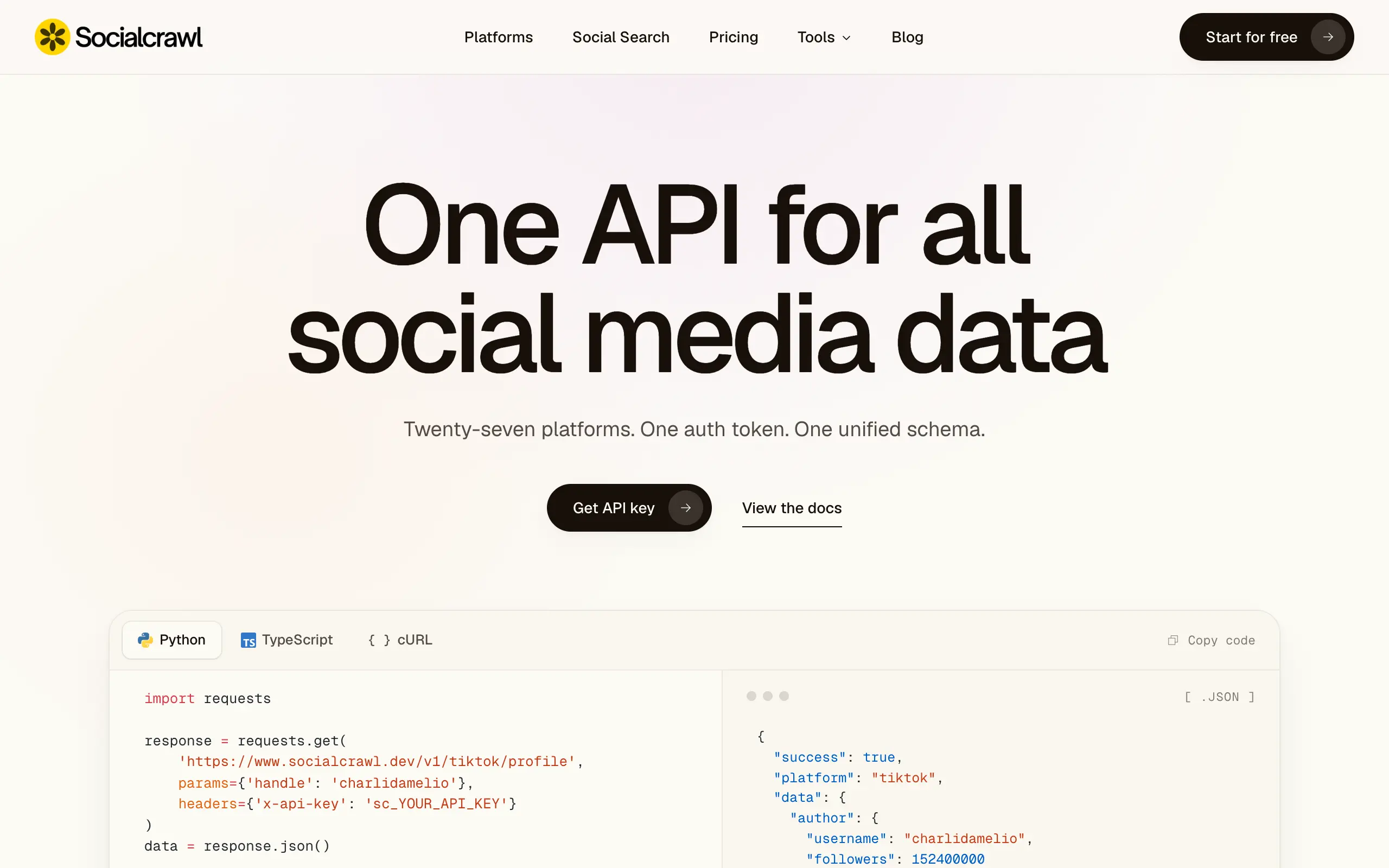
Socialcrawl
Get clean, structured data from 21 platforms like TikTok, Instagram, and YouTube with a single request 📊
Statiko
Monitor any Telegram channel in real time - track posts, edits, deletions, and growth with AI recaps 📡
Shibui
AI website builder - describe your business, pick a niche template, edit by chatting, and publish instantly ✨
Pro Service
Find verified home service professionals, compare quotes, and pay securely through escrow - built for Brazilians across the US 🏠
RankGrow
Fix your SEO with AI agents - connect Search Console, get prioritized tasks, and grow organic traffic 📈
SyncReads
Sync your favorite content for distraction-free reading, save time and replace multiple apps. Anytime, anywhere 🔄
Socialcrawl
Get clean, structured data from 21 platforms like TikTok, Instagram, and YouTube with a single request 📊
Statiko
Monitor any Telegram channel in real time - track posts, edits, deletions, and growth with AI recaps 📡
Shibui
AI website builder - describe your business, pick a niche template, edit by chatting, and publish instantly ✨
Pro Service
Find verified home service professionals, compare quotes, and pay securely through escrow - built for Brazilians across the US 🏠
RankGrow
Fix your SEO with AI agents - connect Search Console, get prioritized tasks, and grow organic traffic 📈
SyncReads
Sync your favorite content for distraction-free reading, save time and replace multiple apps. Anytime, anywhere 🔄
Socialcrawl
Get clean, structured data from 21 platforms like TikTok, Instagram, and YouTube with a single request 📊
Statiko
Monitor any Telegram channel in real time - track posts, edits, deletions, and growth with AI recaps 📡
Shibui
AI website builder - describe your business, pick a niche template, edit by chatting, and publish instantly ✨
Pro Service
Find verified home service professionals, compare quotes, and pay securely through escrow - built for Brazilians across the US 🏠
RankGrow
Fix your SEO with AI agents - connect Search Console, get prioritized tasks, and grow organic traffic 📈
SyncReads
Sync your favorite content for distraction-free reading, save time and replace multiple apps. Anytime, anywhere 🔄
Socialcrawl
Get clean, structured data from 21 platforms like TikTok, Instagram, and YouTube with a single request 📊
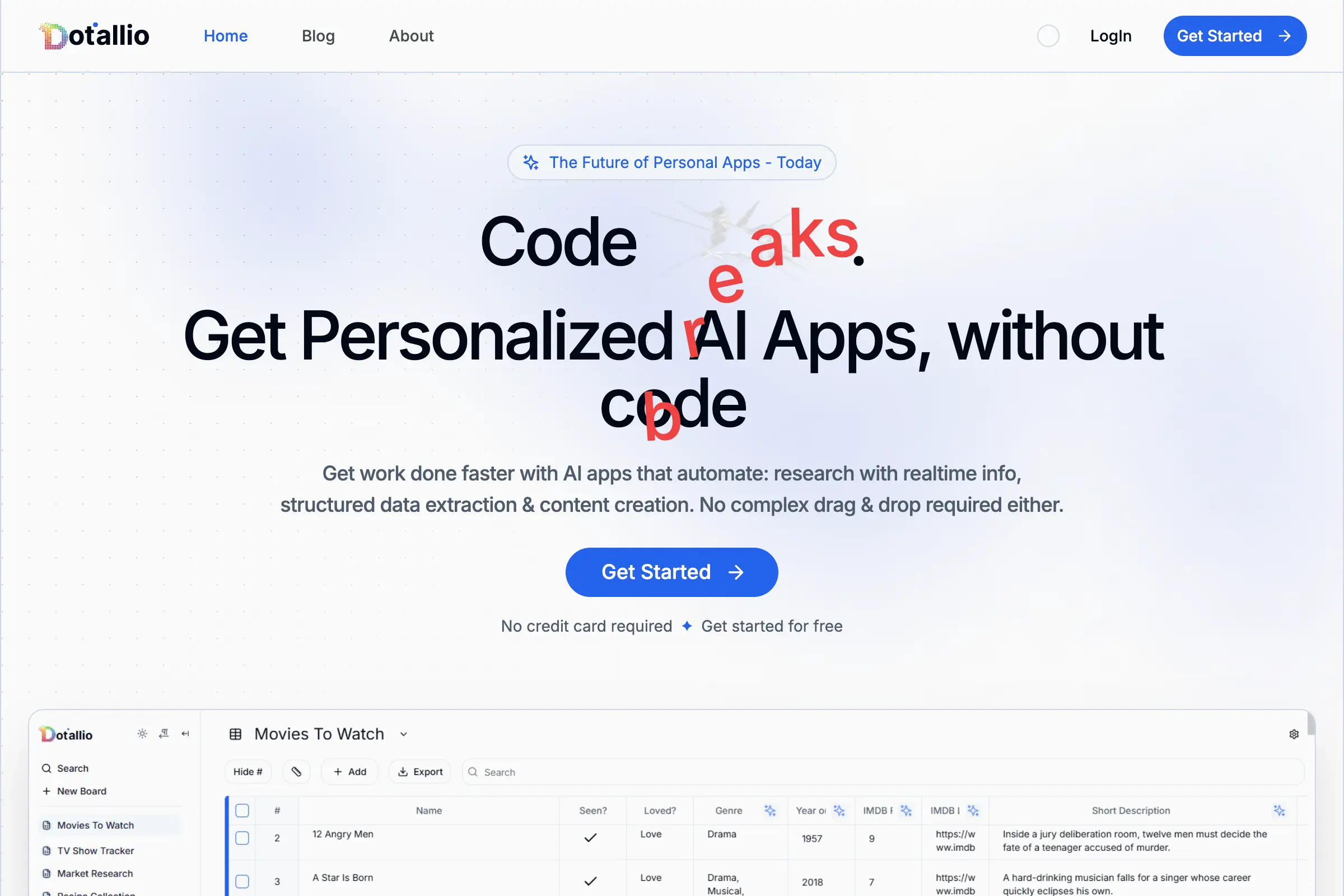
Dotallio
Personalized AI apps that automate research, data extraction, and content creation without code 🤖

Talk to Santa
Enjoy a magical live video chat or receive a unique AI-generated video greeting from Santa Claus 🎅

pozywka.pl
Scalable blog for food journalist, focused on performance and user experience 🌭
zagrodzki.me
Personal blog and portfolio of Bart Zagrodzki, where he shares his knowledge and work 💼
TurboStarter
Ship your startup everywhere. In minutes.
HTML to Markdown
Convert HTML to Markdown with ease, directly in your browser 📄
Dotallio
Personalized AI apps that automate research, data extraction, and content creation without code 🤖
Talk to Santa
Enjoy a magical live video chat or receive a unique AI-generated video greeting from Santa Claus 🎅
pozywka.pl
Scalable blog for food journalist, focused on performance and user experience 🌭
zagrodzki.me
Personal blog and portfolio of Bart Zagrodzki, where he shares his knowledge and work 💼
TurboStarter
Ship your startup everywhere. In minutes.
HTML to Markdown
Convert HTML to Markdown with ease, directly in your browser 📄
Dotallio
Personalized AI apps that automate research, data extraction, and content creation without code 🤖
Talk to Santa
Enjoy a magical live video chat or receive a unique AI-generated video greeting from Santa Claus 🎅
pozywka.pl
Scalable blog for food journalist, focused on performance and user experience 🌭
zagrodzki.me
Personal blog and portfolio of Bart Zagrodzki, where he shares his knowledge and work 💼
TurboStarter
Ship your startup everywhere. In minutes.
HTML to Markdown
Convert HTML to Markdown with ease, directly in your browser 📄
Dotallio
Personalized AI apps that automate research, data extraction, and content creation without code 🤖
Talk to Santa
Enjoy a magical live video chat or receive a unique AI-generated video greeting from Santa Claus 🎅
pozywka.pl
Scalable blog for food journalist, focused on performance and user experience 🌭
zagrodzki.me
Personal blog and portfolio of Bart Zagrodzki, where he shares his knowledge and work 💼
TurboStarter
Ship your startup everywhere. In minutes.
HTML to Markdown
Convert HTML to Markdown with ease, directly in your browser 📄
Omichat
Chat with 50+ AI models, including ChatGPT and Claude, in one place - switch models anytime without losing context 🤖
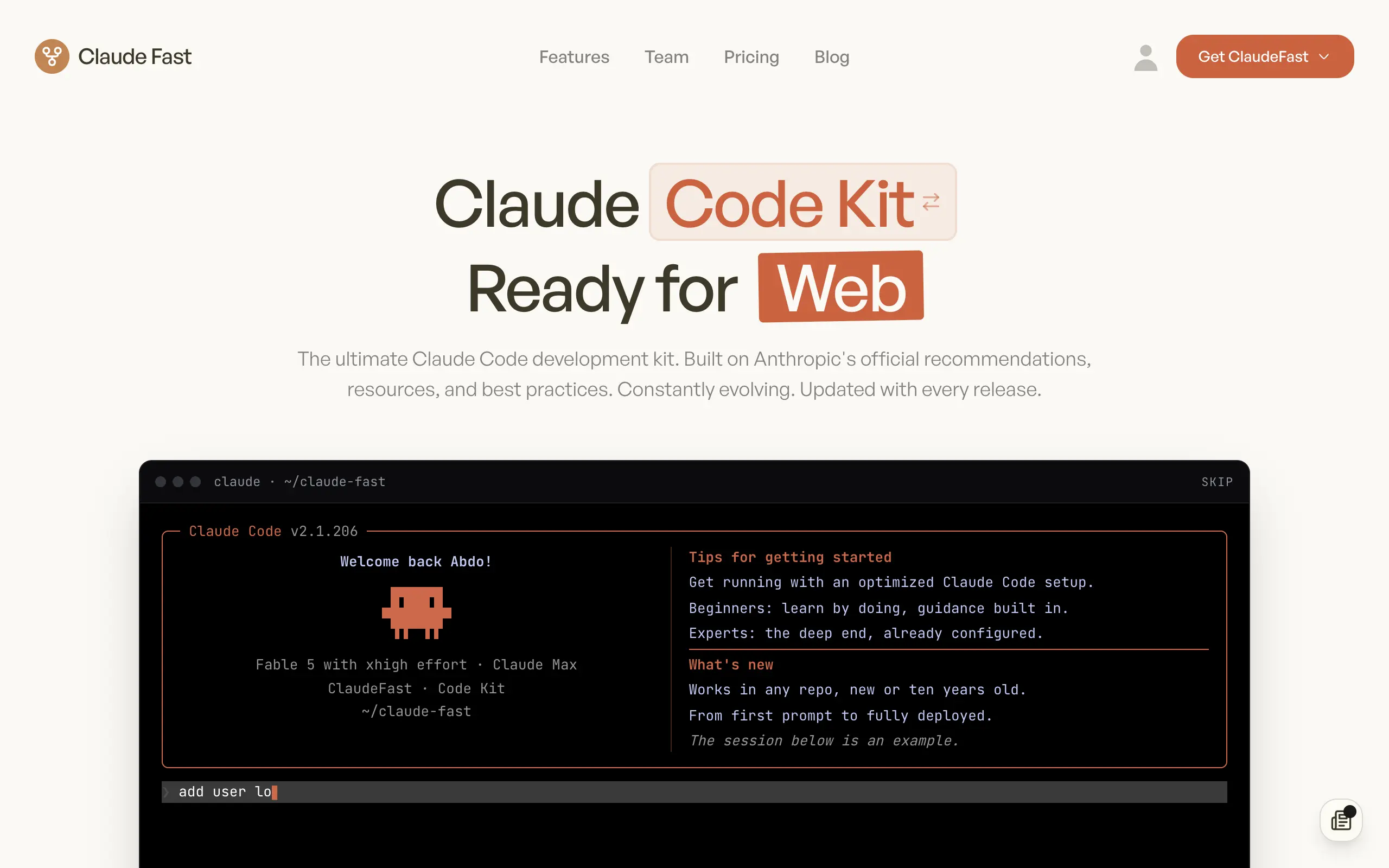
Claude Fast
Supercharge your Claude Code with 6x effective context window and specialized AI agents 🤖
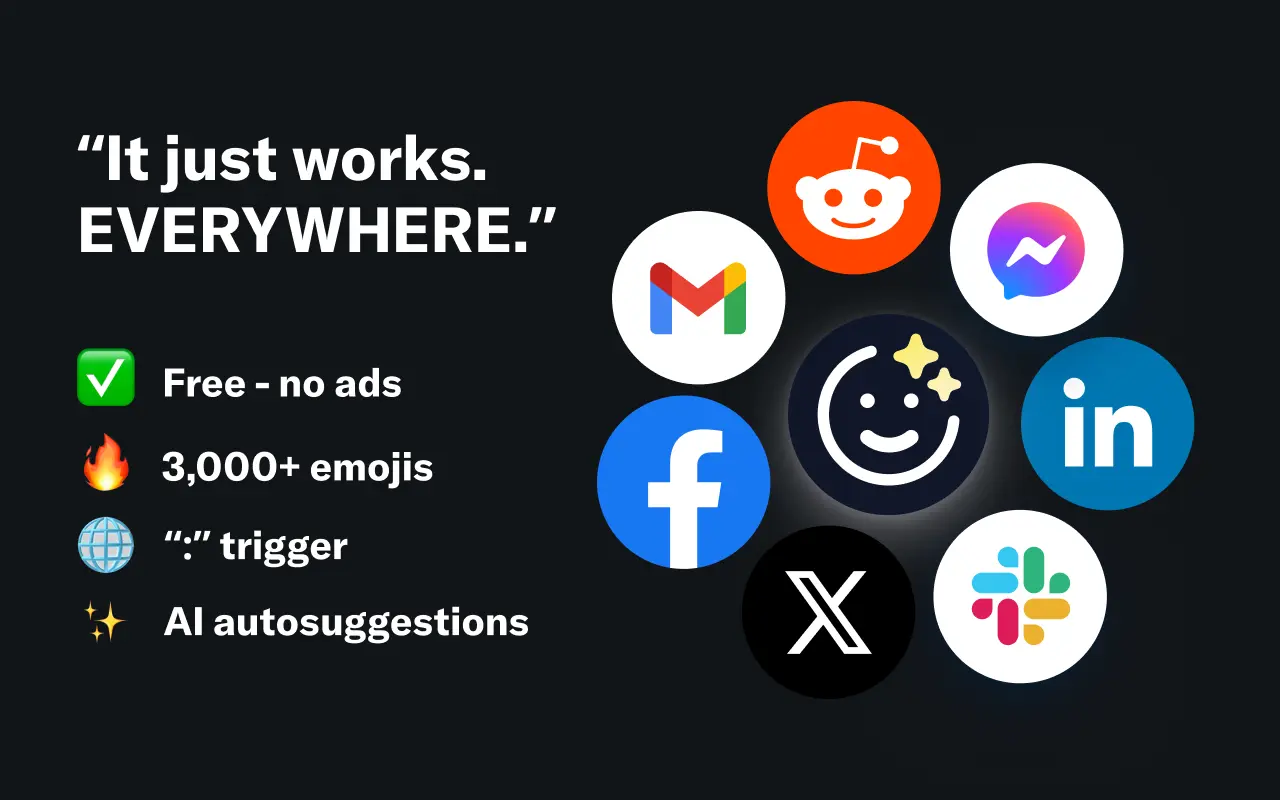
EmojAI
AI-powered emoji picker with smart, context-aware suggestions 🤖
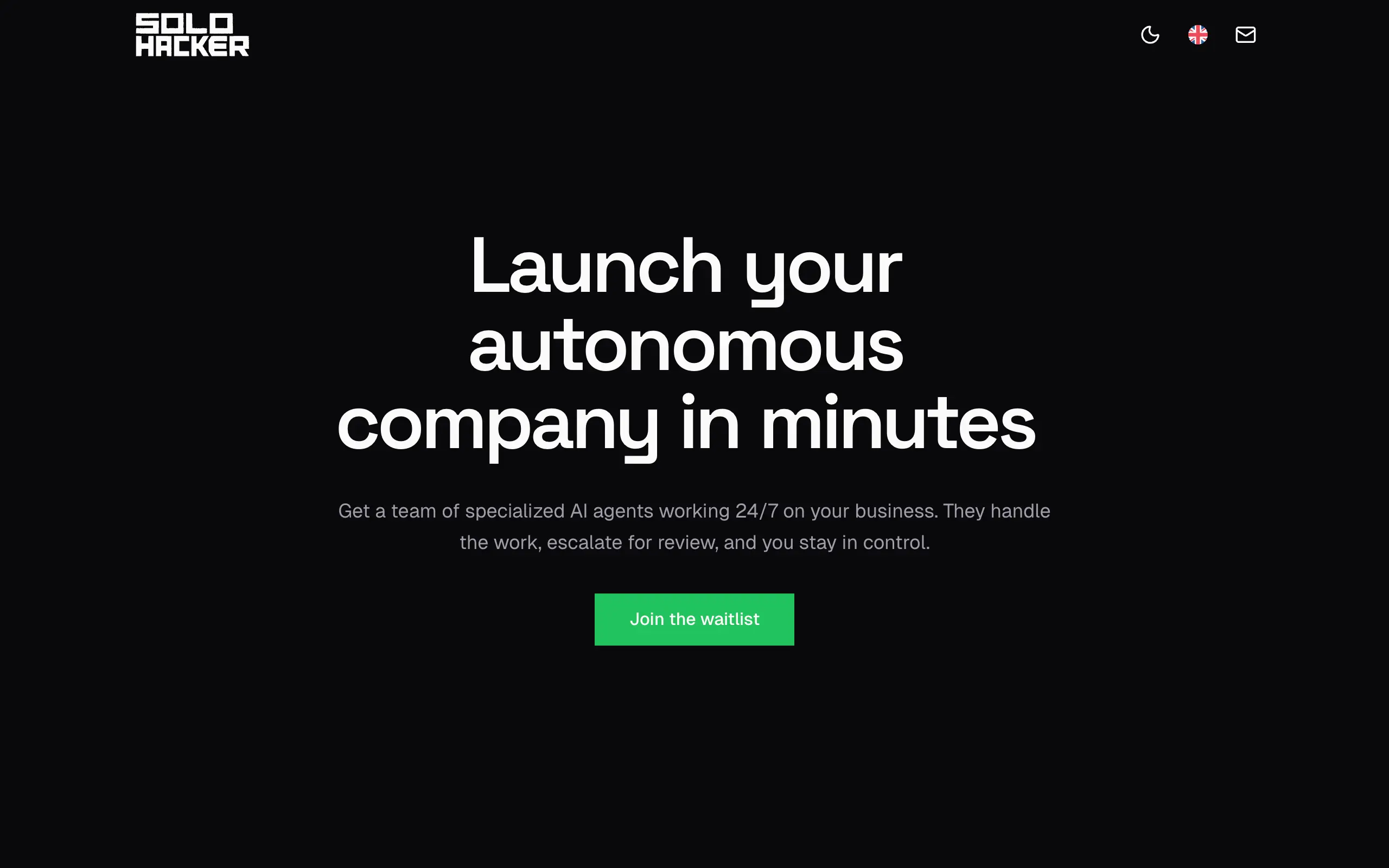
Solohacker
Autonomous company launcher - AI agents work 24/7, escalate what matters, and you stay in control 🤖

BeRawi: Storytelling Coach
Practice storytelling daily with instant feedback to sound clearer, more engaging, and confident 🎤
Omichat
Chat with 50+ AI models, including ChatGPT and Claude, in one place - switch models anytime without losing context 🤖
Claude Fast
Supercharge your Claude Code with 6x effective context window and specialized AI agents 🤖
EmojAI
AI-powered emoji picker with smart, context-aware suggestions 🤖
Solohacker
Autonomous company launcher - AI agents work 24/7, escalate what matters, and you stay in control 🤖
BeRawi: Storytelling Coach
Practice storytelling daily with instant feedback to sound clearer, more engaging, and confident 🎤
Omichat
Chat with 50+ AI models, including ChatGPT and Claude, in one place - switch models anytime without losing context 🤖
Claude Fast
Supercharge your Claude Code with 6x effective context window and specialized AI agents 🤖
EmojAI
AI-powered emoji picker with smart, context-aware suggestions 🤖
Solohacker
Autonomous company launcher - AI agents work 24/7, escalate what matters, and you stay in control 🤖
BeRawi: Storytelling Coach
Practice storytelling daily with instant feedback to sound clearer, more engaging, and confident 🎤
Omichat
Chat with 50+ AI models, including ChatGPT and Claude, in one place - switch models anytime without losing context 🤖
Claude Fast
Supercharge your Claude Code with 6x effective context window and specialized AI agents 🤖
EmojAI
AI-powered emoji picker with smart, context-aware suggestions 🤖
Solohacker
Autonomous company launcher - AI agents work 24/7, escalate what matters, and you stay in control 🤖
BeRawi: Storytelling Coach
Practice storytelling daily with instant feedback to sound clearer, more engaging, and confident 🎤

Connect with like-minded people
Join our community to get feedback, support, and grow together with 1,000+ builders on board, let's ship it!
Join usShip your startup everywhere. In minutes.
Don't burn tokens on setup and start building features on day one.