AutoPilotWP AI
An AI-powered WordPress automation hub that connects n8n workflows, voice agents, and GPT tools to fully automate lead capture, content, and client onboarding.
The rise of AI-powered WordPress automation
WordPress powers over 40% of websites globally (source: W3Techs market share reports), making it the dominant CMS for businesses, creators, agencies, and ecommerce brands. Yet despite its flexibility, most WordPress sites remain highly manual behind the scenes:
- Leads are captured but not properly qualified.
- Content is published but not systematically optimized or distributed.
- Client onboarding relies on email threads and spreadsheets.
- Marketing automations are fragmented across multiple SaaS tools.
This is where an AI-powered WordPress automation hub like AutoPilotWP AI creates a powerful opportunity.
Instead of bolting on disconnected plugins, AutoPilotWP AI connects:
- n8n workflows for advanced automation logic
- Voice AI agents for conversational lead capture and qualification
- GPT-powered tools for content generation and decision-making
- WordPress as the central orchestration layer
The result: a fully automated growth engine for WordPress-based businesses.
This article provides a deep, expert-level breakdown of:
- The target audience and market opportunity
- Core features and architecture
- Recommended tech stack and trade-offs
- Monetization strategy
- Competitive landscape
- Risks and mitigation
- Actionable steps to build and launch
Understanding the target audience
A product like AutoPilotWP AI serves multiple high-value segments. Understanding their intent is crucial for positioning and feature prioritization.
1. WordPress agencies
Pain points:
- Manual client onboarding
- Fragmented tools (CRM, email marketing, forms, scheduling)
- Repetitive setup work across projects
- Limited differentiation in a saturated market
What they want:
- A reusable automation framework
- AI-powered lead qualification
- Faster project turnaround
- Higher retainers via automation-as-a-service
2. Solopreneurs and coaches
Pain points:
- No time for manual lead follow-ups
- Poor conversion from traffic
- Inconsistent content publishing
- Limited technical skills
What they want:
- Plug-and-play automation
- AI content assistance
- Voice or chat lead qualification
- Automated onboarding and payments
3. SaaS startups using WordPress as a marketing site
Pain points:
- Manual demo booking flows
- Weak segmentation
- Slow response to inbound leads
What they want:
- AI qualification before booking
- Automated CRM sync
- Personalization at scale
4. Local businesses
Pain points:
- Missed calls
- Delayed replies to inquiries
- No structured follow-up
What they want:
- AI voice agents
- Automated SMS/email follow-ups
- CRM integration
Market opportunity: the automation gap in WordPress
While tools like Zapier and Make offer automation, they are:
- External to WordPress
- Often expensive at scale
- Not deeply integrated into WP logic
- Not AI-native
Meanwhile, WordPress automation plugins:
- Focus on rule-based triggers
- Lack advanced AI orchestration
- Rarely integrate voice AI
- Don’t provide workflow-level customization like n8n
This creates a clear gap:
A centralized, AI-native automation hub built specifically for WordPress ecosystems.
Why now?
Several macro trends make this timing strategic:
- AI adoption in SMBs is accelerating
- Open-source automation platforms like n8n are gaining traction.
- GPT-based APIs have become accessible and affordable.
- Businesses demand leaner operations and automation-first systems.
AutoPilotWP AI sits at the intersection of:
- AI tooling
- Workflow orchestration
- WordPress dominance
- No-code/low-code adoption
That’s a powerful convergence.
Core features of AutoPilotWP AI
To compete seriously, this SaaS must move beyond “just another plugin” and function as an automation control center.
Below is a strategic feature breakdown.
1. WordPress-native automation dashboard
A centralized UI inside WordPress:
- View all active workflows
- Monitor lead pipelines
- Track AI interactions
- Configure automations visually
2. n8n workflow integration
Instead of reinventing workflow logic, leverage n8n:
- Self-hosted or managed n8n instance
- Prebuilt workflow templates
- Custom node support
- Webhook-based trigger system
Example workflow:
- Lead submits WP form
- Data sent to n8n
- GPT classifies lead quality
- CRM updated
- AI email sequence triggered
- Slack notification sent
This architecture allows:
- Infinite customization
- Enterprise-level logic
- Agency-level flexibility
3. GPT-powered content engine
Use OpenAI or compatible LLM APIs for:
- Blog post generation
- SEO optimization
- Meta descriptions
- Lead magnet creation
- Personalized email sequences
Example integration:
const generateContent = async (prompt: string) => {
  const response = await fetch("/api/gpt-generate", {
    method: "POST",
    body: JSON.stringify({ prompt })
  });
  return response.json();
};
4. AI voice agents
Voice agents represent a major competitive edge.
Capabilities:
- Answer inbound calls
- Qualify leads
- Book appointments
- Sync with Google Calendar
- Push data to CRM
This feature is especially powerful for:
- Local service businesses
- Agencies handling high call volumes
- Coaches and consultants
5. Automated client onboarding
When a deal closes:
- Send contract automatically
- Collect payment
- Create project workspace
- Generate kickoff questionnaire
- Schedule onboarding call
- Assign tasks internally
All triggered from a single status change.
6. Lead scoring and segmentation
Using GPT classification models:
- Score leads (hot, warm, cold)
- Tag by intent
- Identify industry
- Detect urgency signals
This improves conversion rates dramatically.
Technical architecture and recommended tech stack
A strong technical foundation ensures scalability, reliability, and maintainability.
Frontend
- React (modern, flexible UI)
- TailwindCSS (utility-first styling)
- WordPress REST API for integration
Backend
Options:
- Node.js (Express or Fastify)
- Serverless (Vercel, AWS Lambda)
- Dedicated backend with PostgreSQL
Workflow engine
- n8n (self-hosted recommended for flexibility)
Trade-off:
- Self-hosted = more control, more DevOps
- Managed = faster deployment, higher cost
Database
- PostgreSQL (structured data, reliability)
- Redis (caching, queueing)
AI layer
- OpenAI-compatible APIs
- Embeddings for contextual memory
- Vector database (e.g., for retrieval)
Authentication
- JWT-based auth
- WordPress user sync
- Role-based access
Competitive landscape analysis
Let’s compare AutoPilotWP AI with existing categories.
| Feature | Zapier | WP Automation Plugins | Generic AI Tools | AutoPilotWP AI | Voice AI |
|---|---|---|---|---|---|
| Deep WP Integration | ❌ | ✅ | ❌ | ✅ | ❌ |
| Advanced Workflow Logic | ✅ | ❌ | ❌ | ✅ | ❌ |
| GPT Integration | Limited | ❌ | ✅ | ✅ | ❌ |
| Voice AI | ❌ | ❌ | Limited | ✅ | ✅ |
Unique selling proposition (USP)
AutoPilotWP AI is:
The only WordPress-native automation hub that combines workflow orchestration, GPT intelligence, and voice AI into one unified control system.
That integration layer is the moat.
Monetization strategy
A strong SaaS monetization plan ensures sustainability.
1. Tiered subscription model
Starter ($49/month)
- Limited workflows
- Basic GPT usage
- 1 voice agent
Pro ($149/month)
- Advanced workflows
- Higher AI limits
- CRM integrations
- Advanced analytics
Agency ($399/month+)
- Multi-site support
- White-label options
- Priority support
- Custom AI models
2. Usage-based pricing
Add-ons:
- AI tokens
- Voice minutes
- Workflow executions
3. White-label licensing
Agencies can resell:
- Branded dashboards
- Recurring automation packages
High-margin opportunity.
Risks and mitigation
No SaaS is without risk.
Risk 1: AI API cost volatility
Mitigation:
- Hybrid AI providers
- Usage caps
- On-device models (future option)
Risk 2: WordPress ecosystem fragmentation
Mitigation:
- Strict compatibility testing
- Clear plugin conflict policies
- Modular architecture
Risk 3: Complexity overload
Mitigation:
- Template-first UX
- Guided onboarding
- Prebuilt automation packs
Critical success factor
The biggest risk is not technical — it’s UX complexity. The platform must feel simple despite powerful automation under the hood.
Implementation roadmap
Here’s a realistic execution plan.
Go-to-market strategy
Phase 1: Authority building
- Publish deep automation tutorials
- SEO content around:
- “AI automation for WordPress”
- “n8n WordPress integration”
- “AI voice agent for WordPress”
- Case studies with measurable ROI
Phase 2: Community-driven growth
- WordPress Facebook groups
- Indie hacker communities
- Agency partnerships
Phase 3: Product-led growth
- Free tier with limited workflows
- Viral automation templates
- Shareable AI voice demos
Why this idea can dominate its niche
AutoPilotWP AI isn’t just another plugin.
It’s a:
- Workflow orchestrator
- AI decision engine
- Voice automation layer
- WordPress-native control system
Few competitors combine all four.
If executed correctly, it can:
- Increase lead conversion by 20–50%
- Cut onboarding time in half
- Replace 5–8 SaaS tools
- Create new recurring revenue for agencies
Building faster with the right foundation
To accelerate development, use a production-ready SaaS foundation like:
This reduces time-to-market by handling:
- Authentication
- Payments
- Multi-tenant architecture
- Dashboard UI
- Boilerplate setup
That lets you focus on:
- AI workflows
- WordPress integration
- Automation templates
Final execution checklist
Before launching:
- ✅ Clear niche positioning (agencies first recommended)
- ✅ 5–10 powerful automation templates
- ✅ Measurable case study
- ✅ Scalable AI cost model
- ✅ Onboarding wizard
Then scale through:
- Content marketing
- Partnerships
- Automation template marketplace
Conclusion
The convergence of AI, workflow automation, and WordPress dominance creates a rare opportunity.
AutoPilotWP AI has the potential to become:
- The central automation brain for WordPress
- The AI growth engine for agencies
- The operational backbone for modern SMBs
The key to success lies in:
- Deep integration
- Simplicity in UX
- Strong workflow flexibility
- Clear ROI demonstration
Build it lean. Validate fast. Focus on real automation outcomes — not just features.
If executed correctly, this isn’t just a plugin.
It’s the future of AI-powered WordPress automation.
More 🤖 AI Startup SaaS ideas
Discover more innovative ai startup SaaS ideas that are trending in 2026. Each idea is AI-generated with market validation and growth potential to help you find your next profitable venture faster than competitors.
Your competitors are building with TurboStarter
Below are some of the SaaS ideas that have been generated and built with our starter kit.
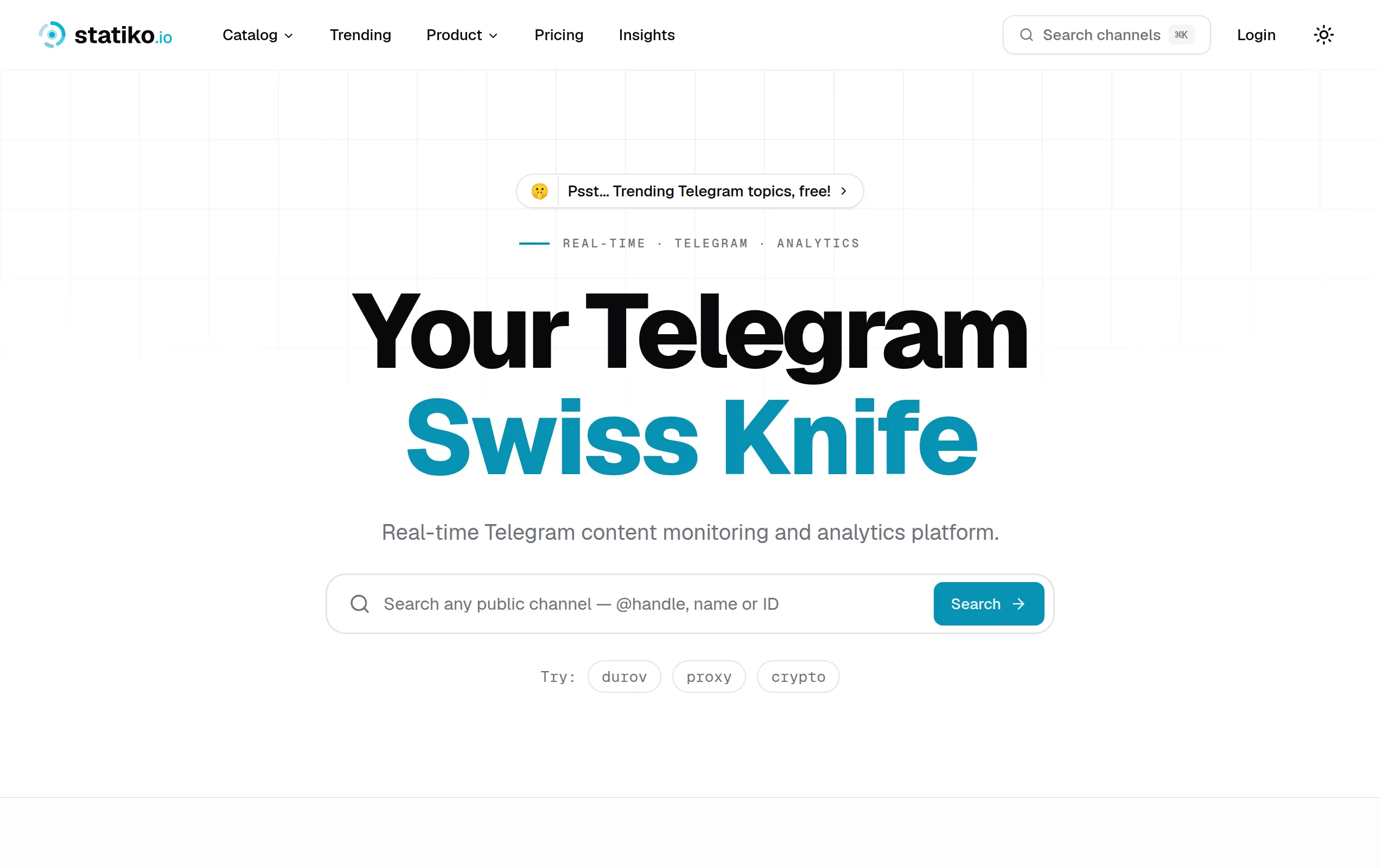
Statiko
Monitor any Telegram channel in real time - track posts, edits, deletions, and growth with AI recaps 📡

Shibui
AI website builder - describe your business, pick a niche template, edit by chatting, and publish instantly ✨

Pro Service
Find verified home service professionals, compare quotes, and pay securely through escrow - built for Brazilians across the US 🏠
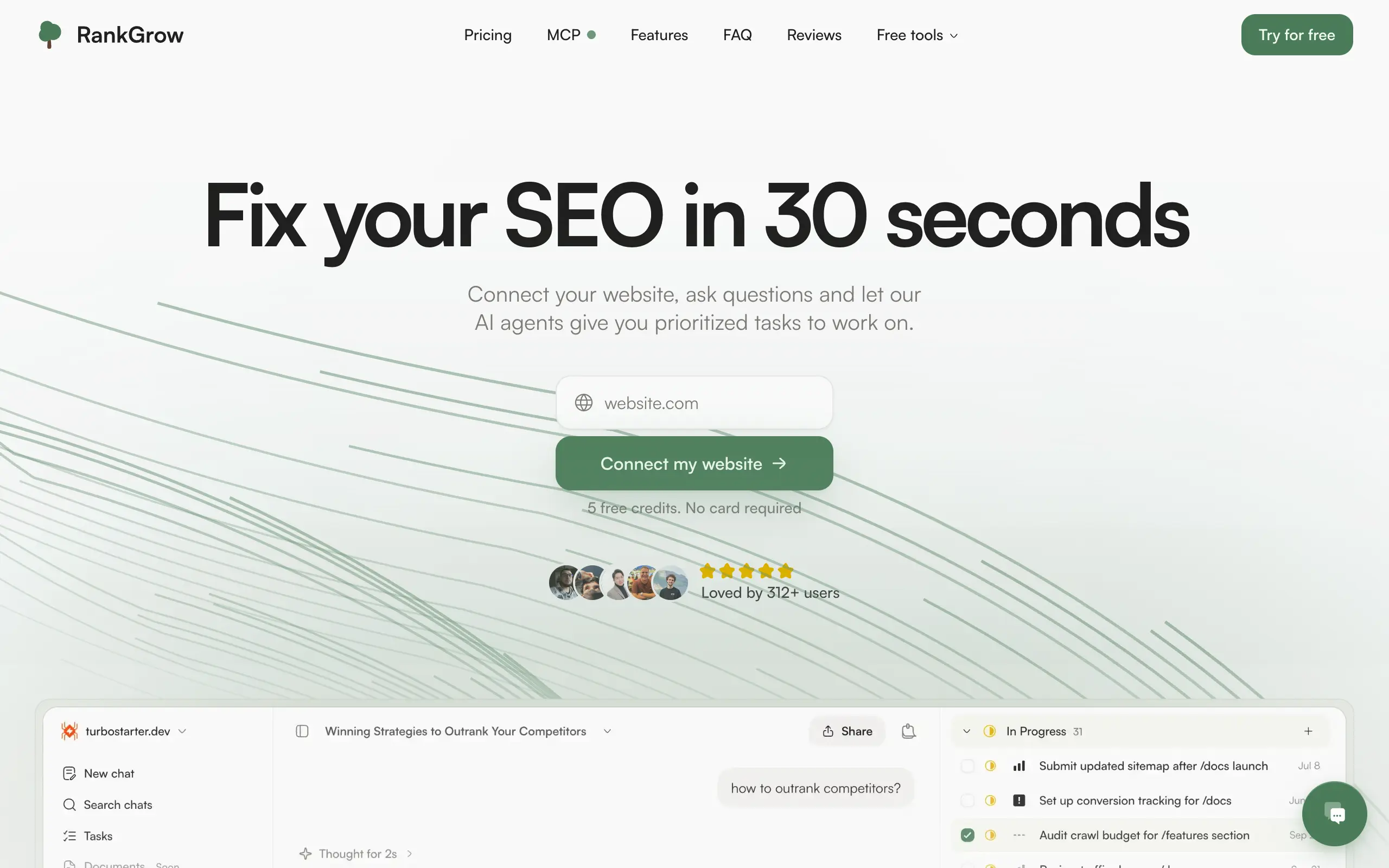
RankGrow
Fix your SEO with AI agents - connect Search Console, get prioritized tasks, and grow organic traffic 📈
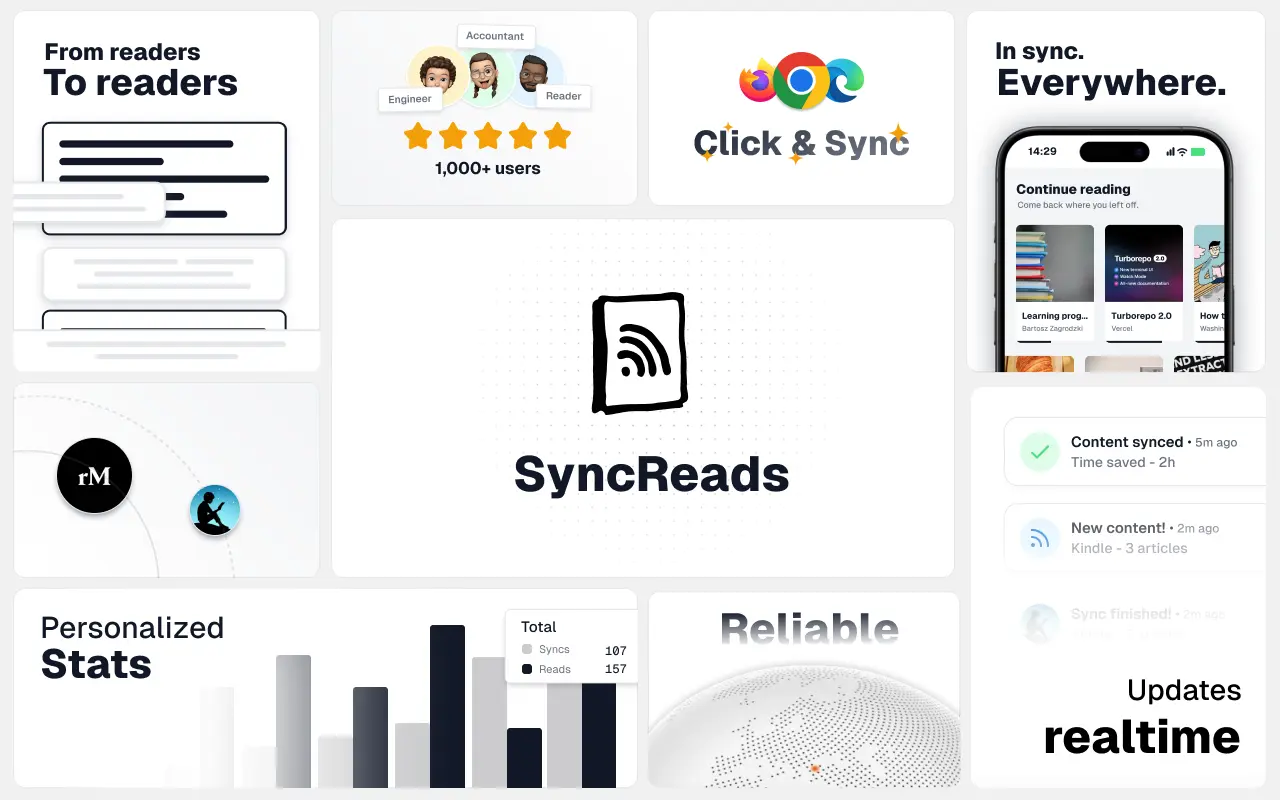
SyncReads
Sync your favorite content for distraction-free reading, save time and replace multiple apps. Anytime, anywhere 🔄
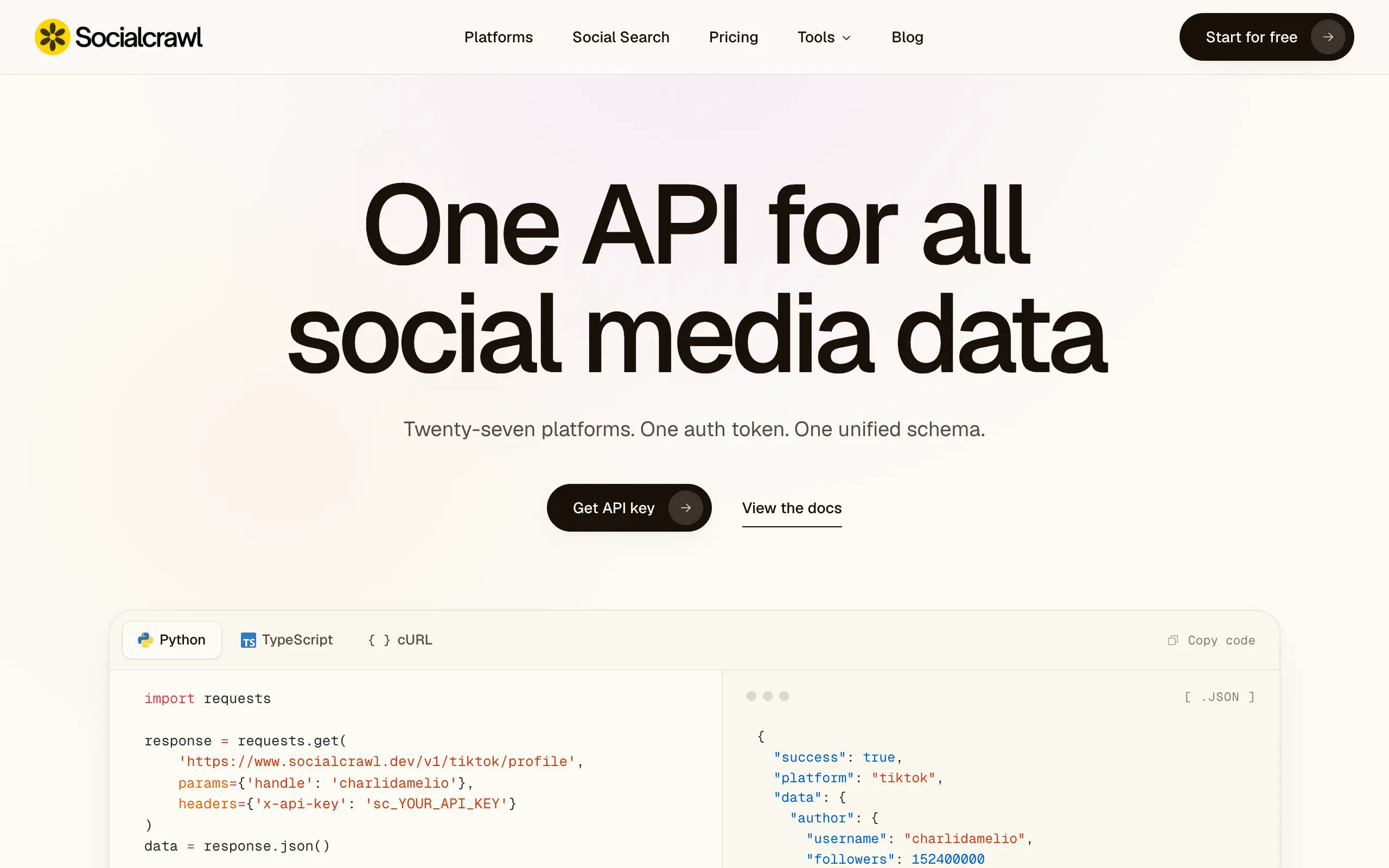
Socialcrawl
Get clean, structured data from 21 platforms like TikTok, Instagram, and YouTube with a single request 📊
Statiko
Monitor any Telegram channel in real time - track posts, edits, deletions, and growth with AI recaps 📡
Shibui
AI website builder - describe your business, pick a niche template, edit by chatting, and publish instantly ✨
Pro Service
Find verified home service professionals, compare quotes, and pay securely through escrow - built for Brazilians across the US 🏠
RankGrow
Fix your SEO with AI agents - connect Search Console, get prioritized tasks, and grow organic traffic 📈
SyncReads
Sync your favorite content for distraction-free reading, save time and replace multiple apps. Anytime, anywhere 🔄
Socialcrawl
Get clean, structured data from 21 platforms like TikTok, Instagram, and YouTube with a single request 📊
Statiko
Monitor any Telegram channel in real time - track posts, edits, deletions, and growth with AI recaps 📡
Shibui
AI website builder - describe your business, pick a niche template, edit by chatting, and publish instantly ✨
Pro Service
Find verified home service professionals, compare quotes, and pay securely through escrow - built for Brazilians across the US 🏠
RankGrow
Fix your SEO with AI agents - connect Search Console, get prioritized tasks, and grow organic traffic 📈
SyncReads
Sync your favorite content for distraction-free reading, save time and replace multiple apps. Anytime, anywhere 🔄
Socialcrawl
Get clean, structured data from 21 platforms like TikTok, Instagram, and YouTube with a single request 📊
Statiko
Monitor any Telegram channel in real time - track posts, edits, deletions, and growth with AI recaps 📡
Shibui
AI website builder - describe your business, pick a niche template, edit by chatting, and publish instantly ✨
Pro Service
Find verified home service professionals, compare quotes, and pay securely through escrow - built for Brazilians across the US 🏠
RankGrow
Fix your SEO with AI agents - connect Search Console, get prioritized tasks, and grow organic traffic 📈
SyncReads
Sync your favorite content for distraction-free reading, save time and replace multiple apps. Anytime, anywhere 🔄
Socialcrawl
Get clean, structured data from 21 platforms like TikTok, Instagram, and YouTube with a single request 📊
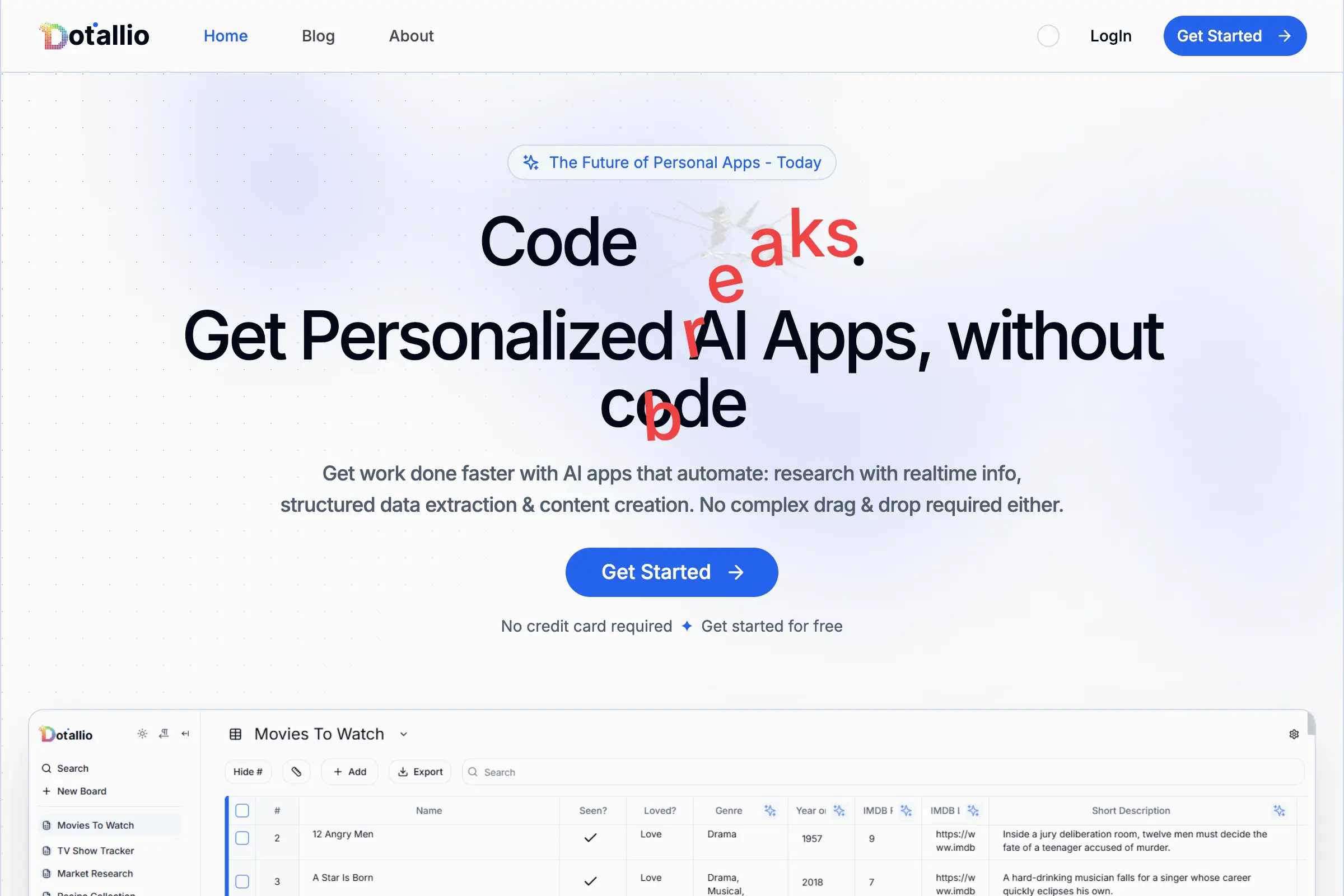
Dotallio
Personalized AI apps that automate research, data extraction, and content creation without code 🤖
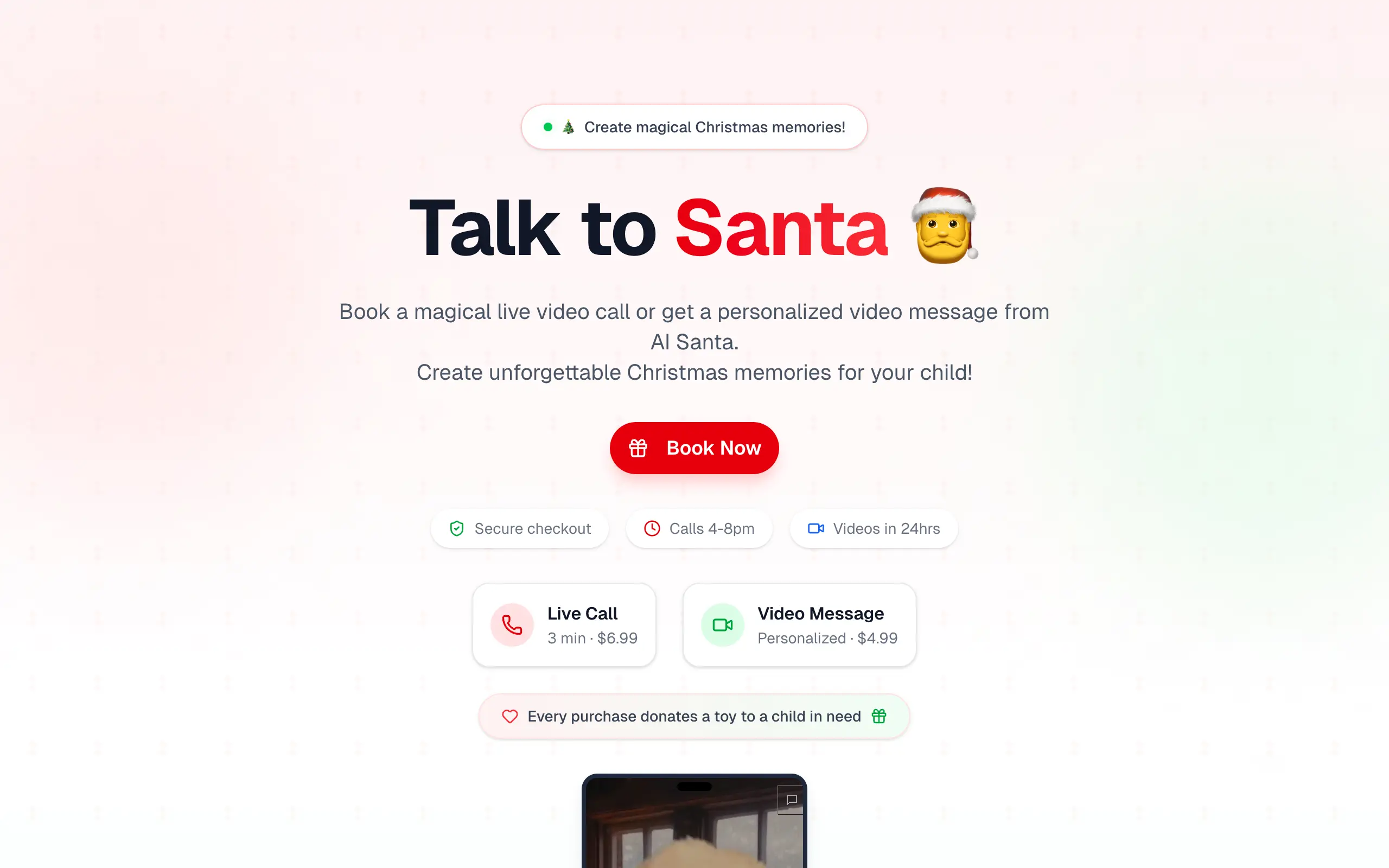
Talk to Santa
Enjoy a magical live video chat or receive a unique AI-generated video greeting from Santa Claus 🎅
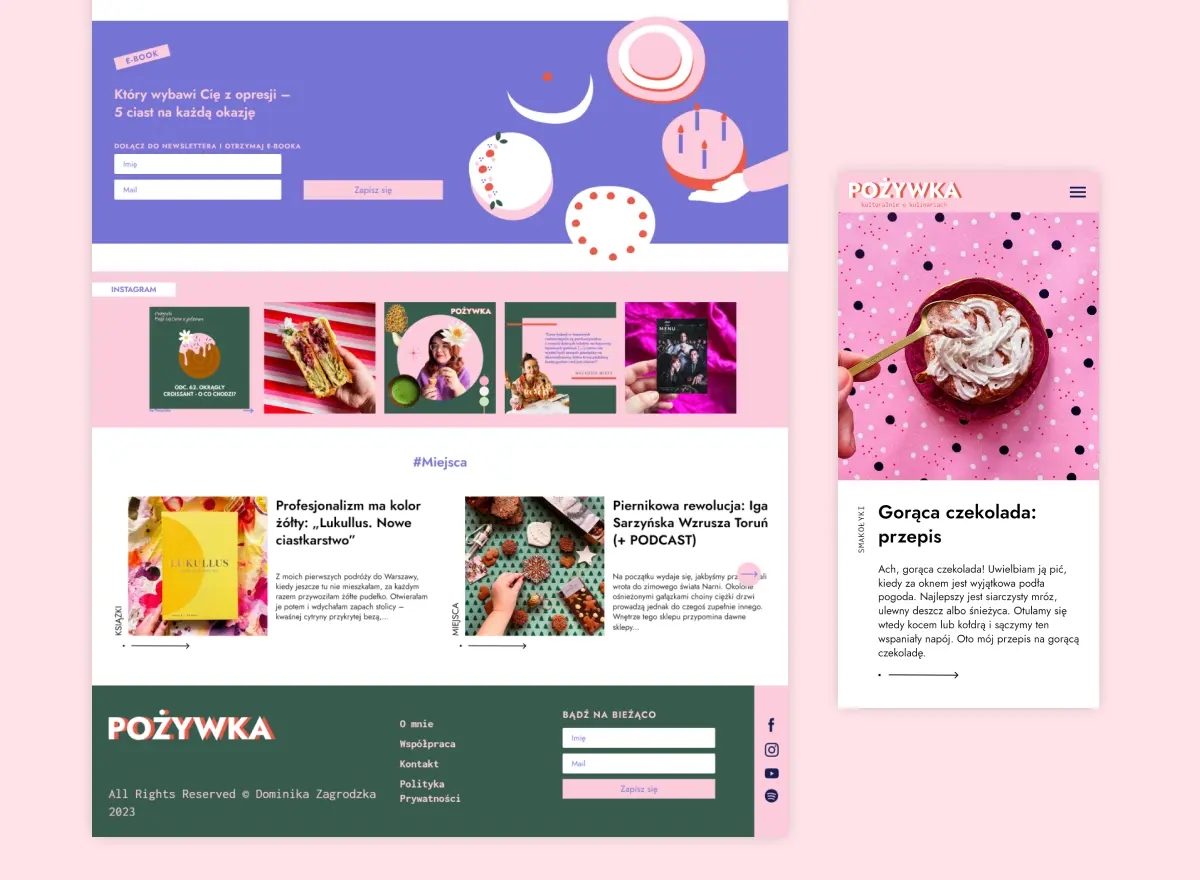
pozywka.pl
Scalable blog for food journalist, focused on performance and user experience 🌭
zagrodzki.me
Personal blog and portfolio of Bart Zagrodzki, where he shares his knowledge and work 💼
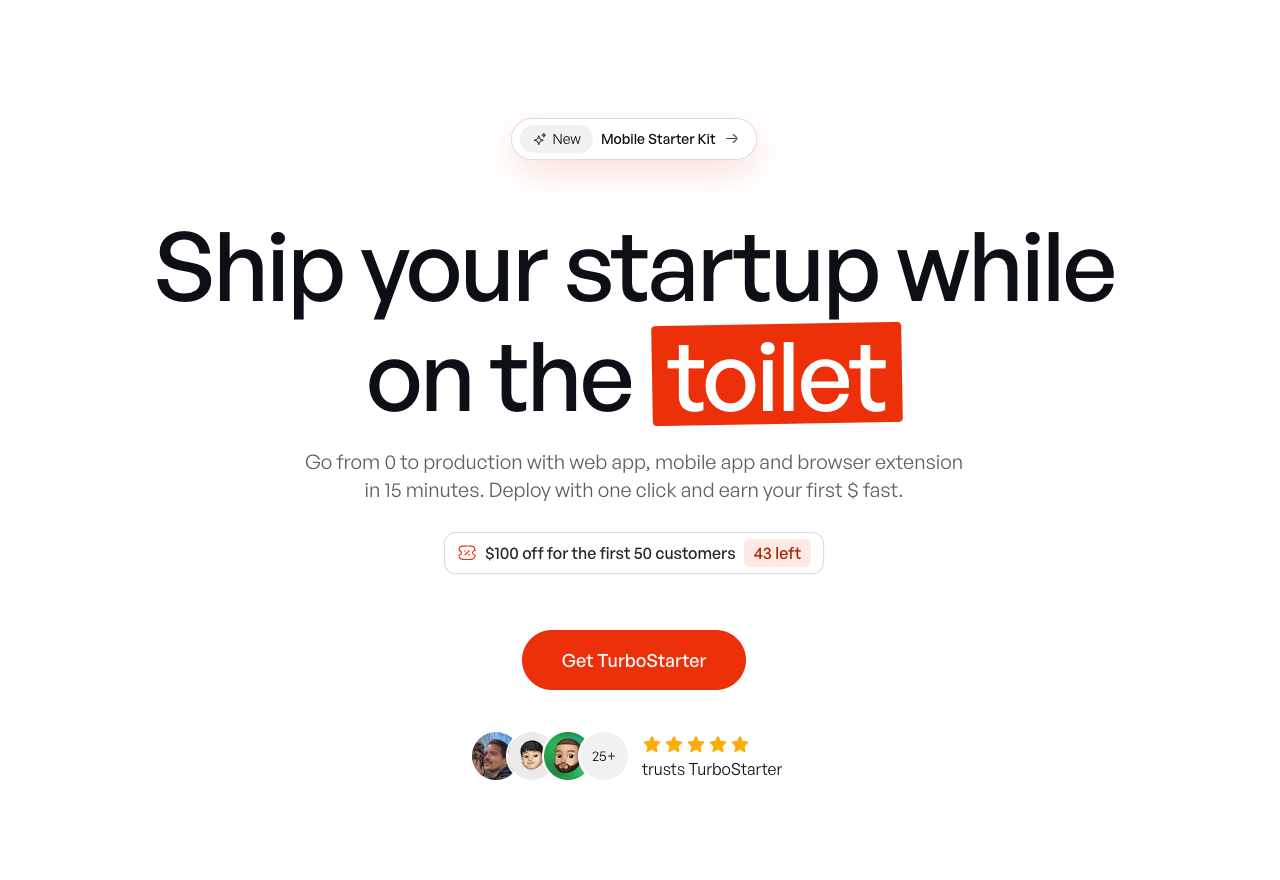
TurboStarter
Ship your startup everywhere. In minutes.
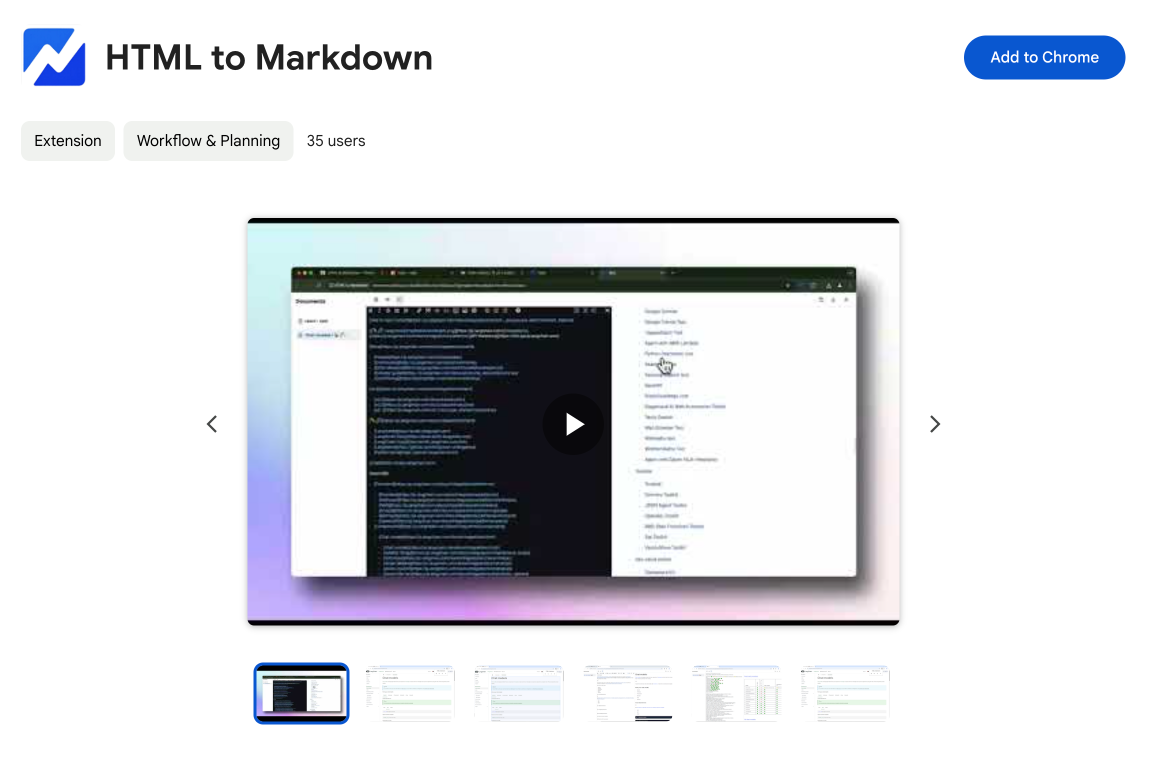
HTML to Markdown
Convert HTML to Markdown with ease, directly in your browser 📄
Dotallio
Personalized AI apps that automate research, data extraction, and content creation without code 🤖
Talk to Santa
Enjoy a magical live video chat or receive a unique AI-generated video greeting from Santa Claus 🎅
pozywka.pl
Scalable blog for food journalist, focused on performance and user experience 🌭
zagrodzki.me
Personal blog and portfolio of Bart Zagrodzki, where he shares his knowledge and work 💼
TurboStarter
Ship your startup everywhere. In minutes.
HTML to Markdown
Convert HTML to Markdown with ease, directly in your browser 📄
Dotallio
Personalized AI apps that automate research, data extraction, and content creation without code 🤖
Talk to Santa
Enjoy a magical live video chat or receive a unique AI-generated video greeting from Santa Claus 🎅
pozywka.pl
Scalable blog for food journalist, focused on performance and user experience 🌭
zagrodzki.me
Personal blog and portfolio of Bart Zagrodzki, where he shares his knowledge and work 💼
TurboStarter
Ship your startup everywhere. In minutes.
HTML to Markdown
Convert HTML to Markdown with ease, directly in your browser 📄
Dotallio
Personalized AI apps that automate research, data extraction, and content creation without code 🤖
Talk to Santa
Enjoy a magical live video chat or receive a unique AI-generated video greeting from Santa Claus 🎅
pozywka.pl
Scalable blog for food journalist, focused on performance and user experience 🌭
zagrodzki.me
Personal blog and portfolio of Bart Zagrodzki, where he shares his knowledge and work 💼
TurboStarter
Ship your startup everywhere. In minutes.
HTML to Markdown
Convert HTML to Markdown with ease, directly in your browser 📄
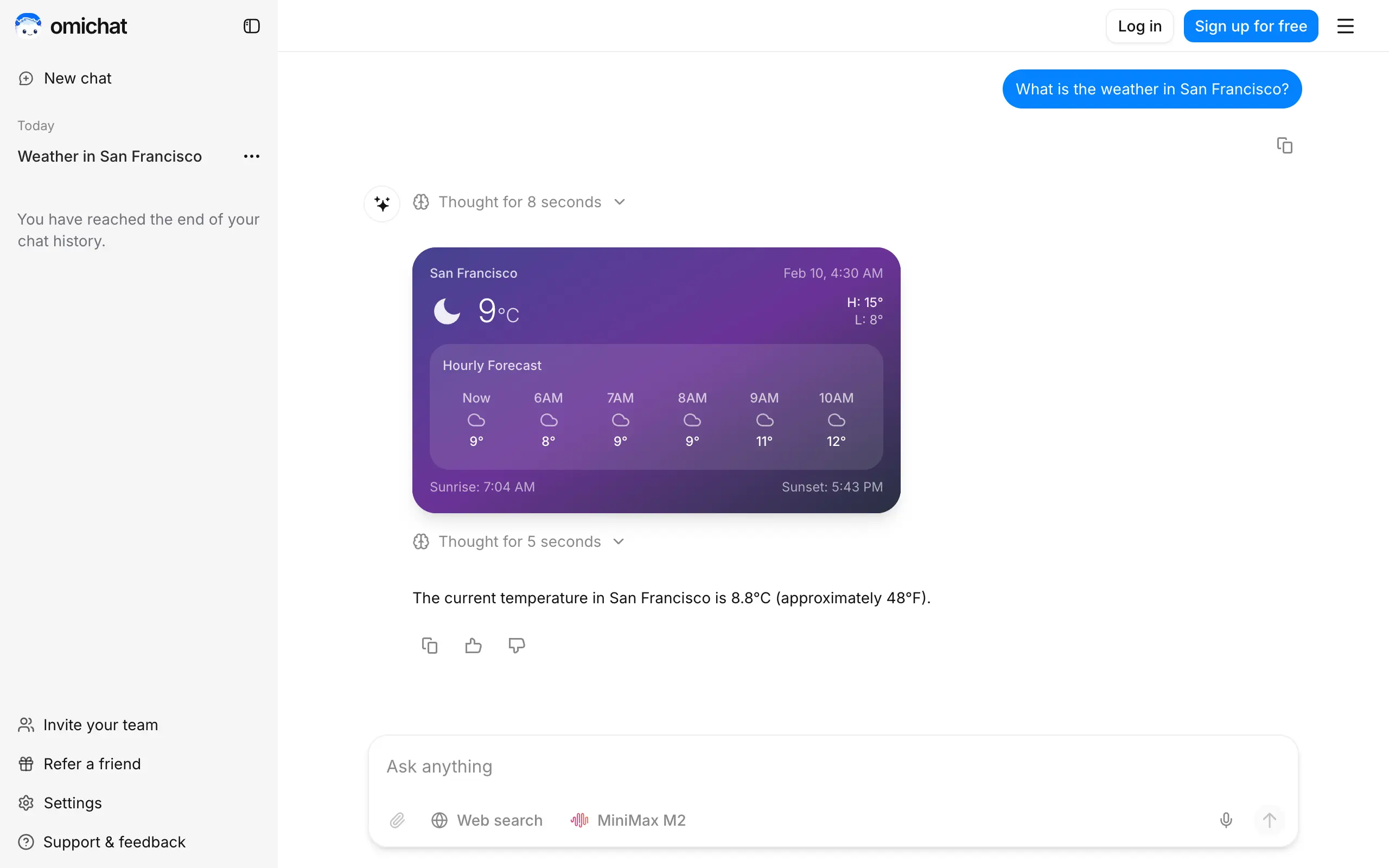
Omichat
Chat with 50+ AI models, including ChatGPT and Claude, in one place - switch models anytime without losing context 🤖
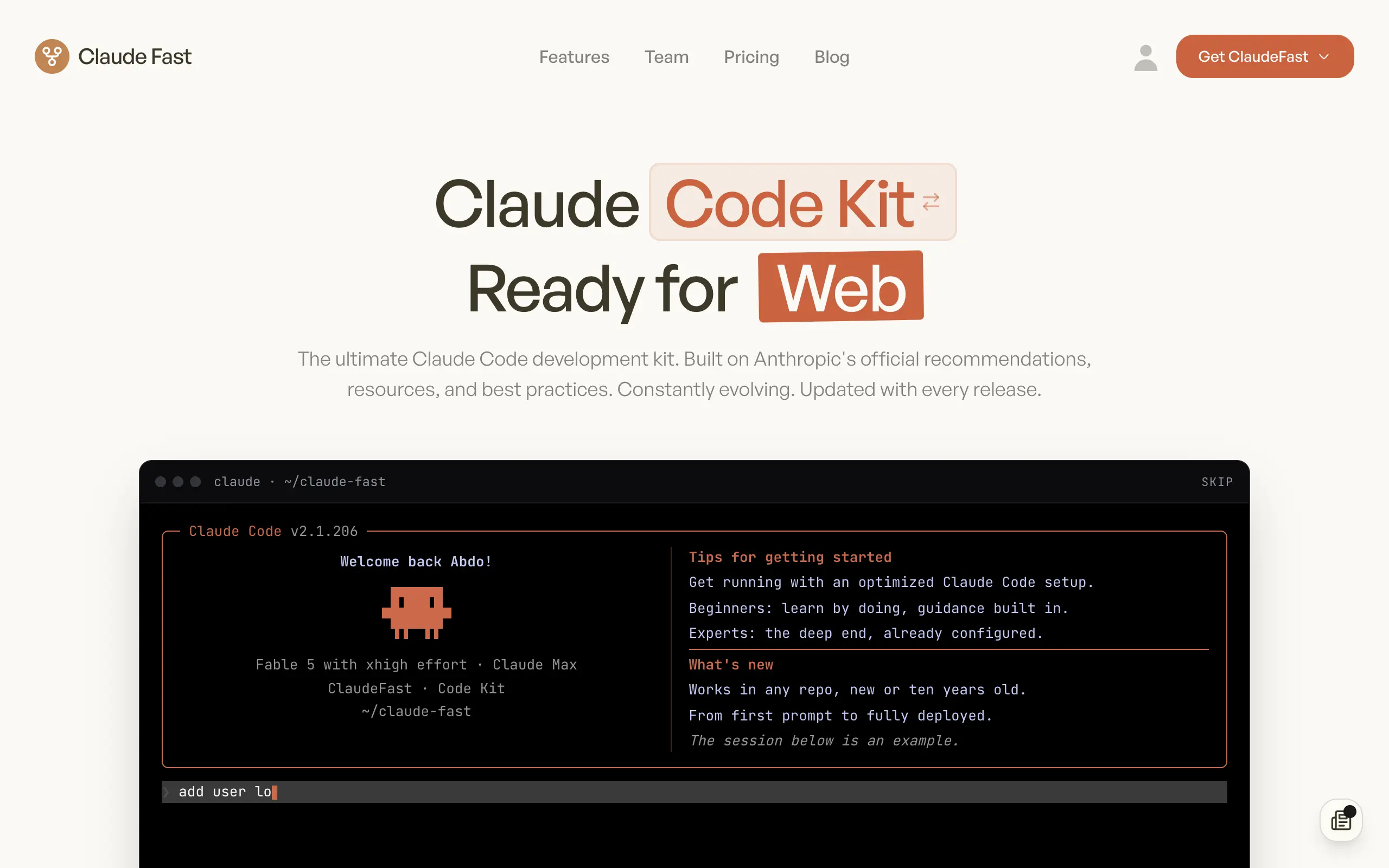
Claude Fast
Supercharge your Claude Code with 6x effective context window and specialized AI agents 🤖
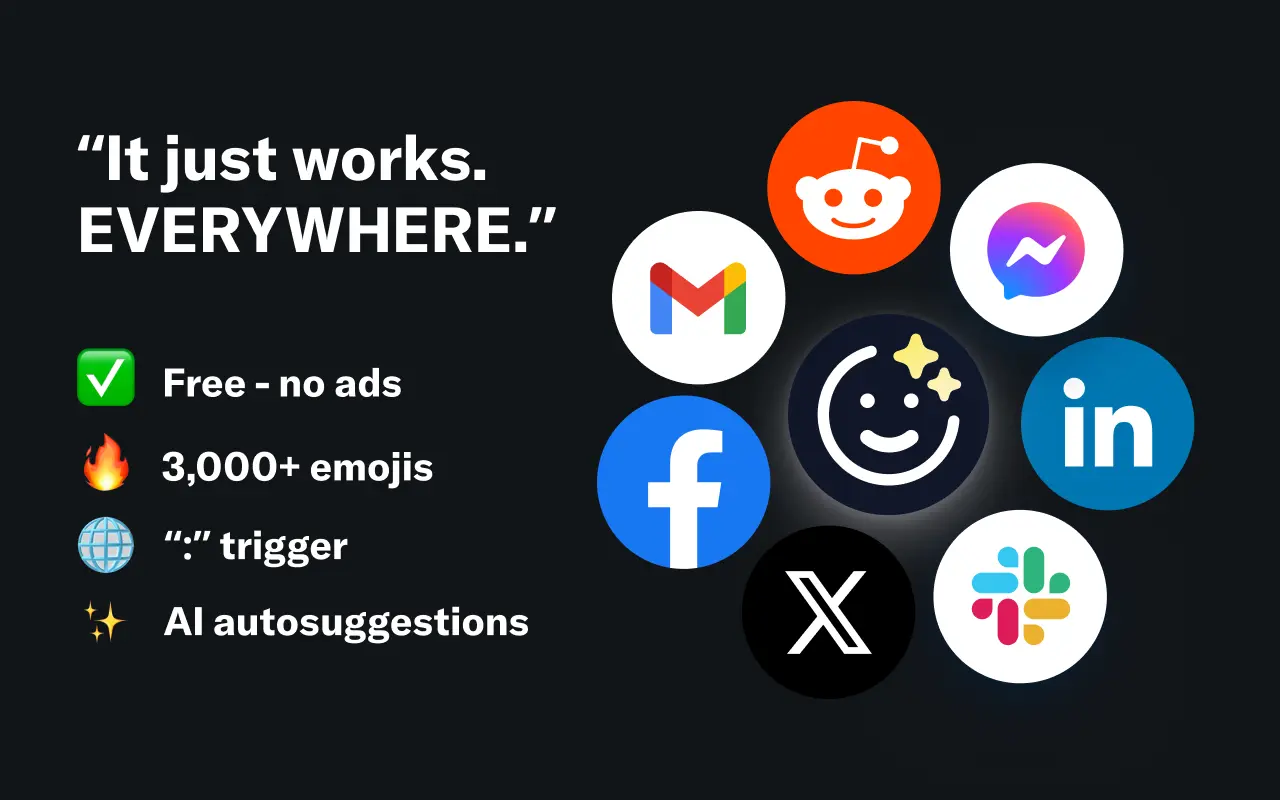
EmojAI
AI-powered emoji picker with smart, context-aware suggestions 🤖
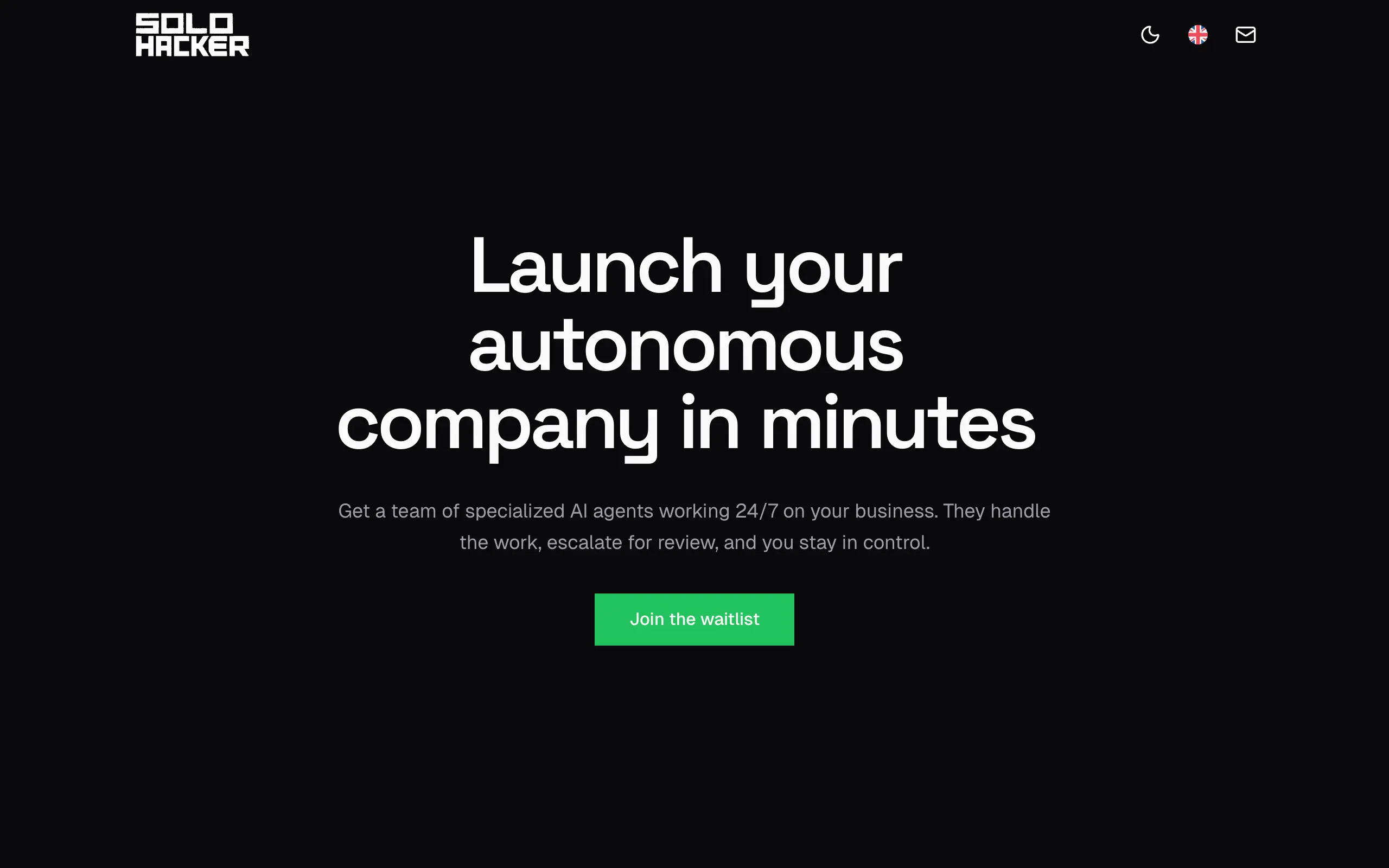
Solohacker
Autonomous company launcher - AI agents work 24/7, escalate what matters, and you stay in control 🤖
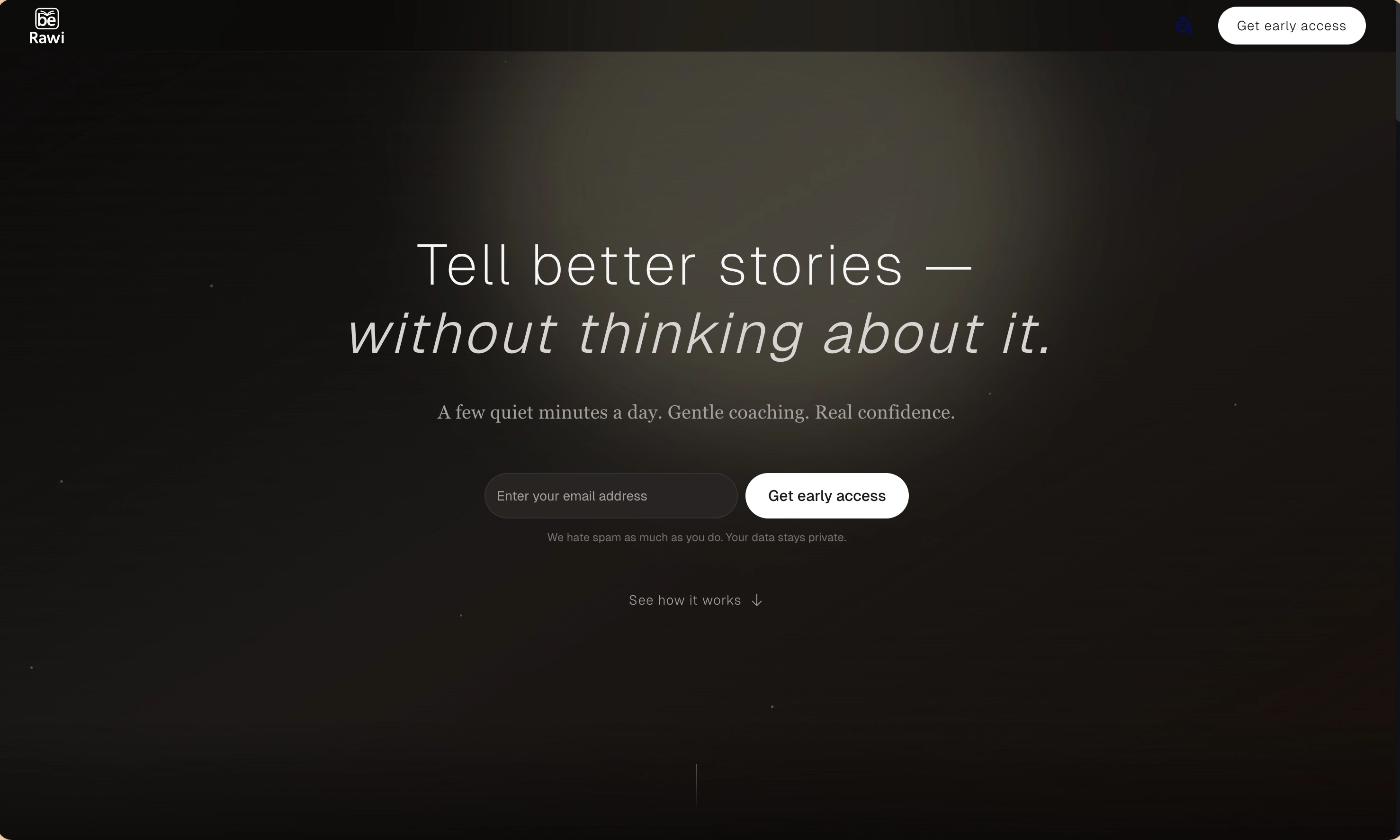
BeRawi: Storytelling Coach
Practice storytelling daily with instant feedback to sound clearer, more engaging, and confident 🎤
Omichat
Chat with 50+ AI models, including ChatGPT and Claude, in one place - switch models anytime without losing context 🤖
Claude Fast
Supercharge your Claude Code with 6x effective context window and specialized AI agents 🤖
EmojAI
AI-powered emoji picker with smart, context-aware suggestions 🤖
Solohacker
Autonomous company launcher - AI agents work 24/7, escalate what matters, and you stay in control 🤖
BeRawi: Storytelling Coach
Practice storytelling daily with instant feedback to sound clearer, more engaging, and confident 🎤
Omichat
Chat with 50+ AI models, including ChatGPT and Claude, in one place - switch models anytime without losing context 🤖
Claude Fast
Supercharge your Claude Code with 6x effective context window and specialized AI agents 🤖
EmojAI
AI-powered emoji picker with smart, context-aware suggestions 🤖
Solohacker
Autonomous company launcher - AI agents work 24/7, escalate what matters, and you stay in control 🤖
BeRawi: Storytelling Coach
Practice storytelling daily with instant feedback to sound clearer, more engaging, and confident 🎤
Omichat
Chat with 50+ AI models, including ChatGPT and Claude, in one place - switch models anytime without losing context 🤖
Claude Fast
Supercharge your Claude Code with 6x effective context window and specialized AI agents 🤖
EmojAI
AI-powered emoji picker with smart, context-aware suggestions 🤖
Solohacker
Autonomous company launcher - AI agents work 24/7, escalate what matters, and you stay in control 🤖
BeRawi: Storytelling Coach
Practice storytelling daily with instant feedback to sound clearer, more engaging, and confident 🎤

Connect with like-minded people
Join our community to get feedback, support, and grow together with 1,000+ builders on board, let's ship it!
Join usShip your startup everywhere. In minutes.
Don't burn tokens on setup and start building features on day one.