AutoProposal AI
AI-powered RFP and proposal generator that analyzes client requirements and drafts tailored, high-converting proposals in minutes.
Why an AI-powered RFP and proposal generator is a massive opportunity in 2026
Winning proposals are the lifeblood of agencies, consultants, B2B service providers, and enterprise vendors. Yet writing a tailored, high-converting proposal for every RFP (Request for Proposal) remains time-consuming, repetitive, and prone to human error.
AutoProposal AI, an AI-powered RFP and proposal generator, addresses this pain point by analyzing client requirements and drafting personalized, persuasive proposals in minutes.
In this in-depth guide, we’ll break down:
- The real market opportunity behind AI proposal software
- Target audience segments and their pain points
- Core features required for a competitive AI proposal generator
- Technical architecture and AI stack recommendations
- Monetization models and pricing strategies
- Competitive landscape and differentiation
- Risks and mitigation strategies
- A step-by-step roadmap to build and launch
If you're exploring building an AI SaaS in the B2B productivity space, this is one of the most promising verticals right now.
Understanding user intent behind “AI proposal generator” searches
When someone searches for:
- AI proposal generator
- AI RFP response tool
- automated proposal writing software
- AI for business proposals
They typically want one of the following:
- Time savings – Reduce hours spent drafting repetitive proposals.
- Higher win rates – Improve structure, clarity, and persuasiveness.
- Consistency – Maintain brand voice and formatting.
- Compliance – Ensure RFP responses meet specific requirements.
- Scalability – Handle more bids without increasing headcount.
AutoProposal AI must directly address these intentions to rank and convert.
Market opportunity and gap analysis
The RFP and proposal writing problem
In industries like:
- IT services
- Marketing agencies
- Government contracting
- SaaS enterprise sales
- Consulting firms
Proposal writing can consume 20–40% of pre-sales effort. Teams often:
- Copy-paste from old proposals
- Manually adjust scope sections
- Forget key compliance clauses
- Miss subtle RFP requirements
- Struggle to tailor tone per client
Despite the rise of AI writing tools, most generic tools (like standard LLM chat interfaces) are not:
- Structured around RFP documents
- Compliance-aware
- Integrated with company knowledge bases
- Built for team collaboration
- Optimized for conversion psychology
That’s the gap.
Target audience analysis
To build a successful AI proposal generator SaaS, you must understand each segment’s motivations and budget.
1. Digital agencies (small to mid-sized)
Pain points:
- Writing 5–20 proposals per month
- High competition
- Need to tailor proposals quickly
- Founder or sales team often writes them
Buying motivation:
- Increase win rate
- Reduce time-to-send
- Standardize brand voice
Willingness to pay:
- $49–$199/month depending on usage
2. Enterprise sales teams
Pain points:
- Complex RFP documents (30–200 pages)
- Strict compliance requirements
- Collaboration across departments
- Legal and procurement scrutiny
Buying motivation:
- Reduce turnaround time
- Ensure regulatory compliance
- Centralize knowledge reuse
Willingness to pay:
- $500–$5,000+/month depending on seats and integrations
3. Government contractors
Pain points:
- Highly structured RFPs
- Detailed evaluation criteria
- Long-form technical responses
- Risk of disqualification
Buying motivation:
- Structured compliance matrix
- AI assistance in technical drafting
- Requirement tracking
4. Freelancers and consultants
Pain points:
- Limited time
- Need polished documents
- Competitive marketplace
Buying motivation:
- Professional-looking proposals
- Speed
- Templates with customization
Core features of AutoProposal AI
To stand out in the AI proposal software space, the product must go beyond “AI text generation.”
1. RFP ingestion and requirement analysis
The foundation of AutoProposal AI:
- Upload PDF, DOCX, or paste RFP text
- AI extracts:
- Scope requirements
- Deliverables
- Evaluation criteria
- Mandatory compliance items
- Deadlines
This enables structured proposal drafting instead of generic text output.
2. Intelligent proposal drafting
The AI proposal generator should:
- Create structured sections:
- Executive summary
- Problem statement
- Proposed solution
- Methodology
- Timeline
- Pricing summary
- Team qualifications
- Match tone:
- Corporate
- Conversational
- Technical
- Insert dynamic company data:
- Case studies
- Testimonials
- Certifications
3. Compliance tracking matrix
For serious RFP users, this is critical.
AutoProposal AI can:
- Map each RFP requirement to proposal sections
- Show completion status
- Flag missing elements
- Generate a compliance checklist
This feature alone differentiates it from generic AI writing tools.
4. Knowledge base integration
Users can upload:
- Past proposals
- Case studies
- Company profiles
- Legal clauses
- Pricing structures
The AI uses this data as context (via retrieval-augmented generation).
This increases:
- Accuracy
- Brand alignment
- Win probability
5. Collaboration and workflow
For teams:
- Multi-user editing
- Comments and approvals
- Version history
- Export to DOCX/PDF
- CRM integration (e.g., Salesforce)
6. Proposal scoring and optimization
Using AI:
- Score clarity
- Highlight weak value propositions
- Suggest stronger differentiators
- Improve executive summary
Think: Grammarly + conversion optimization for proposals.
Feature comparison snapshot
| Feature | Generic AI Tool | Template-Based Software | Manual Writing | AutoProposal AI | Traditional Proposal Software |
|---|---|---|---|---|---|
| RFP requirement extraction | ❌ | ❌ | ❌ | ✅ | ❌ |
| AI-driven personalization | ✅ | ❌ | ❌ | ✅ | Limited |
Recommended tech stack for AutoProposal AI
Building a scalable AI proposal generator requires careful stack decisions.
Frontend
Why:
- Fast development
- SEO-friendly (SSR with Next.js)
- Component-based architecture
Backend
- Node.js (NestJS or Express)
- PostgreSQL (structured data)
- Redis (caching AI responses)
- Object storage (AWS S3 or equivalent)
AI layer
- LLM provider (e.g., OpenAI or Anthropic)
- Embeddings for document retrieval
- Vector database (e.g., Pinecone or self-hosted pgvector)
- Prompt orchestration layer
Example: RFP analysis pipeline
async function analyzeRFP(documentText: string) {
  const extractedRequirements = await llm.extractRequirements(documentText);

  const embeddings = await embedder.generate(documentText);

  await vectorStore.store({
    content: documentText,
    embedding: embeddings,
  });

  return extractedRequirements;
}
This modular approach ensures scalability and flexibility.
Trade-offs in AI architecture
Key architecture decision
You must choose between API-based LLM usage and partially fine-tuned domain models. API-based is faster to ship; fine-tuned models offer better domain accuracy but higher cost and complexity.
Recommendation for MVP:
Start with API-based models + retrieval-augmented generation (RAG). Optimize prompts before investing in fine-tuning.
Monetization strategy options
A strong SaaS pricing strategy can dramatically increase lifetime value (LTV).
1. Tiered subscription model
- Starter ($49/month)
- Limited proposals/month
- Basic AI drafting
- Pro ($149/month)
- RFP ingestion
- Compliance matrix
- Knowledge base
- Enterprise (custom pricing)
- API access
- CRM integrations
- Dedicated support
2. Usage-based pricing
Charge based on:
- AI tokens used
- Number of RFPs processed
- Storage volume
This aligns cost with heavy enterprise users.
3. Add-ons
- Premium templates
- Industry-specific modules
- White-label branding
- Advanced analytics
Competitive landscape analysis
Key competitors may include:
- Generic AI writing tools
- Proposal management software
- CRM-native proposal add-ons
Your competitive advantage
AutoProposal AI wins by combining:
- RFP intelligence
- AI drafting
- Compliance tracking
- Knowledge base integration
- Proposal scoring
Most tools do 1–2 of these well. Few do all in a seamless workflow.
Potential risks and mitigation
Risk 1: AI hallucinations
Mitigation:
- Retrieval-based context grounding
- Source citation within proposals
- Human-in-the-loop review
Risk 2: Data privacy concerns
Especially for government and enterprise.
Mitigation:
- SOC 2 compliance roadmap
- Data encryption at rest and transit
- Clear AI data usage policies
Risk 3: Over-reliance on AI output
Users might submit unreviewed proposals.
Mitigation:
- Built-in review checklist
- Mandatory “human verification” step before export
Industry trends supporting this SaaS
- Rapid adoption of generative AI in enterprise workflows
- Increasing RFP volume in government and enterprise sectors
- Remote work increasing reliance on documentation
- Rising competition in service industries
According to major consulting firms like McKinsey (see reports on generative AI impact), knowledge work automation is one of the highest ROI areas in AI adoption.
Proposal writing is prime for disruption.
Clear unique selling proposition (USP)
AutoProposal AI is not just an AI writer — it is an intelligent RFP response system that transforms complex client requirements into structured, compliant, high-converting proposals in minutes.
This clarity is critical for positioning and SEO.
Step-by-step implementation roadmap
Go-to-market strategy
Phase 1: Niche domination
Target:
- Digital marketing agencies
- IT consulting firms
Messaging:
- “Generate tailored proposals in 10 minutes instead of 3 hours.”
Phase 2: Authority building
- Publish RFP response guides
- Share proposal frameworks
- Provide industry benchmarks
- Create case studies
Phase 3: Enterprise outreach
- LinkedIn outbound
- Partnerships with CRM vendors
- Industry conference sponsorship
Building faster with the right SaaS foundation
Launching an AI SaaS requires:
- Authentication
- Billing
- Team management
- AI usage metering
- Admin dashboards
Instead of building everything from scratch, you can use a production-ready SaaS starter kit like TurboStarter, which accelerates development and lets you focus on core AI logic.
Final thoughts: is AutoProposal AI worth building?
Absolutely — if executed correctly.
The AI proposal generator market sits at the intersection of:
- High business value
- Repetitive knowledge work
- Clear ROI
- Enterprise budgets
Success depends on:
- Deep RFP intelligence
- Strong compliance features
- Seamless UX
- Clear differentiation from generic AI tools
If you focus on solving real workflow friction instead of just generating text, AutoProposal AI can become an essential B2B productivity platform.
The opportunity is not just to help people write faster —
It’s to help them win more business.
More 🤖 AI Startup SaaS ideas
Discover more innovative ai startup SaaS ideas that are trending in 2026. Each idea is AI-generated with market validation and growth potential to help you find your next profitable venture faster than competitors.
Your competitors are building with TurboStarter
Below are some of the SaaS ideas that have been generated and built with our starter kit.
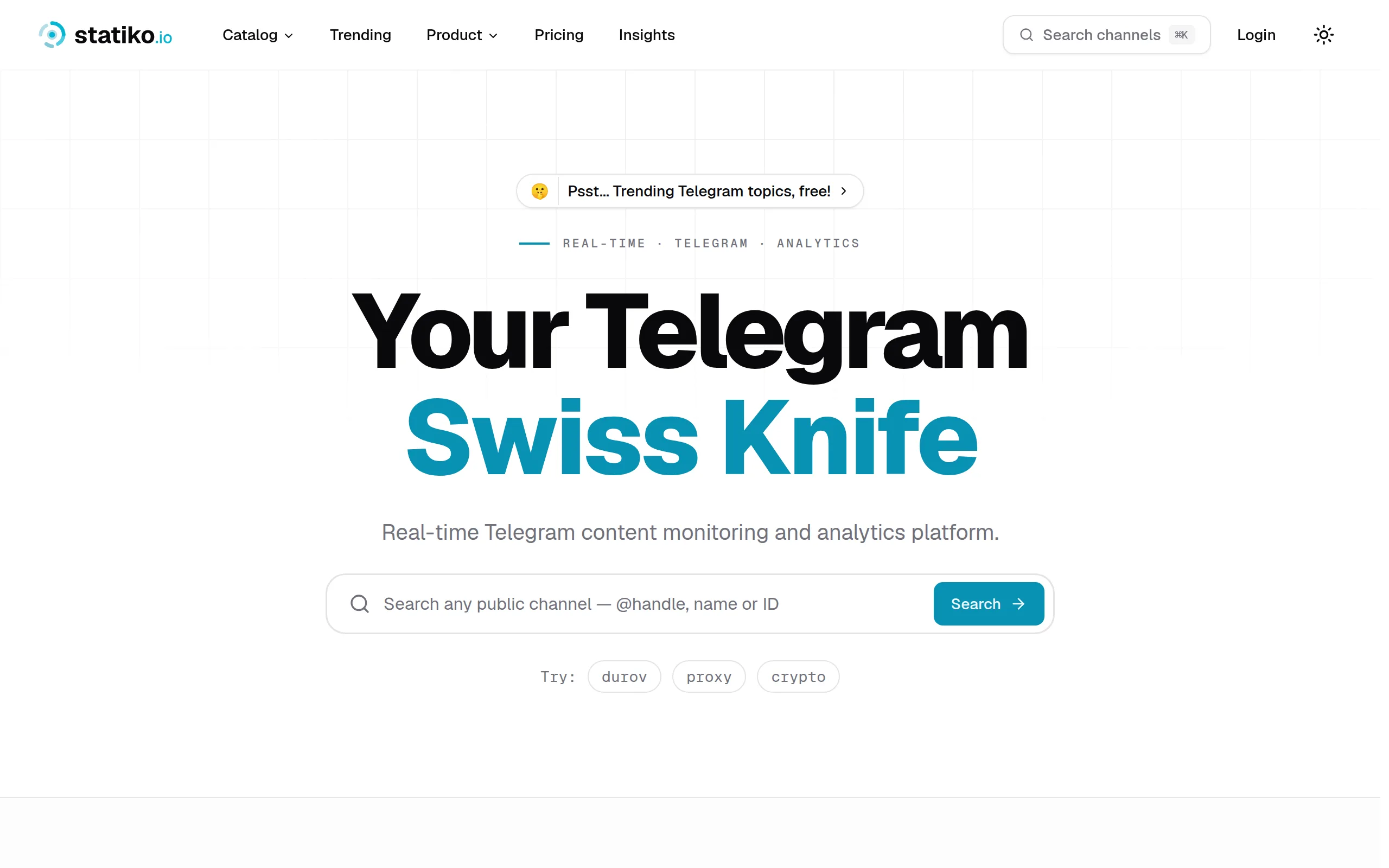
Statiko
Monitor any Telegram channel in real time - track posts, edits, deletions, and growth with AI recaps 📡
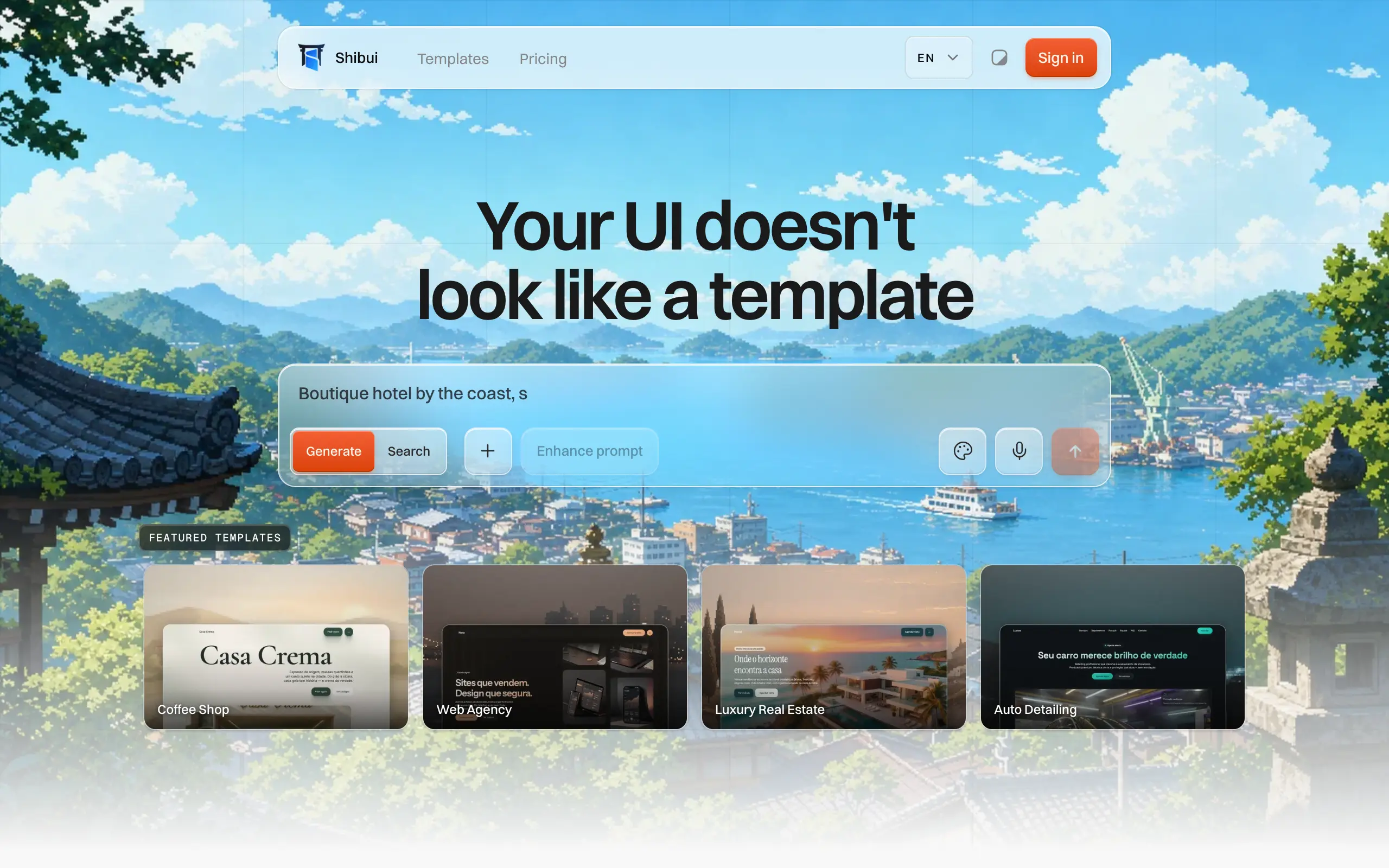
Shibui
AI website builder - describe your business, pick a niche template, edit by chatting, and publish instantly ✨

Pro Service
Find verified home service professionals, compare quotes, and pay securely through escrow - built for Brazilians across the US 🏠
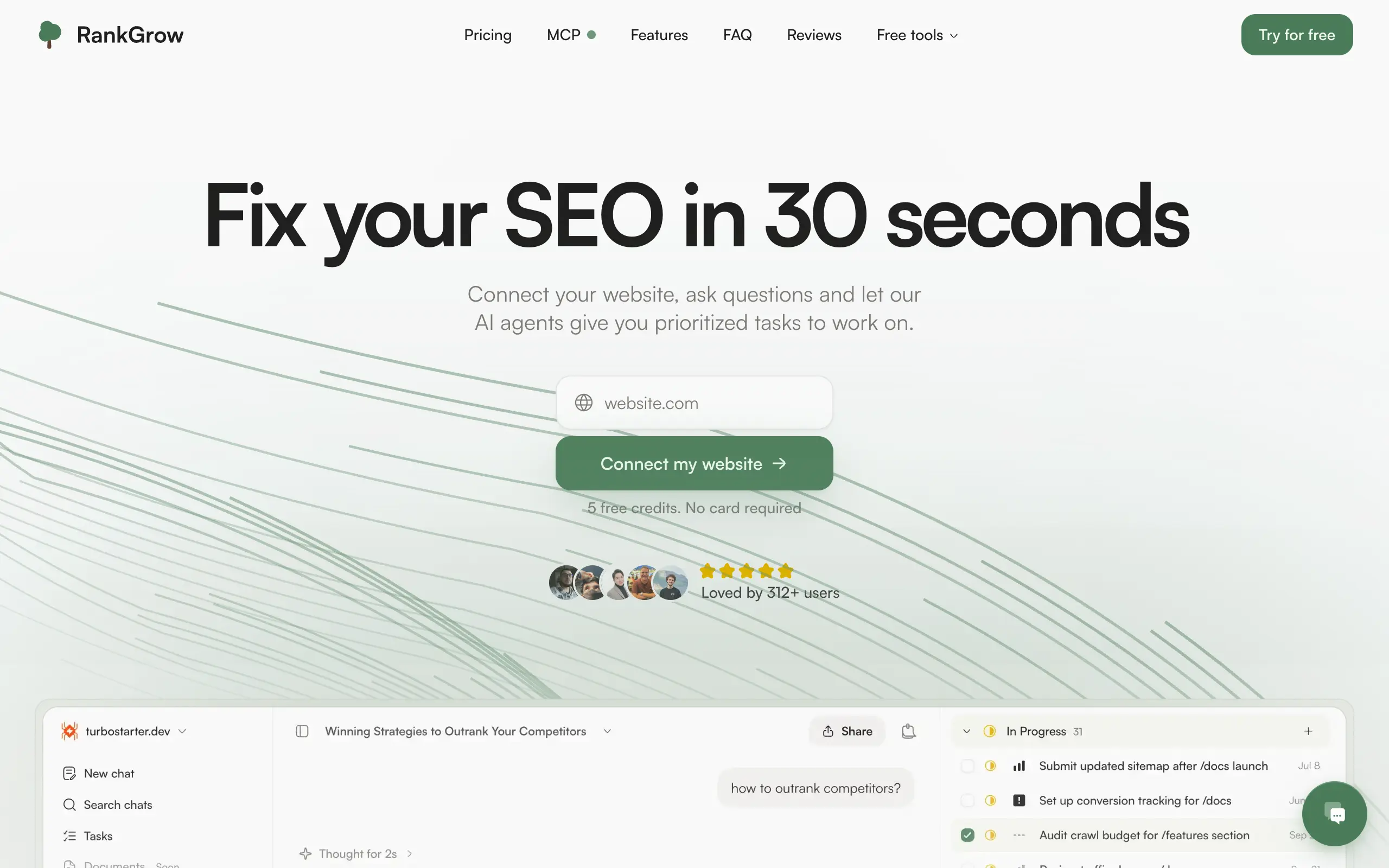
RankGrow
Fix your SEO with AI agents - connect Search Console, get prioritized tasks, and grow organic traffic 📈
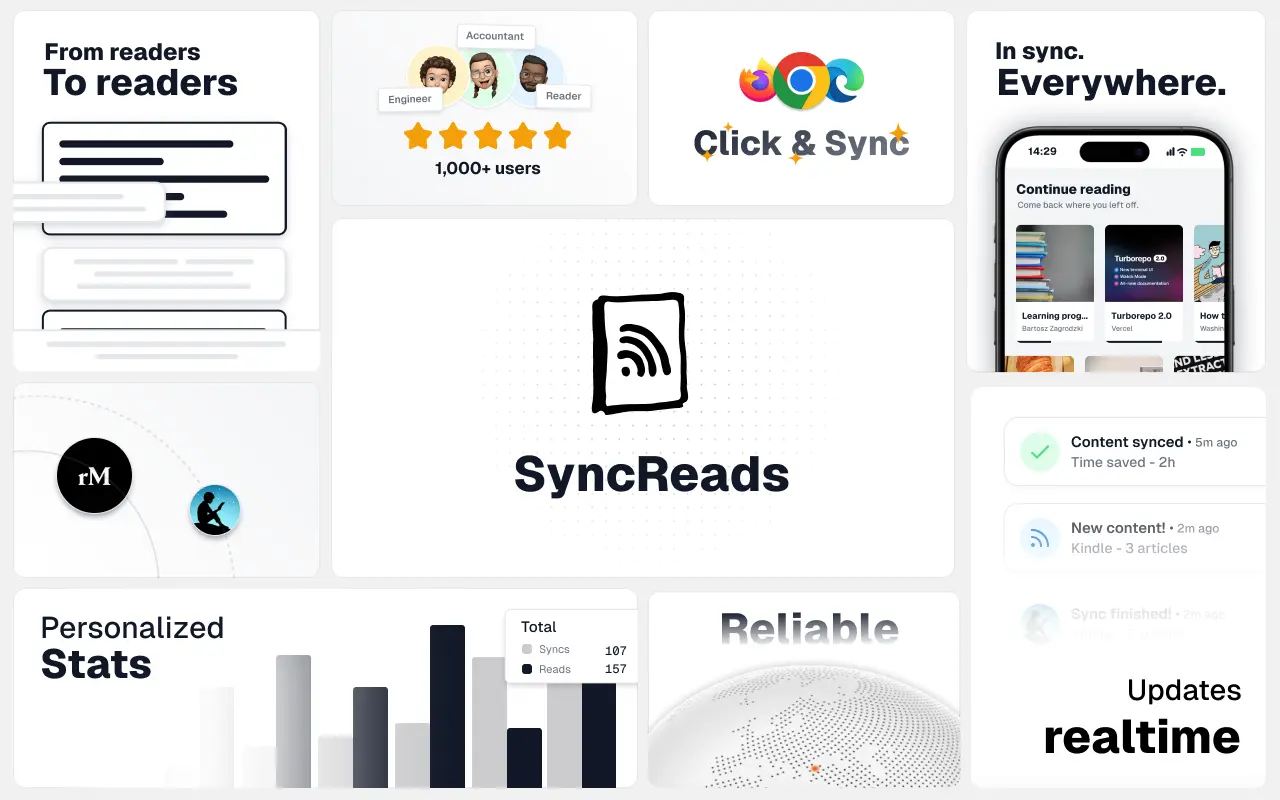
SyncReads
Sync your favorite content for distraction-free reading, save time and replace multiple apps. Anytime, anywhere 🔄
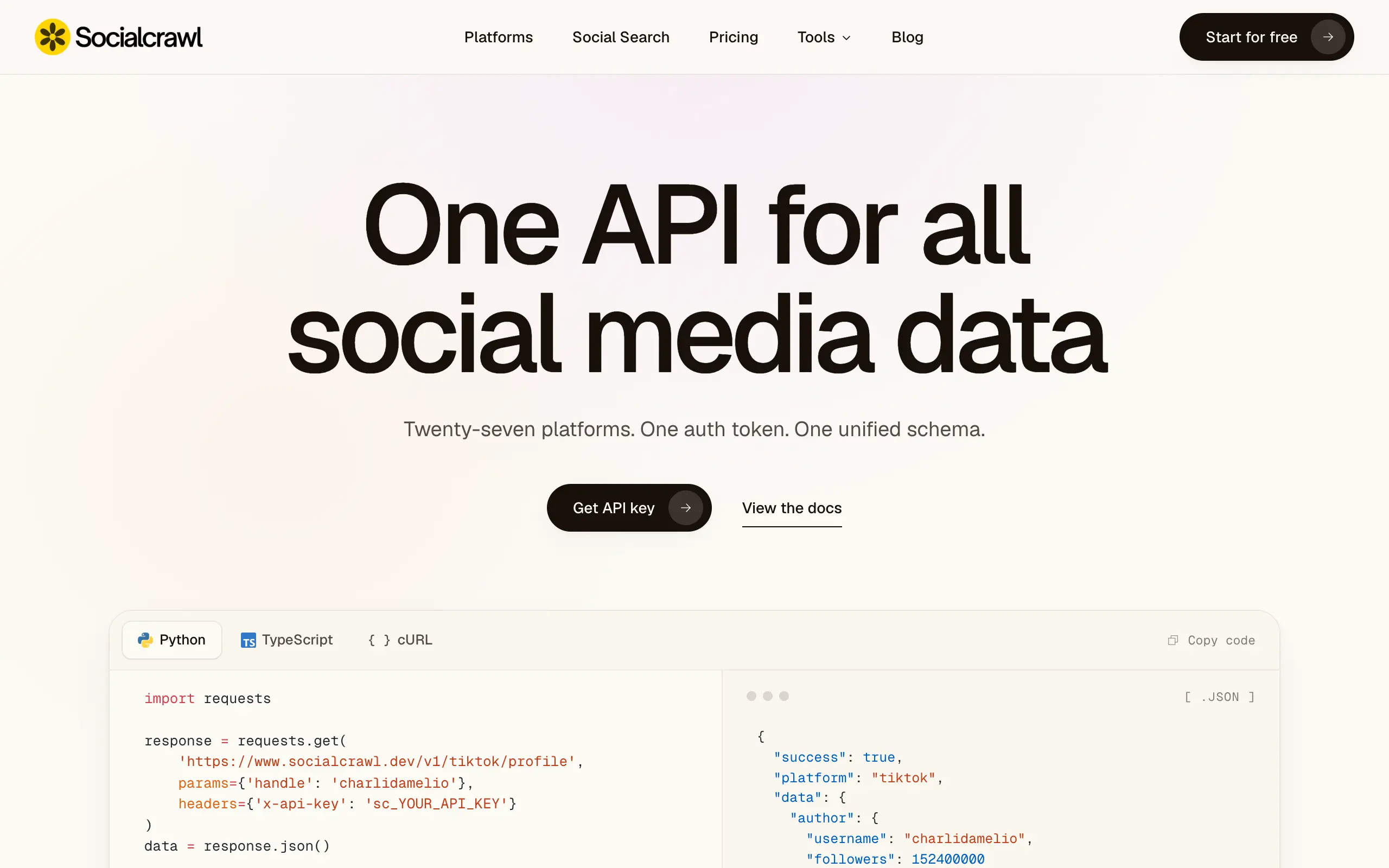
Socialcrawl
Get clean, structured data from 21 platforms like TikTok, Instagram, and YouTube with a single request 📊
Statiko
Monitor any Telegram channel in real time - track posts, edits, deletions, and growth with AI recaps 📡
Shibui
AI website builder - describe your business, pick a niche template, edit by chatting, and publish instantly ✨
Pro Service
Find verified home service professionals, compare quotes, and pay securely through escrow - built for Brazilians across the US 🏠
RankGrow
Fix your SEO with AI agents - connect Search Console, get prioritized tasks, and grow organic traffic 📈
SyncReads
Sync your favorite content for distraction-free reading, save time and replace multiple apps. Anytime, anywhere 🔄
Socialcrawl
Get clean, structured data from 21 platforms like TikTok, Instagram, and YouTube with a single request 📊
Statiko
Monitor any Telegram channel in real time - track posts, edits, deletions, and growth with AI recaps 📡
Shibui
AI website builder - describe your business, pick a niche template, edit by chatting, and publish instantly ✨
Pro Service
Find verified home service professionals, compare quotes, and pay securely through escrow - built for Brazilians across the US 🏠
RankGrow
Fix your SEO with AI agents - connect Search Console, get prioritized tasks, and grow organic traffic 📈
SyncReads
Sync your favorite content for distraction-free reading, save time and replace multiple apps. Anytime, anywhere 🔄
Socialcrawl
Get clean, structured data from 21 platforms like TikTok, Instagram, and YouTube with a single request 📊
Statiko
Monitor any Telegram channel in real time - track posts, edits, deletions, and growth with AI recaps 📡
Shibui
AI website builder - describe your business, pick a niche template, edit by chatting, and publish instantly ✨
Pro Service
Find verified home service professionals, compare quotes, and pay securely through escrow - built for Brazilians across the US 🏠
RankGrow
Fix your SEO with AI agents - connect Search Console, get prioritized tasks, and grow organic traffic 📈
SyncReads
Sync your favorite content for distraction-free reading, save time and replace multiple apps. Anytime, anywhere 🔄
Socialcrawl
Get clean, structured data from 21 platforms like TikTok, Instagram, and YouTube with a single request 📊
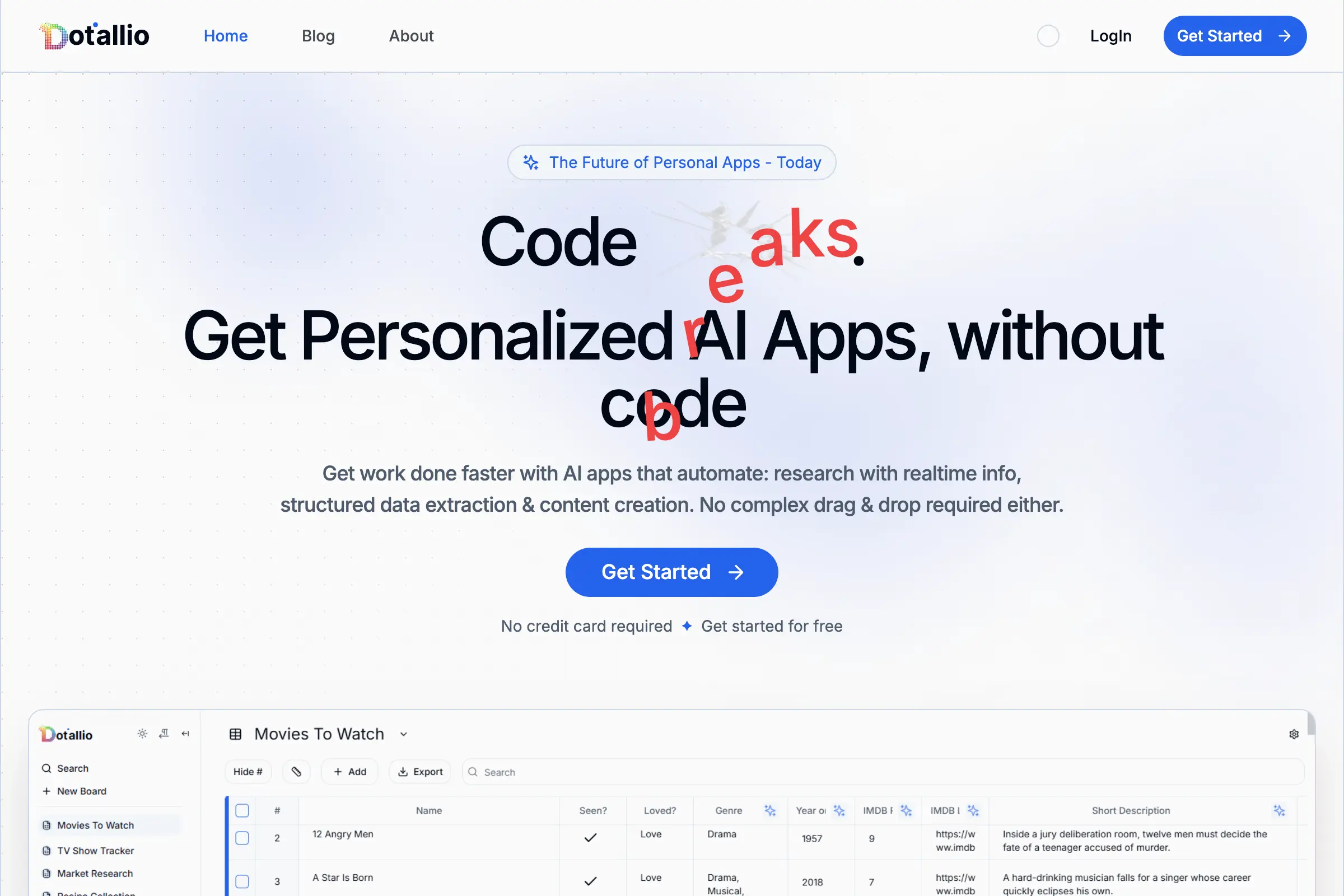
Dotallio
Personalized AI apps that automate research, data extraction, and content creation without code 🤖
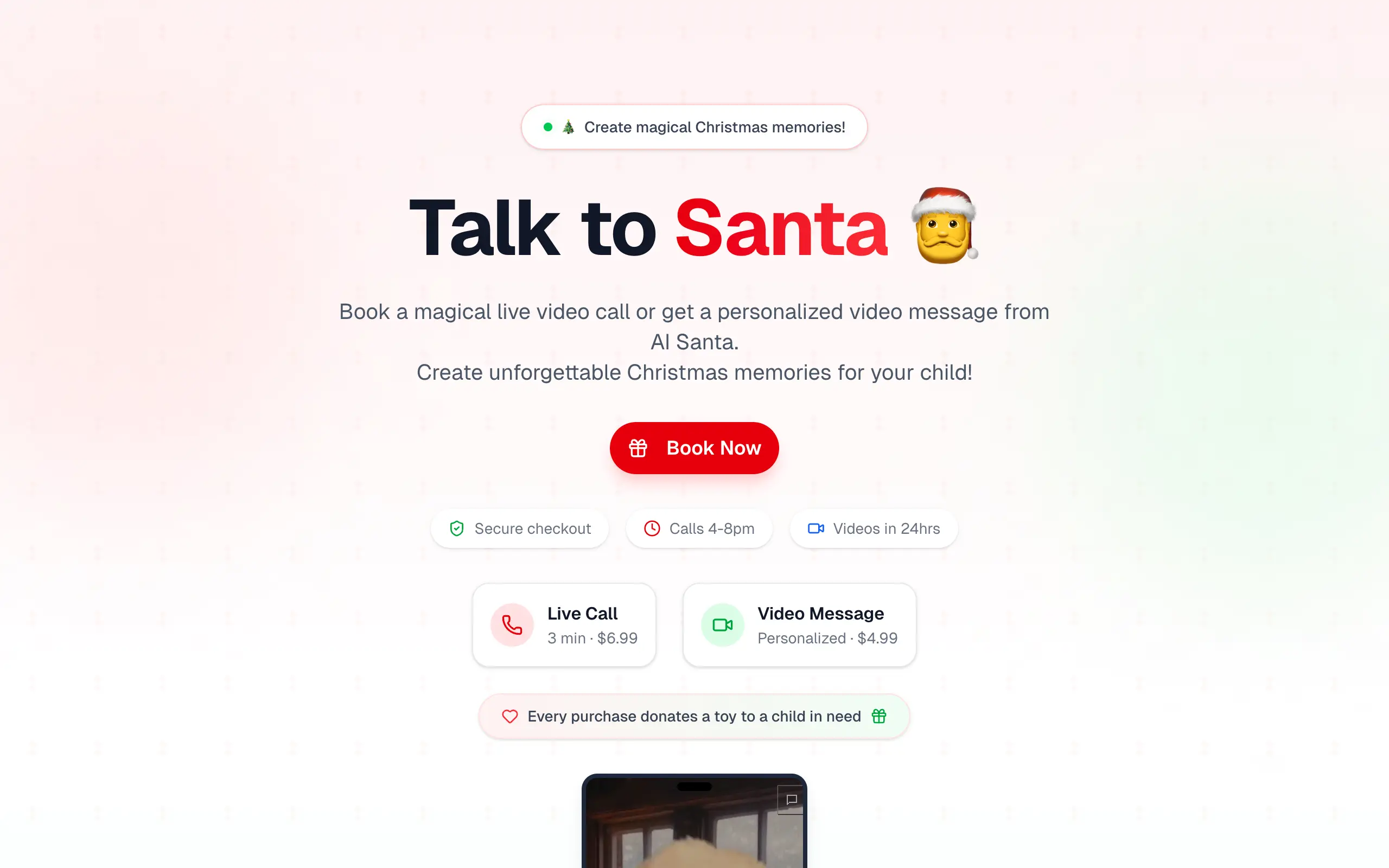
Talk to Santa
Enjoy a magical live video chat or receive a unique AI-generated video greeting from Santa Claus 🎅
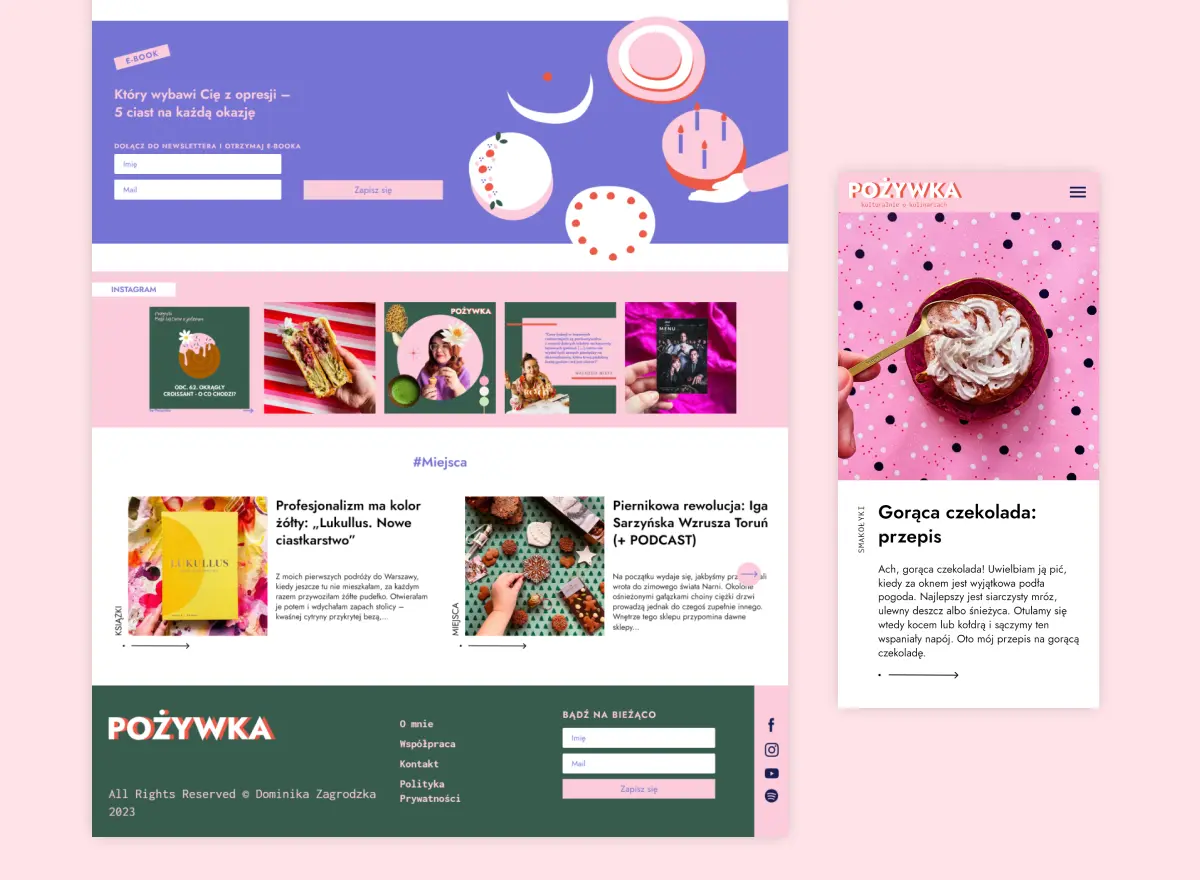
pozywka.pl
Scalable blog for food journalist, focused on performance and user experience 🌭
zagrodzki.me
Personal blog and portfolio of Bart Zagrodzki, where he shares his knowledge and work 💼
TurboStarter
Ship your startup everywhere. In minutes.
HTML to Markdown
Convert HTML to Markdown with ease, directly in your browser 📄
Dotallio
Personalized AI apps that automate research, data extraction, and content creation without code 🤖
Talk to Santa
Enjoy a magical live video chat or receive a unique AI-generated video greeting from Santa Claus 🎅
pozywka.pl
Scalable blog for food journalist, focused on performance and user experience 🌭
zagrodzki.me
Personal blog and portfolio of Bart Zagrodzki, where he shares his knowledge and work 💼
TurboStarter
Ship your startup everywhere. In minutes.
HTML to Markdown
Convert HTML to Markdown with ease, directly in your browser 📄
Dotallio
Personalized AI apps that automate research, data extraction, and content creation without code 🤖
Talk to Santa
Enjoy a magical live video chat or receive a unique AI-generated video greeting from Santa Claus 🎅
pozywka.pl
Scalable blog for food journalist, focused on performance and user experience 🌭
zagrodzki.me
Personal blog and portfolio of Bart Zagrodzki, where he shares his knowledge and work 💼
TurboStarter
Ship your startup everywhere. In minutes.
HTML to Markdown
Convert HTML to Markdown with ease, directly in your browser 📄
Dotallio
Personalized AI apps that automate research, data extraction, and content creation without code 🤖
Talk to Santa
Enjoy a magical live video chat or receive a unique AI-generated video greeting from Santa Claus 🎅
pozywka.pl
Scalable blog for food journalist, focused on performance and user experience 🌭
zagrodzki.me
Personal blog and portfolio of Bart Zagrodzki, where he shares his knowledge and work 💼
TurboStarter
Ship your startup everywhere. In minutes.
HTML to Markdown
Convert HTML to Markdown with ease, directly in your browser 📄
Omichat
Chat with 50+ AI models, including ChatGPT and Claude, in one place - switch models anytime without losing context 🤖
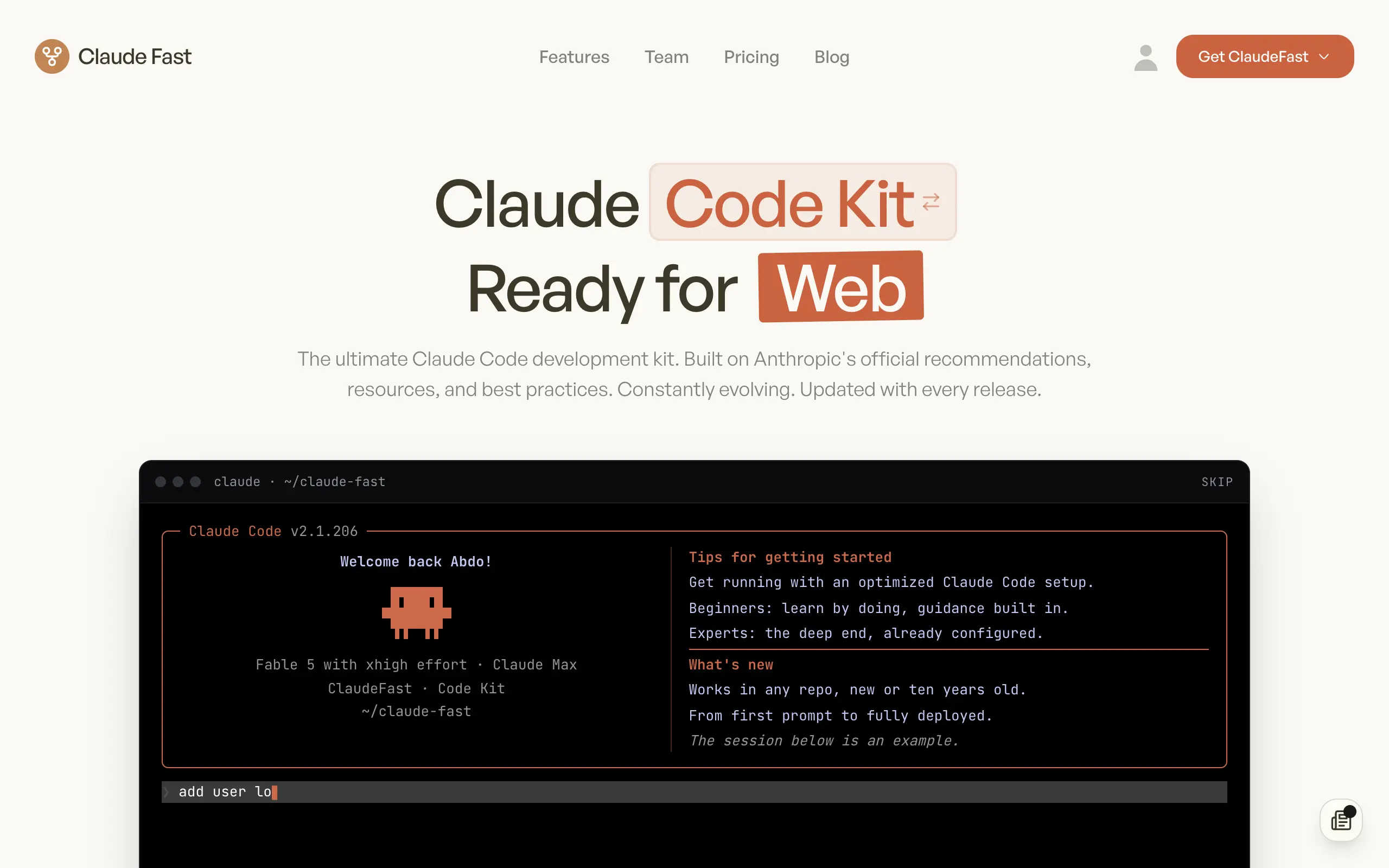
Claude Fast
Supercharge your Claude Code with 6x effective context window and specialized AI agents 🤖
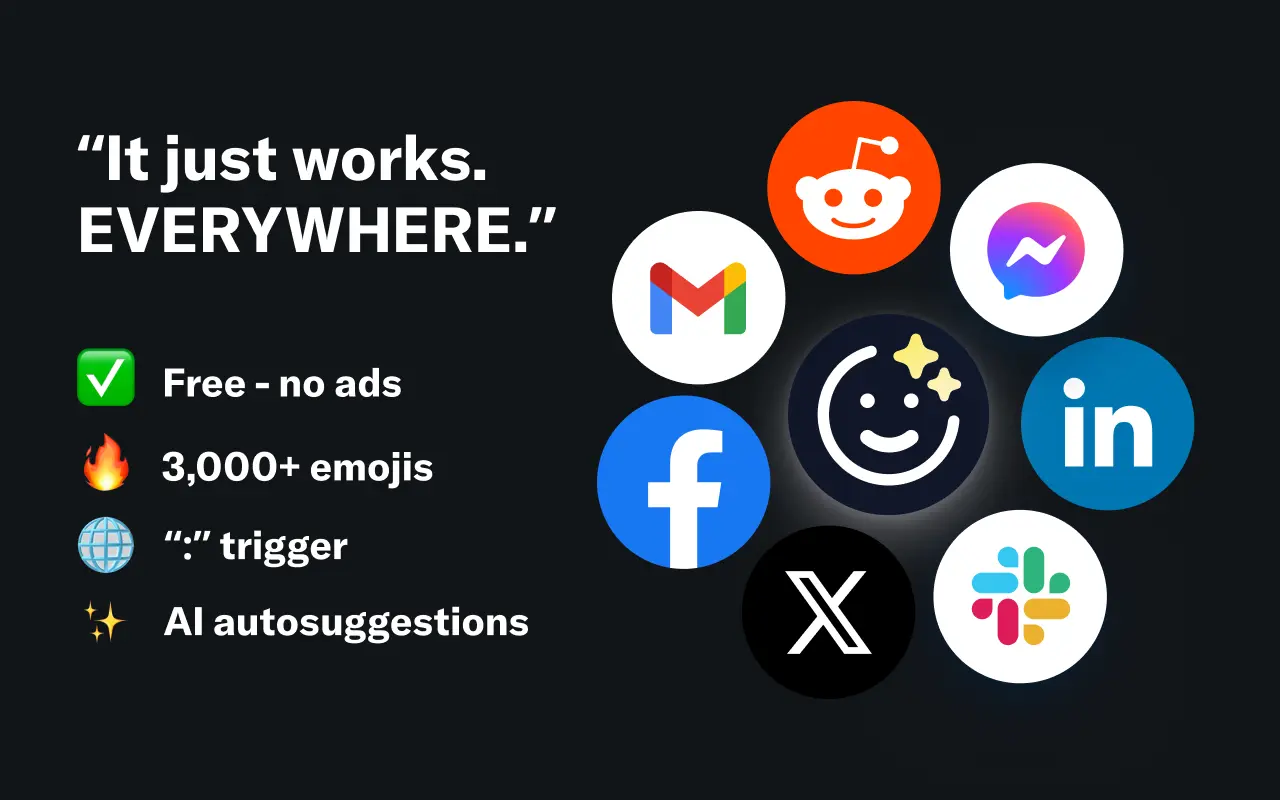
EmojAI
AI-powered emoji picker with smart, context-aware suggestions 🤖
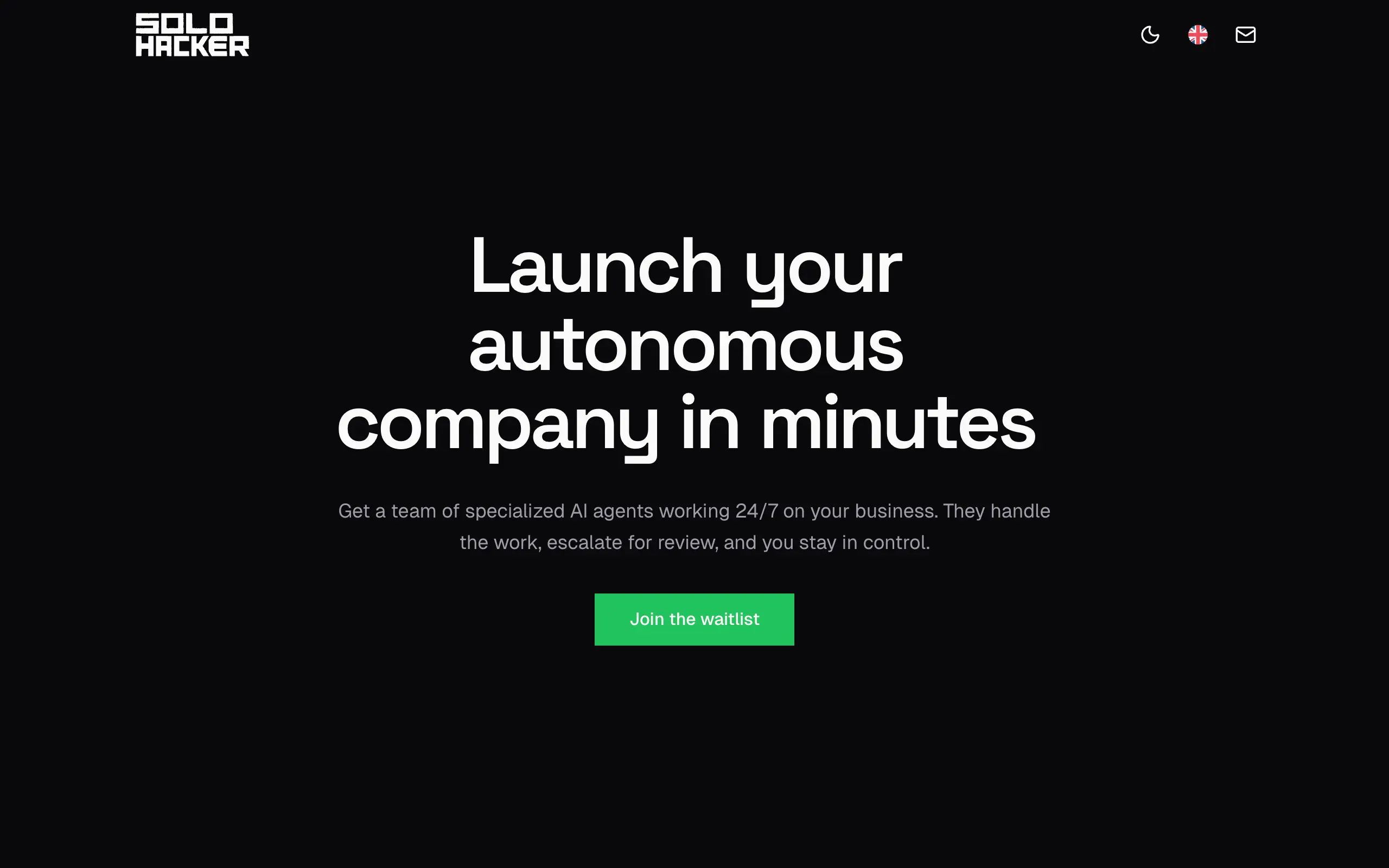
Solohacker
Autonomous company launcher - AI agents work 24/7, escalate what matters, and you stay in control 🤖
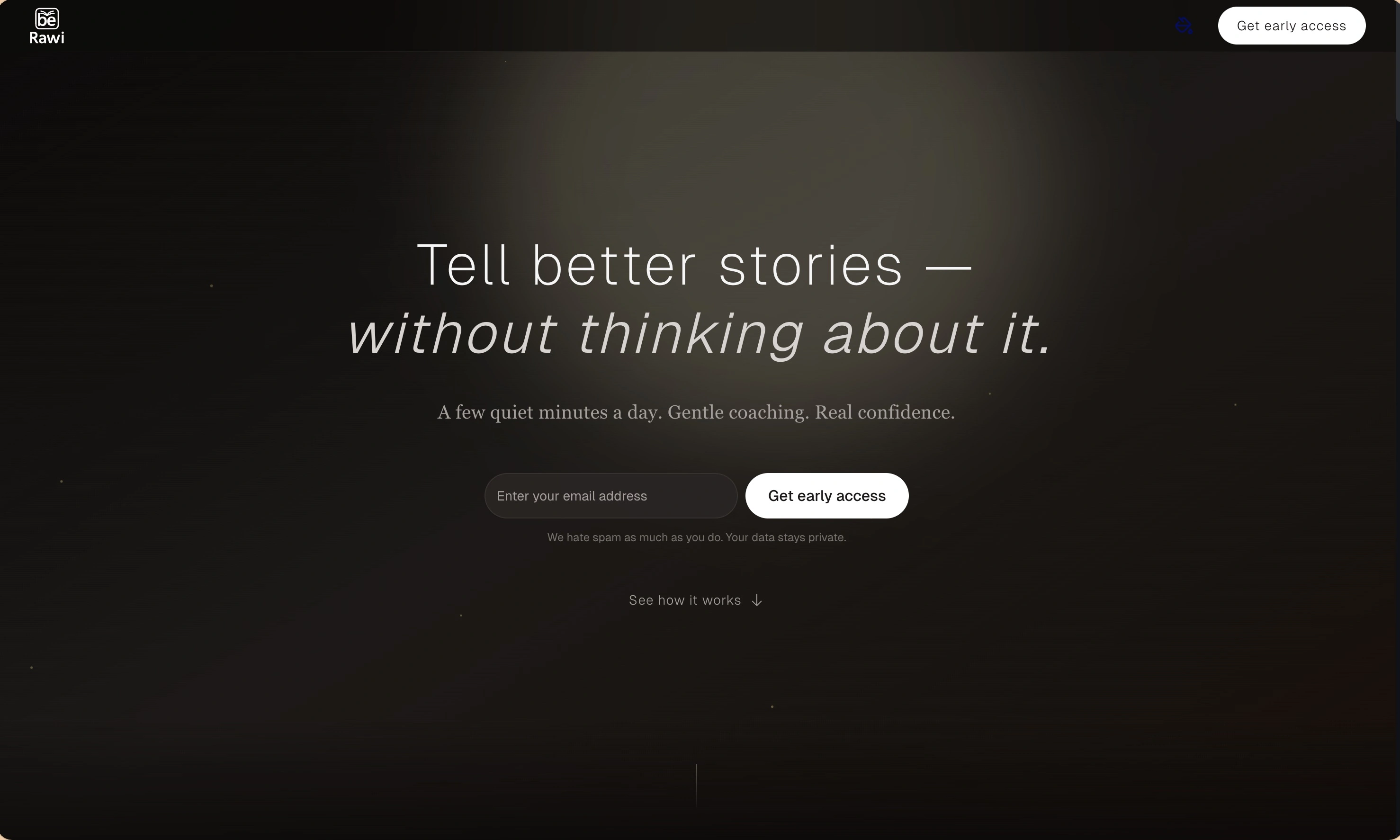
BeRawi: Storytelling Coach
Practice storytelling daily with instant feedback to sound clearer, more engaging, and confident 🎤
Omichat
Chat with 50+ AI models, including ChatGPT and Claude, in one place - switch models anytime without losing context 🤖
Claude Fast
Supercharge your Claude Code with 6x effective context window and specialized AI agents 🤖
EmojAI
AI-powered emoji picker with smart, context-aware suggestions 🤖
Solohacker
Autonomous company launcher - AI agents work 24/7, escalate what matters, and you stay in control 🤖
BeRawi: Storytelling Coach
Practice storytelling daily with instant feedback to sound clearer, more engaging, and confident 🎤
Omichat
Chat with 50+ AI models, including ChatGPT and Claude, in one place - switch models anytime without losing context 🤖
Claude Fast
Supercharge your Claude Code with 6x effective context window and specialized AI agents 🤖
EmojAI
AI-powered emoji picker with smart, context-aware suggestions 🤖
Solohacker
Autonomous company launcher - AI agents work 24/7, escalate what matters, and you stay in control 🤖
BeRawi: Storytelling Coach
Practice storytelling daily with instant feedback to sound clearer, more engaging, and confident 🎤
Omichat
Chat with 50+ AI models, including ChatGPT and Claude, in one place - switch models anytime without losing context 🤖
Claude Fast
Supercharge your Claude Code with 6x effective context window and specialized AI agents 🤖
EmojAI
AI-powered emoji picker with smart, context-aware suggestions 🤖
Solohacker
Autonomous company launcher - AI agents work 24/7, escalate what matters, and you stay in control 🤖
BeRawi: Storytelling Coach
Practice storytelling daily with instant feedback to sound clearer, more engaging, and confident 🎤

Connect with like-minded people
Join our community to get feedback, support, and grow together with 1,000+ builders on board, let's ship it!
Join usShip your startup everywhere. In minutes.
Don't burn tokens on setup and start building features on day one.