AutoSiteForge
Platformă AI care generează automat site-uri complete și fluxuri de automatizare pe baza unui brief simplu. Ideal pentru freelanceri și agenții.
What is an AI website generator like AutoSiteForge?
The rise of AI-powered development tools has transformed how websites and digital products are built. An AI website generator platform like AutoSiteForge takes this evolution further by not only generating websites but also creating complete automation workflows based on a simple user brief.
Instead of manually designing pages, configuring CMS systems, integrating APIs, and setting up automations, users describe their business needs—and the platform generates a fully functional, production-ready solution.
This category sits at the intersection of:
- AI no-code/low-code platforms
- Website builders (like Webflow or Wix)
- Workflow automation tools (like Zapier or Make)
- SaaS scaffolding frameworks
AutoSiteForge’s core promise is simple but powerful:
turn ideas into live, automated digital systems in minutes—not weeks.
Why this idea matters now
AI-assisted development is no longer experimental—it’s rapidly becoming the default. Tools like OpenAI, Vercel, and Next.js have made it easier than ever to generate, deploy, and scale applications.
At the same time, three major trends are converging:
1. Explosion of freelancers and micro-agencies
Millions of freelancers are building websites for clients, often repeating the same tasks:
- Landing page creation
- CMS setup
- SEO configuration
- Lead capture integrations
- Email automation
This repetition creates a massive opportunity for automation.
2. Demand for faster delivery
Clients increasingly expect:
- Websites in days, not weeks
- Built-in automations
- SEO optimization out of the box
- Scalable infrastructure
Manual workflows struggle to keep up.
3. AI maturity in structured generation
Modern AI can now reliably generate:
- Code (React, Node.js, APIs)
- Structured content
- Design systems
- Workflow logic
This makes end-to-end generation platforms viable, not just experimental.
Target audience and user personas
AutoSiteForge is not for everyone. Its strength lies in solving specific, high-frequency workflows.
Primary audience
Freelancers
- Web designers
- No-code developers
- SEO specialists
- Marketing consultants
Pain points:
- Repetitive project setup
- Low margins due to time constraints
- Technical overhead
Agencies
- Digital agencies
- Growth marketing teams
- SaaS consultants
Pain points:
- Scaling production
- Maintaining consistency
- Managing multiple client stacks
Indie hackers & solopreneurs
- Startup builders
- SaaS founders
- Product experimenters
Pain points:
- Limited time
- Lack of full-stack expertise
- Need for fast validation
Secondary audience
- Coaches and consultants
- Small business owners
- Content creators
These users benefit from simplicity but may need guided experiences.
The core problem AutoSiteForge solves
Building a website is no longer the hard part.
Building a system is.
A typical “simple website” today requires:
- Frontend UI
- Backend or CMS
- Authentication (optional)
- Analytics
- SEO configuration
- Integrations (email, CRM, payments)
- Automation workflows
Even with modern tools, this process is fragmented.
Key insight
Users don’t want websites—they want outcomes: leads, conversions, automation, and scalability.
AutoSiteForge addresses this by generating:
- A complete website
- Integrated automation flows
- Pre-configured business logic
All from a single input brief.
How AutoSiteForge works (conceptual flow)
At its core, AutoSiteForge uses AI orchestration to transform user intent into deployable systems.
Core features and capabilities
1. AI-powered brief-to-site generation
Users provide input like:
- “I need a website for a real estate agency with lead capture and email follow-ups”
- “Create a SaaS landing page with Stripe payments and onboarding”
The platform generates:
- Page structure
- UI components
- Copy (SEO-optimized)
- Forms and integrations
2. Built-in automation workflows
This is the real differentiator.
Instead of requiring tools like Zapier, AutoSiteForge generates workflows such as:
- Lead capture → CRM → email sequence
- Form submission → Slack notification
- Booking → calendar sync → reminder emails
3. SEO-ready architecture
Each generated site includes:
- Semantic HTML structure
- Meta tags and Open Graph data
- Sitemap and robots.txt
- Performance optimizations
4. Modular customization
Users can:
- Edit generated code
- Swap components
- Extend workflows
- Integrate third-party APIs
5. Multi-project management
Especially valuable for agencies:
- Client dashboards
- Project duplication
- Template reuse
Feature comparison with existing tools
| Feature | Wix | Webflow | Zapier | AutoSiteForge |
|---|---|---|---|---|
| AI site generation | ✅ | ❌ | ❌ | ✅ |
| Automation workflows | ❌ | ❌ | ✅ | ✅ |
| Full-stack output | ❌ | ❌ | ❌ | ✅ |
| Agency scalability | ⚠️ | ✅ | ✅ | ✅ |
Recommended tech stack
Building a platform like AutoSiteForge requires a modern, scalable stack.
Frontend
Why:
- Fast UI development
- Component reusability
- Server-side rendering for SEO
Backend
- Node.js (API layer)
- Serverless functions (Vercel / AWS Lambda)
- PostgreSQL database
AI layer
- LLM APIs (e.g., OpenAI)
- Prompt orchestration pipelines
- Template-based generation + AI refinement
Automation engine
Deployment
- Vercel for frontend
- Docker for backend services
Example: AI generation pipeline
async function generateSite(brief: string) {
  const structure = await ai.generate("site-structure", brief);
  const design = await ai.generate("ui-design", structure);
  const content = await ai.generate("seo-content", structure);
  const workflows = await ai.generate("automation-flows", brief);

  return {
    structure,
    design,
    content,
    workflows,
  };
}
Monetization strategies
AutoSiteForge has multiple viable revenue streams.
1. Subscription model (primary)
- Free tier (limited generation)
- Pro plan (advanced features)
- Agency plan (multi-client support)
2. Pay-per-generation
Users pay for:
- Website generation
- Workflow generation
- Advanced AI features
3. Template marketplace
Allow users to:
- Buy/sell templates
- Share workflows
- Monetize reusable assets
4. White-label offering
Agencies can:
- Brand the platform
- Offer it to clients
- Scale without technical overhead
Competitive advantage (USP)
AutoSiteForge’s biggest differentiator is system-level generation, not just UI.
Traditional tools focus on:
- Design
- Layout
- Static pages
AutoSiteForge focuses on:
- Business logic
- Automation
- Outcomes
System-first approach
Generates complete digital systems, not just websites.
Automation-native
Workflows are built-in, not bolted on later.
AI orchestration
Multiple AI layers working together for accuracy and depth.
Market opportunity and gap analysis
The global website builder market is already massive—but saturated.
However, a new category is emerging:
AI system builders
This niche is still underdeveloped.
Gaps in current solutions:
- Lack of automation integration
- Fragmented toolchains
- Limited AI depth
- Poor scalability for agencies
Opportunity:
Position AutoSiteForge as:
“The operating system for digital business infrastructure”
Risks and challenges
No SaaS idea is without risk.
1. AI output reliability
Generated systems may:
- Contain errors
- Lack edge-case handling
Mitigation:
- Validation layers
- Human-in-the-loop editing
- Template constraints
2. Competition from big players
Companies like:
- Wix
- Shopify
- Webflow
are rapidly integrating AI.
Mitigation:
- Focus on automation-first differentiation
- Target agencies (not mass consumers)
3. Complexity vs usability
Too much automation can overwhelm users.
Mitigation:
- Progressive onboarding
- Guided flows
- Pre-built templates
4. Cost of AI operations
LLM usage can become expensive.
Mitigation:
- Hybrid generation (templates + AI)
- Caching results
- Tiered pricing
SEO strategy for AutoSiteForge
To rank effectively, content should target:
Primary keywords
- AI website generator
- automated website builder
- AI site builder with automation
Long-tail keywords
- “generate website from prompt”
- “AI website builder for agencies”
- “automated SaaS website creation”
Content strategy
- Tutorials: “How to generate a website with AI”
- Comparisons: “AutoSiteForge vs Webflow”
- Case studies: Agency workflows
Go-to-market strategy
Phase 1: Early adopters
Target:
- Indie hackers
- Freelancers
Channels:
- Product Hunt
- Twitter/X
- Indie communities
Phase 2: Agency adoption
- Offer white-label features
- Build case studies
- Provide onboarding support
Phase 3: Scale
- Partnerships
- Integrations
- Marketplace ecosystem
Implementation roadmap
Building faster with modern SaaS starters
Developing a platform like AutoSiteForge from scratch is time-intensive.
Using a production-ready SaaS boilerplate like TurboStarter can accelerate:
- Authentication
- Billing integration
- Dashboard setup
- API structure
This allows you to focus on:
- AI orchestration
- Core product differentiation
Future trends and expansion opportunities
AutoSiteForge can evolve into a broader ecosystem.
Potential expansions:
- AI app generation (beyond websites)
- Workflow marketplace
- Plugin ecosystem
- Vertical-specific generators (real estate, healthcare, SaaS)
Emerging trends to watch:
- AI agents replacing static workflows
- Voice-based site generation
- Real-time personalization
- Autonomous optimization systems
Final thoughts
AutoSiteForge represents a shift from building websites to generating business systems.
Its success depends on:
- Execution quality
- AI reliability
- Clear positioning
If done right, it can redefine how freelancers, agencies, and founders build digital products.
Actionable next steps
FAQ
No. It augments developers and enables non-technical users to build faster. Complex systems will still require engineering expertise.
Modern AI can produce high-quality output, but validation and customization are still necessary for production use.
Freelancers and agencies benefit the most due to repetitive workflows and scalability needs.
By focusing on automation-first design, AI orchestration, and agency scalability, AutoSiteForge has the potential to become a category-defining platform in the next wave of SaaS innovation.
More 🤖 AI Startup SaaS ideas
Discover more innovative ai startup SaaS ideas that are trending in 2026. Each idea is AI-generated with market validation and growth potential to help you find your next profitable venture faster than competitors.
Your competitors are building with TurboStarter
Below are some of the SaaS ideas that have been generated and built with our starter kit.

Statiko
Monitor any Telegram channel in real time - track posts, edits, deletions, and growth with AI recaps 📡

Shibui
AI website builder - describe your business, pick a niche template, edit by chatting, and publish instantly ✨

Pro Service
Find verified home service professionals, compare quotes, and pay securely through escrow - built for Brazilians across the US 🏠
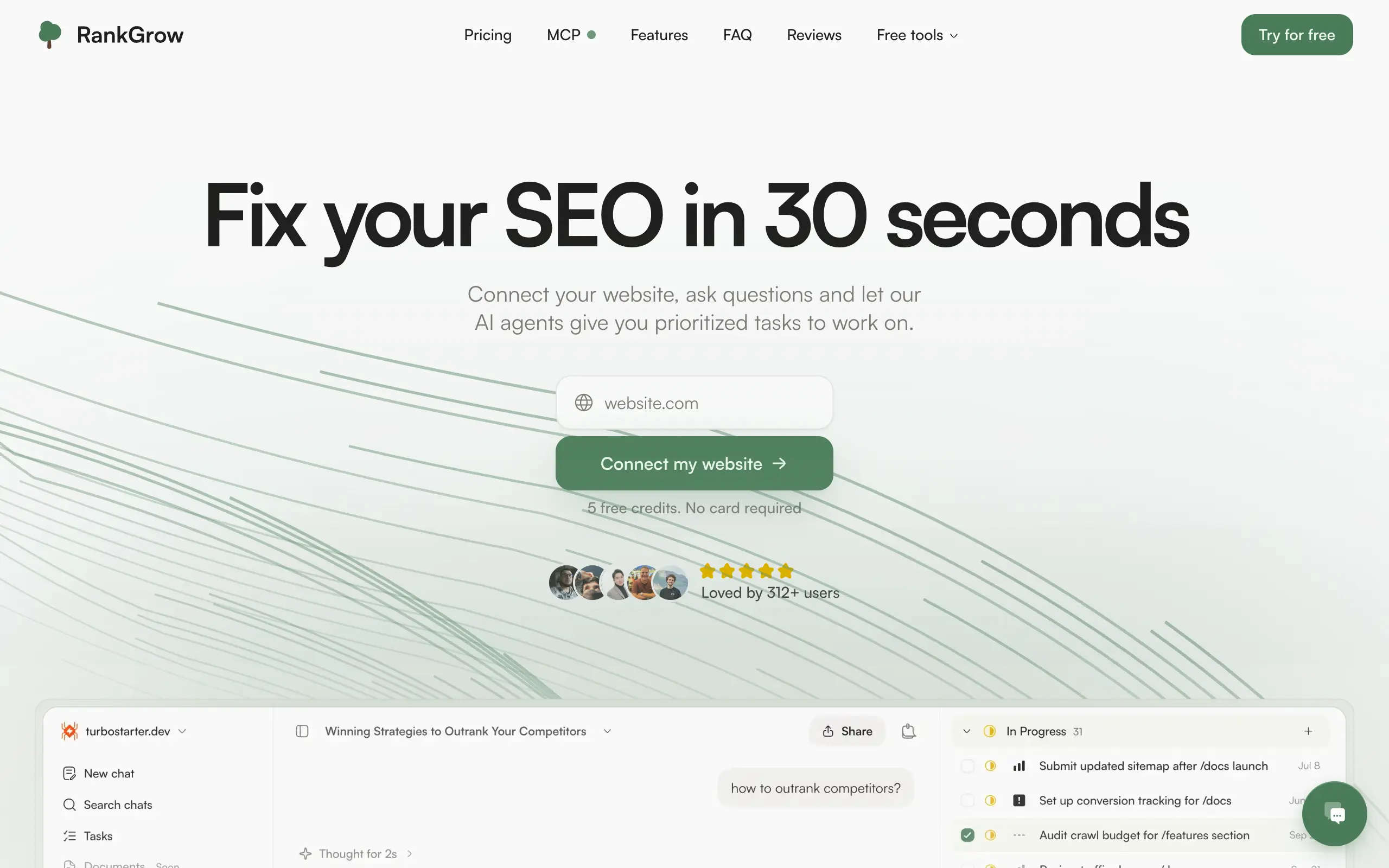
RankGrow
Fix your SEO with AI agents - connect Search Console, get prioritized tasks, and grow organic traffic 📈
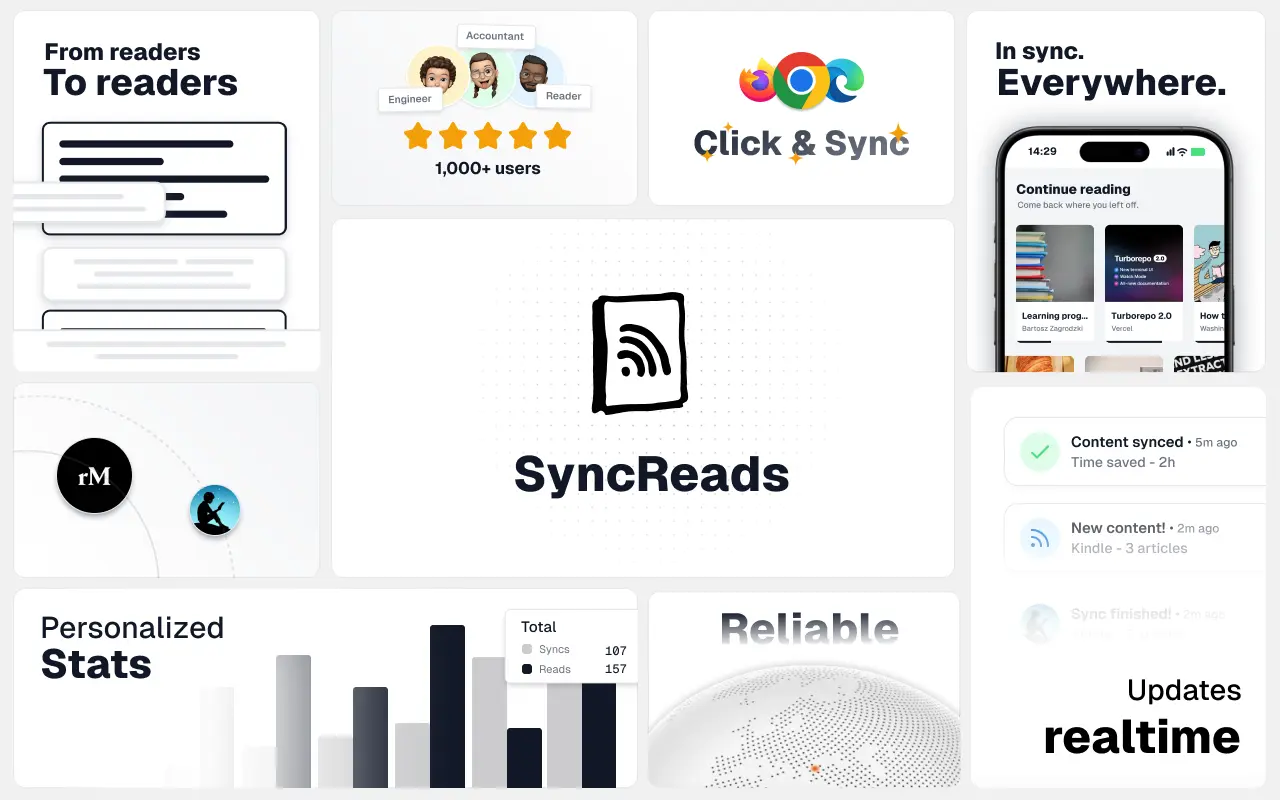
SyncReads
Sync your favorite content for distraction-free reading, save time and replace multiple apps. Anytime, anywhere 🔄
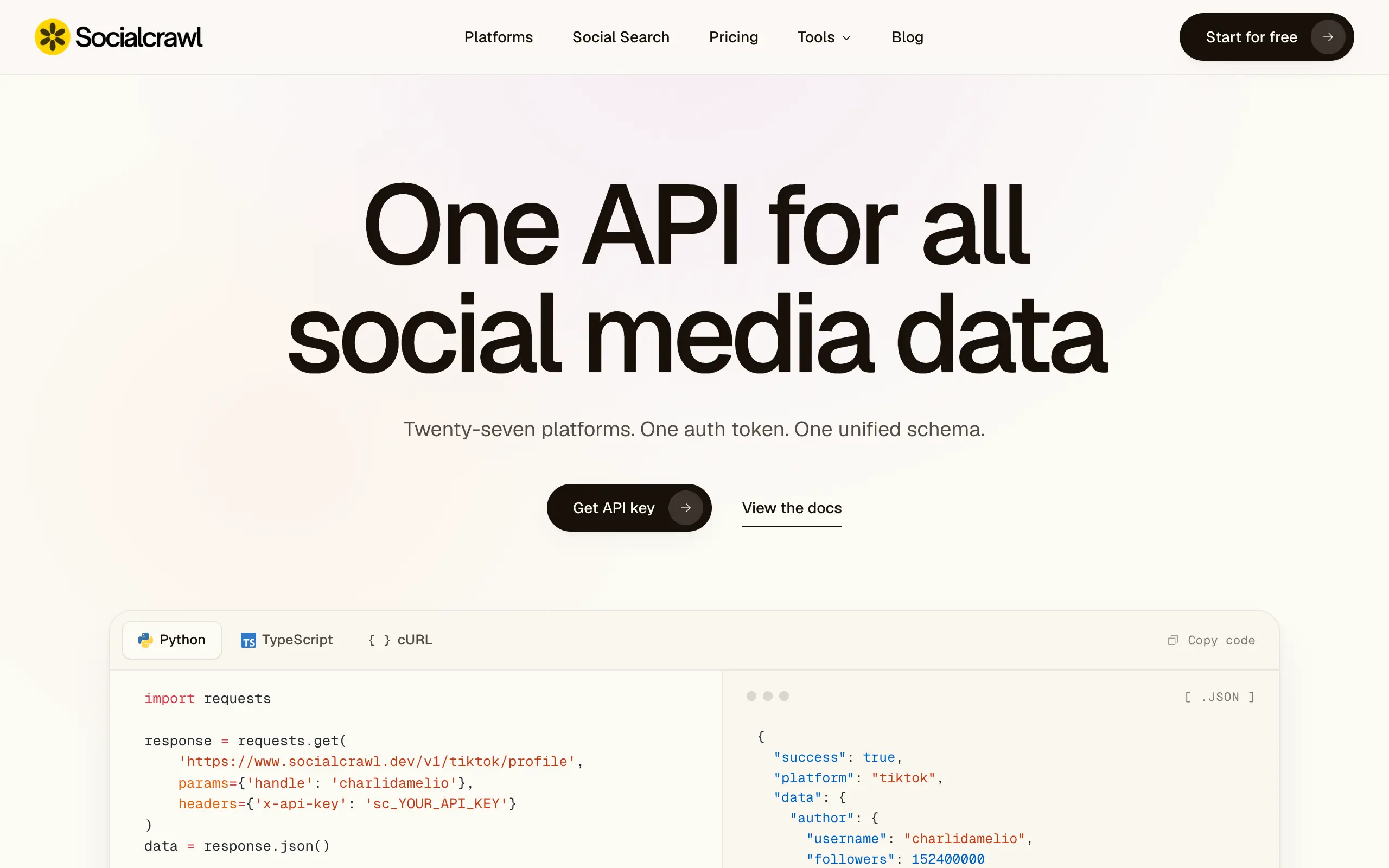
Socialcrawl
Get clean, structured data from 21 platforms like TikTok, Instagram, and YouTube with a single request 📊
Statiko
Monitor any Telegram channel in real time - track posts, edits, deletions, and growth with AI recaps 📡
Shibui
AI website builder - describe your business, pick a niche template, edit by chatting, and publish instantly ✨
Pro Service
Find verified home service professionals, compare quotes, and pay securely through escrow - built for Brazilians across the US 🏠
RankGrow
Fix your SEO with AI agents - connect Search Console, get prioritized tasks, and grow organic traffic 📈
SyncReads
Sync your favorite content for distraction-free reading, save time and replace multiple apps. Anytime, anywhere 🔄
Socialcrawl
Get clean, structured data from 21 platforms like TikTok, Instagram, and YouTube with a single request 📊
Statiko
Monitor any Telegram channel in real time - track posts, edits, deletions, and growth with AI recaps 📡
Shibui
AI website builder - describe your business, pick a niche template, edit by chatting, and publish instantly ✨
Pro Service
Find verified home service professionals, compare quotes, and pay securely through escrow - built for Brazilians across the US 🏠
RankGrow
Fix your SEO with AI agents - connect Search Console, get prioritized tasks, and grow organic traffic 📈
SyncReads
Sync your favorite content for distraction-free reading, save time and replace multiple apps. Anytime, anywhere 🔄
Socialcrawl
Get clean, structured data from 21 platforms like TikTok, Instagram, and YouTube with a single request 📊
Statiko
Monitor any Telegram channel in real time - track posts, edits, deletions, and growth with AI recaps 📡
Shibui
AI website builder - describe your business, pick a niche template, edit by chatting, and publish instantly ✨
Pro Service
Find verified home service professionals, compare quotes, and pay securely through escrow - built for Brazilians across the US 🏠
RankGrow
Fix your SEO with AI agents - connect Search Console, get prioritized tasks, and grow organic traffic 📈
SyncReads
Sync your favorite content for distraction-free reading, save time and replace multiple apps. Anytime, anywhere 🔄
Socialcrawl
Get clean, structured data from 21 platforms like TikTok, Instagram, and YouTube with a single request 📊
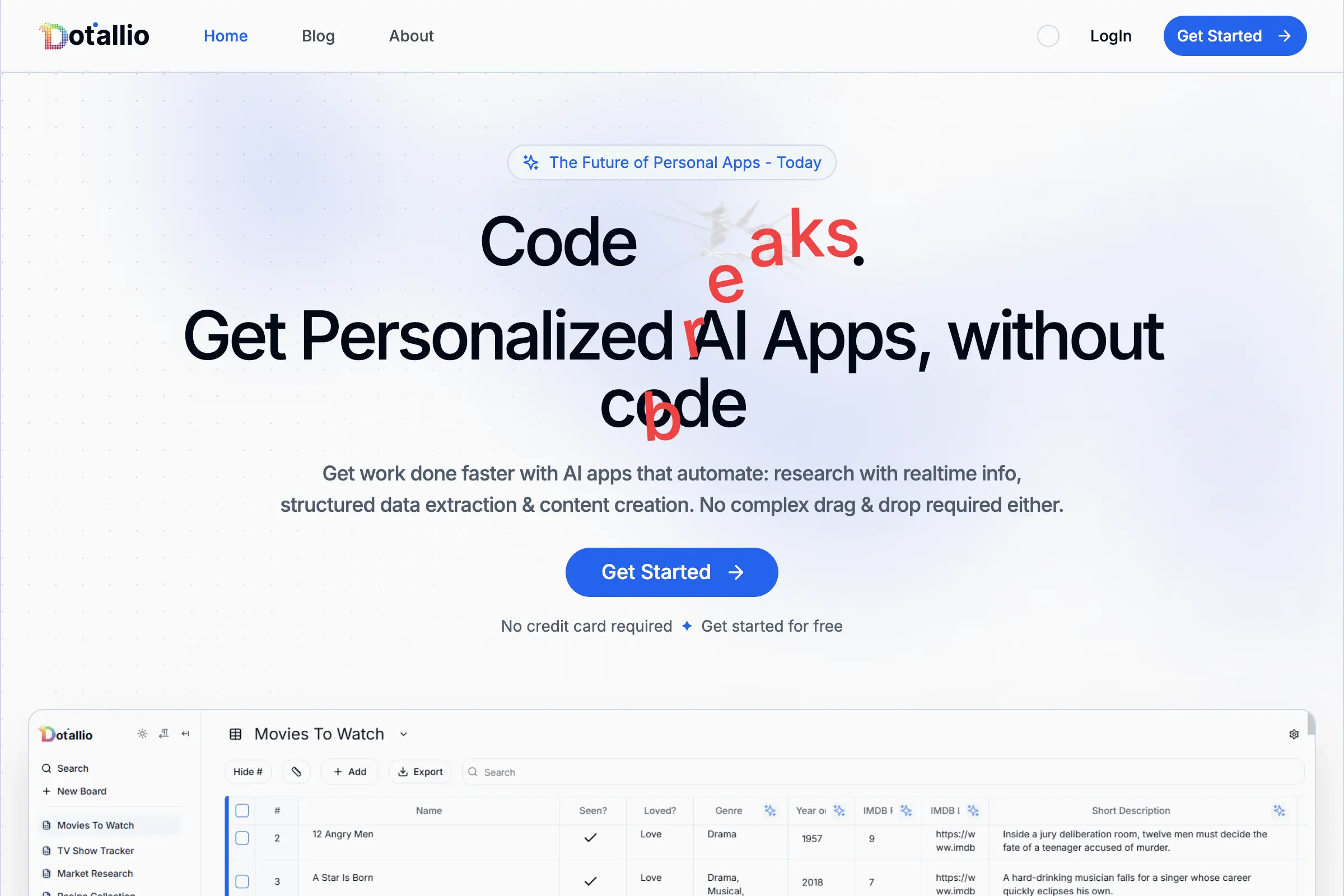
Dotallio
Personalized AI apps that automate research, data extraction, and content creation without code 🤖

Talk to Santa
Enjoy a magical live video chat or receive a unique AI-generated video greeting from Santa Claus 🎅
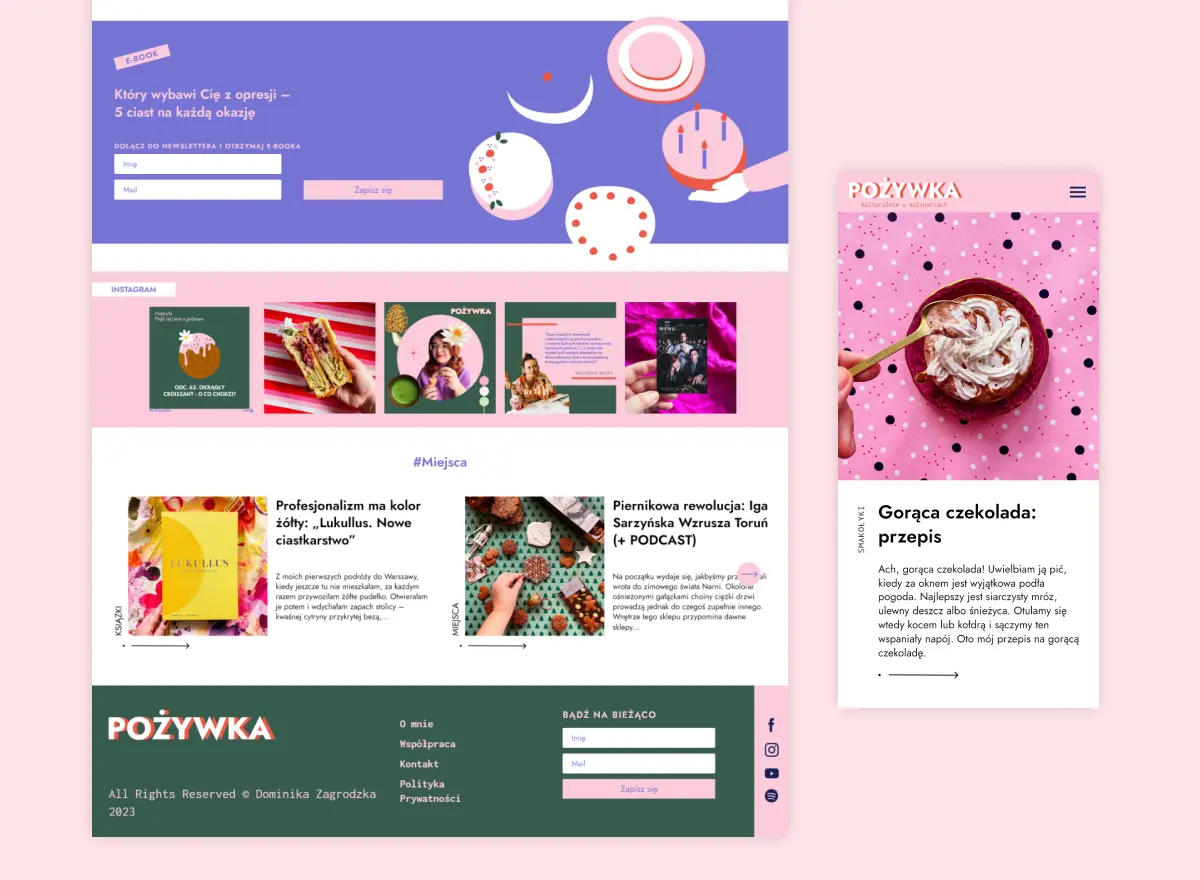
pozywka.pl
Scalable blog for food journalist, focused on performance and user experience 🌭
zagrodzki.me
Personal blog and portfolio of Bart Zagrodzki, where he shares his knowledge and work 💼
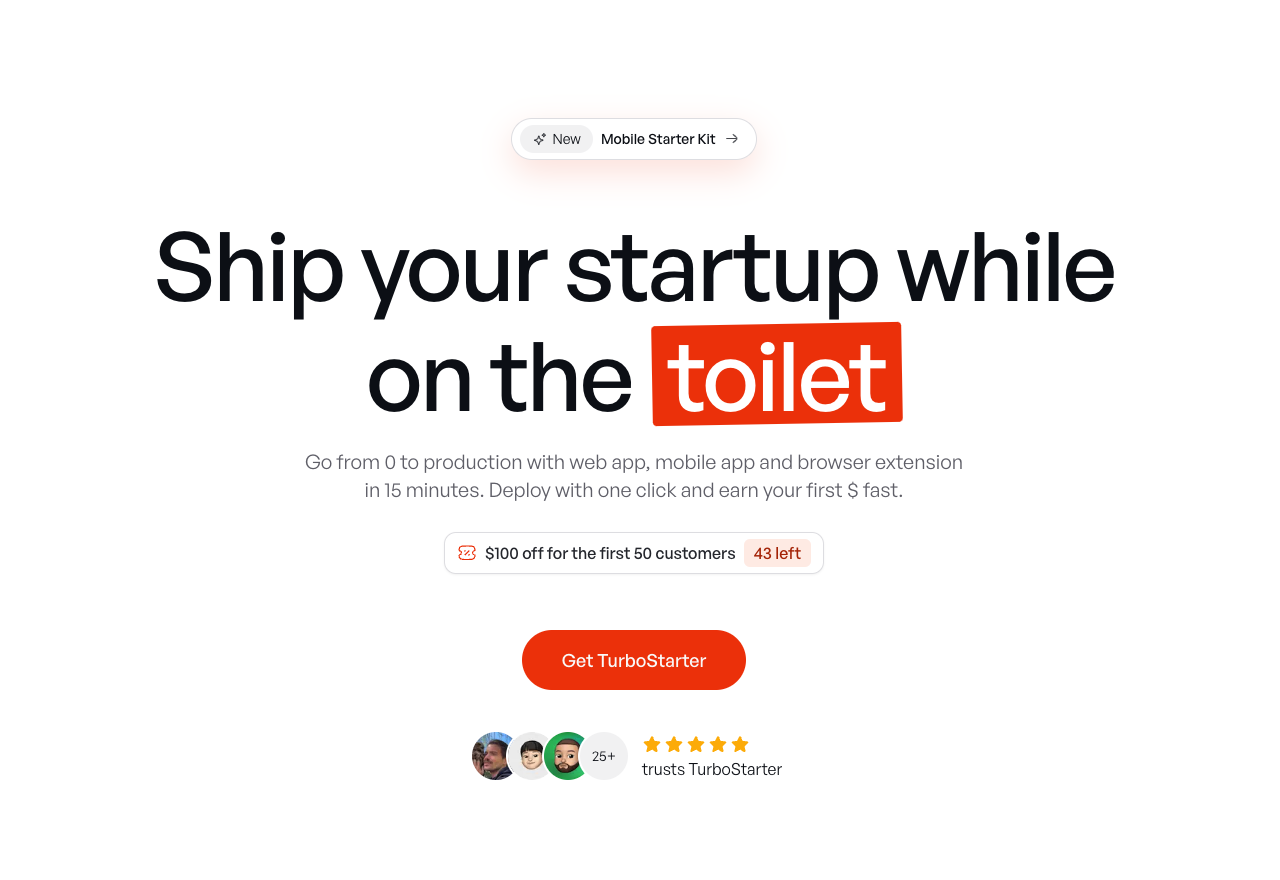
TurboStarter
Ship your startup everywhere. In minutes.
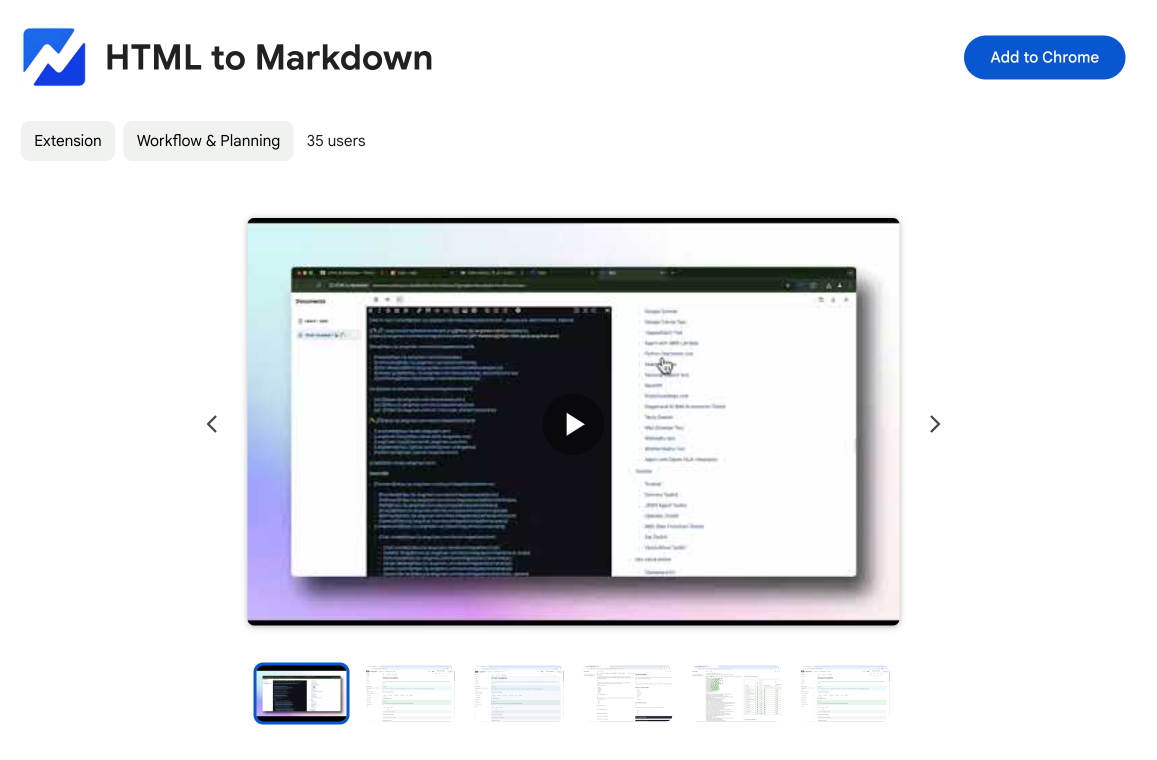
HTML to Markdown
Convert HTML to Markdown with ease, directly in your browser 📄
Dotallio
Personalized AI apps that automate research, data extraction, and content creation without code 🤖
Talk to Santa
Enjoy a magical live video chat or receive a unique AI-generated video greeting from Santa Claus 🎅
pozywka.pl
Scalable blog for food journalist, focused on performance and user experience 🌭
zagrodzki.me
Personal blog and portfolio of Bart Zagrodzki, where he shares his knowledge and work 💼
TurboStarter
Ship your startup everywhere. In minutes.
HTML to Markdown
Convert HTML to Markdown with ease, directly in your browser 📄
Dotallio
Personalized AI apps that automate research, data extraction, and content creation without code 🤖
Talk to Santa
Enjoy a magical live video chat or receive a unique AI-generated video greeting from Santa Claus 🎅
pozywka.pl
Scalable blog for food journalist, focused on performance and user experience 🌭
zagrodzki.me
Personal blog and portfolio of Bart Zagrodzki, where he shares his knowledge and work 💼
TurboStarter
Ship your startup everywhere. In minutes.
HTML to Markdown
Convert HTML to Markdown with ease, directly in your browser 📄
Dotallio
Personalized AI apps that automate research, data extraction, and content creation without code 🤖
Talk to Santa
Enjoy a magical live video chat or receive a unique AI-generated video greeting from Santa Claus 🎅
pozywka.pl
Scalable blog for food journalist, focused on performance and user experience 🌭
zagrodzki.me
Personal blog and portfolio of Bart Zagrodzki, where he shares his knowledge and work 💼
TurboStarter
Ship your startup everywhere. In minutes.
HTML to Markdown
Convert HTML to Markdown with ease, directly in your browser 📄
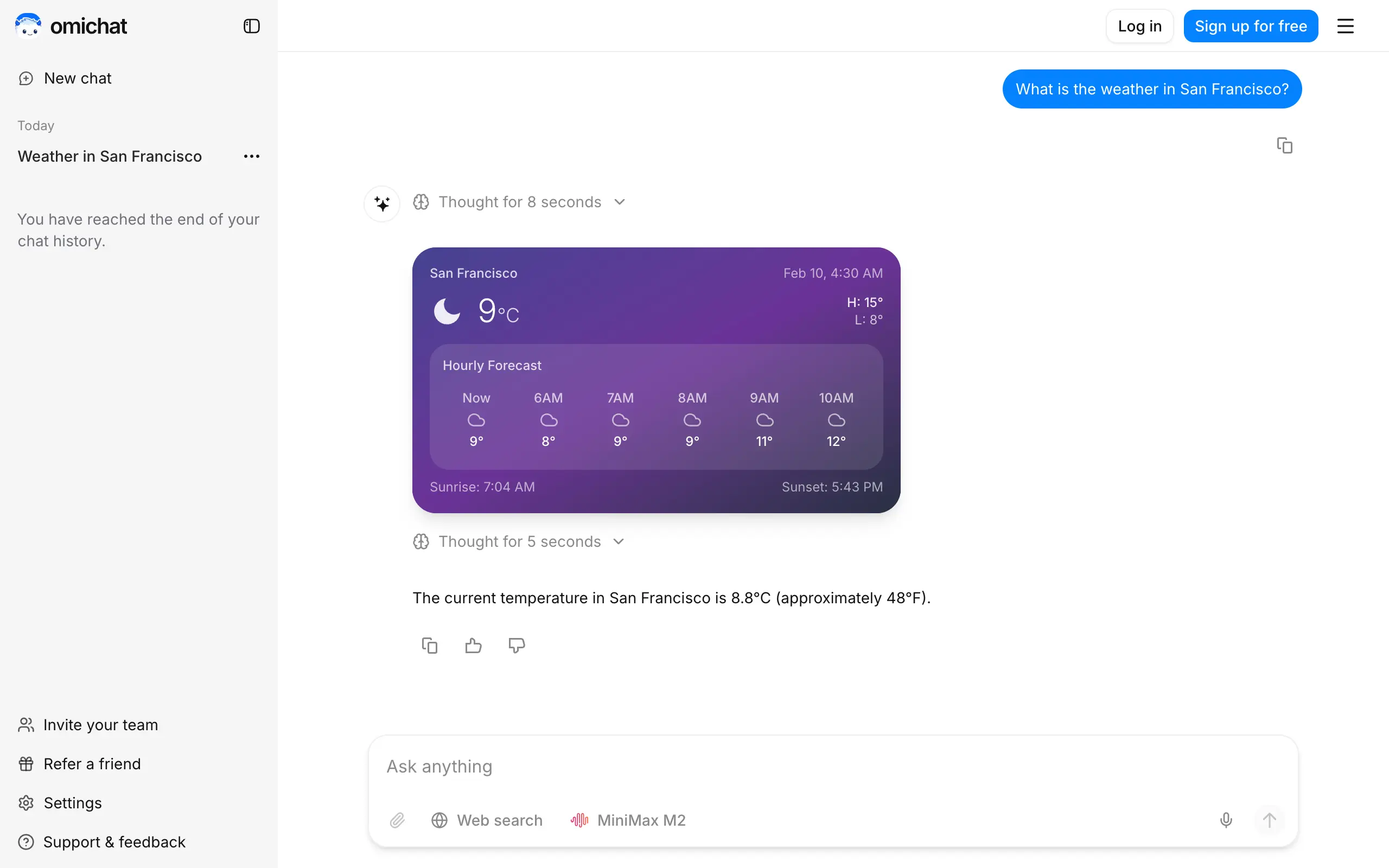
Omichat
Chat with 50+ AI models, including ChatGPT and Claude, in one place - switch models anytime without losing context 🤖
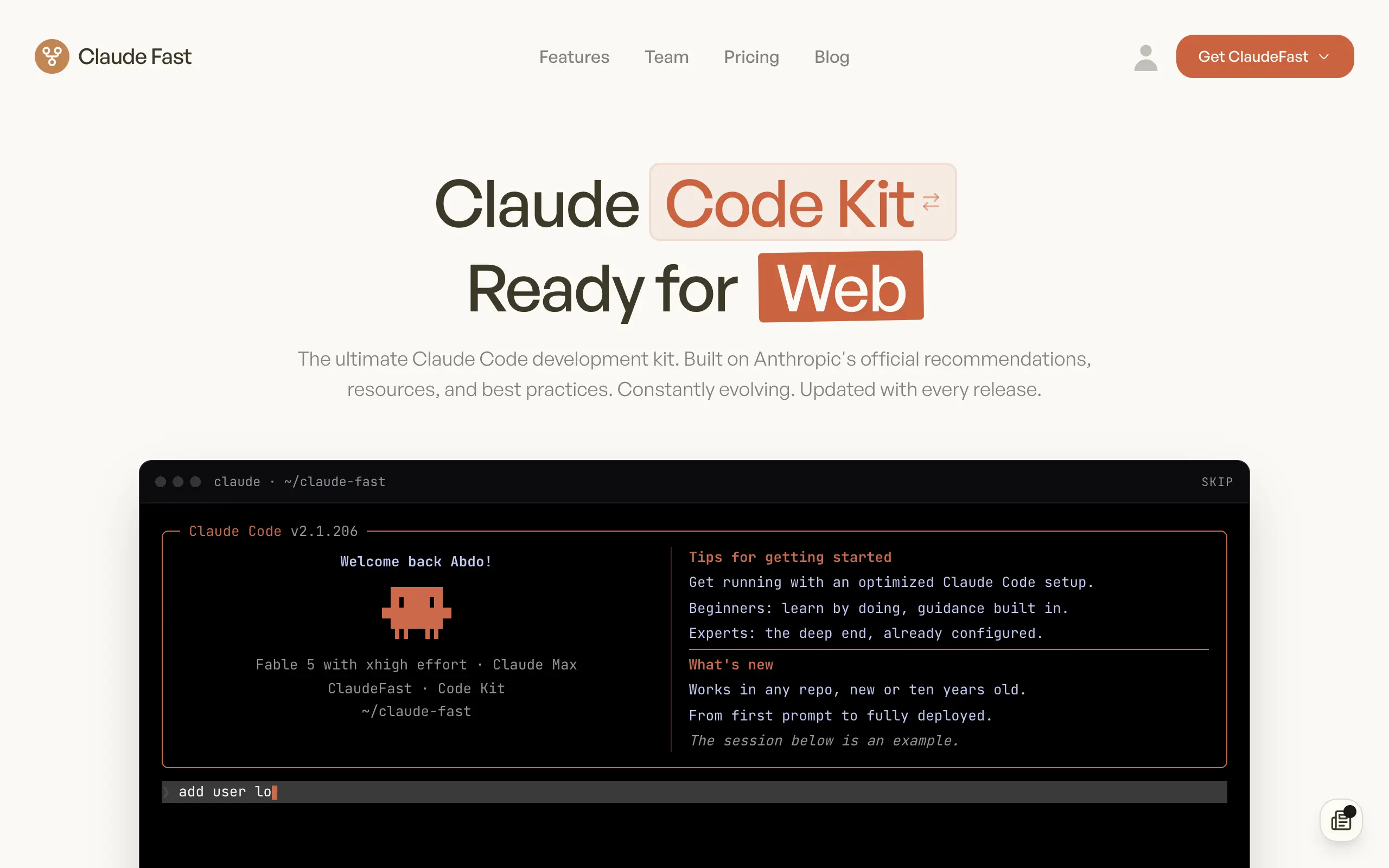
Claude Fast
Supercharge your Claude Code with 6x effective context window and specialized AI agents 🤖
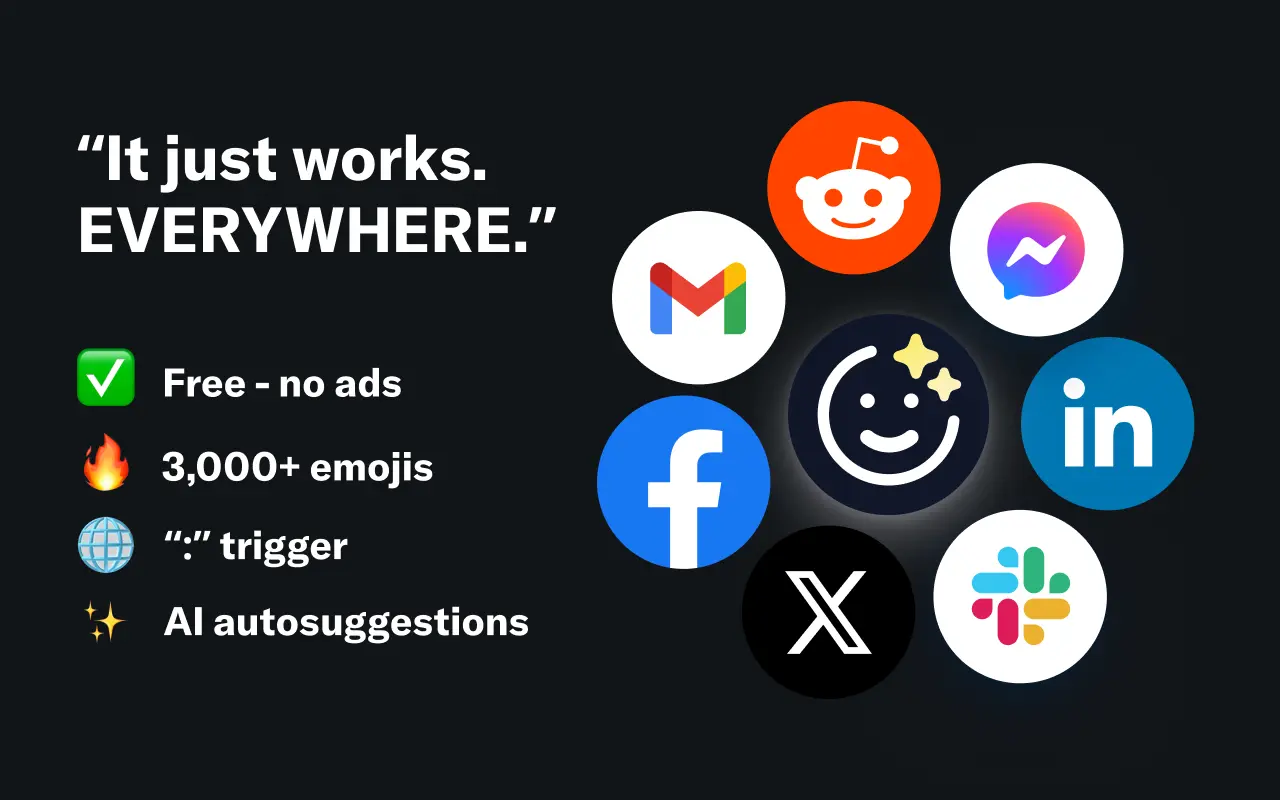
EmojAI
AI-powered emoji picker with smart, context-aware suggestions 🤖
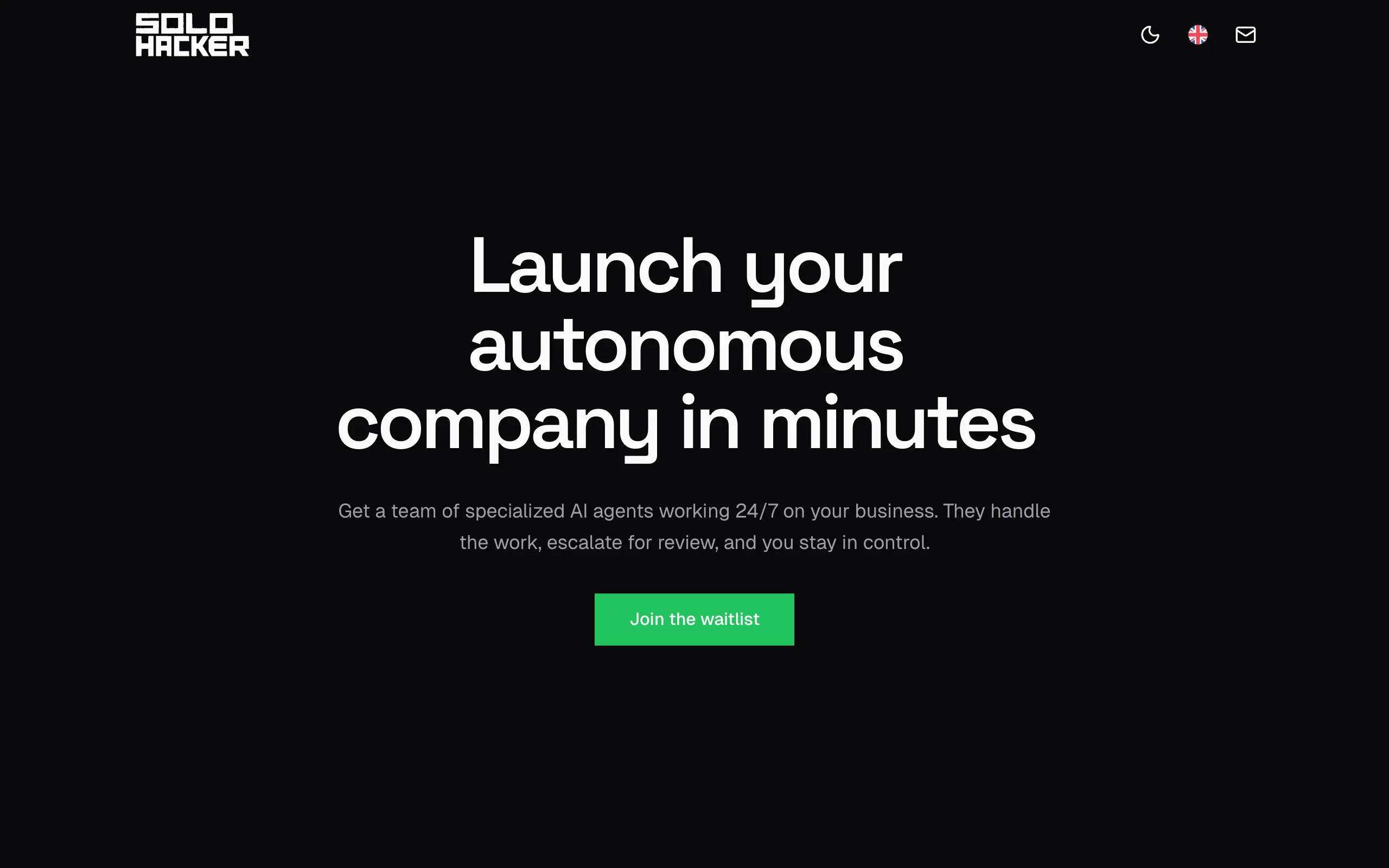
Solohacker
Autonomous company launcher - AI agents work 24/7, escalate what matters, and you stay in control 🤖
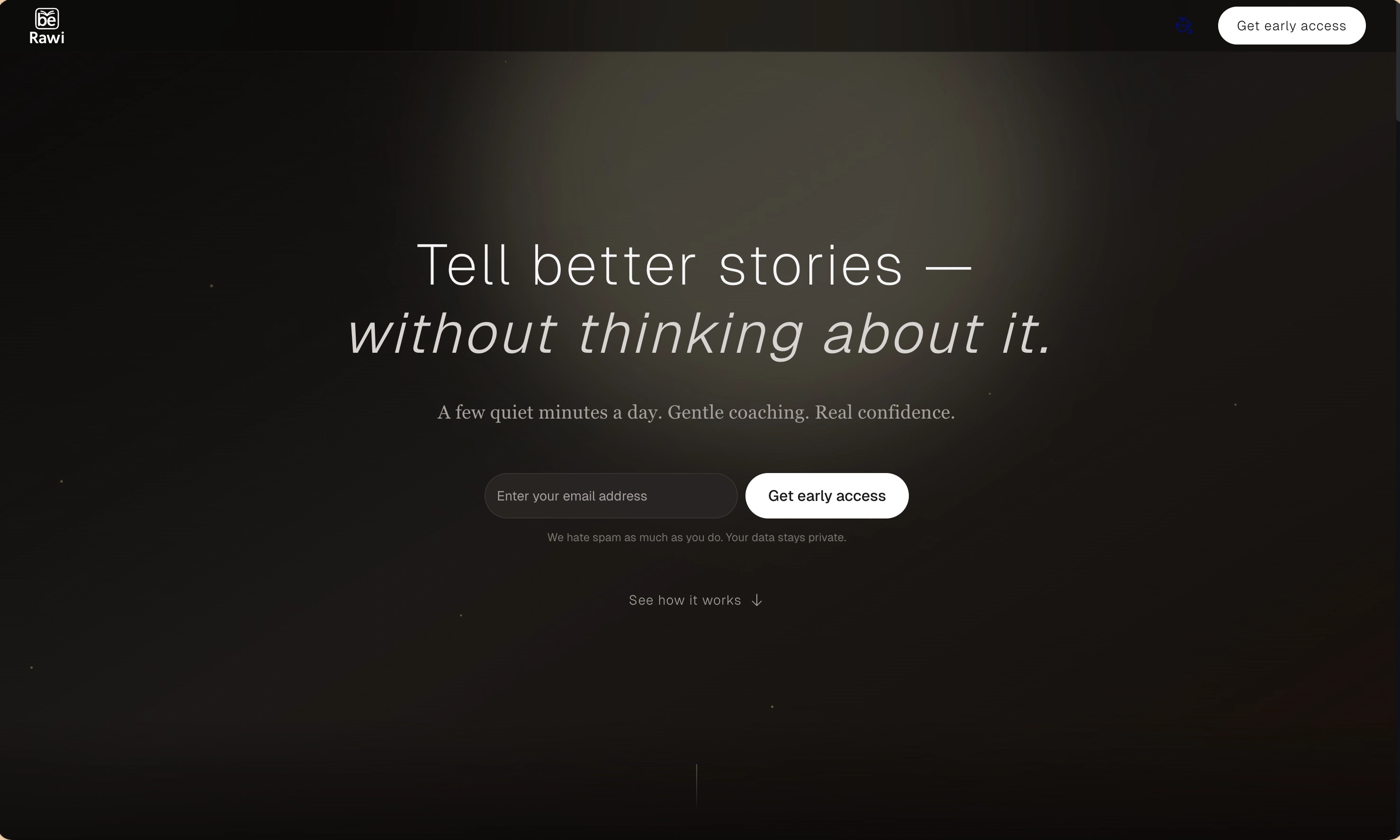
BeRawi: Storytelling Coach
Practice storytelling daily with instant feedback to sound clearer, more engaging, and confident 🎤
Omichat
Chat with 50+ AI models, including ChatGPT and Claude, in one place - switch models anytime without losing context 🤖
Claude Fast
Supercharge your Claude Code with 6x effective context window and specialized AI agents 🤖
EmojAI
AI-powered emoji picker with smart, context-aware suggestions 🤖
Solohacker
Autonomous company launcher - AI agents work 24/7, escalate what matters, and you stay in control 🤖
BeRawi: Storytelling Coach
Practice storytelling daily with instant feedback to sound clearer, more engaging, and confident 🎤
Omichat
Chat with 50+ AI models, including ChatGPT and Claude, in one place - switch models anytime without losing context 🤖
Claude Fast
Supercharge your Claude Code with 6x effective context window and specialized AI agents 🤖
EmojAI
AI-powered emoji picker with smart, context-aware suggestions 🤖
Solohacker
Autonomous company launcher - AI agents work 24/7, escalate what matters, and you stay in control 🤖
BeRawi: Storytelling Coach
Practice storytelling daily with instant feedback to sound clearer, more engaging, and confident 🎤
Omichat
Chat with 50+ AI models, including ChatGPT and Claude, in one place - switch models anytime without losing context 🤖
Claude Fast
Supercharge your Claude Code with 6x effective context window and specialized AI agents 🤖
EmojAI
AI-powered emoji picker with smart, context-aware suggestions 🤖
Solohacker
Autonomous company launcher - AI agents work 24/7, escalate what matters, and you stay in control 🤖
BeRawi: Storytelling Coach
Practice storytelling daily with instant feedback to sound clearer, more engaging, and confident 🎤

Connect with like-minded people
Join our community to get feedback, support, and grow together with 1,000+ builders on board, let's ship it!
Join usShip your startup everywhere. In minutes.
Don't burn tokens on setup and start building features on day one.