BacklogPilot
An AI game and movie planner that ranks your Steam library and watchlist by available time, mood, and play history. Spend less time choosing and more time enjoying.
BacklogPilot at a glance
BacklogPilot is an AI-powered game and movie planner that helps people decide what to play or watch next. It connects a person’s Steam library and entertainment watchlist with practical context—how much time they have, what mood they’re in, and what they have enjoyed before—to surface a relevant recommendation.
The product addresses a familiar problem: people can have hundreds of games and movies available but still spend their free time scrolling through lists, comparing options, and postponing the decision. BacklogPilot’s promise is simple: spend less time choosing and more time enjoying.
That makes the idea more than a recommendation engine. Its strongest potential is as a personal decision layer across existing libraries: it helps users make use of what they already own or have saved, rather than asking them to build yet another catalog from scratch.
The problem BacklogPilot solves
A backlog is usually a sign of abundance. A player has a large Steam library, a movie fan has a long watchlist, and both have limited leisure time. The challenge is not finding something available. It is choosing something that fits the present moment.
A typical decision involves several questions:
- How much uninterrupted time do I have?
- Do I want something relaxing, challenging, funny, or emotionally intense?
- What have I played or watched recently?
- Do I want to continue a familiar experience or try something new?
- Is this a good choice for tonight, or does it require more time and attention?
Existing catalogs are generally organized around titles, genres, popularity, and release dates. Those are useful ways to browse, but they do not necessarily answer the immediate question: What should I play or watch right now?
BacklogPilot can make that question its primary product experience. Instead of presenting a large library and expecting the user to filter it, it can start with the user’s current situation and generate a short, explainable set of options.
For example, a user might say they have 45 minutes, want something low-stress, and prefer not to start a long campaign. BacklogPilot could prioritize a short session-based game from their Steam library, explain why it fits, and offer a one-click way to save or dismiss the recommendation. The same planning logic could apply to a movie night, where the user has two hours, wants a comedy, and would rather not watch something they recently saw.
Target audience analysis
BacklogPilot is most relevant to people who already collect games, films, or recommendations faster than they can consume them. The initial audience should be defined by the intensity of the decision problem, not simply by broad demographics.
Primary audience: PC gamers with large libraries
The strongest initial segment is likely Steam users who have accumulated a sizable library through purchases, bundles, gifts, or free-to-play titles. These users already have a source of owned games, which gives BacklogPilot a practical starting point for personalized recommendations.
Their needs may include:
- Filtering games by available play time
- Finding something that suits their current mood
- Avoiding games they have already completed or recently played
- Revisiting games they bought but never started
- Choosing between short-session games and longer campaigns
- Understanding why a game is a good fit today
Steam integration can reduce onboarding effort because users do not need to manually enter every game. However, the product should be clear about what the connection can and cannot provide. A user’s library is not the same as a complete record of their preferences, and play history may be incomplete or unavailable depending on privacy settings and data access.
Secondary audience: movie and TV watchlist owners
Movie fans commonly save titles across streaming apps, personal lists, social platforms, and recommendation services. That makes a unified watchlist valuable, but it also introduces a product challenge: movie and television data is spread across services, and users may not have a consistent source of truth.
BacklogPilot could appeal to people who:
- Maintain a long watchlist
- Choose films as a group or couple
- Want recommendations based on mood and runtime
- Prefer to watch something already saved rather than browse a streaming catalog
- Want to keep a record of what they have seen
A movie planner can be compelling as a second product domain, but building it at the same time as the game planner risks making the first release too broad. A focused Steam-first launch would make it easier to test the core decision-making experience before adding more integrations.
Tertiary audience: couples, households, and friend groups
Choosing together can be harder than choosing alone. Different people may have different libraries, preferences, energy levels, or time constraints. A group-planning feature could eventually help users find an option that fits everyone.
This audience is promising, but it introduces additional product requirements:
- Shared lists and permissions
- Preference controls for each participant
- A way to resolve disagreement without overwhelming the group
- Clear handling of private libraries and viewing history
- Group recommendations that do not expose sensitive activity
These capabilities are better treated as a later expansion. The initial product should prove that individual recommendations are useful before it adds collaborative decision-making.
Who is not the first customer
BacklogPilot should avoid trying to serve every kind of entertainment user on day one. It does not need to replace storefront discovery, professional review sites, streaming search, or social communities. Nor does it need to recommend every title across every platform.
A good initial customer is someone who already has a personal backlog and regularly struggles to choose from it. That person has a recognizable problem, a reason to connect a library, and a clear way to judge whether the product is helping.
Market opportunity and product gap
Entertainment discovery is already a crowded space. Game storefronts, film databases, review sites, streaming services, social platforms, and list-making apps all help users find or track titles. BacklogPilot should not compete by claiming that no one else recommends games or movies.
The more useful market question is whether existing tools solve the in-the-moment planning problem well.
Many discovery experiences emphasize what is popular, new, highly rated, or similar to a selected title. BacklogPilot can differentiate by emphasizing what fits a user’s current constraints and personal collection. The distinction is important:
- Discovery asks, “What might I like?”
- BacklogPilot asks, “Given what I have and how I feel right now, what is a good choice?”
That positioning creates a narrower but clearer product opportunity. BacklogPilot does not need to have the largest catalog. It needs to make the user’s own catalog easier to act on.
The gap between recommendation and decision
A recommendation list can still leave the user with too much work. If an application produces 30 suggestions, the user must continue comparing them. BacklogPilot should focus on reducing choice friction, not merely generating more options.
A stronger experience would:
- Ask for a small number of useful inputs, such as available time and mood.
- Filter out titles that are clearly unsuitable.
- Rank the remaining options using user history and preferences.
- Show a concise explanation for each recommendation.
- Make it easy to start, save, dismiss, or refine the result.
The product’s value can be measured through outcomes such as recommendation acceptance, time to decision, repeat usage, and the share of suggestions that users rate as fitting. These measures are more informative than raw recommendation impressions.
A useful position between catalog and concierge
BacklogPilot can occupy a position between a static list and a conversational AI assistant. A static list stores titles but does little to help users decide. A general-purpose assistant can offer broad suggestions, but may not know what a user owns, has completed, or wants to avoid.
The product’s advantage can come from combining:
- A structured personal library
- Context-aware filters
- Lightweight preference learning
- An explanation of why a suggestion fits
- A decision workflow that is quick enough to use repeatedly
This combination is the core market thesis to validate. It should not be assumed simply because AI can generate recommendations.
Core features and solution details
A successful first version should make one loop feel excellent: connect a library, state a constraint, receive a useful recommendation, and record what happened.
1. Library import and organization
For a Steam-first product, the first major feature is importing a user’s game library. The product should also allow manual additions and corrections, since external data may be incomplete, privacy settings may limit available information, and some users may want to include games from other platforms.
Useful library fields could include:
- Title and platform
- Genre and tags
- Estimated or typical session length, where available
- User-defined status such as “not started,” “playing,” or “finished”
- Personal rating or preference notes
- Last played date, when the data source supports it
- User-defined exclusions, such as “not in the mood for this”
The library should be treated as a personal workspace, not merely as an imported data dump. Users need control over inaccurate metadata and a simple way to remove or hide titles.
2. Time-aware planning
Available time is one of BacklogPilot’s most distinctive inputs. It is also more useful than a generic genre filter because it connects the recommendation to a real decision.
A user could select a planning window such as:
- A quick break
- About 30 minutes
- Around an hour
- A longer evening
- No time limit
The system should not treat estimated playtime as an exact promise. A game’s length varies by player, difficulty, interruptions, and play style. For that reason, BacklogPilot should frame duration as an approximate fit and let users correct it.
Time-aware planning can include more than total campaign length. Session suitability matters too. A long role-playing game may still work for a short session if the user can save easily, while a shorter game may be a poor fit if it requires an extended uninterrupted run.
3. Mood and intent selection
Mood can make the product feel personal, but it should be implemented as an understandable control rather than an opaque psychological profile. Users could select plain-language intentions such as:
- Relax and unwind
- Feel challenged
- Laugh
- Explore something new
- Play something familiar
- Focus without a long commitment
These inputs should influence ranking, not become rigid labels. Users should be able to adjust the result when the system misunderstands what “relaxing” or “challenging” means to them.
4. Play and watch history
Personalization improves when the product remembers what the user has already tried. History can help BacklogPilot avoid repeated recommendations, identify genres a user tends to enjoy, and bring back a title that was started but forgotten.
The system should distinguish between different signals:
- A title was launched
- A title was played for a meaningful amount of time
- A title was completed
- A title was abandoned
- The user explicitly liked or disliked it
These signals are not interchangeable. Launching a game does not mean enjoying it, and a long play session does not automatically imply satisfaction. Explicit feedback should carry more weight than inferred behavior, especially early in a user’s relationship with the product.
5. Explainable recommendations
A recommendation should include a short reason, not just a score. For example, BacklogPilot might explain that a game fits the selected time window, matches the user’s preference for exploration, and has not been played recently.
Explanations help users assess whether the system has understood them. They also give users a way to correct its assumptions. If a suggestion is wrong, the user can respond with a meaningful signal such as “too long,” “too intense,” or “I already finished this.”
Avoid exposing a false sense of precision. A ranking score like 97.3% can imply scientific certainty that the system does not have. Plain-language reasoning is often more useful and more trustworthy.
6. A low-friction decision flow
The core interface should minimize effort. A good first experience might look like this:
- Connect or import a game library.
- Choose how much time is available.
- Select a mood or play intention.
- See a small set of ranked options.
- Start, save, skip, or provide feedback.
The product should not force users to complete a long personality questionnaire before receiving value. Initial preferences can be collected progressively, as people use the planner.
7. Watchlist planning as a later expansion
The movie planner can reuse much of the same decision logic: available time, mood, history, and personal preferences. But the watchlist domain adds its own needs, including runtime accuracy, content availability, group selection, and information about where a title can be watched.
A sensible expansion path is to validate the game planner first, then add movies as a separate planning mode. This lets BacklogPilot learn which parts of the experience transfer and which require domain-specific design.
Competitive advantage and positioning
BacklogPilot’s competitive advantage should be built around a focused job to be done, rather than a claim that AI alone makes it unique. Many products can use AI. Fewer will create a dependable, personalized workflow around a user’s own library and immediate constraints.
| Product dimension | Typical discovery experience | BacklogPilot opportunity |
|---|---|---|
| Primary starting point | Catalog, popularity, or search | The user’s personal library |
| Main question | What is available or trending? | What fits my time and mood now? |
| Personal context | Often based on broad preferences | Time, mood, history, and explicit feedback |
| Recommendation format | Browsing lists and filters | A short, ranked decision set |
| User trust | Results may be difficult to interpret | Brief explanations and editable assumptions |
This positioning is useful only if the product executes it consistently. If BacklogPilot becomes a large database with generic AI-generated suggestions, it loses its clearest differentiation.
Potential sources of defensibility
The product’s long-term advantage may come from a combination of:
- Personal history: A useful record of what a person has tried and how they responded.
- Contextual preference signals: Feedback tied to mood and available time, not just general likes.
- A trusted decision habit: Users return because the planner reliably reduces effort.
- Cross-domain planning: Over time, users may value a single place to plan different forms of leisure.
- Recommendation quality: Better outcomes can emerge from careful feedback loops, not simply from adding more AI.
These advantages take time to build. They should be treated as product outcomes to earn, not as automatic results of launching.
Recommended technology stack
BacklogPilot needs a stack that supports account management, external integrations, structured user data, background synchronization, and recommendation logic. The first version should favor maintainability and clear data boundaries over unnecessary infrastructure.
Front end
A practical web application could use React with Next.js for routing, server rendering where useful, and a cohesive full-stack development workflow. A responsive web app is a sensible launch format because users can access it on desktop while browsing their game library and on mobile when deciding what to do.
The trade-off is that a framework with server-side capabilities introduces more deployment and caching decisions than a simple static application. For an authenticated product with integrations and personalized results, that flexibility is usually worthwhile.
Data storage
A relational database such as PostgreSQL is a good fit for users, connected accounts, library items, preferences, recommendation events, and feedback. The relationships between these records are important, and structured queries make it easier to build reliable filtering and analytics.
A managed service such as Supabase can reduce operational work by providing hosted PostgreSQL and related backend services. The trade-off is that the product must still plan carefully for access control, backups, schema changes, and provider-specific dependencies.
Integration and background work
External library synchronization should run outside the user’s main request wherever possible. A background job can import or refresh data without making the recommendation page wait for a long API call.
The integration layer should include:
- Retry behavior for temporary failures
- Rate-limit handling
- Clear status messages for users
- A way to unlink an account
- Monitoring for failed or delayed syncs
- A data retention policy for imported information
When working with Steam, review the current official documentation and access requirements for the relevant API rather than assuming that every desired profile or history field is available. Users should understand what information BacklogPilot requests and what it stores.
Recommendation architecture
The recommendation system does not need to begin with a large language model. A transparent ranking pipeline is often a better first step:
- Eligibility filters remove titles that are completed, excluded, unavailable, or outside the selected time range.
- Feature matching compares genre, tags, mood, session suitability, and user preferences.
- Personalization adjusts ranking based on explicit ratings and observed behavior.
- Diversification prevents the top results from being near-duplicates.
- Explanation generation summarizes the strongest matching factors.
A language model can help interpret free-text requests or turn ranking features into a natural explanation. It should not be the sole authority deciding what to recommend. Keeping eligibility and ranking logic inspectable helps reduce hallucinations, improve consistency, and make errors easier to diagnose.
If a model API is used, keep secrets on the server, apply request limits, and avoid sending unnecessary personal data. Review the provider’s current documentation, data handling terms, and retention settings before using it in production. The OpenAI API documentation is one reference point if OpenAI models are part of the chosen architecture.
Observability and privacy
The product should track operational events such as sync failures, recommendation latency, and user feedback, while minimizing collection of sensitive information. Separate product analytics from raw account data wherever practical. Provide clear account deletion and data export processes, and document what data is stored.
Privacy is especially important because play and viewing history can reveal more than entertainment preferences. BacklogPilot should collect only what it needs to provide the service and make user controls easy to find.
Monetization strategy options
BacklogPilot should test willingness to pay before committing to a complex pricing model. Its most natural business model is a freemium subscription, but there are several options worth evaluating.
Freemium subscription
A free plan can support a basic library import, a limited number of planning sessions, and core filters. A paid plan could add features such as:
- More connected libraries or platforms
- Advanced planning preferences
- Household or shared planning
- Longer-term history and insights
- More frequent synchronization
- Custom recommendation rules
- Movie and other media planning modes
The free tier must provide genuine value. If it is too restricted, users may not learn the product’s habit loop. If it is too generous, there may be little reason to upgrade. The right boundary should be informed by observed usage and user interviews rather than guesswork.
One-time or lifetime purchase
A one-time purchase may appeal to users who dislike subscriptions and want a personal utility. However, recurring infrastructure costs, integration maintenance, and ongoing development make a lifetime plan difficult to sustain unless its scope is carefully limited.
A one-time plan could work as an early-access offer, but it should not promise indefinite access to features that depend on ongoing third-party services.
Household plan
A shared plan could support couples or families who make entertainment decisions together. It may have higher perceived value than individual personalization, but it should be introduced only after the individual product has demonstrated repeat use.
Affiliate revenue
Affiliate links or referral partnerships may eventually be possible where users need to purchase or access a title. This should be handled carefully. Recommendations must remain based on user fit rather than commercial incentives, and any paid relationship should be disclosed clearly.
The product should not recommend a game outside the user’s library simply because a purchase link generates revenue. That would weaken its central promise of helping users enjoy what they already have.
Risks and mitigation
Unreliable or limited third-party data
An external platform may restrict access, change its API, provide incomplete metadata, or limit data based on privacy settings.
Mitigation: Build a manual correction flow, cache only permitted information, monitor integration health, and clearly explain sync limitations. Avoid making a critical user experience depend on a field that may not be consistently available.
Generic or inaccurate recommendations
A mood label or AI-generated description does not guarantee that a title will suit the user. Poor recommendations can quickly undermine trust.
Mitigation: Start with transparent filters and ranking signals. Let users correct metadata, explain recommendations briefly, and make feedback easy. Track acceptance and dissatisfaction rather than relying on engagement alone.
Onboarding friction
Connecting an account and waiting for a large library import can create a poor first session.
Mitigation: Show value as soon as possible. Offer a sample planning flow, communicate import progress, and allow users to try manual planning before an integration is complete.
Privacy concerns
Users may not want an application to access or retain account information or detailed history.
Mitigation: Request the minimum necessary access, explain why each permission is needed, provide unlinking and deletion controls, and avoid collecting private data that is not essential to the product.
Scope expansion
Games, movies, television, books, and social planning may all seem like natural additions. Building too many categories early can dilute product quality and slow validation.
Mitigation: Define the initial customer and platform clearly. Add a new category only when user research demonstrates demand and the core experience is reliable.
Dependence on generative AI
Model output can be inconsistent, costly, or difficult to explain. A product that depends on a model call for every filter or ranking may also create avoidable latency.
Mitigation: Keep deterministic logic responsible for core eligibility and ranking. Use AI selectively for natural-language inputs or explanations, and provide a fallback when model services are unavailable.
Weak retention
Users may solve the immediate problem once and not return regularly. This is a meaningful risk for a product centered on leisure planning.
Mitigation: Make the planner useful in recurring moments, such as weekend planning or short breaks, without resorting to excessive notifications. Measure repeat planning behavior and learn which contexts create real value.
How to validate the idea before building too much
BacklogPilot should be validated as a decision aid, not just as an AI concept. Early research should determine whether people have the problem often, whether their existing tools fail to solve it, and whether they would trust a personalized planner.
Useful discovery questions include:
- How do you currently choose what to play or watch?
- When did you last spend time deciding and then choose nothing?
- How large is your current backlog?
- Which factors most often change your decision?
- What information would make you trust a recommendation?
- Would you connect an account to receive personalized suggestions?
- What would make you use the product again next week?
Avoid asking only whether someone “likes the idea.” Positive reactions are not the same as actual use. A lightweight prototype can test whether users complete a planning flow, accept a recommendation, and return to the product.
Early success metrics could include:
- Time from opening the planner to making a choice
- Recommendation save, start, or acceptance rate
- Percentage of users who provide feedback
- Repeat planning sessions over a defined period
- Share of recommendations rejected for the same reason
- Library import completion and failure rates
Use qualitative interviews alongside product analytics. A low recommendation acceptance rate might indicate weak matching, inaccurate metadata, poor interface design, or a mismatch between the selected mood labels and users’ actual language. Metrics identify patterns; user conversations help explain them.
Actionable implementation steps
A focused development sequence can reduce risk and bring the product to users sooner.
Define the first user and planning moment
Choose one initial segment, such as Steam users with large libraries, and one repeated decision moment, such as choosing a game for a short evening session. Write down the problem, the current workaround, and the outcome the product should improve.
Interview potential users
Speak with people who match the initial segment. Ask about recent real decisions, not hypothetical feature preferences. Look for repeated frustrations, existing tools, and concerns about account connections or recommendation quality.
Prototype the decision flow
Create a simple clickable prototype with library selection, available time, mood, ranked recommendations, and feedback. Test whether users understand the controls and whether the result helps them decide faster.
Build the smallest useful library import
Implement one integration or import path, with clear permissions and a manual correction option. Confirm that the product can reliably represent a user’s library before adding more platforms.
Start with a transparent ranking system
Use explicit filters and weighted signals for time, genre, mood, history, and user feedback. Keep explanations tied to real ranking inputs, and avoid presenting uncertain estimates as facts.
Measure the complete planning loop
Track whether users start, save, skip, or rate a recommendation. Review failed imports, poor matches, and repeated rejection reasons. Improve the core loop before expanding into movies or group planning.
Test pricing and expansion
Once users return and report clear value, test a paid tier or a specific premium feature. Add movie planning only after research shows that the same audience wants it and the team can support the additional data and product requirements.
For a faster path from idea to a production-ready SaaS foundation, TurboStarter can help reduce the setup work around common application foundations. The product-specific value will still come from the quality of the planning workflow, library integrations, and recommendation feedback loop.
The product thesis
BacklogPilot has a clear opportunity if it stays focused on a problem users recognize: having plenty of entertainment options but struggling to choose one that fits the moment. Its strongest distinction is not that it uses AI. It is that it can combine a personal library with available time, mood, and play history to make a small number of actionable recommendations.
The most credible path is to begin with one audience and one library source, build a transparent recommendation loop, and measure whether users make decisions faster and return to do it again. If that works, BacklogPilot can expand into watchlists, shared planning, and additional platforms with evidence behind each step.
More 🤖 AI Startup SaaS ideas
Discover more innovative ai startup SaaS ideas that are trending in 2026. Each idea is AI-generated with market validation and growth potential to help you find your next profitable venture faster than competitors.
Your competitors are building with TurboStarter
Below are some of the SaaS ideas that have been generated and built with our starter kit.
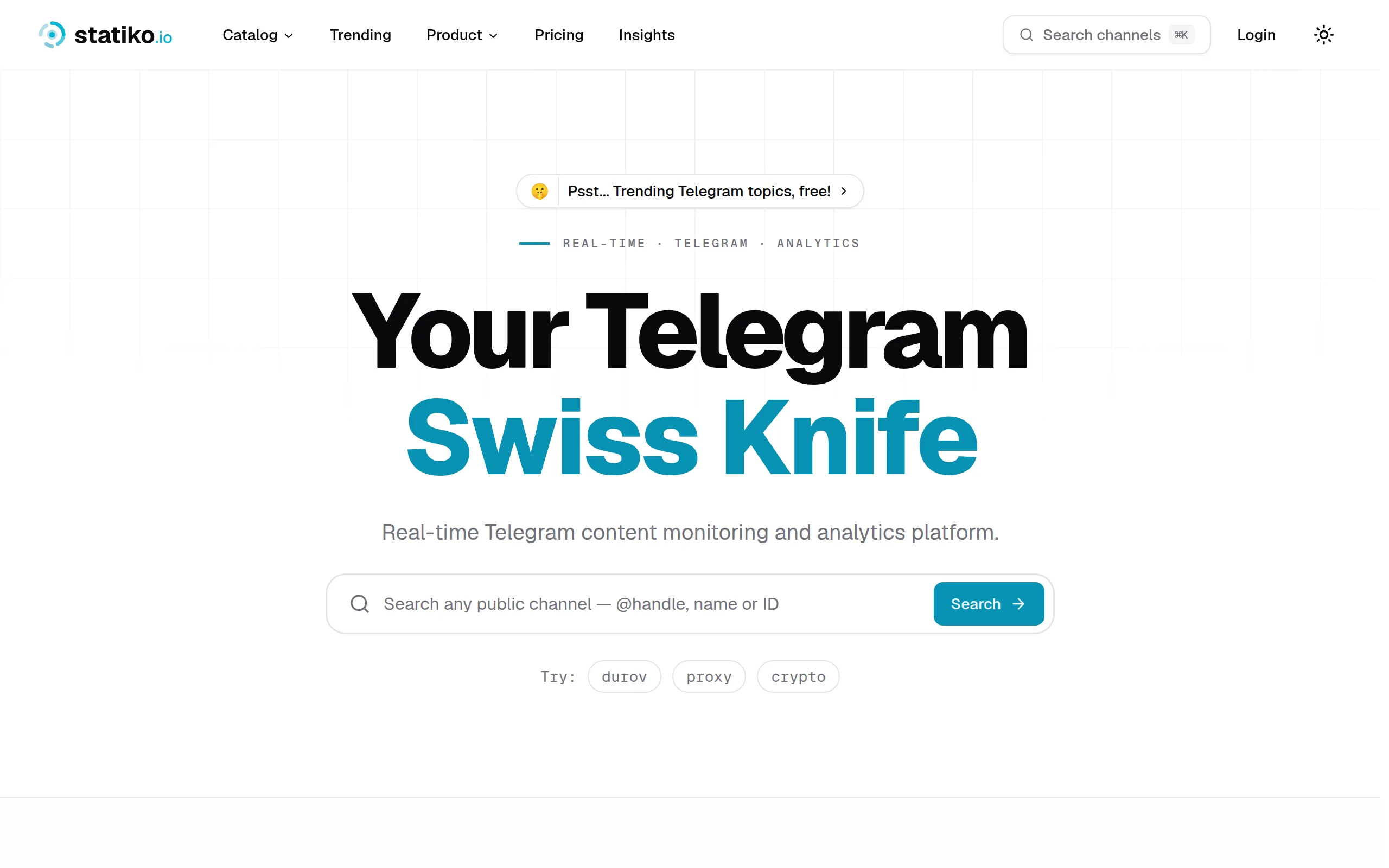
Statiko
Monitor any Telegram channel in real time - track posts, edits, deletions, and growth with AI recaps 📡
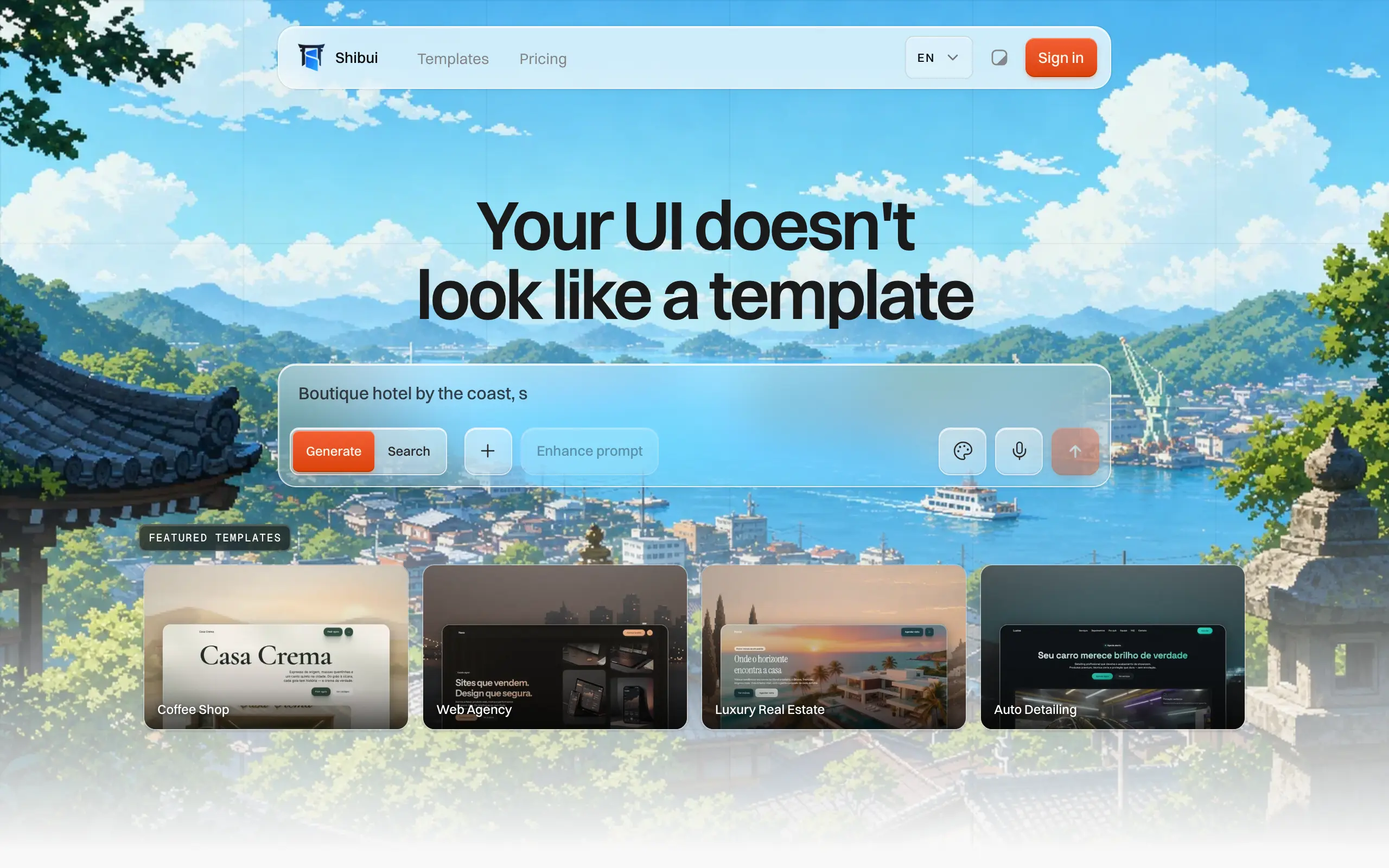
Shibui
AI website builder - describe your business, pick a niche template, edit by chatting, and publish instantly ✨

Pro Service
Find verified home service professionals, compare quotes, and pay securely through escrow - built for Brazilians across the US 🏠
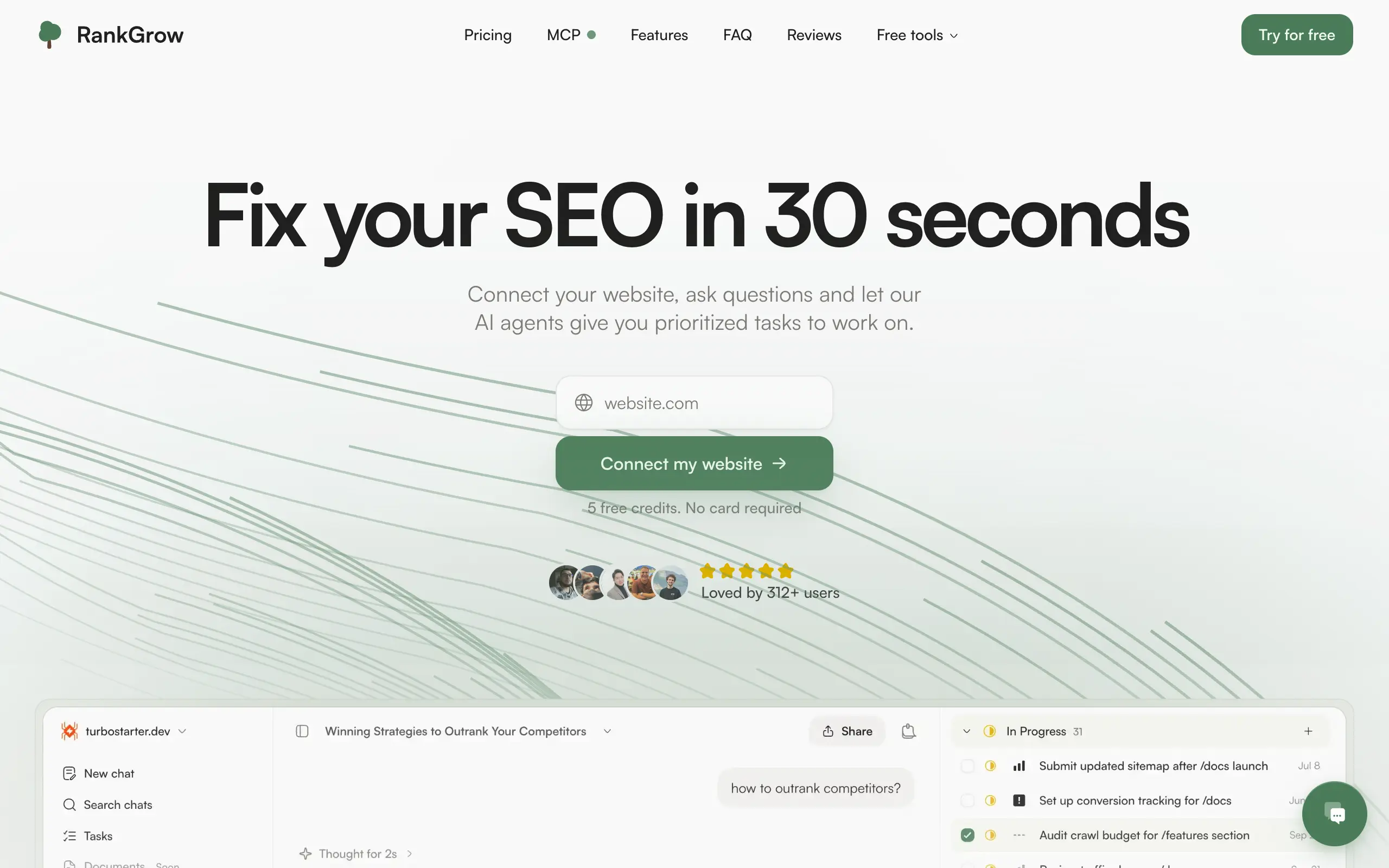
RankGrow
Fix your SEO with AI agents - connect Search Console, get prioritized tasks, and grow organic traffic 📈
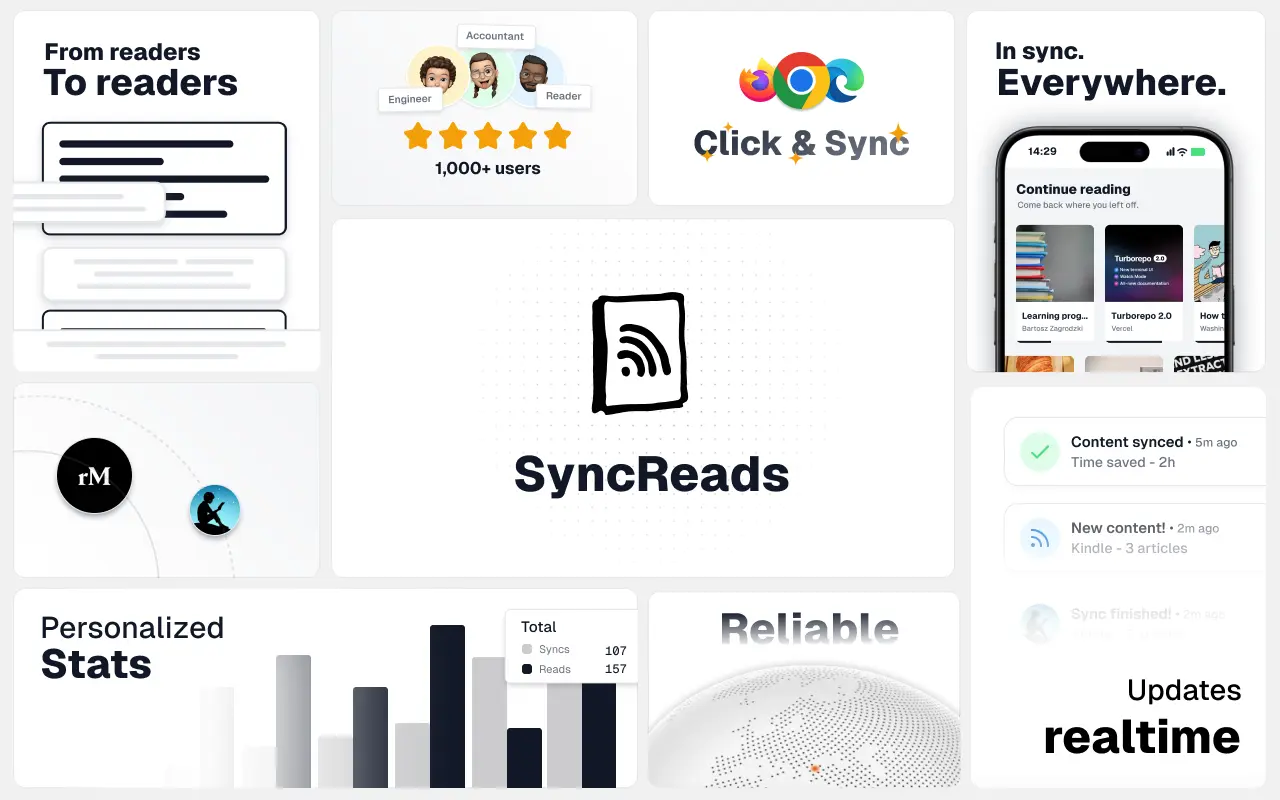
SyncReads
Sync your favorite content for distraction-free reading, save time and replace multiple apps. Anytime, anywhere 🔄
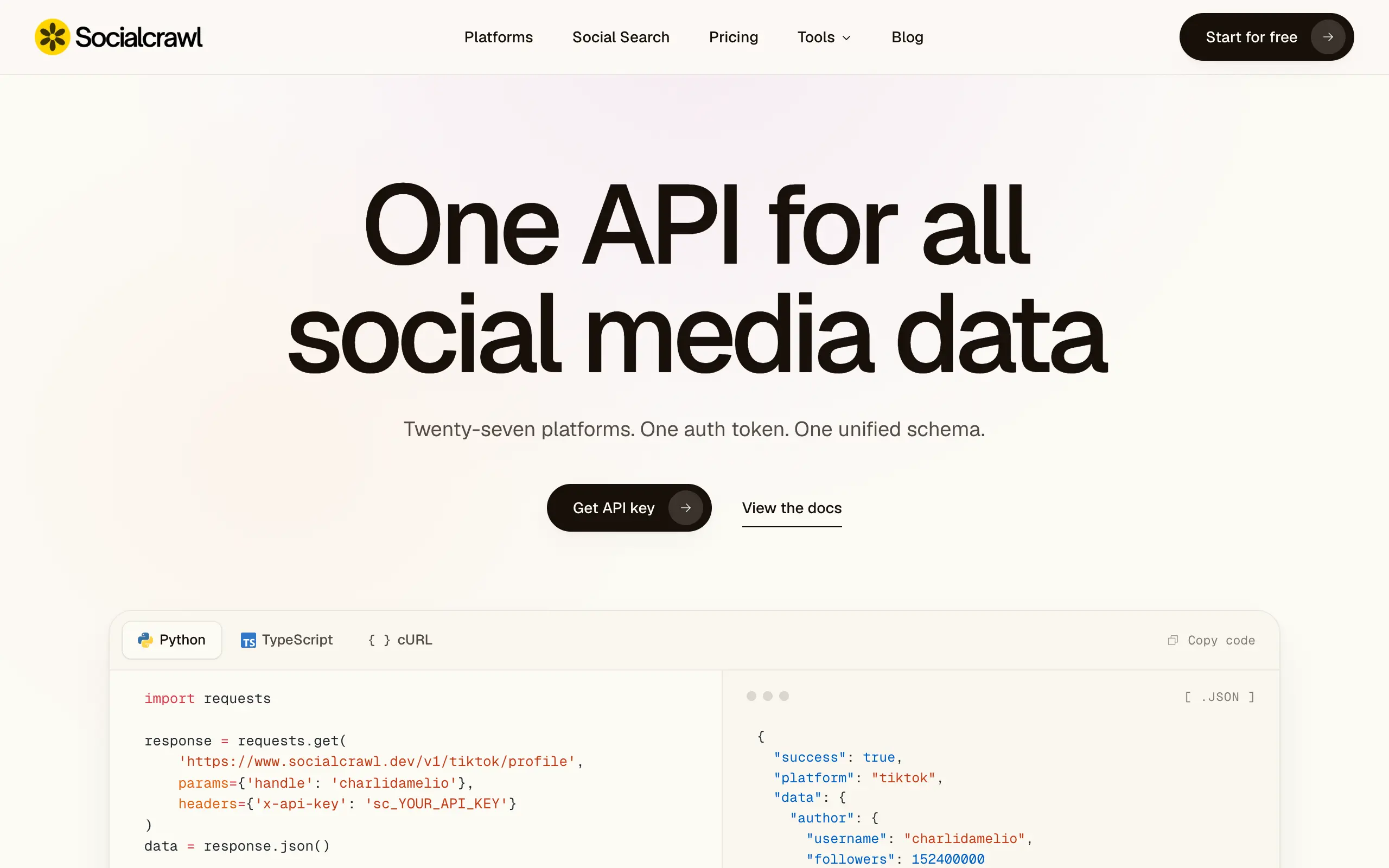
Socialcrawl
Get clean, structured data from 21 platforms like TikTok, Instagram, and YouTube with a single request 📊
Statiko
Monitor any Telegram channel in real time - track posts, edits, deletions, and growth with AI recaps 📡
Shibui
AI website builder - describe your business, pick a niche template, edit by chatting, and publish instantly ✨
Pro Service
Find verified home service professionals, compare quotes, and pay securely through escrow - built for Brazilians across the US 🏠
RankGrow
Fix your SEO with AI agents - connect Search Console, get prioritized tasks, and grow organic traffic 📈
SyncReads
Sync your favorite content for distraction-free reading, save time and replace multiple apps. Anytime, anywhere 🔄
Socialcrawl
Get clean, structured data from 21 platforms like TikTok, Instagram, and YouTube with a single request 📊
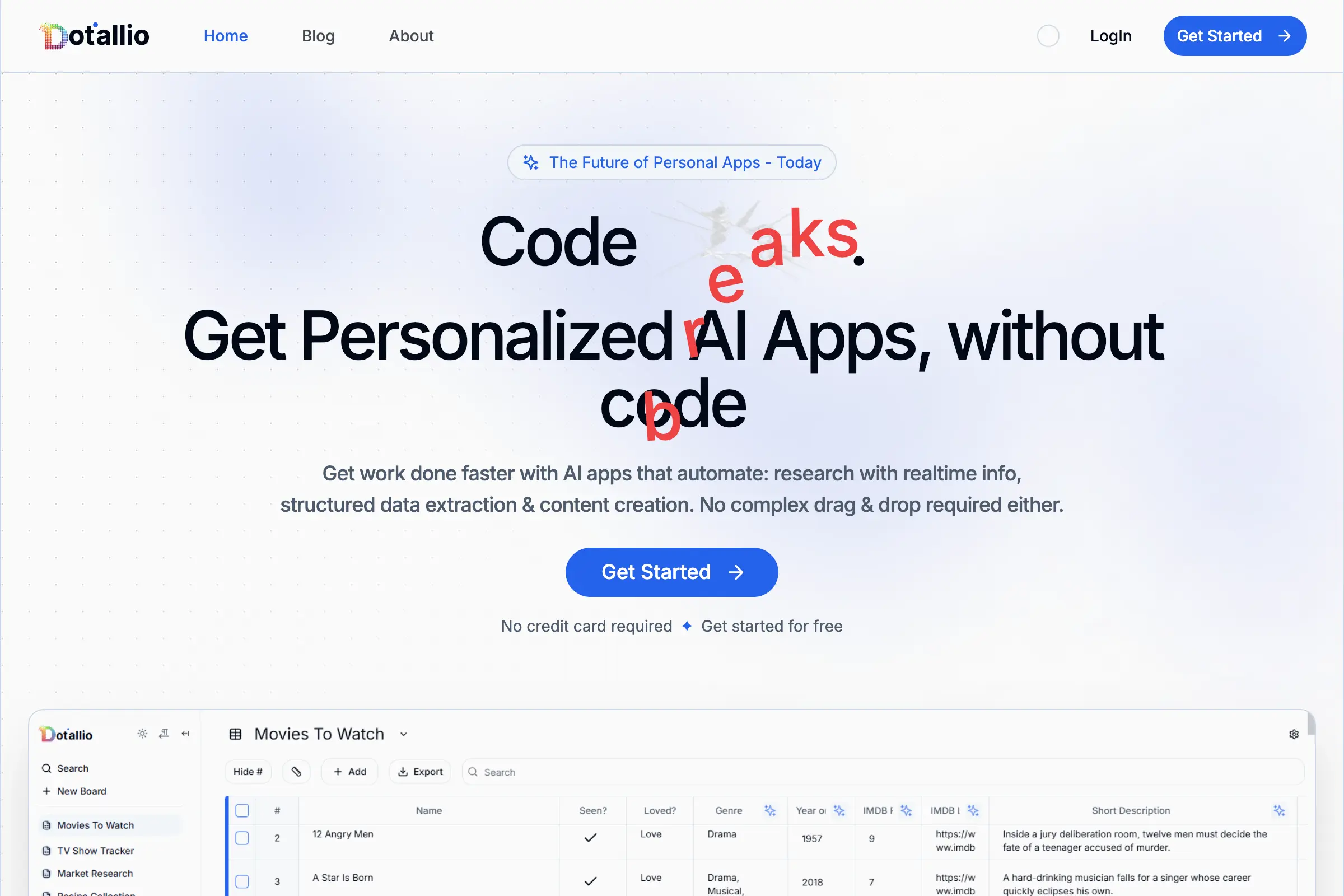
Dotallio
Personalized AI apps that automate research, data extraction, and content creation without code 🤖
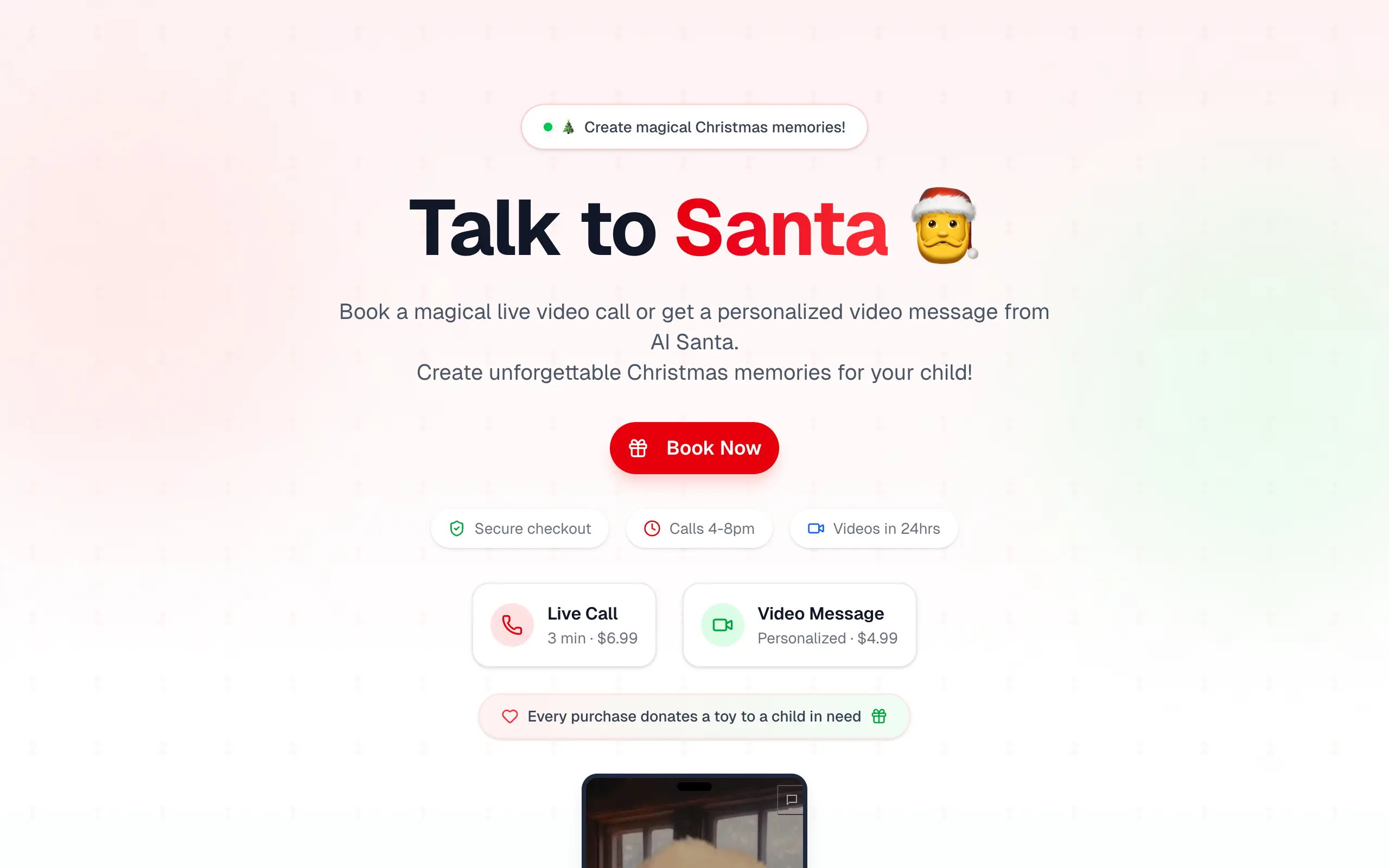
Talk to Santa
Enjoy a magical live video chat or receive a unique AI-generated video greeting from Santa Claus 🎅
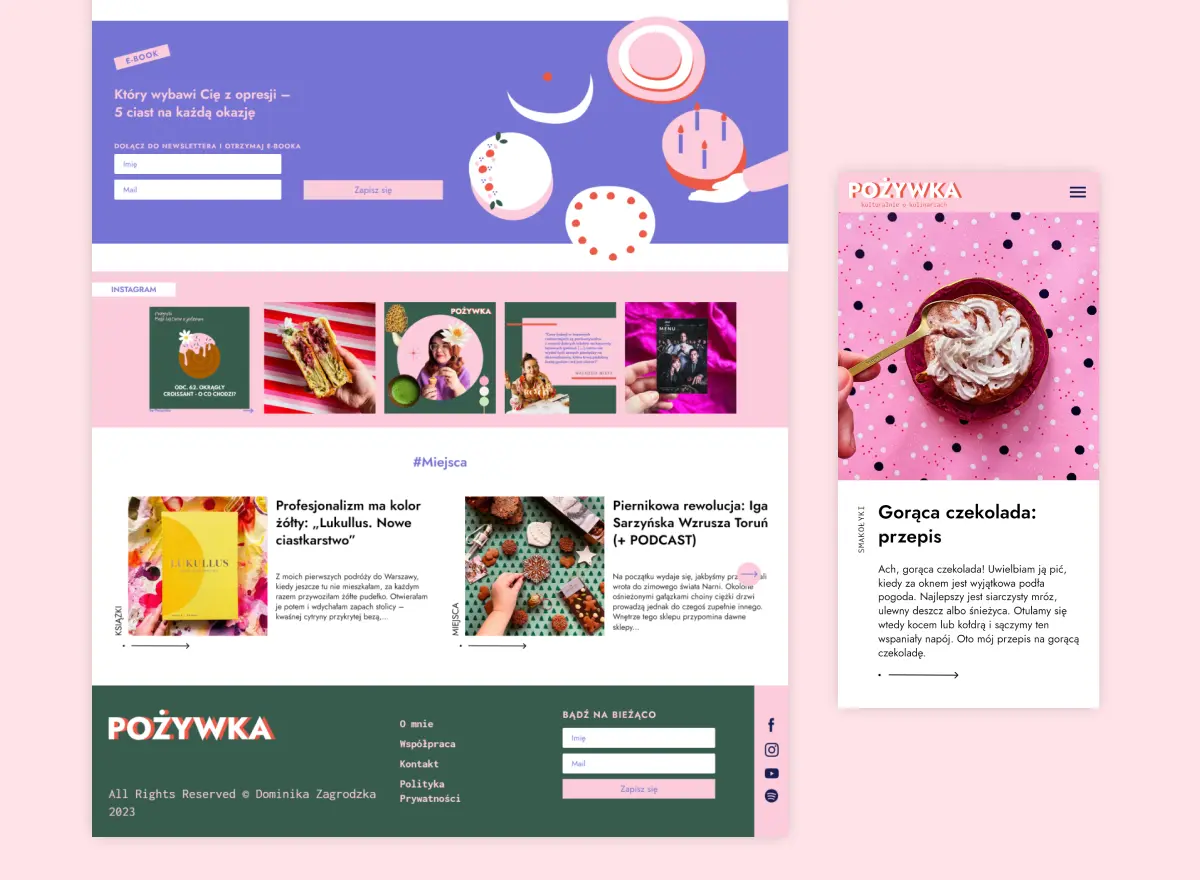
pozywka.pl
Scalable blog for food journalist, focused on performance and user experience 🌭
zagrodzki.me
Personal blog and portfolio of Bart Zagrodzki, where he shares his knowledge and work 💼
TurboStarter
Ship your startup everywhere. In minutes.
HTML to Markdown
Convert HTML to Markdown with ease, directly in your browser 📄
Dotallio
Personalized AI apps that automate research, data extraction, and content creation without code 🤖
Talk to Santa
Enjoy a magical live video chat or receive a unique AI-generated video greeting from Santa Claus 🎅
pozywka.pl
Scalable blog for food journalist, focused on performance and user experience 🌭
zagrodzki.me
Personal blog and portfolio of Bart Zagrodzki, where he shares his knowledge and work 💼
TurboStarter
Ship your startup everywhere. In minutes.
HTML to Markdown
Convert HTML to Markdown with ease, directly in your browser 📄
Omichat
Chat with 50+ AI models, including ChatGPT and Claude, in one place - switch models anytime without losing context 🤖
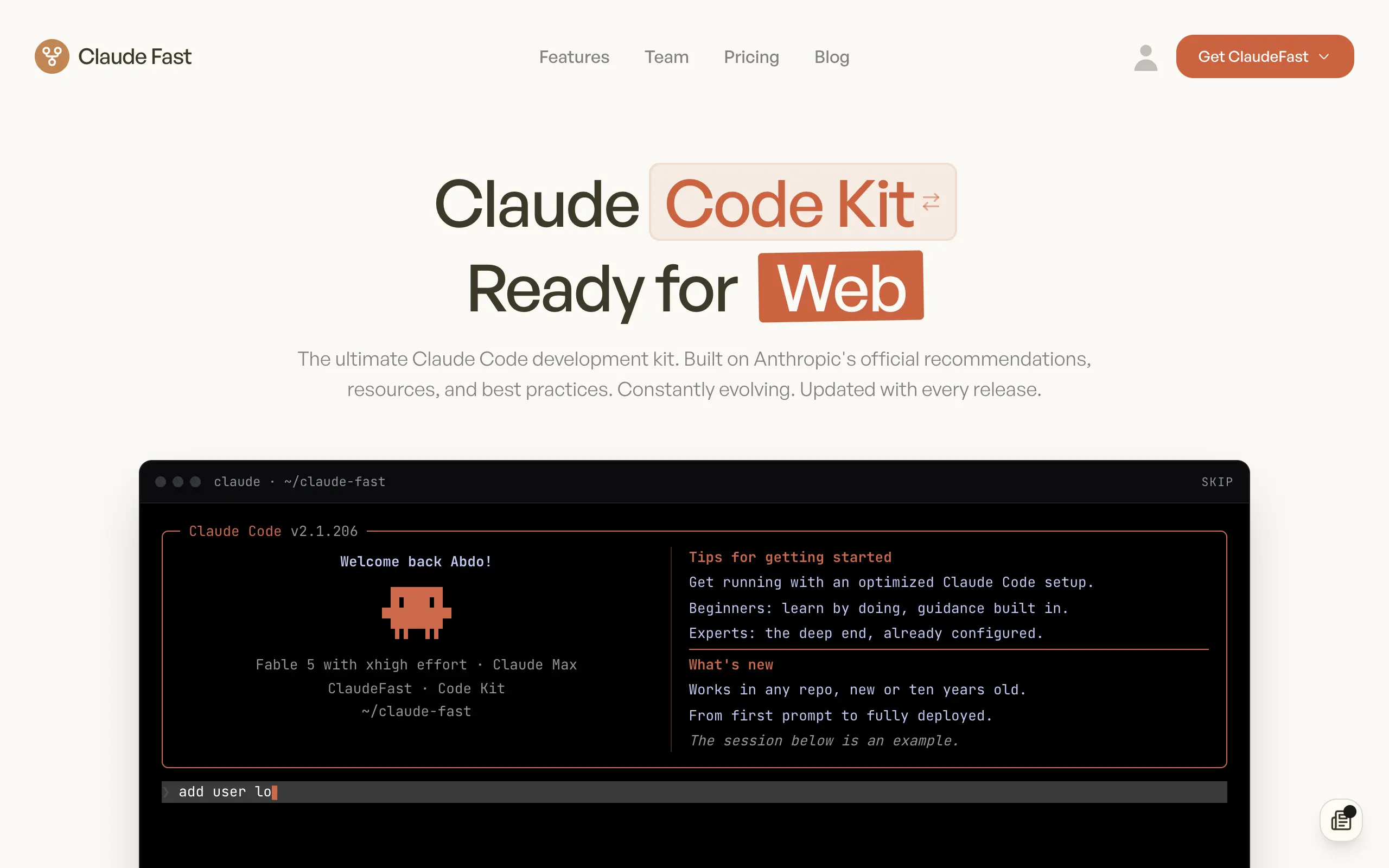
Claude Fast
Supercharge your Claude Code with 6x effective context window and specialized AI agents 🤖
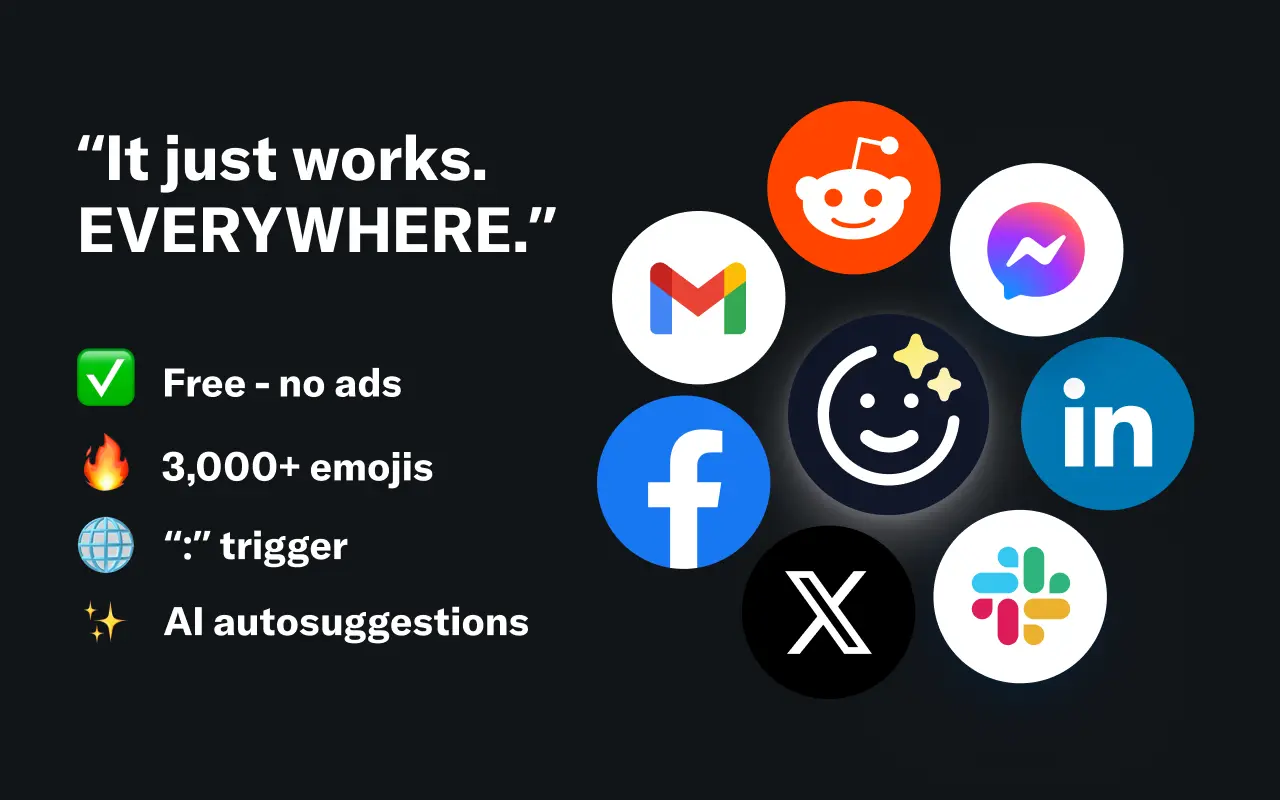
EmojAI
AI-powered emoji picker with smart, context-aware suggestions 🤖
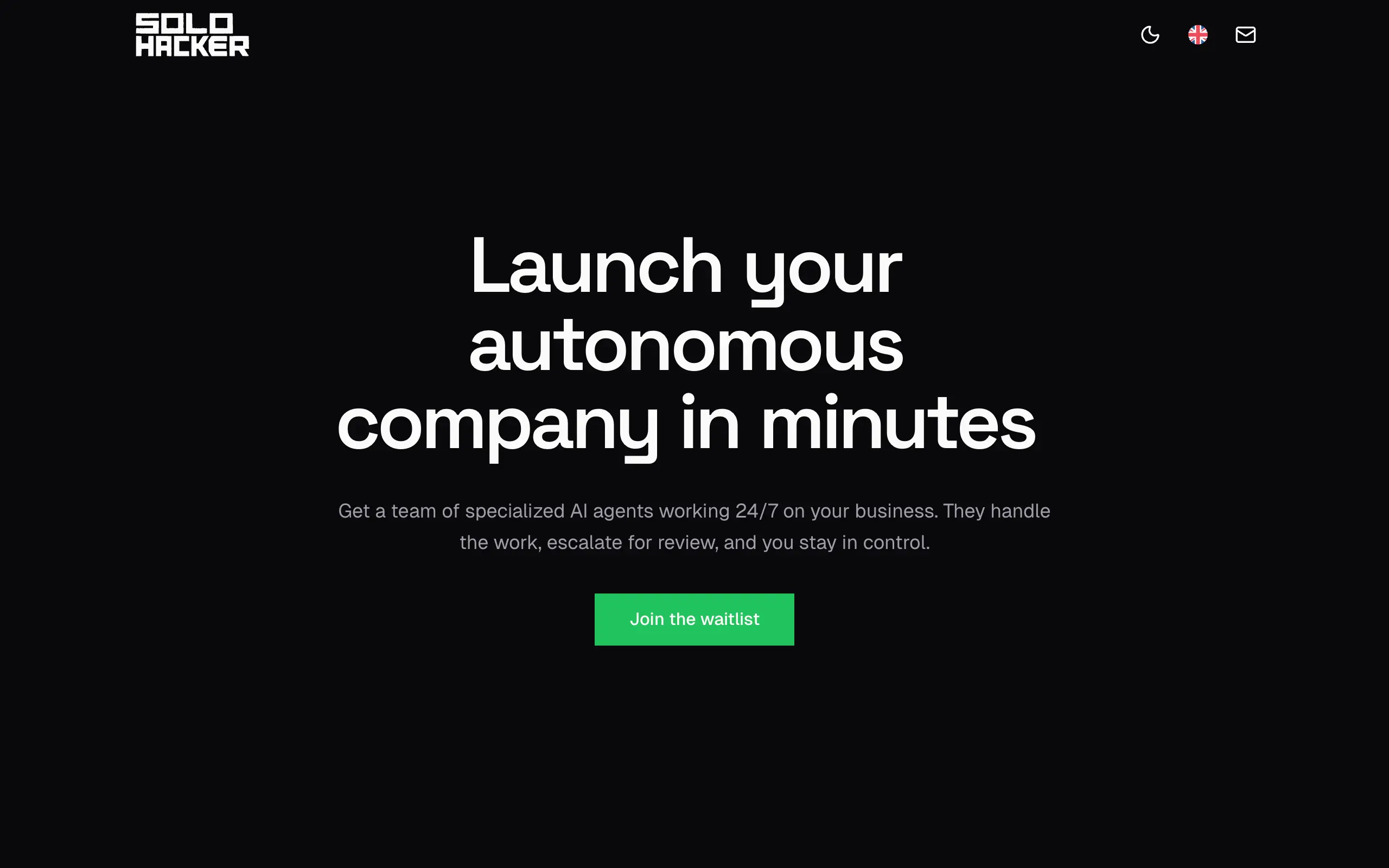
Solohacker
Autonomous company launcher - AI agents work 24/7, escalate what matters, and you stay in control 🤖
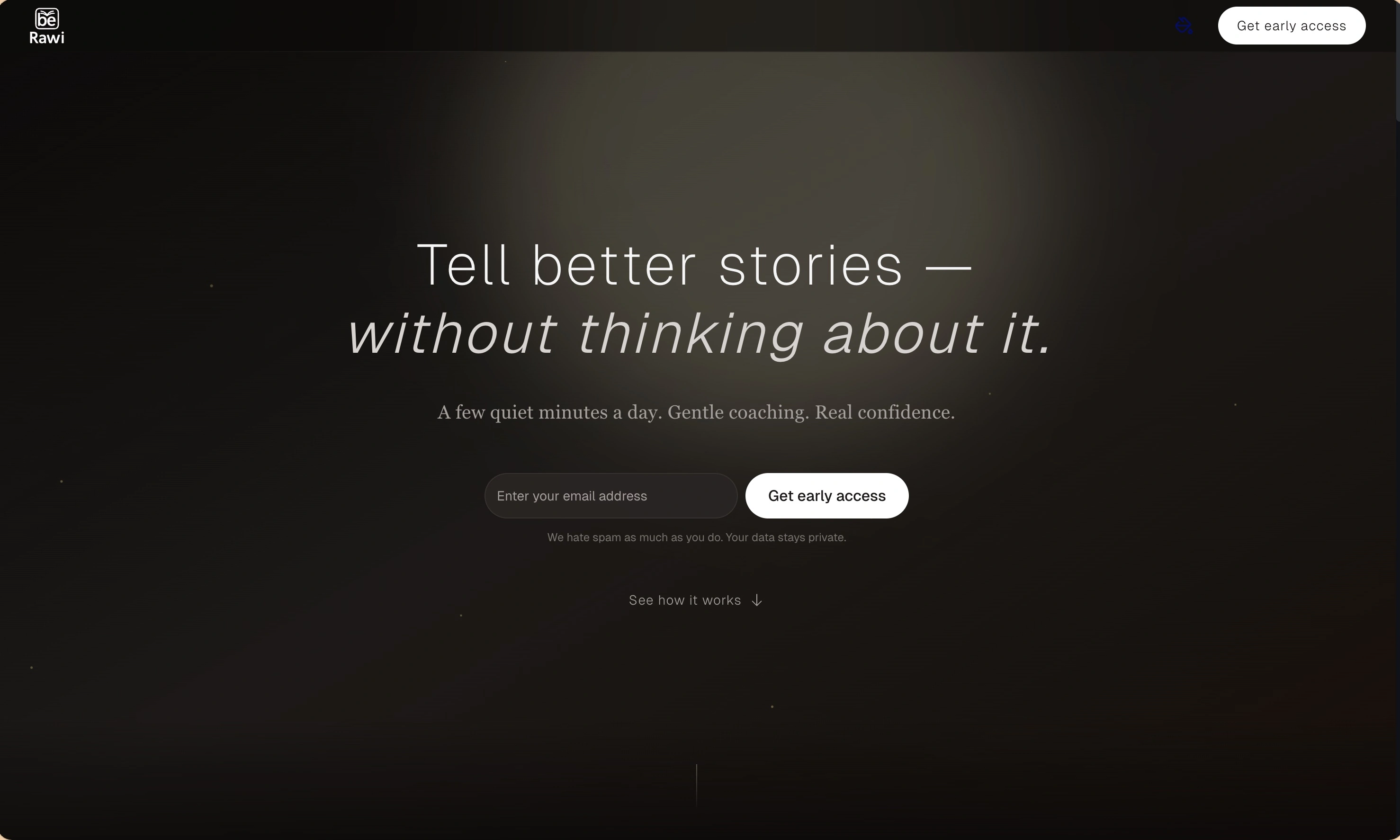
BeRawi: Storytelling Coach
Practice storytelling daily with instant feedback to sound clearer, more engaging, and confident 🎤
Omichat
Chat with 50+ AI models, including ChatGPT and Claude, in one place - switch models anytime without losing context 🤖
Claude Fast
Supercharge your Claude Code with 6x effective context window and specialized AI agents 🤖
EmojAI
AI-powered emoji picker with smart, context-aware suggestions 🤖
Solohacker
Autonomous company launcher - AI agents work 24/7, escalate what matters, and you stay in control 🤖
BeRawi: Storytelling Coach
Practice storytelling daily with instant feedback to sound clearer, more engaging, and confident 🎤

Connect with like-minded people
Join our community to get feedback, support, and grow together with 1,000+ builders on board, let's ship it!
Join usShip your startup everywhere. In minutes.
Don't burn tokens on setup and start building features on day one.