BahasaBoost
AI-powered platform that helps Indonesians improve English and local language skills through chat, voice practice, and real-life simulations.
The rise of AI language learning in Indonesia
Indonesia is one of the fastest-growing digital economies in Southeast Asia, yet language proficiency—especially in English and regional dialects—remains a major barrier for education, career mobility, and global participation. This gap creates a powerful opportunity for AI-driven solutions like BahasaBoost, an intelligent language learning platform designed to help Indonesians improve English and local language skills through conversational AI, voice interaction, and real-life simulations.
Unlike traditional language apps, BahasaBoost aligns with how people actually learn languages: through context, repetition, and real-world practice. By combining AI chat, voice recognition, and scenario-based learning, it targets both beginners and intermediate learners in a culturally relevant way.
This article explores the full strategic potential of an AI language learning SaaS like BahasaBoost—from market opportunity to technical execution.
Understanding the target audience
A strong SaaS product begins with deep clarity about its users. BahasaBoost sits at the intersection of education, workforce development, and digital literacy.
Primary user segments
1. Students (high school & university)
- Need English for exams, scholarships, and study abroad
- Often rely on outdated classroom methods
- High engagement potential with gamified learning
2. Young professionals
- Want to improve English for career advancement
- Need practical communication skills (emails, meetings, interviews)
- Prefer flexible, mobile-first solutions
3. Job seekers & freelancers
- Require conversational English for remote work
- Need confidence in speaking, not just grammar
4. Local language learners
- Indonesians moving between regions
- Cultural learners wanting to understand dialects like Javanese or Sundanese
Key user pain points
- Lack of speaking practice opportunities
- Fear of making mistakes in real conversations
- Limited access to native speakers or tutors
- Generic learning apps that don’t reflect Indonesian culture
- Low engagement with traditional learning formats
Key insight
Most Indonesian learners understand basic English grammar but struggle with real-life communication. This is where AI-driven simulations become a game changer.
Market opportunity and gap analysis
The language learning market in Southeast Asia
The global language learning market is projected to exceed $100 billion by 2030 (source: suggest referencing Statista or HolonIQ). Southeast Asia, particularly Indonesia, is underpenetrated but rapidly digitizing.
Why Indonesia is a high-potential market
- 270+ million population
- Over 200 million internet users
- Mobile-first behavior
- Strong government focus on education and digital skills
- Growing demand for English in tech, tourism, and remote work
Existing solutions and their limitations
Global platforms like:
- Duolingo
- Babbel
- Rosetta Stone
Limitations:
- Lack of cultural localization
- Limited conversational depth
- Minimal real-world simulation
Local solutions:
- English courses (offline/online)
- YouTube-based learning
Limitations:
- Expensive or inconsistent quality
- Not interactive or personalized
- No AI-driven feedback
Key gap BahasaBoost fills:
- Real-time conversational AI
- Localized scenarios (e.g., job interviews in Jakarta)
- Voice-based feedback tailored to Indonesian accents
Core features of BahasaBoost
The success of BahasaBoost depends on delivering a deeply engaging and practical learning experience.
1. AI chat-based language practice
Users can engage in natural conversations with AI tutors.
- Context-aware dialogues
- Adjustable difficulty levels
- Instant grammar and vocabulary feedback
2. Voice recognition and pronunciation coaching
Speech is the hardest skill to master.
- Real-time pronunciation scoring
- Accent correction tailored to Indonesian speakers
- Confidence-building speaking exercises
3. Real-life simulation scenarios
This is the core differentiator.
Examples include:
- Job interviews
- Ordering food at a restaurant
- Business meetings
- Travel situations
Why simulations matter
They replicate real-world pressure and context, making learning more practical and memorable.
Retention boost
Scenario-based learning improves retention compared to passive methods like reading or listening.
4. Local language learning support
Unlike global apps, BahasaBoost includes:
- Javanese
- Sundanese
- Bahasa Indonesia variations
This expands the platform beyond English learning.
5. Personalized learning paths
AI adapts based on:
- User proficiency
- Learning speed
- Weak areas
Recommended tech stack
Building an AI-powered SaaS like BahasaBoost requires a scalable and flexible architecture.
Frontend
- React for dynamic UI
- TailwindCSS for fast styling
- Mobile-first design (critical for Indonesia)
Backend
- Node.js (fast and scalable)
- Python for AI/ML services
- REST or GraphQL APIs
AI and NLP layer
- OpenAI or similar LLM APIs for conversational AI
- Speech-to-text (e.g., Whisper-like models)
- Text-to-speech for realistic dialogue
Database
- PostgreSQL for structured data
- Redis for session and real-time interactions
Infrastructure
- AWS / GCP for scalability
- CDN for low-latency delivery
Trade-offs
- Cost vs performance: AI APIs can be expensive at scale
- Latency vs realism: Real-time voice interactions require optimization
- Customization vs speed: Prebuilt models vs fine-tuned models
Monetization strategy
A strong SaaS product needs sustainable revenue streams.
Freemium model (recommended)
- Free tier with limited lessons
- Paid subscription unlocks:
- Advanced simulations
- Unlimited conversations
- Voice analysis
Pricing tiers
- Basic: $5–$8/month
- Pro: $10–$15/month
- Enterprise (schools/businesses): custom pricing
Additional revenue streams
- B2B partnerships with schools
- Corporate training programs
- Certification programs
- In-app purchases (premium lessons)
Competitive advantage
BahasaBoost’s edge comes from combining AI + localization + real-world practice.
| Feature | Duolingo | Traditional Courses | BahasaBoost | Generic AI Tools |
|---|---|---|---|---|
| Real-life simulations | ❌ | ✅ | ✅ | ❌ |
| Voice feedback | ✅ | ❌ | ✅ | ✅ |
| Local language support | ❌ | ✅ | ✅ | ❌ |
| AI personalization | ✅ | ❌ | ✅ | ✅ |
Potential risks and mitigation strategies
1. High AI infrastructure costs
Mitigation:
- Optimize API usage
- Use caching for repeated queries
- Introduce usage limits in free tier
2. User retention challenges
Language apps often suffer from churn.
Mitigation:
- Gamification (streaks, rewards)
- Daily reminders
- Social learning features
3. Accuracy of voice recognition
Accent diversity in Indonesia is vast.
Mitigation:
- Train models on local datasets
- Provide flexible scoring instead of strict evaluation
4. Competition from global players
Mitigation:
- Focus on localization
- Build community-driven features
- Partner with local institutions
Implementation roadmap
Building BahasaBoost requires a phased approach.
Example MVP architecture
// Simplified architecture overview

const app = {
  frontend: "React + Tailwind",
  backend: "Node.js API",
  aiLayer: "OpenAI API",
  voice: {
    speechToText: "AI model",
    textToSpeech: "TTS engine"
  },
  database: "PostgreSQL",
};
Growth and marketing strategy
Organic channels
-
SEO content targeting keywords like:
- "learn English Indonesia AI"
- "AI language learning app Indonesia"
- "practice English speaking online Indonesia"
-
YouTube tutorials
-
TikTok short lessons
Partnerships
- Schools and universities
- EdTech platforms
- Government programs
Viral loops
- Shareable progress reports
- Referral rewards
- Community challenges
Why timing matters
AI has reached a point where:
- Conversations feel natural
- Voice interaction is reliable
- Personalization is scalable
At the same time, Indonesia’s digital adoption is accelerating. This convergence makes now the ideal time to launch BahasaBoost.
Building faster with the right tools
Launching a SaaS product from scratch can be time-consuming. Using a modern starter kit like TurboStarter can significantly reduce development time by providing pre-built infrastructure for authentication, payments, and UI components.
Final thoughts
BahasaBoost is more than just another language app—it’s a localized, AI-powered communication platform tailored to the real needs of Indonesian learners.
Its strength lies in:
- Practical learning experiences
- Cultural relevance
- Advanced AI capabilities
If executed well, it has the potential to become a leading EdTech platform in Southeast Asia.
Actionable next steps
- Validate the idea with real users
- Build a focused MVP (chat + voice)
- Prioritize mobile experience
- Invest in localization early
- Iterate based on user feedback
Frequently asked questions
BahasaBoost focuses on real-life conversation and local context, while Duolingo emphasizes gamified vocabulary and grammar exercises.
Modern AI models are highly effective for conversational practice, especially when combined with structured learning paths and feedback systems.
Yes, and this is a major opportunity. Few platforms support regional languages, giving BahasaBoost a strong competitive edge.
By combining AI innovation with deep local understanding, BahasaBoost is positioned to solve a real and growing problem—making language learning more practical, accessible, and effective for millions.
More 🤖 AI Startup SaaS ideas
Discover more innovative ai startup SaaS ideas that are trending in 2026. Each idea is AI-generated with market validation and growth potential to help you find your next profitable venture faster than competitors.
Your competitors are building with TurboStarter
Below are some of the SaaS ideas that have been generated and built with our starter kit.
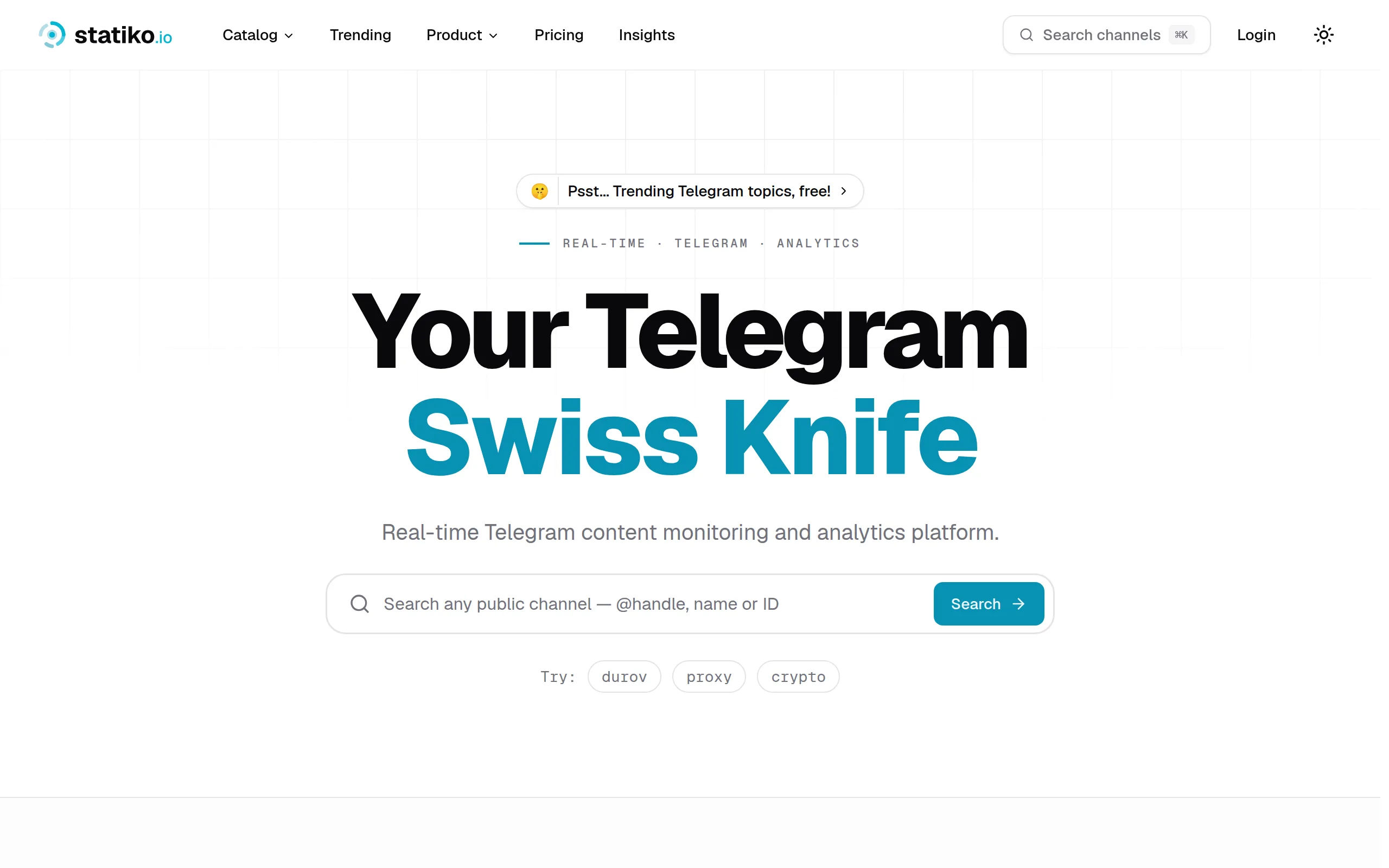
Statiko
Monitor any Telegram channel in real time - track posts, edits, deletions, and growth with AI recaps 📡
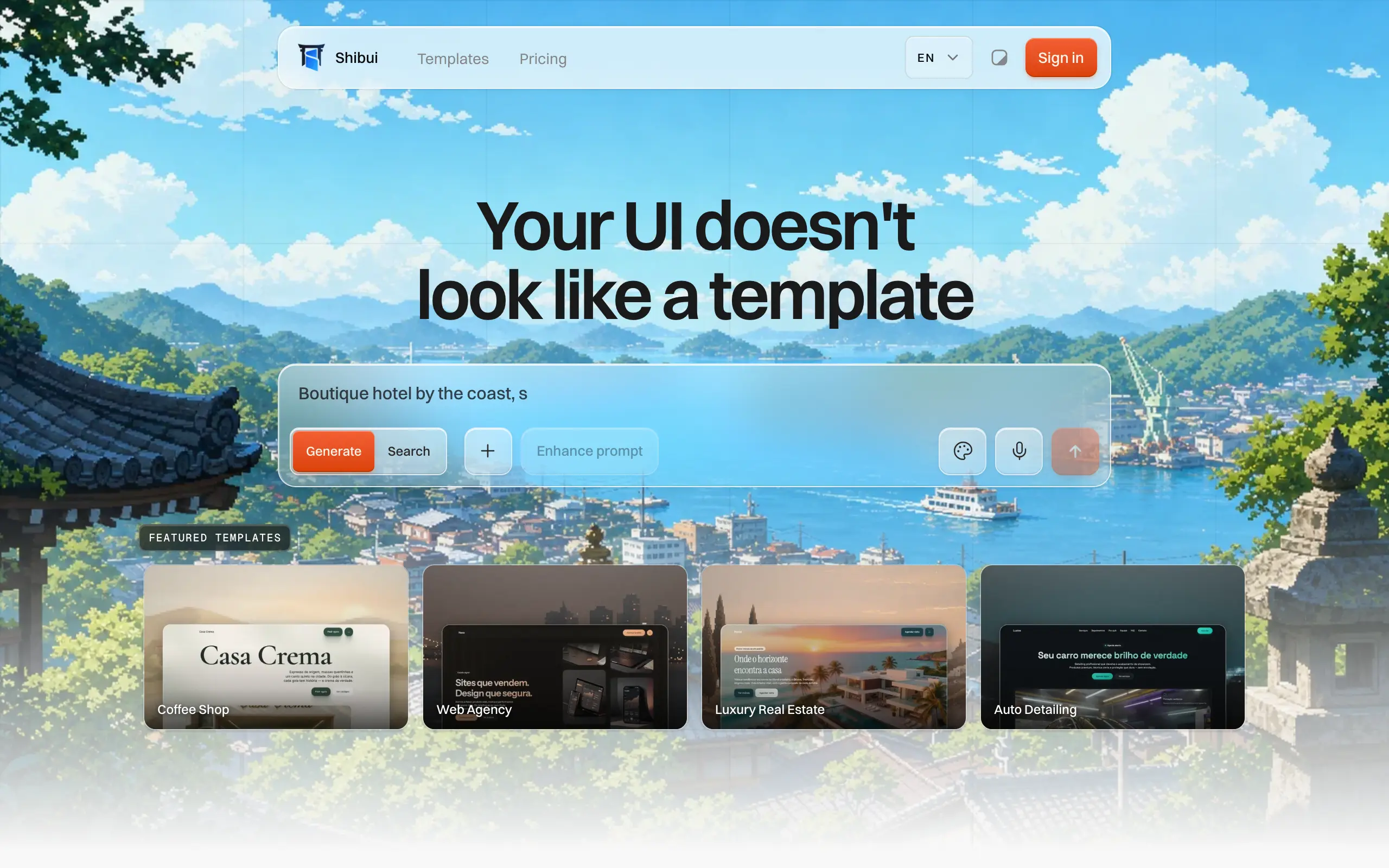
Shibui
AI website builder - describe your business, pick a niche template, edit by chatting, and publish instantly ✨

Pro Service
Find verified home service professionals, compare quotes, and pay securely through escrow - built for Brazilians across the US 🏠
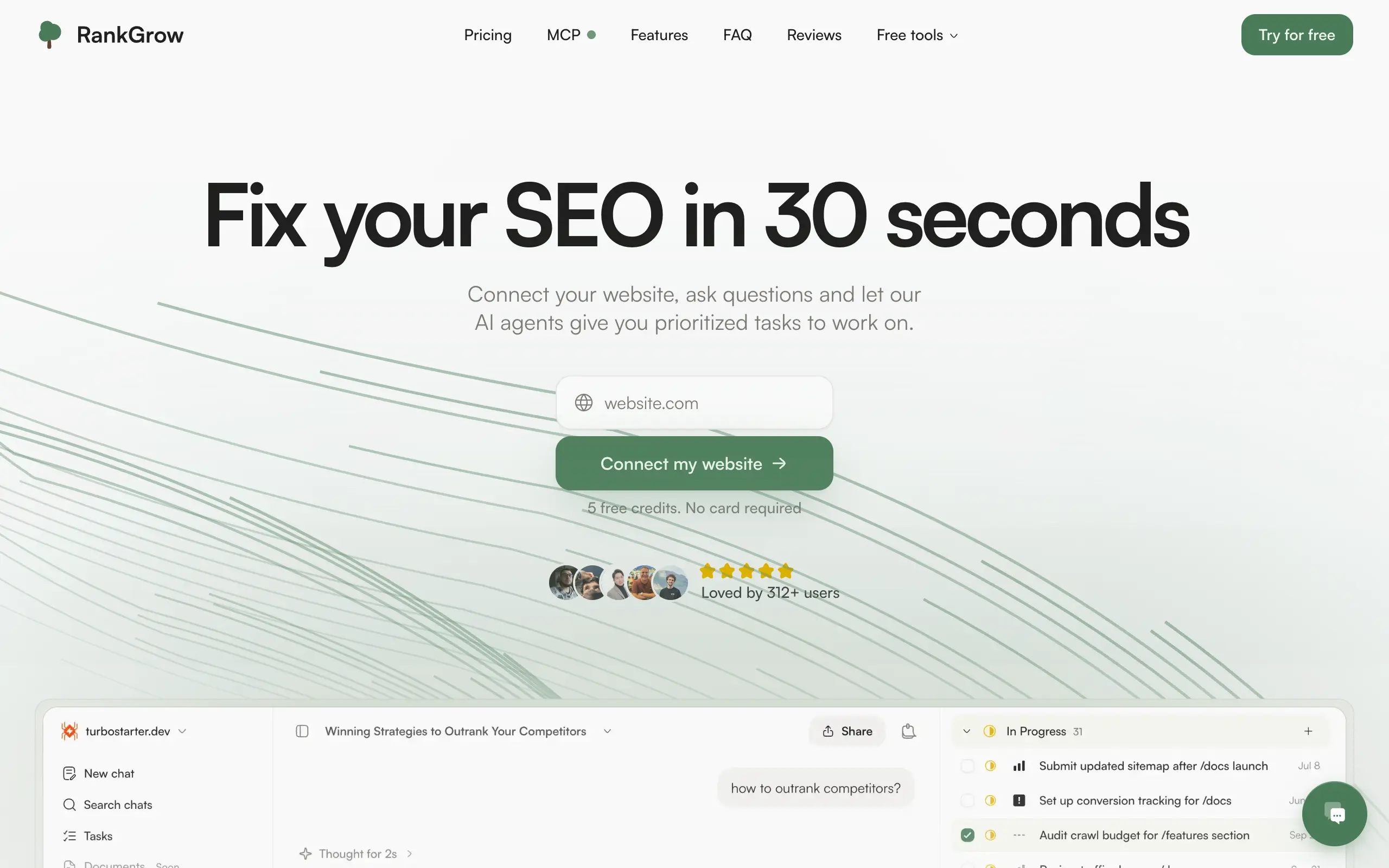
RankGrow
Fix your SEO with AI agents - connect Search Console, get prioritized tasks, and grow organic traffic 📈
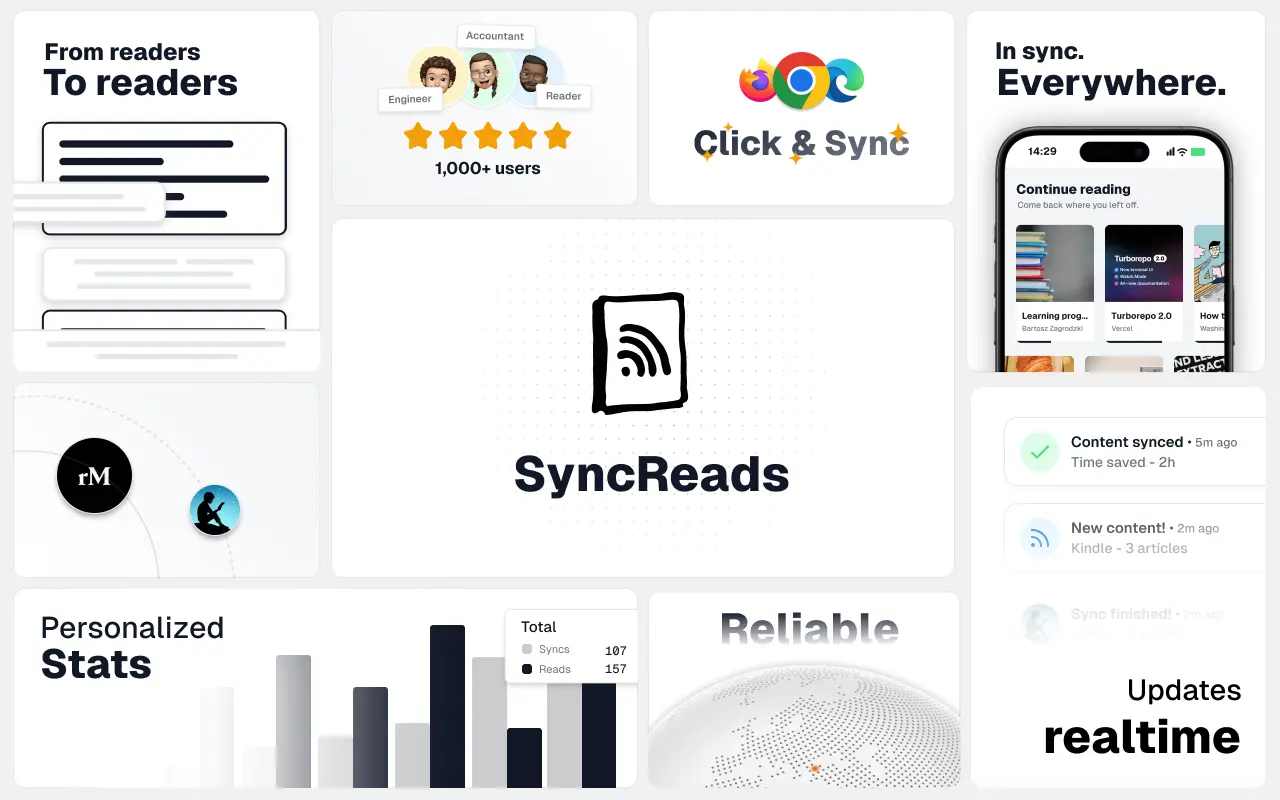
SyncReads
Sync your favorite content for distraction-free reading, save time and replace multiple apps. Anytime, anywhere 🔄
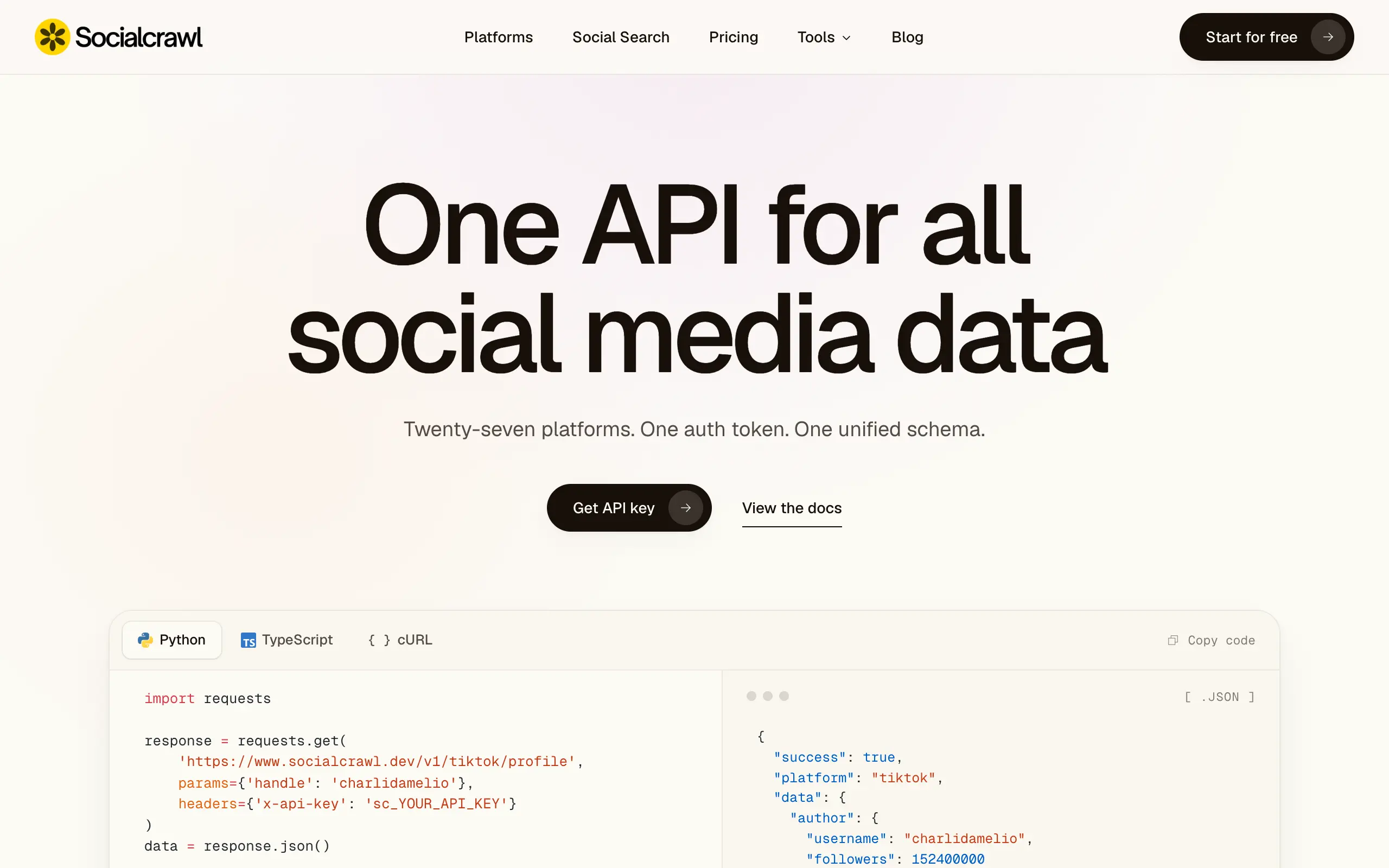
Socialcrawl
Get clean, structured data from 21 platforms like TikTok, Instagram, and YouTube with a single request 📊
Statiko
Monitor any Telegram channel in real time - track posts, edits, deletions, and growth with AI recaps 📡
Shibui
AI website builder - describe your business, pick a niche template, edit by chatting, and publish instantly ✨
Pro Service
Find verified home service professionals, compare quotes, and pay securely through escrow - built for Brazilians across the US 🏠
RankGrow
Fix your SEO with AI agents - connect Search Console, get prioritized tasks, and grow organic traffic 📈
SyncReads
Sync your favorite content for distraction-free reading, save time and replace multiple apps. Anytime, anywhere 🔄
Socialcrawl
Get clean, structured data from 21 platforms like TikTok, Instagram, and YouTube with a single request 📊
Statiko
Monitor any Telegram channel in real time - track posts, edits, deletions, and growth with AI recaps 📡
Shibui
AI website builder - describe your business, pick a niche template, edit by chatting, and publish instantly ✨
Pro Service
Find verified home service professionals, compare quotes, and pay securely through escrow - built for Brazilians across the US 🏠
RankGrow
Fix your SEO with AI agents - connect Search Console, get prioritized tasks, and grow organic traffic 📈
SyncReads
Sync your favorite content for distraction-free reading, save time and replace multiple apps. Anytime, anywhere 🔄
Socialcrawl
Get clean, structured data from 21 platforms like TikTok, Instagram, and YouTube with a single request 📊
Statiko
Monitor any Telegram channel in real time - track posts, edits, deletions, and growth with AI recaps 📡
Shibui
AI website builder - describe your business, pick a niche template, edit by chatting, and publish instantly ✨
Pro Service
Find verified home service professionals, compare quotes, and pay securely through escrow - built for Brazilians across the US 🏠
RankGrow
Fix your SEO with AI agents - connect Search Console, get prioritized tasks, and grow organic traffic 📈
SyncReads
Sync your favorite content for distraction-free reading, save time and replace multiple apps. Anytime, anywhere 🔄
Socialcrawl
Get clean, structured data from 21 platforms like TikTok, Instagram, and YouTube with a single request 📊
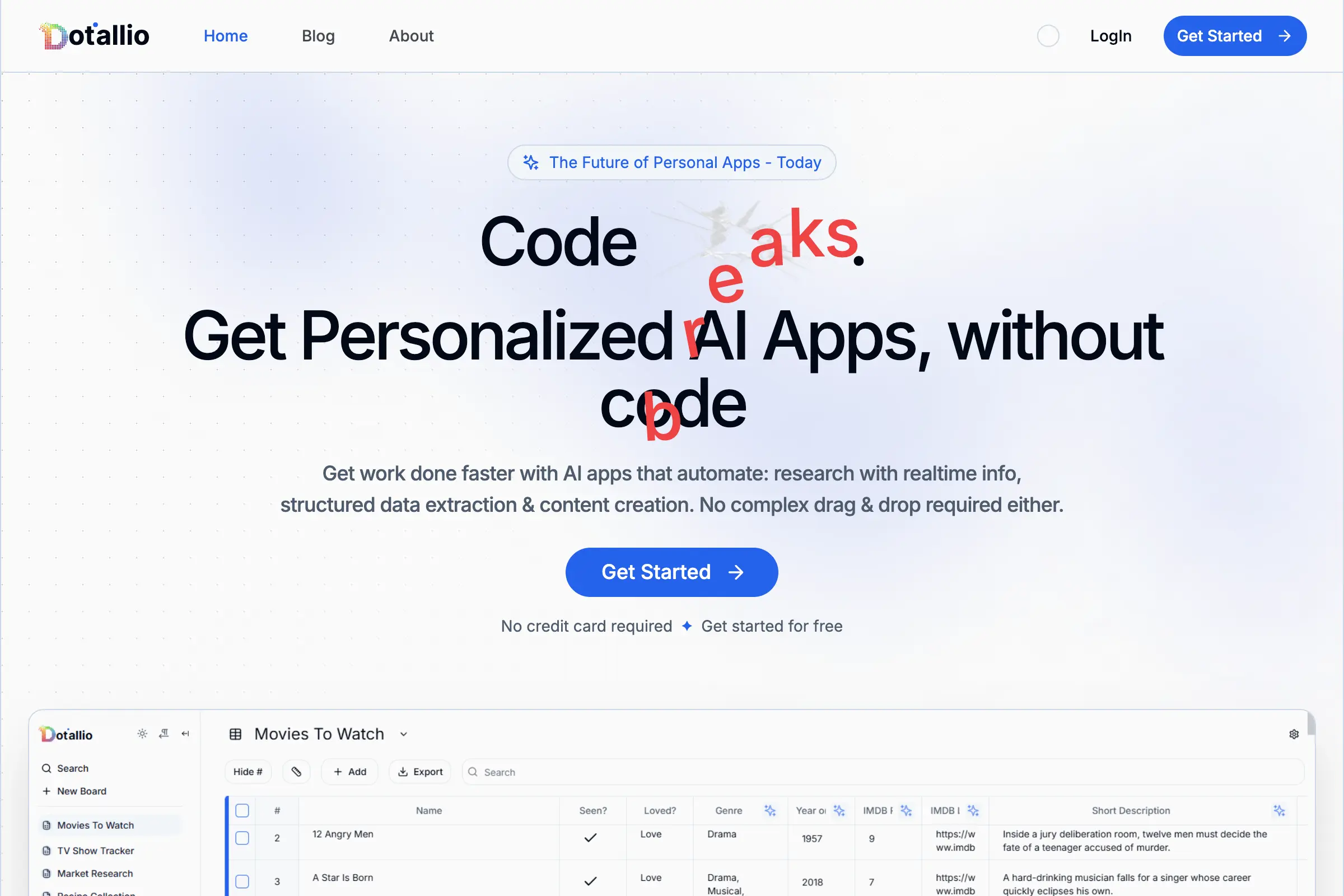
Dotallio
Personalized AI apps that automate research, data extraction, and content creation without code 🤖
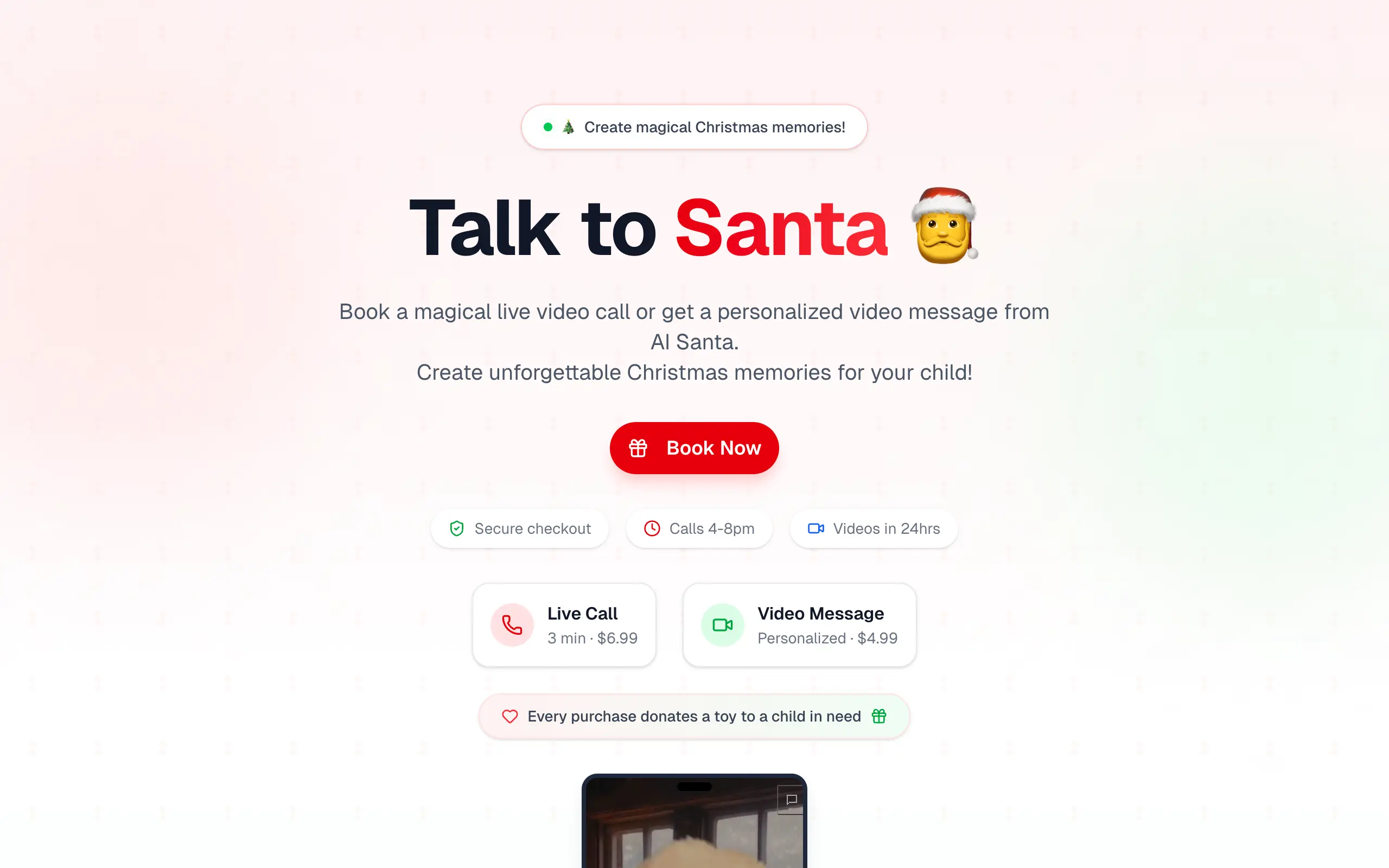
Talk to Santa
Enjoy a magical live video chat or receive a unique AI-generated video greeting from Santa Claus 🎅
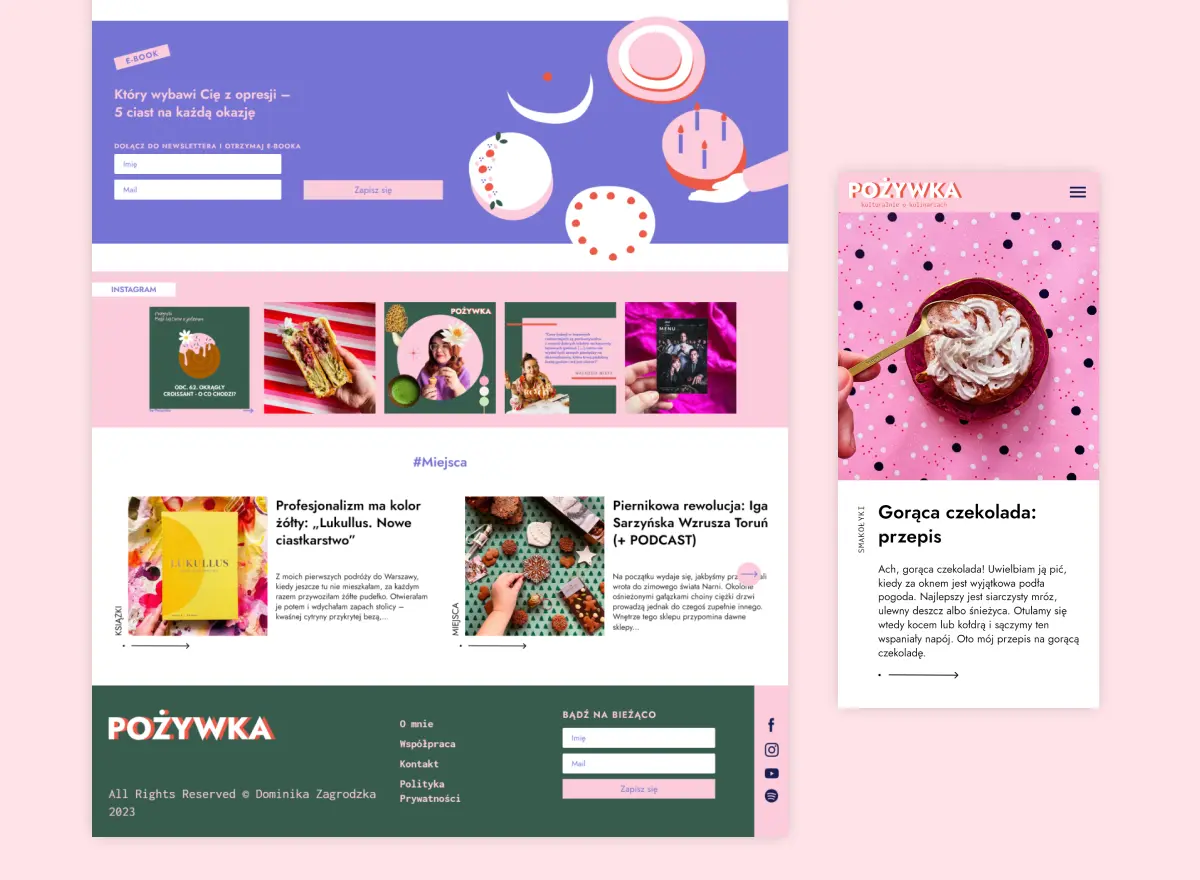
pozywka.pl
Scalable blog for food journalist, focused on performance and user experience 🌭
zagrodzki.me
Personal blog and portfolio of Bart Zagrodzki, where he shares his knowledge and work 💼
TurboStarter
Ship your startup everywhere. In minutes.
HTML to Markdown
Convert HTML to Markdown with ease, directly in your browser 📄
Dotallio
Personalized AI apps that automate research, data extraction, and content creation without code 🤖
Talk to Santa
Enjoy a magical live video chat or receive a unique AI-generated video greeting from Santa Claus 🎅
pozywka.pl
Scalable blog for food journalist, focused on performance and user experience 🌭
zagrodzki.me
Personal blog and portfolio of Bart Zagrodzki, where he shares his knowledge and work 💼
TurboStarter
Ship your startup everywhere. In minutes.
HTML to Markdown
Convert HTML to Markdown with ease, directly in your browser 📄
Dotallio
Personalized AI apps that automate research, data extraction, and content creation without code 🤖
Talk to Santa
Enjoy a magical live video chat or receive a unique AI-generated video greeting from Santa Claus 🎅
pozywka.pl
Scalable blog for food journalist, focused on performance and user experience 🌭
zagrodzki.me
Personal blog and portfolio of Bart Zagrodzki, where he shares his knowledge and work 💼
TurboStarter
Ship your startup everywhere. In minutes.
HTML to Markdown
Convert HTML to Markdown with ease, directly in your browser 📄
Dotallio
Personalized AI apps that automate research, data extraction, and content creation without code 🤖
Talk to Santa
Enjoy a magical live video chat or receive a unique AI-generated video greeting from Santa Claus 🎅
pozywka.pl
Scalable blog for food journalist, focused on performance and user experience 🌭
zagrodzki.me
Personal blog and portfolio of Bart Zagrodzki, where he shares his knowledge and work 💼
TurboStarter
Ship your startup everywhere. In minutes.
HTML to Markdown
Convert HTML to Markdown with ease, directly in your browser 📄
Omichat
Chat with 50+ AI models, including ChatGPT and Claude, in one place - switch models anytime without losing context 🤖
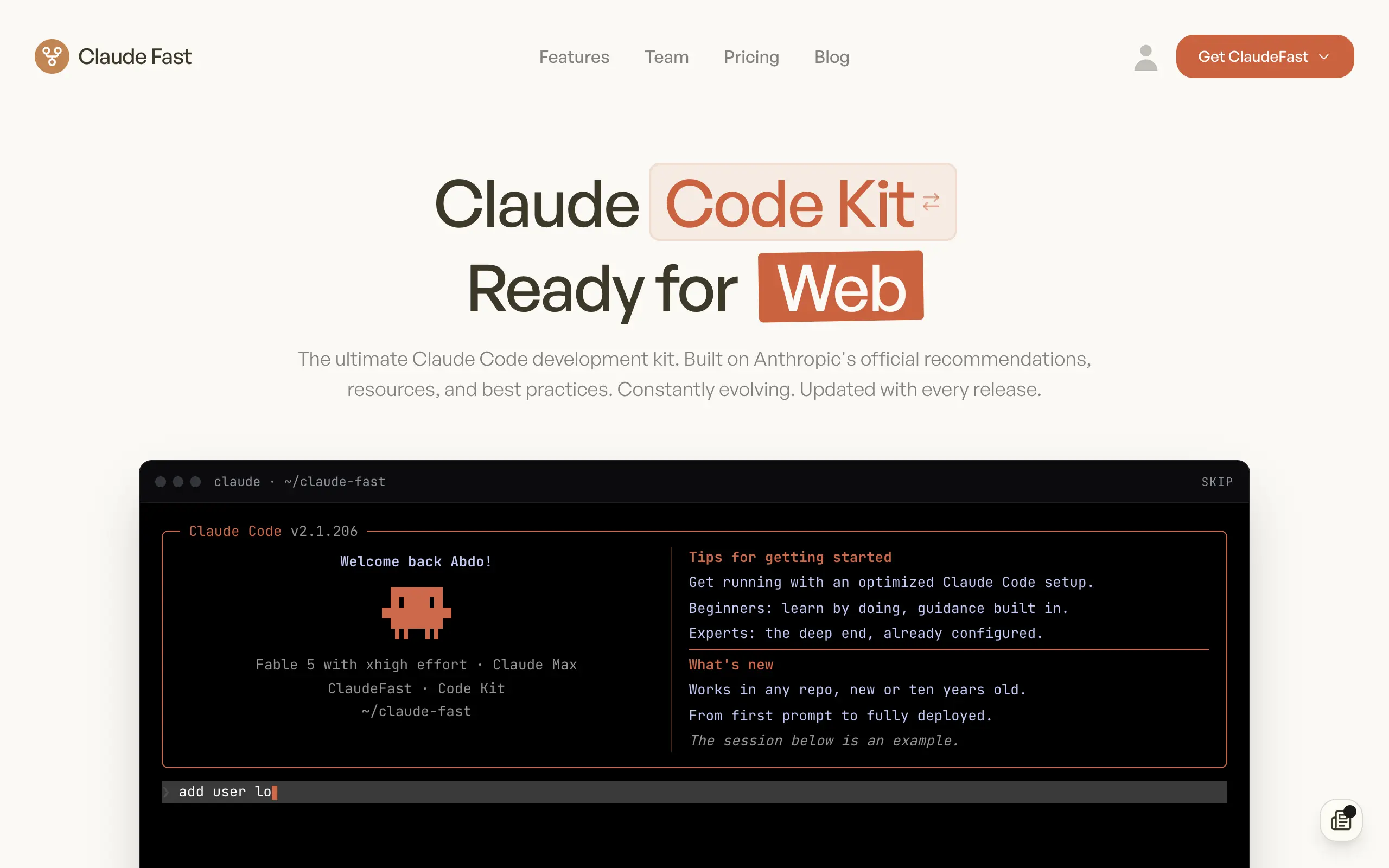
Claude Fast
Supercharge your Claude Code with 6x effective context window and specialized AI agents 🤖
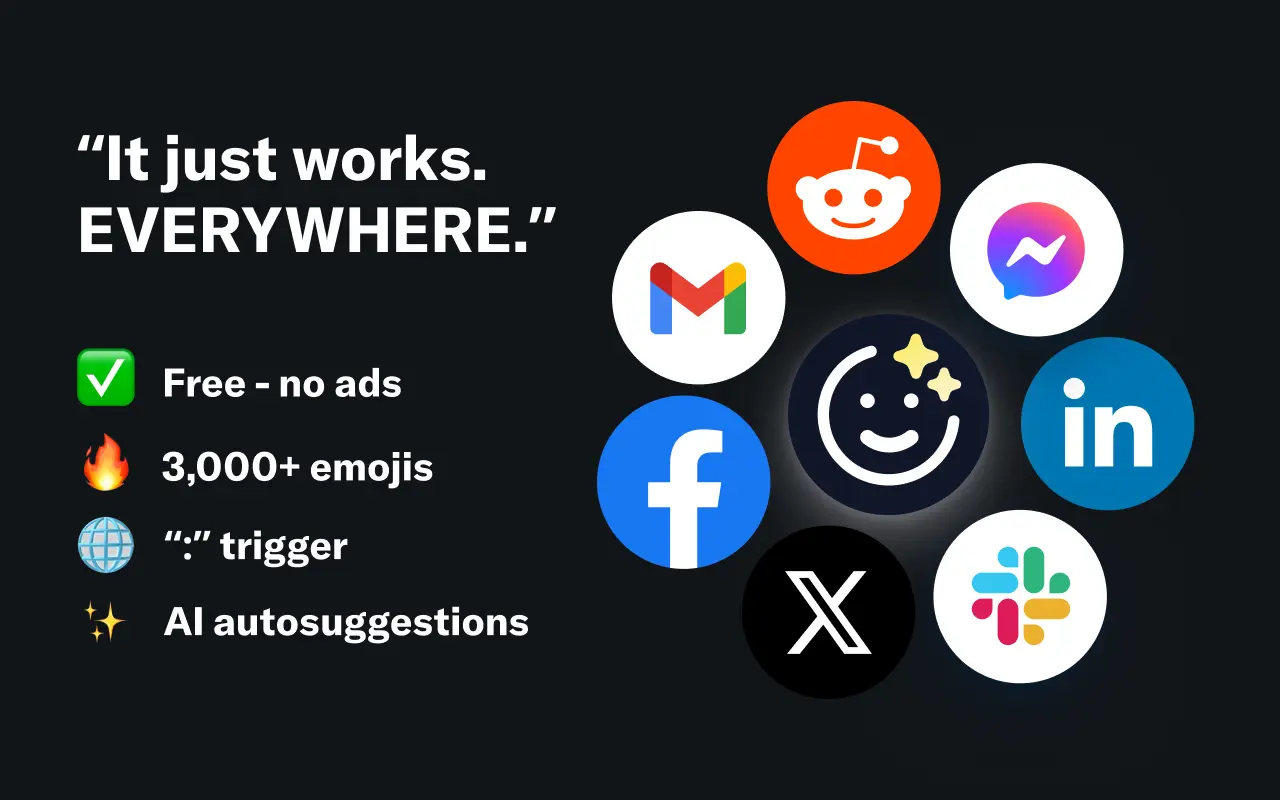
EmojAI
AI-powered emoji picker with smart, context-aware suggestions 🤖
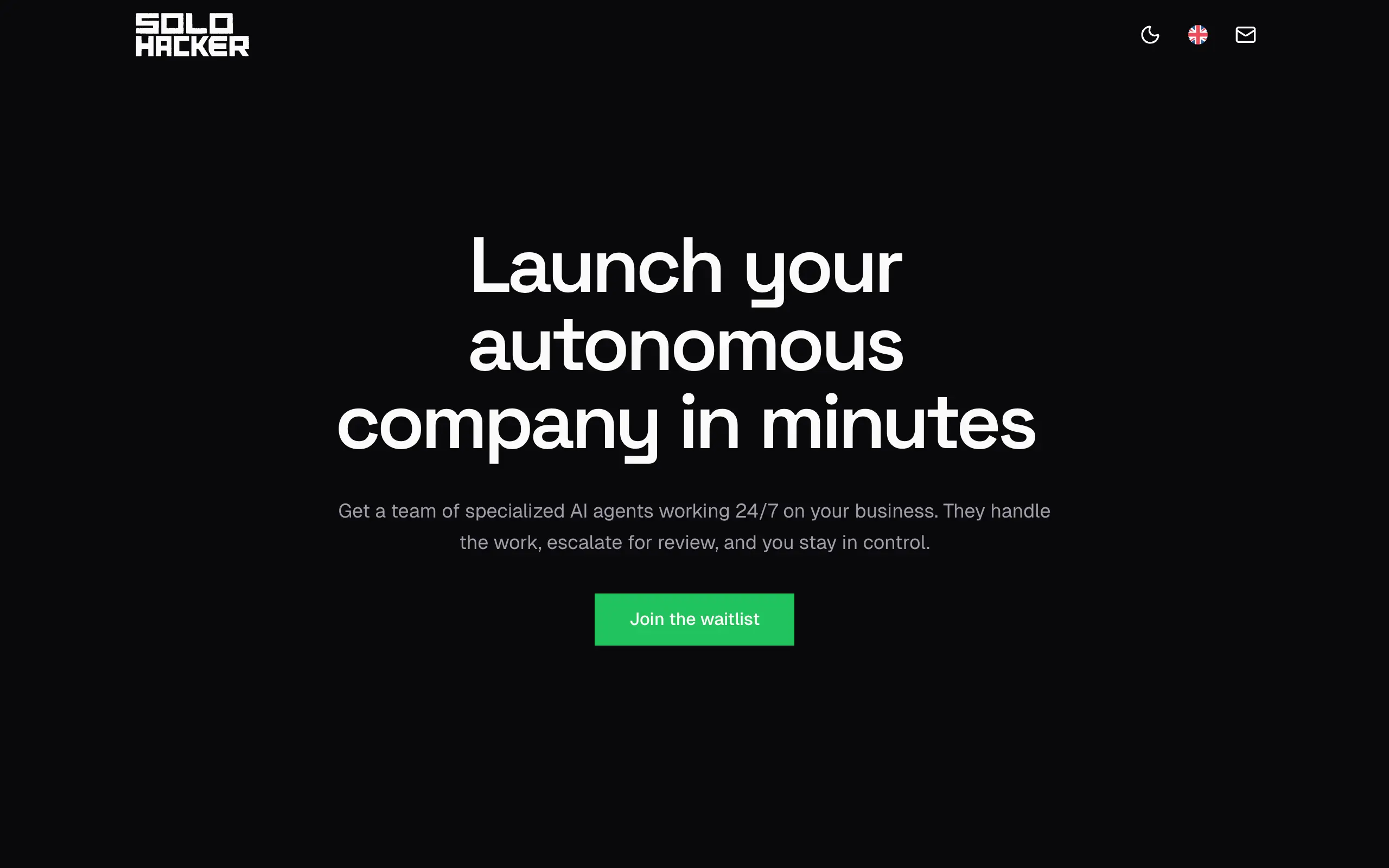
Solohacker
Autonomous company launcher - AI agents work 24/7, escalate what matters, and you stay in control 🤖
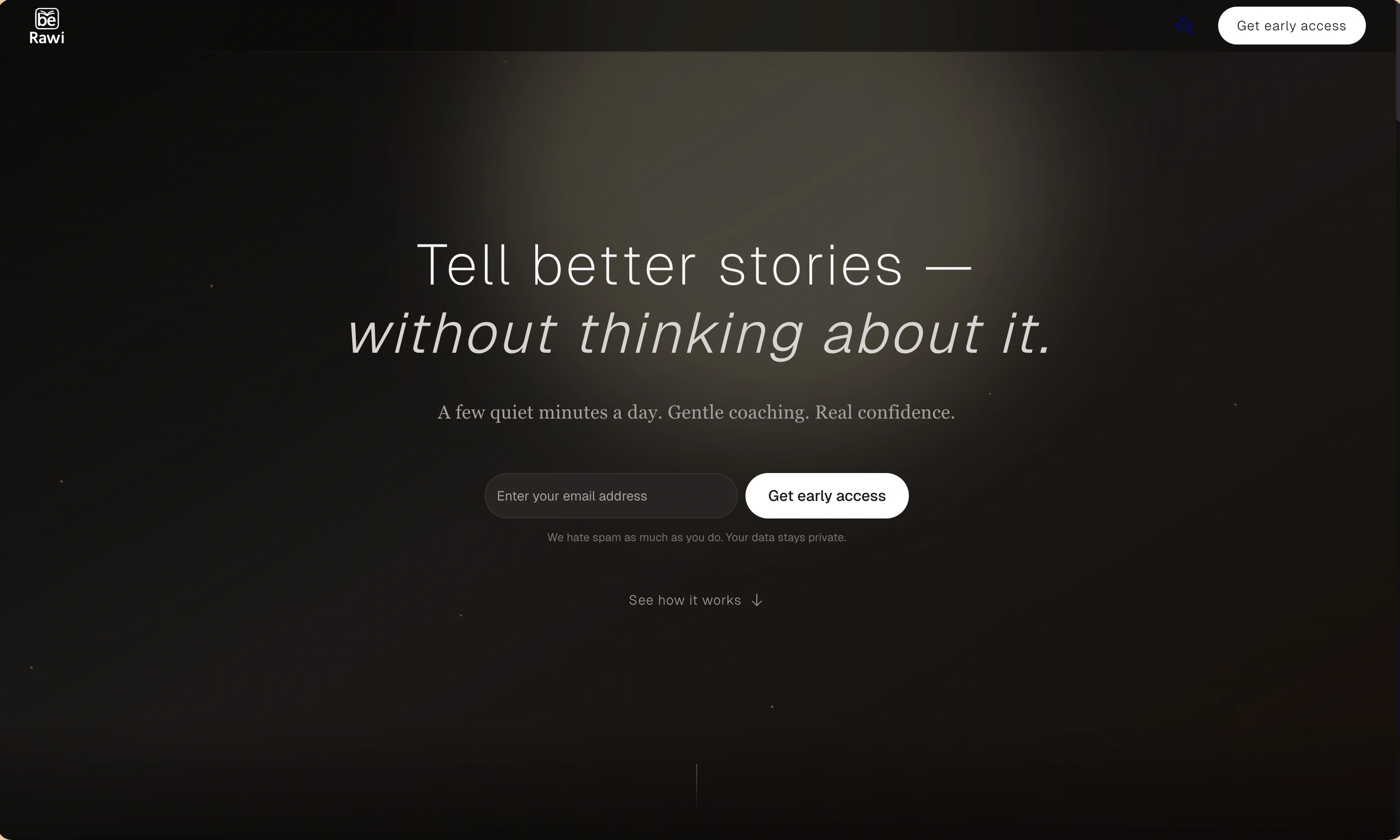
BeRawi: Storytelling Coach
Practice storytelling daily with instant feedback to sound clearer, more engaging, and confident 🎤
Omichat
Chat with 50+ AI models, including ChatGPT and Claude, in one place - switch models anytime without losing context 🤖
Claude Fast
Supercharge your Claude Code with 6x effective context window and specialized AI agents 🤖
EmojAI
AI-powered emoji picker with smart, context-aware suggestions 🤖
Solohacker
Autonomous company launcher - AI agents work 24/7, escalate what matters, and you stay in control 🤖
BeRawi: Storytelling Coach
Practice storytelling daily with instant feedback to sound clearer, more engaging, and confident 🎤
Omichat
Chat with 50+ AI models, including ChatGPT and Claude, in one place - switch models anytime without losing context 🤖
Claude Fast
Supercharge your Claude Code with 6x effective context window and specialized AI agents 🤖
EmojAI
AI-powered emoji picker with smart, context-aware suggestions 🤖
Solohacker
Autonomous company launcher - AI agents work 24/7, escalate what matters, and you stay in control 🤖
BeRawi: Storytelling Coach
Practice storytelling daily with instant feedback to sound clearer, more engaging, and confident 🎤
Omichat
Chat with 50+ AI models, including ChatGPT and Claude, in one place - switch models anytime without losing context 🤖
Claude Fast
Supercharge your Claude Code with 6x effective context window and specialized AI agents 🤖
EmojAI
AI-powered emoji picker with smart, context-aware suggestions 🤖
Solohacker
Autonomous company launcher - AI agents work 24/7, escalate what matters, and you stay in control 🤖
BeRawi: Storytelling Coach
Practice storytelling daily with instant feedback to sound clearer, more engaging, and confident 🎤

Connect with like-minded people
Join our community to get feedback, support, and grow together with 1,000+ builders on board, let's ship it!
Join usShip your startup everywhere. In minutes.
Don't burn tokens on setup and start building features on day one.