BakeGenius AI
Personalized baking recipe generator using AI to adapt to dietary needs, available ingredients, and skill level. Perfect for home bakers seeking inspiration.
Understanding the user intent behind BakeGenius AI
When users search for an AI-powered personalized baking recipe generator like BakeGenius AI, their intent typically falls into several categories:
- Inspiration: Home bakers want fresh, creative ideas tailored to their preferences, dietary restrictions, and available ingredients.
- Convenience: Users seek quick, reliable solutions that save time and reduce food waste.
- Validation: Many want to know if such a tool is accurate, trustworthy, and genuinely helpful for their baking journey.
- Technical curiosity: Some are interested in how AI can adapt recipes, what data it uses, and how it ensures safety and quality.
- Market research: Entrepreneurs and investors may be evaluating the market opportunity, competition, and monetization potential.
This article addresses all these intents, providing a comprehensive, expert-level analysis of BakeGenius AI as a SaaS solution.
Target audience analysis: Who benefits from BakeGenius AI?
Understanding the core user segments is crucial for product-market fit and effective marketing. BakeGenius AI targets:
- Home bakers: From beginners to advanced, seeking new recipes or ways to adapt classics.
- People with dietary restrictions: Individuals with allergies, intolerances, or specific diets (gluten-free, vegan, keto, etc.).
- Busy professionals and parents: Those who want to bake but have limited time or ingredients.
- Health-conscious consumers: Users looking to control sugar, fat, or calorie intake.
- Food bloggers and influencers: Creators seeking unique, shareable content.
- Culinary students and educators: For teaching recipe adaptation and ingredient science.
- Entrepreneurs: Exploring white-label or integration opportunities.
Key user needs:
- Personalized, accurate recipes
- Adaptation to available ingredients
- Dietary and allergy filtering
- Step-by-step guidance for all skill levels
- Inspiration and creativity
- Trustworthy, safe, and reliable outputs
Market opportunity and gap analysis
The rise of AI in food tech
The global food tech market is booming, with AI-driven personalization at the forefront. According to industry reports (suggest referencing Statista or Grand View Research), the AI in food and beverage market is projected to grow at a CAGR of over 40% through 2027.
Current gaps in the baking recipe space:
- Generic recipe platforms: Most sites offer static recipes, lacking true personalization.
- Limited dietary adaptation: Few tools can dynamically adjust for allergies, intolerances, or specific diets.
- Ingredient-based search is basic: Existing solutions rarely generate new recipes from what's on hand.
- Skill-level adaptation is rare: Most platforms don't adjust instructions for beginners vs. experts.
- AI-powered creativity is untapped: While some apps use AI for meal planning, few focus on baking—a domain with unique challenges (precision, chemistry, etc.).
BakeGenius AI addresses these gaps by combining advanced AI with a deep understanding of baking science, user preferences, and real-world constraints.
Core features and solution details
BakeGenius AI stands out by offering a robust suite of features designed for real-world baking needs:
1. Personalized recipe generation
- Input: Users specify dietary needs, available ingredients, and skill level.
- Output: AI generates a unique, step-by-step recipe tailored to those parameters.
- Adaptation: Adjusts ingredient ratios, substitutes, and techniques for optimal results.
2. Dietary and allergy filtering
- Supports common diets: gluten-free, vegan, keto, paleo, low-sugar, etc.
- Flags potential allergens and suggests safe alternatives.
3. Ingredient-based creativity
- Users enter what’s in their pantry; AI invents recipes using those items.
- Reduces food waste and encourages experimentation.
4. Skill-level customization
- Beginner: Simple instructions, extra tips, and visual aids.
- Intermediate/Advanced: More complex techniques, less hand-holding, optional challenges.
5. Step-by-step guidance
- Clear, concise instructions.
- Timers, substitution suggestions, and troubleshooting tips.
6. Community and sharing
- Save, rate, and share recipes.
- Option to publish creations to a community feed.
7. Integration and extensibility
- API access for third-party apps, smart kitchen devices, or white-label solutions.
Personalized AI recipes
Unique recipes tailored to your dietary needs, ingredients, and skill level.
Allergy & diet filters
Safe, inclusive baking for everyone—no more guesswork.
Ingredient-based creativity
Turn pantry leftovers into delicious bakes with AI-powered suggestions.
Skill-level adaptation
Step-by-step guidance for beginners, advanced tips for experts.
Recommended tech stack for BakeGenius AI
Choosing the right technology stack is critical for scalability, performance, and maintainability. Here’s an expert breakdown:
Frontend
- React: Modern, component-based UI for a responsive, interactive experience.
- TailwindCSS: Utility-first CSS for rapid, consistent styling.
- TypeScript: Ensures type safety and maintainability.
Backend
- Node.js: Scalable, event-driven server environment.
- Express: Minimalist web framework for API development.
AI/ML
- Python: For AI model development and recipe generation logic.
- TensorFlow or PyTorch: Deep learning frameworks for natural language processing and ingredient adaptation.
- OpenAI API or custom LLM: For advanced language understanding and creative recipe generation.
Database
- PostgreSQL: Robust, relational database for user data, recipes, and preferences.
- Redis: For caching and real-time features.
Hosting & DevOps
- Vercel or Netlify: For frontend hosting and CI/CD.
- AWS or Google Cloud: For scalable backend and AI workloads.
Trade-offs and considerations
- Serverless vs. traditional backend: Serverless (e.g., AWS Lambda) offers scalability but may complicate long-running AI tasks.
- OpenAI API vs. custom models: OpenAI is fast to integrate but may have higher costs and less control; custom models require more expertise but offer flexibility.
- Monolithic vs. microservices: Microservices enable modularity but add complexity; a monolithic MVP may be faster to launch.
Pro tip
Leverage TurboStarter to accelerate your SaaS MVP development with pre-built authentication, billing, and deployment workflows.
Monetization strategy options
A successful SaaS must balance user value with sustainable revenue. BakeGenius AI can explore several monetization models:
1. Freemium
- Free tier: Limited recipe generations per month, basic features.
- Premium tier: Unlimited recipes, advanced dietary filters, community features, and API access.
2. Subscription
- Monthly or annual plans for individuals and families.
- Discounted rates for students, educators, or bulk licenses.
3. Pay-per-use
- Microtransactions for one-off recipe generations or premium features.
4. B2B and white-label
- Licensing the AI engine to food brands, kitchen appliance makers, or health apps.
- API access for third-party integrations.
5. Affiliate and e-commerce
- Partner with ingredient suppliers or kitchenware brands for affiliate revenue.
- In-app links to purchase ingredients or tools.
Potential risks and mitigation strategies
Launching an AI-powered recipe generator comes with unique challenges. Here’s how to address them:
AI-generated recipes may occasionally produce unsafe or unpalatable results. Mitigate by:
- Training on high-quality, vetted recipe datasets.
- Implementing safety checks for ingredient combinations and cooking times.
- Allowing user feedback and flagging of problematic recipes.
Incorrect substitutions could pose health risks. Mitigate by:
- Maintaining an up-to-date allergen and dietary database.
- Providing clear disclaimers and user education.
- Enabling manual override and user verification.
Users may share sensitive dietary or health information. Mitigate by:
- Following GDPR and CCPA best practices.
- Encrypting user data at rest and in transit.
- Offering transparent privacy policies.
AI models may reflect biases in training data. Mitigate by:
- Curating diverse, global recipe datasets.
- Regularly auditing outputs for inclusivity and cultural sensitivity.
Competitive advantage analysis
How does BakeGenius AI stand out in a crowded market?
| Personalization | Dietary Adaptation | Ingredient-based Generation | Skill-level Customization | Community Features |
|---|---|---|---|---|
| ✅ | ❌ | ❌ | ✅ | ❌ |
| ✅ | ❌ | ✅ | ✅ | ❌ |
Unique selling points (USPs):
- True personalization: Not just filtering, but generating recipes from scratch based on user input.
- Ingredient-based creativity: Reduces food waste and encourages experimentation.
- Skill-level adaptation: Makes baking accessible to all, from novices to pros.
- AI-powered innovation: Leverages the latest in natural language processing and food science.
- Community and extensibility: Fosters sharing and integration with other platforms.
Actionable implementation steps
Ready to bring BakeGenius AI to life? Here’s a step-by-step roadmap:
Conclusion: Why BakeGenius AI is the future of personalized baking
BakeGenius AI is more than just another recipe app—it's a leap forward in how we approach home baking. By harnessing the power of AI, it delivers:
- Personalized, safe, and creative recipes for every dietary need and skill level
- Reduced food waste through ingredient-based generation
- A supportive community for sharing and inspiration
- Scalable, extensible technology ready for integration and growth
Whether you're a home baker, a food entrepreneur, or a tech enthusiast, BakeGenius AI represents a unique opportunity to shape the future of food tech.
Frequently asked questions
The AI is trained on vetted recipes and includes safety checks for ingredient compatibility, cooking times, and dietary restrictions. User feedback helps flag and improve any problematic outputs.
Yes! The platform supports complex dietary profiles and will generate recipes that avoid your specified allergens and preferences.
BakeGenius AI offers API access for third-party integrations, making it easy to connect with smart kitchen devices or other food tech platforms.
Unlike static recipe databases, BakeGenius AI generates new, personalized recipes on demand, adapting to your ingredients, dietary needs, and skill level.
Further reading and resources
- React - Official documentation
- TailwindCSS - Utility-first CSS framework
- TensorFlow - Deep learning for AI
- TurboStarter - SaaS MVP starter kit
For industry statistics, consider referencing reports from Statista, Grand View Research, or similar reputable sources.
By combining cutting-edge AI with a deep understanding of baking and user needs, BakeGenius AI is poised to become the go-to platform for personalized, creative, and accessible home baking.
More 🤖 AI Startup SaaS ideas
Discover more innovative ai startup SaaS ideas that are trending in 2026. Each idea is AI-generated with market validation and growth potential to help you find your next profitable venture faster than competitors.
Your competitors are building with TurboStarter
Below are some of the SaaS ideas that have been generated and built with our starter kit.

Statiko
Monitor any Telegram channel in real time - track posts, edits, deletions, and growth with AI recaps 📡

Shibui
AI website builder - describe your business, pick a niche template, edit by chatting, and publish instantly ✨

Pro Service
Find verified home service professionals, compare quotes, and pay securely through escrow - built for Brazilians across the US 🏠
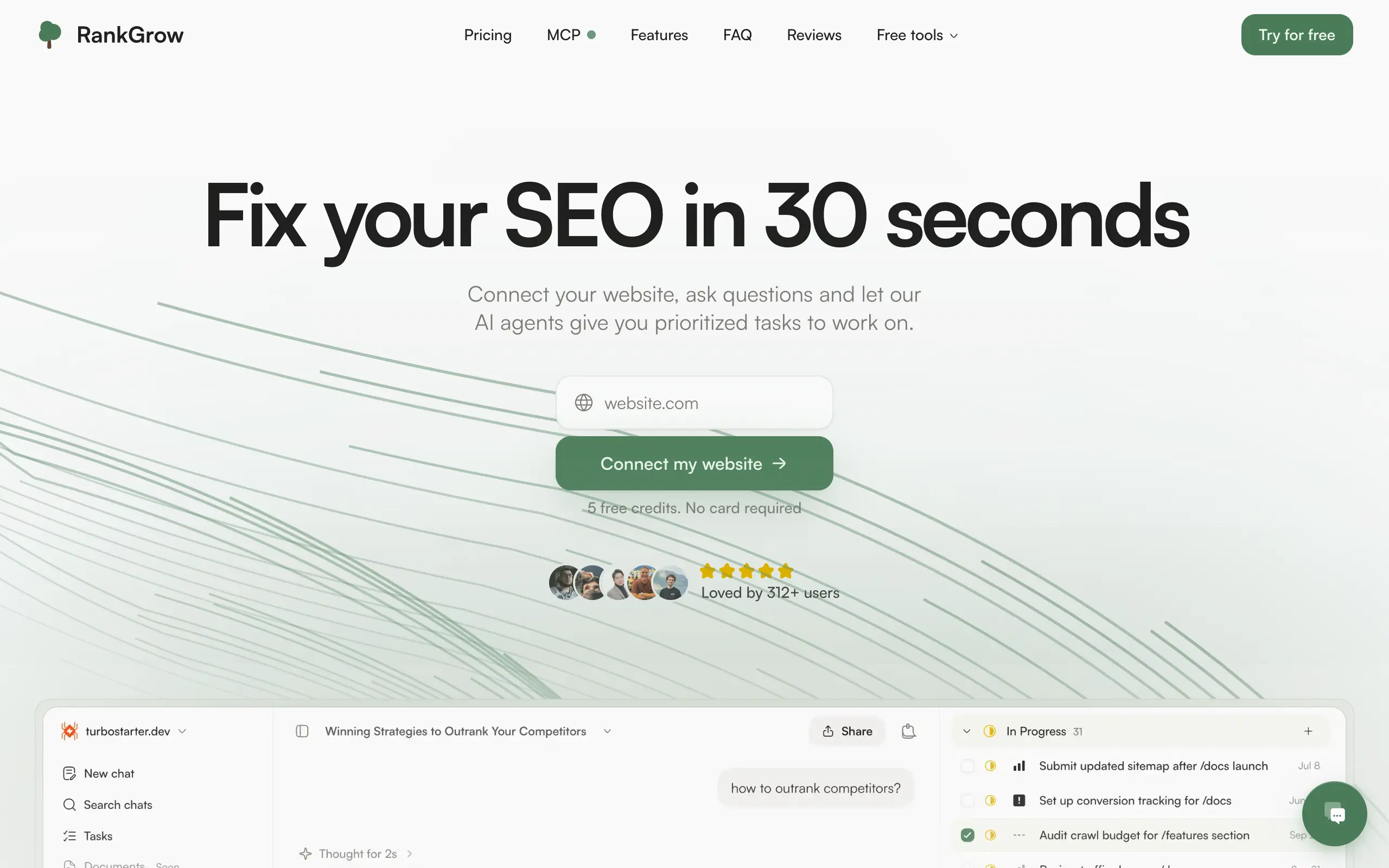
RankGrow
Fix your SEO with AI agents - connect Search Console, get prioritized tasks, and grow organic traffic 📈
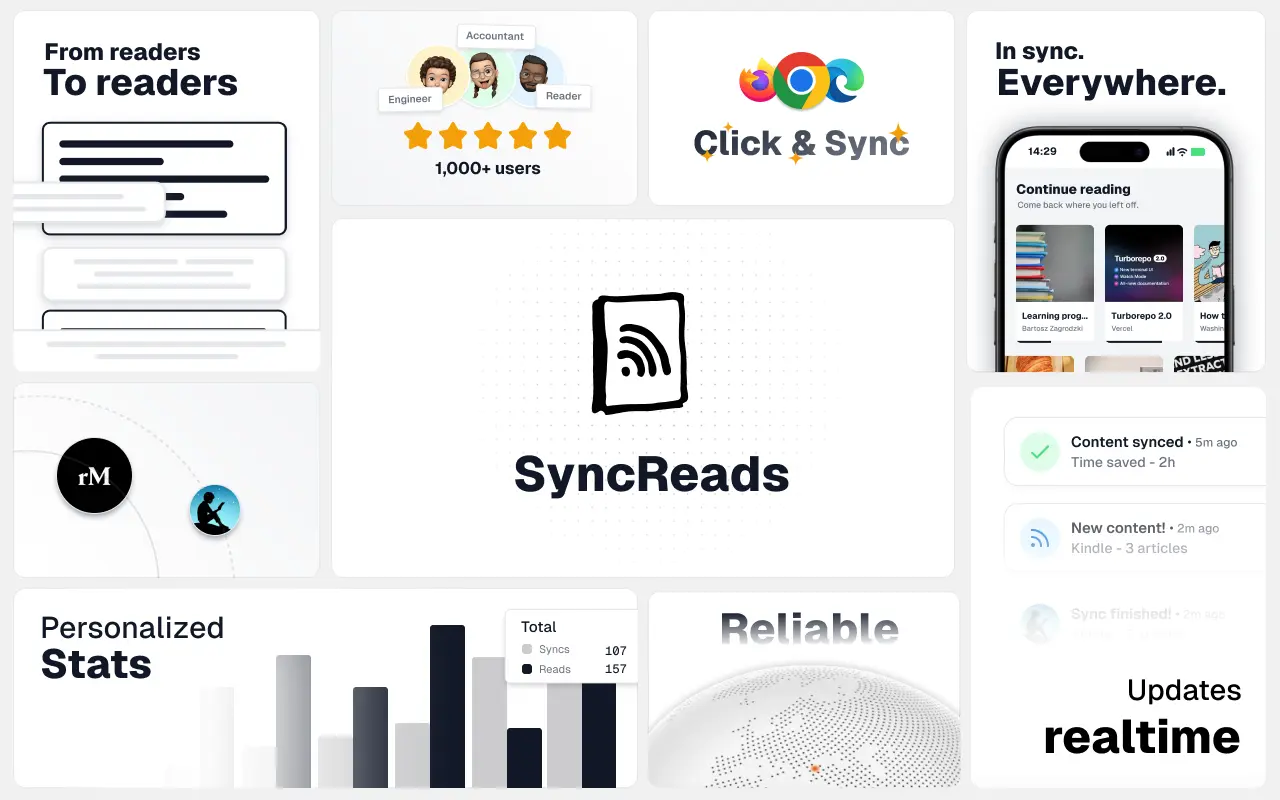
SyncReads
Sync your favorite content for distraction-free reading, save time and replace multiple apps. Anytime, anywhere 🔄
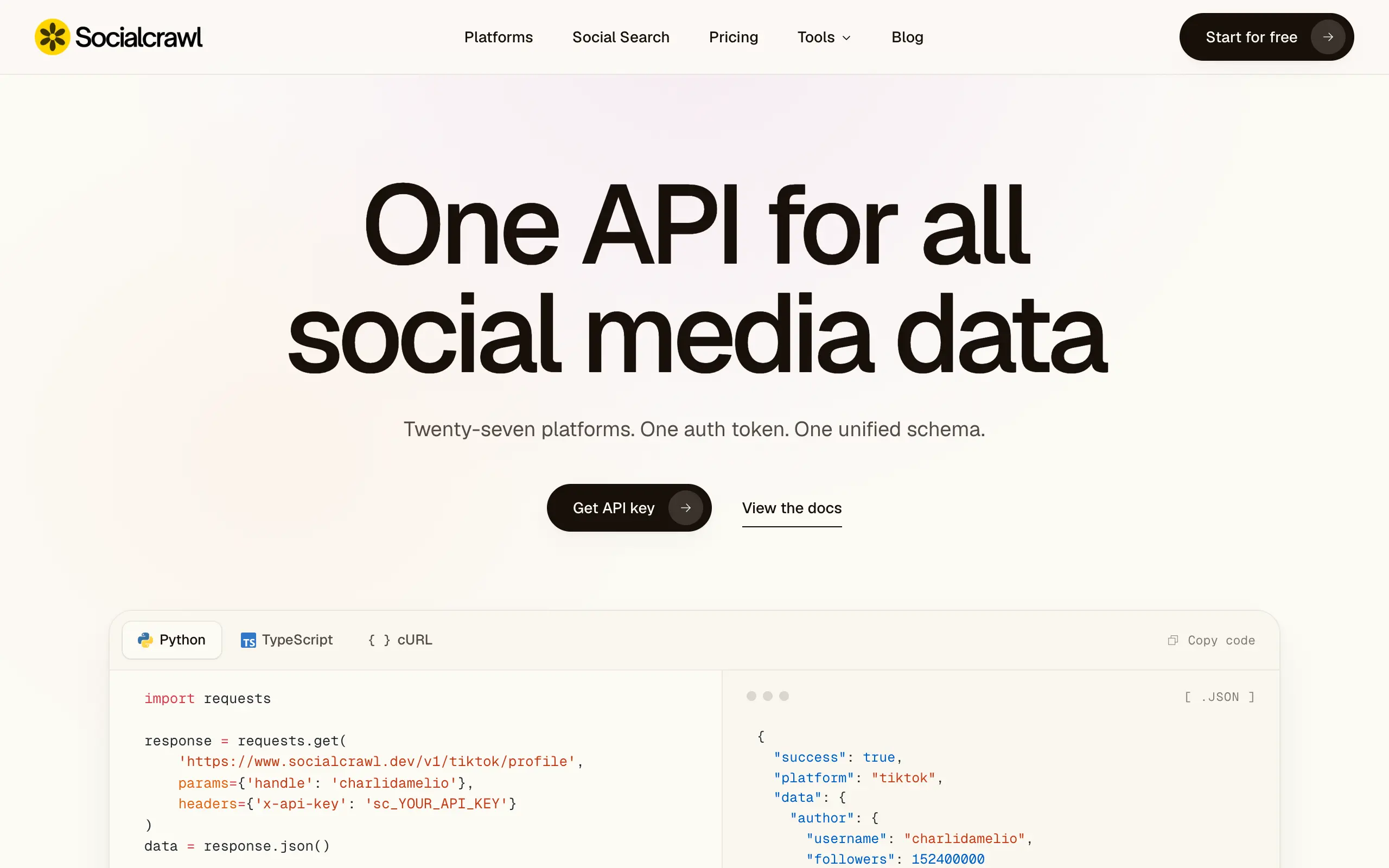
Socialcrawl
Get clean, structured data from 21 platforms like TikTok, Instagram, and YouTube with a single request 📊
Statiko
Monitor any Telegram channel in real time - track posts, edits, deletions, and growth with AI recaps 📡
Shibui
AI website builder - describe your business, pick a niche template, edit by chatting, and publish instantly ✨
Pro Service
Find verified home service professionals, compare quotes, and pay securely through escrow - built for Brazilians across the US 🏠
RankGrow
Fix your SEO with AI agents - connect Search Console, get prioritized tasks, and grow organic traffic 📈
SyncReads
Sync your favorite content for distraction-free reading, save time and replace multiple apps. Anytime, anywhere 🔄
Socialcrawl
Get clean, structured data from 21 platforms like TikTok, Instagram, and YouTube with a single request 📊
Statiko
Monitor any Telegram channel in real time - track posts, edits, deletions, and growth with AI recaps 📡
Shibui
AI website builder - describe your business, pick a niche template, edit by chatting, and publish instantly ✨
Pro Service
Find verified home service professionals, compare quotes, and pay securely through escrow - built for Brazilians across the US 🏠
RankGrow
Fix your SEO with AI agents - connect Search Console, get prioritized tasks, and grow organic traffic 📈
SyncReads
Sync your favorite content for distraction-free reading, save time and replace multiple apps. Anytime, anywhere 🔄
Socialcrawl
Get clean, structured data from 21 platforms like TikTok, Instagram, and YouTube with a single request 📊
Statiko
Monitor any Telegram channel in real time - track posts, edits, deletions, and growth with AI recaps 📡
Shibui
AI website builder - describe your business, pick a niche template, edit by chatting, and publish instantly ✨
Pro Service
Find verified home service professionals, compare quotes, and pay securely through escrow - built for Brazilians across the US 🏠
RankGrow
Fix your SEO with AI agents - connect Search Console, get prioritized tasks, and grow organic traffic 📈
SyncReads
Sync your favorite content for distraction-free reading, save time and replace multiple apps. Anytime, anywhere 🔄
Socialcrawl
Get clean, structured data from 21 platforms like TikTok, Instagram, and YouTube with a single request 📊
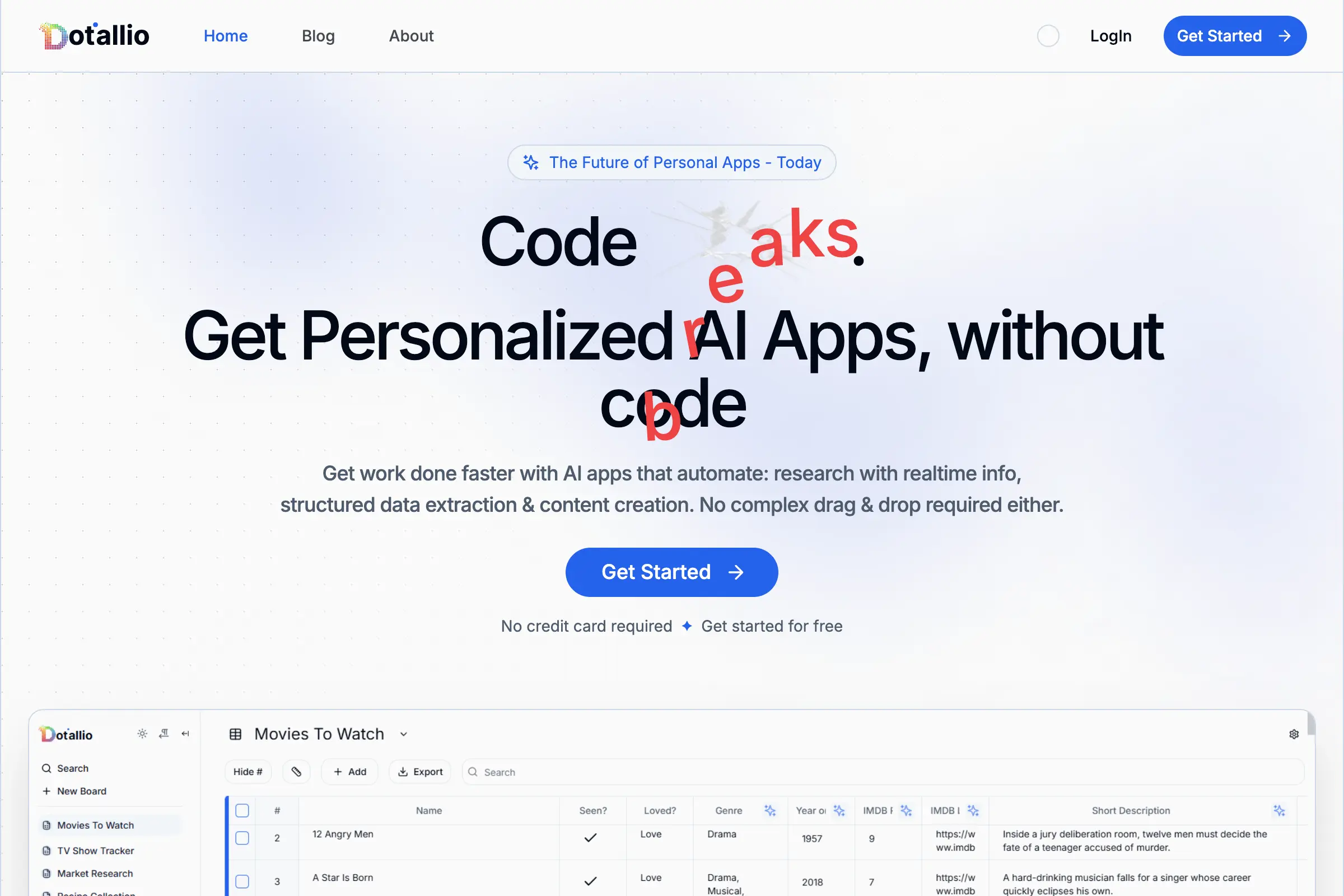
Dotallio
Personalized AI apps that automate research, data extraction, and content creation without code 🤖

Talk to Santa
Enjoy a magical live video chat or receive a unique AI-generated video greeting from Santa Claus 🎅

pozywka.pl
Scalable blog for food journalist, focused on performance and user experience 🌭
zagrodzki.me
Personal blog and portfolio of Bart Zagrodzki, where he shares his knowledge and work 💼
TurboStarter
Ship your startup everywhere. In minutes.
HTML to Markdown
Convert HTML to Markdown with ease, directly in your browser 📄
Dotallio
Personalized AI apps that automate research, data extraction, and content creation without code 🤖
Talk to Santa
Enjoy a magical live video chat or receive a unique AI-generated video greeting from Santa Claus 🎅
pozywka.pl
Scalable blog for food journalist, focused on performance and user experience 🌭
zagrodzki.me
Personal blog and portfolio of Bart Zagrodzki, where he shares his knowledge and work 💼
TurboStarter
Ship your startup everywhere. In minutes.
HTML to Markdown
Convert HTML to Markdown with ease, directly in your browser 📄
Dotallio
Personalized AI apps that automate research, data extraction, and content creation without code 🤖
Talk to Santa
Enjoy a magical live video chat or receive a unique AI-generated video greeting from Santa Claus 🎅
pozywka.pl
Scalable blog for food journalist, focused on performance and user experience 🌭
zagrodzki.me
Personal blog and portfolio of Bart Zagrodzki, where he shares his knowledge and work 💼
TurboStarter
Ship your startup everywhere. In minutes.
HTML to Markdown
Convert HTML to Markdown with ease, directly in your browser 📄
Dotallio
Personalized AI apps that automate research, data extraction, and content creation without code 🤖
Talk to Santa
Enjoy a magical live video chat or receive a unique AI-generated video greeting from Santa Claus 🎅
pozywka.pl
Scalable blog for food journalist, focused on performance and user experience 🌭
zagrodzki.me
Personal blog and portfolio of Bart Zagrodzki, where he shares his knowledge and work 💼
TurboStarter
Ship your startup everywhere. In minutes.
HTML to Markdown
Convert HTML to Markdown with ease, directly in your browser 📄
Omichat
Chat with 50+ AI models, including ChatGPT and Claude, in one place - switch models anytime without losing context 🤖
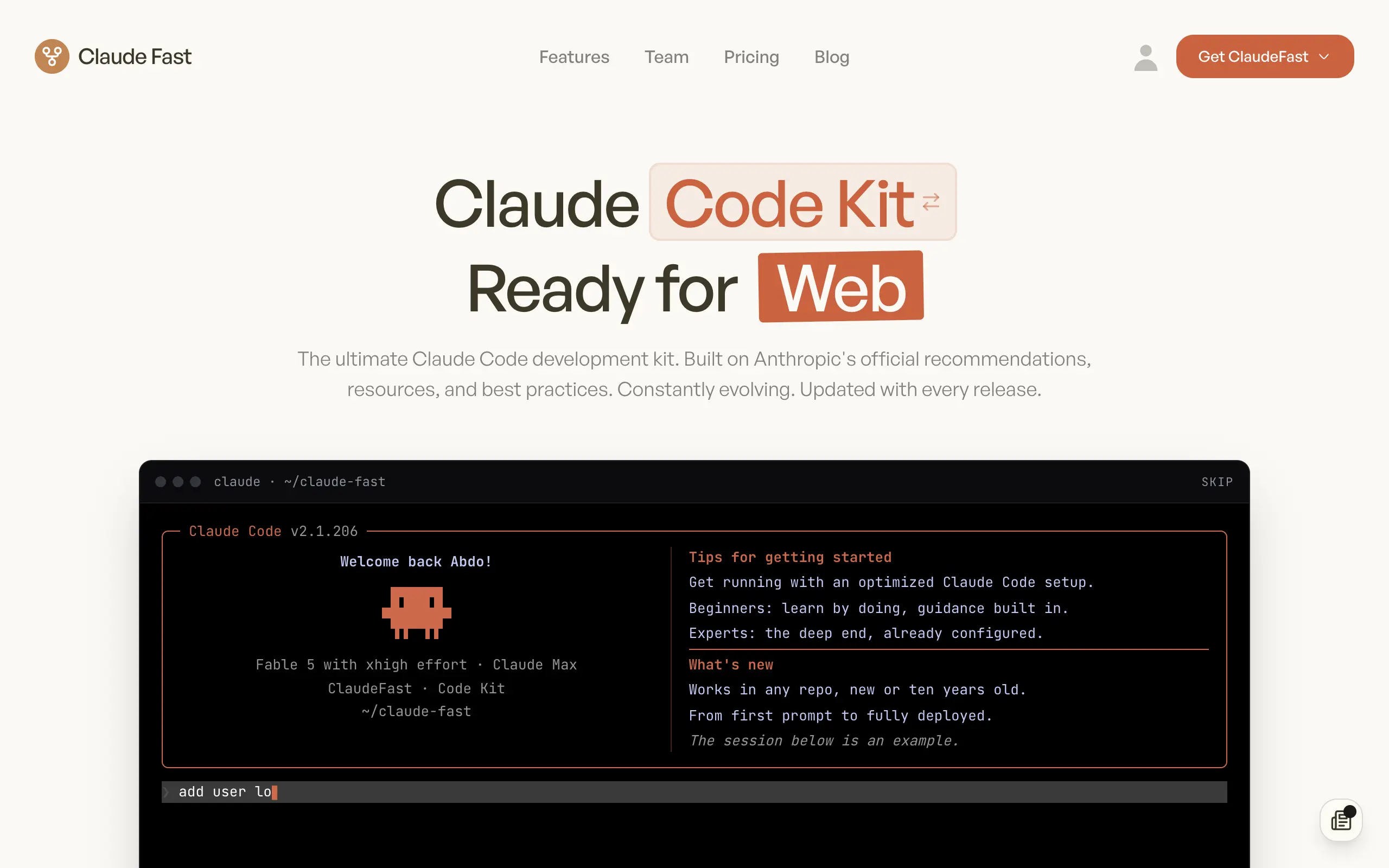
Claude Fast
Supercharge your Claude Code with 6x effective context window and specialized AI agents 🤖
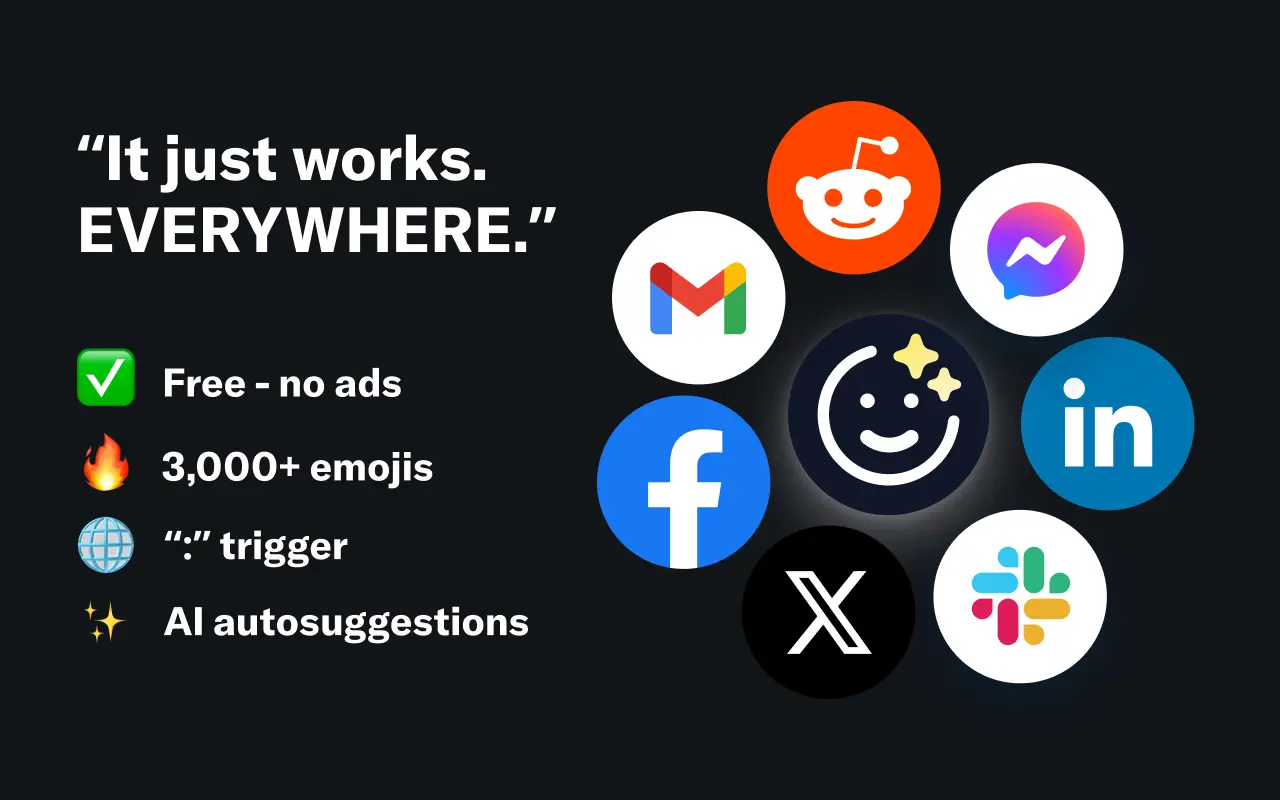
EmojAI
AI-powered emoji picker with smart, context-aware suggestions 🤖

Solohacker
Autonomous company launcher - AI agents work 24/7, escalate what matters, and you stay in control 🤖

BeRawi: Storytelling Coach
Practice storytelling daily with instant feedback to sound clearer, more engaging, and confident 🎤
Omichat
Chat with 50+ AI models, including ChatGPT and Claude, in one place - switch models anytime without losing context 🤖
Claude Fast
Supercharge your Claude Code with 6x effective context window and specialized AI agents 🤖
EmojAI
AI-powered emoji picker with smart, context-aware suggestions 🤖
Solohacker
Autonomous company launcher - AI agents work 24/7, escalate what matters, and you stay in control 🤖
BeRawi: Storytelling Coach
Practice storytelling daily with instant feedback to sound clearer, more engaging, and confident 🎤
Omichat
Chat with 50+ AI models, including ChatGPT and Claude, in one place - switch models anytime without losing context 🤖
Claude Fast
Supercharge your Claude Code with 6x effective context window and specialized AI agents 🤖
EmojAI
AI-powered emoji picker with smart, context-aware suggestions 🤖
Solohacker
Autonomous company launcher - AI agents work 24/7, escalate what matters, and you stay in control 🤖
BeRawi: Storytelling Coach
Practice storytelling daily with instant feedback to sound clearer, more engaging, and confident 🎤
Omichat
Chat with 50+ AI models, including ChatGPT and Claude, in one place - switch models anytime without losing context 🤖
Claude Fast
Supercharge your Claude Code with 6x effective context window and specialized AI agents 🤖
EmojAI
AI-powered emoji picker with smart, context-aware suggestions 🤖
Solohacker
Autonomous company launcher - AI agents work 24/7, escalate what matters, and you stay in control 🤖
BeRawi: Storytelling Coach
Practice storytelling daily with instant feedback to sound clearer, more engaging, and confident 🎤

Connect with like-minded people
Join our community to get feedback, support, and grow together with 1,000+ builders on board, let's ship it!
Join usShip your startup everywhere. In minutes.
Don't burn tokens on setup and start building features on day one.