BenefitSpec AI
AI turns health and welfare plan documents into testable requirements, edge cases, and UAT scripts for benefits QA teams.
Why AI benefits QA software is becoming a critical operations layer
Health and welfare benefits administration is full of high-impact rules hidden in difficult-to-interpret documents. Plan documents, summary plan descriptions, certificates of coverage, amendments, eligibility guides, carrier contracts, and implementation workbooks often contain the same business logic in slightly different language.
For benefits QA teams, the problem is not simply reading those documents. The real challenge is translating policy language into reliable, testable requirements that can be configured correctly in enrollment platforms, benefits administration systems, payroll systems, carrier files, employee portals, and downstream integrations.
BenefitSpec AI is an AI benefits QA software concept designed to turn health and welfare plan documents into structured requirements, edge cases, traceable test scenarios, and user acceptance testing scripts. Instead of relying on spreadsheets, tribal knowledge, and manual document review, benefits teams can use AI to create a clearer path from plan language to production-ready configuration validation.
This is especially valuable for organizations managing annual enrollment cycles, acquisitions, new employer implementations, carrier changes, plan amendments, eligibility updates, and compliance-sensitive benefits programs.
The core opportunity
The highest-value use case is not generic document summarization. It is converting benefits policy language into evidence-backed, testable system behavior that QA analysts, implementation teams, and business stakeholders can review and approve.
The primary keyword for this category is AI benefits QA software. Closely related search terms include benefits administration testing, health and welfare plan document analysis, UAT script generation, benefits configuration validation, eligibility rules testing, employee benefits QA, and AI-powered requirements extraction.
The benefits QA problem BenefitSpec AI solves
Benefits administration projects frequently fail at the handoff between policy interpretation and system testing. A plan document may state that employees become eligible on the first day of the month following 30 days of employment, while a configuration workbook may describe the rule differently, and a payroll feed may contain yet another assumption.
A small interpretation mistake can create material consequences:
- Employees may be enrolled too early or too late.
- Dependent eligibility may be applied inconsistently.
- Premium deductions may not align with coverage effective dates.
- Carrier enrollment files may include invalid participants.
- Employees may receive incorrect communications or self-service options.
- QA teams may test the happy path while missing high-risk exception scenarios.
- Audit and compliance teams may struggle to understand why a configuration decision was made.
Traditional benefits testing practices tend to be manual and fragmented. Analysts read PDFs, copy rules into spreadsheets, create test cases from experience, and ask subject matter experts to resolve ambiguous wording. This process is slow, expensive, difficult to audit, and highly dependent on individual expertise.
BenefitSpec AI addresses this gap by creating a structured workflow that connects source documents to requirements and test evidence.
| Workflow area | Traditional approach | BenefitSpec AI approach | Operational impact | Traceability |
|---|---|---|---|---|
| Plan review | Manual reading and notes | AI-assisted extraction with citations | Faster analysis | High |
| Requirements | Spreadsheets and email threads | Structured rule records | Less ambiguity | High |
| UAT design | Manual test writing | Generated scenarios and edge cases | Broader coverage | Medium to high |
| Defect triage | Knowledge-dependent investigation | Requirement-to-defect mapping | Faster resolution | High |
The platform should not claim to replace benefits consultants, plan fiduciaries, legal counsel, or experienced QA leaders. Its value comes from making their work more repeatable, more visible, and easier to validate.
Who needs AI benefits QA software most
The ideal customer profile is an organization where benefits complexity is high, timelines are tight, and configuration defects carry financial or employee-experience risk.
Benefits administration providers
Third-party administrators, benefits administration platforms, HR outsourcing providers, and payroll service companies often implement many employer plans simultaneously. Their teams repeatedly interpret plan documents, build configurations, test eligibility, validate deductions, and resolve carrier file discrepancies.
For these teams, BenefitSpec AI can become a reusable quality system. It can standardize how implementation analysts convert source documents into requirements while allowing each client plan to retain its own rules, evidence, and approval history.
Key buyer roles include:
- Benefits operations leaders
- QA managers
- Implementation directors
- Product operations teams
- Business analysts
- Configuration leads
- Client delivery executives
Large employers with complex benefit programs
Employers with multiple legal entities, locations, bargaining units, classes, leave policies, or acquired populations have complicated benefit eligibility and enrollment rules. They may run annual enrollment projects internally or through a combination of consultants, brokers, carriers, and software vendors.
These organizations need a way to review and validate that their intended plan design matches what employees experience in systems.
Their core needs include:
- Faster review of plan amendments and enrollment changes
- Audit-ready evidence for configuration decisions
- Reduced dependence on a few internal benefits experts
- More complete testing of employee life events
- Better collaboration across HR, payroll, IT, and vendor teams
Benefits consulting and brokerage firms
Consultants and brokers frequently help clients define plan designs, interpret vendor configurations, review implementation artifacts, and prepare for enrollment. They can use AI-powered benefits requirements extraction to improve delivery margins while offering a differentiated quality assurance service.
Rather than selling only advisory hours, a consulting firm could package a repeatable benefits configuration validation service with a structured output that clients can retain.
Benefits technology vendors
Enrollment platforms, HRIS vendors, payroll providers, and insurance technology companies all need to translate customer plan designs into product configurations. In this environment, BenefitSpec AI can support internal quality assurance and potentially become a white-labeled module within a larger benefits technology stack.
The market gap in health and welfare plan document analysis
The market already has document intelligence tools, testing platforms, HR software, and generic AI assistants. However, there is a meaningful gap between those categories.
Generic document AI can summarize a benefits PDF, but a summary is not enough for implementation. QA teams need the system to identify operationally meaningful rules such as eligibility waiting periods, evidence of insurability thresholds, dependent age limits, imputed income treatment, pre-tax deduction elections, COBRA triggers, qualifying life event windows, and retroactive coverage logic.
Generic test management tools can organize test cases, but they usually do not understand how to generate benefit-specific test permutations from policy rules. A tester still needs to determine which employment statuses, dates, earnings values, relationship types, and enrollment outcomes matter.
BenefitSpec AI has an opportunity to occupy the workflow layer between source policy and quality assurance execution.
Document to requirement
Extract atomic policy rules from plan documents with source references, confidence levels, and reviewer status.
Requirement to test case
Generate UAT scenarios, expected outcomes, test data needs, and exception paths from approved rules.
Test result to evidence
Link passed tests, defects, approvals, and implementation decisions back to the original plan language.
The product’s defensible position is not simply its language model. Large language models are increasingly accessible. The more durable advantage is a purpose-built benefits ontology, a traceable requirements model, domain-specific test generation, governance workflows, and a growing library of anonymized rule patterns.
The unique value proposition of BenefitSpec AI
BenefitSpec AI should be positioned as a benefits requirements intelligence and QA automation platform, not as a chatbot for reading employee benefits documents.
Its unique selling proposition is straightforward:
BenefitSpec AI converts health and welfare plan language into reviewable business rules, risk-ranked edge cases, and traceable UAT scripts so benefits teams can validate configuration before it affects employees.
That positioning matters because it speaks directly to measurable business outcomes:
- Reduced time spent manually interpreting plan documents
- Faster implementation readiness
- Greater test coverage for eligibility and enrollment scenarios
- Fewer high-severity defects reaching production
- Better auditability of plan-to-system decisions
- More consistent QA work across analysts and client accounts
A strong product experience should make every generated artifact reviewable. Users need to see the original excerpt, document location, extracted rule, assumptions, confidence score, and test scenarios created from that rule.
Without source traceability, AI output may look impressive but will be difficult for an experienced benefits professional to trust.
Core features for an AI benefits QA platform
A viable MVP should focus on the path from uploaded document to approved UAT script. Avoid trying to rebuild a full benefits administration system or a broad enterprise test-management suite in the first release.
Secure plan document ingestion
Users need to upload and organize source materials such as plan documents, SPDs, amendments, benefit summaries, implementation workbooks, eligibility matrices, carrier guides, and policy memos.
The ingestion layer should support:
- PDF and DOCX uploads
- OCR for scanned documents
- Version history
- Employer, plan year, plan, and population tagging
- Document classification
- Page-level source references
- Role-based access controls
- Retention and deletion controls
Benefits documents often contain sensitive information, even when they do not contain employee records. The platform should treat customer data as confidential by default and clearly distinguish between plan design documents and protected health information.
Rule extraction and normalization
The central product capability is converting narrative language into atomic, structured requirements. Each requirement should represent one testable rule where possible.
For example, an extracted rule might include:
- "Rule type" eligibility effective date
- "Population" full-time active employees
- "Condition" 30 days of continuous employment completed
- "Outcome" coverage begins on the first day of the following month
- "Source" plan document page and excerpt
- "Confidence" model and reviewer confidence
- "Status" draft, approved, needs clarification, or rejected
A useful requirements model should also recognize rule categories including:
- Eligibility and waiting periods
- Hours and employment status thresholds
- Dependent eligibility
- Coverage effective dates
- Coverage termination dates
- Premium and payroll deduction rules
- Evidence of insurability
- Open enrollment requirements
- Qualifying life events
- Leave of absence handling
- Rehire and reinstatement rules
- COBRA and continuation coverage
- Carrier-specific enrollment constraints
Ambiguity detection and clarification workflows
The product should not silently turn unclear language into definitive requirements. Instead, it should detect ambiguity and create a targeted question for review.
For example, a document may state that coverage ends “at the end of the month in which employment terminates,” but an implementation workbook may state “last day worked.” These may be compatible in some cases but contradictory in others.
BenefitSpec AI should flag the conflict, present both sources, and route the issue to the correct owner.
Avoid false certainty
For benefits QA, an AI system should be rewarded for identifying uncertainty. A clear “needs business decision” status is safer and more useful than an unsupported answer presented with confidence.
Edge case generation for benefits testing
This feature creates the most immediate operational value. Many teams test a standard new-hire enrollment flow but miss the combinations that cause defects.
The platform should generate risk-based edge cases from every approved rule. For an eligibility waiting period, this could include:
- Hire dates at month boundaries
- Leap-year dates
- Employees moving from part-time to full-time status
- Retroactive employment corrections
- Rehires inside and outside a reinstatement window
- Leave starts before the eligibility date
- Termination before coverage becomes effective
- Different pay frequencies
- Multiple concurrent jobs
- Dependent additions after an employee becomes eligible
The system should score test cases based on risk, business impact, policy complexity, historical defect frequency, and integration exposure.
UAT script generation
A useful UAT script needs more than a title and a few vague steps. It should give a tester enough detail to execute the case in the actual benefits administration environment.
Each generated script can include:
- Test case ID
- Linked requirement IDs
- Business objective
- Preconditions
- Test data profile
- Execution steps
- Expected system behavior
- Expected payroll behavior
- Expected carrier file result when relevant
- Evidence to capture
- Priority level
- Negative test conditions
- Approval and execution status
Here is an example of a structured test case format that a product API could generate and store.
type BenefitsUatCase = {
  id: string
  requirementIds: string[]
  title: string
  priority: "critical" | "high" | "medium" | "low"
  preconditions: string[]
  steps: string[]
  expectedResults: string[]
  evidenceRequired: string[]
  sourceCitation: {
    documentName: string
    page: number
    excerpt: string
  }
}

const waitingPeriodCase: BenefitsUatCase = {
  id: "UAT-ELIG-014",
  requirementIds: ["REQ-ELIG-002"],
  title: "Validate coverage effective date after a 30-day waiting period",
  priority: "high",
  preconditions: [
    "Employee is hired on January 15",
    "Employee is classified as full-time",
    "Employee elects medical coverage during the new-hire enrollment window"
  ],
  steps: [
    "Create the employee record with a January 15 hire date",
    "Complete benefit enrollment for medical coverage",
    "Run the eligibility evaluation",
    "Review the coverage effective date and payroll deduction start date"
  ],
  expectedResults: [
    "Medical coverage begins on March 1",
    "No medical deduction occurs before the March payroll period",
    "The enrollment record is included in the applicable carrier output"
  ],
  evidenceRequired: [
    "Eligibility audit output",
    "Enrollment confirmation",
    "Payroll deduction record",
    "Carrier file extract"
  ],
  sourceCitation: {
    documentName: "2026 Medical Plan SPD",
    page: 12,
    excerpt: "Coverage begins on the first day of the month following 30 days of employment."
  }
}
Traceability matrix and defect intelligence
The platform should create a living traceability matrix. This is particularly valuable during client acceptance, audit preparation, and post-implementation review.
A traceability view should allow users to move through the chain:
- Source document excerpt
- Extracted requirement
- Business owner decision
- Configuration mapping
- UAT test case
- Test execution result
- Defect record
- Resolution evidence
This makes BenefitSpec AI more than a generation tool. It becomes a system of record for benefits configuration validation.
Collaboration and approval controls
Benefits decisions are rarely made by one person. The product needs structured collaboration across implementation teams, employers, brokers, legal reviewers, and carriers.
Important controls include:
- Comment threads on rules and test cases
- Assigned owners and due dates
- Approval workflows
- Decision logs
- Version comparisons
- Exportable review packets
- Read-only stakeholder access
- Immutable audit logs for key actions
Recommended technology stack for BenefitSpec AI
The ideal technical approach balances fast iteration with enterprise-grade security. Benefits QA is a B2B workflow product, so reliability, auditability, and data handling should receive as much attention as AI quality.
Frontend and application framework
A practical web stack includes React with Next.js. This combination is well suited to secure dashboards, document review interfaces, multi-step workflows, server-rendered pages, and API endpoints.
Tailwind CSS is a strong option for building a consistent interface quickly, especially when the product needs tables, side-by-side document comparison, status badges, filters, and review panels.
For an early-stage team, TurboStarter can reduce setup time by providing a production-oriented SaaS foundation. The goal is to spend engineering effort on benefits intelligence, traceability, and QA workflows rather than repeatedly implementing authentication, billing foundations, and application scaffolding.
Data and search architecture
A relational database such as PostgreSQL is a good default for tenants, documents, requirements, approvals, users, test cases, and audit events. The core data model is highly relational, and SQL makes it easier to produce traceability reports.
For semantic retrieval, use a vector-capable search layer alongside traditional metadata filtering. Retrieval should be constrained by tenant, employer, plan year, document version, and document classification before a model receives context.
The trade-off is important:
- A pure vector database can make retrieval fast but may complicate transactional workflows.
- A relational-first approach simplifies governance and reporting but may need careful indexing as document volume grows.
- A hybrid architecture is often the best long-term fit for a regulated B2B workflow product.
AI and document processing layer
The AI pipeline should separate extraction, retrieval, reasoning, and validation instead of asking one prompt to perform everything.
A robust workflow could follow this sequence:
Use structured outputs with schema validation. A model should return fields that the application can validate, rather than free-form prose alone.
The platform should also maintain prompt versions, model versions, source-context references, and evaluation outcomes. Those controls make AI output easier to improve and defend over time.
Security and compliance design
Security is central to customer trust. Even if an initial implementation handles plan documents rather than participant-level data, the product should be designed for sensitive HR and benefits operations.
Core controls should include:
- Encryption in transit and at rest
- Tenant isolation
- Least-privilege access policies
- Single sign-on for enterprise customers
- Multi-factor authentication
- Audit logging
- Configurable retention schedules
- Data deletion workflows
- Vendor due diligence documentation
- Secure file scanning
- Redacted sandbox data for demos and QA
If the platform processes protected health information on behalf of covered entities or business associates, the company should obtain qualified legal and compliance guidance regarding HIPAA obligations, business associate agreements, and applicable safeguards. Product messaging should never casually claim HIPAA compliance without a documented compliance program and a clear understanding of the customer’s use case.
Monetization options for BenefitSpec AI
The strongest pricing model combines recurring platform revenue with implementation and high-touch enterprise services.
Tiered SaaS subscriptions
Pricing can be based on a combination of users, employers, plan documents, plans, or active implementation projects.
Possible packages include:
- Team plan for small consulting firms and internal benefits teams
- Professional plan for multi-client implementation teams
- Enterprise plan for TPAs, large employers, and benefits technology vendors
- Platform plan for API access, white labeling, advanced governance, and custom integrations
A per-seat model alone may underprice the product because the value is tied to plan complexity and implementation risk, not just the number of people logging in.
Usage-based document and project pricing
Document processing can be a sensible usage metric, especially for customers with seasonal enrollment activity. However, it should be predictable. Benefits teams dislike surprise charges during critical project periods.
A better model may include an annual document allowance with overage bands, plus pricing tied to active employer groups or implementation workspaces.
Professional services and implementation packages
Early customers may need help mapping their plan document templates, importing legacy test cases, configuring approval workflows, and connecting project tools. Paid onboarding and implementation services can generate revenue while teaching the product team where automation has the highest value.
Over time, services should become more standardized rather than becoming a substitute for scalable software revenue.
Premium compliance and analytics modules
Advanced add-ons could include:
- Cross-document conflict analysis
- Plan year change comparison
- Configuration readiness scoring
- Defect trend analytics
- Carrier file validation workflows
- Custom rule libraries
- Advanced API integrations
- Audit package generation
Competitive advantage and market positioning
BenefitSpec AI will compete indirectly with document AI platforms, generic test management software, business analysis tools, consulting services, and internal spreadsheets. It should not try to beat all of them at their own game.
Its competitive advantage comes from combining several capabilities that are rarely delivered together.
| Capability | Generic AI assistant | Test management tool | Benefits consultant | BenefitSpec AI | Why it matters |
|---|---|---|---|---|---|
| Plan rule extraction | Partial | No | Yes | Yes | Turns policy into structured work |
| Benefits-specific edge cases | Inconsistent | No | Yes | Yes | Improves test coverage |
| Source traceability | Limited | Limited | Manual | Native | Builds reviewer trust |
| Scalable repeatability | Partial | Partial | Low | High | Protects delivery margins |
The long-term moat should be built around proprietary workflow data, not opaque model behavior. With customer permission and appropriate privacy controls, the company can learn from patterns such as frequently ambiguous clauses, high-defect rule types, common carrier constraints, and effective UAT templates.
That intelligence can improve risk scoring and recommendations while maintaining strict tenant isolation.
Risks and practical mitigation strategies
AI benefits QA software operates in a domain where incorrect outputs can have serious downstream effects. A credible market strategy must address the risks directly.
Mitigate this risk with retrieval-grounded generation, mandatory source citations, confidence scoring, schema validation, and reviewer approval workflows. Never present generated content as final plan interpretation without a human review stage.
Store document versions and effective dates, then show conflicts as review tasks. The system should identify disagreement between an SPD, amendment, implementation workbook, and carrier guide rather than silently selecting one source.
Apply tenant isolation, encryption, access controls, secure logging, retention controls, and clear policies for model-provider data processing. Limit sensitive data in prompts whenever possible.
Start with workflows that save analysts time immediately, such as extracting eligibility rules and generating UAT scripts. Do not require teams to abandon their existing project or test tools on day one.
Focus the MVP on health and welfare plan requirements, edge cases, and UAT traceability. Delay adjacent areas such as full claims adjudication, payroll processing, or benefits administration configuration.
The largest product risk is building a clever demo that experienced benefits professionals do not trust. The solution is to make the product inspectable. Every important output should answer three questions:
- What source language supports this conclusion?
- What assumption did the system make?
- Who reviewed and approved the final decision?
How to validate the idea before building a full platform
A smart validation process starts with real documents and real QA pain, not a broad survey about whether people like AI.
Interview benefits implementation leaders, QA analysts, brokers, consultants, and employer benefits managers. Ask them to walk through their latest painful project. Focus on artifacts, turnaround times, defects, handoffs, and rework.
Useful discovery questions include:
- Which documents are hardest to convert into configuration requirements?
- Which types of benefit rules generate the most defects?
- How are UAT scripts created today?
- Where do interpretation disagreements occur?
- How long does a typical plan document review take?
- What evidence is required before a customer signs off?
- Which existing tools must a new product integrate with?
- What data can and cannot be uploaded to a third-party platform?
A high-signal proof of concept can use three to five anonymized plan documents from a design partner. Deliver a reviewable output containing extracted rules, identified ambiguities, generated edge cases, and UAT scripts. Measure the result against the team’s existing process.
Good early metrics include:
- Time required to create a first-pass requirements matrix
- Percentage of requirements with valid source citations
- Number of ambiguities identified before configuration
- Number of new edge cases accepted by QA reviewers
- Reduction in UAT script preparation time
- Defects found before production
- Reviewer acceptance rate for generated outputs
For market statistics, cite credible sources such as industry analyst reports, benefits administration benchmarks, government guidance, or published research from recognized consulting firms. Avoid using unsupported claims about exact cost savings until pilot data proves them.
A practical implementation roadmap
The fastest path is to create a narrow but trustworthy workflow for one high-value problem. Eligibility and effective-date rules are a strong starting point because they are common, complex, and easy to connect to test cases.
Phase one: build the document-to-rule MVP
Build secure upload, document parsing, page-level citations, rule extraction, and human review. Limit the first release to a defined set of rule types such as eligibility, waiting periods, effective dates, termination, and dependent eligibility.
The first user experience should answer a simple question: “What rules does this document require our system to enforce?”
Phase two: add benefits UAT generation
Once approved rules exist, generate test cases with preconditions, steps, expected outcomes, and evidence requirements. Add prioritization so teams can distinguish critical release-blocking tests from lower-risk scenarios.
Integrate with common work management tools only when customers request it. A CSV export, structured API, or straightforward test-case export may be enough for early adoption.
Phase three: create traceability and comparison workflows
Add traceability from document to requirement to test result. Then introduce document comparison for plan-year changes, amendments, and conflicting artifacts.
This stage creates strong retention because customers will use the platform as an institutional memory system rather than only during initial document review.
Phase four: develop benchmark intelligence
With a reliable evaluation framework and permissioned, privacy-safe learning processes, introduce risk scoring, rule libraries, defect pattern analysis, and quality benchmarks. These capabilities can make BenefitSpec AI more valuable with each implementation cycle.
Final perspective on building BenefitSpec AI
BenefitSpec AI addresses a real and expensive gap in benefits operations. Health and welfare plan documents contain critical business rules, yet organizations still rely heavily on manual interpretation and inconsistent test design to translate those rules into working systems.
The winning product will not promise that AI can make benefits decisions independently. It will give experienced benefits professionals a better operating system for extracting requirements, highlighting ambiguity, generating risk-based UAT scripts, and preserving evidence.
By focusing on source-grounded outputs, human approval, benefits-specific edge cases, and end-to-end traceability, BenefitSpec AI can become a differentiated AI benefits QA software platform for employers, consultants, TPAs, and benefits technology providers.
The best next move is to validate the workflow with real plan documents, narrow the initial rule taxonomy, and prove that the product improves test coverage without sacrificing trust.
More 🤖 AI Startup SaaS ideas
Discover more innovative ai startup SaaS ideas that are trending in 2026. Each idea is AI-generated with market validation and growth potential to help you find your next profitable venture faster than competitors.
Your competitors are building with TurboStarter
Below are some of the SaaS ideas that have been generated and built with our starter kit.
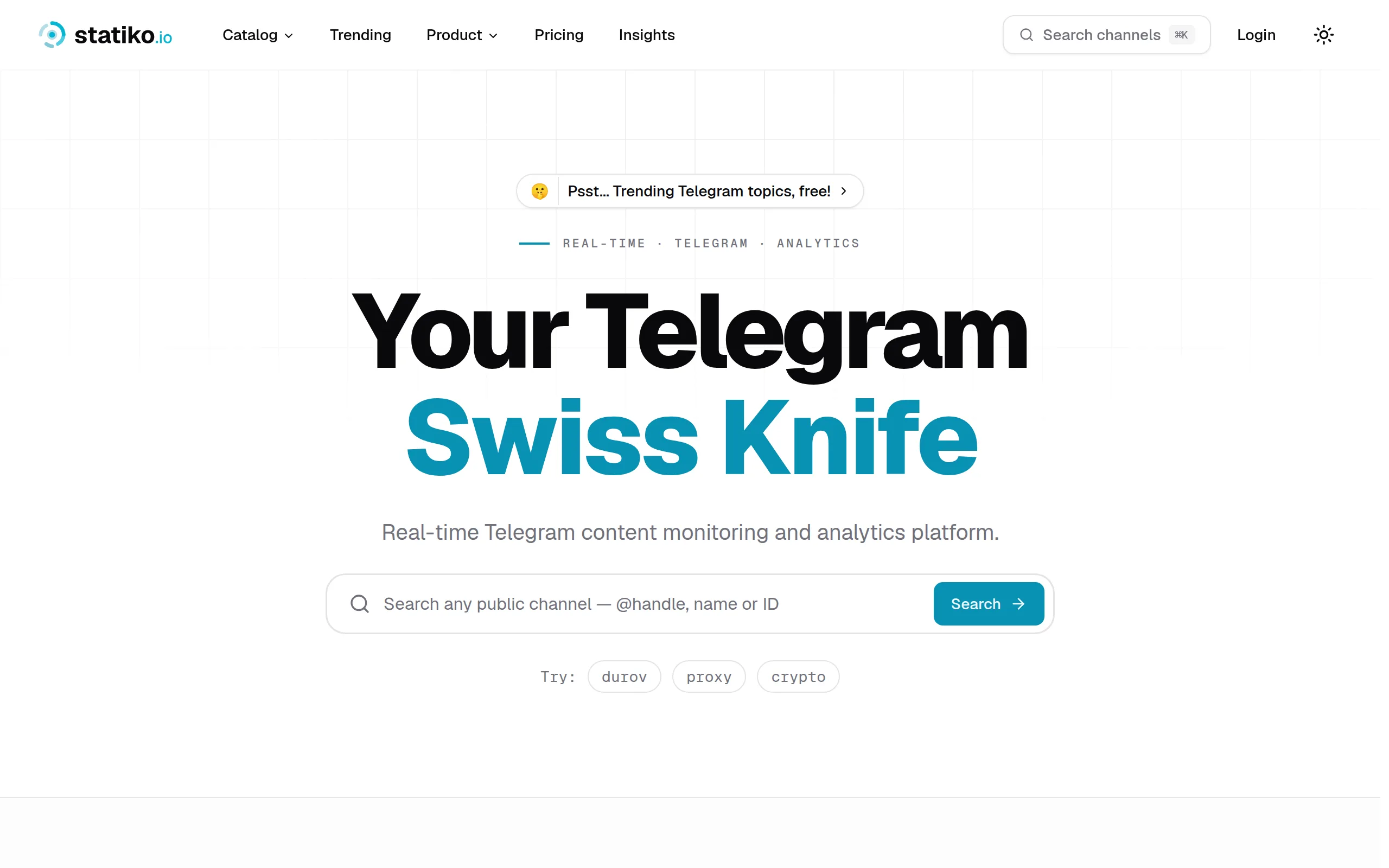
Statiko
Monitor any Telegram channel in real time - track posts, edits, deletions, and growth with AI recaps 📡
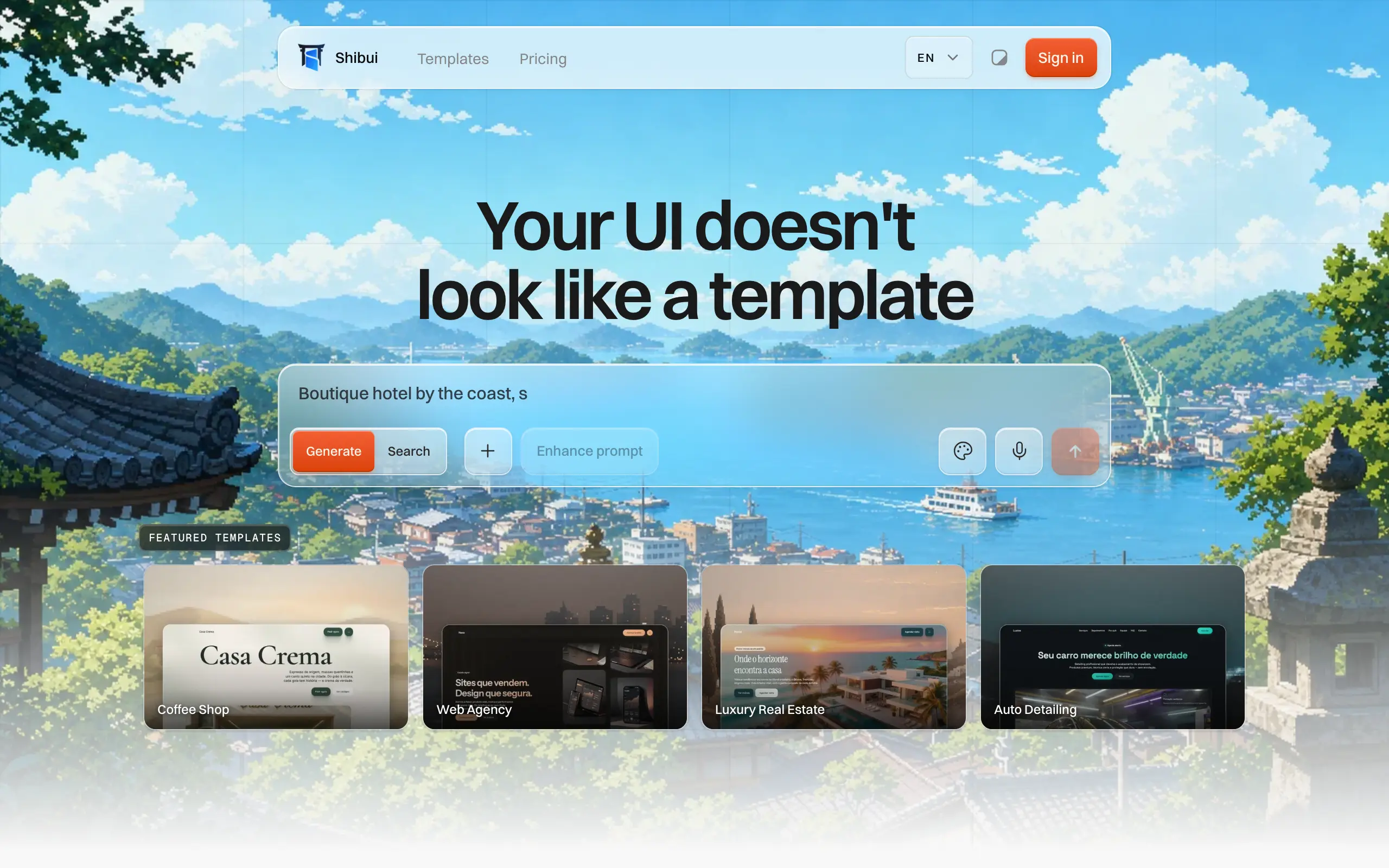
Shibui
AI website builder - describe your business, pick a niche template, edit by chatting, and publish instantly ✨

Pro Service
Find verified home service professionals, compare quotes, and pay securely through escrow - built for Brazilians across the US 🏠
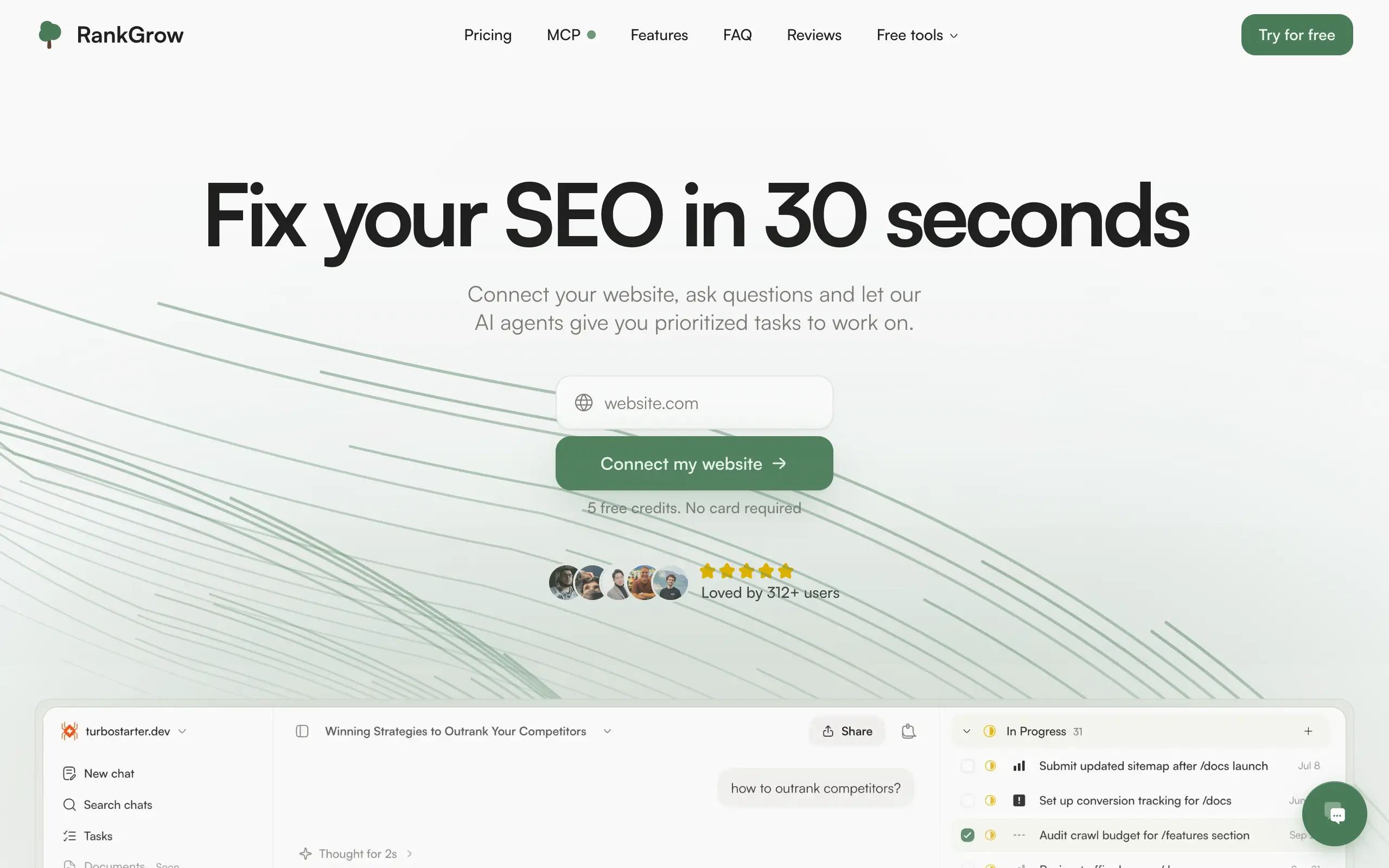
RankGrow
Fix your SEO with AI agents - connect Search Console, get prioritized tasks, and grow organic traffic 📈
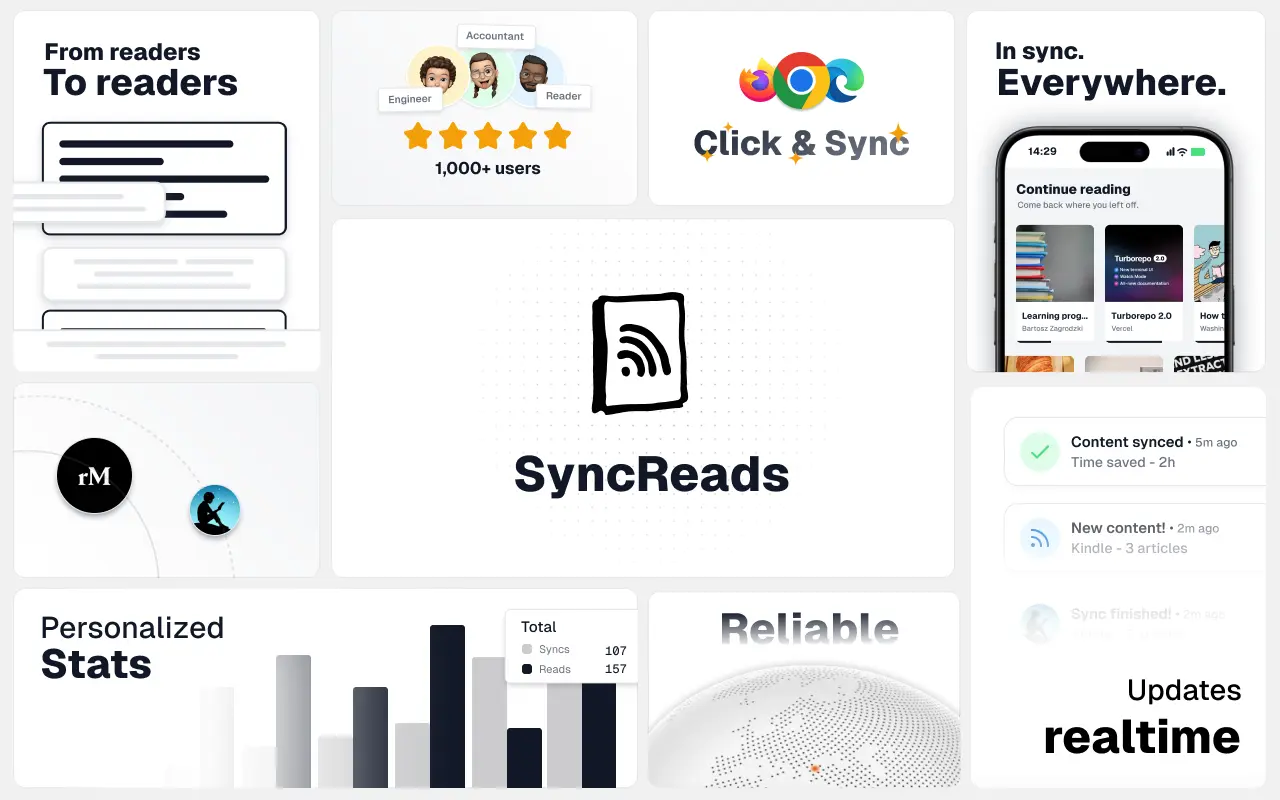
SyncReads
Sync your favorite content for distraction-free reading, save time and replace multiple apps. Anytime, anywhere 🔄
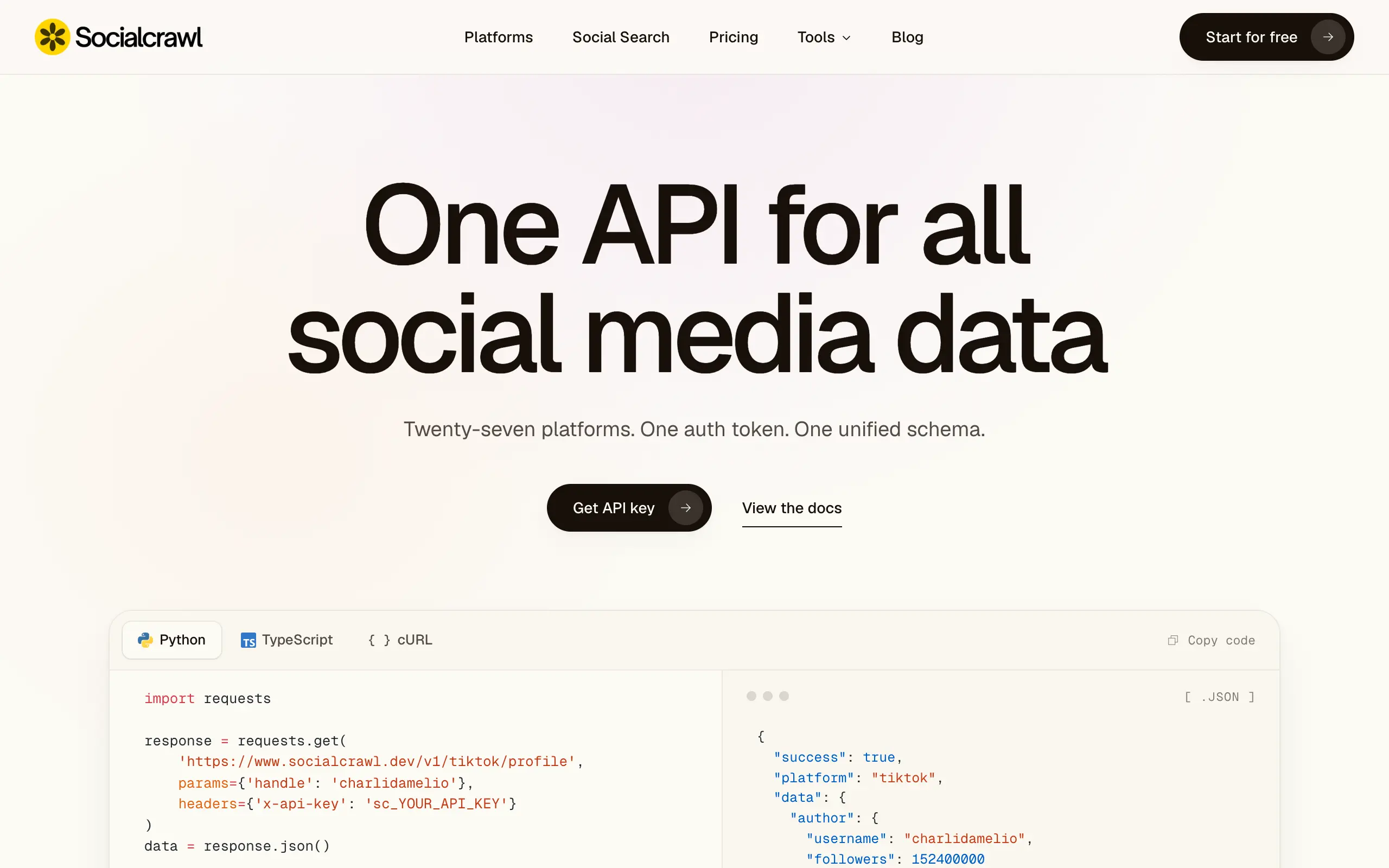
Socialcrawl
Get clean, structured data from 21 platforms like TikTok, Instagram, and YouTube with a single request 📊
Statiko
Monitor any Telegram channel in real time - track posts, edits, deletions, and growth with AI recaps 📡
Shibui
AI website builder - describe your business, pick a niche template, edit by chatting, and publish instantly ✨
Pro Service
Find verified home service professionals, compare quotes, and pay securely through escrow - built for Brazilians across the US 🏠
RankGrow
Fix your SEO with AI agents - connect Search Console, get prioritized tasks, and grow organic traffic 📈
SyncReads
Sync your favorite content for distraction-free reading, save time and replace multiple apps. Anytime, anywhere 🔄
Socialcrawl
Get clean, structured data from 21 platforms like TikTok, Instagram, and YouTube with a single request 📊
Statiko
Monitor any Telegram channel in real time - track posts, edits, deletions, and growth with AI recaps 📡
Shibui
AI website builder - describe your business, pick a niche template, edit by chatting, and publish instantly ✨
Pro Service
Find verified home service professionals, compare quotes, and pay securely through escrow - built for Brazilians across the US 🏠
RankGrow
Fix your SEO with AI agents - connect Search Console, get prioritized tasks, and grow organic traffic 📈
SyncReads
Sync your favorite content for distraction-free reading, save time and replace multiple apps. Anytime, anywhere 🔄
Socialcrawl
Get clean, structured data from 21 platforms like TikTok, Instagram, and YouTube with a single request 📊
Statiko
Monitor any Telegram channel in real time - track posts, edits, deletions, and growth with AI recaps 📡
Shibui
AI website builder - describe your business, pick a niche template, edit by chatting, and publish instantly ✨
Pro Service
Find verified home service professionals, compare quotes, and pay securely through escrow - built for Brazilians across the US 🏠
RankGrow
Fix your SEO with AI agents - connect Search Console, get prioritized tasks, and grow organic traffic 📈
SyncReads
Sync your favorite content for distraction-free reading, save time and replace multiple apps. Anytime, anywhere 🔄
Socialcrawl
Get clean, structured data from 21 platforms like TikTok, Instagram, and YouTube with a single request 📊
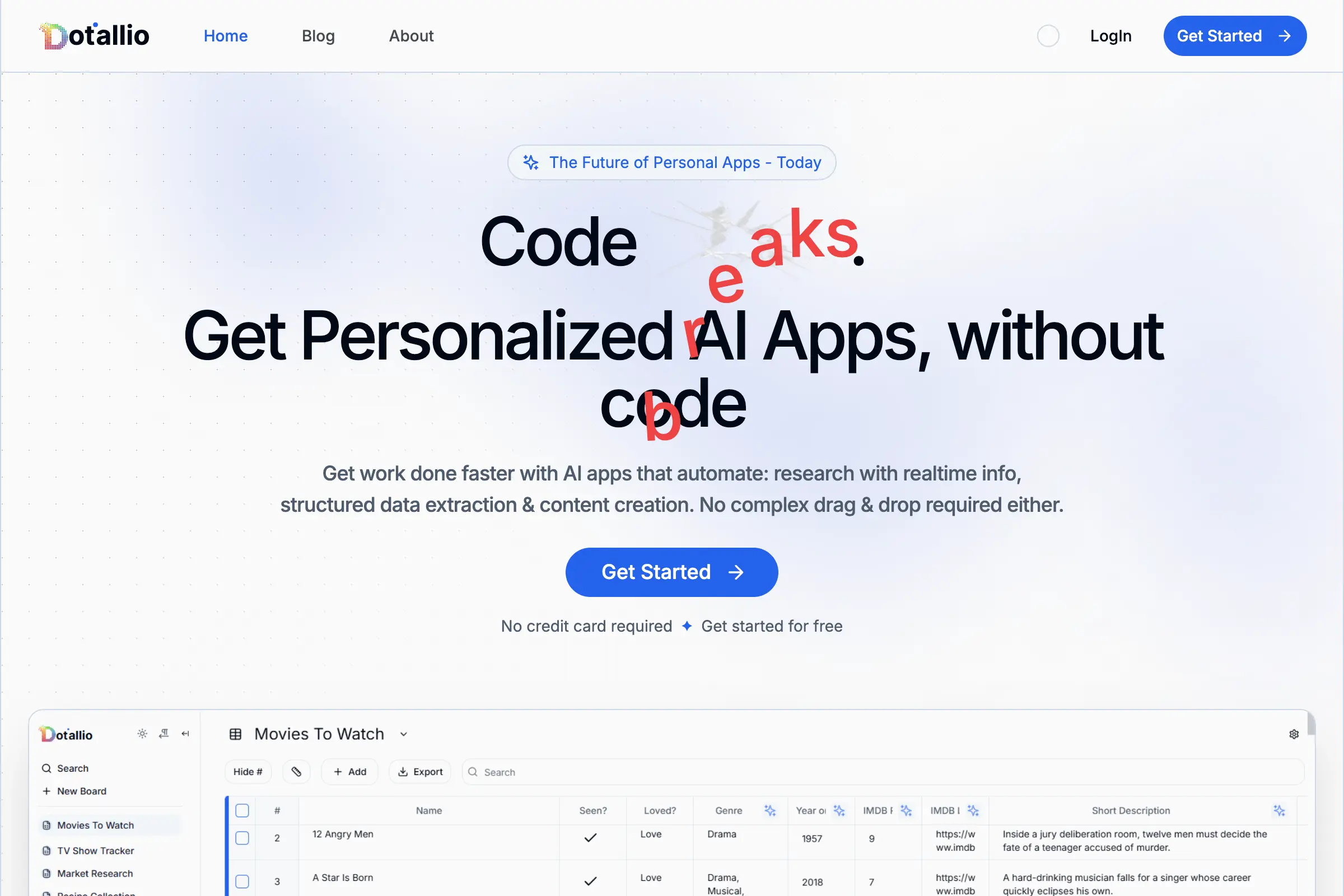
Dotallio
Personalized AI apps that automate research, data extraction, and content creation without code 🤖
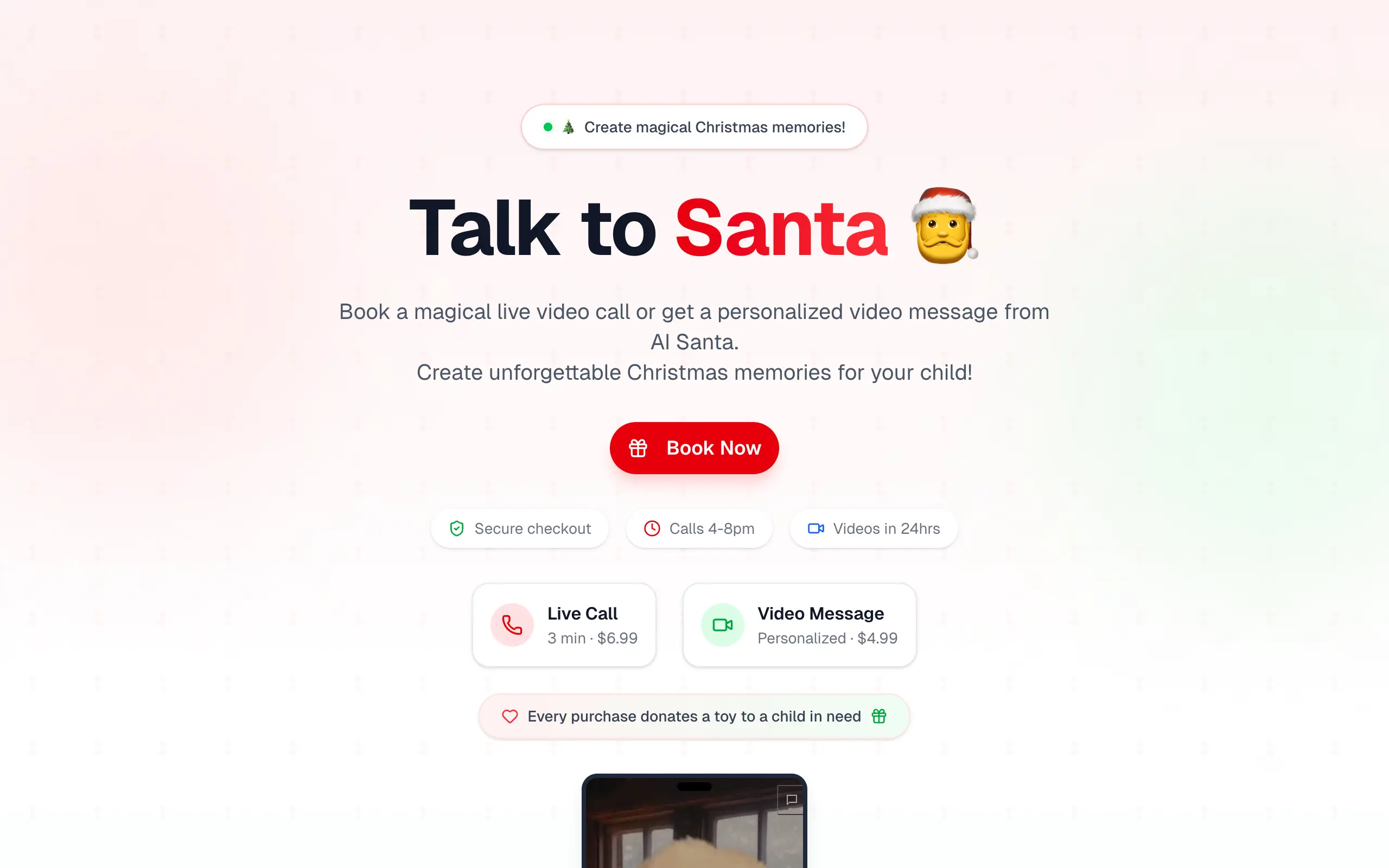
Talk to Santa
Enjoy a magical live video chat or receive a unique AI-generated video greeting from Santa Claus 🎅
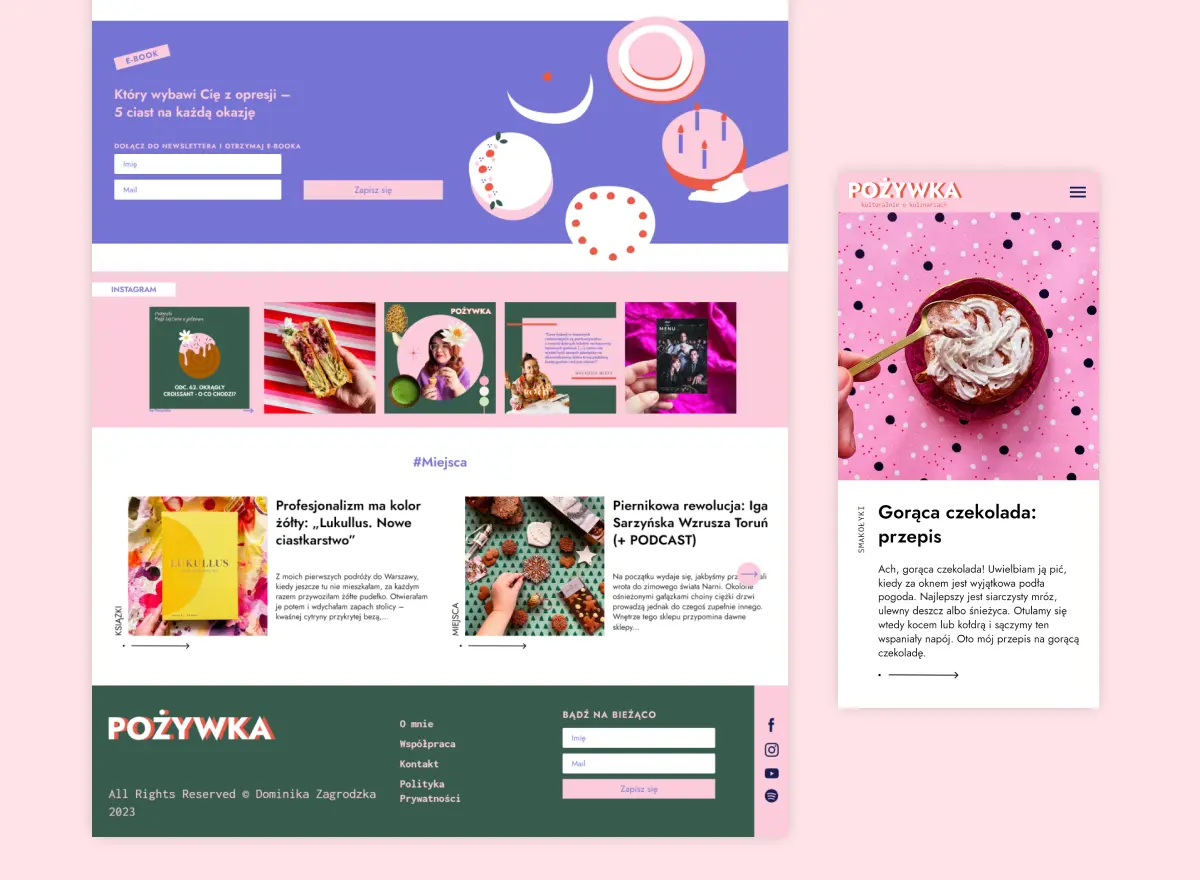
pozywka.pl
Scalable blog for food journalist, focused on performance and user experience 🌭
zagrodzki.me
Personal blog and portfolio of Bart Zagrodzki, where he shares his knowledge and work 💼
TurboStarter
Ship your startup everywhere. In minutes.
HTML to Markdown
Convert HTML to Markdown with ease, directly in your browser 📄
Dotallio
Personalized AI apps that automate research, data extraction, and content creation without code 🤖
Talk to Santa
Enjoy a magical live video chat or receive a unique AI-generated video greeting from Santa Claus 🎅
pozywka.pl
Scalable blog for food journalist, focused on performance and user experience 🌭
zagrodzki.me
Personal blog and portfolio of Bart Zagrodzki, where he shares his knowledge and work 💼
TurboStarter
Ship your startup everywhere. In minutes.
HTML to Markdown
Convert HTML to Markdown with ease, directly in your browser 📄
Dotallio
Personalized AI apps that automate research, data extraction, and content creation without code 🤖
Talk to Santa
Enjoy a magical live video chat or receive a unique AI-generated video greeting from Santa Claus 🎅
pozywka.pl
Scalable blog for food journalist, focused on performance and user experience 🌭
zagrodzki.me
Personal blog and portfolio of Bart Zagrodzki, where he shares his knowledge and work 💼
TurboStarter
Ship your startup everywhere. In minutes.
HTML to Markdown
Convert HTML to Markdown with ease, directly in your browser 📄
Dotallio
Personalized AI apps that automate research, data extraction, and content creation without code 🤖
Talk to Santa
Enjoy a magical live video chat or receive a unique AI-generated video greeting from Santa Claus 🎅
pozywka.pl
Scalable blog for food journalist, focused on performance and user experience 🌭
zagrodzki.me
Personal blog and portfolio of Bart Zagrodzki, where he shares his knowledge and work 💼
TurboStarter
Ship your startup everywhere. In minutes.
HTML to Markdown
Convert HTML to Markdown with ease, directly in your browser 📄
Omichat
Chat with 50+ AI models, including ChatGPT and Claude, in one place - switch models anytime without losing context 🤖
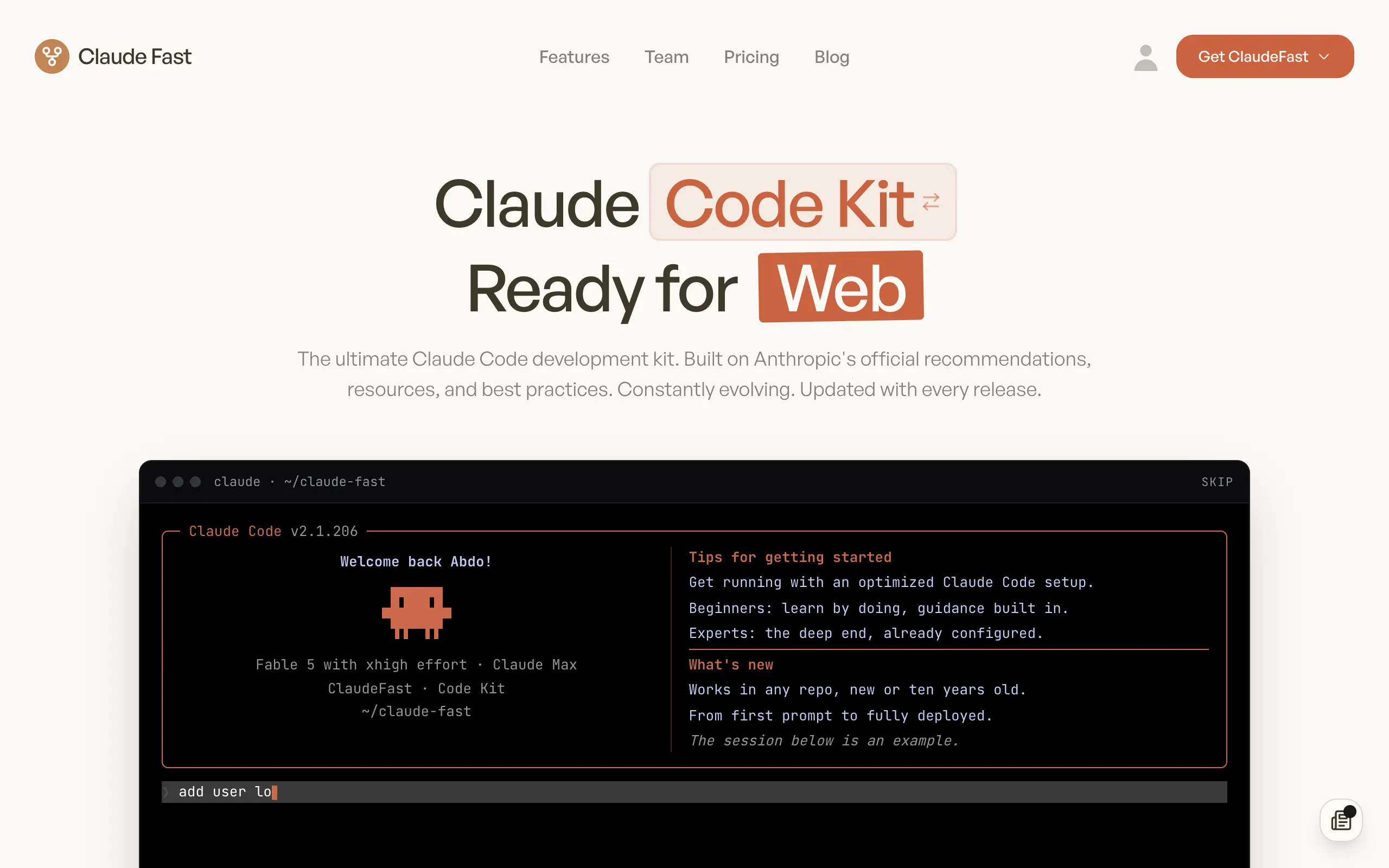
Claude Fast
Supercharge your Claude Code with 6x effective context window and specialized AI agents 🤖
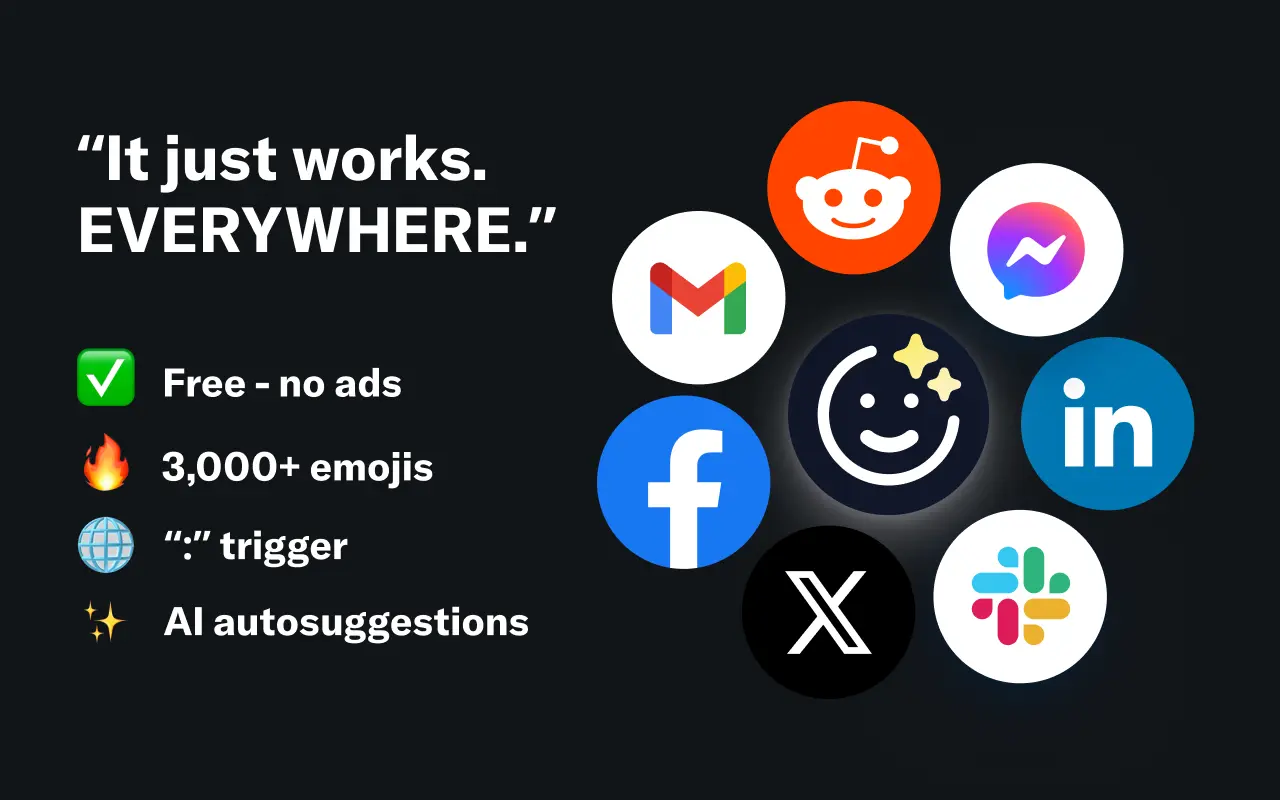
EmojAI
AI-powered emoji picker with smart, context-aware suggestions 🤖
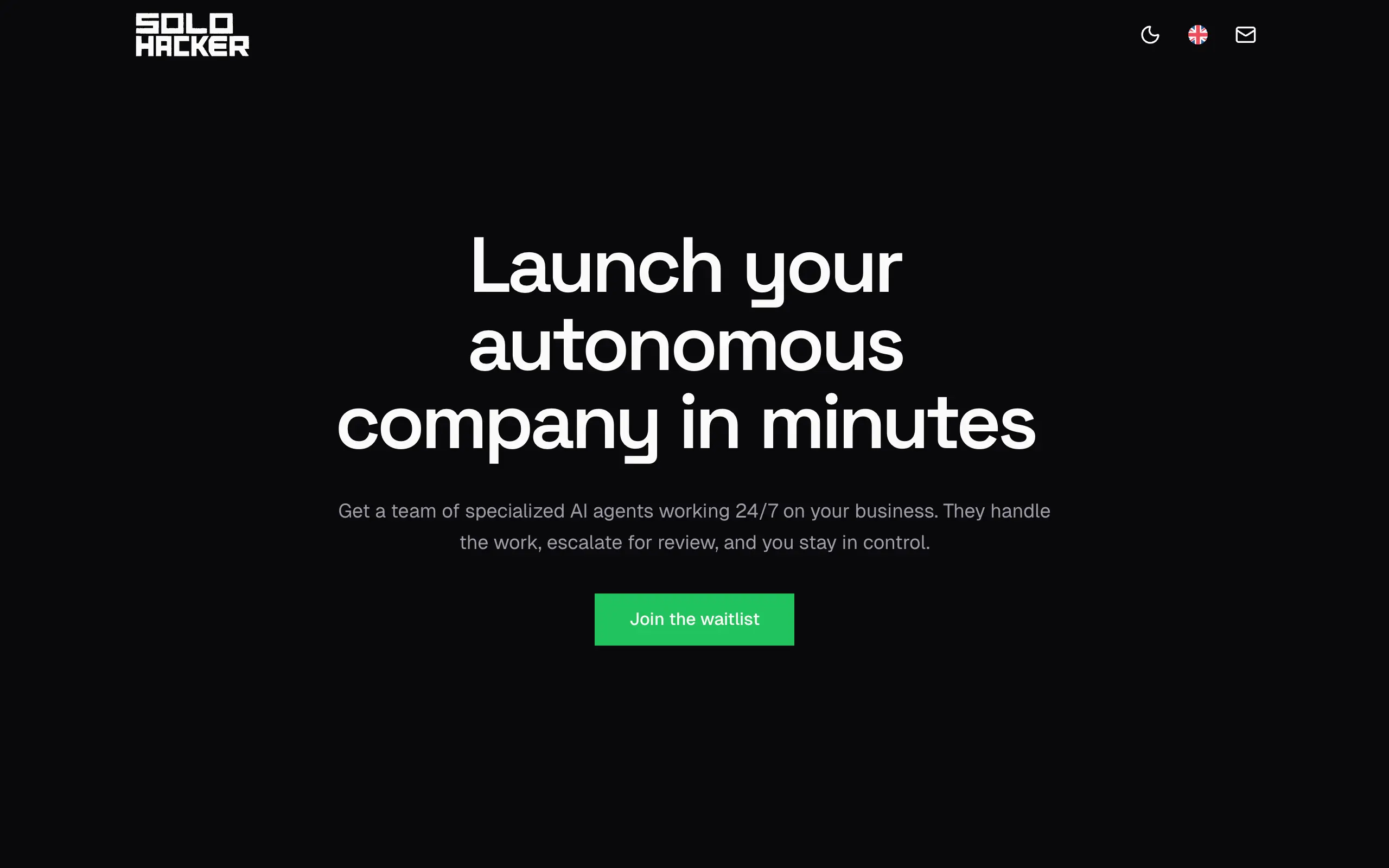
Solohacker
Autonomous company launcher - AI agents work 24/7, escalate what matters, and you stay in control 🤖
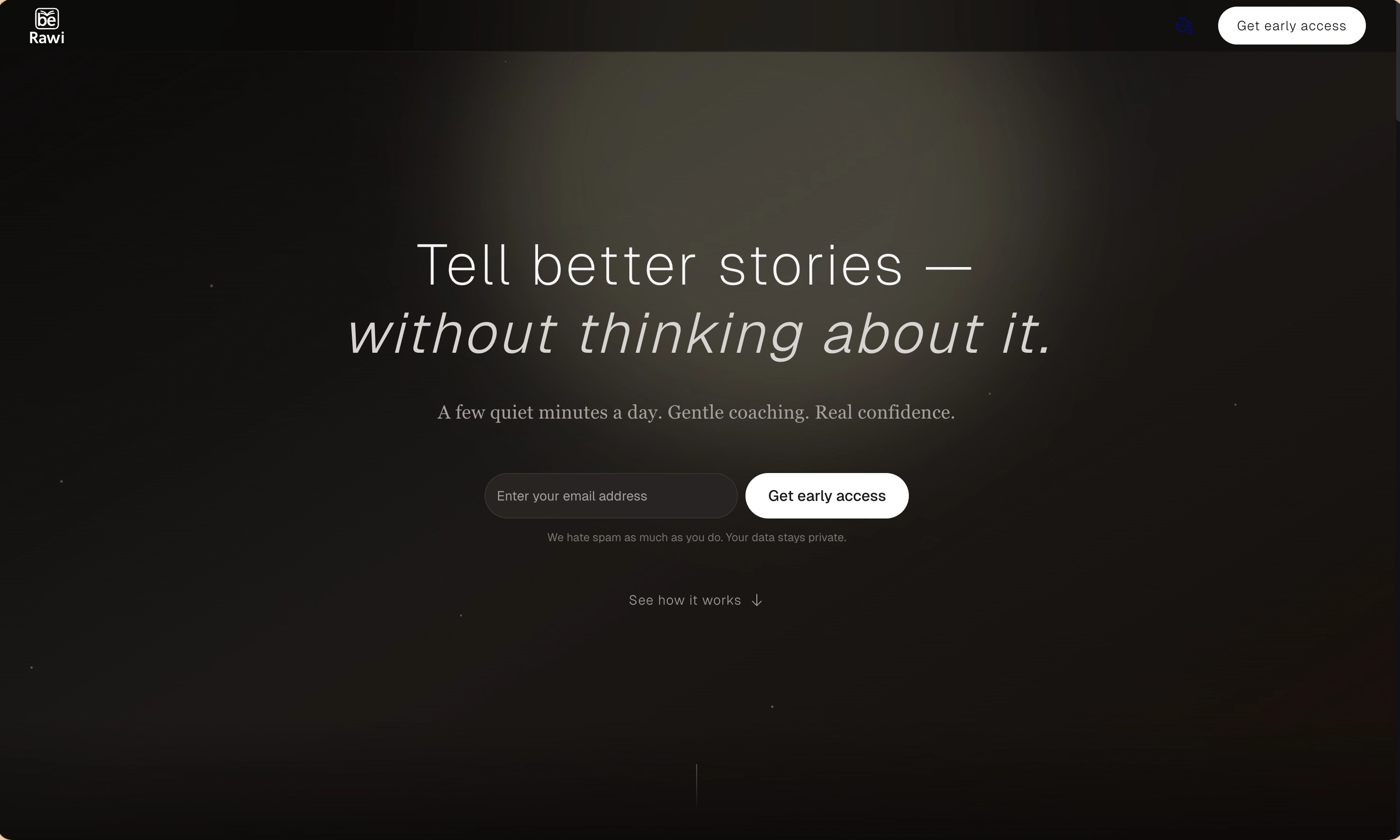
BeRawi: Storytelling Coach
Practice storytelling daily with instant feedback to sound clearer, more engaging, and confident 🎤
Omichat
Chat with 50+ AI models, including ChatGPT and Claude, in one place - switch models anytime without losing context 🤖
Claude Fast
Supercharge your Claude Code with 6x effective context window and specialized AI agents 🤖
EmojAI
AI-powered emoji picker with smart, context-aware suggestions 🤖
Solohacker
Autonomous company launcher - AI agents work 24/7, escalate what matters, and you stay in control 🤖
BeRawi: Storytelling Coach
Practice storytelling daily with instant feedback to sound clearer, more engaging, and confident 🎤
Omichat
Chat with 50+ AI models, including ChatGPT and Claude, in one place - switch models anytime without losing context 🤖
Claude Fast
Supercharge your Claude Code with 6x effective context window and specialized AI agents 🤖
EmojAI
AI-powered emoji picker with smart, context-aware suggestions 🤖
Solohacker
Autonomous company launcher - AI agents work 24/7, escalate what matters, and you stay in control 🤖
BeRawi: Storytelling Coach
Practice storytelling daily with instant feedback to sound clearer, more engaging, and confident 🎤
Omichat
Chat with 50+ AI models, including ChatGPT and Claude, in one place - switch models anytime without losing context 🤖
Claude Fast
Supercharge your Claude Code with 6x effective context window and specialized AI agents 🤖
EmojAI
AI-powered emoji picker with smart, context-aware suggestions 🤖
Solohacker
Autonomous company launcher - AI agents work 24/7, escalate what matters, and you stay in control 🤖
BeRawi: Storytelling Coach
Practice storytelling daily with instant feedback to sound clearer, more engaging, and confident 🎤

Connect with like-minded people
Join our community to get feedback, support, and grow together with 1,000+ builders on board, let's ship it!
Join usShip your startup everywhere. In minutes.
Don't burn tokens on setup and start building features on day one.