BidSprout
Turns municipal RFPs into deadline checklists and draft bid packets for small landscaping and janitorial contractors. Sell by subscription or per bid.
What BidSprout is and why it matters
BidSprout is an AI-powered municipal RFP assistant for small landscaping and janitorial contractors. It turns public-sector solicitation documents into practical deadline checklists, identifies requirements that need attention, and helps contractors prepare a first draft of a bid packet.
The idea addresses a specific business problem: small service companies may be qualified to serve government customers but lack the time, staff, or procurement experience to respond efficiently. A city’s request for proposals (RFP) can contain pages of instructions, forms, insurance requirements, pricing rules, and deadlines. Missing one mandatory item can make an otherwise strong submission nonresponsive.
BidSprout would not simply summarize an RFP. Its central job would be to translate procurement documents into an organized, reviewable workflow that a contractor can act on.
That focus creates a promising product position between broad AI writing tools and complex enterprise proposal-management platforms. The opportunity is to make public bidding more accessible to smaller service businesses without pretending that software can guarantee a winning proposal or replace a careful human review.
The product promise
BidSprout should help contractors understand what a solicitation requires, prepare a complete draft faster, and keep control of every final decision. The most valuable outcome is not “AI wrote my bid.” It is “I know what is due, what is missing, and what my team needs to review.”
The target audience for municipal RFP software
BidSprout’s initial audience should be narrow enough to support a genuinely useful product. Landscaping and janitorial contractors are a sensible starting point because these businesses often compete for recurring public-service work, while their bids can involve repeatable operational details such as staffing plans, service schedules, equipment, supplies, and pricing.
Primary users
The primary customer is likely to be a small or midsize contractor that:
- Has limited administrative or proposal-writing capacity.
- Is interested in city, county, school district, or other public-sector contracts.
- Responds to solicitations occasionally rather than maintaining a dedicated bid department.
- Needs to coordinate owners, operations staff, estimators, and administrative employees.
- Can reuse portions of previous proposals but must adapt them to each solicitation.
- Is concerned about missing a deadline or overlooking a required form.
The buyer may be a business owner, operations manager, estimator, office administrator, or business development lead. In smaller companies, one person may hold several of these roles.
Secondary users and influencers
Several other people may influence the purchase, even if they do not use BidSprout every day:
- Accountants or bookkeepers who help prepare financial documents or pricing.
- Insurance brokers who provide certificates and coverage information.
- Consultants who support public-sector bidding for multiple small businesses.
- Trade associations and local business-support organizations that help contractors pursue government work.
- Prime contractors that need subcontractors to assemble consistent qualification materials.
These groups could become referral partners or, eventually, distinct customer segments. They should not distract the initial product from its core user, however. A tool built for every kind of bidder may become too generic to serve any one group especially well.
Jobs customers are hiring BidSprout to do
A contractor is not primarily shopping for “AI.” They are trying to complete specific jobs:
- Decide whether a bid is worth pursuing. The business needs a quick view of the work, location, contract term, eligibility rules, and key dates.
- Understand the requirements. The team needs to know what must be submitted, how it must be formatted, and what could disqualify the response.
- Coordinate the work. Owners need to assign forms, pricing, insurance documents, references, and operational details to the right people.
- Reuse trustworthy company information. The contractor wants to avoid repeatedly searching for the same business details and boilerplate.
- Prepare a credible response. The team needs a structured draft that reflects its actual capabilities, not generic AI-generated claims.
- Submit on time with confidence. Before delivery, the team needs a final review process that makes outstanding requirements visible.
Product messaging should reflect these jobs. “Turn municipal RFPs into a clear plan and a reviewable draft” is more concrete than “Use AI to win more government contracts.”
The market opportunity and the gap
Public procurement is document-heavy by design. Buyers need to communicate requirements and compare responses, while suppliers need to interpret those requirements and prove that they can perform the work. That process creates administrative friction, especially for a small business without a formal proposal team.
The opportunity for BidSprout is not based on the assumption that all small contractors are ready to adopt new software. It depends on validating three practical conditions:
- Target contractors encounter relevant solicitations often enough to see value in a recurring product.
- Preparing a response consumes enough time or creates enough risk that buyers will pay for help.
- The product can improve the process without creating false confidence in an AI-generated answer.
A specific gap between manual work and enterprise tools
Small contractors may currently rely on a mix of email, shared drives, spreadsheets, word-processing documents, and personal memory. Those tools are flexible, but they rarely provide a consistent way to extract deadlines, map mandatory requirements, track missing documents, and preserve bid-specific decisions.
At the other end of the market, proposal and procurement platforms may offer sophisticated collaboration, content libraries, analytics, and integrations. Those capabilities can be useful for larger organizations with dedicated teams, but may feel expensive or unnecessarily complex to an owner-operated service business.
BidSprout can occupy the middle ground:
- More structured than a generic chatbot.
- Easier to adopt than a full enterprise proposal platform.
- More focused on public-sector solicitations than a general document summarizer.
- More useful for small service contractors than a procurement portal designed for buyers.
This is a product hypothesis, not a guarantee of market demand. Customer discovery should establish whether landscaping and janitorial contractors see enough recurring value to subscribe or whether a per-bid purchase better matches their behavior.
Why the niche matters
A focused product can understand the recurring structure of a category. Landscaping and janitorial bids may include details about service frequency, sites, labor coverage, equipment, materials, safety practices, seasonal work, and quality checks. BidSprout could build specialized extraction and review workflows around these recurring patterns while still adapting to each agency’s instructions.
The niche also creates a more useful onboarding experience. Instead of asking a contractor to configure a generic proposal tool, the product can start with relevant company information such as service areas, equipment, crew capabilities, insurance details, certifications, and past performance.
Questions to validate before building
Interview owners and bid responders, then test their answers against real solicitations:
- How many public bids did they review or submit in the last year?
- What type of contract do they pursue, and which agencies issue those solicitations?
- How do they find opportunities today?
- How long does it take to determine whether a bid is a fit?
- What caused their last incomplete, late, or abandoned response?
- Which requirements are hardest to interpret or coordinate?
- What documents do they reuse, and how do they keep them current?
- Would they prefer to pay per bid, monthly, or annually?
- What would make them trust or reject an AI-generated checklist?
- Who has authority to approve a purchase?
A useful signal is not merely that an owner likes the concept. Look for evidence of repeated pain: actual time spent, abandoned opportunities, reliance on outside help, or a recent experience where a missed requirement had a clear cost.
How BidSprout could work
The strongest product experience would guide a user from solicitation intake to submission review. It should make each AI-generated finding traceable to the source document so the contractor can verify it.
1. Add a solicitation
The user could upload a PDF or office document, paste text, or provide a link if the product can reliably access the file. Each bid should have a workspace containing the source materials, extracted details, assigned tasks, draft responses, and review history.
For the first release, file upload is likely safer and simpler than promising that BidSprout can retrieve any public solicitation from any portal. Portals may have different access rules, document formats, authentication requirements, and update behavior.
2. Extract the opportunity overview
BidSprout should identify key facts such as:
- Issuing agency and solicitation title.
- Contract scope and service locations.
- Submission deadline, time zone, and delivery method.
- Pre-bid meetings, site visits, and question deadlines.
- Contract term, renewals, and expected start date, when stated.
- Eligibility rules and required registrations.
- Evaluation criteria and submission instructions.
- Contact information and addenda references.
Each extracted value should include a page or section reference where possible. Users should be able to mark a value as confirmed, edit it, or flag it for review.
3. Generate a requirement checklist
The checklist is likely BidSprout’s most important feature. It should separate requirements into useful categories, for example:
- Forms and certifications.
- Company qualifications and references.
- Insurance and compliance.
- Staffing and operating plan.
- Service approach and schedule.
- Pricing and cost submission.
- Formatting and delivery instructions.
- Questions, site visits, and other pre-submission dates.
A checklist item should include a clear description, priority, owner, due date, completion status, and source reference. It should also distinguish between explicitly required, suggested by the solicitation, and not found in the provided documents. That distinction helps prevent the system from presenting an inference as a fact.
4. Draft a bid packet from verified company information
AI can help draft sections such as a company overview, staffing approach, quality-control plan, service methodology, and relevant experience. But drafts should draw from a contractor-controlled profile, uploaded source documents, and bid-specific facts.
BidSprout should avoid inventing experience, certifications, staffing levels, references, or performance claims. If it lacks information, it should ask a question or insert a clearly labeled placeholder rather than fabricate an answer.
5. Run a submission-readiness review
Before the contractor exports or submits a response, BidSprout could check for:
- Unanswered checklist items.
- Missing required forms or attachments.
- Inconsistent company names, dates, or contact details.
- Unresolved placeholders in draft text.
- Pricing sections that appear incomplete.
- Conflicts between the draft and extracted solicitation instructions.
- Deadlines that have passed or are approaching.
This should be framed as a review aid, not a guarantee that the bid is compliant. A human must confirm the final response against the complete solicitation and any amendments.
Core features for a focused first version
Building every possible procurement feature at launch would add complexity before the product has proven its central value. A practical MVP should validate whether structured extraction, actionable checklists, and safe drafting improve the user’s bid workflow.
Must-have MVP features
- Bid workspace: A separate, organized project for each opportunity.
- Document upload: Support common procurement files and display upload status.
- Opportunity summary: Extract key dates, scope, agency, and submission method.
- Source-linked checklist: Show requirements with document references and review states.
- Task assignment: Let users assign checklist items to team members.
- Company profile: Store approved business facts and reusable content.
- Draft generation: Create editable sections with source context and visible placeholders.
- Export: Provide a usable document or packet the contractor can review outside the app.
- Deadline reminders: Send configurable reminders for key dates and unfinished tasks.
- Audit trail: Show what changed, who changed it, and when.
Valuable later features
Once customers use the core workflow, BidSprout could consider:
- Addendum tracking and change summaries.
- A calendar view across active bids.
- Reusable answer libraries with review dates.
- Team roles and approval workflows.
- Bid/no-bid scoring based on customer-defined criteria.
- Opportunity discovery from supported public sources.
- CRM integrations or accounting and document-storage connections.
- Templates for recurring landscaping and janitorial response sections.
- Post-submission outcome tracking to help customers learn from wins and losses.
Opportunity discovery may be attractive, but it is a separate product challenge. Public listings can be distributed across agencies and portals, and ingestion can introduce stale or incomplete data. The product should not imply comprehensive coverage until it has been tested and can communicate its limits clearly.
Competitive advantage and positioning
BidSprout’s advantage will not come from using a large language model by itself. Many products can summarize documents or generate prose. The harder-to-copy value is a reliable workflow tuned to a specific customer and grounded in the source material.
Potential differentiators
- A vertical workflow for service contractors. The product can reflect the documents, work plans, and operational details relevant to landscaping and janitorial bids.
- Requirements that become owned tasks. Instead of ending at a summary, BidSprout can turn obligations into assigned work with status and deadlines.
- Traceable AI output. Extracted requirements and draft claims can link back to source pages or sections for verification.
- A reusable, controlled company profile. Contractors can maintain approved facts and content, while the product flags outdated information.
- A practical price and setup experience. Small businesses should be able to understand the product quickly without a procurement-software implementation project.
- Human-centered safeguards. Clear uncertainty labels, review prompts, and change history can build trust better than overconfident automation.
Competitive landscape
| Alternative | What it does well | Potential limitation for a small contractor | BidSprout opportunity |
|---|---|---|---|
| Manual review with office tools | Familiar, low software cost, flexible | Easy to miss dates or lose track of ownership | Convert documents into a consistent, traceable workflow |
| Generic AI assistants | Fast summarization and drafting | May not maintain bid context or reliable task status | Add source-linked requirements, company data, and review controls |
| Proposal-management platforms | Collaboration, content libraries, and formal workflows | May be more complex than occasional bidders need | Offer a focused, approachable experience for smaller teams |
| Consultants or proposal writers | Expert judgment and tailored support | Can be costly or difficult to use for every opportunity | Help customers prepare routine work and reserve consultants for complex bids |
| Public procurement portals | Official opportunity information | Typically serve as listing and submission channels, not a contractor’s internal bid workspace | Organize the contractor’s work across documents and team members |
The positioning should avoid claiming that BidSprout replaces procurement expertise or guarantees awards. A more credible message is that the product helps small contractors understand and manage the response process.
Recommended technology stack
The technology should support reliable document handling, secure customer data, auditable AI outputs, and a fast path to learning from users. The specific stack matters less than designing clear boundaries between file processing, extraction, user review, and generation.
Application and user interface
A TypeScript-based web application can support a responsive dashboard, bid workspaces, and team collaboration. React is a strong UI foundation, and Next.js can provide application routing and server-side capabilities if the team needs them.
A utility-first styling system such as Tailwind CSS can help a small team develop consistent screens quickly. The trade-off is that rapid UI development still needs design discipline; otherwise, complex bid workspaces can become visually dense.
Backend and data storage
A relational database such as PostgreSQL is a reasonable fit for organizations, users, bids, documents, checklist items, assignments, and review history. The data model should preserve relationships between an extracted requirement and the source file, page, or text span that supports it.
Store uploaded documents in private object storage rather than directly in database rows. Use short-lived access links, encryption, tenant-aware authorization, and retention controls appropriate to customer needs.
Document processing and AI
A useful pipeline may include:
- File validation and malware scanning.
- Text extraction and page-level segmentation.
- Optical character recognition for scanned documents.
- Detection of tables, forms, and document structure.
- Requirement extraction into a validated schema.
- Human review and correction.
- Draft generation using approved company facts and relevant source passages.
Do not send an entire bid packet to a model without considering relevance, privacy, token limits, and traceability. Retrieval-based approaches can select the passages needed for a specific task, while structured outputs can make extracted fields easier to validate. The system should also record which model or prompt version produced an output when that information is useful for debugging and audits.
Reliability over model novelty
A robust product should use conventional software checks around AI:
- Validate dates, amounts, and required fields.
- Distinguish extracted text from model interpretation.
- Preserve source references.
- Ask users to confirm ambiguous results.
- Keep generated text editable.
- Track changes and approvals.
- Test with real, appropriately permissioned solicitation documents.
Model selection should be based on document accuracy, latency, cost, privacy terms, and performance on the target document types—not on a generic claim that one model is best.
Authentication, billing, and product foundation
The application needs secure account management, organization-level permissions, billing, email notifications, and observability. A starter kit can reduce the time required to build common SaaS foundations. For example, TurboStarter may help teams start with reusable application infrastructure, but it does not remove the need to design BidSprout’s document pipeline, permissions, or AI safeguards.
Monetization strategy: subscription or per-bid pricing
The idea supports two natural pricing approaches: a subscription or a charge per bid. The right model depends on how often the target customer responds to opportunities and how predictable the product’s value feels.
Subscription pricing
A subscription is suitable for contractors that manage bids regularly or want to maintain a shared company profile and reusable content library.
Possible plan dimensions include:
- Number of active bid workspaces.
- Monthly document-processing volume.
- Number of team members.
- Access to reusable answer libraries.
- Advanced review, change tracking, or analytics.
- Support level and onboarding assistance.
The advantage is recurring revenue and a consistent workspace. The risk is that occasional bidders may not feel they receive enough value every month. A free trial or a limited free plan can reduce adoption friction, but should not make ongoing AI processing and customer support unprofitable.
Per-bid pricing
A per-bid product can align cost with the moment a contractor sees value. It may be easier to sell to businesses that respond to only a few opportunities each year.
Potential packaging could include:
- A basic solicitation analysis.
- A higher tier with checklist collaboration and draft generation.
- A premium option that includes more documents, addenda, or team review features.
The challenge is revenue variability. A customer may make a purchase for one bid and never return, especially if the bid is lost or the business is seasonal. The experience must also make clear what is included, such as document limits, revisions, and export access.
A hybrid model to test
A practical initial hypothesis is a low-friction subscription with a clearly priced one-time bid option. This gives frequent users a predictable plan while allowing occasional bidders to try the workflow without committing to a year of software.
Do not set final prices based only on competitor pricing or model costs. Interview buyers about current spending on bid support, estimate the support and processing costs per bid, and run pricing tests with actual purchasing decisions. Track conversion, repeat use, upgrade rates, and customer outcomes rather than treating sign-ups as proof of willingness to pay.
Risks and how to mitigate them
BidSprout’s biggest product risks come from trust, document quality, procurement complexity, and customer economics. These are manageable only if they are addressed in the product design rather than left to terms of service or marketing disclaimers.
AI may miss or misstate a requirement
An extraction error could cause a user to overlook a required form, deadline, or submission rule.
Mitigations:
- Link each finding to its source.
- Label uncertainty and missing information.
- Encourage confirmation of critical dates and mandatory requirements.
- Include a final review against the full solicitation.
- Test performance across different agencies, document formats, and scanned files.
- Keep a clear distinction between “not found” and “not required.”
Solicitation documents change
An agency may publish an addendum that modifies a deadline or requirement. A checklist based only on an earlier version can become outdated.
Mitigations:
- Let users add new versions and amendments.
- Compare documents and summarize changes.
- Mark affected checklist items for re-review.
- Display the date and version of the source documents in the workspace.
- Avoid claiming that an opportunity is current unless the product can verify that status.
Sensitive business information needs protection
Bid packets may contain pricing, employee information, references, insurance documents, and operational details.
Mitigations:
- Apply tenant isolation and least-privilege access.
- Encrypt data in transit and at rest.
- Restrict file access with time-limited permissions.
- Define retention and deletion controls.
- Review AI provider data-handling terms before processing customer content.
- Keep audit logs for access and changes.
- Explain data handling plainly during onboarding.
Generated content can create legal or reputational risk
A polished draft may still contain inaccurate statements, unsupported performance claims, or language that conflicts with solicitation instructions.
Mitigations:
- Generate from verified business facts.
- Use placeholders when information is missing.
- Flag unsupported or newly introduced claims.
- Require human approval before export or submission.
- Make clear that BidSprout does not provide legal advice or guarantee compliance or award outcomes.
Procurement processes differ by agency
Requirements can vary across cities, counties, school districts, and other public entities. A universal template may create false confidence.
Mitigations:
- Treat each solicitation as the controlling source.
- Make templates editable rather than authoritative.
- Track extraction quality by document type and source.
- Start with a narrow customer segment and expand based on evidence.
- Build a feedback process for customers to report incorrect or confusing results.
The customer may not bid often enough
A contractor who submits one proposal every few years may not justify a monthly subscription.
Mitigations:
- Validate bid frequency during discovery.
- Offer a per-bid option or partner distribution.
- Let users preserve company profiles and reusable materials between opportunities.
- Expand carefully to adjacent service categories only when the workflow remains coherent.
Go-to-market strategy for BidSprout
A focused product should reach users where they already learn about public opportunities, improve their operations, or seek help with bids.
Start with a narrow customer profile
Define an initial ideal customer profile in practical terms: for example, a small landscaping or janitorial business that has submitted at least one public-sector bid recently and expects to pursue more. Avoid broad targeting such as “all small businesses interested in government contracts.”
Use real-document demonstrations
A compelling demonstration can show a user uploading a solicitation, confirming extracted dates, reviewing a source-linked checklist, assigning tasks, and generating a draft with missing information clearly marked. Use documents only when you have permission or when they are appropriate for demonstration, and remove confidential information.
Develop trusted referral channels
Potential channels include local contractor associations, small-business support organizations, procurement training providers, accountants, insurance brokers, and consultants. These partners can help introduce BidSprout, but the product must be clear about the line between workflow support and professional procurement advice.
Build educational content around actual questions
Useful content can answer questions such as:
- How do I read a municipal RFP?
- What is the difference between an RFP, RFQ, and invitation to bid?
- How should a small contractor organize a bid response?
- What should a landscaping proposal include?
- How can a janitorial contractor prepare a service plan?
- What should I check before submitting a public bid?
The best content will be practical, carefully reviewed, and explicit about the fact that agency instructions vary. Avoid promising that any checklist applies universally.
Actionable implementation steps
The fastest responsible path is to validate the workflow before investing heavily in automated procurement discovery or advanced proposal generation.
1. Interview contractors and observe their current process
Speak with landscaping and janitorial business owners, office staff, and anyone who has prepared a public-sector response. Ask them to walk through a recent bid from discovery to submission. With permission, review sanitized examples of their documents and spreadsheets.
2. Choose one tightly defined initial use case
For example, focus on turning a contractor-uploaded municipal solicitation into a source-linked opportunity summary and deadline checklist. Keep automatic opportunity discovery and broad document generation out of scope until this workflow proves useful.
3. Test demand with a concierge prototype
Before building a full AI system, manually process a small number of solicitations using a structured template. Measure whether customers understand the output, correct important errors, return for another bid, and are willing to pay.
4. Build the document-to-checklist MVP
Create the bid workspace, upload flow, source-linked extraction, editable checklist, task ownership, and basic reminders. Make uncertainty visible and ensure that users can correct the system.
5. Add safe drafting from approved company information
Introduce draft generation only after the product can maintain a reliable company profile and show where bid-specific information came from. Use explicit placeholders for unknown facts.
6. Pilot with a small group of active bidders
Observe real use across several bids. Track correction rates, missed or misread requirements, time to first useful output, completion rates, and customer willingness to pay. Treat errors on deadlines and mandatory requirements as high-priority product issues.
7. Refine pricing and expand cautiously
Compare subscription and per-bid behavior. Expand to adjacent services only when interviews and usage data show that the same core workflow applies. Add opportunity discovery, integrations, and advanced analytics in response to demonstrated customer needs.
Metrics that reveal whether the product is working
Early metrics should measure customer outcomes and product trust, not just usage volume.
Consider tracking:
- Time from document upload to a reviewed checklist.
- Percentage of extracted critical dates confirmed by a user.
- Number of requirements corrected or marked uncertain.
- Checklist completion rate before the deadline.
- Share of bids that reach export or final review.
- Repeat usage across multiple opportunities.
- Conversion from a one-time bid to a subscription.
- Support requests related to inaccurate extraction.
- Customer-reported time saved, gathered with a clear methodology.
- Bid outcomes, while recognizing that winning or losing depends on many factors beyond software.
Set a baseline before claiming that BidSprout reduces preparation time or improves results. If publishing a performance claim, describe how it was measured, how many customers were included, and the limits of the comparison.
The long-term opportunity
BidSprout’s strongest future is not necessarily becoming an all-purpose government contracting platform. It could become a trusted operating workspace for small service contractors pursuing public work: one place to understand an opportunity, organize requirements, reuse verified business information, coordinate contributors, and review a response.
That vision depends on earning trust one task at a time. The product should be transparent about what it found, show where the information came from, and make it easy for a person to correct mistakes. In a high-stakes document workflow, reliability and clarity are more valuable than a flashy claim that AI can complete a bid automatically.
For founders, the central strategic question is whether the workflow occurs often enough and matters enough for a focused product to become part of a contractor’s routine. For contractors, the practical question is whether the tool makes it easier to judge an opportunity and prepare a complete response without obscuring the agency’s actual instructions.
If customer interviews confirm that pain, BidSprout has a credible wedge: convert complex municipal RFPs into clear, source-backed work that a small team can manage.
No. An AI-generated checklist can help organize review, but it cannot guarantee compliance or replace the solicitation, addenda, agency instructions, or qualified professional advice. Users should verify every critical requirement against the complete, current bid documents.
Both models are worth testing. A subscription may suit contractors that bid regularly and need a shared workspace, while per-bid pricing may better fit occasional bidders. Customer interviews and paid pilots should determine which approach best matches actual usage.
Start with document upload, an opportunity summary, a source-linked deadline and requirement checklist, task assignment, and a reviewable export. Add drafting and opportunity discovery only after the core extraction and workflow are trusted by real users.
Final recommendation
BidSprout is a focused AI SaaS idea with a clear user problem and a plausible product wedge. Its best chance is to serve a specific group of small contractors exceptionally well rather than compete as a generic proposal-writing tool.
Begin with contractor interviews and a manual prototype. Validate how often these businesses bid, which requirements create the most friction, and whether they will pay for a reliable workflow. Then build the narrowest product that turns solicitation documents into source-backed checklists and coordinated tasks. Add AI drafting only with strong safeguards, verified company information, and human review.
If the product consistently helps landscaping and janitorial contractors understand what is required and keep a bid response moving, it can earn a place in their workflow—and create a foundation for thoughtful expansion.
More 🤖 AI Startup SaaS ideas
Discover more innovative ai startup SaaS ideas that are trending in 2026. Each idea is AI-generated with market validation and growth potential to help you find your next profitable venture faster than competitors.
Your competitors are building with TurboStarter
Below are some of the SaaS ideas that have been generated and built with our starter kit.
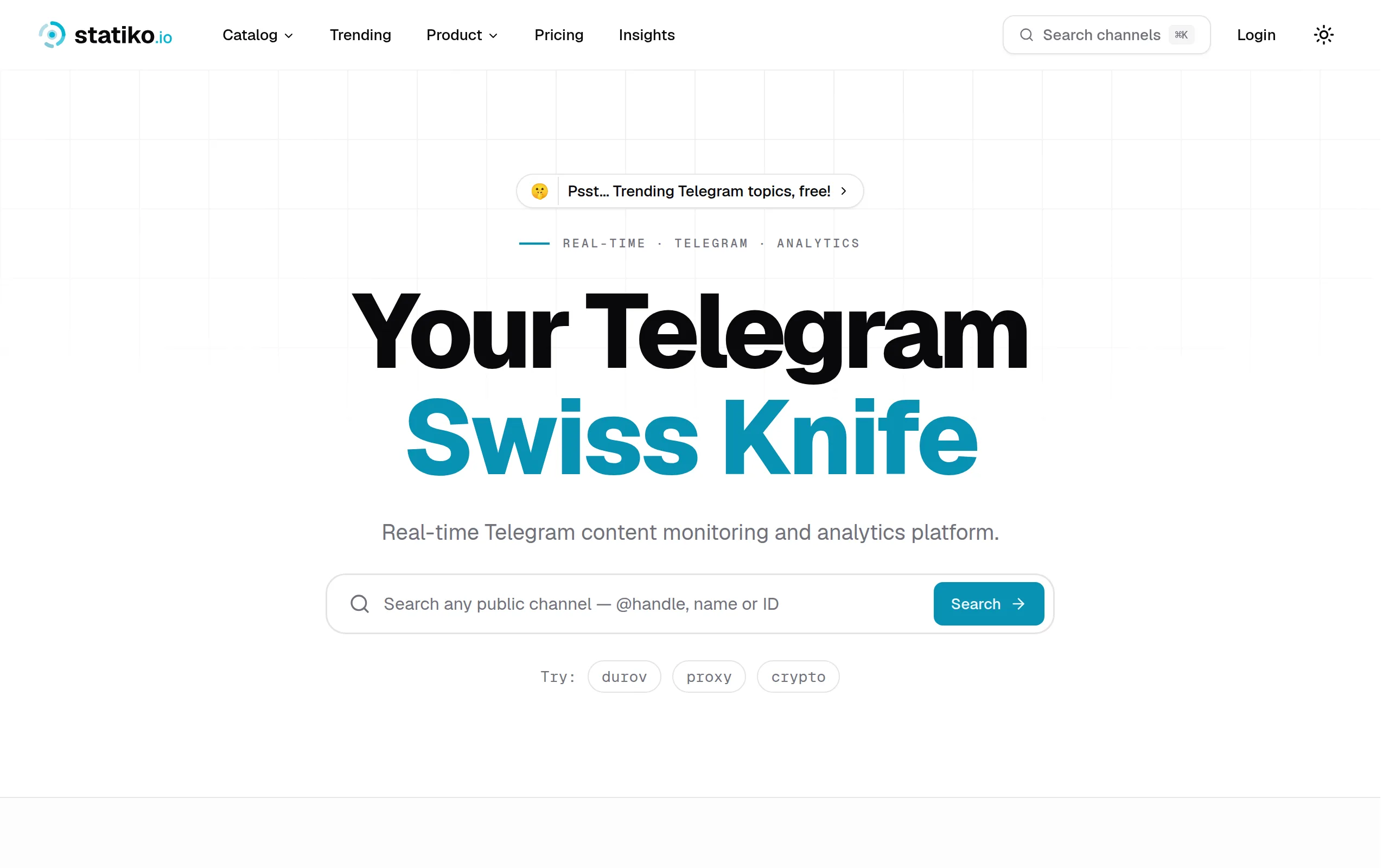
Statiko
Monitor any Telegram channel in real time - track posts, edits, deletions, and growth with AI recaps 📡

Shibui
AI website builder - describe your business, pick a niche template, edit by chatting, and publish instantly ✨
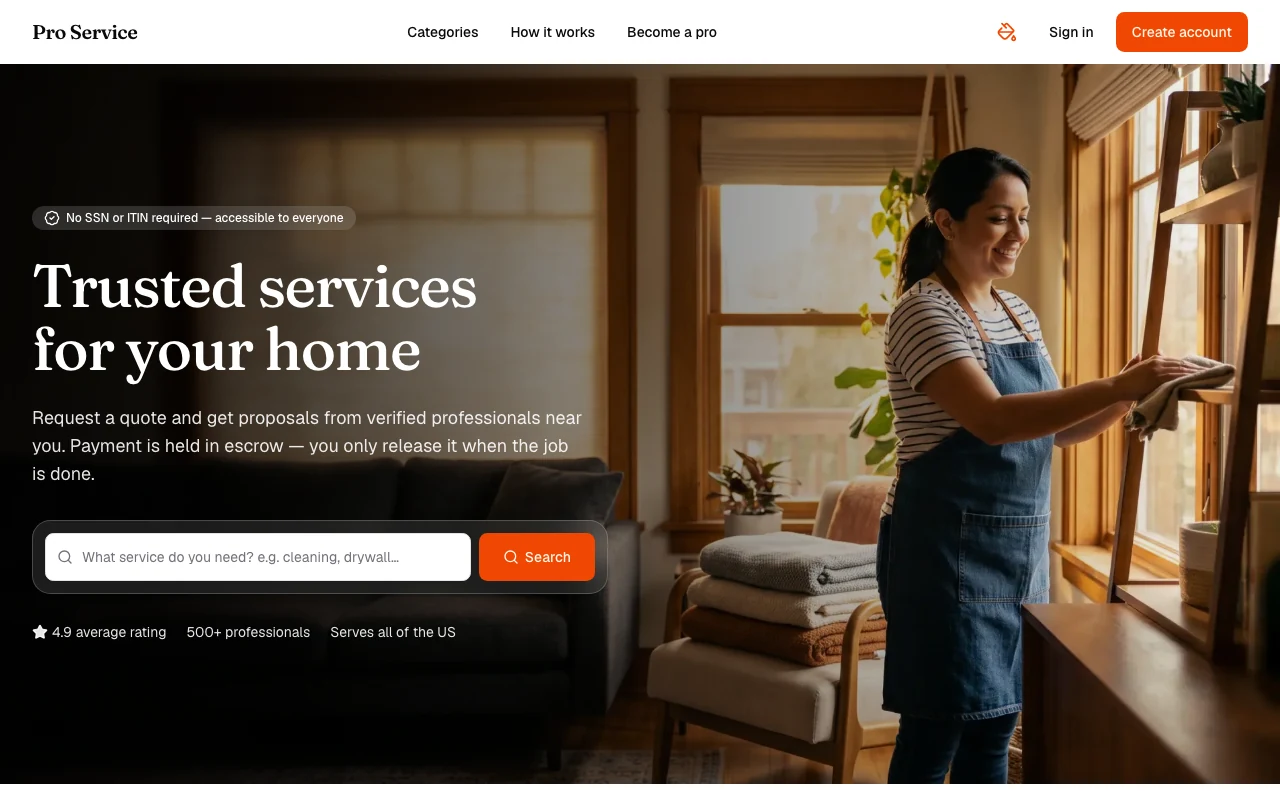
Pro Service
Find verified home service professionals, compare quotes, and pay securely through escrow - built for Brazilians across the US 🏠
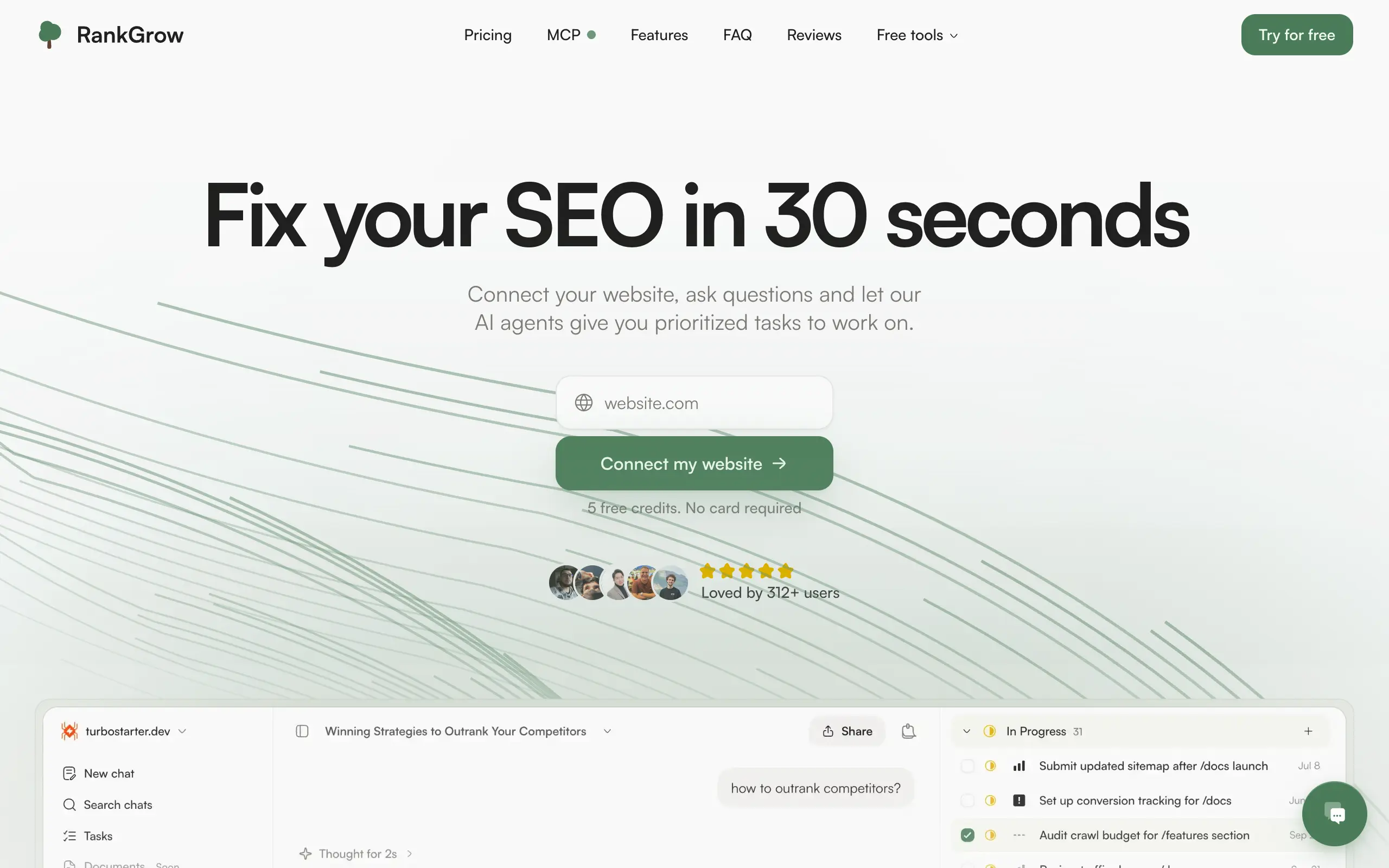
RankGrow
Fix your SEO with AI agents - connect Search Console, get prioritized tasks, and grow organic traffic 📈
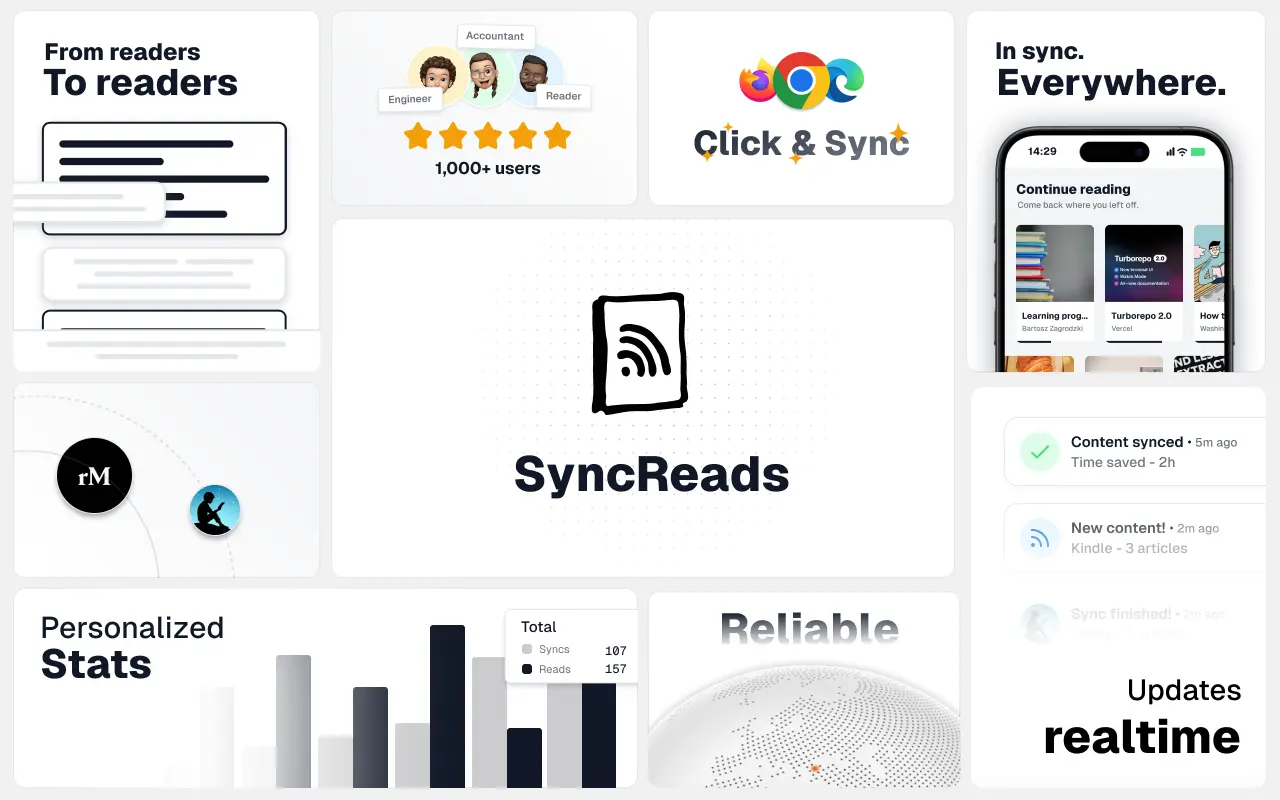
SyncReads
Sync your favorite content for distraction-free reading, save time and replace multiple apps. Anytime, anywhere 🔄
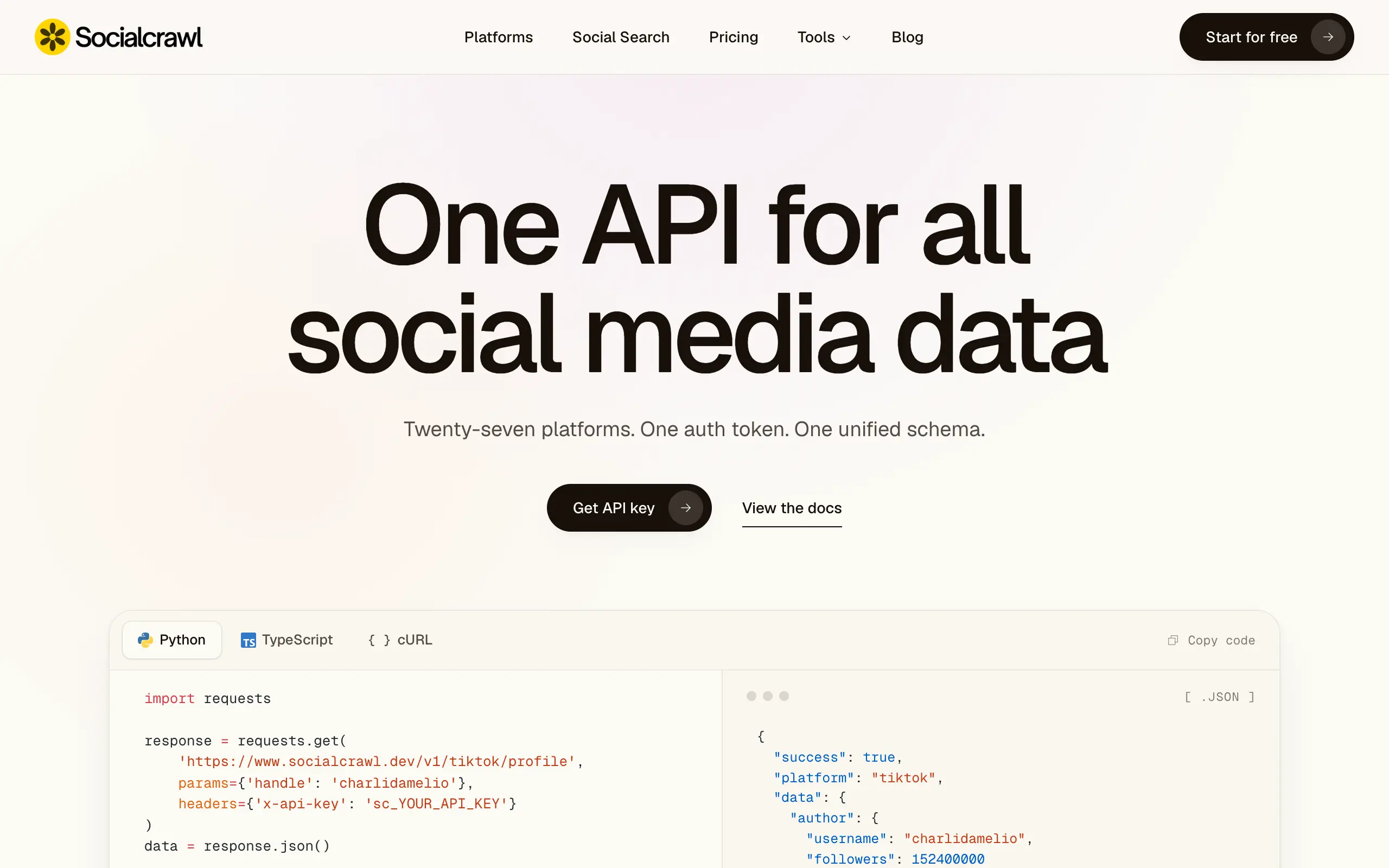
Socialcrawl
Get clean, structured data from 21 platforms like TikTok, Instagram, and YouTube with a single request 📊
Statiko
Monitor any Telegram channel in real time - track posts, edits, deletions, and growth with AI recaps 📡
Shibui
AI website builder - describe your business, pick a niche template, edit by chatting, and publish instantly ✨
Pro Service
Find verified home service professionals, compare quotes, and pay securely through escrow - built for Brazilians across the US 🏠
RankGrow
Fix your SEO with AI agents - connect Search Console, get prioritized tasks, and grow organic traffic 📈
SyncReads
Sync your favorite content for distraction-free reading, save time and replace multiple apps. Anytime, anywhere 🔄
Socialcrawl
Get clean, structured data from 21 platforms like TikTok, Instagram, and YouTube with a single request 📊
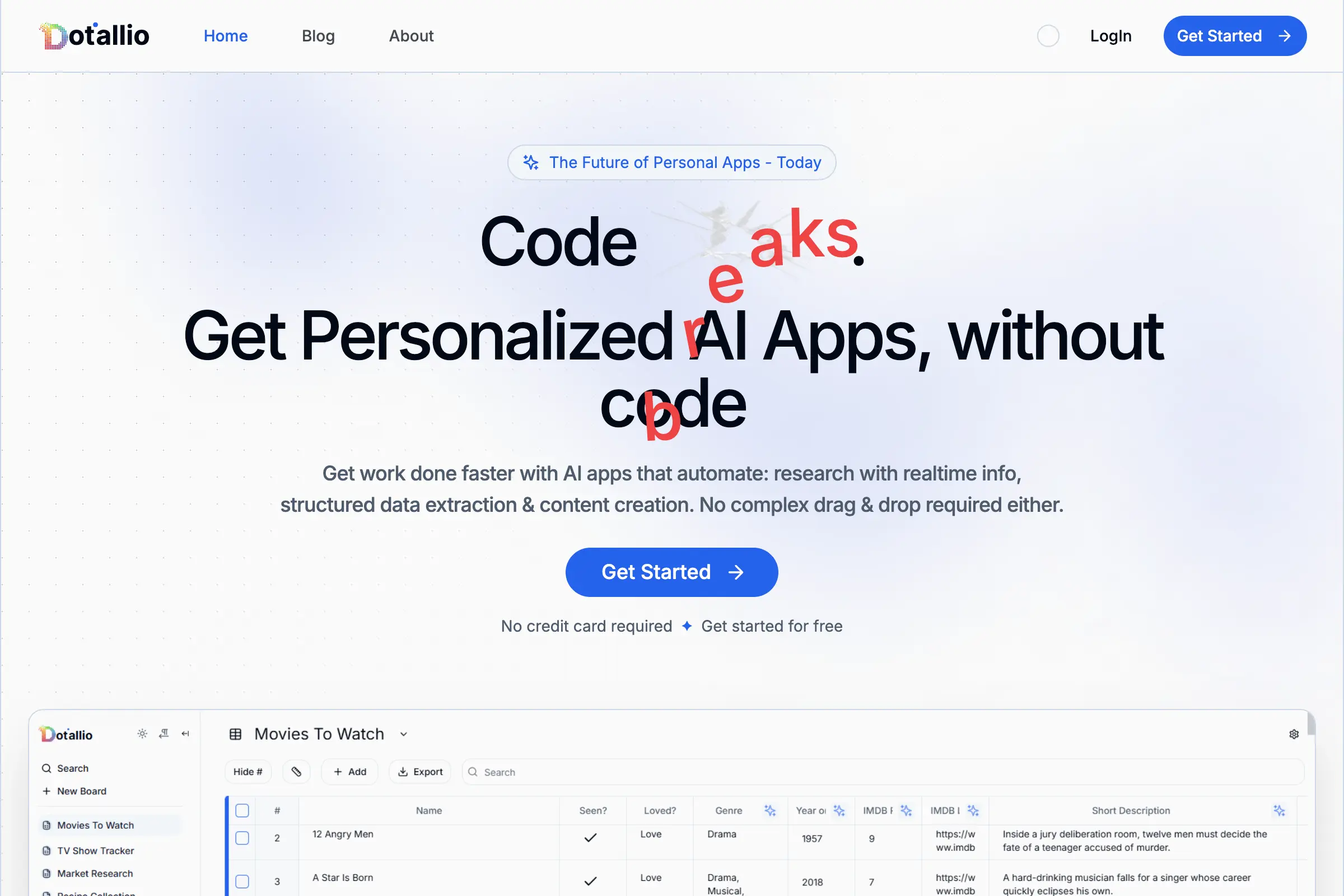
Dotallio
Personalized AI apps that automate research, data extraction, and content creation without code 🤖
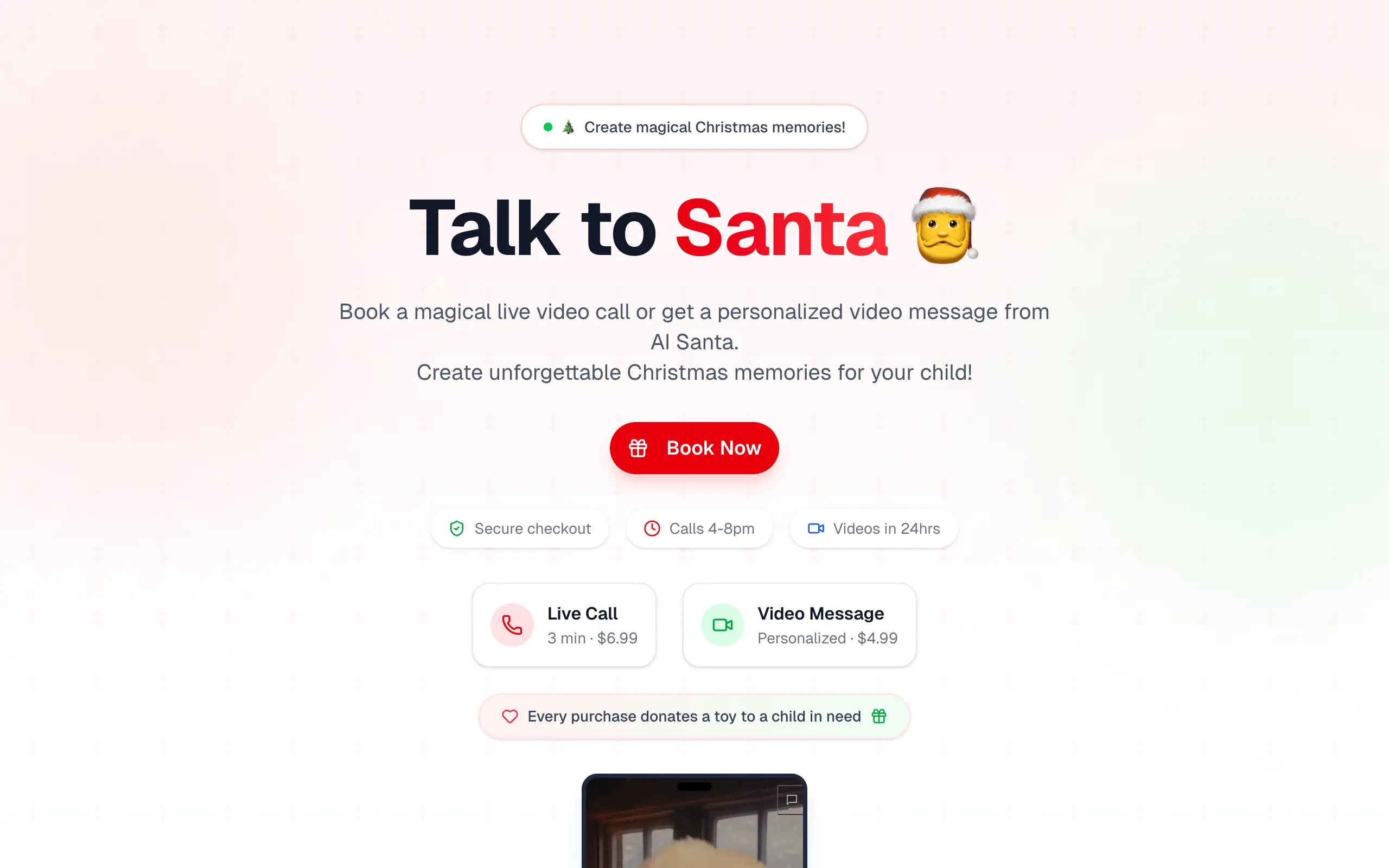
Talk to Santa
Enjoy a magical live video chat or receive a unique AI-generated video greeting from Santa Claus 🎅
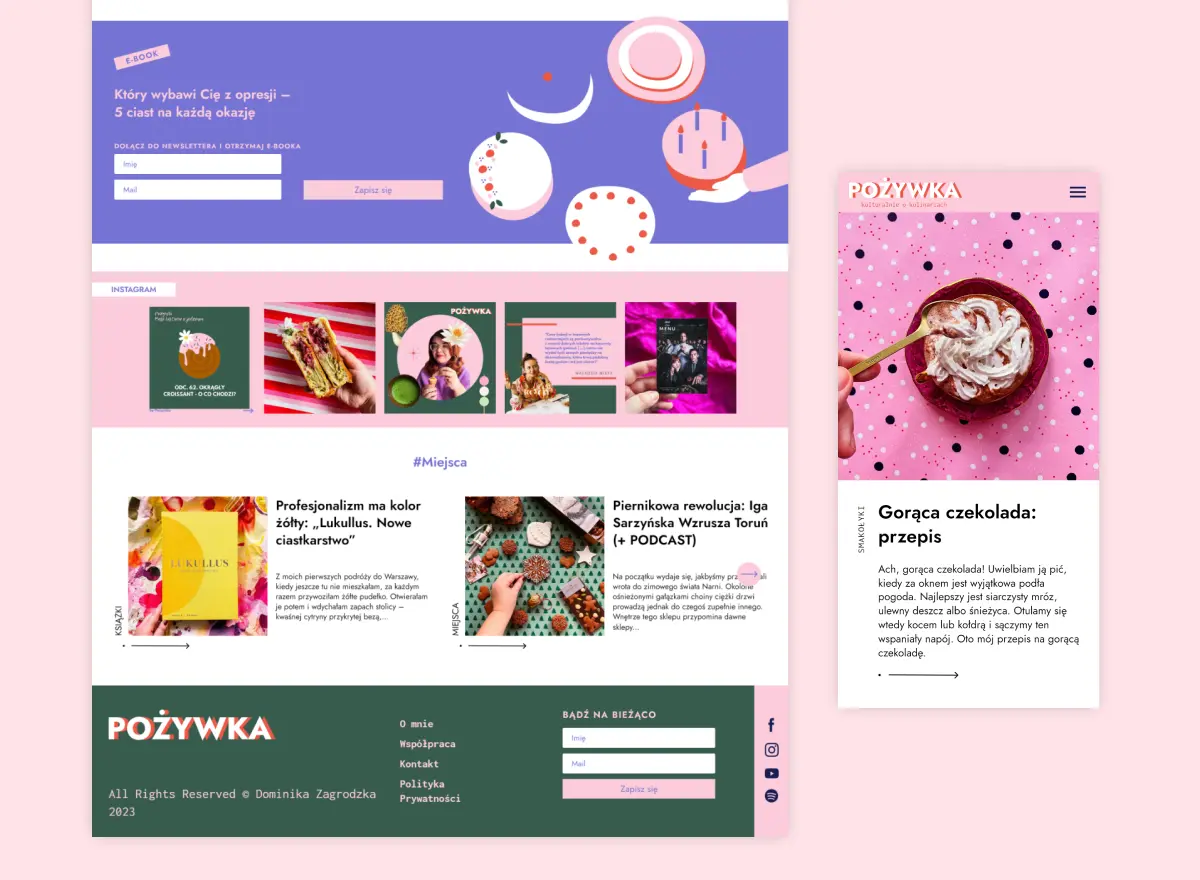
pozywka.pl
Scalable blog for food journalist, focused on performance and user experience 🌭
zagrodzki.me
Personal blog and portfolio of Bart Zagrodzki, where he shares his knowledge and work 💼
TurboStarter
Ship your startup everywhere. In minutes.
HTML to Markdown
Convert HTML to Markdown with ease, directly in your browser 📄
Dotallio
Personalized AI apps that automate research, data extraction, and content creation without code 🤖
Talk to Santa
Enjoy a magical live video chat or receive a unique AI-generated video greeting from Santa Claus 🎅
pozywka.pl
Scalable blog for food journalist, focused on performance and user experience 🌭
zagrodzki.me
Personal blog and portfolio of Bart Zagrodzki, where he shares his knowledge and work 💼
TurboStarter
Ship your startup everywhere. In minutes.
HTML to Markdown
Convert HTML to Markdown with ease, directly in your browser 📄
Omichat
Chat with 50+ AI models, including ChatGPT and Claude, in one place - switch models anytime without losing context 🤖
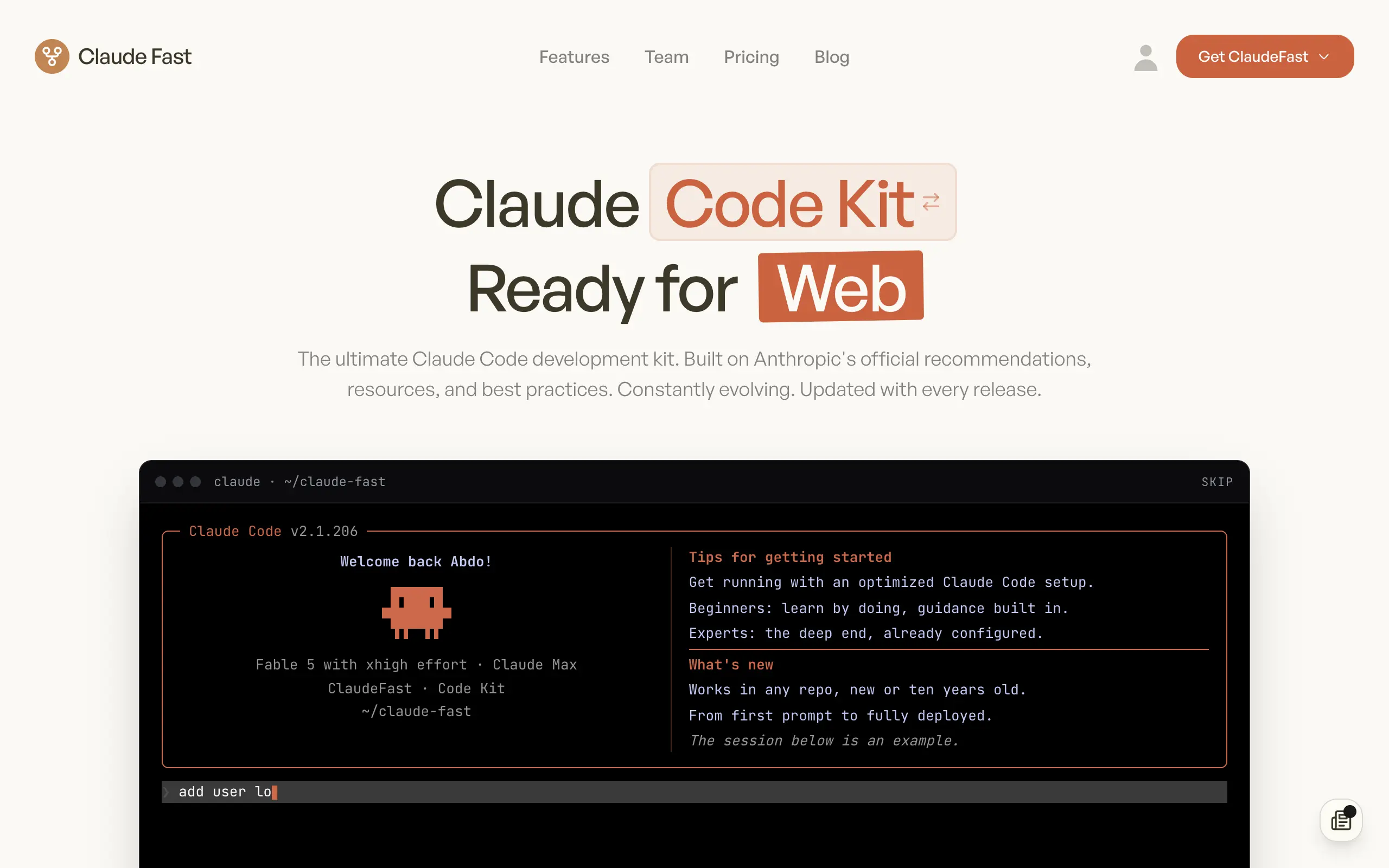
Claude Fast
Supercharge your Claude Code with 6x effective context window and specialized AI agents 🤖
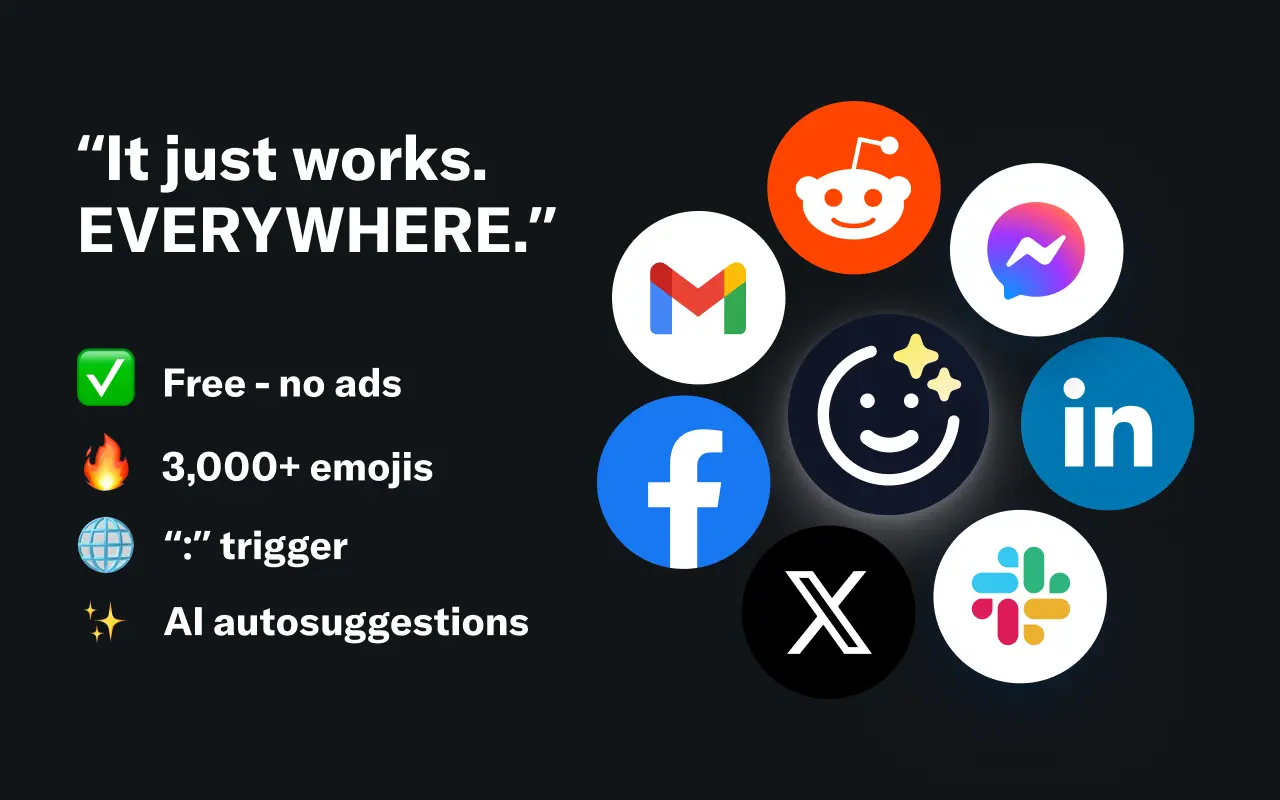
EmojAI
AI-powered emoji picker with smart, context-aware suggestions 🤖
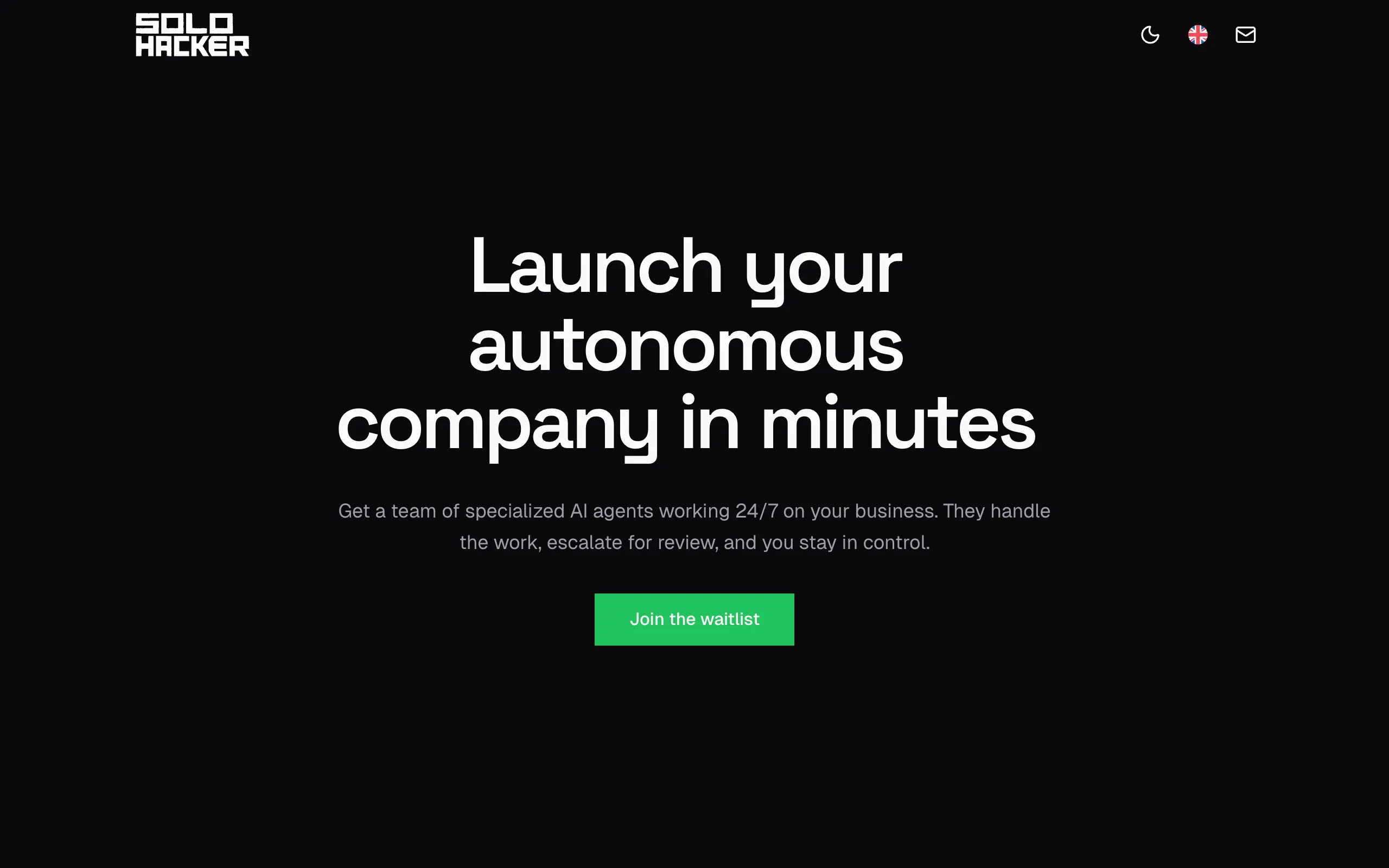
Solohacker
Autonomous company launcher - AI agents work 24/7, escalate what matters, and you stay in control 🤖
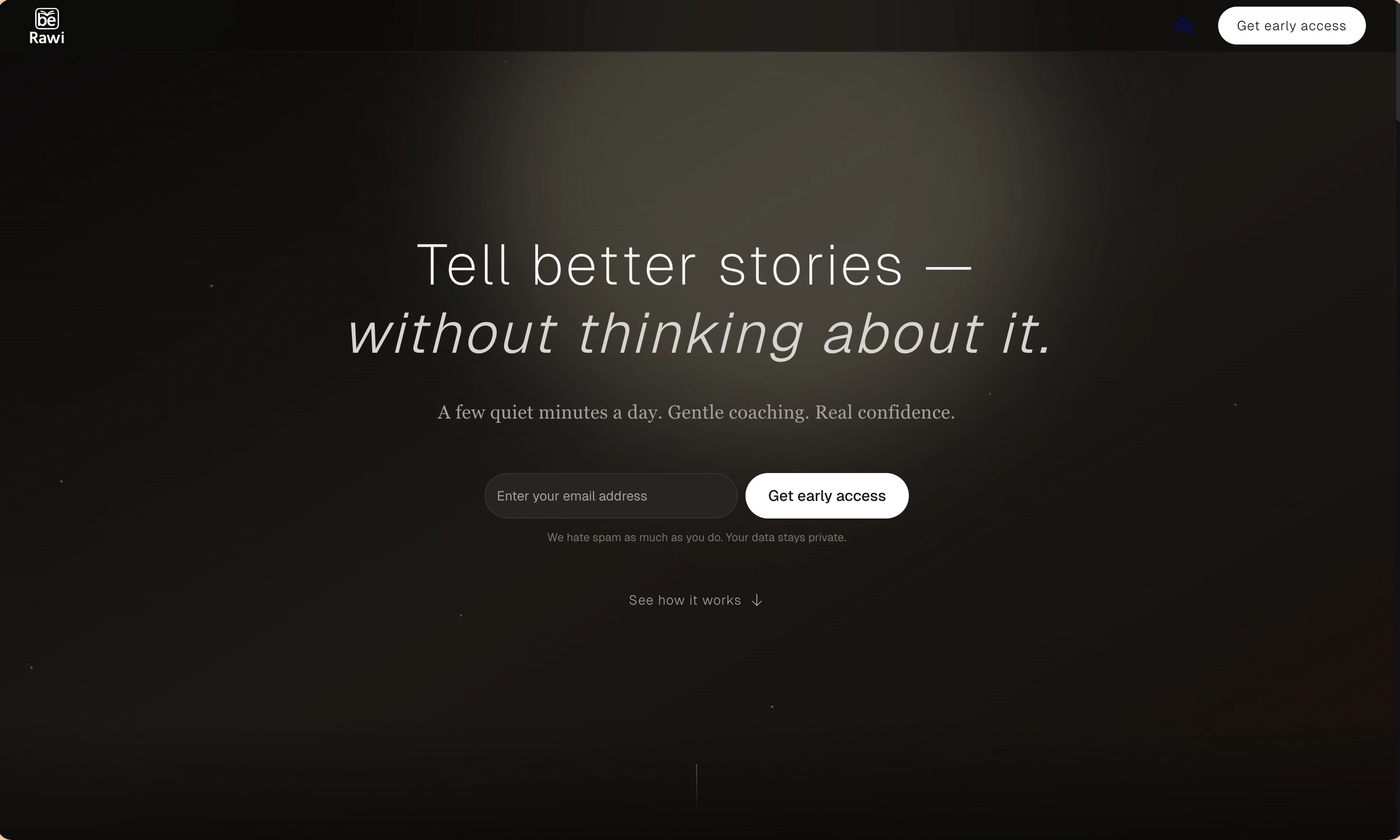
BeRawi: Storytelling Coach
Practice storytelling daily with instant feedback to sound clearer, more engaging, and confident 🎤
Omichat
Chat with 50+ AI models, including ChatGPT and Claude, in one place - switch models anytime without losing context 🤖
Claude Fast
Supercharge your Claude Code with 6x effective context window and specialized AI agents 🤖
EmojAI
AI-powered emoji picker with smart, context-aware suggestions 🤖
Solohacker
Autonomous company launcher - AI agents work 24/7, escalate what matters, and you stay in control 🤖
BeRawi: Storytelling Coach
Practice storytelling daily with instant feedback to sound clearer, more engaging, and confident 🎤

Connect with like-minded people
Join our community to get feedback, support, and grow together with 1,000+ builders on board, let's ship it!
Join usShip your startup everywhere. In minutes.
Don't burn tokens on setup and start building features on day one.