BrandMatch AI
AI-powered platform that intelligently matches freelancers with brands and agencies by analyzing portfolios, past collaborations, and industry experience.
Understanding the need for AI-powered freelancer-brand matching
The freelance economy is booming, with millions of creative professionals and digital experts seeking project-based work with brands and agencies. However, the process of finding the right match—where a freelancer’s skills, style, and experience align with a brand’s vision and requirements—remains inefficient and often frustrating for both parties.
BrandMatch AI addresses this gap by leveraging artificial intelligence to analyze freelancer portfolios, past collaborations, and industry experience, delivering intelligent, data-driven matches between freelancers and brands or agencies. This article explores the market opportunity, target audience, core features, technology stack, monetization strategies, risks, and actionable steps for launching BrandMatch AI.
Who is BrandMatch AI for? Target audience analysis
Understanding the target audience is crucial for any SaaS platform, especially one operating at the intersection of the gig economy and brand marketing.
Primary user segments
- Freelancers: Designers, copywriters, marketers, developers, videographers, and other creative professionals seeking high-quality, relevant projects.
- Brands: Companies (from startups to enterprises) looking for freelance talent to execute campaigns, design assets, or develop digital products.
- Agencies: Creative, marketing, and digital agencies that frequently hire freelancers for project-based work or to augment their teams.
User pain points
-
Freelancers:
- Difficulty standing out in crowded marketplaces.
- Wasting time applying to irrelevant or mismatched projects.
- Lack of visibility into brands’ preferences and project histories.
-
Brands & agencies:
- Overwhelmed by generic applications and irrelevant portfolios.
- Struggle to assess freelancer fit beyond basic skills (e.g., style, industry experience, collaboration history).
- Risk of hiring freelancers who don’t align with brand values or project needs.
User intent and search behavior
Potential users searching for solutions like BrandMatch AI are typically looking for:
- Faster, smarter ways to find the “right” freelancer or project.
- Platforms that go beyond keyword or manual filtering.
- Tools that leverage AI to analyze portfolios, match on style/experience, and reduce hiring friction.
Market opportunity and gap analysis
The global freelance market is projected to reach over $455 billion by 2023 (source: suggest referencing Upwork’s annual report or Statista). Yet, most existing platforms (e.g., Upwork, Fiverr) rely on manual search, basic filters, or keyword-based matching, which often leads to suboptimal results.
Key market gaps
- Lack of intelligent matching: Most platforms do not analyze deep portfolio data, past collaborations, or nuanced industry experience.
- Overwhelming choice: Brands and agencies are inundated with applications, making it hard to identify the best fit.
- Freelancer frustration: High competition and poor matching lead to wasted effort and lower satisfaction.
Industry trends
- AI adoption in HR and talent acquisition: Companies are increasingly using AI to screen candidates, assess fit, and reduce bias.
- Personalization: Users expect platforms to deliver personalized recommendations, not generic lists.
- Portfolio-driven hiring: Creative industries value portfolios and past work more than resumes or credentials.
Industry insight
AI-driven talent platforms are expected to grow rapidly as organizations seek more efficient, data-driven hiring processes. BrandMatch AI is well-positioned to capitalize on this trend.
Core features and solution details
BrandMatch AI’s value proposition lies in its ability to intelligently match freelancers with brands and agencies, going far beyond traditional keyword or filter-based systems.
Intelligent portfolio analysis
- Uses AI to analyze visual, textual, and technical elements of freelancer portfolios.
- Identifies style, tone, skill level, and project types.
- Surfaces relevant work samples to brands based on their preferences.
Collaboration and experience mapping
- Maps freelancers’ past collaborations with brands, agencies, and industries.
- Highlights repeat engagements, successful outcomes, and relevant experience.
- Enables brands to filter or prioritize freelancers with proven track records in their sector.
Brand and project profiling
- Brands/agencies create detailed profiles outlining their values, style, and project needs.
- AI learns from past hiring decisions and project outcomes to refine future matches.
Smart matching engine
- Combines portfolio analysis, collaboration history, and brand profiles to generate ranked matches.
- Continuously improves recommendations using machine learning and user feedback.
Communication and workflow tools
- In-platform messaging, proposal management, and contract generation.
- Optional integrations with project management tools (e.g., Trello, Asana).
Analytics and reporting
- Brands/agencies receive insights on hiring trends, freelancer performance, and project outcomes.
- Freelancers get feedback on portfolio strengths, areas for improvement, and market demand.
AI-powered portfolio analysis
Deeply analyzes freelancer portfolios for style, skills, and relevance.
Collaboration history mapping
Highlights freelancers’ past work with brands and agencies.
Smart matching engine
Delivers ranked, data-driven matches for both freelancers and brands.
Integrated workflow tools
Streamlines communication, proposals, and contracts.
Recommended tech stack for BrandMatch AI
Choosing the right technology stack is critical for scalability, performance, and rapid iteration. Here’s a recommended stack for building BrandMatch AI, with trade-offs considered.
Frontend
- React: Modern, component-based UI development. Large ecosystem and community support.
- TailwindCSS: Utility-first CSS framework for rapid, consistent styling.
- Next.js: For server-side rendering, SEO optimization, and API routes.
Backend
- Node.js: Non-blocking, scalable backend for handling API requests and real-time features.
- Express.js: Lightweight, flexible web framework for building RESTful APIs.
AI/ML components
- Python (with TensorFlow or PyTorch): For building and training portfolio analysis and matching models.
- FastAPI: For serving AI models as microservices, enabling easy integration with the main backend.
Database
- PostgreSQL: Robust, relational database for user data, portfolios, and project records.
- Elasticsearch: For fast, flexible search and filtering across portfolios and projects.
File storage
- AWS S3: Secure, scalable storage for portfolio assets (images, videos, documents).
Other integrations
- Stripe: For payments and subscription management.
- OAuth (Google, LinkedIn): For secure, frictionless user authentication.
Trade-offs and considerations
- Monolithic vs. microservices: Starting with a monolithic architecture (e.g., Next.js + Node.js) enables faster MVP development. As the platform scales, AI/ML services can be decoupled into microservices for better performance and maintainability.
- Custom AI vs. third-party APIs: Building proprietary AI models offers differentiation but requires more resources. Leveraging pre-trained models (e.g., OpenAI, Google Vision) can accelerate development but may limit customization.
While third-party APIs can jumpstart development, custom models trained on platform-specific data will deliver more accurate, relevant matches and a stronger competitive advantage.
Monetization strategy options
A sustainable SaaS business model is essential for long-term growth. BrandMatch AI can explore several monetization strategies:
1. Subscription plans
- Freelancers: Tiered plans offering increased visibility, advanced analytics, and premium support.
- Brands/agencies: Plans based on the number of projects, advanced matching features, and team collaboration tools.
2. Transaction fees
- Charge a percentage fee on successful project contracts or payments processed through the platform.
3. Featured listings and promotions
- Allow freelancers or brands to pay for featured placement in search results or recommendations.
4. Enterprise solutions
- Custom integrations, white-label solutions, or dedicated support for large agencies and brands.
5. Data insights and analytics
- Offer anonymized market insights or talent analytics as a premium add-on for brands and agencies.
| Subscription | Transaction Fee | Featured Listings | Enterprise | Analytics Add-on |
|---|---|---|---|---|
| ✅ | ❌ | ❌ | ✅ | ❌ |
| ✅ | ❌ | ✅ | ✅ | ❌ |
Potential risks and mitigation strategies
Launching an AI-powered freelancer-brand matching platform comes with several risks. Proactively addressing these challenges is key to building trust and long-term success.
Data privacy and security
- Risk: Handling sensitive user data (portfolios, contracts, payments) requires robust security.
- Mitigation: Implement end-to-end encryption, regular security audits, and compliance with GDPR/CCPA.
AI bias and fairness
- Risk: AI models may inadvertently favor certain profiles or backgrounds, leading to biased matches.
- Mitigation: Regularly audit models for bias, use diverse training data, and provide transparency into matching criteria.
Platform adoption and network effects
- Risk: Early-stage platforms may struggle to attract enough freelancers and brands to deliver value.
- Mitigation: Focus on a niche (e.g., design or marketing), leverage partnerships, and offer incentives for early adopters.
Competition from established platforms
- Risk: Competing with giants like Upwork or Fiverr.
- Mitigation: Differentiate through superior AI matching, portfolio analysis, and a focus on quality over quantity.
Technical scalability
- Risk: Rapid growth can strain infrastructure.
- Mitigation: Use scalable cloud services, monitor performance, and plan for modular architecture.
Transparency is key
Clearly communicate how AI matches are made and allow users to provide feedback or appeal decisions. This builds trust and helps improve the system.
Competitive advantage analysis
BrandMatch AI’s unique selling proposition (USP) is its AI-driven, portfolio-centric matching engine that goes far beyond traditional keyword or filter-based systems.
How BrandMatch AI stands out
- Deep portfolio analysis: Uses AI to understand style, quality, and relevance—not just keywords.
- Collaboration history mapping: Surfaces freelancers with proven experience in specific industries or with similar brands.
- Continuous learning: Matching engine improves over time based on user feedback and project outcomes.
- Personalized recommendations: Both freelancers and brands receive tailored suggestions, increasing satisfaction and success rates.
- Integrated workflow: Streamlines the entire process from discovery to contract, reducing friction and administrative overhead.
Comparison with traditional platforms
- Upwork/Fiverr: Focus on volume, basic filters, and keyword search. Limited portfolio analysis.
- Niche platforms: May offer curation but lack AI-driven, data-rich matching.
BrandMatch AI
AI-powered, portfolio-driven, personalized matching.
Traditional platforms
Manual search, basic filters, limited personalization.
Actionable implementation steps
Launching BrandMatch AI requires a structured, iterative approach. Here’s a step-by-step roadmap:
Conclusion: Why BrandMatch AI is the future of freelancer-brand collaboration
The freelance economy demands smarter, more efficient ways to connect talent with opportunity. BrandMatch AI’s unique approach—leveraging AI to deeply analyze portfolios, map collaboration histories, and deliver personalized matches—addresses the core pain points of both freelancers and brands.
By focusing on quality, transparency, and continuous learning, BrandMatch AI stands out in a crowded market and is poised to become the go-to platform for intelligent, data-driven freelancer-brand collaboration.
Further resources
- TurboStarter — Accelerate your SaaS MVP development.
- React documentation
- TailwindCSS documentation
- For industry statistics, consider referencing Upwork’s annual reports or Statista’s freelance economy data.
Ready to build?
BrandMatch AI is more than a platform—it's a smarter way to connect creative talent with brands and agencies. Start building the future of freelance collaboration today.
More 🤖 AI Startup SaaS ideas
Discover more innovative ai startup SaaS ideas that are trending in 2026. Each idea is AI-generated with market validation and growth potential to help you find your next profitable venture faster than competitors.
Your competitors are building with TurboStarter
Below are some of the SaaS ideas that have been generated and built with our starter kit.
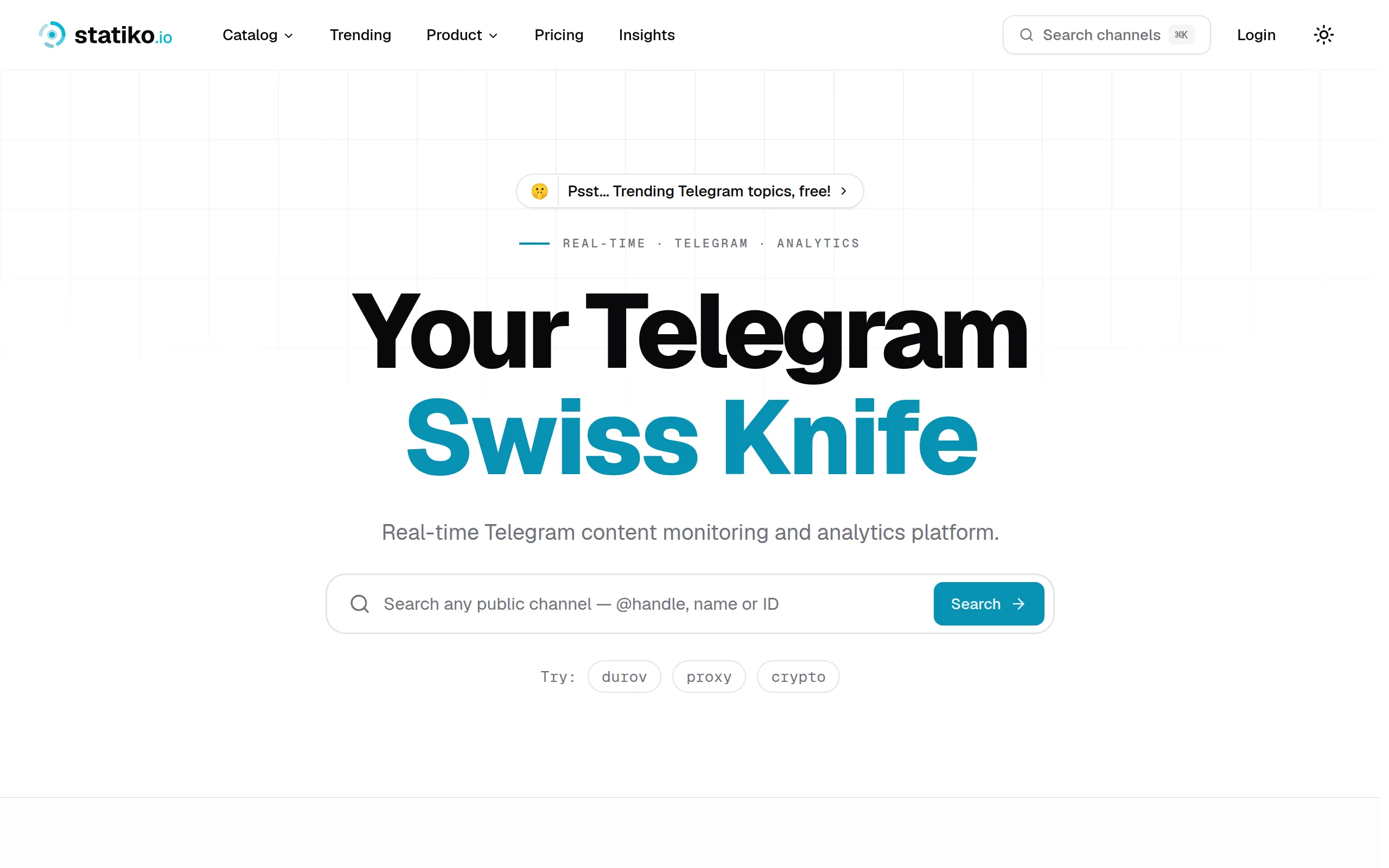
Statiko
Monitor any Telegram channel in real time - track posts, edits, deletions, and growth with AI recaps 📡
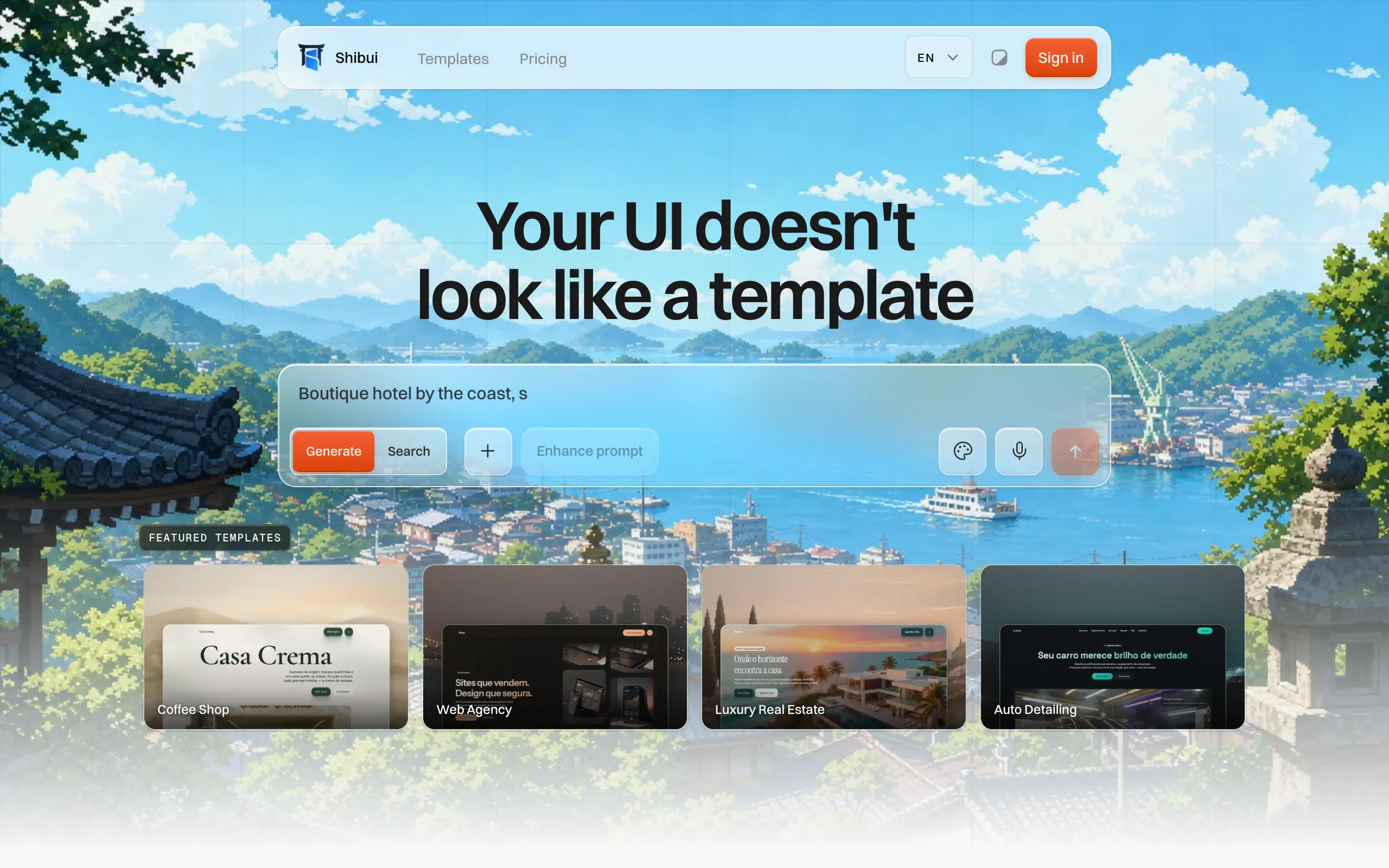
Shibui
AI website builder - describe your business, pick a niche template, edit by chatting, and publish instantly ✨

Pro Service
Find verified home service professionals, compare quotes, and pay securely through escrow - built for Brazilians across the US 🏠
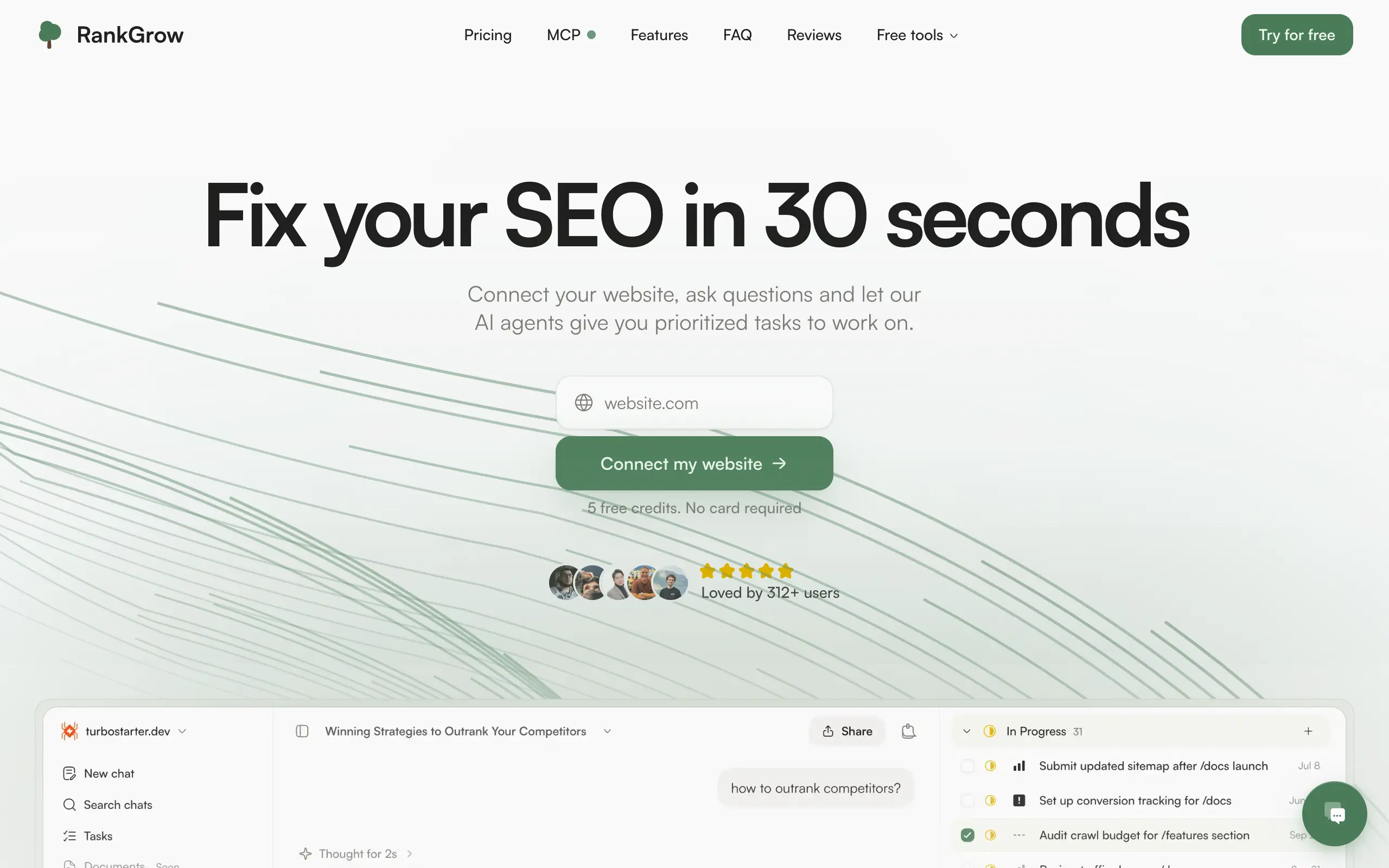
RankGrow
Fix your SEO with AI agents - connect Search Console, get prioritized tasks, and grow organic traffic 📈
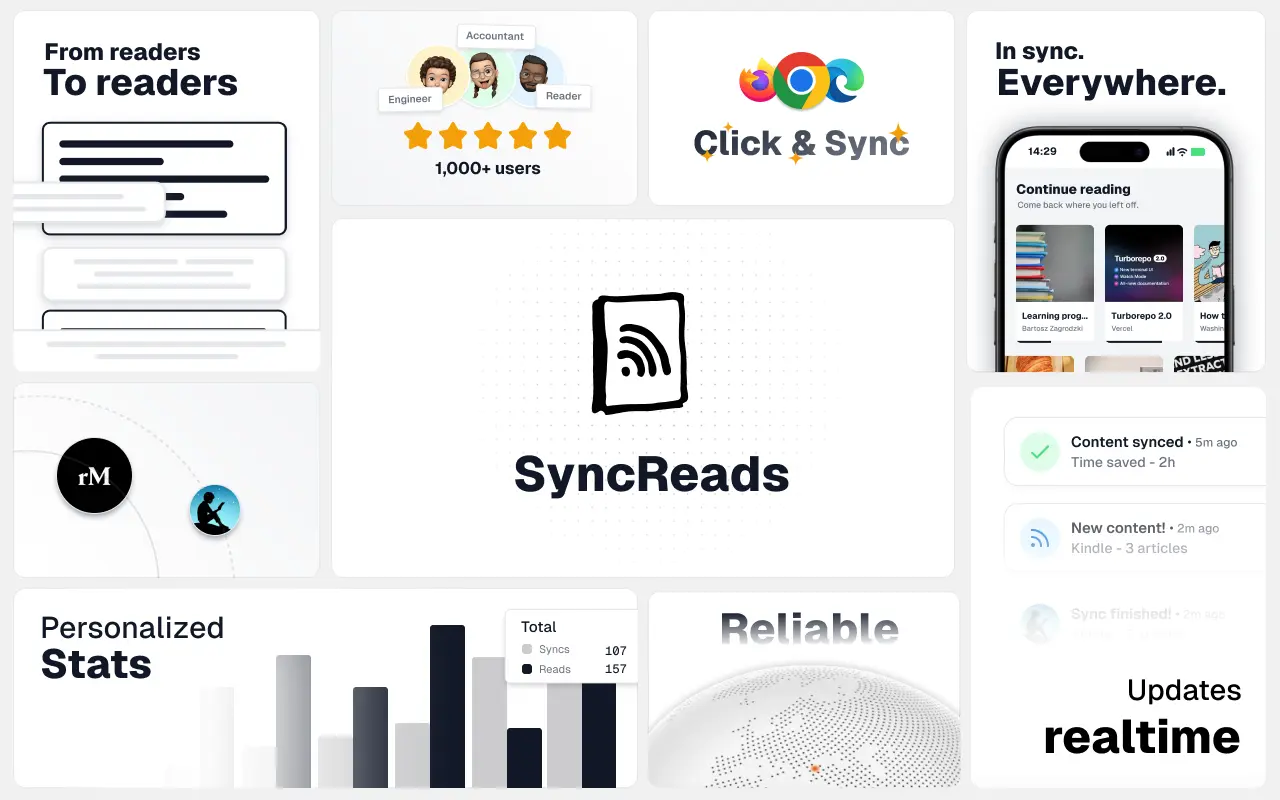
SyncReads
Sync your favorite content for distraction-free reading, save time and replace multiple apps. Anytime, anywhere 🔄
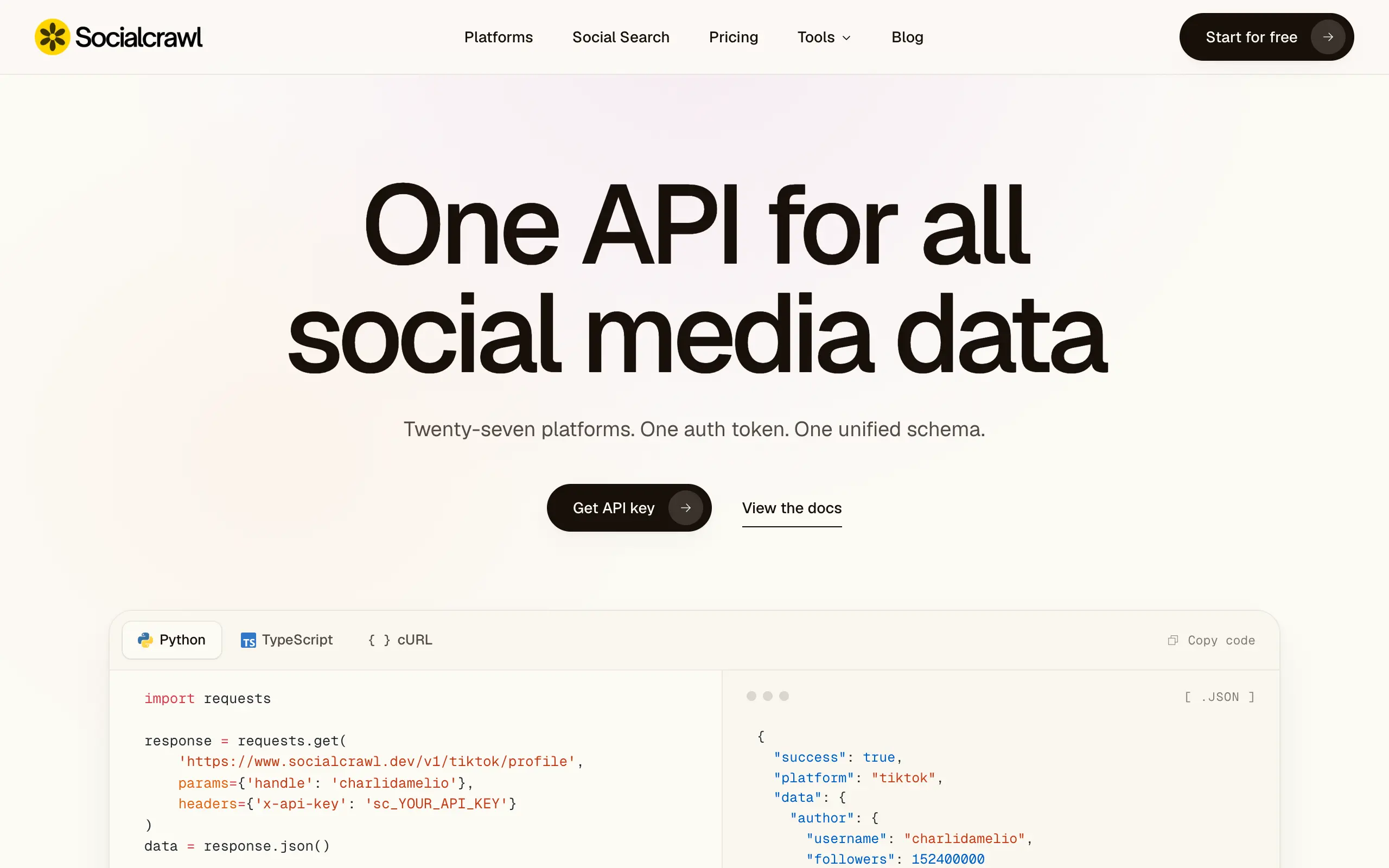
Socialcrawl
Get clean, structured data from 21 platforms like TikTok, Instagram, and YouTube with a single request 📊
Statiko
Monitor any Telegram channel in real time - track posts, edits, deletions, and growth with AI recaps 📡
Shibui
AI website builder - describe your business, pick a niche template, edit by chatting, and publish instantly ✨
Pro Service
Find verified home service professionals, compare quotes, and pay securely through escrow - built for Brazilians across the US 🏠
RankGrow
Fix your SEO with AI agents - connect Search Console, get prioritized tasks, and grow organic traffic 📈
SyncReads
Sync your favorite content for distraction-free reading, save time and replace multiple apps. Anytime, anywhere 🔄
Socialcrawl
Get clean, structured data from 21 platforms like TikTok, Instagram, and YouTube with a single request 📊
Statiko
Monitor any Telegram channel in real time - track posts, edits, deletions, and growth with AI recaps 📡
Shibui
AI website builder - describe your business, pick a niche template, edit by chatting, and publish instantly ✨
Pro Service
Find verified home service professionals, compare quotes, and pay securely through escrow - built for Brazilians across the US 🏠
RankGrow
Fix your SEO with AI agents - connect Search Console, get prioritized tasks, and grow organic traffic 📈
SyncReads
Sync your favorite content for distraction-free reading, save time and replace multiple apps. Anytime, anywhere 🔄
Socialcrawl
Get clean, structured data from 21 platforms like TikTok, Instagram, and YouTube with a single request 📊
Statiko
Monitor any Telegram channel in real time - track posts, edits, deletions, and growth with AI recaps 📡
Shibui
AI website builder - describe your business, pick a niche template, edit by chatting, and publish instantly ✨
Pro Service
Find verified home service professionals, compare quotes, and pay securely through escrow - built for Brazilians across the US 🏠
RankGrow
Fix your SEO with AI agents - connect Search Console, get prioritized tasks, and grow organic traffic 📈
SyncReads
Sync your favorite content for distraction-free reading, save time and replace multiple apps. Anytime, anywhere 🔄
Socialcrawl
Get clean, structured data from 21 platforms like TikTok, Instagram, and YouTube with a single request 📊
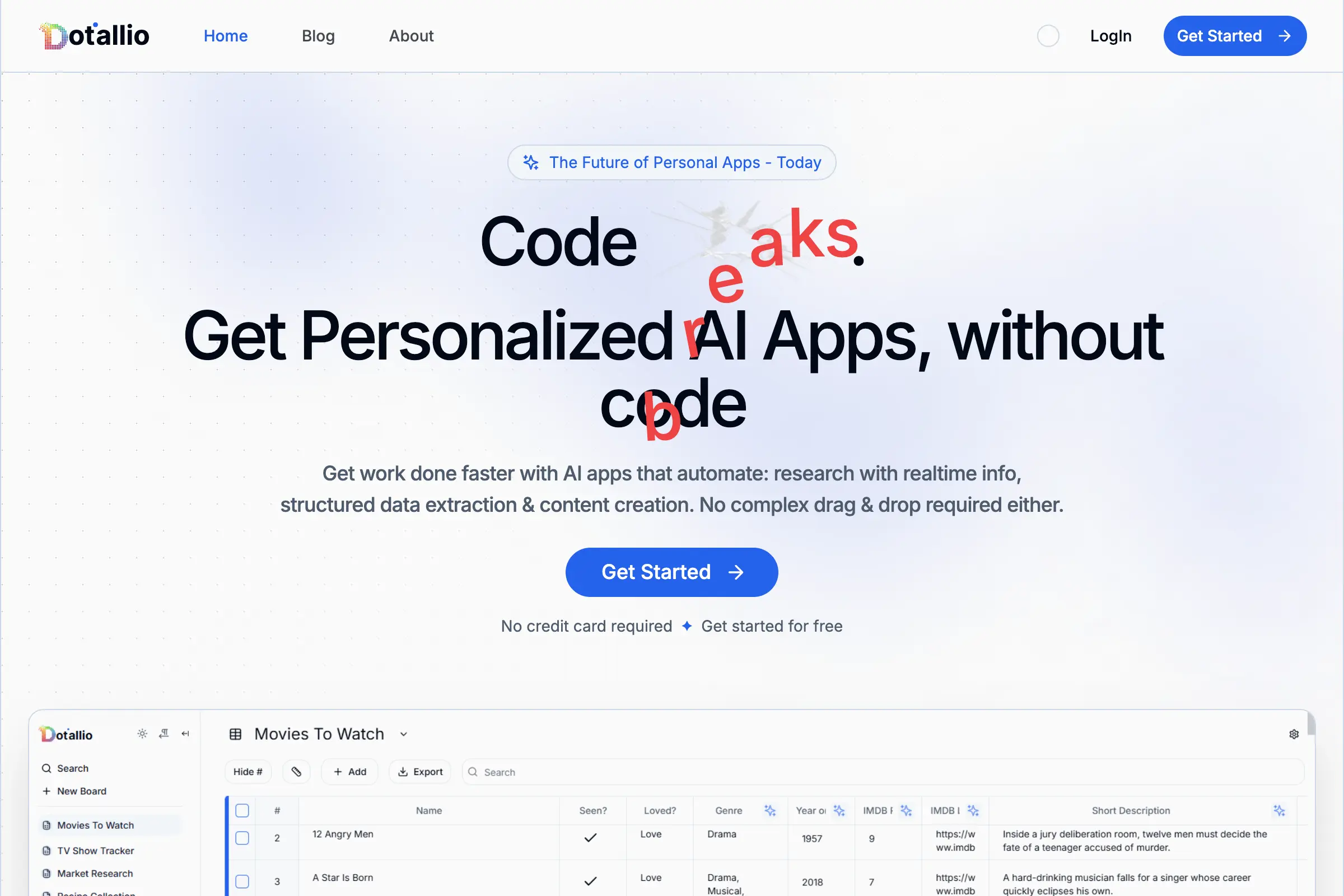
Dotallio
Personalized AI apps that automate research, data extraction, and content creation without code 🤖
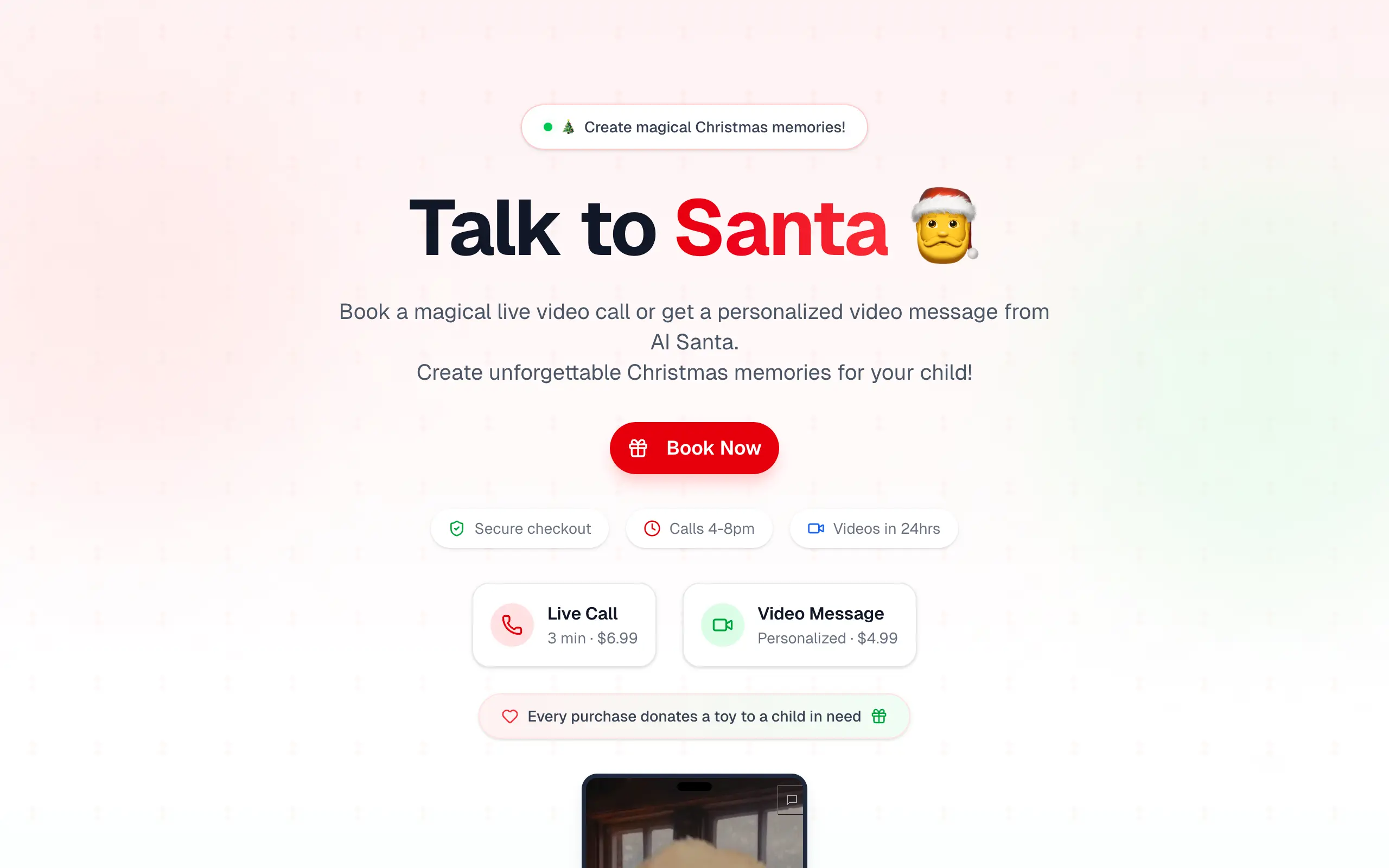
Talk to Santa
Enjoy a magical live video chat or receive a unique AI-generated video greeting from Santa Claus 🎅
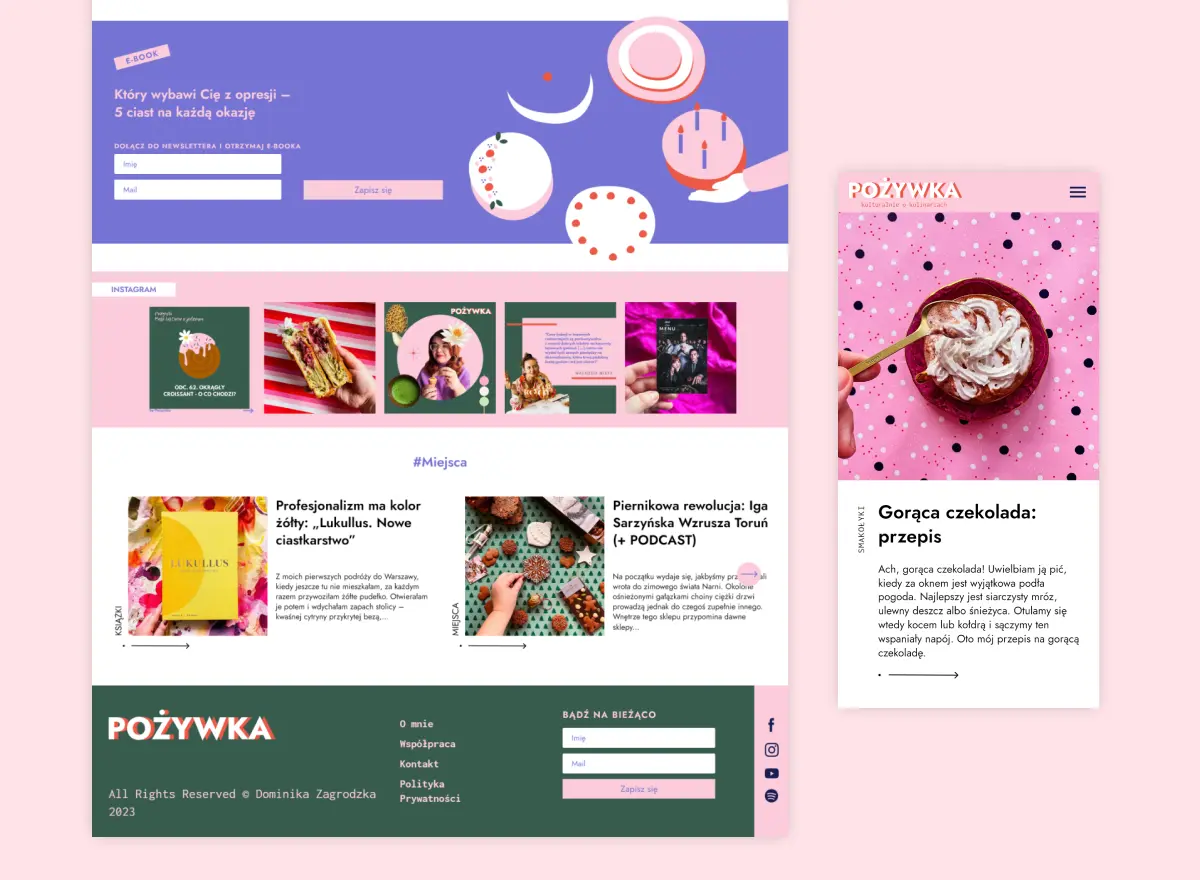
pozywka.pl
Scalable blog for food journalist, focused on performance and user experience 🌭
zagrodzki.me
Personal blog and portfolio of Bart Zagrodzki, where he shares his knowledge and work 💼
TurboStarter
Ship your startup everywhere. In minutes.
HTML to Markdown
Convert HTML to Markdown with ease, directly in your browser 📄
Dotallio
Personalized AI apps that automate research, data extraction, and content creation without code 🤖
Talk to Santa
Enjoy a magical live video chat or receive a unique AI-generated video greeting from Santa Claus 🎅
pozywka.pl
Scalable blog for food journalist, focused on performance and user experience 🌭
zagrodzki.me
Personal blog and portfolio of Bart Zagrodzki, where he shares his knowledge and work 💼
TurboStarter
Ship your startup everywhere. In minutes.
HTML to Markdown
Convert HTML to Markdown with ease, directly in your browser 📄
Dotallio
Personalized AI apps that automate research, data extraction, and content creation without code 🤖
Talk to Santa
Enjoy a magical live video chat or receive a unique AI-generated video greeting from Santa Claus 🎅
pozywka.pl
Scalable blog for food journalist, focused on performance and user experience 🌭
zagrodzki.me
Personal blog and portfolio of Bart Zagrodzki, where he shares his knowledge and work 💼
TurboStarter
Ship your startup everywhere. In minutes.
HTML to Markdown
Convert HTML to Markdown with ease, directly in your browser 📄
Dotallio
Personalized AI apps that automate research, data extraction, and content creation without code 🤖
Talk to Santa
Enjoy a magical live video chat or receive a unique AI-generated video greeting from Santa Claus 🎅
pozywka.pl
Scalable blog for food journalist, focused on performance and user experience 🌭
zagrodzki.me
Personal blog and portfolio of Bart Zagrodzki, where he shares his knowledge and work 💼
TurboStarter
Ship your startup everywhere. In minutes.
HTML to Markdown
Convert HTML to Markdown with ease, directly in your browser 📄
Omichat
Chat with 50+ AI models, including ChatGPT and Claude, in one place - switch models anytime without losing context 🤖
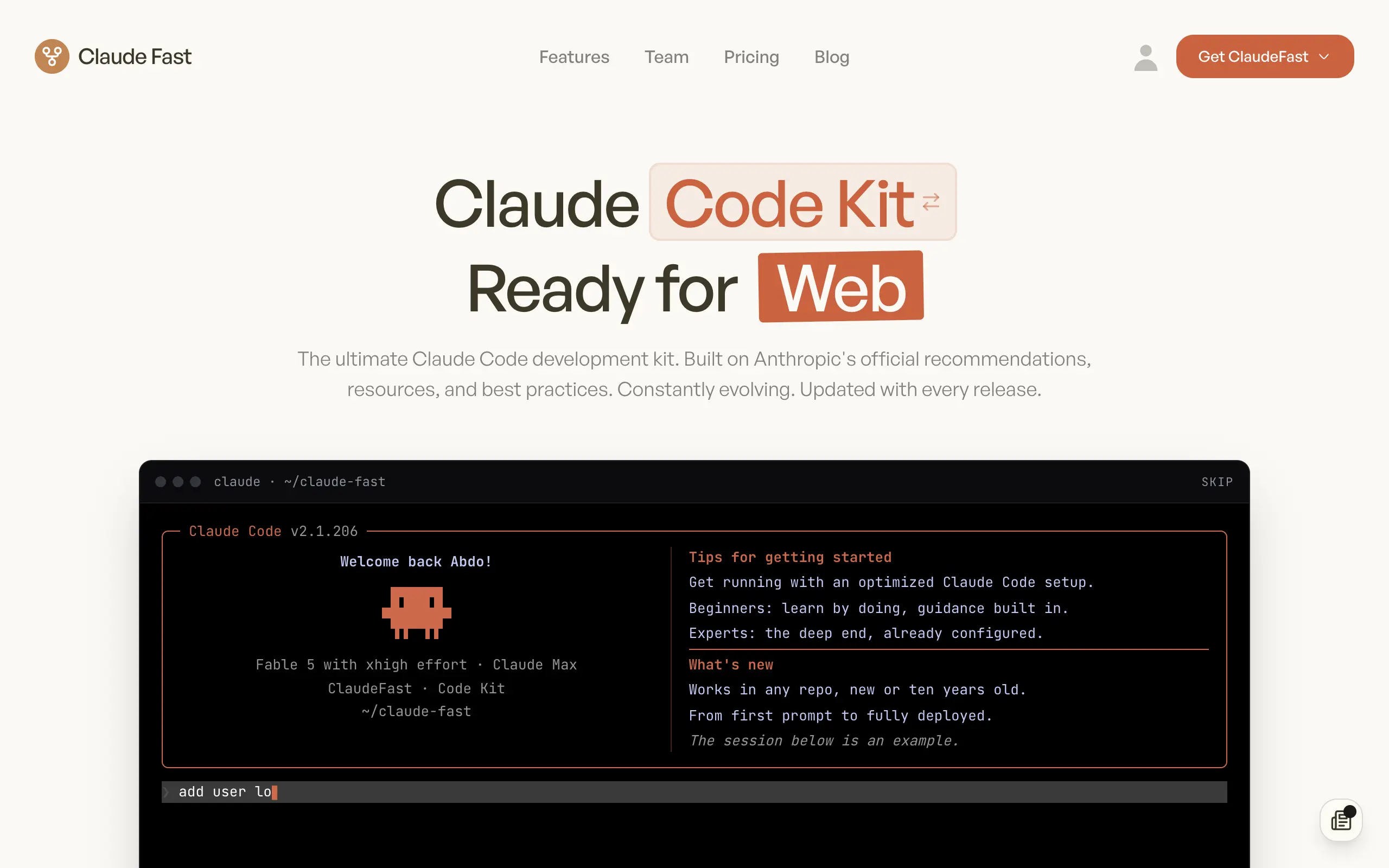
Claude Fast
Supercharge your Claude Code with 6x effective context window and specialized AI agents 🤖
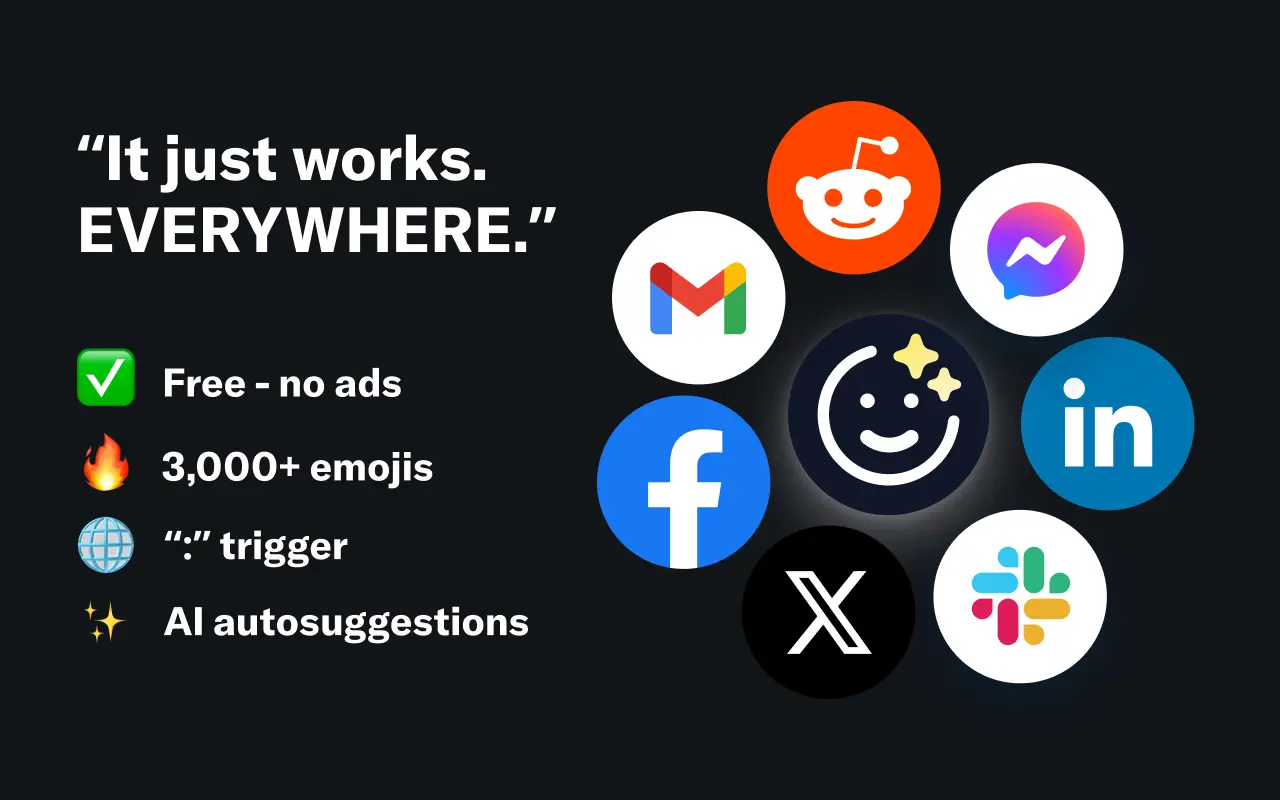
EmojAI
AI-powered emoji picker with smart, context-aware suggestions 🤖
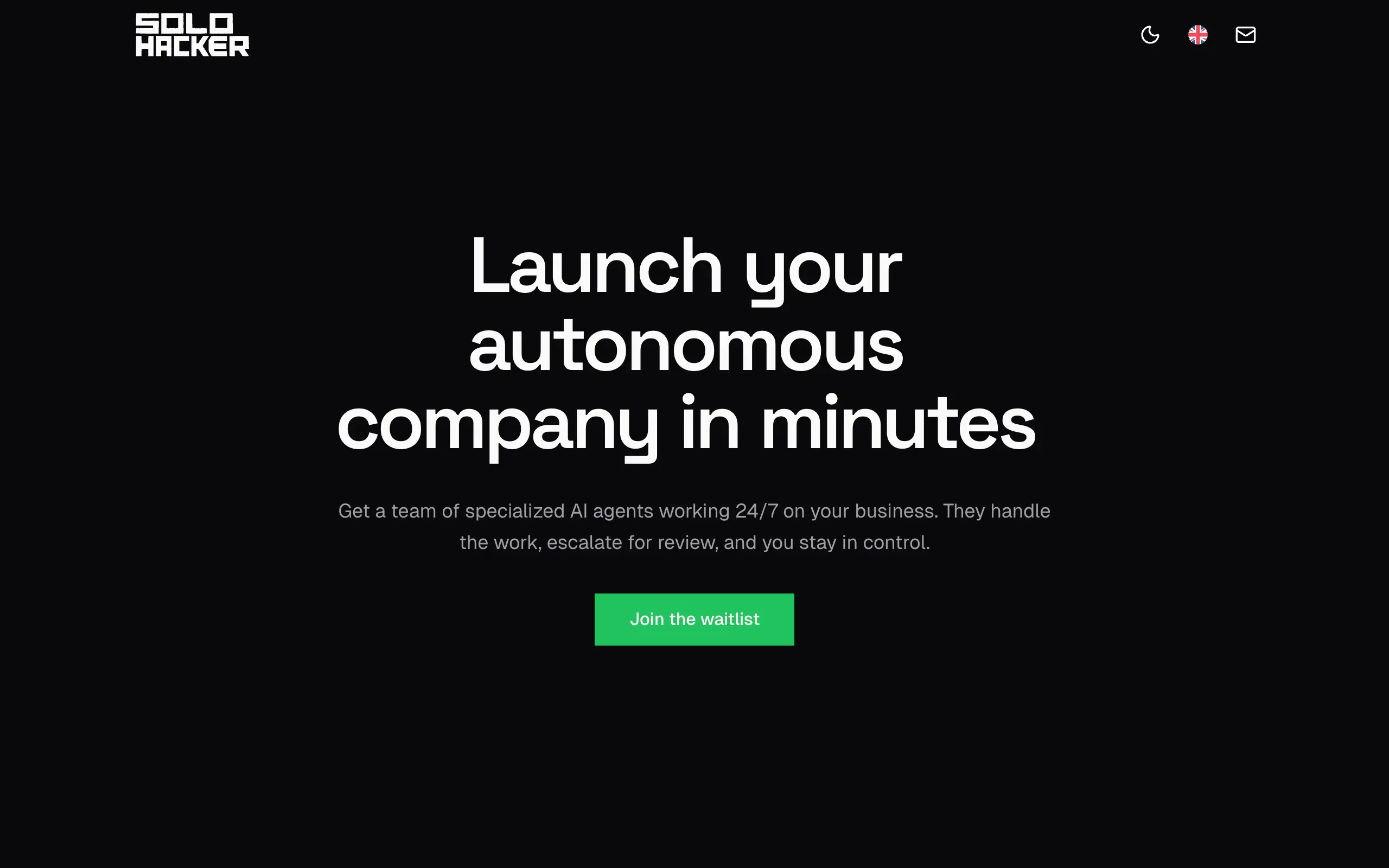
Solohacker
Autonomous company launcher - AI agents work 24/7, escalate what matters, and you stay in control 🤖
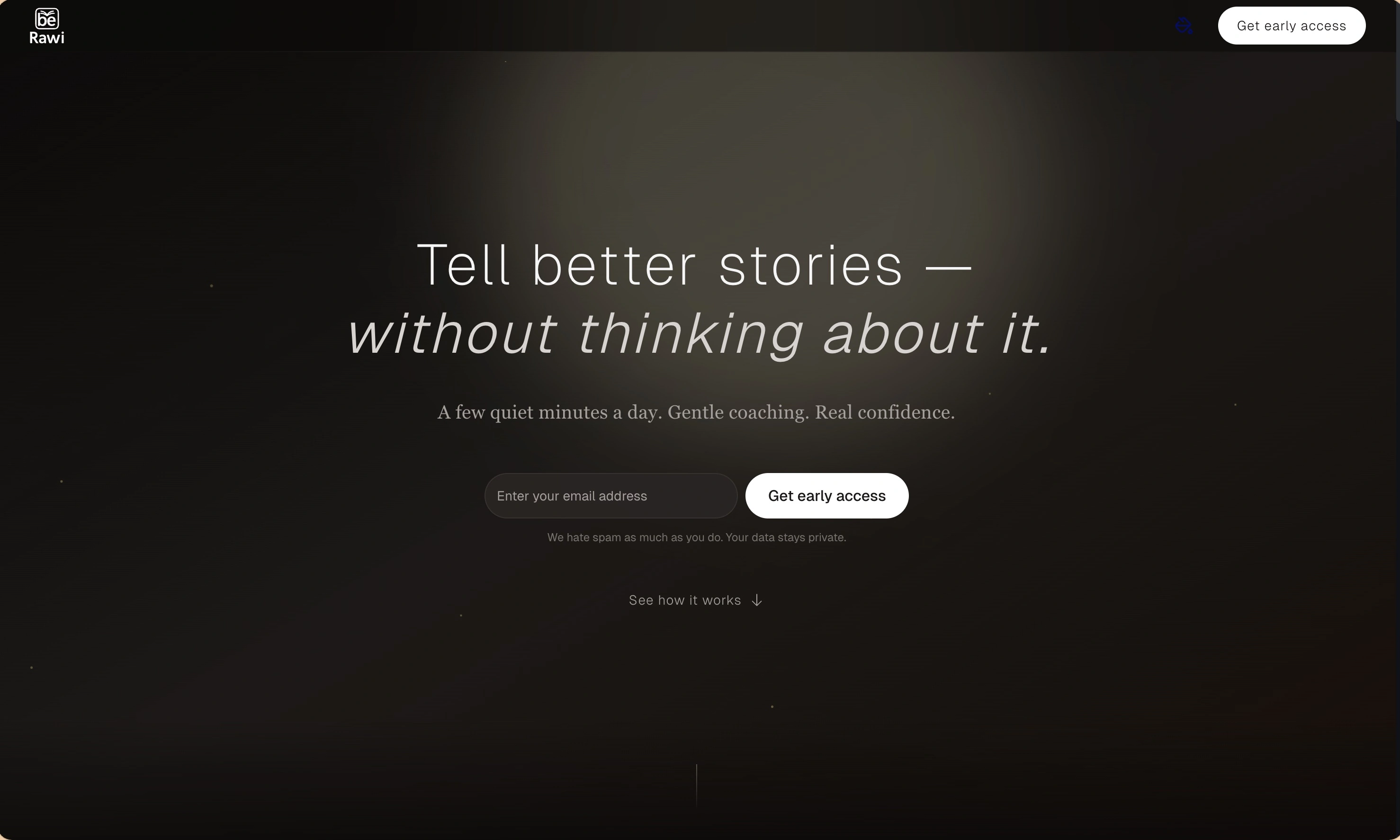
BeRawi: Storytelling Coach
Practice storytelling daily with instant feedback to sound clearer, more engaging, and confident 🎤
Omichat
Chat with 50+ AI models, including ChatGPT and Claude, in one place - switch models anytime without losing context 🤖
Claude Fast
Supercharge your Claude Code with 6x effective context window and specialized AI agents 🤖
EmojAI
AI-powered emoji picker with smart, context-aware suggestions 🤖
Solohacker
Autonomous company launcher - AI agents work 24/7, escalate what matters, and you stay in control 🤖
BeRawi: Storytelling Coach
Practice storytelling daily with instant feedback to sound clearer, more engaging, and confident 🎤
Omichat
Chat with 50+ AI models, including ChatGPT and Claude, in one place - switch models anytime without losing context 🤖
Claude Fast
Supercharge your Claude Code with 6x effective context window and specialized AI agents 🤖
EmojAI
AI-powered emoji picker with smart, context-aware suggestions 🤖
Solohacker
Autonomous company launcher - AI agents work 24/7, escalate what matters, and you stay in control 🤖
BeRawi: Storytelling Coach
Practice storytelling daily with instant feedback to sound clearer, more engaging, and confident 🎤
Omichat
Chat with 50+ AI models, including ChatGPT and Claude, in one place - switch models anytime without losing context 🤖
Claude Fast
Supercharge your Claude Code with 6x effective context window and specialized AI agents 🤖
EmojAI
AI-powered emoji picker with smart, context-aware suggestions 🤖
Solohacker
Autonomous company launcher - AI agents work 24/7, escalate what matters, and you stay in control 🤖
BeRawi: Storytelling Coach
Practice storytelling daily with instant feedback to sound clearer, more engaging, and confident 🎤

Connect with like-minded people
Join our community to get feedback, support, and grow together with 1,000+ builders on board, let's ship it!
Join usShip your startup everywhere. In minutes.
Don't burn tokens on setup and start building features on day one.