BreachLens
AI platform for students to practice tracing simulated cyber breaches and OSINT challenges, offering instant feedback, hints, and threat intelligence tips.
Understanding the opportunity: Why an AI platform for cyber breach tracing & OSINT is needed
In today’s digital-first world, cyberattacks are not just more prevalent—they’re rapidly evolving. Educational institutions and individual learners are struggling to keep up with sophisticated breach tactics. Employers in cybersecurity, digital forensics, and threat intelligence face a marked “experience gap”: most graduates lack real hands-on exposure to incident tracing and open source intelligence (OSINT) investigations.
The user intent for a platform like BreachLens is clear: students, aspiring cyber professionals, and educators are actively searching for engaging, practical, and feedback-driven tools that help them build genuine, job-ready threat analysis skills. Traditional learning approaches—static labs, paper-based quizzes, or months-old “capture the flag” exercises—are lagging behind the needs of modern learners and employers.
Key pain points in current solutions
- Passive learning: Too many online courses focus on reading theory, not doing.
- Delayed feedback: Learners often wait days (or forever) for instructors to review their breach investigation solutions.
- Simulation realism: Most exercises lack evolving, real-world complexity; adversaries don’t adapt to user actions.
- OSINT skill gap: There is limited practice for gathering, correlating, and validating public intelligence data.
- Lack of instant, actionable feedback on thinking processes, not just “right or wrong” answers.
Understanding these pain points and unmet needs is crucial to appreciating BreachLens’s position and promise as an AI-powered practice platform.
Who is BreachLens for? Target audience analysis
BreachLens is tailored, first and foremost, for:
- Cybersecurity students at universities, community colleges, and bootcamps who want to sharpen their incident response and threat intelligence instincts.
- Aspiring threat analysts and digital forensics learners seeking practical, portfolio-worthy experiences.
- Educators and trainers who need modern, adaptive, AI-driven cybersecurity labs for their classrooms or online courses.
- Entry-level professionals aiming to demonstrate hands-on skills to employers.
- Hacker community enthusiasts and CTF (Capture The Flag) participants who wish to challenge themselves or train for competitions.
Why this group needs BreachLens
- Bridging classroom and real-world: Textbooks and basic virtual labs don’t accurately mimic the pressure, uncertainty, and required analytical depth of modern cyber breaches.
- Portfolio building: Hiring managers and recruiters increasingly value proof of “real” investigation work and OSINT capabilities.
- Instant, constructive feedback: Timely, personalized feedback on investigation approaches is almost universally lacking in current educational infrastructure.
- Competitive edge: A platform offering authentic, ever-evolving threat scenarios and actionable tips is a major differentiator for both learners and educators.
Market analysis: Identifying the gap and potential
Cybersecurity skills are in record-high demand. According to ISC2, the global cyber workforce shortage surpassed 4 million professionals in 2023 (source: ISC2 Cybersecurity Workforce Study). There’s a massive thirst for active, practical learning modes—not just lectures or PDF handouts.
While some cyber range or “virtual lab” products exist, most are:
- Either enterprise-focused (like Cyberbit or RangeForce), pricing out students and educational programs,
- Or outdated and static, lacking adaptive scenarios or intelligent feedback.
Where BreachLens fits in
BreachLens taps into a sweet spot—offering:
- Next-generation, AI-powered breach simulations with context-aware hints and tips.
- A learner-focused, feedback-first platform at a price point, pace, and accessibility level suitable for individuals and academic groups.
Related market trends & references
- AI in EdTech is booming: Platforms with AI tutors and personalized learning paths are shown to improve student engagement and retention (EdTech Magazine).
- Gamified, active learning in cybersecurity is now considered best-practice (NIST NICE Framework).
How BreachLens works: Core features and capabilities
Let’s break down the main features students and educators can expect from this AI-powered practice platform.
Simulated cyber breach scenarios
Realistic attack simulations—covering ransomware, phishing, data exfiltration, insider threats, and more—are procedurally generated to offer endless, unique practice cases.
Interactive OSINT challenges
Learners hunt for critical information using open source intel (public social media, domain registration data, leaked credentials, etc.), mirroring actual threat analyst work.
Instant, AI-driven feedback & hints
On every step—whether analyzing logs, following an attack path, or forming a hypothesis—the system offers dynamic hints and tailored feedback, helping users learn by doing.
Threat intelligence tips & best practices
Built-in micro-lessons and in-scenario tips reinforce effective investigation strategies, critical thinking, and real-world defender habits.
Challenge difficulty settings & adaptive learning
Scenarios adapt to learner proficiency—progressing from beginner-friendly tasks to advanced incident response and OSINT puzzles.
Instant scoring, badges & portfolio integration
Evidence of mastery is saved to user profiles, making it easy to showcase validated cyber skills to prospective employers or instructors.
Example: What does a BreachLens challenge look like?
Picture this: As a learner, you’re dropped into a simulated company network breach.
- The system presents suspicious log snippets, endpoint alerts, and network traces.
- You must piece together the attack timeline and answer interactive queries.
- Given a lead—a leaked database on the dark web—you pivot to an OSINT challenge: find the breach source using domain records and hacker forum posts.
- Not sure where to look next? The AI coach offers context-aware hints, “Have you checked lateral movement via RDP from desktop-002?”
- Finishing steps unlock a detailed, personalized feedback report outlining what you nailed and where to improve.
Comparing BreachLens: Key advantages over traditional and current solutions
| Simulation realism | AI instant feedback | OSINT integration | Adaptive scenarios | Game-like engagement |
|---|---|---|---|---|
| ✅ | ❌ | ❌ | ✅ | ❌ |
| ✅ | ❌ | ✅ | ✅ | ❌ |
Summary: Most competitors focus either on traditional labs (static, minimal real-world adaptation) or on broader “cyber ranges” with high entry barriers. BreachLens uniquely integrates AI-driven feedback, realistic breach scenarios, and gamified, adaptive challenge paths—all with real OSINT tasks.
Core technology stack: Powering real-time, intelligent learning
To deliver dynamic breach simulations, deep instant feedback, and scalable, AI-enhanced learning, BreachLens should leverage a modern stack. Here are recommended tech elements and their trade-offs:
| Layer | Recommended Technologies | Notes / Considerations |
|---|---|---|
| Frontend | React, TailwindCSS, TypeScript | Rapid UI, component reusability, developer velocity |
| Backend/API | Node.js (Express or Fastify), Python (for advanced AI/ML processing) | Node.js for event-driven APIs, Python for AI models |
| Database | PostgreSQL, MongoDB | SQL for structured data; NoSQL for event/session/feedback logging |
| AI/ML | OpenAI GPT APIs (scenario/hint generation), HuggingFace transformers | For scenario generation, feedback; careful prompt/guardrail design |
| Sim container | Docker/Kubernetes | For isolating simulated environments for each user |
| Authentication | Auth0 or custom JWT-based auth | Secure, scalable, education-focused SSO possible |
| Analytics | Mixpanel, Amplitude | To measure user progress and hint effectiveness |
| Integrations | GitHub portfolio webhook, LMS plugins | Let users export badges/progress; support classroom workflows |
Trade-offs:
- AI cost & latency: Real-time hinting and scenario personalization via GPT-type models will have API costs; caching and prompt optimization are needed.
- Scenario complexity vs speed: Fully simulated breaches (vs. pre-baked traces) require compute isolation (Docker) and careful UX balancing.
- Data privacy: Handling simulated “student investigation logs” must be GDPR/FERPA compliant when deployed in academic settings.
Monetization strategy options
For scalability and reach across individuals and institutions, BreachLens can consider these proven SaaS monetization approaches:
- Freemium model
- Core set of beginner scenarios, basic feedback, and badges free.
- Advanced challenges, OSINT specialization tracks, and detailed investigation reports behind a low-cost student/pro tier.
- Education licensing
- Discounts and bulk access for colleges, bootcamps, and corporate training programs.
- LMS integration and instructor dashboards.
- Certification bundles
- Unique “BreachLens Certified OSINT Investigator” microcredentials—upsell for verified exam challenges.
- Custom scenario sponsorship
- Organizations sponsor (or request) challenges that mirror their specific environments for hiring/recruitment.
Why this works:
- The market is price-sensitive, but highly values premium, real-world feedback.
- Educators will pay for admin and reporting, while students/startups can access affordable skills validation.
Potential risks and mitigation strategies
No SaaS model exists without risk. The critical ones for BreachLens (and approaches to address them) are:
AI-driven hints or assessment could occasionally be misleading or reflect limitations of the underlying language models. To mitigate:
- Use multi-model evaluation and human-in-the-loop review for new scenarios
- Regularly update prompt engineering with real learner feedback
- Clearly mark “AI-suggested” feedback versus verified best practice
Public sharing of answers could diminish the platform’s educational value. Best practices:
- Procedural generation of scenarios ensures every learner gets unique traces and challenges
- Randomization of log/event/attacker artifacts on each attempt
- Monitor for suspicious completion patterns
Educational institutions may hesitate to adopt tools with limited track record. To solve:
- Pilot programs and student testimonials
- Easy data export for instructor review
- Secure, transparent privacy and data handling policies
Large-scale real-time inference is costly. Consider:
- Hybrid model of pre-generated plus AI-driven hints for common scenarios
- Usage quota for free/professional plans
- Scale infrastructure with demand (cloud autoscaling, spot instances)
BreachLens competitive advantage: What makes it truly different?
BreachLens stands out with these core differentiators:
- Context-aware instant feedback: The AI not only marks answers, but offers step-by-step guidance tailored to the user’s actions and errors.
- Active OSINT practice: Realistic usage of public data sources, not just theoretical “find the flag” puzzles.
- Adaptive scenario engine: No two breach investigations are the same, mirroring actual adversary tradecraft and uncertainty.
- Portfolio- and hiring-ready: Offer verifiable skill badges and exportable portfolios to help users stand out to employers.
- Built for education: Smooth onboarding for classrooms, affordable pricing, support for synchronous and asynchronous learning.
Recent industry trends supporting BreachLens
- OpenAI-powered educational tutors are proven to increase retention and skill acquisition (see OpenAI Research).
- Gamified learning boosts engagement 40%+ over traditional lectures in technical fields (reference: EdTech Magazine, 2023).
Step-by-step guide: How to implement BreachLens
Actionable next steps for founders and teams
- Market validation: Interview cybersecurity students, instructors, and junior professionals to validate willingness to pay and feature desirability.
- Launch with MVP focus: Begin with phishing and insider threat scenario tracks; layer OSINT challenges next.
- Leverage AI responsibly: Prioritize explainability and clarity in every piece of feedback or hint the system generates.
- Pursue partnerships: Collaborate with bootcamps, hackathon organizers, and industry groups for pilot runs and testimonials.
- Monitor and evolve: Rigorously measure user engagement, learning outcomes, and feedback loops for continuous improvement.
Why BreachLens is uniquely positioned for the new cybersecurity learning era
Cybersecurity threats grow more complex daily—and so must the defenders. BreachLens is more than just another cyber range or online puzzle site. By making breach investigation and OSINT both hands-on and AI-personalized, it directly bridges the gap between theory and job-ready expertise.
With adaptive, always-fresh simulations and real-time formative feedback, BreachLens empowers a new generation of defenders, analysts, and digital sleuths to learn smarter, not just harder.
Ready to build—or want to see a modern stack foundation? Explore how TurboStarter can help you launch world-class SaaS platforms like BreachLens, faster and more reliably than ever.
Keywords integrated:
Primary: AI breach simulation platform, cyber breach tracing SaaS, OSINT practice platform, AI feedback for cyber students
LSI: threat intelligence learning, incident response training, cybersecurity education tool, hands-on cybersecurity simulator, breach investigation scenario, adaptive cyber lab, gamified cyber skills
More 🤖 AI Startup SaaS ideas
Discover more innovative ai startup SaaS ideas that are trending in 2026. Each idea is AI-generated with market validation and growth potential to help you find your next profitable venture faster than competitors.
Your competitors are building with TurboStarter
Below are some of the SaaS ideas that have been generated and built with our starter kit.
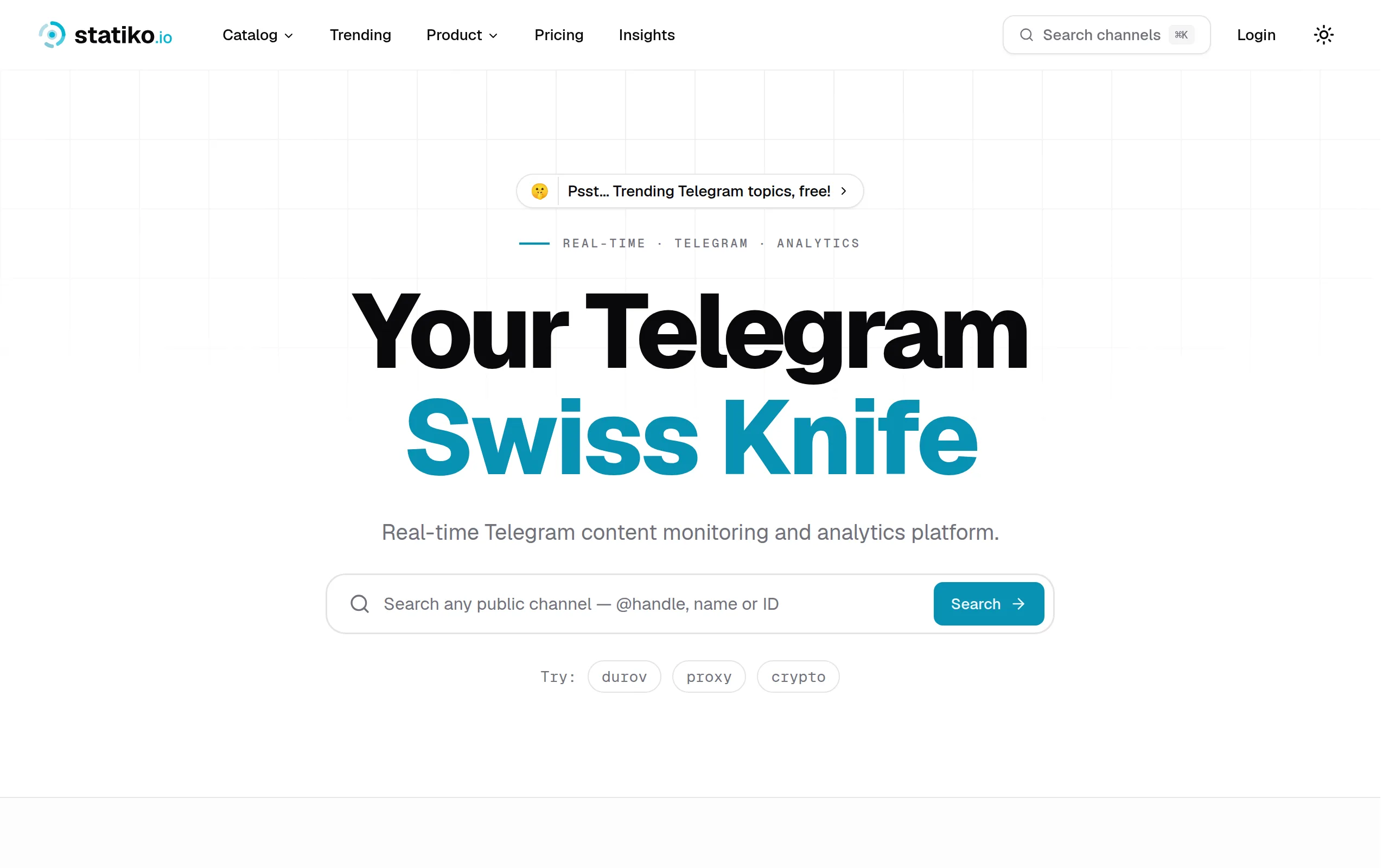
Statiko
Monitor any Telegram channel in real time - track posts, edits, deletions, and growth with AI recaps 📡

Shibui
AI website builder - describe your business, pick a niche template, edit by chatting, and publish instantly ✨

Pro Service
Find verified home service professionals, compare quotes, and pay securely through escrow - built for Brazilians across the US 🏠
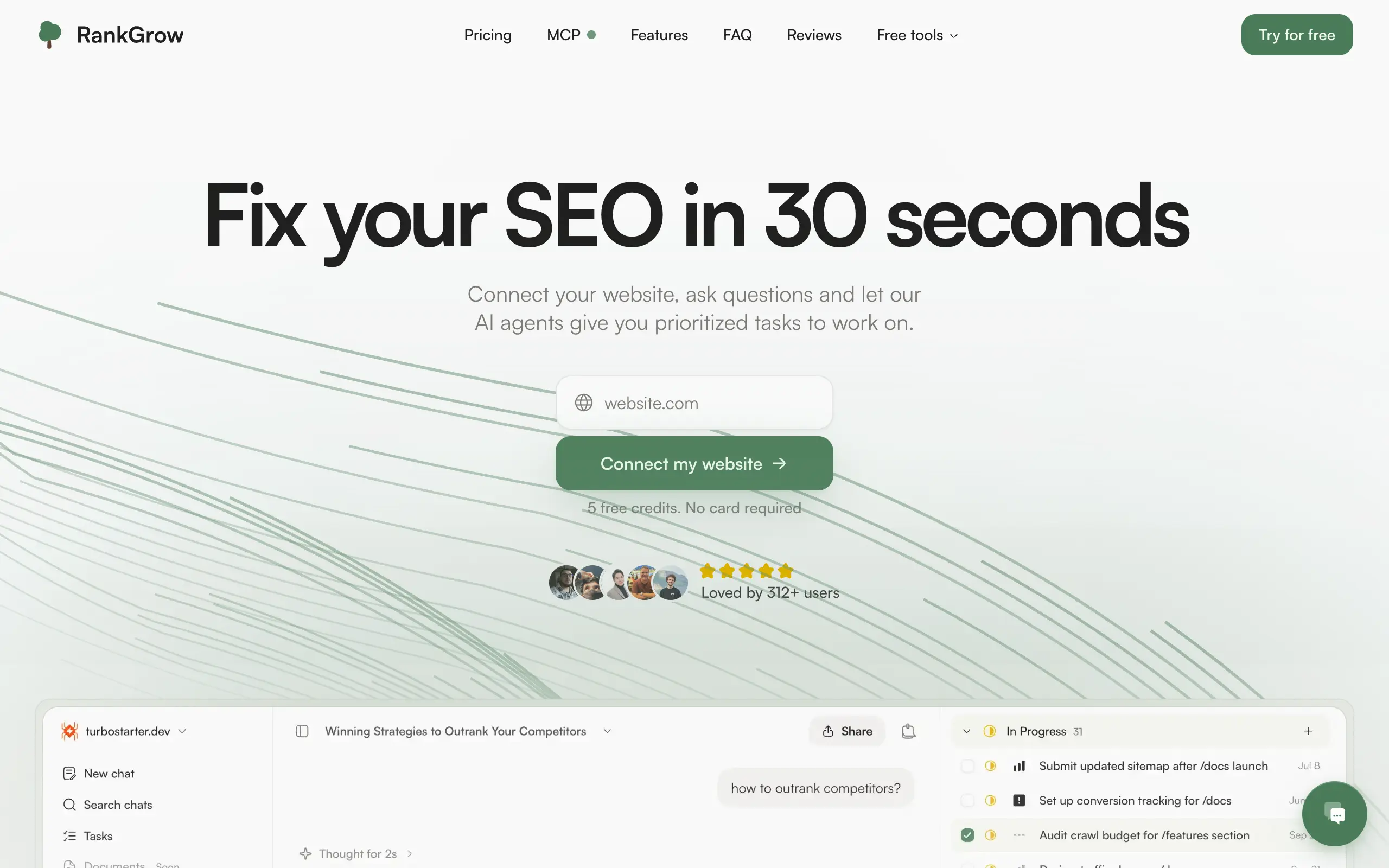
RankGrow
Fix your SEO with AI agents - connect Search Console, get prioritized tasks, and grow organic traffic 📈
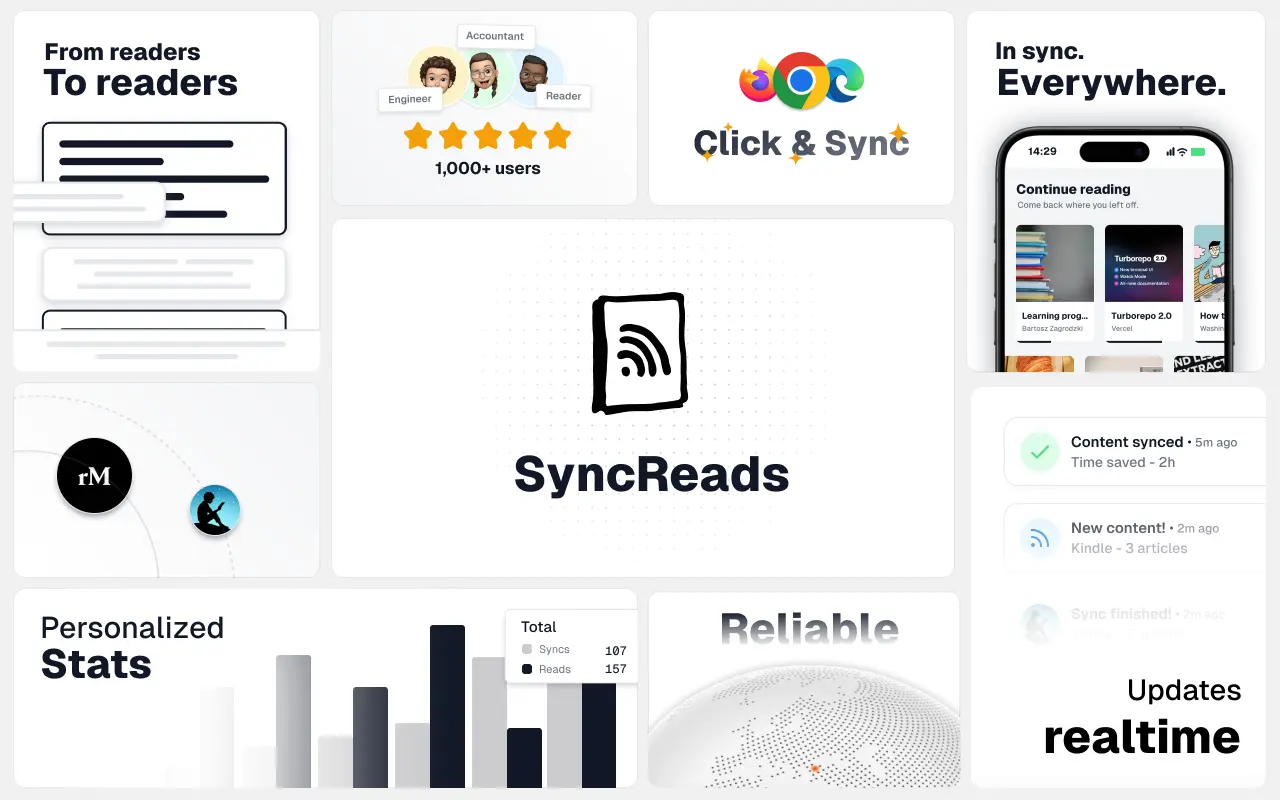
SyncReads
Sync your favorite content for distraction-free reading, save time and replace multiple apps. Anytime, anywhere 🔄
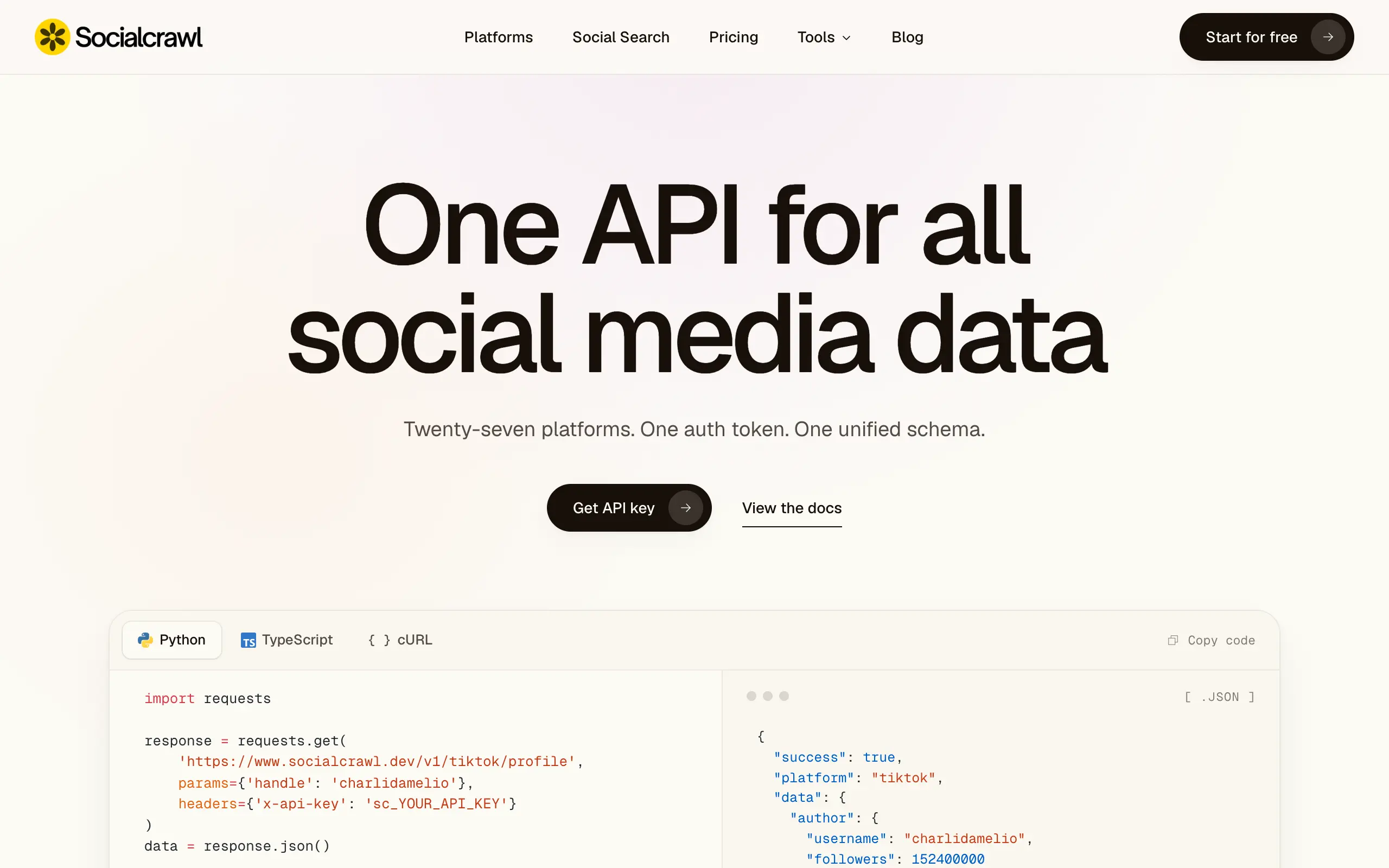
Socialcrawl
Get clean, structured data from 21 platforms like TikTok, Instagram, and YouTube with a single request 📊
Statiko
Monitor any Telegram channel in real time - track posts, edits, deletions, and growth with AI recaps 📡
Shibui
AI website builder - describe your business, pick a niche template, edit by chatting, and publish instantly ✨
Pro Service
Find verified home service professionals, compare quotes, and pay securely through escrow - built for Brazilians across the US 🏠
RankGrow
Fix your SEO with AI agents - connect Search Console, get prioritized tasks, and grow organic traffic 📈
SyncReads
Sync your favorite content for distraction-free reading, save time and replace multiple apps. Anytime, anywhere 🔄
Socialcrawl
Get clean, structured data from 21 platforms like TikTok, Instagram, and YouTube with a single request 📊
Statiko
Monitor any Telegram channel in real time - track posts, edits, deletions, and growth with AI recaps 📡
Shibui
AI website builder - describe your business, pick a niche template, edit by chatting, and publish instantly ✨
Pro Service
Find verified home service professionals, compare quotes, and pay securely through escrow - built for Brazilians across the US 🏠
RankGrow
Fix your SEO with AI agents - connect Search Console, get prioritized tasks, and grow organic traffic 📈
SyncReads
Sync your favorite content for distraction-free reading, save time and replace multiple apps. Anytime, anywhere 🔄
Socialcrawl
Get clean, structured data from 21 platforms like TikTok, Instagram, and YouTube with a single request 📊
Statiko
Monitor any Telegram channel in real time - track posts, edits, deletions, and growth with AI recaps 📡
Shibui
AI website builder - describe your business, pick a niche template, edit by chatting, and publish instantly ✨
Pro Service
Find verified home service professionals, compare quotes, and pay securely through escrow - built for Brazilians across the US 🏠
RankGrow
Fix your SEO with AI agents - connect Search Console, get prioritized tasks, and grow organic traffic 📈
SyncReads
Sync your favorite content for distraction-free reading, save time and replace multiple apps. Anytime, anywhere 🔄
Socialcrawl
Get clean, structured data from 21 platforms like TikTok, Instagram, and YouTube with a single request 📊
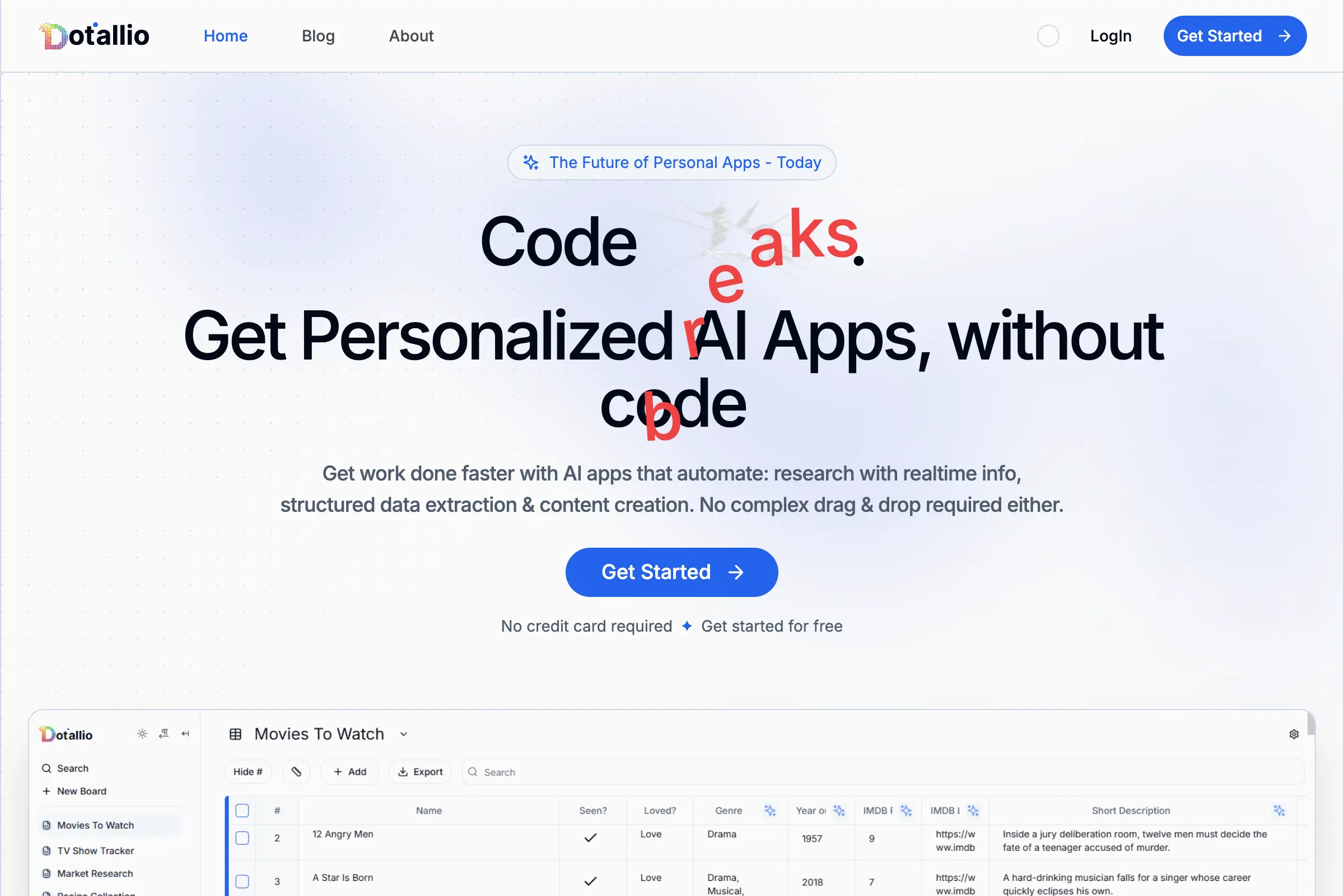
Dotallio
Personalized AI apps that automate research, data extraction, and content creation without code 🤖
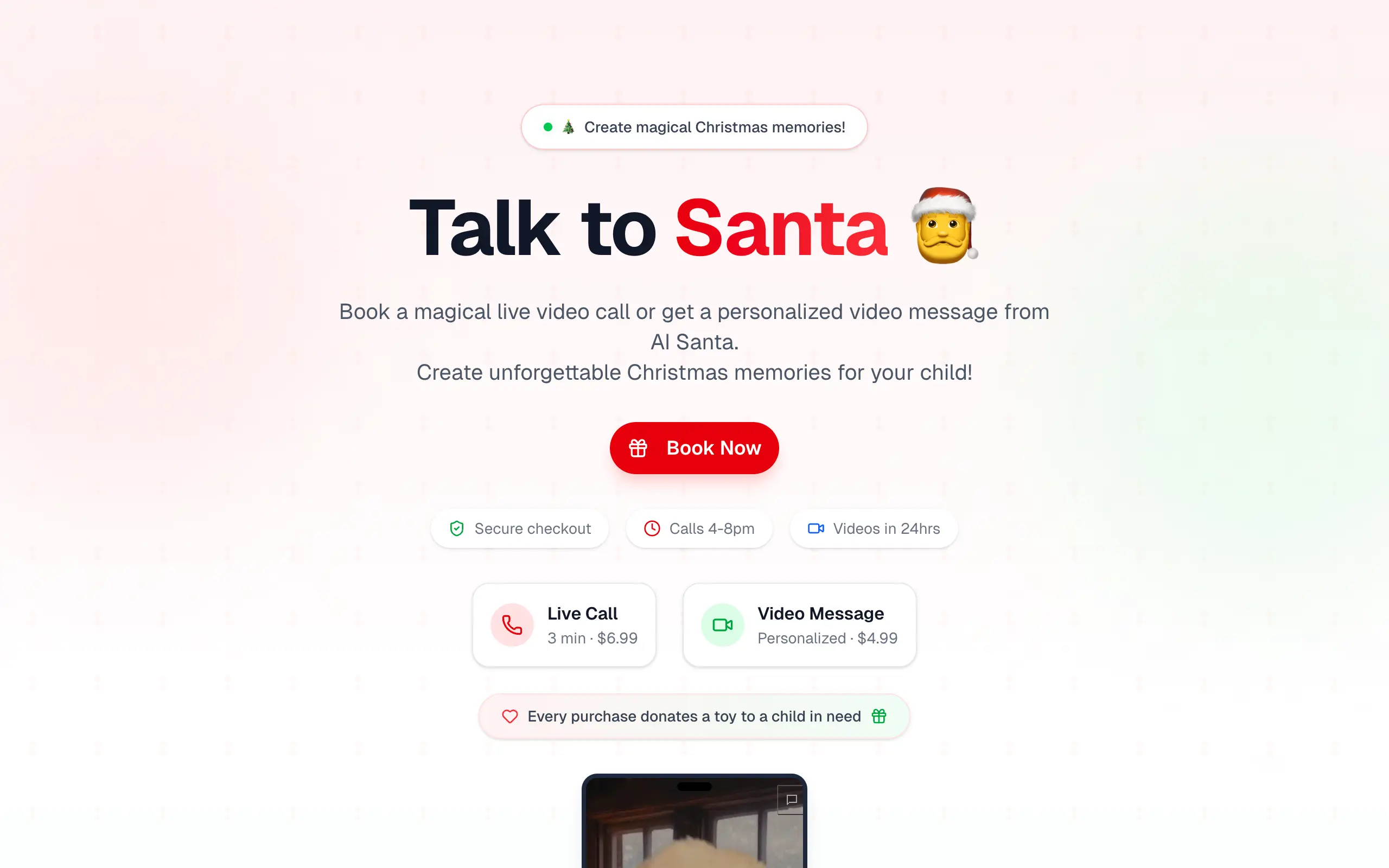
Talk to Santa
Enjoy a magical live video chat or receive a unique AI-generated video greeting from Santa Claus 🎅

pozywka.pl
Scalable blog for food journalist, focused on performance and user experience 🌭
zagrodzki.me
Personal blog and portfolio of Bart Zagrodzki, where he shares his knowledge and work 💼
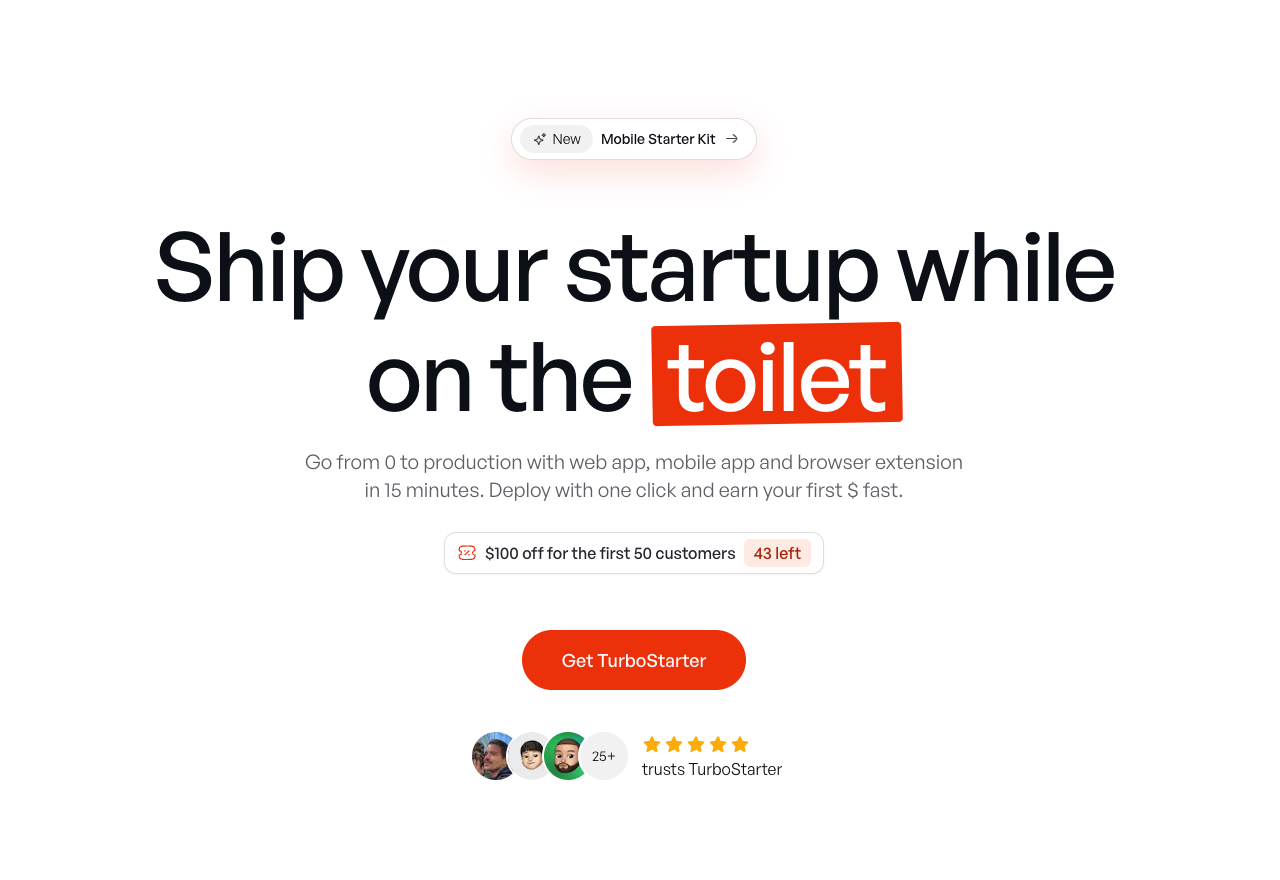
TurboStarter
Ship your startup everywhere. In minutes.
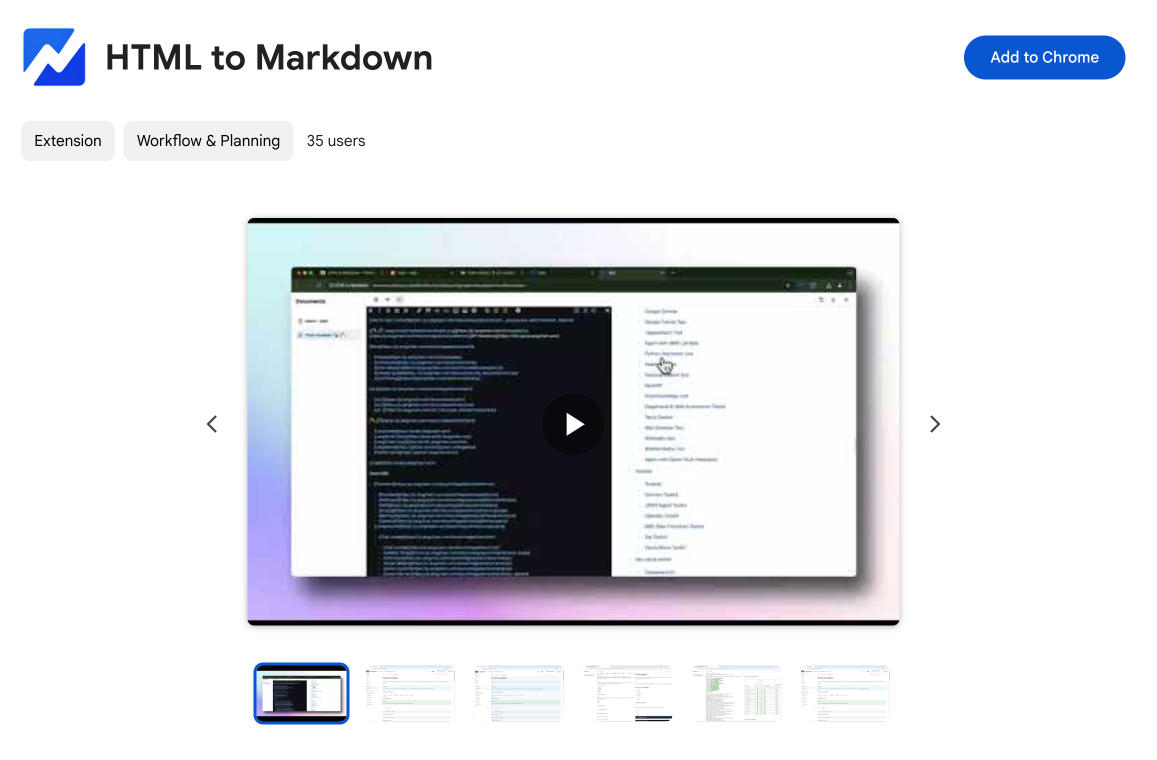
HTML to Markdown
Convert HTML to Markdown with ease, directly in your browser 📄
Dotallio
Personalized AI apps that automate research, data extraction, and content creation without code 🤖
Talk to Santa
Enjoy a magical live video chat or receive a unique AI-generated video greeting from Santa Claus 🎅
pozywka.pl
Scalable blog for food journalist, focused on performance and user experience 🌭
zagrodzki.me
Personal blog and portfolio of Bart Zagrodzki, where he shares his knowledge and work 💼
TurboStarter
Ship your startup everywhere. In minutes.
HTML to Markdown
Convert HTML to Markdown with ease, directly in your browser 📄
Dotallio
Personalized AI apps that automate research, data extraction, and content creation without code 🤖
Talk to Santa
Enjoy a magical live video chat or receive a unique AI-generated video greeting from Santa Claus 🎅
pozywka.pl
Scalable blog for food journalist, focused on performance and user experience 🌭
zagrodzki.me
Personal blog and portfolio of Bart Zagrodzki, where he shares his knowledge and work 💼
TurboStarter
Ship your startup everywhere. In minutes.
HTML to Markdown
Convert HTML to Markdown with ease, directly in your browser 📄
Dotallio
Personalized AI apps that automate research, data extraction, and content creation without code 🤖
Talk to Santa
Enjoy a magical live video chat or receive a unique AI-generated video greeting from Santa Claus 🎅
pozywka.pl
Scalable blog for food journalist, focused on performance and user experience 🌭
zagrodzki.me
Personal blog and portfolio of Bart Zagrodzki, where he shares his knowledge and work 💼
TurboStarter
Ship your startup everywhere. In minutes.
HTML to Markdown
Convert HTML to Markdown with ease, directly in your browser 📄
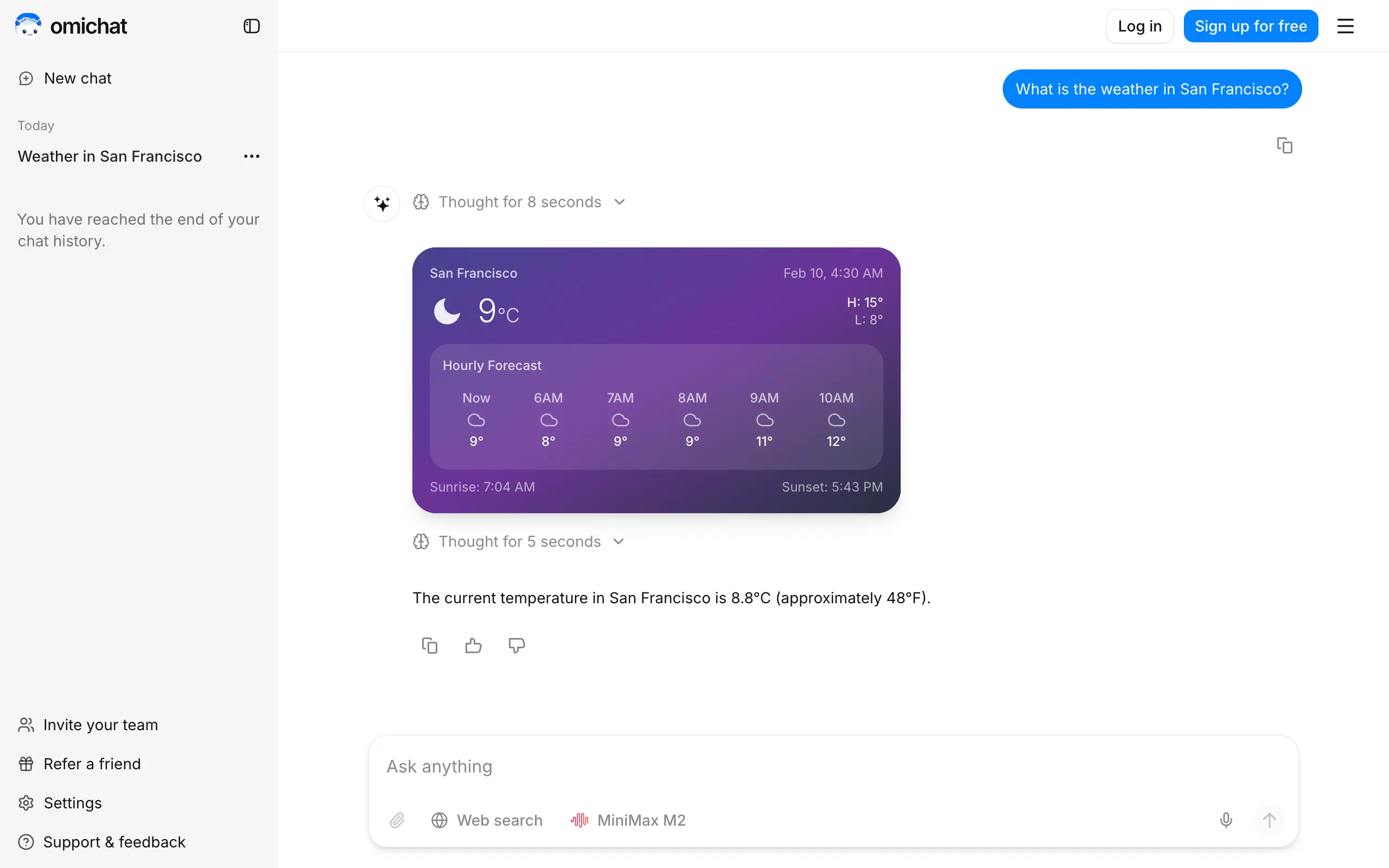
Omichat
Chat with 50+ AI models, including ChatGPT and Claude, in one place - switch models anytime without losing context 🤖
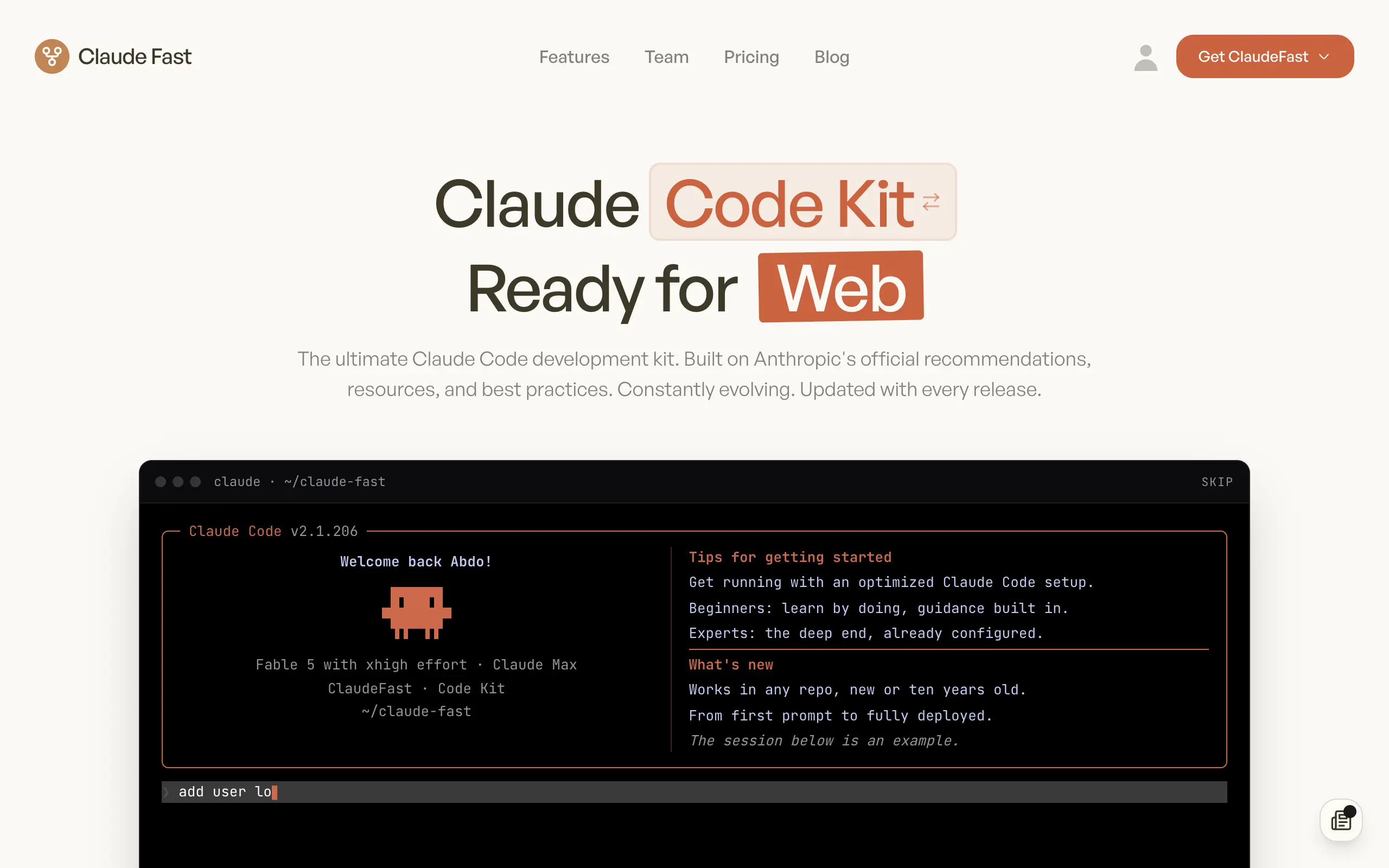
Claude Fast
Supercharge your Claude Code with 6x effective context window and specialized AI agents 🤖
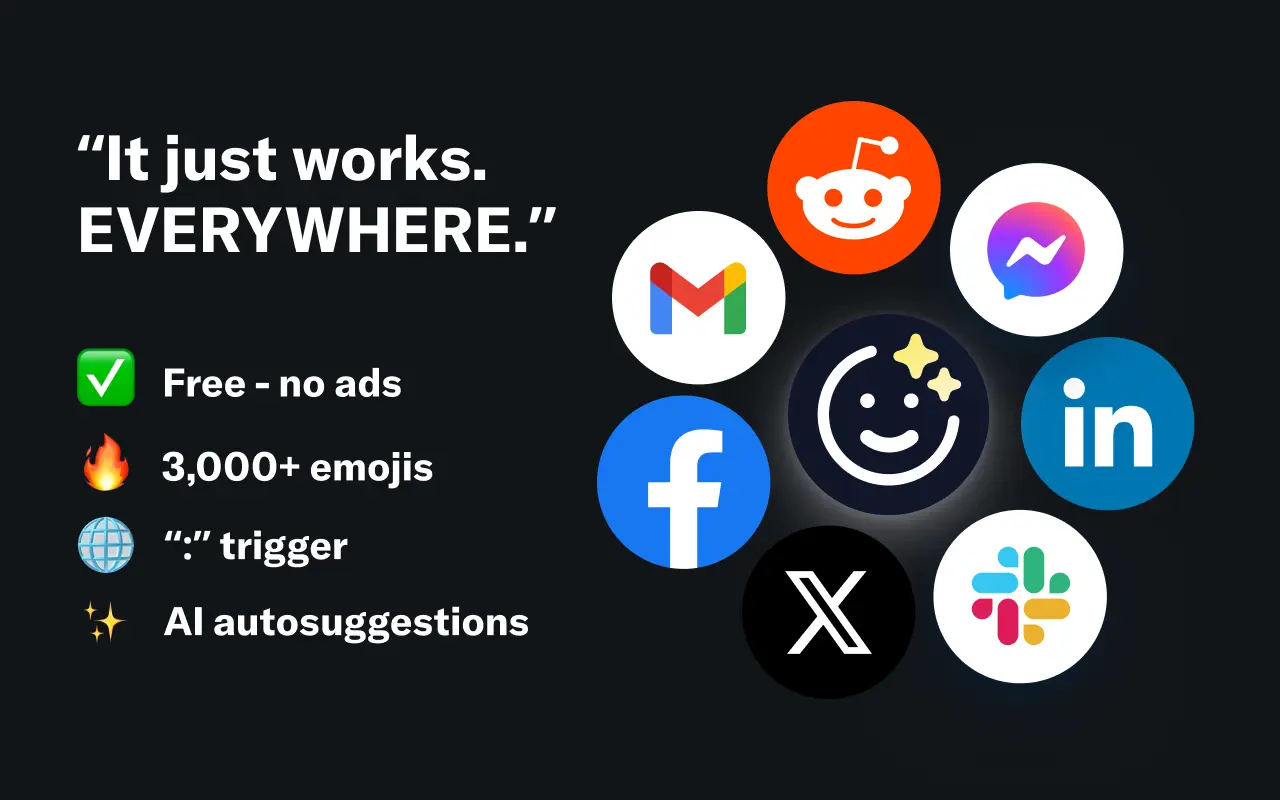
EmojAI
AI-powered emoji picker with smart, context-aware suggestions 🤖
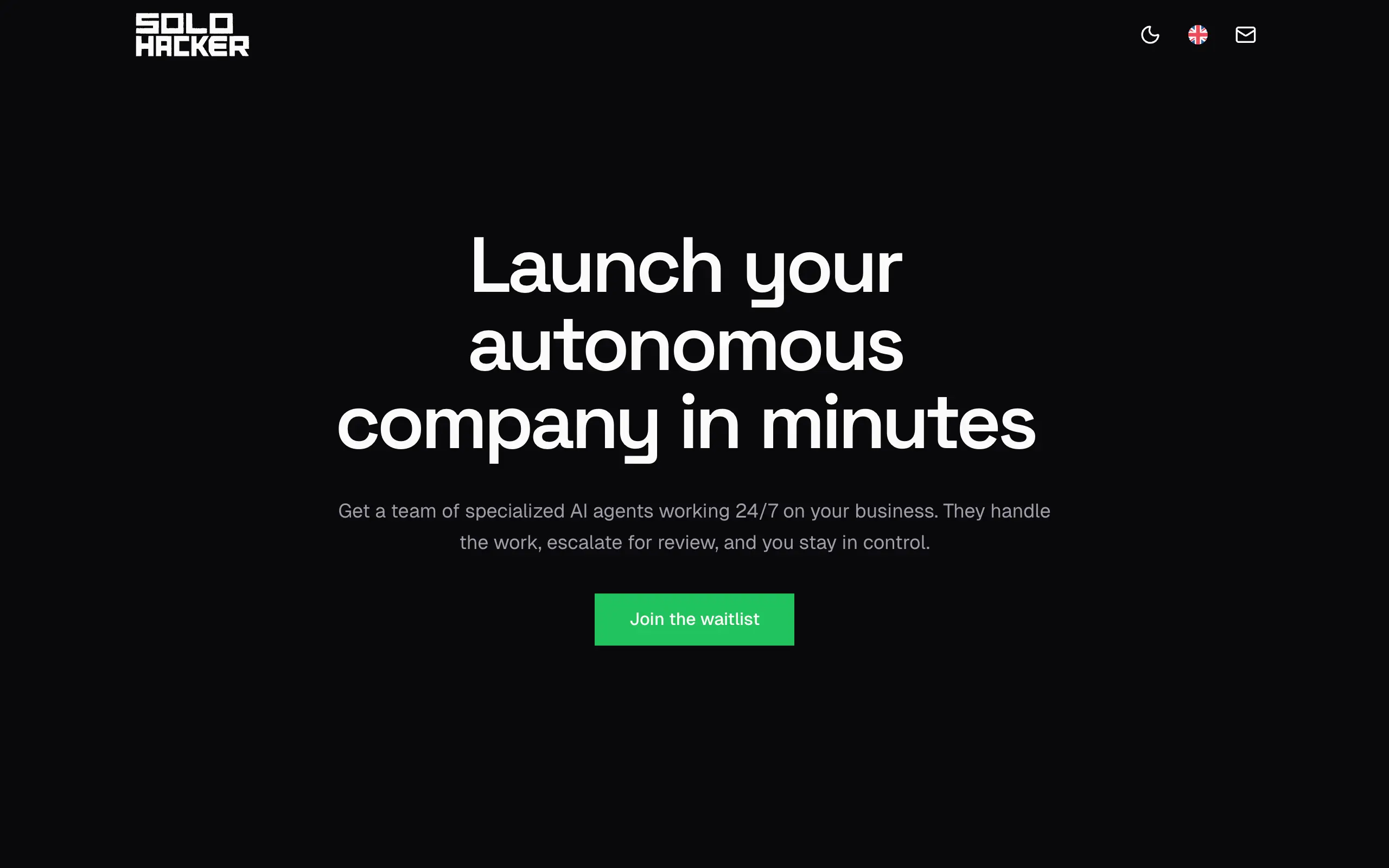
Solohacker
Autonomous company launcher - AI agents work 24/7, escalate what matters, and you stay in control 🤖
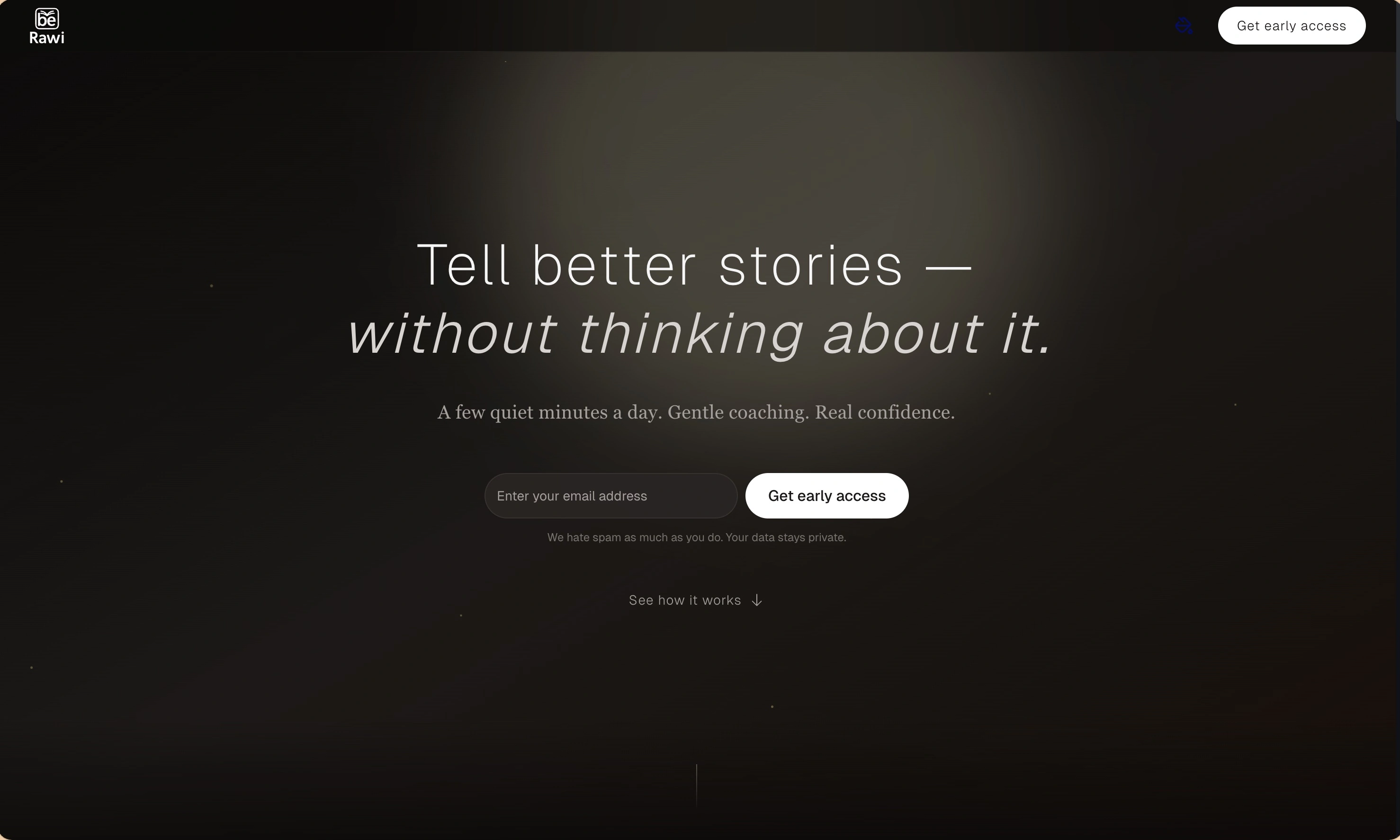
BeRawi: Storytelling Coach
Practice storytelling daily with instant feedback to sound clearer, more engaging, and confident 🎤
Omichat
Chat with 50+ AI models, including ChatGPT and Claude, in one place - switch models anytime without losing context 🤖
Claude Fast
Supercharge your Claude Code with 6x effective context window and specialized AI agents 🤖
EmojAI
AI-powered emoji picker with smart, context-aware suggestions 🤖
Solohacker
Autonomous company launcher - AI agents work 24/7, escalate what matters, and you stay in control 🤖
BeRawi: Storytelling Coach
Practice storytelling daily with instant feedback to sound clearer, more engaging, and confident 🎤
Omichat
Chat with 50+ AI models, including ChatGPT and Claude, in one place - switch models anytime without losing context 🤖
Claude Fast
Supercharge your Claude Code with 6x effective context window and specialized AI agents 🤖
EmojAI
AI-powered emoji picker with smart, context-aware suggestions 🤖
Solohacker
Autonomous company launcher - AI agents work 24/7, escalate what matters, and you stay in control 🤖
BeRawi: Storytelling Coach
Practice storytelling daily with instant feedback to sound clearer, more engaging, and confident 🎤
Omichat
Chat with 50+ AI models, including ChatGPT and Claude, in one place - switch models anytime without losing context 🤖
Claude Fast
Supercharge your Claude Code with 6x effective context window and specialized AI agents 🤖
EmojAI
AI-powered emoji picker with smart, context-aware suggestions 🤖
Solohacker
Autonomous company launcher - AI agents work 24/7, escalate what matters, and you stay in control 🤖
BeRawi: Storytelling Coach
Practice storytelling daily with instant feedback to sound clearer, more engaging, and confident 🎤

Connect with like-minded people
Join our community to get feedback, support, and grow together with 1,000+ builders on board, let's ship it!
Join usShip your startup everywhere. In minutes.
Don't burn tokens on setup and start building features on day one.