BrightBiz
Turn phone photos into polished listings, social posts and pricing insights, while connecting Irish women founders with peers, mentors and local supports.
What BrightBiz could become
BrightBiz is an AI-powered business toolkit and community for women founders in Ireland. Its central promise is practical: turn a phone photo into a polished product or service listing, create social media content, get pricing guidance, and connect with peers, mentors, and local business supports.
That combination matters. Many small businesses do not need another complex marketing platform. They need help completing the everyday tasks that make a business visible and viable, without spending hours learning new software or producing content from scratch.
The strongest version of BrightBiz would bring those jobs together in one focused experience:
- A founder uploads a photo from her phone.
- BrightBiz helps turn it into usable listing copy and social content.
- The founder can review pricing inputs and assumptions.
- She can publish or export the content to the channels she already uses.
- She can find relevant Irish resources, peers, or mentors when she needs the next kind of support.
The product should not position AI as a substitute for business judgment, professional advice, or community. Its job is to reduce friction, make good work easier to present, and help founders take the next step with more confidence.
The search opportunity for BrightBiz Ireland
The primary SEO opportunity is to own a tightly connected topic cluster around AI business tools for women entrepreneurs in Ireland. BrightBiz can also target more specific searches such as:
- AI tools for small businesses in Ireland
- Product description generator for small businesses
- Social media content generator for Irish businesses
- Pricing calculator for small business owners
- Business support for women entrepreneurs in Ireland
- How to price handmade products
- How to create product listings from photos
- Networking and mentoring for women in business in Ireland
Search intent will vary across these queries. Someone looking for a product description generator wants a quick result. Someone looking for business supports may want trustworthy, locally relevant guidance. A founder comparing pricing tools is likely trying to make a business decision, not simply explore AI.
BrightBiz can serve these intents by combining a useful free tool with deeper education and a locally relevant support directory. The product experience should answer the immediate question first, then show the next relevant action. For example, after generating a product listing, BrightBiz could offer a checklist for reviewing the copy, a pricing worksheet, and a relevant community discussion.
This creates a more useful experience than publishing generic articles that repeat common marketing advice. It also gives the business a natural path from organic search to product activation.
Who BrightBiz should serve first
“Women founders in Ireland” is a meaningful mission, but it is too broad to be the initial product definition. Different founders have different workflows, sales channels, pricing challenges, and levels of comfort with technology. BrightBiz should identify a first audience with a shared, frequent problem.
Product-based microbusinesses
Makers, artists, independent retailers, food producers, and other product-based founders often need to photograph products, write descriptions, prepare social posts, and decide how to price their work. These founders are a strong starting segment because the phone-photo-to-listing workflow maps directly to a recurring task.
Their needs may include:
- Listing copy that explains what the product is and why it is useful
- Variations for different marketplaces or social platforms
- Image suggestions that do not require professional equipment
- Pricing prompts that account for materials, time, packaging, and fees
- A consistent voice across product pages and social content
BrightBiz should be careful not to imply that a photo alone contains enough information to produce accurate copy or pricing. The founder needs to provide context, such as materials, size, intended use, location, and production method. The AI can then turn that information into a structured draft.
Service businesses and solo consultants
Service founders may not have a catalogue of products, but they still need clear service descriptions, introductory posts, offer pages, and pricing explanations. For these users, BrightBiz could adapt its workflow from “product listing” to “service profile” or “offer page.”
A useful service flow could ask about the customer, the outcome, the delivery format, and any boundaries on scope. It could then produce a short directory profile, social post, and draft service description. Pricing guidance should be framed as a decision aid rather than a definitive market rate.
Founders moving from informal selling to a formal business
Some founders are testing demand or turning an occasional activity into a more consistent business. They may need basic, approachable guidance on presenting an offer, organizing business information, and identifying local sources of support.
This audience may value BrightBiz’s community and resource discovery features as much as its content-generation tools. Onboarding should therefore ask what the founder is trying to do now, rather than assume every user is ready to scale.
Support organizations and mentors
Business networks, mentors, local enterprise organizations, and community groups could become distribution partners or customers. Their needs differ from those of individual founders: they may want to share practical tools with members, host cohorts, or help users find relevant resources.
BrightBiz should treat this as a separate customer segment rather than mixing organizational requirements into the first version of the founder experience.
The market gap and product opportunity
BrightBiz sits at the intersection of several established product categories:
- AI copywriting and content-generation tools
- Social media planning and publishing software
- E-commerce listing tools
- Pricing calculators and business finance resources
- Founder communities, mentoring programs, and support directories
The opportunity is not to claim that none of these products exist. Instead, BrightBiz can address the handoff between them. A founder may create content in one tool, look up a pricing formula elsewhere, search for local support separately, and ask for feedback in a private group. Every additional step creates friction.
BrightBiz’s potential gap is a locally grounded workflow that connects creation, commercial decision support, and human connection. The product can become more useful by helping a founder move from a raw idea or phone image to a credible business asset, while giving her clear routes to review and support.
That position is strongest if BrightBiz is:
- Specific to Irish founders: Local language, examples, support pathways, and context should be reviewed for accuracy and kept current.
- Practical rather than inspirational-only: The platform should help users complete tangible tasks, not rely solely on motivational content.
- Human-centered: AI drafts should invite edits, and community features should make it easy to ask for real feedback.
- Transparent about uncertainty: Pricing recommendations should show assumptions and avoid presenting estimates as guaranteed outcomes.
- Mobile-first: The phone-photo workflow should work smoothly on the device where founders already capture product images.
The product’s defensible advantage will not come from using AI alone. General-purpose AI capabilities are increasingly accessible. Differentiation is more likely to come from workflow design, Irish-specific quality, trusted community, useful partnerships, and reliable founder feedback loops.
Core features and how the solution should work
BrightBiz should launch with a coherent workflow rather than a long list of loosely connected features. Each feature should help a founder complete a job and understand what to do next.
1. Phone-photo-to-listing creation
A founder should be able to upload or capture a photo, answer a short set of questions, and receive an editable listing draft.
The workflow could include:
- Uploading one or more images
- Choosing a product or service category
- Adding important facts the image cannot reveal
- Selecting a tone and intended channel
- Reviewing a draft title, description, and key details
- Exporting or copying the result
The system should distinguish between information visible in the image and information supplied by the user. It should never invent details such as materials, dimensions, ingredients, sustainability credentials, or product performance. Where information is missing, BrightBiz should ask a follow-up question or use a clearly marked placeholder.
Image processing can also support helpful, low-risk suggestions. For example, the interface might recommend retaking a blurry image or adding a photo that shows scale. Such guidance should be framed as a suggestion, not as a claim about how a particular marketplace ranks listings.
2. Social content generation
A listing can provide the source material for multiple social assets, but each output should suit its intended channel and audience. BrightBiz could generate:
- A short promotional caption
- A founder introduction
- A product-benefit post
- A launch announcement
- A question designed to invite conversation
- A short email or newsletter paragraph
The founder should be able to set voice preferences, such as warm, direct, playful, or professional. A reusable brand profile can store spelling preferences, business details, and approved claims. This improves consistency and reduces repetitive prompting.
Users should be able to edit every draft before copying or publishing it. In the early product, an export-and-copy workflow may be more reliable than building integrations with every social platform.
3. Pricing insights with visible assumptions
Pricing is one of BrightBiz’s most sensitive features. A useful first version can guide founders through the inputs that contribute to a price without claiming to know the single correct answer.
For a product, the tool might ask for:
- Materials or purchase cost
- Production time and the value assigned to that time
- Packaging and fulfilment costs
- Marketplace or payment fees, where applicable
- Overhead allocation
- Desired margin or target earnings
The output should show a range or scenario comparison where appropriate, and make the assumptions visible. A founder should be able to change an input and see how the result changes.
BrightBiz should clearly distinguish among:
- Cost floor: an estimate based on the costs the founder enters
- Target price: a price calculated using the founder’s chosen assumptions
- Market comparison: an optional research task requiring comparable, current examples
These are not interchangeable. A cost-based calculation does not prove that customers will pay the price, while competitor prices do not prove that those businesses have the same costs or positioning.
For service businesses, the tool could help founders think through delivery time, preparation, revisions, taxes, and capacity. It should encourage users to validate their assumptions and seek qualified accounting or business advice where needed.
4. Irish support and resource discovery
A support directory can help BrightBiz stand out, but only if it is accurate and well maintained. It should not become a static page of links that quickly goes out of date.
Each resource listing could include:
- Who the resource is intended for
- What it offers
- Geographic eligibility, if relevant
- Whether it is a program, event, mentor network, funding route, or information source
- The date the information was last checked
- A link to the official provider
BrightBiz should avoid implying that a founder is eligible for a particular program until the provider’s current criteria have been checked. A useful discovery flow can ask about business stage, location, sector, and the type of help needed, then show possible resources with a reminder to confirm details directly.
5. Peer community and mentoring
Community can create a meaningful moat, but it requires deliberate design and moderation. A directory of members is not automatically a valuable community. Founders need useful reasons to return, such as focused peer circles, office hours, structured feedback sessions, or practical challenges.
Potential community formats include:
- Small groups organized around business stage or sector
- Monthly listing and marketing feedback sessions
- Mentor-led question-and-answer events
- Local meetups and online workshops
- A searchable library of member questions and answers
BrightBiz should establish community guidelines, reporting tools, moderation procedures, and clear expectations for mentors. It should also set boundaries around legal, financial, and health-related advice. Members can share experience, but the platform should not present peer comments as professional advice.
6. A founder profile and reusable business context
A founder profile can store a business description, audience, location, product details, tone preferences, and approved factual claims. This makes future content generation faster and more consistent.
The profile should be optional and editable. BrightBiz should tell users what it stores, why it needs the information, and how they can delete it. Collecting more data than the product needs creates avoidable privacy and trust risks.
The BrightBiz unique selling proposition
A concise positioning statement could be:
BrightBiz helps women founders in Ireland turn everyday business inputs into polished marketing assets, clearer pricing decisions, and relevant connections.
This statement differentiates the idea through the combination of:
- A practical creation workflow: Start with a phone photo and produce useful business content.
- Commercial decision support: Help users examine pricing inputs, not just write promotional copy.
- Irish relevance: Connect users with locally meaningful examples and support resources.
- Human connection: Complement AI assistance with peers, mentors, and community.
- Accessible product design: Reduce the need to master multiple specialist tools for routine tasks.
The strongest version of this USP is specific without promising outcomes BrightBiz cannot control. The product can help a founder prepare a listing; it cannot guarantee sales. It can help examine a pricing model; it cannot guarantee profitability. Trust grows when the product is explicit about that distinction.
Competitive advantage analysis
BrightBiz will compete indirectly with general AI assistants, content tools, social schedulers, e-commerce platforms, spreadsheets, business networks, and free public resources. Users may already combine several of these options, so the comparison should focus on workflow and context rather than a feature checklist alone.
| Alternative | What it does well | Common gap BrightBiz can address | BrightBiz opportunity |
|---|---|---|---|
| General AI assistant | Flexible drafting and brainstorming | Requires users to supply context and structure every task | Offer repeatable founder-specific workflows and saved business context |
| Social media tool | Planning, scheduling, and channel management | May not help with pricing or local founder support | Create content that begins with a product or service asset |
| E-commerce platform | Product catalogue and checkout | Focuses on selling infrastructure rather than founder guidance | Help prepare stronger source content before publishing |
| Spreadsheet or calculator | Flexible cost and pricing analysis | Requires setup and confidence with formulas | Explain inputs, show assumptions, and make scenarios easier to compare |
| Business community | Peer connection and lived experience | Advice and resources can be difficult to find or organize | Combine structured community with practical tools and resource discovery |
BrightBiz should not try to replace all of these alternatives. A better strategy is to work alongside them. If founders already sell through a marketplace or publish on social platforms, BrightBiz should make it easy to export content to those destinations.
The defensible asset is the system around the AI: founder-specific prompts and workflows, quality controls, a carefully maintained local directory, community trust, and a growing understanding of the tasks users repeatedly struggle to complete.
Recommended technology stack
The right stack depends on the founding team’s skills, budget, and launch goals. For an early SaaS product, the priority should be shipping a secure, usable mobile-first web application with a clear path to iteration.
Front end
A modern React framework can support a responsive web application, server-rendered marketing pages, and product routes in one codebase. React is a strong foundation for interactive interfaces. A team evaluating a full-stack React framework can review Next.js.
For styling, Tailwind CSS can speed up interface development and make it easier to maintain a consistent design system. Its utility-first approach is efficient, but teams should establish reusable patterns early to avoid scattered, difficult-to-maintain markup.
The application should be designed for mobile screens first. The upload, crop, preview, and edit experience is central to the product, not a secondary feature.
Back end and data
A managed database and authentication platform can reduce the amount of infrastructure needed in the first release. Supabase is one option for PostgreSQL-backed data, authentication, and file storage. A conventional hosted PostgreSQL setup is another option if the team prefers to manage more components directly.
Potential data entities include:
- Users and business profiles
- Uploaded assets and generated drafts
- Pricing scenarios and their input assumptions
- Resource listings and review dates
- Community posts, comments, and moderation records
- Subscription plans and usage events
Choose a data model that keeps each founder’s private content separate from public community content. Apply access controls at the database and server layers rather than relying only on hidden interface elements.
AI and image processing
BrightBiz can connect to a commercial language model for drafting and summarization, alongside an image-processing service for upload optimization or supported image understanding. Before selecting providers, compare data handling terms, regional availability, latency, cost, content policies, and the ability to control retention.
The AI workflow should use structured inputs and outputs. For example, ask the model to return a title, short description, long description, and missing-information questions in a predictable schema. Validate the output before showing it to the user.
Important safeguards include:
- Clearly identifying generated drafts
- Asking users to verify factual claims
- Avoiding invented product attributes
- Keeping pricing assumptions visible
- Providing a way to report harmful or inaccurate output
- Monitoring generation failures and cost per successful workflow
Do not send sensitive information to an AI provider unless the product has a clear reason, a suitable legal basis, and appropriate contractual and technical protections.
Payments and analytics
A payment processor such as Stripe can support subscriptions and one-time purchases, subject to the product’s requirements and local availability. Payment choice should be evaluated against fees, billing needs, tax workflows, and customer expectations.
Use privacy-conscious product analytics to answer practical questions: Where do users abandon the photo-to-listing flow? Which drafts are edited heavily? Do founders return to use pricing scenarios? Avoid collecting unnecessary personal or community data for analytics.
Build-versus-buy trade-offs
| Area | Buy or use a managed service | Build in-house |
|---|---|---|
| Authentication | Faster launch and less operational work | More control over custom identity flows |
| File storage | Easier scaling and delivery | Greater control over infrastructure and vendor dependence |
| AI generation | Access to capable models without training | More control over specialized models and deployment |
| Community features | Faster if a mature service fits the product | Better control over experience and data model |
| Billing | Established payment workflows | More flexibility, but greater compliance and maintenance burden |
For an MVP, managed services are usually a sensible way to reduce operational complexity. The team should still design for portability where practical, document vendor dependencies, and review costs as usage grows.
Monetization strategy options
BrightBiz should test willingness to pay against a specific recurring job, not assume that every founder will pay for a broad bundle. A sustainable model may combine free access, paid productivity features, and organizational partnerships.
Freemium subscription
A free tier can let founders try a limited number of content workflows and explore public resources. A paid plan could offer higher usage, saved brand profiles, multiple tone presets, reusable templates, pricing scenarios, or team collaboration.
The free tier should demonstrate real value rather than act as a frustrating trial. The paid tier should be easy to understand and tied to repeat use.
Pay-as-you-go credits
Some users may need content help only occasionally. A credit pack for additional generations could serve founders who are not ready for a monthly subscription. The trade-off is that usage-based pricing can be harder to predict, so BrightBiz should make the cost of each action clear before a user spends credits.
Paid workshops or cohort programs
BrightBiz could offer structured workshops on product photography, listing quality, pricing fundamentals, or marketing planning. These can create revenue while helping the company understand founder needs. Programs should be educational and transparent about the difference between general information and tailored professional advice.
Organizational partnerships
Business-support organizations, networks, or community groups may pay for access to workshops, private cohorts, or a curated tool experience for members. This can improve distribution and create a route to serve founders who may not independently search for software.
Partnerships should not compromise editorial independence. BrightBiz should disclose sponsorships and avoid ranking resources based only on commercial arrangements.
What to validate before setting a price
Before choosing a pricing model, test:
- Which workflow users repeat each month
- Whether users value content generation, pricing support, community, or a combination
- How much time the product saves compared with their existing process
- Whether individual founders or organizations are the more viable initial buyers
- The cost of AI usage and customer support per active account
- Whether free users convert after reaching a clear value point
Pricing should reflect sustained value and operating costs, not just the cost of an AI request.
Risks and how BrightBiz can mitigate them
Inaccurate AI-generated content
A generated listing may include unsupported claims or misunderstand a product image.
Mitigation: Ask users to confirm key facts, label drafts clearly, use structured prompts, and add a review step before export. For sensitive categories such as food, cosmetics, or health-related products, BrightBiz should apply additional restrictions and encourage appropriate professional review.
Misleading pricing guidance
A calculator can create false confidence if it presents a number without showing its assumptions.
Mitigation: Display inputs, explain how the estimate is calculated, distinguish cost calculations from market research, and allow users to compare scenarios. Avoid promising that a recommended price will sell.
Privacy and data protection concerns
Photos, business details, private community discussions, and mentor conversations may contain personal or commercially sensitive information.
Mitigation: Minimize collection, explain data use in plain language, set retention rules, restrict access, and provide account deletion and export pathways. Build privacy considerations into product design and review applicable Irish and EU requirements with qualified counsel.
Outdated support information
Funding, programs, eligibility, and events can change. An inaccurate directory could waste a founder’s time or damage trust.
Mitigation: Display review dates, prioritize official sources, assign an owner for updates, and give users a way to report outdated entries. Treat directory maintenance as an ongoing product function.
Community safety and low participation
An empty community has little value, while an unmoderated community can become unsafe or unhelpful.
Mitigation: Start with small, facilitated groups and recurring activities. Publish clear rules, train moderators, provide reporting tools, and define how BrightBiz handles conflicts and harmful behavior. Measure meaningful participation rather than total member count.
AI costs and vendor dependency
High usage or provider changes can affect unit economics and product reliability.
Mitigation: Track cost per completed workflow, set sensible usage limits, cache appropriate results, evaluate more than one provider where feasible, and avoid making the product dependent on a single model-specific feature.
A product that tries to do too much
Listings, social tools, pricing, mentoring, and a directory could overwhelm a small team.
Mitigation: Launch around one primary workflow, then add features based on observed usage. The community and support directory should reinforce the core experience, not distract from proving that founders return to use the product.
How to measure product-market fit
BrightBiz should define a small set of metrics that reflect repeated user value. Vanity measures such as total sign-ups are not enough.
Useful early indicators include:
- Activation: The share of new users who complete a first listing or content workflow
- Time to value: How quickly a user reaches a usable draft
- Draft acceptance: The share of generated drafts users keep, edit, or export
- Repeat use: Whether founders return to create more assets or revisit pricing scenarios
- Workflow completion: Where users abandon image upload, context entry, review, or export
- Trust signals: Reports of inaccurate content, corrections, or privacy concerns
- Community usefulness: Whether members receive replies or attend structured sessions
- Retention by segment: Whether product sellers, service founders, and other groups behave differently
- Unit economics: AI and support costs compared with revenue per active customer
Pair quantitative data with interviews. Ask users what they were trying to do, what they used before BrightBiz, what they changed in the output, and what would make them return. Their edits can reveal where the AI lacks context, while repeated requests may point to the next feature.
Actionable implementation steps
A phased approach will help BrightBiz validate the most important assumptions before investing in a broad platform.
1. Choose a narrow launch audience
Start with one segment, such as Irish product-based microbusinesses that regularly create listings and social content. Interview founders in that segment and observe how they currently photograph, describe, and price products.
2. Map the core workflow
Document the complete journey from selecting an image to exporting a reviewed listing. Include the questions the founder must answer, the information the AI must not invent, and the points where a human should verify the result.
3. Prototype before building the full platform
Create a clickable mobile-first prototype and test it with founders. Watch for confusion in the image upload, context questions, editing interface, and pricing explanation. A prototype can reveal usability problems before they become engineering work.
4. Build the smallest useful MVP
Launch photo-to-listing generation, a simple social content variation, and a transparent pricing worksheet. Use managed infrastructure where it reduces operational burden, and postpone complex publishing integrations until users demonstrate a need.
5. Add quality and privacy controls
Create a review checklist for generated content, a process for reporting errors, clear data-handling explanations, and deletion controls. Test access permissions for private uploads and community content before inviting a larger group.
6. Run a guided pilot
Recruit a small group of founders and support partners. Observe real usage, review where users edit generated drafts, and ask what they would pay for. Treat this as a learning program rather than a launch campaign focused only on sign-ups.
7. Expand based on repeated behavior
Add founder profiles, a resource directory, community features, or integrations when pilot evidence supports them. Maintain the resource directory with named ownership and review dates from the start.
8. Establish a repeatable growth loop
Publish useful Irish-specific guides, offer practical workshops, invite partner organizations to refer founders, and encourage members to share their completed assets and lessons. Track which channels bring active users, not only visits.
A practical first milestone
A strong early milestone is not a large feature set. It is evidence that a defined group of Irish founders can use BrightBiz to create a better business asset, understands the limits of the pricing guidance, and returns to complete the workflow again.
For a faster route from idea to launch, a SaaS starter kit such as TurboStarter can help reduce repetitive setup work. BrightBiz should still validate its own workflows, data model, privacy requirements, and community safeguards rather than treating a starter kit as a substitute for product decisions.
Conclusion
BrightBiz has a promising position because it connects AI-assisted business content with pricing guidance and locally relevant support for women founders in Ireland. Its strongest opportunity is not to become another generic AI writer. It is to help a founder move from a phone photo or rough offer to a clear, reviewable business asset, then connect that task to the people and resources that can help her progress.
The best path is focused: begin with one founder segment and one repeatable workflow, make AI outputs transparent and editable, treat pricing as decision support rather than certainty, and invest in trust from the beginning. If founders return because BrightBiz saves time and helps them take practical next steps, the wider platform can grow around demonstrated needs instead of assumptions.
More 🤖 AI Startup SaaS ideas
Discover more innovative ai startup SaaS ideas that are trending in 2026. Each idea is AI-generated with market validation and growth potential to help you find your next profitable venture faster than competitors.
Your competitors are building with TurboStarter
Below are some of the SaaS ideas that have been generated and built with our starter kit.
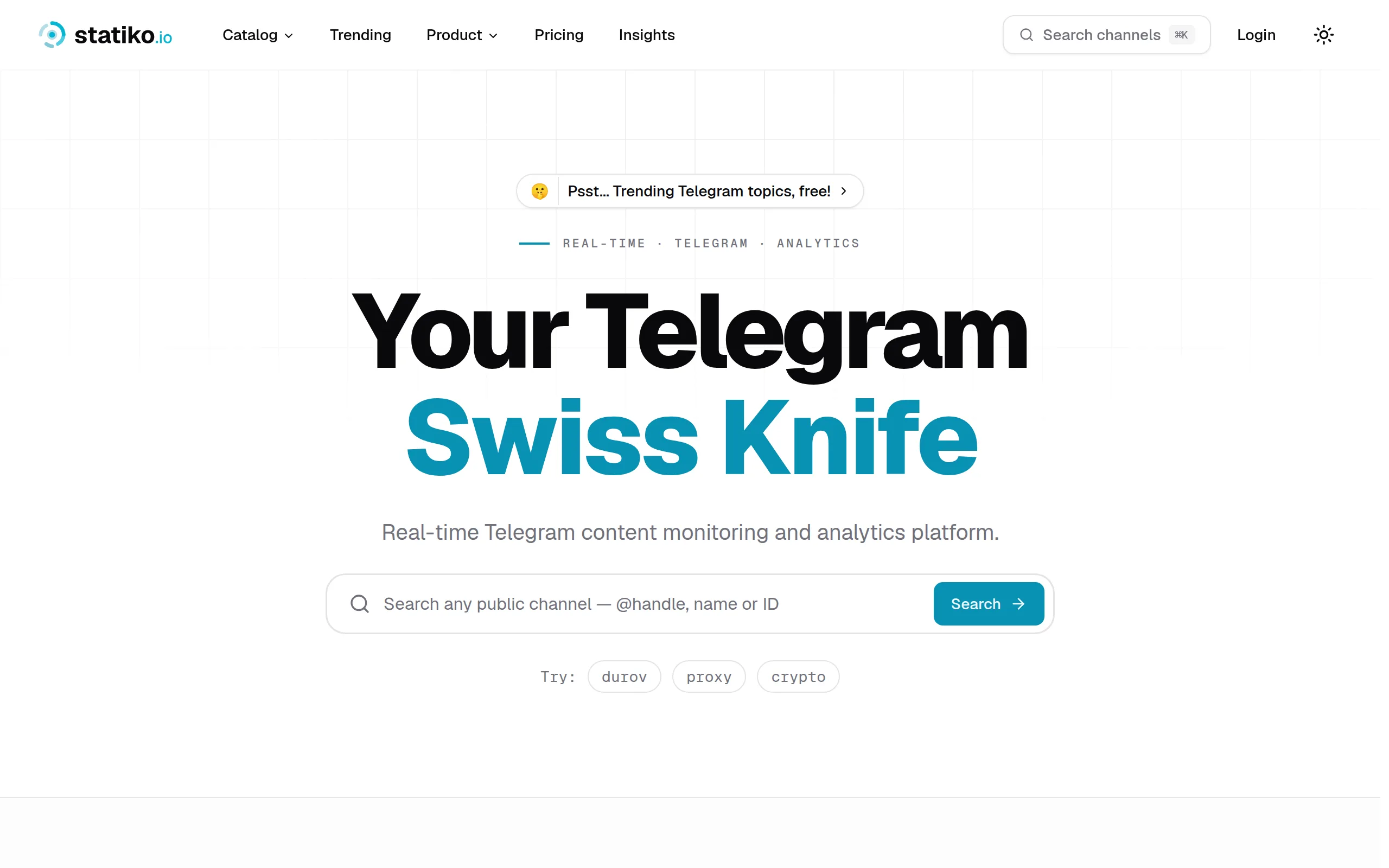
Statiko
Monitor any Telegram channel in real time - track posts, edits, deletions, and growth with AI recaps 📡

Shibui
AI website builder - describe your business, pick a niche template, edit by chatting, and publish instantly ✨

Pro Service
Find verified home service professionals, compare quotes, and pay securely through escrow - built for Brazilians across the US 🏠
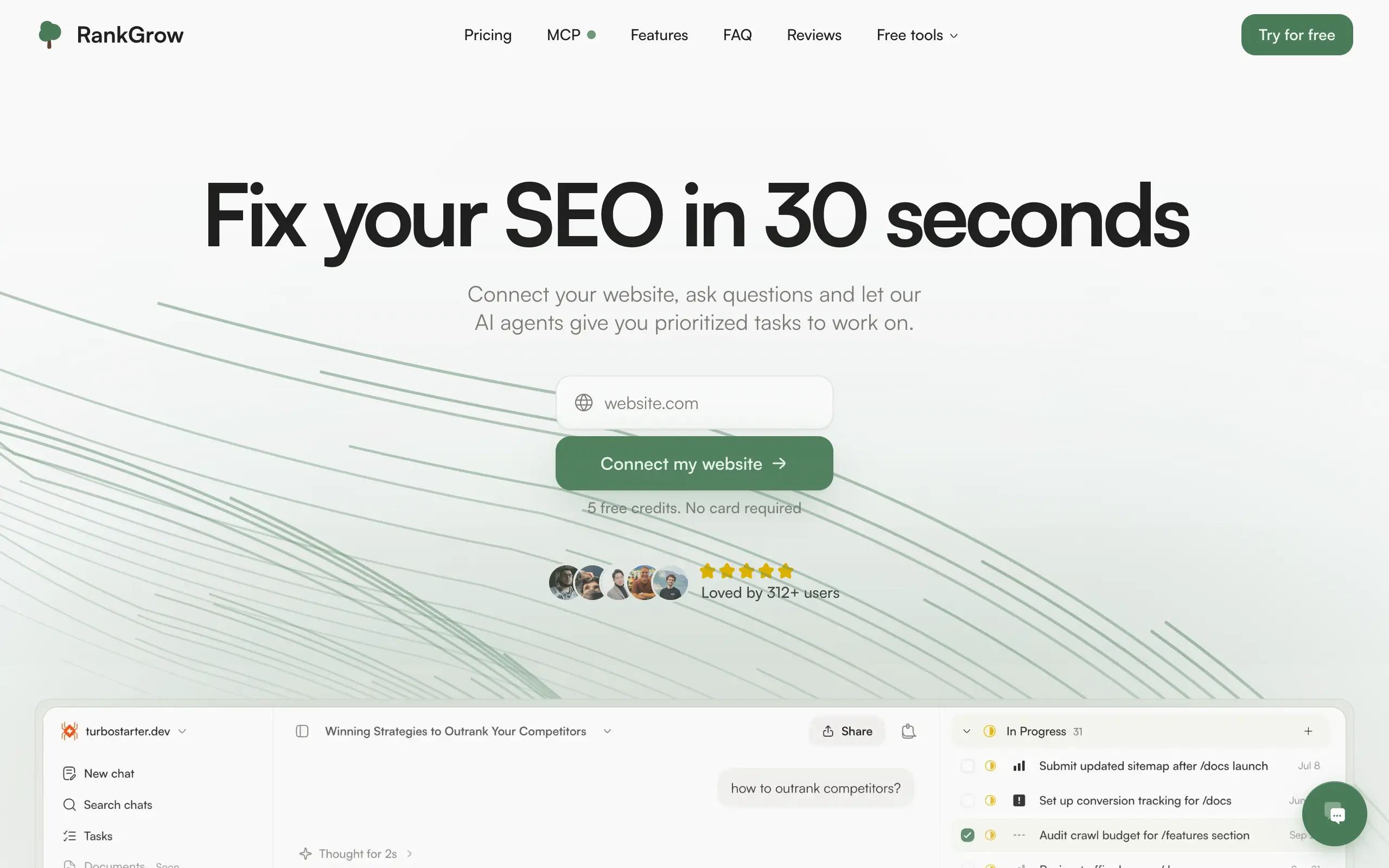
RankGrow
Fix your SEO with AI agents - connect Search Console, get prioritized tasks, and grow organic traffic 📈
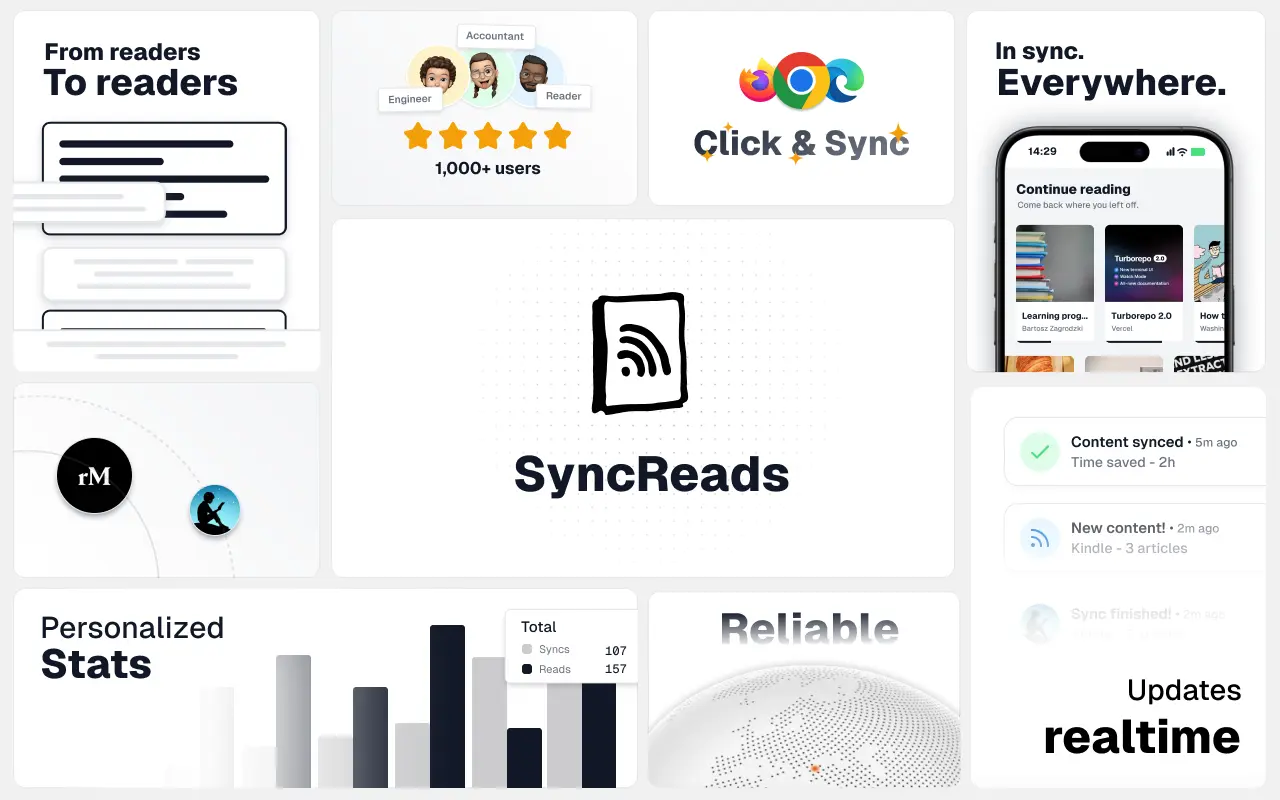
SyncReads
Sync your favorite content for distraction-free reading, save time and replace multiple apps. Anytime, anywhere 🔄
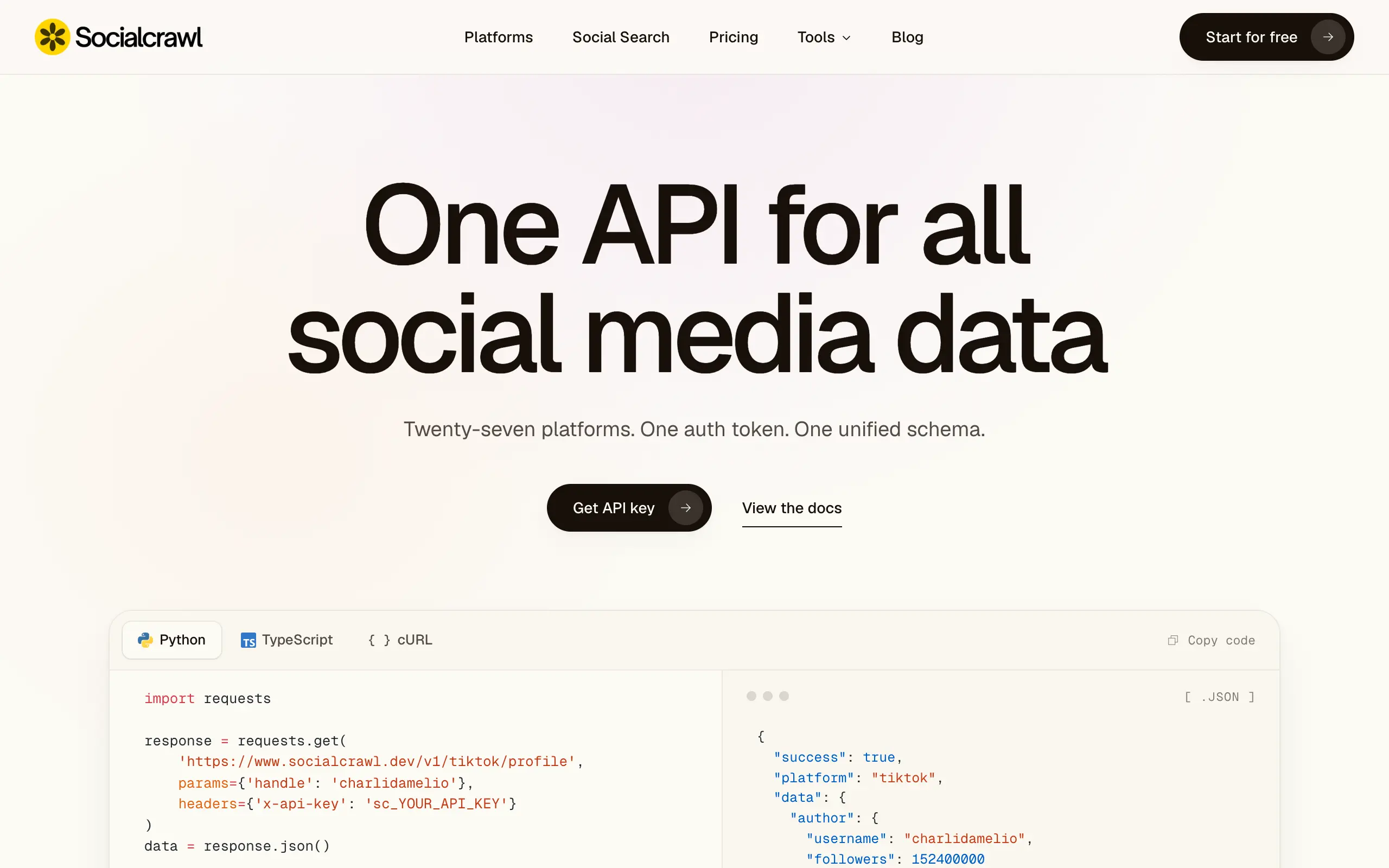
Socialcrawl
Get clean, structured data from 21 platforms like TikTok, Instagram, and YouTube with a single request 📊
Statiko
Monitor any Telegram channel in real time - track posts, edits, deletions, and growth with AI recaps 📡
Shibui
AI website builder - describe your business, pick a niche template, edit by chatting, and publish instantly ✨
Pro Service
Find verified home service professionals, compare quotes, and pay securely through escrow - built for Brazilians across the US 🏠
RankGrow
Fix your SEO with AI agents - connect Search Console, get prioritized tasks, and grow organic traffic 📈
SyncReads
Sync your favorite content for distraction-free reading, save time and replace multiple apps. Anytime, anywhere 🔄
Socialcrawl
Get clean, structured data from 21 platforms like TikTok, Instagram, and YouTube with a single request 📊
Statiko
Monitor any Telegram channel in real time - track posts, edits, deletions, and growth with AI recaps 📡
Shibui
AI website builder - describe your business, pick a niche template, edit by chatting, and publish instantly ✨
Pro Service
Find verified home service professionals, compare quotes, and pay securely through escrow - built for Brazilians across the US 🏠
RankGrow
Fix your SEO with AI agents - connect Search Console, get prioritized tasks, and grow organic traffic 📈
SyncReads
Sync your favorite content for distraction-free reading, save time and replace multiple apps. Anytime, anywhere 🔄
Socialcrawl
Get clean, structured data from 21 platforms like TikTok, Instagram, and YouTube with a single request 📊
Statiko
Monitor any Telegram channel in real time - track posts, edits, deletions, and growth with AI recaps 📡
Shibui
AI website builder - describe your business, pick a niche template, edit by chatting, and publish instantly ✨
Pro Service
Find verified home service professionals, compare quotes, and pay securely through escrow - built for Brazilians across the US 🏠
RankGrow
Fix your SEO with AI agents - connect Search Console, get prioritized tasks, and grow organic traffic 📈
SyncReads
Sync your favorite content for distraction-free reading, save time and replace multiple apps. Anytime, anywhere 🔄
Socialcrawl
Get clean, structured data from 21 platforms like TikTok, Instagram, and YouTube with a single request 📊
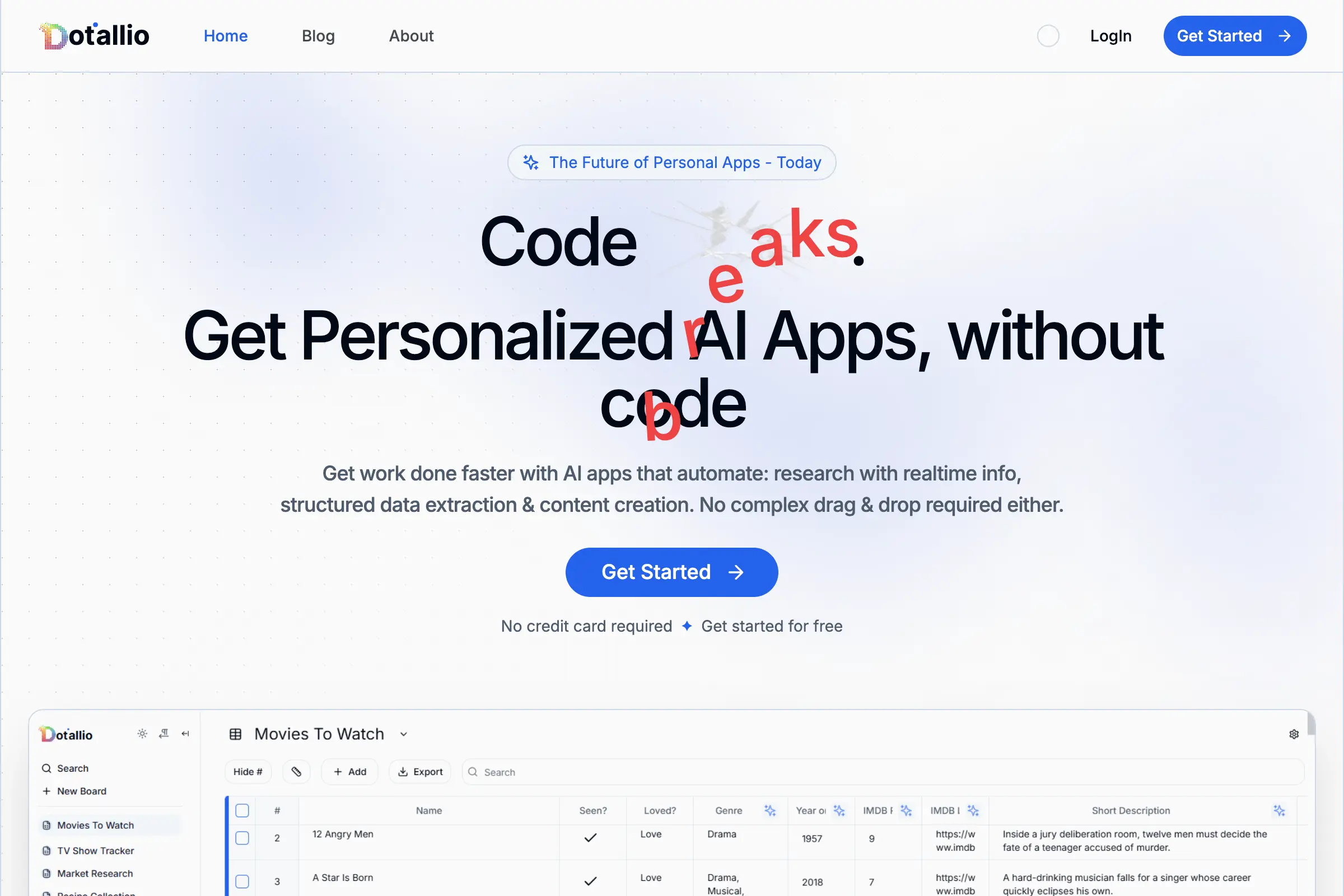
Dotallio
Personalized AI apps that automate research, data extraction, and content creation without code 🤖

Talk to Santa
Enjoy a magical live video chat or receive a unique AI-generated video greeting from Santa Claus 🎅
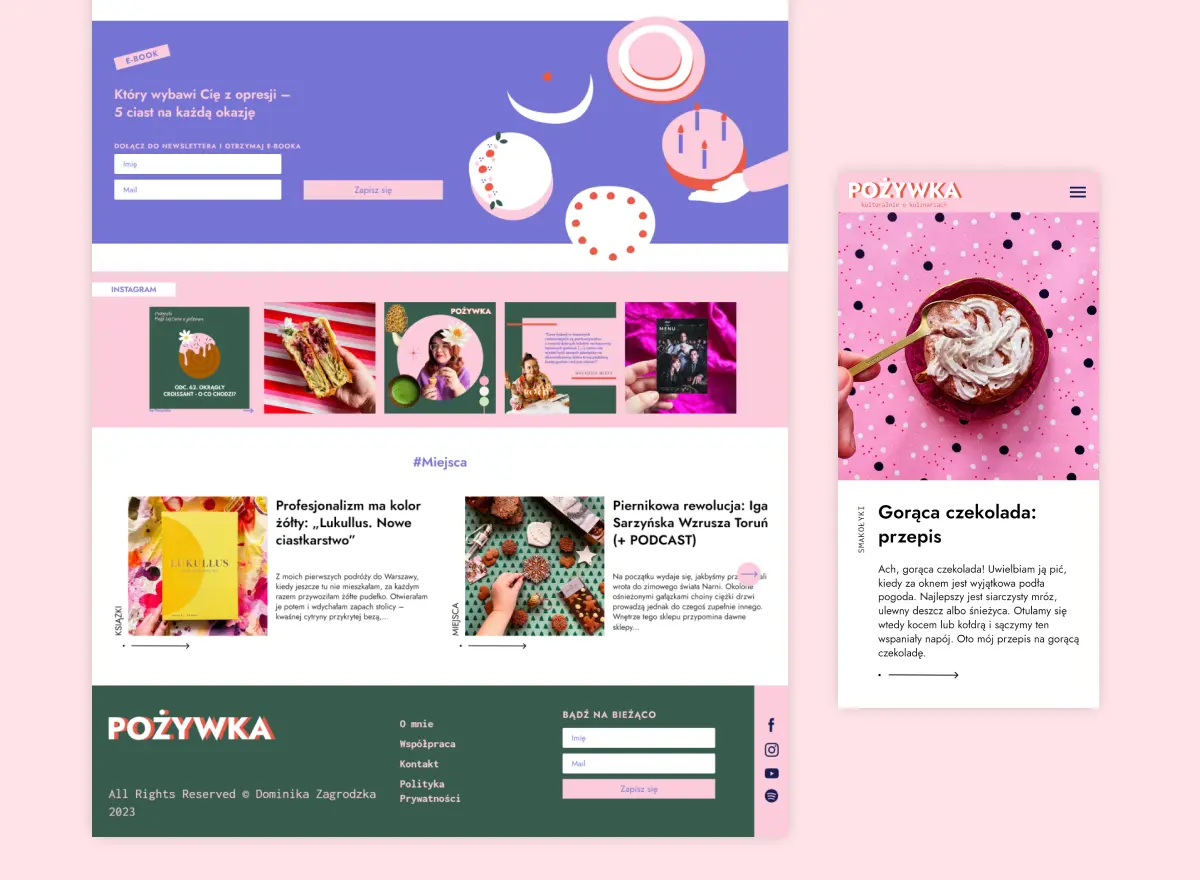
pozywka.pl
Scalable blog for food journalist, focused on performance and user experience 🌭
zagrodzki.me
Personal blog and portfolio of Bart Zagrodzki, where he shares his knowledge and work 💼
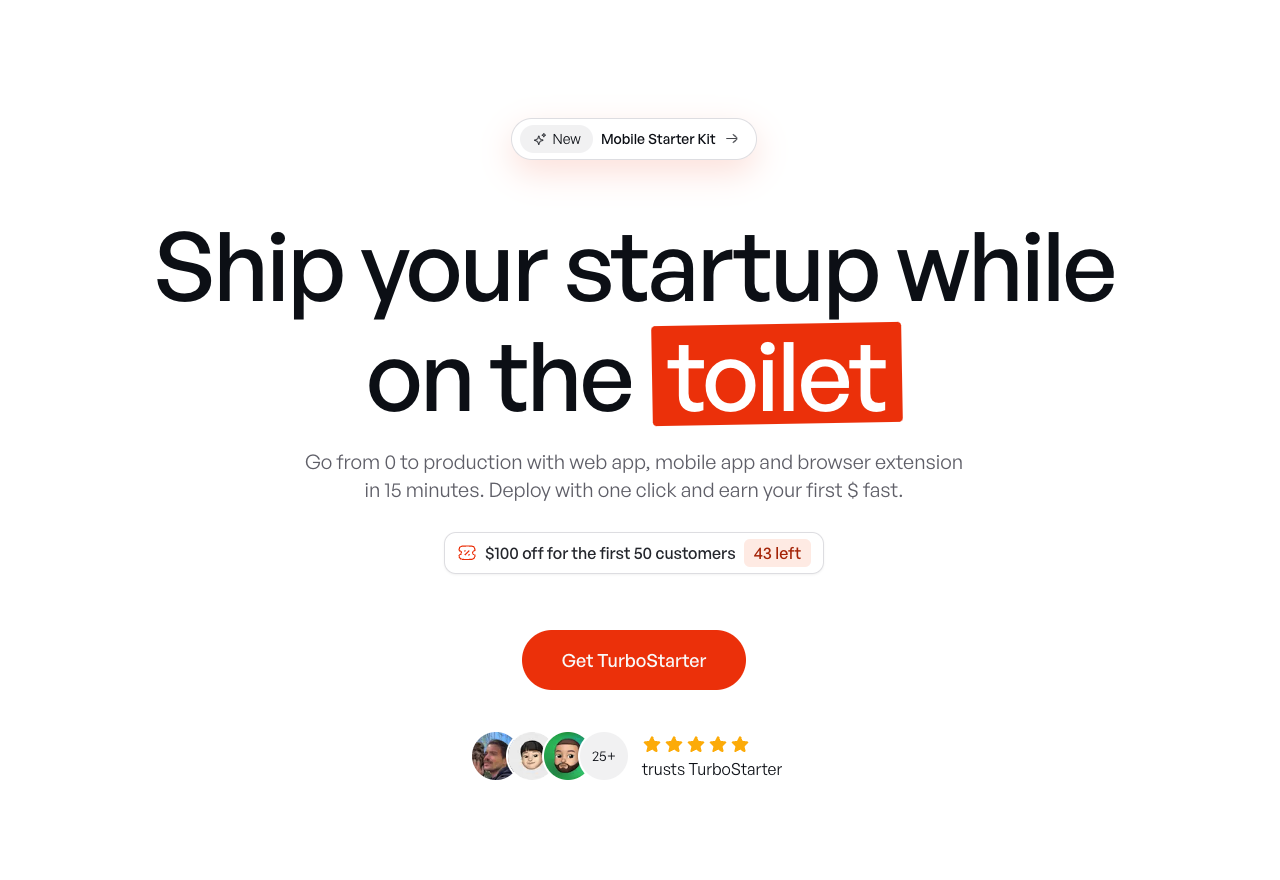
TurboStarter
Ship your startup everywhere. In minutes.
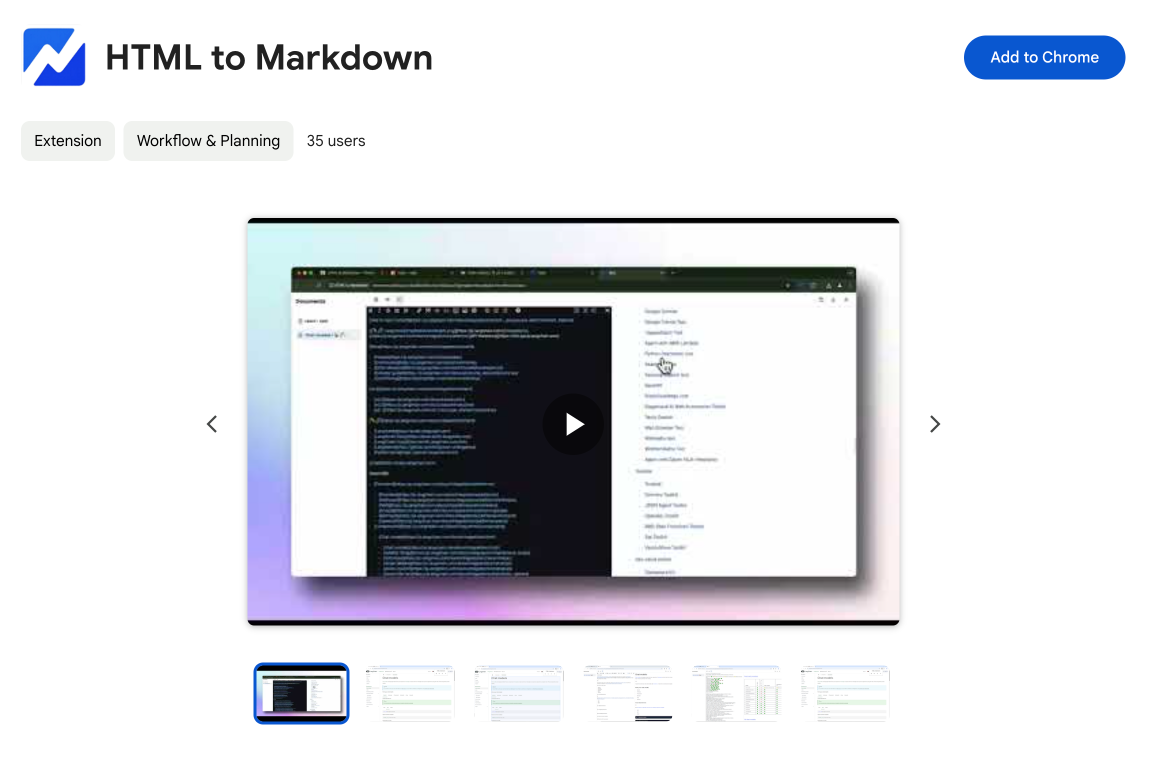
HTML to Markdown
Convert HTML to Markdown with ease, directly in your browser 📄
Dotallio
Personalized AI apps that automate research, data extraction, and content creation without code 🤖
Talk to Santa
Enjoy a magical live video chat or receive a unique AI-generated video greeting from Santa Claus 🎅
pozywka.pl
Scalable blog for food journalist, focused on performance and user experience 🌭
zagrodzki.me
Personal blog and portfolio of Bart Zagrodzki, where he shares his knowledge and work 💼
TurboStarter
Ship your startup everywhere. In minutes.
HTML to Markdown
Convert HTML to Markdown with ease, directly in your browser 📄
Dotallio
Personalized AI apps that automate research, data extraction, and content creation without code 🤖
Talk to Santa
Enjoy a magical live video chat or receive a unique AI-generated video greeting from Santa Claus 🎅
pozywka.pl
Scalable blog for food journalist, focused on performance and user experience 🌭
zagrodzki.me
Personal blog and portfolio of Bart Zagrodzki, where he shares his knowledge and work 💼
TurboStarter
Ship your startup everywhere. In minutes.
HTML to Markdown
Convert HTML to Markdown with ease, directly in your browser 📄
Dotallio
Personalized AI apps that automate research, data extraction, and content creation without code 🤖
Talk to Santa
Enjoy a magical live video chat or receive a unique AI-generated video greeting from Santa Claus 🎅
pozywka.pl
Scalable blog for food journalist, focused on performance and user experience 🌭
zagrodzki.me
Personal blog and portfolio of Bart Zagrodzki, where he shares his knowledge and work 💼
TurboStarter
Ship your startup everywhere. In minutes.
HTML to Markdown
Convert HTML to Markdown with ease, directly in your browser 📄
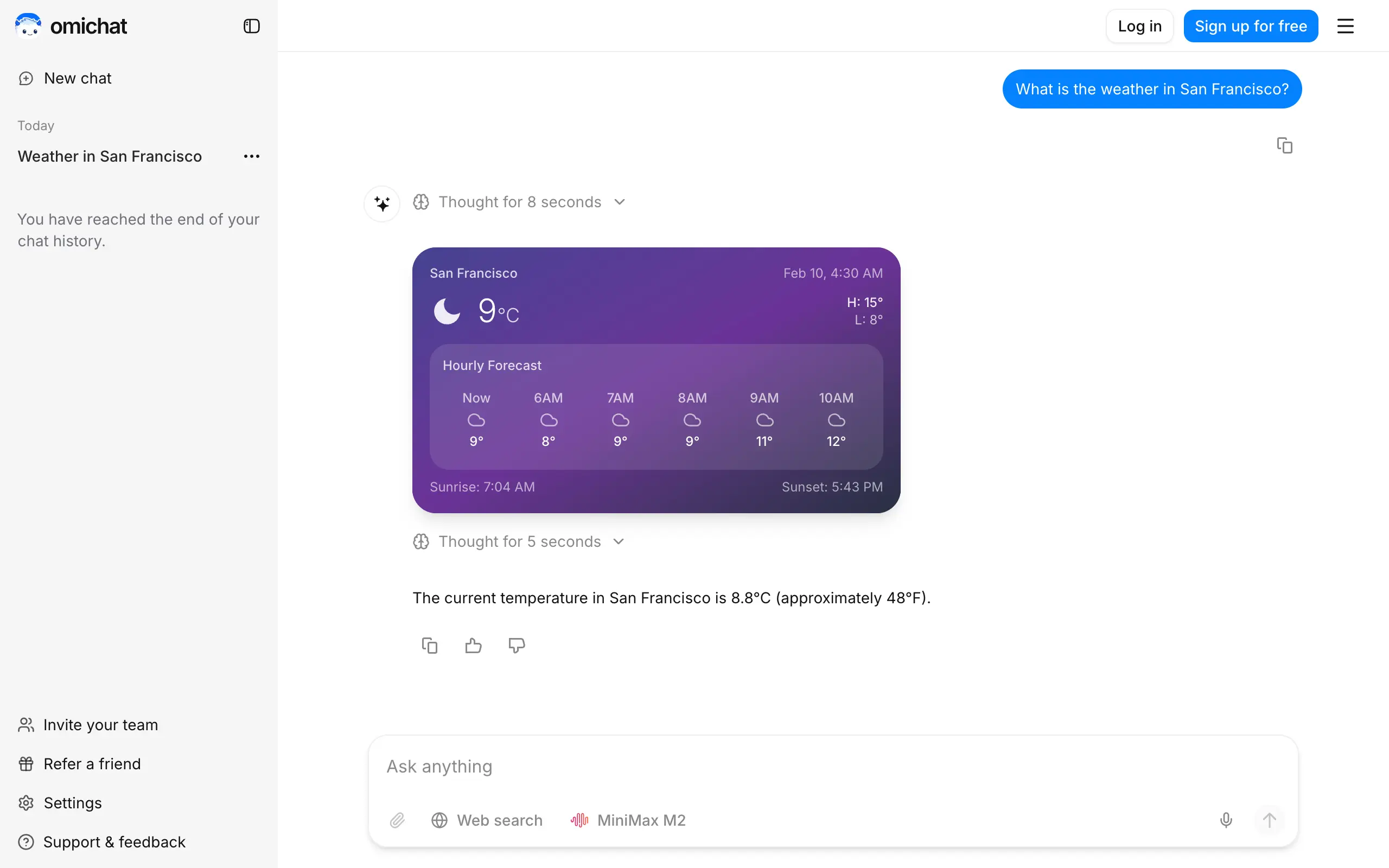
Omichat
Chat with 50+ AI models, including ChatGPT and Claude, in one place - switch models anytime without losing context 🤖
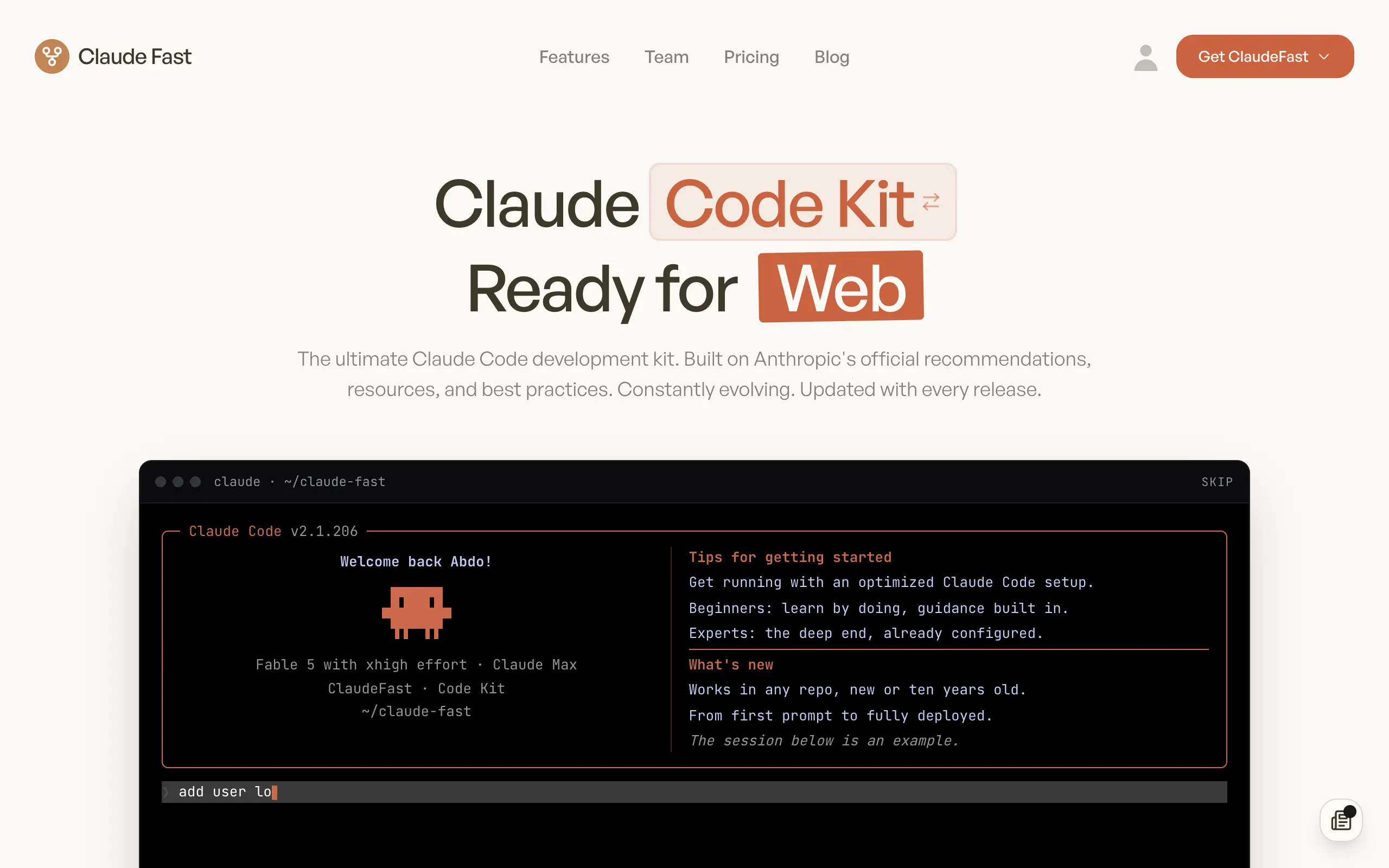
Claude Fast
Supercharge your Claude Code with 6x effective context window and specialized AI agents 🤖
EmojAI
AI-powered emoji picker with smart, context-aware suggestions 🤖
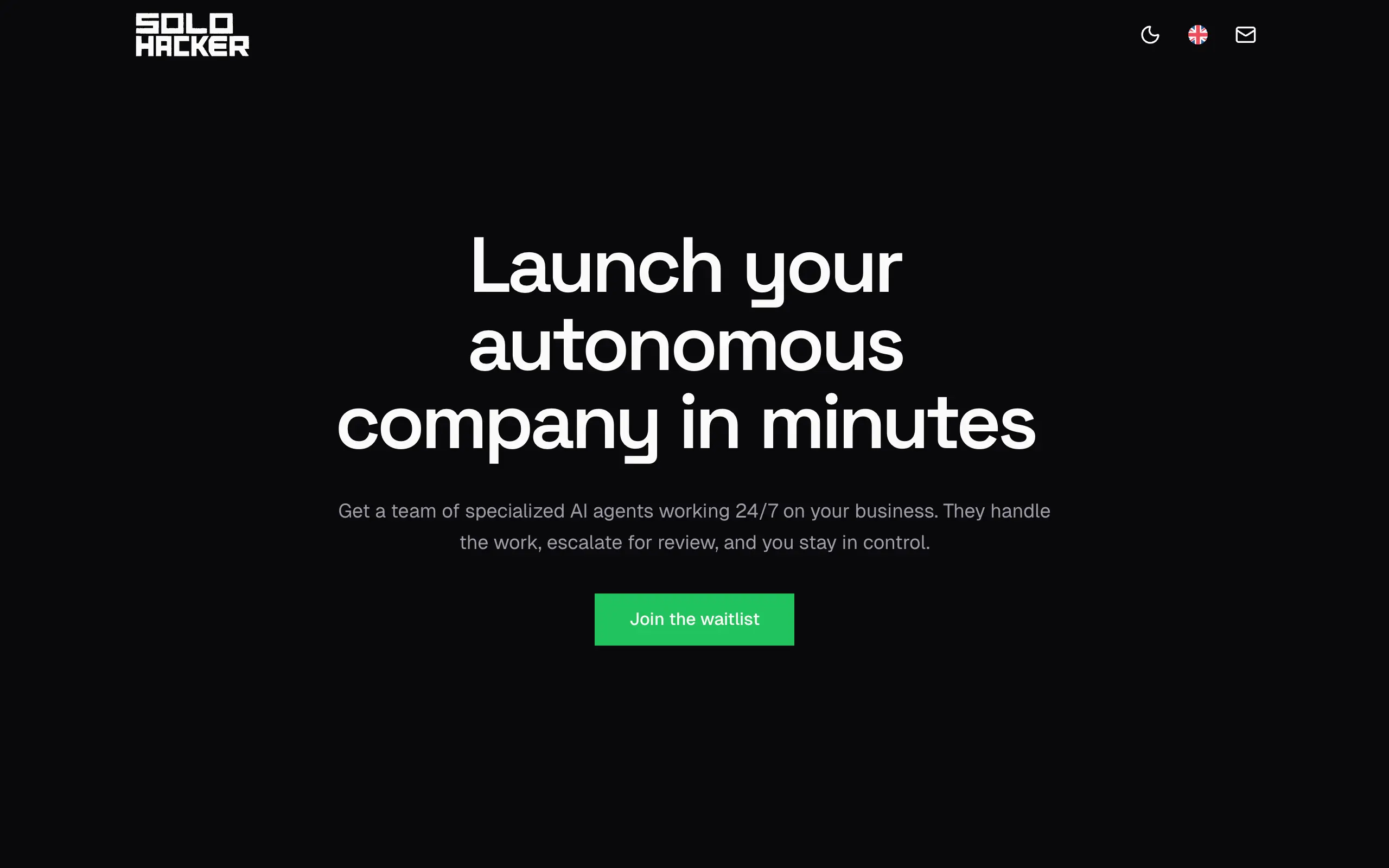
Solohacker
Autonomous company launcher - AI agents work 24/7, escalate what matters, and you stay in control 🤖
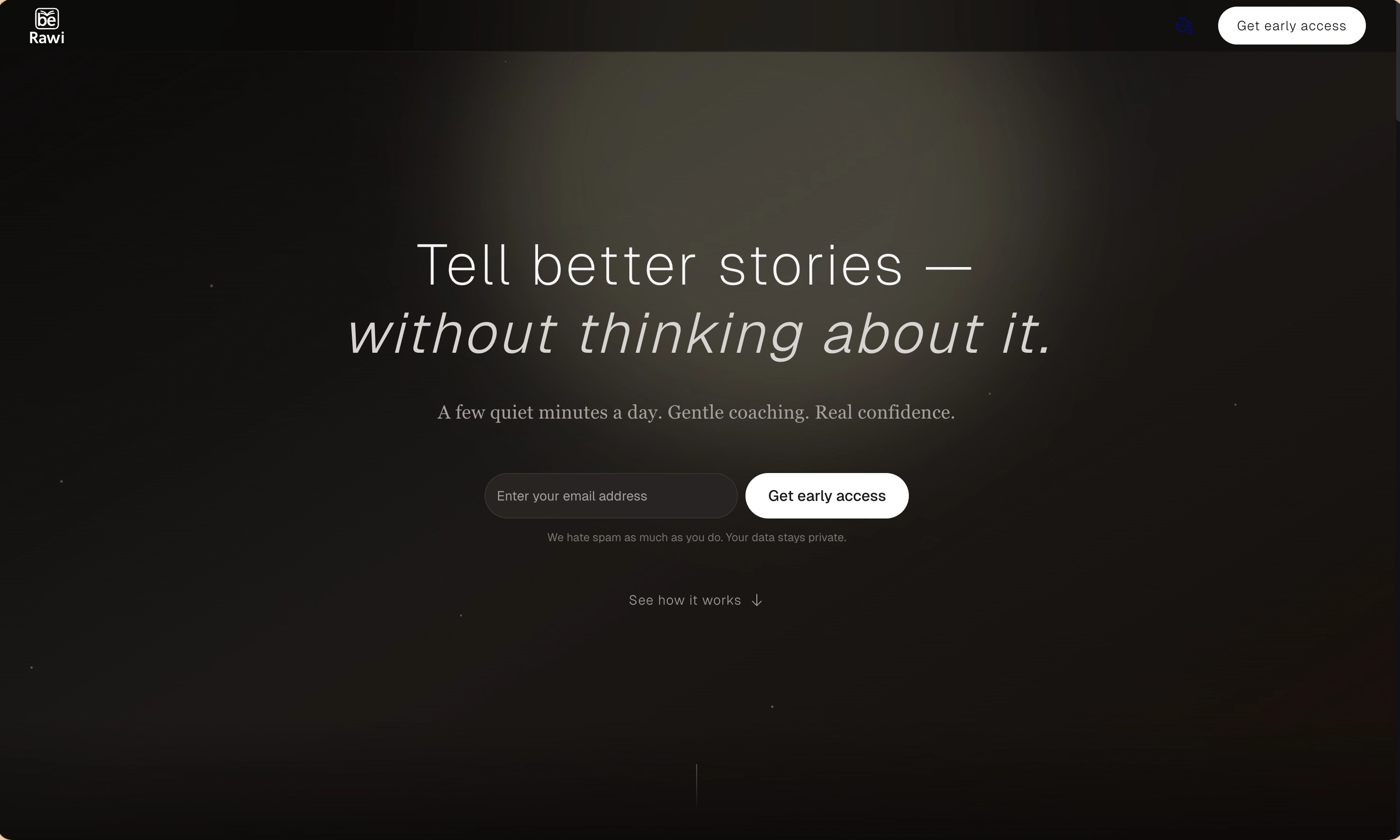
BeRawi: Storytelling Coach
Practice storytelling daily with instant feedback to sound clearer, more engaging, and confident 🎤
Omichat
Chat with 50+ AI models, including ChatGPT and Claude, in one place - switch models anytime without losing context 🤖
Claude Fast
Supercharge your Claude Code with 6x effective context window and specialized AI agents 🤖
EmojAI
AI-powered emoji picker with smart, context-aware suggestions 🤖
Solohacker
Autonomous company launcher - AI agents work 24/7, escalate what matters, and you stay in control 🤖
BeRawi: Storytelling Coach
Practice storytelling daily with instant feedback to sound clearer, more engaging, and confident 🎤
Omichat
Chat with 50+ AI models, including ChatGPT and Claude, in one place - switch models anytime without losing context 🤖
Claude Fast
Supercharge your Claude Code with 6x effective context window and specialized AI agents 🤖
EmojAI
AI-powered emoji picker with smart, context-aware suggestions 🤖
Solohacker
Autonomous company launcher - AI agents work 24/7, escalate what matters, and you stay in control 🤖
BeRawi: Storytelling Coach
Practice storytelling daily with instant feedback to sound clearer, more engaging, and confident 🎤
Omichat
Chat with 50+ AI models, including ChatGPT and Claude, in one place - switch models anytime without losing context 🤖
Claude Fast
Supercharge your Claude Code with 6x effective context window and specialized AI agents 🤖
EmojAI
AI-powered emoji picker with smart, context-aware suggestions 🤖
Solohacker
Autonomous company launcher - AI agents work 24/7, escalate what matters, and you stay in control 🤖
BeRawi: Storytelling Coach
Practice storytelling daily with instant feedback to sound clearer, more engaging, and confident 🎤

Connect with like-minded people
Join our community to get feedback, support, and grow together with 1,000+ builders on board, let's ship it!
Join usShip your startup everywhere. In minutes.
Don't burn tokens on setup and start building features on day one.