BugBreak
AI that detects burnout patterns in coding students and prescribes optimized study sprints, outdoor resets, and shareable progress insights.
Why burnout detection for coding students is the next big AI opportunity
The rise of online coding bootcamps, computer science degrees, and self-taught developers has created an unprecedented demand for focused, sustained learning. Yet behind the productivity dashboards and GitHub streaks lies a silent crisis: burnout among coding students.
Late-night debugging, imposter syndrome, tight deadlines, and isolation can quickly lead to cognitive overload. Many students quit not because they lack ability—but because they lack sustainable learning systems.
BugBreak is an AI-powered burnout detection and recovery optimization platform built specifically for coding students. It analyzes behavioral signals, detects burnout patterns early, and prescribes personalized study sprints, outdoor resets, and shareable progress insights.
This article explores:
- The market opportunity for AI burnout detection in education
- Target audience deep dive
- Core product features and technical architecture
- Monetization strategy
- Competitive landscape
- Risks and mitigation strategies
- Step-by-step implementation roadmap
If you're researching this space for validation, product building, or investment, this guide provides a comprehensive blueprint.
Understanding the burnout crisis in coding education
Why coding students are uniquely vulnerable
Coding education has structural traits that amplify burnout risk:
- High cognitive load (problem-solving + syntax + architecture)
- Delayed gratification (hours of debugging before small wins)
- Remote learning isolation
- Competitive environments (bootcamps, job markets)
- Performance metrics obsession (LeetCode streaks, GitHub contributions)
Research from organizations like the World Health Organization (WHO) classifies burnout as an occupational phenomenon characterized by exhaustion, cynicism, and reduced efficacy. While defined in workplace contexts, its markers appear strongly in intense educational settings.
For coding students, burnout often manifests as:
- Increasing time spent debugging without progress
- Avoidance of complex tasks
- Declining code quality
- Inconsistent commit patterns
- Sleep schedule deterioration
- Drop in course engagement
Yet most platforms track only completion metrics, not cognitive strain.
That gap is the opportunity.
The primary keyword opportunity: AI burnout detection for coding students
The central SEO opportunity revolves around:
- AI burnout detection
- burnout detection software
- coding student productivity AI
- study sprint optimization
- developer burnout prevention tools
Search intent falls into three clusters:
-
Problem-aware users
“How to avoid burnout while learning to code” -
Solution-aware users
“Burnout tracking app for students” -
Market validation / B2B buyers
“AI tools to reduce student dropout rates”
BugBreak should target all three segments with educational, product-focused, and thought leadership content.
Target audience analysis
To build a successful SaaS like BugBreak, clarity around user segments is critical.
1. Self-taught coding learners
Profile:
- Ages 18–35
- Learning via Udemy, freeCodeCamp, YouTube, etc.
- Often juggling jobs
Pain points:
- No structured pacing
- Isolation
- Overcommitment
- High quit rate
Why BugBreak matters:
- Offers structured study sprints
- Provides psychological validation
- Reduces isolation via shareable progress insights
2. Coding bootcamp students
Profile:
- Intensive 8–16 week programs
- 6–12 hours daily learning
- Career-switchers under financial pressure
Pain points:
- Overload
- Performance anxiety
- Imposter syndrome
- Burnout mid-program
Why BugBreak matters:
- Early burnout detection reduces dropout
- Gives instructors intervention signals
3. Computer science university students
Profile:
- Balancing multiple courses
- Complex theoretical + practical workload
Pain points:
- Procrastination cycles
- All-nighter culture
- Mental fatigue during exam periods
Why BugBreak matters:
- AI-based energy-based sprint planning
- Balanced schedule suggestions
4. Institutional buyers (B2B2C)
- Bootcamps
- Universities
- EdTech platforms
- Online coding academies
These organizations care about:
- Completion rates
- Student retention
- Reputation
- Student mental health outcomes
BugBreak can serve both B2C (individual students) and B2B (institutions).
Market opportunity and gap analysis
The EdTech + Mental Health convergence
Two major trends are converging:
- AI-driven personalized learning
- Mental health awareness in education
Platforms like Coursera and Udemy optimize content delivery—but not mental endurance.
Meditation apps like Headspace target stress—but not coding-specific burnout patterns.
No major platform integrates behavioral coding analytics with cognitive recovery prescriptions.
That’s the gap.
The opportunity in measurable dropout reduction
Bootcamps face high dropout risks due to:
- Emotional fatigue
- Skill frustration
- Imposter syndrome
If BugBreak can reduce dropout by even 10–15%, that’s a major ROI argument.
Institutions pay for measurable retention improvements.
How BugBreak works: core features
1. AI burnout detection engine
BugBreak analyzes:
- Git commit frequency patterns
- Coding session durations
- Task-switch frequency
- Error repetition cycles
- Study time clustering
- Self-reported mood inputs
- Sleep pattern logs (optional integrations)
Using machine learning models, it detects:
- Cognitive fatigue spikes
- Avoidance behavior
- Overexertion phases
- Declining focus efficiency
Key Differentiator
Unlike generic productivity apps, BugBreak is domain-specific to coding workflows.
2. Optimized study sprints
Instead of arbitrary Pomodoro timers, BugBreak generates:
- Energy-based sprint durations
- Adaptive break intervals
- Micro-recovery suggestions
- Weekly sustainable load planning
Example output:
- 52-minute deep focus block
- 12-minute outdoor reset
- 5-minute reflection note
These are personalized based on detected burnout signals.
3. Outdoor reset prescriptions
Research consistently links nature exposure to improved cognitive function and stress reduction.
BugBreak recommends:
- 15-minute sunlight walks
- Tech-free resets
- Physical micro-activities
- Breathing exercises
These are tied to detected fatigue levels.
4. Shareable progress insights
Students can share:
- Sustainable streaks
- Recovery milestones
- Burnout risk reduction score
- “Healthy coding days” badges
This builds social reinforcement without toxic productivity pressure.
5. Instructor dashboard (B2B feature)
For institutions:
- Cohort burnout risk heatmaps
- Early dropout predictions
- Anonymous fatigue trends
- Intervention alerts
Technical architecture and recommended stack
Building an AI-powered burnout detection SaaS requires thoughtful architecture.
Frontend
- React for UI
- TailwindCSS for rapid styling
- Recharts or D3 for data visualization
Backend
- Node.js or Python (FastAPI)
- REST or GraphQL API
- Background job processing for analytics
AI / ML Layer
Options:
| Approach | Pros | Cons |
|---|---|---|
| Rule-based heuristics | Fast MVP | Limited personalization |
| Supervised ML model | Better predictions | Requires labeled data |
| Hybrid system | Balanced | More complex |
Early MVP: Start rule-based → evolve to ML.
Data integrations
- GitHub API
- VSCode extension
- Google Calendar
- Apple Health / Google Fit (optional)
Database
- PostgreSQL for relational data
- Redis for real-time signals
- S3-compatible storage for logs
Deployment
- Vercel (frontend)
- AWS / GCP backend
- Docker containerization
If you want to accelerate launch, using a SaaS starter kit like TurboStarter can significantly reduce setup time for authentication, billing, and SaaS infrastructure.
Sample burnout scoring logic (MVP example)
function calculateBurnoutScore(data: UserActivity) {
  let score = 0;

  if (data.dailyCodingHours > 8) score += 20;
  if (data.errorRepetitionRate > 0.4) score += 15;
  if (data.commitConsistency < 0.5) score += 10;
  if (data.sleepHours < 6) score += 15;
  if (data.selfReportedStress > 7) score += 20;

  return score;
}
This rule-based score can evolve into a predictive ML model later.
Competitive landscape analysis
There are adjacent tools but no direct competitors.
| Platform | Burnout Detection | Coding-Specific | AI Personalization | Institution Dashboard |
|---|---|---|---|---|
| Headspace | ❌ | ❌ | ✅ | ❌ |
| RescueTime | ⚠️ Partial | ❌ | ⚠️ Limited | ❌ |
| BugBreak | ✅ | ✅ | ✅ | ✅ |
Conclusion: BugBreak occupies a unique vertical niche.
Monetization strategy
1. Freemium model
Free tier:
- Basic burnout tracking
- Limited sprint suggestions
- Manual mood tracking
Premium tier ($12–$19/month):
- AI predictions
- Integrations
- Advanced analytics
- Personalized reset plans
2. Institutional licensing
- Per-student monthly pricing
- Cohort analytics dashboard
- Early dropout alerts
Potential pricing:
- $8–$15 per student per month (bulk discount)
3. API licensing (future)
EdTech platforms integrate BugBreak as:
- Embedded wellness analytics
- Retention optimization engine
Risks and mitigation strategies
Risk 1: Privacy concerns
Students may hesitate to share behavioral data.
Mitigation:
- End-to-end encryption
- Transparent data usage policy
- Optional anonymized analytics
Risk 2: Overmedicalization
Burnout is sensitive territory.
Mitigation:
- Avoid diagnostic language
- Position as performance optimization tool
- Include disclaimers
Risk 3: False positives
Incorrect burnout predictions reduce trust.
Mitigation:
- Confidence score system
- User feedback loop
- Hybrid AI + manual override
Unique selling proposition (USP)
BugBreak is not:
- A meditation app
- A productivity tracker
- A time management tool
It is:
The first AI-powered burnout detection and recovery optimization system built specifically for coding students.
The niche focus creates defensibility.
Go-to-market strategy
Phase 1: Indie hackers & self-taught developers
- Launch on Product Hunt
- Target Reddit communities (r/learnprogramming)
- Partner with coding influencers
Phase 2: Bootcamp partnerships
- Offer free pilot program
- Share retention analytics case studies
- Publish thought leadership on burnout metrics
Phase 3: University licensing
- Target CS departments
- Position as retention enhancer
- Offer academic research collaboration
Implementation roadmap
Why timing matters in 2026
Key trends increasing relevance:
- AI-assisted coding increases learning intensity
- Remote education normalization
- Growing mental health awareness
- Data-driven performance culture
Burnout detection AI aligns perfectly with these macro trends.
Final thoughts: building sustainable developers
The developer industry has optimized for speed, output, and technical performance.
It has not optimized for sustainability.
BugBreak positions itself at the intersection of:
- AI
- EdTech
- Mental resilience
- Performance optimization
If built correctly, it doesn’t just reduce burnout—it increases long-term developer success rates.
Actionable next steps for founders
- Interview coding students this week
- Validate burnout signal patterns
- Build MVP with rule-based scoring
- Integrate GitHub early
- Offer free beta to bootcamps
- Measure retention impact
After validation, accelerate your SaaS build using infrastructure tools like TurboStarter to reduce engineering overhead and focus on your AI core.
Burnout isn’t a weakness.
It’s a system failure.
BugBreak turns burnout from an invisible threat into measurable, actionable intelligence—and that’s a category-defining opportunity.
More 🤖 AI Startup SaaS ideas
Discover more innovative ai startup SaaS ideas that are trending in 2026. Each idea is AI-generated with market validation and growth potential to help you find your next profitable venture faster than competitors.
Your competitors are building with TurboStarter
Below are some of the SaaS ideas that have been generated and built with our starter kit.
Statiko
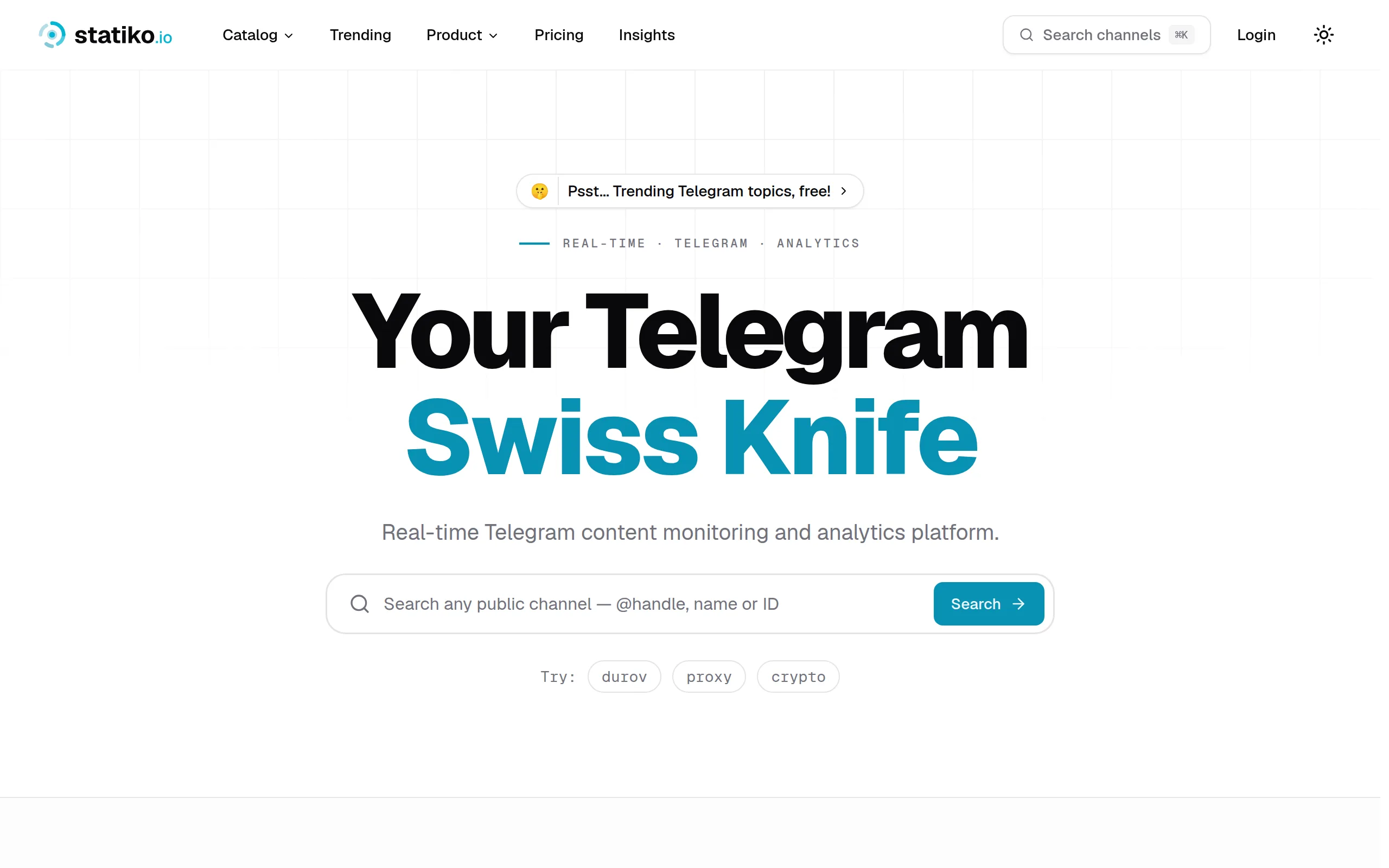
Monitor any Telegram channel in real time - track posts, edits, deletions, and growth with AI recaps 📡

Shibui
AI website builder - describe your business, pick a niche template, edit by chatting, and publish instantly ✨

Pro Service
Find verified home service professionals, compare quotes, and pay securely through escrow - built for Brazilians across the US 🏠
RankGrow
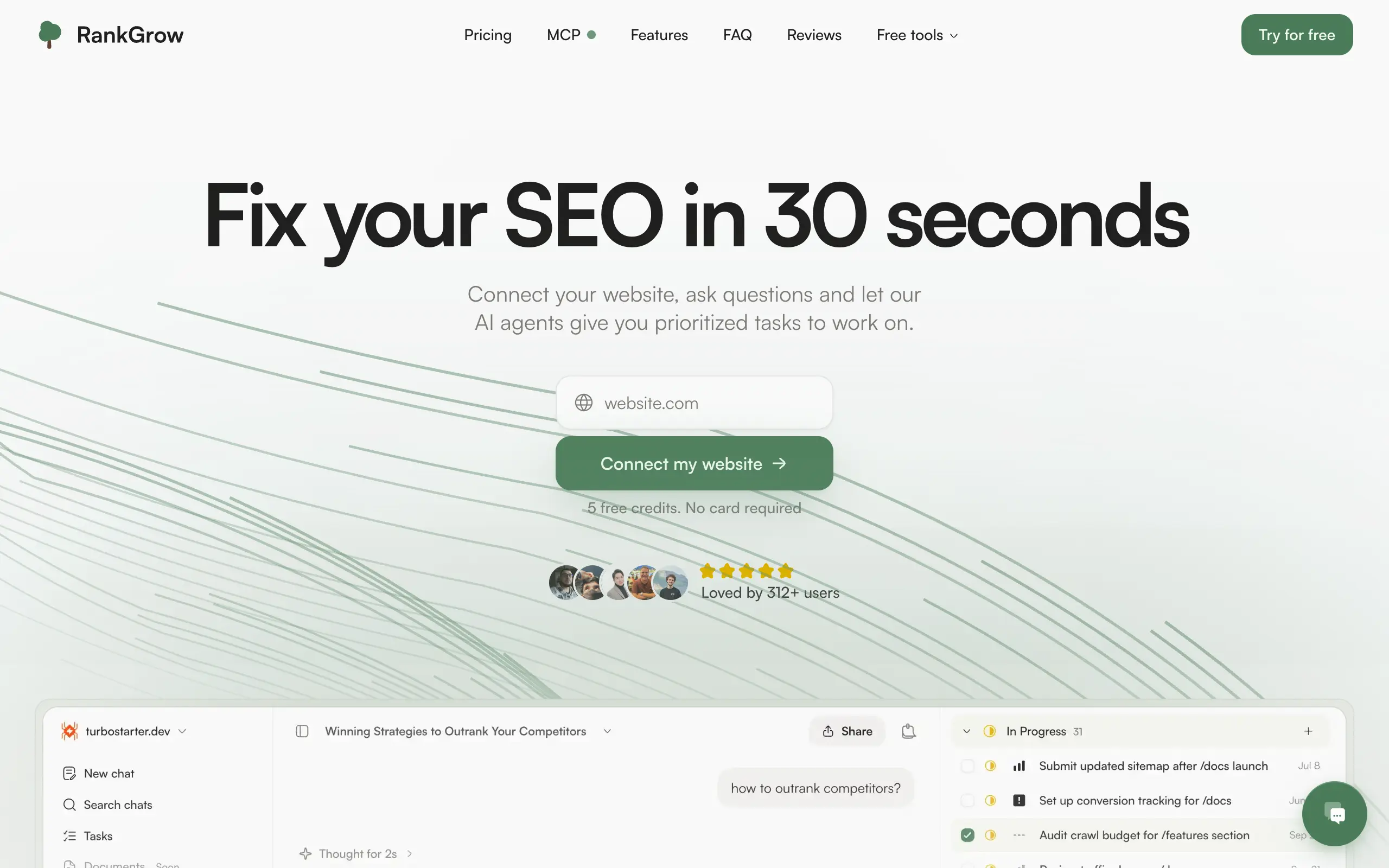
Fix your SEO with AI agents - connect Search Console, get prioritized tasks, and grow organic traffic 📈
SyncReads
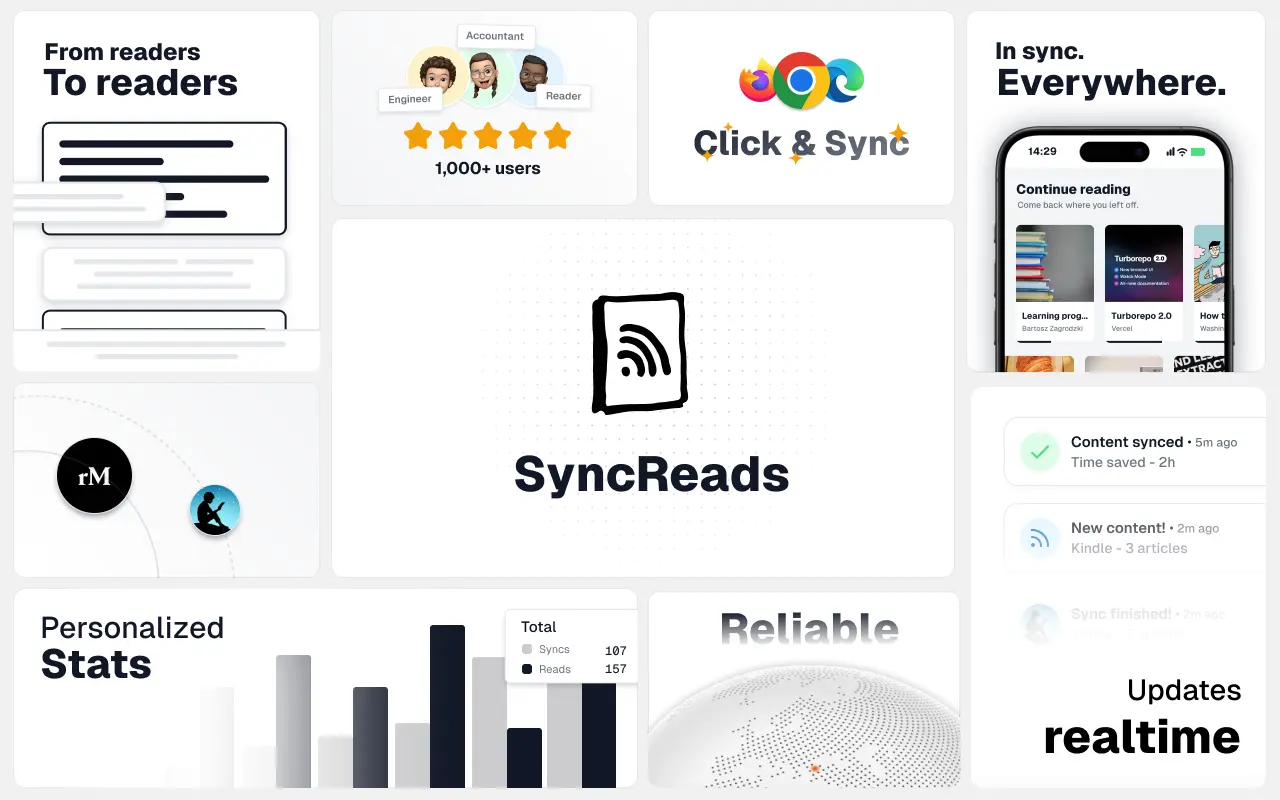
Sync your favorite content for distraction-free reading, save time and replace multiple apps. Anytime, anywhere 🔄
Socialcrawl
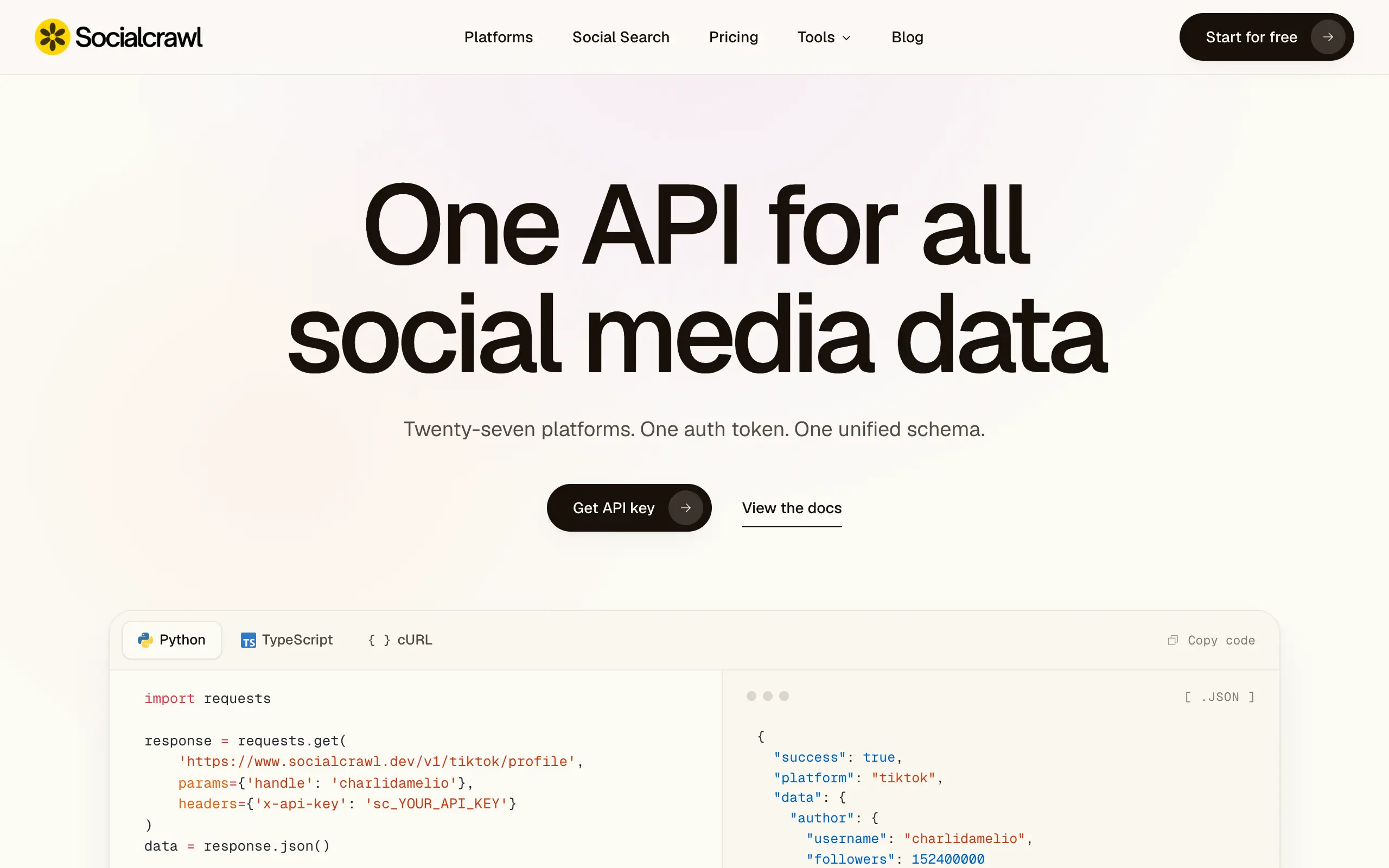
Get clean, structured data from 21 platforms like TikTok, Instagram, and YouTube with a single request 📊
Statiko
Monitor any Telegram channel in real time - track posts, edits, deletions, and growth with AI recaps 📡
Shibui
AI website builder - describe your business, pick a niche template, edit by chatting, and publish instantly ✨
Pro Service
Find verified home service professionals, compare quotes, and pay securely through escrow - built for Brazilians across the US 🏠
RankGrow
Fix your SEO with AI agents - connect Search Console, get prioritized tasks, and grow organic traffic 📈
SyncReads
Sync your favorite content for distraction-free reading, save time and replace multiple apps. Anytime, anywhere 🔄
Socialcrawl
Get clean, structured data from 21 platforms like TikTok, Instagram, and YouTube with a single request 📊
Statiko
Monitor any Telegram channel in real time - track posts, edits, deletions, and growth with AI recaps 📡
Shibui
AI website builder - describe your business, pick a niche template, edit by chatting, and publish instantly ✨
Pro Service
Find verified home service professionals, compare quotes, and pay securely through escrow - built for Brazilians across the US 🏠
RankGrow
Fix your SEO with AI agents - connect Search Console, get prioritized tasks, and grow organic traffic 📈
SyncReads
Sync your favorite content for distraction-free reading, save time and replace multiple apps. Anytime, anywhere 🔄
Socialcrawl
Get clean, structured data from 21 platforms like TikTok, Instagram, and YouTube with a single request 📊
Statiko
Monitor any Telegram channel in real time - track posts, edits, deletions, and growth with AI recaps 📡
Shibui
AI website builder - describe your business, pick a niche template, edit by chatting, and publish instantly ✨
Pro Service
Find verified home service professionals, compare quotes, and pay securely through escrow - built for Brazilians across the US 🏠
RankGrow
Fix your SEO with AI agents - connect Search Console, get prioritized tasks, and grow organic traffic 📈
SyncReads
Sync your favorite content for distraction-free reading, save time and replace multiple apps. Anytime, anywhere 🔄
Socialcrawl
Get clean, structured data from 21 platforms like TikTok, Instagram, and YouTube with a single request 📊
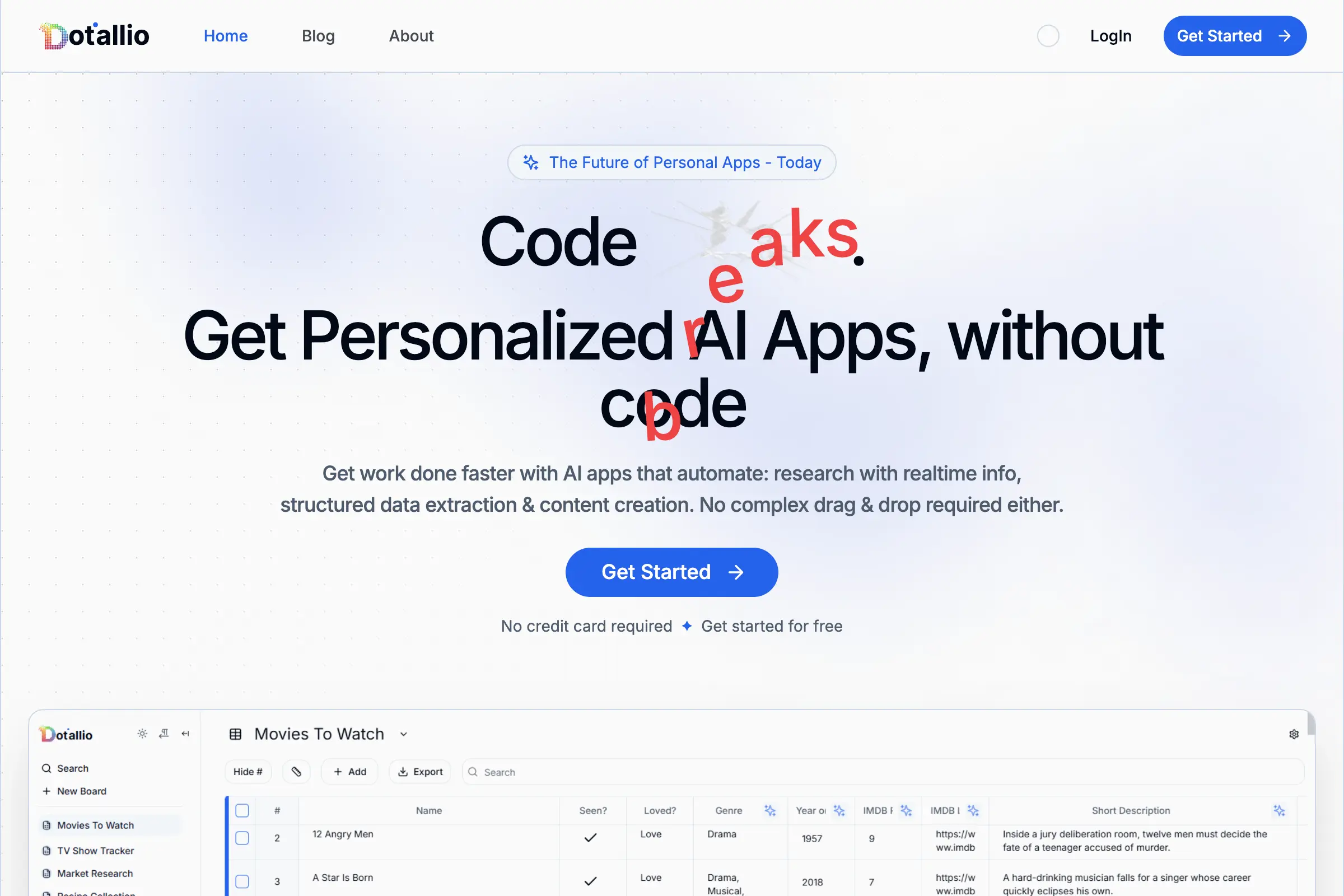
Dotallio
Personalized AI apps that automate research, data extraction, and content creation without code 🤖
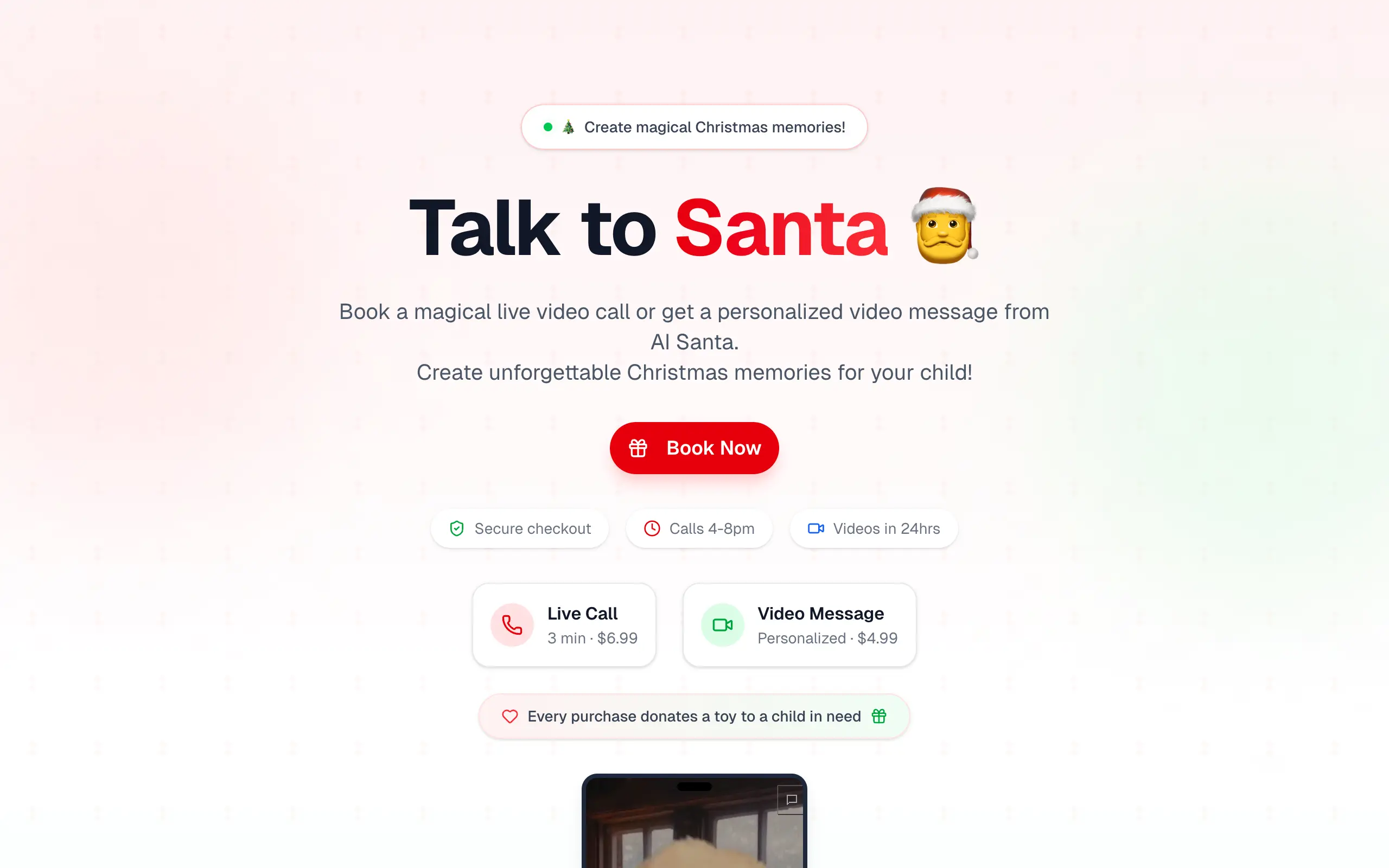
Talk to Santa
Enjoy a magical live video chat or receive a unique AI-generated video greeting from Santa Claus 🎅
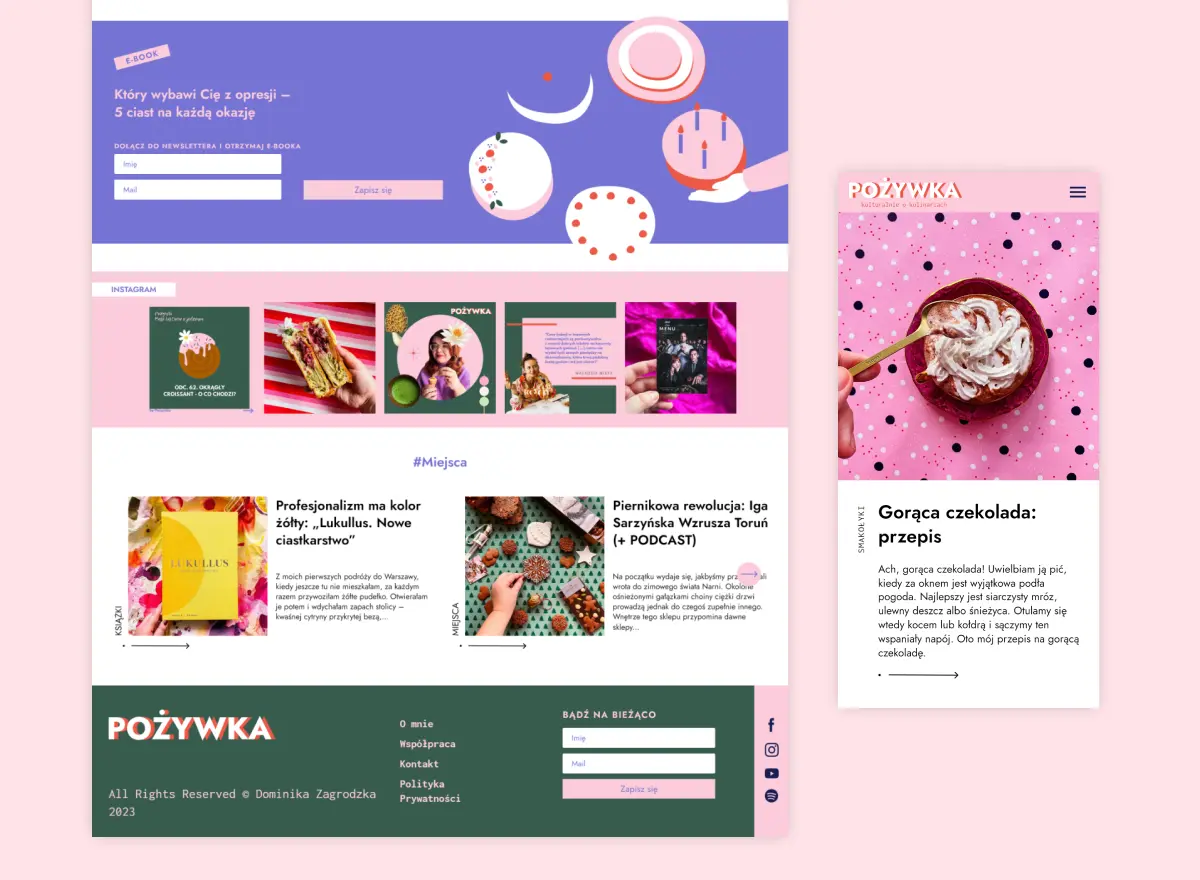
pozywka.pl
Scalable blog for food journalist, focused on performance and user experience 🌭
zagrodzki.me
Personal blog and portfolio of Bart Zagrodzki, where he shares his knowledge and work 💼
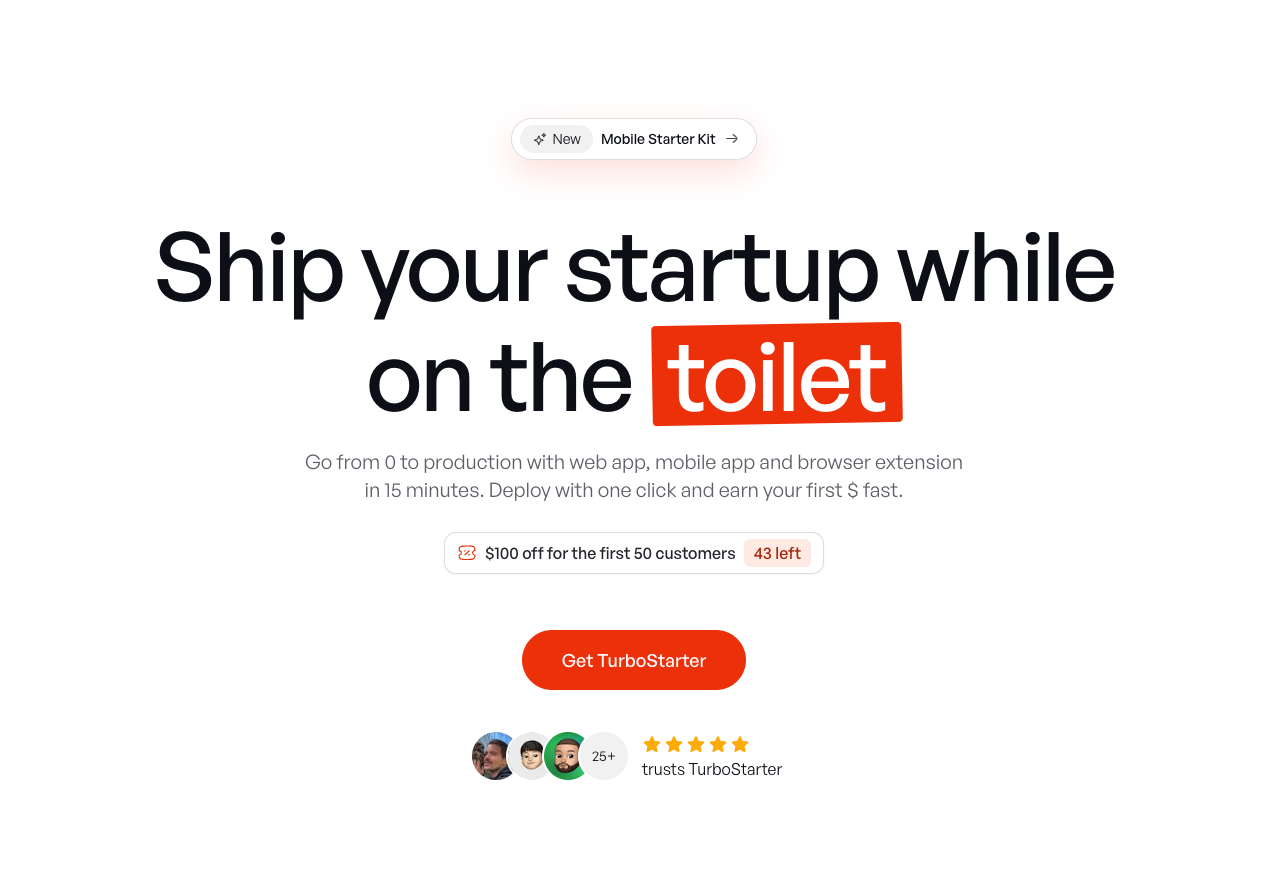
TurboStarter
Ship your startup everywhere. In minutes.
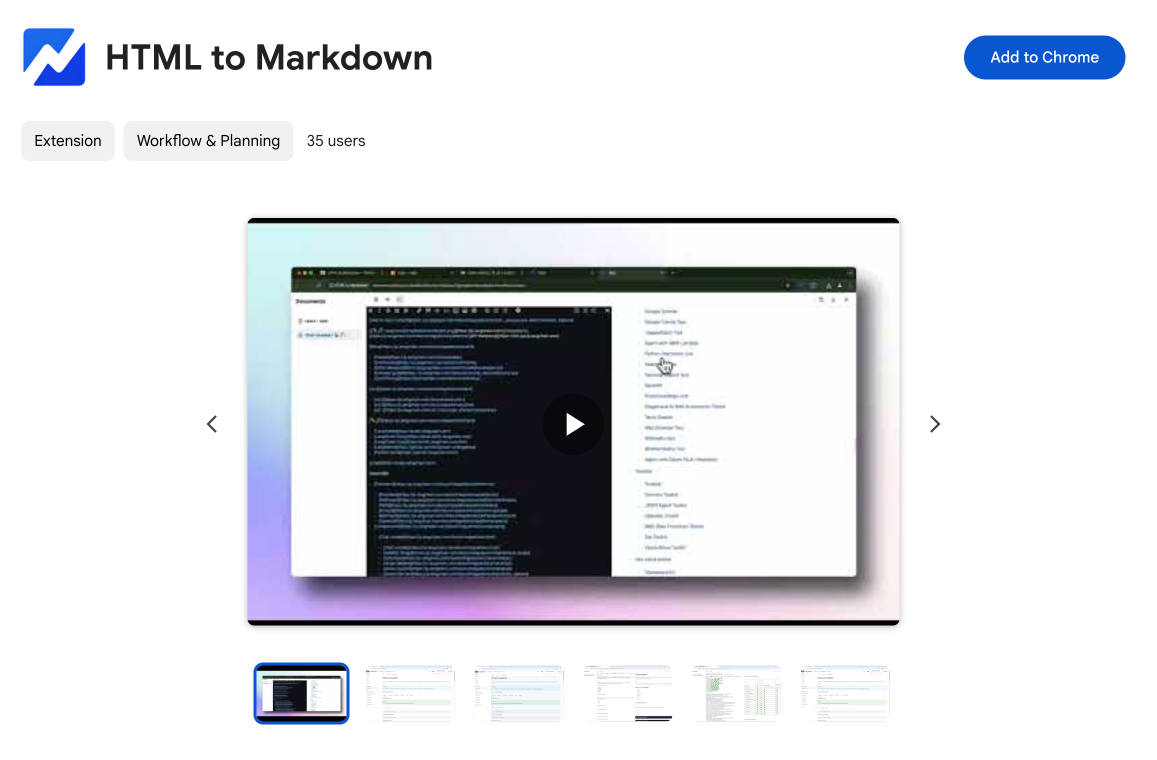
HTML to Markdown
Convert HTML to Markdown with ease, directly in your browser 📄
Dotallio
Personalized AI apps that automate research, data extraction, and content creation without code 🤖
Talk to Santa
Enjoy a magical live video chat or receive a unique AI-generated video greeting from Santa Claus 🎅
pozywka.pl
Scalable blog for food journalist, focused on performance and user experience 🌭
zagrodzki.me
Personal blog and portfolio of Bart Zagrodzki, where he shares his knowledge and work 💼
TurboStarter
Ship your startup everywhere. In minutes.
HTML to Markdown
Convert HTML to Markdown with ease, directly in your browser 📄
Dotallio
Personalized AI apps that automate research, data extraction, and content creation without code 🤖
Talk to Santa
Enjoy a magical live video chat or receive a unique AI-generated video greeting from Santa Claus 🎅
pozywka.pl
Scalable blog for food journalist, focused on performance and user experience 🌭
zagrodzki.me
Personal blog and portfolio of Bart Zagrodzki, where he shares his knowledge and work 💼
TurboStarter
Ship your startup everywhere. In minutes.
HTML to Markdown
Convert HTML to Markdown with ease, directly in your browser 📄
Dotallio
Personalized AI apps that automate research, data extraction, and content creation without code 🤖
Talk to Santa
Enjoy a magical live video chat or receive a unique AI-generated video greeting from Santa Claus 🎅
pozywka.pl
Scalable blog for food journalist, focused on performance and user experience 🌭
zagrodzki.me
Personal blog and portfolio of Bart Zagrodzki, where he shares his knowledge and work 💼
TurboStarter
Ship your startup everywhere. In minutes.
HTML to Markdown
Convert HTML to Markdown with ease, directly in your browser 📄
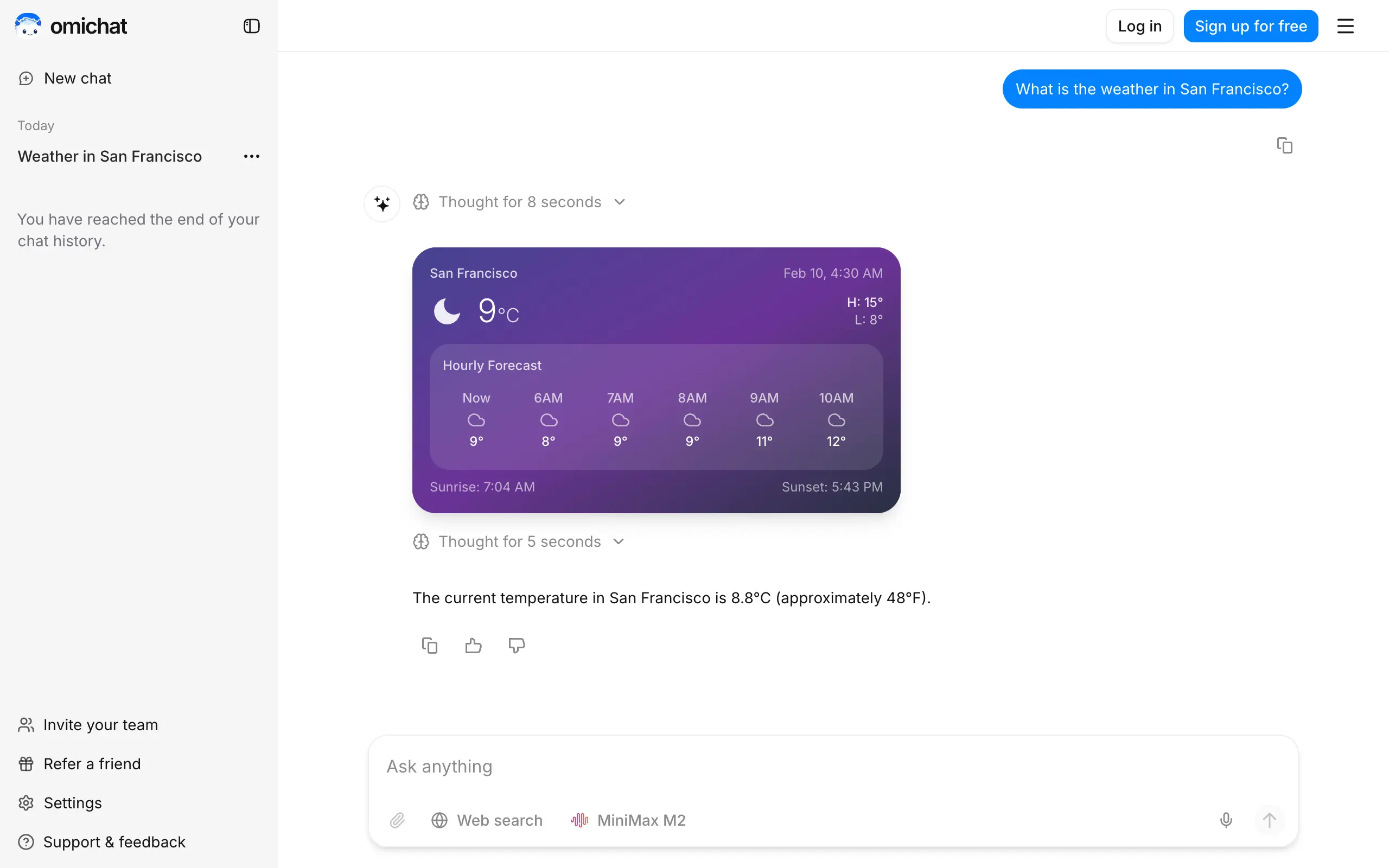
Omichat
Chat with 50+ AI models, including ChatGPT and Claude, in one place - switch models anytime without losing context 🤖
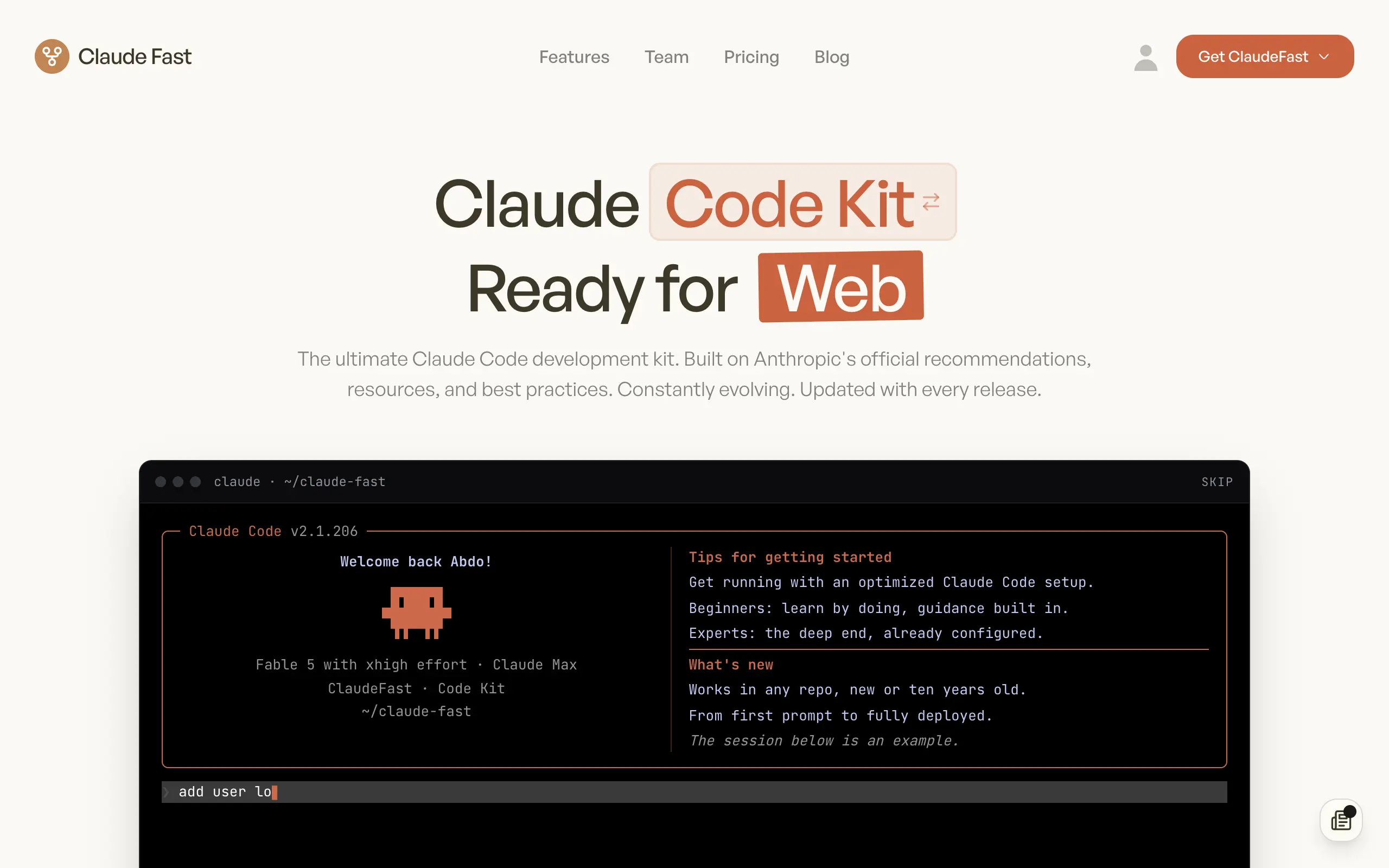
Claude Fast
Supercharge your Claude Code with 6x effective context window and specialized AI agents 🤖
EmojAI
AI-powered emoji picker with smart, context-aware suggestions 🤖
Solohacker
Autonomous company launcher - AI agents work 24/7, escalate what matters, and you stay in control 🤖
BeRawi: Storytelling Coach
Practice storytelling daily with instant feedback to sound clearer, more engaging, and confident 🎤
Omichat
Chat with 50+ AI models, including ChatGPT and Claude, in one place - switch models anytime without losing context 🤖
Claude Fast
Supercharge your Claude Code with 6x effective context window and specialized AI agents 🤖
EmojAI
AI-powered emoji picker with smart, context-aware suggestions 🤖
Solohacker
Autonomous company launcher - AI agents work 24/7, escalate what matters, and you stay in control 🤖
BeRawi: Storytelling Coach
Practice storytelling daily with instant feedback to sound clearer, more engaging, and confident 🎤
Omichat
Chat with 50+ AI models, including ChatGPT and Claude, in one place - switch models anytime without losing context 🤖
Claude Fast
Supercharge your Claude Code with 6x effective context window and specialized AI agents 🤖
EmojAI
AI-powered emoji picker with smart, context-aware suggestions 🤖
Solohacker
Autonomous company launcher - AI agents work 24/7, escalate what matters, and you stay in control 🤖
BeRawi: Storytelling Coach
Practice storytelling daily with instant feedback to sound clearer, more engaging, and confident 🎤
Omichat
Chat with 50+ AI models, including ChatGPT and Claude, in one place - switch models anytime without losing context 🤖
Claude Fast
Supercharge your Claude Code with 6x effective context window and specialized AI agents 🤖
EmojAI
AI-powered emoji picker with smart, context-aware suggestions 🤖
Solohacker
Autonomous company launcher - AI agents work 24/7, escalate what matters, and you stay in control 🤖
BeRawi: Storytelling Coach
Practice storytelling daily with instant feedback to sound clearer, more engaging, and confident 🎤

Connect with like-minded people
Join our community to get feedback, support, and grow together with 1,000+ builders on board, let's ship it!
Join usShip your startup everywhere. In minutes.
Don't burn tokens on setup and start building features on day one.