BugBrief
AI converts customer bug reports, screenshots, and voice notes into reproducible tickets with severity, steps, and developer-ready context.
Small software teams often lose more engineering time to ambiguous bug reports than to fixing the underlying defect. A customer writes, “The app froze after I tried to save,” attaches a cropped screenshot, and expects a fast answer. The support teammate must ask follow-up questions, an engineer attempts to reproduce the issue without context, and the ticket eventually becomes stale because nobody can determine whether the problem is a product bug, a browser extension, an account configuration issue, or simple user error.
BugBrief is an AI bug report triage platform designed to close that gap. It converts unstructured customer feedback into reproducible steps, environment details, severity recommendations, and developer-ready tickets. Instead of treating every incoming report as a blank support request, BugBrief turns it into a structured engineering artifact that teams can investigate, prioritize, and resolve.
For lean SaaS companies, agencies, B2B software vendors, and product-led startups, this category is particularly valuable. These businesses need the operational discipline of a mature engineering organization without hiring a dedicated support operations or QA triage team.
Primary opportunity
BugBrief should position itself as AI-powered bug intake and issue triage software for small software teams that need cleaner engineering tickets without adding process overhead.
Why AI bug report triage is a real operational problem
Customer bug reports are rarely written in the format developers need. A useful engineering ticket typically requires a clear problem statement, expected behavior, actual behavior, reproducible steps, environment context, frequency, affected users, and evidence. Most customer submissions include only a fraction of that information.
The consequences are expensive even when the individual issue is minor.
- "Support delays": agents spend time asking repetitive clarification questions.
- "Engineering interruption": developers switch context to decode incomplete tickets.
- "Longer resolution cycles": teams cannot reproduce an issue until more information arrives.
- "Poor prioritization": a serious regression can look identical to a low-impact one.
- "Lost customer trust": users feel ignored when they receive multiple follow-up requests.
- "Weak product intelligence": recurring reports are not consistently categorized or linked.
Traditional issue trackers solve the workflow after a ticket exists. They do not solve the messy intake problem before an issue reaches the backlog. Similarly, customer support platforms are excellent at conversations, but they are not purpose-built to translate customer language into a technical reproduction plan.
That is where AI bug report triage software can create a meaningful workflow advantage. BugBrief can read the original report, identify missing information, classify the issue, infer a likely severity level, normalize context, and prepare a ticket that follows the engineering team’s preferred format.
The product should not present AI as a replacement for technical judgment. Its value comes from reducing the manual work required to reach the point where technical judgment is possible.
Target audience for BugBrief
The best initial market is not every company that receives support tickets. BugBrief will be most compelling for teams with recurring product issues, a shared support-engineering handoff, and limited capacity for dedicated triage.
Small SaaS product teams
A B2B SaaS company with five to fifty engineers is an ideal early customer. These organizations frequently have:
- A support inbox or help desk with increasing volume
- Product managers acting as informal bug triagers
- Engineers who receive incomplete reports through Slack or issue trackers
- A need to preserve fast release cycles while improving support quality
- Customers using different browsers, devices, permissions, integrations, and plans
For these teams, BugBrief offers a direct operational outcome: fewer back-and-forth messages before an engineer can begin investigating.
Customer support and technical support teams
Support teams are a crucial buyer or champion because they experience the pain first. They need a way to respond quickly without pretending to diagnose every technical issue manually.
BugBrief can give support staff structured prompts such as:
- What were you trying to do?
- What did you expect to happen?
- What happened instead?
- Can you share the URL, workspace, project, or record involved?
- Which browser, operating system, or app version were you using?
- Did the issue happen once or repeatedly?
The platform should turn those answers into a concise ticket rather than leaving them scattered across a conversation transcript.
Product managers and engineering managers
Product leaders need higher-quality issue data to prioritize bugs against roadmap work. Engineering managers need to protect developers from fragmented, low-confidence requests while ensuring high-impact incidents are escalated quickly.
For these users, BugBrief should emphasize:
- Severity and impact scoring
- Duplicate detection
- Trend identification
- Release correlation
- Clear ownership routing
- Auditability of AI suggestions
Software agencies and development consultancies
Agencies often support several client products with different issue tracking systems. They may receive customer-reported defects through email, forms, chat, or shared project tools. A configurable AI bug report workflow can help them standardize intake while preserving client-specific ticket templates and escalation rules.
This audience may be especially receptive to multi-workspace functionality, branded intake forms, and usage-based pricing.
The market gap BugBrief can own
The bug reporting market contains established tools for issue tracking, error monitoring, user feedback, and session replay. However, there is a practical gap between those categories.
Error monitoring products capture machine-generated exceptions and performance traces. Tools such as Sentry are powerful when an application emits telemetry, but they cannot always explain the user’s business context or desired outcome. A customer may report that an invoice could not be approved, while the application technically logs only a validation error.
Issue trackers organize engineering work. Jira, Linear, and GitHub Issues provide robust backlogs, workflows, and team collaboration. Yet they generally assume someone has already created a sufficiently clear issue.
Support platforms capture conversations. They are optimized for resolving customer inquiries, not necessarily for producing reproducible defect documentation.
BugBrief can become the intelligence layer between customer feedback and engineering execution.
| Workflow need | Support inbox | Issue tracker | Error monitoring | BugBrief | Primary value |
|---|---|---|---|---|---|
| Capture customer language | ✅ | ❌ | ❌ | ✅ | Preserves user context |
| Generate reproduction steps | ❌ | ❌ | ❌ | ✅ | Reduces investigation time |
| Capture technical telemetry | ❌ | ❌ | ✅ | ✅ | Connects symptoms to evidence |
| Route work into engineering | ❌ | ✅ | Limited | ✅ | Creates actionable tickets |
The competitive positioning is not “another ticketing system.” It is AI-powered bug report normalization and triage that makes existing support and engineering systems work better.
BugBrief’s core value proposition
The central promise should be simple: BugBrief turns unclear bug reports into actionable engineering tickets in minutes, not multiple follow-up cycles.
A strong product flow begins with an incoming report from a form, email, support platform, chat integration, or manually pasted message. The AI analyzes the content and returns a structured brief for review.
A developer-ready BugBrief ticket could include:
- A concise title written in the team’s naming convention
- A normalized issue summary
- Expected behavior
- Actual behavior
- Step-by-step reproduction instructions
- Environment details such as browser, device, app version, plan, workspace, and operating system
- Attached evidence and referenced screenshots
- Severity recommendation with supporting reasoning
- Confidence score showing how complete the report is
- Suggested labels, product area, owner, and issue type
- Potential duplicate reports
- A suggested follow-up question when key information is missing
The product should preserve a clear distinction between information explicitly supplied by the customer and AI-generated inference. For example, a ticket can mark a browser version as “reported,” “captured automatically,” or “inferred.” This distinction is essential for trust.
Reproducible steps generation
Reproduction steps are usually the highest-value output. The AI should convert a narrative such as “I edited a campaign and everything vanished when I clicked save” into a numbered sequence, while clearly marking uncertainty.
A high-quality output might read:
- Open the campaign editor for an existing campaign.
- Modify one or more fields in the content section.
- Select Save.
- Observe that the editor returns to the campaign list and the recent edits are not visible.
If the report lacks information, BugBrief should not invent it. Instead, it should generate a targeted request such as, “Which campaign was affected, and did a success message appear after selecting Save?”
That behavior makes the platform useful in real engineering workflows, where unsupported assumptions can waste more time than a missing field.
Environment enrichment
Environment data often determines whether an issue is reproducible. BugBrief can collect it through a hosted bug report form, browser SDK, support integration, or optional customer-facing widget.
Useful context includes:
- Browser and browser version
- Operating system and device type
- Screen size and locale
- Application version or release identifier
- Current page URL and route
- Account plan and feature flags
- Workspace or tenant identifier
- User role and permissions
- Recent actions, where privacy policies allow
- Correlation IDs from application logs
The best approach is progressive enrichment. Ask users only for details that cannot be captured reliably, and automatically gather context only after the customer has been clearly informed.
Severity and impact scoring
Severity is frequently subjective. BugBrief should use transparent, configurable rules rather than presenting one opaque AI score as objective truth.
A practical severity framework can consider:
- Number of potentially affected users
- Whether a critical workflow is blocked
- Revenue, compliance, or data-loss implications
- Availability of a workaround
- Frequency and recurrence
- Whether the issue follows a recent release
- Whether the report matches existing incidents
For example, a cosmetic spacing issue affecting one user should not receive the same urgency as a permissions regression preventing administrators from accessing production data.
Customer impact
Estimate whether the bug blocks a critical workflow, affects revenue, risks data, or has a workaround.
Technical confidence
Show whether the severity recommendation is supported by telemetry, repeated reports, or only customer language.
Team policy
Let each workspace map AI recommendations to its own definitions of critical, high, medium, and low severity.
Essential features for an MVP
A successful BugBrief MVP should prioritize a narrow, end-to-end workflow. It does not need to replace the support desk or become a full observability suite.
Structured bug report intake
The first version should offer a hosted intake form and embeddable widget. Teams should be able to customize:
- Product name and branding
- Required and optional fields
- Categories and product areas
- Screenshot and file uploads
- Consent copy for diagnostic context
- Confirmation messages
- Language and locale settings
The form should intelligently adapt based on the issue type. For example, a login failure requires different questions from a data export problem.
AI ticket generation
This is BugBrief’s core engine. It should transform an intake submission into a consistent ticket template, preserving source text and linking every generated conclusion to evidence where possible.
A useful UI pattern is a side-by-side view:
- The original customer report on the left
- The generated structured brief on the right
- Clear edit controls for support or product staff
- Highlighted missing fields and confidence warnings
- One-click export to the engineering tracker
Smart follow-up questions
Rather than asking customers a generic “Can you provide more details?” BugBrief should ask the single most useful next question.
For a report about a failed payment, that might be the payment method and timestamp. For a visual issue, it may be browser, device, and screenshot. For a permissions issue, it may be the user role and workspace.
This feature has an outsized impact because better questions shorten the support cycle and improve the customer experience.
Integrations with engineering workflows
Initial integrations should focus on the systems small software teams already use:
The integration should be opinionated. Rather than merely exporting raw text, BugBrief should map fields into titles, descriptions, labels, priorities, assignees, and custom fields.
Duplicate detection and clustering
As volume grows, duplicate detection becomes a key differentiator. BugBrief can compare semantic similarity, product area, error text, route, environment, and timing to identify likely related reports.
The system should never silently merge customer reports. Instead, it can suggest, “This report may be related to BUG-184, with 82 percent similarity,” and let a human confirm the relationship.
A recommended tech stack for BugBrief
BugBrief is a multi-tenant SaaS application handling sensitive customer feedback, integrations, and AI-powered workflows. The stack should optimize for secure iteration, reliable background processing, and excellent auditability.
Web application and interface
Next.js is a strong choice for the product dashboard, hosted forms, documentation, and marketing pages. Its server-side capabilities simplify authenticated workflows and API endpoints while supporting a fast user experience.
Use React for interactive triage interfaces and Tailwind CSS for a consistent, efficient design system.
Trade-off matters here. A Next.js monolith is faster for an early-stage team than separate frontend and backend applications. As ingestion volume and AI job complexity increase, specific services can be extracted without rewriting the customer-facing application.
Database and authentication
PostgreSQL is well suited for relational data such as workspaces, users, submissions, ticket mappings, audit logs, role permissions, and integration configurations.
A managed platform such as Supabase can accelerate early development with PostgreSQL, authentication, storage, and row-level security. The trade-off is platform coupling, but the speed and operational simplicity are often worthwhile for an MVP.
For authentication, support SSO later in the roadmap, but establish secure workspace membership, role-based access controls, and session management from day one.
AI orchestration and background jobs
AI ticket creation should run asynchronously. A customer should receive a confirmation immediately, while BugBrief processes enrichment, classification, duplicate analysis, and integrations in the background.
A queue-backed architecture is important because external API calls and model requests can fail, time out, or need retries. Common implementation options include:
- Inngest for event-driven workflows
- Trigger.dev for background jobs
- A Redis-backed queue for teams that need deeper infrastructure control
For the language model layer, use structured outputs with a schema. The goal is not free-form prose; it is validated fields that can be safely inserted into an issue tracker.
type BugBriefTicket = {
  title: string
  summary: string
  expectedBehavior: string | null
  actualBehavior: string | null
  reproductionSteps: string[]
  environment: {
    browser?: string
    operatingSystem?: string
    appVersion?: string
    route?: string
  }
  severity: "critical" | "high" | "medium" | "low"
  severityReasoning: string[]
  missingInformation: string[]
  confidence: number
}
Structured output validation should reject malformed responses, constrain allowed severity values, and preserve the original source report for review.
Integrations and observability
Use OAuth where a third-party platform supports it, encrypt refresh tokens, and keep integration permissions narrow. Every action should be logged, including which report generated a ticket, which model version processed it, and whether a human edited the output.
For application monitoring, BugBrief should use an error tracking tool and product analytics with careful privacy controls. Measure:
- Time from report submission to ticket readiness
- Percentage of tickets requiring manual edits
- Follow-up question completion rate
- Duplicate detection acceptance rate
- Resolution time by severity
- Export and integration success rate
Data privacy, security, and AI trust
Bug reports can contain customer names, email addresses, screenshots, internal URLs, account data, and occasionally secrets. Trust is not an add-on feature for BugBrief; it is a product requirement.
The platform should implement:
- Encryption in transit and at rest
- Workspace-level data isolation
- Configurable retention periods
- File scanning and secure object storage
- Redaction options for emails, tokens, API keys, and personal data
- Audit logs for exports, edits, and integration activity
- Clear controls for model processing and data use
- Data processing documentation for security reviews
Avoid claims such as “fully compliant” unless BugBrief has completed the relevant formal assessments. Instead, explain actual controls and publish a transparent security posture.
For AI quality, show users why the system made a recommendation. If severity is high because the report mentions blocked checkout and several similar reports arrived after a release, that reasoning should be visible.
Do not let the model fabricate certainty
A bug triage AI should distinguish reported facts, automatically captured context, and inferred hypotheses. This protects engineering time and makes the product more trustworthy than a generic AI summarizer.
Monetization strategy for AI bug report triage software
BugBrief can use a product-led pricing model with limits tied to AI processing and team workflow value.
A practical pricing structure
A free or low-cost starter tier can help small teams validate the workflow. It should include limited reports per month, one workspace, basic ticket exports, and standard templates.
Paid plans can scale around report volume, integrations, advanced AI features, and governance needs.
- "Starter plan": for early SaaS teams needing a hosted form and basic AI ticket briefs.
- "Growth plan": for teams needing support desk integrations, duplicate clustering, custom templates, and higher report limits.
- "Scale plan": for larger organizations requiring SSO, audit logs, priority support, custom retention, and advanced routing.
- "Agency plan": for consultancies managing multiple client workspaces and branded intake experiences.
Usage-based pricing is sensible when AI costs rise with report volume. However, customers should not feel punished for receiving more feedback. Include a generous baseline and charge for meaningful value drivers, such as processed reports, enriched sessions, or advanced automation.
Expansion revenue opportunities
Additional revenue can come from:
- Custom Jira and Linear field mapping
- Slack-based incident escalation
- Advanced trend reports
- Release regression detection
- Session replay or error-monitoring integrations
- API access and webhooks
- White-label forms for agencies
- AI quality tuning using a customer’s historical ticket patterns
The strongest long-term monetization lever is not simply more AI generations. It is becoming the source of truth for customer-reported product quality.
Competitive advantage and defensibility
BugBrief’s strongest competitive advantage is a focused workflow that combines customer language, technical context, and engineering-ready output.
Generic AI assistants can summarize a ticket, but they do not automatically know an organization’s severity policy, product taxonomy, issue tracker fields, duplicate history, or support workflow. Generic forms can collect data, but they cannot intelligently decide which missing question is most important.
BugBrief can build defensibility through several layers.
Workflow-specific AI quality
The product can learn from accepted and edited ticket briefs. Over time, it can understand how a team titles issues, labels product areas, defines severity, and writes reproduction steps.
This should be implemented with customer control and transparent data handling. The point is not to train on data indiscriminately. The point is to let each workspace configure and improve its own triage outcomes.
Integration depth
A shallow integration exports text. A valuable integration understands project mappings, labels, issue states, assignee rules, incident channels, and feedback loops from resolved tickets.
When BugBrief accurately creates tickets in the correct engineering workflow, it becomes harder to replace.
A high-quality bug intelligence dataset
As teams process more reports, BugBrief can identify recurring friction areas, common environment combinations, release-linked regressions, and unresolved issue clusters. This transforms a reactive bug intake tool into a proactive product quality platform.
Human-in-the-loop trust
Many competitors will overpromise autonomous triage. BugBrief should win by being reliable, editable, and transparent. Support agents and product managers should feel faster, not bypassed.
Risks and practical mitigation
Every AI SaaS idea has risks. BugBrief’s are manageable when addressed deliberately.
Mitigate this by retaining source evidence, using schema validation, showing confidence levels, separating inferred content from customer-provided facts, and requiring review before high-impact automations.
Use explicit consent, configurable capture settings, redaction, least-privilege integrations, clear retention policies, and a mode that works from manually submitted information alone.
Focus on the engineering handoff workflow, richer reproduction guidance, severity policy controls, duplicate clustering, and tracker-native integrations rather than competing as a general help desk.
Use smaller models for classification, cache duplicate analyses, process only meaningful changes, set plan limits, and reserve high-cost analysis for reports that need it.
Go-to-market strategy for BugBrief
The clearest early message is outcome-driven: “Turn customer bug reports into developer-ready tickets.”
Avoid broad language such as “AI support automation.” It places BugBrief in a crowded market and obscures the specialized value proposition.
Content marketing can target high-intent searches such as:
- AI bug report triage software
- How to write reproducible bug reports
- Bug report template for SaaS teams
- Customer support to engineering handoff
- How to prioritize customer-reported bugs
- Reduce incomplete Jira tickets
- Bug severity matrix for product teams
Useful lead magnets include a reproducible bug report template, a bug severity scoring rubric, and an engineering handoff checklist. These assets address immediate user intent while introducing BugBrief as the automation layer.
Early distribution should also include:
- Communities for indie hackers, SaaS founders, support leaders, and engineering managers
- Integration marketplaces for issue trackers and support platforms
- Direct outreach to teams with public feature-request boards or active support channels
- Partnerships with software agencies and fractional CTOs
- Product-led onboarding built around importing a few real historical reports
For credibility, publish anonymized before-and-after examples showing how incomplete reports become actionable tickets. When using metrics, cite an internal methodology or recommend supporting claims with credible industry research from sources such as recognized software delivery, customer support, or developer productivity reports.
An actionable implementation roadmap
The fastest path is to validate the complete workflow before expanding integrations or building advanced analytics.
A lean founding team can accelerate the SaaS foundation by starting with TurboStarter, then concentrating engineering effort on the specialized bug triage workflow, secure integrations, and AI quality layer that make BugBrief distinct.
Final perspective
BugBrief addresses a persistent problem in modern software delivery: the distance between what customers report and what engineers need to investigate. Small teams feel this problem most acutely because they cannot afford a long chain of manual clarification, ticket cleanup, and context switching.
The winning version of BugBrief is not a chatbot that produces polished-looking tickets. It is a trustworthy AI bug report triage system that captures the right context, asks better questions, flags uncertainty, applies each team’s prioritization rules, and delivers useful work directly into the development workflow.
By focusing on reproducibility, transparent severity scoring, privacy-conscious enrichment, and deep integrations, BugBrief can become an essential operational layer between support and engineering.
More 🤖 AI Startup SaaS ideas
Discover more innovative ai startup SaaS ideas that are trending in 2026. Each idea is AI-generated with market validation and growth potential to help you find your next profitable venture faster than competitors.
Your competitors are building with TurboStarter
Below are some of the SaaS ideas that have been generated and built with our starter kit.
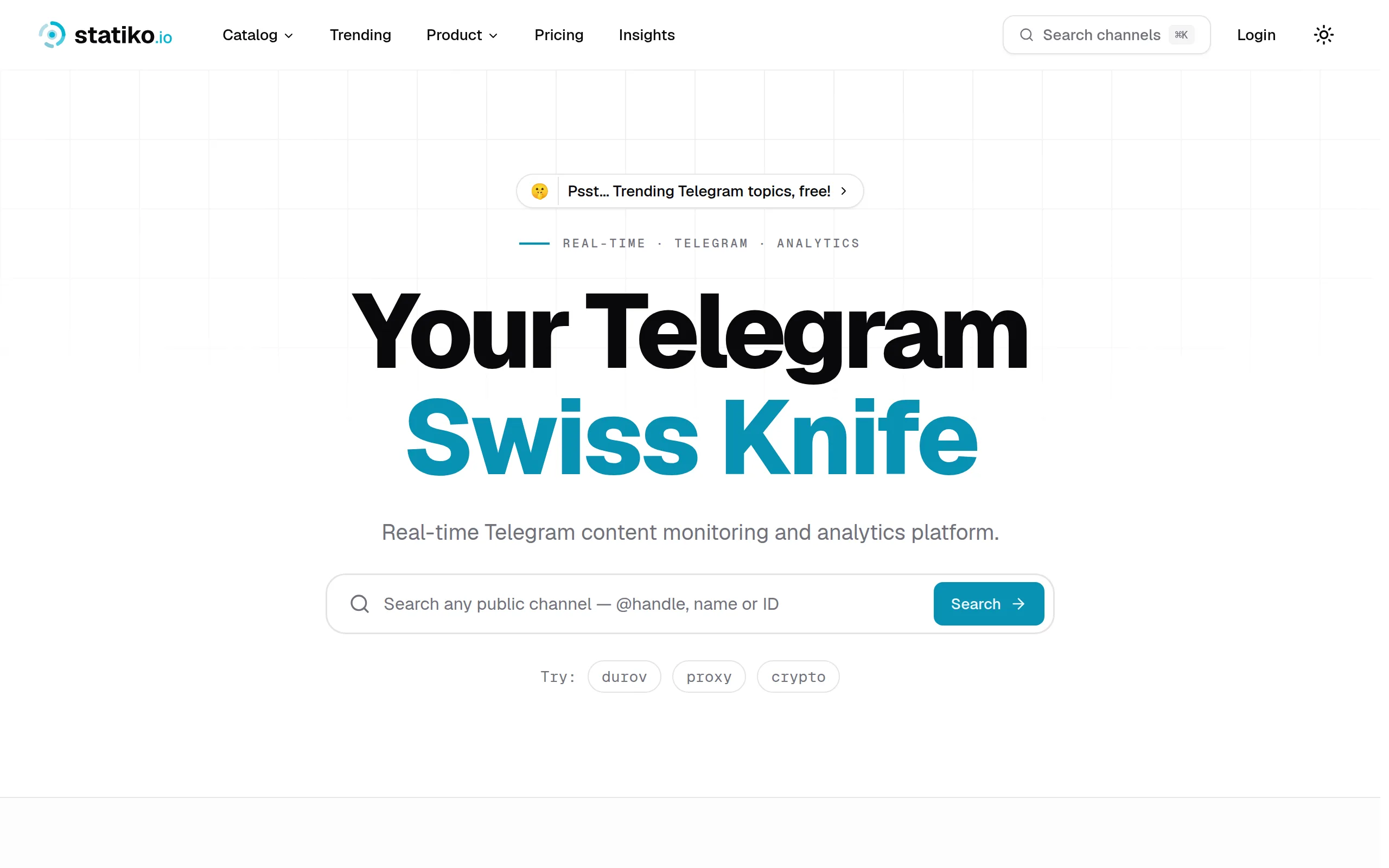
Statiko
Monitor any Telegram channel in real time - track posts, edits, deletions, and growth with AI recaps 📡

Shibui
AI website builder - describe your business, pick a niche template, edit by chatting, and publish instantly ✨

Pro Service
Find verified home service professionals, compare quotes, and pay securely through escrow - built for Brazilians across the US 🏠
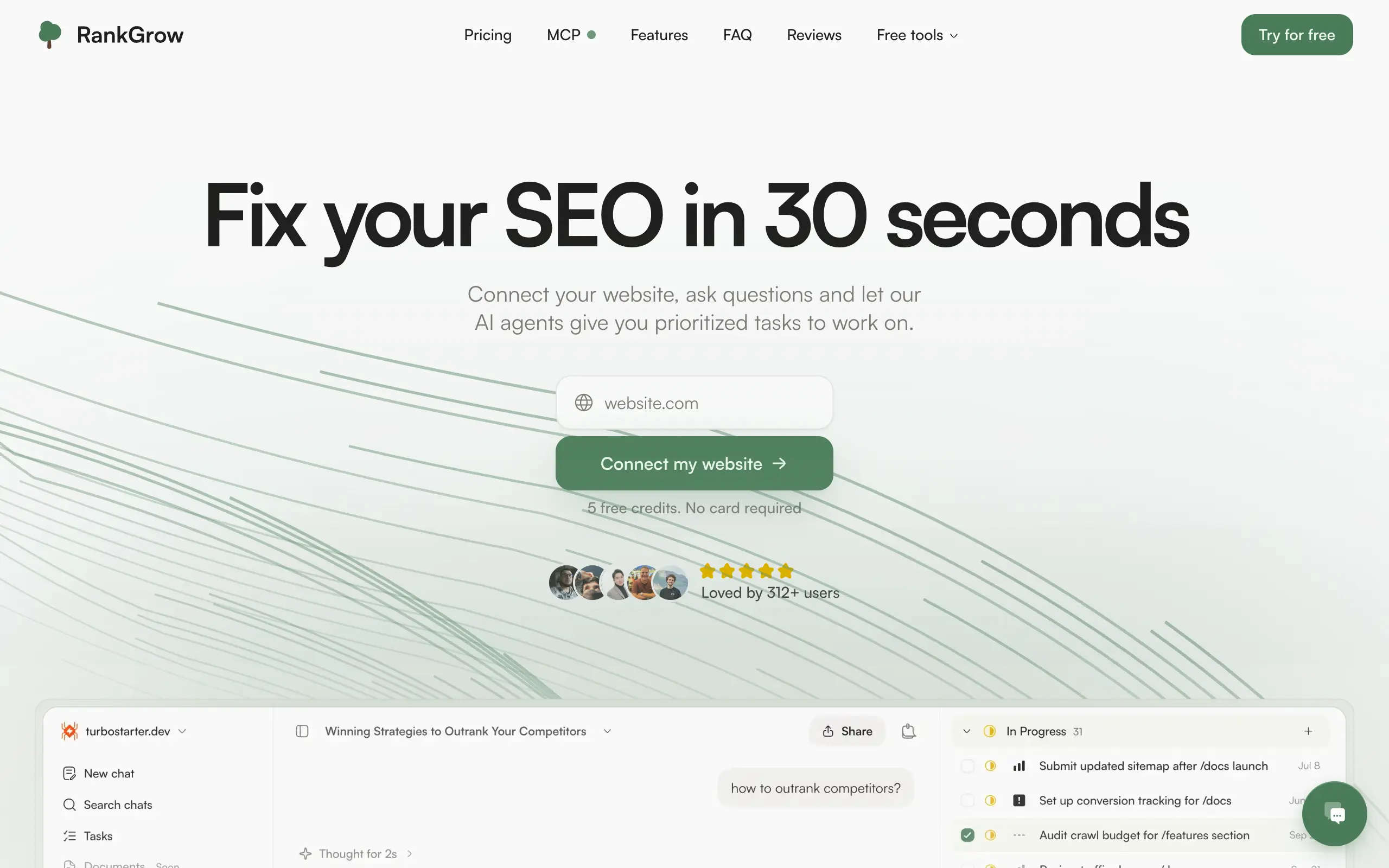
RankGrow
Fix your SEO with AI agents - connect Search Console, get prioritized tasks, and grow organic traffic 📈
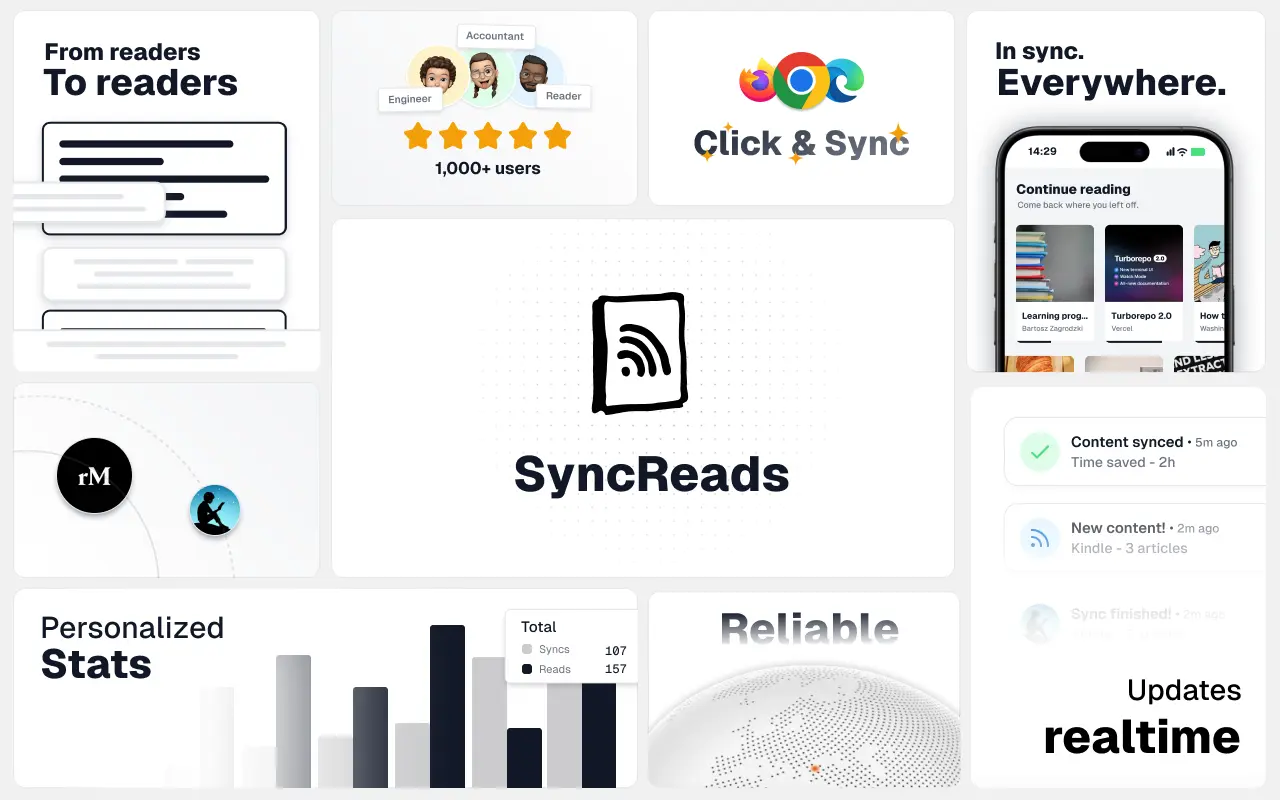
SyncReads
Sync your favorite content for distraction-free reading, save time and replace multiple apps. Anytime, anywhere 🔄
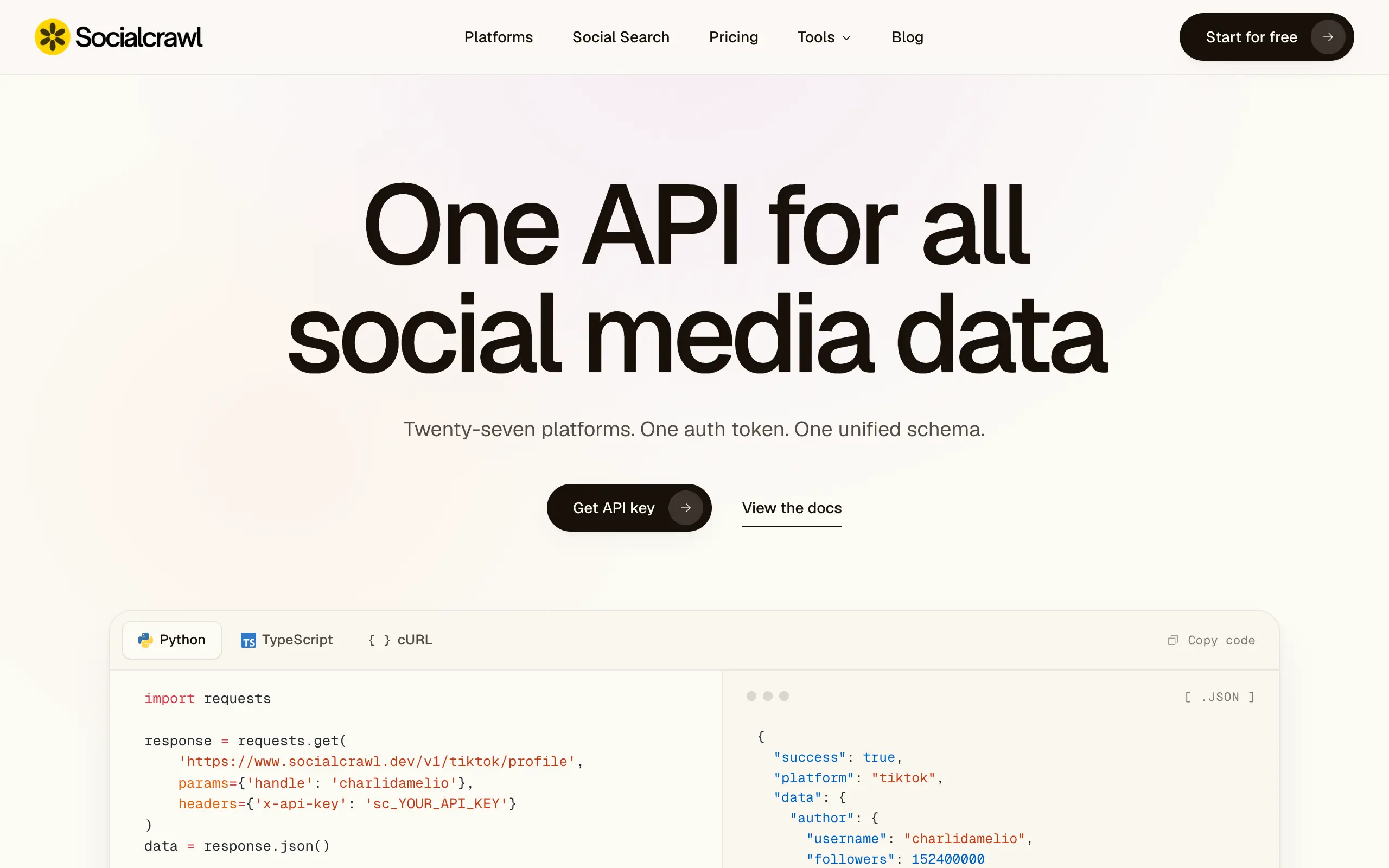
Socialcrawl
Get clean, structured data from 21 platforms like TikTok, Instagram, and YouTube with a single request 📊
Statiko
Monitor any Telegram channel in real time - track posts, edits, deletions, and growth with AI recaps 📡
Shibui
AI website builder - describe your business, pick a niche template, edit by chatting, and publish instantly ✨
Pro Service
Find verified home service professionals, compare quotes, and pay securely through escrow - built for Brazilians across the US 🏠
RankGrow
Fix your SEO with AI agents - connect Search Console, get prioritized tasks, and grow organic traffic 📈
SyncReads
Sync your favorite content for distraction-free reading, save time and replace multiple apps. Anytime, anywhere 🔄
Socialcrawl
Get clean, structured data from 21 platforms like TikTok, Instagram, and YouTube with a single request 📊
Statiko
Monitor any Telegram channel in real time - track posts, edits, deletions, and growth with AI recaps 📡
Shibui
AI website builder - describe your business, pick a niche template, edit by chatting, and publish instantly ✨
Pro Service
Find verified home service professionals, compare quotes, and pay securely through escrow - built for Brazilians across the US 🏠
RankGrow
Fix your SEO with AI agents - connect Search Console, get prioritized tasks, and grow organic traffic 📈
SyncReads
Sync your favorite content for distraction-free reading, save time and replace multiple apps. Anytime, anywhere 🔄
Socialcrawl
Get clean, structured data from 21 platforms like TikTok, Instagram, and YouTube with a single request 📊
Statiko
Monitor any Telegram channel in real time - track posts, edits, deletions, and growth with AI recaps 📡
Shibui
AI website builder - describe your business, pick a niche template, edit by chatting, and publish instantly ✨
Pro Service
Find verified home service professionals, compare quotes, and pay securely through escrow - built for Brazilians across the US 🏠
RankGrow
Fix your SEO with AI agents - connect Search Console, get prioritized tasks, and grow organic traffic 📈
SyncReads
Sync your favorite content for distraction-free reading, save time and replace multiple apps. Anytime, anywhere 🔄
Socialcrawl
Get clean, structured data from 21 platforms like TikTok, Instagram, and YouTube with a single request 📊
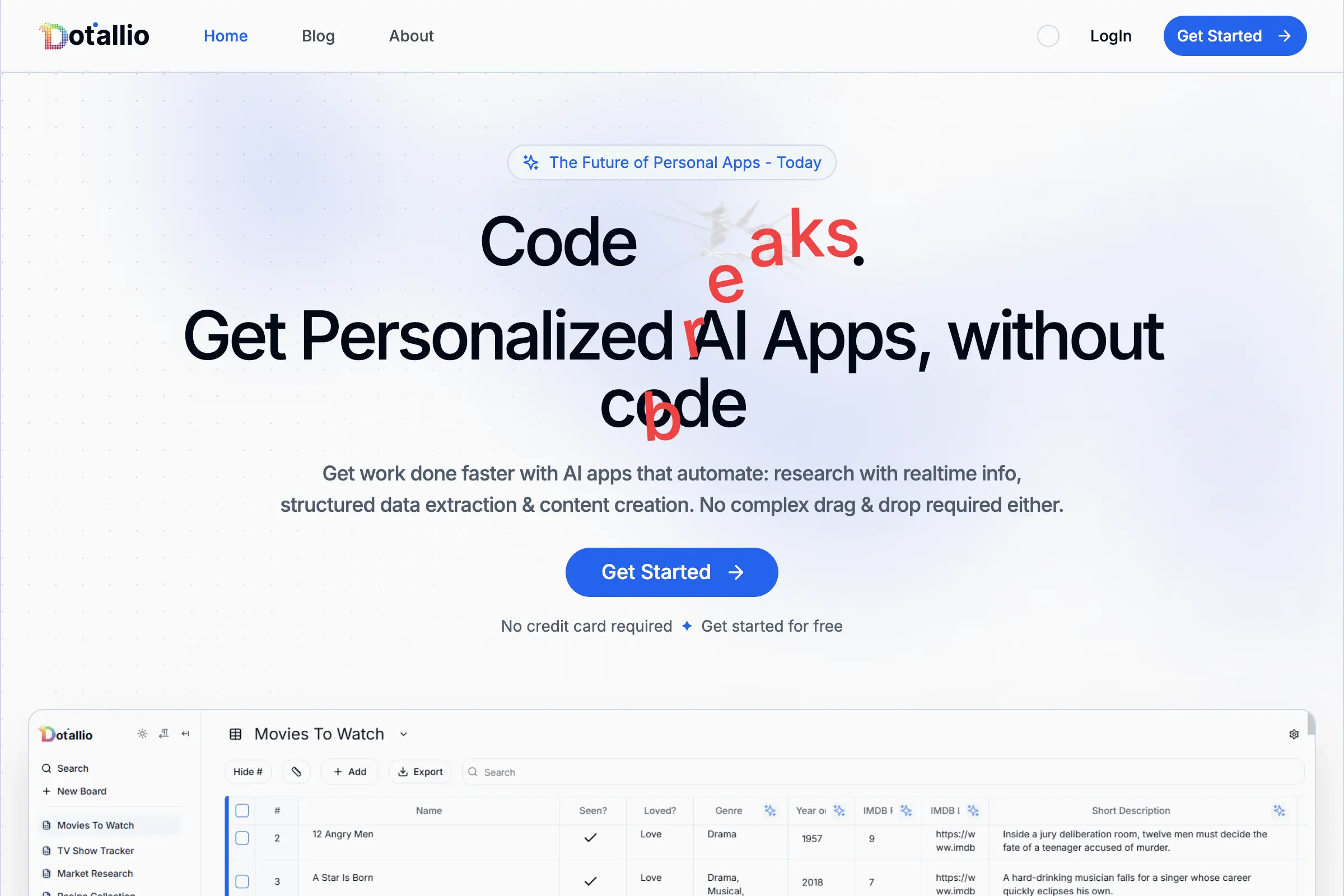
Dotallio
Personalized AI apps that automate research, data extraction, and content creation without code 🤖

Talk to Santa
Enjoy a magical live video chat or receive a unique AI-generated video greeting from Santa Claus 🎅
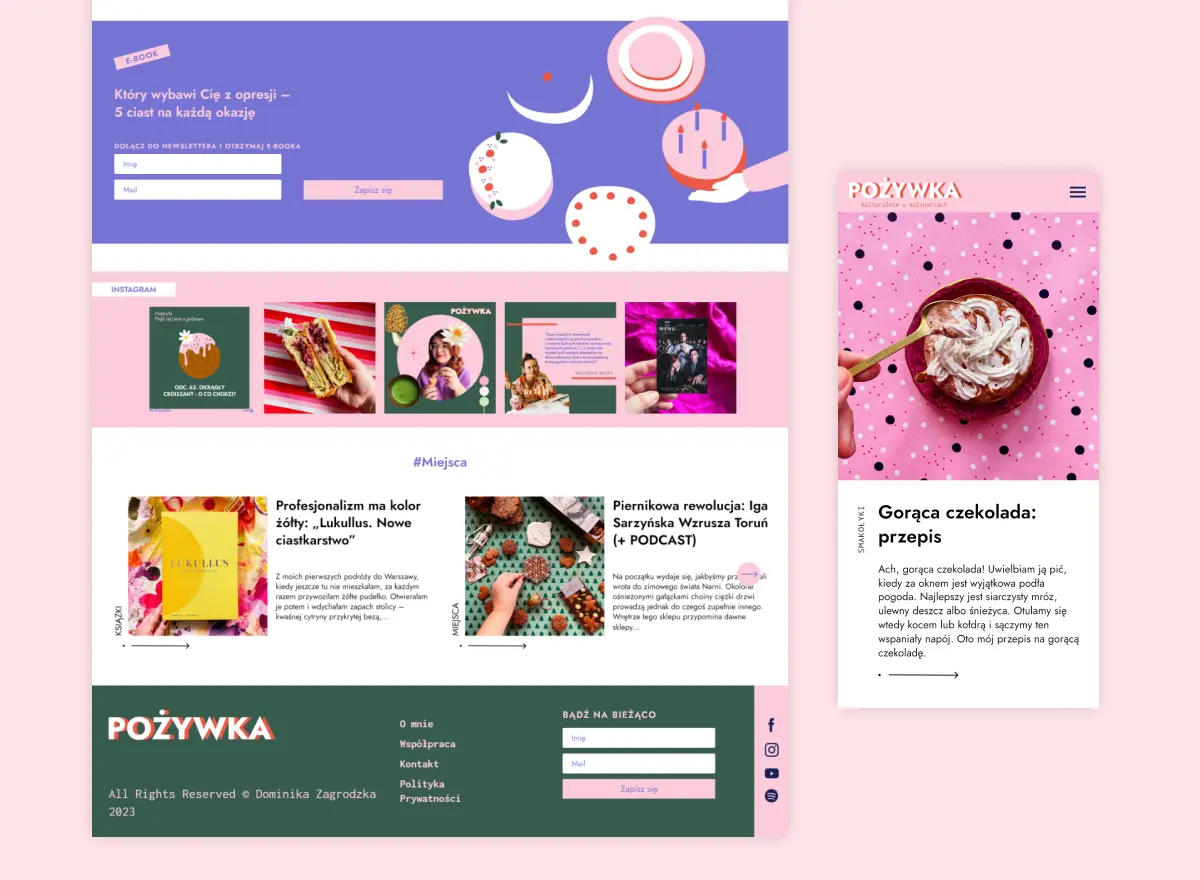
pozywka.pl
Scalable blog for food journalist, focused on performance and user experience 🌭
zagrodzki.me
Personal blog and portfolio of Bart Zagrodzki, where he shares his knowledge and work 💼
TurboStarter
Ship your startup everywhere. In minutes.
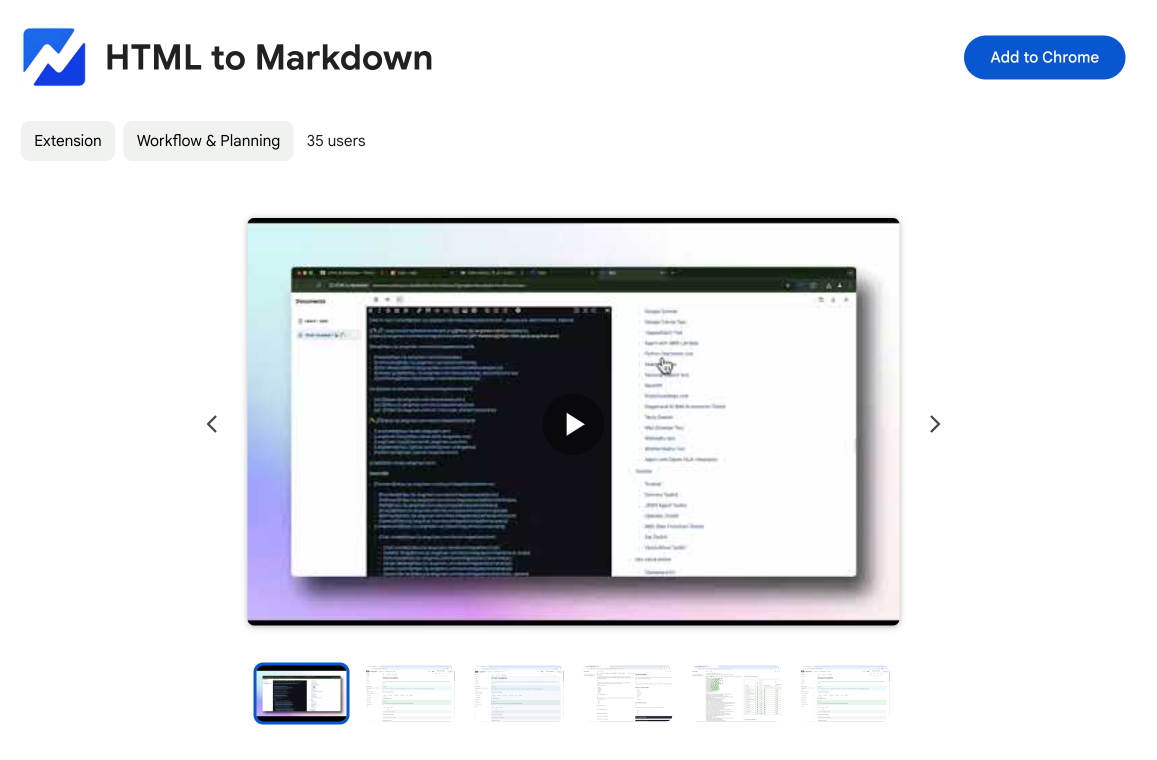
HTML to Markdown
Convert HTML to Markdown with ease, directly in your browser 📄
Dotallio
Personalized AI apps that automate research, data extraction, and content creation without code 🤖
Talk to Santa
Enjoy a magical live video chat or receive a unique AI-generated video greeting from Santa Claus 🎅
pozywka.pl
Scalable blog for food journalist, focused on performance and user experience 🌭
zagrodzki.me
Personal blog and portfolio of Bart Zagrodzki, where he shares his knowledge and work 💼
TurboStarter
Ship your startup everywhere. In minutes.
HTML to Markdown
Convert HTML to Markdown with ease, directly in your browser 📄
Dotallio
Personalized AI apps that automate research, data extraction, and content creation without code 🤖
Talk to Santa
Enjoy a magical live video chat or receive a unique AI-generated video greeting from Santa Claus 🎅
pozywka.pl
Scalable blog for food journalist, focused on performance and user experience 🌭
zagrodzki.me
Personal blog and portfolio of Bart Zagrodzki, where he shares his knowledge and work 💼
TurboStarter
Ship your startup everywhere. In minutes.
HTML to Markdown
Convert HTML to Markdown with ease, directly in your browser 📄
Dotallio
Personalized AI apps that automate research, data extraction, and content creation without code 🤖
Talk to Santa
Enjoy a magical live video chat or receive a unique AI-generated video greeting from Santa Claus 🎅
pozywka.pl
Scalable blog for food journalist, focused on performance and user experience 🌭
zagrodzki.me
Personal blog and portfolio of Bart Zagrodzki, where he shares his knowledge and work 💼
TurboStarter
Ship your startup everywhere. In minutes.
HTML to Markdown
Convert HTML to Markdown with ease, directly in your browser 📄
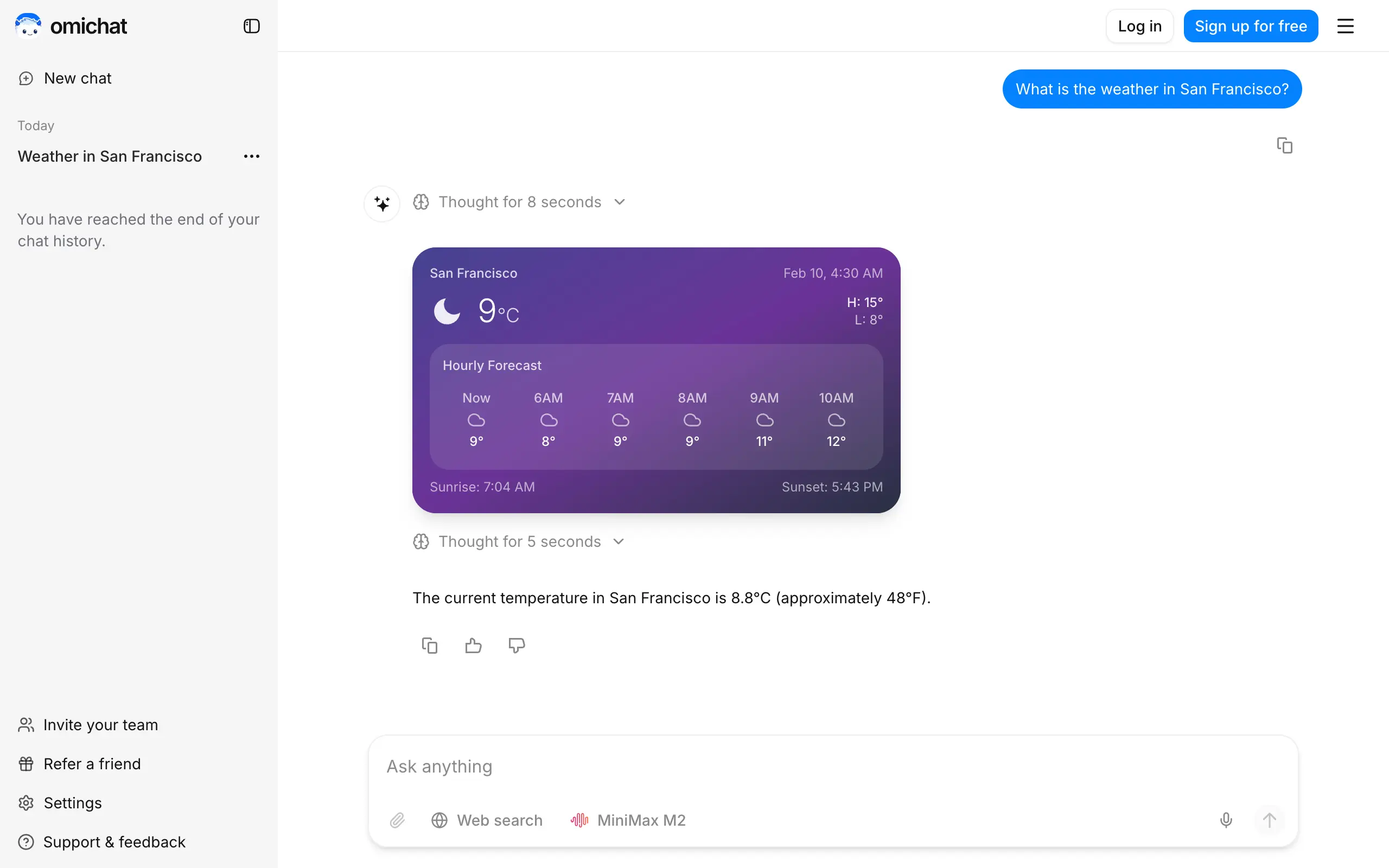
Omichat
Chat with 50+ AI models, including ChatGPT and Claude, in one place - switch models anytime without losing context 🤖
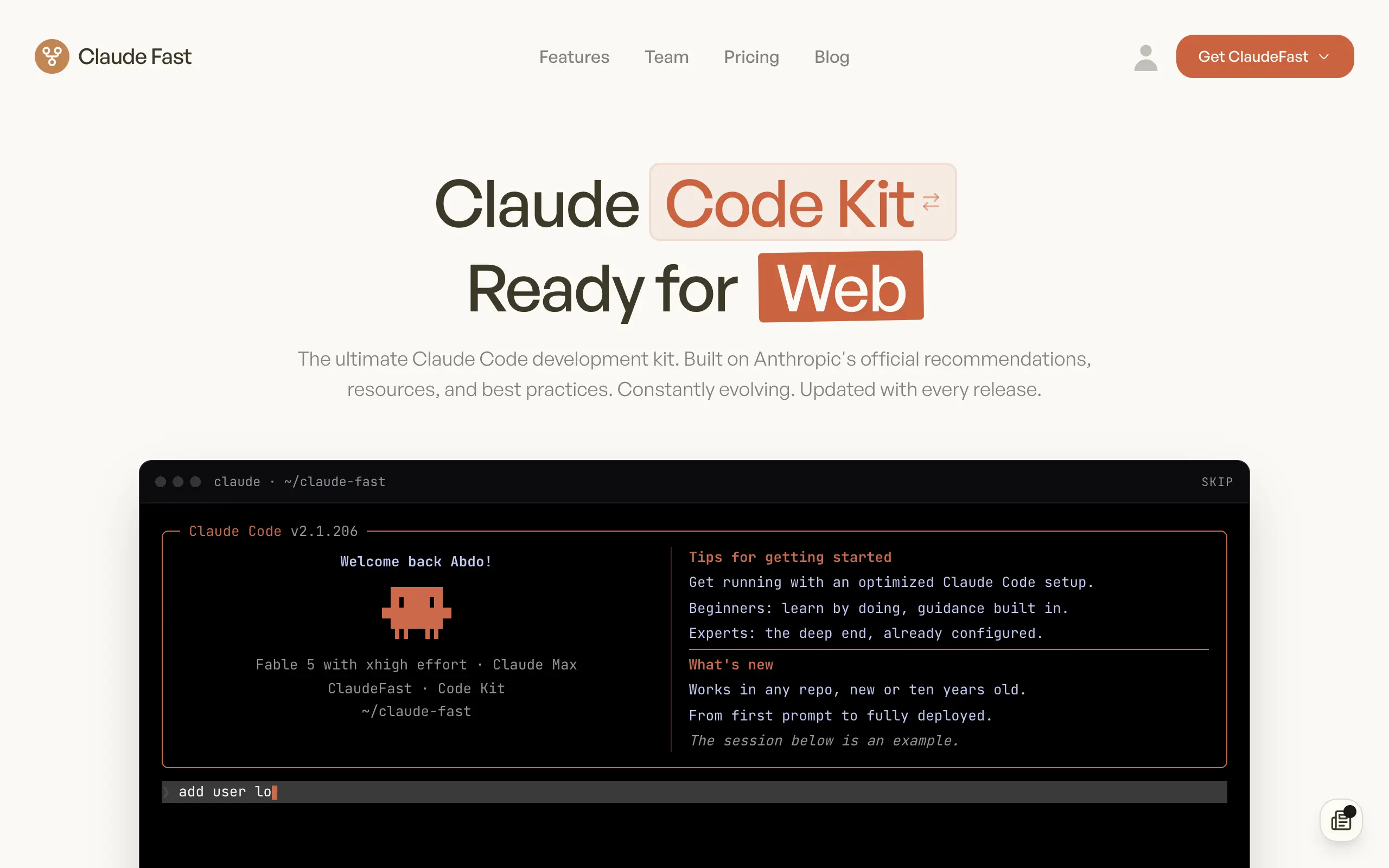
Claude Fast
Supercharge your Claude Code with 6x effective context window and specialized AI agents 🤖
EmojAI
AI-powered emoji picker with smart, context-aware suggestions 🤖
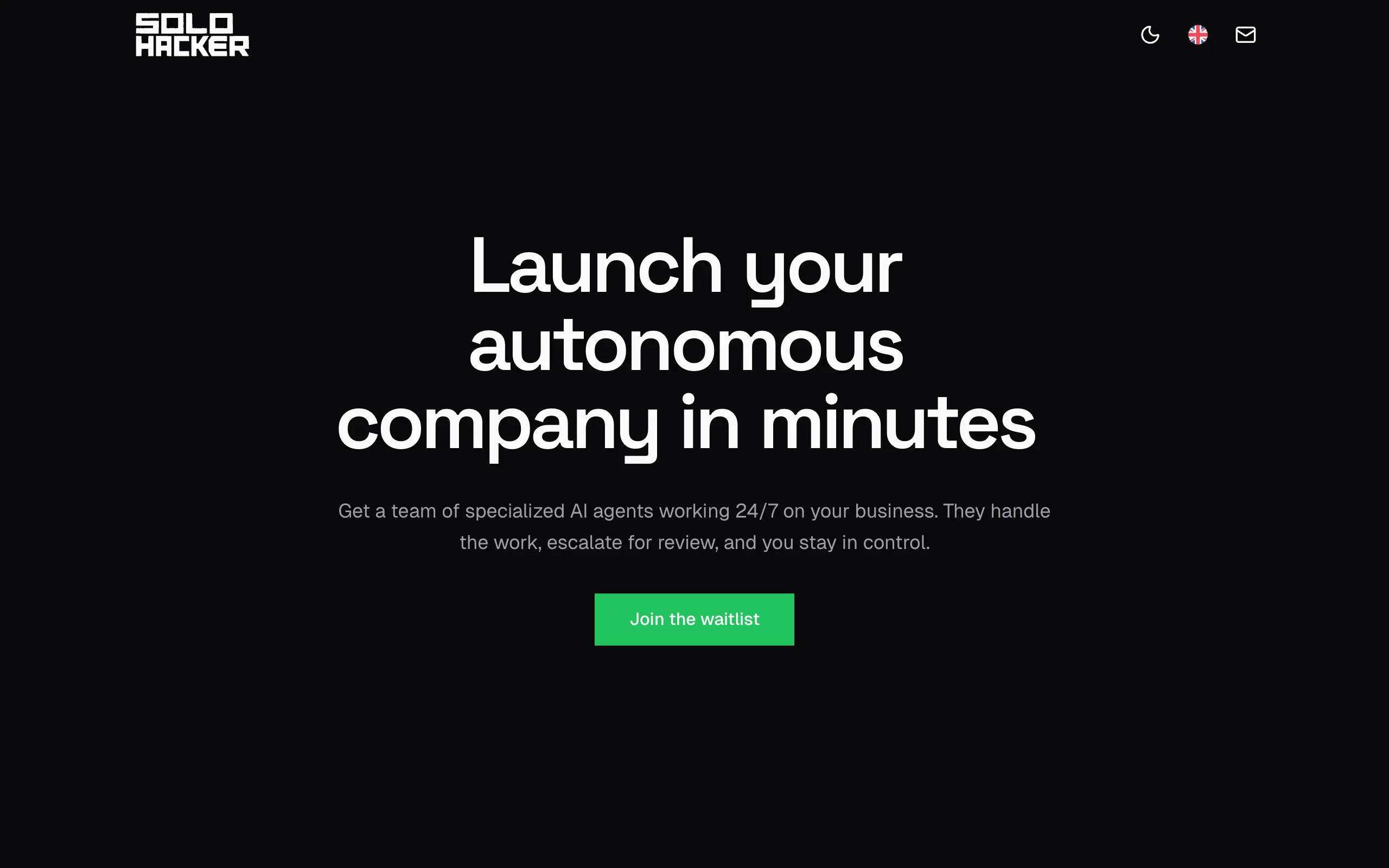
Solohacker
Autonomous company launcher - AI agents work 24/7, escalate what matters, and you stay in control 🤖
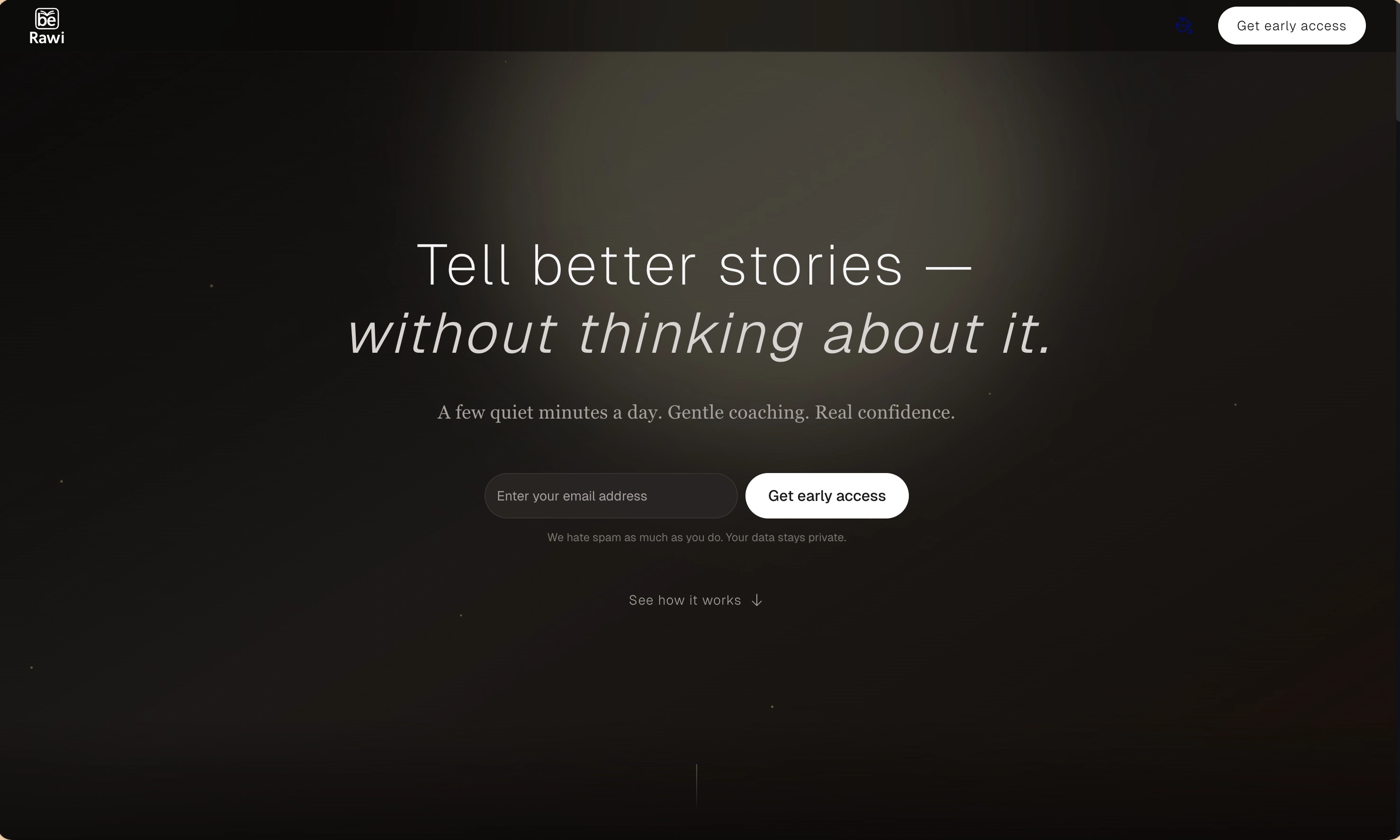
BeRawi: Storytelling Coach
Practice storytelling daily with instant feedback to sound clearer, more engaging, and confident 🎤
Omichat
Chat with 50+ AI models, including ChatGPT and Claude, in one place - switch models anytime without losing context 🤖
Claude Fast
Supercharge your Claude Code with 6x effective context window and specialized AI agents 🤖
EmojAI
AI-powered emoji picker with smart, context-aware suggestions 🤖
Solohacker
Autonomous company launcher - AI agents work 24/7, escalate what matters, and you stay in control 🤖
BeRawi: Storytelling Coach
Practice storytelling daily with instant feedback to sound clearer, more engaging, and confident 🎤
Omichat
Chat with 50+ AI models, including ChatGPT and Claude, in one place - switch models anytime without losing context 🤖
Claude Fast
Supercharge your Claude Code with 6x effective context window and specialized AI agents 🤖
EmojAI
AI-powered emoji picker with smart, context-aware suggestions 🤖
Solohacker
Autonomous company launcher - AI agents work 24/7, escalate what matters, and you stay in control 🤖
BeRawi: Storytelling Coach
Practice storytelling daily with instant feedback to sound clearer, more engaging, and confident 🎤
Omichat
Chat with 50+ AI models, including ChatGPT and Claude, in one place - switch models anytime without losing context 🤖
Claude Fast
Supercharge your Claude Code with 6x effective context window and specialized AI agents 🤖
EmojAI
AI-powered emoji picker with smart, context-aware suggestions 🤖
Solohacker
Autonomous company launcher - AI agents work 24/7, escalate what matters, and you stay in control 🤖
BeRawi: Storytelling Coach
Practice storytelling daily with instant feedback to sound clearer, more engaging, and confident 🎤

Connect with like-minded people
Join our community to get feedback, support, and grow together with 1,000+ builders on board, let's ship it!
Join usShip your startup everywhere. In minutes.
Don't burn tokens on setup and start building features on day one.