BugReplay AI
AI tool that converts error logs and stack traces into step-by-step bug reproduction guides and fix suggestions for faster debugging.
The future of debugging with AI-powered bug reproduction
Modern software teams ship faster than ever. Continuous deployment, microservices, edge computing, and AI-driven features have dramatically increased system complexity. Yet one stubborn bottleneck remains: debugging production errors.
Developers still spend hours (sometimes days) translating cryptic stack traces and fragmented logs into reproducible steps. This is where an AI-powered debugging assistant like BugReplay AI changes the game—by converting error logs and stack traces into step-by-step bug reproduction guides and actionable fix suggestions.
This article explores the full business, technical, and strategic landscape behind building and launching an AI debugging SaaS like BugReplay AI. We’ll cover:
- Target audience analysis
- Market opportunity and validation
- Core features and solution design
- AI architecture and tech stack
- Monetization strategies
- Competitive landscape
- Risks and mitigation
- Actionable implementation roadmap
If you're evaluating or building an AI debugging tool, this guide gives you everything you need.
Understanding the core problem: debugging friction
Why debugging remains expensive
Debugging is rarely just about fixing code. It involves:
- Interpreting stack traces
- Parsing logs from distributed systems
- Identifying the root cause
- Reproducing the bug locally
- Verifying a fix
- Preventing regression
In distributed systems and serverless environments, reproducibility becomes exponentially harder.
According to widely cited developer productivity research (e.g., DORA and similar engineering performance reports), engineering teams spend a significant portion of their time on maintenance and troubleshooting. Even minor improvements in debugging efficiency can result in meaningful ROI.
The critical pain points
-
Unclear reproduction steps
Logs show what happened, not how to recreate it. -
Context switching
Developers jump between logging tools, APM dashboards, code editors, and issue trackers. -
Tribal knowledge dependency
Senior engineers often become debugging bottlenecks. -
Incomplete error reports from QA or users
“It crashed” isn’t helpful.
BugReplay AI directly addresses this gap by transforming raw technical artifacts into structured, human-readable reproduction guides.
What is BugReplay AI?
BugReplay AI is an AI-powered debugging assistant that:
- Ingests error logs and stack traces
- Correlates context from code repositories
- Generates step-by-step bug reproduction guides
- Suggests potential root causes
- Provides fix recommendations
Instead of manually decoding stack traces, developers receive structured guidance like:
- Open
/dashboard/settings - Submit form with empty
emailfield - Observe 500 error due to
nullvalidation bypass - Stack trace points to
UserService.validateInput()
This directly satisfies search intent around:
- “How to reproduce a bug from stack trace”
- “AI debugging tool”
- “Convert error logs to actionable steps”
- “Fix suggestions from stack trace”
Target audience analysis
Primary target segments
SaaS engineering teams
Mid-size product teams shipping continuously and managing production incidents daily.
DevOps & SRE teams
Teams responsible for uptime and incident response who need faster root cause analysis.
Startups with lean engineering
Small teams without dedicated QA automation pipelines.
Enterprise engineering departments
Organizations managing legacy systems and distributed microservices.
Buyer personas
1. Head of engineering
- KPI-driven
- Focused on MTTR (Mean Time To Resolution)
- Cares about developer velocity
2. Senior backend developer
- Deeply technical
- Frustrated with incomplete error context
- Wants actionable suggestions, not vague advice
3. CTO of scaling startup
- Balancing speed and stability
- Interested in AI leverage for productivity
Secondary segments
- QA teams
- Support engineers
- Open-source maintainers
- Dev agencies
Market opportunity and validation
Trends driving demand
-
AI-first developer tools
AI copilots have normalized machine-assisted coding. -
Distributed architectures
Microservices increase debugging complexity. -
Remote engineering teams
Asynchronous collaboration makes structured reproduction steps essential. -
Shift-left DevOps practices
Teams want automated diagnostics integrated into CI/CD.
Existing categories
BugReplay AI sits at the intersection of:
- Error monitoring (e.g., Sentry)
- Log management (e.g., Datadog)
- AI code assistants
- Root cause analysis platforms
However, most current tools:
- Show errors
- Provide stack traces
- Offer alerting
They rarely convert logs into structured reproduction workflows with fix recommendations.
That is the market gap.
Competitive analysis
Below is a positioning comparison:
| Capability | Error Monitoring Tools | Log Platforms | AI Code Assistants | BugReplay AI |
|---|---|---|---|---|
| Stack trace parsing | ✅ | ✅ | ❌ | ✅ |
| Step-by-step reproduction guide | ❌ | ❌ | ❌ | ✅ |
| Fix suggestions | ❌ | ❌ | ✅ | ✅ |
| Context-aware debugging assistant | ❌ | ❌ | Partial | ✅ |
Unique selling proposition (USP)
BugReplay AI doesn’t just show errors—it reconstructs them.
That reconstruction layer is the defensible moat.
Core features and solution design
1. Log ingestion engine
- Accepts raw logs
- Integrates via:
- API
- Webhooks
- CLI tool
- Direct integration with monitoring tools
2. Stack trace analyzer
- Identifies root file
- Maps call hierarchy
- Detects common failure patterns
3. AI reproduction engine
This is the heart of the product.
It:
- Extracts user actions from logs
- Reconstructs request flows
- Simulates execution paths
- Outputs step-by-step reproduction instructions
4. Fix suggestion generator
- Suggests potential code changes
- Highlights likely null references
- Flags validation gaps
- Detects race conditions
5. GitHub / GitLab integration
- Links error to commit
- Suggests diff patch
- Enables one-click issue creation
6. CI/CD plugin
Automatically analyzes failing pipelines and outputs reproduction steps in pull requests.
Recommended AI architecture
High-level pipeline
// Simplified AI processing flow

async function processError(logInput) {
  const structuredData = parseLogs(logInput);
  const context = await fetchRepoContext(structuredData.files);
  const reproductionSteps = await generateReproduction(structuredData, context);
  const fixSuggestions = await generateFixes(structuredData, context);

  return {
    reproductionSteps,
    fixSuggestions
  };
}
AI components
-
Log parser model
- Fine-tuned LLM or prompt-engineered transformer
- Extracts structured metadata
-
Context enricher
- Pulls relevant source code
- Embedding-based retrieval (RAG)
-
Reproduction reasoning model
- Multi-step reasoning
- Execution simulation
-
Fix suggestion engine
- Pattern recognition
- Code transformation proposals
Recommended tech stack (with trade-offs)
Frontend
Why:
- Developer audience expects responsive, fast UI
- Tailwind accelerates MVP development
Backend
- Node.js (fast iteration)
or - Go (high concurrency performance)
AI layer
- OpenAI or similar LLM provider
- Vector database (e.g., Pinecone or open-source alternative)
- Embedding pipeline for repository indexing
Database
- PostgreSQL (structured error storage)
- Redis (caching recent analyses)
Infrastructure
- Kubernetes for scale
- Serverless for log ingestion endpoints
Monetization strategy options
1. Usage-based pricing (recommended)
Charge based on:
- Number of errors processed
- Log volume
- Reproduction guide generation count
2. Tiered subscription
| Plan | Target | Features |
|---|---|---|
| Starter | Indie devs | 500 errors/month |
| Pro | Startups | Advanced AI suggestions |
| Enterprise | Large orgs | On-prem + SOC2 |
3. Enterprise add-ons
- On-prem deployment
- Private model hosting
- SLA-backed support
4. API monetization
Allow third-party integration:
- CI tools
- Monitoring platforms
- IDE extensions
Go-to-market strategy
Phase 1: Developer-led growth
- Publish debugging case studies
- SEO content targeting:
- “How to fix stack trace errors”
- “AI bug reproduction tool”
- Launch on Product Hunt
Phase 2: Integrations
- Build plugins for:
- GitHub
- GitLab
- VS Code
Phase 3: Enterprise sales
- Target engineering leaders
- Emphasize MTTR reduction
Potential risks and mitigation
Risk 1: Incorrect AI suggestions
AI hallucination risk
AI-generated debugging steps may be incorrect if context is incomplete.
Mitigation:
- Confidence scoring
- Show reasoning chain
- Allow feedback loop
Risk 2: Data privacy concerns
Engineering logs may contain:
- API keys
- PII
- Sensitive system architecture
Mitigation:
- Automatic redaction
- On-prem option
- SOC2 compliance roadmap
Risk 3: Integration friction
Developers avoid tools that require heavy setup.
Mitigation:
- 5-minute onboarding
- CLI install option
- SDK documentation
Implementation roadmap
Building faster with a SaaS starter kit
Launching a sophisticated AI SaaS requires:
- Authentication
- Billing
- Role management
- Team collaboration
- Secure API infrastructure
Instead of building these from scratch, you can accelerate development using TurboStarter, which provides production-ready SaaS scaffolding.
This allows you to focus on:
- AI quality
- Log parsing innovation
- Competitive differentiation
Long-term competitive advantage
To build defensibility:
- Train domain-specific debugging models
- Build anonymized error pattern datasets
- Create feedback-driven reinforcement loops
- Develop proprietary reproduction reasoning chains
The more bugs processed, the smarter the system becomes.
This creates a data moat.
Future expansion opportunities
1. Autonomous bug patching
Auto-generate pull requests.
2. Production simulation sandbox
Replay errors in safe environments.
3. Real-time incident copilot
Live assistant during outages.
4. Cross-service correlation engine
Detect cascading failures.
Final thoughts
The AI debugging market is still in its early stages. While error monitoring platforms show what broke, they rarely explain how to reproduce and fix it clearly.
BugReplay AI occupies a powerful strategic position:
- It reduces developer frustration.
- It lowers MTTR.
- It scales debugging knowledge.
- It transforms raw logs into structured intelligence.
In an era where software complexity grows faster than teams, AI-powered bug reproduction tools represent not just convenience—but competitive advantage.
The opportunity is significant. The need is urgent. And the technology is finally ready.
If executed correctly, BugReplay AI can become the intelligent debugging layer modern engineering teams rely on every day.
More 🤖 AI Startup SaaS ideas
Discover more innovative ai startup SaaS ideas that are trending in 2026. Each idea is AI-generated with market validation and growth potential to help you find your next profitable venture faster than competitors.
Your competitors are building with TurboStarter
Below are some of the SaaS ideas that have been generated and built with our starter kit.

Statiko
Monitor any Telegram channel in real time - track posts, edits, deletions, and growth with AI recaps 📡

Shibui
AI website builder - describe your business, pick a niche template, edit by chatting, and publish instantly ✨

Pro Service
Find verified home service professionals, compare quotes, and pay securely through escrow - built for Brazilians across the US 🏠
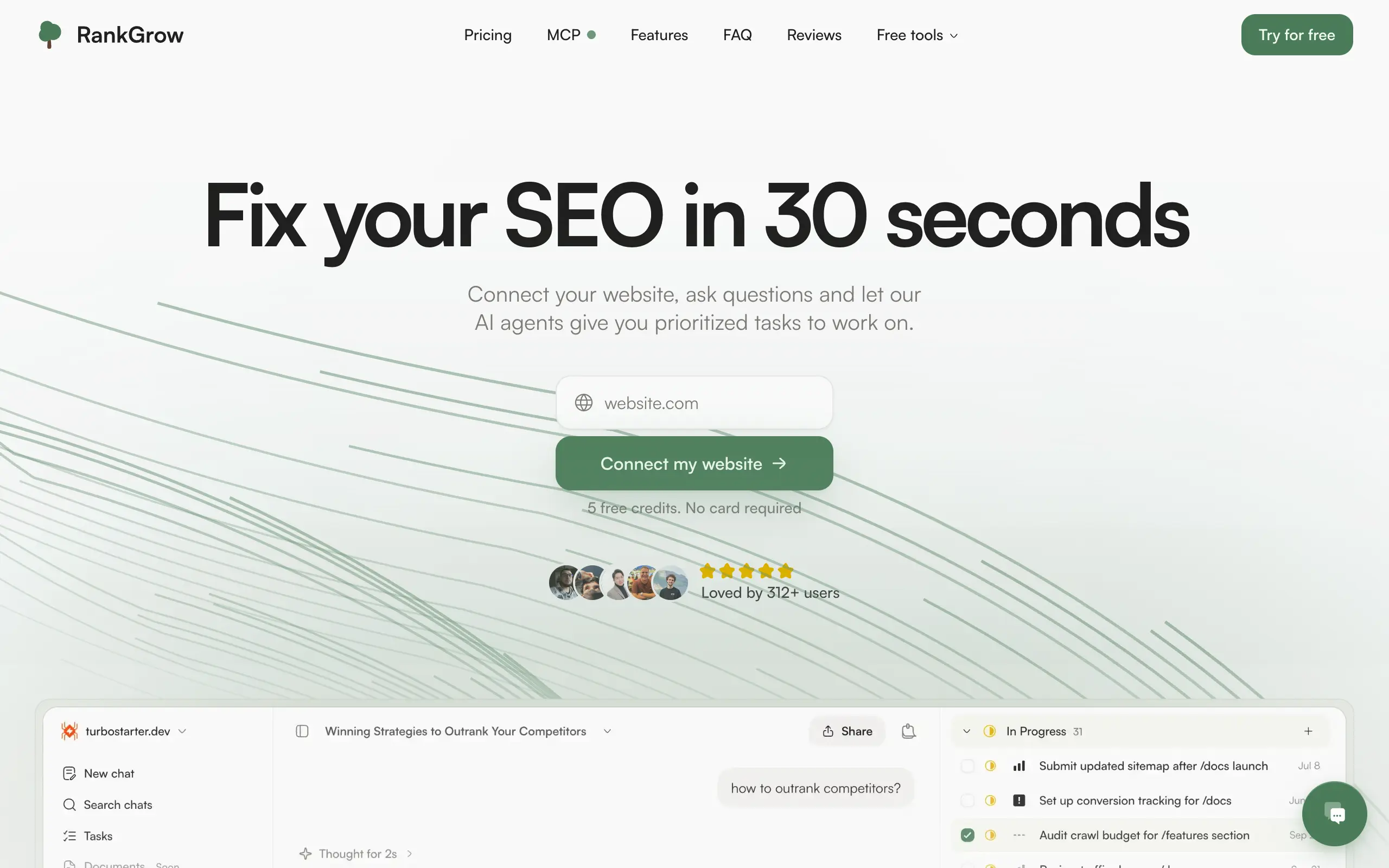
RankGrow
Fix your SEO with AI agents - connect Search Console, get prioritized tasks, and grow organic traffic 📈
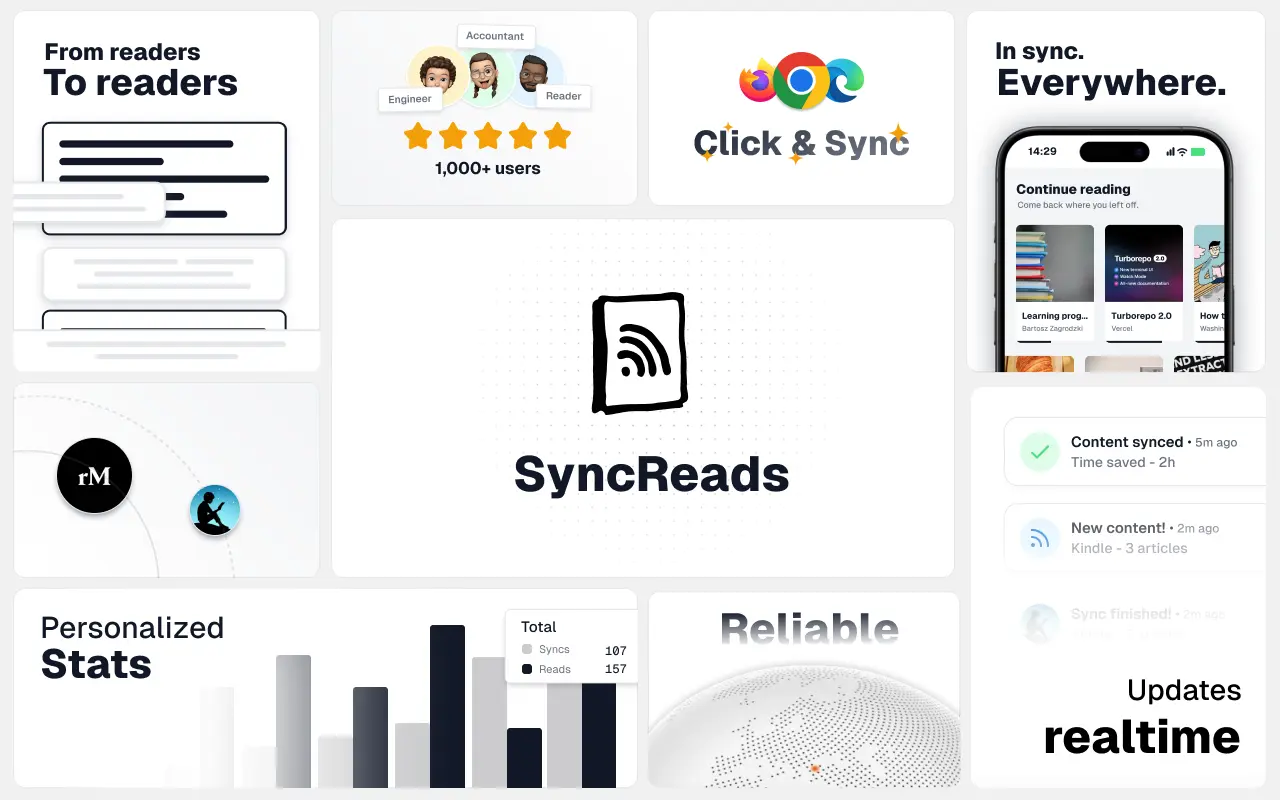
SyncReads
Sync your favorite content for distraction-free reading, save time and replace multiple apps. Anytime, anywhere 🔄
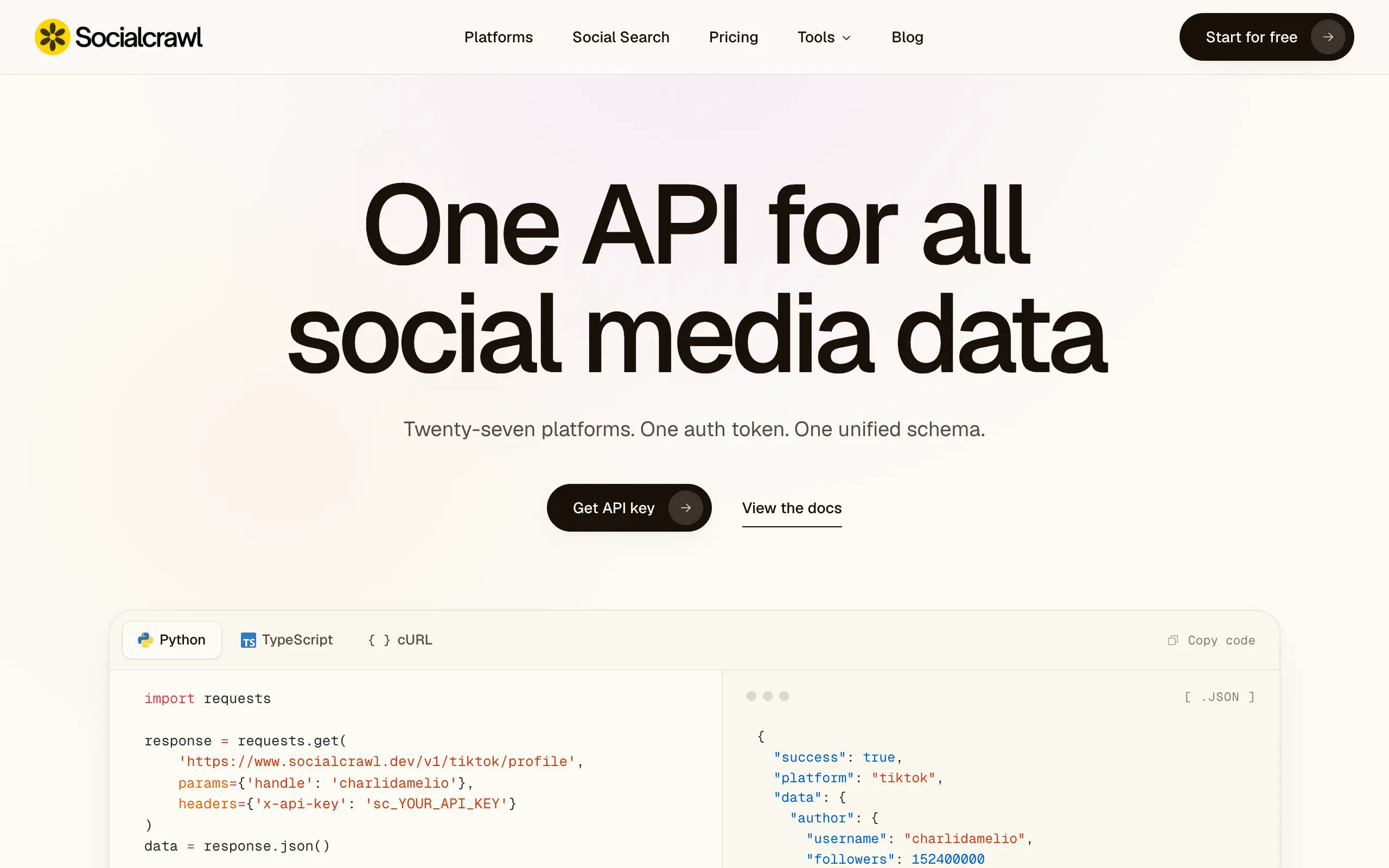
Socialcrawl
Get clean, structured data from 21 platforms like TikTok, Instagram, and YouTube with a single request 📊
Statiko
Monitor any Telegram channel in real time - track posts, edits, deletions, and growth with AI recaps 📡
Shibui
AI website builder - describe your business, pick a niche template, edit by chatting, and publish instantly ✨
Pro Service
Find verified home service professionals, compare quotes, and pay securely through escrow - built for Brazilians across the US 🏠
RankGrow
Fix your SEO with AI agents - connect Search Console, get prioritized tasks, and grow organic traffic 📈
SyncReads
Sync your favorite content for distraction-free reading, save time and replace multiple apps. Anytime, anywhere 🔄
Socialcrawl
Get clean, structured data from 21 platforms like TikTok, Instagram, and YouTube with a single request 📊
Statiko
Monitor any Telegram channel in real time - track posts, edits, deletions, and growth with AI recaps 📡
Shibui
AI website builder - describe your business, pick a niche template, edit by chatting, and publish instantly ✨
Pro Service
Find verified home service professionals, compare quotes, and pay securely through escrow - built for Brazilians across the US 🏠
RankGrow
Fix your SEO with AI agents - connect Search Console, get prioritized tasks, and grow organic traffic 📈
SyncReads
Sync your favorite content for distraction-free reading, save time and replace multiple apps. Anytime, anywhere 🔄
Socialcrawl
Get clean, structured data from 21 platforms like TikTok, Instagram, and YouTube with a single request 📊
Statiko
Monitor any Telegram channel in real time - track posts, edits, deletions, and growth with AI recaps 📡
Shibui
AI website builder - describe your business, pick a niche template, edit by chatting, and publish instantly ✨
Pro Service
Find verified home service professionals, compare quotes, and pay securely through escrow - built for Brazilians across the US 🏠
RankGrow
Fix your SEO with AI agents - connect Search Console, get prioritized tasks, and grow organic traffic 📈
SyncReads
Sync your favorite content for distraction-free reading, save time and replace multiple apps. Anytime, anywhere 🔄
Socialcrawl
Get clean, structured data from 21 platforms like TikTok, Instagram, and YouTube with a single request 📊
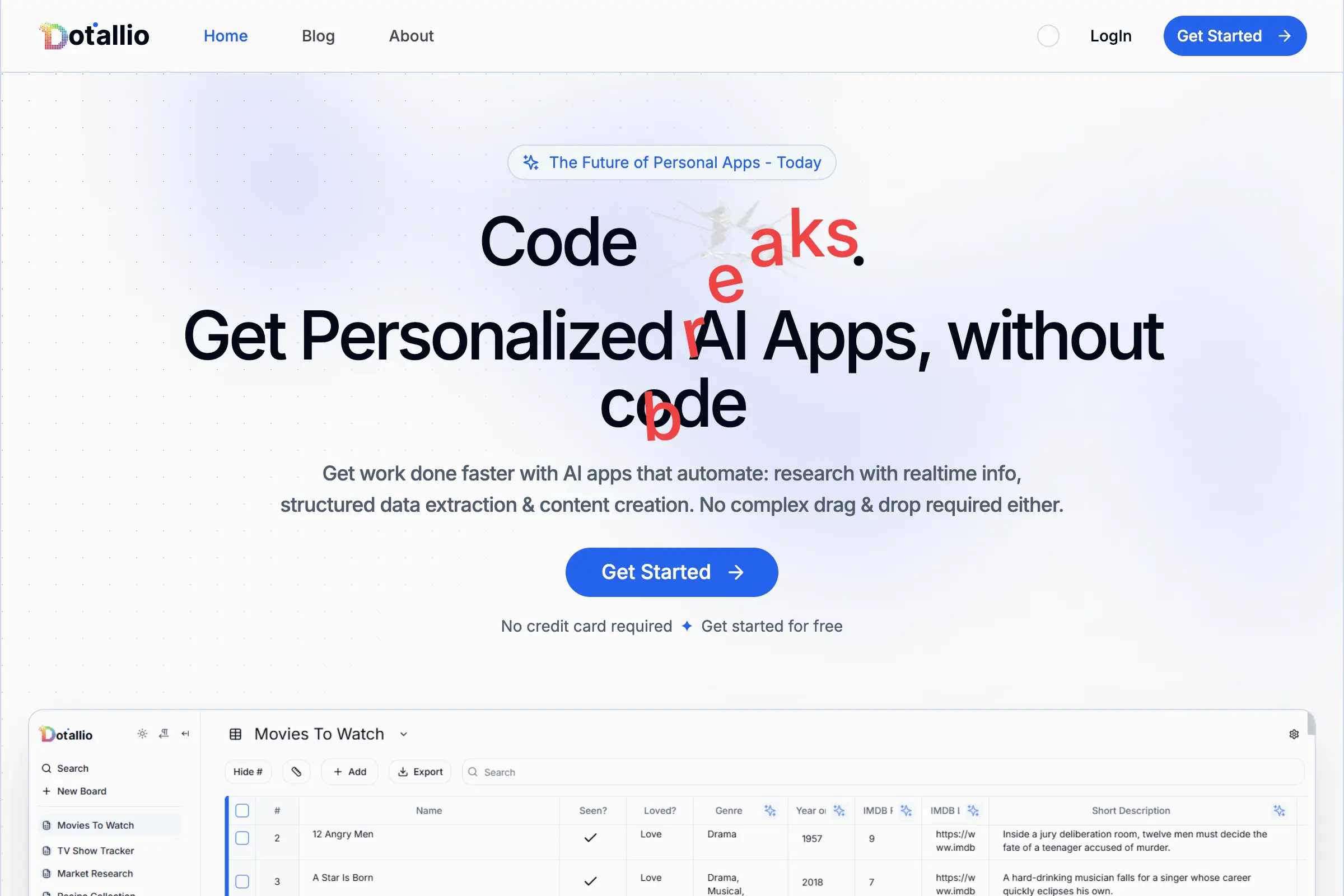
Dotallio
Personalized AI apps that automate research, data extraction, and content creation without code 🤖

Talk to Santa
Enjoy a magical live video chat or receive a unique AI-generated video greeting from Santa Claus 🎅

pozywka.pl
Scalable blog for food journalist, focused on performance and user experience 🌭
zagrodzki.me
Personal blog and portfolio of Bart Zagrodzki, where he shares his knowledge and work 💼
TurboStarter
Ship your startup everywhere. In minutes.
HTML to Markdown
Convert HTML to Markdown with ease, directly in your browser 📄
Dotallio
Personalized AI apps that automate research, data extraction, and content creation without code 🤖
Talk to Santa
Enjoy a magical live video chat or receive a unique AI-generated video greeting from Santa Claus 🎅
pozywka.pl
Scalable blog for food journalist, focused on performance and user experience 🌭
zagrodzki.me
Personal blog and portfolio of Bart Zagrodzki, where he shares his knowledge and work 💼
TurboStarter
Ship your startup everywhere. In minutes.
HTML to Markdown
Convert HTML to Markdown with ease, directly in your browser 📄
Dotallio
Personalized AI apps that automate research, data extraction, and content creation without code 🤖
Talk to Santa
Enjoy a magical live video chat or receive a unique AI-generated video greeting from Santa Claus 🎅
pozywka.pl
Scalable blog for food journalist, focused on performance and user experience 🌭
zagrodzki.me
Personal blog and portfolio of Bart Zagrodzki, where he shares his knowledge and work 💼
TurboStarter
Ship your startup everywhere. In minutes.
HTML to Markdown
Convert HTML to Markdown with ease, directly in your browser 📄
Dotallio
Personalized AI apps that automate research, data extraction, and content creation without code 🤖
Talk to Santa
Enjoy a magical live video chat or receive a unique AI-generated video greeting from Santa Claus 🎅
pozywka.pl
Scalable blog for food journalist, focused on performance and user experience 🌭
zagrodzki.me
Personal blog and portfolio of Bart Zagrodzki, where he shares his knowledge and work 💼
TurboStarter
Ship your startup everywhere. In minutes.
HTML to Markdown
Convert HTML to Markdown with ease, directly in your browser 📄
Omichat
Chat with 50+ AI models, including ChatGPT and Claude, in one place - switch models anytime without losing context 🤖
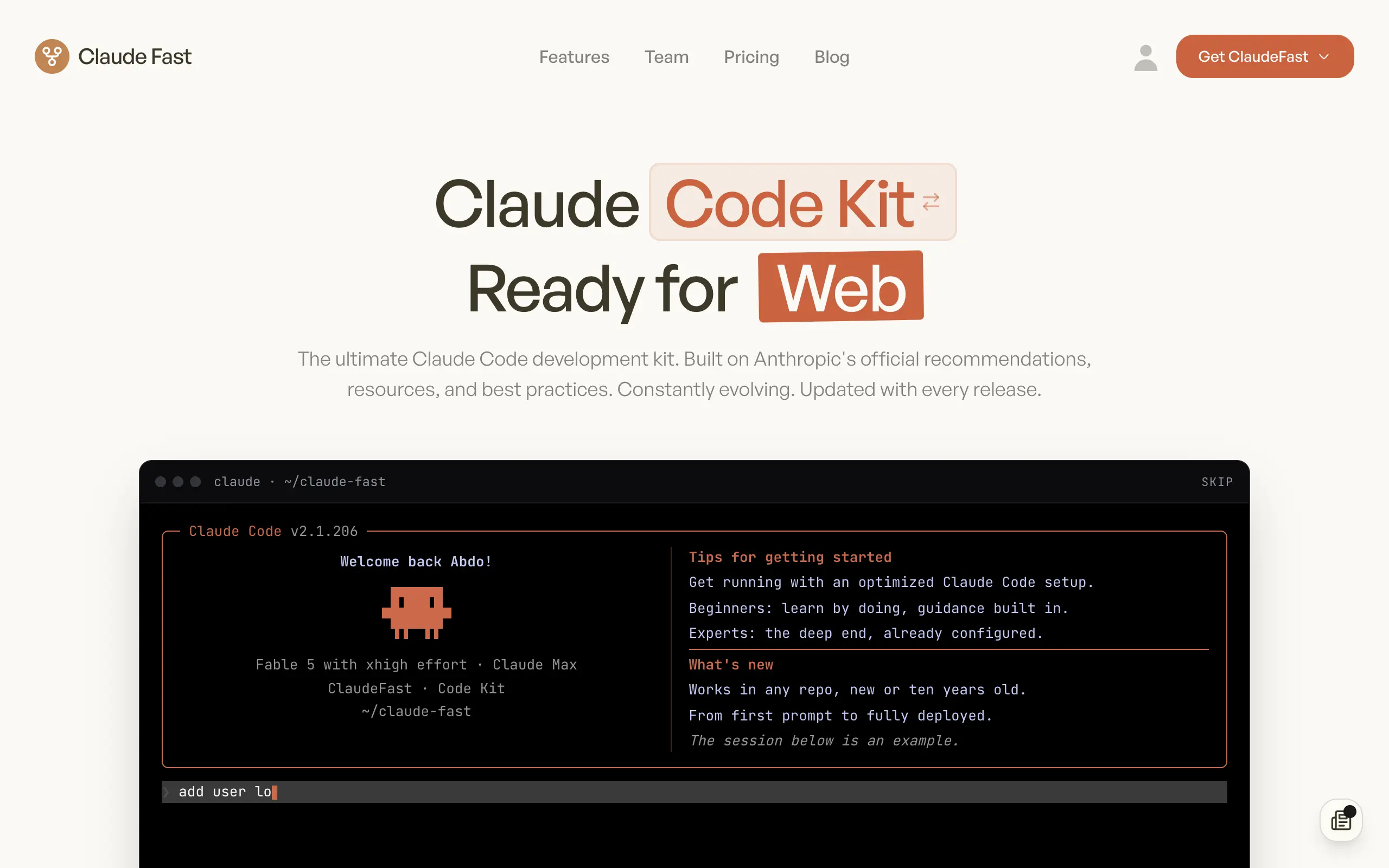
Claude Fast
Supercharge your Claude Code with 6x effective context window and specialized AI agents 🤖
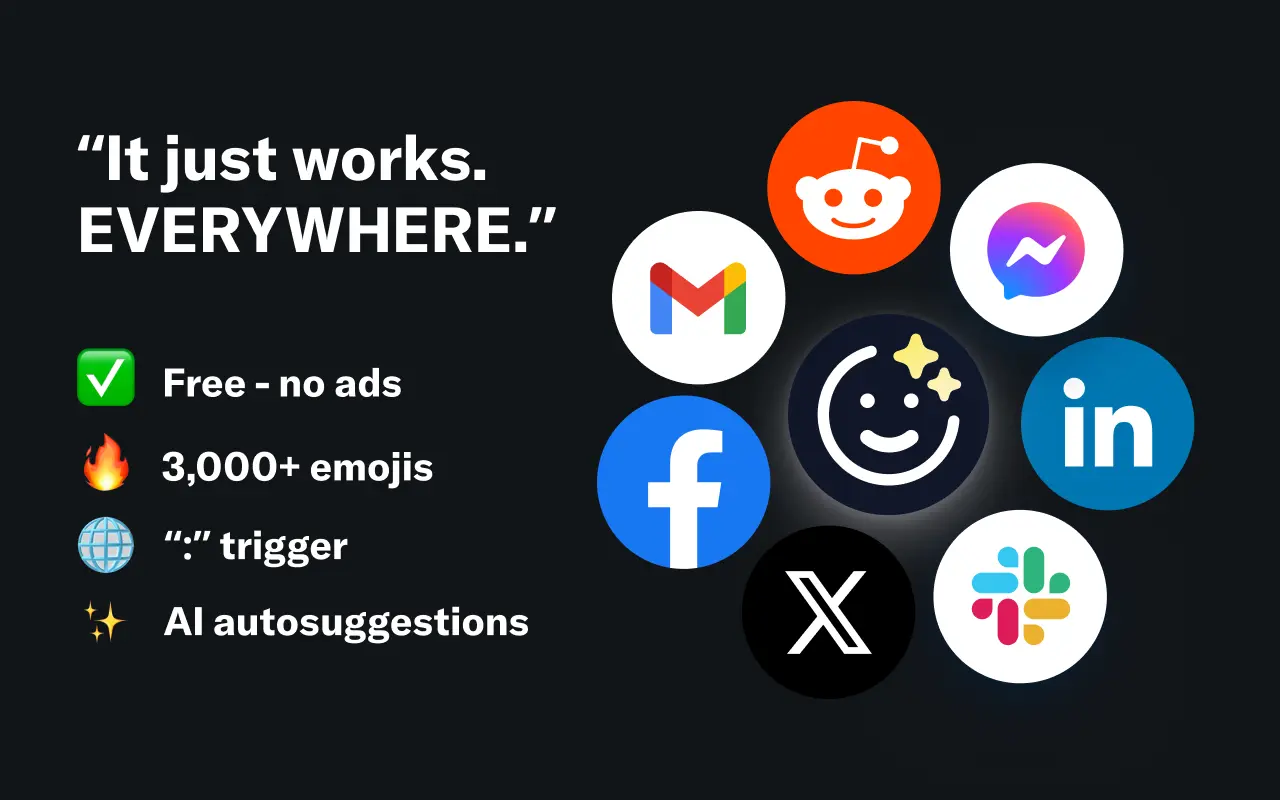
EmojAI
AI-powered emoji picker with smart, context-aware suggestions 🤖

Solohacker
Autonomous company launcher - AI agents work 24/7, escalate what matters, and you stay in control 🤖

BeRawi: Storytelling Coach
Practice storytelling daily with instant feedback to sound clearer, more engaging, and confident 🎤
Omichat
Chat with 50+ AI models, including ChatGPT and Claude, in one place - switch models anytime without losing context 🤖
Claude Fast
Supercharge your Claude Code with 6x effective context window and specialized AI agents 🤖
EmojAI
AI-powered emoji picker with smart, context-aware suggestions 🤖
Solohacker
Autonomous company launcher - AI agents work 24/7, escalate what matters, and you stay in control 🤖
BeRawi: Storytelling Coach
Practice storytelling daily with instant feedback to sound clearer, more engaging, and confident 🎤
Omichat
Chat with 50+ AI models, including ChatGPT and Claude, in one place - switch models anytime without losing context 🤖
Claude Fast
Supercharge your Claude Code with 6x effective context window and specialized AI agents 🤖
EmojAI
AI-powered emoji picker with smart, context-aware suggestions 🤖
Solohacker
Autonomous company launcher - AI agents work 24/7, escalate what matters, and you stay in control 🤖
BeRawi: Storytelling Coach
Practice storytelling daily with instant feedback to sound clearer, more engaging, and confident 🎤
Omichat
Chat with 50+ AI models, including ChatGPT and Claude, in one place - switch models anytime without losing context 🤖
Claude Fast
Supercharge your Claude Code with 6x effective context window and specialized AI agents 🤖
EmojAI
AI-powered emoji picker with smart, context-aware suggestions 🤖
Solohacker
Autonomous company launcher - AI agents work 24/7, escalate what matters, and you stay in control 🤖
BeRawi: Storytelling Coach
Practice storytelling daily with instant feedback to sound clearer, more engaging, and confident 🎤

Connect with like-minded people
Join our community to get feedback, support, and grow together with 1,000+ builders on board, let's ship it!
Join usShip your startup everywhere. In minutes.
Don't burn tokens on setup and start building features on day one.