BugSage
Automated AI bug fixer: Scan your web projects, detect issues, and get instant code suggestions or auto-fixes, saving hours of debugging every week.
BugSage is an innovative AI-powered platform designed to scan web development projects, detect bugs, and provide instant code suggestions or automatic fixes. For software teams, solo developers, and product leaders, an automated bug fixer like BugSage promises major productivity wins, reduced debugging time, and improved code reliability. This comprehensive deep dive explores the market need, target audience, key features, technical landscape, and practical steps for turning BugSage from concept to SaaS success.
Understanding the target audience for an automated AI bug fixer
Before building or marketing BugSage, it's essential to know exactly whose pain points you're solving. Successful SaaS products start with laser-sharp clarity on user personas.
Who needs an AI-driven bug fixer?
The primary keyword here is “automated AI bug fixer,” with related LSI keywords like “code review automation,” “web app debugging,” “AI code suggestions,” and “auto-fix coding errors.” Let’s break down the core user groups:
-
Solo developers and indie hackers:
Building or maintaining projects alone. They don’t have a QA team and must juggle feature delivery with bug fixing. -
Startups and small software teams:
Lean teams with tight deadlines and limited QA resources. Speed and code quality are critical for their launch trajectory. -
Agencies and freelance developers:
Often maintaining multiple client codebases, time spent chasing down bugs directly reduces billable hours. -
Enterprise engineering teams:
Larger teams where code complexity and onboarding of junior devs increase the frequency and cost of defects. -
Students and learners:
Programming education platforms can offer BugSage to reduce frustration and improve the learning feedback loop.
What problems are these users facing?
- Tedious manual debugging cycles
- Time-consuming code reviews
- Inconsistent code quality due to tester fatigue or oversight
- Delays in release timelines when bugs go undetected
- Lack of AI-powered, context-relevant suggestions for fixes
When does user intent signal demand?
When users search for terms like “automated code bug fixer,” “AI code scanner,” or “how to save time debugging web apps,” they’re seeking:
- Automated solutions (not just identification, but also resolution)
- Time-saving benefits (not just reporting bugs)
- Reliability (trustworthy, context-aware fixes)
Market opportunity and gap analysis for AI-powered bug detection
Automated debugging tools powered by AI and code analysis are emerging fast, but there are clear market gaps that BugSage can uniquely address.
Why now? Recent trends making BugSage relevant
- Explosion of JavaScript and web tech stacks:
With React, Next.js, Vue.js, and others (React), front-end and full-stack codebases are both larger and more complex than ever. - Shift-left testing and developer empowerment:
There's industry-wide momentum to catch and fix issues earlier in the dev cycle. - AI/ML breakthroughs for code understanding:
Tools like GitHub Copilot and OpenAI Codex have shown that AI can write and review code with surprising accuracy. - Remote and distributed teams:
Bugs can linger longer when teams are spread out and can't huddle quickly for review.
Competitive landscape
While there are powerful static analysis tools (ESLint, SonarQube, etc.), and some IDE-integrated code helpers, very few platforms offer:
- Automated bug detection + fix suggestions + auto-fixes
- AI-driven, context-relevant fixes tailored to your codebase
- Seamless CICD or repo integration
Industry stat suggestion
According to recent [Stack Overflow Developer Surveys], over 60% of developers report spending more than a quarter of their week on debugging and fixing issues. Automating even half of this work could save thousands of collective hours globally.
Core features: What makes BugSage the smarter automated bug fixer?
The solution’s strength lies in its blend of automation, intelligence, and usability. Let’s detail the key features that users demand in 2024.
Instant project scanning and codebase analysis
- One-click scan triggers fast, deep analysis across multiple languages (JavaScript, TypeScript, HTML, CSS, etc.).
- Repository integrations: Support for GitHub, GitLab, Bitbucket.
- Scanning of PRs, branches, or selected files.
AI bug detection, classification, and prioritization
- Uses ML models to identify not just syntax errors but logical bugs, anti-patterns, and common security flaws.
- Prioritizes detected issues by severity, likelihood of causing outages, or user-configured rules.
Contextual code suggestions and auto-fixes
- Suggests code changes directly within the context of the problem.
- Offers one-click “auto-fix” (with preview and explanation) for supported issue types.
- Learns from previous fixes and adapts recommendations over time.
Integration and dev workflow support
- Pluggable into major IDEs (VSCode, WebStorm) and code editors.
- CICD pipeline integration for automated checks.
- Detailed dashboards and web interface for team insights.
Security-conscious operations
- Local or cloud-based scanning with options for data privacy and compliance.
- Never uploads proprietary code without user consent.
Human-in-the-loop workflows
- Manual review cycles: Devs can accept, modify, or reject suggested fixes.
- Collaborative comments, Slack/email/web notifications.
Intelligent detection
Beyond linting: Finds logical, security, and performance issues using AI models.
Auto-fix engine
Not just suggestions—a one-click option to patch bugs instantly, saving hours.
Seamless integration
Works with your dev tools and version control—no steep learning curve.
Recommended tech stack for building BugSage
Building an AI-powered SaaS like BugSage requires careful choice of both backend and frontend technologies, along with scalable AI infrastructure.
Core components and options
- Frontend:
React for highly interactive UIs; TailwindCSS for utility-first styling. - Backend/API:
Node.js or Python; Python may be preferable for ML model integration. - AI and ML models:
- Transformers via Hugging Face or OpenAI APIs for code understanding.
- Custom-trained classifiers for web code, logical errors, and style violations.
- Repository and CI integration:
Use Git APIs, webhooks, and services like GitHub Actions. - Database:
PostgreSQL for structured data and user/project management. - Cloud infrastructure:
AWS, Google Cloud for serverless, scalable deployment. - Security and privacy:
OAuth for authentication; encrypted data storage; local-only scanning options for enterprise clients.
Tech stack trade-offs
- Python vs. Node.js backend:
Python is strong for ML integration but can be less performant for real-time notifications. Node.js offers better async capabilities and matches JS-heavy frontends. - On-premises vs. cloud-only:
Privacy-conscious clients prefer on-premises (local) scanning, but cloud makes scaling and continuous model updates easier. - OpenAI APIs vs. in-house models:
Using OpenAI APIs speeds up time to market but incurs ongoing costs and privacy trade-offs; in-house models require more R&D but control the user experience.
Monetization strategies for BugSage
To build a sustainable SaaS, BugSage can consider various pricing and revenue models based on industry standards and user segments.
Possible pricing models
- Freemium tier:
Limited scans per month, basic suggestions only. Ideal for students and individual hackers. - Pro developer subscription:
Flat monthly/annual fee for unlimited scans, auto-fix automation, and IDE integration. - Team/enterprise plans:
Per-seat or per-project pricing. Includes security compliance, on-premise deployments, priority support. - Usage-based:
Pay-per-scan or pay-per-auto-fix, attractive for agencies with variable work volume. - Partnerships/API licensing:
API access for other SaaS platforms or code learning environments.
What should be included in paid plans?
- Unlimited scanning and auto-fix features
- Integration with private repositories
- Team collaboration and role management
- Advanced dashboards and reporting
- Premium support & SLA
Risks, challenges, and mitigation tactics
Building and scaling an automated AI bug fixer is not trivial. Savvy SaaS teams must plan for potential pitfalls at every stage.
AI models may occasionally miss issues or flag non-bugs (false positives), leading to developer frustration.
Mitigation: Incorporate human-in-the-loop reviews, let users give feedback to improve models, and offer granular controls to adjust detection sensitivity.
Developers and enterprises may hesitate to let external services scan their proprietary code.
Mitigation: Support local scanning options; encrypt all data; be transparent about data usage; add on-premises deployments for enterprise plans.
AI models may become less accurate as codebases and frameworks evolve.
Mitigation: Regularly retrain models on recent code patterns and frameworks; monitor performance and feedback.
If initial setup/integration is cumbersome, users may churn early.
Mitigation: Offer prebuilt connectors, CLI tools, and detailed onboarding guides.
BugSage’s competitive advantage and unique selling proposition
A crowded field means differentiation is essential. BugSage must capitalize on three main USPs:
-
Automated bug detection and instant fixes:
Unlike traditional static analysis tools, BugSage actually patches code in real time, not just alerts users to problems. -
Context-aware AI recommendations:
Each suggestion is tailored to the project’s exact tech stack, coding style, and business logic, not just “generic” best practices. -
Developer-friendly integration:
From IDE plugins to seamless CICD hooks, adoption adds value without disrupting workflow.
| Instant scan | CICD ready | Auto-fix | Custom models | On-premises |
|---|---|---|---|---|
| ✅ | ❌ | ❌ | ✅ | ❌ |
| ✅ | ❌ | ✅ | ✅ | ❌ |
Practical implementation: How to build and launch BugSage
Making this AI SaaS real requires disciplined project management, smart prioritization, and a focus on developer-centric design.
Conclusion and next steps
Automated AI bug fixers like BugSage stand to transform how modern teams approach debugging, shifting the workload from hours of manual code review to minutes with instant, AI-powered fixes. With strong demand across engineering teams, proven savings in developer time, and a clear product-market fit, the opportunity is ripe for a purpose-built solution.
By focusing on seamless integration, high detection accuracy, and trustworthy AI-powered fixes, BugSage can set itself apart from static linters and generic code analysis tools. Early technical investment in robust model training, privacy-first features, and intuitive developer UX will pay dividends in adoption and retention.
Ready to bring BugSage to life? Start with an MVP and the core integrations that matter most for your target customer—iterate quickly, collect feedback, and lean into the community for continuous improvement. Tools like TurboStarter can accelerate your SaaS journey with boilerplate code and scalable infrastructure out of the box.
By marrying AI advances with developer experience best practices, BugSage can radically boost productivity while making coding safer and more enjoyable. The future of web development is here—debug less, build more.
More 🤖 AI Startup SaaS ideas
Discover more innovative ai startup SaaS ideas that are trending in 2026. Each idea is AI-generated with market validation and growth potential to help you find your next profitable venture faster than competitors.
Your competitors are building with TurboStarter
Below are some of the SaaS ideas that have been generated and built with our starter kit.
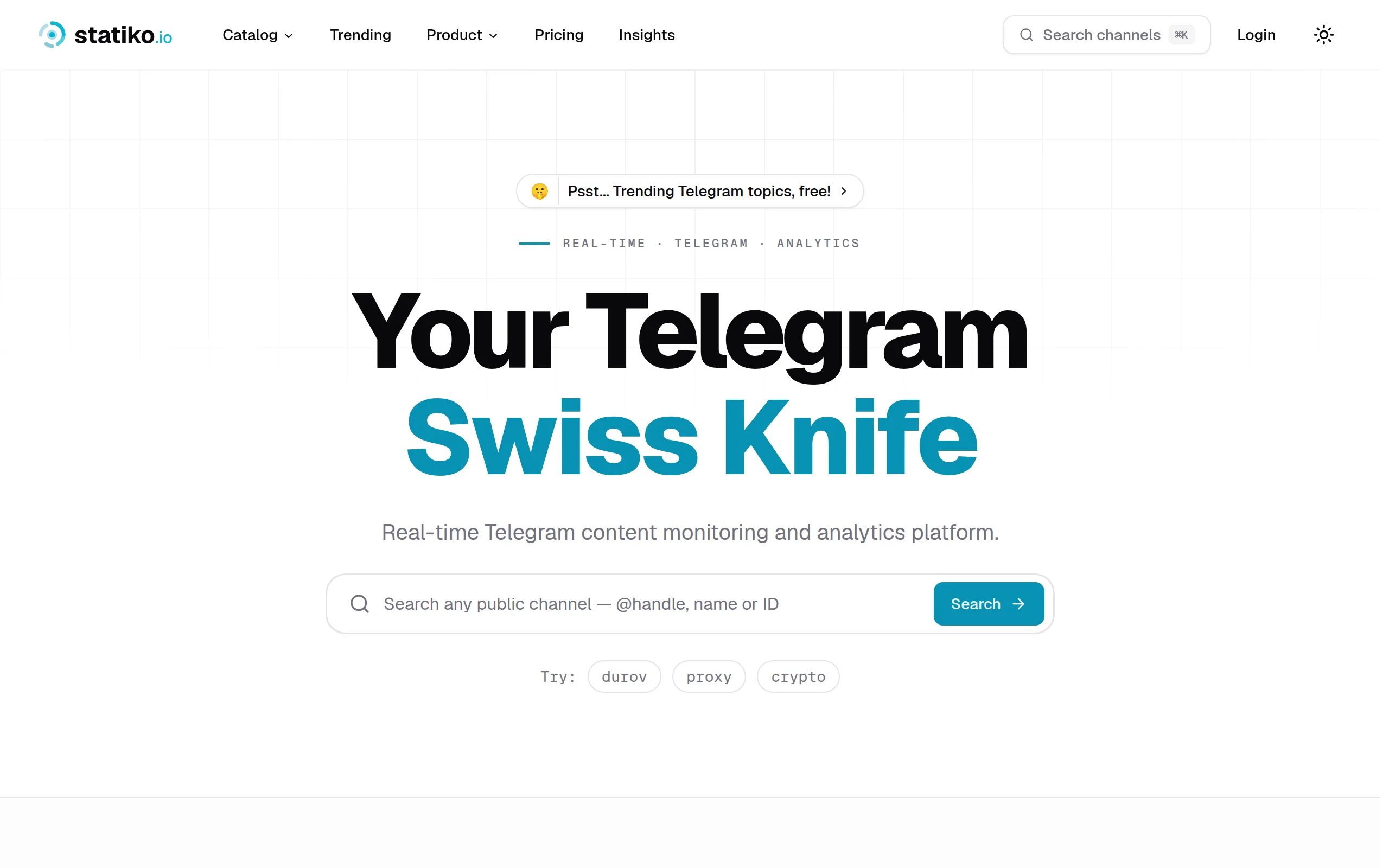
Statiko
Monitor any Telegram channel in real time - track posts, edits, deletions, and growth with AI recaps 📡

Shibui
AI website builder - describe your business, pick a niche template, edit by chatting, and publish instantly ✨

Pro Service
Find verified home service professionals, compare quotes, and pay securely through escrow - built for Brazilians across the US 🏠
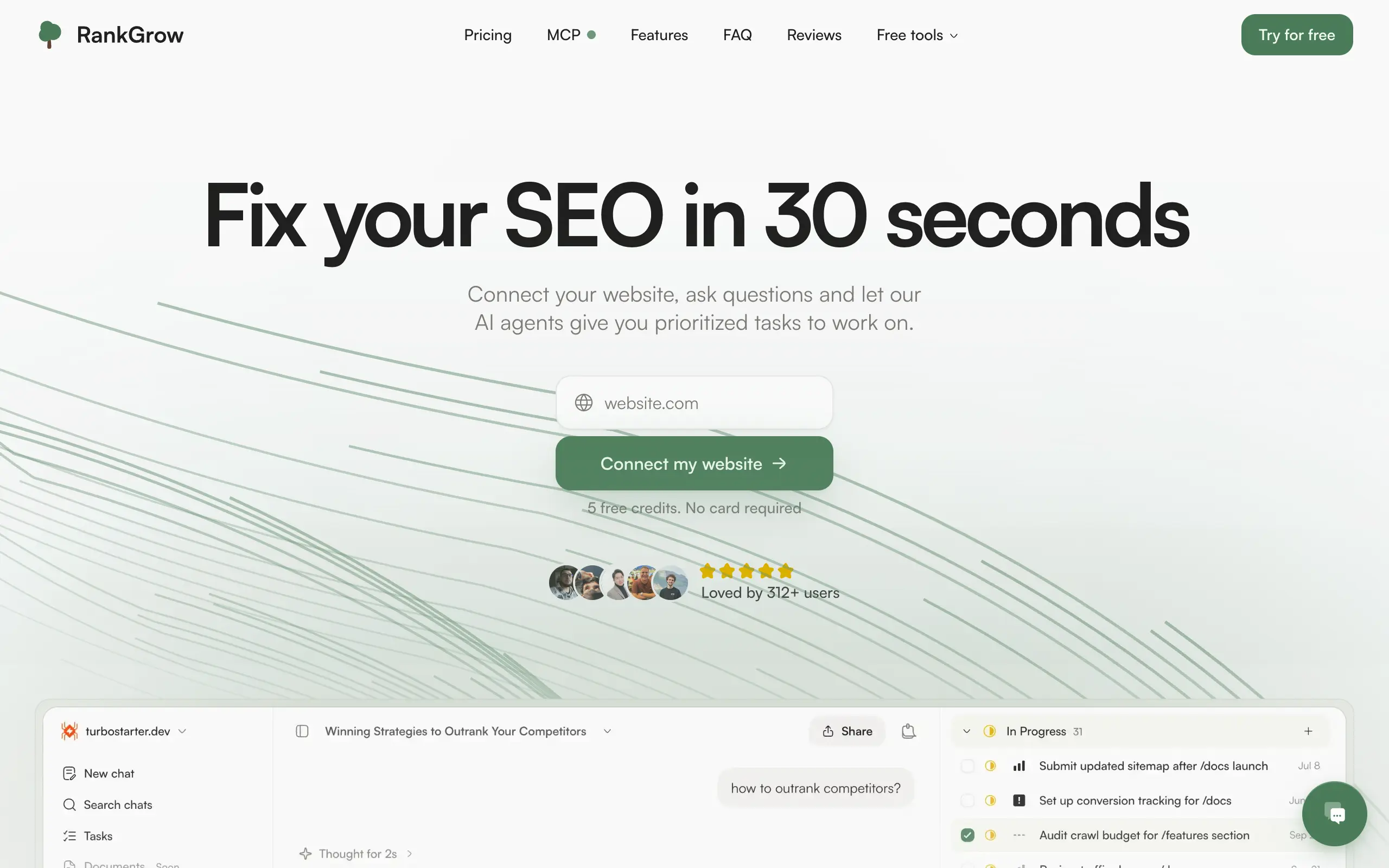
RankGrow
Fix your SEO with AI agents - connect Search Console, get prioritized tasks, and grow organic traffic 📈
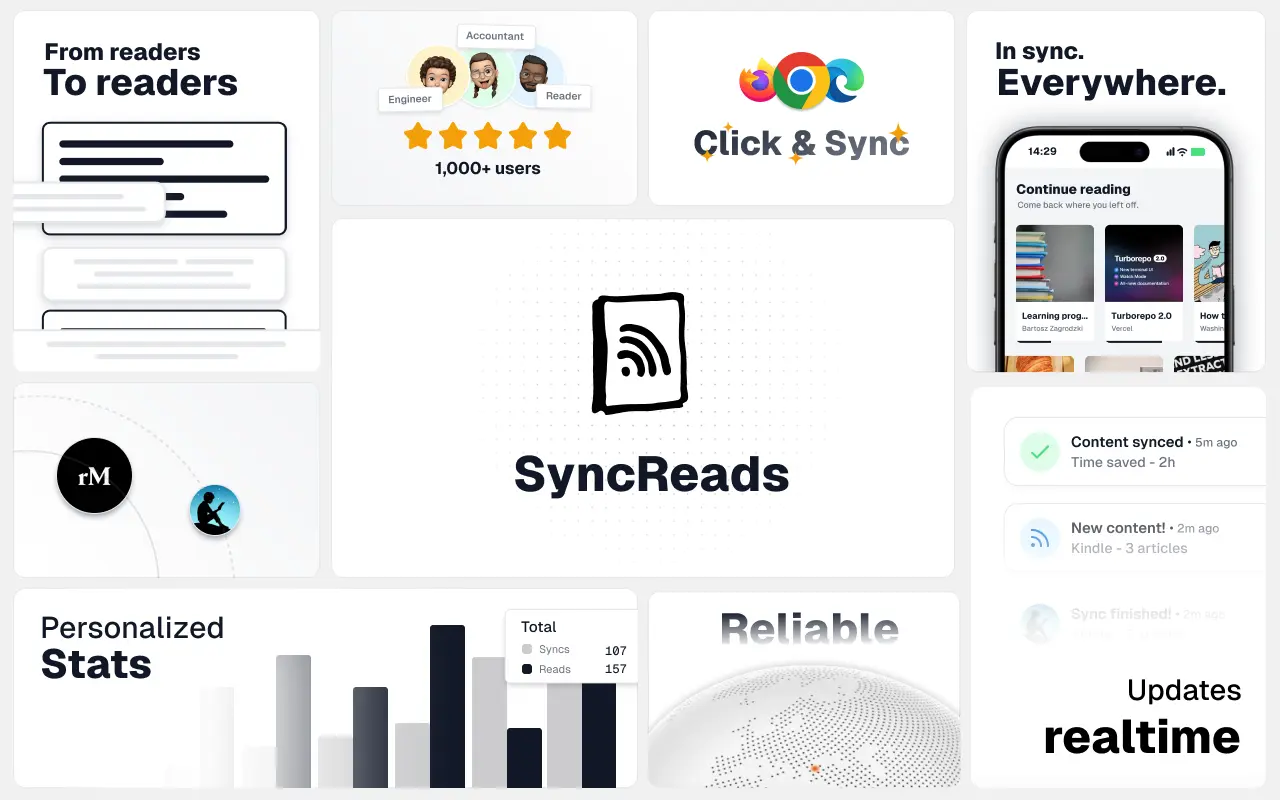
SyncReads
Sync your favorite content for distraction-free reading, save time and replace multiple apps. Anytime, anywhere 🔄
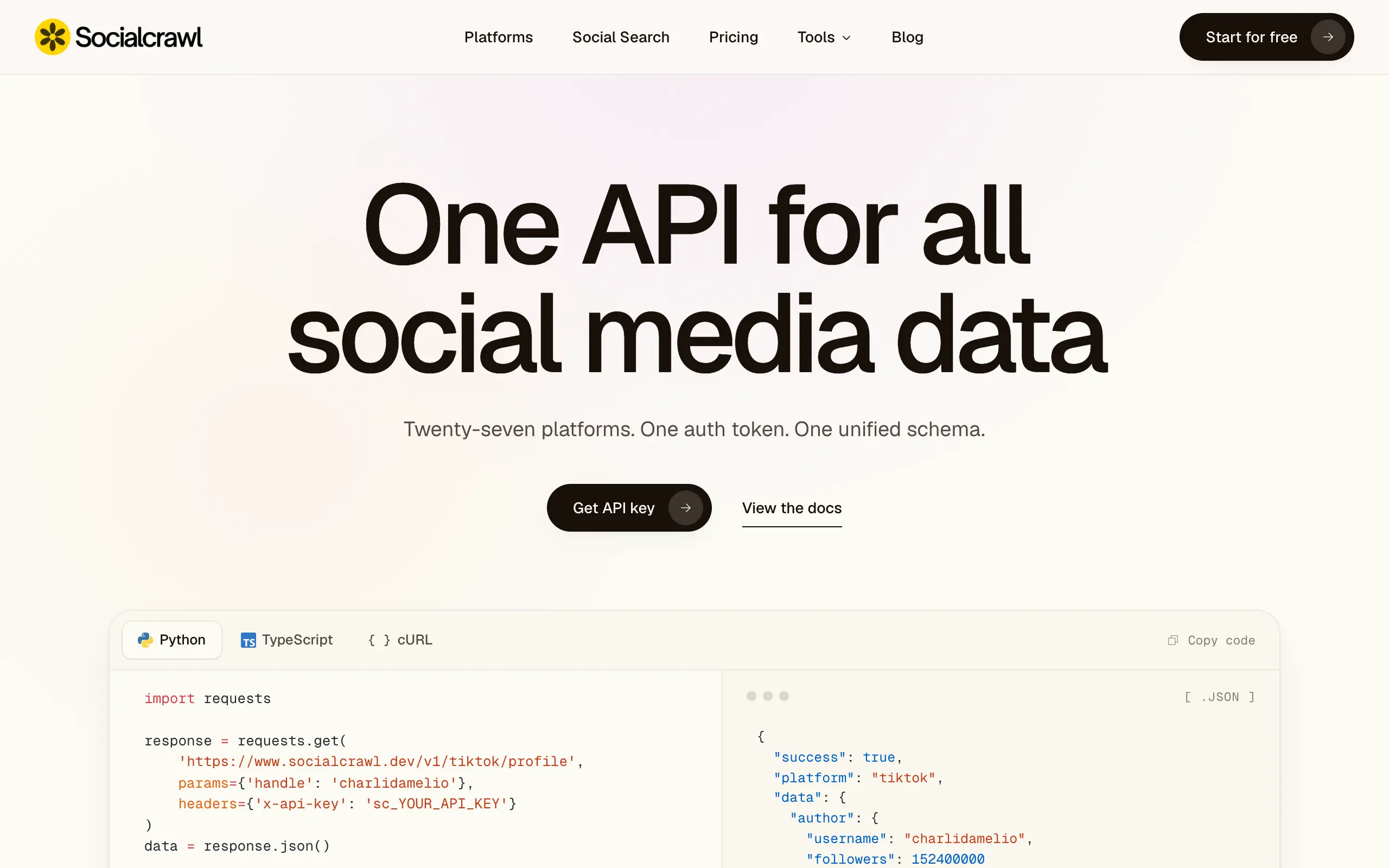
Socialcrawl
Get clean, structured data from 21 platforms like TikTok, Instagram, and YouTube with a single request 📊
Statiko
Monitor any Telegram channel in real time - track posts, edits, deletions, and growth with AI recaps 📡
Shibui
AI website builder - describe your business, pick a niche template, edit by chatting, and publish instantly ✨
Pro Service
Find verified home service professionals, compare quotes, and pay securely through escrow - built for Brazilians across the US 🏠
RankGrow
Fix your SEO with AI agents - connect Search Console, get prioritized tasks, and grow organic traffic 📈
SyncReads
Sync your favorite content for distraction-free reading, save time and replace multiple apps. Anytime, anywhere 🔄
Socialcrawl
Get clean, structured data from 21 platforms like TikTok, Instagram, and YouTube with a single request 📊
Statiko
Monitor any Telegram channel in real time - track posts, edits, deletions, and growth with AI recaps 📡
Shibui
AI website builder - describe your business, pick a niche template, edit by chatting, and publish instantly ✨
Pro Service
Find verified home service professionals, compare quotes, and pay securely through escrow - built for Brazilians across the US 🏠
RankGrow
Fix your SEO with AI agents - connect Search Console, get prioritized tasks, and grow organic traffic 📈
SyncReads
Sync your favorite content for distraction-free reading, save time and replace multiple apps. Anytime, anywhere 🔄
Socialcrawl
Get clean, structured data from 21 platforms like TikTok, Instagram, and YouTube with a single request 📊
Statiko
Monitor any Telegram channel in real time - track posts, edits, deletions, and growth with AI recaps 📡
Shibui
AI website builder - describe your business, pick a niche template, edit by chatting, and publish instantly ✨
Pro Service
Find verified home service professionals, compare quotes, and pay securely through escrow - built for Brazilians across the US 🏠
RankGrow
Fix your SEO with AI agents - connect Search Console, get prioritized tasks, and grow organic traffic 📈
SyncReads
Sync your favorite content for distraction-free reading, save time and replace multiple apps. Anytime, anywhere 🔄
Socialcrawl
Get clean, structured data from 21 platforms like TikTok, Instagram, and YouTube with a single request 📊
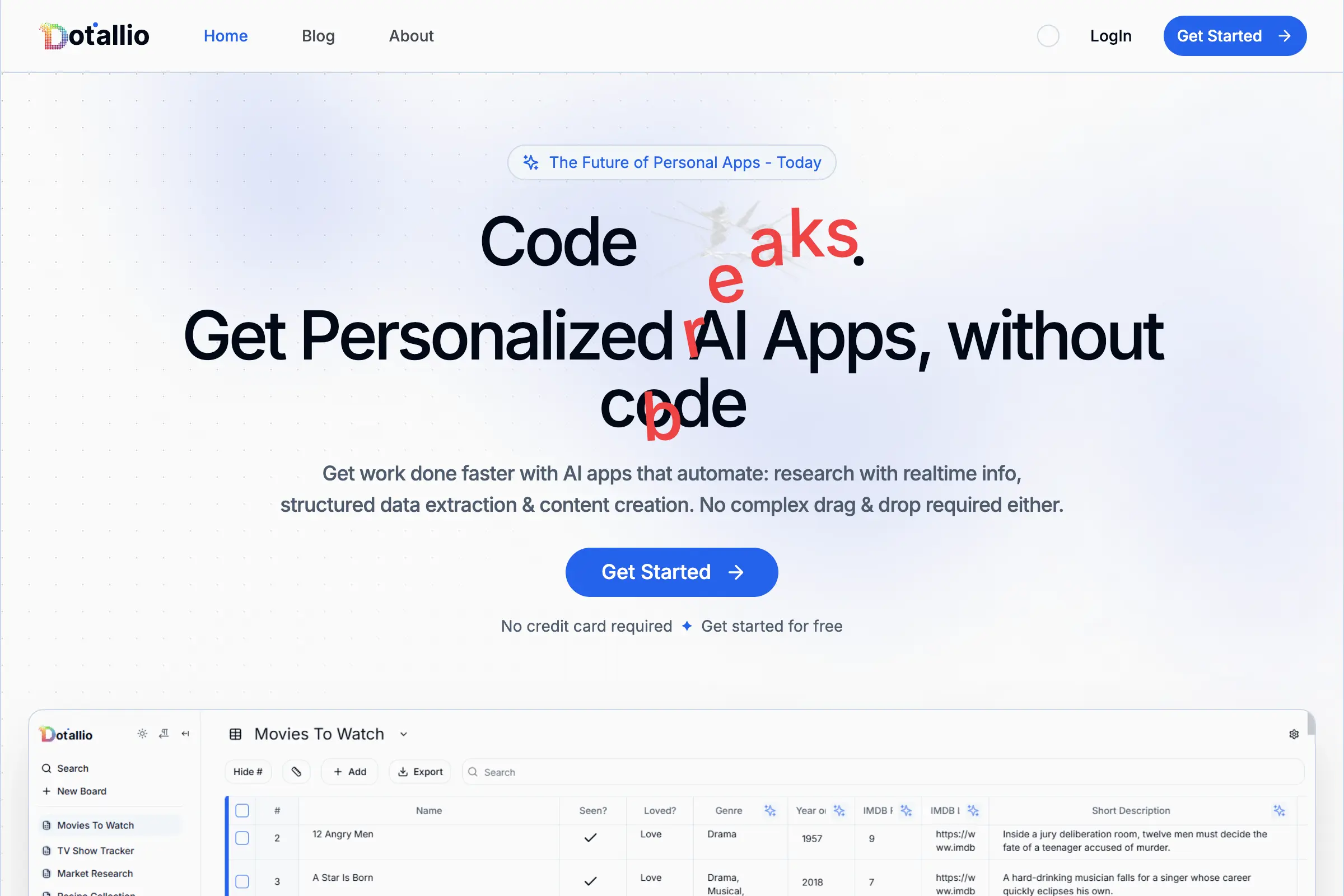
Dotallio
Personalized AI apps that automate research, data extraction, and content creation without code 🤖

Talk to Santa
Enjoy a magical live video chat or receive a unique AI-generated video greeting from Santa Claus 🎅

pozywka.pl
Scalable blog for food journalist, focused on performance and user experience 🌭
zagrodzki.me
Personal blog and portfolio of Bart Zagrodzki, where he shares his knowledge and work 💼
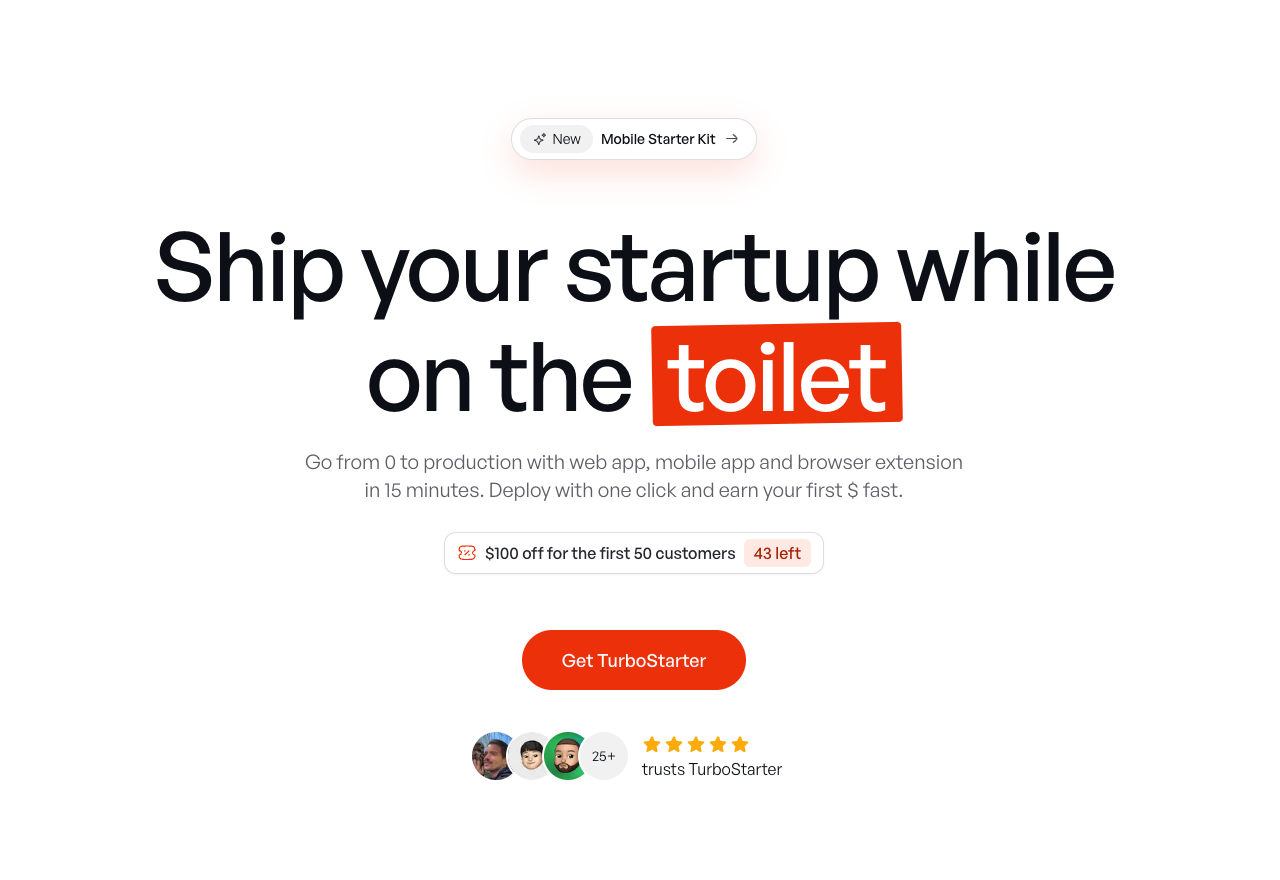
TurboStarter
Ship your startup everywhere. In minutes.
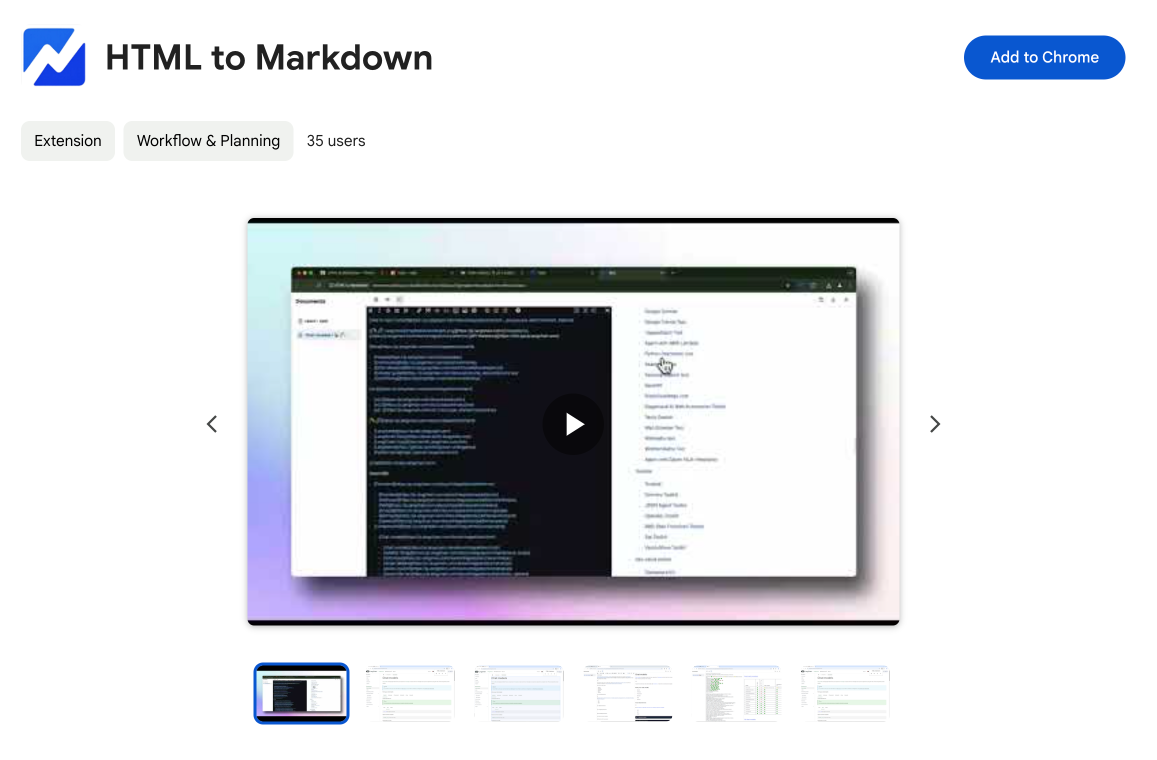
HTML to Markdown
Convert HTML to Markdown with ease, directly in your browser 📄
Dotallio
Personalized AI apps that automate research, data extraction, and content creation without code 🤖
Talk to Santa
Enjoy a magical live video chat or receive a unique AI-generated video greeting from Santa Claus 🎅
pozywka.pl
Scalable blog for food journalist, focused on performance and user experience 🌭
zagrodzki.me
Personal blog and portfolio of Bart Zagrodzki, where he shares his knowledge and work 💼
TurboStarter
Ship your startup everywhere. In minutes.
HTML to Markdown
Convert HTML to Markdown with ease, directly in your browser 📄
Dotallio
Personalized AI apps that automate research, data extraction, and content creation without code 🤖
Talk to Santa
Enjoy a magical live video chat or receive a unique AI-generated video greeting from Santa Claus 🎅
pozywka.pl
Scalable blog for food journalist, focused on performance and user experience 🌭
zagrodzki.me
Personal blog and portfolio of Bart Zagrodzki, where he shares his knowledge and work 💼
TurboStarter
Ship your startup everywhere. In minutes.
HTML to Markdown
Convert HTML to Markdown with ease, directly in your browser 📄
Dotallio
Personalized AI apps that automate research, data extraction, and content creation without code 🤖
Talk to Santa
Enjoy a magical live video chat or receive a unique AI-generated video greeting from Santa Claus 🎅
pozywka.pl
Scalable blog for food journalist, focused on performance and user experience 🌭
zagrodzki.me
Personal blog and portfolio of Bart Zagrodzki, where he shares his knowledge and work 💼
TurboStarter
Ship your startup everywhere. In minutes.
HTML to Markdown
Convert HTML to Markdown with ease, directly in your browser 📄
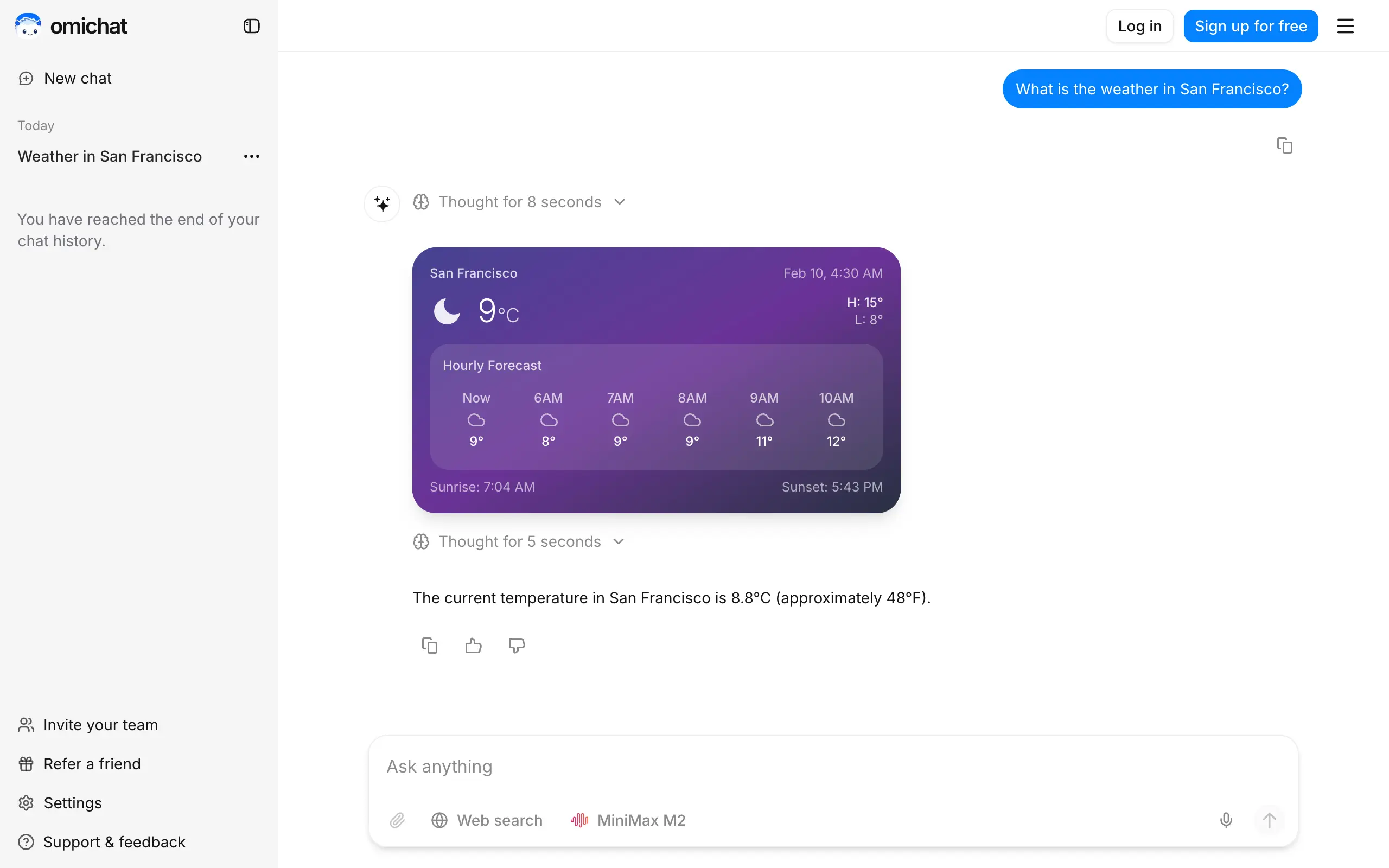
Omichat
Chat with 50+ AI models, including ChatGPT and Claude, in one place - switch models anytime without losing context 🤖
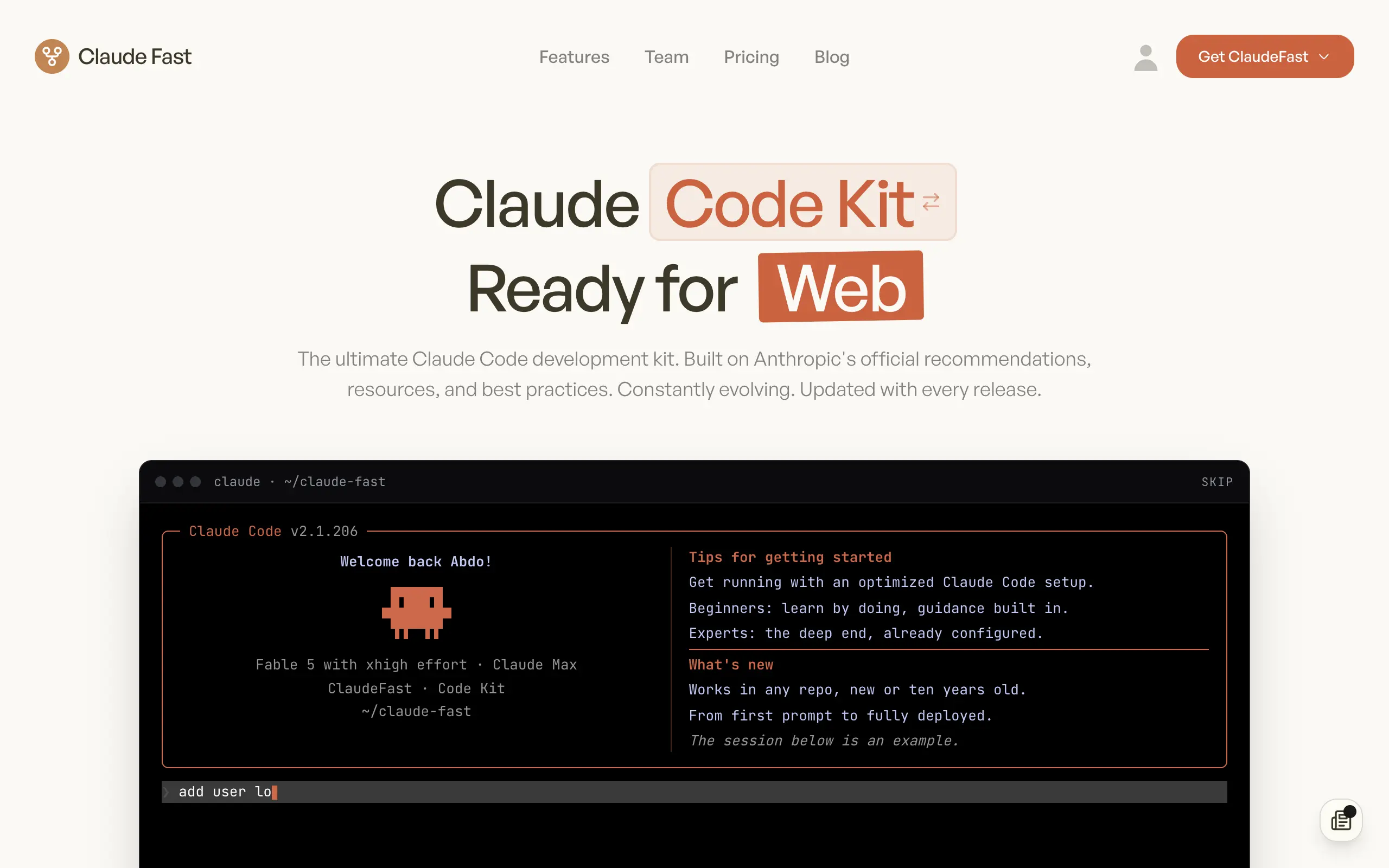
Claude Fast
Supercharge your Claude Code with 6x effective context window and specialized AI agents 🤖
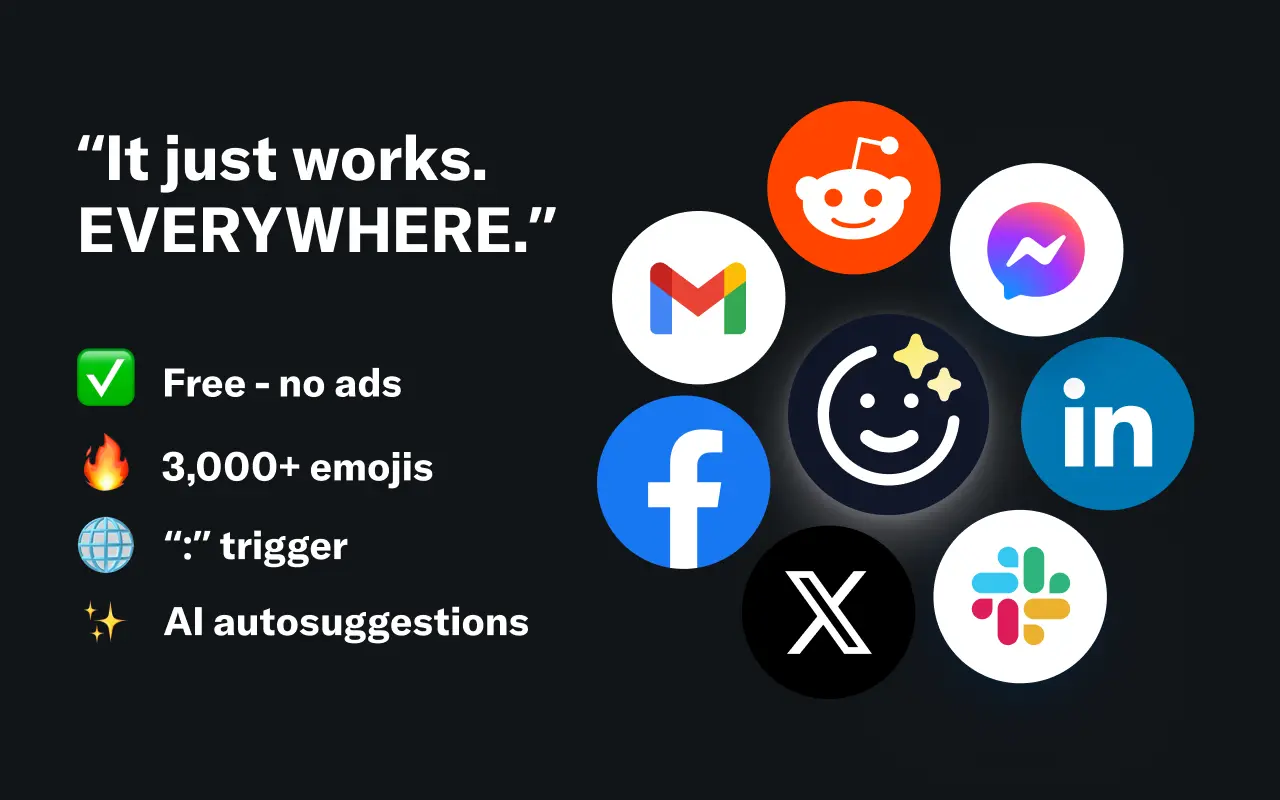
EmojAI
AI-powered emoji picker with smart, context-aware suggestions 🤖
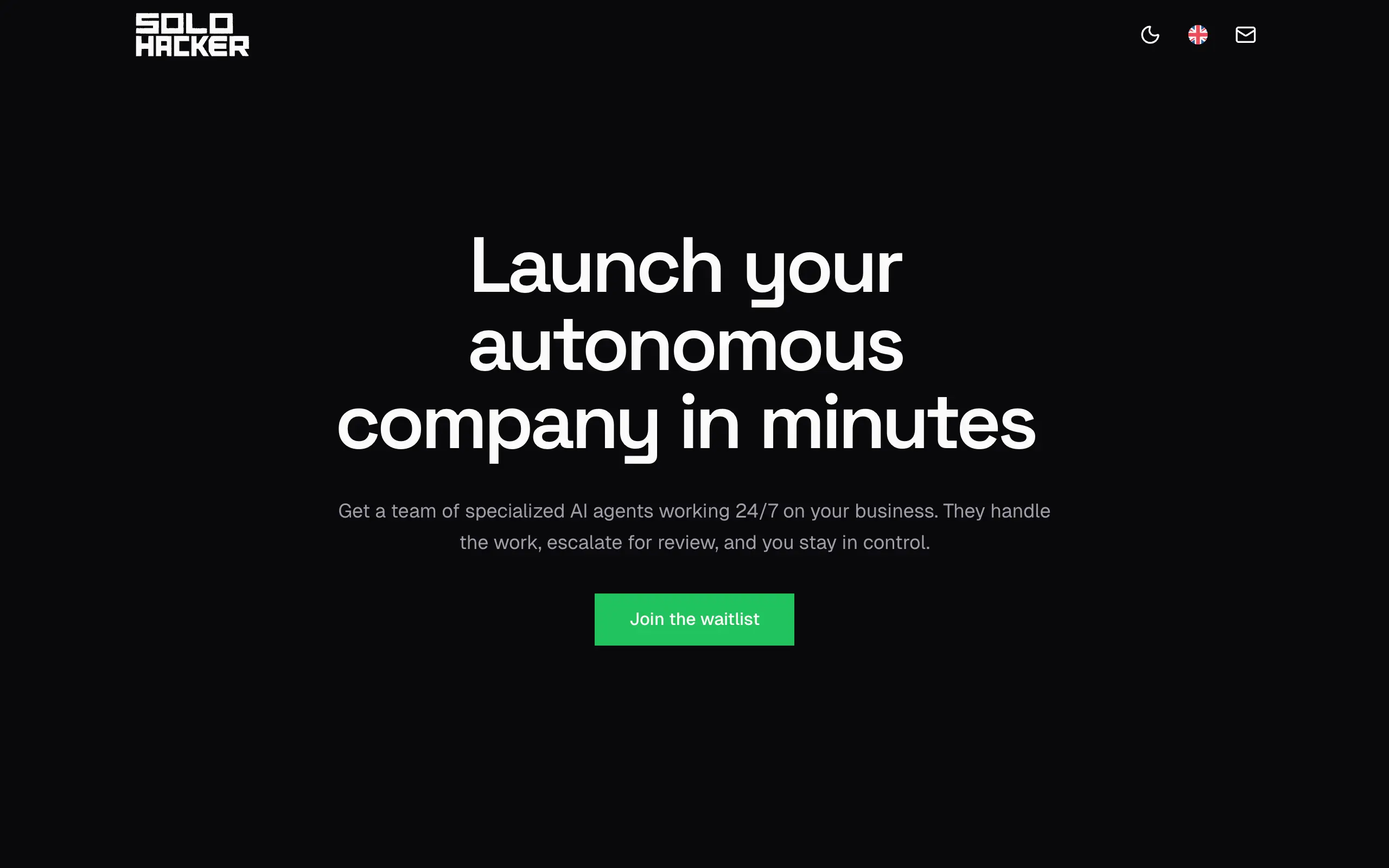
Solohacker
Autonomous company launcher - AI agents work 24/7, escalate what matters, and you stay in control 🤖

BeRawi: Storytelling Coach
Practice storytelling daily with instant feedback to sound clearer, more engaging, and confident 🎤
Omichat
Chat with 50+ AI models, including ChatGPT and Claude, in one place - switch models anytime without losing context 🤖
Claude Fast
Supercharge your Claude Code with 6x effective context window and specialized AI agents 🤖
EmojAI
AI-powered emoji picker with smart, context-aware suggestions 🤖
Solohacker
Autonomous company launcher - AI agents work 24/7, escalate what matters, and you stay in control 🤖
BeRawi: Storytelling Coach
Practice storytelling daily with instant feedback to sound clearer, more engaging, and confident 🎤
Omichat
Chat with 50+ AI models, including ChatGPT and Claude, in one place - switch models anytime without losing context 🤖
Claude Fast
Supercharge your Claude Code with 6x effective context window and specialized AI agents 🤖
EmojAI
AI-powered emoji picker with smart, context-aware suggestions 🤖
Solohacker
Autonomous company launcher - AI agents work 24/7, escalate what matters, and you stay in control 🤖
BeRawi: Storytelling Coach
Practice storytelling daily with instant feedback to sound clearer, more engaging, and confident 🎤
Omichat
Chat with 50+ AI models, including ChatGPT and Claude, in one place - switch models anytime without losing context 🤖
Claude Fast
Supercharge your Claude Code with 6x effective context window and specialized AI agents 🤖
EmojAI
AI-powered emoji picker with smart, context-aware suggestions 🤖
Solohacker
Autonomous company launcher - AI agents work 24/7, escalate what matters, and you stay in control 🤖
BeRawi: Storytelling Coach
Practice storytelling daily with instant feedback to sound clearer, more engaging, and confident 🎤

Connect with like-minded people
Join our community to get feedback, support, and grow together with 1,000+ builders on board, let's ship it!
Join usShip your startup everywhere. In minutes.
Don't burn tokens on setup and start building features on day one.