BuildInPublic AI
An AI co-pilot that turns your coding journey into daily viral content. It transforms commits and study sessions into engaging posts, threads, and short-form videos.
The rise of AI-powered build in public tools
The build in public movement has transformed how founders, indie hackers, and developers grow their audience. Sharing your coding journey publicly on platforms like X (Twitter), LinkedIn, TikTok, and YouTube has become one of the most effective growth channels for SaaS products.
But there’s a problem.
Building software is time-consuming. Turning that journey into consistent, high-quality, viral-ready content is even harder.
That’s where an AI co-pilot like BuildInPublic AI fits in: a platform that automatically transforms commits, GitHub activity, and study sessions into engaging social posts, threads, and short-form videos.
This article explores the market opportunity, target audience, core features, monetization strategy, tech stack, risks, and competitive advantage of launching an AI-powered build-in-public content engine.
Understanding user search intent
People searching for terms like:
- “build in public AI tool”
- “AI content for developers”
- “turn GitHub commits into social posts”
- “automate build in public content”
- “AI for indie hackers”
…are usually looking for one of the following:
- A tool to automate content creation
- Validation of a SaaS idea in the creator/dev niche
- Technical guidance on building such a platform
- A competitive and market breakdown
This article addresses all four — providing actionable insight whether you're a founder validating the idea or a builder ready to ship.
The build in public movement: market opportunity
Why build in public is exploding
The creator economy is projected to reach hundreds of billions of dollars globally (see reports from McKinsey or Goldman Sachs for current data). Meanwhile:
- Indie hackers are launching micro-SaaS products daily.
- Developers are monetizing audiences before monetizing products.
- Platforms prioritize authentic, behind-the-scenes content.
Founders like Pieter Levels, Marc Lou, and many others have proven that audience-first SaaS building works.
However, most developers:
- Don’t enjoy writing marketing content.
- Struggle with consistency.
- Don’t know how to turn raw coding activity into compelling storytelling.
This is the gap BuildInPublic AI fills.
Target audience analysis
Understanding the ideal user profile is critical for product positioning and SEO.
Primary audience: indie hackers
Characteristics:
- Solo founders
- Building SaaS, AI tools, or micro-startups
- Active on X and LinkedIn
- Comfortable with GitHub
Pain points:
- Low engagement despite daily effort
- Inconsistent posting schedule
- Unsure how to frame updates as stories
Desire:
- Grow audience
- Attract beta users
- Build credibility
Secondary audience: coding students & bootcamp learners
They:
- Want to showcase progress
- Need portfolio visibility
- Struggle to explain what they’re learning
BuildInPublic AI can transform:
- Study logs → educational threads
- Debugging sessions → relatable posts
- Project milestones → short-form video scripts
Tertiary audience: dev content creators
These users already create content but want to:
- Scale output
- Repurpose content across platforms
- Maintain brand voice
The core problem: coding ≠ storytelling
Developers produce valuable raw material daily:
- Git commits
- Pull requests
- Feature releases
- Bug fixes
- Documentation updates
- Study notes
But none of that is inherently “viral-ready.”
Example raw input:
Refactored auth middleware and fixed JWT expiration bugThat doesn’t translate into engagement.
But AI can turn it into:
“Spent 4 hours debugging a JWT expiration issue today.
The bug? A 2-line middleware mismatch.
Lesson: Always validate token refresh logic before blaming your backend. 🔥
#buildinpublic”
Or even a structured thread:
- “Today I fixed a JWT bug that was silently breaking user sessions.”
- “The root cause? Token expiration mismatch.”
- “Here’s what I learned 👇”
- Actionable takeaway
This transformation layer is the product’s core value.
Core features of BuildInPublic AI
Below is a strategic breakdown of must-have and differentiating features.
1. GitHub integration & commit analysis
- OAuth login via GitHub
- Pull commit history
- Analyze diff summaries
- Detect feature releases vs minor fixes
- Convert technical change logs into story-driven content
Advanced enhancement:
- Detect “momentum milestones” (100 commits, 10 stars, etc.)
- Trigger celebration posts automatically
2. AI storytelling engine
This is the heart of the product.
It should:
- Understand developer context
- Extract narrative angles
- Format content for platform-specific optimization
Use cases:
- Daily summary posts
- Thread generation
- LinkedIn long-form posts
- Short-form TikTok/YouTube script drafts
Hook-driven, concise, educational, emoji-optimized.
Professional tone, storytelling structure, insight-focused.
Script with hook, body, CTA, and B-roll suggestions.
3. Multi-platform optimization
Each platform rewards different behavior:
- X → concise, high-frequency posts
- LinkedIn → thought leadership
- TikTok → emotional hooks
- YouTube Shorts → educational quick wins
The AI must:
- Adjust tone
- Adjust length
- Adjust hook style
- Suggest hashtags
4. Content scheduling & automation
To truly be a co-pilot, it must:
- Auto-generate daily drafts
- Schedule posts
- Suggest best posting times
- Analyze engagement feedback
5. Performance analytics
Data closes the loop.
Dashboard should include:
- Engagement per content type
- Growth trends
- Hook performance analysis
- Best-performing themes
Eventually:
- AI feedback: “Posts about debugging perform 37% better than feature announcements.”
6. Study mode for learners
Separate workflow:
- Input study topic
- AI creates:
- Thread
- Visual explanation outline
- Quiz-style post
This broadens TAM beyond founders.
Competitive landscape
BuildInPublic AI sits at the intersection of:
- AI content generators
- Social media schedulers
- Dev productivity tools
Here’s a strategic comparison:
| Feature | Generic AI Writers | Social Schedulers | GitHub Tools | BuildInPublic AI |
|---|---|---|---|---|
| Commit-to-content transformation | ❌ | ❌ | ❌ | ✅ |
| Platform-specific optimization | ✅ | ✅ | ❌ | ✅ |
| Dev-native storytelling | ❌ | ❌ | ❌ | ✅ |
Competitive advantage: It is purpose-built for developers building in public.
Recommended tech stack (with trade-offs)
Frontend
Why?
- SSR for SEO landing pages
- Fast iteration
- Strong ecosystem
Backend
Options:
Option 1: Node.js + PostgreSQL
- Scalable
- Full control
- Best for custom analytics
Option 2: Supabase
- Faster MVP
- Built-in auth
- Real-time support
Trade-off:
- Supabase accelerates launch.
- Custom backend offers long-term flexibility.
AI layer
Use:
- LLM APIs (OpenAI, Anthropic, etc.)
- Embeddings for commit context memory
- Prompt templates for each platform
Critical factor:
Prompt engineering is the product moat.
GitHub integration
- GitHub OAuth
- Webhooks for real-time updates
- Commit diff summarization pipeline
Video script enhancement
Future upgrade:
- Auto-generate subtitle files
- Provide B-roll suggestions
- Integrate with editing APIs
Monetization strategy
Tiered SaaS model
Free tier
- Limited posts/month
- Basic GitHub integration
Pro ($19–$39/month)
- Unlimited content
- Multi-platform support
- Scheduling
- Analytics
Creator+ ($59/month+)
- Advanced analytics
- AI personalization
- Custom brand voice memory
Alternative monetization angles
- Revenue share on creator monetization
- Team plans for dev agencies
- White-label API for creator platforms
Growth strategy
1. Dogfooding
The product must build in public.
Daily:
- Share AI-generated outputs
- Share growth metrics
- Show raw commit → post transformation
2. Influencer partnerships
Target:
- Dev YouTubers
- Indie hacker creators
- Bootcamp instructors
Offer:
- Free lifetime plan
- Affiliate program
3. SEO content strategy
High-intent keywords:
- “How to build in public”
- “Turn GitHub commits into content”
- “AI for developers marketing”
- “Grow on X as a developer”
Long-form educational content builds organic traffic.
Risks and mitigation
Risk 1: AI-generated content feels generic
Mitigation:
- Personal brand memory
- Tone fine-tuning
- Editable drafts
Risk 2: Platform API restrictions
Social media APIs change frequently.
Mitigation:
- Focus on content generation first
- Make scheduling modular
- Avoid heavy dependency on fragile endpoints
Risk 3: Developers resist “marketing tools”
Some devs dislike marketing automation.
Mitigation:
Position it as:
“A journaling assistant that documents your journey.”
Not a spam bot.
Unique selling proposition (USP)
BuildInPublic AI is not:
- A generic AI writer
- A scheduler
- A GitHub analytics tool
It is:
An AI co-pilot designed specifically to convert developer activity into audience growth.
That specificity is the moat.
Implementation roadmap
Example MVP code structure
// Simplified content generation flow

async function generatePostFromCommit(commit: string) {
  const prompt = `
  Transform the following Git commit into a build-in-public post:
  ${commit}

  Make it engaging, educational, and concise.
  `;

  const response = await aiClient.generate({
    model: "gpt-4",
    prompt
  });

  return response.text;
}
The real differentiation lies in structured prompt engineering and context retention.
Why timing matters in 2026
Several trends align:
- AI-assisted content creation is normalized.
- Developer creators are mainstream.
- Short-form video dominates discovery.
- Authenticity outperforms polished branding.
BuildInPublic AI aligns with all four.
Final thoughts: is this idea worth building?
Yes — if executed with depth.
The opportunity isn’t in generic AI writing.
It’s in:
- Dev-native UX
- Platform optimization
- Narrative intelligence
- Long-term creator analytics
The real product is not content.
It’s momentum.
How to start building today
If you're serious about launching BuildInPublic AI:
- Validate demand publicly.
- Build a lean MVP.
- Focus on GitHub-to-X transformation first.
- Iterate with real indie hackers.
- Document your journey (dogfood it).
To accelerate development, consider using a production-ready SaaS starter kit like TurboStarter, which helps you skip repetitive setup and focus on core AI features.
If you build this correctly, you won’t just create a SaaS product.
You’ll create a growth engine for every developer who wants their work to be seen.
And in the creator-first era of SaaS, visibility is leverage.
More 🤖 AI Startup SaaS ideas
Discover more innovative ai startup SaaS ideas that are trending in 2026. Each idea is AI-generated with market validation and growth potential to help you find your next profitable venture faster than competitors.
Your competitors are building with TurboStarter
Below are some of the SaaS ideas that have been generated and built with our starter kit.
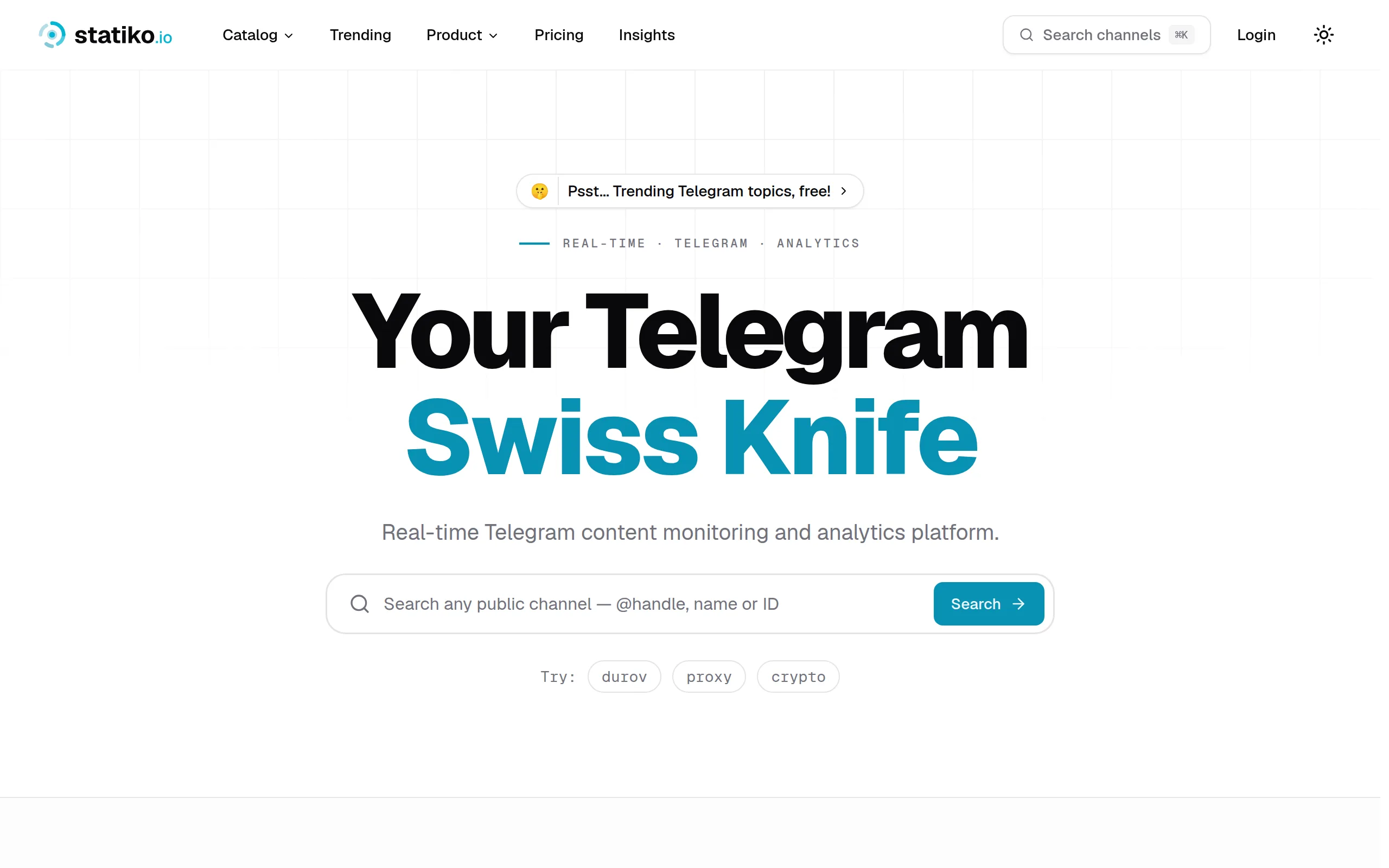
Statiko
Monitor any Telegram channel in real time - track posts, edits, deletions, and growth with AI recaps 📡

Shibui
AI website builder - describe your business, pick a niche template, edit by chatting, and publish instantly ✨

Pro Service
Find verified home service professionals, compare quotes, and pay securely through escrow - built for Brazilians across the US 🏠
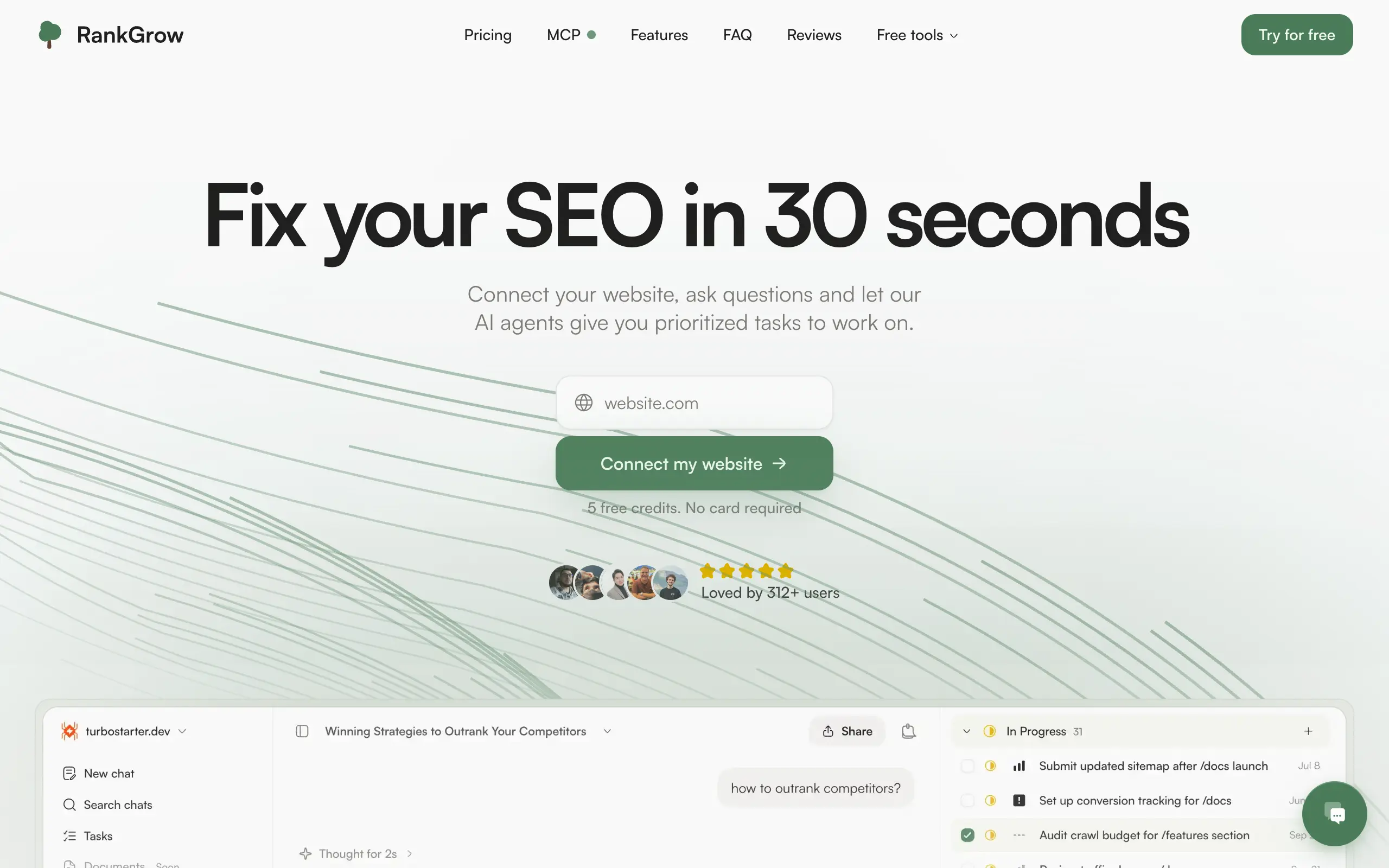
RankGrow
Fix your SEO with AI agents - connect Search Console, get prioritized tasks, and grow organic traffic 📈
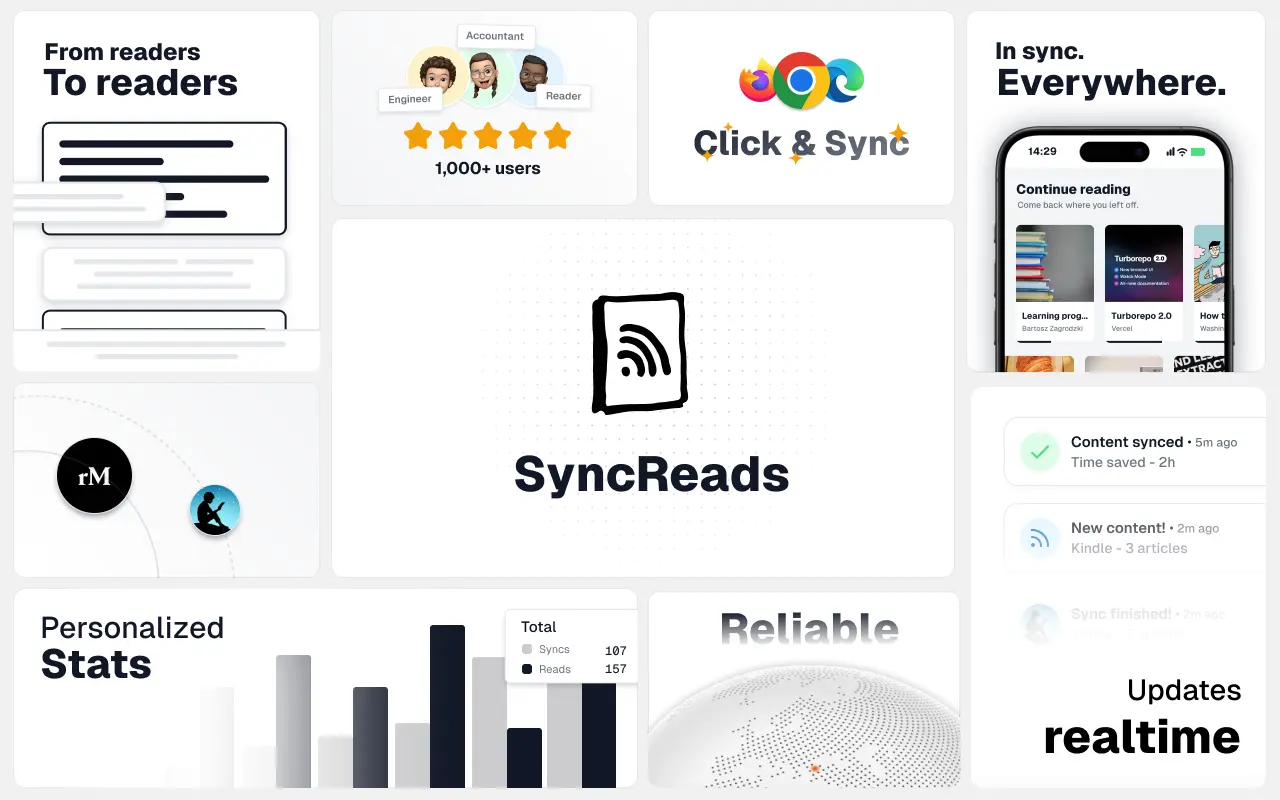
SyncReads
Sync your favorite content for distraction-free reading, save time and replace multiple apps. Anytime, anywhere 🔄
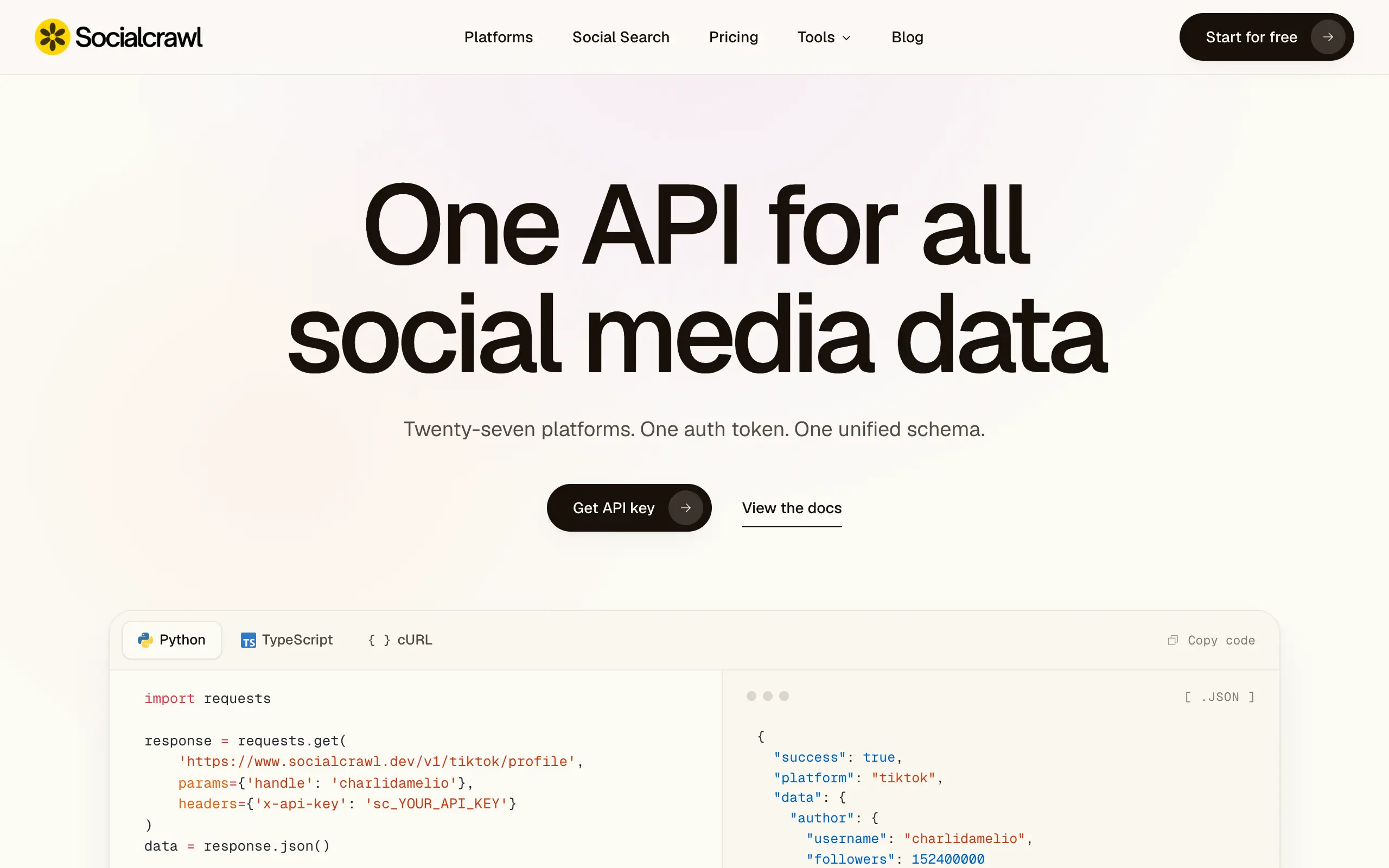
Socialcrawl
Get clean, structured data from 21 platforms like TikTok, Instagram, and YouTube with a single request 📊
Statiko
Monitor any Telegram channel in real time - track posts, edits, deletions, and growth with AI recaps 📡
Shibui
AI website builder - describe your business, pick a niche template, edit by chatting, and publish instantly ✨
Pro Service
Find verified home service professionals, compare quotes, and pay securely through escrow - built for Brazilians across the US 🏠
RankGrow
Fix your SEO with AI agents - connect Search Console, get prioritized tasks, and grow organic traffic 📈
SyncReads
Sync your favorite content for distraction-free reading, save time and replace multiple apps. Anytime, anywhere 🔄
Socialcrawl
Get clean, structured data from 21 platforms like TikTok, Instagram, and YouTube with a single request 📊
Statiko
Monitor any Telegram channel in real time - track posts, edits, deletions, and growth with AI recaps 📡
Shibui
AI website builder - describe your business, pick a niche template, edit by chatting, and publish instantly ✨
Pro Service
Find verified home service professionals, compare quotes, and pay securely through escrow - built for Brazilians across the US 🏠
RankGrow
Fix your SEO with AI agents - connect Search Console, get prioritized tasks, and grow organic traffic 📈
SyncReads
Sync your favorite content for distraction-free reading, save time and replace multiple apps. Anytime, anywhere 🔄
Socialcrawl
Get clean, structured data from 21 platforms like TikTok, Instagram, and YouTube with a single request 📊
Statiko
Monitor any Telegram channel in real time - track posts, edits, deletions, and growth with AI recaps 📡
Shibui
AI website builder - describe your business, pick a niche template, edit by chatting, and publish instantly ✨
Pro Service
Find verified home service professionals, compare quotes, and pay securely through escrow - built for Brazilians across the US 🏠
RankGrow
Fix your SEO with AI agents - connect Search Console, get prioritized tasks, and grow organic traffic 📈
SyncReads
Sync your favorite content for distraction-free reading, save time and replace multiple apps. Anytime, anywhere 🔄
Socialcrawl
Get clean, structured data from 21 platforms like TikTok, Instagram, and YouTube with a single request 📊
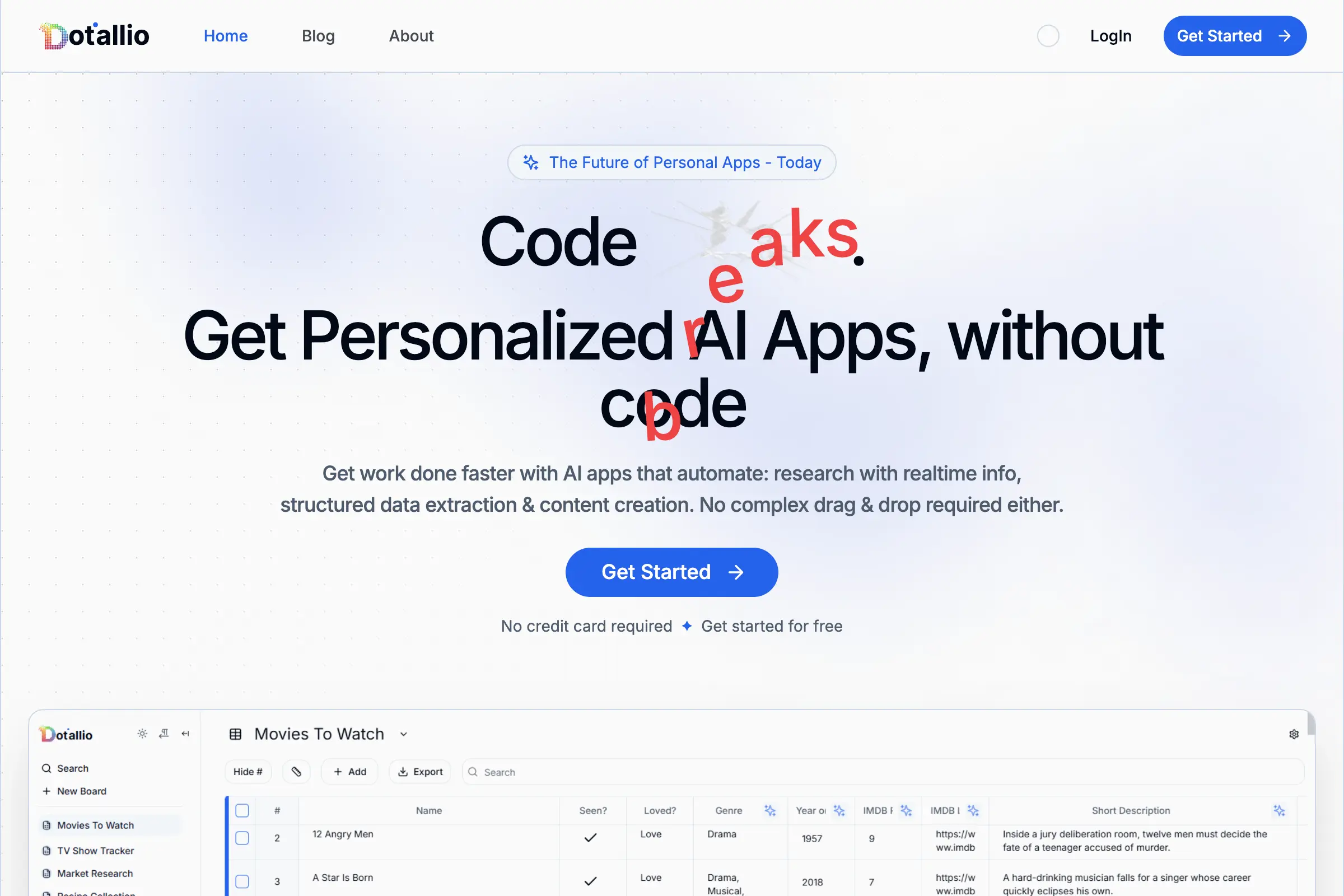
Dotallio
Personalized AI apps that automate research, data extraction, and content creation without code 🤖

Talk to Santa
Enjoy a magical live video chat or receive a unique AI-generated video greeting from Santa Claus 🎅

pozywka.pl
Scalable blog for food journalist, focused on performance and user experience 🌭
zagrodzki.me
Personal blog and portfolio of Bart Zagrodzki, where he shares his knowledge and work 💼
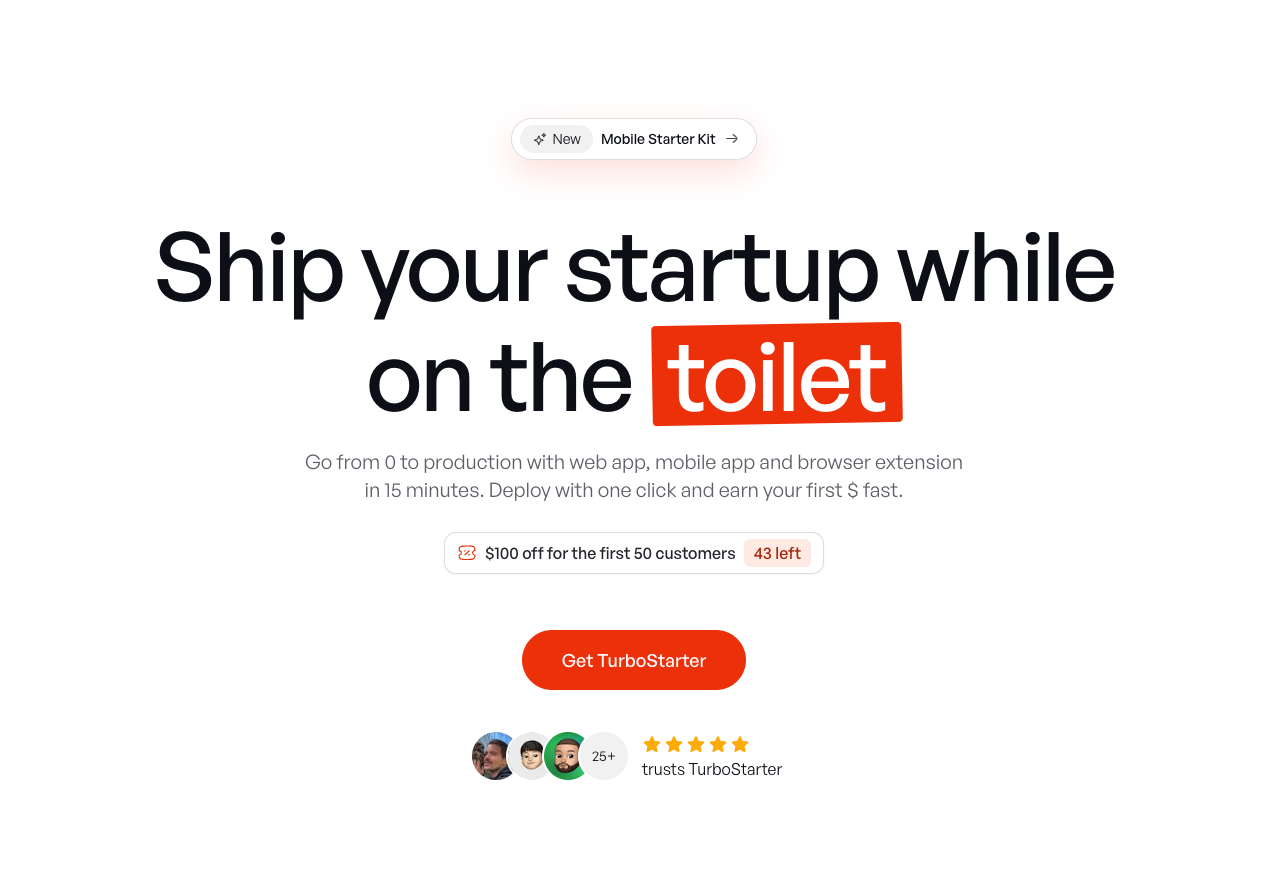
TurboStarter
Ship your startup everywhere. In minutes.
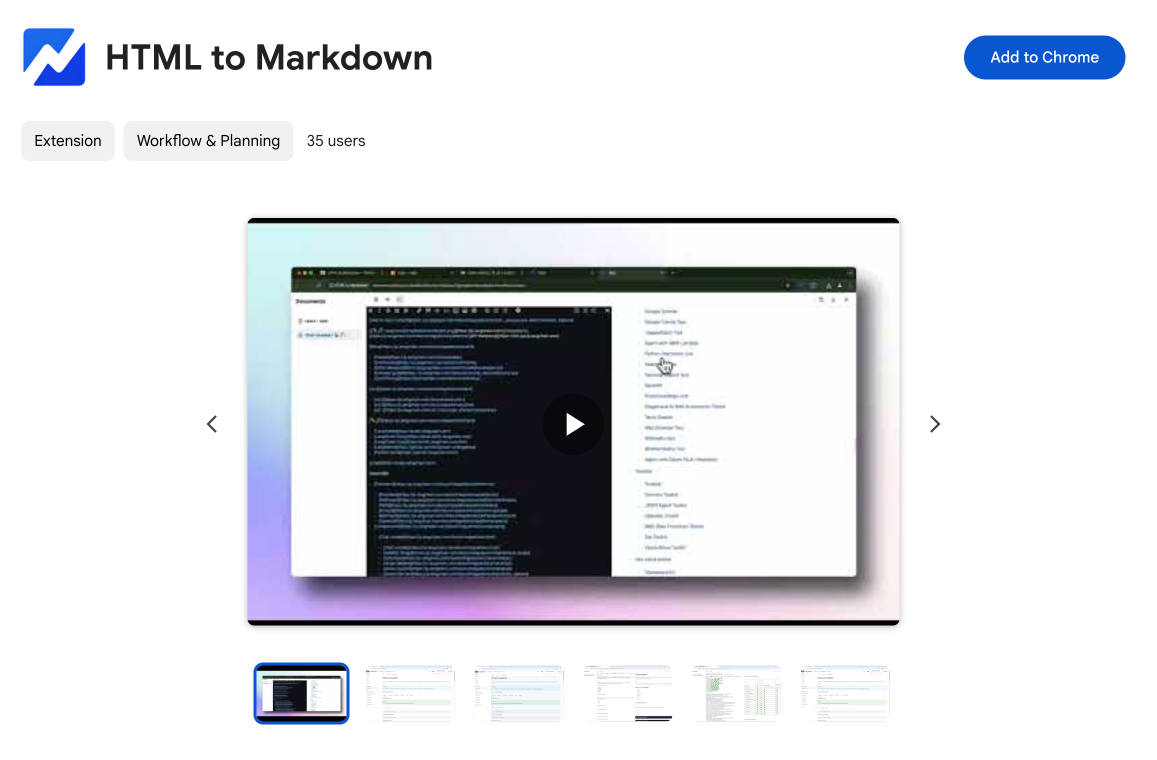
HTML to Markdown
Convert HTML to Markdown with ease, directly in your browser 📄
Dotallio
Personalized AI apps that automate research, data extraction, and content creation without code 🤖
Talk to Santa
Enjoy a magical live video chat or receive a unique AI-generated video greeting from Santa Claus 🎅
pozywka.pl
Scalable blog for food journalist, focused on performance and user experience 🌭
zagrodzki.me
Personal blog and portfolio of Bart Zagrodzki, where he shares his knowledge and work 💼
TurboStarter
Ship your startup everywhere. In minutes.
HTML to Markdown
Convert HTML to Markdown with ease, directly in your browser 📄
Dotallio
Personalized AI apps that automate research, data extraction, and content creation without code 🤖
Talk to Santa
Enjoy a magical live video chat or receive a unique AI-generated video greeting from Santa Claus 🎅
pozywka.pl
Scalable blog for food journalist, focused on performance and user experience 🌭
zagrodzki.me
Personal blog and portfolio of Bart Zagrodzki, where he shares his knowledge and work 💼
TurboStarter
Ship your startup everywhere. In minutes.
HTML to Markdown
Convert HTML to Markdown with ease, directly in your browser 📄
Dotallio
Personalized AI apps that automate research, data extraction, and content creation without code 🤖
Talk to Santa
Enjoy a magical live video chat or receive a unique AI-generated video greeting from Santa Claus 🎅
pozywka.pl
Scalable blog for food journalist, focused on performance and user experience 🌭
zagrodzki.me
Personal blog and portfolio of Bart Zagrodzki, where he shares his knowledge and work 💼
TurboStarter
Ship your startup everywhere. In minutes.
HTML to Markdown
Convert HTML to Markdown with ease, directly in your browser 📄
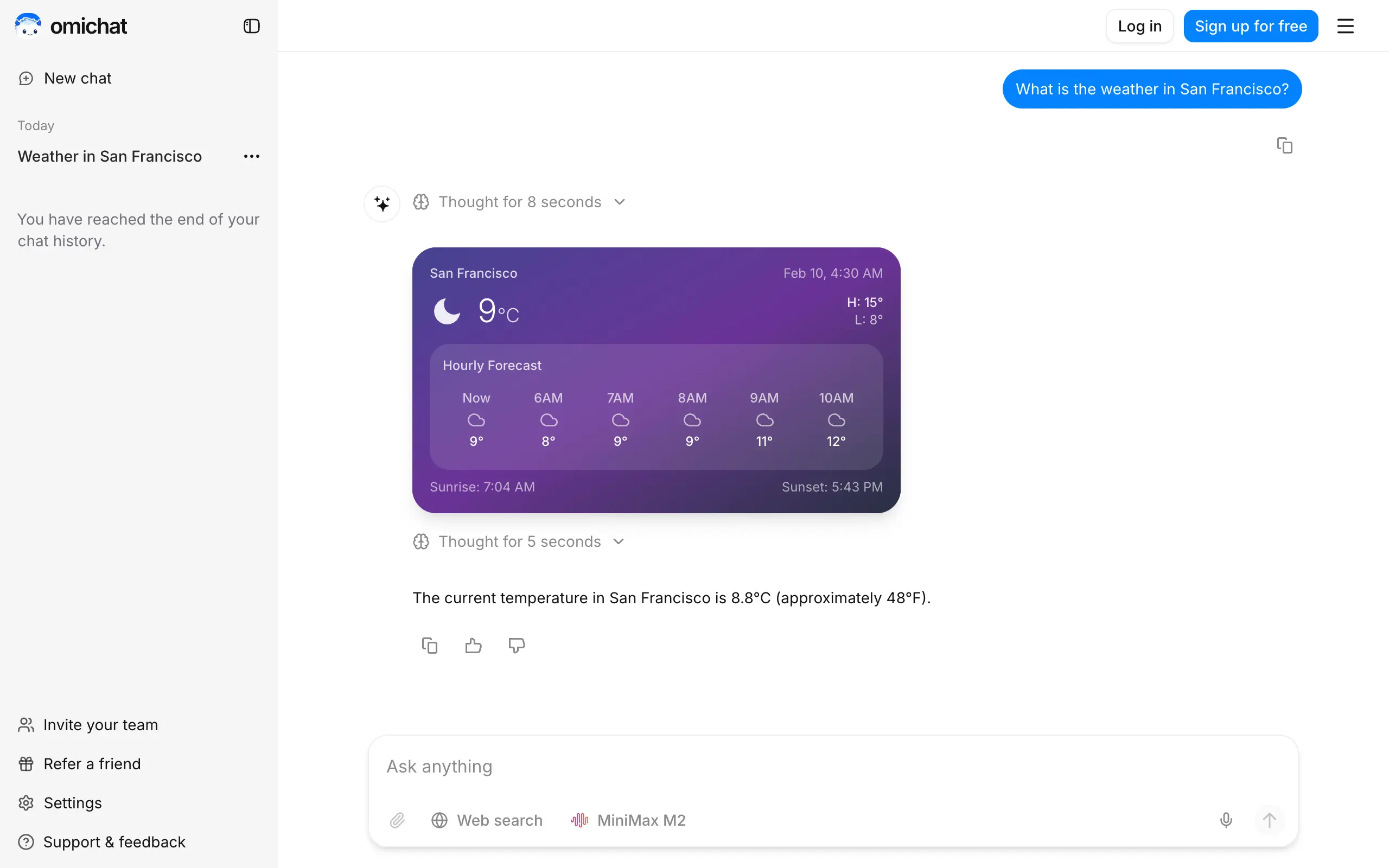
Omichat
Chat with 50+ AI models, including ChatGPT and Claude, in one place - switch models anytime without losing context 🤖
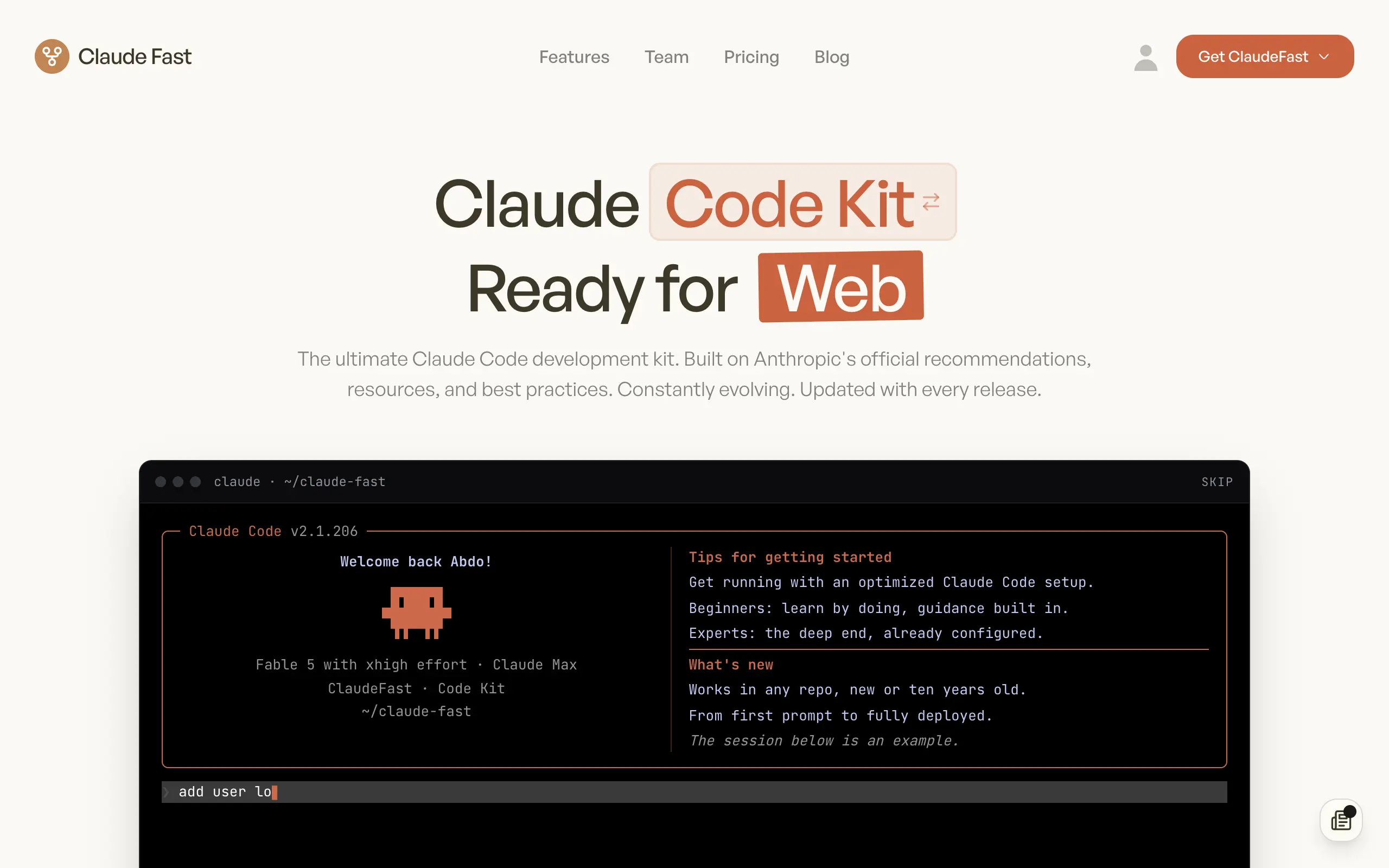
Claude Fast
Supercharge your Claude Code with 6x effective context window and specialized AI agents 🤖
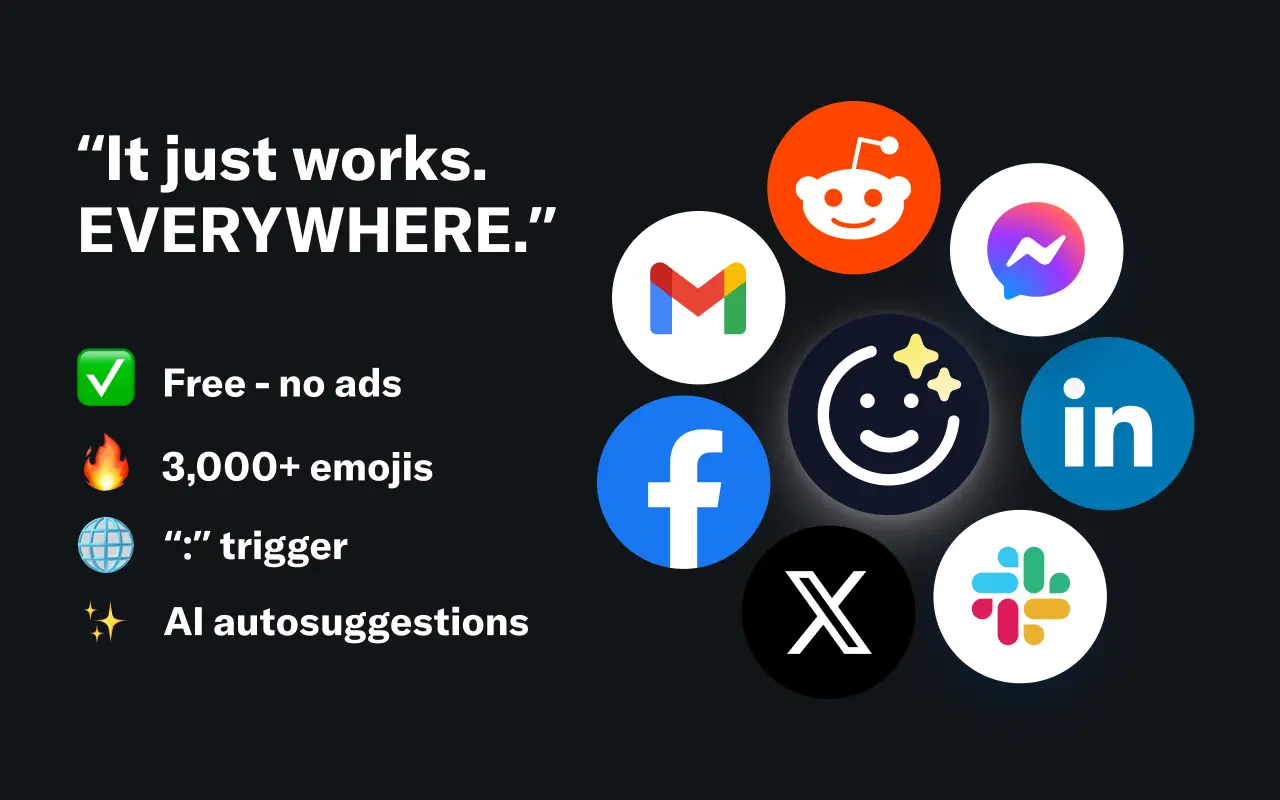
EmojAI
AI-powered emoji picker with smart, context-aware suggestions 🤖
Solohacker
Autonomous company launcher - AI agents work 24/7, escalate what matters, and you stay in control 🤖
BeRawi: Storytelling Coach
Practice storytelling daily with instant feedback to sound clearer, more engaging, and confident 🎤
Omichat
Chat with 50+ AI models, including ChatGPT and Claude, in one place - switch models anytime without losing context 🤖
Claude Fast
Supercharge your Claude Code with 6x effective context window and specialized AI agents 🤖
EmojAI
AI-powered emoji picker with smart, context-aware suggestions 🤖
Solohacker
Autonomous company launcher - AI agents work 24/7, escalate what matters, and you stay in control 🤖
BeRawi: Storytelling Coach
Practice storytelling daily with instant feedback to sound clearer, more engaging, and confident 🎤
Omichat
Chat with 50+ AI models, including ChatGPT and Claude, in one place - switch models anytime without losing context 🤖
Claude Fast
Supercharge your Claude Code with 6x effective context window and specialized AI agents 🤖
EmojAI
AI-powered emoji picker with smart, context-aware suggestions 🤖
Solohacker
Autonomous company launcher - AI agents work 24/7, escalate what matters, and you stay in control 🤖
BeRawi: Storytelling Coach
Practice storytelling daily with instant feedback to sound clearer, more engaging, and confident 🎤
Omichat
Chat with 50+ AI models, including ChatGPT and Claude, in one place - switch models anytime without losing context 🤖
Claude Fast
Supercharge your Claude Code with 6x effective context window and specialized AI agents 🤖
EmojAI
AI-powered emoji picker with smart, context-aware suggestions 🤖
Solohacker
Autonomous company launcher - AI agents work 24/7, escalate what matters, and you stay in control 🤖
BeRawi: Storytelling Coach
Practice storytelling daily with instant feedback to sound clearer, more engaging, and confident 🎤

Connect with like-minded people
Join our community to get feedback, support, and grow together with 1,000+ builders on board, let's ship it!
Join usShip your startup everywhere. In minutes.
Don't burn tokens on setup and start building features on day one.